29 Books Banned in the United States and Celebrated Elsewhere
Book bans rarely follow logic that travels well across borders. A novel pulled from a school library in one state might be a required text in another country’s curriculum, taught by the same kind of teachers who are, elsewhere, being told to remove it from their shelves.
The following titles have all faced formal bans, restrictions, or removals somewhere in the United States, whether from school districts, libraries, or prisons, while simultaneously holding a place of honor in classrooms, literary canons, or national pride abroad.
The Bluest Eye by Toni Morrison
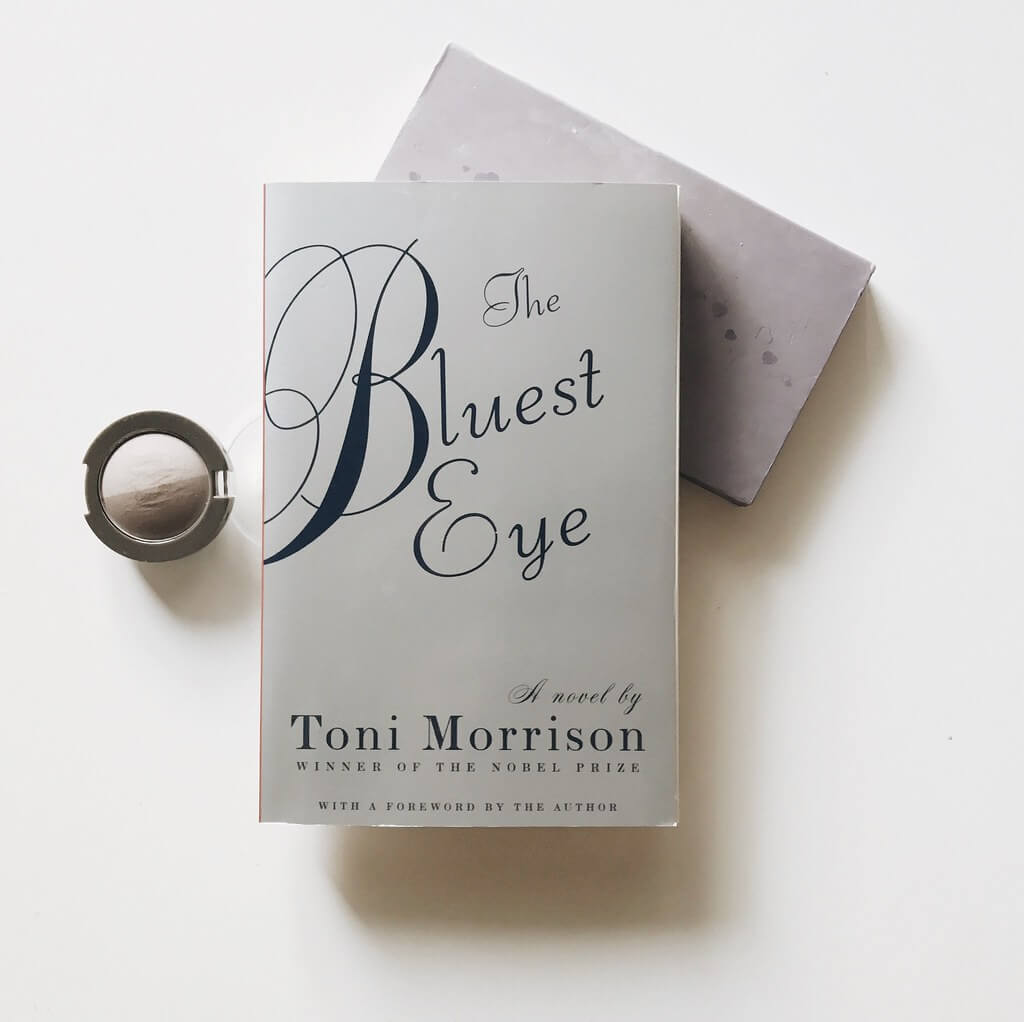
Morrison’s 1970 debut novel, which examines racism and trauma through the eyes of a young Black girl, has been challenged or removed from school reading lists in numerous American states over the past two decades. In much of the rest of the world, Morrison’s work is treated as foundational American literature, and she remains the only African American woman to win the Nobel Prize in Literature, awarded in 1993.
The gap between her domestic censorship and international honors is frequently cited by literary scholars.
Beloved by Toni Morrison
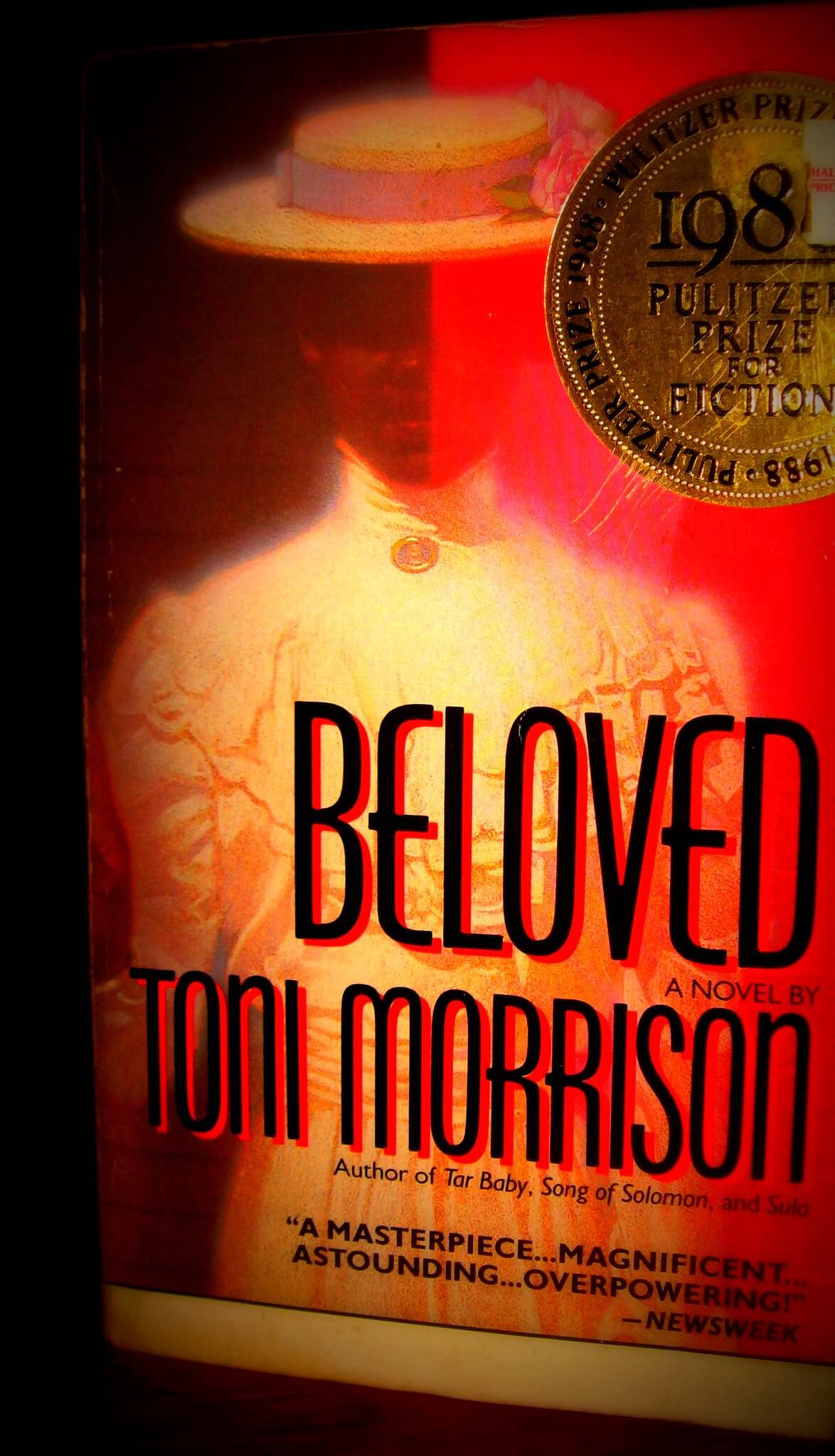
Morrison’s Pulitzer Prize-winning 1987 novel about the lingering trauma of slavery has faced repeated challenges in American school districts, including a widely publicized case in Virginia that became a flashpoint in state politics. The novel is taught internationally as a landmark work addressing the psychological legacy of slavery and has been translated into dozens of languages.
Its removal from some American classrooms stands in contrast to its continued presence on university syllabi worldwide.
The Handmaid’s Tale by Margaret Atwood
Atwood’s 1985 dystopian novel about a totalitarian theocracy has been challenged in American schools for its depictions of violence and religious themes, despite being written explicitly as a warning against authoritarian control. In Canada, Atwood’s home country, the novel is treated as a national literary treasure and is a staple of high school and university curricula.
Its adaptation into an internationally acclaimed television series has only deepened its global stature even as domestic challenges continue.
Slaughterhouse-Five by Kurt Vonnegut
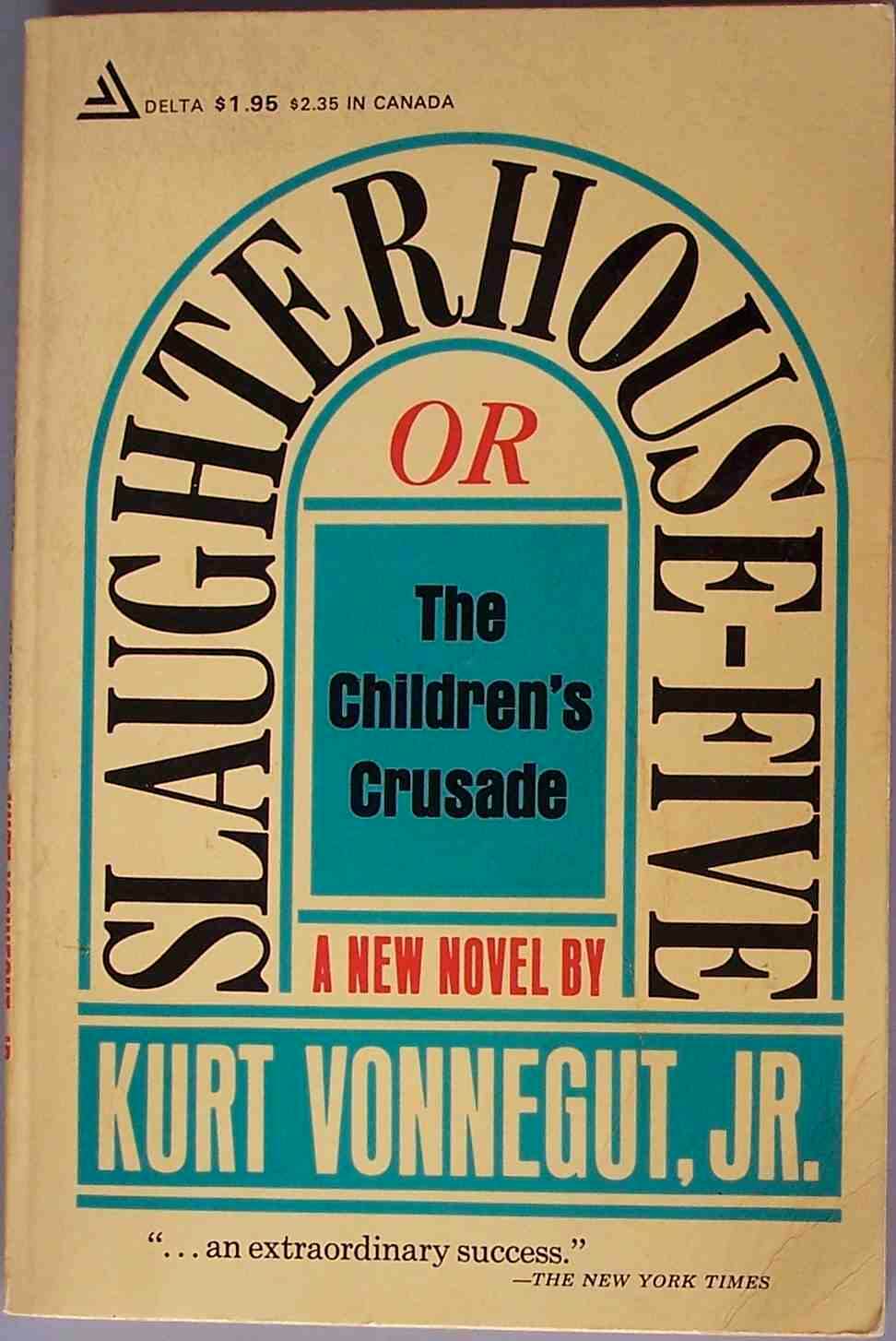
Vonnegut’s 1969 anti-war novel, drawing on his own experience surviving the firebombing of Dresden as a prisoner of war, has been banned or challenged in American schools since its publication, including a notable case in Michigan in the mid-1970s. The novel remains widely taught across Europe, particularly in Germany, where its unflinching account of Allied bombing carries specific historical weight.
Its status as an anti-war classic sits uneasily with its repeated targeting in domestic censorship battles.
The Kite Runner by Khaled Hosseini

Hosseini’s 2003 novel about friendship and betrayal in Afghanistan has been removed from some American school curricula over a violent assault scene that the author has said was essential to the story’s honesty. The book has been embraced internationally, including in translated editions across the Middle East and South Asia, as one of the most significant contemporary Afghan diaspora novels.
Its removal from some U.S. classrooms contrasts with its continued use in literature courses worldwide.
Persepolis by Marjane Satrapi
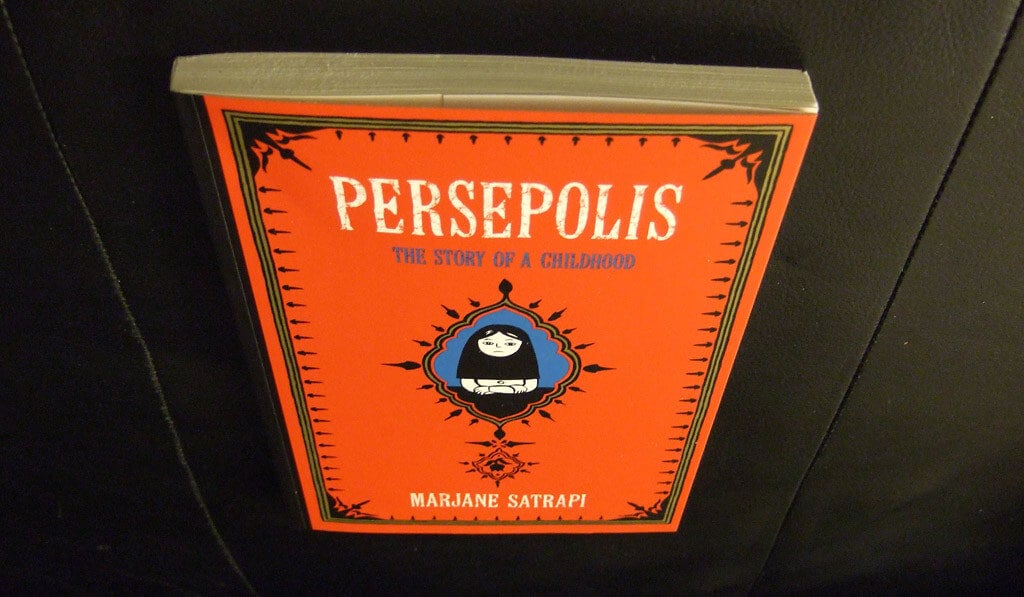
Satrapi’s graphic memoir about growing up during the Iranian Revolution was removed from Chicago Public Schools’ curriculum in 2013 following objections to its depictions of violence, a decision that prompted student protests. The book is widely taught in European schools and universities as a significant work of graphic memoir and modern Iranian history.
Its restriction in an American school district became a notable case study in debates over graphic novels as legitimate literature.
The Absolutely True Diary of a Part-Time Indian by Sherman Alexie
Alexie’s semi-autobiographical novel about a Native American teenager has consistently ranked among the most challenged books in American libraries due to its language and depictions of poverty and substance abuse. The book has received numerous international literary honors, including the National Book Award, and is taught in university courses on Indigenous literature well beyond the United States.
Its frequent challenges have not diminished its standing as a significant contemporary work on reservation life.
Brave New World by Aldous Huxley
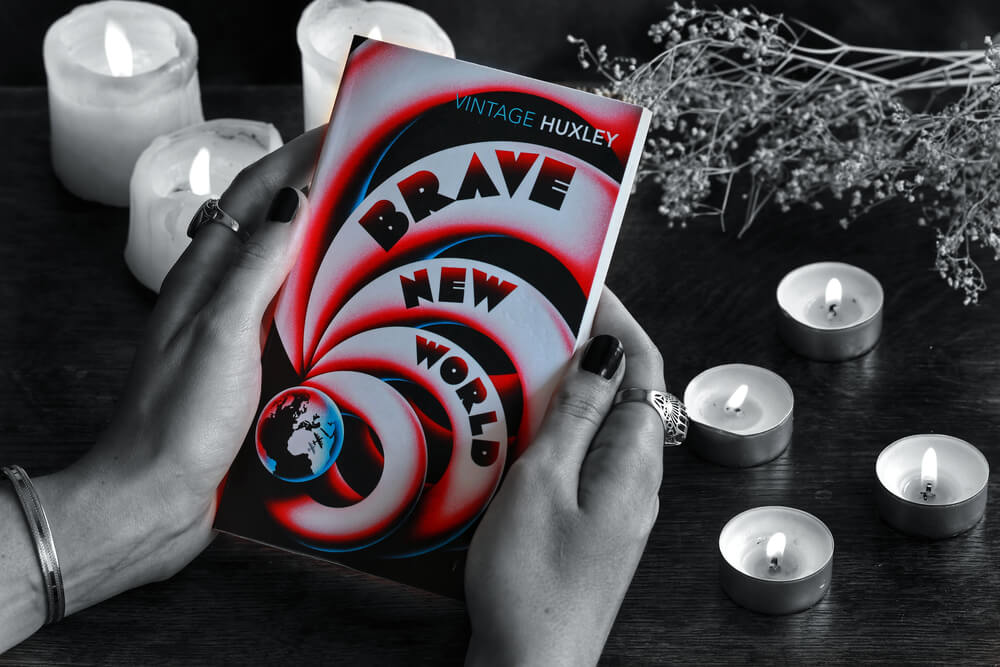
Huxley’s 1932 dystopian novel has faced periodic challenges in American schools over its depictions of drug use and controlled reproduction since its publication. It remains a staple of British secondary school curricula, where Huxley is regarded as a central figure in twentieth-century English literature.
The novel’s continued relevance to conversations about technology and social control has kept it firmly embedded in international academic canons.
1984 by George Orwell
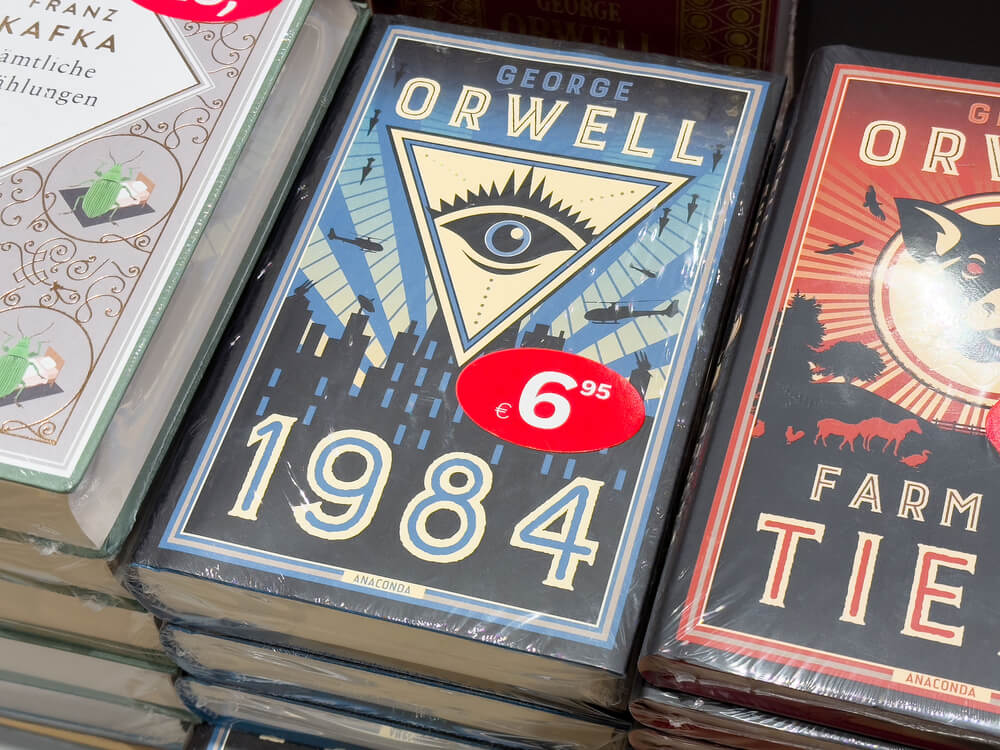
Orwell’s 1949 novel about totalitarian surveillance has faced periodic challenges in American schools and, notably, was restricted in some Soviet bloc countries during the Cold War for its explicit critique of authoritarianism. It remains one of the most widely taught novels in British schools and is frequently cited by international human rights organizations.
Its fluctuating reception across different political contexts illustrates how directly its themes have been felt by the governments it was written to criticize.
Animal Farm by George Orwell
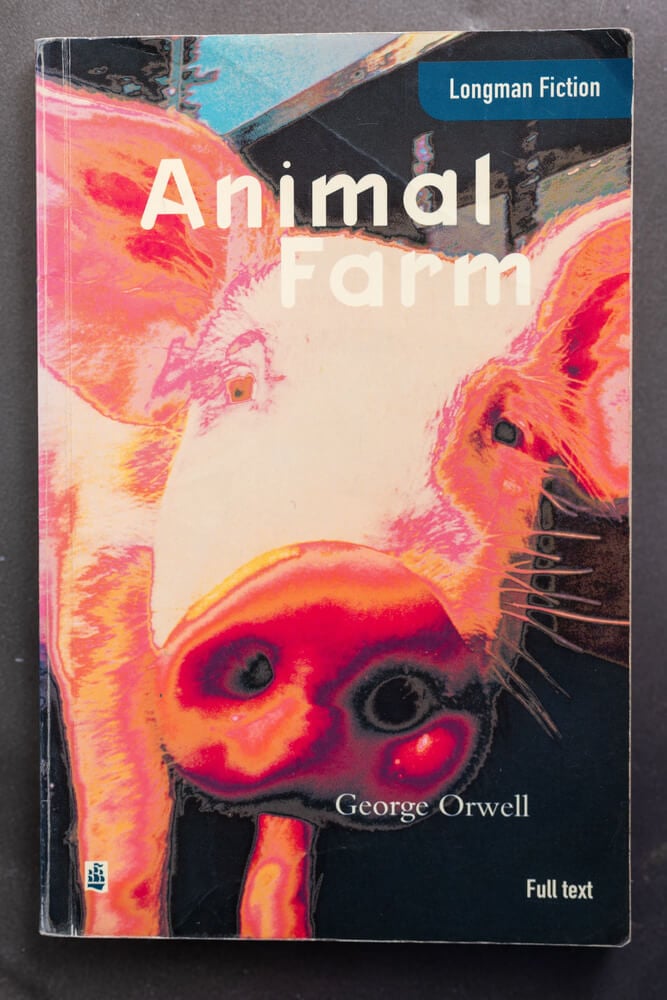
Orwell’s 1945 allegorical novel about the corruption of revolutionary ideals was banned in the Soviet Union and other communist states for decades due to its critique of Stalinism, while facing separate, unrelated challenges in some American schools over political content. It remains a fixture of British literature curricula and is widely translated and taught internationally as a foundational political allegory.
Its dual history of censorship in opposite political contexts makes it one of the most instructive examples of banned literature’s shifting fortunes.
The Color Purple by Alice Walker
Walker’s Pulitzer Prize-winning 1982 epistolary novel has faced repeated bans in American school districts over its depictions of violence and its frank content. The novel remains a celebrated text in African diaspora literature courses internationally and was adapted into both a film and a Broadway musical that toured globally.
Its continued academic standing abroad contrasts with its frequent presence on American banned-book lists.
Fahrenheit 451 by Ray Bradbury
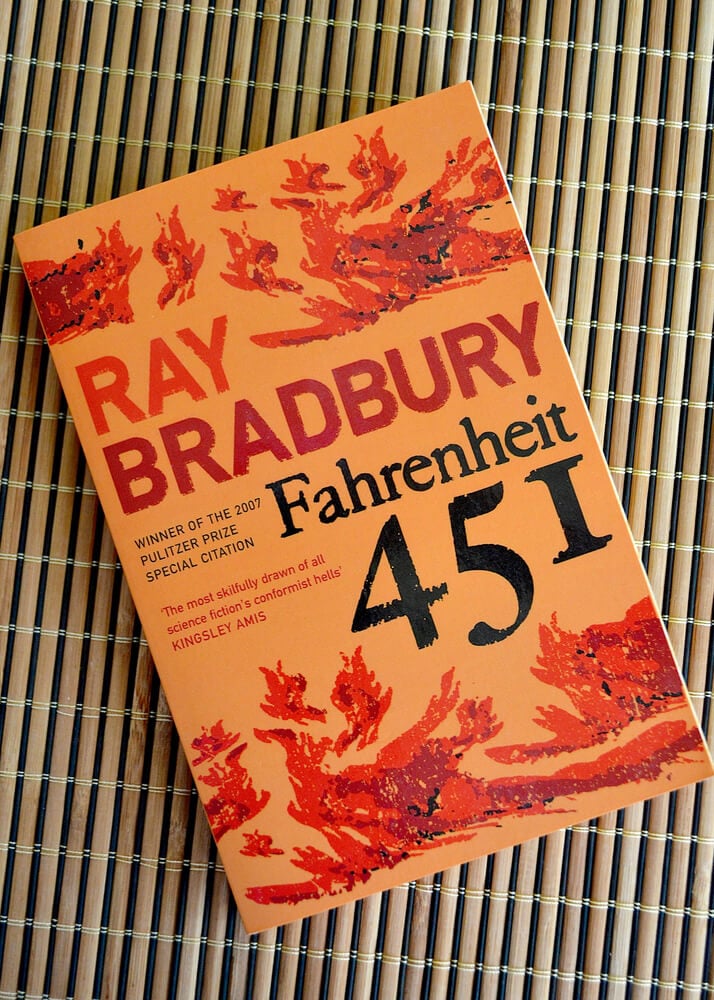
Bradbury’s 1953 novel about a future where books are burned by the state has, in a frequently noted irony, itself been censored and edited in some American school editions, including a version with profanity removed without the author’s initial knowledge. The novel remains a staple of international curricula addressing censorship and free expression.
Its own history of being altered for American classrooms is often cited as an unintentional real-world illustration of its central theme.
The Perks of Being a Wallflower by Stephen Chbosky
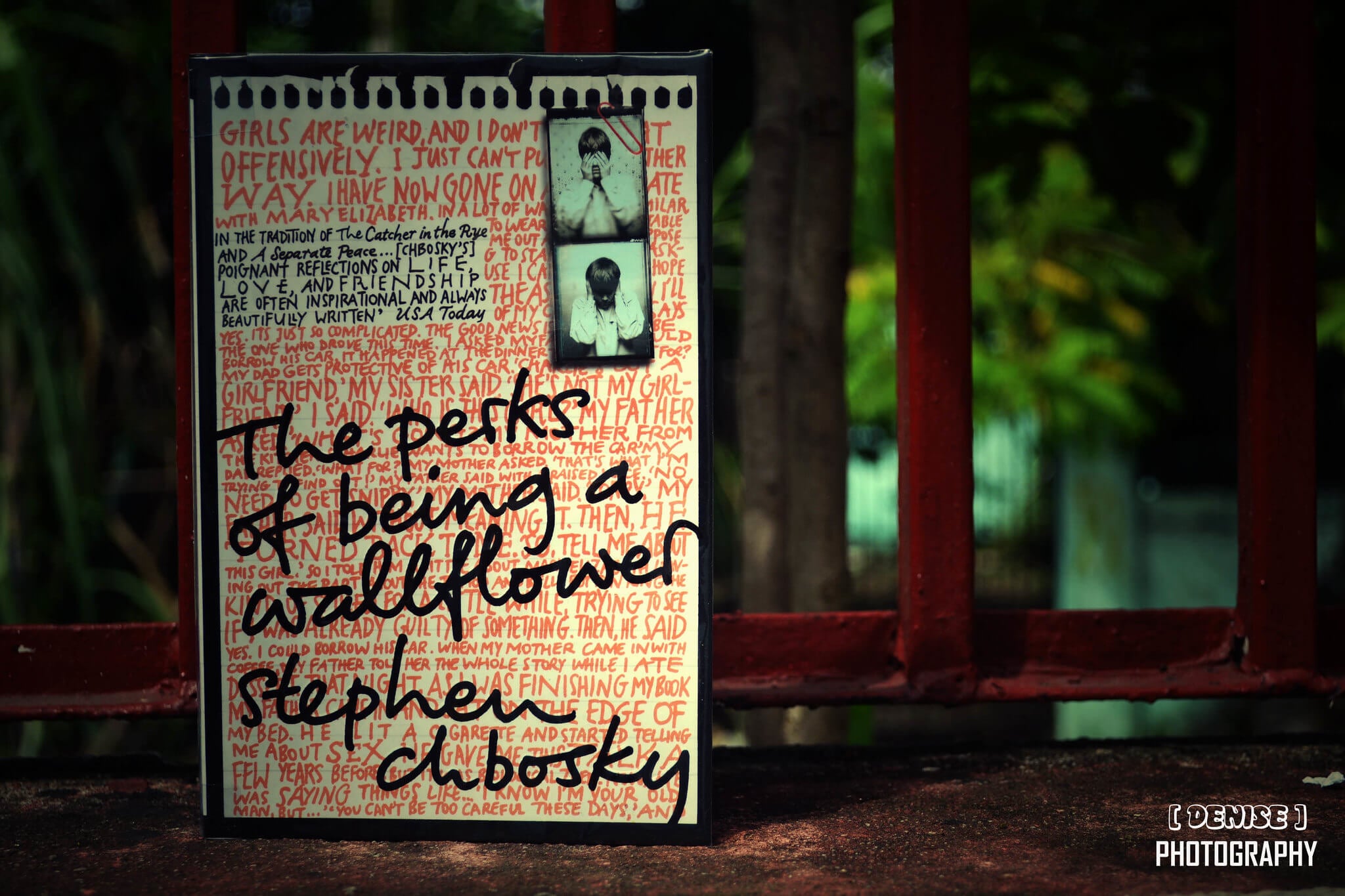
Chbosky’s 1999 coming-of-age novel has consistently ranked among the most challenged books in American schools due to its depictions of substance use and trauma. The book has been translated into numerous languages and remains popular in international young-adult literature courses, particularly following the success of its 2012 film adaptation.
Its themes of trauma and mental health, cited domestically as reasons for restriction, are frequently cited internationally as reasons for its literary and educational value.
The Diary of a Young Girl by Anne Frank
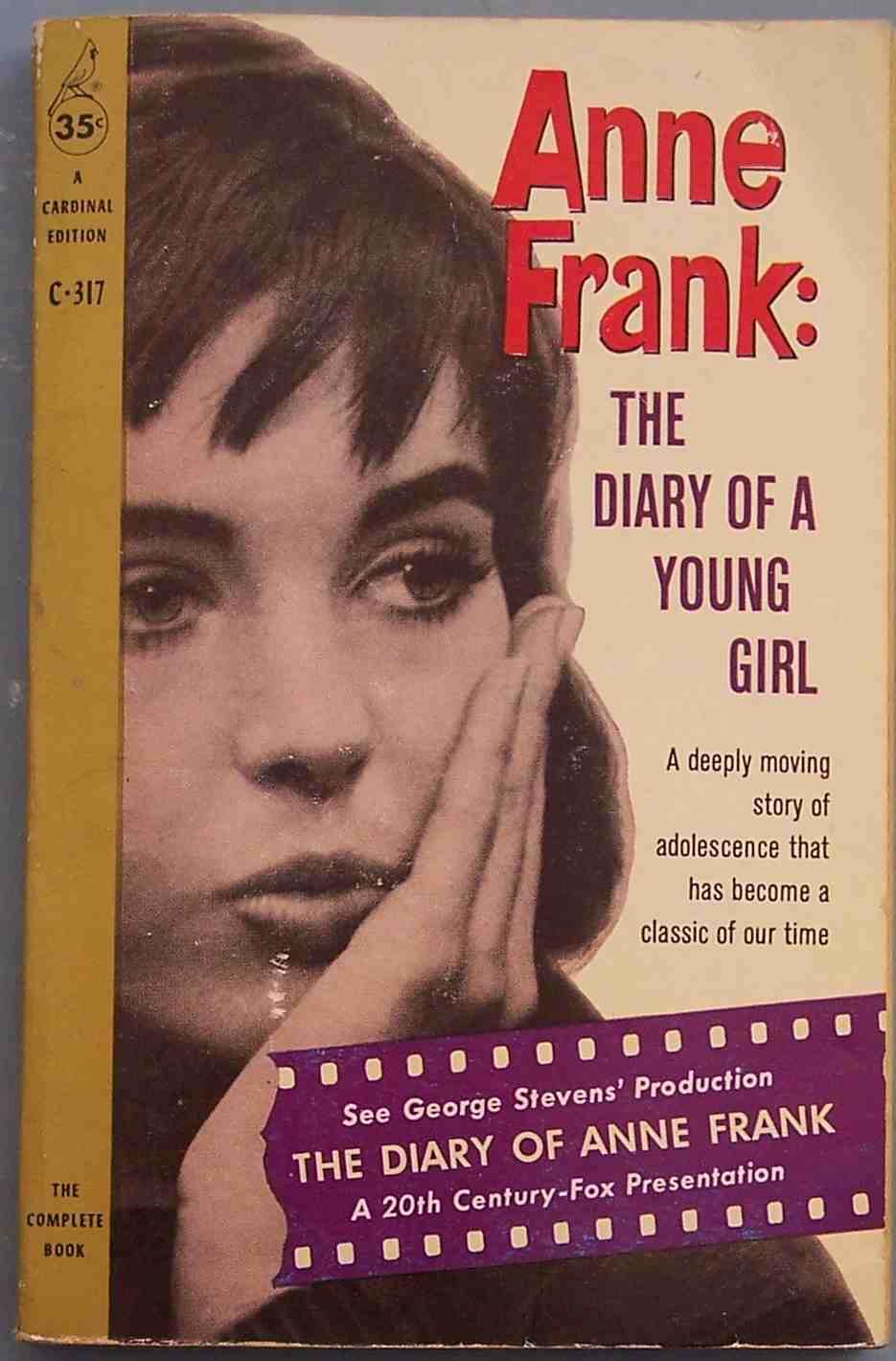
Anne Frank’s wartime diary has faced isolated challenges and edition disputes in some American school districts, including objections to passages in an unabridged edition. The diary remains one of the most widely read and taught texts in the Netherlands and across Europe, where Frank’s story is treated as central to Holocaust education.
Restrictions on the unabridged edition in a small number of American districts stand in contrast to its status as required reading throughout much of Europe.
The Grapes of Wrath by John Steinbeck
Steinbeck’s 1939 novel about Dust Bowl migrants faced bans and even public book burnings in some American communities upon publication, with some restrictions persisting in later decades over language and political content. The novel remains a celebrated fixture of international literature courses and contributed to Steinbeck’s 1962 Nobel Prize in Literature.
Its early American censorship history is now taught alongside the novel itself as part of its legacy.
Ulysses by James Joyce
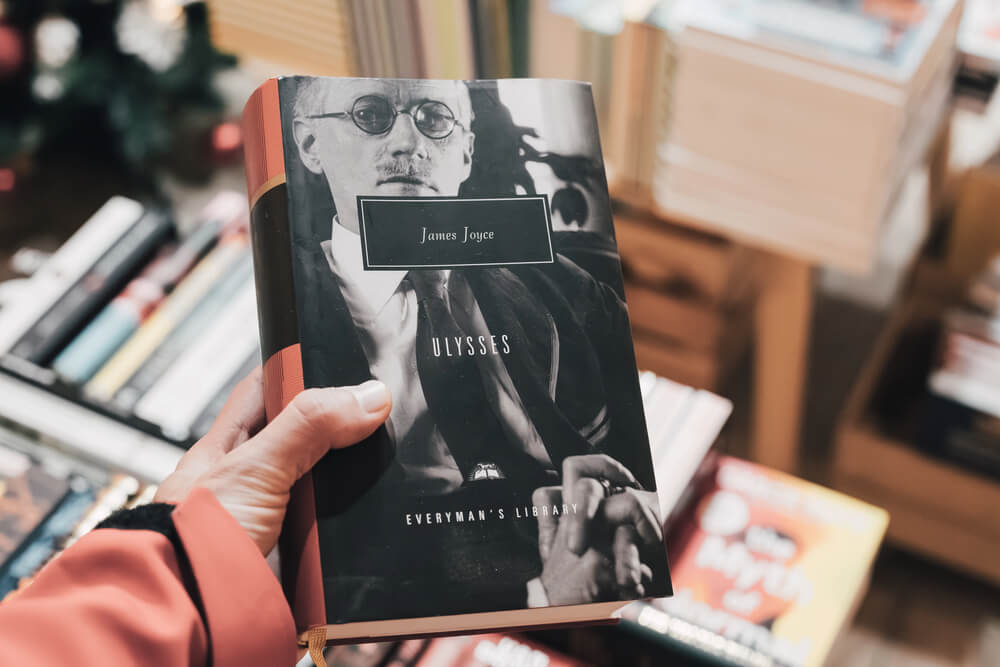
Joyce’s 1922 novel was banned outright in the United States for over a decade following its publication, deemed obscene under federal law until a landmark 1933 court ruling lifted the prohibition. The novel is celebrated in Ireland, Joyce’s home country, as a cornerstone of modern literature, with Dublin hosting an annual international festival, Bloomsday, dedicated entirely to the book.
Its earlier American ban is now taught as a pivotal moment in the legal history of free expression.
Lady Chatterley’s Lover by D.H. Lawrence
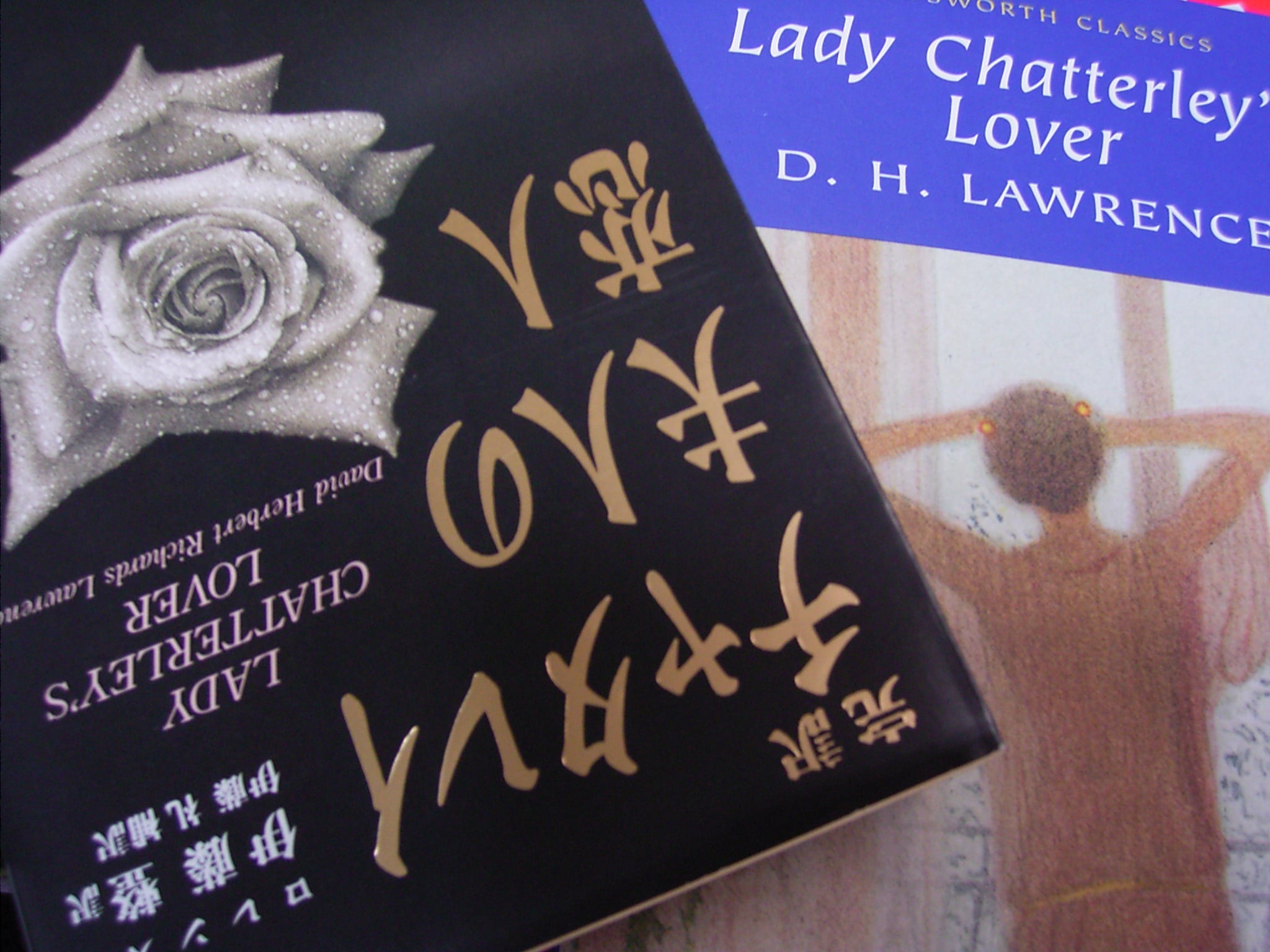
Lawrence’s 1928 novel was banned in the United States and Britain for decades over its explicit content before a series of court rulings in both countries permitted unrestricted publication in the early 1960s. It is now studied throughout Britain as a significant, if once-controversial, work of twentieth-century fiction.
The novel’s censorship trials are frequently taught in international law and literature courses as landmark free-expression cases.
Howl by Allen Ginsberg
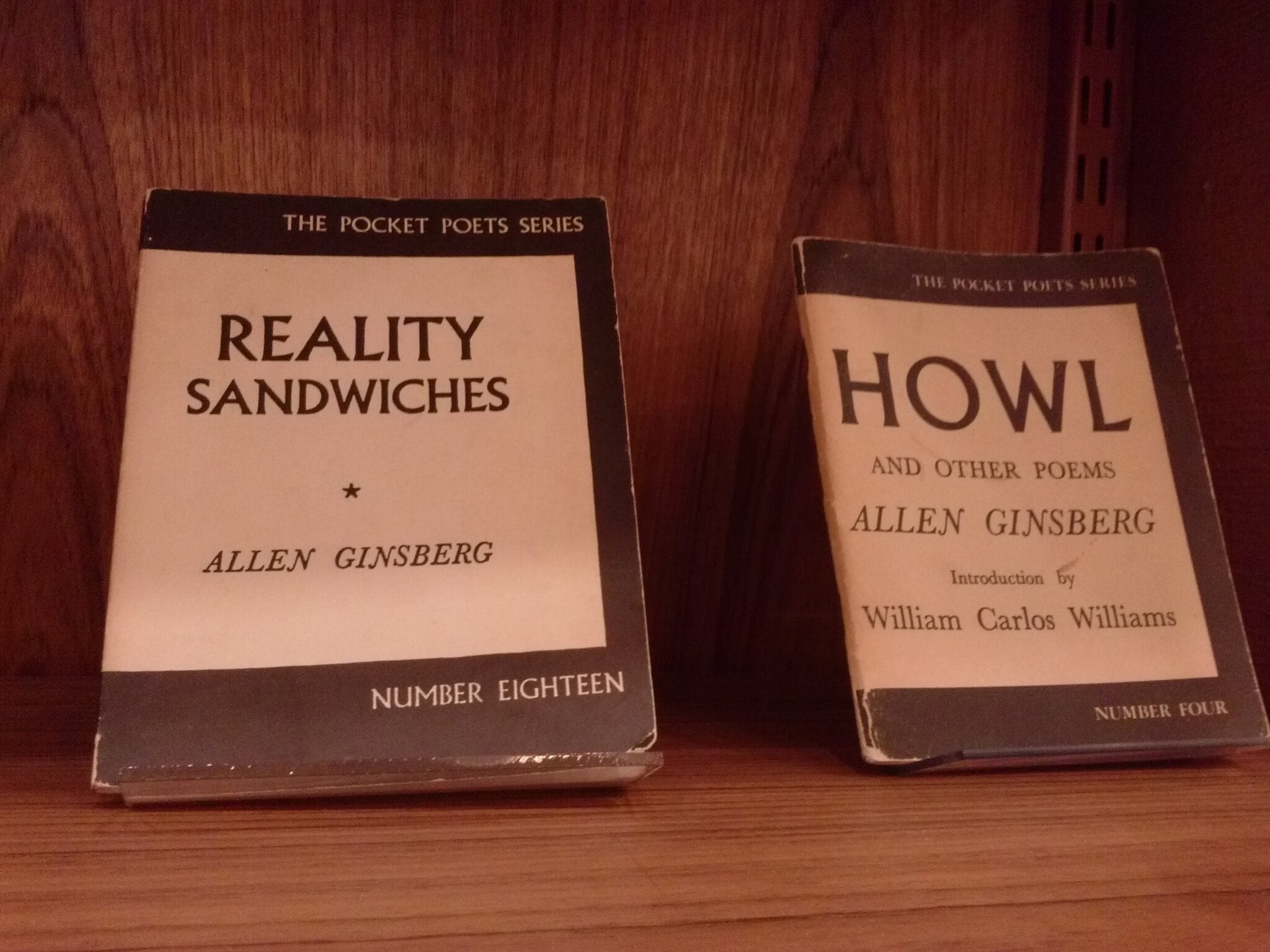
Ginsberg’s 1956 poem was the subject of an obscenity trial after customs officials seized copies imported for sale, though the publisher was ultimately acquitted in a widely covered 1957 court case. The poem remains a celebrated cornerstone of the Beat literary movement and is taught extensively in international courses on twentieth-century American poetry.
Its trial is now treated as a landmark moment in free-speech law rather than a mark against the work itself.
The Satanic Verses by Salman Rushdie
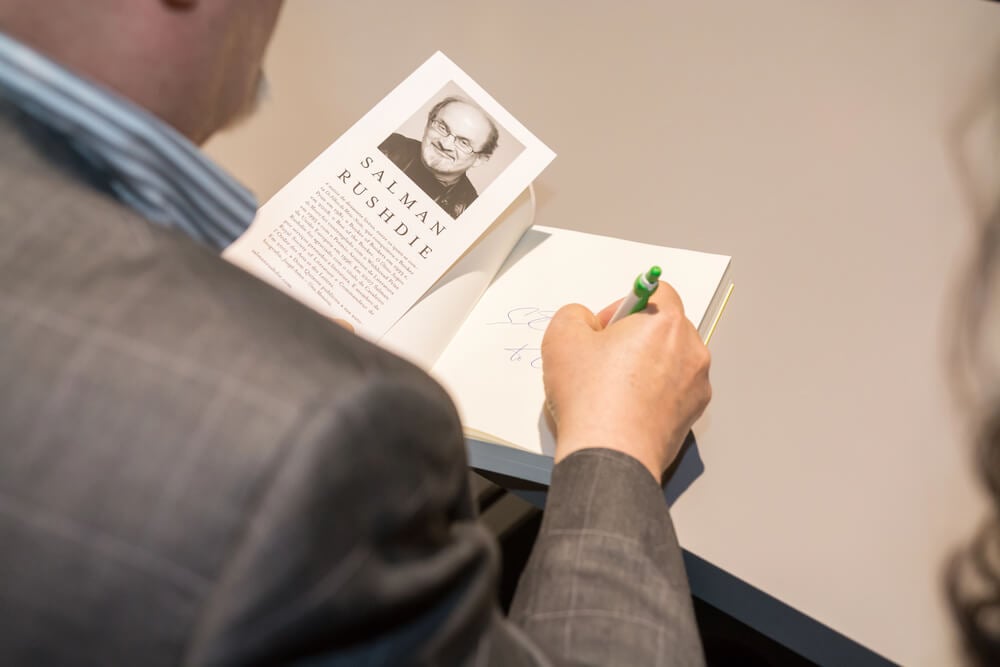
Rushdie’s 1988 novel was never formally banned by the U.S. government, but it prompted certain American bookstore chains to pull it from shelves under safety concerns following international threats against the author, effectively restricting its availability. Despite the controversy, the novel remains celebrated internationally as a landmark of postcolonial and magical realist fiction and helped cement Rushdie’s global literary reputation.
The gap between its informal American retail restriction and its enduring literary stature abroad remains one of the most cited examples in discussions of censorship through intimidation.
Native Son by Richard Wright
Wright’s 1940 novel about racial injustice in Chicago has faced periodic challenges in American school districts over violent content since its publication. It remains a foundational text in international courses on African American literature and protest fiction, cited by scholars worldwide as a precursor to later civil rights-era writing.
Its continued academic prominence abroad has not shielded it from repeated domestic classroom restrictions.
Doctor Zhivago by Boris Pasternak
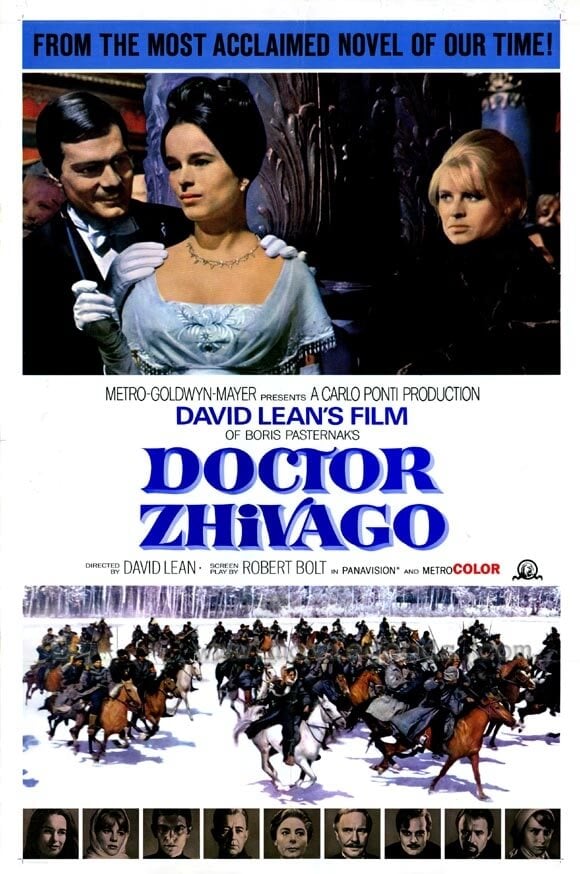
Pasternak’s 1957 novel was banned in the Soviet Union for decades and could only be published abroad. The novel earned Pasternak the Nobel Prize in Literature in 1958, though Soviet authorities forced him to decline the honor under political pressure.
It remains celebrated across Europe as both a literary work and a symbol of Cold War-era artistic suppression, a history distinct from the more recent, unrelated challenges some American schools have raised over mature content in other titles on this list.
The Bell Jar by Sylvia Plath
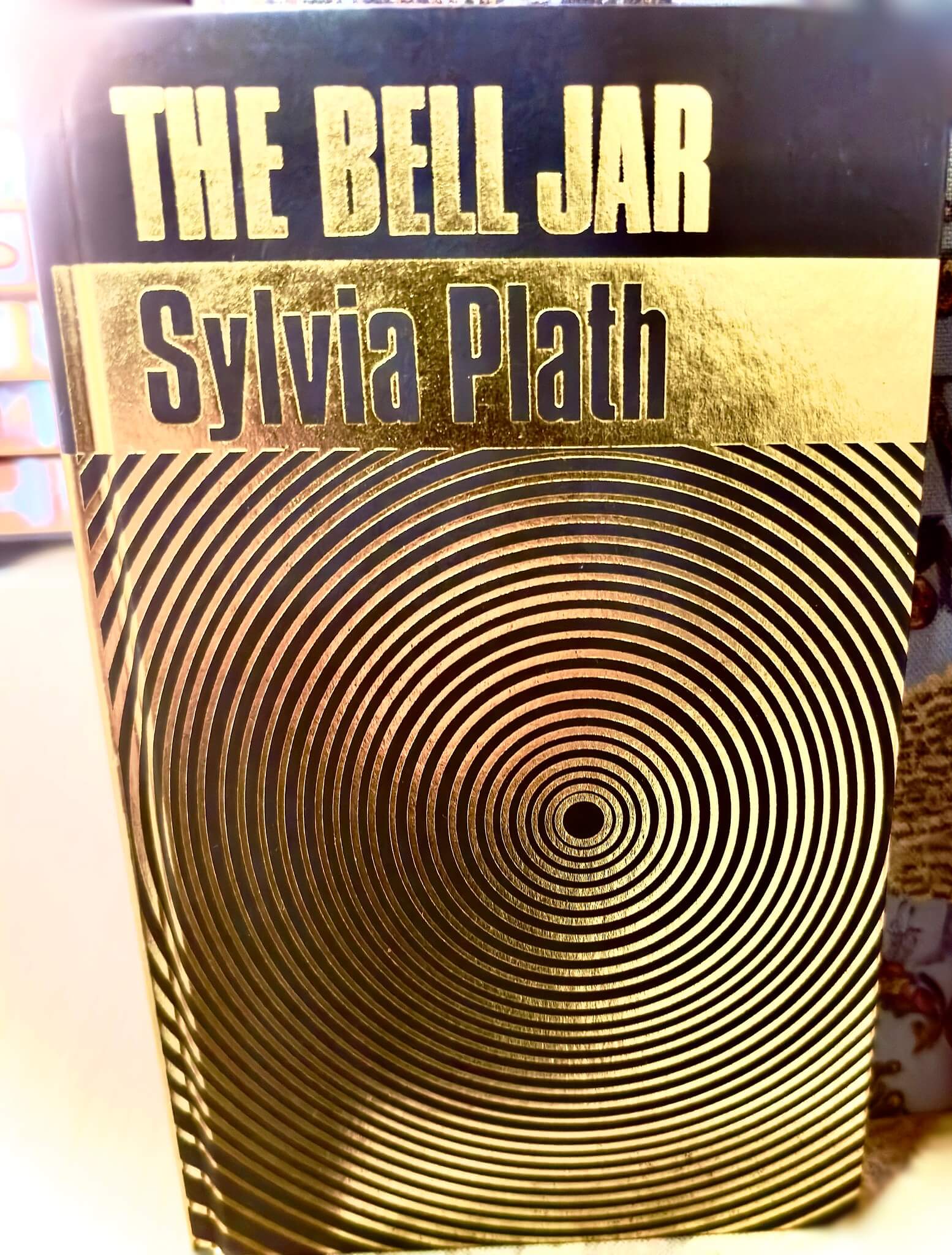
Plath’s 1963 semi-autobiographical novel addressing mental illness has faced challenges in American school libraries over its themes. The novel remains widely taught in British literature courses, where Plath, who lived and studied in England for years, is regarded as a central figure of twentieth-century poetry and prose.
Its continued academic standing in Britain contrasts with periodic domestic restriction efforts.
And Tango Makes Three by Justin Richardson and Peter Parnell
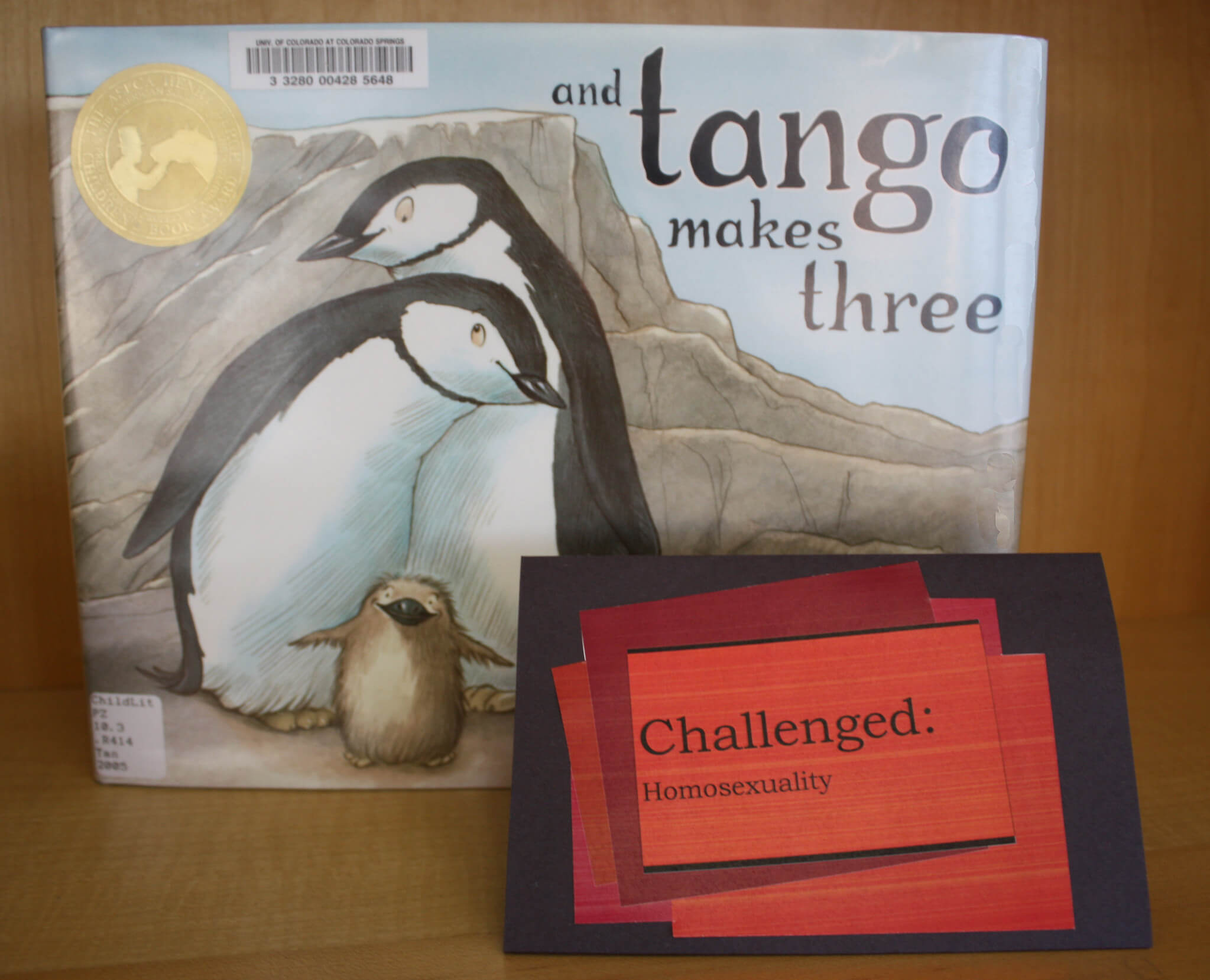
This picture book, based on the true story of two male penguins raising a chick at New York’s Central Park Zoo, has ranked among the most frequently challenged books in American libraries for over a decade. It has been translated and published in numerous countries, where it is frequently used in discussions of family diversity in early childhood education.
Its factual basis in a documented zoo event is often cited by supporters as evidence against claims of inappropriate content.
Gender Queer by Maia Kobabe
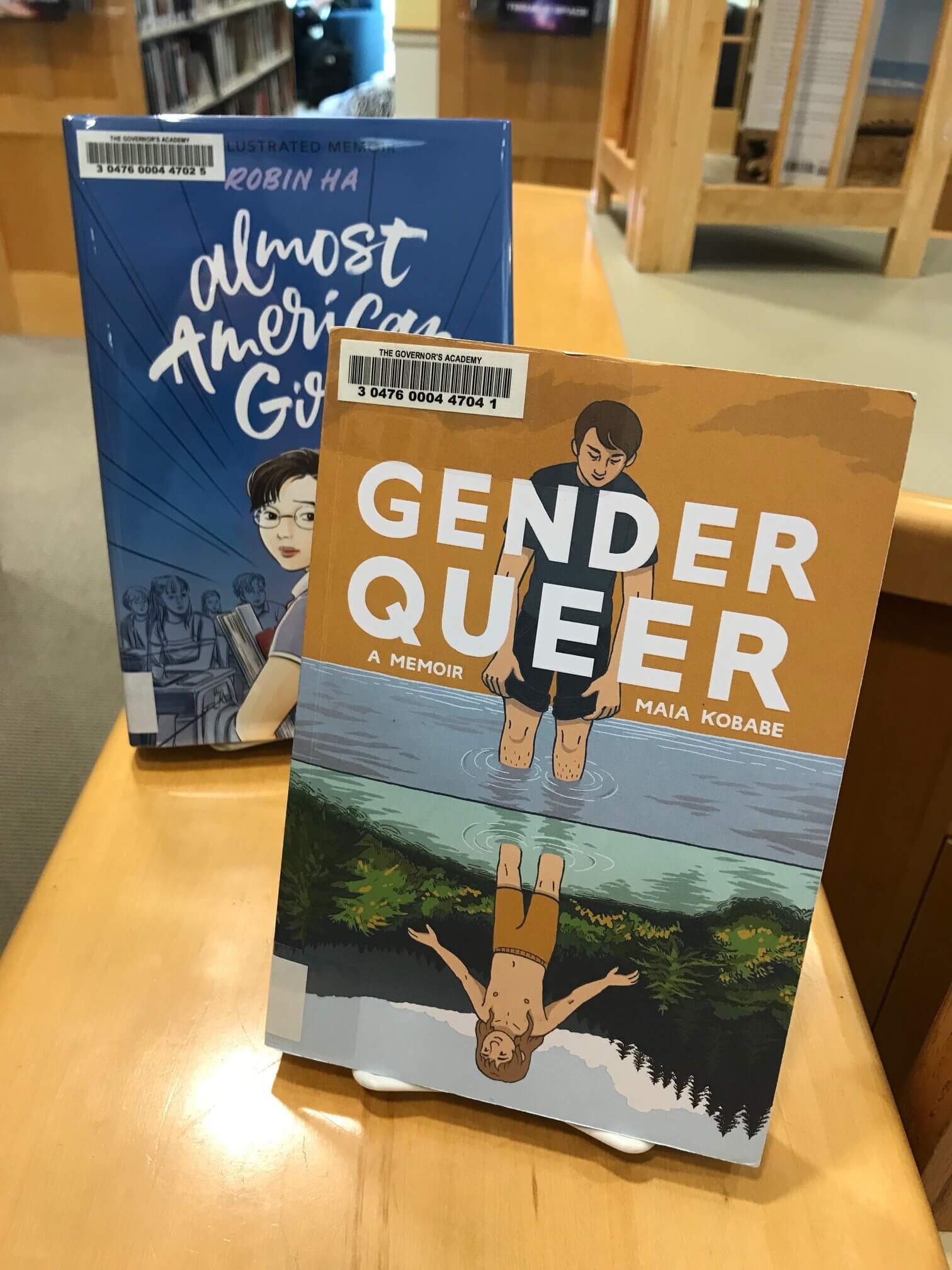
Kobabe’s graphic memoir has been among the most challenged and removed books in American school and public libraries since its 2019 publication, frequently cited in state-level legislative debates over library content. The book received international literary recognition, including an American Library Association award prior to the wave of challenges, and has been published in multiple countries.
Its rapid rise to the top of American ban lists occurred alongside continued critical recognition elsewhere.
Maus by Art Spiegelman
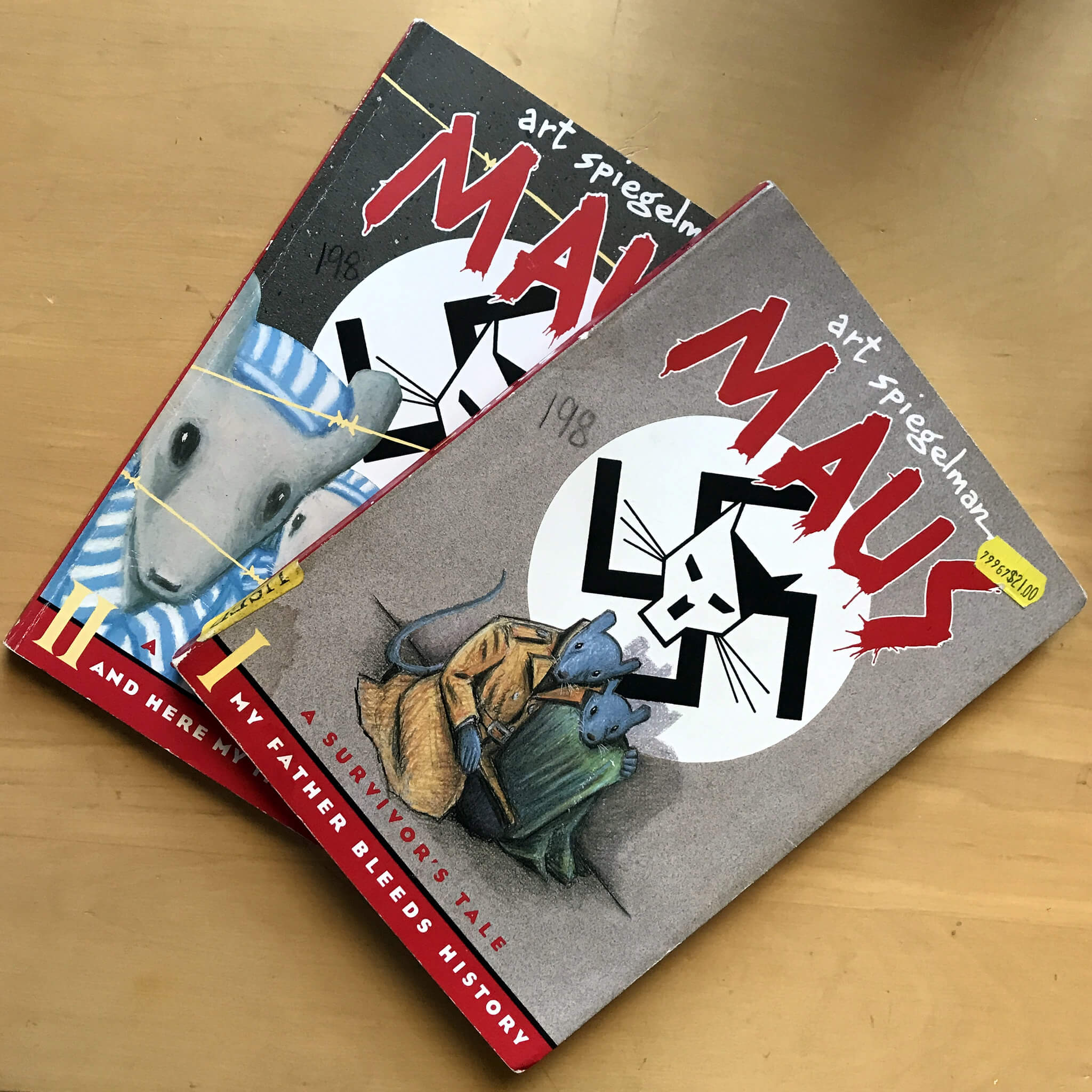
Spiegelman’s Pulitzer Prize-winning graphic novel about the Holocaust was removed from an eighth-grade curriculum in a Tennessee school district in 2022, a decision that drew international news coverage. The book remains widely taught in Holocaust education programs across Europe and is frequently cited by international educators as one of the most effective texts for introducing the subject to younger readers.
The removal briefly made it one of the best-selling books in the country as international attention drove renewed sales.
Speak by Laurie Halse Anderson
Anderson’s 1999 young-adult novel addressing the aftermath of an assault has faced repeated challenges and removal attempts in American school libraries since publication. The novel has been translated into numerous languages and remains a frequently assigned text in international young-adult literature courses addressing trauma and recovery.
Anderson has spoken publicly about receiving letters from readers worldwide describing the novel’s role in their own healing.
All Boys Aren’t Blue by George M. Johnson
Johnson’s memoir-manifesto has ranked among the most banned books in American school and public libraries since its 2020 release, frequently cited in state legislative debates over library content. The book has drawn international attention and translated editions as part of a broader wave of interest in memoirs addressing Black and queer identity.
Its frequent domestic removal has coincided with growing international critical recognition of the work.
The Adventures of Huckleberry Finn by Mark Twain
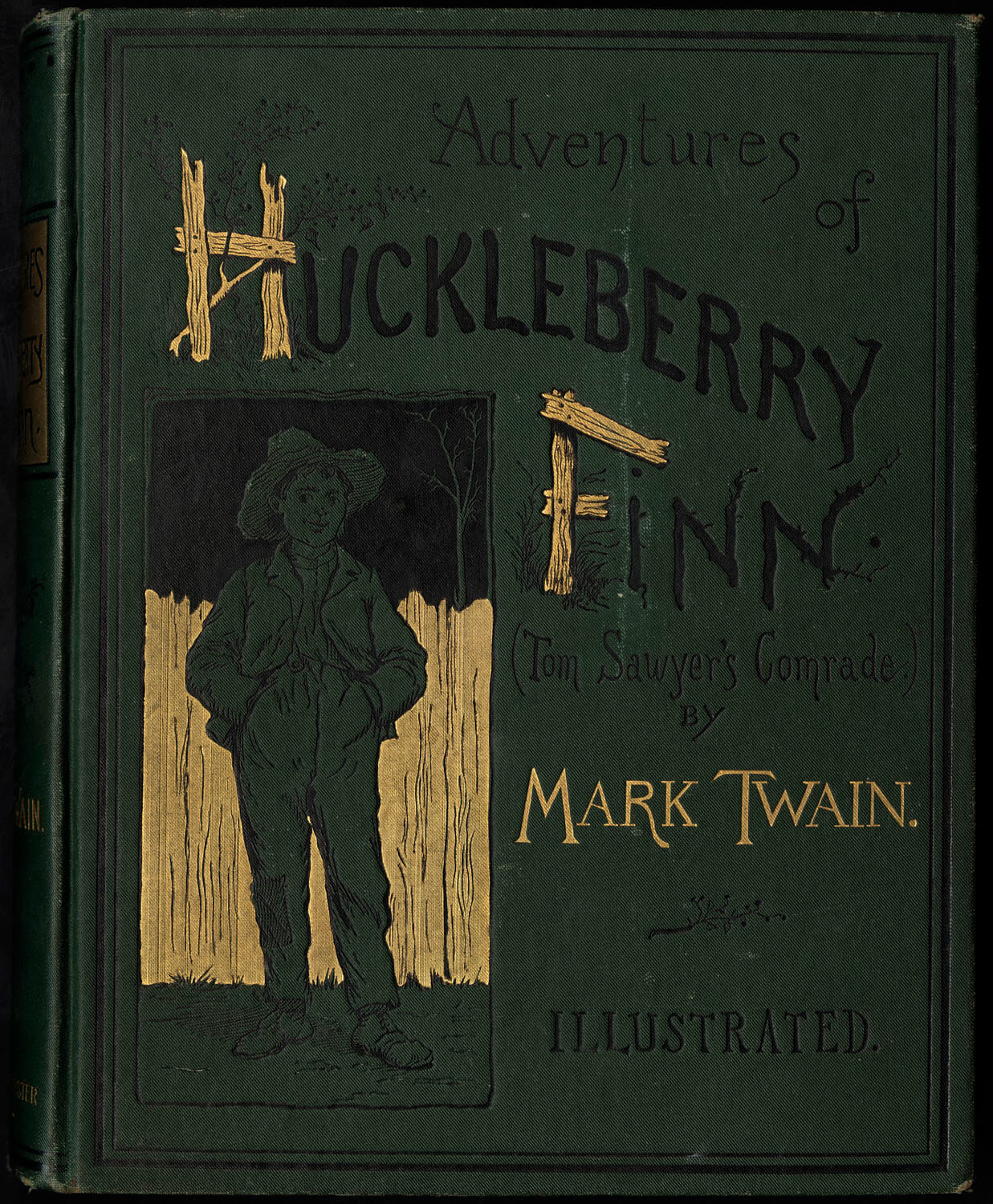
Twain’s 1884 novel has faced challenges and removals from American school reading lists for well over a century, most often over its use of racial language, even as scholars widely regard it as a landmark critique of slavery and Southern society. Ernest Hemingway famously credited it as the source of all modern American literature, a judgment echoed in international literary criticism for decades.
Its continued domestic restriction contrasts with its firm place in the international canon of American fiction.
The Catcher in the Rye by J.D. Salinger
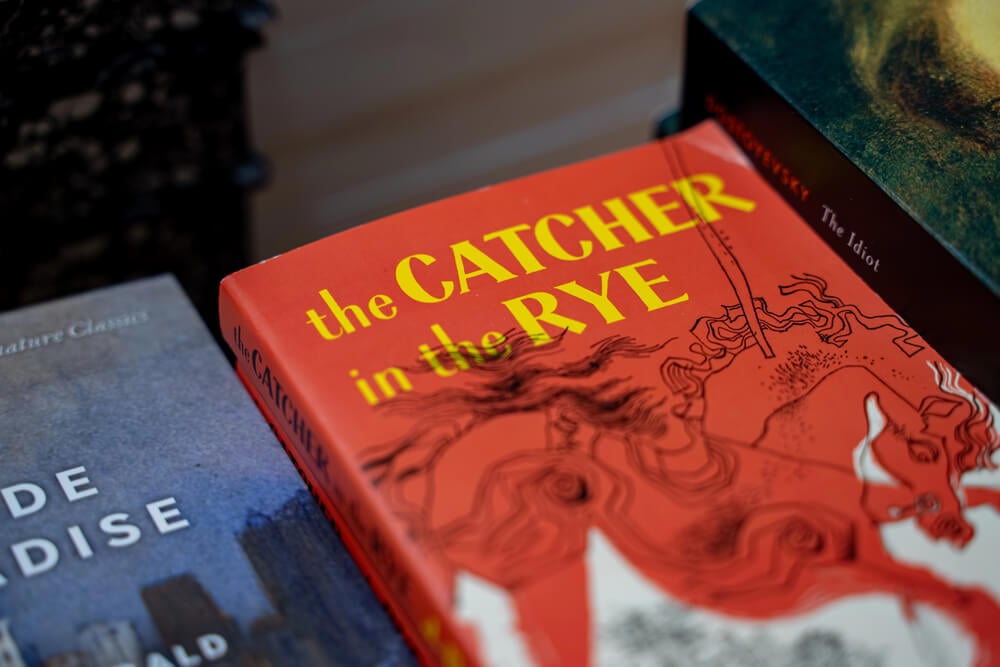
Salinger’s 1951 novel has been one of the most consistently banned or challenged books in American schools since its publication, cited variously for language, rebellious themes, and depictions of alienation. It remains widely taught across international curricula as a defining text of postwar American fiction and a touchstone for coming-of-age storytelling.
Its narrator’s voice has influenced writers worldwide even as individual American school boards have continued to restrict access to it.
Reading Around the Restriction

Every book on this list has, at some point, been defended by someone insisting the removal was about protecting readers rather than restricting ideas. That defense becomes harder to sustain when the same book is simultaneously assigned reading in another country’s classrooms, praised by its literary establishment, or credited by its own readers with helping them process the very experiences the book was accused of promoting.
None of this means every challenge is made in bad faith, or that context never matters. But a pattern this consistent, in which American censorship efforts so often target stories about race, trauma, and political dissent, says less about the books themselves than about which stories a given moment in American life has decided it cannot sit with.
More from Go2Tutors!

- The Romanov Crown Jewels and Their Tragic Fate
- 13 Historical Mysteries That Science Still Can’t Solve
- Famous Hoaxes That Fooled the World for Years
- 15 Child Stars with Tragic Adult Lives
- 16 Famous Jewelry Pieces in History
Like Go2Tutors’s content? Follow us on MSN.