27 Public Figures Whose Second Identity Came Out Later
Some public figures build their reputation on one identity while quietly maintaining another, whether as a spy, a pseudonymous author, a hidden royal, or a person living under an assumed name. The reveal, when it eventually comes, often forces a wholesale rewrite of how the public understood them in the first place.
The cases below span centuries and professions, but they share a common thread: the second identity was not a footnote. In every instance, it changed the meaning of everything that came before it.
Robert Galbraith / J.K. Rowling

In 2013, the crime novel “The Cuckoo’s Calling” was quietly published under the name Robert Galbraith, described in promotional material as a former military police officer. Within months, a leak revealed that Galbraith was in fact J.K. Rowling, author of the Harry Potter series, writing under a pseudonym to be judged without the weight of her existing fame.
Sales of the novel increased by a factor of many thousands once the true authorship became public.
Alan Smithee

For decades, “Alan Smithee” was a standing pseudonym used by Hollywood directors who wanted to disown a film after losing creative control during production, a practice formalized by the Directors Guild of America starting in 1968. The arrangement became public knowledge over time as journalists and film historians pieced together which directors had used the credit and why.
Once its purpose was widely known, the pseudonym lost its usefulness and the guild eventually retired it.
B. Traven
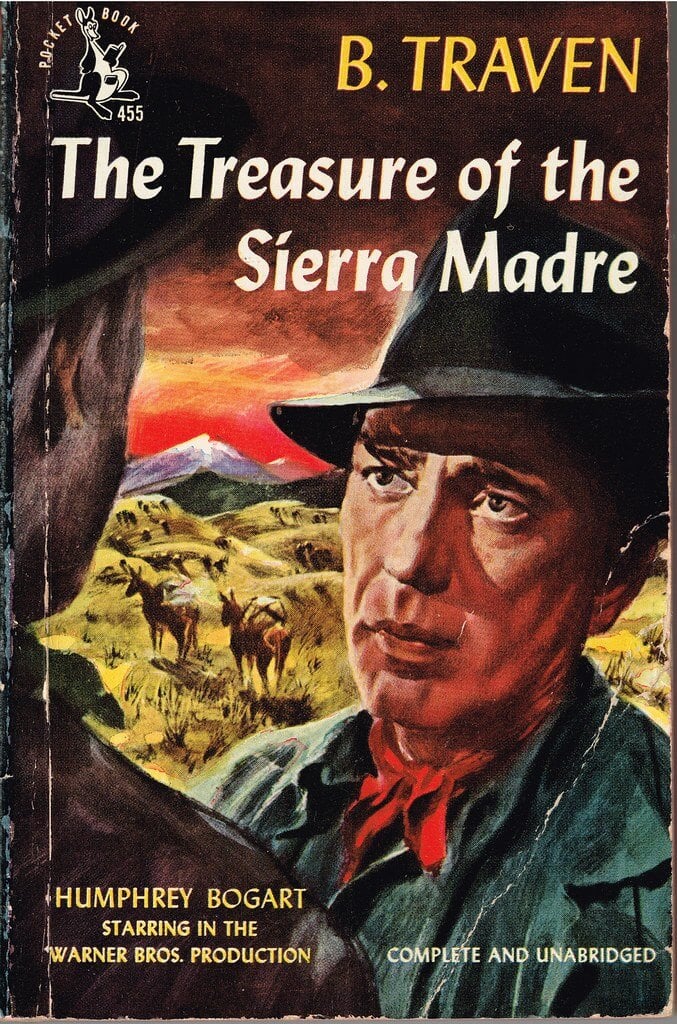
The reclusive author of “The Treasure of the Sierra Madre,” published in 1927, spent decades refusing to confirm his true identity, giving conflicting biographical details to publishers and reporters throughout his life. Researchers have since connected him with strong evidence to Ret Marut, a German actor and anarchist agitator who fled Europe after the failed Bavarian revolution of 1919.
The connection was pieced together largely after his death in 1969, based on documents and testimony gathered by biographers.
Elena Ferrante

The author behind the internationally acclaimed Neapolitan Novels, published beginning in 2011, has maintained anonymity for the entirety of her writing career under the pseudonym Elena Ferrante. In 2016, an investigative journalist used financial records to claim the identity of the person behind the pseudonym, a disclosure Ferrante and her publisher have never confirmed.
The unauthorized reveal was widely criticized within the literary community as a violation of an author’s deliberate choice.
Klaus Barbie
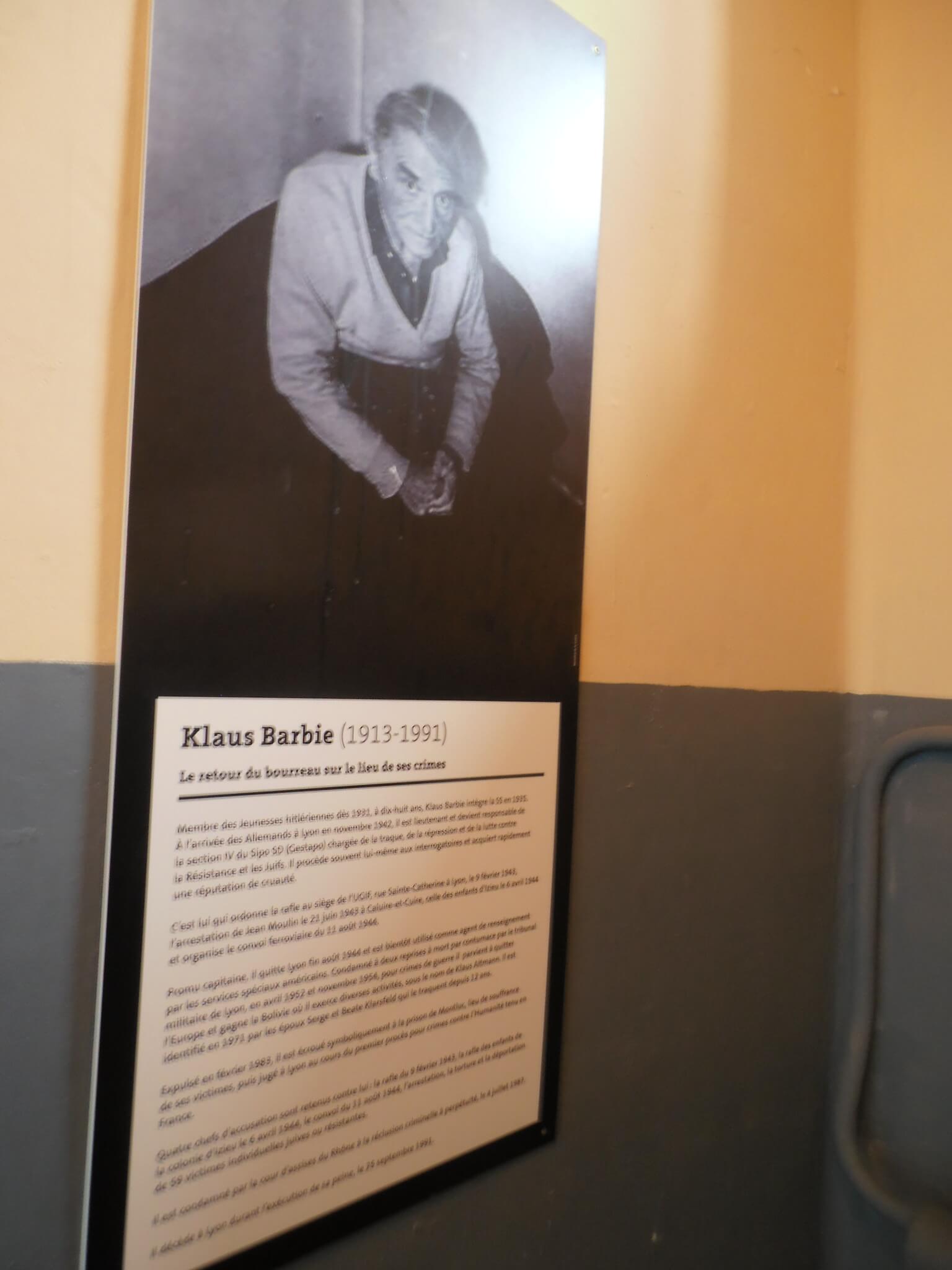
Barbie, a former Gestapo officer known for wartime atrocities in occupied France, fled to South America after World War II and lived for decades under the assumed name Klaus Altmann while working with Bolivian intelligence services. Journalists and Nazi hunters gradually exposed his true identity through the 1970s, leading to his eventual extradition to France in 1983.
His decades-long second life under a false identity became a significant case study in postwar accountability efforts.
Deep Throat / Mark Felt
For more than three decades, the identity of “Deep Throat,” the anonymous source who provided crucial information to Washington Post reporters during the Watergate scandal in the 1970s, remained one of American journalism’s most closely guarded secrets. In 2005, former FBI associate director Mark Felt revealed himself as the source in a magazine article, ending decades of speculation that had included dozens of alternate theories.
The reveal came only a few years before Felt’s death, closing out one of the longest-running mysteries in American political history.
Fernando Pessoa’s Heteronyms
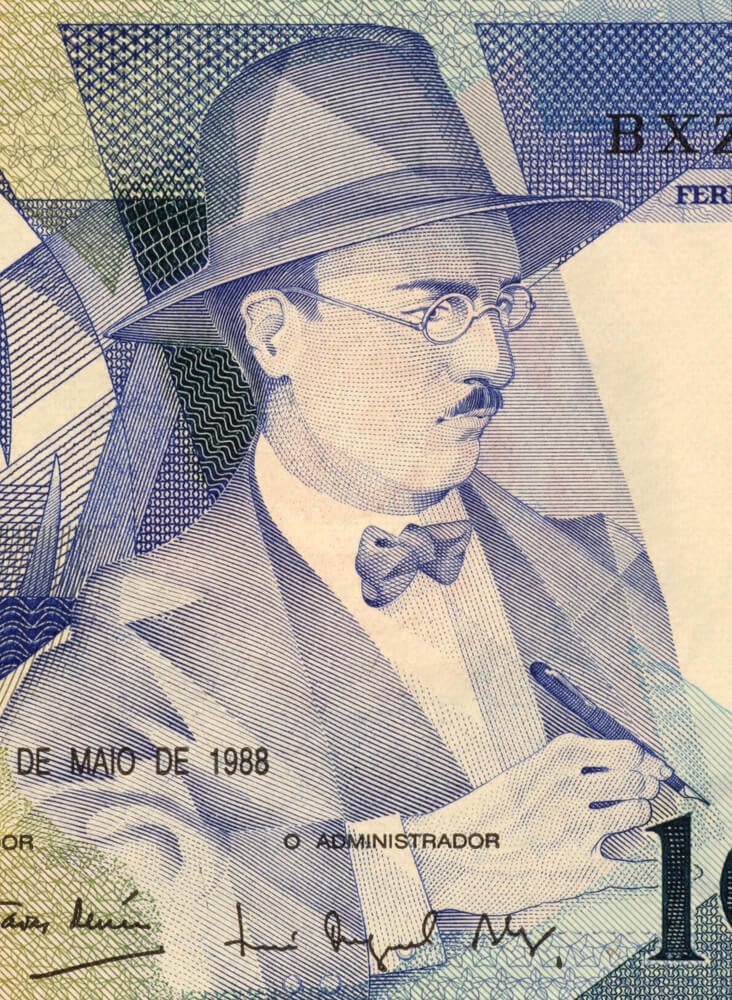
The Portuguese poet Fernando Pessoa wrote under dozens of distinct literary personas, or “heteronyms,” each with a fabricated biography, writing style, and even correspondence with the others, during the early twentieth century. The full scope of this practice, including how many heteronyms existed and how they related to one another, only became clear after Pessoa’s death in 1935, when a trunk containing thousands of unpublished manuscripts was discovered.
Scholars continue to catalog and interpret the full body of work attributed to his invented identities.
Sacha Baron Cohen’s Characters
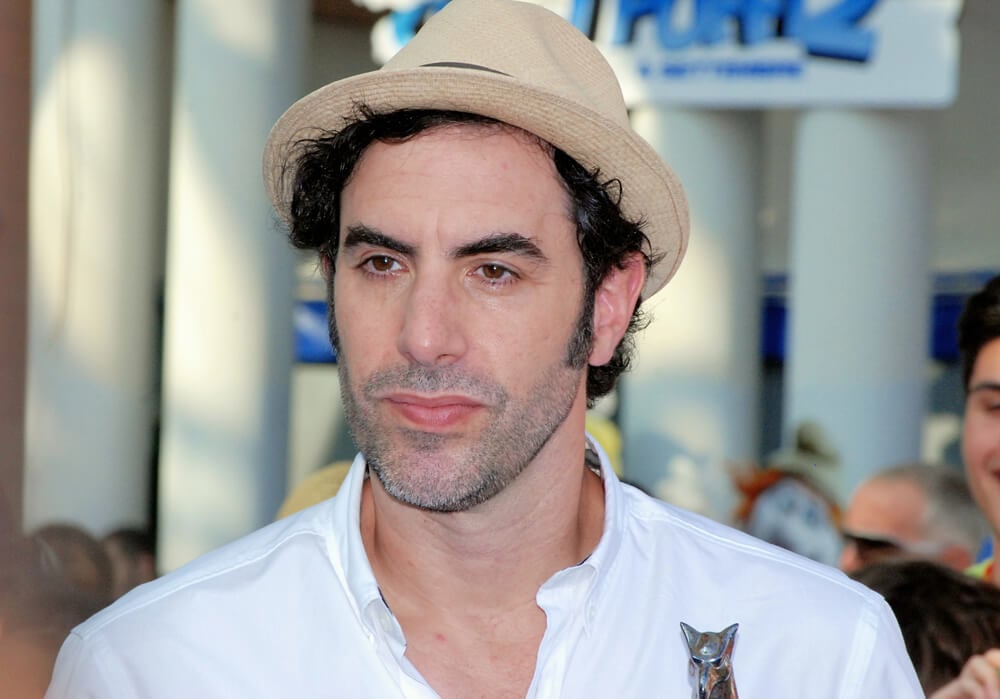
Long before his characters Ali G, Borat, and Bruno became globally recognized, Baron Cohen maintained strict secrecy about his own identity to preserve the unscripted reactions of the real people his characters interacted with on camera. As his fame grew through the early 2000s, maintaining the illusion became increasingly difficult, and his true identity behind the characters became widely known well before some of his later projects were released.
The tension between his growing personal fame and his characters’ need for anonymity shaped the production of his subsequent films.
The Zodiac Killer’s Ciphers

While not a single individual’s public identity, the case involves cryptic messages sent to newspapers by the unidentified Zodiac Killer during a series of murders in California beginning in the late 1960s. One of the killer’s original ciphers went unsolved for over fifty years until a team of code-breakers announced they had cracked it in December 2020, revealing text but not the killer’s actual identity.
The case remains formally unsolved, illustrating how a “reveal” can arrive decades late and still leave the central mystery intact.
Sidney Reilly

Reilly, often cited as an inspiration for later fictional spy characters, operated under numerous false identities and nationalities while working as a British intelligence agent in the early twentieth century. Much of the true scope of his espionage career and fabricated backstory only became clear to historians decades after his presumed execution by Soviet forces in 1925, as intelligence archives were gradually studied.
His life remains a frequently cited example of how thoroughly an intelligence operative’s public identity can be constructed.
Jean Seberg’s FBI File
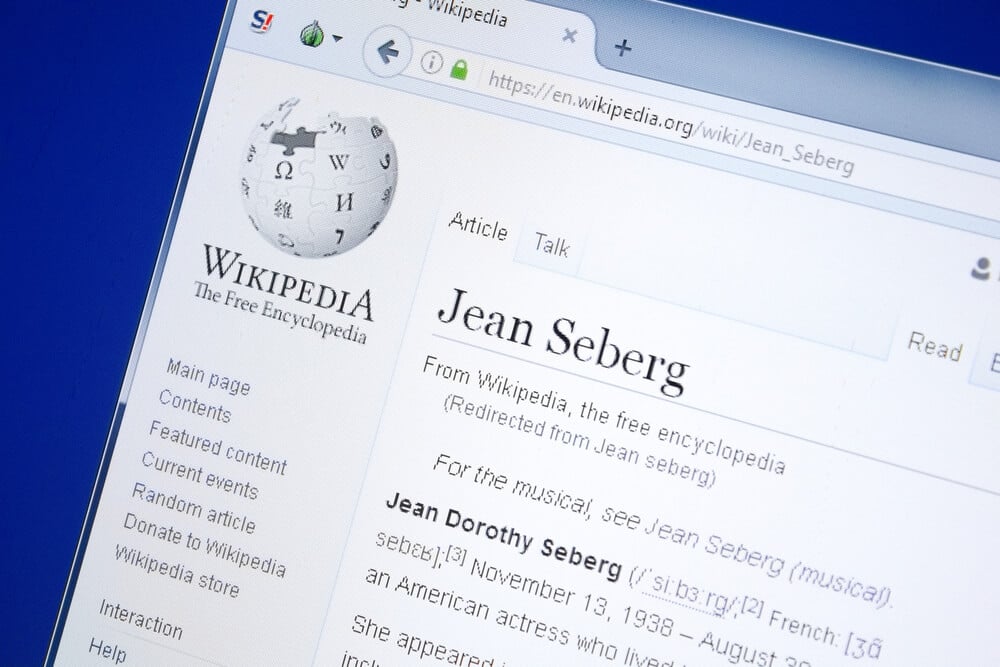
Actress Jean Seberg was the target of a covert FBI disinformation campaign in the early 1970s due to her support for civil rights organizations, an operation the bureau ran without her knowledge. The extent of the campaign, including a false story planted about her personal life, only became public years later through declassified FBI documents.
The revelation reshaped public understanding of the pressures that contributed to the final years of her life.
Vasili Mitrokhin
Mitrokhin worked for decades as a senior archivist for the Soviet KGB, secretly copying and smuggling out thousands of classified documents before defecting to Britain in 1992. His true significance as one of the most valuable intelligence defectors of the Cold War era only became publicly known once portions of his archive were published in the late 1990s.
The material he smuggled out exposed Soviet intelligence operations that had remained hidden for decades.
Kim Philby
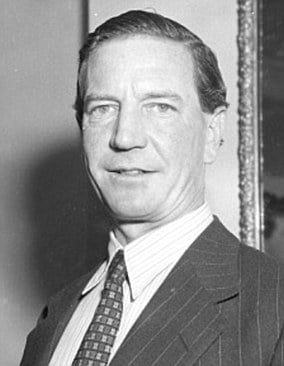
Philby was a senior British intelligence officer who spent decades secretly working as a Soviet double agent, part of the group later known as the Cambridge Five. Suspicion had circled him for years, but his true role was not fully confirmed until he defected to the Soviet Union in 1963, a reveal that devastated British intelligence’s confidence in its own vetting processes.
Subsequent memoirs and declassified files continued to reveal the scope of his deception for decades afterward.
The Man in the Iron Mask
A mysterious prisoner held in various French fortresses during the late seventeenth century under Louis XIV’s orders was forced to wear a mask and was never publicly identified during his lifetime or for centuries after his death in 1703. Historians have proposed numerous theories about his true identity, though no single explanation has been definitively confirmed even after extensive archival research.
The case remains one of history’s most enduring unsolved identity mysteries.
Emperor Norton

Joshua Norton, a San Francisco businessman who lost his fortune in the 1850s, later declared himself “Emperor of the United States” and was treated with genuine civic affection by the city for the following decades. Only after his death in 1880 did detailed research fully document his earlier life as a failed commodities trader, filling in a backstory that had been largely obscured by his adopted persona.
His transformation from a ruined businessman into a beloved local figure remains a distinctive case of a self-created public identity outlasting the private history behind it.
James Barry

James Barry served as a distinguished military surgeon in the British Army during the nineteenth century, performing one of the earliest successful cesarean sections in the British Empire and rising to the rank of Inspector General of hospitals. Only after Barry’s death in 1865 did those preparing the body for burial discover physical characteristics inconsistent with the identity Barry had presented throughout an entire career.
The discovery prompted the British Army to seal the relevant records for over a century.
Christine Granville

Granville, born Krystyna Skarbek in Poland, became one of the most decorated Allied secret agents of World War II, operating under numerous assumed identities across Nazi-occupied Europe. Much of the full scope of her wartime work, including operations that were not officially credited to her at the time, only became publicly documented through biographies published decades after her death in 1952.
Her story remains one of the more significant examples of a wartime intelligence career pieced together largely in retrospect.
Marion Zimmer Bradley’s Pseudonyms
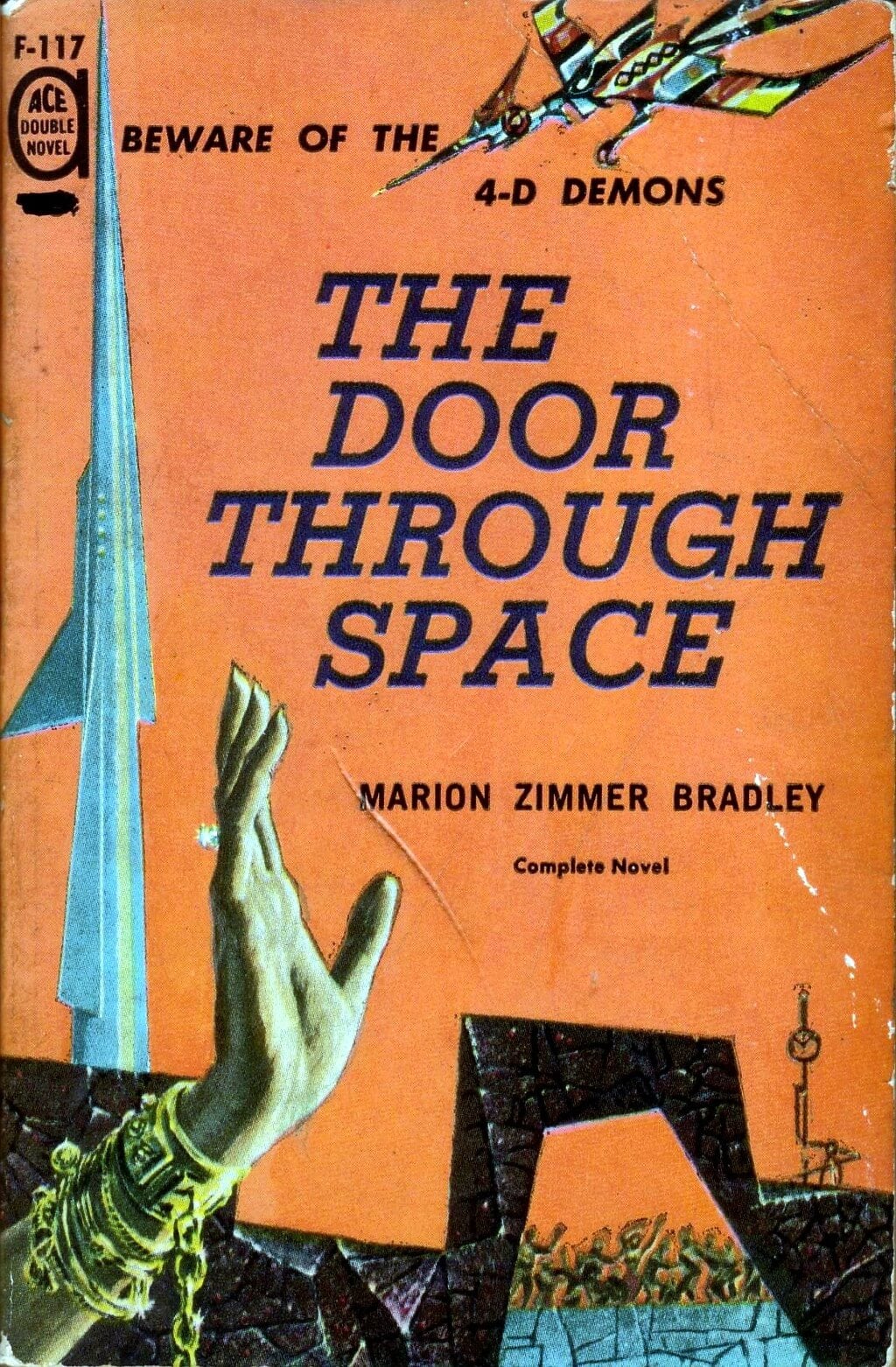
Bradley, a widely read fantasy author, published extensively under multiple pseudonyms across different genres throughout her career, a common practice in mid-twentieth-century genre fiction that obscured how much of her total output existed under other names. Bibliographers and literary researchers have continued to attribute additional works to her pseudonymous output well after her death in 1999.
The full accounting of her bibliography remains an ongoing subject of literary scholarship.
The Prince and the Pretender: Perkin Warbeck
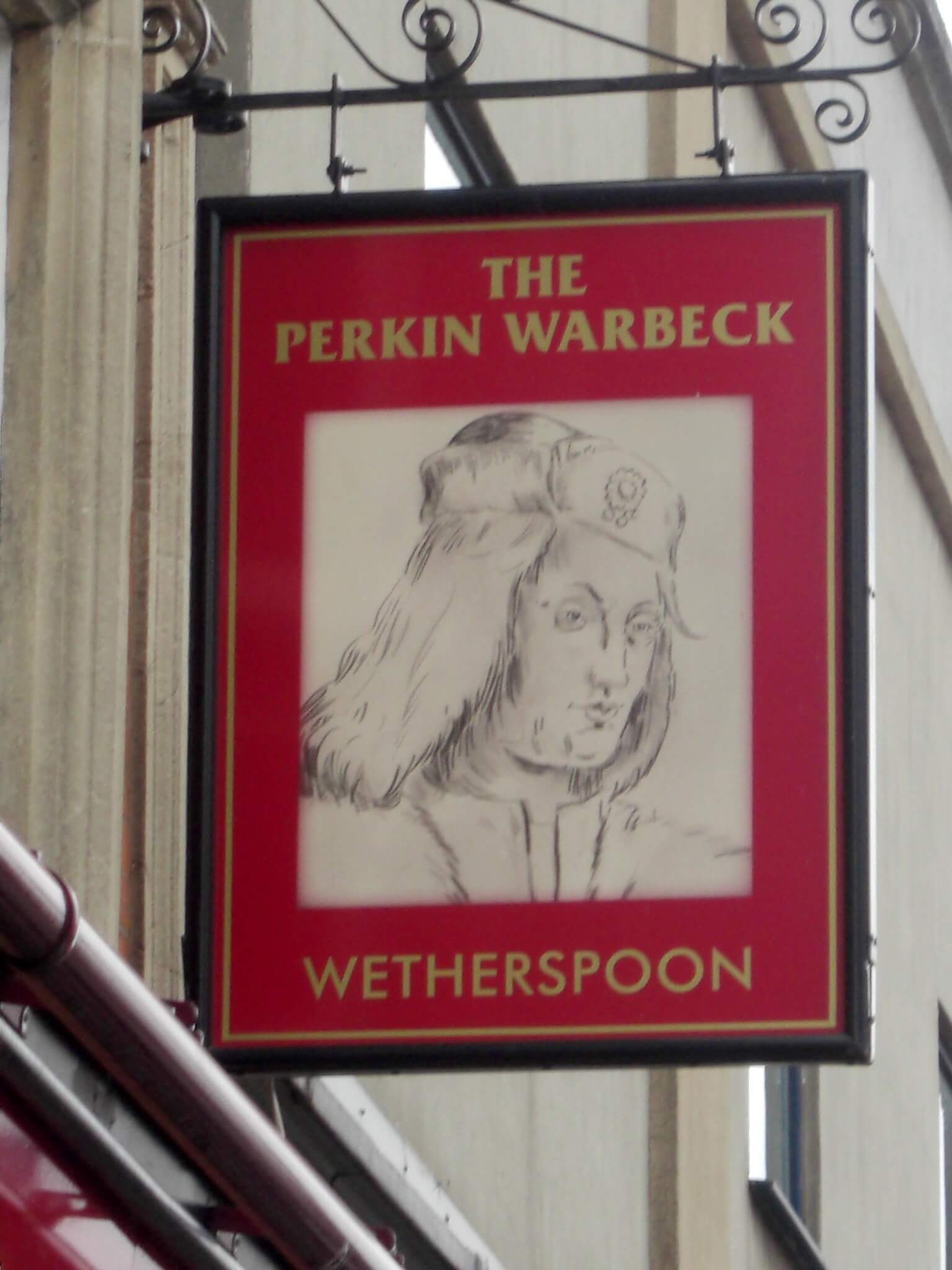
Perkin Warbeck claimed throughout the 1490s to be Richard of Shrewsbury, one of the “Princes in the Tower” believed murdered years earlier, and gained genuine political support across parts of Europe for his claim to the English throne. He was captured and eventually executed by King Henry VII in 1499 after confessing, under disputed circumstances, that he was in fact a commoner from Flanders.
Historians continue to debate how much of that confession reflected the truth versus pressure from his captors.
Zoe Quinn’s Harasser Network

While not a single figure’s hidden identity, the 2014 online harassment campaign later known as Gamergate involved numerous anonymous accounts whose real identities and coordination were gradually exposed through journalism and legal proceedings in the years that followed. Several individuals behind prominent anonymous accounts were later identified and, in some cases, faced professional or legal consequences once their real identities became known.
The gradual unmasking became a significant case study in the consequences of coordinated anonymous harassment.
The Unabomber

For nearly two decades, the identity of the person responsible for a series of mail bombings across the United States remained unknown to investigators despite one of the largest manhunts in FBI history. Theodore Kaczynski’s identity was only confirmed in 1996 after his brother recognized his writing style in a published manifesto and alerted authorities.
The case remains a significant example of written style itself serving as the key to unmasking a hidden identity.
Josephine Baker’s Wartime Work
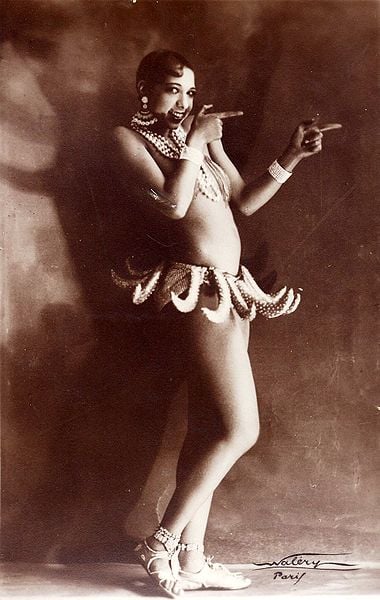
Josephine Baker, celebrated internationally as a dancer and singer during the 1920s and 1930s, secretly worked for French military intelligence during World War II, using her celebrity status and travel access to smuggle information hidden in her sheet music. The full extent of her espionage work was not widely publicized for decades and only received broader recognition later, including her formal induction into France’s Panthéon in 2021.
The delayed public recognition of her intelligence work reshaped her legacy well beyond her entertainment career.
Grigori Rasputin’s Origins
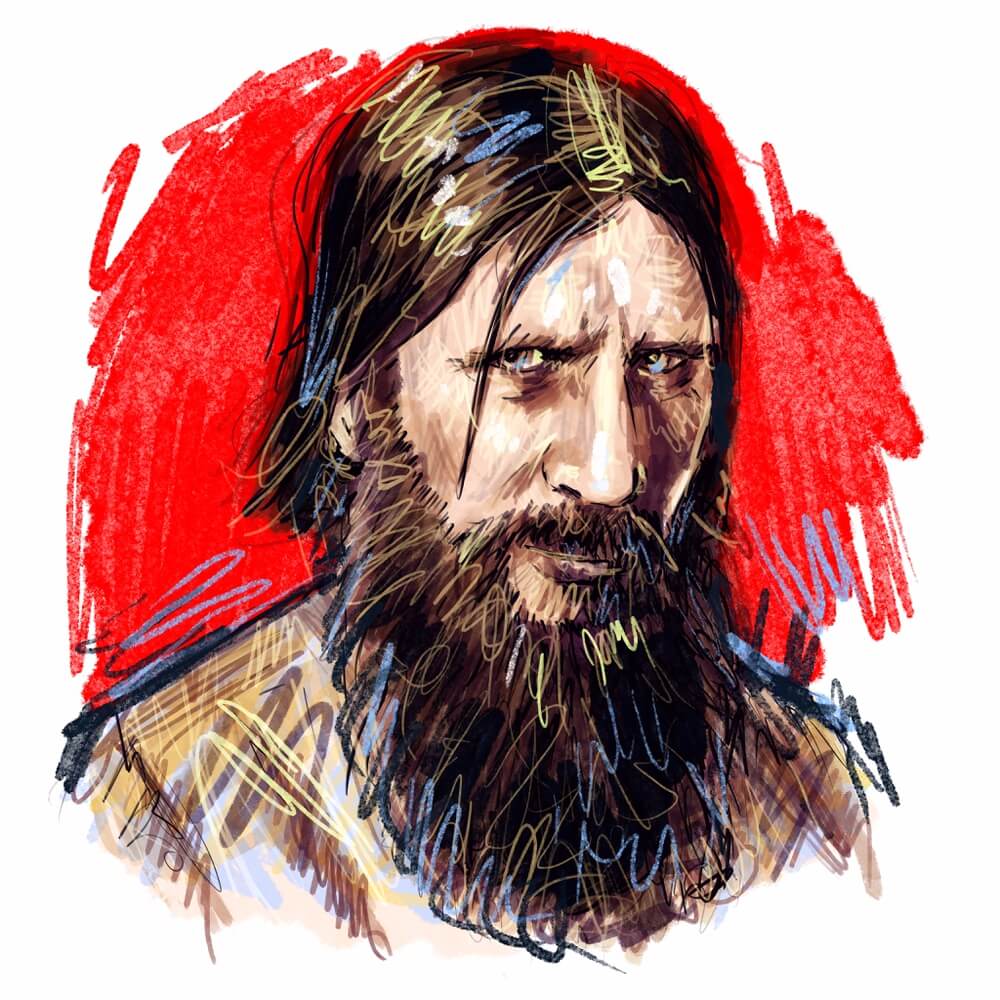
Rasputin, who became a powerful and controversial figure in the court of Russia’s last czar in the years before World War I, presented himself as a holy man with mysterious spiritual authority, obscuring a comparatively ordinary background as a peasant from Siberia. Later biographical research clarified much of his early life, which had been deliberately shrouded to enhance his mystique among the aristocracy he came to influence.
His constructed persona remains a frequently studied example of self-mythology reshaping historical perception.
The Real Identity Behind Publius
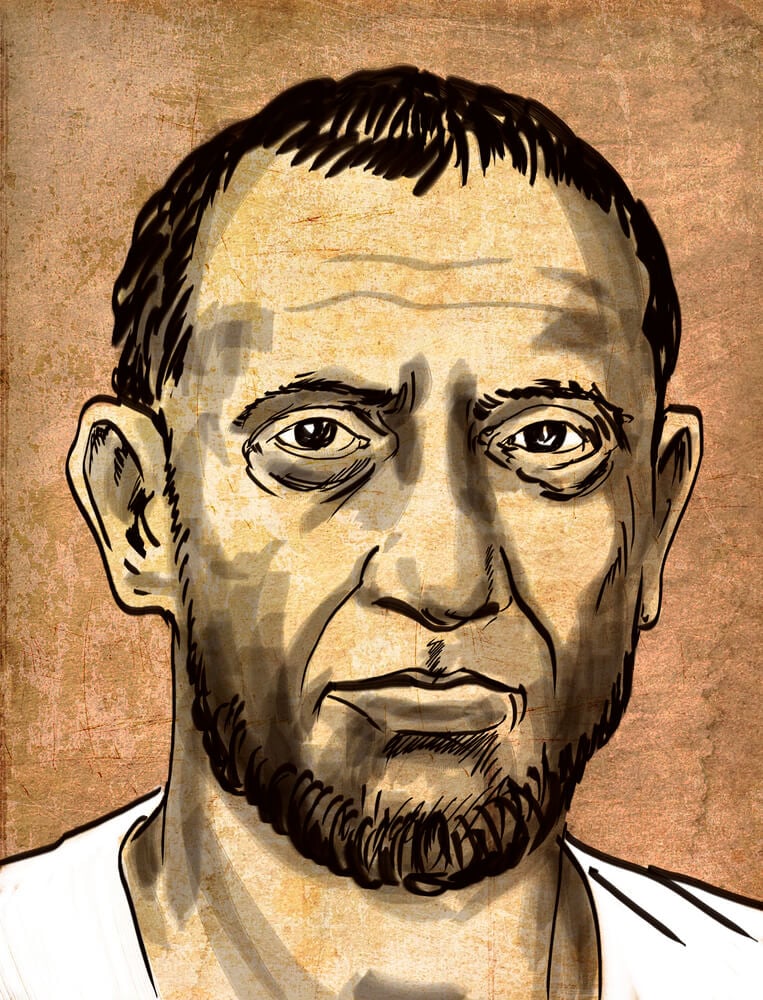
The Federalist Papers, a series of essays arguing for ratification of the U.S. Constitution in 1787 and 1788, were published anonymously under the shared pseudonym “Publius.” The true authorship, split among Alexander Hamilton, James Madison, and John Jay, was only confirmed gradually in the years and decades afterward, and scholars continued to dispute the specific authorship of certain individual essays well into the twentieth century.
The delayed and partial disclosure has made attribution of some essays an ongoing subject of historical and statistical analysis.
Currer, Ellis, and Acton Bell
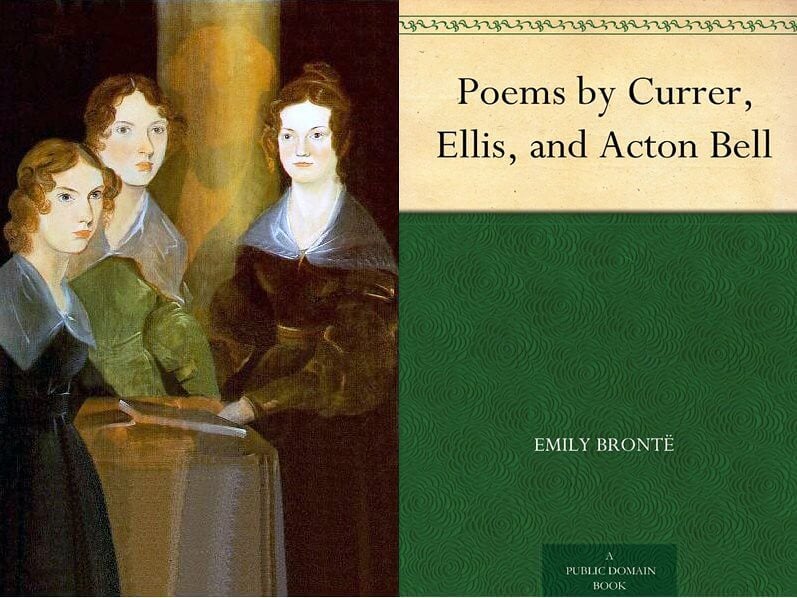
Charlotte, Emily, and Anne Brontë each published their earliest novels under the ambiguous, gender-neutral pseudonyms Currer, Ellis, and Acton Bell in 1846 and 1847, seeking to avoid the prejudice they anticipated female authors would face. Their true identities were only confirmed publicly after Charlotte Brontë personally revealed them to her publisher in 1848, following growing speculation in literary circles.
The disclosure reshaped critical reception of novels that had already achieved significant acclaim under assumed names.
Harriet Jacobs / Linda Brent
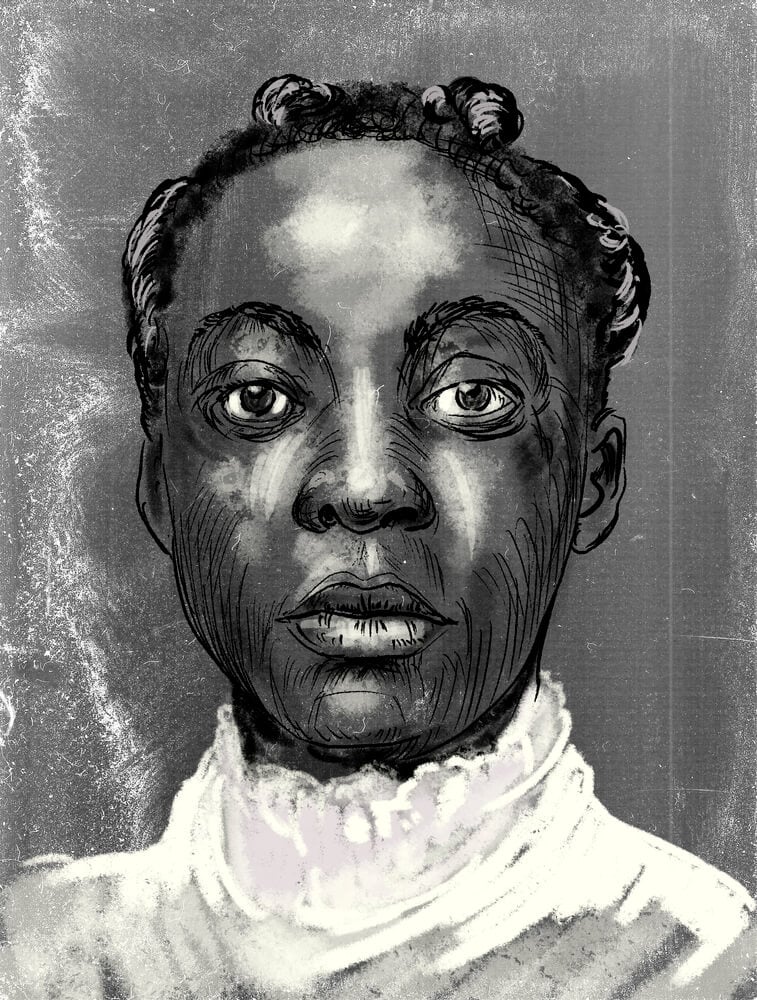
Harriet Jacobs published her 1861 narrative of life under enslavement, “Incidents in the Life of a Slave Girl,” under the pseudonym Linda Brent, disguising both her own identity and those of people she described to protect them from retaliation. Her authorship and the factual basis of the narrative were only definitively confirmed by historians and researchers more than a century later, following extensive archival work in the 1980s.
That confirmation cemented the book’s status as a firsthand historical document rather than the fictionalized account some earlier scholars had assumed it to be.
Comte de Saint Germain

An enigmatic figure who moved through European royal courts in the eighteenth century, the Comte de Saint Germain claimed knowledge of alchemy and presented a background that shifted depending on the audience, obscuring his verifiable origins. Historians have never definitively established his true birth identity despite extensive archival research across multiple countries.
His deliberately unstable public identity has made him one of the more persistent unresolved figures of Enlightenment-era Europe.
When the Mask Outlasts the Face

What connects these cases is not deception for its own sake but the specific power a constructed identity can hold over how history remembers a person. In several instances, the second identity was more consequential than the first, whether it protected a vulnerable author, enabled critical wartime intelligence, or allowed a devastating deception to go undetected for years.
The reveal itself rarely resolves the story so much as it reframes it entirely, forcing a second read of every decision, document, and relationship that came before. That delayed reckoning, more than the secret itself, is usually what makes these cases endure.
More from Go2Tutors!

- The Romanov Crown Jewels and Their Tragic Fate
- 13 Historical Mysteries That Science Still Can’t Solve
- Famous Hoaxes That Fooled the World for Years
- 15 Child Stars with Tragic Adult Lives
- 16 Famous Jewelry Pieces in History
Like Go2Tutors’s content? Follow us on MSN.