Why Trick-or-Treating Used to Be a Completely Different Experience
There’s something almost mythological about the version of Halloween that lives in collective memory — the one where every neighborhood went dark and electric at the same time, where the whole street smelled like dried leaves and candle wax, where you came home with a pillowcase so heavy it bruised your hip. That version feels real, and for a lot of people, it was.
But the ritual of trick-or-treating as it exists today is a surprisingly recent invention, and the road it took to get here was stranger, messier, and more fascinating than most people realize. The holiday used to operate by completely different rules — social, geographic, economic, and cultural — and understanding those rules changes the way you see the whole thing.
The Roots Were Not Cute
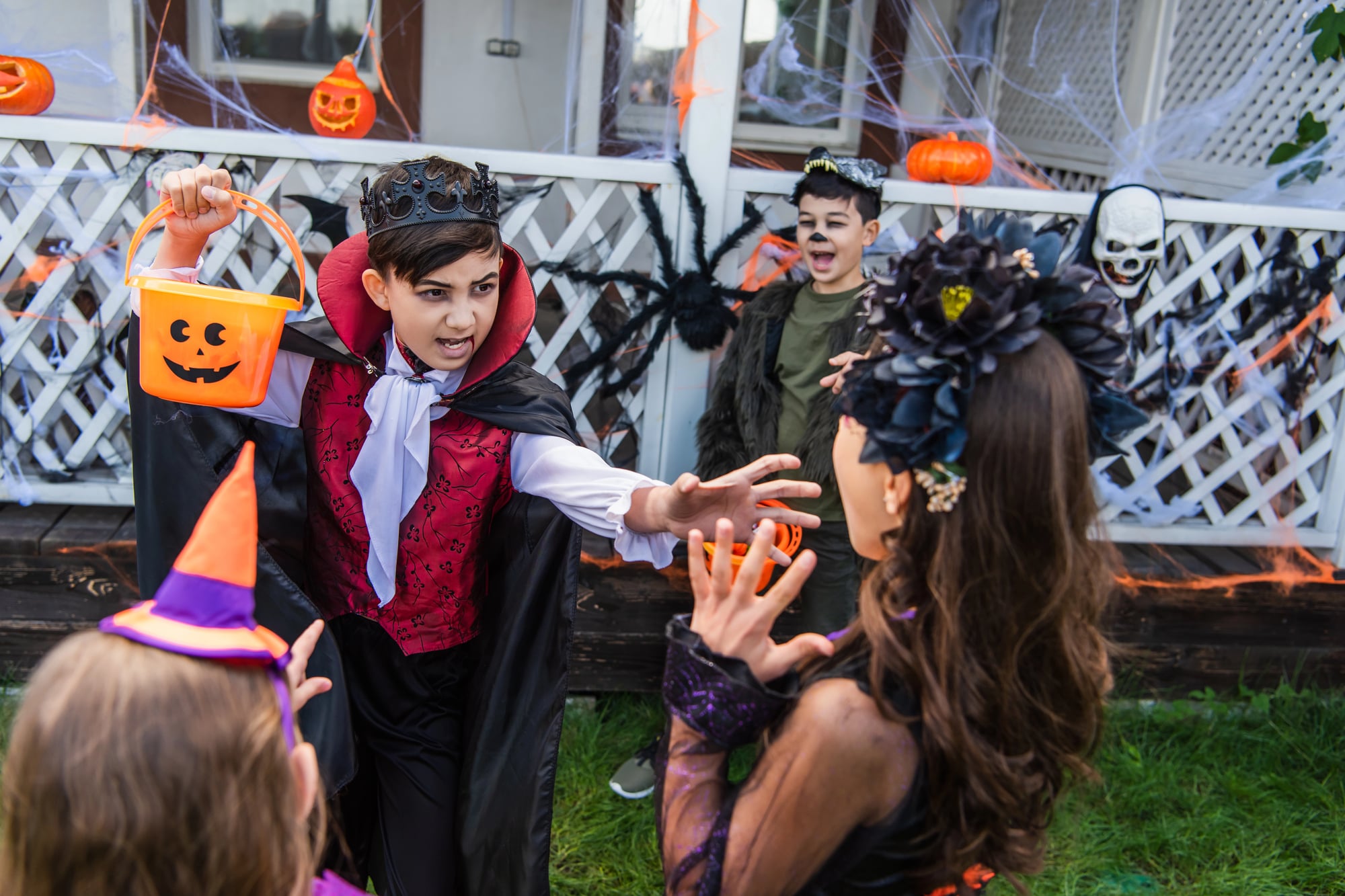
Trick-or-treating didn’t start as a children’s holiday. It grew out of practices like “souling” in medieval Britain and Ireland, where the poor would go door to door offering prayers for the dead in exchange for food — specifically small cakes called “soul cakes.”
The transaction was real: you gave something, you got something, and both sides understood the terms. Nothing about it was decorative.
The Trick Was the Point
For decades in early 20th century America, the “trick” half of the phrase was the dominant half. Halloween was genuinely associated with vandalism — uprooted garden gates, overturned outhouses, soaped windows, and worse.
Communities in the 1920s and 1930s were legitimately frustrated by the property damage, which ran into real money every October. The treat was invented, more or less, as a bribe to keep kids from destroying things.
World War II Killed It Briefly
Sugar rationing during World War II essentially suspended trick-or-treating across the United States for several years. With candy rationed alongside butter, meat, and gasoline, handing out sweets to neighborhood children became a small but genuine sacrifice — one most families weren’t in a position to make.
So the holiday went quieter, and the door-to-door ritual largely stalled until the late 1940s when rationing ended and the candy industry came roaring back.
The Suburbs Gave It Shape
The version of trick-or-treating that most people picture — dense streets, porch lights on, organized routes from house to house — is fundamentally a product of post-war suburban sprawl. Before the boom in suburban development following World War II, American housing patterns were too scattered or too urban to support the kind of systematic door-to-door route that defines the modern experience.
The suburb, with its sidewalks and identical lot sizes and implied neighborliness, was almost purpose-built for this kind of ritual.
Homemade Treats Were Standard
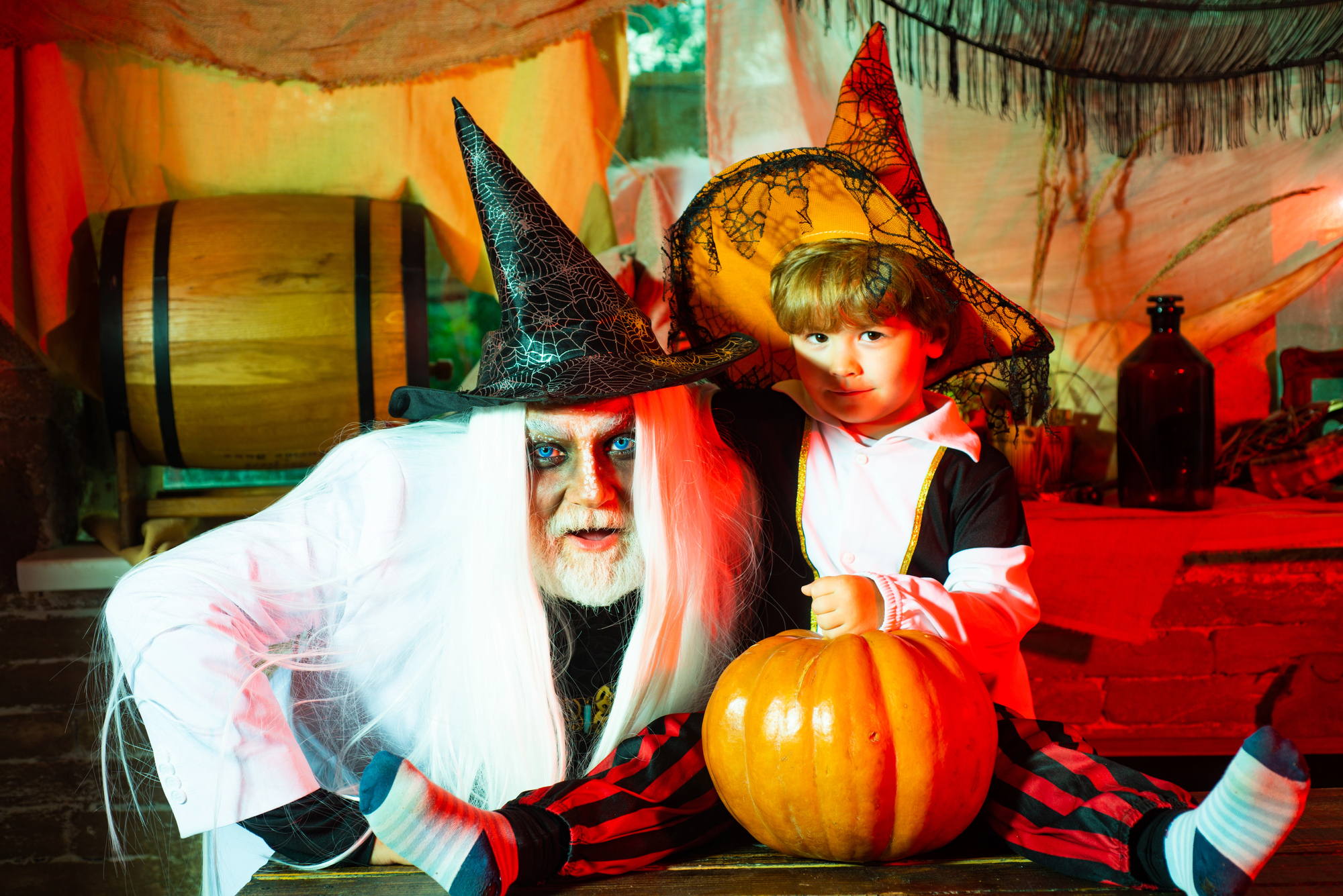
For most of Halloween’s early American history, what you received at the door had nothing to do with a factory. Popcorn orbs, caramel apples, homemade cookies, candied nuts, even coins — these were the standard currency of the night, prepared by actual people in actual kitchens.
The shift toward commercially wrapped candy happened gradually through the 1950s and 1960s, as convenience culture reshaped domestic expectations and the candy lobby found a holiday worth owning.
The Poison Scare Changed Everything
The fear of tampered candy — razor blades, needles, poison — reshaped trick-or-treating in the 1970s and 1980s more decisively than almost any other cultural force. And yet the documented cases of strangers deliberately poisoning Halloween candy given to random children are, to put it plainly, essentially nonexistent.
The panic was real; the threat was largely manufactured, amplified by news coverage and parental anxiety in an era when trust in strangers was already eroding fast.
Costumes Used to Be Homemade and Dark
The costume industry as it exists today — aisle after aisle of polyester superhero suits and licensed character outfits — is a creature of the last few decades. Before that, costumes were hand-sewn, improvised, or assembled from whatever was in the house.
And the aesthetic leaned genuinely macabre: ghosts made from actual sheets, skeletons drawn on black clothes with chalk, witch hats fashioned from newspaper. The darkness wasn’t a marketing choice. It was the only option available.
Children Roamed Unaccompanied
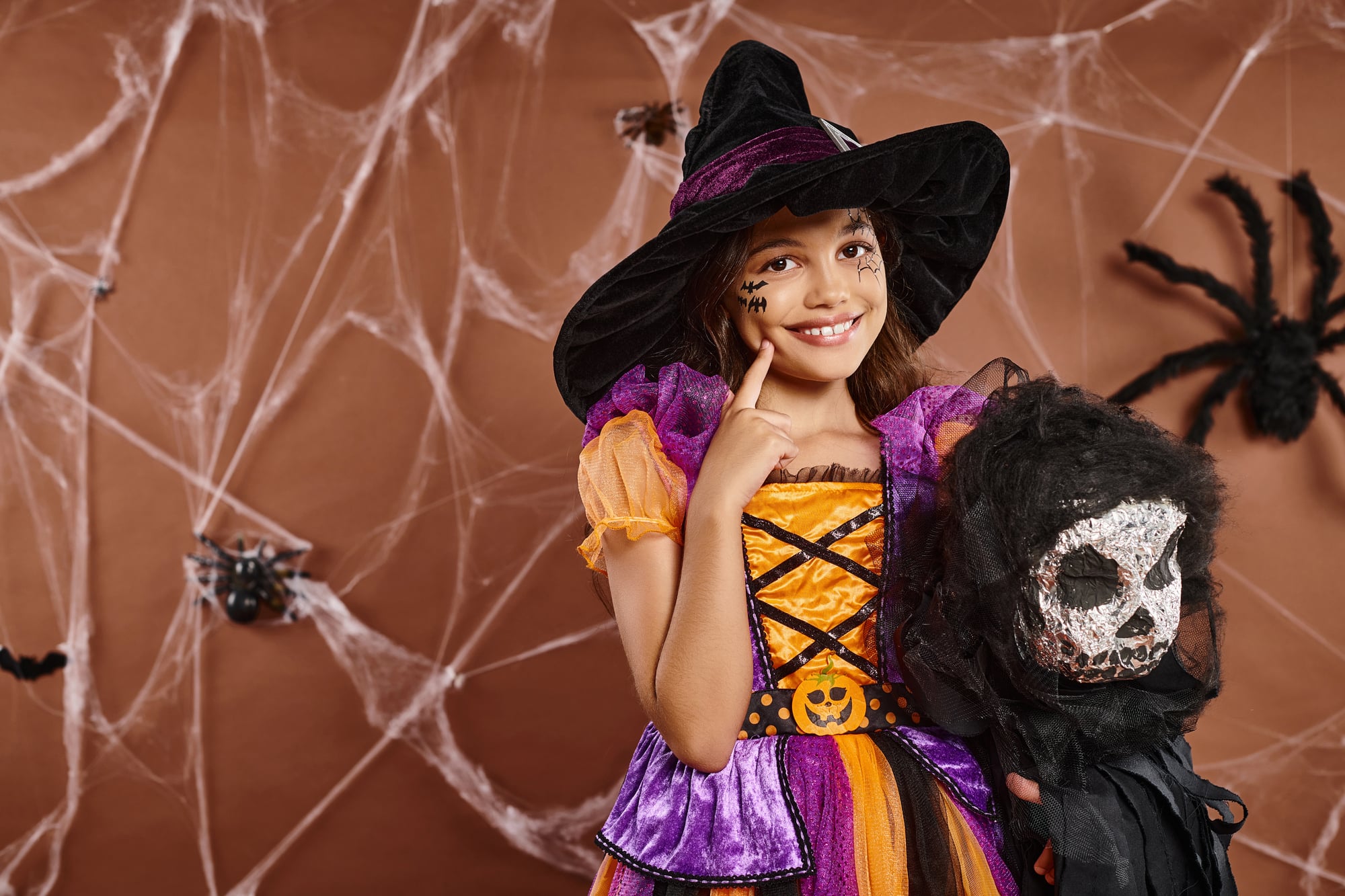
There was a time — not so long ago — when the expectation was that kids left the house alone and came back when the candy ran out. No parent walked the route, no flashlight app tracked their location, no group text updated anxious adults every two blocks.
A ten-year-old covering a mile of suburban streets in the dark was considered completely ordinary. The idea that this required adult supervision would have struck most parents in the 1960s and 1970s as faintly absurd.
The Age Range Was Different
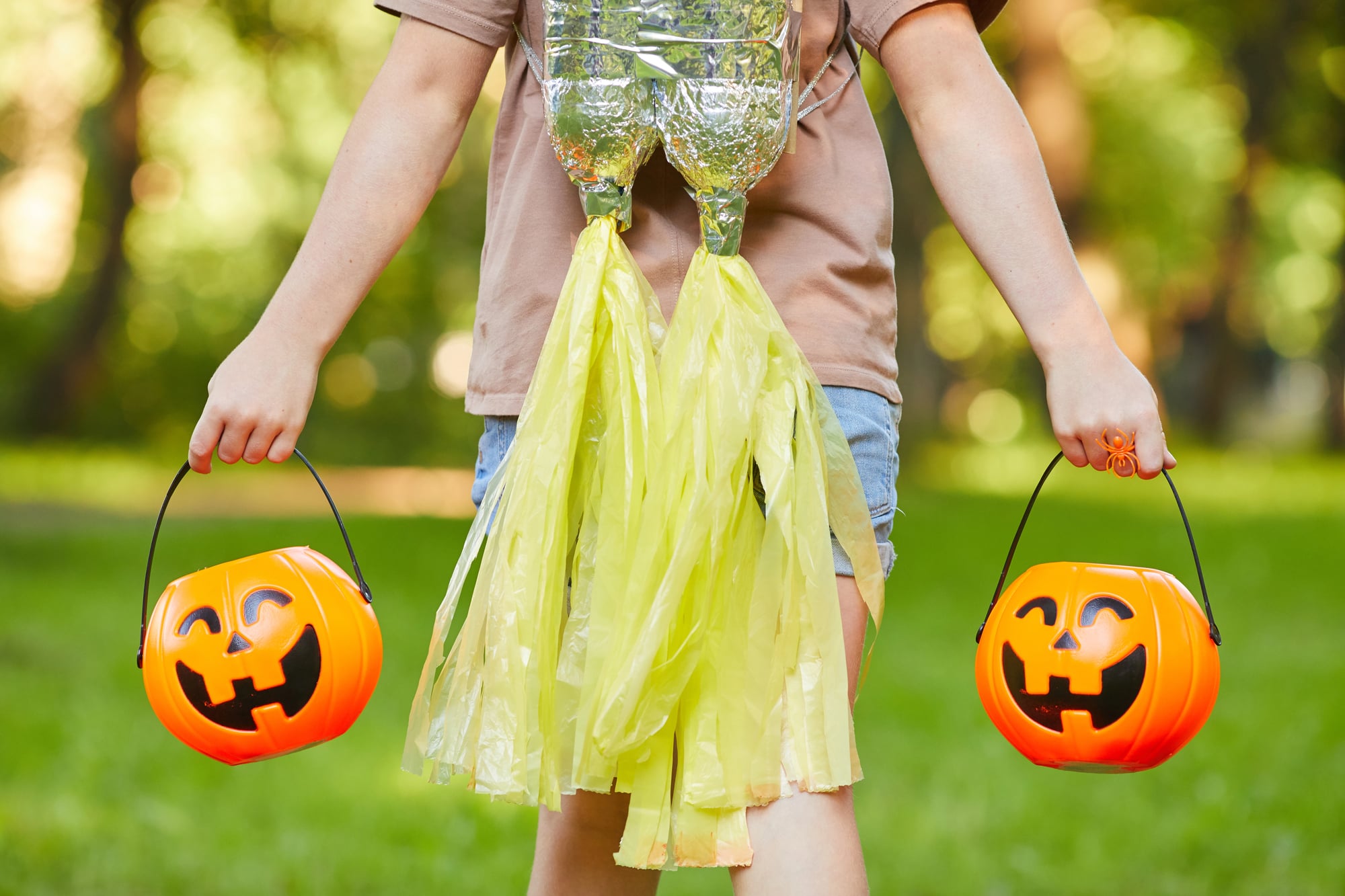
Teenagers trick-or-treated without irony for most of the 20th century, and nobody found it remarkable. The modern expectation that trick-or-treating is strictly for small children is a fairly recent social development — one that arrived roughly alongside the increased focus on supervised, age-appropriate activities.
Before that, a sixteen-year-old at your door in a ghost costume was just a sixteen-year-old at your door in a ghost costume. You gave them candy. That was the deal.
Rural Halloween Was Unrecognizable
In rural America, trick-or-treating as a door-to-door ritual was often impractical — farms too far apart, roads unpaved, no real neighborhood to speak of. Halloween celebrations in rural communities through much of the 20th century centered on community events instead: school parties, church gatherings, town hall haunted houses.
The suburban model was always a suburban invention, and it never fully translated to places where your nearest neighbor was a mile or more down a dirt road.
Candy Corn Had a Moment
Candy corn is genuinely ancient by candy standards — invented in the 1880s by the Wunderle Candy Company and later popularized by Goelitz Confectionery. For decades it was considered a seasonal delicacy, one of the few treats specifically associated with autumn and Halloween, and it occupied a place of genuine prestige in the trick-or-treat bag.
The current consensus that candy corn is a punishment masquerading as a confection is, to be fair, a more recent development — though not by much.
Jack-o’-Lanterns Came From Turnips

Before pumpkins became the definitive Halloween vessel, Irish and Scottish immigrants carved faces into turnips and beets — harder, smaller, and far more labor-intensive than any pumpkin. The tradition came from Celtic folklore involving a character named Stingy Jack, a trickster condemned to wander the earth with only a carved coal inside a vegetable to light his way.
When immigrants arrived in America and discovered pumpkins, the switch was immediate and permanent. Pumpkins are just better at this.
The Holiday Was Once Considered Dangerous
Early 20th century newspaper coverage of Halloween often framed the holiday with genuine alarm — not the manufactured kind that emerged later, but real concern about organized youth mischief that occasionally escalated into serious property destruction. Some cities contemplated banning the holiday outright.
The pivot toward a managed, candy-centered, child-friendly occasion was partly a deliberate cultural project by civic groups and parent organizations who wanted to domesticate something that had been, by any honest measure, a little out of control.
The Candy Industry Rewrote the Rules

The modern trick-or-treating format — individually wrapped, commercially produced candy distributed house to house — was not inevitable. It was, in large part, engineered.
Candy companies in the 1950s recognized Halloween as an underutilized commercial opportunity and invested heavily in advertising that positioned wrapped candy as the safest, most appropriate treat. The homemade tradition didn’t disappear on its own.
It was crowded out by a industry that had strong financial reasons to make it disappear.
Community Gatherings Were Central
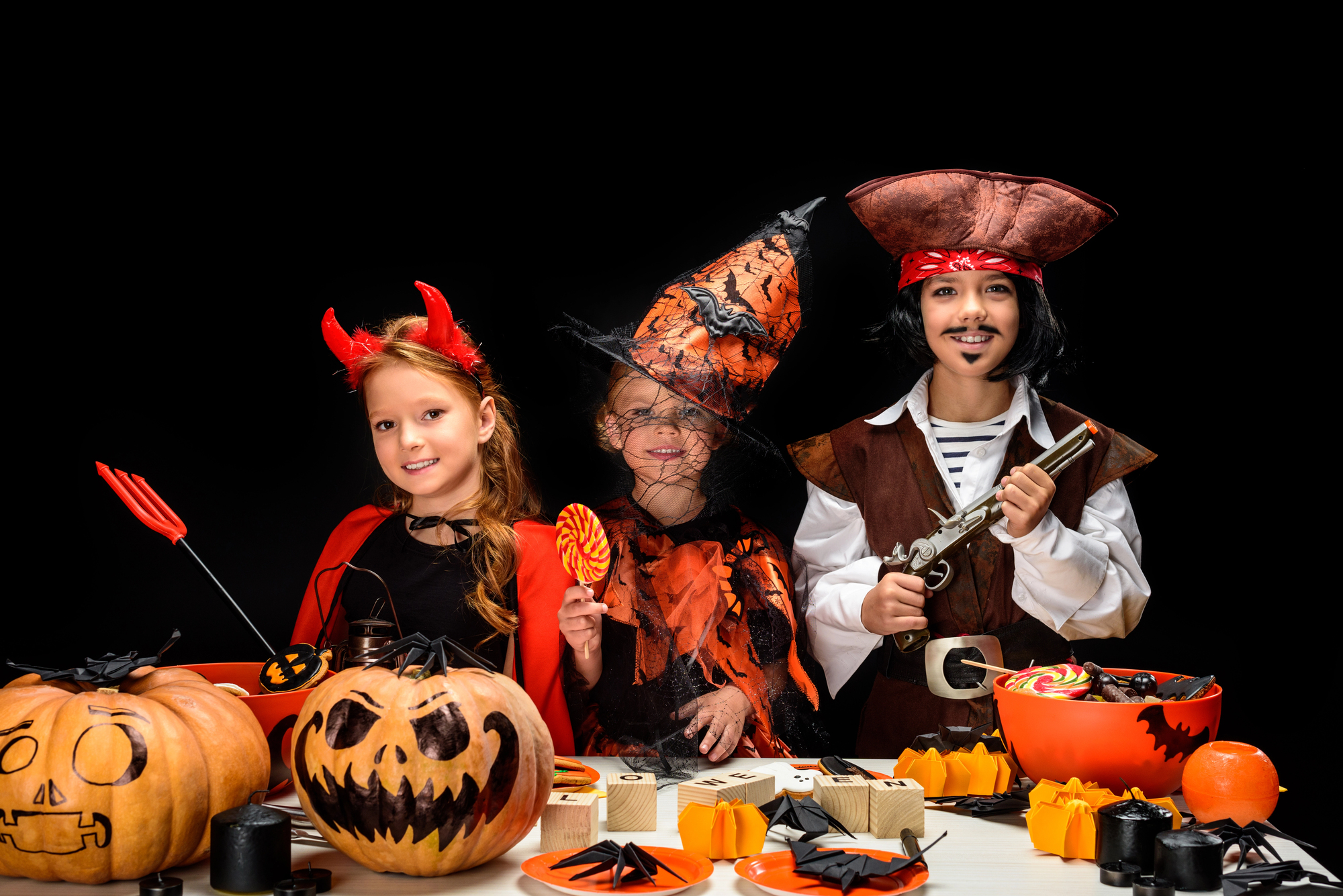
Before door-to-door trick-or-treating became the dominant format, Halloween was as much a community event as a residential one. Block parties, church socials, school carnivals, and neighborhood festivals were where the real celebration happened — and in many working-class and immigrant communities, this model persisted well into the mid-20th century.
The experience was collective rather than transactional, organized rather than spontaneous, and it involved adults and children together rather than separating them into givers and receivers.
The Timing Was Looser
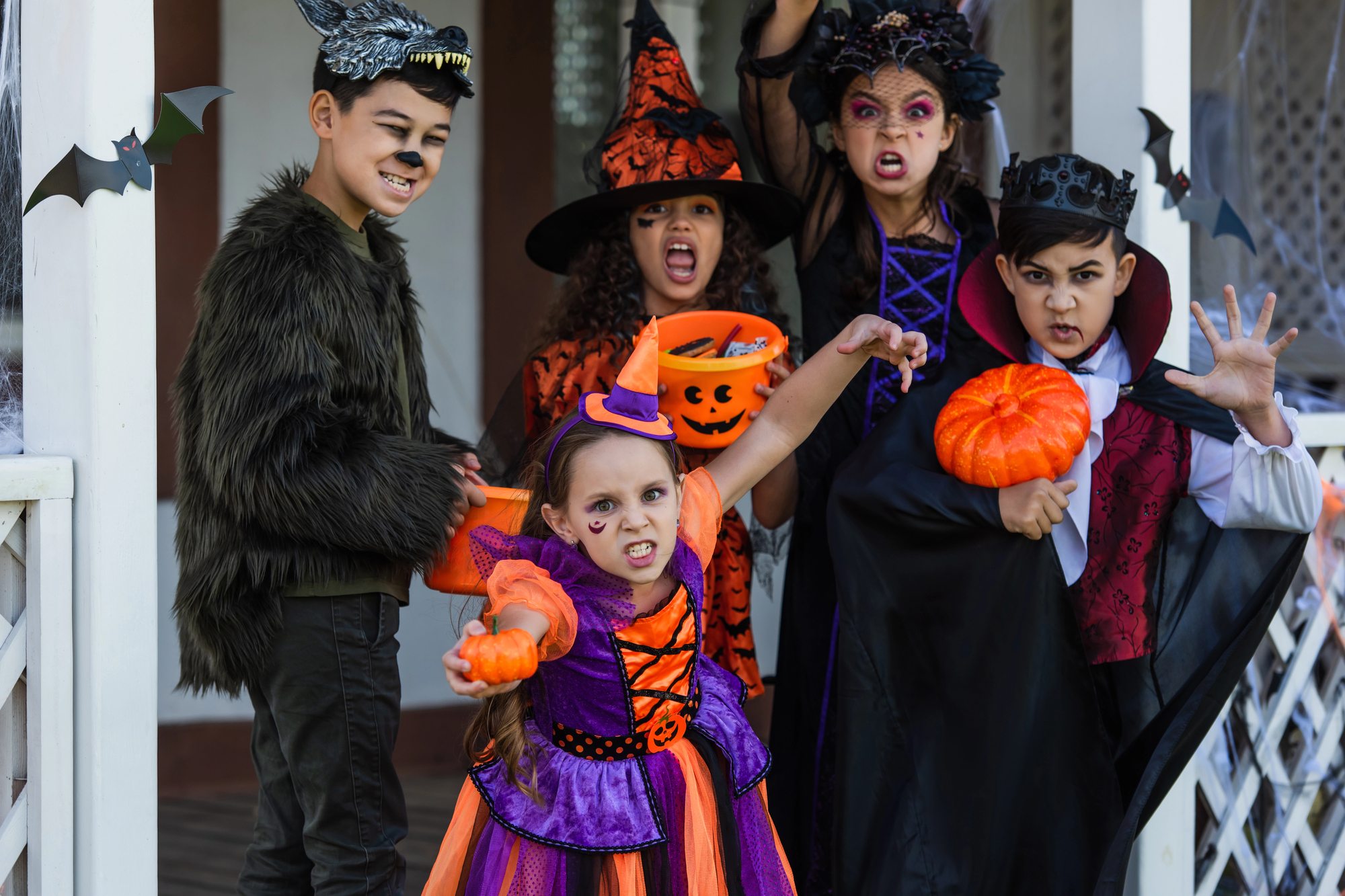
Halloween used to stretch across multiple nights in some communities — a “Mischief Night” or “Devil’s Night” on October 30th and then actual trick-or-treating on the 31st, or celebrations that drifted across whichever evening was most convenient. The rigid, single-night format is a relatively modern standardization.
Some cities still hold official trick-or-treat hours on a specific date chosen by local government, which is either sensible civic planning or a sign that something wild was once allowed to breathe.
What the Night Has Always Actually Been About
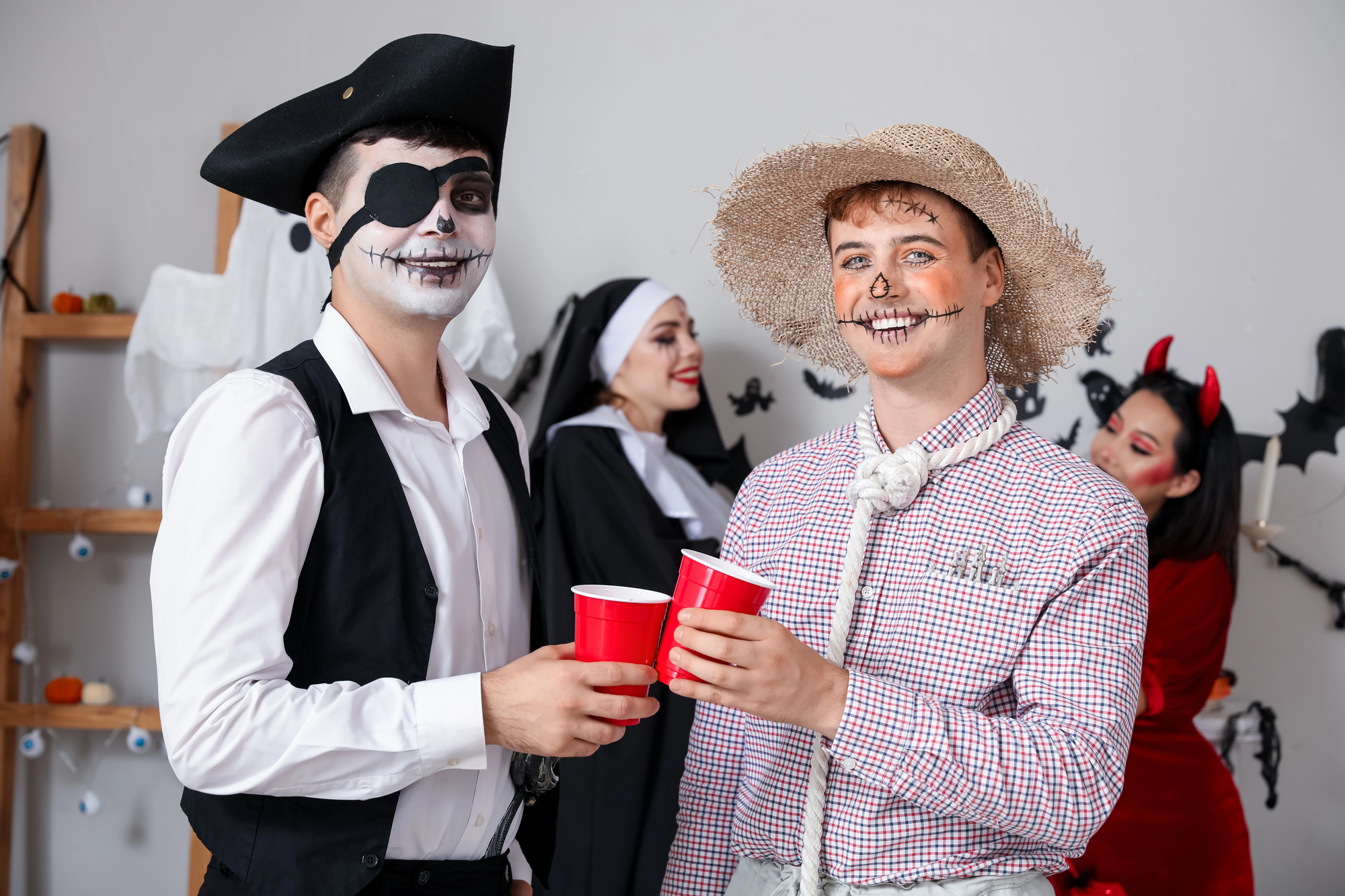
Strip away the candy industry, the suburban grid, the licensed costumes, and the parental logistics, and what’s left underneath is something older and stranger: a night when normal rules went slightly sideways, when darkness was supposed to feel different, when children were briefly allowed to be something other than children. Every era has managed that differently — through vandalism, through souling, through homemade costumes and caramel apples and unaccompanied miles of dark sidewalk.
The specific form changes. The underlying hunger for one night that doesn’t operate like the other 364 — that part hasn’t moved an inch.
More from Go2Tutors!

- The Romanov Crown Jewels and Their Tragic Fate
- 13 Historical Mysteries That Science Still Can’t Solve
- Famous Hoaxes That Fooled the World for Years
- 15 Child Stars with Tragic Adult Lives
- 16 Famous Jewelry Pieces in History
Like Go2Tutors’s content? Follow us on MSN.