33 Phone Habits Households Had Before Cell Phones
A single phone served an entire family, usually anchored to a kitchen wall or a small table in the hallway by a cord that stretched exactly as far as its coil allowed. Every call was a shared household event, overheard by anyone within range and negotiated among however many people lived under one roof.
The habits built around that one shared line shaped daily life in ways that seem almost logistically impossible now. Nearly all of them disappeared within a single decade once mobile phones became personal rather than communal.
Memorizing Phone Numbers

Without a contacts list stored anywhere, people memorized dozens of phone numbers for family, friends, and frequently called businesses, often retaining them for decades after the numbers stopped being relevant. Children learned their own home number as one of the first pieces of information drilled into them for emergencies; losing a written list of numbers in a fire or move could mean permanently losing touch with people whose numbers existed nowhere else.
The Kitchen Wall Phone

Most households mounted their primary phone on a kitchen wall, positioned within reach of a cord long enough to stretch across the room but rarely long enough to leave it entirely. Conversations happened standing up, often while stirring a pot on the stove or half-listening to what else was happening in the room; the location meant privacy was essentially nonexistent for any call taken there.
Stretching the Cord Under the Door
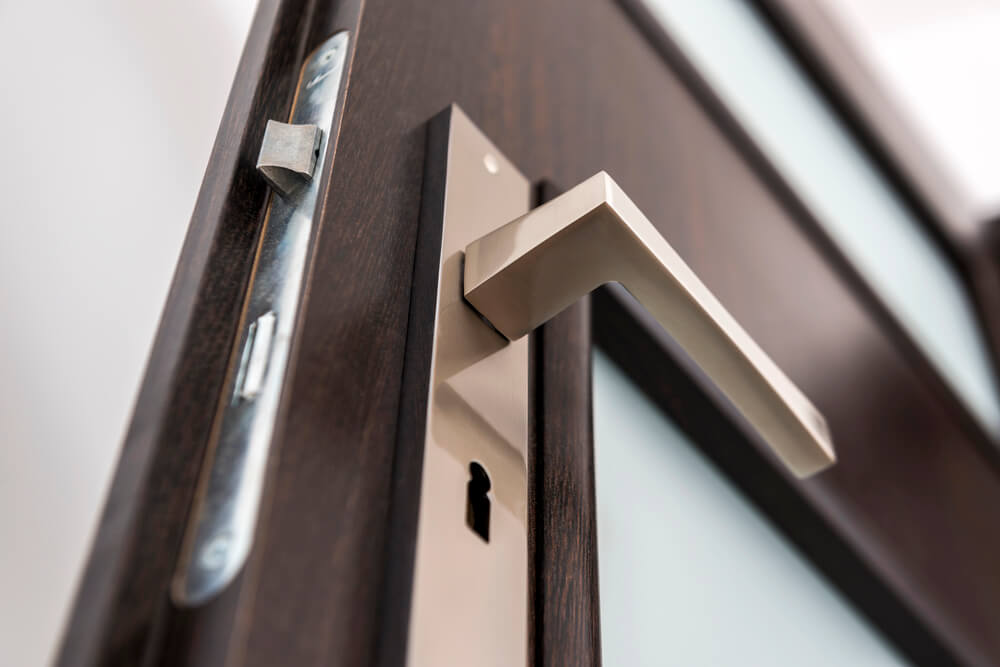
Teenagers desperate for privacy would stretch the coiled cord as far as it would reach, closing a door on it to muffle the conversation from the rest of the household. The cord itself became permanently kinked and twisted from years of this treatment, eventually tangling into knots that had to be manually worked out by hand; a particularly long cord was considered a genuine household asset.
Writing Down Phone Messages

A notepad kept beside the phone was used to record messages for family members who were out, noting who called, what time, and a brief summary of what they wanted. Forgetting to write down or deliver a message was a recurring source of household friction, sometimes with real consequences if the missed call concerned a job or a doctor’s office; some families used a dedicated message pad printed specifically for this purpose, with blank lines for name, number, and time.
The Busy Signal

Calling a household with only one phone line during a moment when someone else was already on the phone produced a distinct busy signal, a rapid beeping tone that offered no information beyond “try again later.” There was no way to know who was on the phone, for how long, or whether the call was even accidental; redialing repeatedly, sometimes for twenty minutes straight, was a common and mildly maddening ritual.
Party Lines
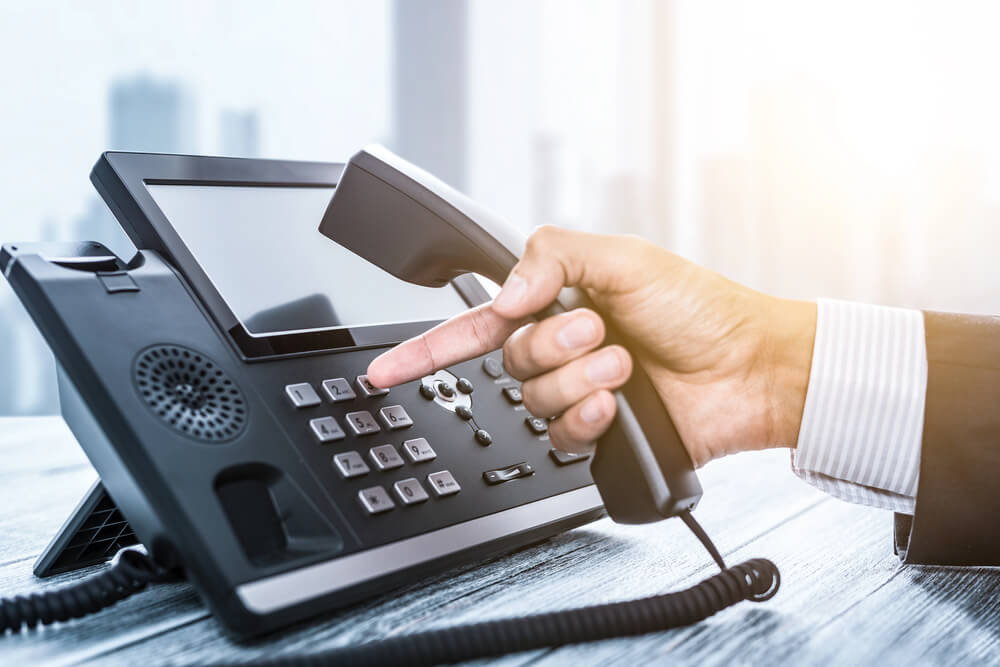
In many rural areas well into the mid-twentieth century, multiple households shared a single phone line, meaning a distinctive ring pattern indicated which household a call was actually for. Anyone on the shared line could quietly pick up and listen to a neighbor’s conversation, a practice that was technically discouraged but nearly impossible to prevent; etiquette around party lines, including how long any one household could occupy the shared line, was a real point of neighborhood tension.
The Rotary Dial Wait

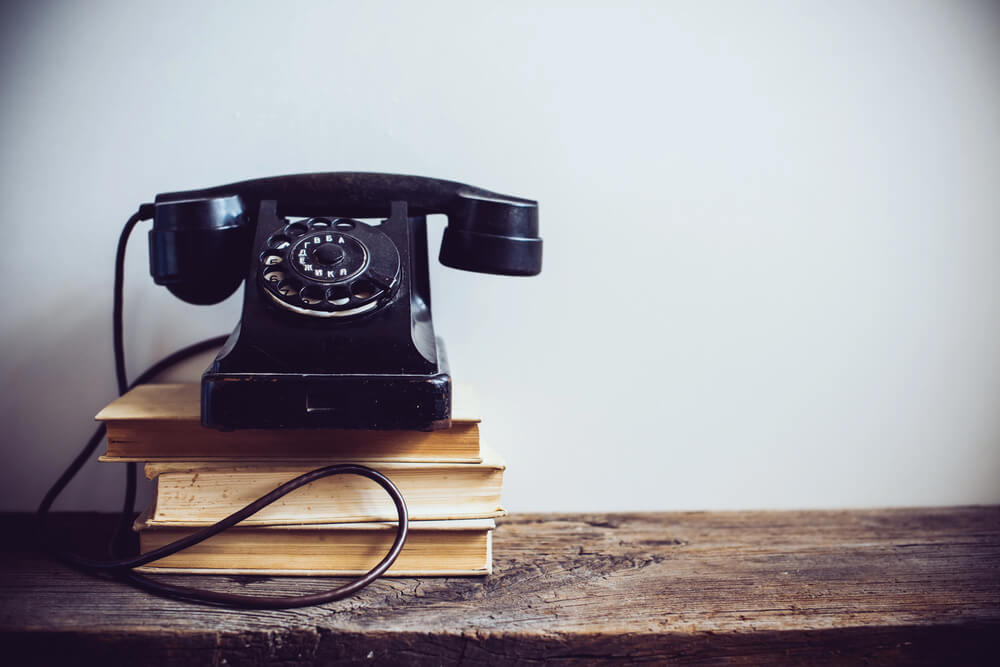
Dialing a phone number on a rotary phone required physically turning a dial to each digit and waiting for it to spin back before dialing the next one, a process that took noticeably longer for numbers with higher digits like eight or nine. A wrong digit meant hanging up and starting the entire sequence over from the beginning; long-distance numbers, often ten or eleven digits, could take close to a minute to fully dial.
Answering With a Formal Greeting
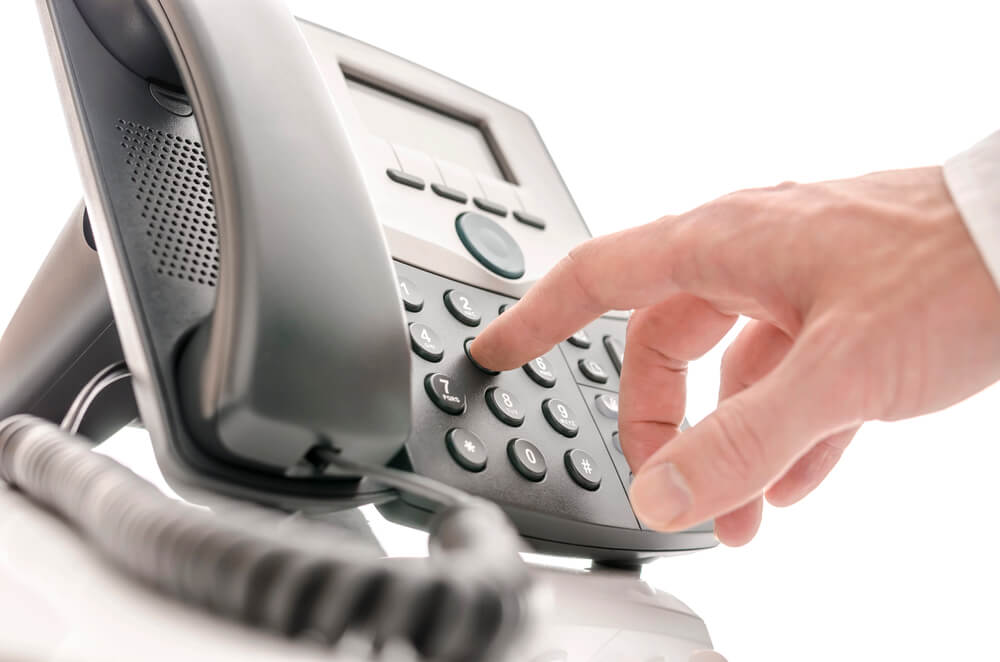
Households often taught children a specific formal greeting to use when answering the phone, such as stating the family’s last name or asking who was calling before handing the receiver to the intended recipient. Answering casually or informally was considered a small breach of household manners, particularly if the caller might be an adult, a relative, or someone from a parent’s workplace; the greeting functioned as a small piece of etiquette training built entirely around the phone.
Screening Calls Through Someone Else

Because the phone was shared, whoever answered first effectively controlled who got to the intended recipient, deciding in real time whether to say the person was home, unavailable, or simply not interested in talking. This informal screening created ordinary household drama, particularly among teenagers trying to avoid a call from a specific person while a sibling controlled the receiver; there was no caller ID to check before answering, so every ring carried genuine uncertainty about who was calling.
The Answering Machine Blinking Light
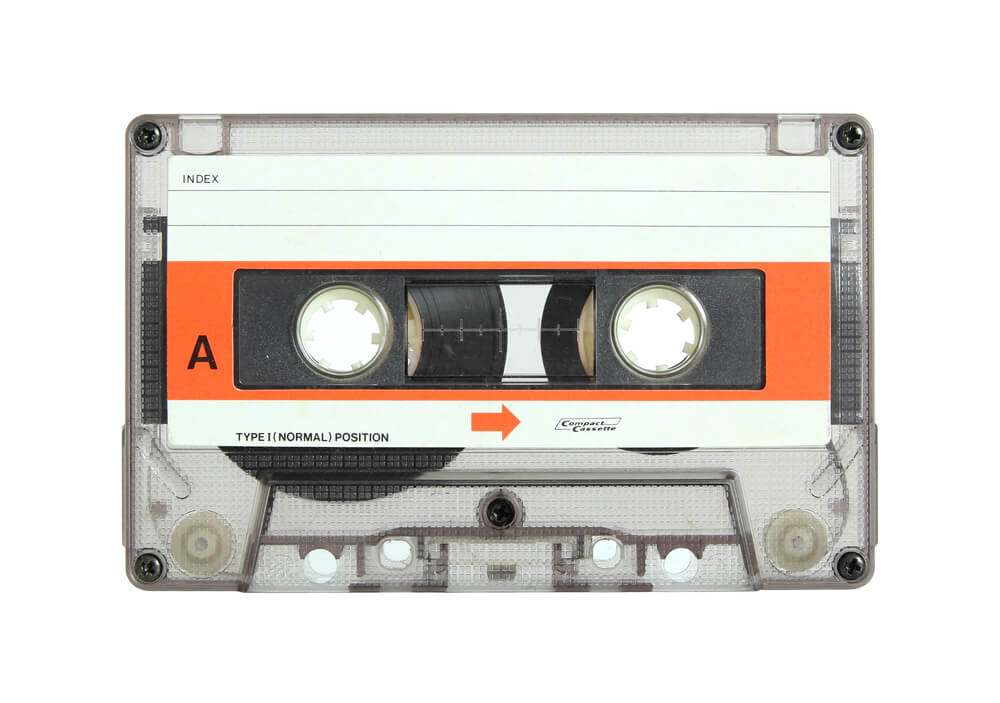
A separate answering machine, connected physically to the phone line, recorded messages onto a small cassette tape and signaled unheard messages with a blinking light visible from across the room. Coming home to a blinking light created a small jolt of anticipation before anyone had actually pressed play; recording the outgoing greeting message was often treated as a minor creative project, occasionally involving the whole family or a favorite joke.
Long-Distance Call Anxiety

Calling relatives who lived outside the local calling area incurred per-minute long-distance charges that showed up itemized on the monthly phone bill, making such calls something households consciously limited and timed. Conversations with distant grandparents were often kept deliberately brief, with a parent hovering nearby to signal when it was time to wrap up; a long-distance call placed at an unusual hour, like late at night, often triggered immediate concern that something was wrong.
The Egg Timer Beside the Phone

Some households kept a small kitchen timer next to the phone specifically to limit how long teenagers could occupy the line, since a single household typically had only one number and one incoming line. When the timer went off, the call was expected to wrap up regardless of what was being discussed; siblings enforced the timer rule on each other with considerably more diligence than any parent usually managed.
Dialing Information for a Number

Before searchable directories existed online, calling a dedicated information operator, usually by dialing 411, connected a caller to a live person who would look up an unlisted business or residential number on request. The service typically carried a small per-call fee that appeared on the phone bill, making it something households used sparingly rather than as a casual convenience; memorizing a business’s hours or address often required calling that business directly rather than checking a website.
The Phone Book on the Kitchen Counter
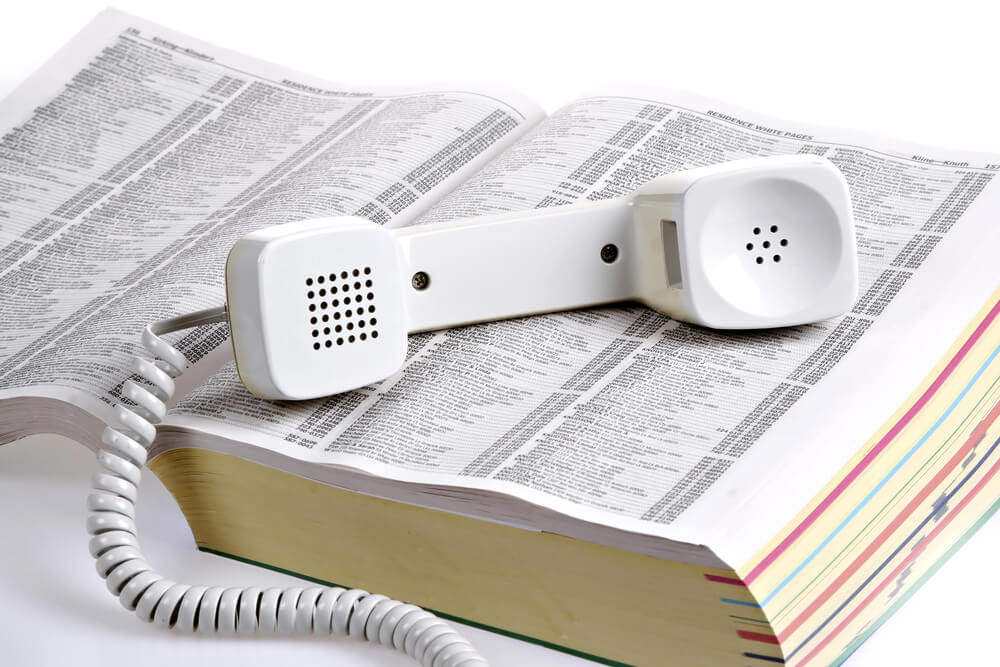
A thick phone book, delivered annually and organized alphabetically by last name for residential listings and by category for businesses, sat within reach of the household phone for quick lookups. Losing or misplacing the current year’s phone book was a minor household inconvenience, since the previous year’s book quickly became unreliable as numbers changed; Yellow Pages advertisements for local businesses were often the primary way households discovered new services in their area.
Waiting by the Phone for an Expected Call

If an important call was expected, whether from a doctor’s office, a job interview follow-up, or a long-distance relative, someone in the household would often simply sit near the phone and wait, unwilling to risk missing it or tying up the line. Leaving the house during that window meant potentially missing the call entirely, with no way to reach the caller back or know they had tried; the waiting itself became a distinct, low-grade form of household stress.
The Cordless Phone Base Station
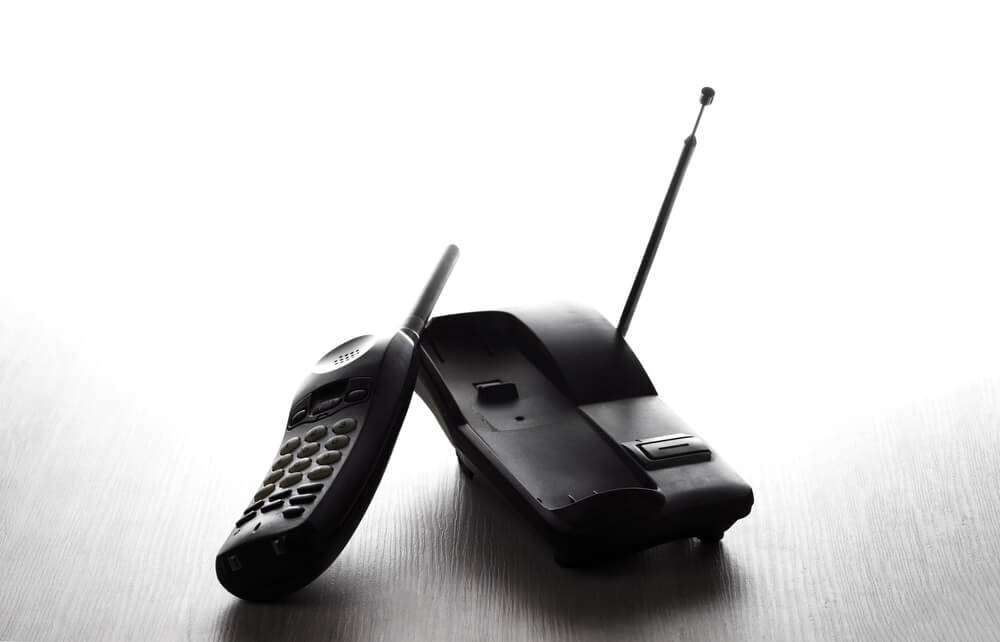
Once cordless phones became common, a base station stayed plugged into the wall jack and electrical outlet while the handset itself could be carried around the house, though it required regularly returning to the base to recharge. Losing track of where the handset had been left was a near-daily minor crisis, since a missing handset meant the household had no way to make or receive calls until it was found; households often kept a habit of yelling out for anyone to help locate a missing cordless handset by calling the number from another line.
Untangling the Cord

The coiled cord connecting the handset to the base twisted itself into increasingly tight knots through ordinary use, requiring an occasional deliberate effort to let the handset dangle and spin freely until the twists worked themselves out. A badly tangled cord could shorten the effective reach of the phone by a foot or more; replacing a hopelessly tangled cord with a fresh one was treated as a small but satisfying household upgrade.
Call Waiting Etiquette

Once call waiting became available, a distinct click or beep during an active call signaled a second incoming call, requiring the person on the phone to decide in the moment whether to put the current conversation on hold. Managing two conversations by switching back and forth was considered a specific skill, and forgetting who was on which line was a common minor embarrassment; not everyone subscribed to the service, since it typically carried an additional monthly fee.
Speed Dial Programming
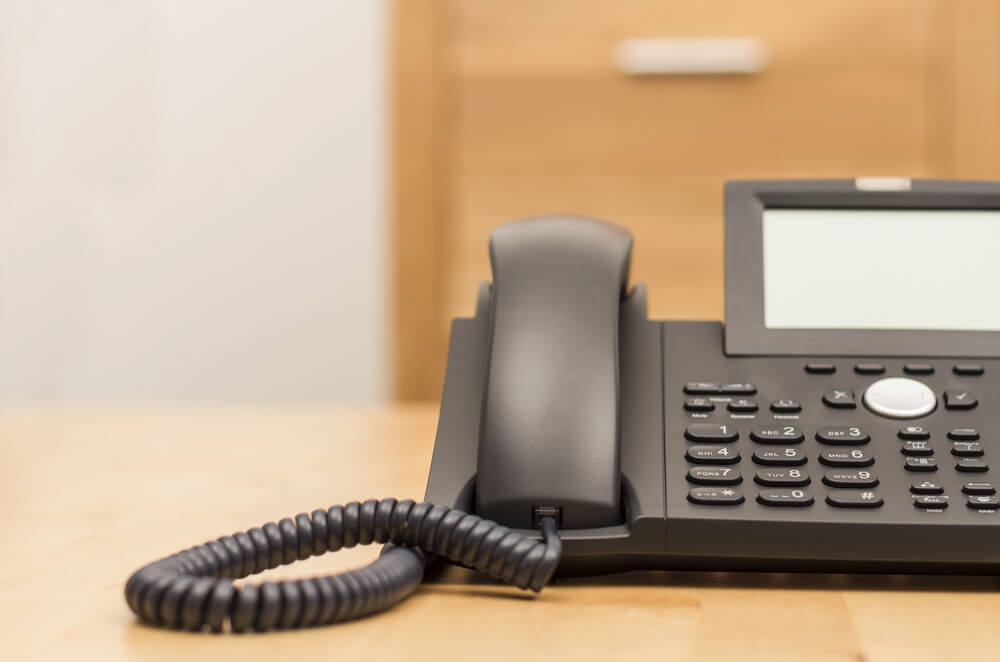
Households with more advanced phones could program a handful of frequently called numbers into speed dial buttons, usually limited to somewhere between two and ten slots depending on the model. Assigning a specific number to a specific button was a small household decision, occasionally causing minor disputes over which relative or friend deserved a coveted low-numbered slot; reprogramming speed dial after a phone was replaced meant manually re-entering every number from memory or a written list.
The Phone Cord Reaching the Bathroom

Determined teenagers occasionally stretched a cordless phone or an extra-long cord into the bathroom for privacy, closing the door despite the awkwardness of the location, simply because it was the only room in the house with a lock. The habit became something of a cultural cliché, referenced constantly in television shows depicting teenage life; parents generally tolerated it as a lesser evil compared to other places a determined teenager might go for privacy.
Collect Calls
A caller without money for long-distance charges could place a collect call, in which an operator asked the person answering whether they would accept charges for a call from a specified name, often used by students calling home from college or a payphone. Families developed unspoken codes, such as stating a fake name during the collect call announcement, purely to signal a simple message like “I arrived safely” without actually paying for the call; refusing a collect call from an unfamiliar name was a normal and accepted practice.
The Address Book Beside the Phone

A small, often spiral-bound address book sat near the household phone, with each family member’s handwriting visible across different pages as numbers were added and crossed out over years of use. Losing this single physical object meant losing access to numbers that existed nowhere else, since there was no digital backup of any kind; updating an entry after a friend moved or changed numbers required physically crossing out the old information and writing the new number by hand.
Answering Machine Outgoing Messages
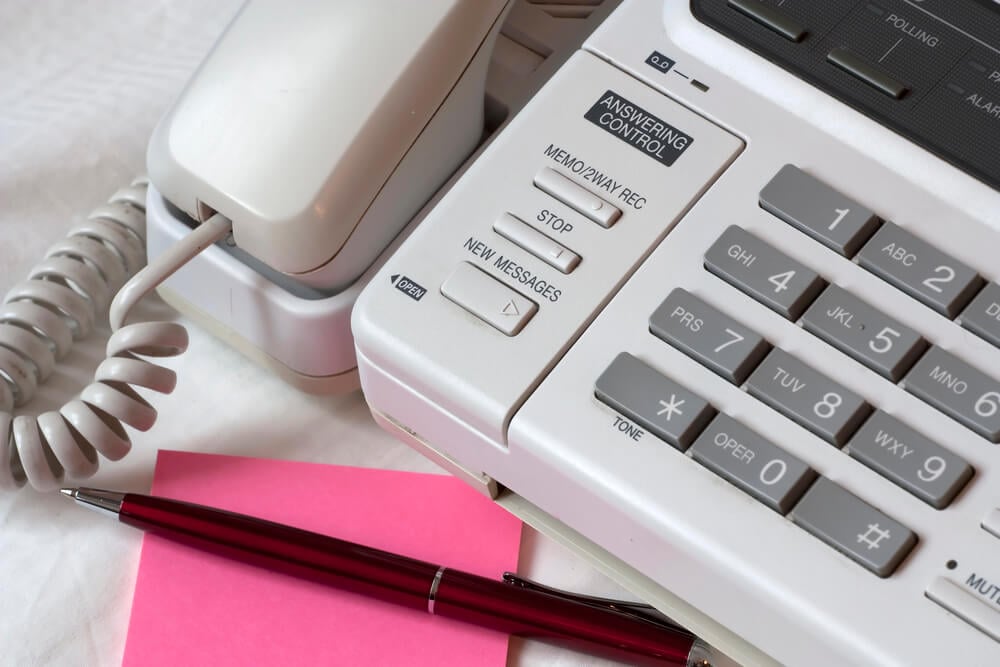
Recording the greeting that callers heard before leaving a message was treated as a small creative outlet, with some households recording a straightforward statement of names and others attempting a joke, a song snippet, or a message from a child that would later become an embarrassing artifact. Re-recording the message required rounding up whoever needed to participate and getting the timing right in a single take, since most machines only stored one version; hearing your own recorded voice played back was, for many people, their first real exposure to how their voice actually sounded to others.
Three-Way Calling

A telephone feature allowing a caller to connect a third party into an existing call, three-way calling became especially popular among teenagers coordinating plans across multiple friends at once. The feature typically required a specific sequence of hang-up switch clicks or button presses that took some trial and error to master; accidentally disconnecting everyone while attempting to add a third caller was a common and mildly infuriating failure.
Recognizing Voices Instead of Names

Without caller ID, households relied entirely on recognizing a caller’s voice within the first second or two of a conversation, a skill that became second nature for frequent callers like grandparents, best friends, or a persistent salesperson. Misidentifying a caller in the opening seconds of a call was a routine minor social stumble that everyone experienced regularly; distinctive voices, particularly on a scratchy long-distance connection, sometimes remained genuinely hard to place.
The Phone Bill Itemized Statement

A paper phone bill arrived monthly listing every long-distance call made, including the date, duration, and destination number, giving parents a detailed record they could scan for unauthorized or unusually long calls. Teenagers who had made an unapproved long-distance call to a boyfriend, girlfriend, or friend who had moved away often faced a tense conversation once the bill arrived; the itemized list was, in a very literal sense, an early and unavoidable form of household surveillance.
Payphones on Every Corner
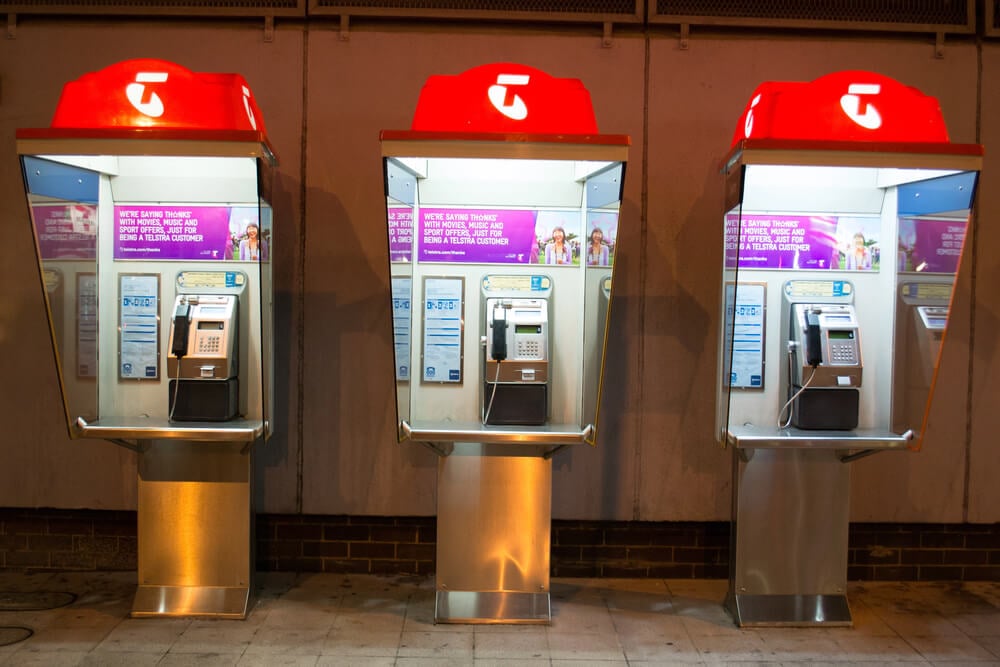
Public payphones, requiring exact change or a calling card, were positioned at gas stations, street corners, and inside most stores specifically because so many people needed a way to make a call away from home. Running out of quarters while trying to reach a parent for a ride was a specific and common source of stress for teenagers; the steady disappearance of payphones through the 2000s tracked almost exactly with the rise of personal cell phone ownership.
Calling Card PIN Numbers

Prepaid calling cards, sold at convenience stores and gas stations, required dialing a toll-free access number followed by a long PIN printed on the back of the card before a call could be placed, a process considerably more involved than simply dialing a number directly. Scratching off the card’s protective coating to reveal the PIN was itself a small ritual before every use; losing a partially used calling card meant losing whatever prepaid minutes remained on it, with no way to recover the balance.
Waiting for the Dial Tone

Before dialing any number, a caller listened for the dial tone, a steady hum confirming the line was active and ready, a small habitual pause that most people performed without consciously thinking about it. A missing dial tone signaled either a line problem or, in a shared household, that someone else had already picked up another extension; the sound became so deeply familiar that its complete absence from modern phone use is rarely noticed until deliberately pointed out.
The Extension Phone in the Bedroom
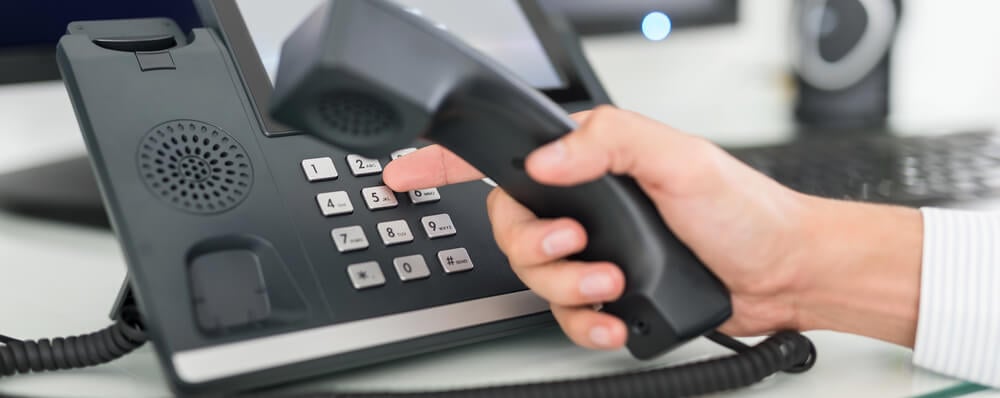
Wealthier or larger households sometimes installed a second phone extension in a bedroom or den, wired to the same line as the kitchen phone but allowing a call to be picked up from a different room. Two people could accidentally pick up simultaneously from different extensions, resulting in an awkward three-way moment neither had intended; quietly listening in on another family member’s call by picking up an extension without speaking was a classic and widely acknowledged household temptation.
Writing “Do Not Disturb” Notes for the Phone
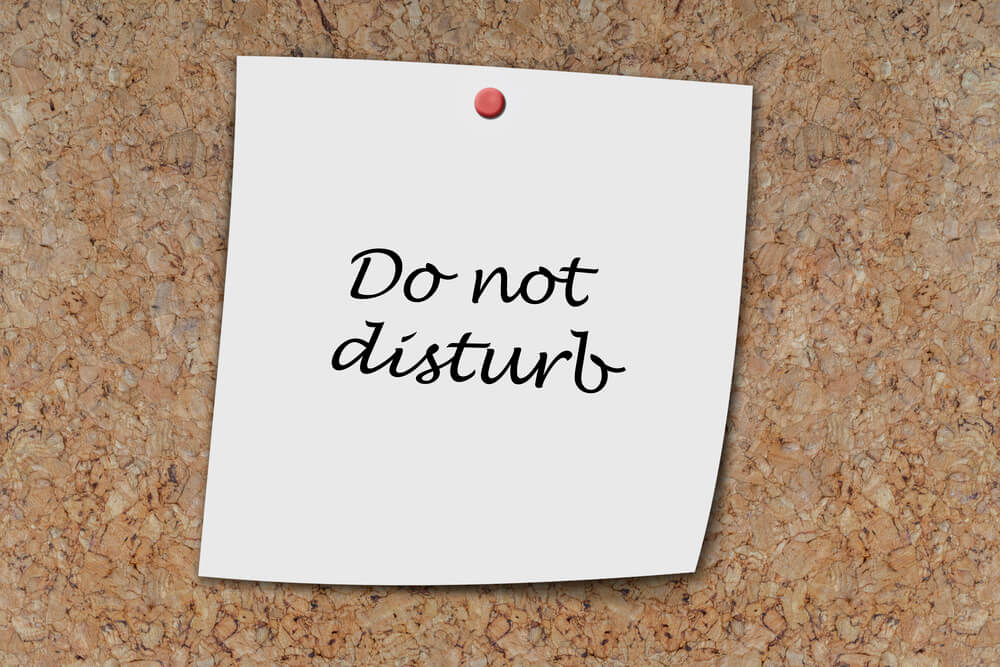
During family meals, homework time, or a parent’s important call, a handwritten note or a simple verbal rule sometimes designated a temporary “do not answer the phone” period, particularly during dinner. Enforcing this rule against an insistently ringing phone required real household discipline, since there was no way to silence or mute the ringer selectively; letting a call go unanswered meant genuinely not knowing who had called or why until, potentially, they called back.
The Ring Count Superstition

Many households followed an informal, half-serious rule about not answering before a certain number of rings, either to avoid seeming too eager or simply out of habit, while also not letting it ring too long before someone reached it. Family members sometimes raced from different parts of the house to be the one who reached the phone first, particularly if a call was expected from someone specific; the exact number of acceptable rings before answering varied meaningfully from household to household.
Passing the Phone Around During Family Calls
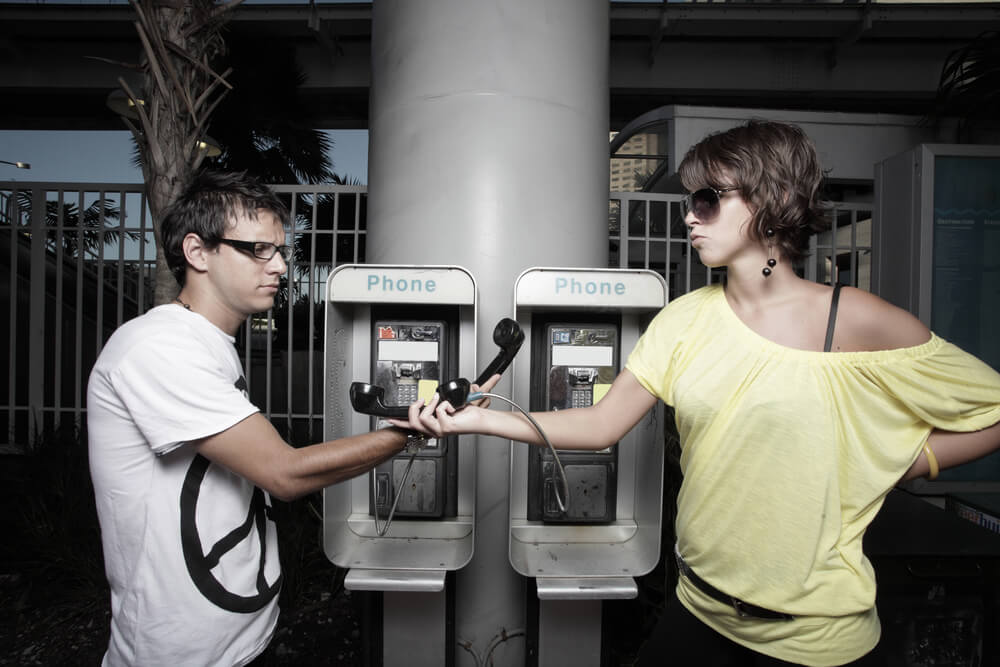
When a call came in from a distant relative, the receiver was often passed physically from person to person around the room so each family member could say a quick hello, a sequence that could stretch a routine call considerably longer than intended. Younger children were frequently prompted with what to say before being handed the phone, since a call from a relative was treated as a small event worth structuring; the final person on the phone was usually left with the job of actually saying goodbye and hanging up.
One Line, One Conversation
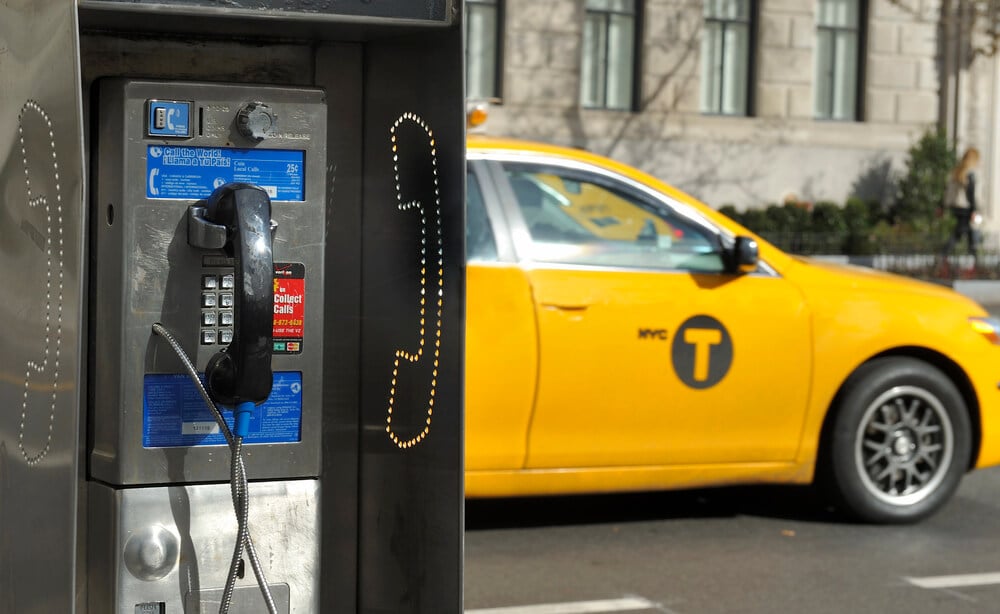
Everything about the shared household phone, the cord, the busy signal, the message pad, the itemized bill, existed because a single line could carry only one conversation at a time, and every person in the house had to negotiate around that basic limitation. The constraint shaped etiquette, family roles, and even architecture, since where a phone was mounted determined how private any call in that house could ever be.
What replaced it was not just a new device but an entirely different relationship to communication, one built around individual ownership rather than shared, negotiated access. The habits above were not workarounds for bad technology; they were a fully developed social system built around a single wire.
More from Go2Tutors!

- The Romanov Crown Jewels and Their Tragic Fate
- 13 Historical Mysteries That Science Still Can’t Solve
- Famous Hoaxes That Fooled the World for Years
- 15 Child Stars with Tragic Adult Lives
- 16 Famous Jewelry Pieces in History
Like Go2Tutors’s content? Follow us on MSN.