31 Old Gas Station Memorabilia Buyers Track Down
The mid-20th-century American gas station was a branding battlefield, with oil companies commissioning porcelain signage, matchbooks, and giveaway items in staggering volume. Most of it was thrown away the moment a station rebranded, which is exactly why the surviving pieces now draw dedicated buyers.
Texaco Porcelain Star Signs
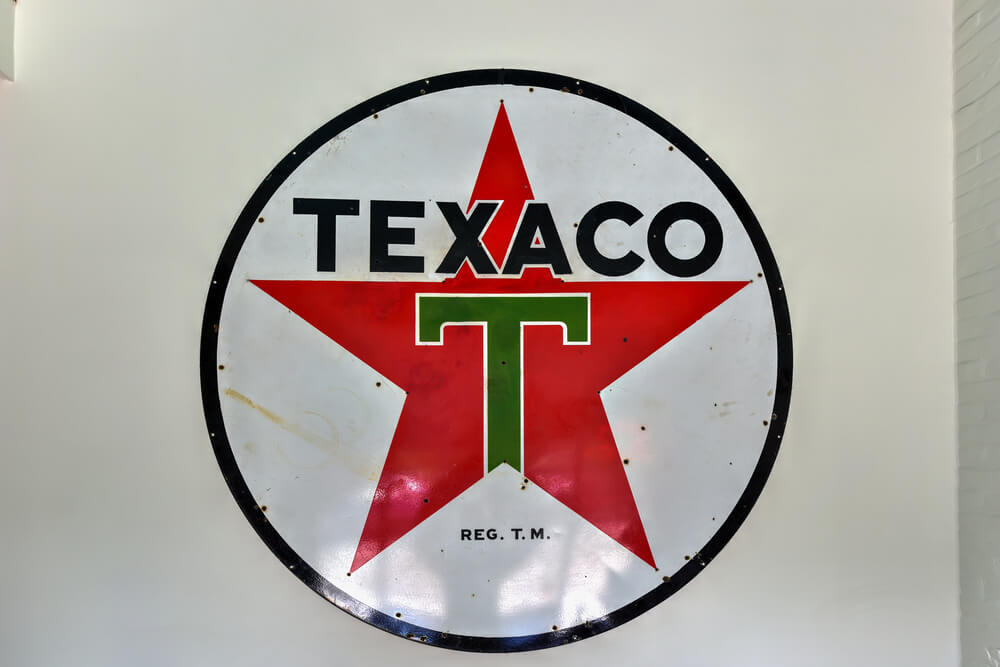
Texaco’s red star logo on porcelain signage is one of the most recognizable images in American roadside advertising history. Larger double-sided signs meant to hang from a station’s canopy are especially prized over smaller single-sided variants.
Sinclair Dino Oil Cans
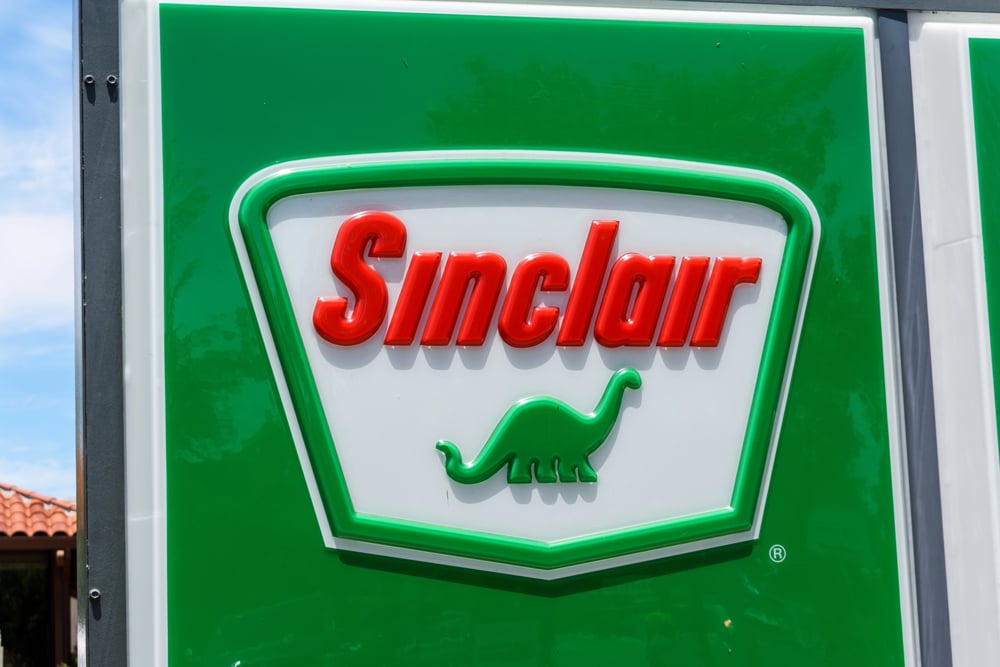
Sinclair’s green dinosaur mascot, introduced to promote its oil products, made its way onto oil cans that remain instantly recognizable decades later. Unopened cans with strong original graphics command notably more than empty or rusted examples.
Shell Gas Pump Globes
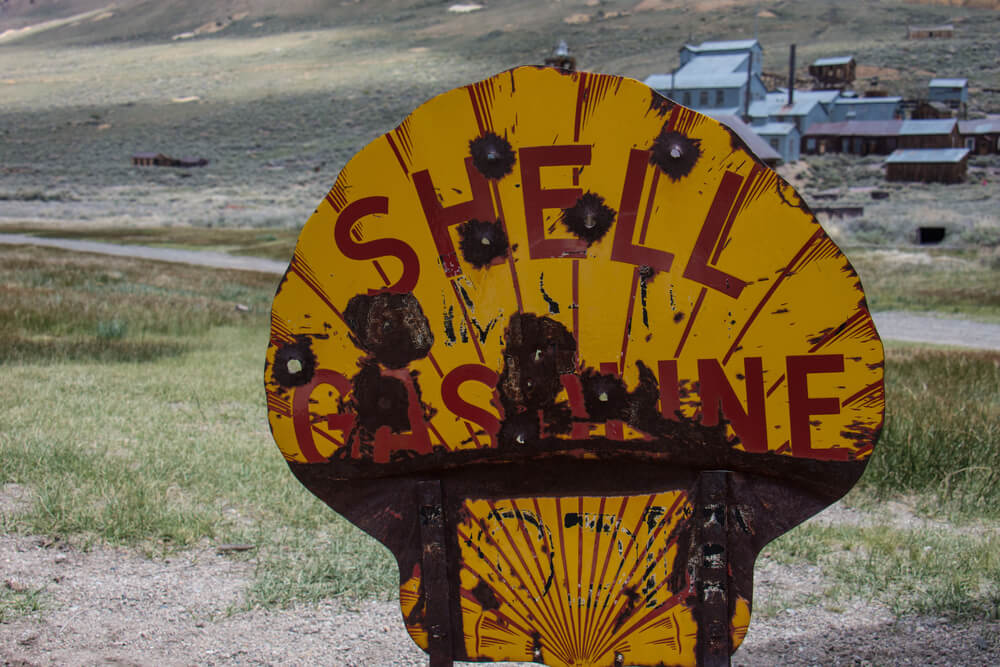
The glass or plastic globes that once sat atop gas pumps, including Shell’s distinctive scallop-shell design, are among the most actively collected category of gas station memorabilia. Original glass globes, as opposed to later plastic reproductions, carry significantly more value.
Mobil Pegasus Signs
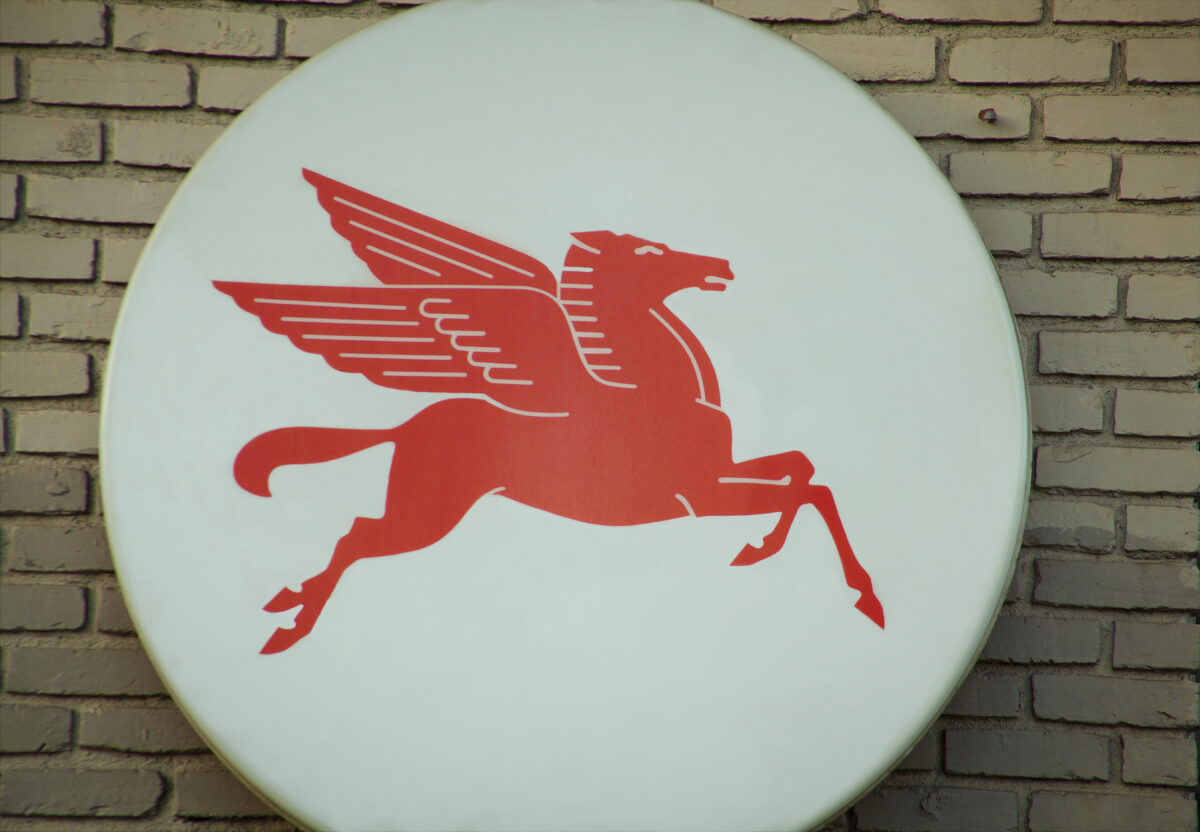
Mobil’s flying red horse, known as Pegasus, became one of the most iconic symbols in oil company branding starting in the 1911. Large-format porcelain Pegasus signs in strong original color are among the most sought pieces in the entire gas station memorabilia category.
Standard Oil Road Maps
Free road maps distributed by Standard Oil and its regional successors document changing highway systems and were often given away by the millions, yet clean surviving examples are surprisingly uncommon. Maps depicting now-defunct highway routes draw particular interest from road history collectors.
Gulf Oil Tin Advertising Signs
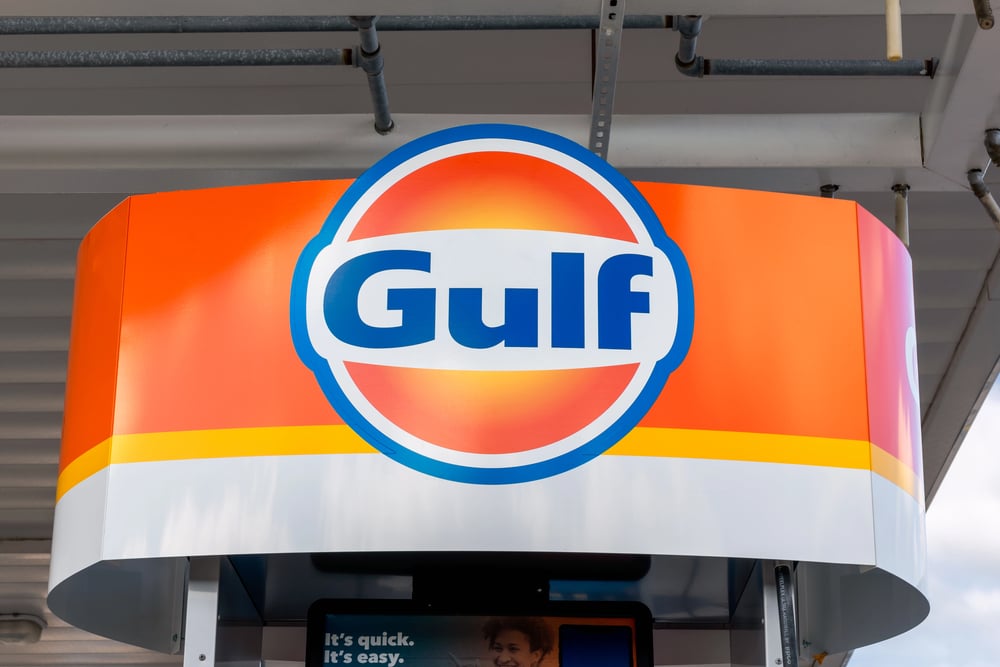
Gulf’s orange and blue color scheme appeared across a wide range of tin advertising signage throughout the mid-20th century. Signs advertising specific discontinued Gulf products tend to be scarcer than the more common general branding signs.
Phillips 66 Shield Signs
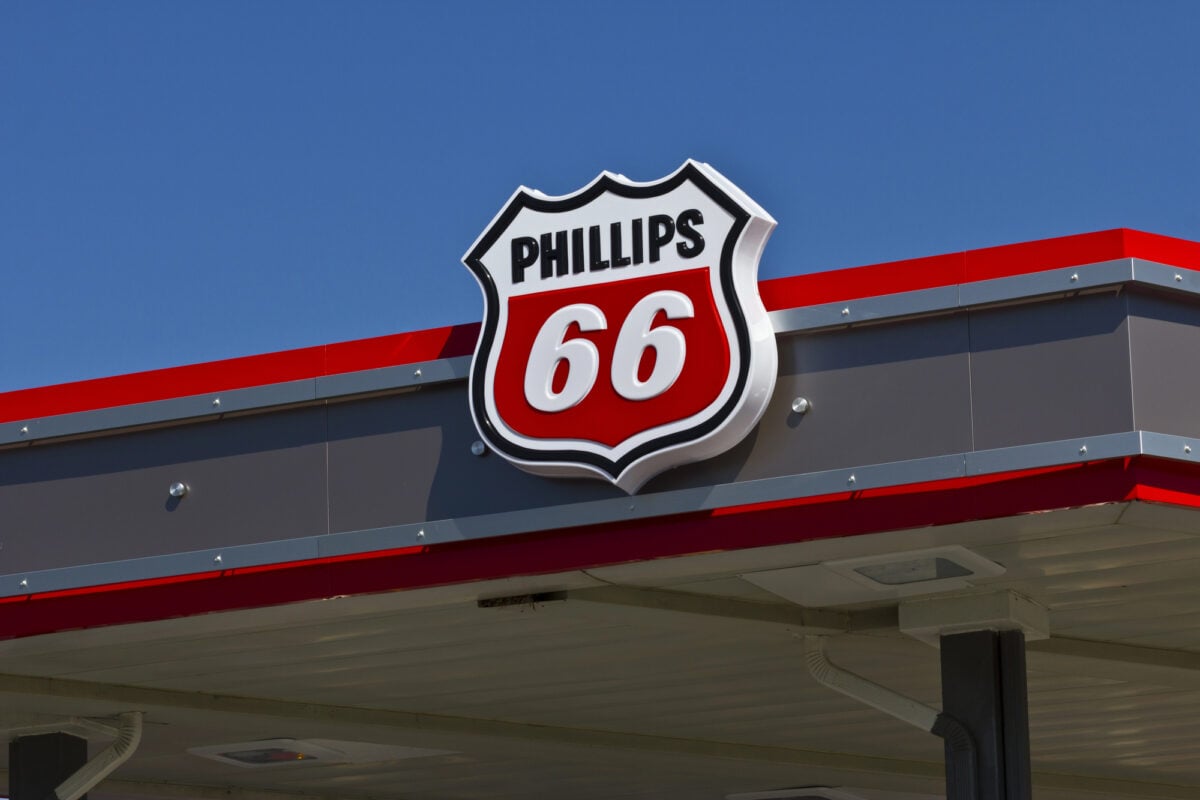
The Phillips 66 shield logo, inspired by the company’s connection to U.S. Route 66, remains one of the most sought-after gas station sign designs specifically because of its crossover appeal with Route 66 memorabilia collectors. Porcelain examples in strong original color are considerably more valuable than later painted-metal reproductions.
Esso Tiger Promotional Items
Esso’s “Put a Tiger in Your Tank” campaign from the 1960s generated a wide range of promotional items, from tiger tail giveaways to signage. Original campaign-era items, as opposed to later reissued novelties, are what serious collectors specifically seek.
Union 76 Orange Globe Signs
Union 76’s bright orange spherical signage became a familiar sight along American highways for decades. Larger rotating versions, once mounted on tall poles above stations, are considerably rarer and more valuable than smaller wall-mounted signs.
Sunoco Racing Signs
Sunoco’s long association with auto racing sponsorship produced a distinct category of racing-themed advertising signage separate from its standard station branding. Signs tied to specific documented racing sponsorships draw additional interest from motorsport memorabilia collectors.
Conoco Minuteman Signs
Conoco’s Minuteman mascot, introduced in the mid-20th century, appeared on station signage promoting the brand’s fuel products. Signs from the mascot’s earliest production years are scarcer than the later, more widely distributed versions.
Amoco Torch Signs
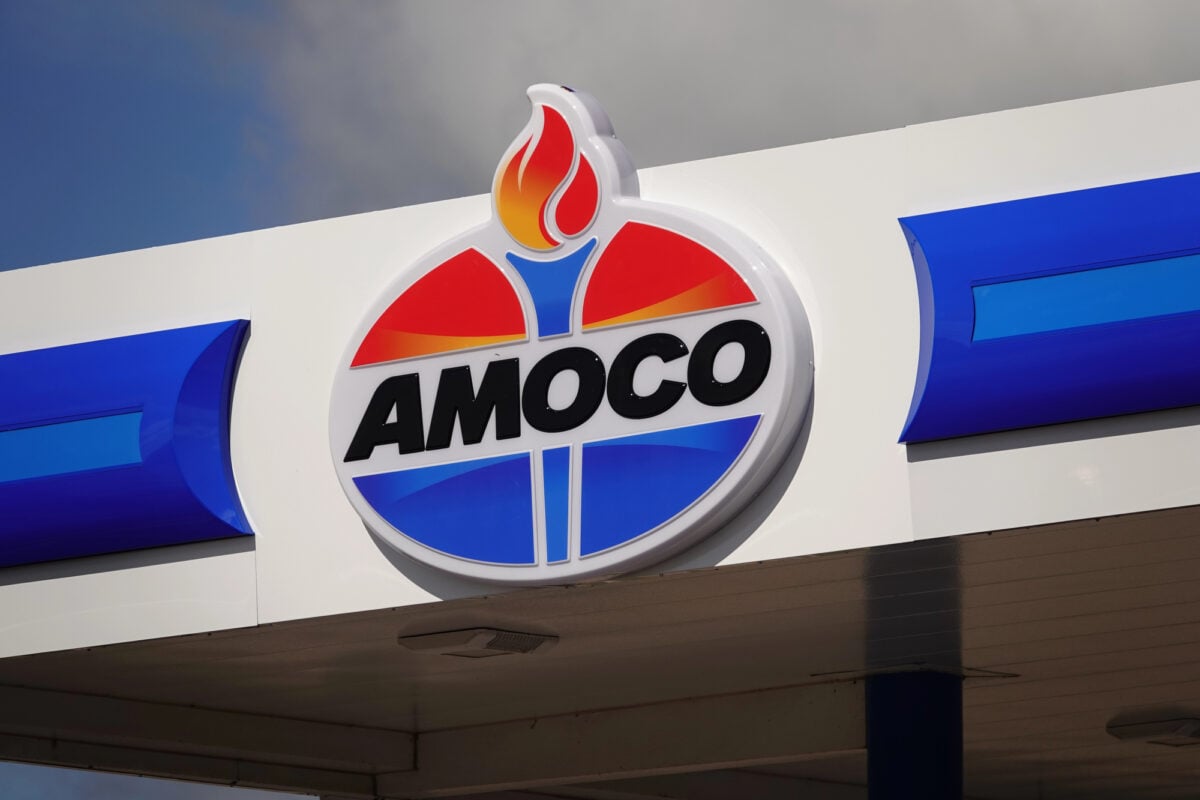
Amoco’s torch logo, used across its signage and pump globes, remains one of the more recognizable oil company symbols from the mid-20th century. Complete, undamaged porcelain examples are considerably harder to find than the company’s more common cardboard advertising pieces.
Chevron Gas Pump Globes
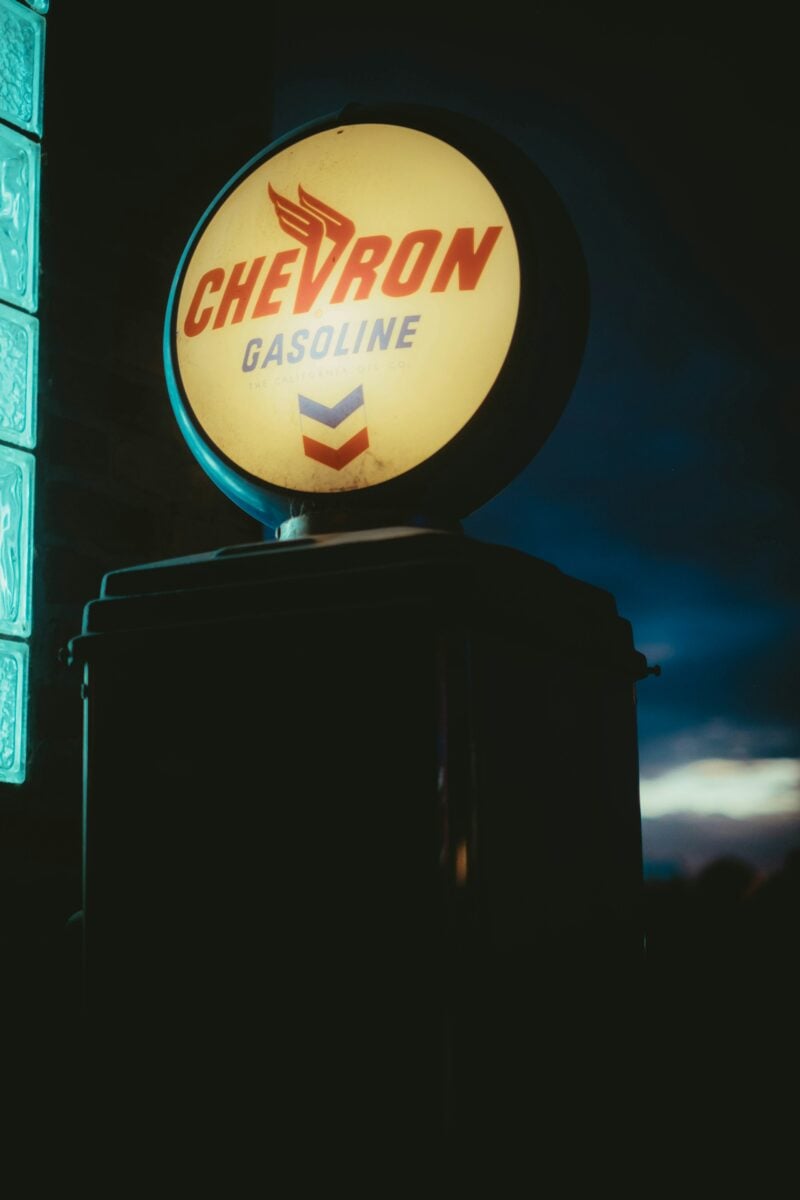
Chevron’s pump globes evolved through several design generations over the mid-20th century, giving collectors a way to date examples precisely by logo style. Earlier glass-body globes generally command higher prices than later plastic-body versions.
Cities Service Clover Leaf Signs
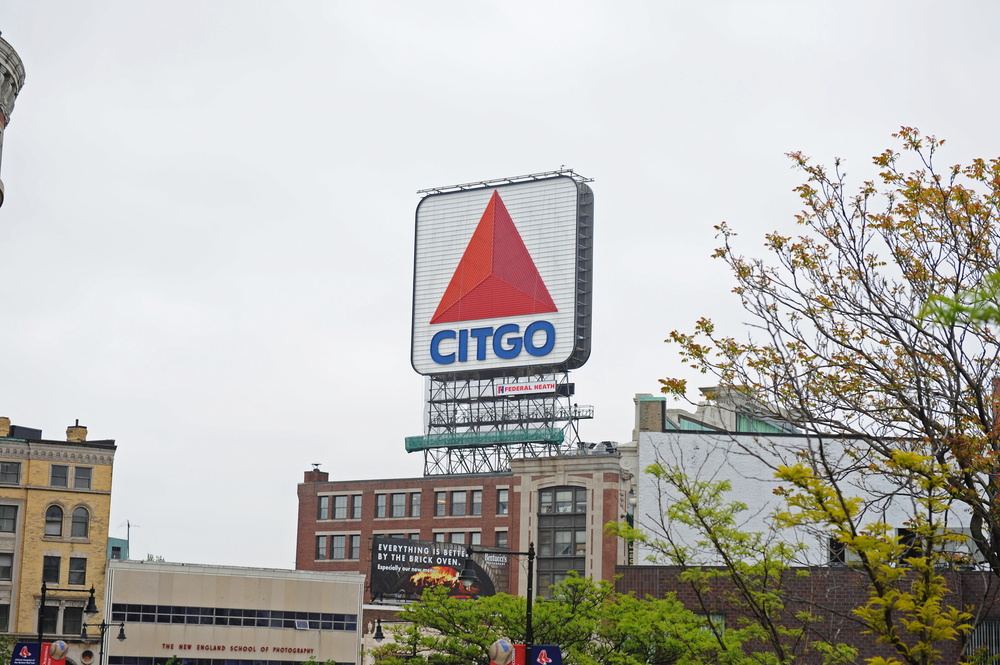
Cities Service, later rebranded as Citgo, used a distinctive clover leaf logo on its mid-century signage. Because the company fully rebranded decades ago, original Cities Service-branded pieces are inherently finite in supply.
Skelly Oil Tin Signs
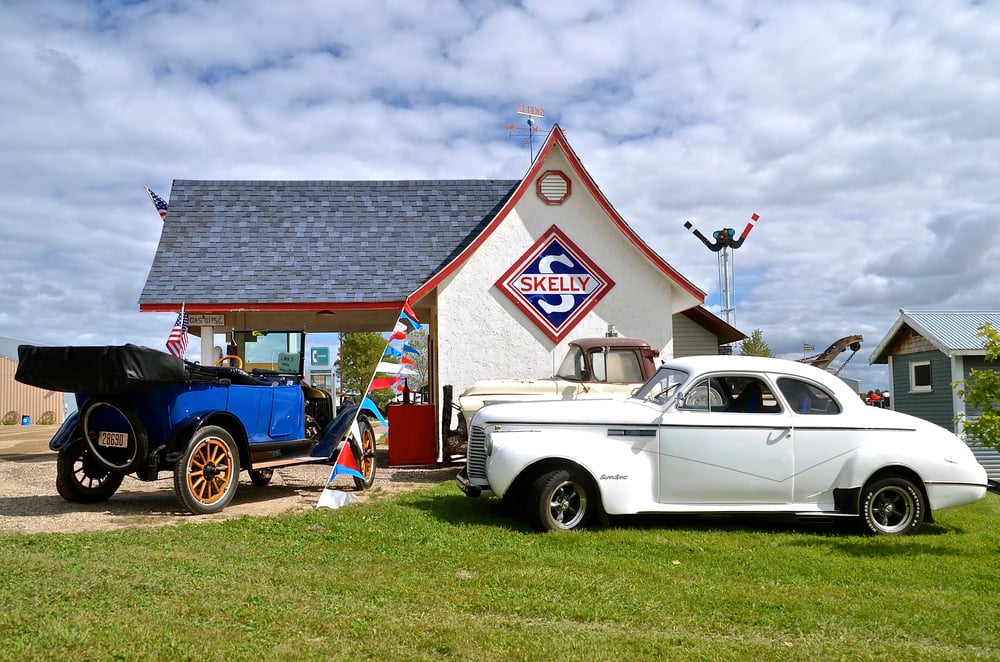
Skelly Oil, a regional Midwestern brand later absorbed by larger competitors, produced tin advertising signage that is scarcer today simply because the company’s operating footprint was smaller than national brands. Regional specificity makes Skelly pieces a target for collectors focused on Midwest roadside history.
Richfield Eagle Signs
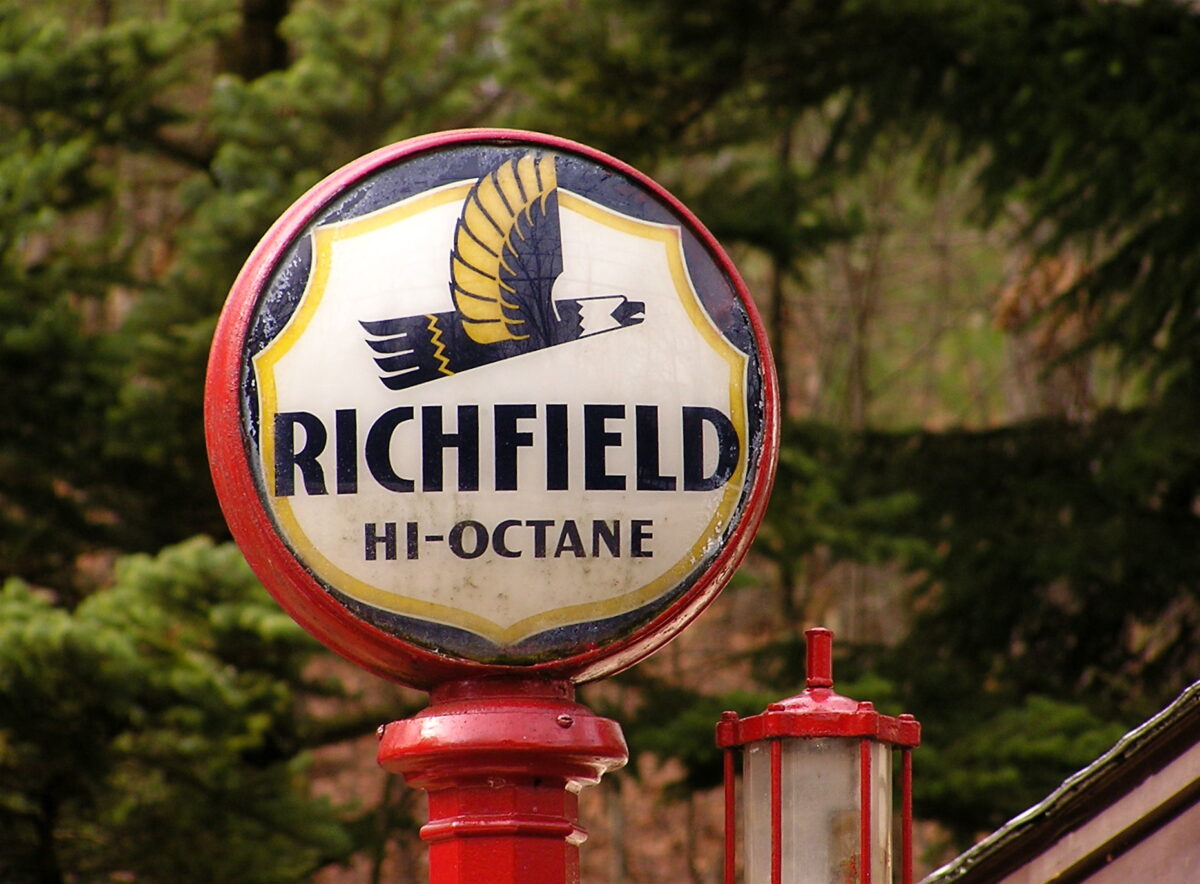
Richfield’s eagle emblem appeared on signage before the company merged into what eventually became ARCO. Original Richfield-branded pieces predate that merger and are collected specifically for representing the company’s independent era.
Flying A Service Station Signs
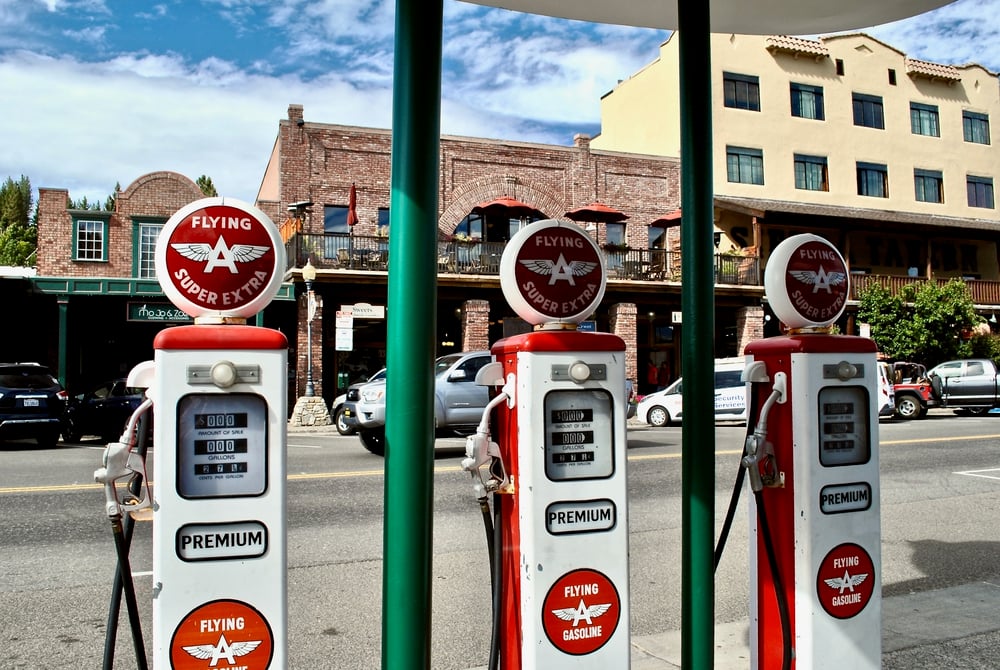
Tidewater Oil’s “Flying A” brand, featuring a winged letter A, produced distinctive signage across its station network in the mid-20th century. Large-format porcelain versions are considerably scarcer than the smaller advertising placards the brand also distributed.
Signal Gasoline Porcelain Signs
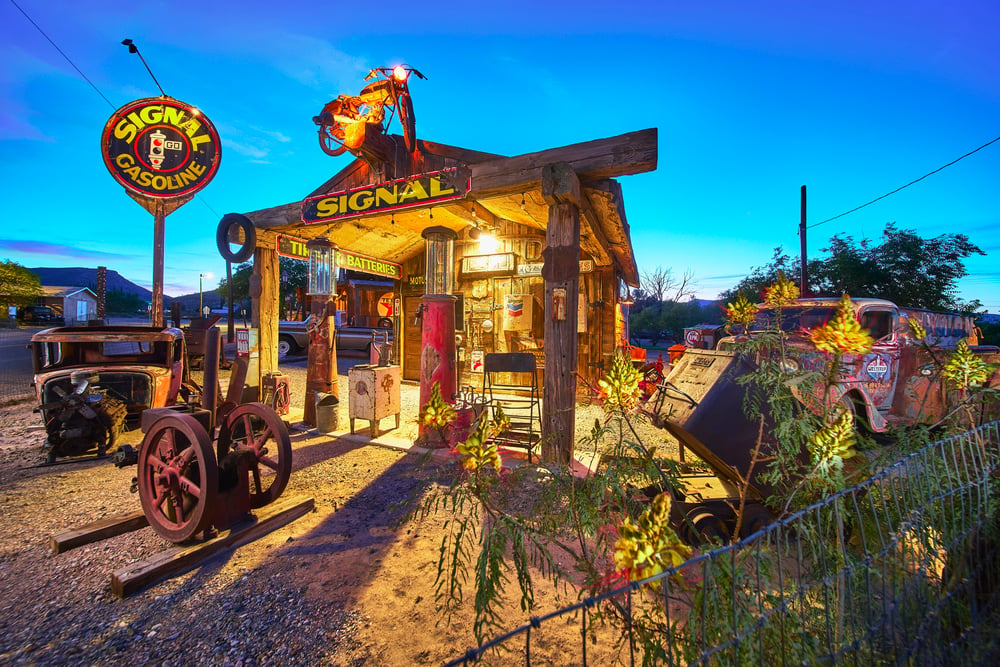
Signal Oil Company’s stylized signage from the mid-20th century is a recognized name within petroliana collecting circles, even though the brand itself has long since disappeared from the market. Larger double-sided porcelain examples are considerably more sought after than smaller single-sided pieces.
White Rose Gasoline Signs
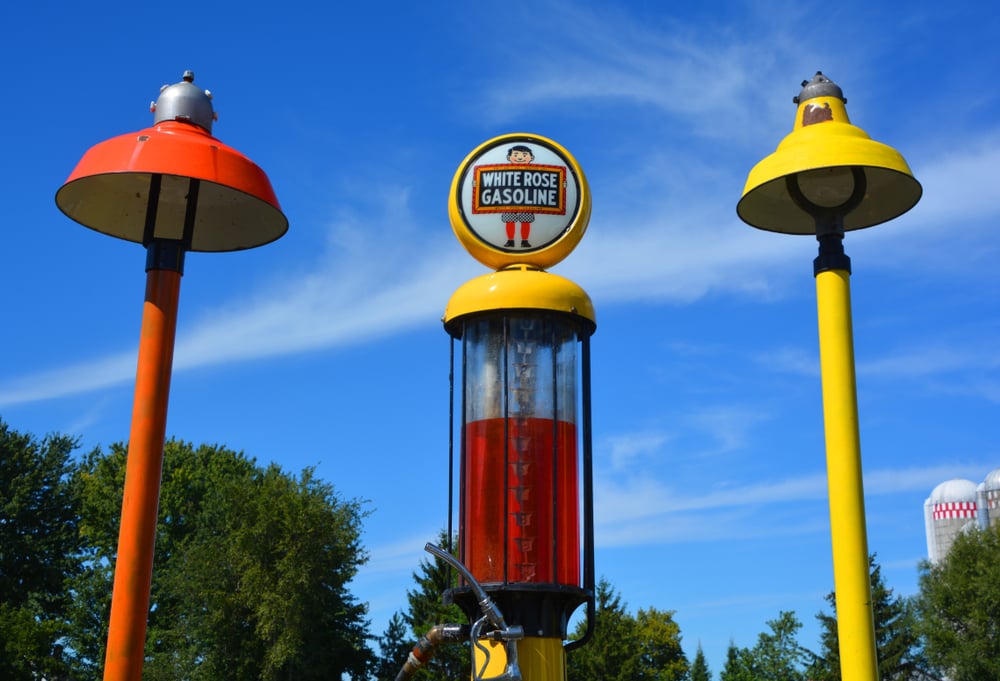
White Rose, a historic Canadian gasoline brand, produced signage that is specifically collected by petroliana enthusiasts in Canada and among cross-border collectors interested in regional variation. Original porcelain examples in strong condition are increasingly difficult to find.
Vintage Gas Pump Nozzles
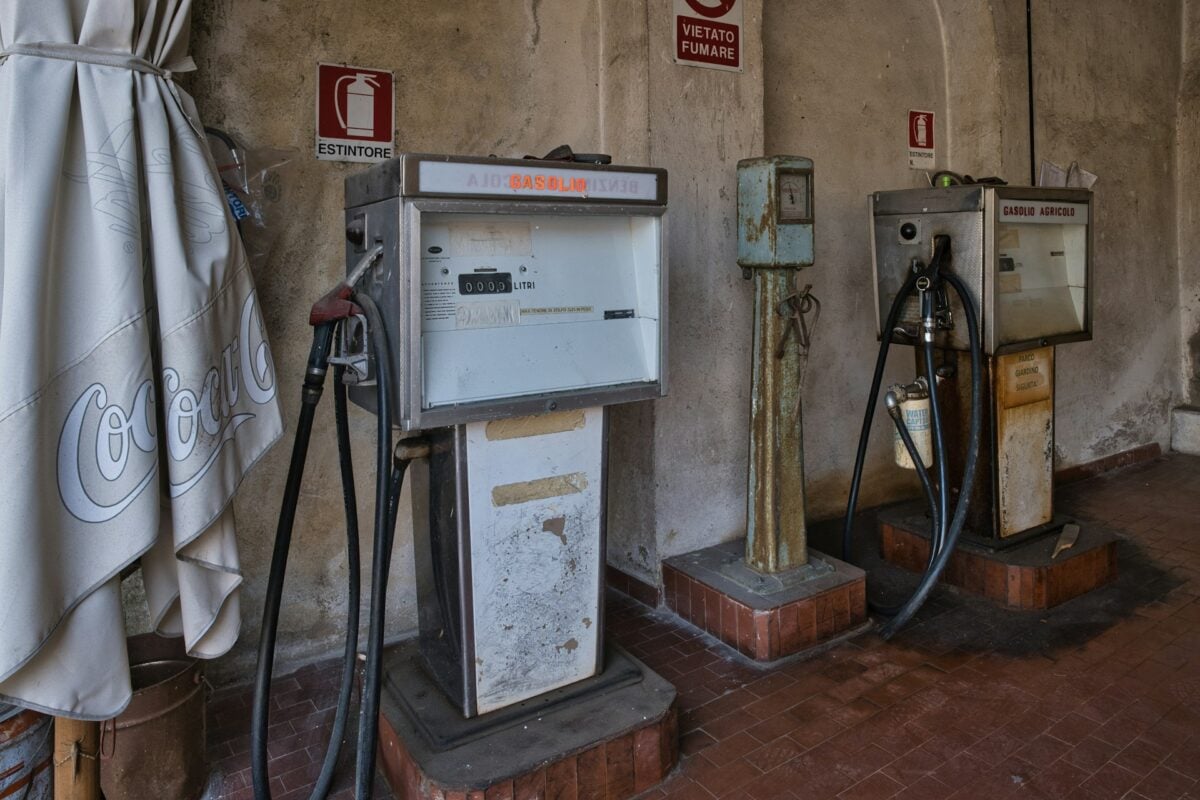
Beyond signage, individual gas pump nozzles from mid-century pumps are collected as smaller, more affordable entry points into petroliana. Nozzles bearing an identifiable brand casting are worth considerably more than unbranded generic examples.
Motor Oil Glass Bottles

Before metal cans became standard, motor oil was sold in embossed glass bottles, many of which are now collected individually. Bottles with brand names embossed directly into the glass, rather than only printed on a paper label, are more consistently valuable since the branding survives regardless of label condition.
Service Station Attendant Uniforms

Branded uniforms worn by gas station attendants, complete with company patches and name tags, are a less common but genuinely sought category among petroliana collectors building complete station displays. Uniforms with matching, correctly dated brand patches command more than generic unbranded workwear.
Vintage Road Atlas Give-Aways
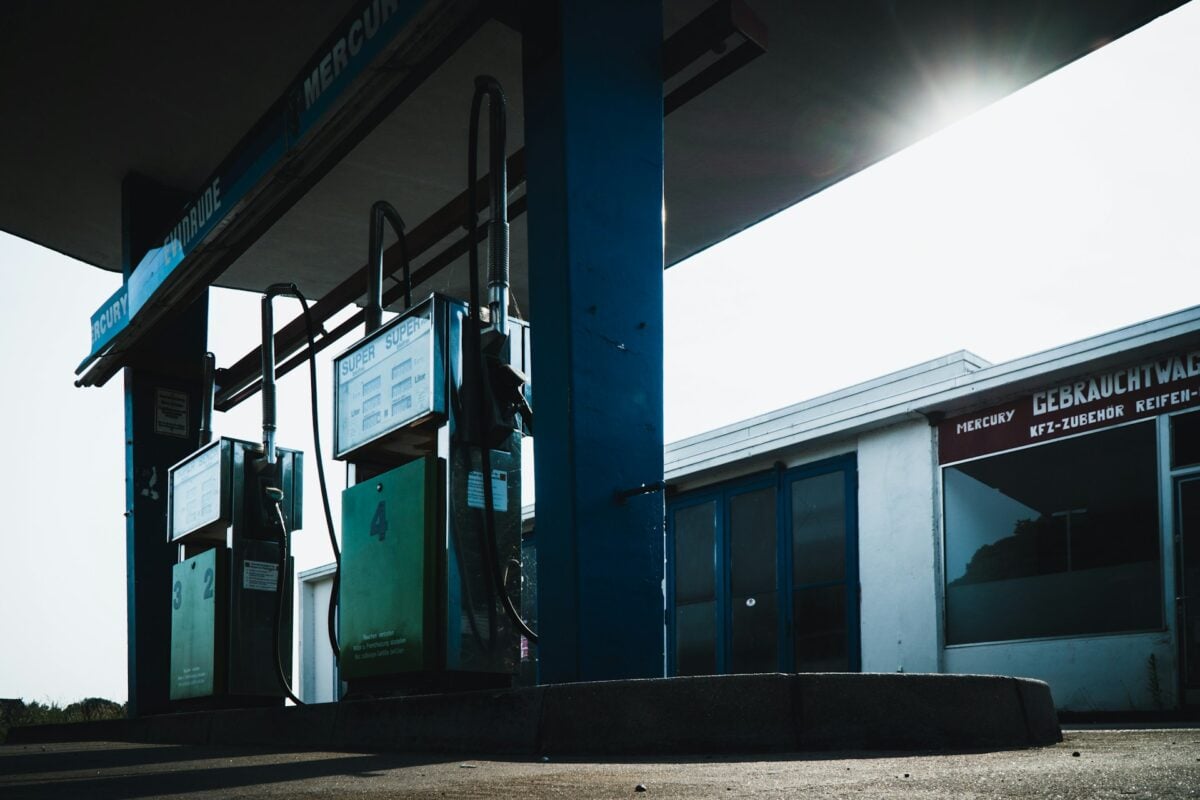
Free road atlases given away by gas stations, distinct from the simpler single-route maps, document broader travel planning trends of the mid-20th century. Editions from stations that no longer exist under the same brand are especially sought by roadside history collectors.
Gas Station Thermometers
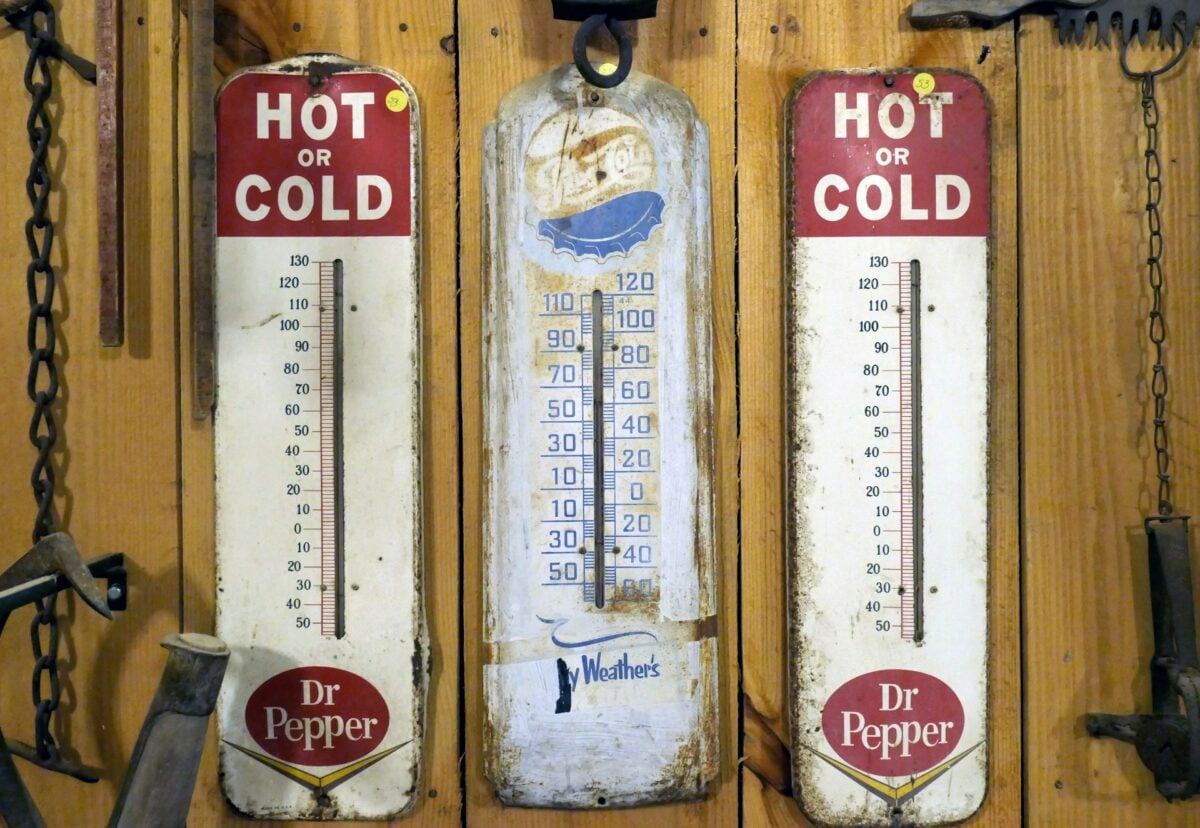
Branded porcelain or metal thermometers, commonly displayed outside stations as a customer courtesy, are a compact and genuinely popular petroliana collecting category. Larger-format examples with strong original color are worth considerably more than smaller, faded versions.
Porcelain Motor Oil Advertising Clocks
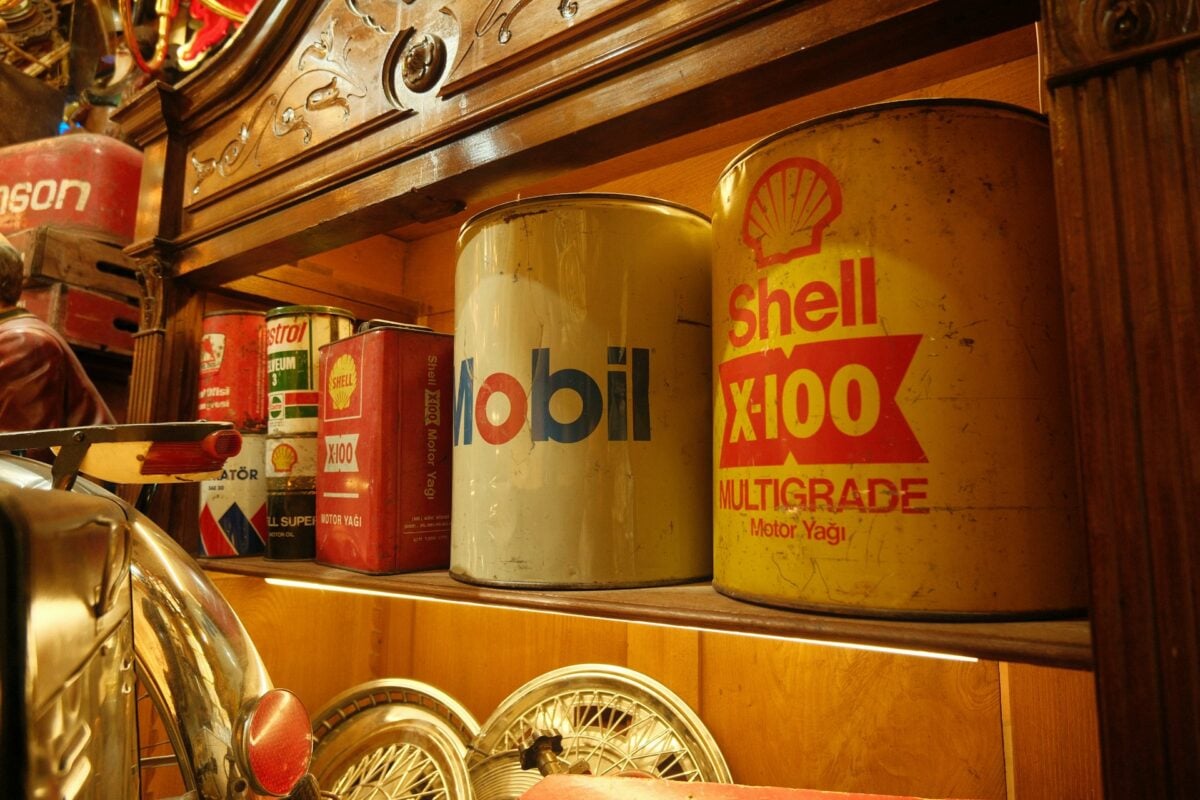
Branded clocks displayed inside service stations and garages are actively collected, particularly examples that still keep accurate time. Clocks combining strong original graphics with working mechanisms bring a clear premium over decorative-only pieces.
Tin Toy Tanker Trucks
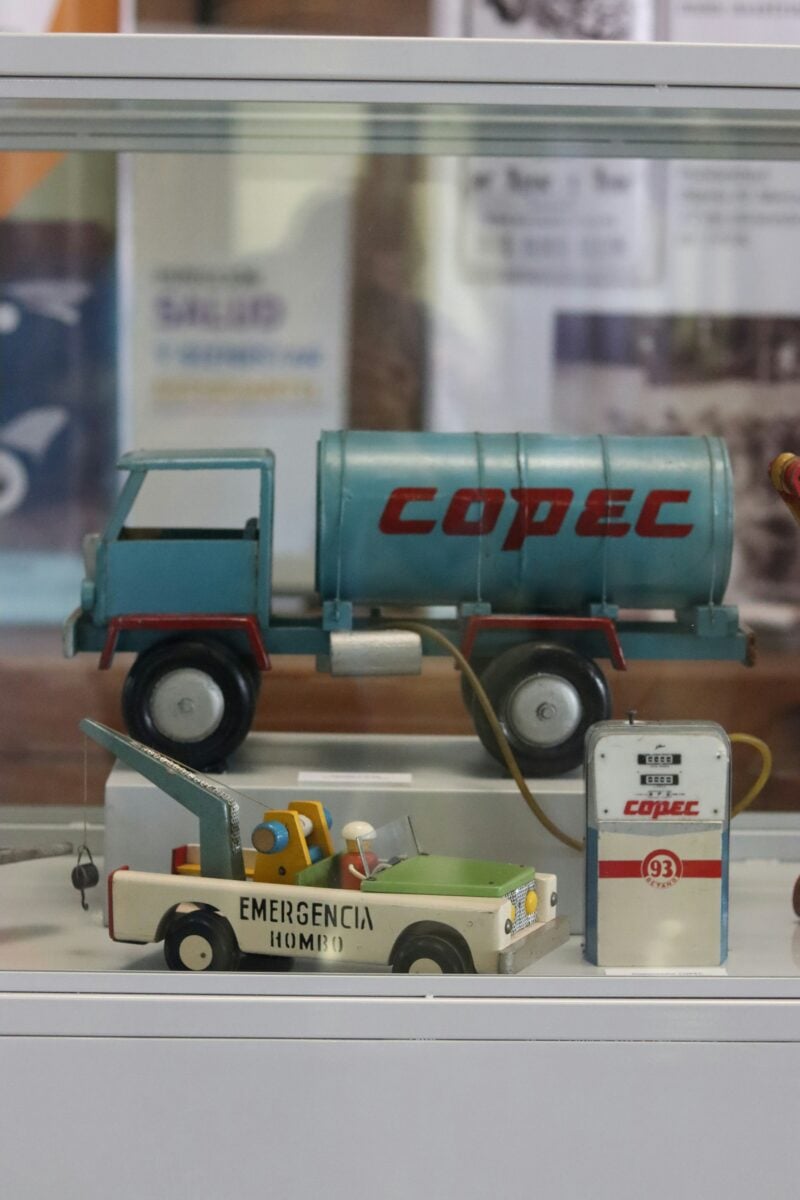
Toy tanker trucks branded with real oil companies, produced as promotional items or general toys, cross over between petroliana and vintage toy collecting. Examples in original packaging are considerably more valuable than loose, played-with pieces.
Vintage Gas Station Matchbooks
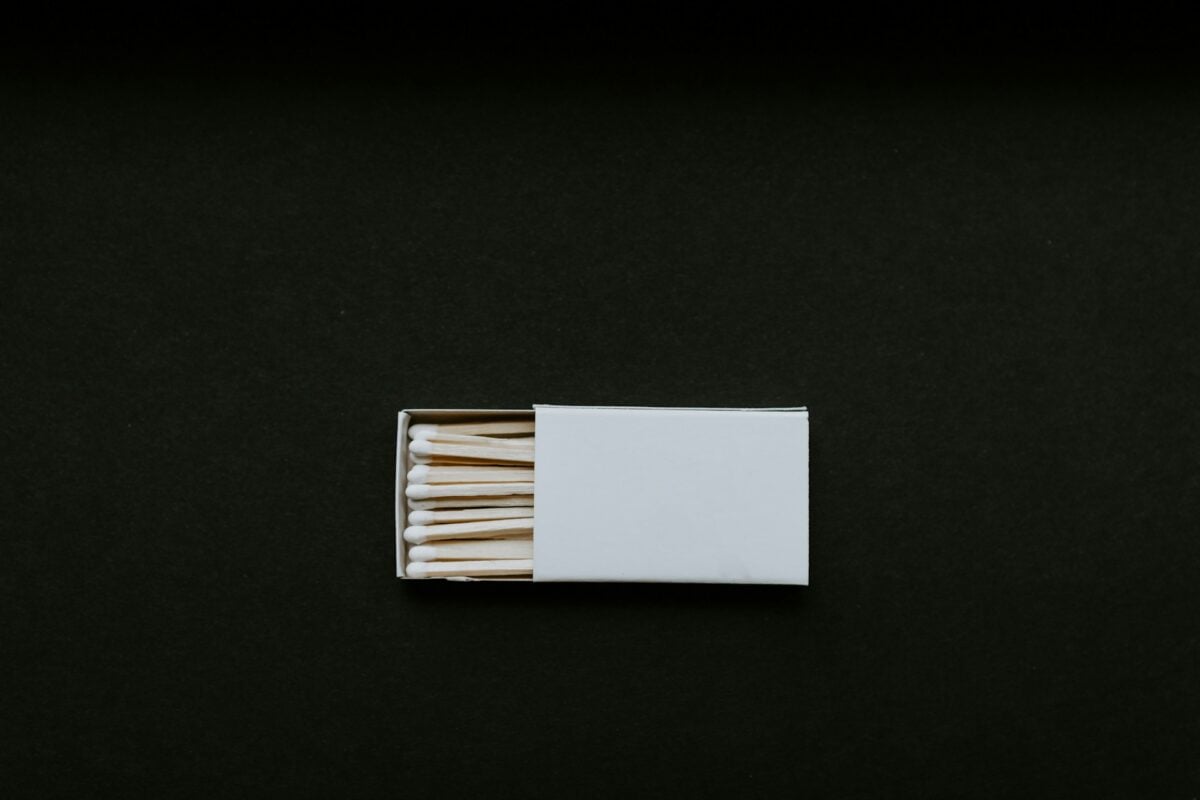
Branded matchbooks given away at service stations are a small but genuinely popular collecting category, partly because they were produced in enormous quantities yet rarely saved. Matchbooks from stations no longer in existence document local business history in a way few other objects do.
Gas Pump Glass Lenses
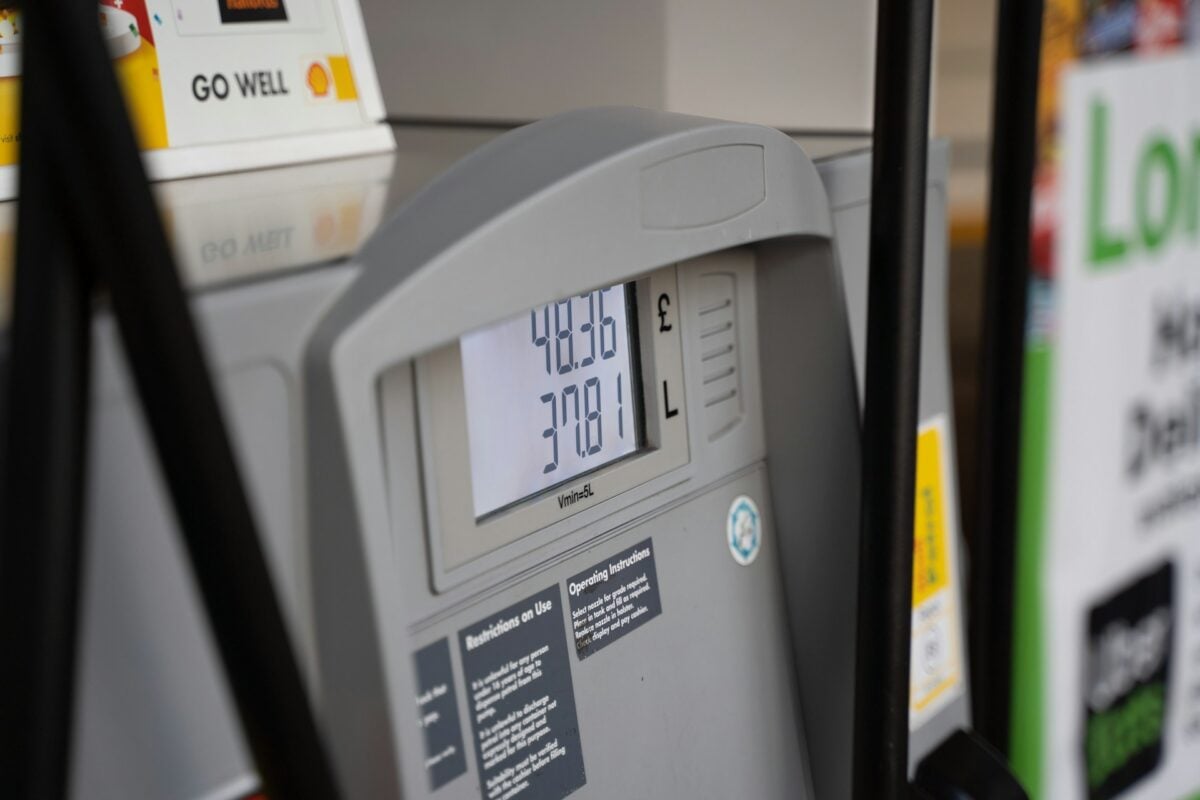
The glass lenses that displayed a brand’s logo on the front of a gas pump are collected separately from full globes, particularly by buyers restoring vintage pumps who need an authentic period-correct lens. Cracked or chipped lenses lose most of their value regardless of brand rarity.
Vintage Service Station Calendars
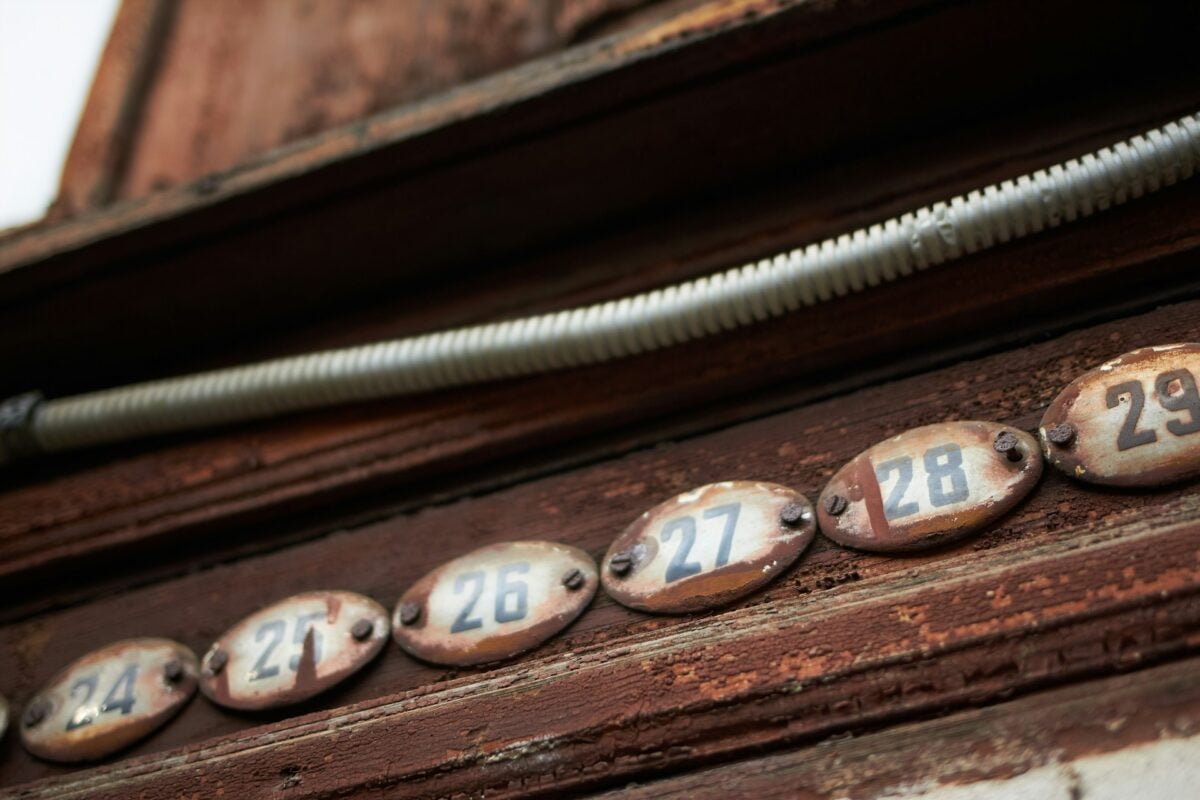
Branded calendars distributed as annual customer giveaways document both advertising design trends and, incidentally, exact dates, which collectors use to precisely date other undated petroliana pieces from the same era. Complete calendars with all months intact are considerably scarcer than the single illustrated pages that survive individually.
The Corner That Used to Mean Something
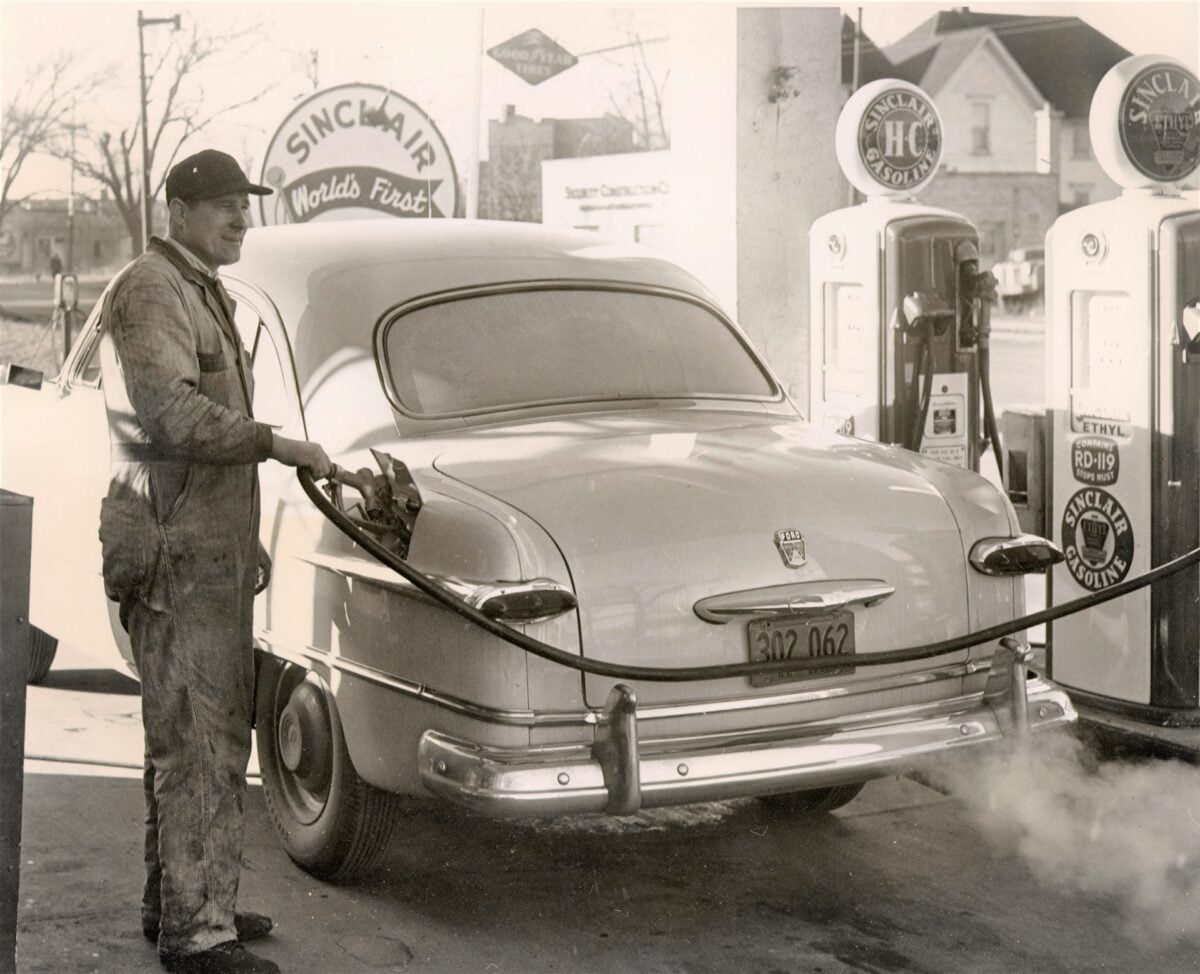
A gas station used to be a landmark, the kind of place people gave directions by, long before every intersection looked interchangeable. The signage collected here was never meant to be art; it was meant to be seen from a moving car at forty miles an hour.
What survives now is a fragment of a much larger visual language, one built entirely around getting a driver’s attention for three seconds before the light changed. That the fragments still work, decades later, in a quiet living room, is the whole strange appeal.
More from Go2Tutors!

- The Romanov Crown Jewels and Their Tragic Fate
- 13 Historical Mysteries That Science Still Can’t Solve
- Famous Hoaxes That Fooled the World for Years
- 15 Child Stars with Tragic Adult Lives
- 16 Famous Jewelry Pieces in History
Like Go2Tutors’s content? Follow us on MSN.