Why Certain Old Lunchboxes Sell for More Than the Toys That Came With Them
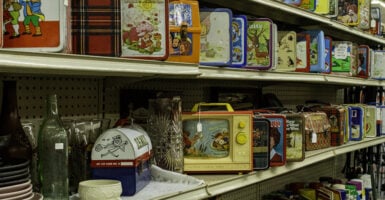
There’s a lunchbox sitting in a glass case at an antique mall in Nashville with a $1,200 price tag on it. It’s dented.
The thermos is missing its lid. And it is, without question, more valuable than most of the action figures displayed in the case right next to it.
If you grew up packing a metal lunchbox in the 1970s or early 1980s, that number might not even surprise you — but if you didn’t, it probably sounds completely unhinged. The truth is that the vintage lunchbox market is one of the more quietly serious corners of American collectibles, and it operates by its own rules, its own hierarchies, and its own particular brand of obsession.
The Metal Era
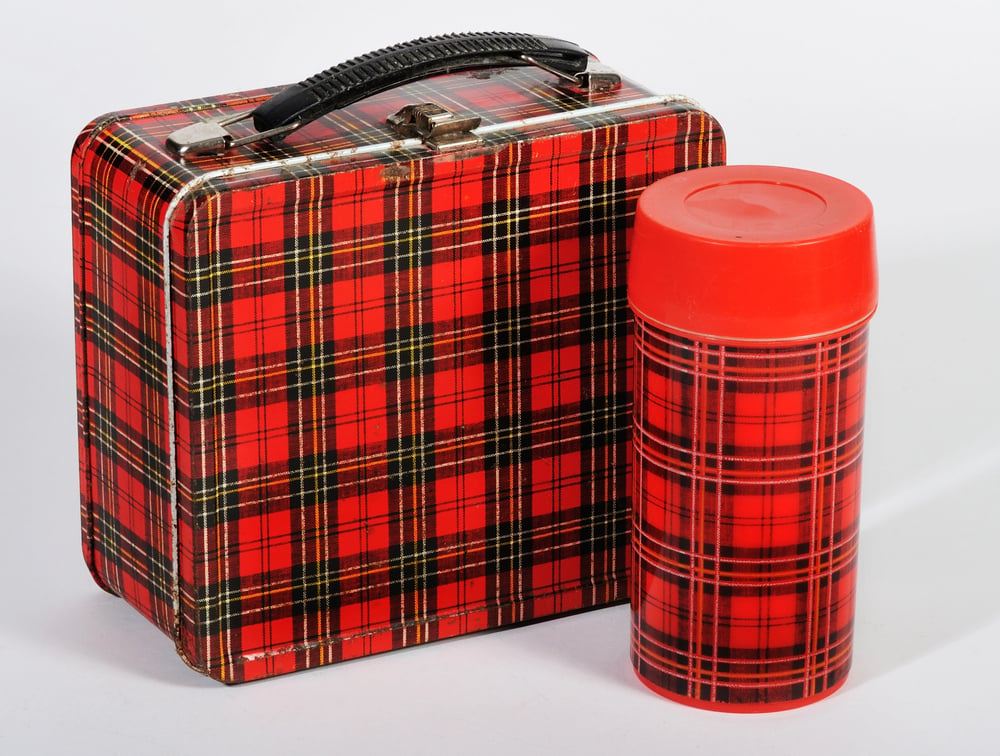
Steel lunchboxes dominated school hallways from the 1950s through the early 1980s, and that window of production is the entire ballgame for serious collectors. When plastic took over in 1985, the era effectively closed — which is exactly what makes those three decades so collectible.
A closed chapter with a defined beginning and end is a collector’s dream: everything that exists already exists, nothing new is coming, and scarcity becomes a permanent condition rather than a temporary one.
The Thermos Factor

A lunchbox without its original matching thermos is worth a fraction of what the complete set commands. This sounds like a minor detail until you realize how many thermoses were broken, lost, or replaced with generic substitutes over the decades — and then it starts to feel less like a detail and more like a governing law of the entire market.
The thermos is the thing that separates a $200 piece from a $900 piece, often with no other difference between them.
Why Condition Hits Differently Here
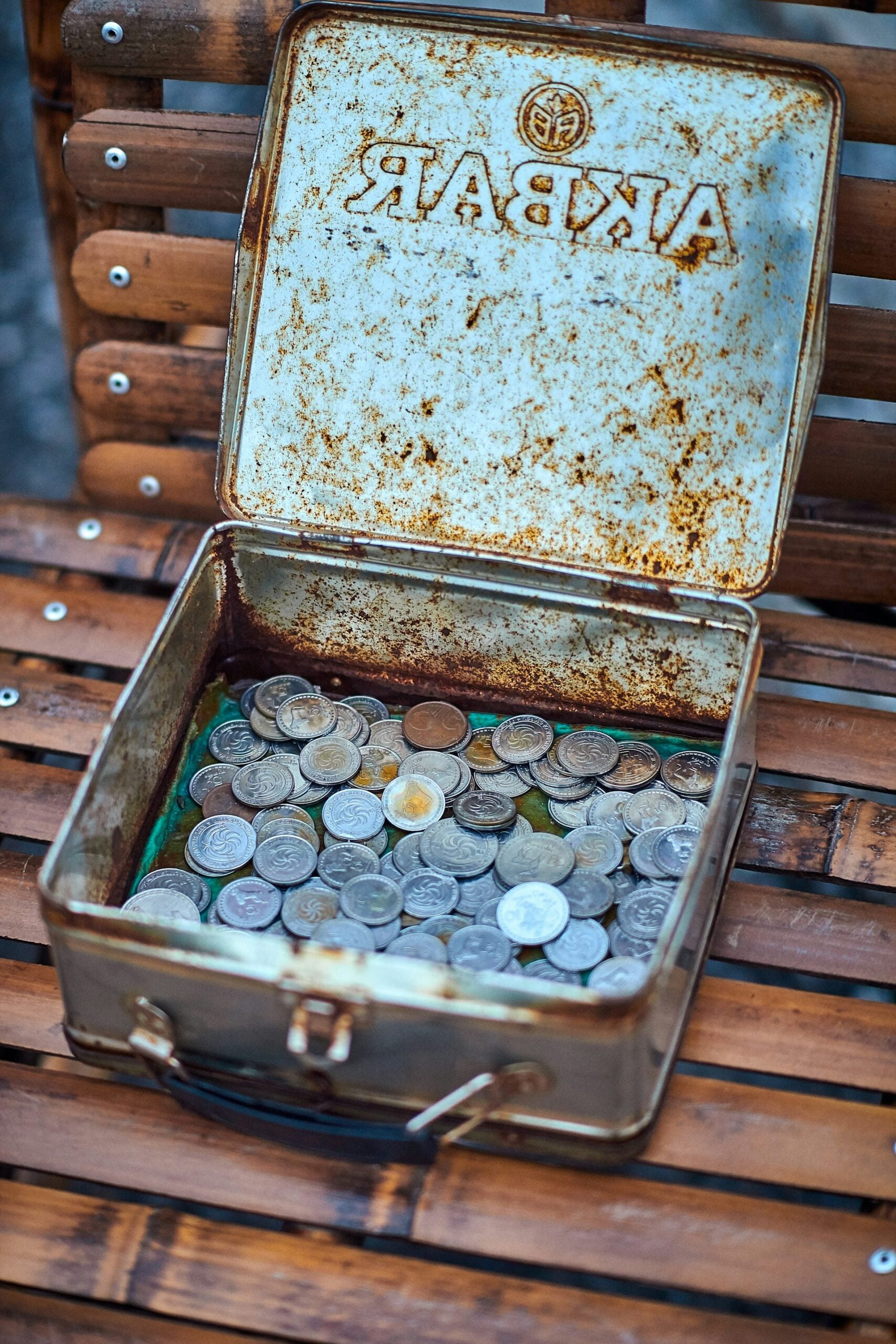
Condition matters in every collectibles category, but vintage lunchboxes carry a particular cruelty in how condition is judged. These were objects that children used daily, carried on buses, dropped on cafeteria floors, and subjected to the full indignity of being a child’s possession — so a box that survived all of that in genuinely fine shape is, against all reasonable odds, extraordinary.
Rust around the latches, a scratch on the lithographed image, a faded background on the front panel: each one subtracts from the value in ways that collectors track with near-scientific precision.
Licensed Characters vs. Generic Designs
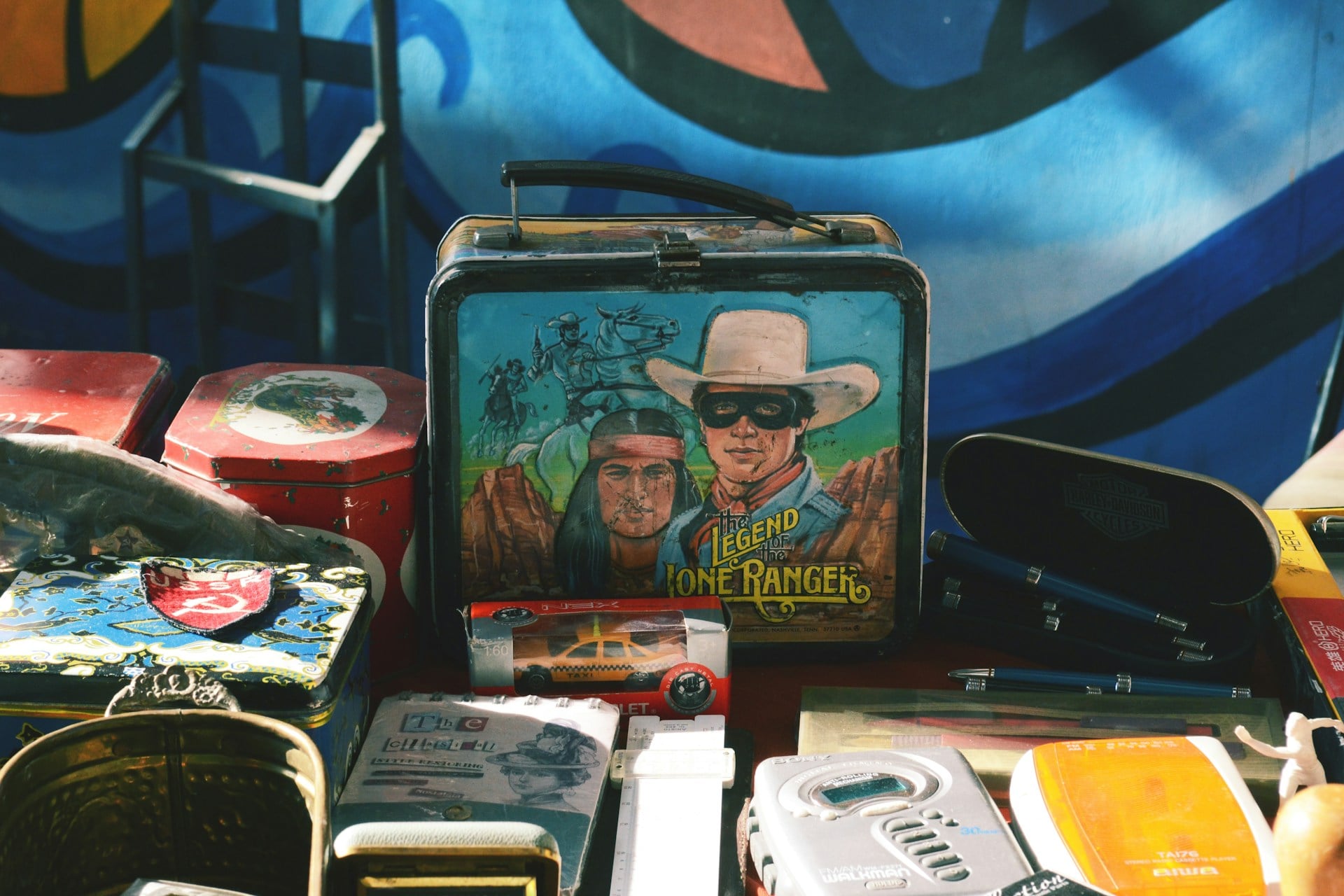
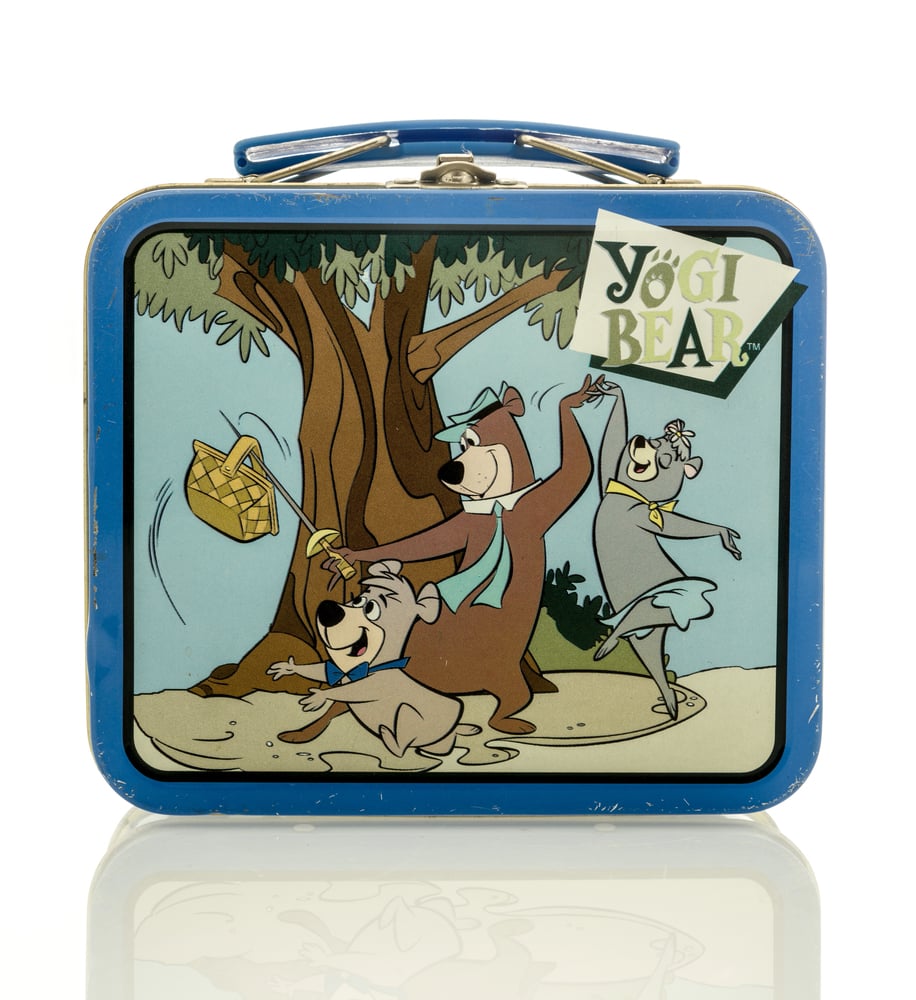
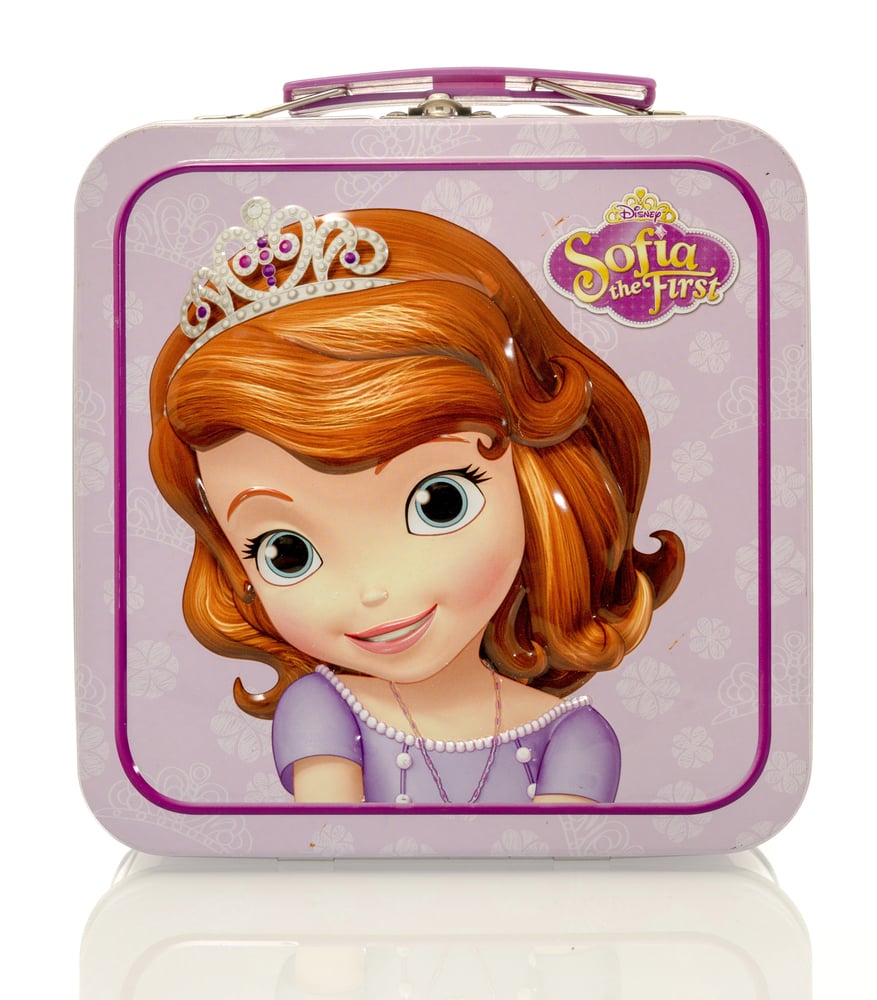
A lunchbox featuring a licensed character from a popular television show will almost always outperform a generic design with no pop-culture connection — and the gap can be enormous. The 1966 Batman lunchbox, the 1967 The Monkees box, the 1963 Outer Limits box: these aren’t just pieces of tin with pictures on them, they’re artifacts of a specific cultural moment that the licensing agreement stamped into existence and then, when the show ended, permanently stopped producing.
So the object becomes the last physical remnant of something that no longer makes new versions of itself.
Short Production Runs
Some of the most expensive lunchboxes in existence were produced in small quantities because the show they depicted was cancelled quickly or the licensing deal fell apart. The 1965 Voyage to the Bottom of the Sea lunchbox is a good example: the show ran, the box was made, and then market forces or network decisions meant relatively few were ever distributed.
Short production runs and high childhood attrition rates are a combination that the market rewards with a ferocity that can be genuinely startling.
The “First Year” Premium
When a television show launched and a lunchbox was produced in that inaugural year, the design frequently differed from later versions — different color choices, different character arrangements, different background details that the manufacturer adjusted in subsequent runs. Collectors prize those first-year variants the way wine enthusiasts prize a particular vintage: not because later versions are inferior, but because the first one carries a specific moment of origin that the later ones, by definition, cannot replicate.
What Rust Actually Does to Price
Rust is the enemy, full stop. A surface scratch on the lithography can be forgiven; a rust bloom along the bottom edge or around the latch mechanism is the kind of damage that pulls an otherwise strong piece into a lower tier immediately.
What makes this especially unforgiving is that rust on a vintage lunchbox is usually the direct consequence of the thermos leaking — meaning the very object that makes the set complete is also the object most likely to have destroyed it.
The Role of Nostalgia’s Timing
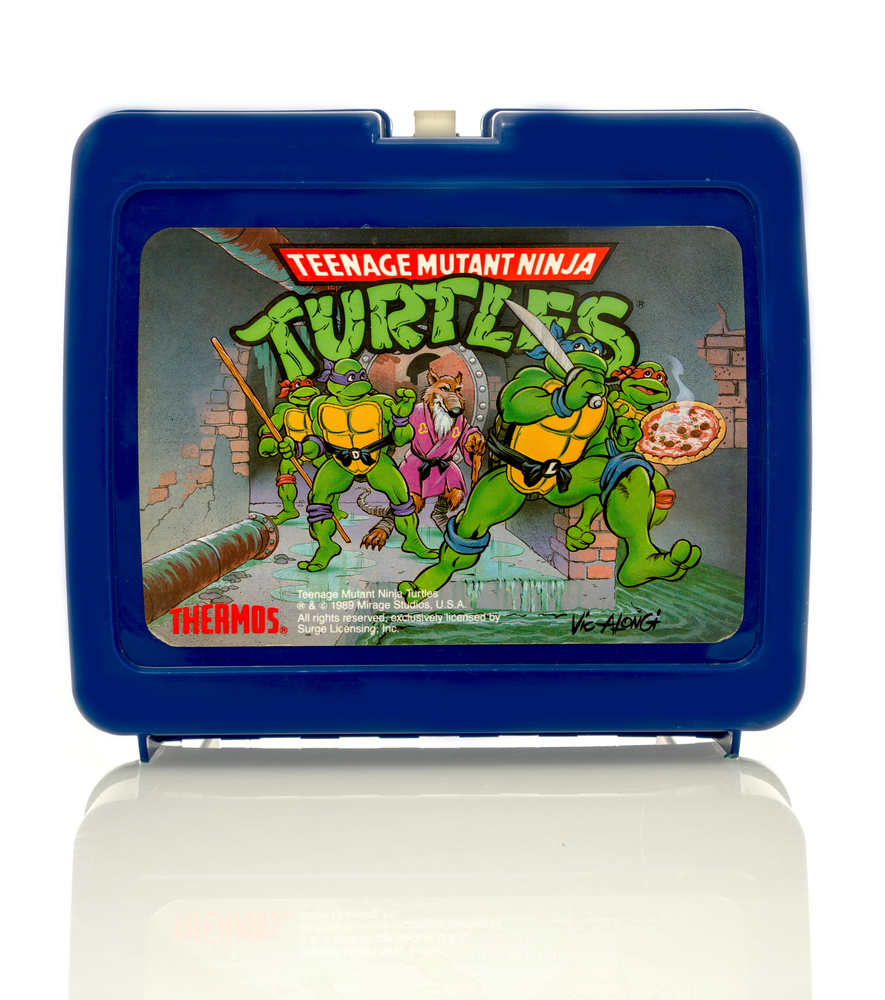
The collectors driving the high end of this market today are largely people who were children in the 1960s and 1970s — which means they’re now in their late fifties, sixties, and seventies, at a life stage where disposable income and backward-looking sentiment tend to converge in ways that are very good for antique dealers. Nostalgia functions on a roughly forty-to-fifty year delay, which is just enough time for the original owners to have accumulated the means to pay serious money for the things they remember.
Go figure.
Television’s Outsized Influence
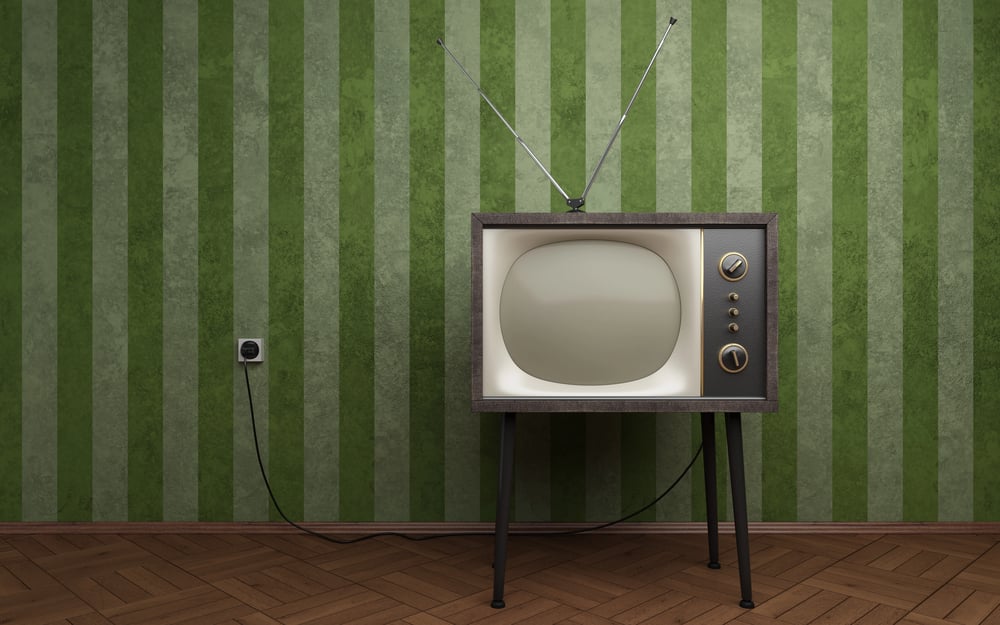
The connection between prime-time television and lunchbox culture was almost architectural — producers knew that a hit show would generate licensed merchandise, and a lunchbox was among the most visible items a child could carry. What nobody fully anticipated was how completely this would turn the lunchbox into a document of television history, a kind of pressed-tin record of which shows mattered enough in a given year to put on a child’s lunch container.
The Dark Shadows lunchbox from 1969 tells you something about what American households were watching after dinner in ways that a ratings report from the same year simply cannot.
Why Toys Don’t Always Win

The assumption that toys are the crown jewels of childhood collectibles turns out to be shakier than it looks. Toys were played with, modified, broken, and discarded in ways that a lunchbox — used once a day for a specific, contained purpose — simply wasn’t.
A lunchbox sat in a cupboard each evening and was retrieved each morning; a toy existed in a state of near-constant jeopardy. Survival rates skew accordingly, and in the collectibles world, survival rate is destiny.
The Dome Top Premium
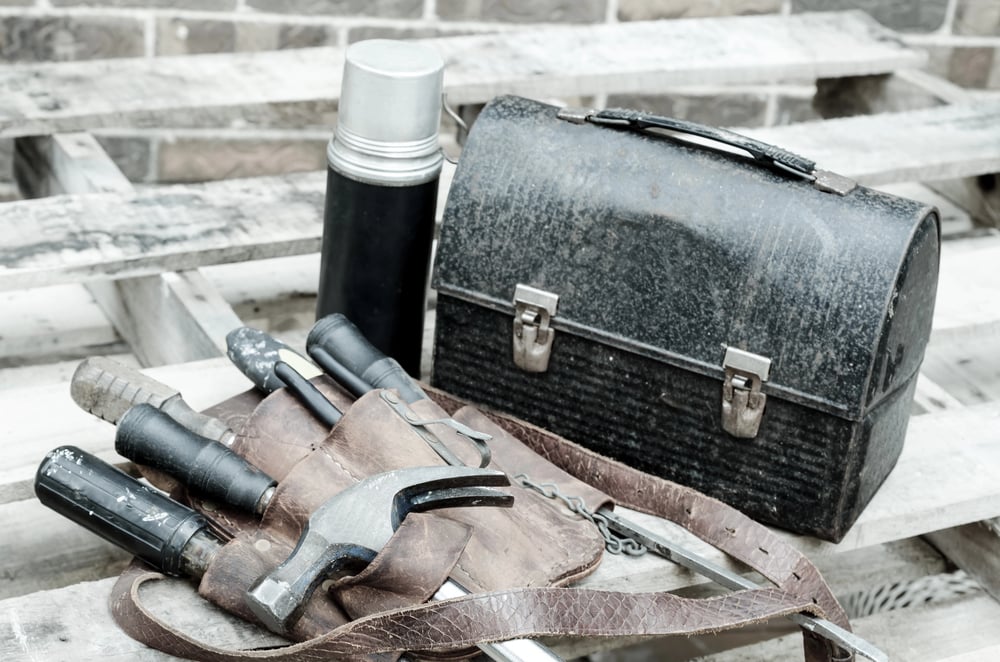
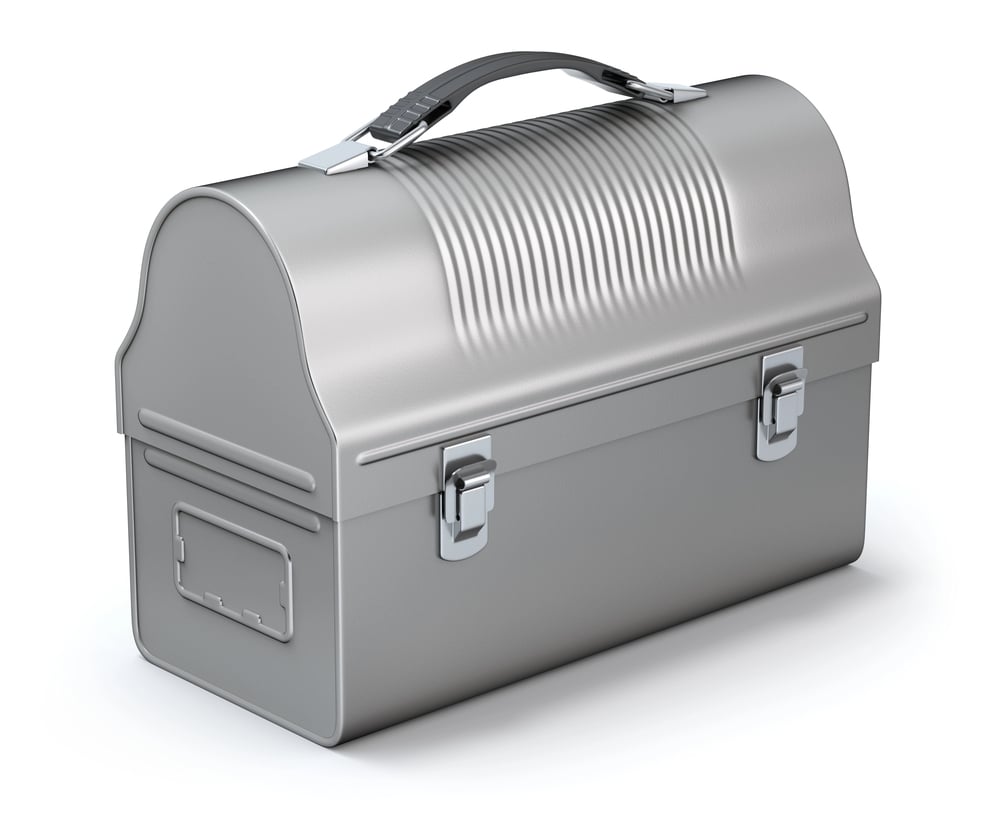
Dome-top lunchboxes — the ones with the rounded lid that was designed to accommodate a thermos — command a consistent premium over flat-top designs from the same period. Part of this is aesthetic: the dome shape has a satisfying solidity to it, a sculptural quality that the flat-top lacks.
But part of it is also that dome-top boxes were produced in smaller quantities and associated with specific niches, like the Aladdin brand’s association with working-class themes and early country music tie-ins, which gives them a distinct collector identity.
Rarity That Nobody Planned For
Some lunchboxes are rare not because production was limited but because something went wrong — a printing error, a color variant that appeared in one region only, a prototype that somehow escaped the factory. These unplanned rarities are the white whales of the category: a Beatles lunchbox with an incorrect background color, for example, or an early Star Trek box with a lithography flaw that the manufacturer corrected in later runs.
Collectors who specialize in variants often know these objects the way a jeweler knows a specific cut of stone — by precise, distinguishing characteristics that no casual observer would ever notice.
The Geography of Value

Regional distribution patterns in the 1960s and 1970s meant that certain lunchboxes were sold heavily in some parts of the country and barely at all in others, which created geographic concentrations of surviving pieces that still affect where the best examples turn up today. A box associated with a show that aired primarily in the South or the Midwest might be nearly impossible to find on the West Coast, and that regional scarcity amplifies its price at auction.
Estate sales in the right zip code can be extraordinary events for collectors who know what they’re looking at.
When Pop Culture Peaked and Froze
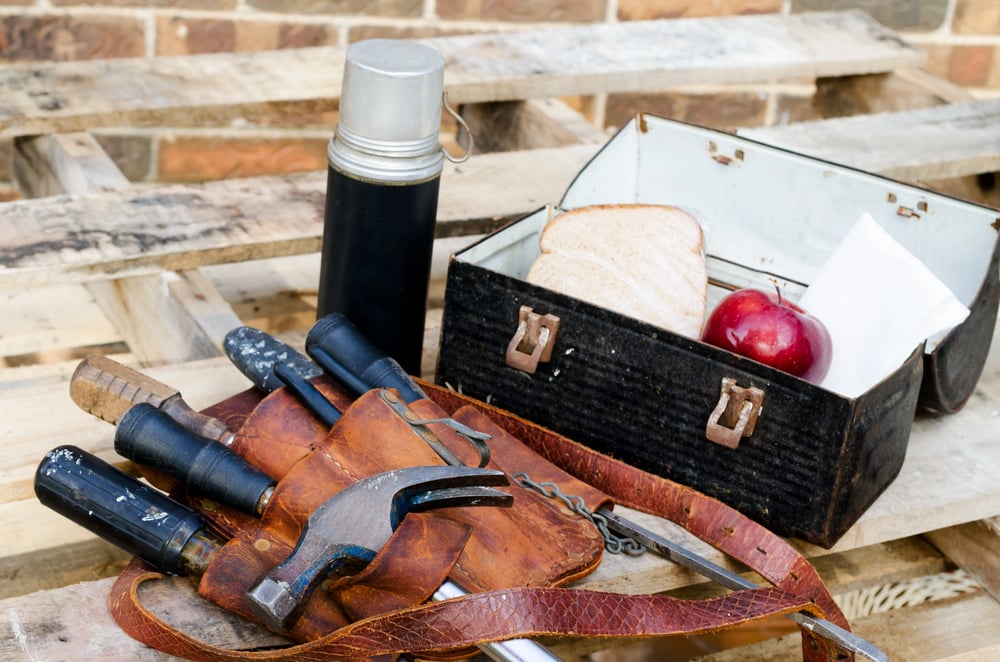
A lunchbox is a snapshot of the exact moment when a piece of pop culture was commercially viable enough to put on a product aimed at children — which means it captures a level of mainstream saturation that the show itself might never have been able to sustain. The A-Team, The Dukes of Hazzard, Buck Rogers: each of those lunchboxes is a timestamp, a record of the precise season when a cultural property hit peak visibility and a manufacturer decided to press it into steel.
That frozen moment is the thing collectors are actually buying.
The Auction Record Problem

Record prices for rare lunchboxes — the Superman lunchbox from 1954 has sold for over $13,000 at auction; a Dudley Do-Right box has reached similarly stratospheric territory — create a perception of the entire category that doesn’t quite match reality. Most vintage lunchboxes sell for between $50 and $400, which is still a meaningful multiple of what they cost new, but not the four-figure drama that headlines suggest.
The auction record distorts the market’s image in ways that occasionally lead well-meaning inheritors to believe their grandmother’s old Flintstones box is worth a great deal more than it actually is.
Authentication in a Market Full of Reproductions
Reproductions exist, and they are the particular headache of anyone trying to buy at the high end of this market without an expert present. Manufacturers in Asia began producing convincing replica lunchboxes in the 1990s and 2000s, and distinguishing an original 1966 Green Hornet box from a well-aged reproduction requires attention to the lithography depth, the latch hardware specifics, the paint texture on the interior, and the stamp markings on the bottom.
Experienced collectors describe this knowledge the way a locksmith describes reading a tumbler — tactile, accumulated, and very difficult to fake.
The Condition Grading Hierarchy
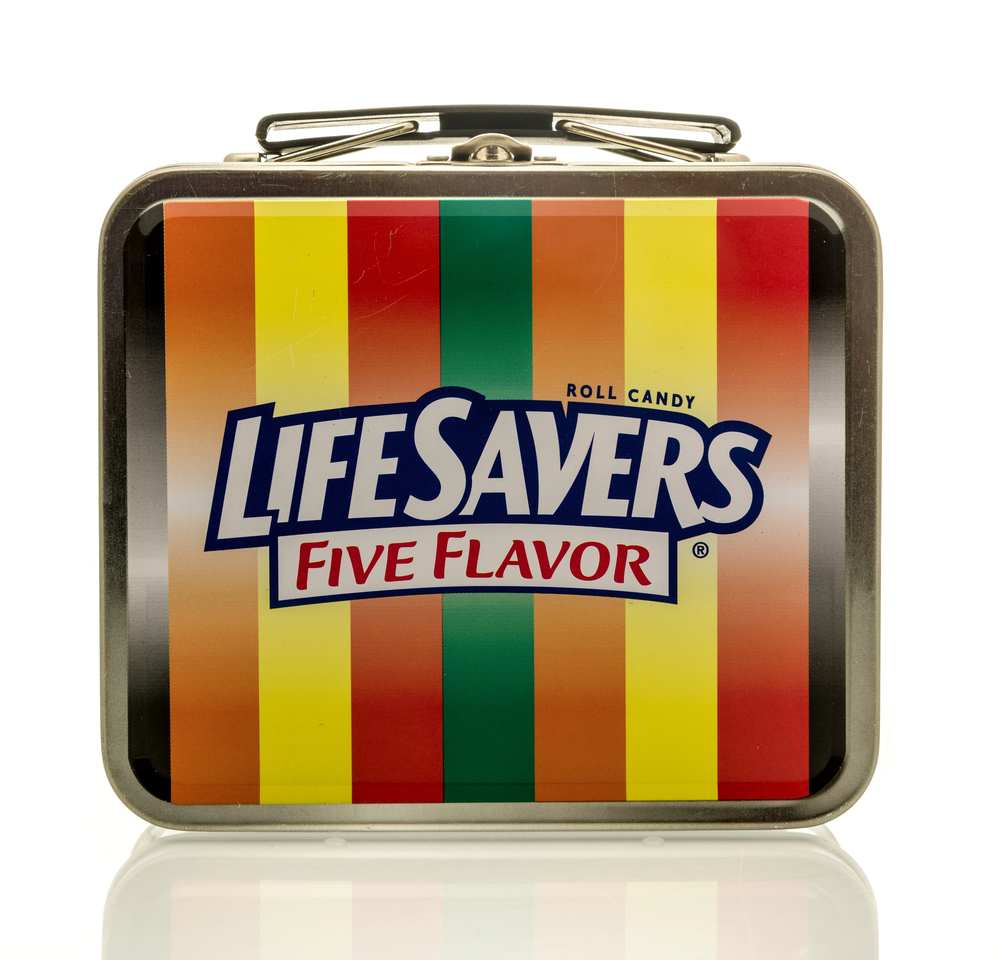
The informal grading system that serious buyers use runs from “user grade” — meaning it shows its age honestly and completely — through “fine” and up to “near mint,” which for a fifty-year-old lunchbox is about as common as a fifty-year-old anything that looks new. Near-mint examples carry a price premium that is genuinely disproportionate to the grade below them, because near-mint means the object survived not just the original child who owned it, but every subsequent owner, every storage situation, every move, and every decade of ambient humidity.
That’s not preservation — that’s luck compounded over time.
Where the Serious Collectors Actually Shop
The highest-quality pieces don’t typically surface at general antique malls or flea markets anymore — they move through specialized auctions, dedicated collector shows, and a network of private dealers who have spent years building relationships with estates and other collectors. The internet opened the market considerably, but it also made knowledgeable buyers far harder to deceive, which pushed the genuinely rare pieces toward venues where authentication is part of the transaction.
eBay remains a source for mid-tier pieces, but the top of the market has its own gravity.
The Lunchbox as American Artifact

There is something particular about the lunchbox as a cultural object that sets it apart from other licensed merchandise of the same era. It was present at a daily ritual — a child sitting down at noon in a school cafeteria, in a specific year, in a specific decade, with a specific piece of pop culture pressed into the steel beside them — and that specificity is what turns it into something closer to a primary source than a toy.
Historians of American childhood have written about the lunchbox with genuine seriousness, and the collectors who pay $1,000 for a clean example are, in their own way, doing the same thing.
What Actually Drives the Ceiling Price
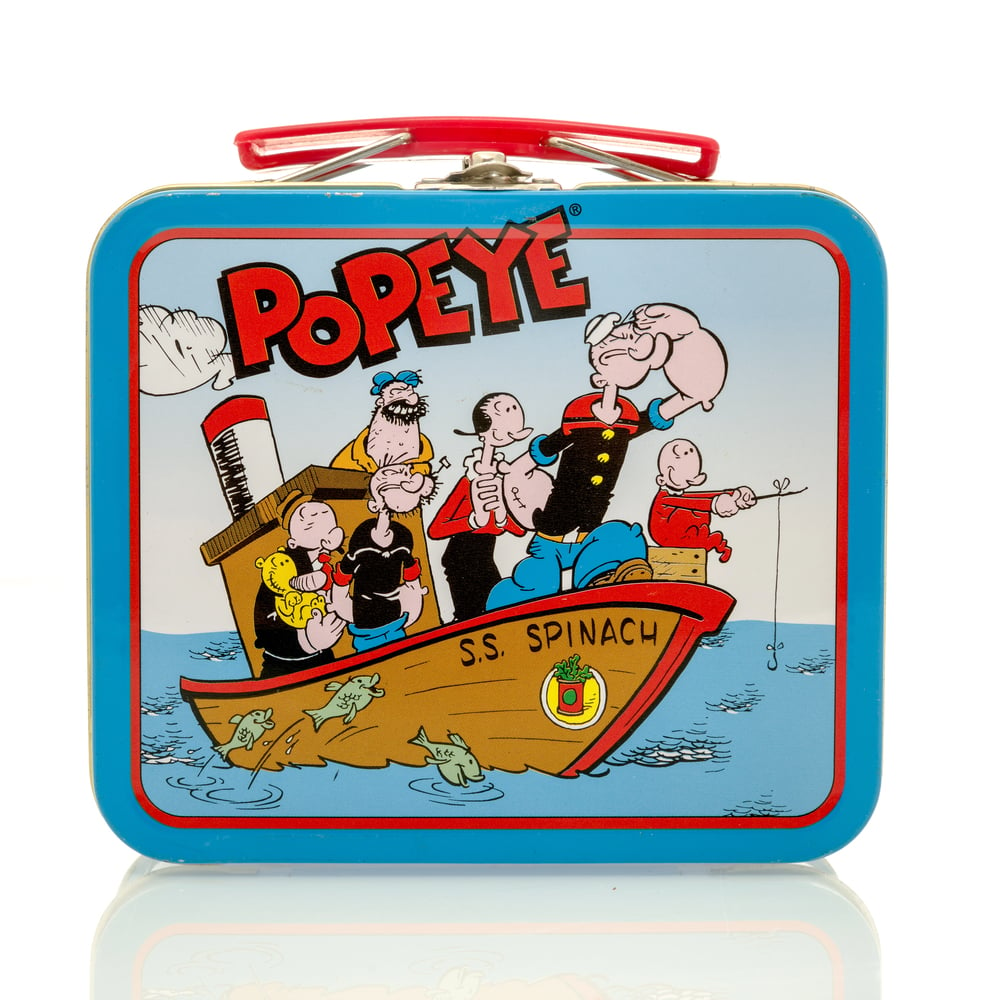
The ceiling price on any vintage lunchbox is set not by average collectors but by the two or three people in the world who want that specific piece badly enough to outbid everyone else in the room. Auction theory calls this “winner’s curse” territory — the price reflects the obsession of the most determined buyer, not the consensus value of the market.
And yet those ceiling prices are real, recorded, and permanent, which means they shape how every subsequent piece is perceived. One extraordinary sale can recalibrate an entire category.
The Toy Comparison Reconsidered
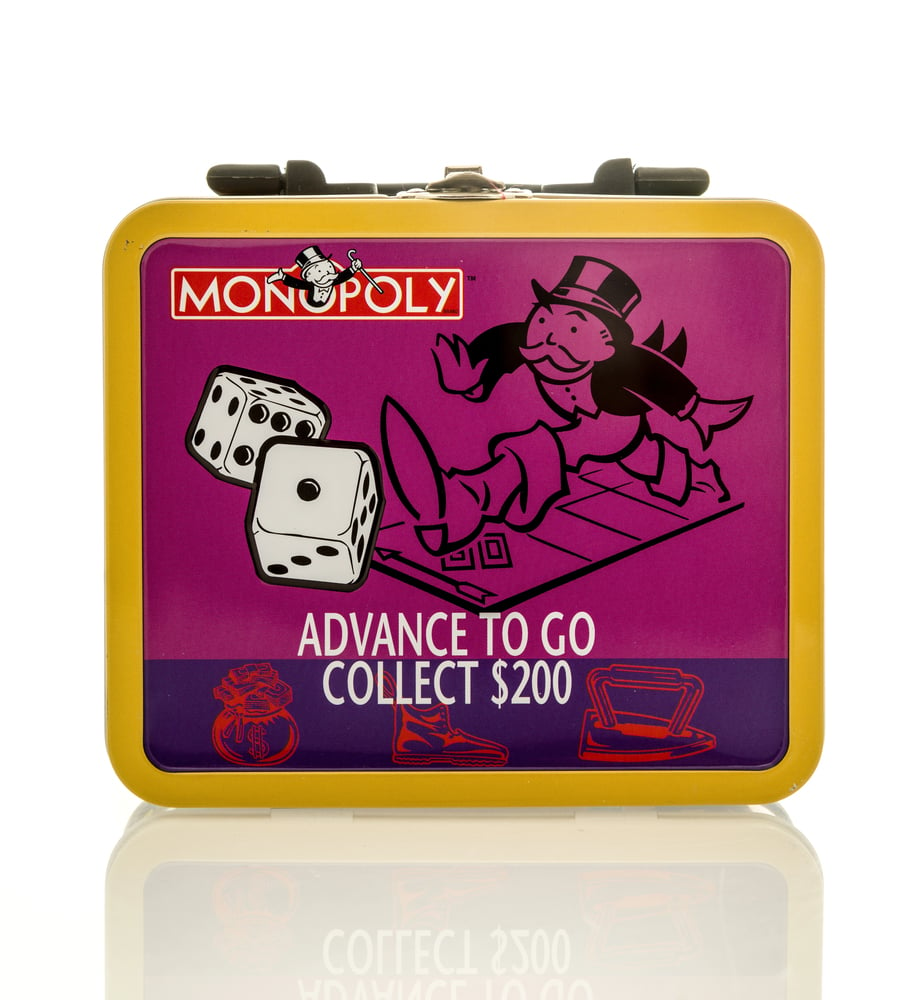
The notion that a lunchbox could be worth more than the toys of its era isn’t actually puzzling once you understand the mechanics — it’s almost predictable. Toys were made to be destroyed by use; lunchboxes were made to survive daily use, which is a subtly different design philosophy that produced a subtly different survival rate.
A 1966 Batman action figure that was played with is almost certainly gone; a 1966 Batman lunchbox that was carried to school is statistically more likely to still exist, and more likely to exist in a condition that a collector finds meaningful. The toy was the point of the purchase; the lunchbox was the container. Containers, as it turns out, last.
When the Lunch Is Long Over

The strangest thing about a vintage lunchbox isn’t its price — it’s what it asks you to believe. It asks you to believe that a container for a child’s sandwich, produced in a factory run on licensing agreements and network television schedules, can carry enough meaning sixty years later to command the price of a car payment.
And the market’s consistent answer, auction after auction, estate sale after estate sale, is that yes — apparently it can. The lunch was eaten in 1968. The box is still here, still valued, still telling anyone who looks closely enough exactly what year it was and what was on television that fall.
More from Go2Tutors!

- The Romanov Crown Jewels and Their Tragic Fate
- 13 Historical Mysteries That Science Still Can’t Solve
- Famous Hoaxes That Fooled the World for Years
- 15 Child Stars with Tragic Adult Lives
- 16 Famous Jewelry Pieces in History
Like Go2Tutors’s content? Follow us on MSN.