22 Inventions Credited to the Wrong Person for Decades
History tends to remember whoever filed the paperwork first, gave the best demonstration, or had the better publicist, not necessarily whoever actually built the thing first. Patent offices, corporate rivalries, and simple bad timing have erased dozens of true originators from popular memory.
The following inventions all carry a name in the history books that historians, courts, or later evidence have since complicated.
The Telephone and Antonio Meucci

Alexander Graham Bell is credited with inventing the telephone after filing his patent in 1876, but Italian inventor Antonio Meucci had developed a working voice-transmission device years earlier and filed a cheaper patent caveat in 1871 that he could not afford to renew.
The U.S. House of Representatives passed a resolution in 2002 acknowledging that Meucci’s work deserved recognition, though it stopped short of stripping Bell’s credit. Meucci died in 1889 without ever seeing that recognition.
The Light Bulb and Multiple Earlier Inventors

Thomas Edison is popularly credited with inventing the light bulb, but at least 20 other inventors, including Englishman Joseph Swan, had developed working incandescent designs before Edison’s 1879 patent. Edison’s real contribution was a longer-lasting filament and a commercially viable electrical system, not the basic concept of the bulb itself.
Swan and Edison eventually merged their competing British patent claims into a joint company rather than fight it out in court.
The Radio and Nikola Tesla
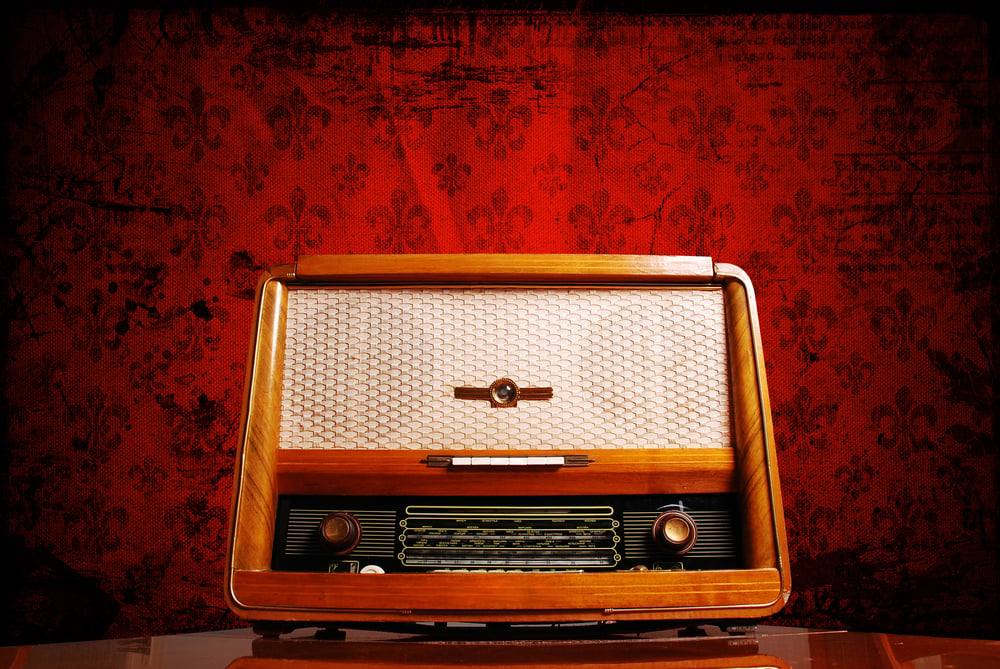
Guglielmo Marconi is widely credited as the inventor of radio and won the 1909 Nobel Prize in Physics for it, but the U.S. Supreme Court ruled in 1943, months after Tesla’s death, that key Marconi patents were invalid because they infringed on earlier work by Nikola Tesla and others.
The ruling was partly a wartime move to avoid royalty payments to the Marconi Company, but it formally established Tesla’s foundational claim. Popular credit had already settled on Marconi decades earlier and largely stayed there.
The Theory of Natural Selection and Alfred Russel Wallace

Charles Darwin is remembered as the sole architect of evolutionary theory, but naturalist Alfred Russel Wallace independently arrived at the same core mechanism of natural selection and sent Darwin a manuscript outlining it in 1858. Darwin’s colleagues arranged for both men’s work to be presented jointly to the Linnean Society that year, but Darwin’s subsequent publication of “On the Origin of Species” cemented his name in public memory while Wallace faded into a footnote.
The Steam Engine and Thomas Savery
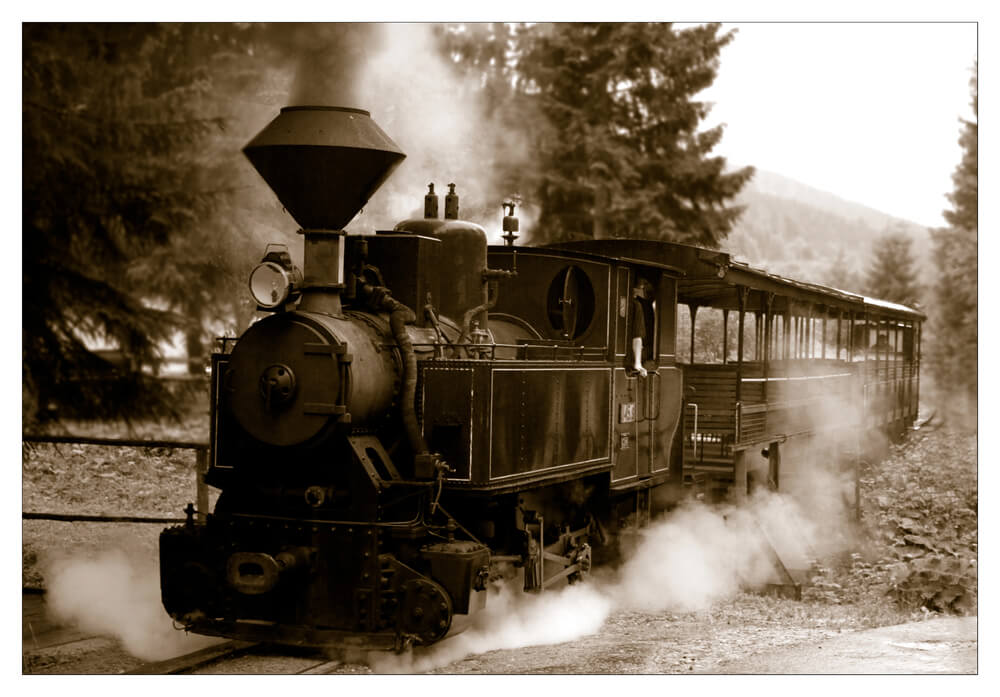
James Watt is often called the inventor of the steam engine, but Watt actually improved an existing design; the first practical commercial steam engine was patented by Thomas Savery in 1698, more than 60 years before Watt was born. Watt’s 1769 patent covered a separate condenser that dramatically improved efficiency, which is genuinely significant, but it was built on Savery’s and Thomas Newcomen’s earlier working machines rather than starting from nothing.
The Computer’s Programming Concept and Ada Lovelace
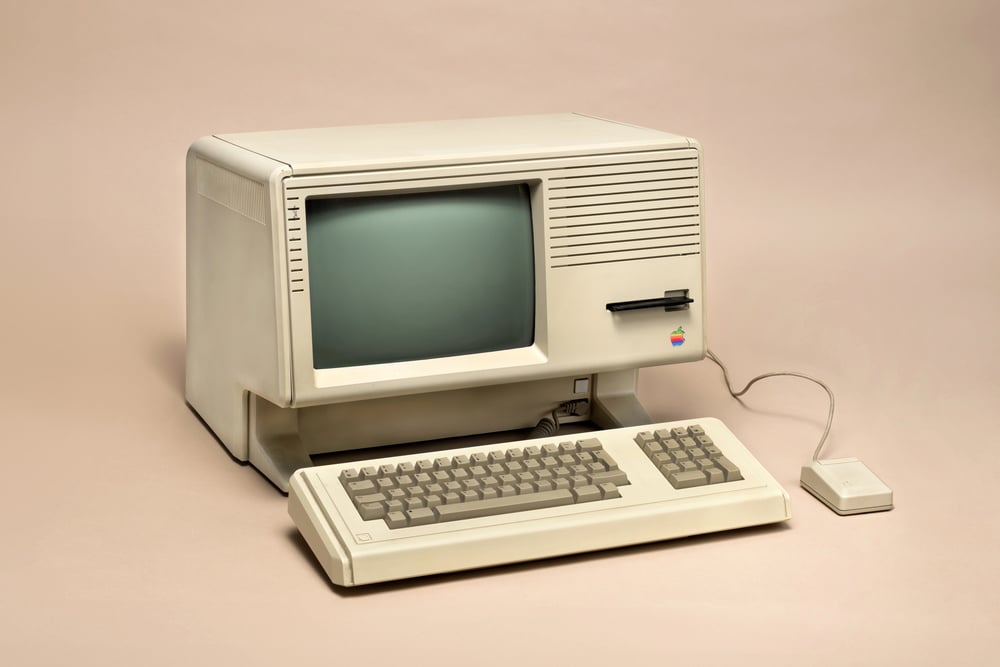
Charles Babbage is remembered as the father of computing for designing the Analytical Engine, but mathematician Ada Lovelace wrote what is now recognized as the first published algorithm intended for a machine, in her 1843 notes translating an Italian paper on Babbage’s design.
Her contribution was largely overlooked for a century until computer scientists rediscovered her notes in the mid-20th century. The U.S. Department of Defense later named a programming language, Ada, in her honor.
The Automobile and Karl Benz’s Overlooked European Contemporaries
Karl Benz is generally credited as the sole inventor of the modern automobile after his 1886 patent for the Benz Patent-Motorwagen, but several other European engineers, including Siegfried Marcus in Austria, built functioning gasoline-powered vehicles in the preceding decade.
Benz’s version is distinguished mainly by being the first to be actively manufactured and sold commercially, which is why patent history favors him over earlier prototypes that never reached buyers.
Vaccination and Overlooked Practitioners Before Edward Jenner

Edward Jenner is credited with inventing vaccination after his 1796 smallpox experiments, but variolation-based immunization techniques, including precursor cowpox inoculation, were already practiced by farmers and, separately, by physicians in parts of Asia and the Ottoman Empire decades earlier. Jenner’s real contribution was scientifically testing and publicizing the method within European medicine.
Lady Mary Wortley Montagu had already introduced smallpox inoculation to Britain from Ottoman practice in 1721.
The Mechanical Calculator and Wilhelm Schickard

Blaise Pascal is often cited as the inventor of the mechanical calculator for his 1642 “Pascaline,” but German polymath Wilhelm Schickard designed a working calculating machine in 1623, nearly two decades earlier. Schickard’s machine and the letters describing it were lost for centuries after his death from plague, and Pascal’s device became the historically documented reference point by default rather than by genuine priority.
The Polio Vaccine and Hilary Koprowski’s Overshadowed Early Work

Jonas Salk is remembered as the inventor of the polio vaccine following his celebrated 1955 announcement, but virologist Hilary Koprowski had developed and tested an oral polio vaccine on human subjects years earlier, beginning in 1950. Koprowski’s live-virus approach ultimately lost favor to Albert Sabin’s oral vaccine, and Salk’s inactivated version got the public credit and the enduring fame, partly due to timing and the scale of the national announcement.
The Periodic Table and Earlier Classification Attempts
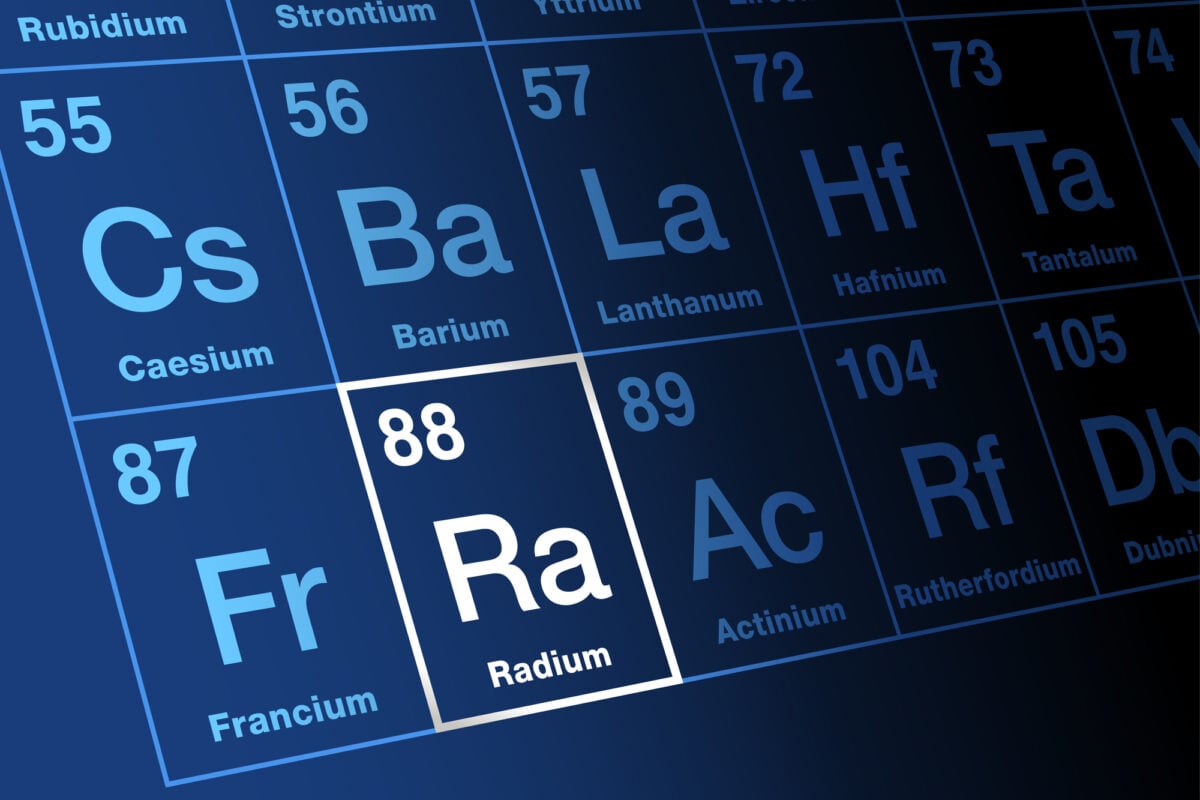
Dmitri Mendeleev is credited as the sole creator of the periodic table for his 1869 version, but German chemist Lothar Meyer independently developed a strikingly similar periodic arrangement around the same time, and English chemist John Newlands had proposed an early periodic “law of octaves” in 1865 that was initially mocked by the scientific establishment.
Mendeleev’s version is remembered because it successfully predicted the properties of undiscovered elements, which the earlier attempts did not.
The Printing Press and East Asian Precedents
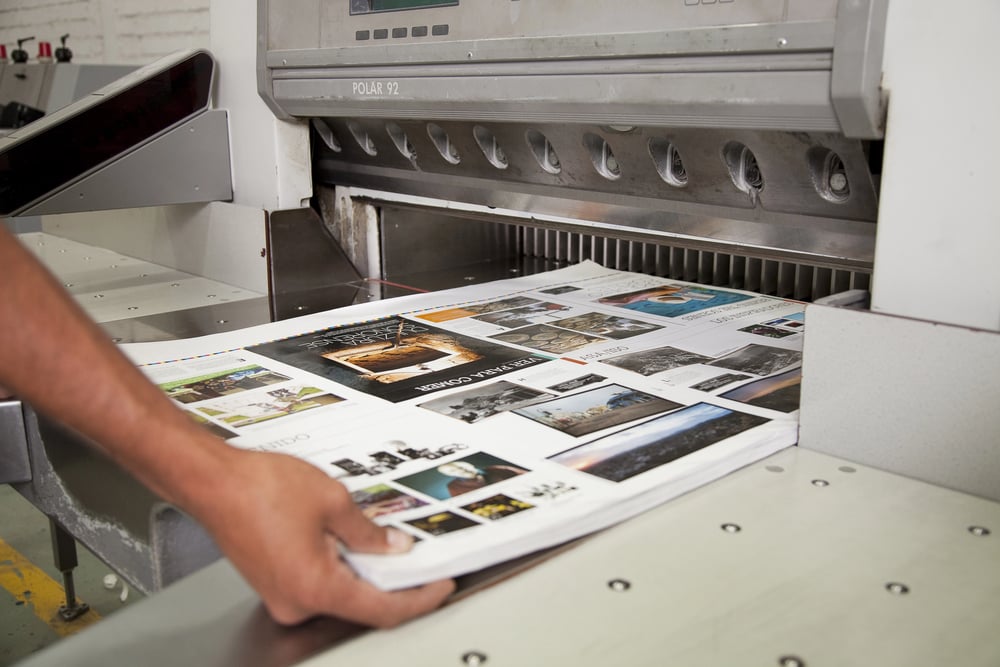
Johannes Gutenberg is credited with inventing the printing press around 1440, but movable type printing had already existed in East Asia for centuries, including Bi Sheng’s ceramic movable type in China around 1040 and metal movable type used in Korea by the 1200s.
Gutenberg’s genuine innovation was an oil-based ink and a mechanized press adapted from wine presses, which made mass printing commercially practical in Europe, but he did not invent movable type itself.
The Discovery of Oxygen and Carl Wilhelm Scheele

Joseph Priestley is commonly credited with discovering oxygen in 1774, but Swedish chemist Carl Wilhelm Scheele had isolated the same gas roughly three years earlier and documented it in a manuscript that was delayed in publication until 1777.
Priestley published first, which secured his place as the credited discoverer, even though Scheele’s original experiments predated his.
The Modern Bicycle and Kirkpatrick Macmillan’s Disputed Claim

Kirkpatrick Macmillan, a Scottish blacksmith, is frequently credited with inventing the pedal-driven bicycle around 1839, a claim that circulated for decades in popular histories despite thin documentary evidence. Contemporary historians have since traced the credit largely to a single 1892 magazine article written well after Macmillan’s death, with no surviving patent or contemporaneous record to confirm the story.
The more reliably documented pedal bicycle emerged from the Michaux family workshop in Paris in the 1860s.
Insulin and the Overlooked Role of James Collip

Frederick Banting and Charles Best are the names most associated with discovering insulin in 1921 and share the popular credit, but biochemist James Collip developed the purification process that made the hormone safe and consistent enough to inject into human patients.
Banting won the 1923 Nobel Prize alongside lab director John Macleod, controversially split his own prize money with Best, and Collip’s essential purification work was largely left out of the public narrative.
The Wright Brothers and Gustave Whitehead’s Disputed Priority Claim

The Wright Brothers are internationally credited with the first powered, controlled airplane flight in 1903, but some aviation historians point to reports of a 1901 flight by German-American inventor Gustave Whitehead in Connecticut, based on contemporary newspaper accounts rather than photographic proof.
The Smithsonian Institution, which holds the Wright Flyer, has a contractual obligation not to recognize any earlier claim as a condition of the aircraft’s donation, a detail that has fueled ongoing historical dispute.
The Theory of Continental Drift and Earlier European Proponents

Alfred Wegener is credited as the originator of continental drift theory following his 1912 publication, but geographers including Abraham Ortelius as early as 1596 and Antonio Snider-Pellegrini in 1858 had already proposed that continents once fit together and had since separated.
Wegener’s contribution was assembling geological and fossil evidence into a systematic argument, which is why the theory bears his name despite earlier speculative versions.
The Sewing Machine and Barthelemy Thimonnier’s Earlier Patent

Elias Howe and Isaac Singer dominate popular memory as the inventors of the sewing machine following their well-publicized 1850s patent disputes, but French tailor Barthelemy Thimonnier had patented a working sewing machine in 1830, more than two decades earlier, and had it running in a Paris garment factory before rioting tailors, fearing job losses, destroyed his workshop.
Thimonnier died in poverty while Howe and Singer built lasting industrial fortunes.
The Modern Refrigerator and Earlier Cooling Patents

Refrigeration is often popularly attributed to a single inventive moment tied to Willis Carrier’s air conditioning work, but the first practical vapor-compression refrigeration system was patented decades earlier by American physician John Gorrie in 1851, originally designed to cool hospital rooms for yellow fever patients. Gorrie’s invention was financially unsuccessful in his lifetime and he died before it gained recognition, while later commercial refrigerator makers captured the popular credit.
The Discovery of DNA’s Structure and Rosalind Franklin

James Watson and Francis Crick are credited with discovering the double-helix structure of DNA in 1953 and later won the Nobel Prize for it, but their model relied heavily on X-ray diffraction data produced by chemist Rosalind Franklin, some of which was shown to Watson without her knowledge or consent.
Franklin died in 1958 of ovarian cancer, before the 1962 Nobel Prize was awarded and before the extent of her contribution became widely known.
The Airplane Ejection Seat and Overlooked German Wartime Engineers
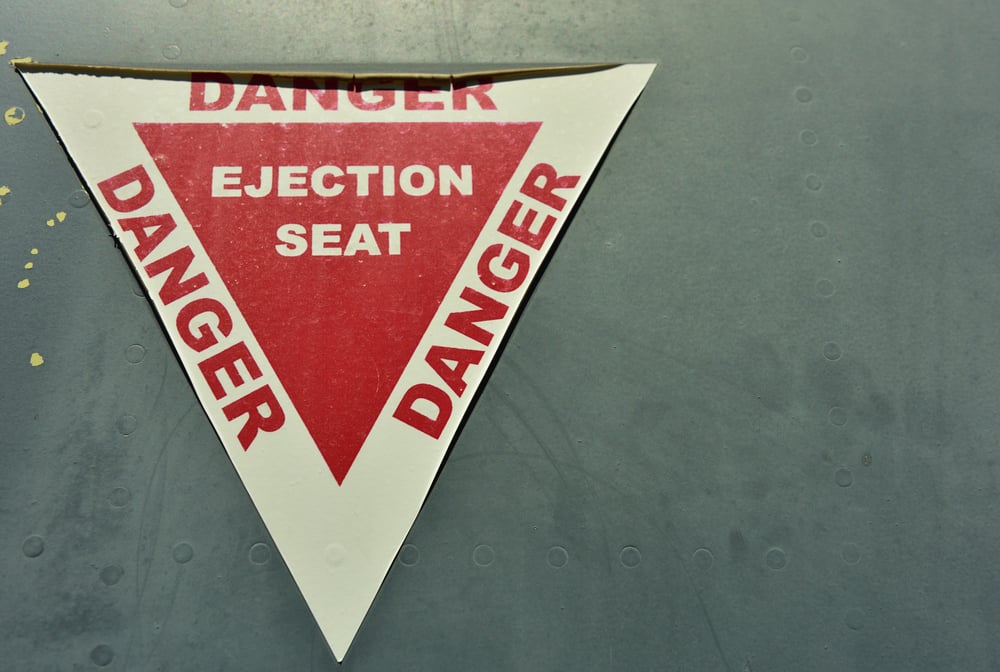
The ejection seat is often loosely credited in popular accounts to postwar British and American aviation engineers, but German engineers at Heinkel had already developed and deployed working compressed-air ejection seats in combat aircraft as early as 1942.
Allied nations studied captured German designs after the war, and postwar Western manufacturers who commercialized and refined the technology received most of the enduring public credit.
The Modern Traffic Signal and William Potts’s Overlooked Design

Garrett Morgan is frequently credited in popular accounts with inventing the traffic signal after patenting a T-shaped signal device in 1923, but Detroit police officer William Potts had already designed and installed the first four-way, three-color electric traffic signal at a Detroit intersection in 1920, without ever patenting it.
Because Potts never filed for a patent, Morgan’s later patented design became the version credited in most historical summaries.
Why Credit Sticks to the Wrong Name

Priority in invention is rarely as clean as the history books suggest. It usually goes to whoever files first, publishes first, or survives long enough to defend the claim, not necessarily to whoever actually solved the problem first.
Poverty, timing, language barriers, and simple bad luck have quietly erased dozens of true originators from public memory. What connects nearly every name on this list is documentation: the people remembered are, almost without exception, the ones whose paperwork survived.
That is a reminder that history is not just a record of achievement, but a record of who had the resources and circumstances to make their achievement stick.
More from Go2Tutors!

- The Romanov Crown Jewels and Their Tragic Fate
- 13 Historical Mysteries That Science Still Can’t Solve
- Famous Hoaxes That Fooled the World for Years
- 15 Child Stars with Tragic Adult Lives
- 16 Famous Jewelry Pieces in History
Like Go2Tutors’s content? Follow us on MSN.