29 Antique Keys and Locks Buyers Hunt Down
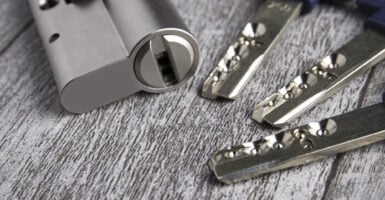
Long before combination codes and electronic fobs, security meant a physical key cut for a specific mechanism, often made by a company whose name is now itself a piece of history. Antique keys and locks sit at an unusual intersection of craftsmanship, security history, and pure decorative appeal.
Skeleton Keys from Victorian Homes

Skeleton keys, designed to open a range of simple bit-and-ward locks common in Victorian-era homes, are among the most widely collected antique key types. Larger, more ornately cast examples generally command more than the plain, utilitarian versions produced in bulk.
Yale Cylinder Padlocks
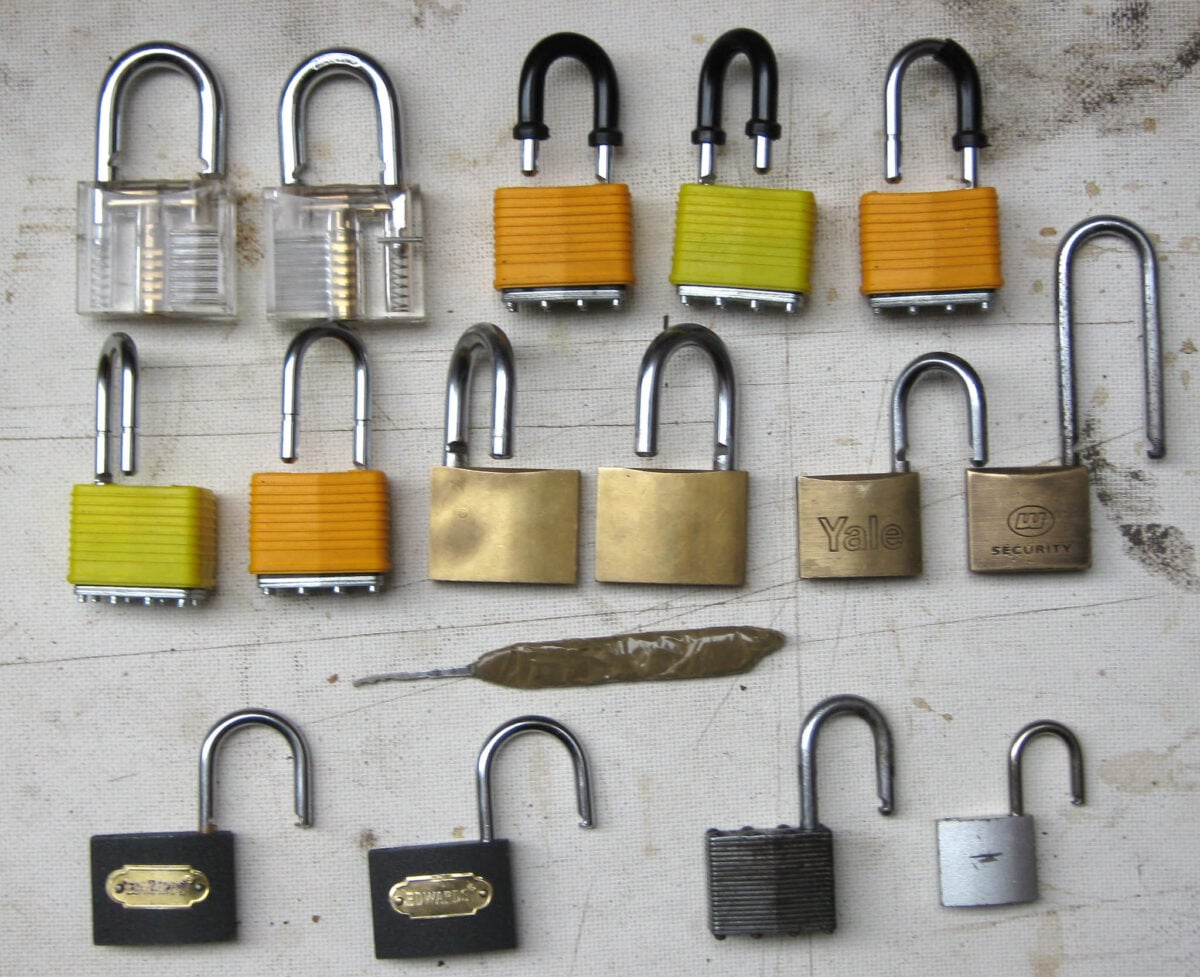
Linus Yale Jr.’s pin tumbler cylinder lock design, patented in the mid-1800s, revolutionized lock security and gave the company its lasting name recognition. Early Yale padlocks, particularly those with visible early patent markings, are specifically sought by lock history collectors.
Railroad Switch Locks
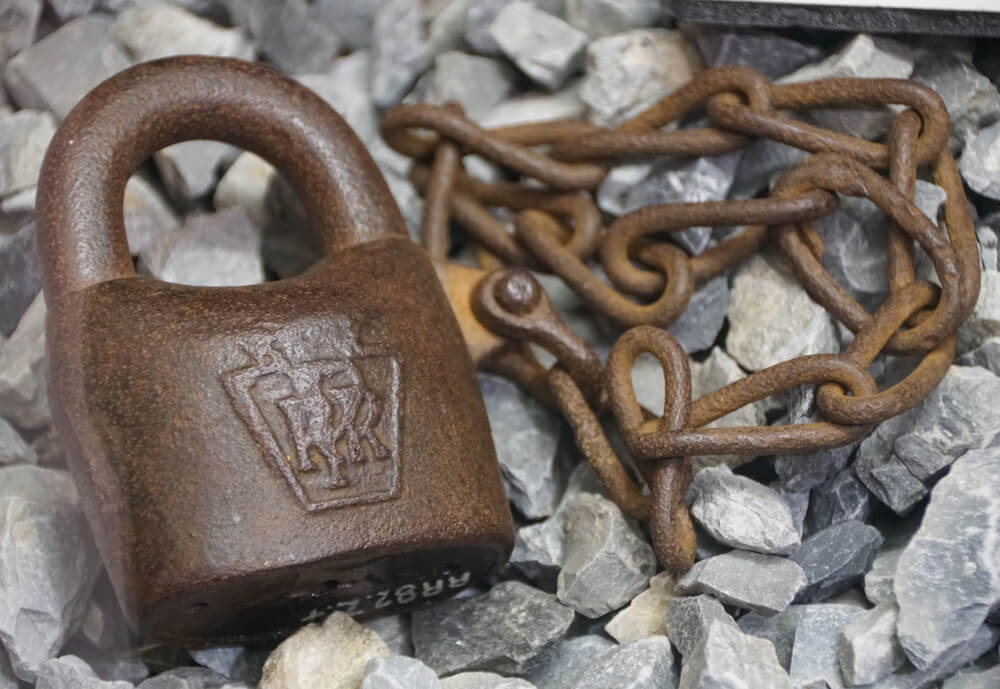
Railroads used specially keyed padlocks to secure track switches, often stamped with the specific railroad company’s name or initials. Locks tied to smaller or now-defunct regional railroads tend to be scarcer than those from major national lines.
Cast Iron Rim Locks
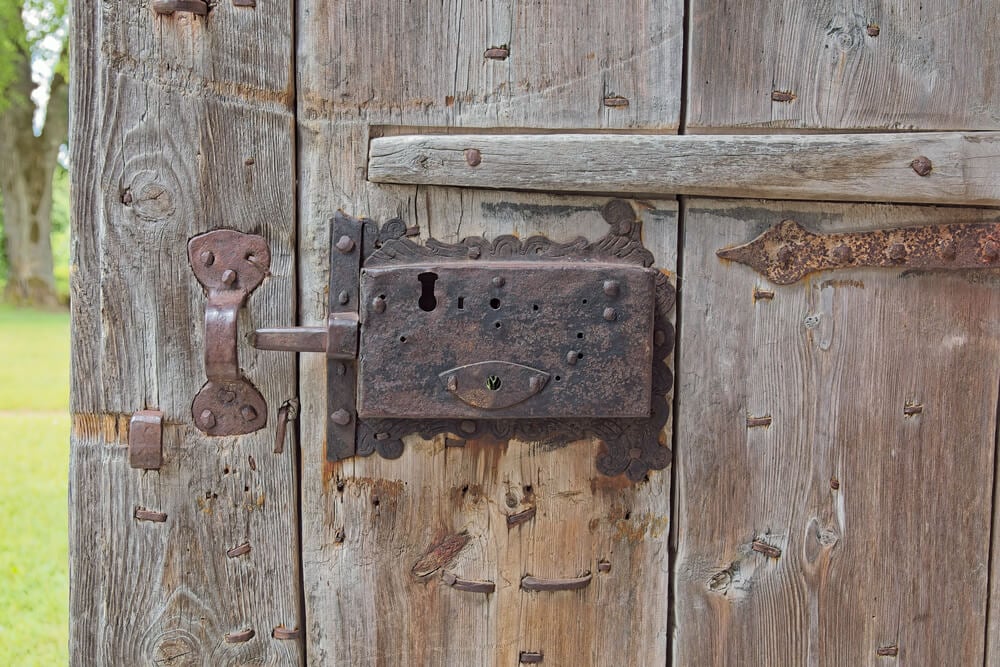
Rim locks, mounted on the surface of a door rather than embedded within it, were common on 19th-century doors and often featured decorative cast iron faceplates. Complete examples with matching original keys are considerably more valuable than lock bodies missing their key.
Brass Cabinet Keys
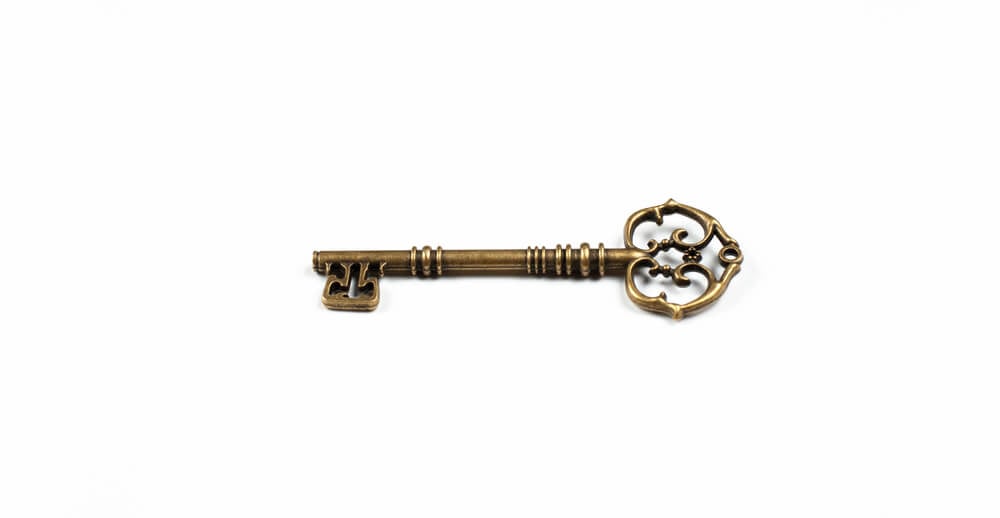
Small brass keys designed for cabinets, desks, and jewelry boxes are a more affordable entry point into key collecting, often sold in themed lots by shape or era. Ornately cast bow designs, the decorative top portion of the key, are the primary factor driving individual piece value.
Prison and Jail Cell Keys

Large, heavy keys once used for prison and jail cells are collected both for their imposing size and their connection to criminal justice history. Keys with documented provenance from a specific, identifiable facility carry meaningfully more value than unmarked examples.
Antique Trunk Locks
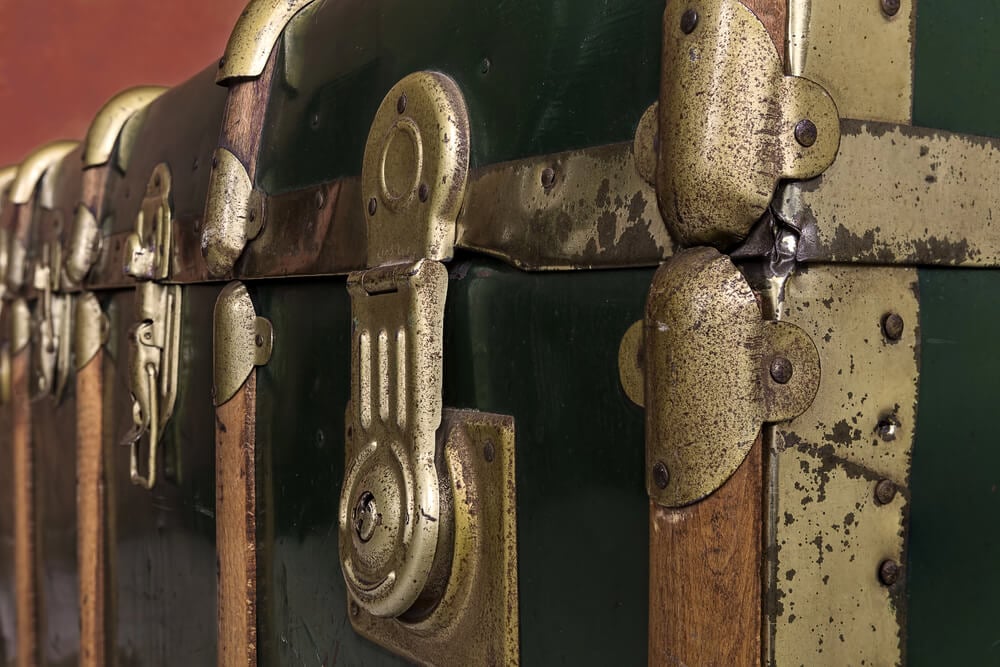
Locks designed specifically for steamer trunks and travel chests, often stamped with the trunk manufacturer’s name, are collected both independently and by buyers restoring complete antique trunks. Working locks that still accept their original key are considerably more desirable than seized or rusted mechanisms.
Church Door Keys
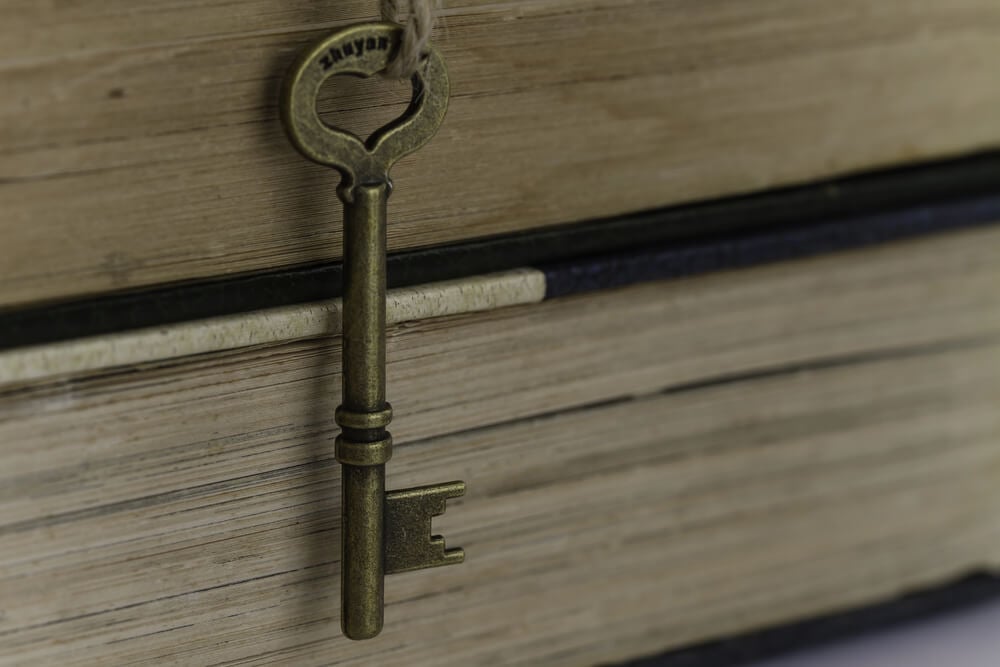
Large ornamental keys made for church doors were often produced with considerable decorative flourish, reflecting the building’s significance. Keys documented as coming from a specific named church carry a provenance premium over generic large decorative keys.
Masonic Lodge Keys
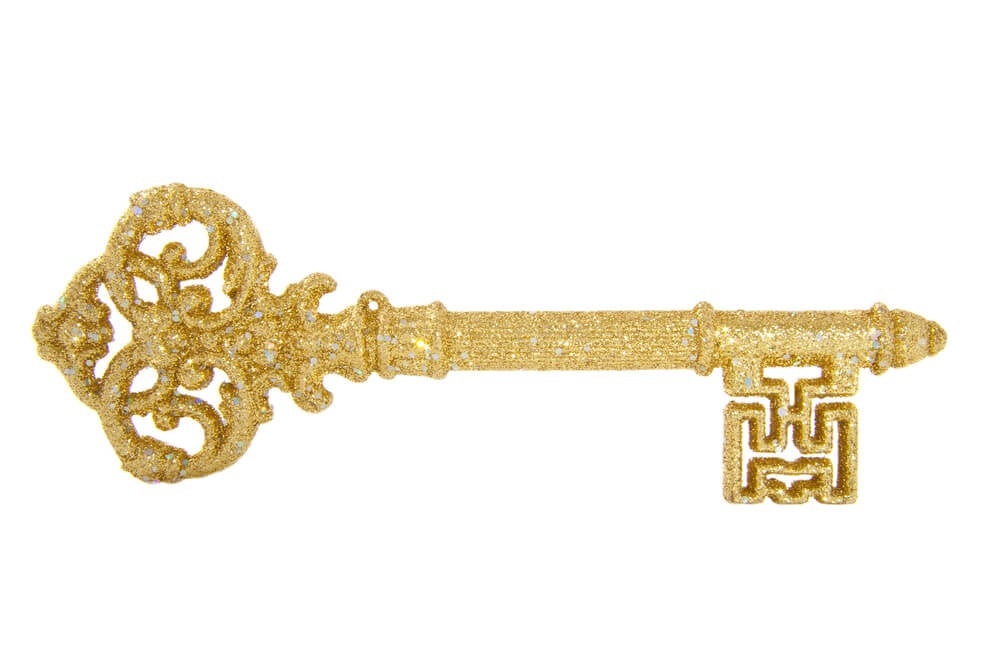
Keys used for Masonic lodge buildings sometimes feature symbolic engravings tied to the fraternal organization, making them a specific crossover collecting category between key collectors and Masonic memorabilia enthusiasts. Documented lodge origin significantly affects value in this niche.
Fire Department Padlocks

Padlocks used by volunteer and municipal fire departments, often stamped with a department name or badge design, are sought by both lock collectors and firefighting memorabilia enthusiasts. Locks from small-town departments that no longer exist under the same name are particularly prized.
Ornate Escutcheon Plates
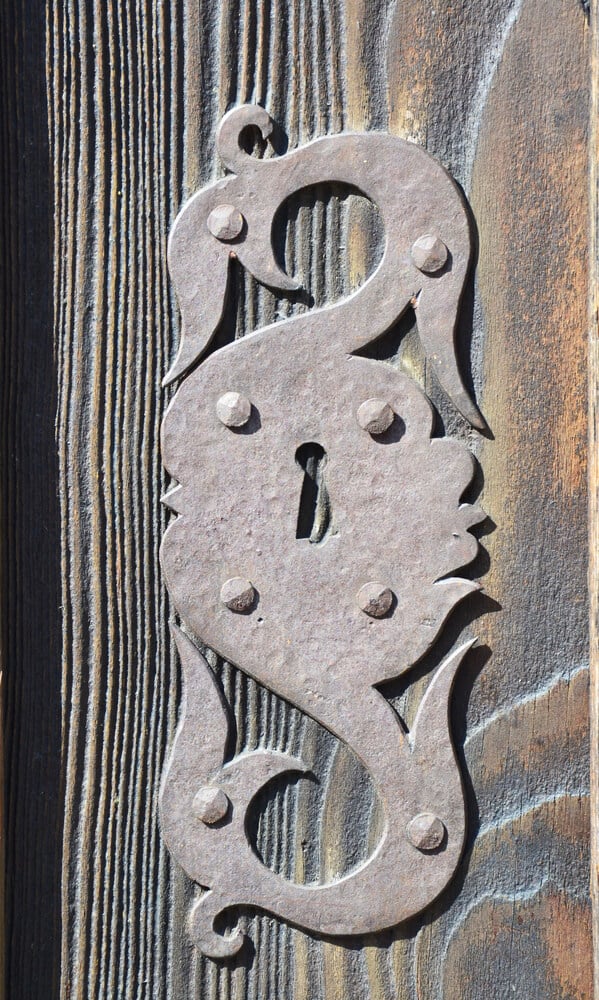
Escutcheon plates, the decorative metal surrounds fitted around a keyhole, are collected both as standalone architectural salvage pieces and by buyers restoring period doors. Matching sets of escutcheons, door handles, and locks from a single manufacturer bring more than mismatched individual pieces.
Corbin Cabinet Locks
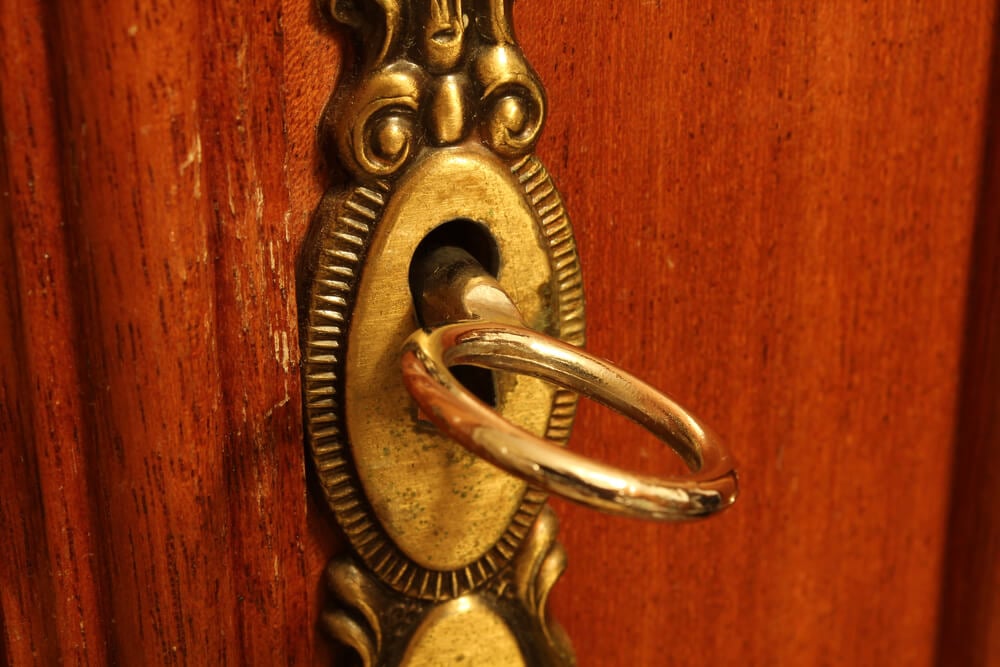
Corbin, a major American lock manufacturer active from the 19th century onward, produced high-quality cabinet and furniture locks that remain identifiable by maker’s marks stamped into the mechanism. Complete Corbin locks with original keys are specifically tracked by collectors of American hardware history.
Sargent & Greenleaf Safe Locks
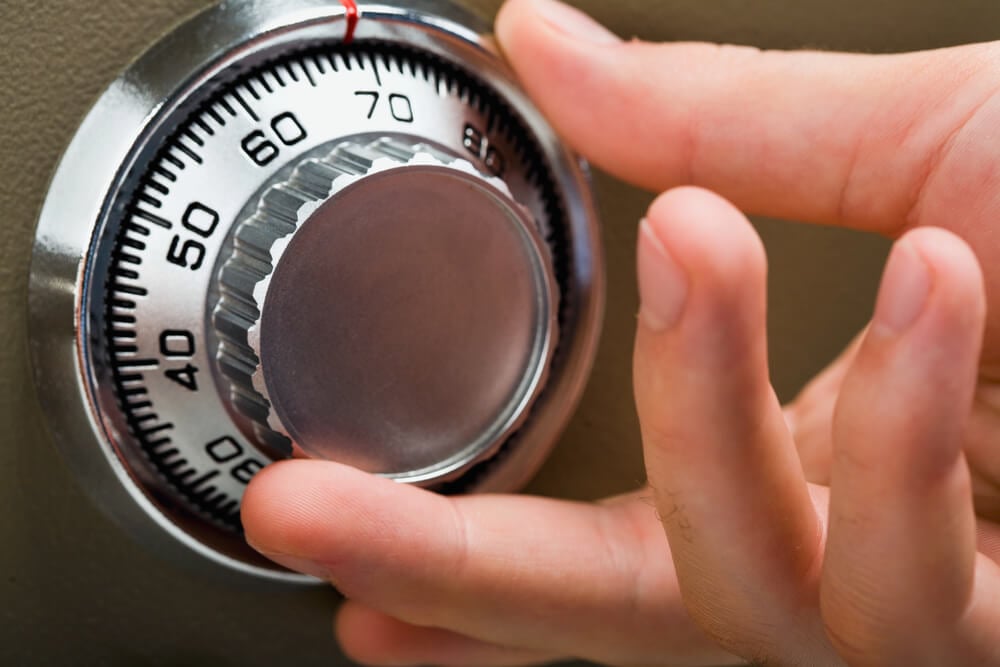
Sargent & Greenleaf specialized in high-security safe and vault locks, and antique examples of their combination mechanisms are collected by both lock enthusiasts and safe restoration specialists. Mechanisms still capable of being set to a working combination are considerably more valuable than purely decorative, non-functional examples.
Civil War Era Military Locks
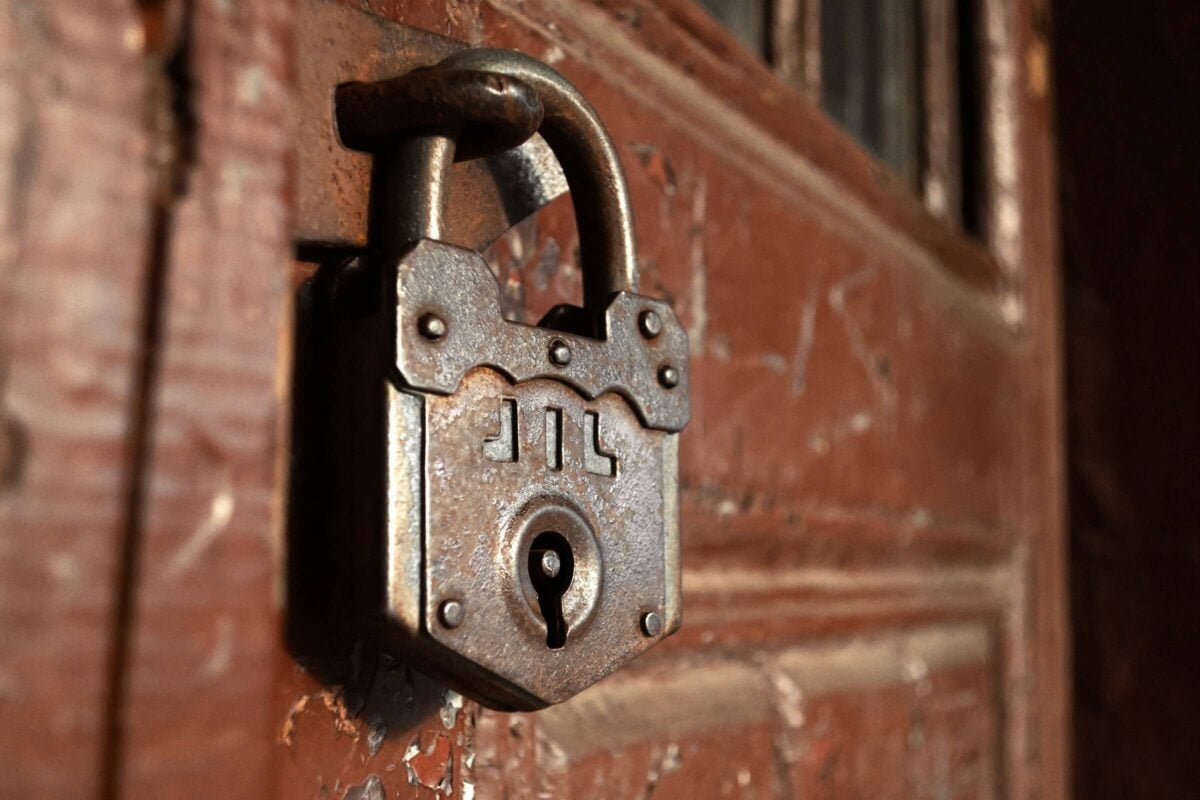
Locks used on Civil War-era military equipment and storage, often stamped with government ordnance markings, are collected by both lock specialists and Civil War memorabilia enthusiasts. Documented provenance tying a lock to a specific unit or campaign substantially increases its value.
Antique Post Office Box Keys
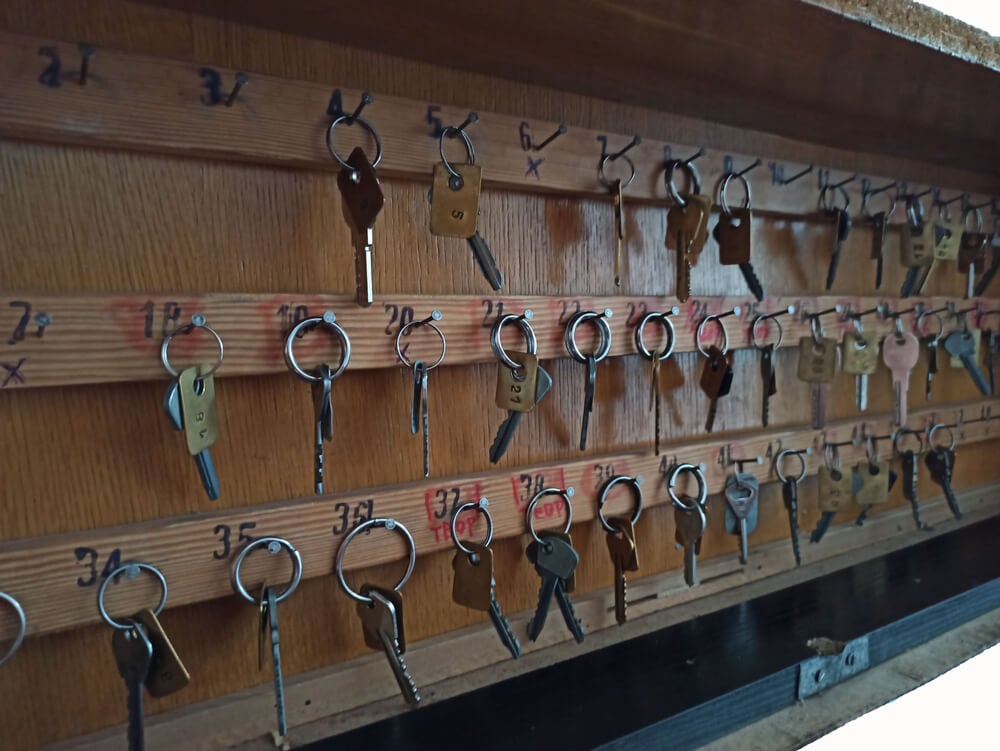
Small brass keys designed for private post office boxes, often numbered or stamped with a specific post office’s name, are a compact and popular collecting niche. Keys from small-town post offices that have since closed carry particular local historical interest.
Hotel Room Skeleton Keys
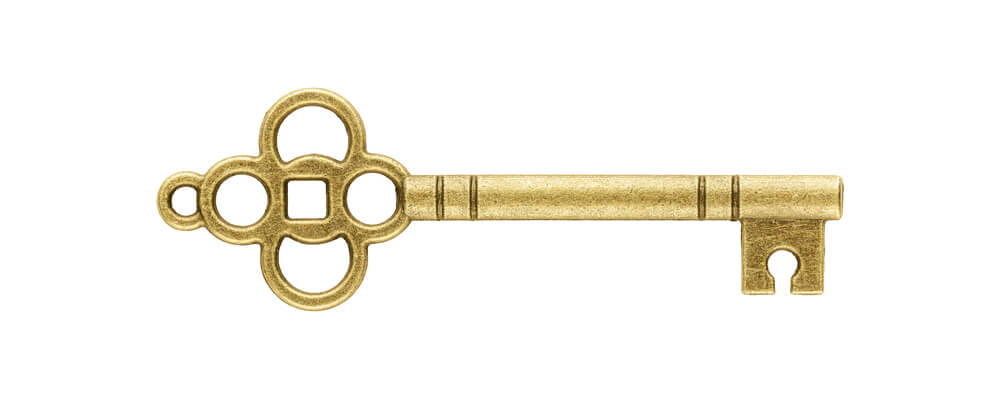
Skeleton keys once used for hotel room doors, frequently stamped with a room number or the hotel’s name, are collected as small, affordable pieces of hospitality history. Keys from grand or historically notable hotels, especially those since demolished, draw stronger collector interest than generic unmarked examples.
Slaymaker Padlocks
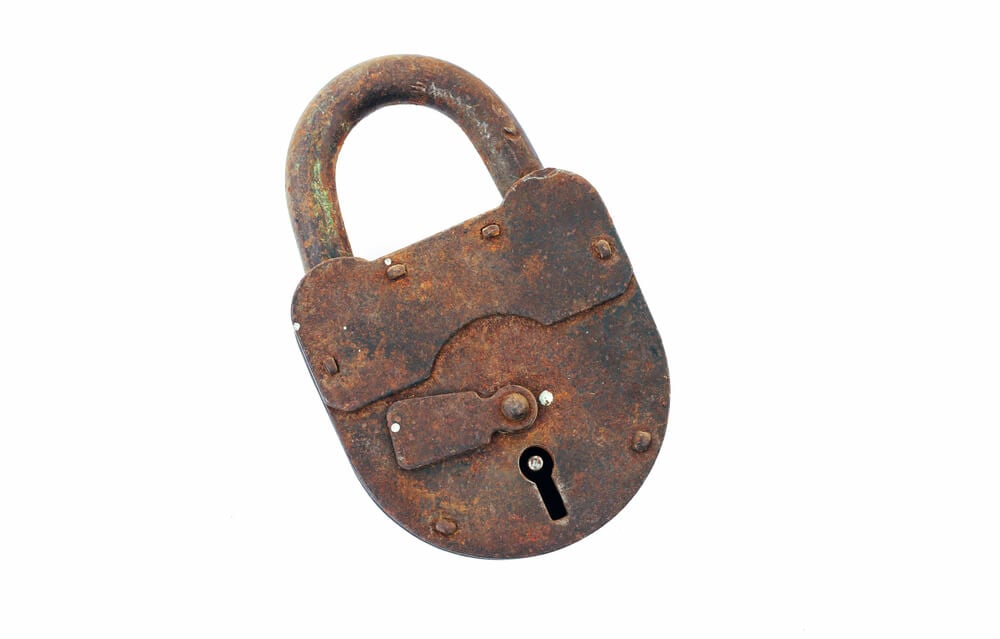
Slaymaker Lock Company, an American manufacturer active for over a century, produced padlocks now identifiable by their distinctive maker’s marks. Early Slaymaker padlocks with intact original finish are specifically sought by collectors focused on American padlock manufacturing history.
Antique Handcuff Keys
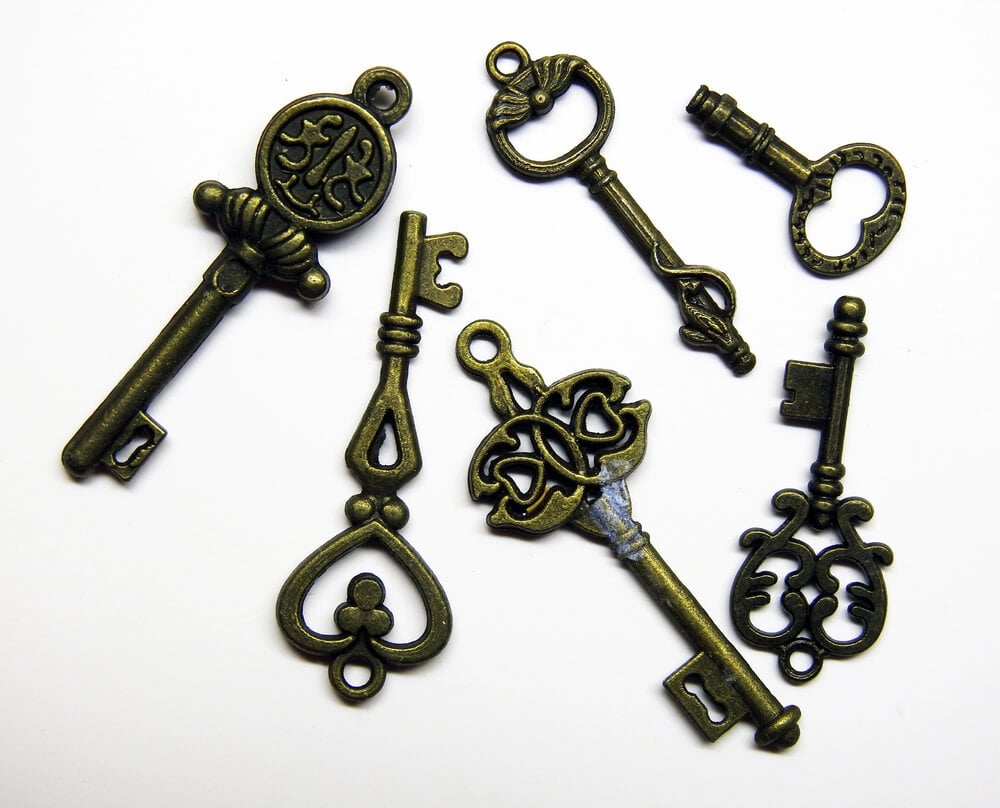
Small keys designed for antique handcuffs and restraints are collected both by lock specialists and by collectors focused on law enforcement history. Keys documented as matching a specific surviving pair of handcuffs bring notably more than loose, unmatched examples.
Wells Fargo Strongbox Locks
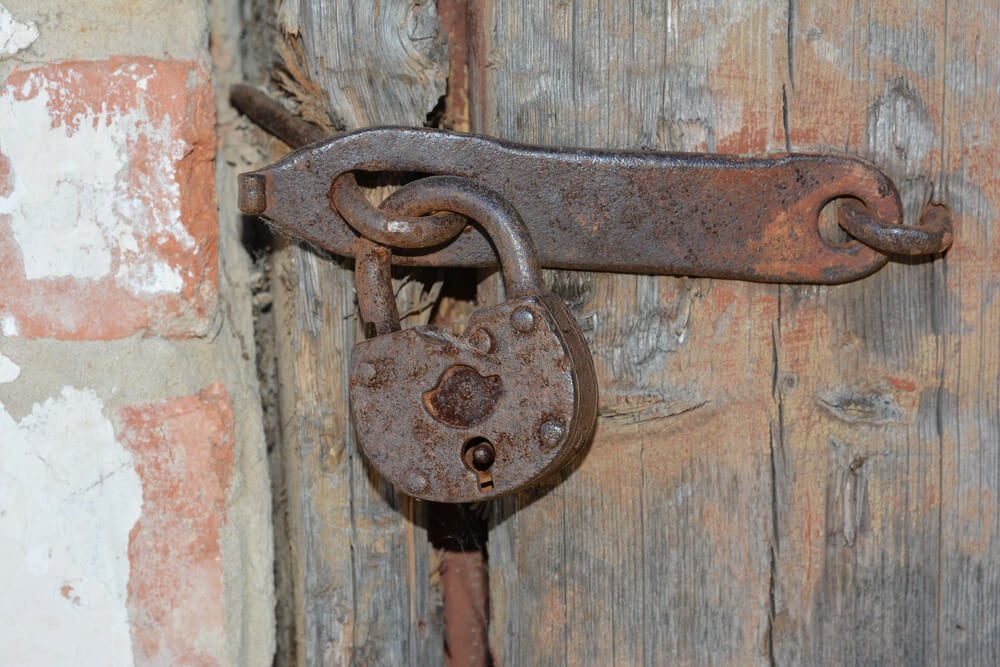
Locks from historic Wells Fargo strongboxes, used to secure valuables during stagecoach and early rail transport, carry strong crossover appeal with Americana and Old West memorabilia collectors. Documented, authenticated examples are genuinely rare given the company’s long and well-recorded history.
Diebold Safe Combination Locks
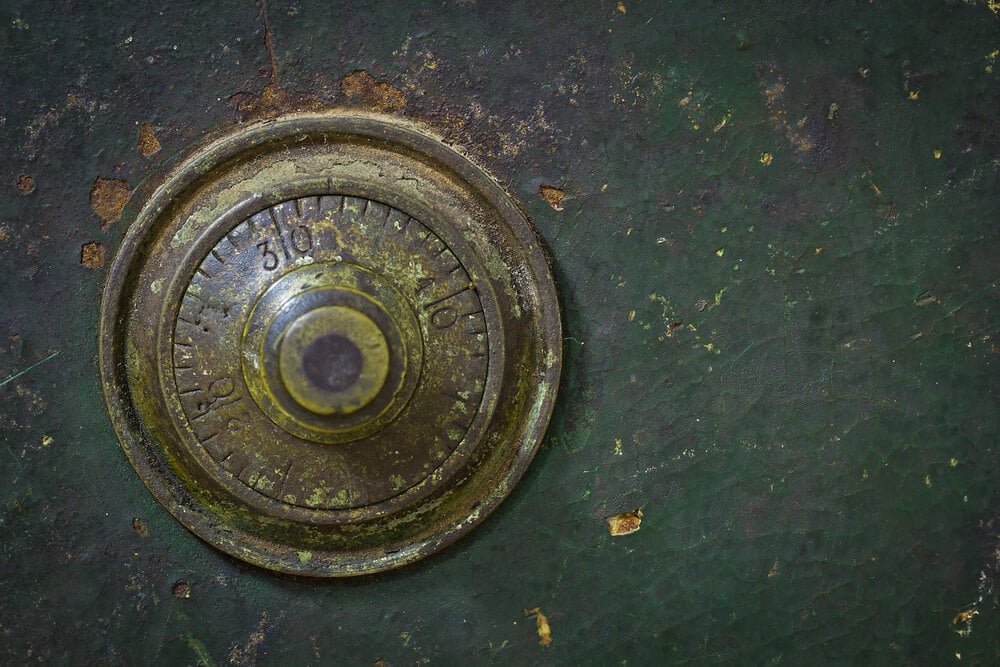
Diebold, a major American safe manufacturer, produced combination locks now sought by collectors restoring antique safes to full working order. Mechanisms that can still be reset to a functioning combination hold considerably more value than purely decorative, non-operational pieces.
Automobile Ignition Keys (Pre-War)

Ignition keys from pre-World War II automobiles, often stamped with the manufacturer’s name or logo, are collected both independently and by classic car restorers seeking period-correct originals. Keys matched to a specific, identifiable make and model carry more value than generic unbranded blanks.
Ship Cabin Door Keys
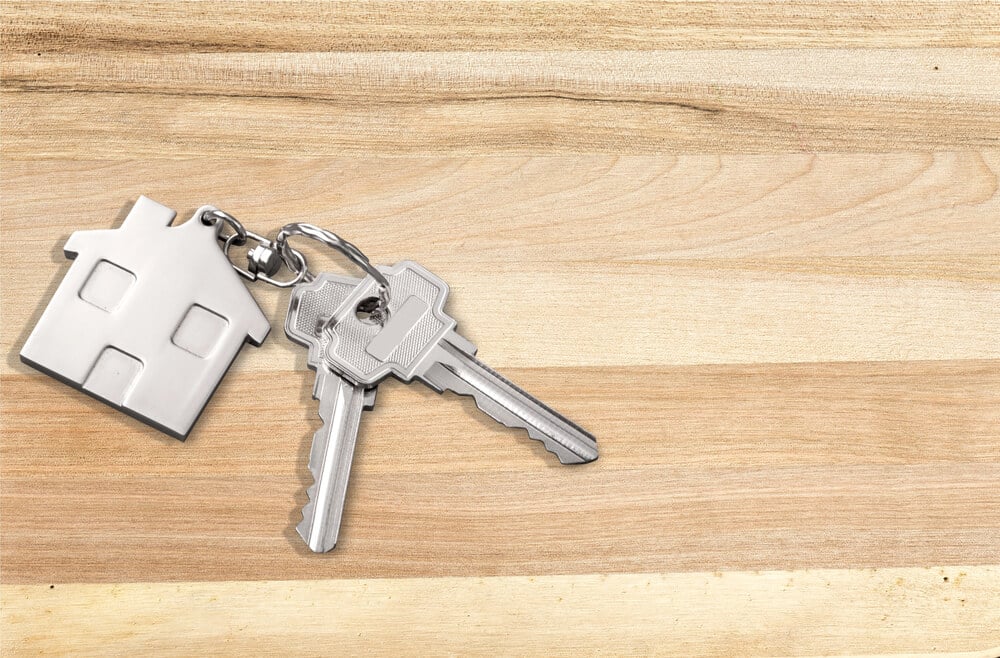
Keys used for ship cabin doors, particularly those from named ocean liners or naval vessels, are a niche within maritime memorabilia collecting. Documented provenance tying a key to a specific ship substantially increases its value over an unmarked generic maritime key.
Antique Barn Door Hasps and Locks
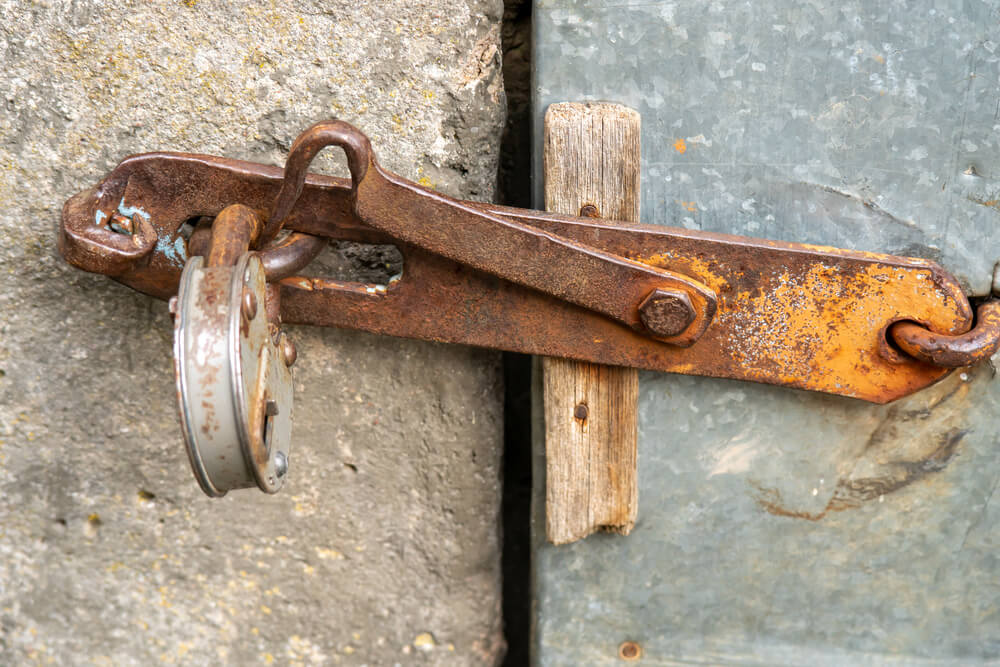
Heavy iron hasps and locks used to secure barn doors are collected largely for their rustic decorative appeal, often by buyers restoring period farm structures. Hand-forged examples predating mass production are more valuable than later factory-made hardware.
Miller Lock Company Padlocks
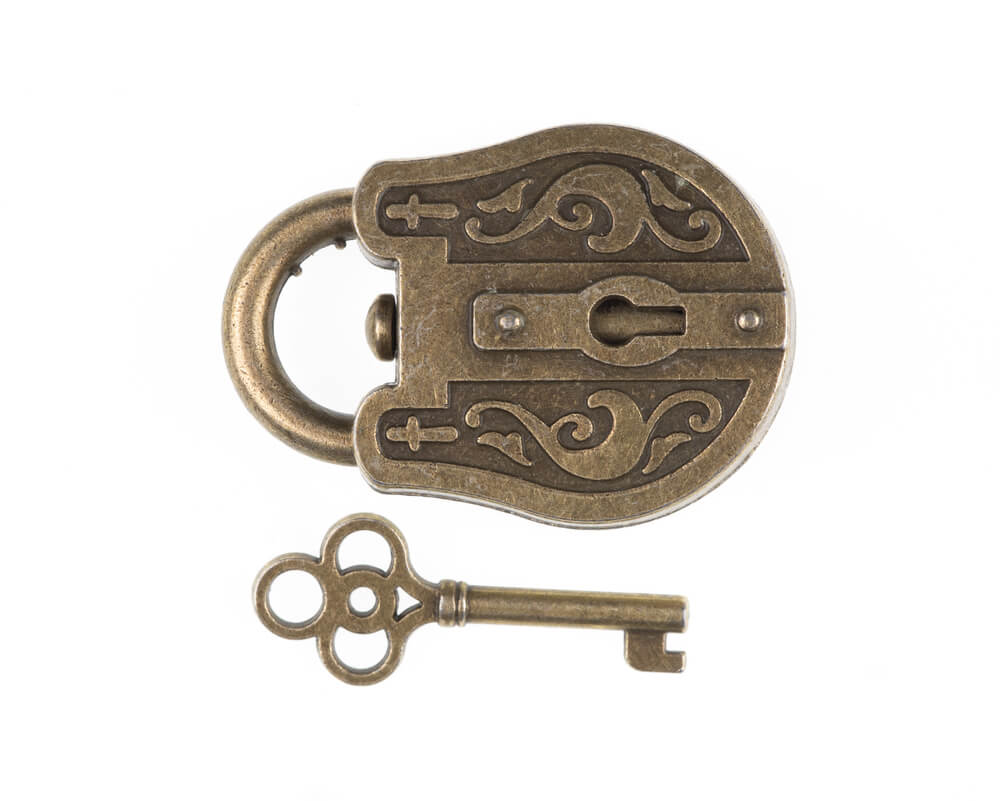
Miller Lock Company, active in American lock manufacturing for much of the 20th century, produced padlocks now identifiable through specific maker’s marks and casting styles. Collectors focused on American padlock brands specifically track Miller alongside contemporaries like Slaymaker and Yale.
Eagle Lock Company Trunk Locks
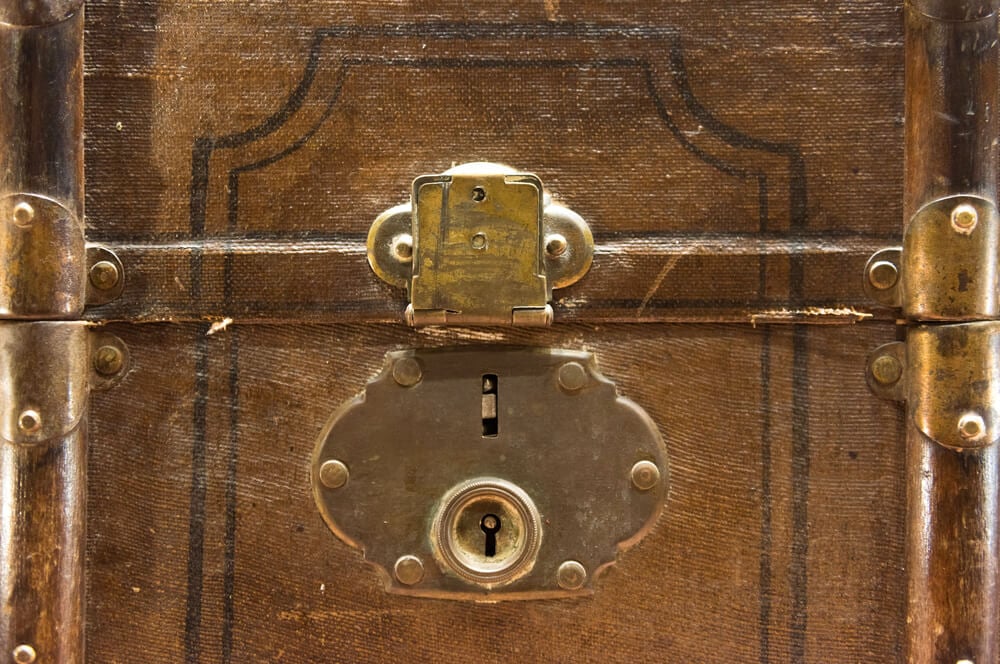
Eagle Lock Company was a major American manufacturer of trunk and luggage locks throughout the late 19th and early 20th centuries. Locks bearing the Eagle Lock Company name and still paired with their original key are specifically sought by trunk restoration collectors.
Antique Watch Chain Fob Keys
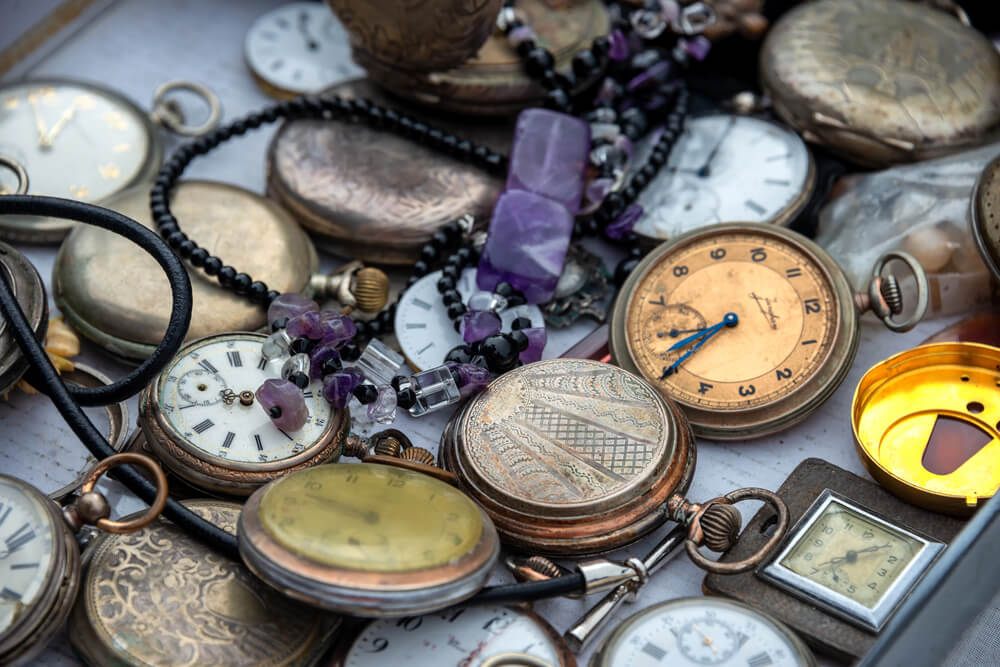
Small decorative keys once carried on a watch chain fob, sometimes functional and sometimes purely ornamental, are collected as a crossover category between key collecting and vintage jewelry. Functional examples that still open an identifiable lock type are generally valued above purely decorative fobs.
Yale & Towne Manufacturing Locks
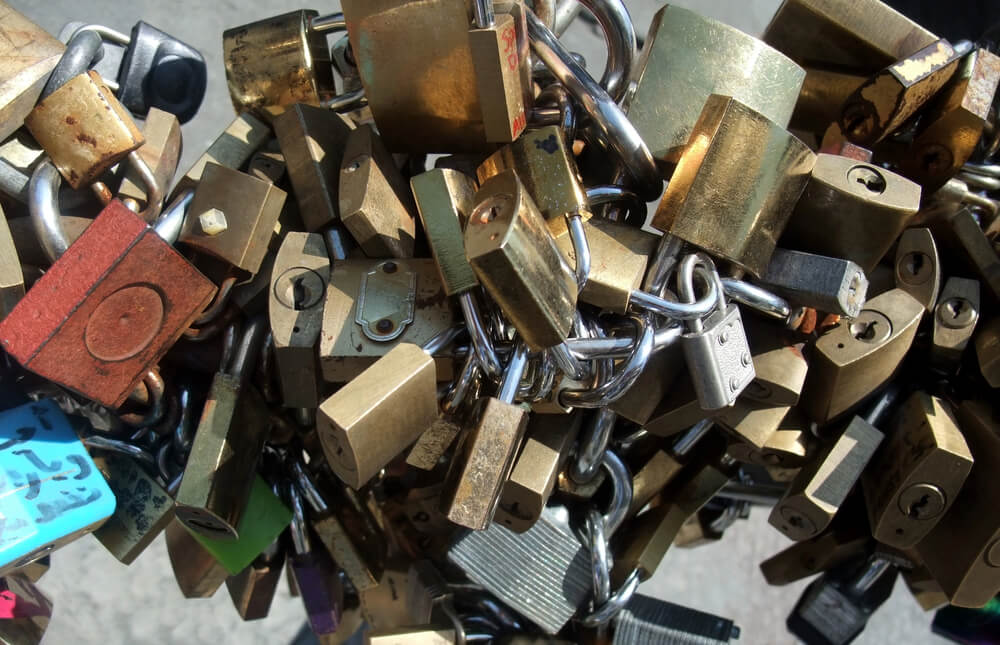
Yale & Towne, the formal company built around Linus Yale Jr.’s original lock patents, produced a wide range of locks throughout the late 19th and 20th centuries. Early examples bearing the company’s original branding are specifically distinguished by collectors from the brand’s later, more common mass-market production.
Antique Gate and Estate Keys
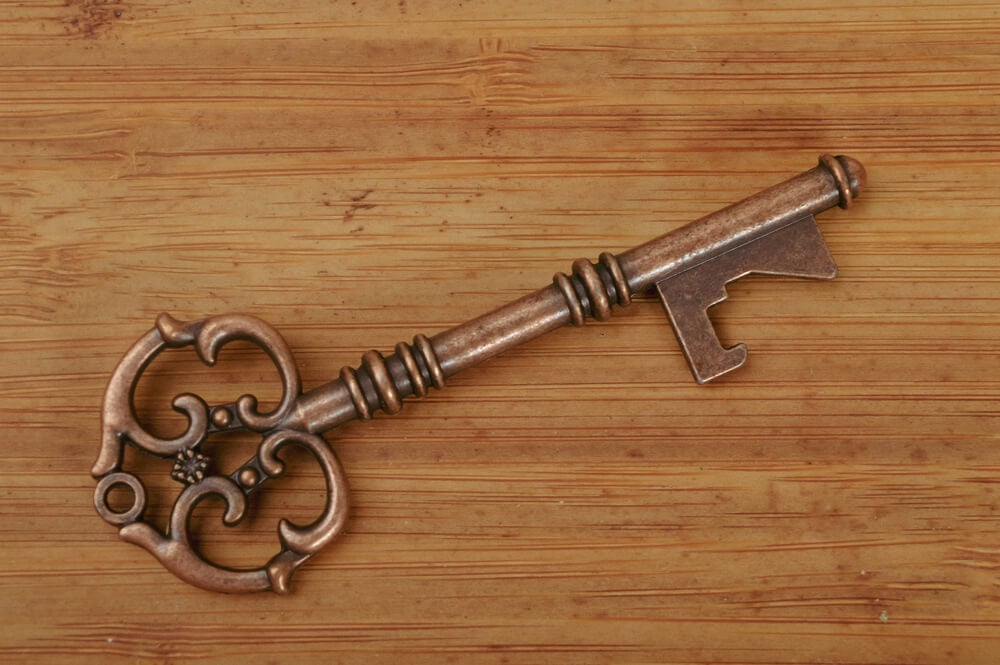
Large, often ornately cast keys made for estate gates and grounds are collected primarily for their imposing scale and decorative detail. Documented provenance connecting a key to a specific named estate significantly increases its collector value.
Combination Bicycle Locks from the Early 1900s
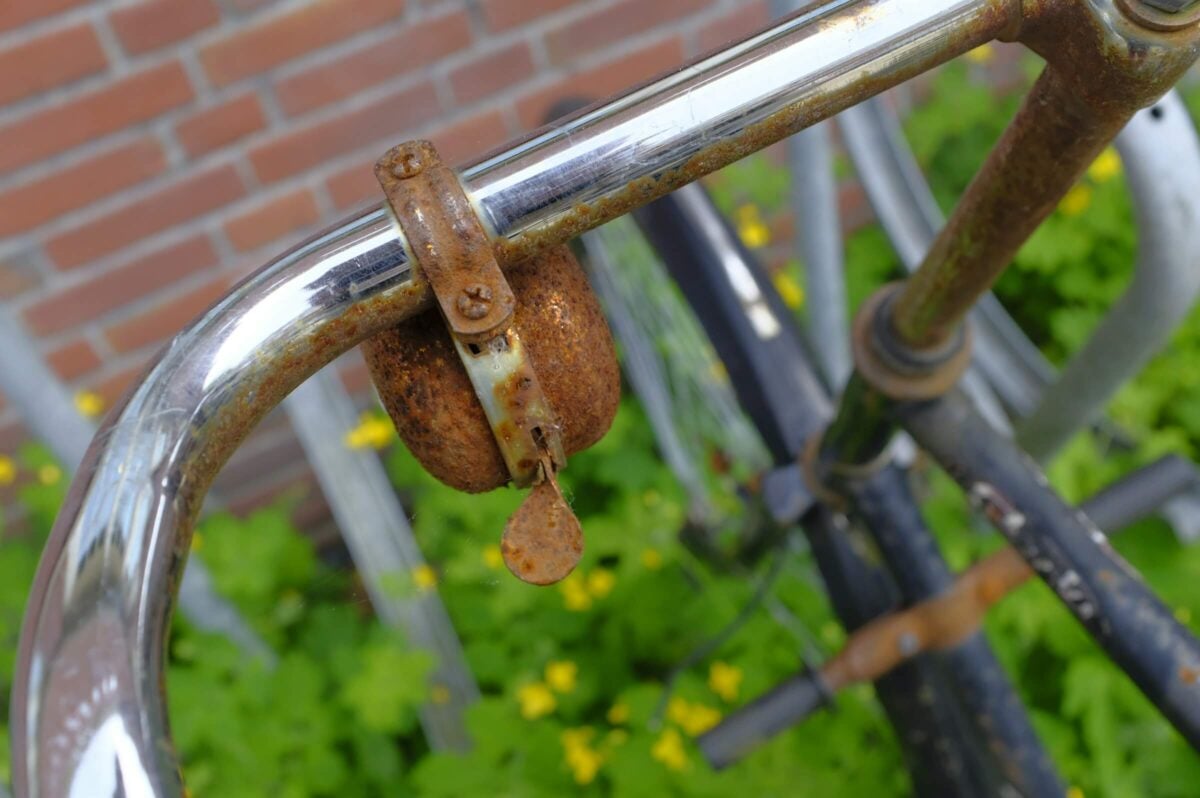
Early combination locks designed specifically for bicycles, predating the widespread use of cable locks, represent an early and somewhat overlooked branch of combination lock history. Working examples that can still be set to a functioning combination are notably scarcer than the many non-functional decorative pieces on the market.
The Weight of Something That Actually Locked
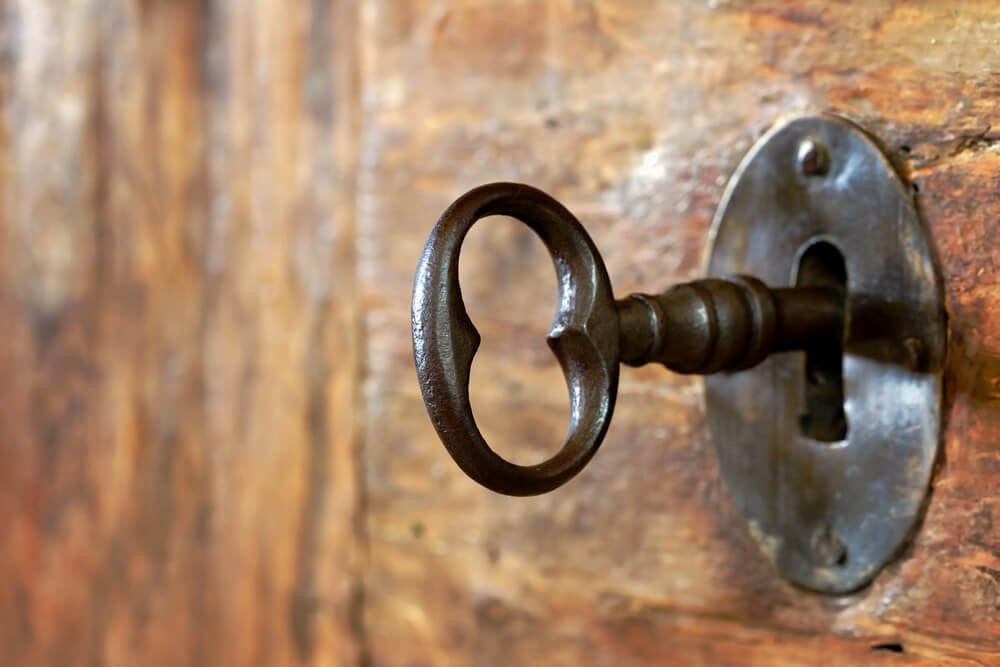
There is a specific, satisfying heft to an object designed purely to keep something safe, long before security became an invisible digital process. These keys and locks were the entire security system, not a backup to one, and that responsibility shows in how solidly they were built.
Collecting them now is a way of holding onto a version of trust that was entirely mechanical: either the key fit, or nothing else mattered. That directness has largely disappeared from how people think about security, replaced by codes and permissions that live nowhere physical at all.
A drawer full of skeleton keys is a reminder that locks used to be objects a person could hold, examine, and understand simply by looking at them, which explains why so many of them are still worth hunting down.
More from Go2Tutors!

- 16 Historical Figures Who Were Nothing Like You Think
- 12 Things Sold in the 80s That Are Now Illegal
- 15 VHS Tapes That Could Be Worth Thousands
- 17 Historical “What Ifs” That Would Have Changed Everything
- 18 TV Shows That Vanished Without a Finale
Like Go2Tutors’s content? Follow us on MSN.