Unusual New Year’s Foods and Their Meanings
New Year’s celebrations around the world involve more than just champagne and countdowns. Food plays a huge role in how different cultures welcome the fresh start that January 1st brings.
Some of these traditional dishes might seem odd or even unappealing to outsiders, but each one carries special meaning for the people who eat them. Let’s explore some of the strangest foods people consume to bring luck, wealth, and happiness in the coming year.
Twelve grapes at midnight in Spain
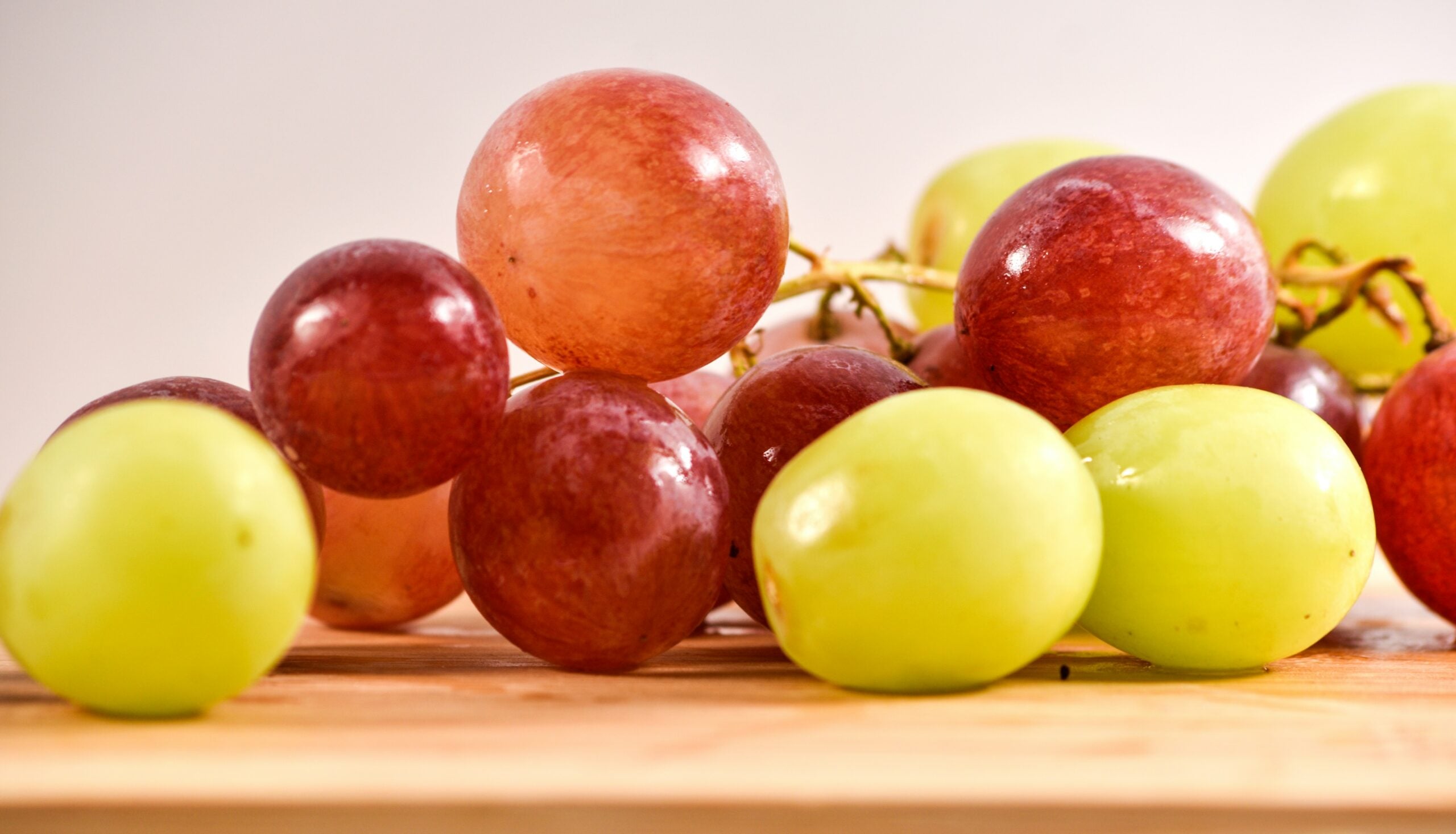
Spanish people scramble to eat exactly twelve grapes in the final twelve seconds before midnight strikes on New Year’s Eve. Each grape represents one month of the coming year, and successfully eating all twelve supposedly guarantees good fortune.
The tradition dates back to 1909 when grape farmers in Alicante had a surplus harvest and needed a creative way to sell their extra fruit. Anyone who chokes or fails to finish all twelve grapes before the clock stops chiming faces a year of bad luck.
Television broadcasts in Spain now include a clock specifically designed to help people time their grape eating perfectly.
Sauerkraut and pork in Germany

Germans load their New Year’s plates with pork and tangy sauerkraut, believing this combination brings prosperity. Pigs symbolize progress because they root forward with their snouts rather than scratching backward like chickens.
The sauerkraut represents wealth since the long strands of cabbage resemble paper money or golden coins. Many German families serve specific cuts of pork such as roasted knuckles or ribs.
The meal must be eaten soon after midnight for luck to work properly.
Hoppin’ John in the American South

This Southern dish combines black-eyed peas, rice, and pork, often with onions and spices mixed in. Eating Hoppin’ John on January 1st supposedly brings good luck and prosperity throughout the year.
The black-eyed peas represent coins, the greens served alongside symbolize paper money, and the cornbread adds golden wealth to the meal. Some families hide an actual coin in the pot, and whoever finds it receives extra good fortune.
The exact origin of both the dish and its unusual name remains unclear, though theories range from African traditions to French influences.
Round fruits in the Philippines

Filipino families display exactly thirteen round fruits on their tables to welcome the New Year. The circular shape represents coins and prosperity, while the number thirteen symbolizes Jesus and the twelve apostles.
Common choices include oranges, apples, grapes, and melons arranged in decorative bowls or platters. Families jump at midnight while holding coins and reaching for the fruit display, believing the action attracts wealth.
Some households go overboard and cover entire tables with hundreds of round fruits to maximize their luck.
Lentils in Italy
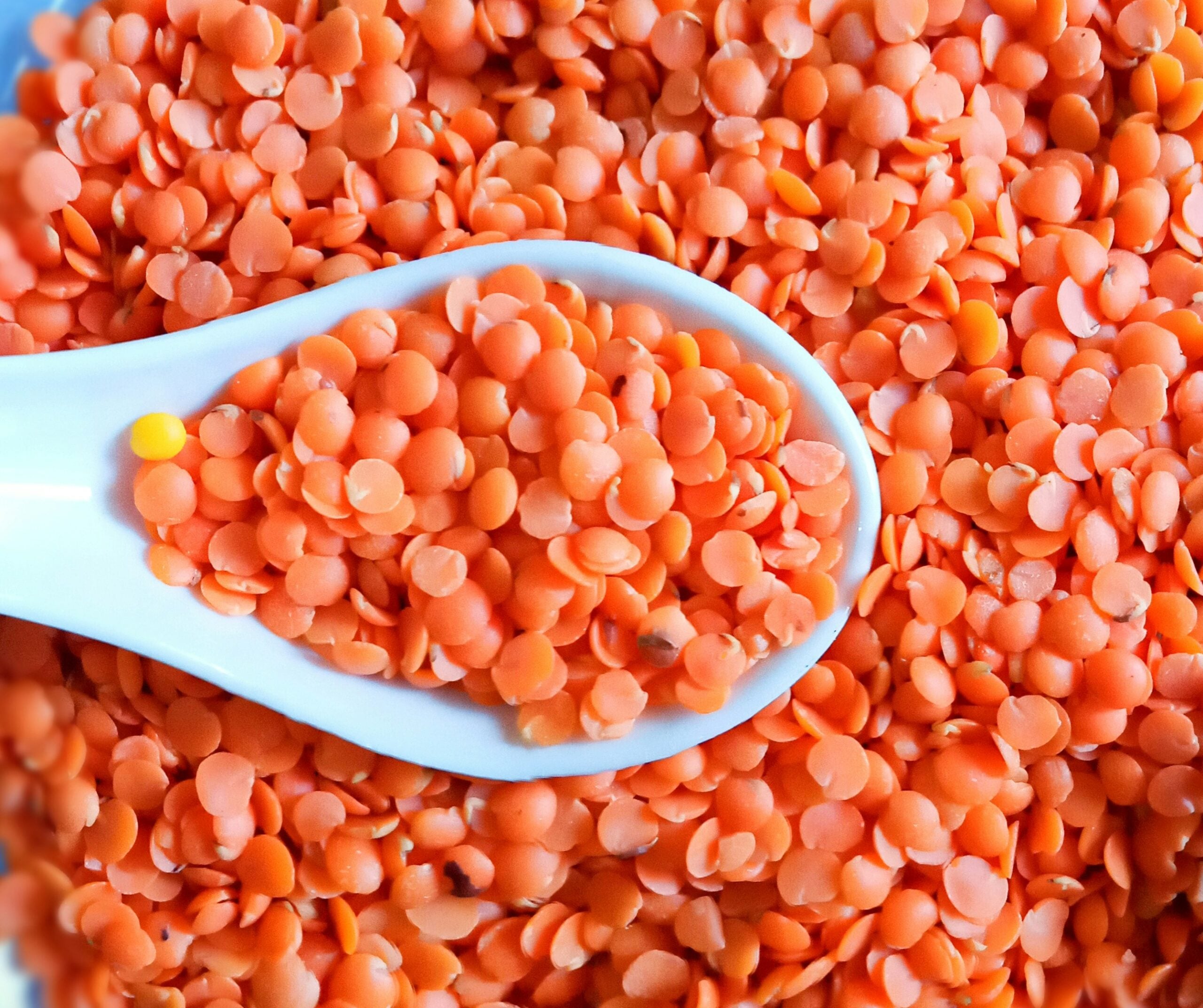
Italians eat lentils right after midnight on New Year’s Eve, often served with cotechino sausage. The small, lens-shaped legumes look like tiny coins and represent money and good fortune.
The more lentils someone eats, the more wealth they’ll supposedly accumulate in the coming year. Traditional preparations involve slow-cooking the lentils with vegetables and herbs until they’re soft and flavorful.
Some Italian families serve the lentils in a specific type of ceramic bowl that’s been passed down through generations.
Long noodles in Japan

Japanese people slurp down extra-long soba noodles on New Year’s Eve in a tradition called toshikoshi soba. The length of the noodles symbolizes longevity and the crossing from one year into the next.
Breaking the noodles before eating them brings bad luck and possibly a shortened life. These buckwheat noodles are typically served in a hot broth with simple toppings like green onions and tempura.
The custom dates back to the Edo period when gold merchants used soba dough to collect gold dust from their workshops.
Pickled herring in Poland and Scandinavia

Polish and Scandinavian families eat pickled herring right at midnight to ensure abundance in the New Year. The silvery fish represents coins and prosperity since herring once served as a valuable trading commodity in Northern Europe.
Some traditions require eating the herring while facing a specific direction or at an exact moment when the clock strikes twelve. The strong, vinegary flavor doesn’t appeal to everyone, but believers wouldn’t dare skip this important ritual.
Different regions prepare the herring with various accompaniments like onions, cream, or mustard sauce.
King cake in France

The French serve galette des rois, a flaky pastry filled with almond cream, during the New Year season extending into January. Bakers hide a small figurine called a fève inside the cake before baking it.
Whoever discovers the fève in their slice becomes king or queen for the day and wears a paper crown. The tradition actually celebrates Epiphany on January 6th but many families extend the festivities throughout early January.
Modern bakers sometimes replace the figurine with a ceramic charm due to choking concerns.
Tamales in Mexico
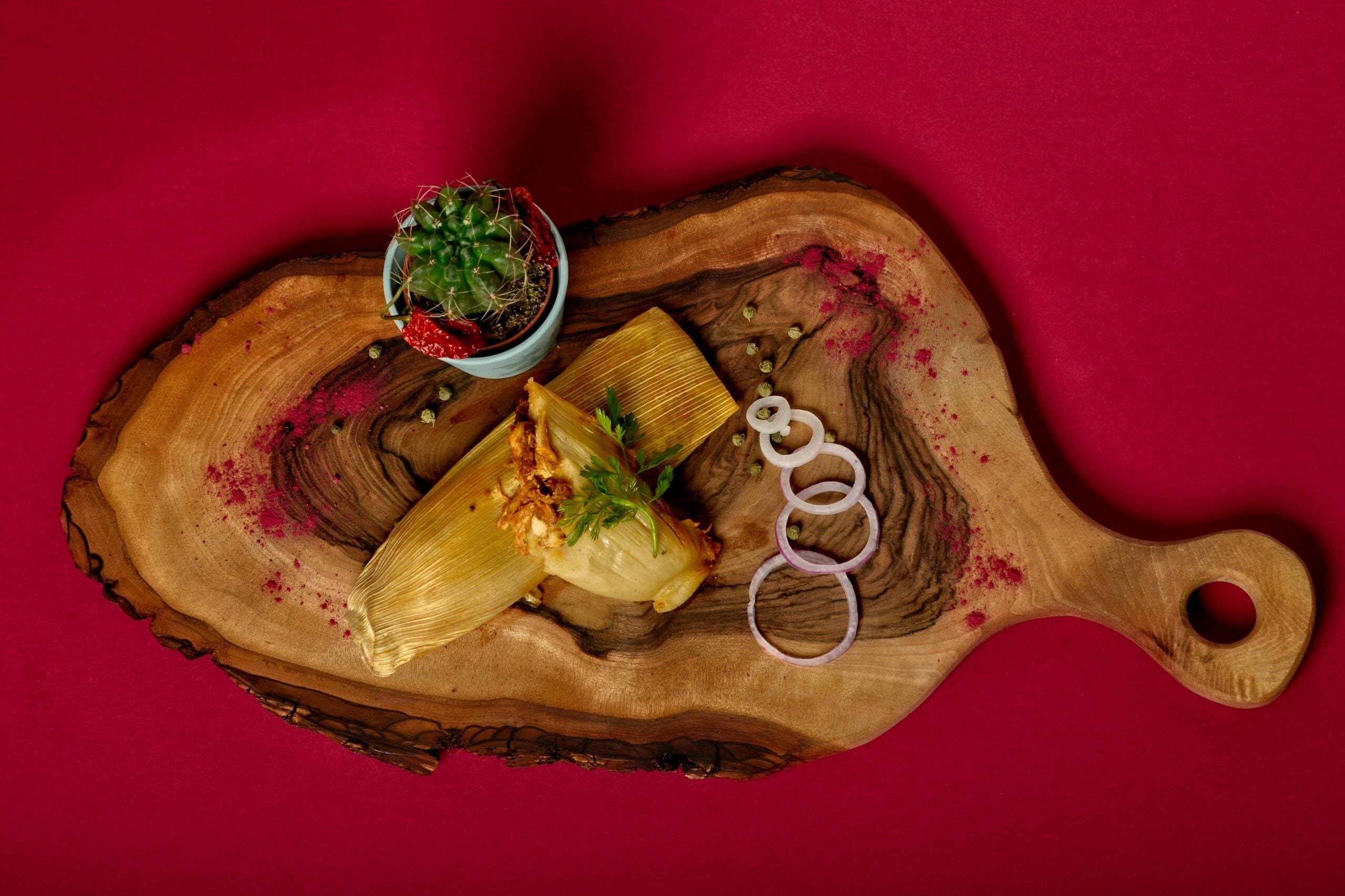
Mexican families spend days before New Year’s preparing hundreds of tamales to share with relatives and neighbors. These corn masa parcels filled with meat, cheese, or chilies represent abundance and the promise of plenty in the coming year.
The labor-intensive preparation process brings families together and strengthens community bonds. Making tamales requires wrapping the masa and filling in corn husks, then steaming them for hours.
Some families follow recipes that haven’t changed in generations, using techniques passed from grandmothers to granddaughters.
Marzipan pigs in Austria and Germany

Small marzipan candies shaped like pigs appear everywhere in German-speaking countries around New Year’s. These sweet almond paste figures serve as both decorations and good luck charms.
Giving someone a marzipan pig wishes them prosperity and happiness in the coming year. The pigs sometimes wear tiny shamrock decorations or carry chocolate coins in their mouths.
Children collect these candies and often compete to see who receives the most pigs from family members.
Pomegranate in Turkey

Turkish people smash pomegranates on their doorstep or threshold at midnight on New Year’s Eve. The number of seeds that scatter supposedly indicates how much prosperity and luck the household will receive.
Some families count the seeds while others simply estimate based on the spread. The deep red color of the fruit represents life and fertility in addition to wealth.
This messy tradition requires cleanup afterward, but believers consider it worth the effort for a fortunate year ahead.
Whole fish in China

Whole fish show up on dinner plates during China’s New Year celebrations, heads and tails still attached. Staying complete matters – people see it as hope for strong starts and finishes.
A sound-alike twist links “fish” to “surplus,” making it feel fortunate. Leftovers stay behind on purpose, showing extra wealth should stretch forward.
Often it is carp or catfish, gently cooked with ginger and dark soy liquid.
Oliebollen in the Netherlands

Fried dough rounds vanish fast when Dutch folks celebrate New Year’s Eve. Round like a promise of longer days, they hint at light coming back after cold, short ones.
Powder snows down from bags onto each warm piece sold by roadside booths in late December. Long ago, people tied to old northern beliefs may have shared similar sweets for a spirit named Perchta.
Raisins tumble inside most batches, though some now mix in chunks of apple or bright peels soaked in syrup. A few bakers slip in melted pockets of cocoa bits without warning.
Midnight strikes, then the vasilopita comes out
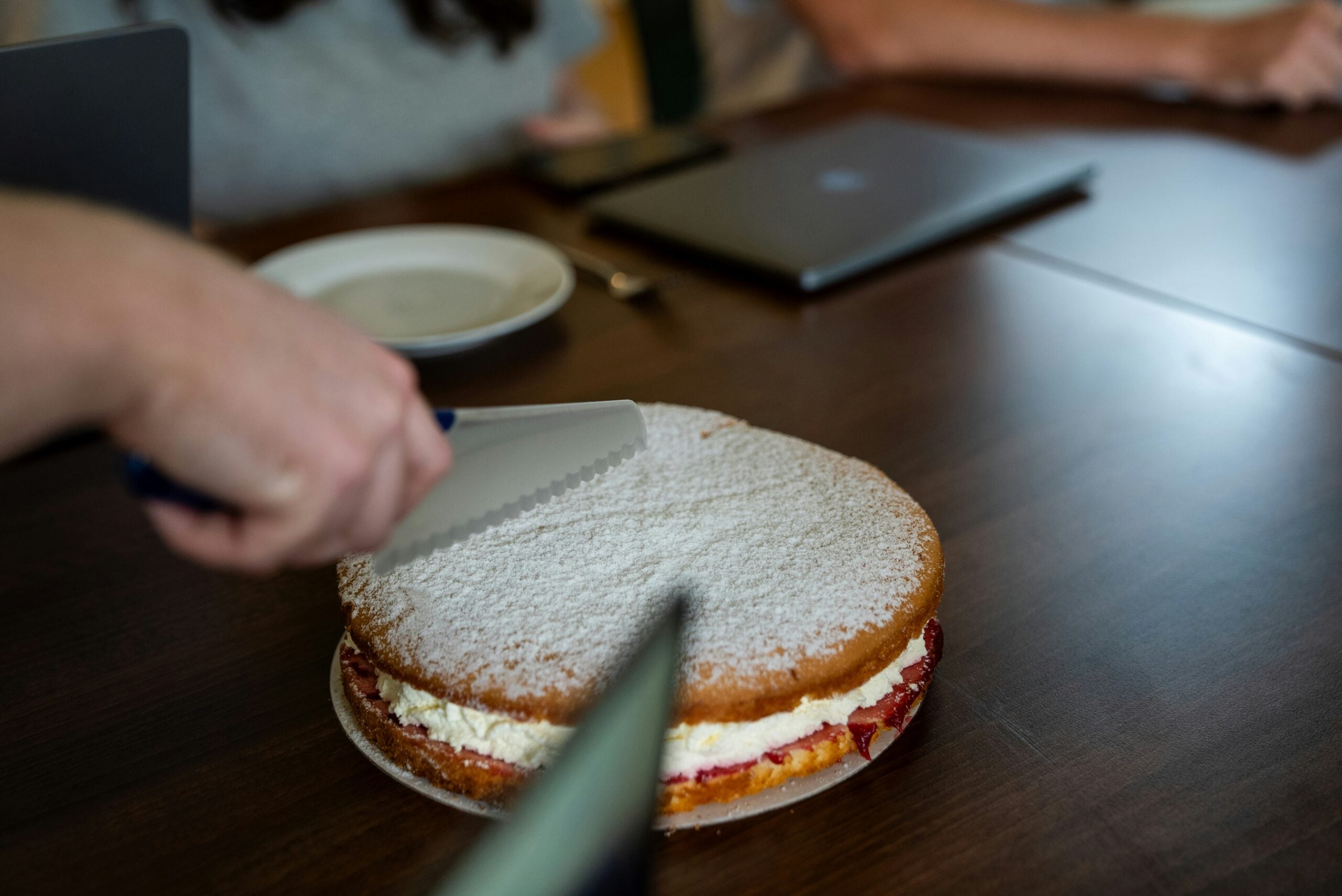
Greeks gather around as someone finds the piece holding a secret coin, believed to bring luck ahead. Hidden long ago inside loaves, gold returned by Saint Basil helped those who’d lost everything.
Slices go out one by one, following tradition, even leaving some for Christ, the home itself, maybe a faraway cousin too. That small metal token? It might stay tucked in a pocket or become the very first spending cash when January begins.
To keep things clean now, many cover the coin tightly with shiny foil before baking.
Up high in Norway, kransekake stands tall during New Year’s nights
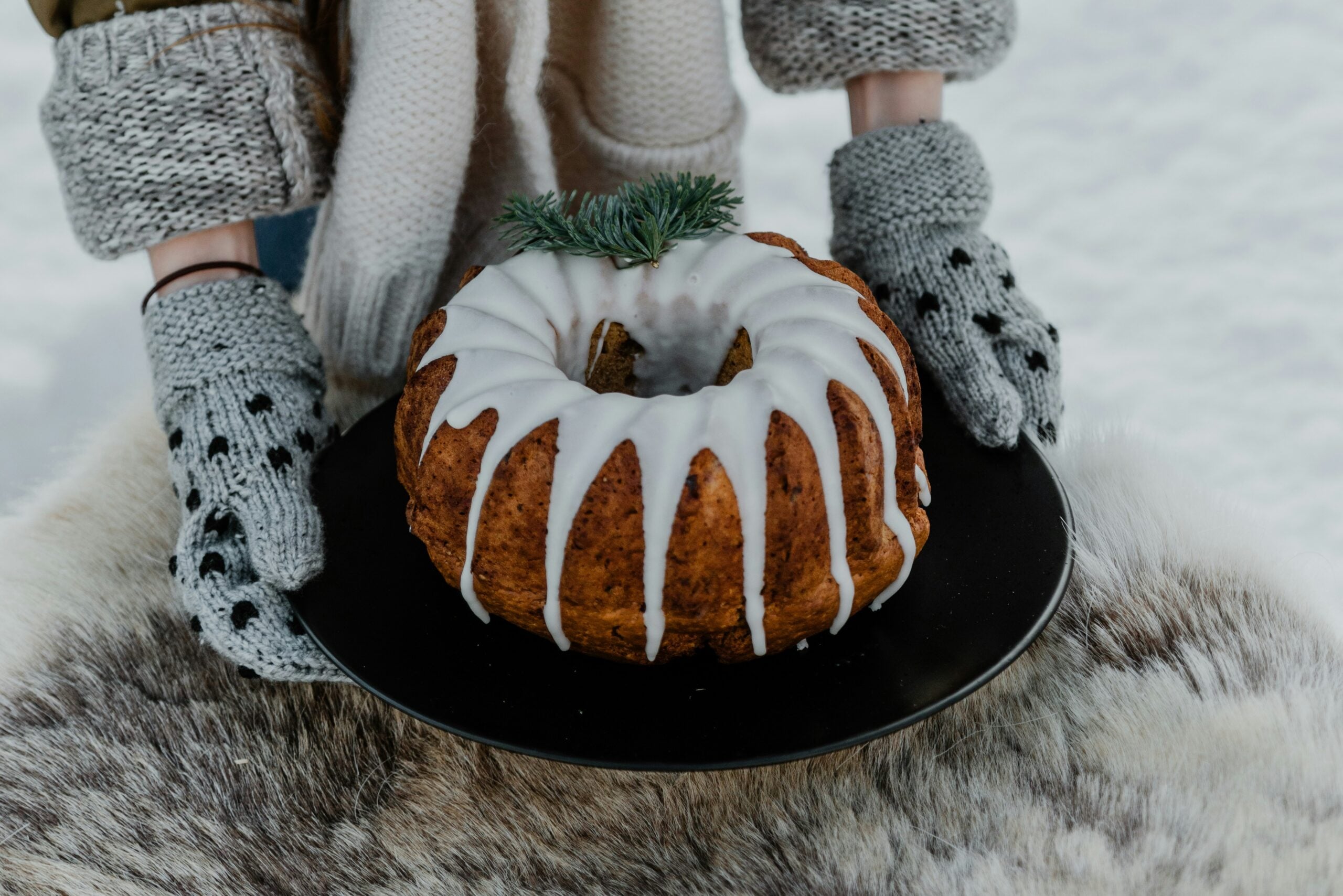
Not flat layers but curved almond bands rise into a sharp point. Smaller circles sit on top of wider ones, forming something like steps upward.
Achievement? That is what people see when they look at it. Frosting wraps around its frame, tiny national banners stick out here and there.
Even flickering lights might dance along its edges under dark skies. When hands pull apart the dense rings, each piece passed around speaks of unity.
Sharing means more than eating – it ties moments to others.
Lentils meet cotechino on Italian plates
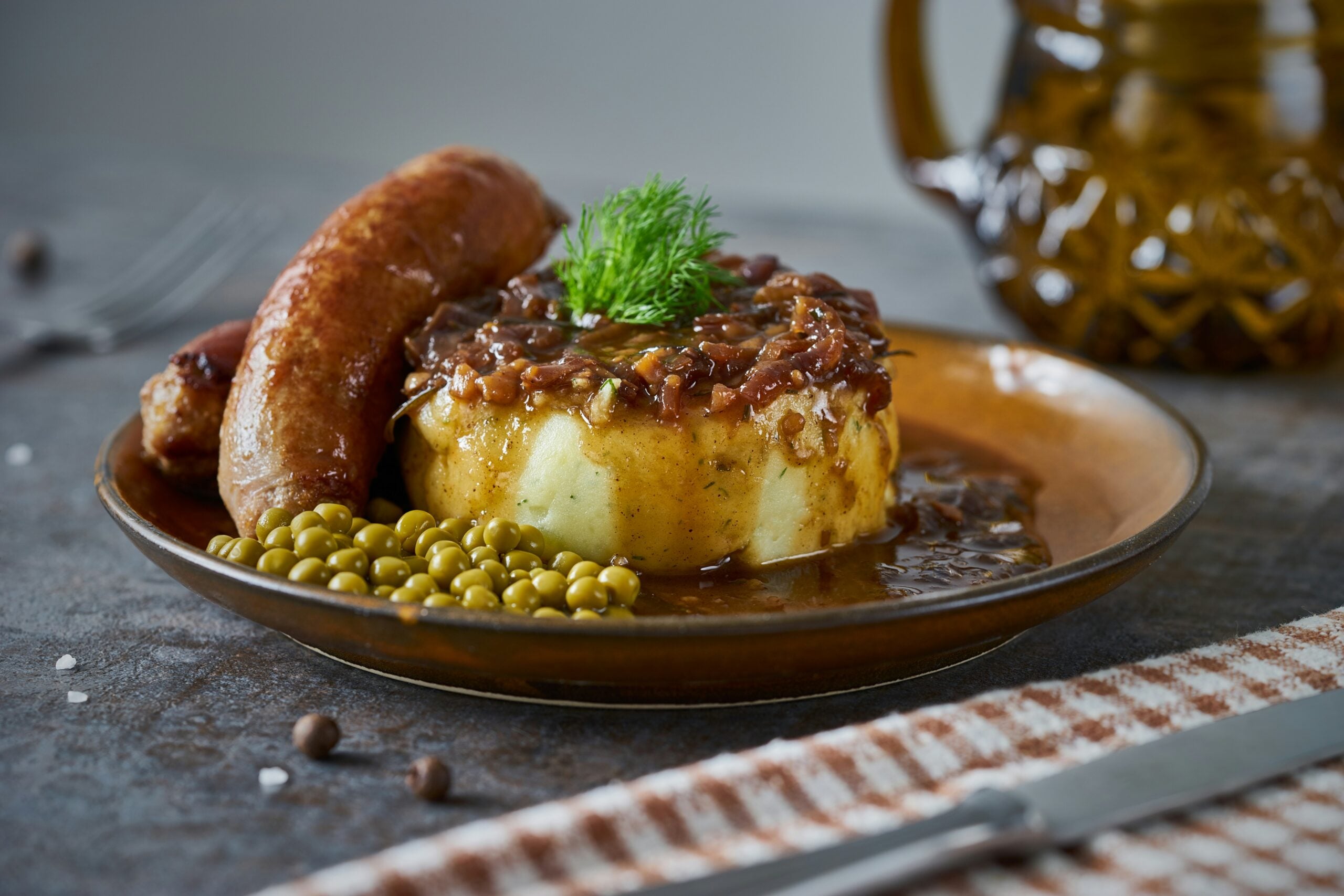
When the year turns. Wealth takes shape in that mix – sticky slices of pork beside tiny round legumes.
After months of less filling meals, this dish feels like a reward. Simmered long and slow, the sausage sheds toughness bit by bit.
Its roots dig into Modena’s past, back when Renaissance feasts shaped tastes are still loved today. Time did not fade its place at festive tables.
In certain areas, cooks swap it out for zampone – pig’s foot packed tight instead.
Eating at the crossroads of tradition

Strange ways of eating tie now to old ideas about good fortune, wealth, a new beginning. One place finds an odd taste normal; elsewhere it feels like safety, like wishing well.
Not the dish itself but sitting together – this is what holds weight, more than just filling stomachs. Each mouthful joins current kin with those long gone, chewing on similar meals, holding close identical wishes for brighter days.
More from Go2Tutors!

- The Romanov Crown Jewels and Their Tragic Fate
- 13 Historical Mysteries That Science Still Can’t Solve
- Famous Hoaxes That Fooled the World for Years
- 15 Child Stars with Tragic Adult Lives
- 16 Famous Jewelry Pieces in History
Like Go2Tutors’s content? Follow us on MSN.