28 Kingdoms That Ended With Barely a Fight
Most royal houses like to imagine their end as a tragedy, complete with sieges, betrayals, and last stands. The truth is usually quieter: a signature on a treaty, a quiet abdication, a vote nobody bothered to contest.
These 28 kingdoms vanished from the map with remarkably little bloodshed.
The Kingdom of Hawaii
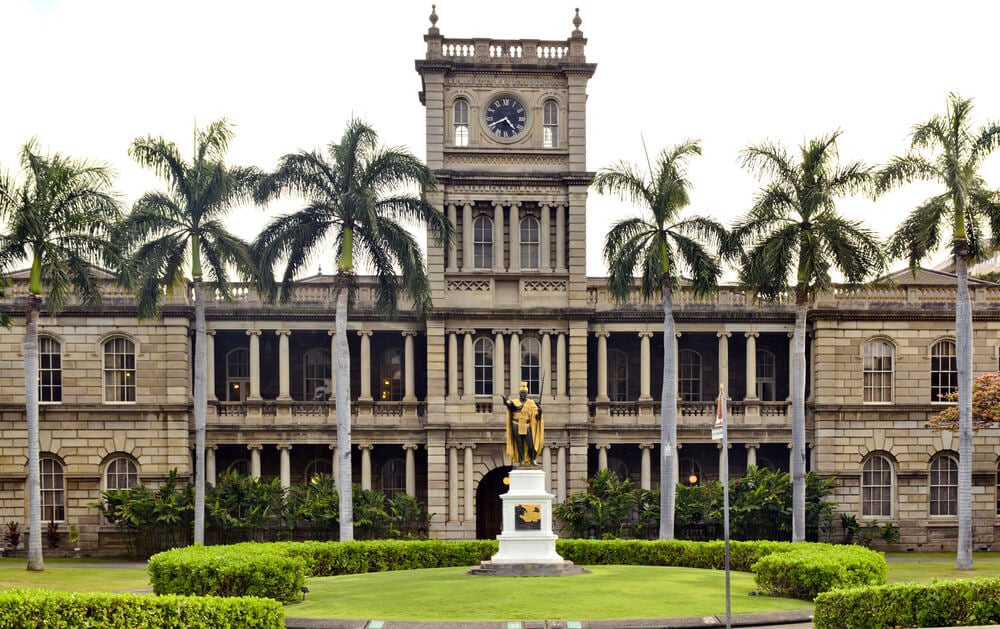
The overthrow of Queen Liliuokalani in January 1893 involved a group of American and European businessmen, a company of U.S. Marines landed to “protect American lives,” and almost no armed resistance. The queen surrendered her authority under protest to avoid a violent confrontation, trusting the United States government to eventually restore her throne.
It never did, and Hawaii became a republic and later a U.S. territory.
The Kingdom of Sikkim
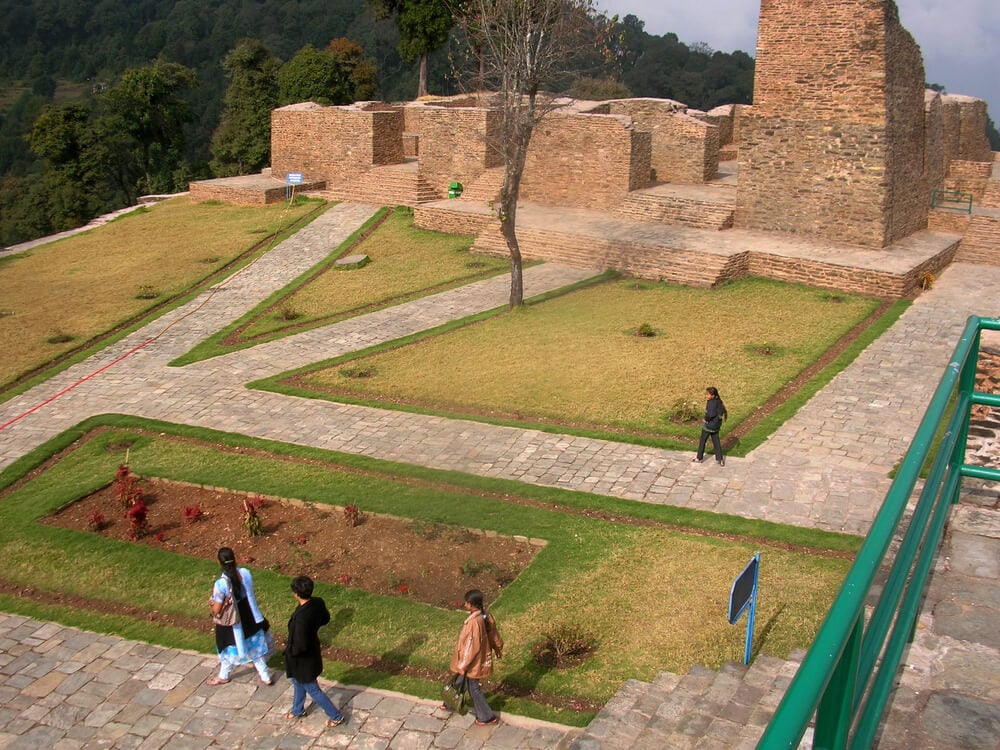
Sikkim’s monarchy ended in 1975 after a referendum in which voters overwhelmingly chose to join India as its 22nd state. Indian troops had already disarmed the palace guard in the preceding days, but the final political transition happened through a vote count rather than combat.
The last Chogyal, Palden Thondup Namgyal, lived out his years stripped of political power but not physically harmed.
The Kingdom of Tahiti
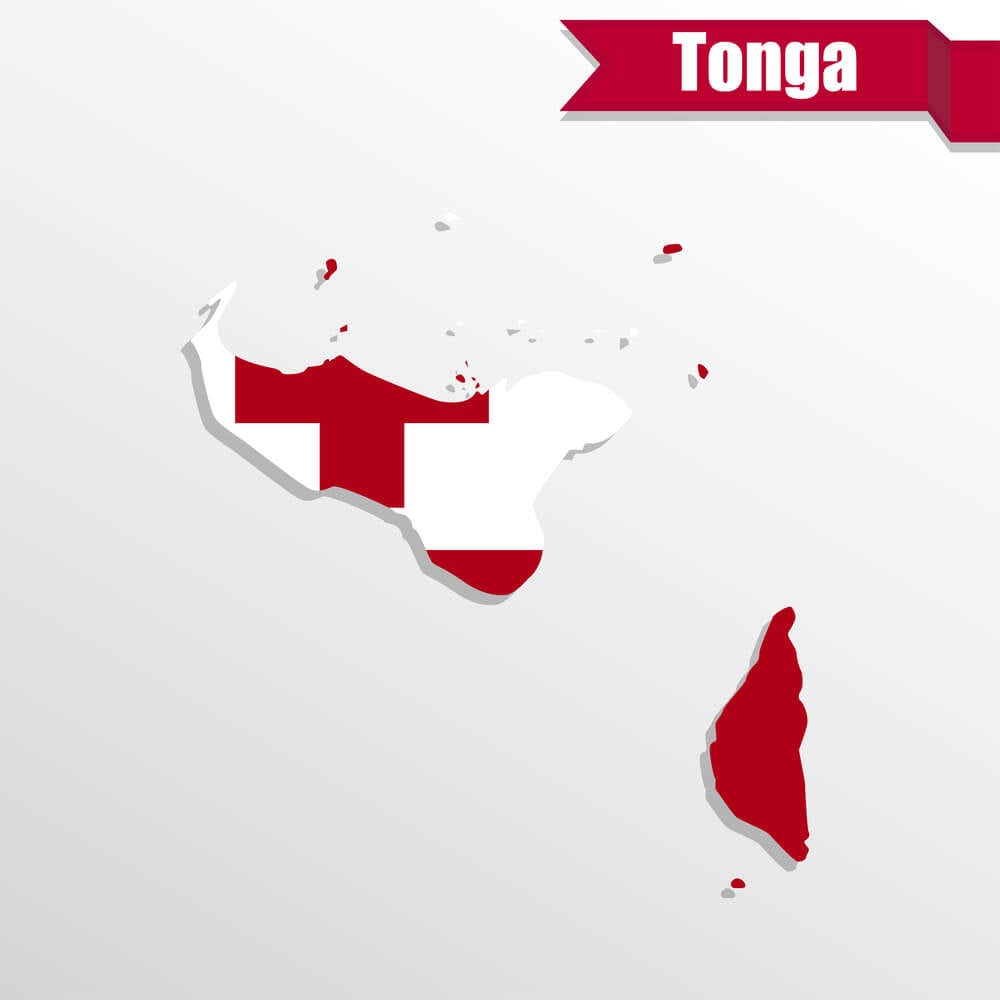
Queen Pōmare IV’s kingdom became a French protectorate in 1842 and was formally annexed in 1880 when her son, King Pōmare V, signed away his throne in exchange for a pension and French citizenship for his family. There was no battle attached to the annexation itself, only decades of prior friction between French forces and Tahitian resistance.
The kingdom simply ceased to have a monarch to defend it.
The Kingdom of Etruria
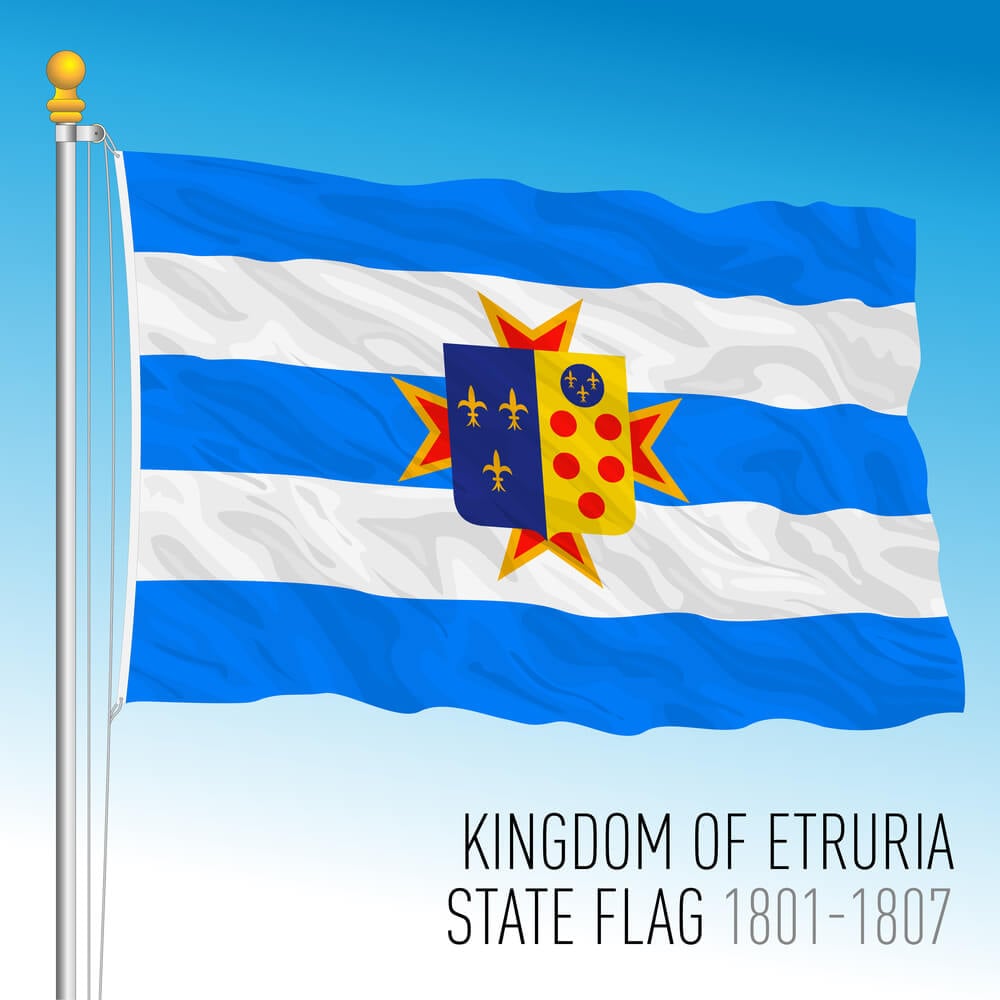
Napoleon created this short-lived Italian kingdom in 1801 for a branch of the Spanish Bourbons, then dissolved it in 1807 by imperial decree when it no longer suited his strategic plans. The reigning queen regent, Maria Luisa, was informed rather than fought, and Etruria was folded directly into the French Empire.
It lasted barely six years.
The Kingdom of Holland
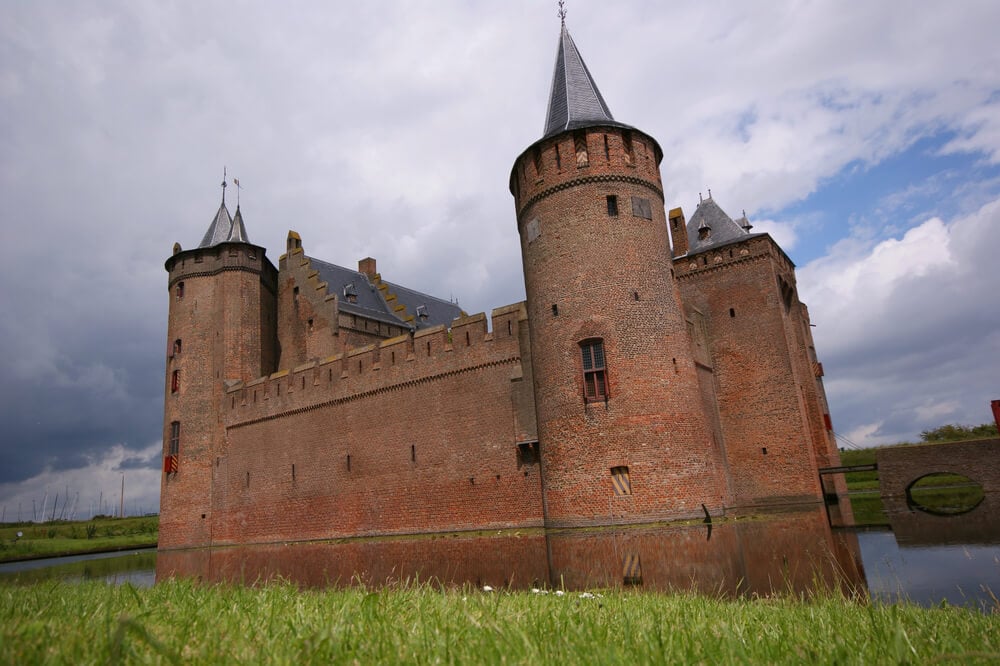
Napoleon installed his brother Louis Bonaparte as king of Holland in 1806, then grew frustrated when Louis proved too sympathetic to Dutch interests. In 1810, Napoleon simply annexed the kingdom into France by decree, and Louis abdicated and slipped out of the country rather than resist his brother’s army.
The Dutch crown would not exist again until after Napoleon’s own downfall.
The Kingdom of Westphalia
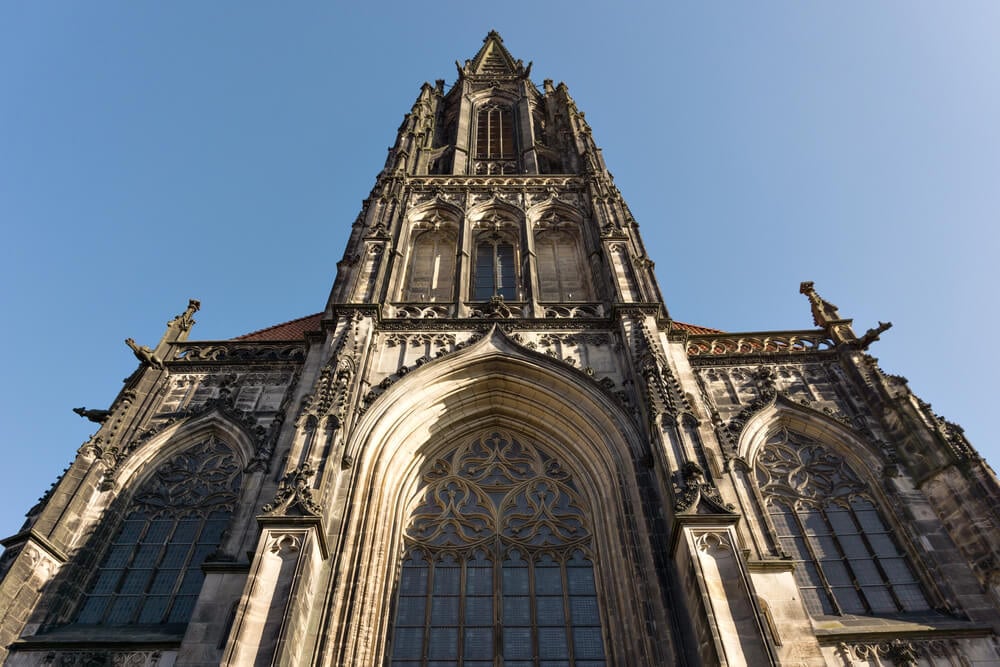
Another Napoleonic creation, this kingdom was handed to his youngest brother Jérôme Bonaparte in 1807 as a model state for French-style reforms. It dissolved in 1813 as Napoleon’s empire collapsed following his defeat in Russia, with Jérôme fleeing ahead of advancing Allied troops rather than making a stand.
Its territory was reabsorbed into the German states that had existed before it.
The Kingdom of Bavaria

Bavaria’s monarchy ended in November 1918 when King Ludwig III, facing a wave of revolutionary unrest sweeping Germany at the end of the First World War, quietly left Munich for the countryside. A socialist government proclaimed a republic while the king was still en route, and he never formally abdicated, though he released his officials from their oaths.
No shots were fired to end six centuries of Wittelsbach rule.
The Kingdom of Württemberg
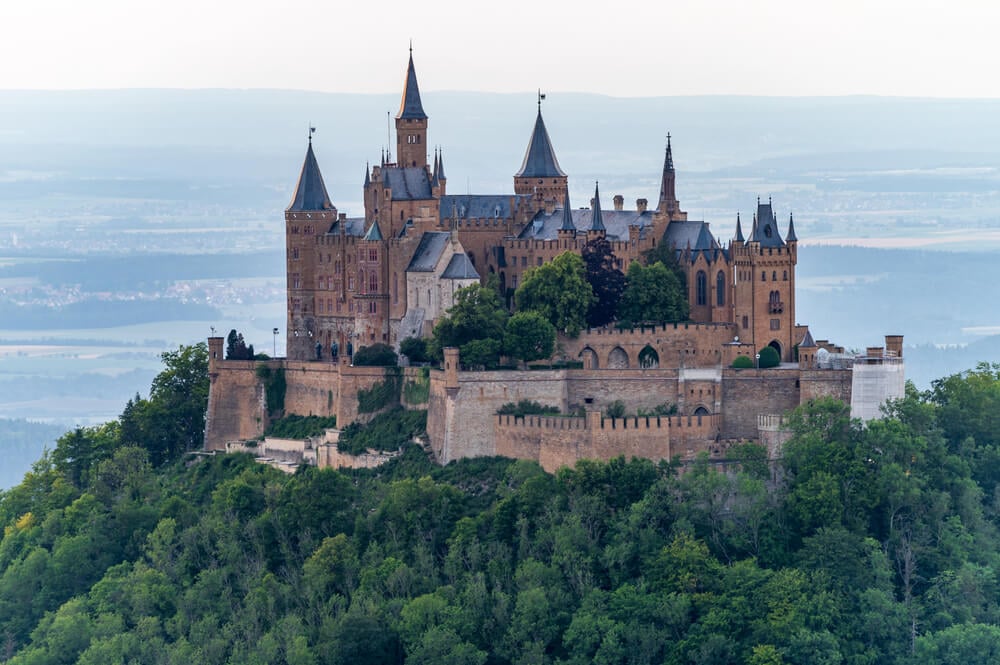
King Wilhelm II of Württemberg abdicated in November 1918 amid the same wave of unrest that toppled Germany’s other monarchies at the close of the First World War. He accepted the transition to a republic without calling on the army to intervene on his behalf.
He spent his remaining years quietly on his private estate near Stuttgart.
The Kingdom of Saxony
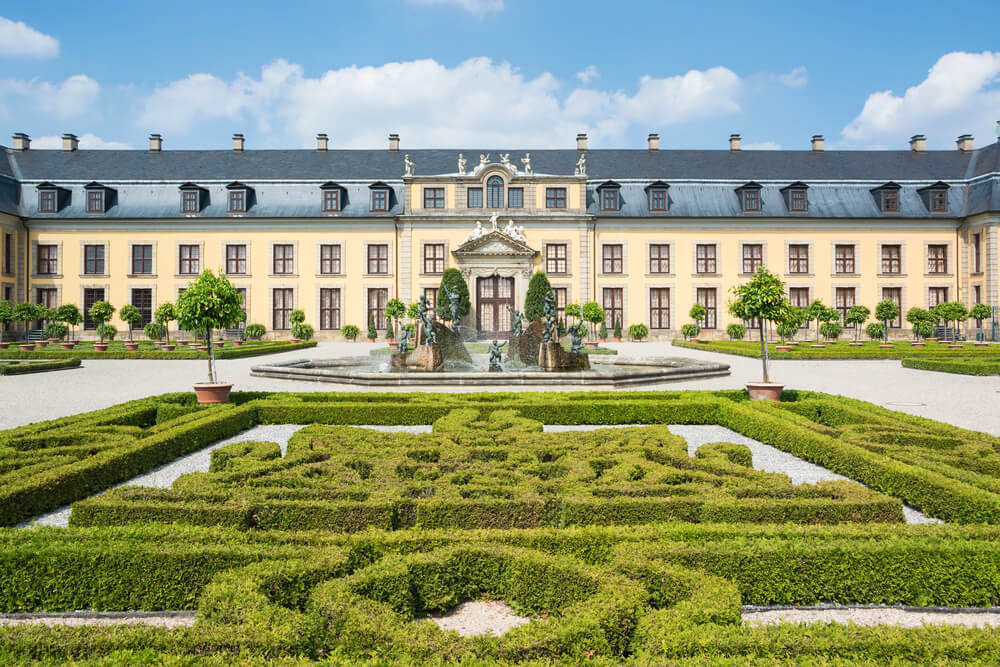
Saxony’s King Friedrich August III abdicated on the same November day in 1918 as Germany’s other royal houses, reportedly telling revolutionaries who arrived to inform him, in essence, to sort out their own mess. He handed over power without resistance and retired to his hunting lodge.
Saxony became a free state within the new Weimar Republic.
The Kingdom of Serbia
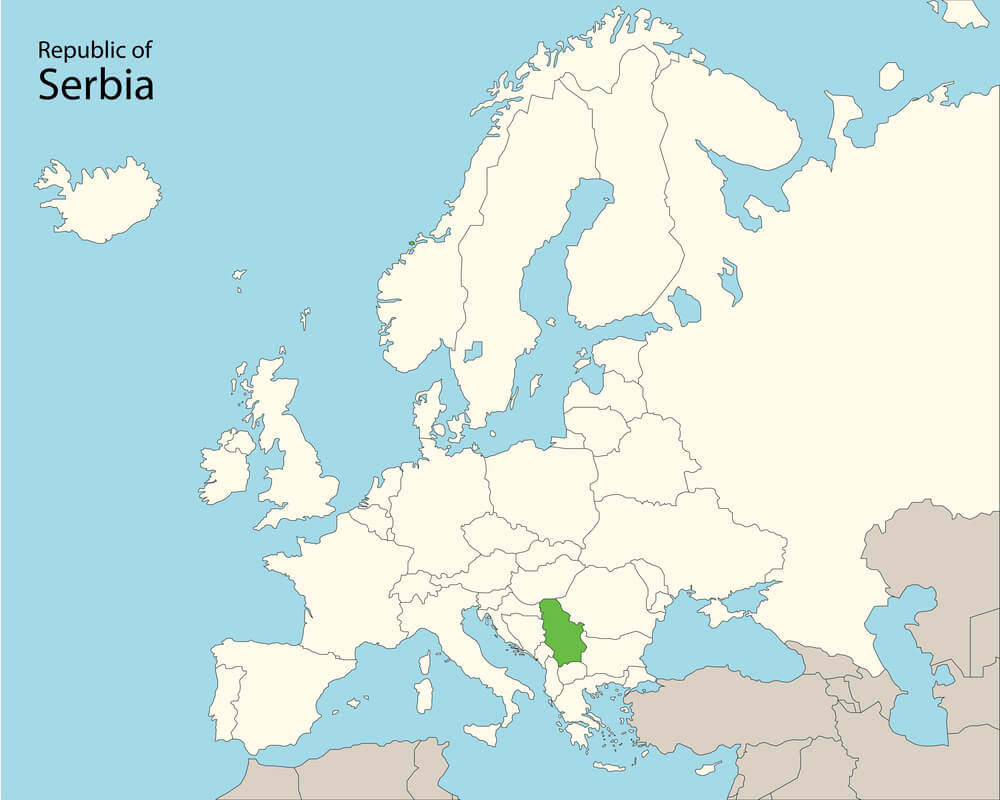
Serbia’s monarchy did not so much end as get absorbed: in December 1918, King Peter I became monarch of the newly formed Kingdom of Serbs, Croats, and Slovenes, merging Serbia into a larger South Slavic state through political union rather than conquest. The Serbian crown persisted, technically, inside a bigger entity that would later become Yugoslavia.
The old kingdom’s separate identity dissolved by agreement among regional leaders, not by war.
The Kingdom of Montenegro
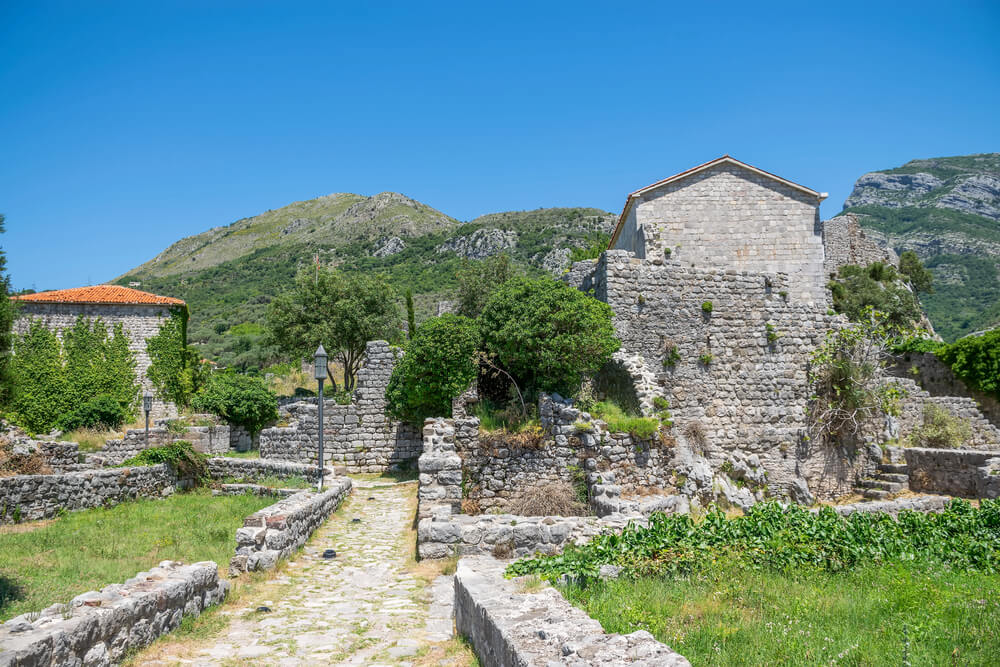
Montenegro’s monarchy ended in November 1918 when the Podgorica Assembly voted to depose King Nikola I and unite the country with Serbia. The vote was contested by royalists and followed by a brief guerrilla resistance in the mountains, but the kingdom’s formal end came through a legislative assembly rather than a conventional battlefield defeat.
Nikola died in exile in France a few years later, never returning to Cetinje.
The Kingdom of Greece (1973)
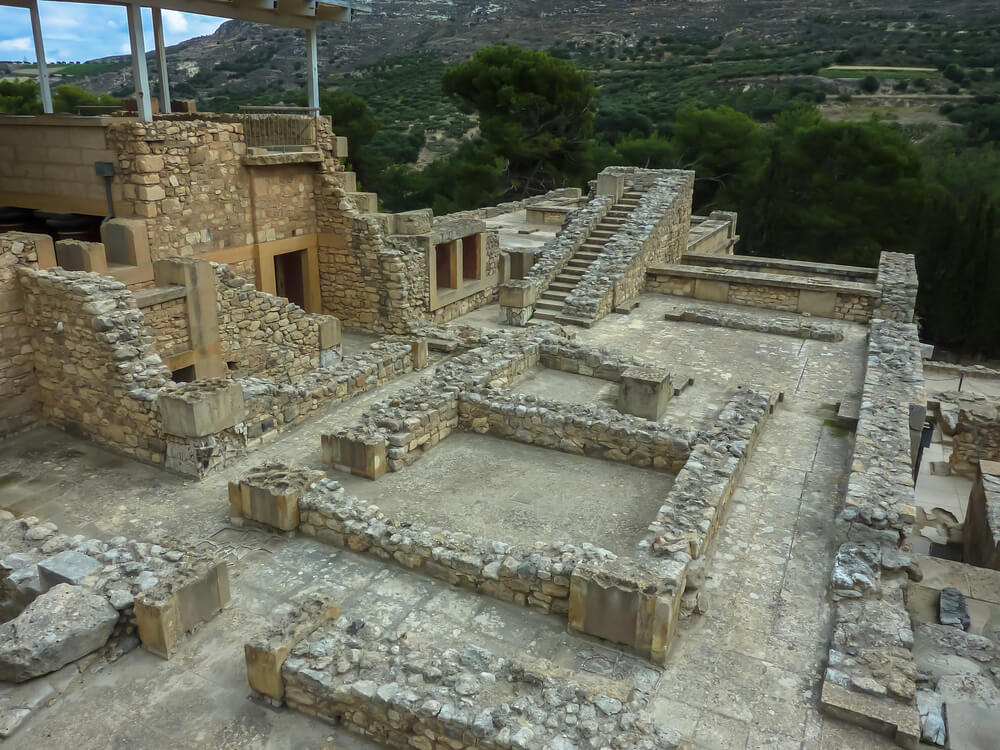
Greece’s monarchy was formally abolished by referendum in December 1974, following an earlier 1973 vote staged by the military junta then ruling the country. King Constantine II had already been living in exile since a failed countercoup attempt in 1967, so the actual end of the monarchy was a paperwork matter conducted while he was abroad.
He did not return to reclaim the throne, and Greece became a republic without further incident.
The Kingdom of Italy
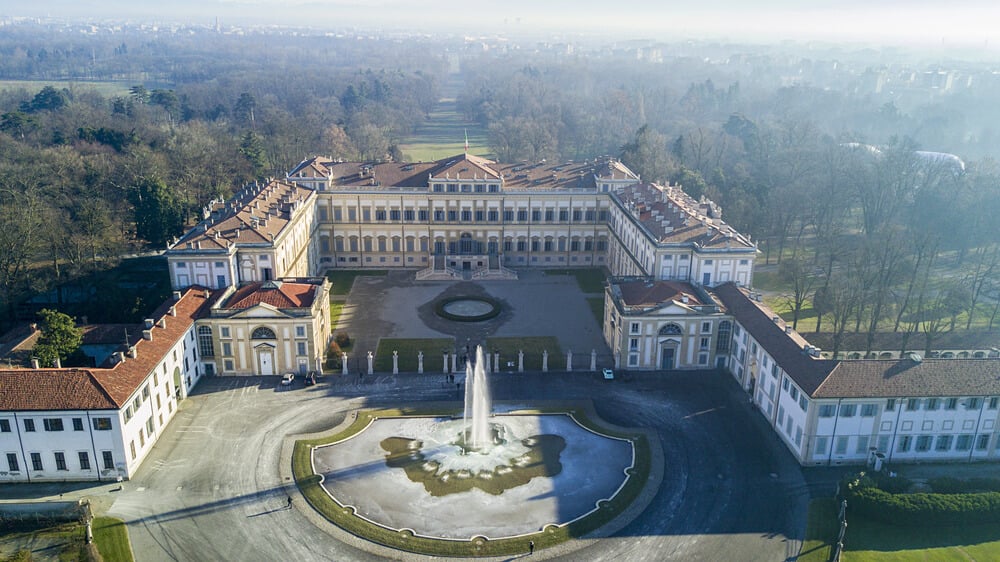
Italy’s monarchy ended after a June 1946 referendum in which voters chose a republic over continued rule by the House of Savoy. King Umberto II, who had reigned for barely a month after his father’s abdication, left the country for Portugal rather than contest the result, a decision that earned him the nickname the “May King.”
The transition was tense but bloodless.
The Kingdom of Bulgaria
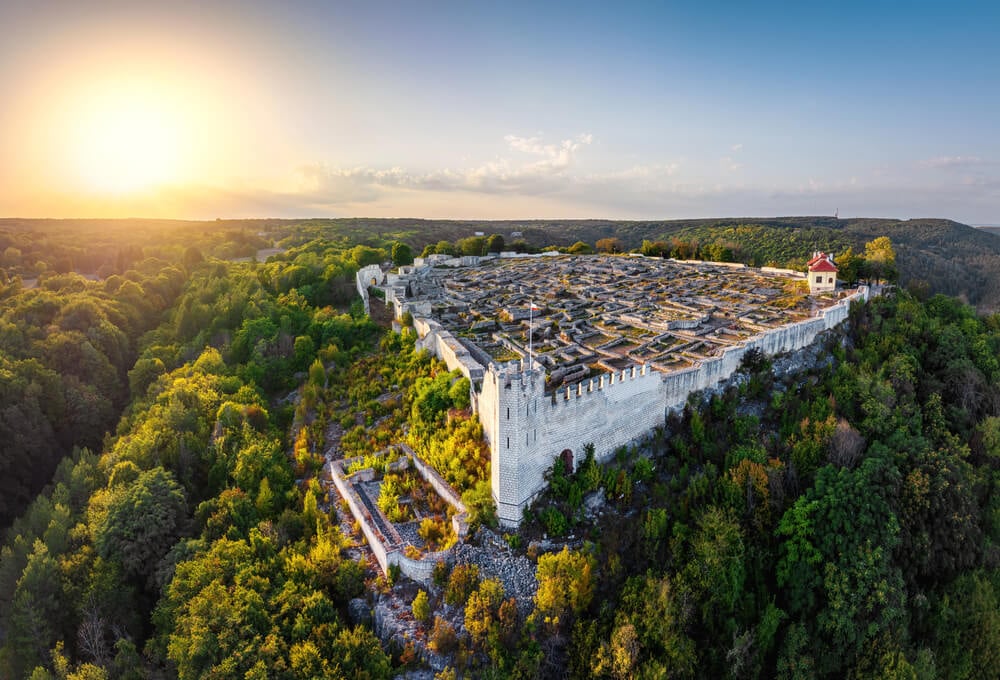
Bulgaria’s monarchy ended after a September 1946 referendum in which the vast majority of voters backed abolishing the crown under Soviet-aligned political pressure. The young King Simeon II, only nine years old, was sent into exile with his family rather than deposed by force.
He would later return to Bulgaria decades afterward, eventually serving as the country’s elected prime minister.
The Kingdom of Romania
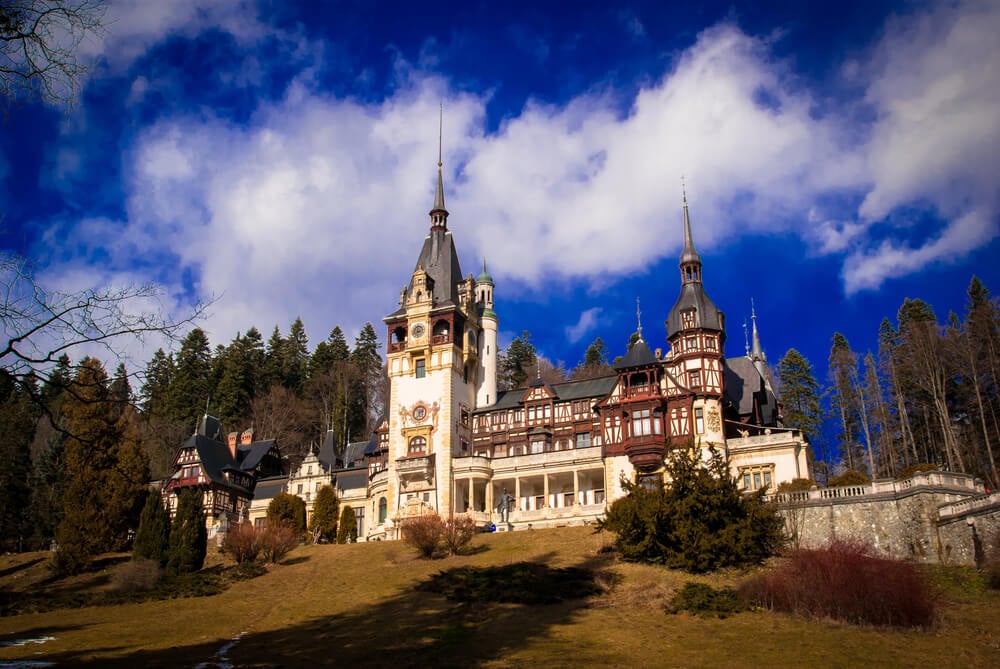
King Michael I of Romania was forced to abdicate in December 1947 after Communist officials threatened to have hundreds of students shot if he refused to sign the abdication decree. He signed under duress and left the country by train the same day, and the monarchy was formally abolished without an armed clash.
Michael lived most of the rest of his long life in exile before eventually being allowed to visit and later reside in post-Communist Romania.
The Kingdom of Egypt
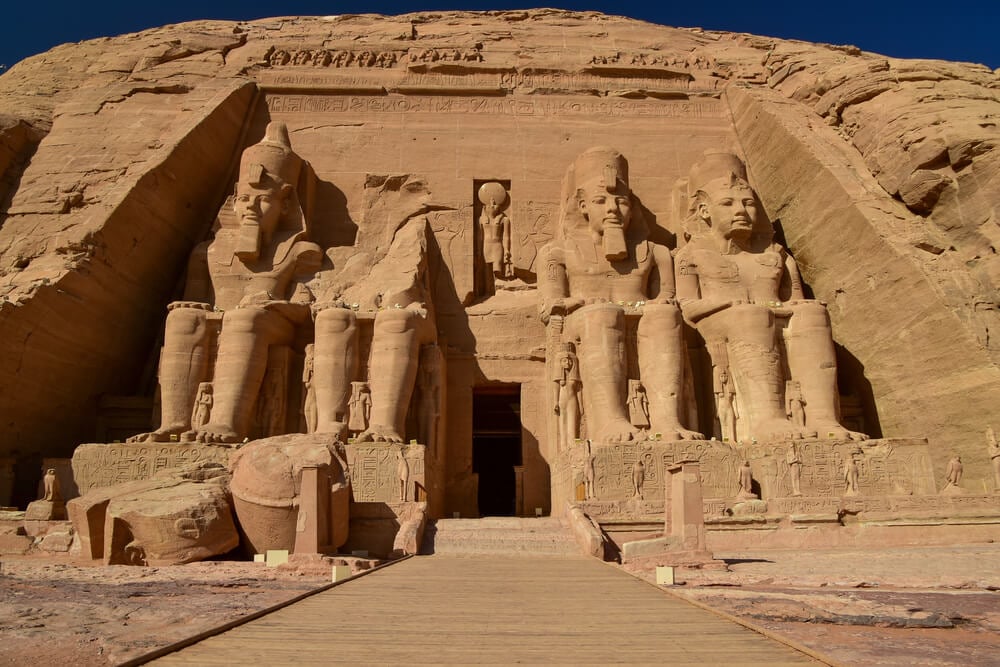
King Farouk I abdicated in July 1952 following a coup by the Free Officers Movement, led in spirit by Gamal Abdel Nasser. The coup itself was nearly bloodless, and Farouk was permitted to sail into exile aboard the royal yacht with a 21-gun salute as a parting courtesy.
His infant son was briefly proclaimed king before the monarchy was abolished outright the following year.
The Kingdom of Afghanistan
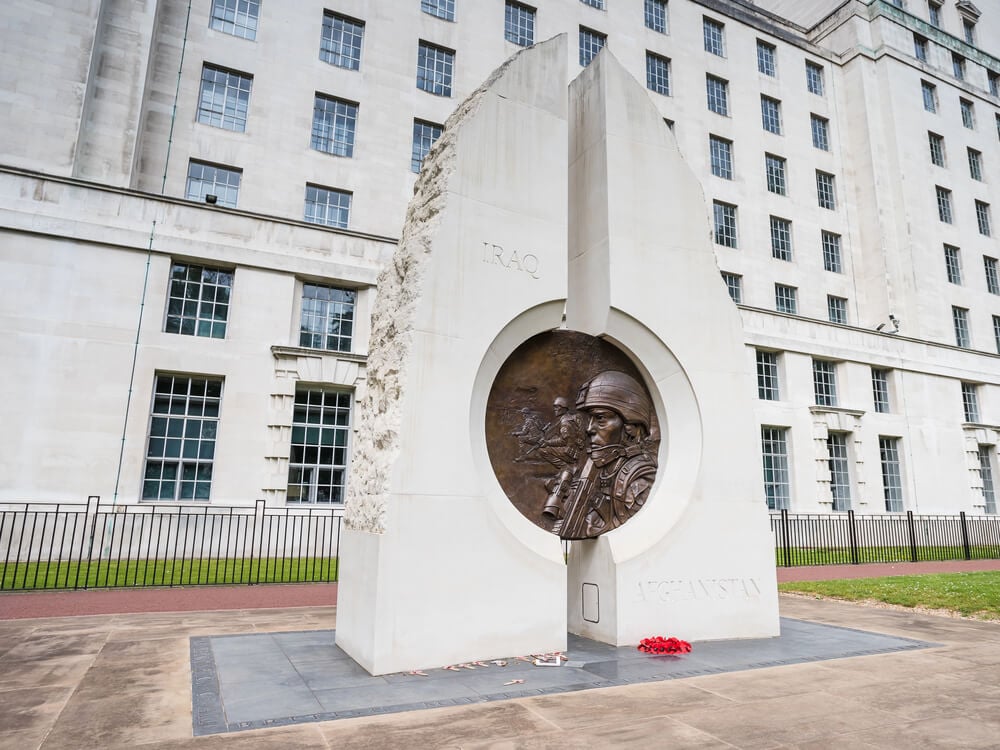
King Mohammed Zahir Shah lost his throne in July 1973 while he was in Italy receiving medical treatment, when his cousin Mohammed Daoud Khan seized power in a coup and declared a republic. The takeover involved minimal fighting in Kabul, and the king chose not to attempt a return, remaining in exile for nearly three decades.
He eventually came back to Afghanistan in 2002, not as king but as an elder statesman.
The Kingdom of Laos
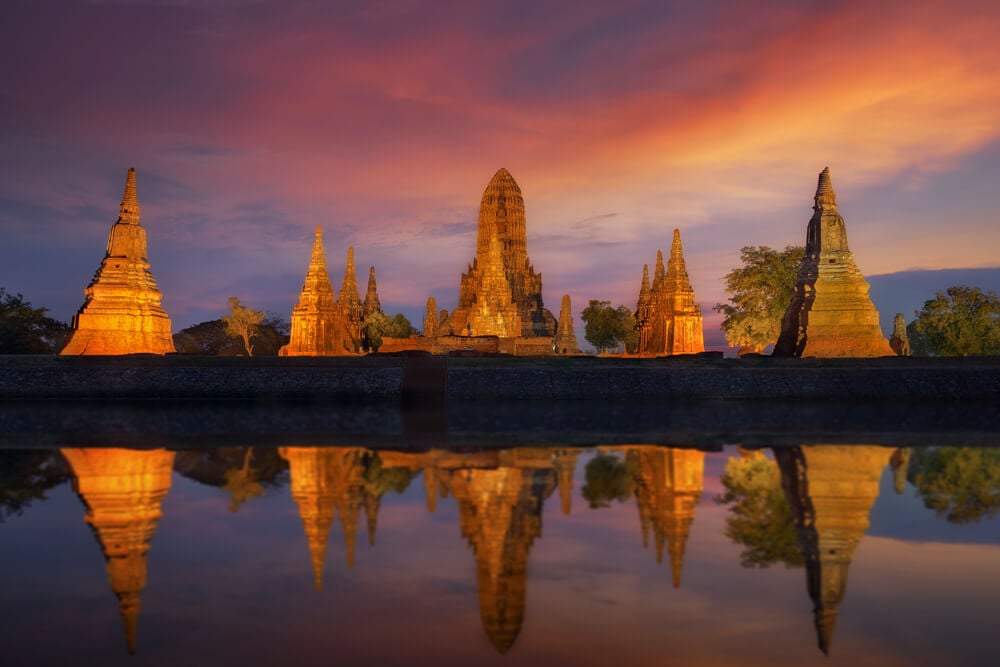
Laos’s monarchy ended in December 1975 when the Pathet Lao movement, having already effectively taken control of the government, persuaded King Savang Vatthana to abdicate and accept a ceremonial advisory post instead. The transition to a communist republic was managed through negotiation rather than open combat in the capital.
The king and much of his family later died in a remote reeducation camp, a grim postscript to what had looked like a peaceful handover.
The Kingdom of Vietnam
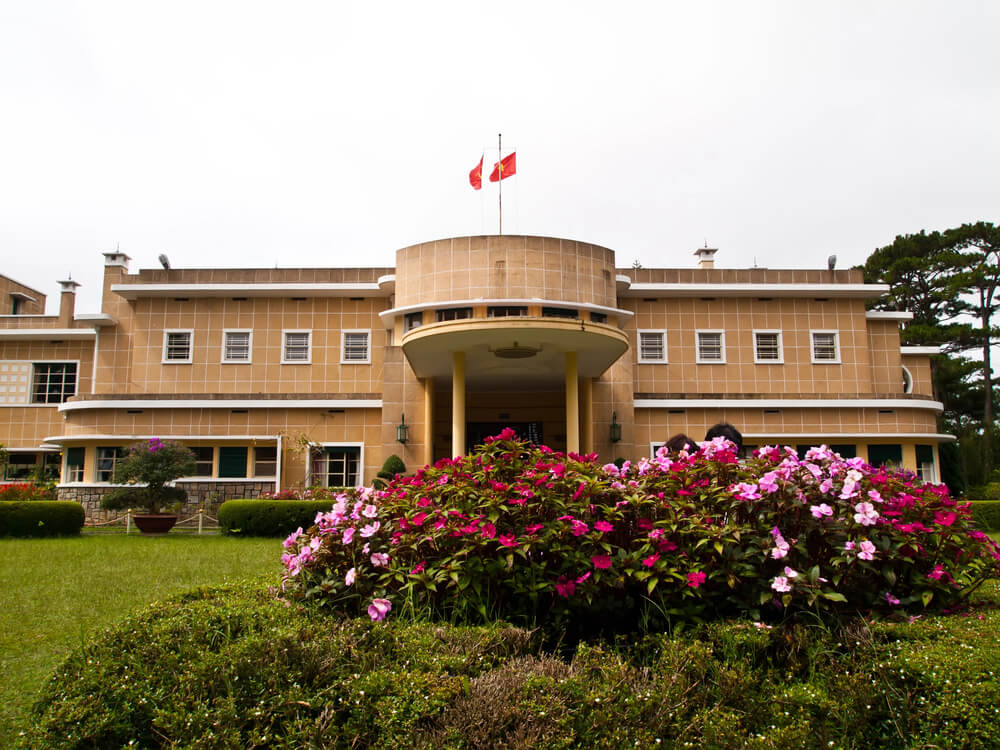
Emperor Bao Dai’s brief postwar reign as head of state ended in October 1955 after a referendum organized by Prime Minister Ngo Dinh Diem, who declared South Vietnam a republic. The vote was widely regarded as fraudulent, but no battle was fought over the emperor’s title itself.
Bao Dai, who had already abdicated once before in 1945, spent the rest of his life in France.
The Kingdom of Araucanía and Patagonia
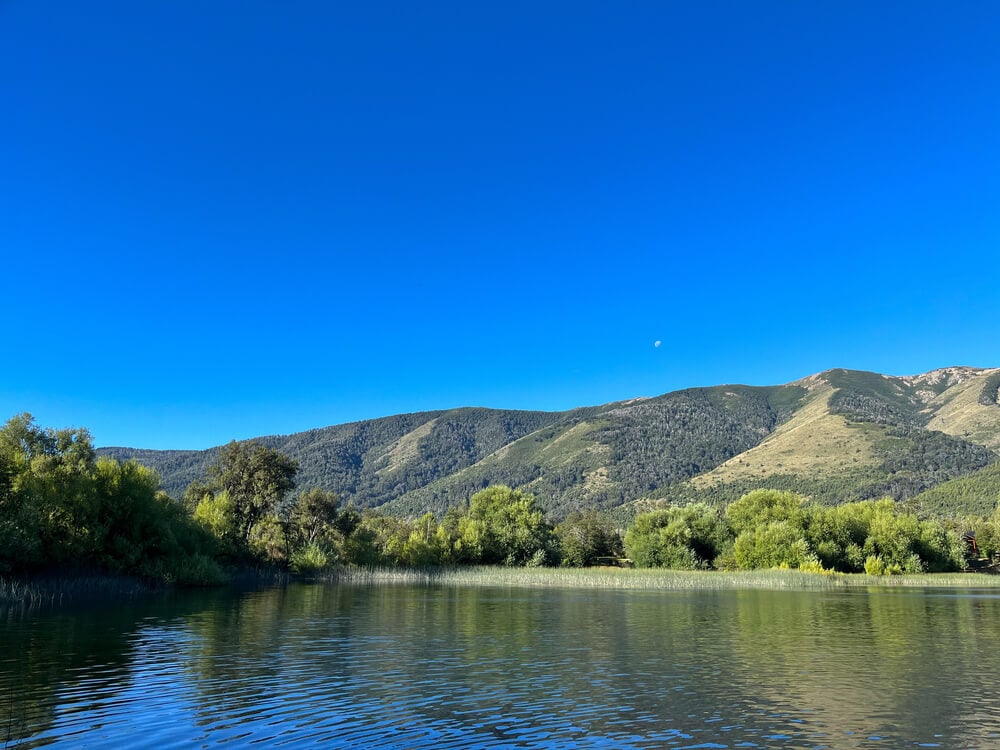
French adventurer Orélie-Antoine de Tounens declared himself king of this unrecognized state in Mapuche territory in 1860, complete with a constitution and a flag. Chilean authorities simply arrested him in January 1862, had him declared insane, and deported him to France.
He made several attempts to reclaim his “kingdom” but never regained a foothold, and the state existed almost entirely on paper.
The Kingdom of Corsica (1736)
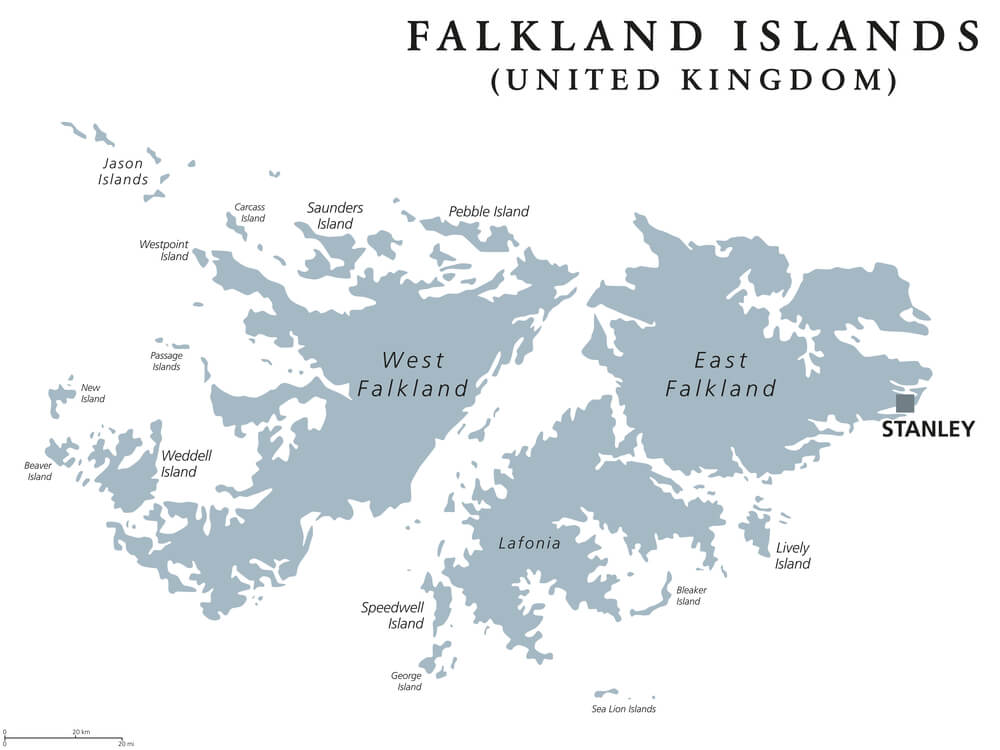
German adventurer Theodor von Neuhoff arrived on Corsica in 1736 during a local rebellion against Genoese rule and managed to get himself crowned king by the island’s rebel leaders. His reign lasted about eight months before Genoese pressure and dwindling support forced him to flee the island rather than fight for his crown.
He spent years afterward trying, unsuccessfully, to raise money and support for a return.
The Kingdom of Redonda
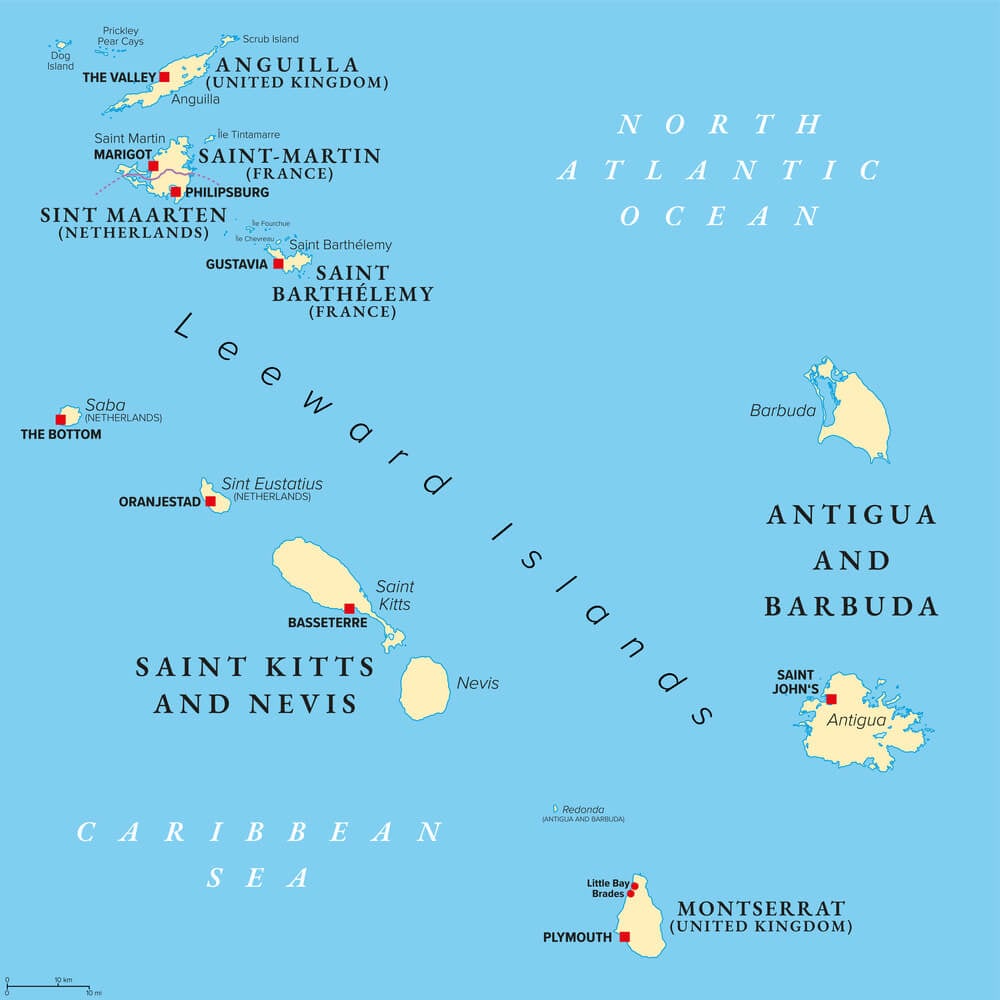
This tiny Caribbean “kingdom,” never internationally recognized, was the invention of a Montserrat businessman in the 1860s and later became a literary curiosity passed among writers who claimed the title. Its various “successions” have been settled through private agreements, wills, and the occasional dispute among literary figures rather than any contest of arms.
The uninhabited island itself was formally annexed by Britain in 1872 without a single Redondan objection on record.
The Kingdom of Sarawak

The Brooke family’s century-long personal rule over Sarawak, on the island of Borneo, ended in 1946 when the third White Rajah, Charles Vyner Brooke, ceded the territory to the British Crown. The cession followed the devastation of Japanese occupation during the Second World War and was finalized by a narrow vote in the local council rather than by force.
Some Sarawakians opposed the cession bitterly, but no war was fought over the transfer itself.
North Borneo
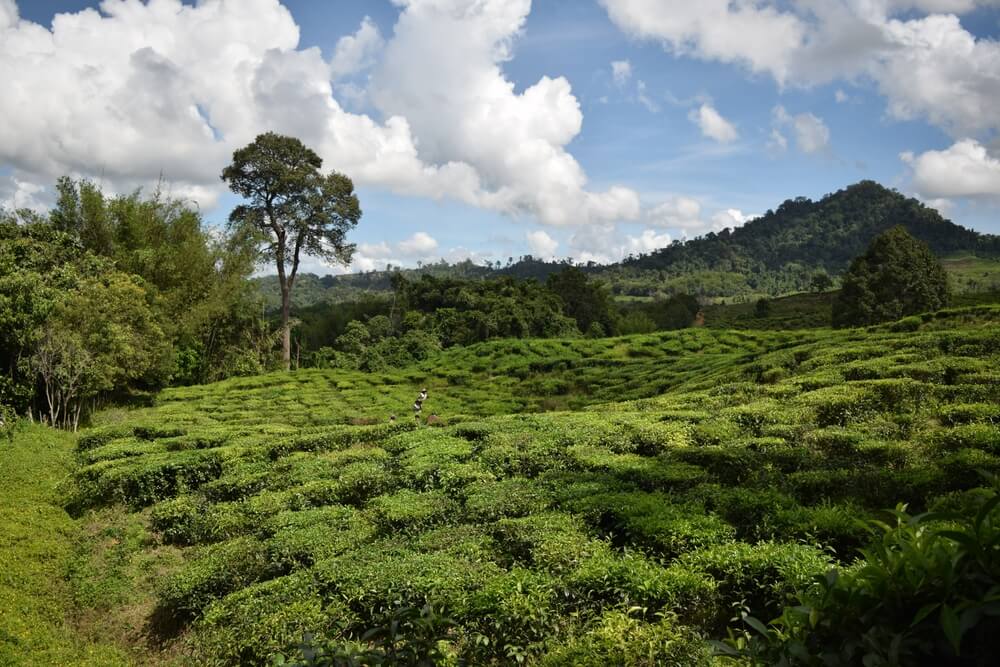
The chartered North Borneo Company administered this territory for decades before ceding its rights to the British Crown in 1946, in the same postwar wave that ended Brooke rule in neighboring Sarawak. The transfer was a matter of corporate and colonial paperwork rather than conflict.
North Borneo later became the Malaysian state of Sabah.
Travancore
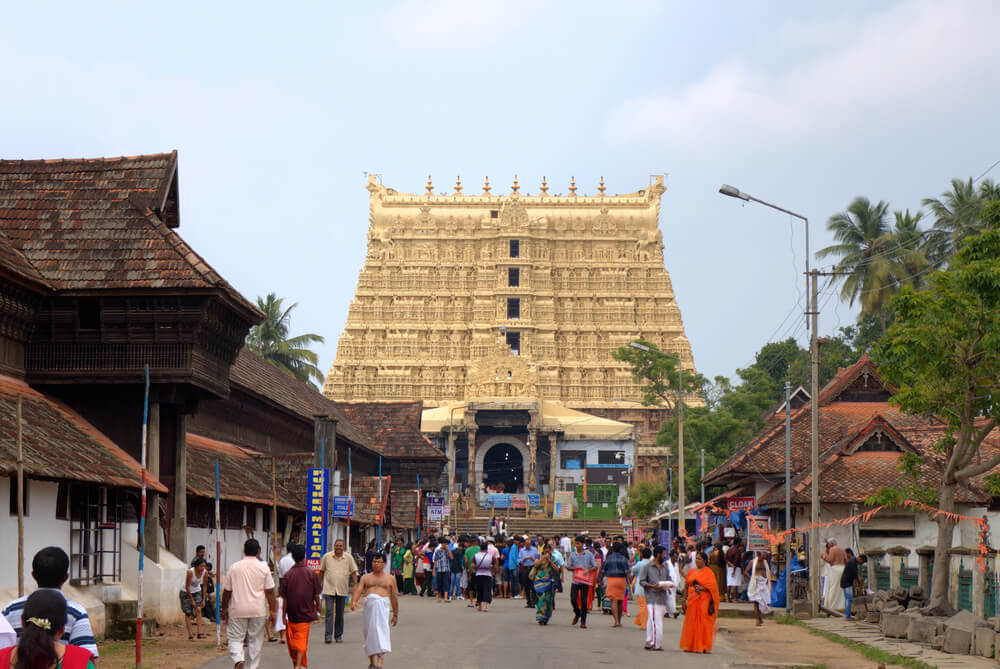
The princely state of Travancore, in what is now southern India, briefly attempted to declare independence in 1947 as British rule ended across the subcontinent. Under pressure from India’s new government and following an assassination attempt on the state’s chief minister, the maharaja agreed to accede to India within weeks.
The ruler retained his palaces and a privy purse rather than his sovereignty.
The Kingdom of Nepal
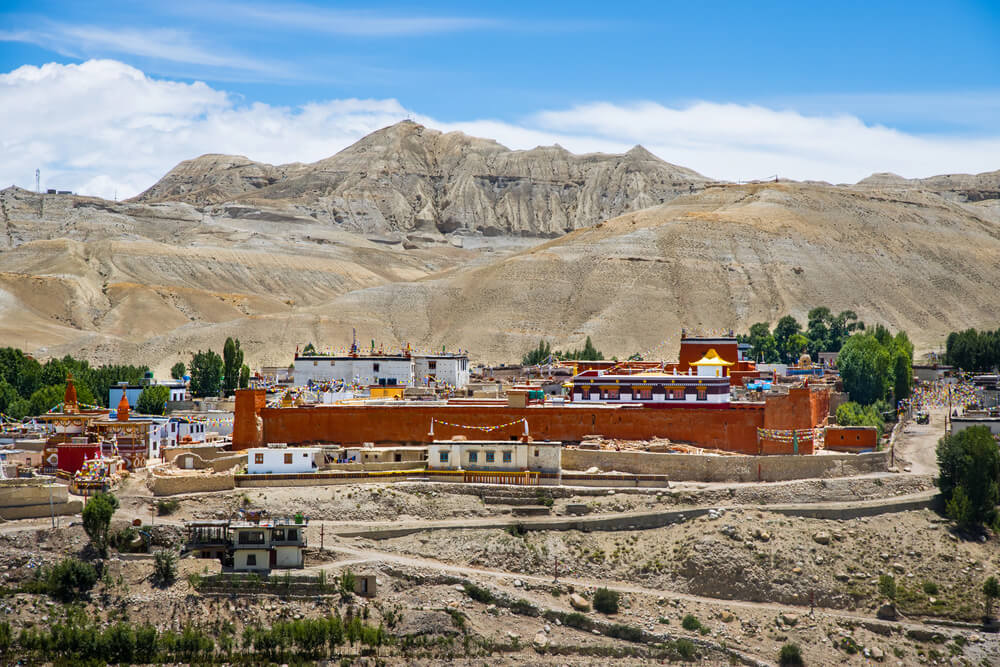
Nepal’s 240-year-old monarchy was formally abolished in 2008 by a vote of the country’s Constituent Assembly, following years of a Maoist insurgency and mass street protests that had already stripped the king of most of his power. King Gyanendra left the royal palace in Kathmandu peacefully and became a private citizen.
The declaration of a republic itself was a parliamentary act rather than a military one.
The Kingdom of Burundi
King Ntare V’s reign lasted only a few months in 1966 before Prime Minister Michel Micombero deposed him in a coup while the king was traveling abroad. Micombero declared a republic and Ntare initially went into exile, later returning under a promise of safety that Burundi’s new government did not honor.
The coup itself, however, unfolded with little violence in the capital.
The Kingdom of Kandy
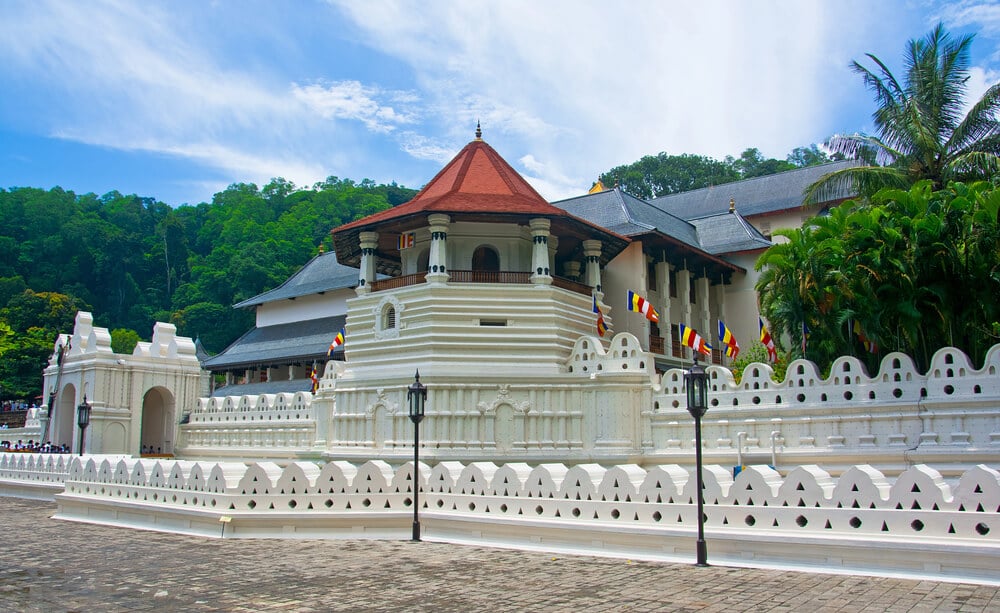
The last independent kingdom on the island of Sri Lanka fell not to a siege but to a negotiated document: the Kandyan Convention of 1815, signed by Kandyan chiefs who had grown disillusioned with their king and agreed to accept British sovereignty in his place. British troops entered the highland capital largely unopposed.
The convention formally ended over two thousand years of Sinhalese monarchy on the island.
Endings Without Epics
History prefers its endings dramatic, but most kingdoms did not go out with armies clashing at the gates. They went out in council chambers, aboard departing ships, and in the stroke of a pen someone felt they had no choice but to use.
The absence of a battle does not mean the absence of loss; it just means the loss happened somewhere quieter than a battlefield. What these collapses share is a kind of anticlimax that makes them easy to overlook in favor of louder history.
A monarchy built on centuries of ceremony can end in an afternoon once the underlying support disappears, and no amount of pageantry changes that arithmetic.
The kingdoms on this list are a reminder that power, in the end, is usually surrendered rather than seized.
More from Go2Tutors!

- The Romanov Crown Jewels and Their Tragic Fate
- 13 Historical Mysteries That Science Still Can’t Solve
- Famous Hoaxes That Fooled the World for Years
- 15 Child Stars with Tragic Adult Lives
- 16 Famous Jewelry Pieces in History
Like Go2Tutors’s content? Follow us on MSN.