27 Books That Were Pulled From Shelves for Decades
Every era decides for itself which books are too dangerous to leave on a shelf, and the list rarely ages well. Governments, courts, school boards, and censorship offices have spent centuries deciding that certain novels needed to disappear, only for most of those same books to end up on university syllabi a generation later.
These 27 titles were kept out of readers’ hands for years, sometimes generations, before finally being let back onto the shelf.
Tropic of Cancer
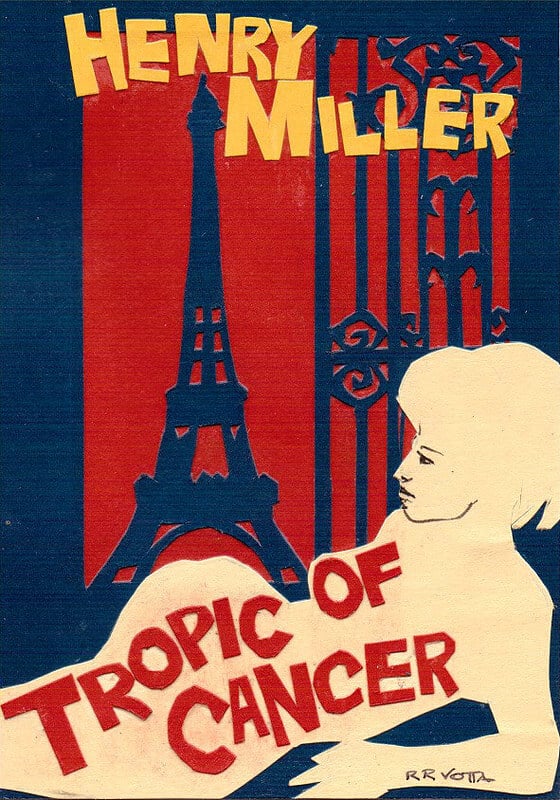
Henry Miller’s autobiographical novel was banned from publication in the United States from 1934, when it first appeared in France, until 1961, when Grove Press finally published it domestically and triggered a wave of obscenity prosecutions across dozens of states. The U.S. Supreme Court effectively settled the matter in 1964, ruling that the book was not obscene under the First Amendment.
The 27-year gap between its original release and its legal U.S. publication remains one of the longest in American censorship history.
Fanny Hill
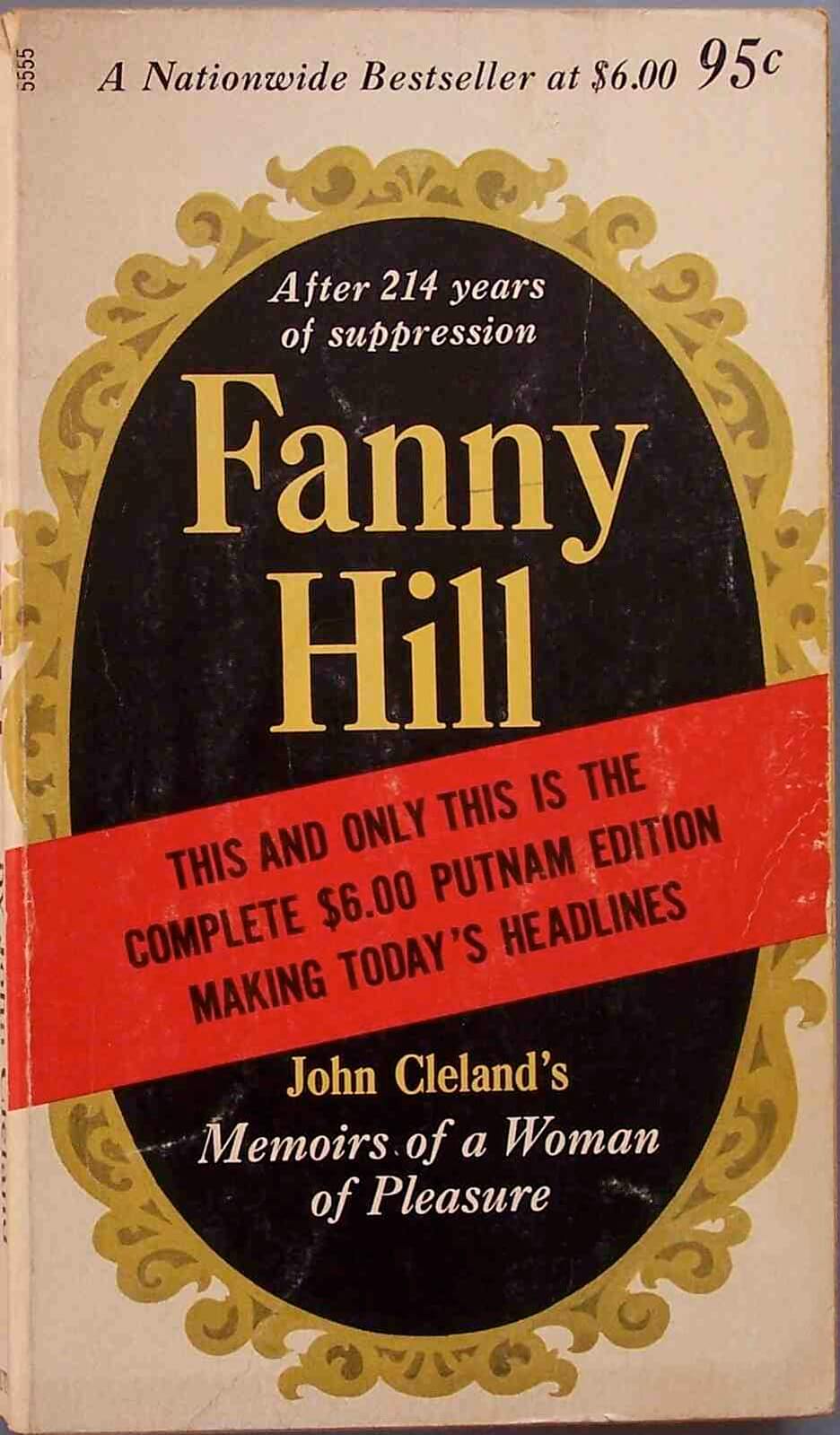
John Cleland’s 1748 novel, formally titled Memoirs of a Woman of Pleasure, was prosecuted for obscenity almost immediately after publication and remained effectively banned in the United States for over two centuries. An 1821 Massachusetts obscenity conviction against the book’s publisher held legal force until the U.S. Supreme Court finally overturned restrictions on the novel in 1966.
Few books in publishing history carry a longer documented ban.
Doctor Zhivago
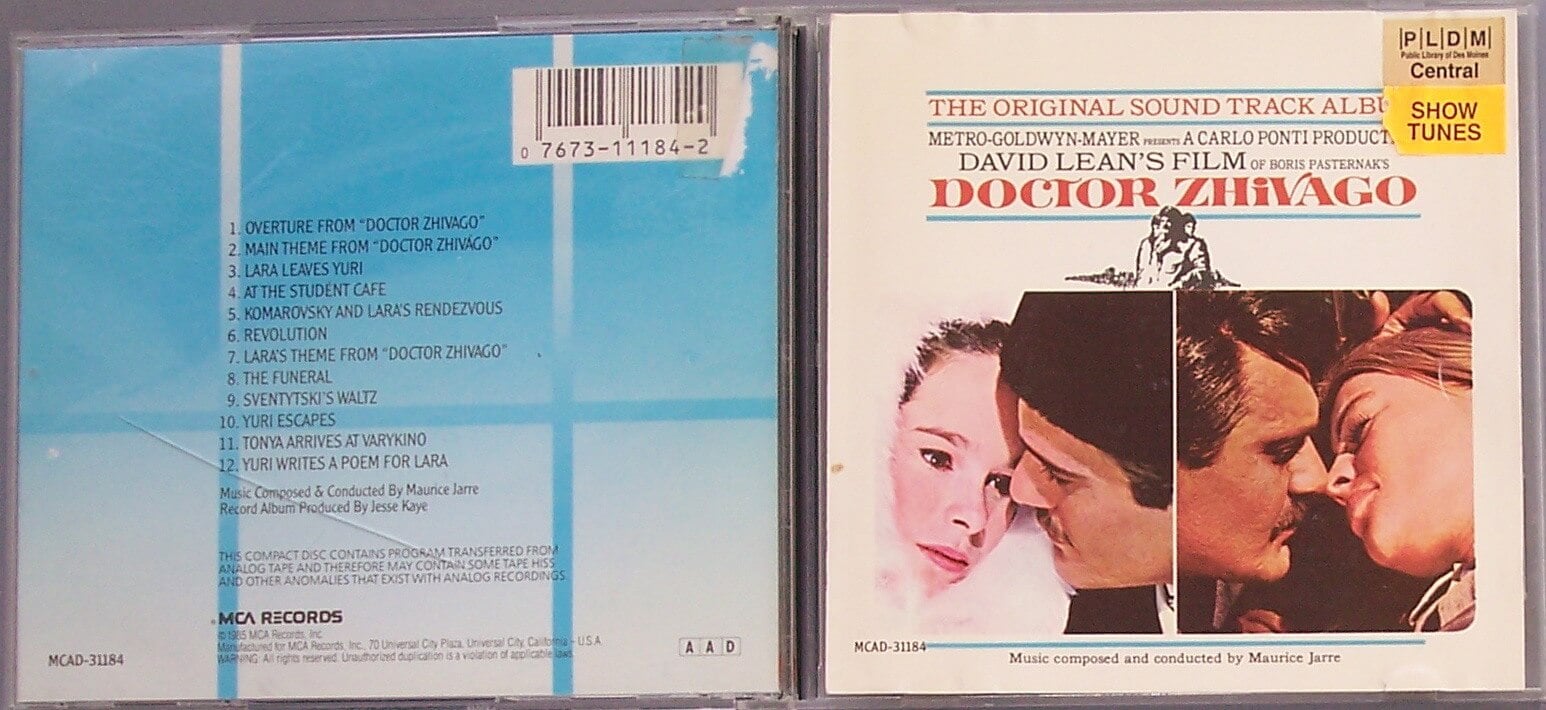
Boris Pasternak’s novel about the Russian Revolution was rejected by Soviet publishers and smuggled abroad for its 1957 foreign publication, after which Soviet authorities banned it domestically and forced Pasternak to decline the Nobel Prize he was awarded the following year. The novel was not officially published in the Soviet Union until 1988, during the glasnost era, three decades after it first appeared abroad.
Pasternak died in 1960 without ever seeing the ban lifted.
The Satanic Verses
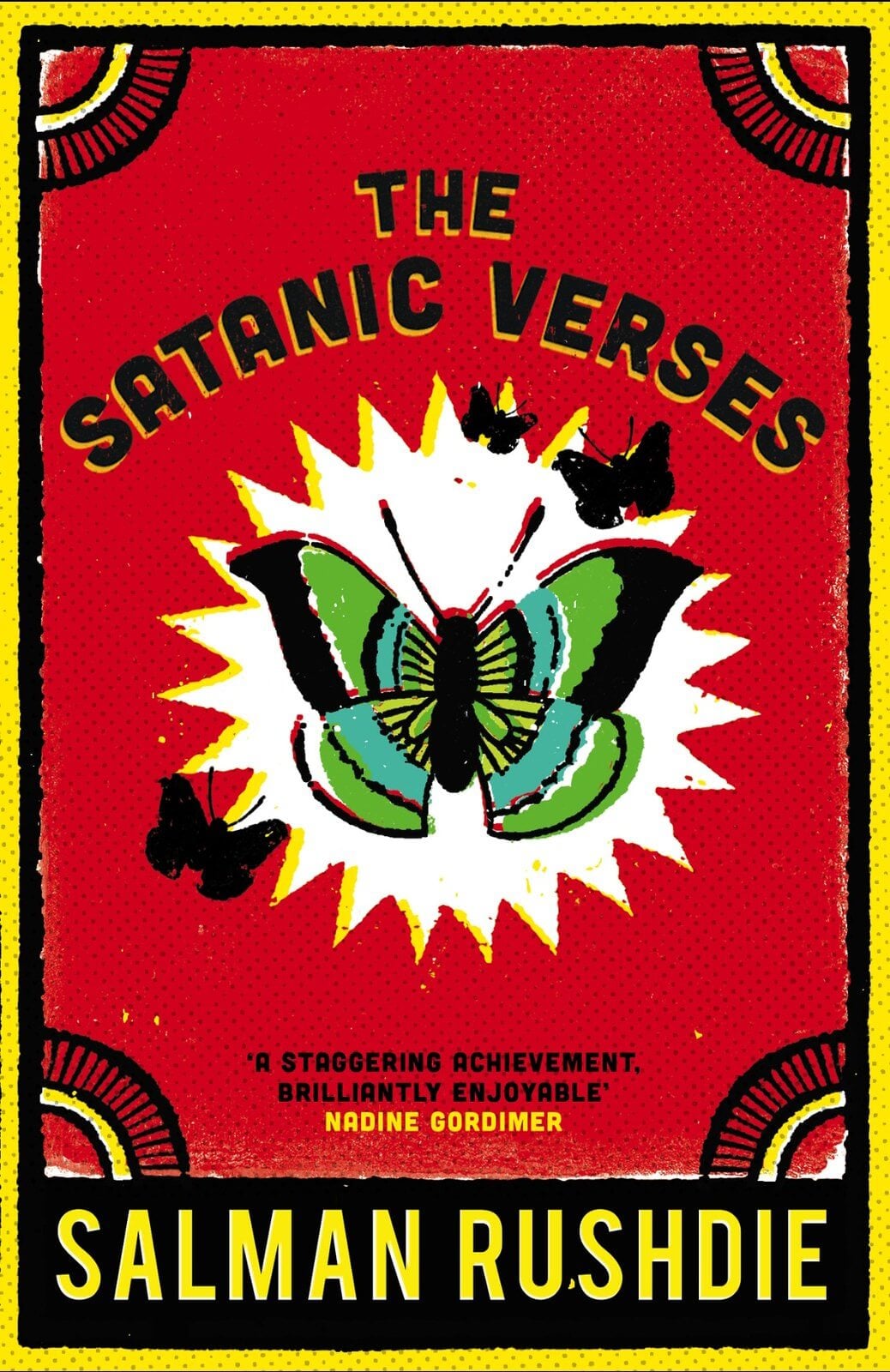
Salman Rushdie’s 1988 novel was banned in India within weeks of its release and remains formally banned in the country to this day, alongside prohibitions in several other nations. The book’s publication also prompted a religious edict calling for Rushdie’s death, forcing the author into hiding for years and resulting in a 2022 attack that left him seriously injured.
The ban has now outlasted nearly four decades.
Animal Farm
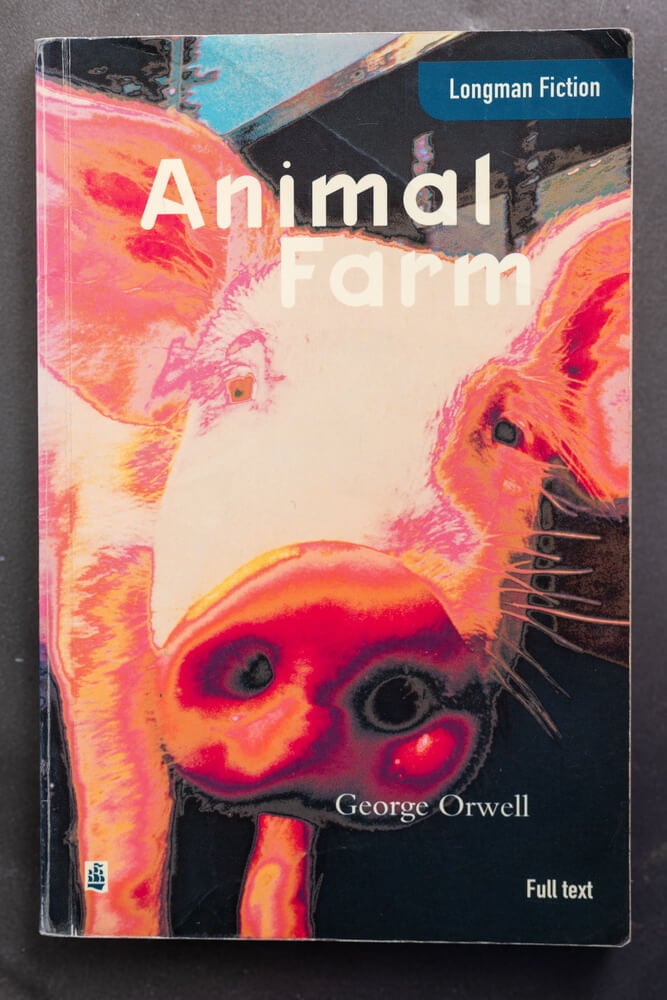
George Orwell’s satire of Soviet totalitarianism was banned throughout the Soviet Union and much of the Eastern Bloc from its 1945 publication until the collapse of Communist governments in the region beginning around 1989. Ironically, Western intelligence agencies distributed smuggled copies behind the Iron Curtain specifically because of its anti-Soviet message.
The ban lasted more than four decades in most of the countries where it was enforced.
1984
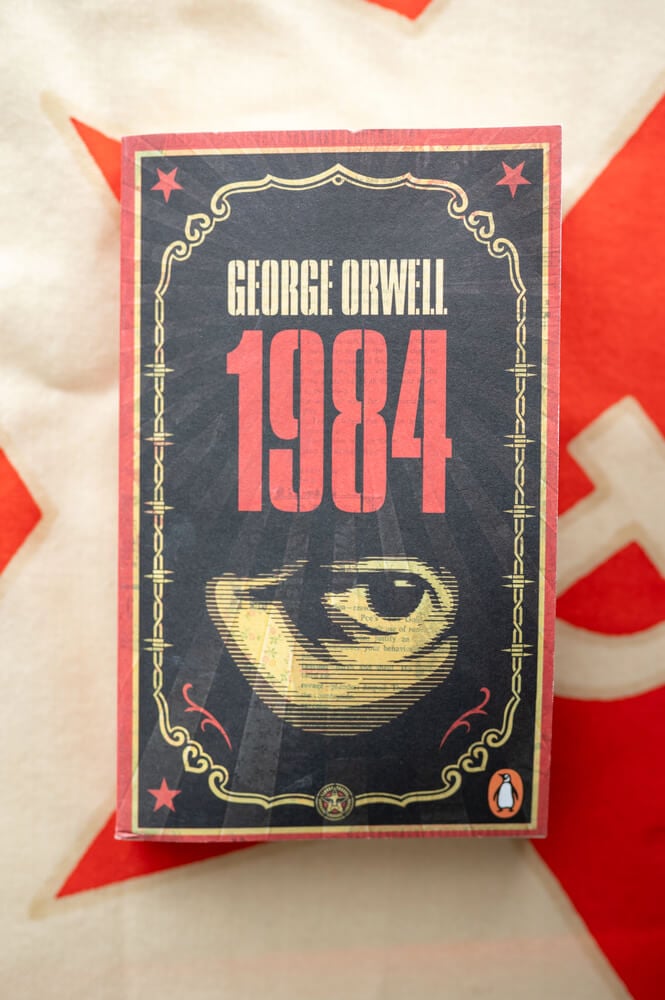
Orwell’s dystopian novel faced the same fate as Animal Farm across the Soviet bloc, banned for decades on the grounds that its depiction of totalitarian surveillance was read as a direct critique of Communist governance. Restrictions loosened only with the political changes of the late 1980s and early 1990s.
The novel’s vocabulary, including terms like “Big Brother” and “doublethink,” entered global usage largely without the book itself being legally available in the countries it most directly criticized.
Mein Kampf
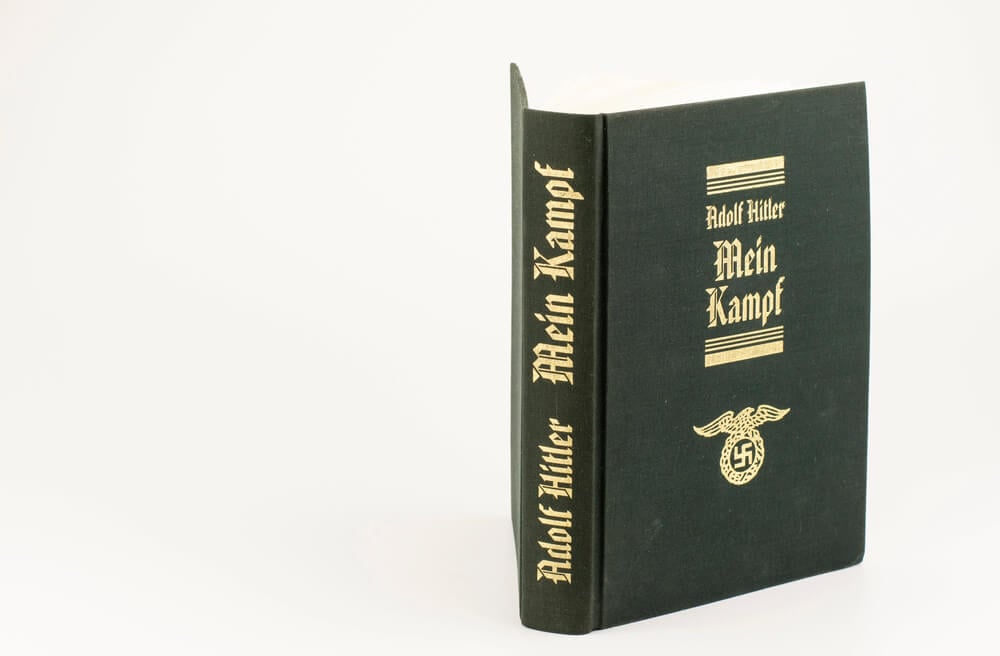
Adolf Hitler’s political manifesto was banned from publication in Germany after the Second World War, with the Bavarian state government, which held the copyright, refusing to authorize any new printings for seventy years. The copyright expired at the end of 2015, and a heavily annotated critical edition was published in Germany the following year.
The seven-decade gap stands as one of the longest deliberate suppressions of a single book in modern history.
The Well of Loneliness
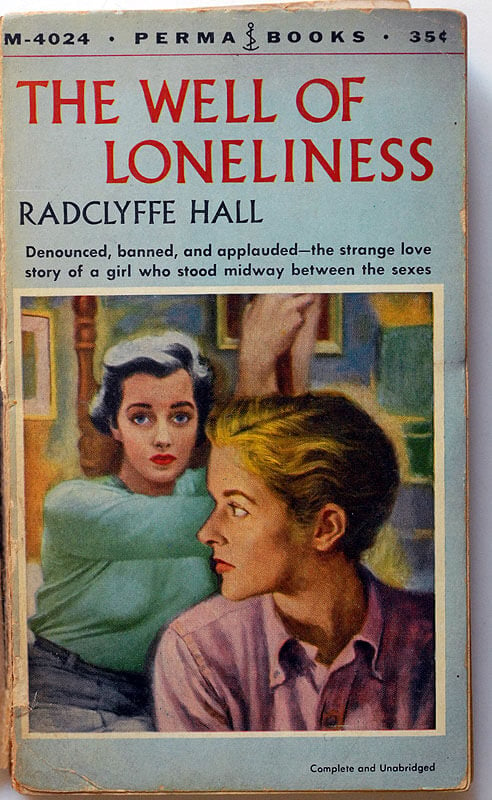
Radclyffe Hall’s 1928 novel, one of the first English-language works to portray a lesbian relationship sympathetically, was banned in the United Kingdom following an obscenity trial the same year it was published. The ban remained in effect for 21 years until it was quietly overturned in 1949.
American courts, by contrast, permitted its sale after a separate obscenity case shortly after publication.
Lady Chatterley’s Lover
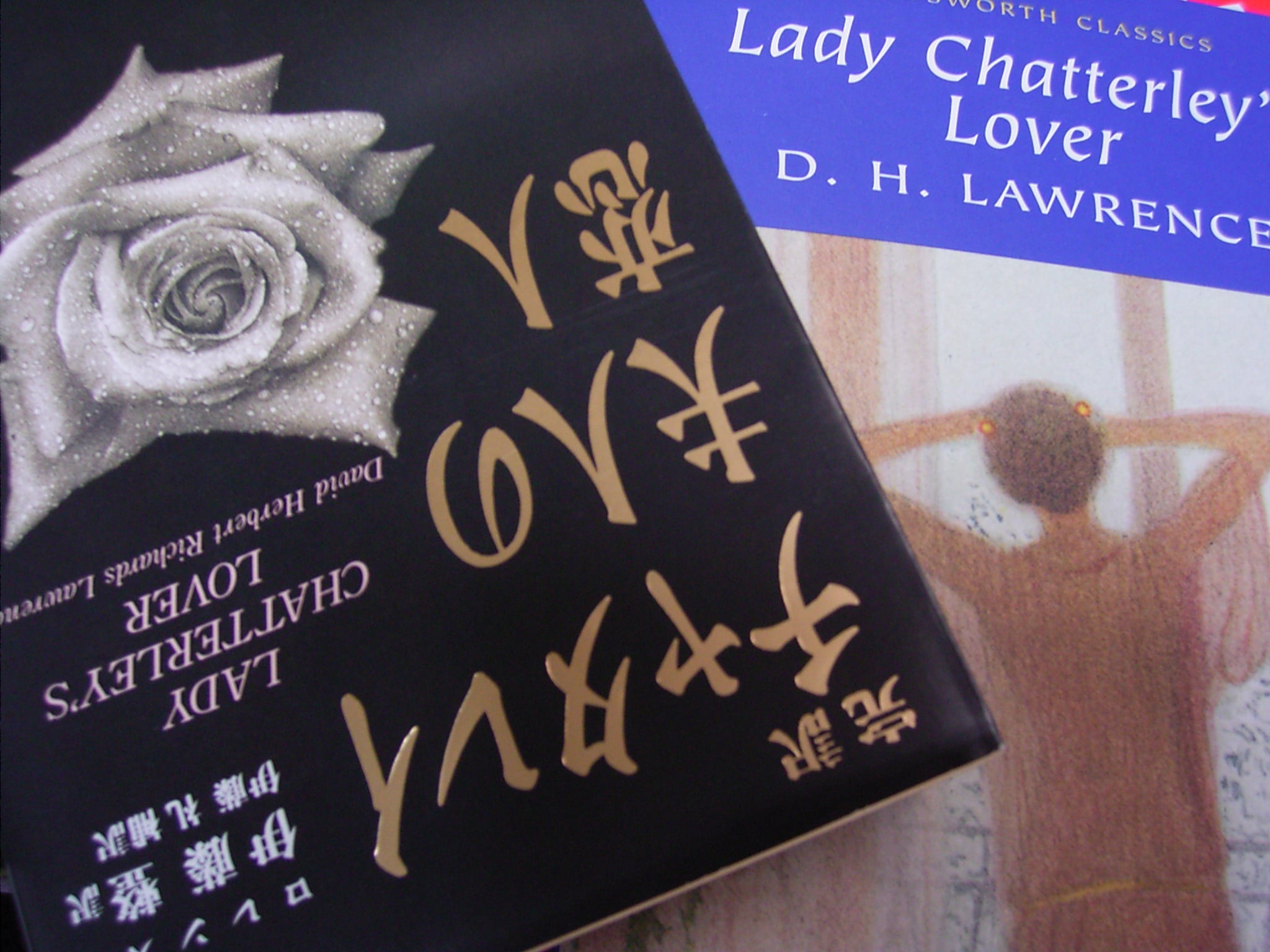
D.H. Lawrence’s novel, first published privately in Italy in 1928, could not be legally sold in unexpurgated form in the United Kingdom until a landmark 1960 obscenity trial cleared its publisher, Penguin Books. The 32-year gap became a defining episode in British publishing history, and the trial’s outcome is often cited as a turning point in the loosening of British censorship standards generally.
The book sold out its entire print run within days of the ruling.
Ulysses
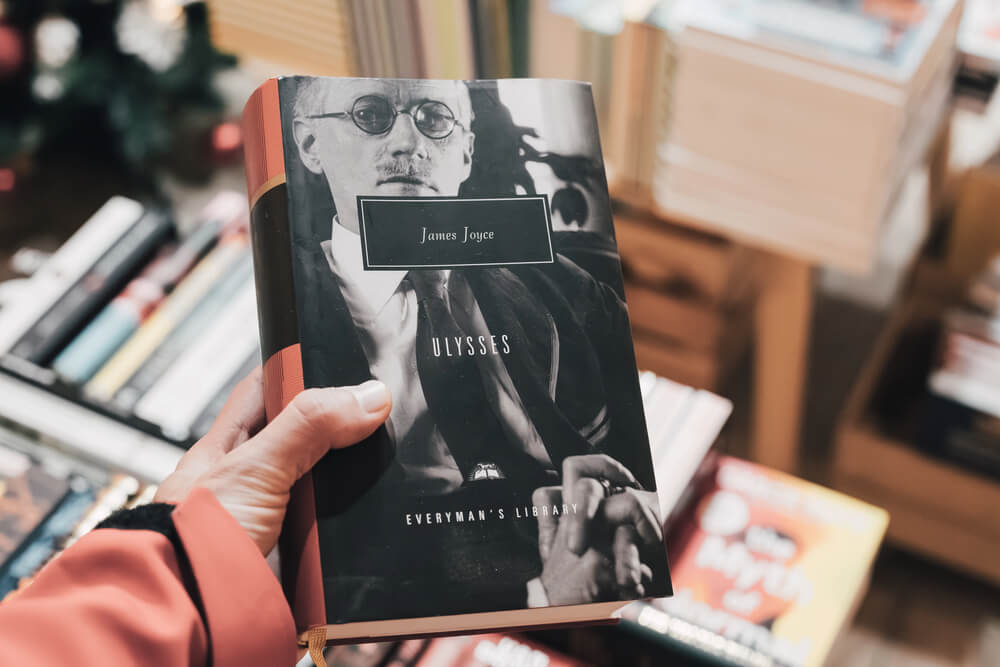
James Joyce’s modernist novel was banned from import into the United States after its 1922 publication, a restriction that held until a landmark 1933 court ruling found the book was not obscene. Britain maintained its own ban until 1936.
The roughly decade-long prohibition in both countries is frequently cited in literature courses as an example of a masterpiece nearly kept from readers entirely.
Uncle Tom’s Cabin
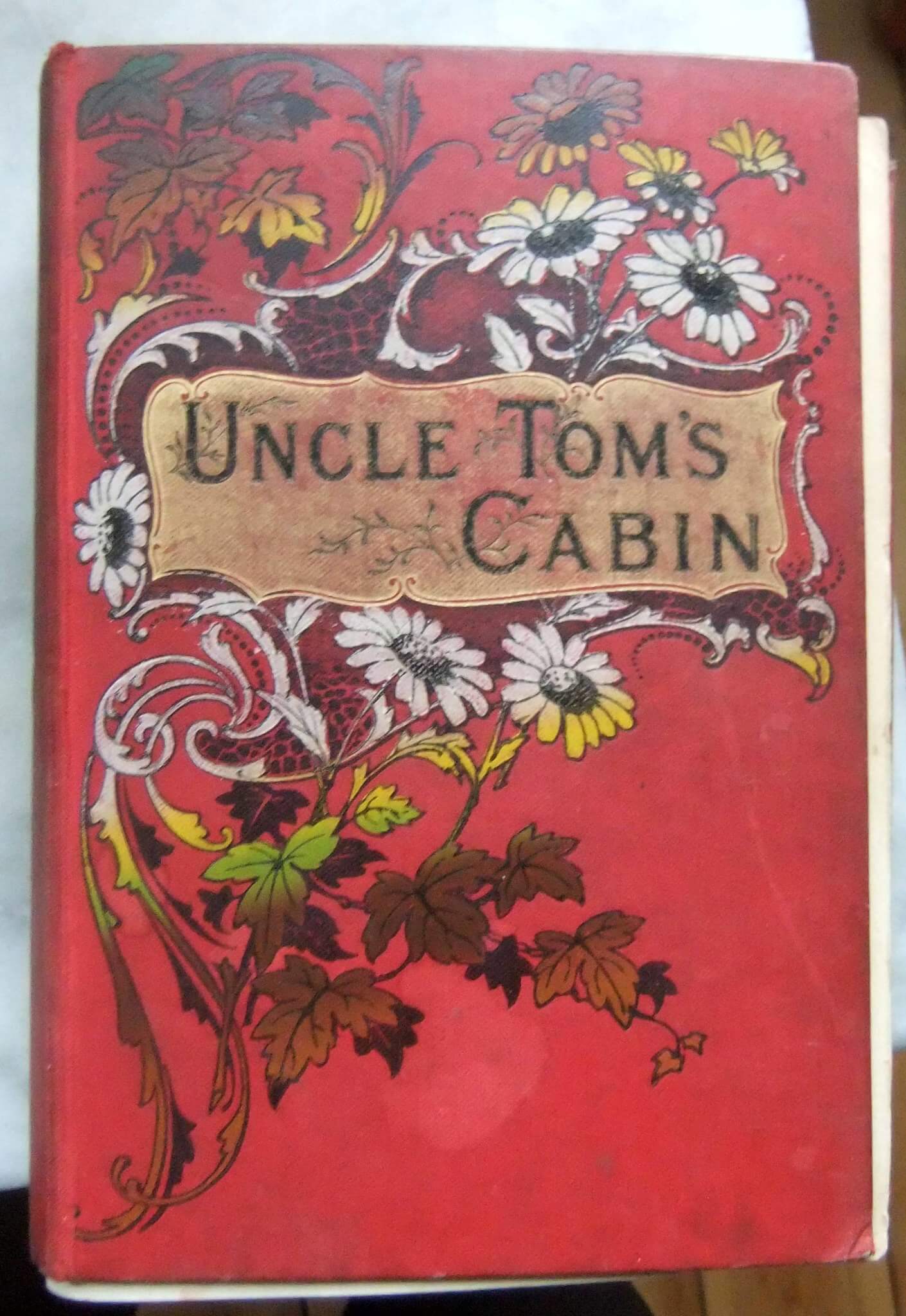
Harriet Beecher Stowe’s 1852 anti-slavery novel was banned throughout most of the American South, where possessing a copy could carry serious legal and social consequences, a prohibition that held until slavery itself ended with the Confederacy’s defeat in 1865. The book’s enormous popularity in the North contrasted sharply with its complete suppression in the region it depicted.
The roughly 13-year Southern ban reflected just how directly the novel threatened the region’s political order.
All Quiet on the Western Front
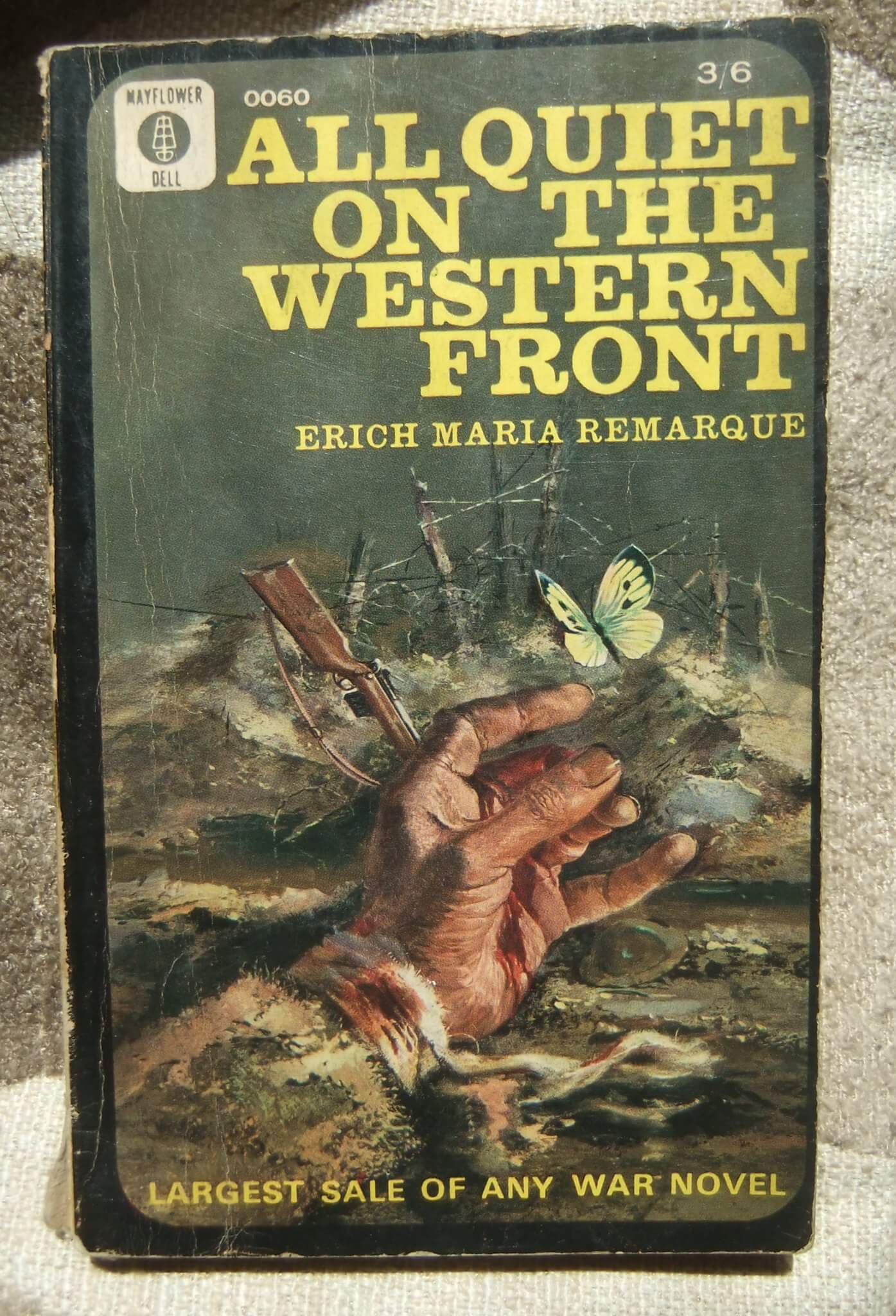
Erich Maria Remarque’s anti-war novel was banned and publicly burned in Nazi Germany starting in 1933, part of a broader purge of literature the regime considered subversive to militarist ideology. The ban remained in force for the duration of the Nazi government, lifting only with Germany’s defeat in 1945.
Remarque himself had already fled the country years before the ban took effect.
The Kama Sutra
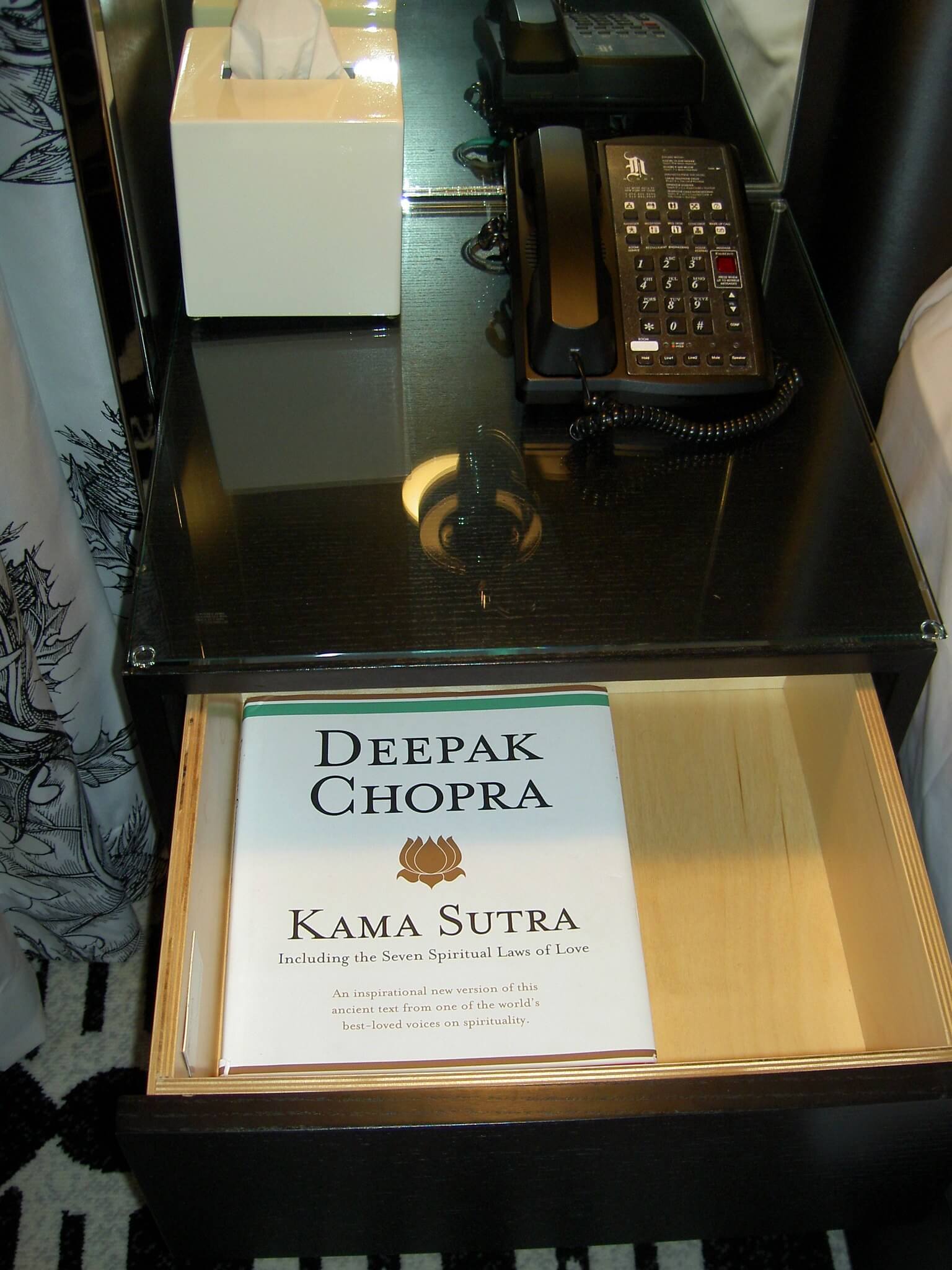
The ancient Sanskrit text on love and relationships was translated into English in 1883 by explorer Richard Burton and a collaborator, who distributed it through a private subscription society specifically to evade British obscenity laws. Open commercial sale of unexpurgated editions remained restricted in Britain and the United States for decades afterward, only loosening gradually through the mid-20th century.
The workaround publishing model used for its original release became a template for distributing other banned texts.
Candide
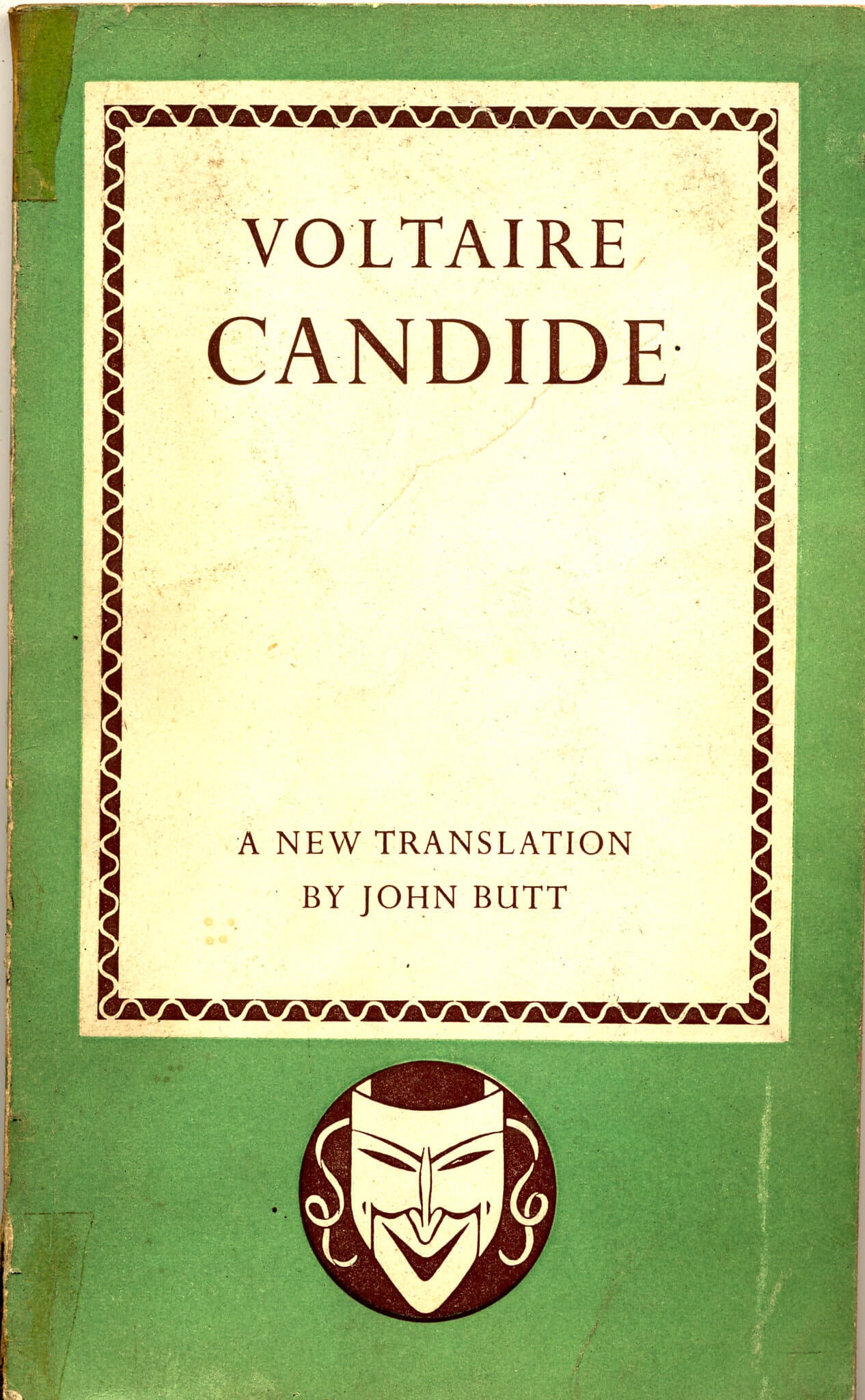
Voltaire’s satirical novella was banned by authorities in Geneva and Paris almost immediately after its 1759 publication and was added to the Catholic Church’s Index of Forbidden Books, restricting its open sale across Catholic Europe for decades. Its sharp satire of religious and political institutions made it a target of both civil and religious censors simultaneously.
Despite the bans, the book circulated widely through underground printings across 18th-century Europe.
The Adventures of Huckleberry Finn
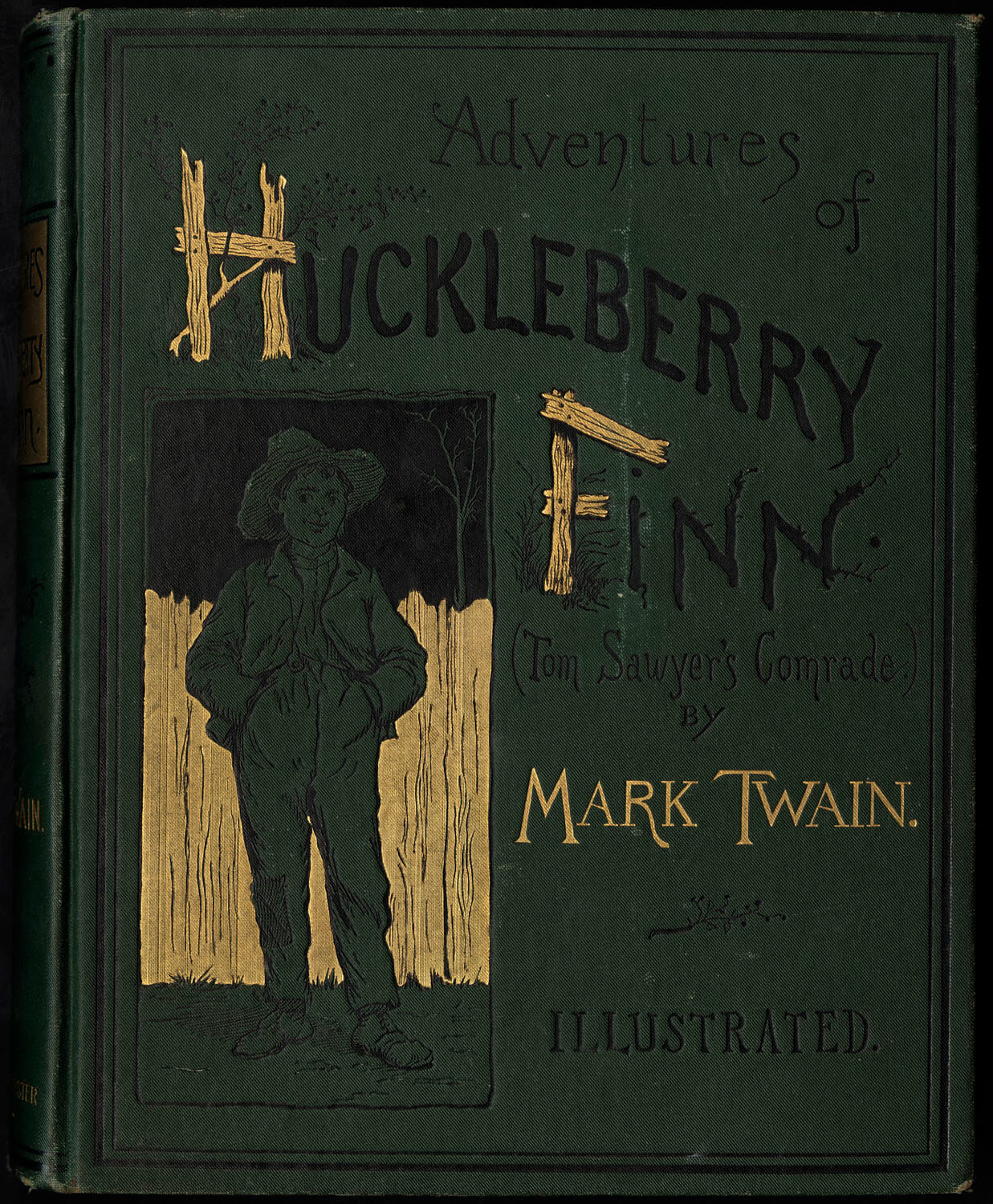
Mark Twain’s novel was banned by the public library in Concord, Massachusetts, within weeks of its 1884 publication, and it has faced recurring bans and challenges in American school districts in nearly every decade since. Concerns driving the bans have shifted over time, from its portrayal of poor manners in the 1880s to debates over its language regarding race in more recent decades.
Few American novels have faced organized removal efforts across such a long span of time.
Slaughterhouse-Five
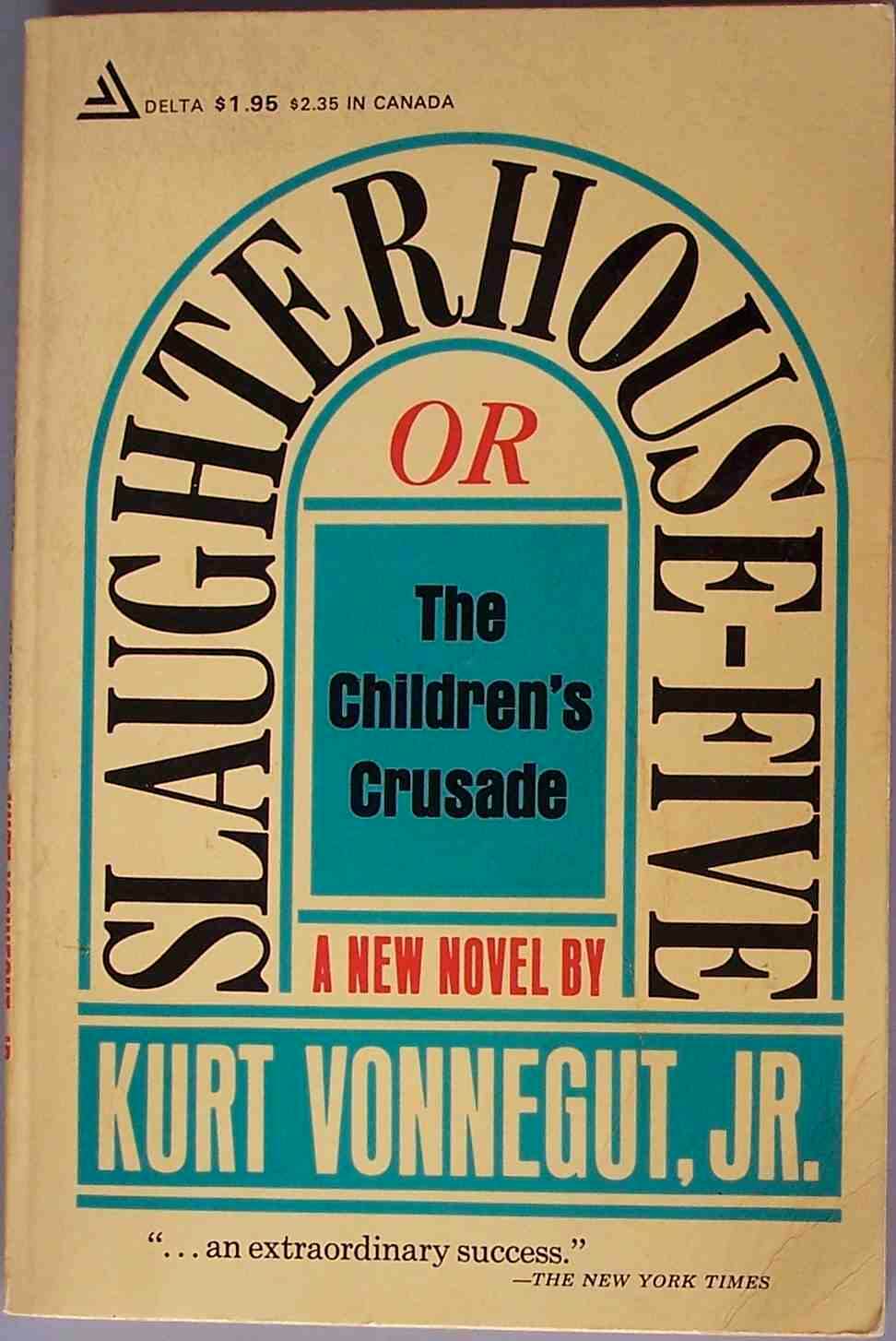
Kurt Vonnegut’s anti-war novel faced repeated bans and burnings in American school districts beginning shortly after its 1969 publication, including a notable case in Michigan in the 1970s where a judge ordered burned copies of the book replaced at the school district’s expense. Legal and school board challenges to the book continued in various districts across subsequent decades.
It remains one of the most frequently challenged books in American public schools.
The Anarchist Cookbook
William Powell’s 1971 manual, which included instructions the author later disavowed and asked to have taken out of print, has faced continuous efforts at restriction and removal from libraries and retailers for decades since its release. Powell himself spent years after its publication trying, largely unsuccessfully, to have the book withdrawn from circulation.
It remains a recurring subject of debate around library access and public safety.
American Psycho

Bret Easton Ellis’s 1991 novel was placed on Germany’s list of media restricted from sale to minors shortly after publication, a designation that remained in effect for over a decade before being lifted in 2002. Several other countries imposed shrink-wrap and age-verification requirements on its sale for years due to its graphic content.
The restrictions did little to slow the book’s eventual reputation as a significant, if divisive, work of American fiction.
The Grapes of Wrath
John Steinbeck’s Depression-era novel was banned or removed from libraries and schools in numerous American communities almost immediately after its 1939 publication, and it has continued to face periodic bans and challenges in school districts across subsequent decades. Some of the earliest bans came from California communities the book portrayed unflatteringly.
The pattern of recurring, decades-apart bans has made it a frequent case study in the history of American literary censorship.
The Diary of a Young Girl
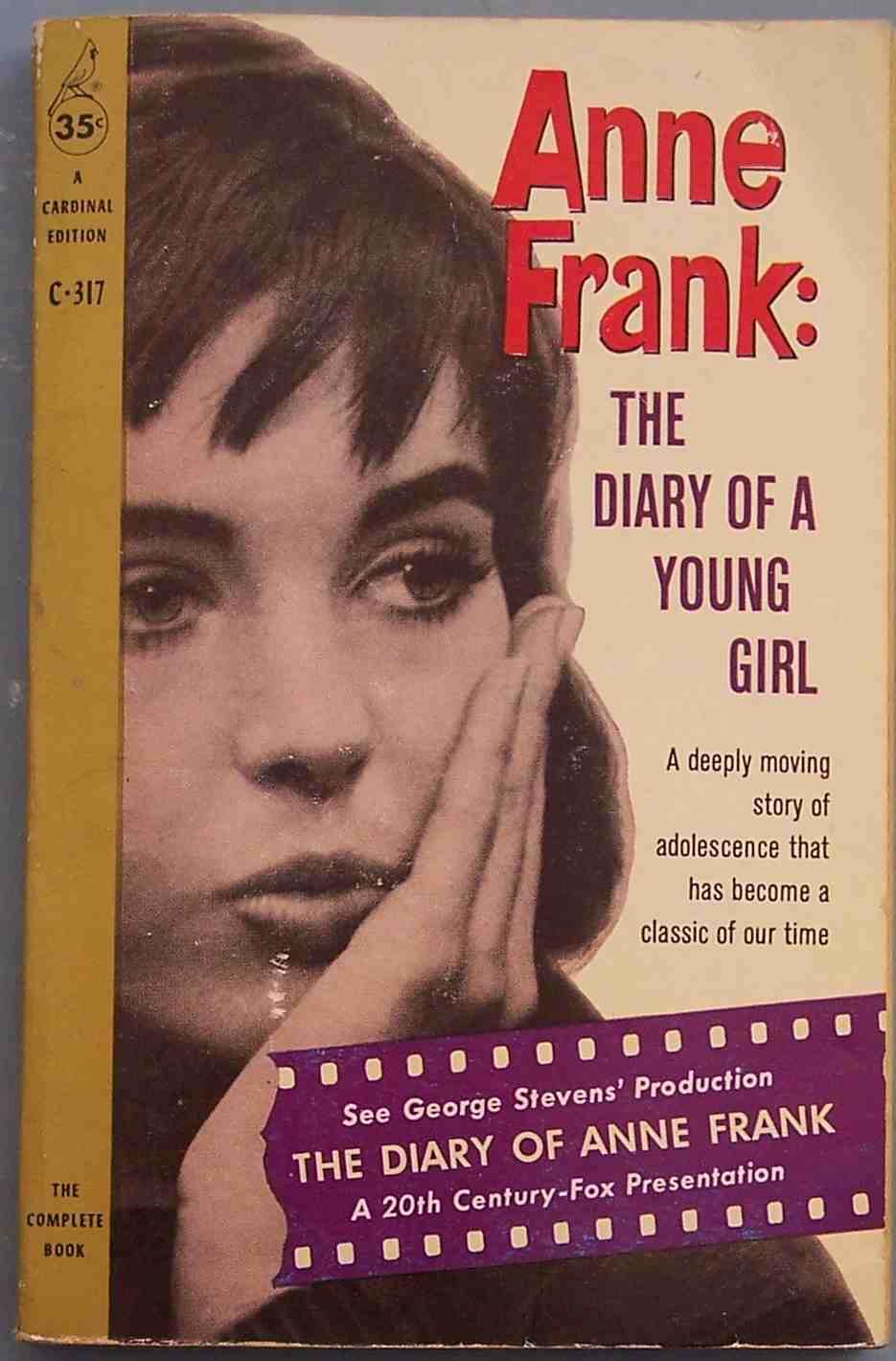
Anne Frank’s wartime diary, published posthumously in 1947, has faced periodic bans and restrictions in various school districts over the decades since, most often tied to objections about passages discussing puberty and adolescent development. Some editions were also altered or restricted in certain countries for years due to unrelated copyright and translation disputes.
The recurring challenges stand in stark contrast to the diary’s status as one of the most widely read personal accounts of the Holocaust.
The Catcher in the Rye
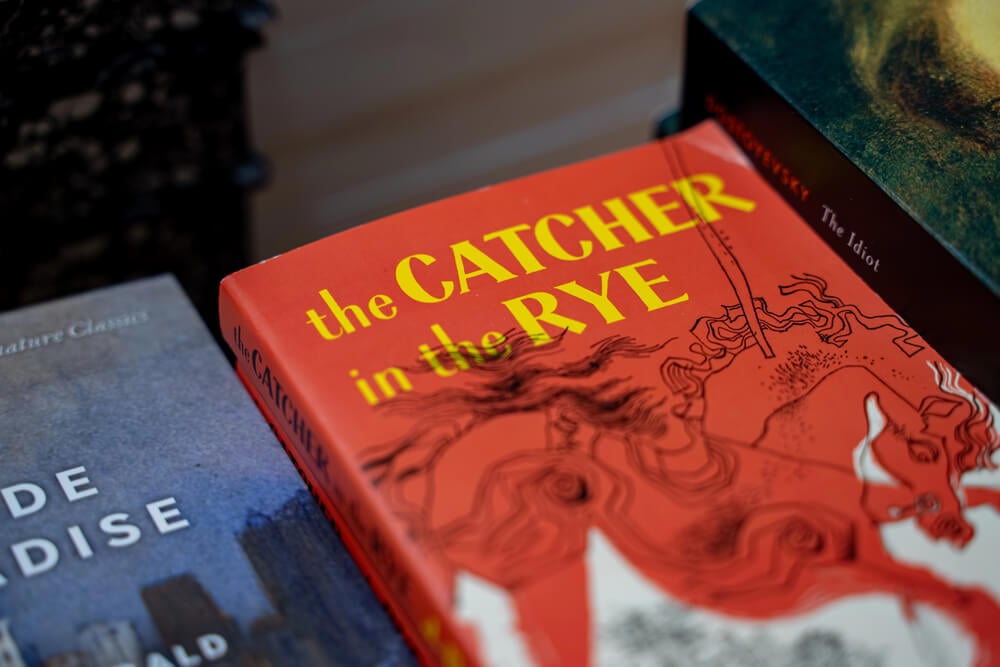
J.D. Salinger’s 1951 novel became one of the most frequently banned books in American schools for decades following its release, facing objections over language and themes that recurred in school board meetings from the 1960s through the 1980s and beyond. Some editions were removed from curricula only to be reinstated years later after community pushback.
Salinger, famously private, largely declined to comment publicly on the repeated controversies during his lifetime.
Fahrenheit 451
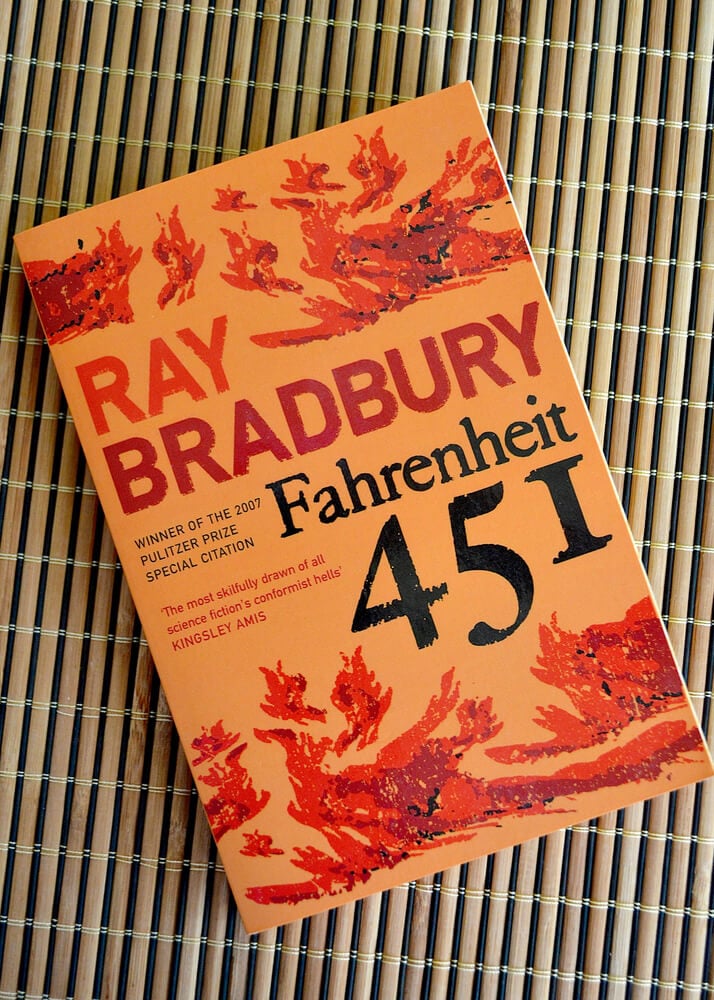
Ray Bradbury’s novel about book burning faced its own ironic censorship episode when a publisher quietly sold schools an expurgated “Bal-Hi” edition starting in 1967 that removed profanity and altered passages without disclosing the changes to buyers. The substitution went largely unnoticed until Bradbury himself discovered it and demanded a correction in 1979, twelve years after the altered edition entered circulation.
The book has also faced separate, more conventional bans and challenges in various school districts over the decades since.
The Communist Manifesto

Karl Marx and Friedrich Engels’s 1848 pamphlet was banned or heavily restricted across much of 19th-century Europe under various anti-socialist and press laws, particularly within the Russian and German empires, where possession could carry serious legal consequences for decades. Restrictions eased gradually as socialist and labor movements gained legal standing across Europe by the early 20th century.
The pamphlet’s underground circulation during its ban became part of its own political mythology.
Leaves of Grass
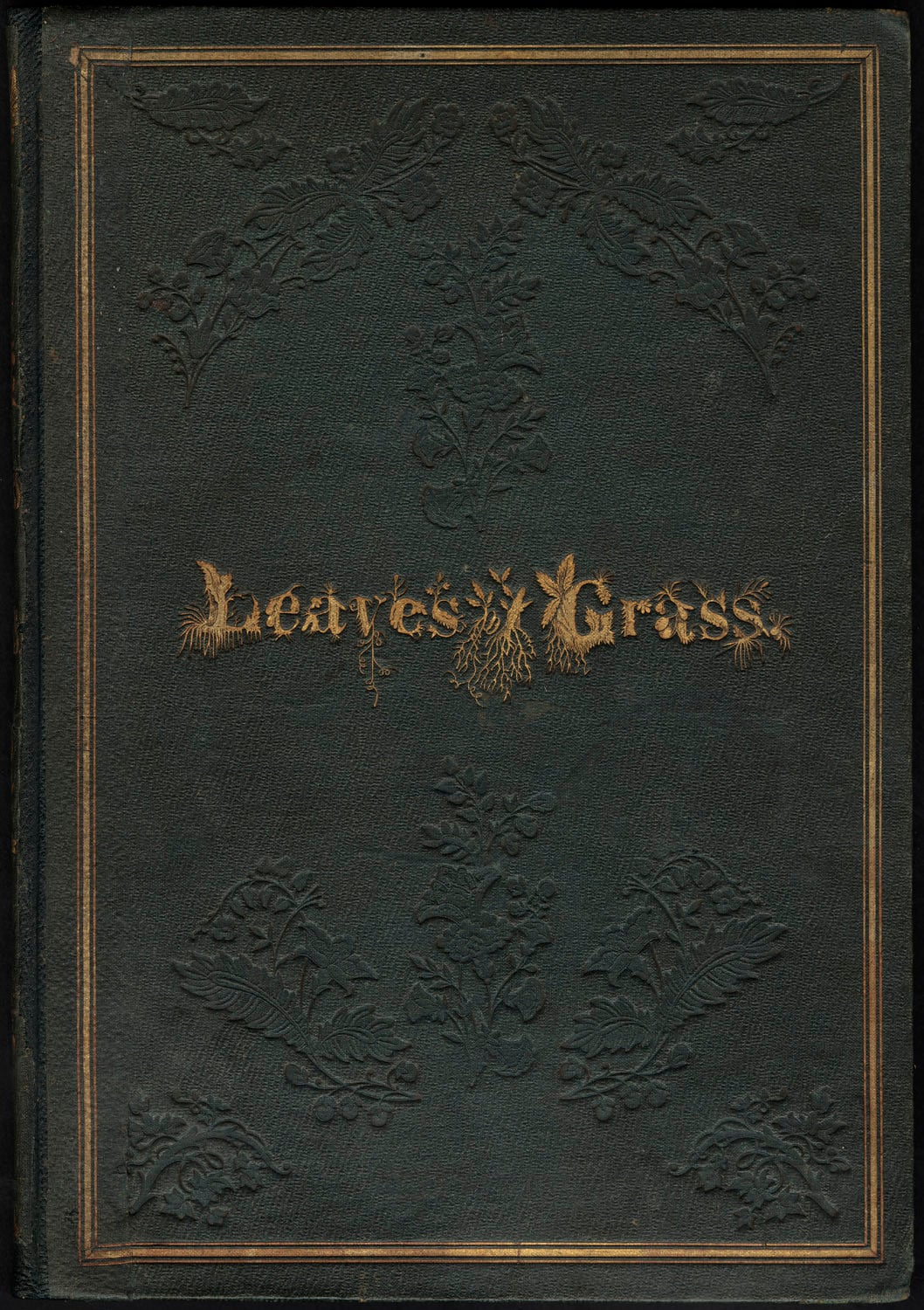
Walt Whitman’s poetry collection was removed from sale by a Boston bookseller in 1882 following pressure from the state’s district attorney, who objected to the frank physical content of several poems, and the collection continued to circulate mainly in expurgated “family” editions for decades afterward. Whitman himself refused to remove the disputed poems from later editions, insisting on the integrity of the collection as a whole.
Unexpurgated editions did not become the standard commercial version until well into the 20th century.
Brave New World
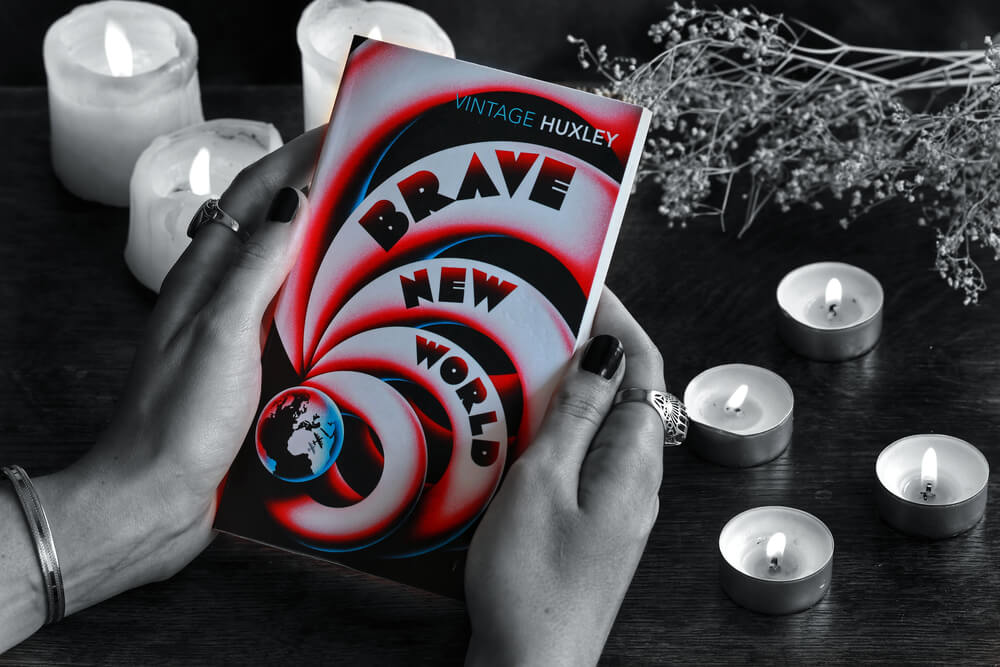
Aldous Huxley’s 1932 dystopian novel was banned in Ireland almost immediately under the country’s newly established Censorship of Publications Board, which prohibited an extraordinarily large number of books for decades under a broad definition of indecency. The ban remained part of a censorship regime that did not meaningfully loosen until the 1960s.
Ireland’s censorship board became notorious over the decades for banning a large share of major 20th-century literature, Huxley’s novel included.
To Kill a Mockingbird
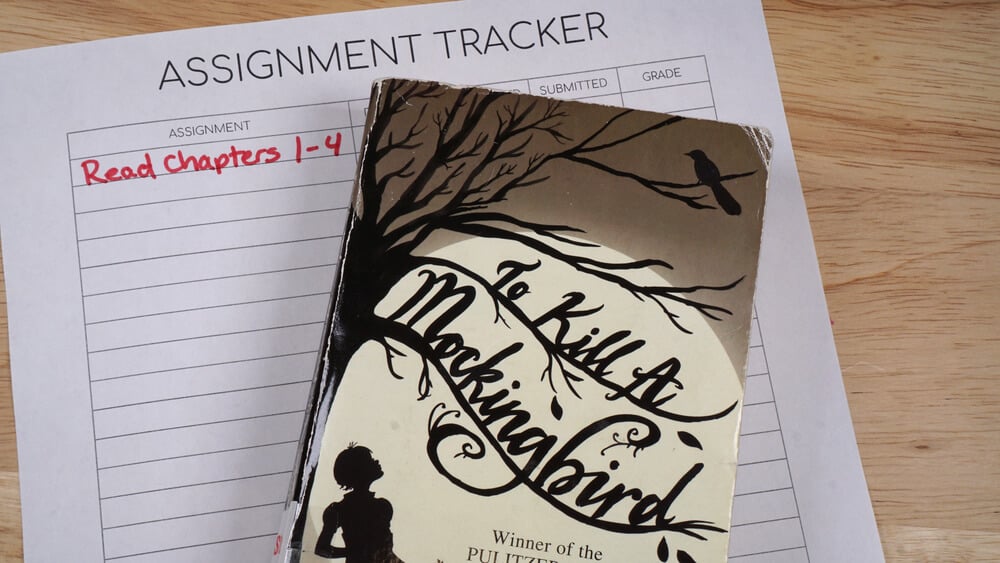
Harper Lee’s 1960 novel has faced recurring bans and challenges in American school districts across every decade since its publication, with objections shifting over time from its language to its treatment of race and its portrayal of a wrongful accusation. Some districts have banned and later reinstated the book more than once.
Despite the recurring challenges, it remains a fixture of American secondary school curricula.
The Color Purple
Alice Walker’s 1982 novel has faced repeated removal from school reading lists and library shelves across the United States in the decades since its publication, driven largely by objections to its mature and often difficult subject matter. Some of the most prominent challenges occurred more than a decade apart, illustrating how the same book can be banned, reinstated, and banned again as local school boards change.
The novel’s Pulitzer Prize, awarded the year after publication, did little to insulate it from these recurring efforts.
The Shelf Remembers

What unites these books is not their content, which ranges from satire to memoir to outright propaganda, but the confidence with which each ban was issued. Every institution that pulled one of these titles from its shelves was certain, at the time, that it was protecting readers from something genuinely dangerous.
Decades later, in nearly every case, the books remain in print and the institutions that banned them are remembered mainly for having done so.
The pattern across centuries is consistent enough to be almost predictable: a ban imposed with total confidence, followed by a gradual erosion of that confidence, followed by the book quietly returning to the shelf as though nothing had happened. Readers rarely get an apology when a ban is lifted; they just get the book back, decades later than they should have.
More from Go2Tutors!

- The Romanov Crown Jewels and Their Tragic Fate
- 13 Historical Mysteries That Science Still Can’t Solve
- Famous Hoaxes That Fooled the World for Years
- 15 Child Stars with Tragic Adult Lives
- 16 Famous Jewelry Pieces in History
Like Go2Tutors’s content? Follow us on MSN.