33 Old Sheet Music Books Buyers Still Look For
Before recorded music dominated the home, sheet music was how families actually experienced popular songs, gathered around a piano to play the hits themselves. The illustrated covers, printed decades before mass-market graphic design existed in its modern form, are now as much a draw for collectors as the music inside.
These are the sheet music titles and folios that keep turning up in estate sales and keep selling.
Scott Joplin’s “Maple Leaf Rag”

First published in 1899, “Maple Leaf Rag” became the best-selling piano instrumental of its era and helped launch ragtime as a mainstream American genre. Original printings carry the name of the small Sedalia, Missouri publisher John Stark, who took a financial risk on a Black composer at a time when few publishers would.
Because the sheet sold in enormous quantities relative to other period music, individual copies are not especially rare, but well-preserved early printings with vivid cover lithography still draw steady interest.
Stephen Foster’s “Oh! Susanna”

Published in 1848, “Oh! Susanna” became one of the most widely reproduced songs of the 19th century and is often cited as an early template for American popular songwriting. Foster earned very little from the sheet’s massive sales due to the loose copyright protections of the period, a fact collectors often note alongside the sheet itself.
Surviving 19th-century printings vary enormously in condition, and the fragile, high-acid paper common to the era makes clean, uncracked copies genuinely scarce.
Civil War Era Sheet Music

Publishers on both sides of the American Civil War produced sheet music supporting their cause, featuring patriotic and sentimental songs alongside illustrated covers depicting soldiers, flags, and battle scenes. Confederate-published sheet music is particularly sought after due to the disrupted printing industry in the wartime South, which limited both the quality and quantity of surviving copies.
Collectors specializing in Civil War memorabilia frequently seek these out alongside more traditional militaria.
John Philip Sousa March Folios

Sousa’s published march collections, including “The Stars and Stripes Forever” and “Semper Fidelis,” were sold both as individual sheets and bound folios for concert bands and home pianists throughout the late 19th and early 20th centuries. His enormous popularity as “The March King” meant these folios were printed in large numbers, but complete, well-bound sets with intact covers are less common than single surviving sheets.
Military band collectors and general sheet music collectors both compete for well-preserved examples.
George M. Cohan’s “Over There”

Published in 1917 as the United States entered World War I, “Over There” became one of the most recognizable patriotic songs of the war and sold in extraordinary numbers as sheet music. Its cover art, often featuring soldiers and American flag imagery, is emblematic of the wartime sheet music boom.
Because it was printed by multiple publishers in large runs, individual copies are common, though early first printings with sharp, unfaded cover color remain more desirable.
Ragtime Illustrated Covers

Beyond Joplin, ragtime composers including James Scott and Joseph Lamb produced sheet music with distinctive, often vividly colored covers depicting the syncopated dance culture of the era. Collectors focused specifically on ragtime history seek out complete runs from smaller regional publishers, which tend to be scarcer than mass-market titles from larger companies.
The genre’s brief but intense commercial peak in the early 1900s means surviving examples are tied to a fairly narrow publishing window.
Irving Berlin Song Folios

Irving Berlin’s decades-long songwriting career produced sheet music for standards including “Alexander’s Ragtime Band” and “Puttin’ on the Ritz,” often sold both as individual sheets and later as compiled folios. Because Berlin remained commercially active for so long, collectors can pursue material spanning ragtime, Tin Pan Alley, and mid-century Broadway eras all under one songwriter’s name.
Folios tied to specific Broadway productions tend to command more interest than generic compilation songbooks.
George Gershwin’s “Rhapsody in Blue”
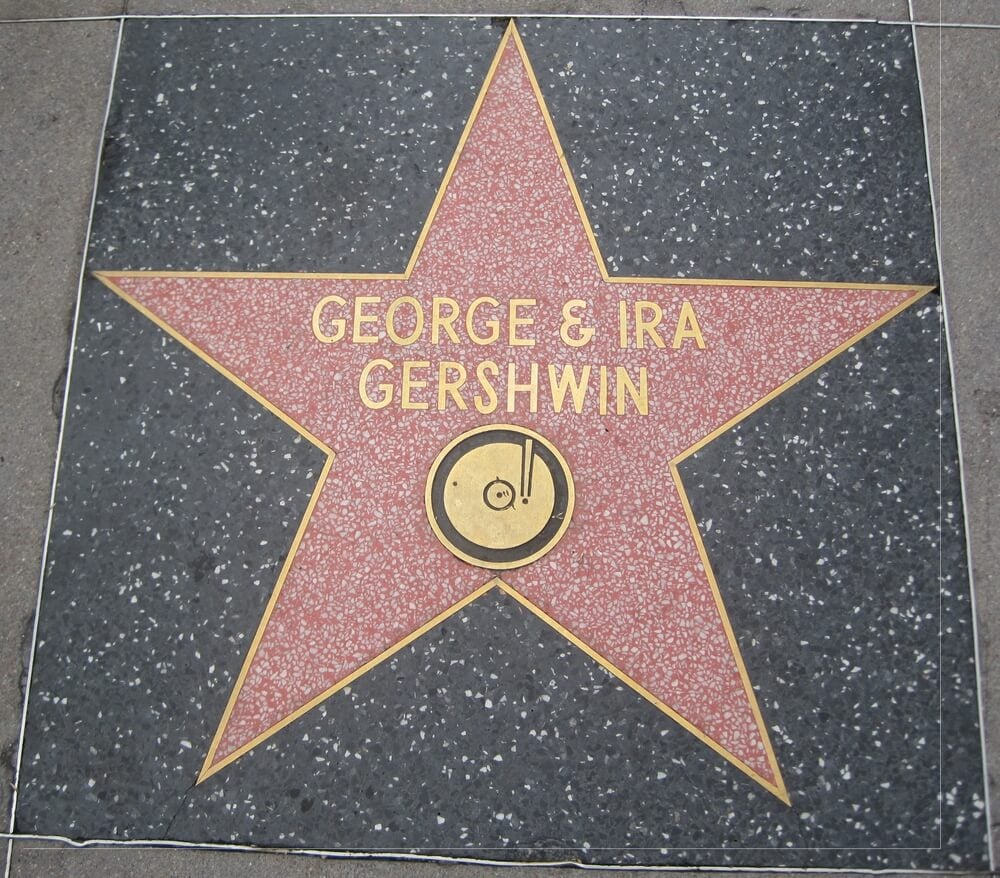
The published piano score for Gershwin’s 1924 “Rhapsody in Blue” introduced the concert piece to home pianists and remains one of the most recognizable American classical-jazz crossover works. Original 1920s printings featured Art Deco-influenced cover design characteristic of the period’s popular sheet music.
Because the piece is technically demanding, surviving copies often show more wear on the interior pages than the cover, a detail specialist collectors look for when assessing whether a copy saw genuine use.
Al Jolson’s “Swanee”
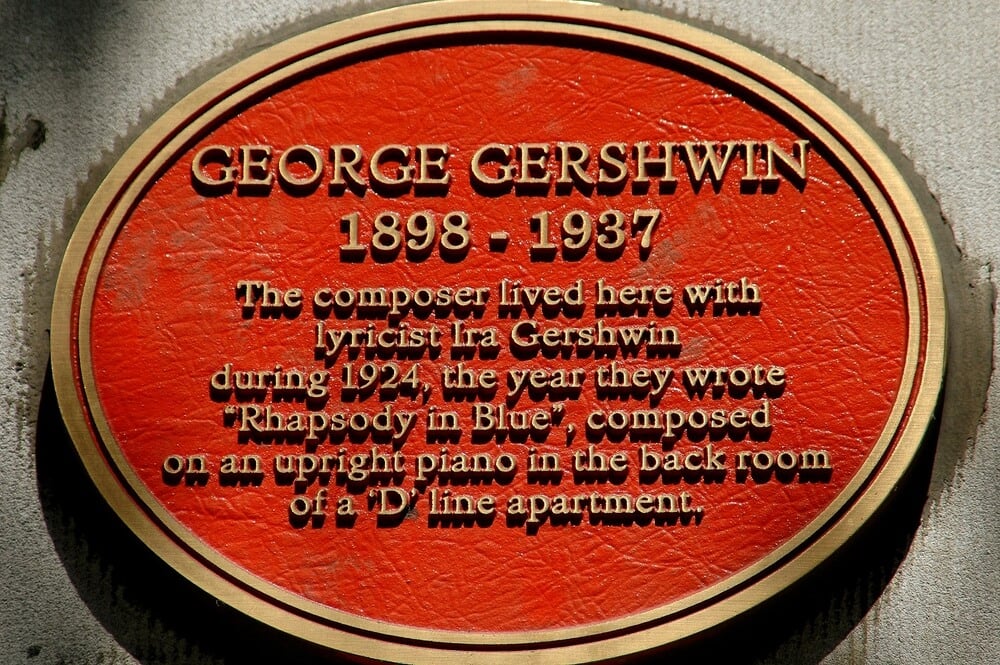
Jolson’s 1919 hit “Swanee,” written by a young George Gershwin, sold well over a million copies of sheet music at the height of its popularity, an enormous figure for the era. Its cover typically featured Jolson’s likeness, tying the sheet directly to his stage and later film career.
Because of how widely it sold, individual copies remain relatively affordable, though covers with strong, unfaded lithographic printing are harder to find than the overall print run suggests.
Fats Waller Sheet Music

Fats Waller’s stride piano compositions and vocal hits, including “Ain’t Misbehavin’,” were published as sheet music throughout the late 1920s and 1930s, often featuring illustrated covers tied to the Broadway revues where the songs debuted. Collectors focused on early jazz and Harlem Renaissance-era culture actively pursue his published work alongside his recordings.
Because much of his sheet music was tied to specific stage productions, folios connected to those original shows are considered more historically significant than later standalone reprints.
Duke Ellington Sheet Music Folios

Published arrangements of Duke Ellington’s compositions, including “Mood Indigo” and “It Don’t Mean a Thing,” circulated as both individual sheets and bandleader folios intended for working musicians rather than casual home pianists. Because these folios were often used hard by working bands, well-preserved examples with intact bindings are less common than the surviving individual sheet titles.
Jazz history collectors frequently pursue these alongside period recordings and band photographs.
Cole Porter Songbooks

Cole Porter’s witty, sophisticated songs from Broadway shows including “Anything Goes” were compiled into songbooks aimed at both professional performers and skilled home pianists. Porter’s lyrics, considered unusually literate for the era, are often highlighted by collectors as much as the musical notation itself.
Complete songbooks tied to a specific original Broadway production carry more collector interest than later general-interest compilations.
Rodgers and Hammerstein Musical Folios

Vocal and piano folios for Rodgers and Hammerstein musicals, including “Oklahoma!” and “South Pacific,” were published to coincide with each show’s Broadway run and were later reissued alongside film adaptations. Original Broadway-era printings, distinguished by cast photography or production-specific cover art, are generally more desirable than later generic reissues.
Musical theater collectors frequently pursue complete sets spanning the writing duo’s full body of work.
“The Wizard of Oz” Sheet Music Folio

Sheet music for “Over the Rainbow” and other songs from the 1939 film “The Wizard of Oz” was published to coincide with the movie’s release, featuring cover art tied directly to the film’s imagery and Judy Garland’s likeness. Because the film became a cultural touchstone reissued and rebroadcast for generations, demand for the original sheet music has remained consistently strong.
Early printings that predate the film’s later television rebroadcasts are considered more historically significant by serious collectors.
“Gone with the Wind” Sheet Music

Sheet music tied to the 1939 film “Gone with the Wind,” including adaptations of its orchestral theme, was published with cover art directly referencing the film’s marketing imagery. Movie tie-in sheet music from this era functioned essentially as promotional material, and surviving copies offer a direct link to the film’s original theatrical release.
Collectors of classic film memorabilia frequently pursue these alongside movie posters and lobby cards.
“As Time Goes By” from Casablanca

Though written years before the 1942 film “Casablanca” made it famous, sheet music for “As Time Goes By” was reissued with cover art tied to the movie once the film’s success revived interest in the song. The reissued wartime-era printings, featuring the film’s stars, are more actively sought than the song’s earlier, less recognizable original publication.
Its connection to one of the most quoted films in American cinema keeps demand steady among both music and film collectors.
Judy Garland Sheet Music Folios
Beyond “The Wizard of Oz,” compiled folios of Judy Garland’s film and stage songs circulated throughout the 1940s and 1950s, often featuring publicity photography on the cover. Because her career spanned both film and later television and concert work, collectors can pursue material across several distinct eras of her career.
Folios tied to specific MGM film releases tend to carry more interest than later generalized compilations.
Bing Crosby’s “White Christmas”
Irving Berlin’s “White Christmas,” made famous by Bing Crosby’s 1942 recording, became the best-selling single of all time and generated enormous sheet music sales during the wartime years it was first popularized. Its wartime publication context, arriving as American troops were deployed overseas, gave the song an emotional resonance that period cover art often reflected through winter and homefront imagery.
Because it remains a perennial holiday standard, sheet music collectors continue to seek early wartime printings specifically over later seasonal reissues.
Glenn Miller Big Band Folios
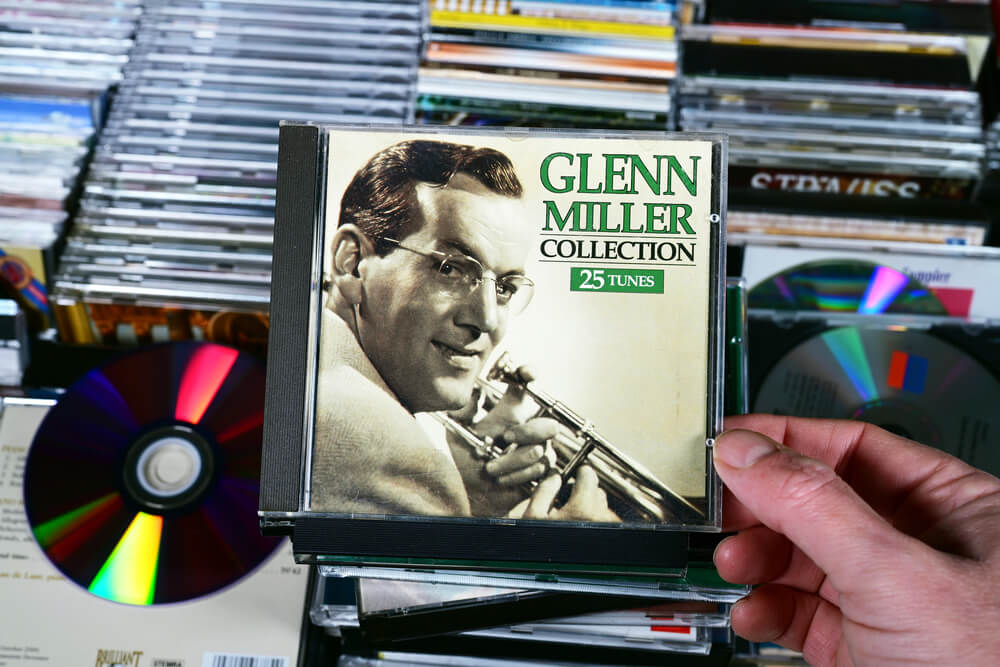
Published arrangements of Glenn Miller’s swing-era hits, including “In the Mood” and “Moonlight Serenade,” were compiled into folios intended for working dance bands during the height of the swing era in the late 1930s and early 1940s. Because these folios were designed for practical use by touring musicians, surviving examples in strong condition are less common than the era’s individual sheet titles.
Swing and big band collectors treat these folios as functional historical documents as much as musical scores.
The Andrews Sisters Sheet Music

Sheet music for Andrews Sisters hits, including their wartime and boogie-woogie era recordings, was published with cover art featuring the trio’s likeness and tied closely to their film and radio appearances. Their close vocal harmonies made their published arrangements popular with amateur singing groups during the 1940s.
Collectors of World War II-era pop culture frequently seek these out alongside war bond posters and period magazines.
Woody Guthrie’s “This Land Is Your Land”

Woody Guthrie wrote “This Land Is Your Land” in 1940, though it was not widely published as sheet music until later, and early printings reflect the song’s folk revival popularity rather than its original Depression-era composition. Folk music collectors seek out published editions tied to the mid-century folk revival, when the song became a staple of school and community songbooks.
Its politically pointed original verses, often omitted from later printings, make early complete editions especially significant to collectors.
Nat King Cole Songbooks

Compiled songbooks of Nat King Cole’s ballads and standards, including “Unforgettable,” circulated through the 1950s aimed at both home pianists and vocalists. His crossover appeal across jazz, pop, and easy listening audiences broadened the collector base for his published material well beyond traditional jazz specialists.
Songbooks featuring his photograph on the cover tend to carry more collector interest than plain typographic editions.
Frank Sinatra Songbooks

Published folios of Frank Sinatra’s standards, spanning his big band years through his solo career, were released steadily throughout the 1940s and 1950s to capitalize on his enormous popularity. Because his catalog spans multiple distinct musical eras, collectors often specialize in folios tied to a specific period of his career rather than pursuing his output as a whole.
Early folios featuring photography from his bobby-soxer teen idol years are considered particularly desirable among dedicated collectors.
Hank Williams Songbooks

Compiled songbooks of Hank Williams’s country hits, including “Your Cheatin’ Heart,” were published throughout his brief but prolific career in the late 1940s and early 1950s. Because his career and life ended so abruptly at age 29, his complete published output is a finite and well-defined body of work that collectors can realistically pursue in full.
Folios published while he was still alive carry more historical weight for collectors than posthumous compilations assembled after his death.
Patsy Cline Songbooks

Sheet music and compiled songbooks of Patsy Cline’s hits, including “Crazy” and “Walkin’ After Midnight,” circulated through the late 1950s and early 1960s during her rise as one of country music’s defining vocalists. Her death in a 1963 plane crash cut her career short, giving her published catalog the same finite quality collectors value in Hank Williams’s material.
Original period printings, rather than later tribute compilations, are what serious collectors of her catalog specifically pursue.
Buddy Holly Sheet Music
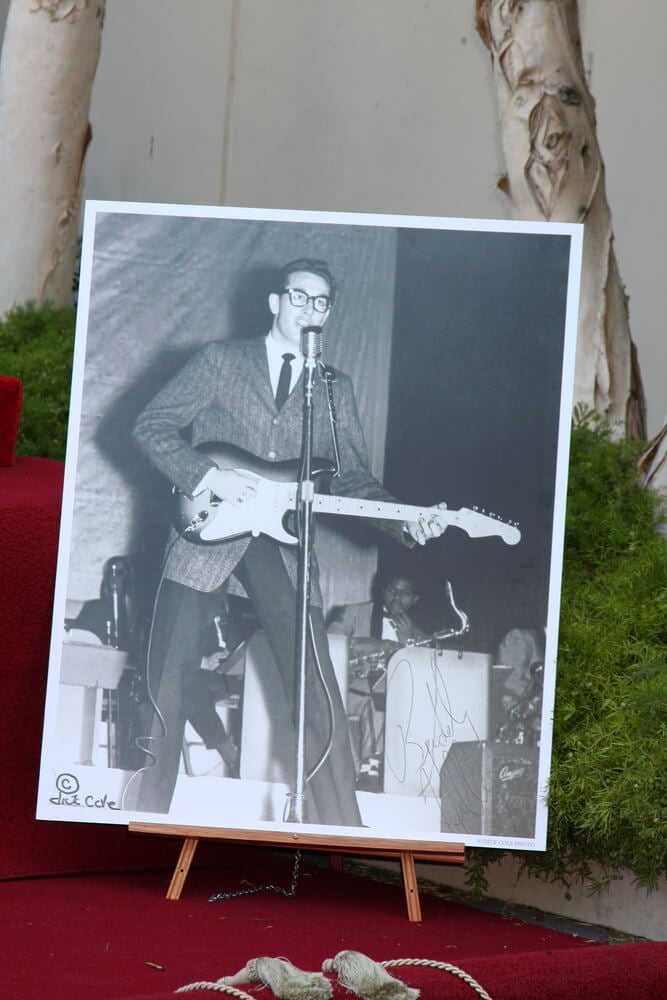
Sheet music for Buddy Holly hits, including “That’ll Be the Day” and “Peggy Sue,” was published during his brief rock and roll career in the late 1950s before his death in a 1959 plane crash. Because his recording career lasted barely two years, surviving published sheet music from that narrow window is considered a direct artifact of one of early rock and roll’s most influential and abbreviated careers.
Collectors of early rock and roll memorabilia treat his sheet music as a companion piece to period recordings and concert memorabilia.
Elvis Presley Songbooks
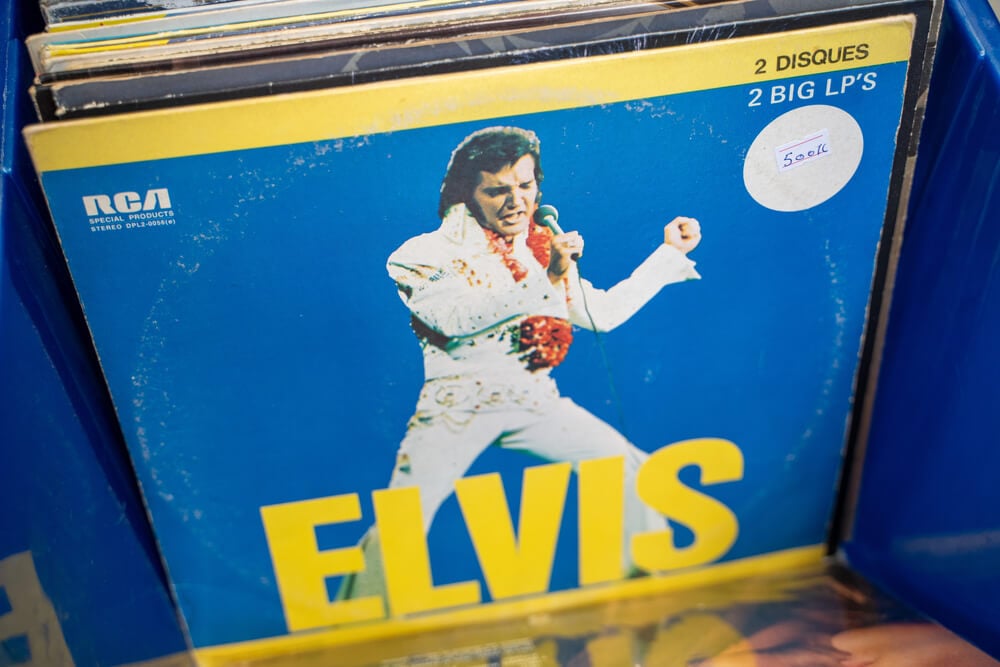
Compiled songbooks of Elvis Presley’s early hits were published throughout the late 1950s, often featuring photography from his television and early film appearances on the cover. Because his career output was so vast and continued for decades, collectors typically focus on his earliest songbooks from before his military service, which document the period when his cultural impact was still new and unsettled.
Condition on the covers is especially important in this category, since fan handling often left them heavily worn.
Disney’s “Snow White and the Seven Dwarfs” Folio

Published to coincide with the 1937 release of Walt Disney’s first full-length animated feature, the “Snow White and the Seven Dwarfs” sheet music folio featured character illustrations directly tied to the film’s animation style. As one of the earliest examples of coordinated film and music merchandising in Hollywood, it holds significance for both film history and sheet music collectors.
Complete folios with all songs intact and unfaded illustrated covers are considerably scarcer than individual surviving sheets from the same release.
Charleston-Era Dance Sheet Music
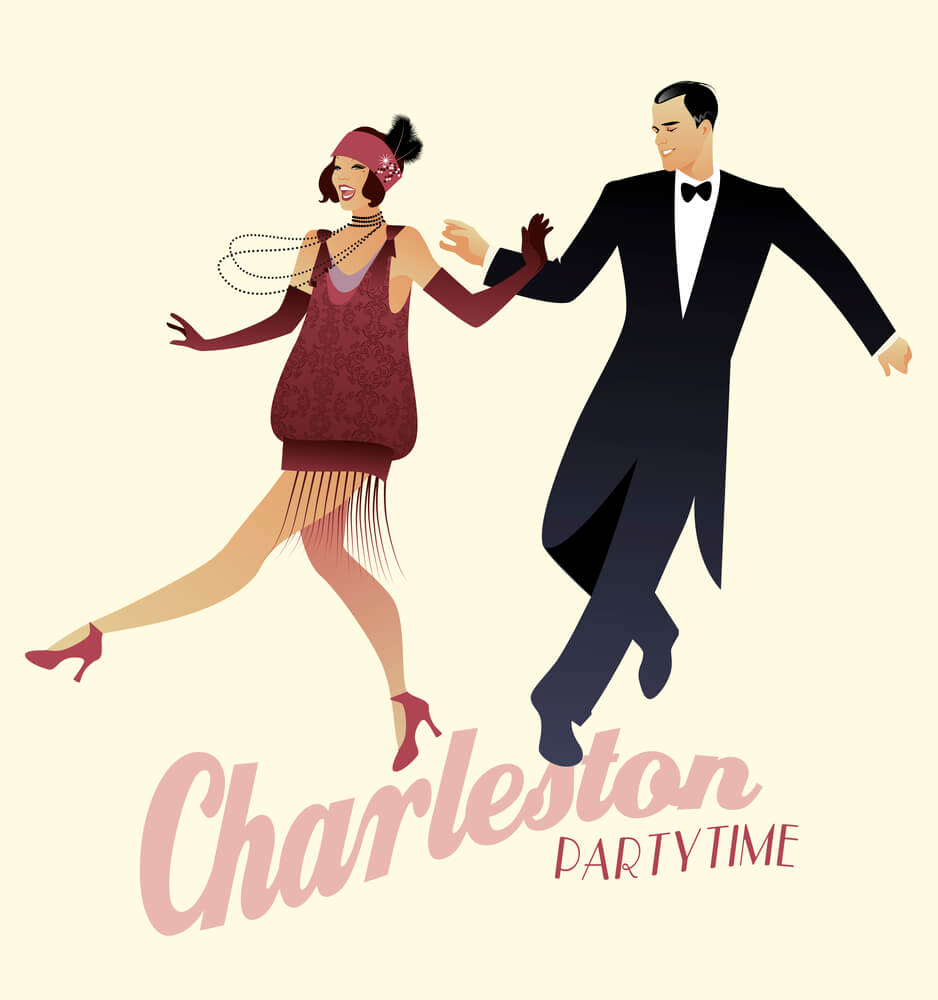
Sheet music for 1920s dance crazes, including “The Charleston” itself, featured some of the most visually distinctive Art Deco cover illustrations of the era, capturing flapper fashion and the exuberant energy of the Jazz Age. Because the dance crazes were so tightly tied to a specific cultural moment, this category of sheet music is often collected as much for its graphic design as for its musical content.
Vintage fashion and design collectors frequently cross over into this category alongside traditional music collectors.
World War II Homefront Sheet Music

Beyond individual hit songs, publishers produced a wide range of sheet music during World War II directly addressing wartime themes, from separated sweethearts to war bond promotion, often featuring patriotic or military-themed cover art. This category is collected as much for its social history value as for its musical content, offering a snapshot of homefront morale efforts.
War bond drive-associated sheet music, distributed partly as fundraising material, is considered especially historically significant.
Big Band Radio Transcription Folios

Folios compiled specifically for radio orchestras during the swing era included arrangements not always available in standard retail sheet music, intended for professional broadcast musicians rather than home use. Because these were produced in far smaller numbers for industry use rather than public sale, surviving examples are considerably scarcer than standard retail sheet music from the same period.
Collectors specializing in broadcast history value these folios as functional artifacts of the radio era’s live orchestra culture.
Early Television Variety Show Folios

As television variety programs grew popular in the 1950s, several shows released tie-in songbooks featuring material performed on air, extending the sheet music publishing tradition into the new broadcast medium. These folios represent a relatively short-lived crossover category before the industry shifted decisively toward recorded albums over printed music.
Collectors focused on early television history seek these out as a specific artifact of the medium’s early variety show era.
Gospel and Hymn Compilation Books

Bound hymnals and gospel songbooks from small regional publishers, distinct from mainline denominational hymnals, circulated widely through churches and traveling revivals in the early to mid-20th century. Because so many were produced by small, short-lived publishers for specific congregations or touring groups, tracing their exact origins can be difficult, which paradoxically makes well-documented examples more valuable to collectors.
Folk and religious music historians frequently seek these out for their regional and denominational specificity.
The Enduring Draw of the Illustrated Cover

What unites nearly every title on this list is not the music itself, most of which can be heard instantly online today, but the printed artifact: a cover illustration, a period typeface, a publisher’s imprint that places the object precisely in time. That specificity is something no digital recording can replicate.
Sheet music collecting persists for the same reason vinyl collecting persists alongside streaming. The object carries information the recording does not, from who owned it to how many times it was played, folded, and carried to a piano.
A worn corner or a name written in pencil inside the cover is not damage to this kind of collector. It is provenance.
More from Go2Tutors!

- The Romanov Crown Jewels and Their Tragic Fate
- 13 Historical Mysteries That Science Still Can’t Solve
- Famous Hoaxes That Fooled the World for Years
- 15 Child Stars with Tragic Adult Lives
- 16 Famous Jewelry Pieces in History
Like Go2Tutors’s content? Follow us on MSN.