12 Board Games That Started as War Strategy Tools
Board games tucked away in closets across America carry secrets their owners never suspect. Behind innocent-looking pieces and colorful boards lie histories soaked in genuine conflict. What seems like harmless family entertainment actually began as training for real warfare, where mistakes meant death rather than just losing a turn.
Ancient rulers figured out something clever: practice battles using game pieces cost nothing compared to training with actual armies. Smart generals could test dozens of strategies without sacrificing a single soldier. Here is a list of 12 board games that started as war strategy tools, each carrying battle-tested wisdom from civilizations that understood survival meant staying sharp.
Chess
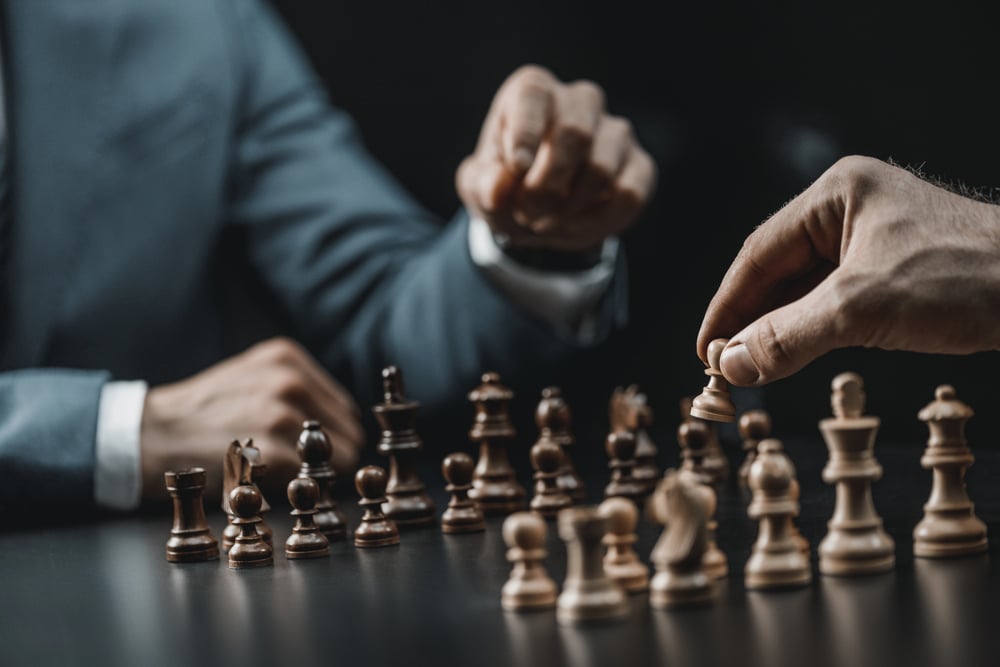
India’s Chaturanga appeared during the 6th century, created by military minds who needed practice coordinating different army units. The Sanskrit name breaks down to “four military divisions” — foot soldiers, horsemen, elephants, plus chariots.
Kings didn’t gather around boards for entertainment; they drilled army movements and tested formations that would either win kingdoms or lose them entirely.
Chinese Chess (Xiangqi)
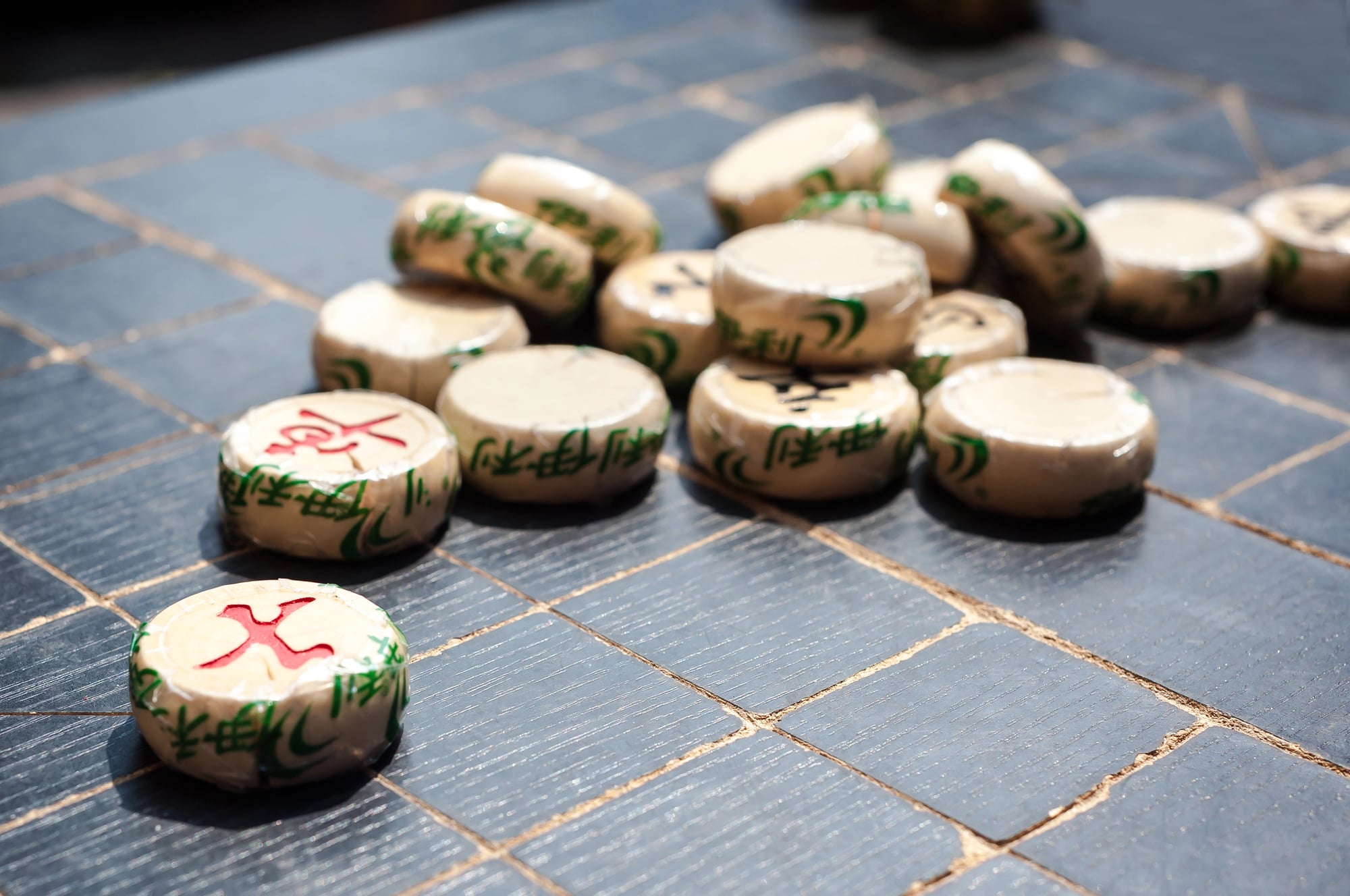
Around AD 700, Chinese strategists took India’s concept and rebuilt it from scratch. Their version features an actual battlefield layout — opposing armies separated by a river, with fortified command centers housing each side’s leadership.
Every piece represents real military units, making each game feel like commanding an actual campaign rather than moving abstract symbols around.
Like Go2Tutors’s content? Follow us on MSN.
Japanese Chess (Shogi)
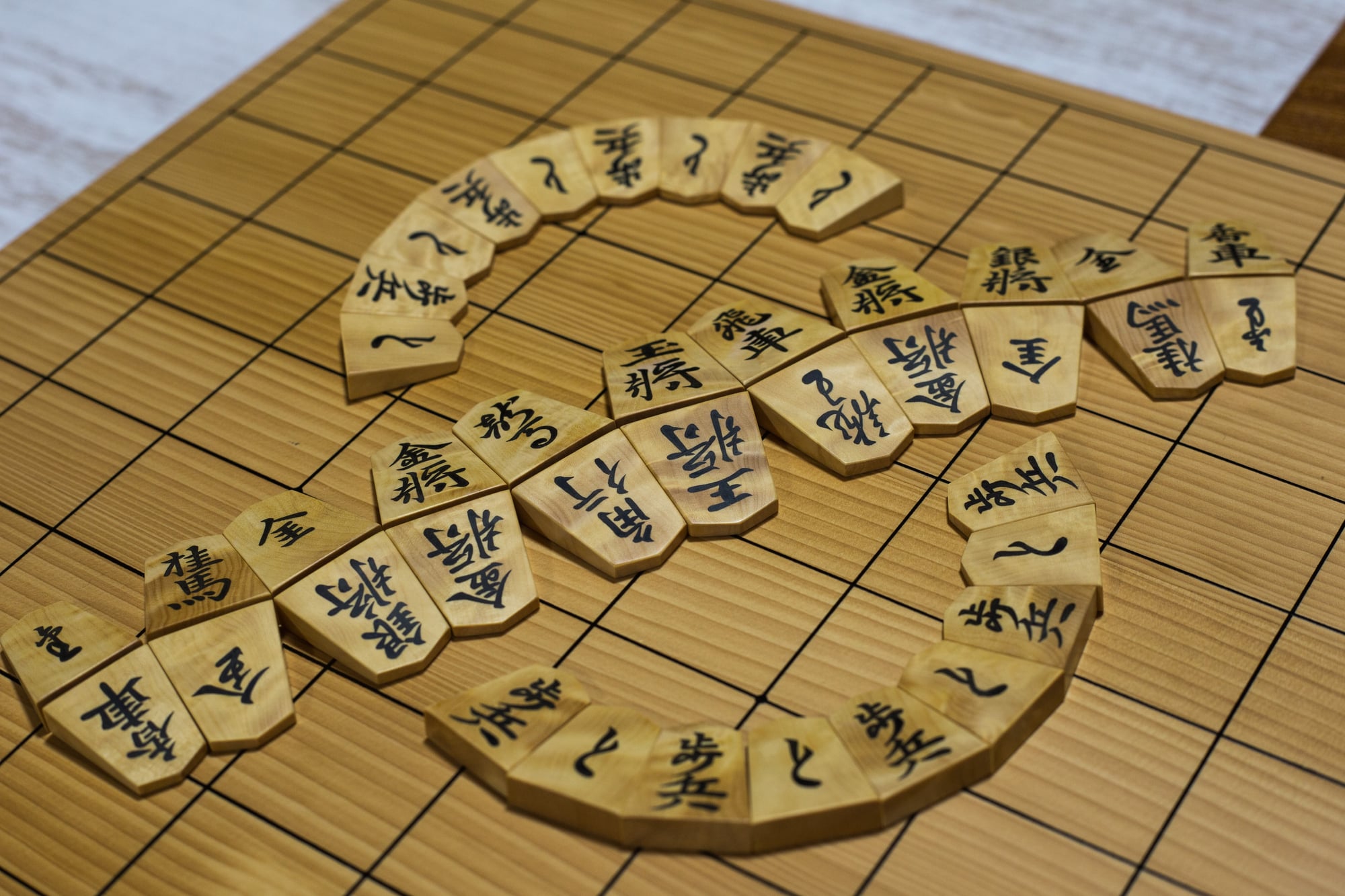
Trade routes brought strategic gaming to Japan, but Japanese military philosophy added something unique: captured enemy pieces join your army. This wasn’t just clever gameplay mechanics — it reflected how Japanese commanders actually operated.
Converting defeated enemies into allies often proved more valuable than simple elimination, a principle that shaped centuries of Japanese military doctrine.
Go (Weiqi)
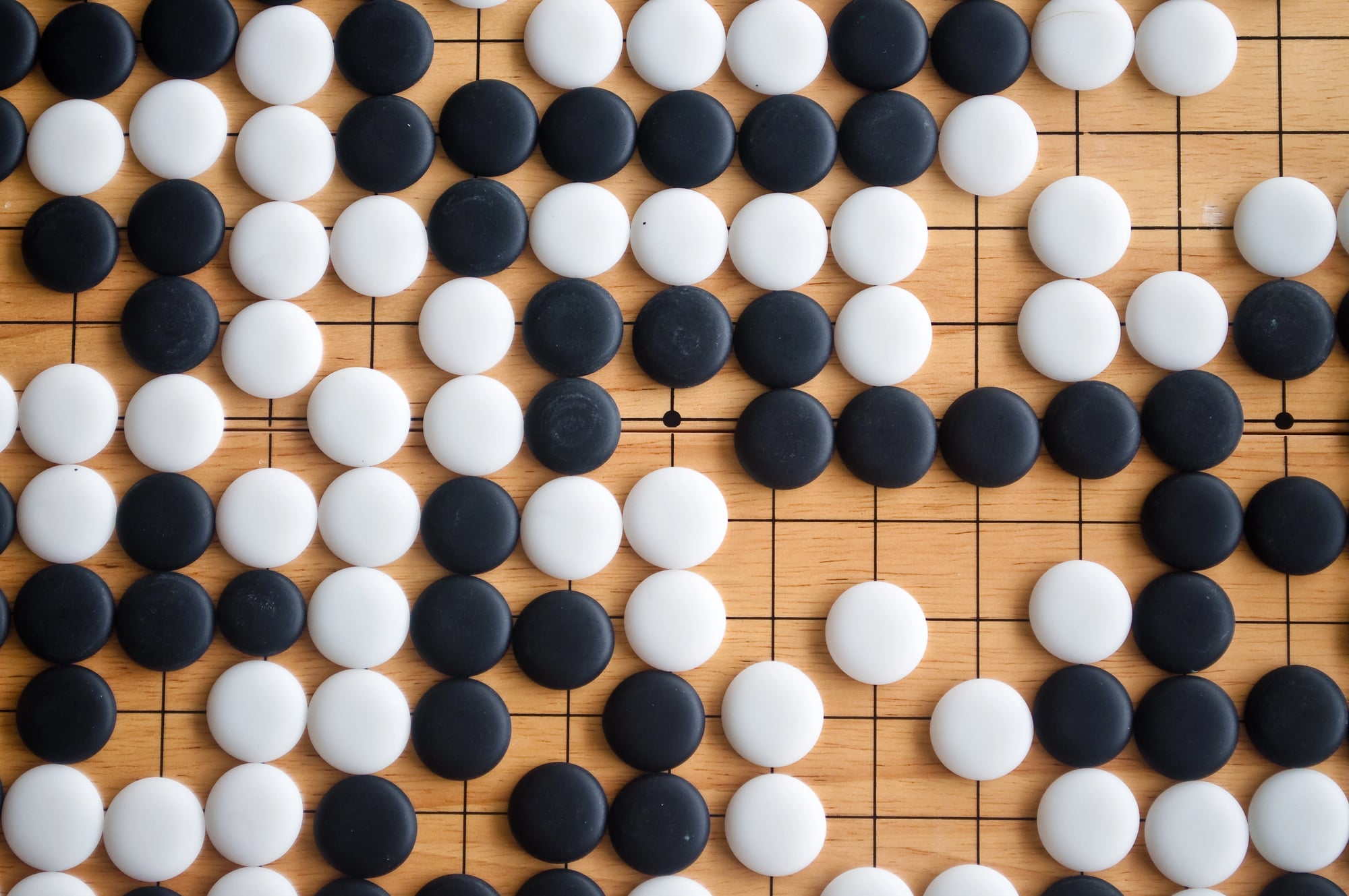
China produced this territorial control masterpiece over 4,000 years ago, making it possibly the world’s oldest strategy game. Generals studied Go obsessively because it taught something crucial: how small, local conflicts affect broader strategic situations.
Military academies insisted that mastering Go made better battlefield commanders since both required reading complex patterns and predicting opponent responses.
Checkers (Draughts)
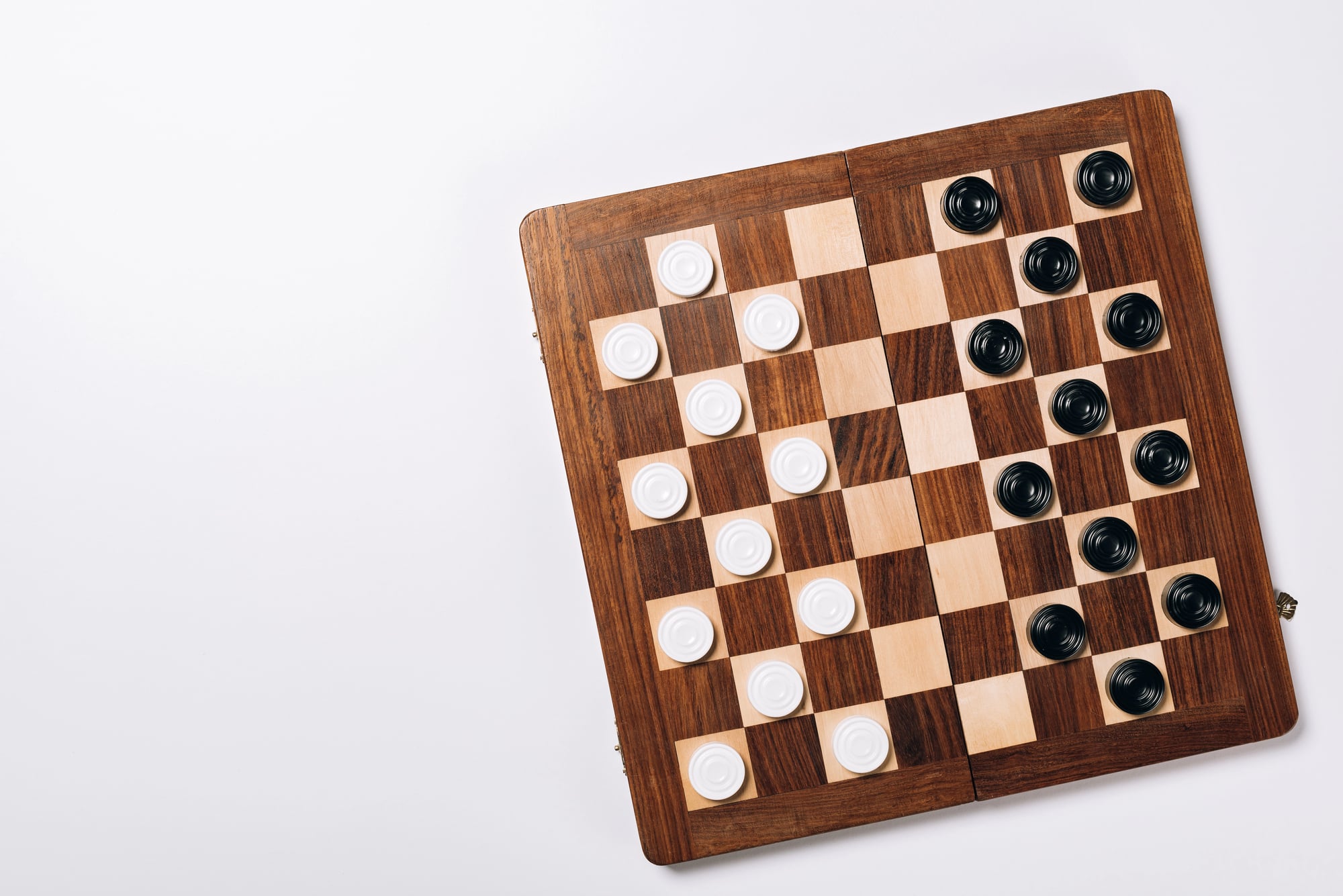
Archaeological digs in ancient Ur uncovered boards resembling modern checkers, dating back 5,000 years. Multiple civilizations independently developed similar games for teaching basic military concepts.
Common soldiers learned flanking attacks, sacrificial moves, and position control — essential battlefield skills that didn’t require expensive formal training or risking veteran troops in practice exercises.
Like Go2Tutors’s content? Follow us on MSN.
Backgammon
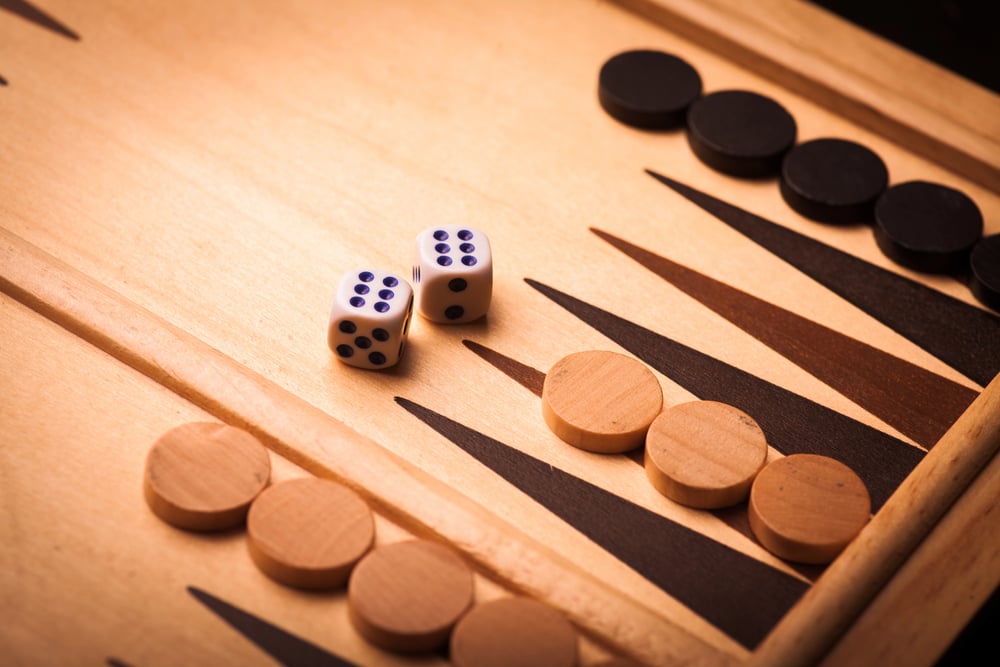
Persian artifacts from 3000 BCE show early versions, though Romans really embraced this game for military training. Officers valued how it combined strategic planning with random chance — exactly like real warfare.
Battles rarely unfold according to plan, so commanders needed practice making sound decisions when circumstances suddenly shifted. Backgammon provided that experience safely.
Mancala

African and Middle Eastern cultures developed countless Mancala variants, each teaching resource management principles. Military leaders used these counting games to practice supply logistics — determining when to conserve resources versus when bold spending might win entire campaigns.
The mathematical nature prepared future generals for warfare’s harsh arithmetic: ammunition, food, and troop movements all require precise calculation.
Nine Men’s Morris
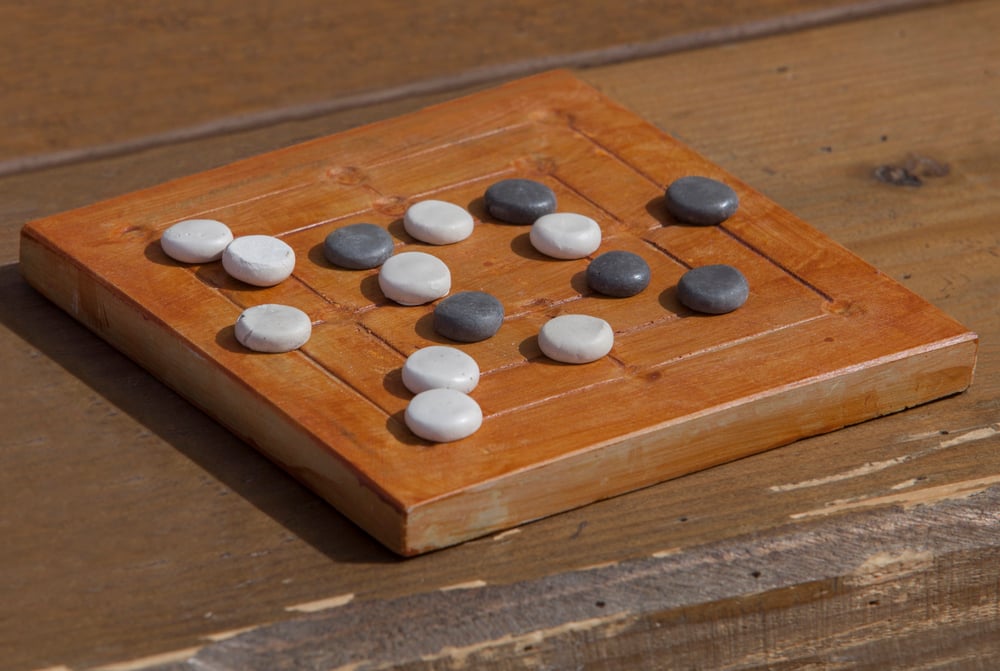
Roman legions adopted this alignment game for teaching formation discipline. Soldiers learned that unit cohesion frequently determined battle outcomes more than individual fighting ability.
The game’s blocking mechanisms directly paralleled battlefield realities — controlling key positions could completely neutralize enemy advantages, regardless of their superior numbers or equipment.
Like Go2Tutors’s content? Follow us on MSN.
Hnefatafl
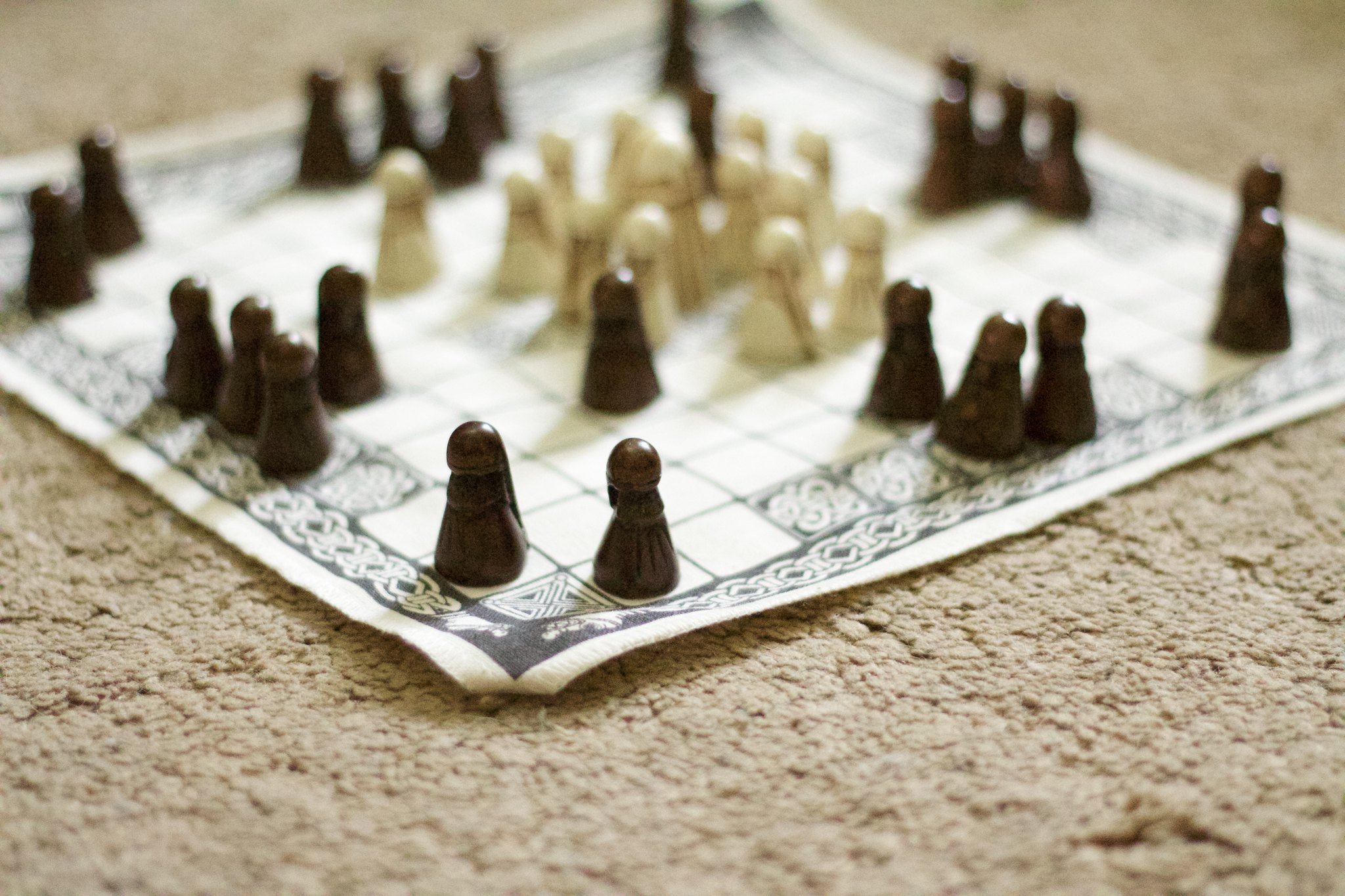
Viking warriors developed this asymmetrical contest where numerical superiority didn’t guarantee victory. Small elite forces practiced escape techniques while larger armies learned encirclement strategies.
This captured Viking raiding perfectly: lightning strikes followed by strategic retreats before enemy reinforcements could respond. Both sides gained valuable tactical experience from completely different perspectives.
Chaturanga
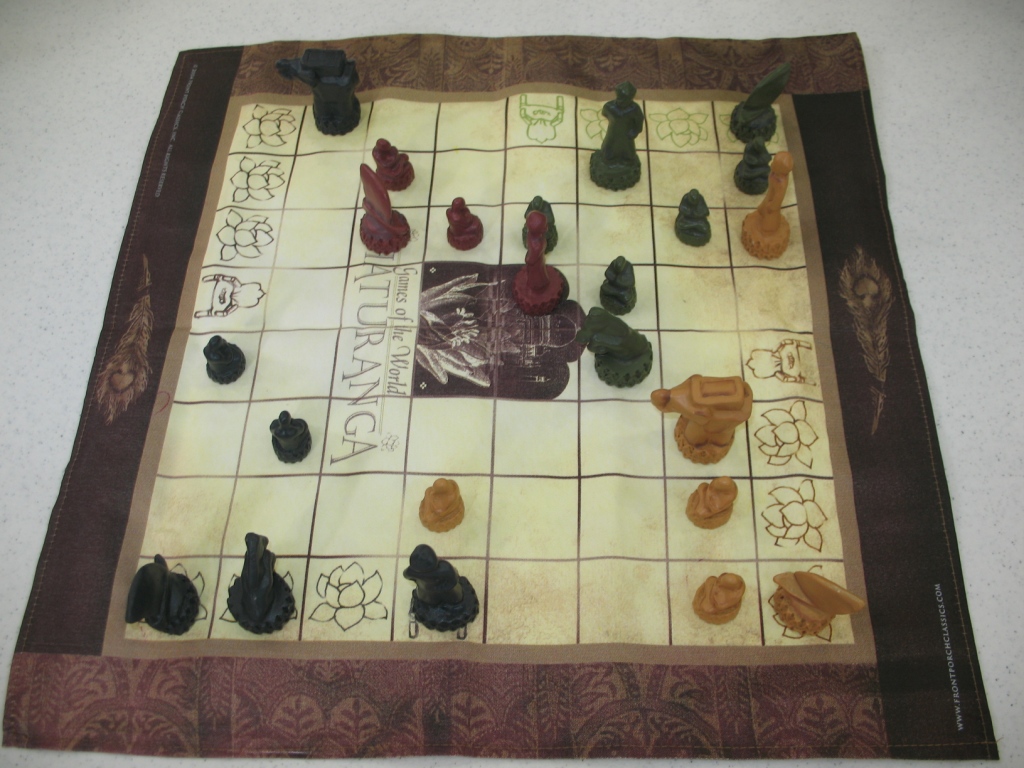
Chess’s direct ancestor deserves recognition beyond its historical importance. Indian military theorists designed every element to mirror actual army composition and battlefield realities.
Players couldn’t move pieces randomly — success required coordinating infantry, cavalry, war elephants, and chariots exactly like real generals managing diverse military units during complex campaigns.
Ludus Latrunculorum
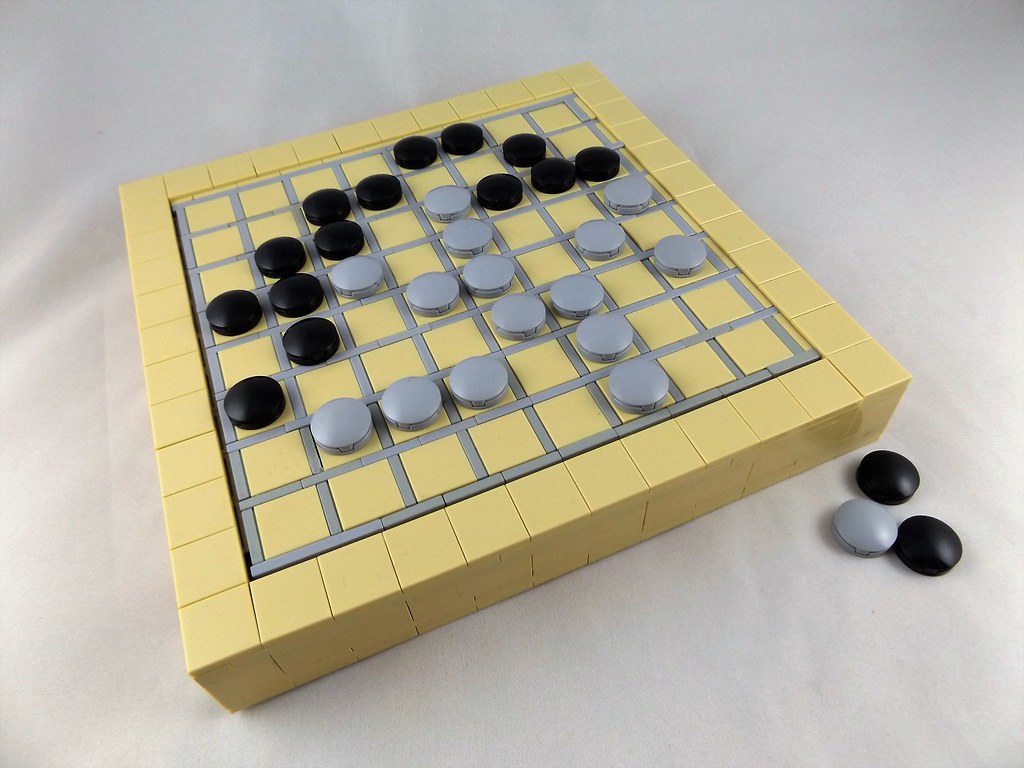
Roman frontier garrisons considered this tactical game essential equipment, particularly at remote outposts where combat experience came infrequently. Soldiers practiced encirclement techniques, flanking maneuvers, and supply line management through regular gameplay.
Archaeological evidence from military sites consistently includes gaming pieces, proving widespread adoption throughout Roman legions stationed across the empire.
Like Go2Tutors’s content? Follow us on MSN.
Alquerque
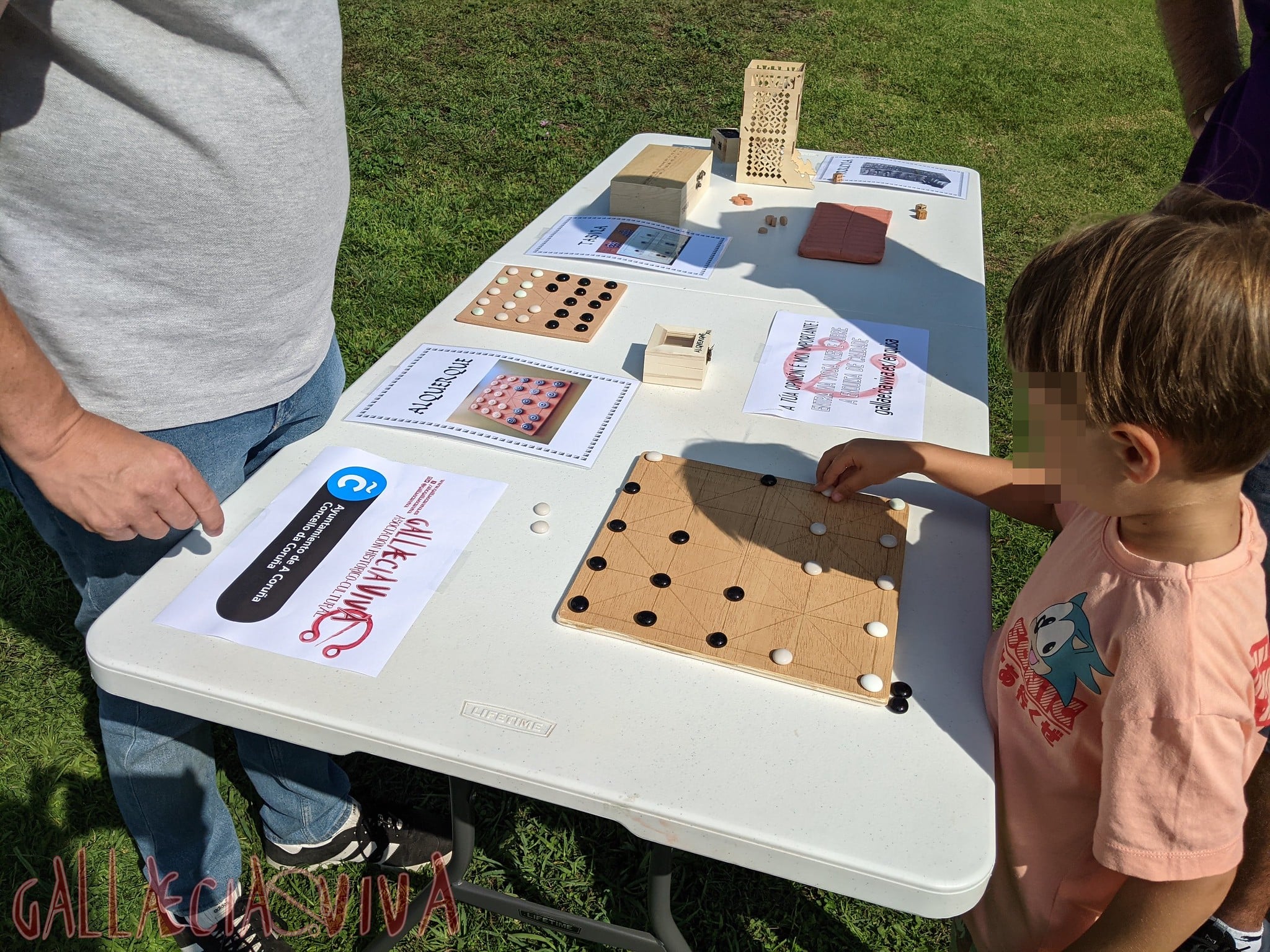
Medieval Islamic and European military cultures embraced Alquerque variants for teaching sacrificial tactics. Soldiers learned when losing individual pieces could create positional advantages leading to ultimate victory.
This principle — accepting tactical losses for strategic gains — remains fundamental to military thinking across cultures and historical periods.
Ancient Training Grounds to Family Game Nights

Military necessity has always pushed strategic innovation forward. Warriors who excelled at these mental battles often survived physical ones, while their hard-won tactical insights gradually transformed into entertainment that still challenges modern players.
These ancient training tools continue developing strategic thinking today, though fortunately contemporary casualties involve only bruised egos rather than actual bloodshed.
More from Go2Tutors!

- 16 Historical Figures Who Were Nothing Like You Think
- 12 Things Sold in the 80s That Are Now Illegal
- 15 VHS Tapes That Could Be Worth Thousands
- 17 Historical “What Ifs” That Would Have Changed Everything
- 18 TV Shows That Vanished Without a Finale
Like Go2Tutors’s content? Follow us on MSN.