28 Old Gas Station Collectibles Auctions Feature First
Petroliana, the catch-all term collectors use for gas station and oil company memorabilia, is one of the more competitive corners of the auction world. A single glass globe can outsell an entire lot of other items combined, which is exactly why auction houses tend to lead with this category rather than bury it in the middle of a sale.
The appeal is partly nostalgia and partly design. Mid-century oil and gas branding leaned hard on bold color and clean typography, and decades later, that same graphic confidence is what collectors are paying to bring home.
Glass Gas Pump Globes
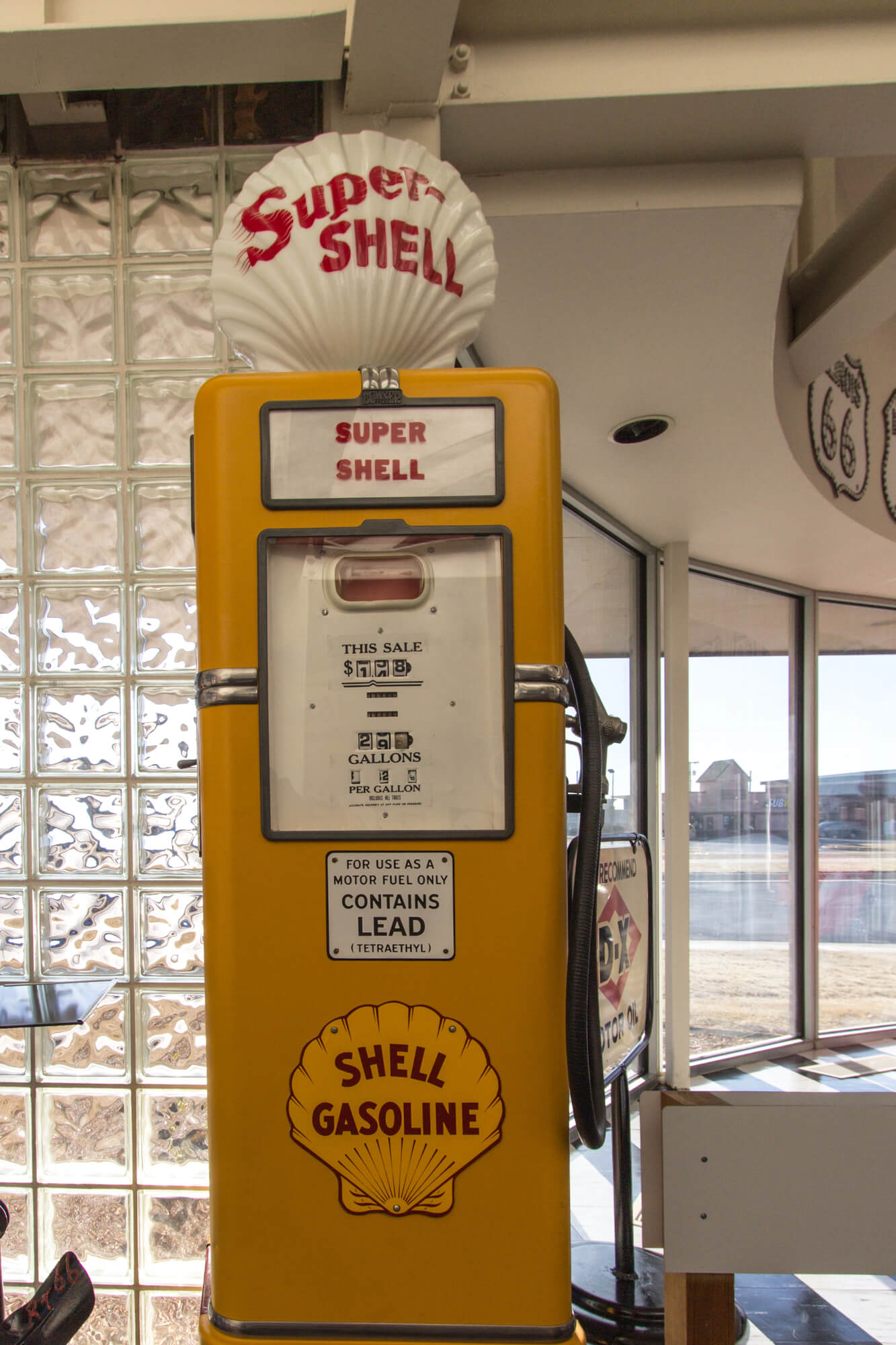
Glass globes that once sat atop gas pumps, advertising a specific fuel brand and grade, are consistently the top-billed items at petroliana auctions. Complete globes with both glass lenses intact and matched to their original body are worth far more than a single lens alone, and rare regional brands that operated only in specific states draw premiums over widely available national names.
Porcelain Advertising Signs

Porcelain-enameled signs, produced for gas stations and oil distributors before painted metal signs became standard, are prized for their durability and color depth compared to later printed signage. Double-sided signs that once hung from a bracket are generally worth more than single-sided wall-mounted versions, and condition around the edges, where chipping is most common, heavily affects final price.
Visible Gas Pumps
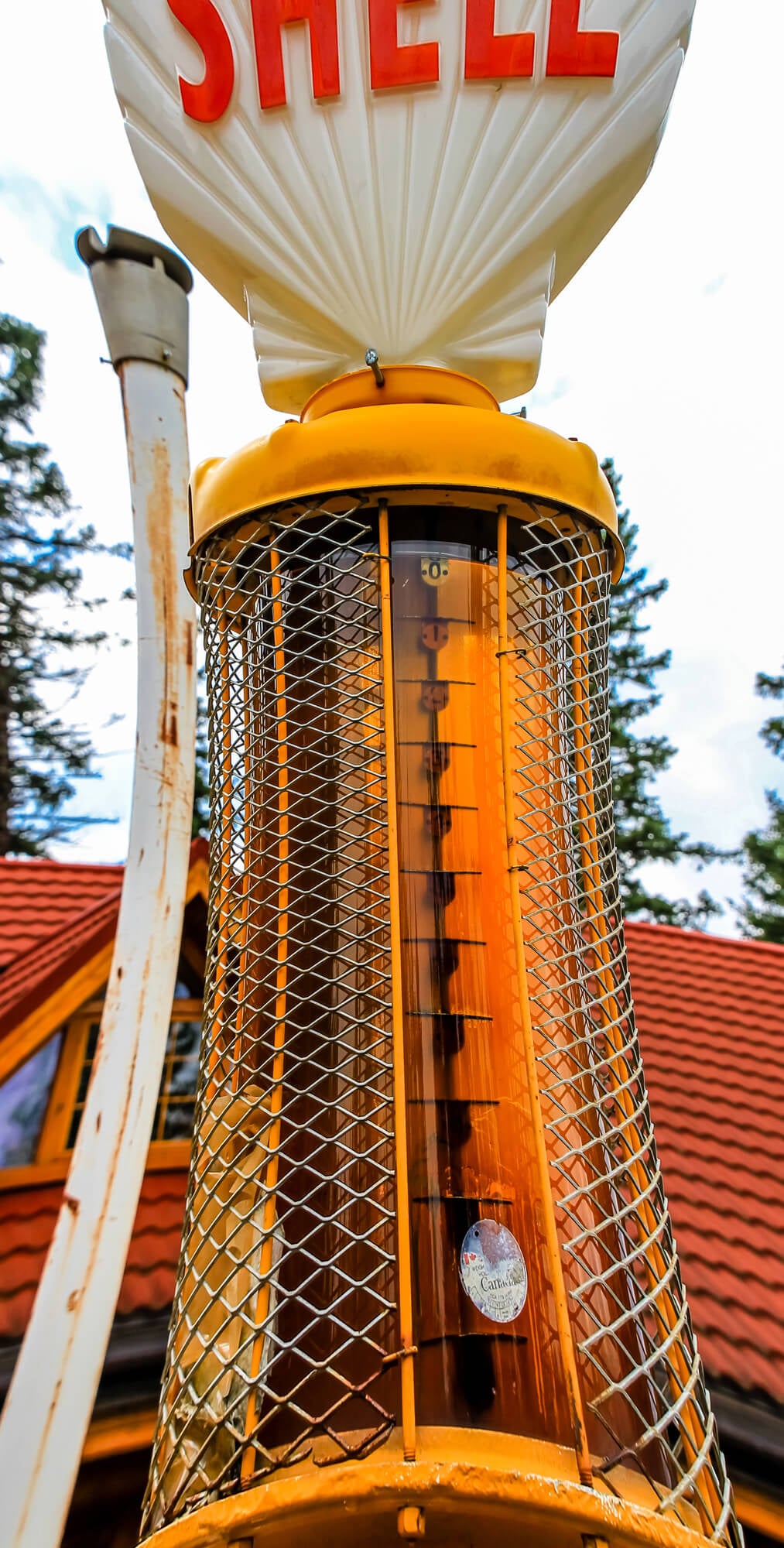
Early visible gas pumps, which used a glass cylinder to show the fuel being measured before it was dispensed, predate the clock-face and digital pumps that followed. Fully restored, working examples with an intact glass cylinder are the most valuable, while pumps missing their glass or hardware are typically sold as restoration projects rather than finished pieces.
Motor Oil Cans, Quart Size

Quart-sized motor oil cans from defunct or regionally specific brands are a foundational category in petroliana collecting due to how many different brands and can designs existed before standardized plastic bottles took over. Unopened cans with original fill levels intact bring a premium over empty display cans, and cans with unusual color schemes or short-lived brand names are the ones collectors actively hunt for.
Oil Company Road Maps
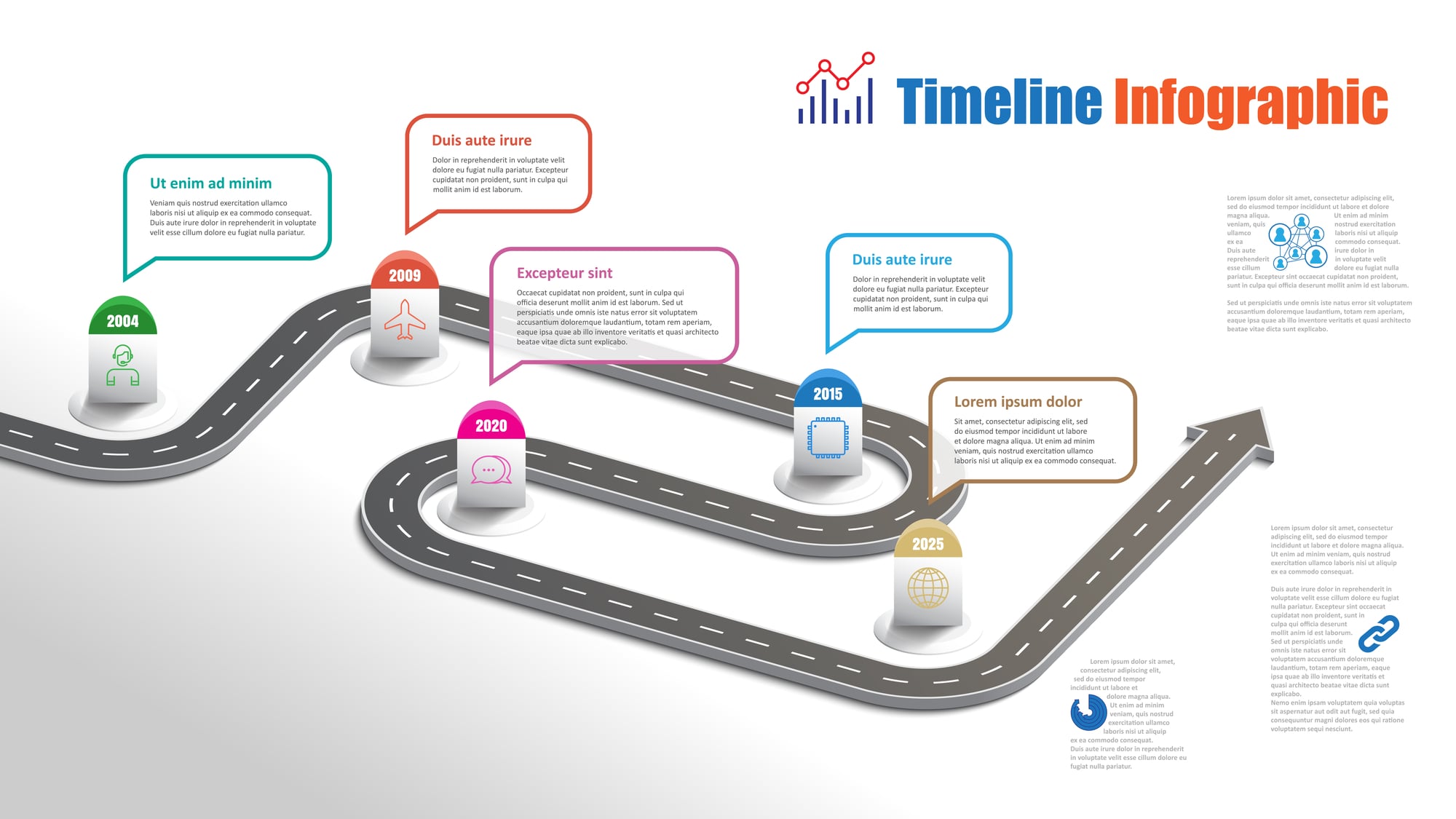
Free road maps distributed by gas stations through much of the twentieth century are collected both for their cover art and for the routes they document, since many roads shown on older maps have since been renumbered or rerouted entirely. Maps in unfolded, uncreased condition bring notably more than well-used examples, since most surviving maps show heavy fold wear.
Gas Station Attendant Uniforms and Patches

Uniform shirts, hats, and embroidered patches worn by station attendants are collected as wearable branding history, and complete uniform sets are considerably scarcer than individual patches, which were more likely to be saved on their own. Uniforms tied to a specific, identifiable station location bring more interest than generic branded pieces without regional ties.
Die-Cast Toy Gas Trucks and Pumps
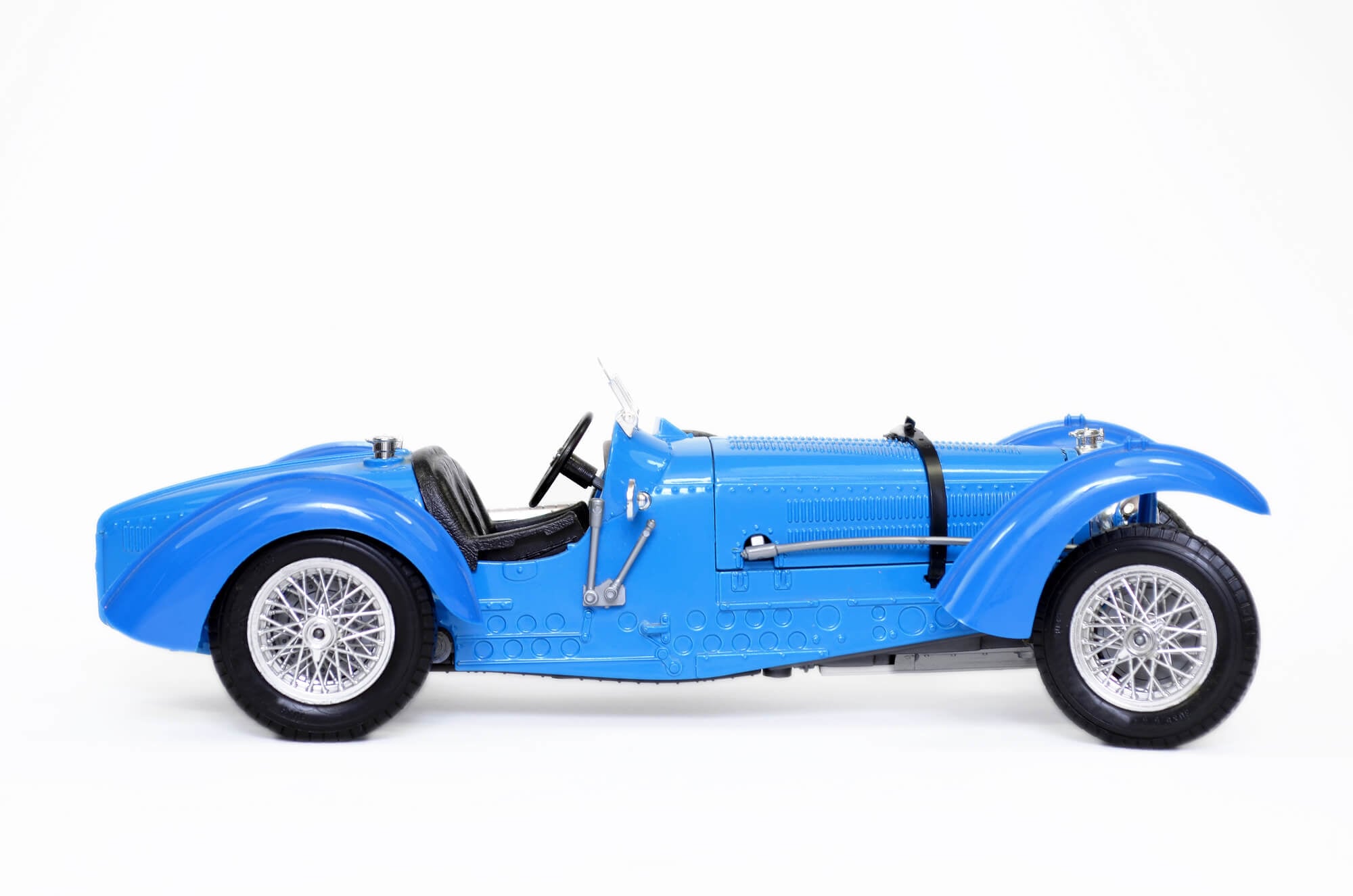
Promotional die-cast toys, including miniature tanker trucks and toy pumps distributed as advertising items or sold in station gift shops, are collected both by petroliana specialists and general die-cast toy collectors. Original packaging significantly increases value, since most surviving examples were played with as toys rather than preserved.
Clock-Face Gas Pumps
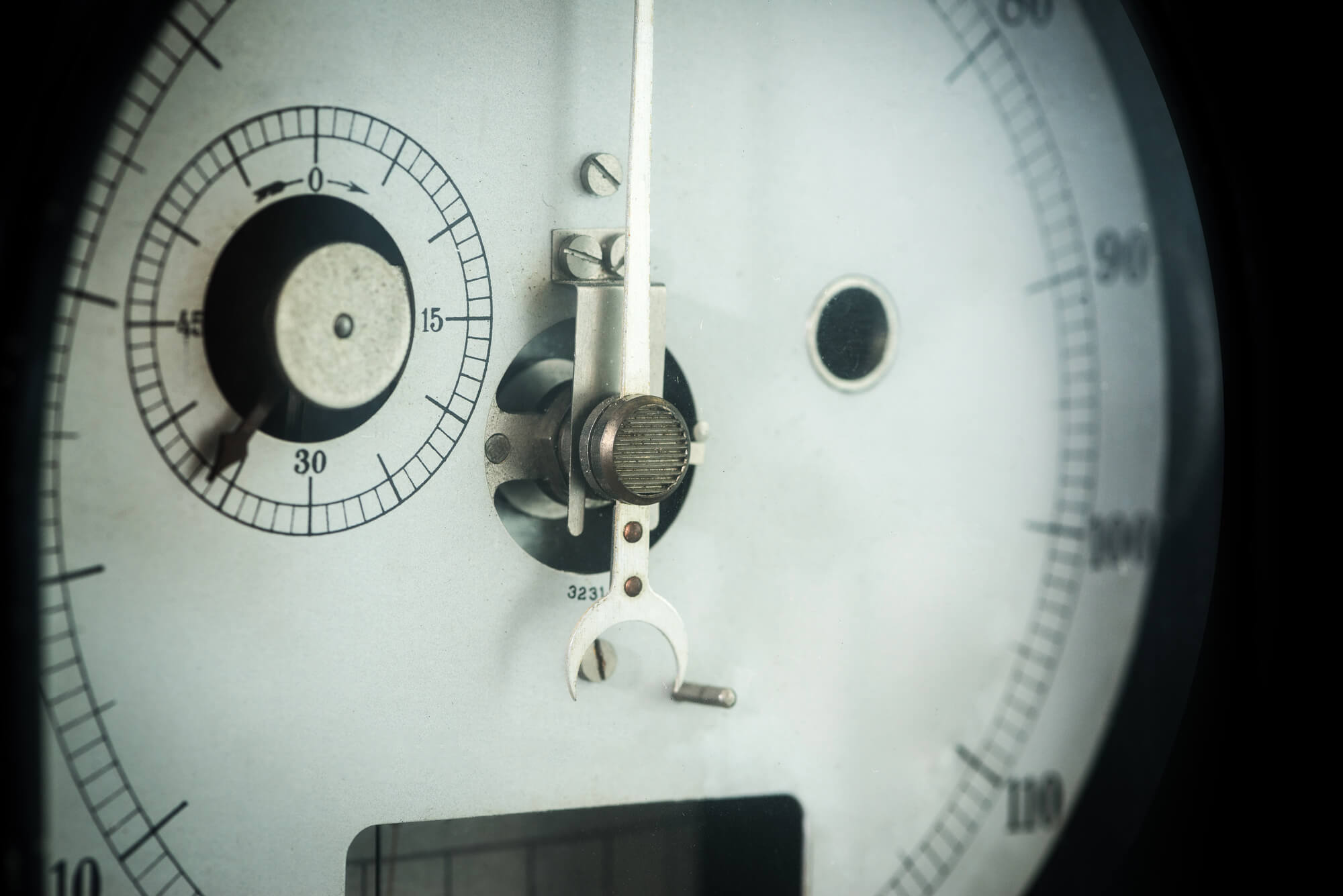
Clock-face pumps, which used a rotating dial rather than a visible glass cylinder to indicate the amount dispensed, represent a transitional design between visible pumps and modern digital ones. Restored examples with an operating dial mechanism and matching branded globe on top command the strongest interest at auction.
Tire Display Stands and Racks
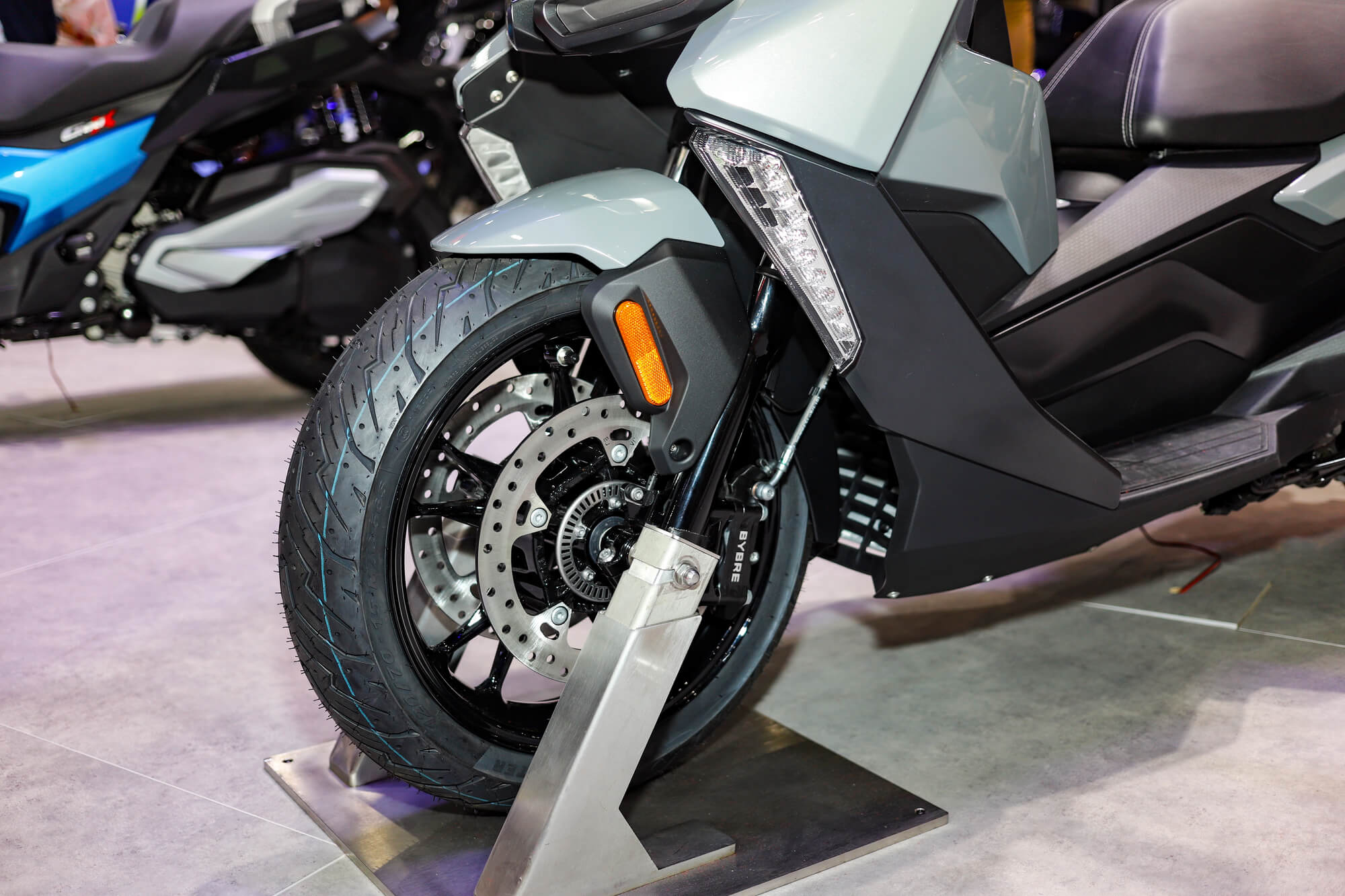
Branded metal stands designed to display tires in a station’s service bay or showroom are collected for their sculptural, freestanding presence as much as their advertising value. Stands with the original paint and legible brand lettering are worth considerably more than repainted or heavily rusted examples.
Grease Rack and Service Bay Signage
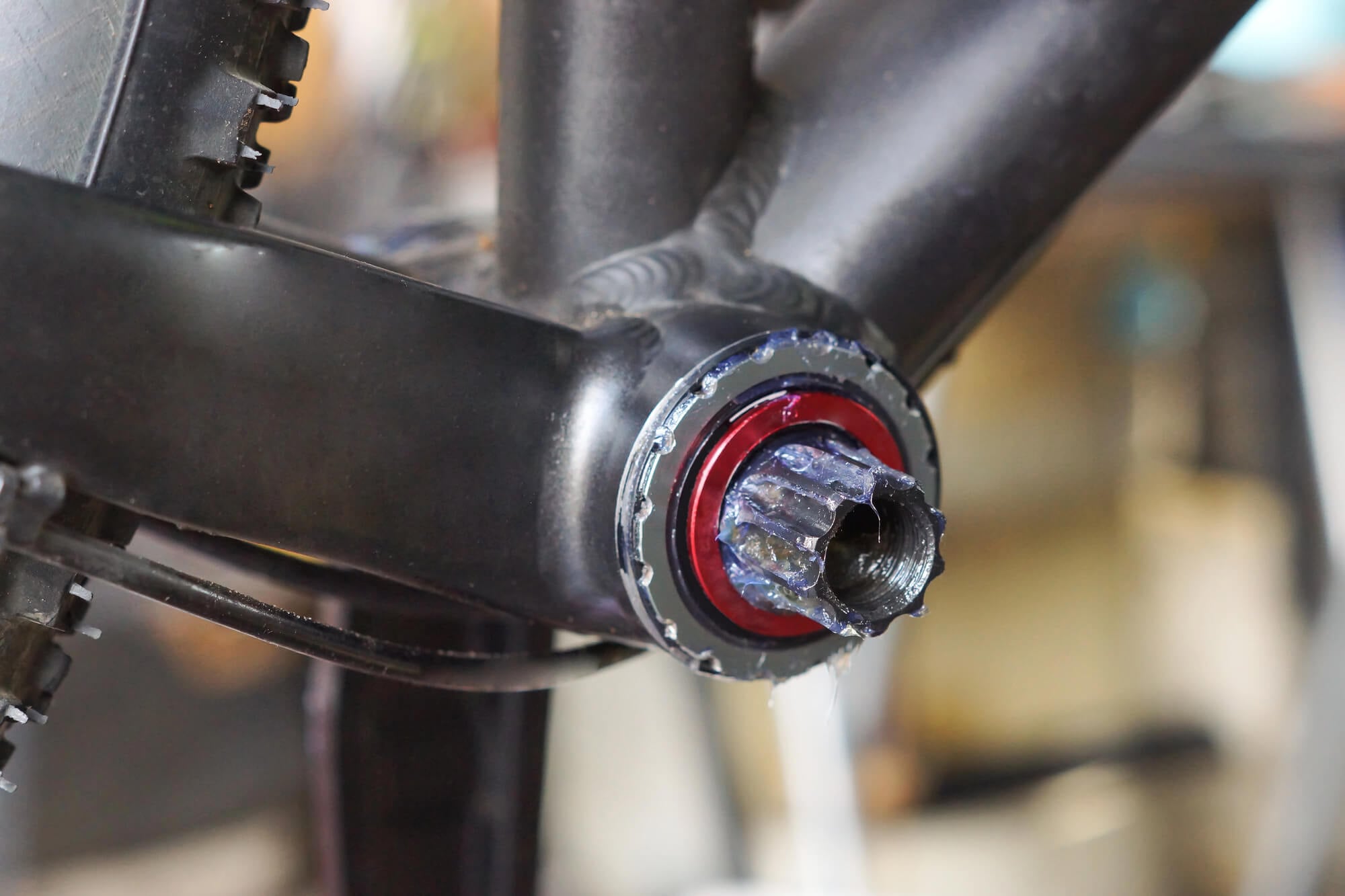
Signage specific to a station’s service operations, including lettered signs for oil changes, lubrication, and tire service, is a narrower category than general fuel branding but draws dedicated interest from collectors focused on the mechanical side of station history. Hand-lettered or locally produced signs, rather than mass-manufactured ones, are often harder to date and correspondingly harder to value with certainty.
Punch Boards and Station Giveaway Items

Small promotional giveaways distributed at gas stations, including punch boards, key fobs, and matchbook-style advertising items, are collected as ephemera alongside larger petroliana pieces. Because these items were designed to be disposable, surviving examples in clean condition are less common than their original distribution numbers would suggest.
Neon Station Signs

Neon signage, used by stations to stand out along increasingly car-heavy commercial strips from the mid-twentieth century onward, requires specialized restoration knowledge to keep the tubing functional. Working neon signs sell for significantly more than non-working examples, since restoring damaged neon tubing is a costly and specialized process.
Air Meter and Free Air Pump Heads
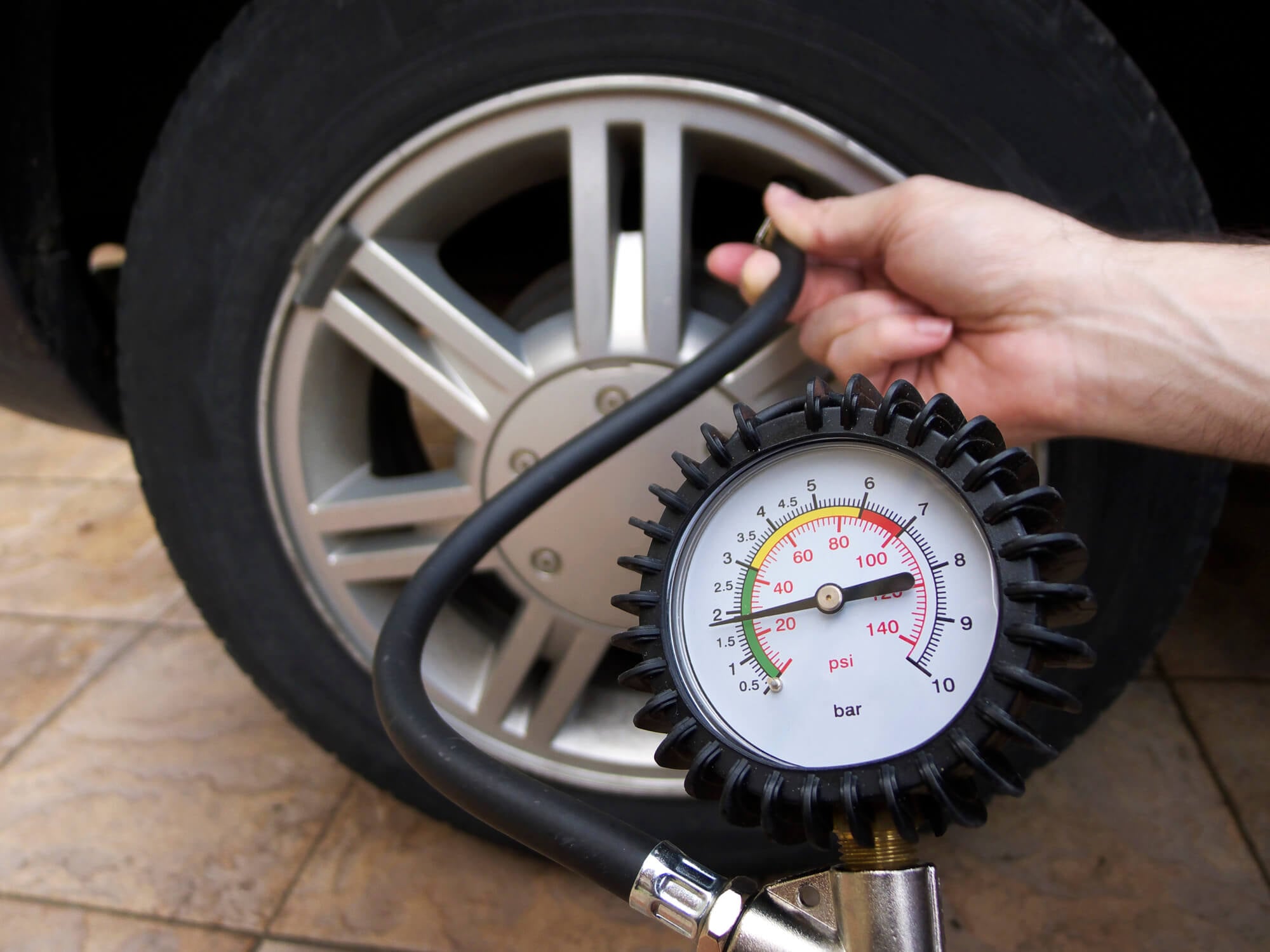
The small, often overlooked air meters that once sat beside gas pumps for tire inflation are collected as a niche category within petroliana, valued for their compact, sculptural design. Complete units with an intact glass-faced gauge bring more interest than meters missing their gauge face, which are harder to restore to display condition.
Oil Company Thermometers
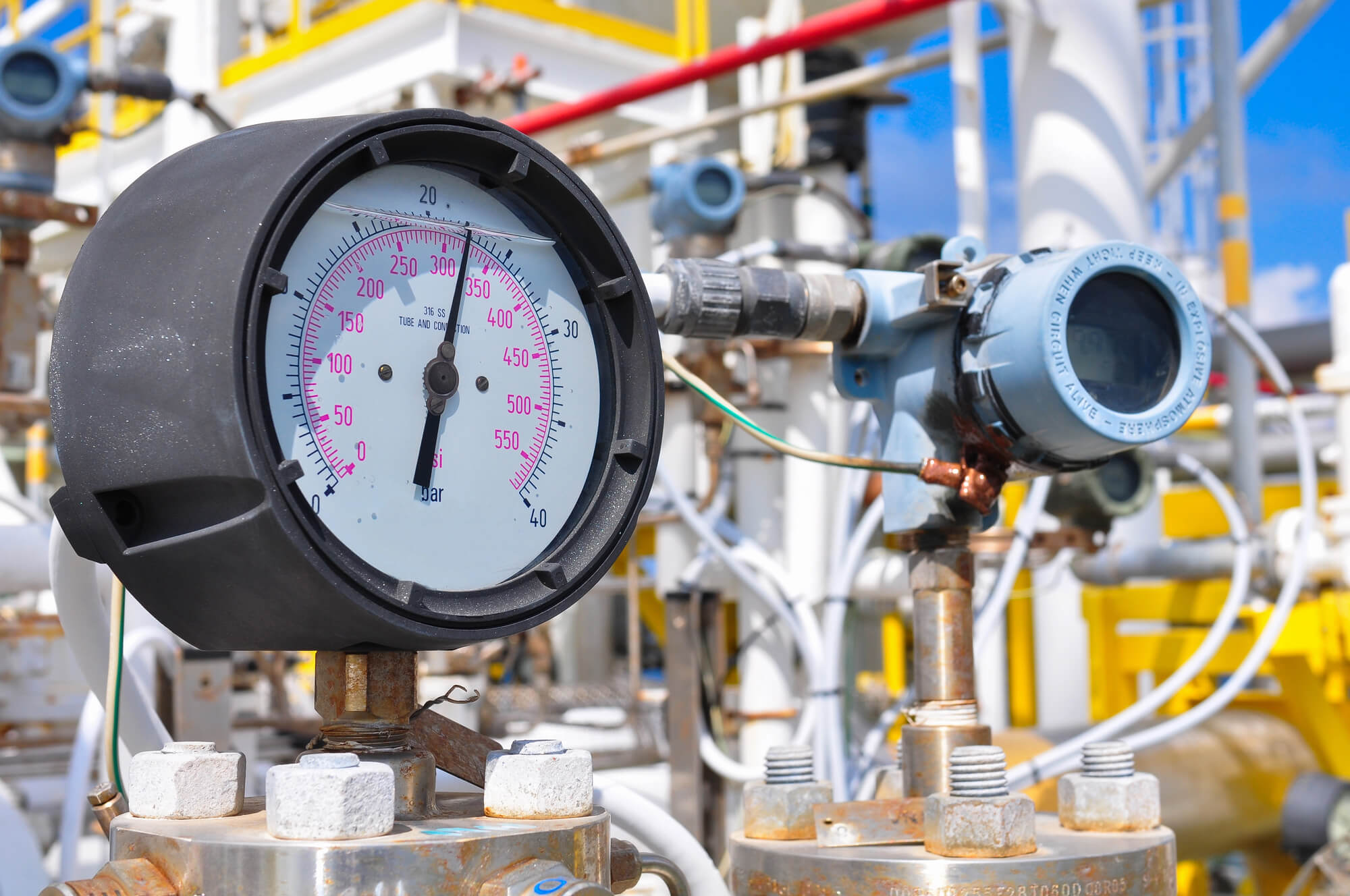
Advertising thermometers, produced by oil and gas companies as durable outdoor signage that doubled as a practical tool, are collected for their combination of function and branding. Larger porcelain-backed thermometers with working mercury or alcohol columns are valued above smaller tin versions, particularly when the brand name and logo remain vividly legible.
Station Cash Registers and Point-of-Sale Equipment

Mechanical cash registers used at gas stations, particularly ornate brass-cased models from earlier in the twentieth century, are collected by antique business equipment specialists as much as petroliana enthusiasts specifically. Working mechanisms and a legible manufacturer’s plate add meaningful value over purely decorative, non-functional examples.
Restroom and Service Signage

Directional and service signage, including restroom signs, air and water indicators, and hours-of-operation placards, is a smaller but steady category at petroliana auctions. Porcelain versions of these signs are considerably scarcer than later painted tin equivalents, since fewer were produced in the more durable and costly material.
Curb Signs and Sidewalk Advertising
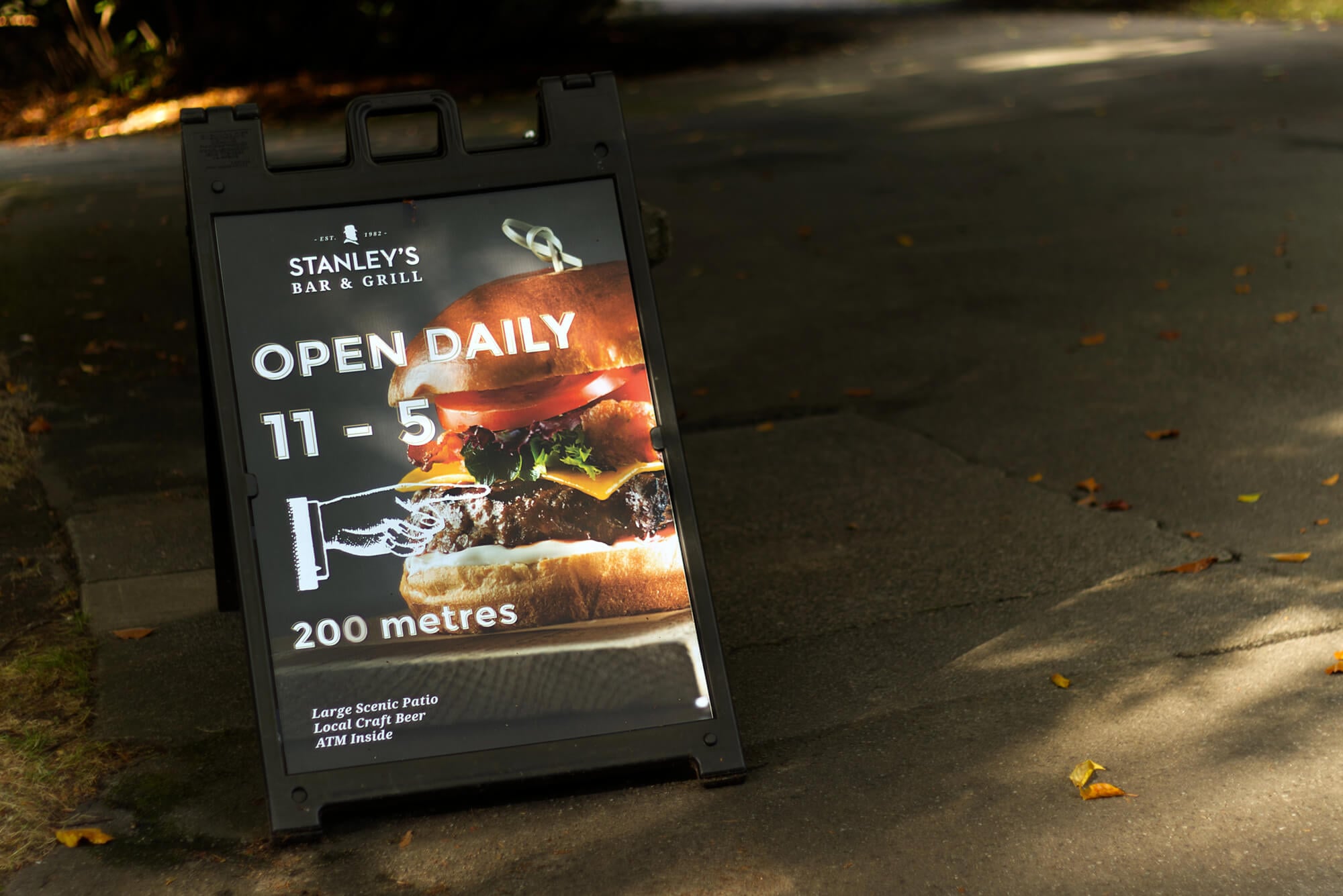
Freestanding curb signs, designed to catch the attention of passing drivers before they reached the pumps, are collected for their large scale and bold graphic design. Double-sided examples with both faces intact and undamaged are considerably more valuable than single-sided or heavily faded pieces.
Oil Filter and Parts Display Racks
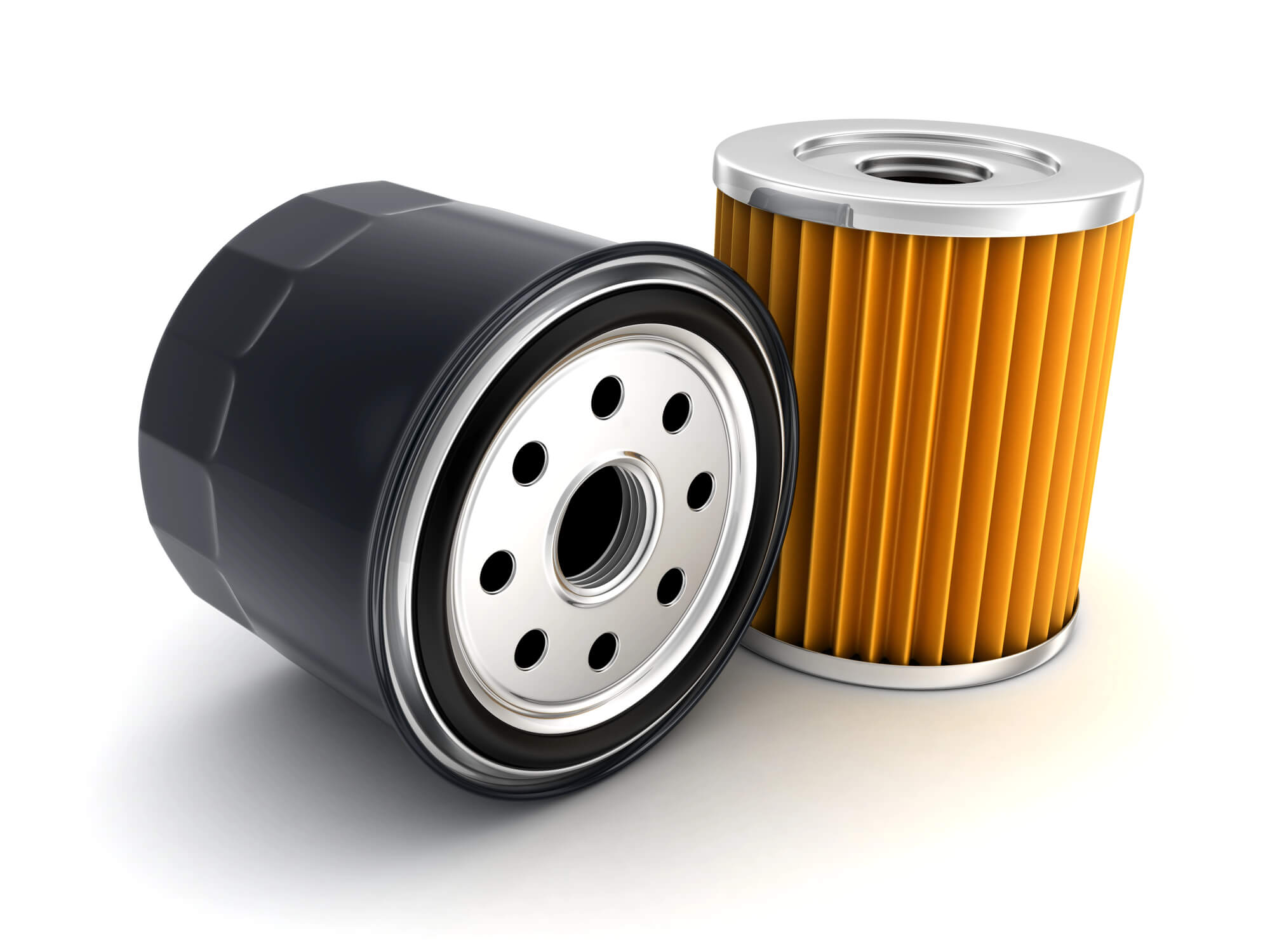
Branded metal racks used to display oil filters and small parts within a service station are collected less for the parts themselves than for the racks’ graphic design and structural presence. Complete racks with their original header signage attached sell for considerably more than bare, unbranded shelving.
Motor Oil Bottle Racks and Countertop Displays
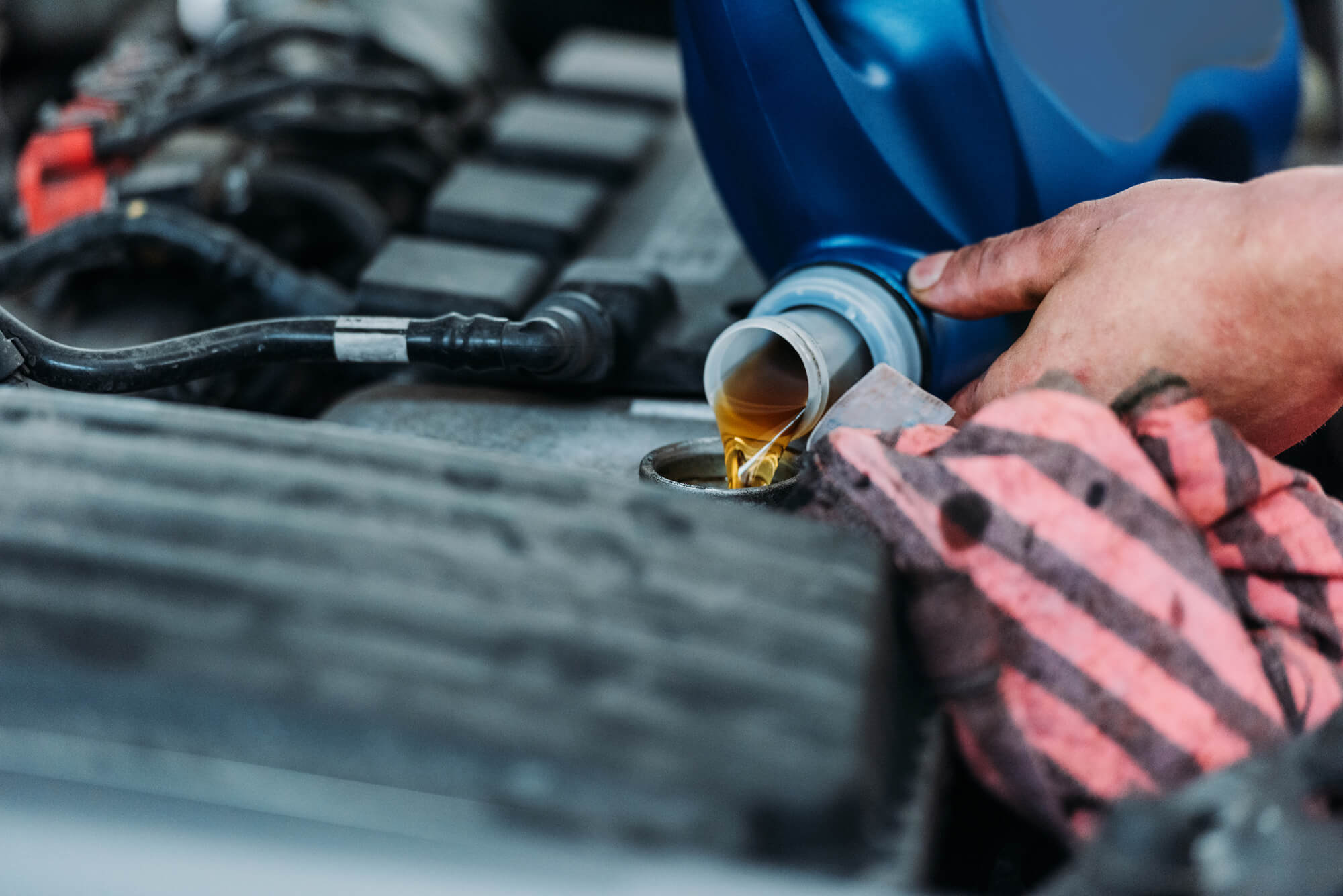
Countertop and shelf-mounted racks designed to display individual oil bottles or cans at the point of sale are collected as a category distinct from the oil containers themselves. Racks that still hold a full, matched set of period-correct cans or bottles bring more interest than empty racks sold on their own.
Station Bell and Driveway Signal Equipment
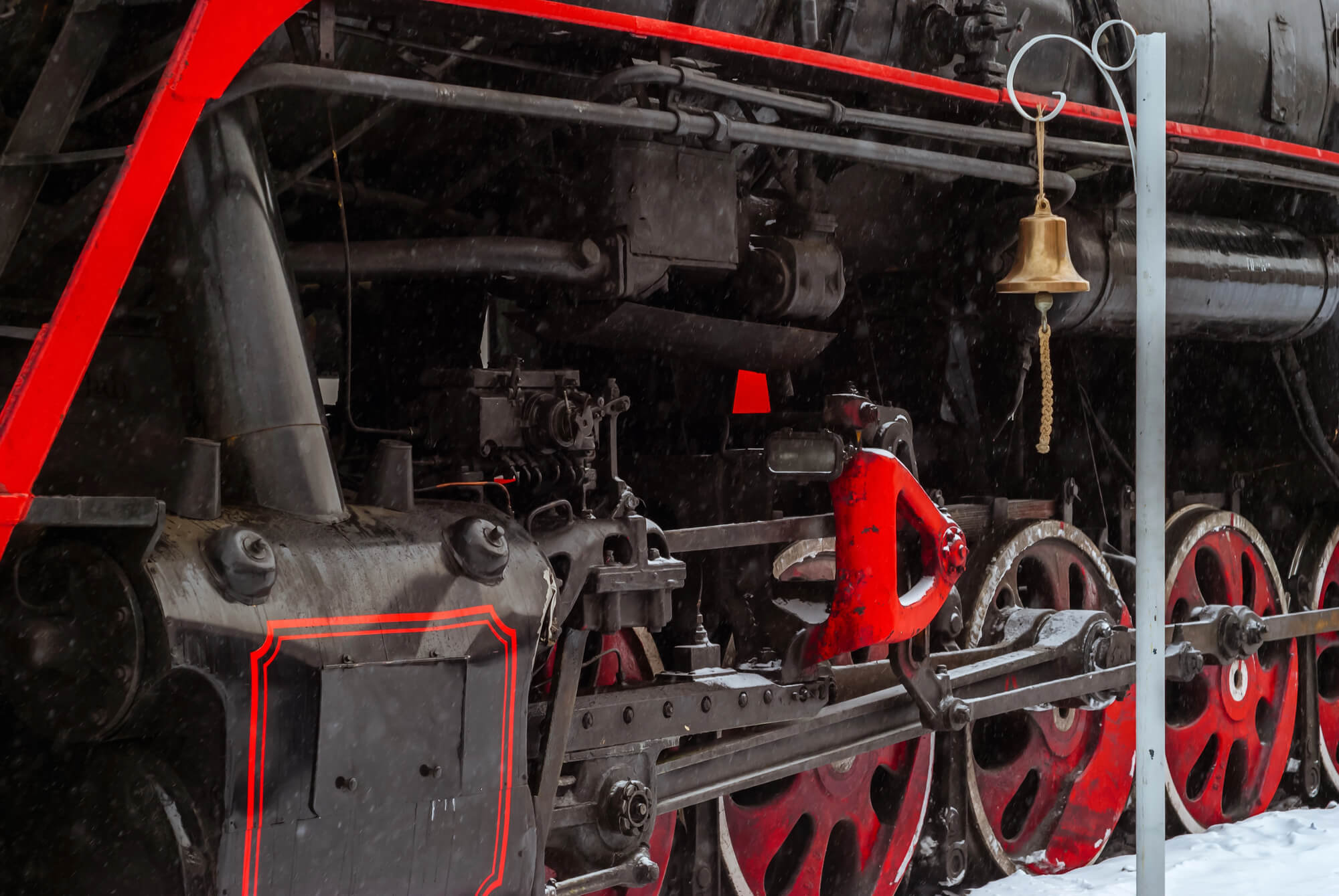
The pressure-activated bells and hoses that once alerted attendants to an arriving vehicle are collected as functional mechanical curiosities within the broader petroliana category. Complete, working bell assemblies are notably scarcer than the hose sections alone, which were more likely to be discarded once stations moved to self-service.
Franchise Dealer Award and Recognition Plaques

Plaques and trophies awarded by oil companies to individual station owners for sales performance or service quality are collected as a personal, documentary layer of petroliana history distinct from general branded advertising. A plaque naming a specific, identifiable station owner and location is generally valued above a generic, unengraved award.
Windshield Service Signs and Squeegee Stands

The small stands and signage associated with free windshield cleaning service, once a standard part of full-service fill-ups, are a modest but recognizable category among station equipment collectors. Their scarcity today has as much to do with the decline of full-service stations as with any original rarity.
Employee Time Clocks and Punch Card Racks

Mechanical time clocks used to track attendant shifts, along with the wall-mounted racks that held employee punch cards, are collected by both petroliana specialists and general antique business equipment collectors. Working clocks with legible branding are considerably more desirable than non-functional examples sold purely for their case.
Regional Independent Brand Memorabilia
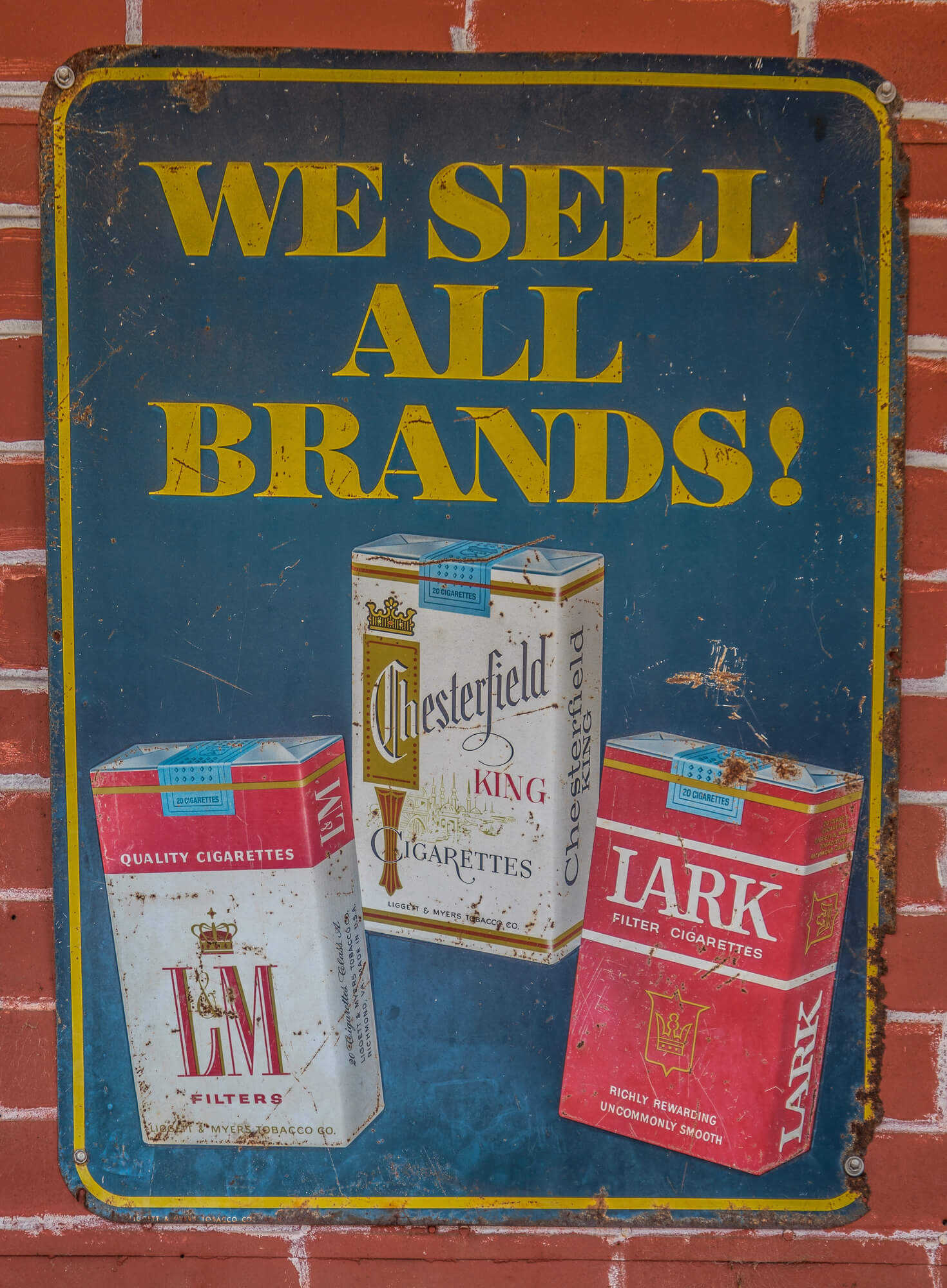
Items from smaller, regional gas and oil brands that operated in only a handful of states before being absorbed by larger national companies are frequently more valuable than items from major surviving brands, simply because far fewer examples were produced and preserved. Auction houses often highlight these regional pieces specifically because their scarcity is harder for casual buyers to gauge without specialist knowledge.
Station Architectural Salvage
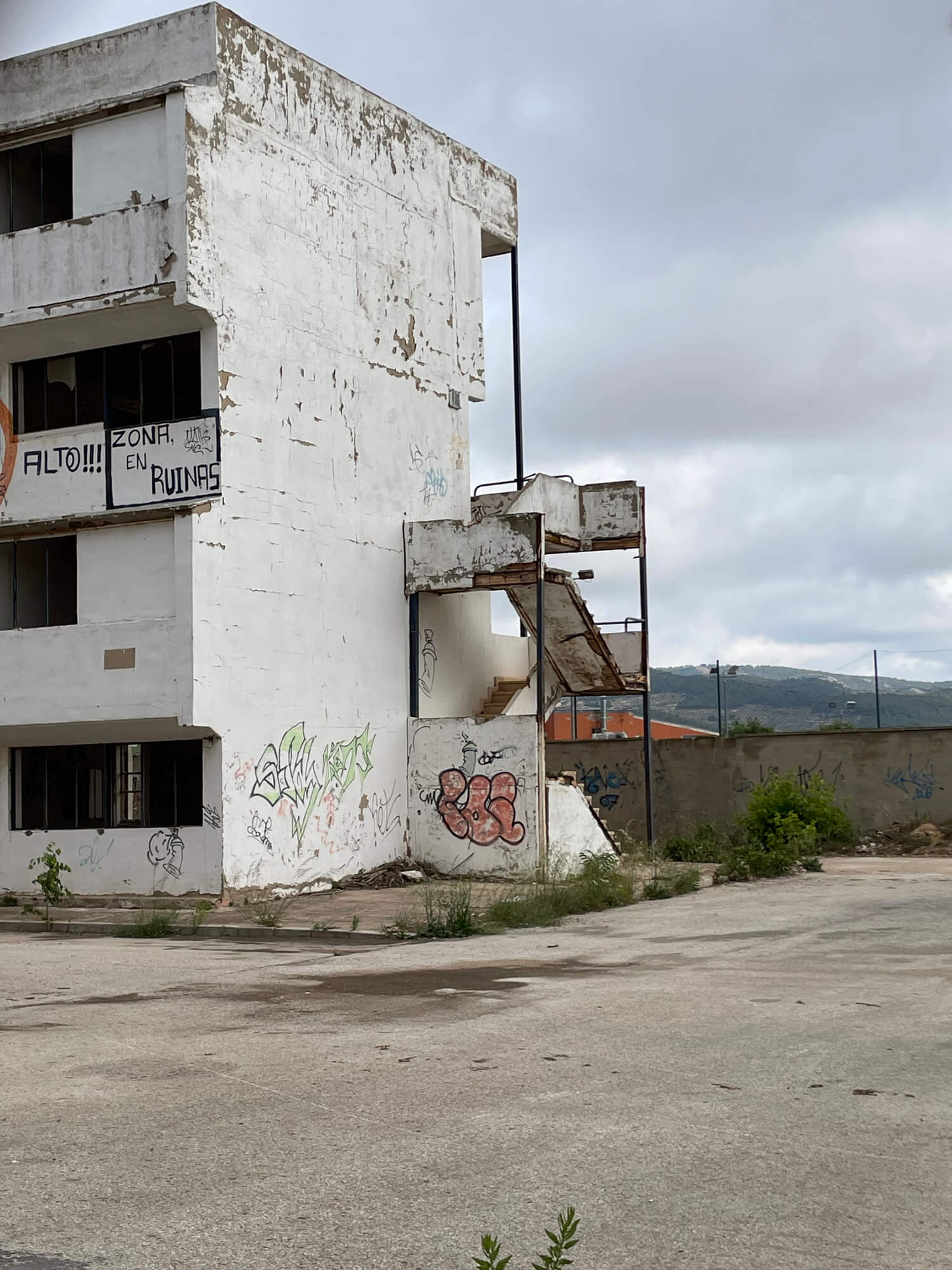
Architectural elements salvaged from demolished gas stations, including porcelain-tiled canopy sections, doorway signage, and decorative trim, form a growing category as mid-century stations continue to be torn down or remodeled. Pieces with a documented original location are valued considerably higher than unattributed architectural fragments.
Oil Company Sales Award Jackets and Apparel

Branded jackets and apparel awarded to top-performing station owners or salesmen, distinct from standard attendant uniforms, are collected as a status-symbol layer of company culture. Because these were given rather than sold, and only to a limited number of high performers, they are notably scarcer than standard-issue uniform pieces.
Branded Gas Station Playing Cards and Promotional Games

Small promotional items like branded playing card decks and dashboard games, given away to customers as a low-cost loyalty incentive, are collected today as an accessible entry point into petroliana for buyers not ready to invest in larger signage or globes. Complete, unopened decks in their original box bring more than loose or partial sets, since most surviving examples were used until they wore out.
Station Canopy and Pump Island Lighting Fixtures

Lighting fixtures salvaged from beneath station canopies, including branded glass or metal light covers mounted above the pump islands, are collected for their industrial design alongside broader architectural salvage from demolished stations. Fixtures with legible brand markings on the glass or housing sell for considerably more than plain, unbranded lighting of the same era.
Reading the Pumps
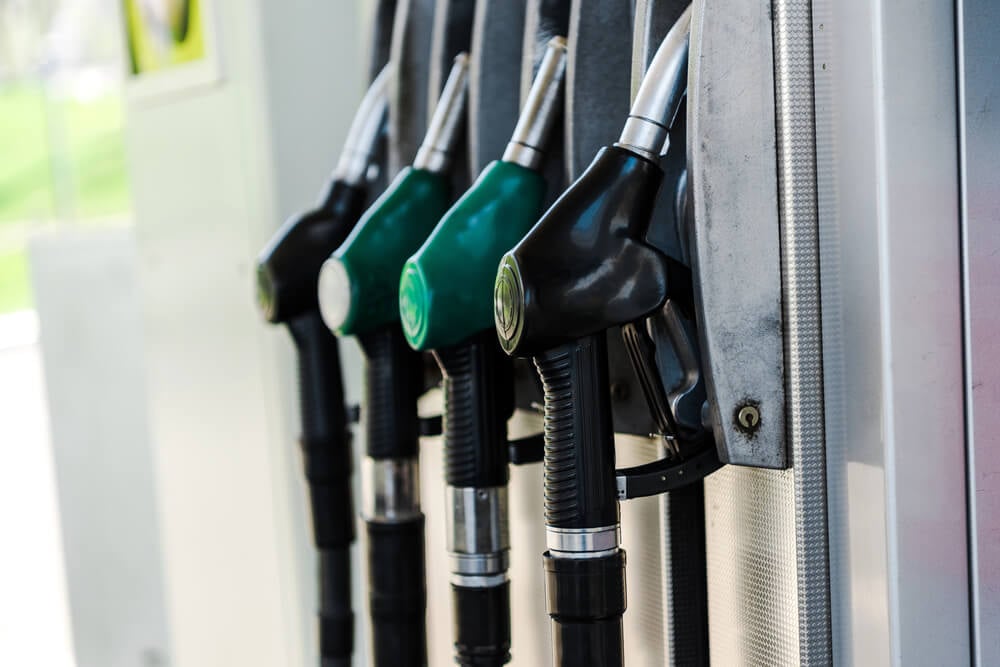
Every item in this category was originally built to do one job: get a driver to stop, trust the brand, and buy fuel. Decades later, that same persuasive design work is what collectors are responding to, even though the fuel itself is long gone and the stations themselves have mostly disappeared.
What auctions are really selling, then, is a specific and fairly narrow slice of American roadside history, compressed into glass, porcelain, and painted steel. The bidding gets competitive because there is no reprint run coming, no second batch of a discontinued brand’s globe to satisfy the demand once the supply on the table runs out.
More from Go2Tutors!

- The Romanov Crown Jewels and Their Tragic Fate
- 13 Historical Mysteries That Science Still Can’t Solve
- Famous Hoaxes That Fooled the World for Years
- 15 Child Stars with Tragic Adult Lives
- 16 Famous Jewelry Pieces in History
Like Go2Tutors’s content? Follow us on MSN.