Traditional Dances That Carried Hidden Histories
Dance has always been more than just movement. Across the world, communities have used choreographed steps and rhythms to preserve stories that couldn’t be spoken aloud, passing down truths that rulers and colonizers tried to erase.
These weren’t just performances for entertainment. They were coded messages, acts of resistance, and living archives of culture that survived when everything else was taken away.
Let’s look at some of the most powerful dances that held secrets beneath their surface, keeping histories alive when words alone couldn’t do the job.
Capoeira

What looks like a graceful martial art was actually a survival strategy disguised as dance. Enslaved Africans in Brazil created capoeira in the 1500s, blending combat techniques with music and fluid movements that resembled play.
Colonial authorities banned fighting among enslaved people, so practitioners masked their training as entertainment. The berimbau’s twanging rhythm signaled when overseers were watching, allowing fighters to shift seamlessly between deadly kicks and harmless-looking acrobatics.
This dance-fight hybrid became so effective that some historians believe it played a role in successful slave rebellions throughout Brazilian history.
The Ghost Dance

Native American tribes across the western United States practiced this spiritual movement in the late 1800s, believing it would restore their lands and bring back deceased ancestors. The U.S. government saw the dance as a threat to their control and banned it in 1890.
Participants wore special shirts they believed would protect them from bullets, though this tragically proved untrue at Wounded Knee. The dance combined traditional circle formations with new prophetic visions, creating a pan-tribal movement that united communities facing annihilation.
Despite the violent suppression, variations of the Ghost Dance survived in secret ceremonies for decades.
Irish Step Dancing

The stiff upper body and rigid arms weren’t always part of traditional Irish dance. When English Penal Laws forbade Irish cultural practices in the 1600s and 1700s, dancers performed behind hedges and half-doors where only their legs could be seen by passing soldiers.
Keeping the upper body still allowed them to dance without detection from the road. Dance masters traveled between villages in secret, teaching steps that preserved Gaelic culture during centuries of oppression.
The competitive style we see today evolved from these hidden gatherings, where communities risked punishment to maintain their identity.
Hula
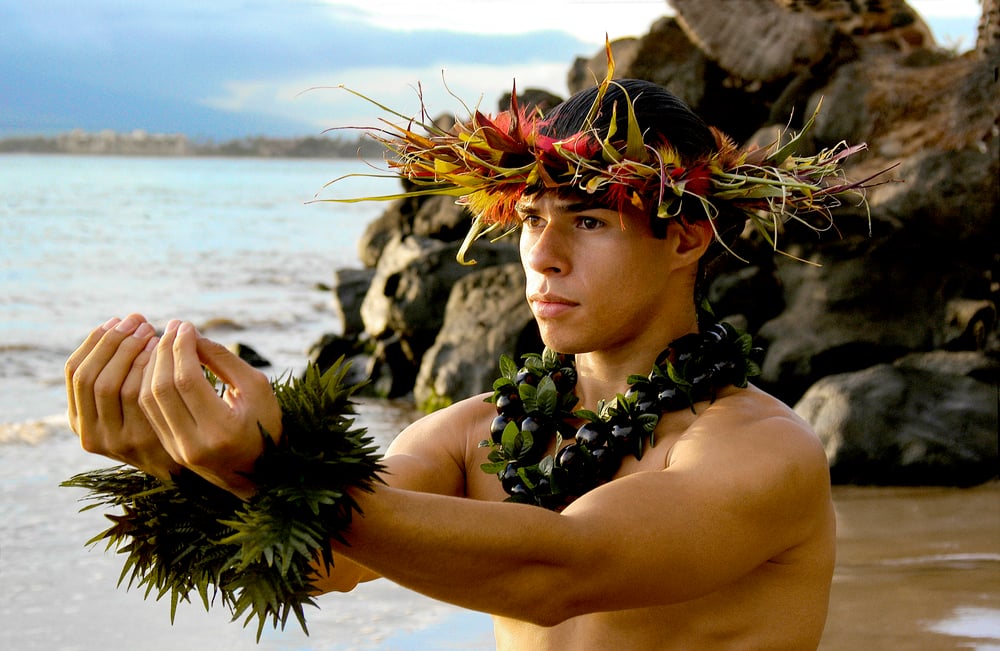
American missionaries nearly destroyed this ancient Hawaiian practice when they arrived in the 1800s, condemning it as indecent and pagan. The dance actually served as a historical record, with each hand movement representing specific words, places, and genealogies passed down through generations.
When King Kalākaua revived hula publicly in the 1880s, he faced intense criticism from religious leaders who had driven it underground for decades. Families had secretly taught the dances in remote valleys, preserving creation stories and royal lineages that existed nowhere else.
Modern hula still functions as a living library, encoding information about plants, navigation, and sacred sites.
Tango

Buenos Aires nightlife in the 1880s gave birth to this passionate dance in the poorest neighborhoods where immigrants, former slaves, and working people mixed. Respectable society considered tango scandalous and refused to acknowledge it for decades.
The close embrace and suggestive movements expressed the longing and displacement felt by people far from their homelands. Lyrics often contained coded references to crime, poverty, and social injustice that couldn’t be discussed openly in Porfiriato-era Argentina.
European acceptance eventually forced Argentine elites to reconsider their own cultural export, though they sanitized much of its working-class edge.
The Ring Shout
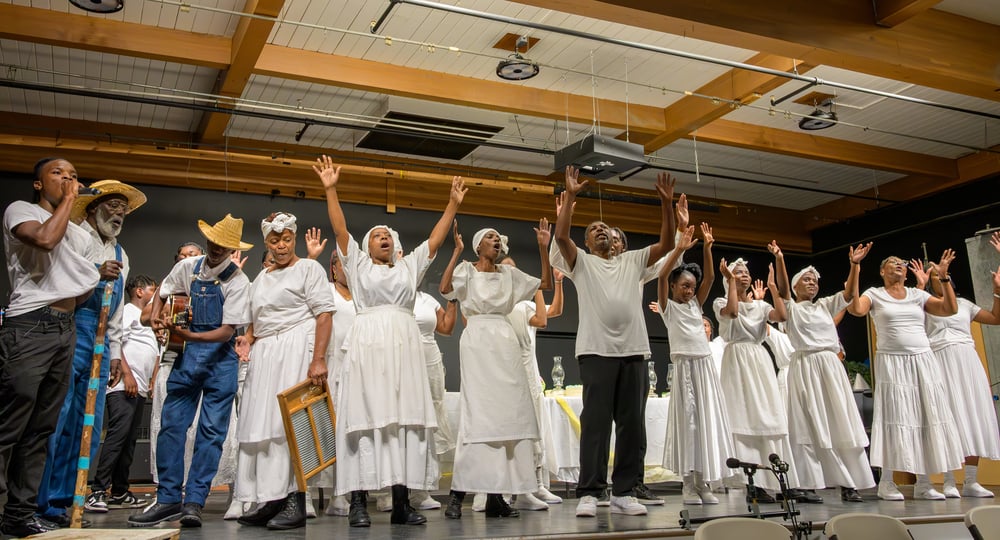
Enslaved Africans in the American South preserved West African spiritual practices through this counterclockwise circle dance performed in praise houses and brush arbor churches. Christian slaveholders permitted religious gatherings but would have punished obvious African rituals.
Participants shuffled their feet without crossing them, technically not dancing according to the religious restrictions some denominations imposed. The call-and-response songs and rhythmic movement maintained spiritual connections to ancestral traditions while appearing to conform to Christian worship.
This dance became foundational to African American religious expression and influenced the development of gospel music.
Flamenco

Romani people in southern Spain developed this intense art form over centuries, blending influences from Indian, Moorish, Jewish, and Andalusian cultures. The Spanish Inquisition and later persecutions forced these communities to practice their traditions in secret.
Flamenco’s anguished vocals and percussive footwork expressed centuries of marginalization and survival. The dance encoded stories of persecution that couldn’t be written down or spoken safely in public.
When flamenco finally gained acceptance in the early 1900s, much of its history of resistance remained hidden beneath the surface of what audiences saw as exotic entertainment.
Limbo

This dance originated on slave ships crossing the Atlantic, where captives were forced into impossibly small spaces below deck. Caribbean people transformed that trauma into a dance that celebrated flexibility and resilience.
The lowering bar represented the obstacles and dehumanization their ancestors endured. What looks like party entertainment actually commemorates one of history’s greatest atrocities.
The dance spread throughout the Caribbean with slightly different meanings in each island’s culture, but the core memory of survival remained constant.
Kathak

Muslim rulers in medieval India patronized this classical dance form, which Hindu practitioners used to tell stories from ancient epics and religious texts. During periods of religious persecution, dancers encoded devotional content within seemingly secular entertainment.
The rapid footwork and spinning movements concealed specific mudras (hand gestures) that conveyed prayers and mythology. British colonial authorities later dismissed kathak as mere entertainment for courtesans, missing its role in preserving Hindu culture during Muslim rule.
The dance survived through hereditary lineages of performers who guarded its deeper meanings.
Cossack Dancing

Ukrainian and Russian Cossack communities used these acrobatic displays to train warriors while celebrating military victories. The squat kicks and leaps built leg strength essential for horseback riding and combat.
During Soviet rule, authorities tried to standardize and sanitize folk dances, removing references to Cossack independence and religious devotion. Performers subtly maintained forbidden movements and songs within approved choreography.
The dance preserved a martial culture that communist officials viewed as a threat to centralized control.
Dabke
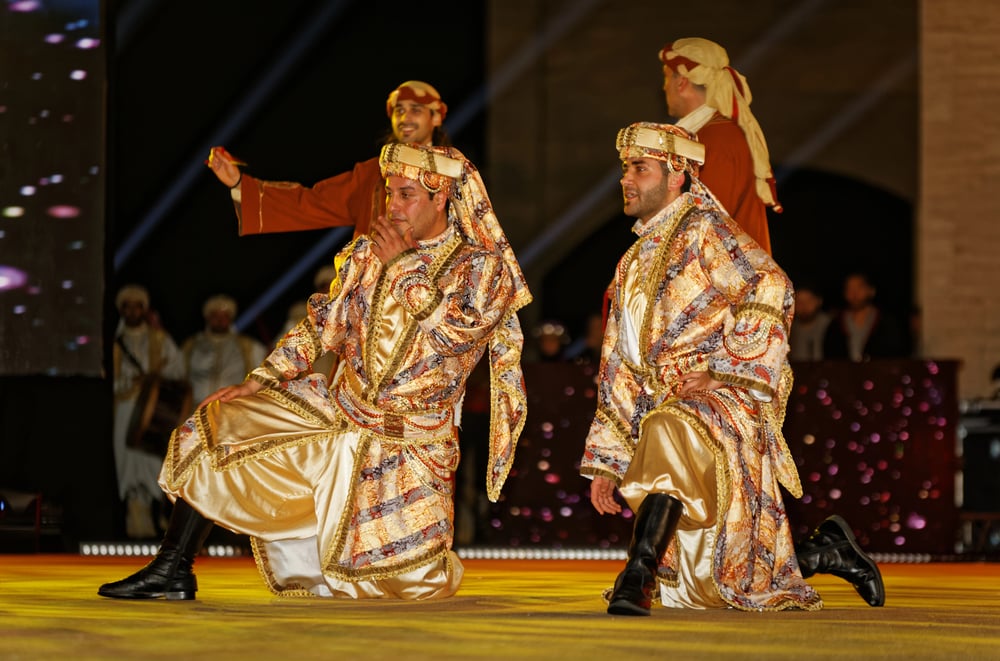
This Levantine line dance dates back thousands of years, with movements that supposedly helped pack mud on roof construction. Palestinian communities have used dabke to assert cultural identity during decades of displacement and occupation.
The synchronized stomping represents unity and connection to ancestral lands. At weddings and celebrations, dabke becomes a political statement of survival and continuity.
Different regions maintain distinct styles, each preserving local dialects, costumes, and stories that might otherwise disappear.
Cumbia

African slaves, indigenous people, and Spanish colonizers all contributed to this Colombian dance that emerged during the colonial period. The heavy ankle shackles worn by enslaved people influenced the distinctive dragging foot movement.
Women’s candle-holding during the dance recalled nighttime gatherings when people could speak freely away from overseers. The circular formation echoed African traditions while incorporating indigenous instruments and Spanish melodies.
As cumbia spread across Latin America, each country adapted it while maintaining echoes of its origins in resistance and cultural fusion.
Bharatanatyam

Hindu temples in southern India developed this classical dance as a form of worship, with devadasis (temple dancers) performing elaborate stories from mythology. British colonial authorities branded the practice as prostitution and effectively banned it in the early 1900s.
Upper-class Indian reformers rescued the dance by removing it from temples and placing it on concert stages. This sanitized version erased the hereditary dancers who had preserved the form for centuries.
The dance survived but lost much of its sacred context and the communities who had served as its guardians.
Can-Can

Parisian working-class dance halls in the 1830s gave birth to this high-kicking spectacle that shocked bourgeois society. Women performers used the dance to mock social conventions and express a freedom that respectable society denied them.
The deliberate exposure of undergarments defied strict Victorian morality codes. Police frequently raided venues and arrested dancers for public indecency.
What the upper classes condemned as vulgar, working women embraced as liberation. The can-can became a symbol of French nightlife only after it had been tamed for tourist consumption at venues like the Moulin Rouge.
Samba

African beats came with slaves to Brazil, blending into local sounds through native tribes and Portuguese tunes. This mix sparked samba down in Rio’s run-down areas.
Cops linked the groove to chaos back then, busting dance spots now and again during the 1900s. Round-style dancing and freestyle steps kept old African rituals alive, slipping past Church control that never fully erased them.
These rhythm groups turned into neighborhood hubs, holding onto culture while helping folks survive tough slum life. Over time, it went from street roots to standing for the whole country, even if few remembered how it rose from struggle and hardship.
The Morris Dance

English villages danced this way for hundreds of years, maybe it came from old Moorish styles, maybe the name hints at that. When the Reformation hit, leaders called it heathen noise and outlawed it under Puritan rule.
Still, people kept going anyway, hiding ancient customs behind harmless fun. Over time, every town made its own version, so no one group ever ran the whole thing.
What looks like just bells and ribbons flapping, plus guys banging sticks, could’ve meant something deeper once, now we’re not sure what.
Where the footsteps keep bouncing back

These dances survived every empire that tried to wipe them out. Even under pressure, they shifted shape, sometimes disappearing right before everyone’s eyes.
Now, lots are treated like shows for visitors or just games with rules, their roots buried deep beneath surface acts. Still, those who kept them alive during hard times feel the truth in every motion.
Each move holds quiet resistance, proof that tradition sticks around when folks hold tight to memory.
More from Go2Tutors!

- The Romanov Crown Jewels and Their Tragic Fate
- 13 Historical Mysteries That Science Still Can’t Solve
- Famous Hoaxes That Fooled the World for Years
- 15 Child Stars with Tragic Adult Lives
- 16 Famous Jewelry Pieces in History
Like Go2Tutors’s content? Follow us on MSN.