26 Discontinued Snacks People Still Ask Stores to Bring Back
Every generation carries the ghost of a snack that disappeared too soon. These aren’t just food items—they’re time capsules, childhood anchors, lunchbox staples that somehow survived one more school year before vanishing forever.
The internet has become a permanent memorial to discontinued snacks, with Reddit threads, Facebook groups, and Twitter posts begging corporations to bring them back. The nostalgia is real, but so is the resignation that some snacks will never return.
The snacks on this list represent the best of what manufacturers experimented with and abandoned—flavors that made sense, textures that shouldn’t have worked but did, and products so niche they developed devoted followings only after they were gone. Most were discontinued decades ago, but people still search for them in store aisles, hoping that one day they’ll turn a corner and find an old favorite waiting.
Jell-O 1-2-3
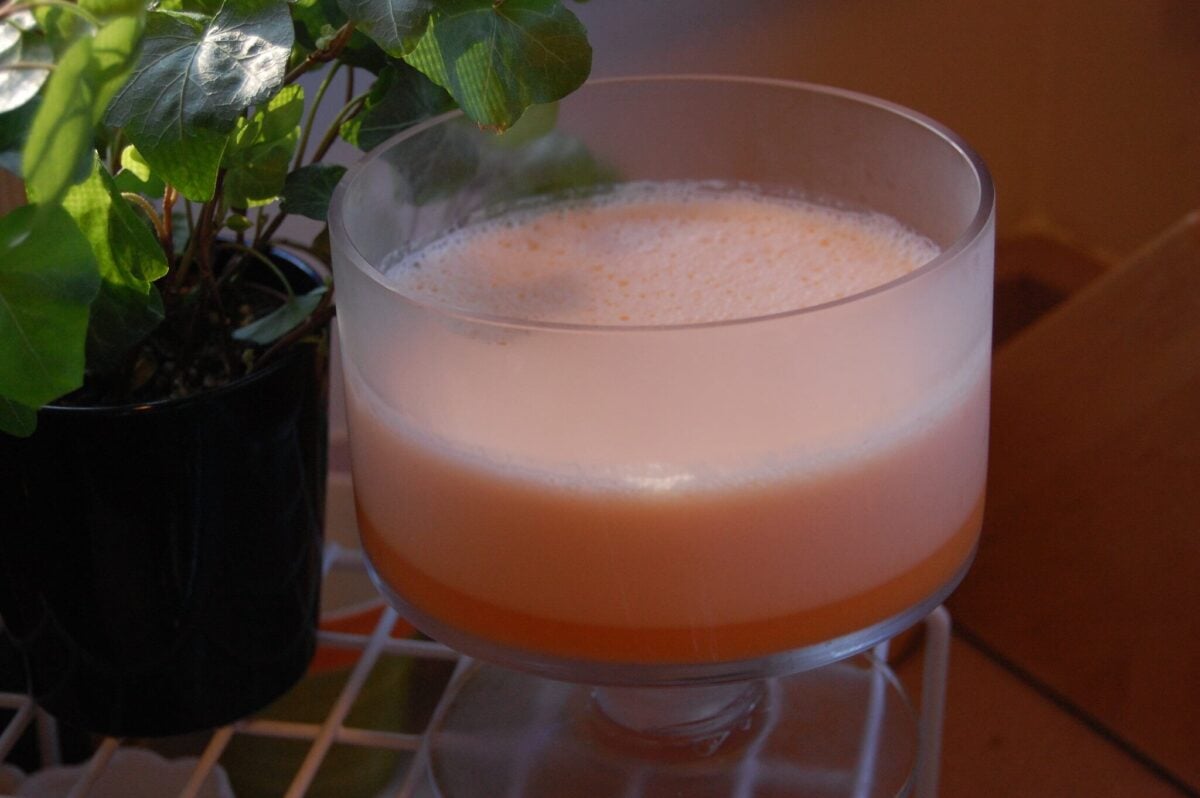
When prepared correctly, this powder would separate into three distinct layers: a creamy top, a mousse middle, and regular Jell-O on the bottom. It debuted in 1969 and sold for nearly three decades before Kraft removed it from shelves in 1996. The chemistry of the product was exact enough that it required precision in preparation, which likely contributed to inconsistent results and eventual discontinuation.
Fans still attempt to recreate it at home, though none report achieving the original’s perfect stratification.
Keebler Pizzarias
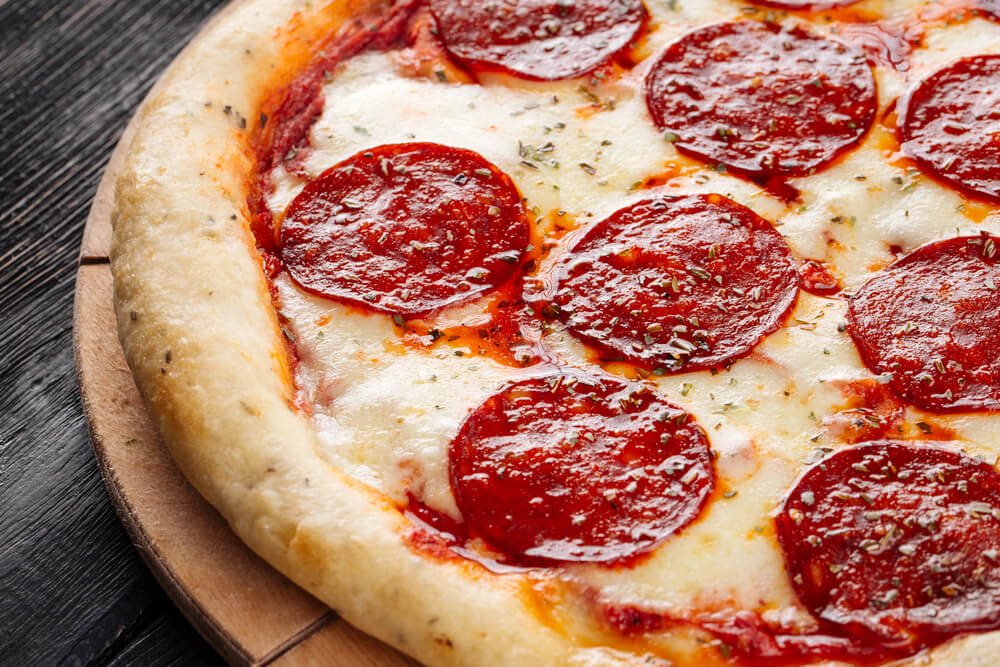
Made from actual pizza dough and baked until crispy, Pizzarias launched in 1991 with an extensive marketing campaign featuring teenage Keebler Elves using slang catchphrases. The triangular chips carried liberal dusting of Italian seasoning and Parmesan, and fans consistently describe them as superior to any pizza-flavored chip currently available.
After Keebler’s ownership changed in the late 1990s, Pizzarias were discontinued by 2000. As of 2023, over 10,000 people had joined Facebook groups demanding their resurrection, and a company called Retrobrands America LLC acquired the trademark in an attempt to relaunch them.
Crystal Pepsi
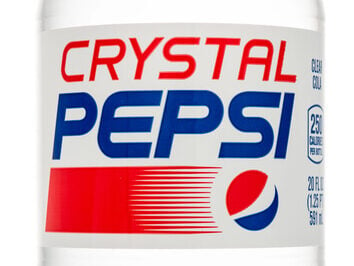
Part of the “clear craze” that spanned the late 1980s through early 2000s, Crystal Pepsi was marketed as having a lemon-lime taste despite its transparent appearance. It launched in 1992 but was discontinued just two years later after sales failed to materialize.
The drink has teased fans with limited-release promotions in the 2010s and 2020s, most notably in 2022 when Pepsi shared 300 bottles with Twitter users, but a permanent return has never materialized.
Pepsi Blue
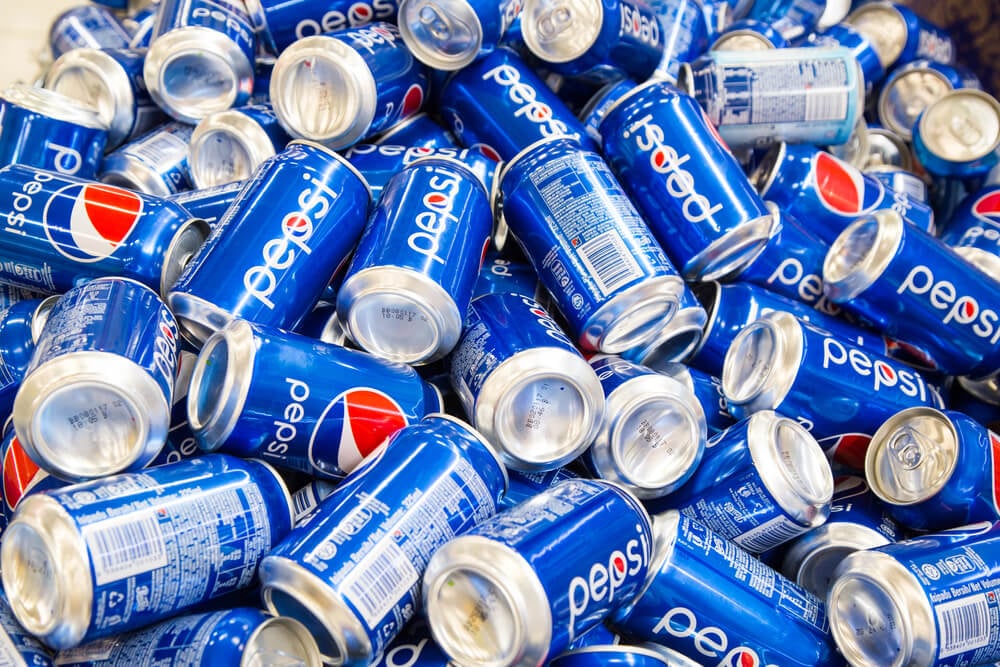
Blue-colored colas became a phenomenon in the late 1990s, and Pepsi’s entry into the market proved briefly popular but ultimately short-lived. Released around the same time as blue raspberry became trendy, Pepsi Blue offered a fruit flavor that fans described as impossible to fully identify, which paradoxically made it more interesting.
It was discontinued in 2003 and has never received the limited revivals that Crystal Pepsi occasionally enjoys.
Jell-O Pudding Pops
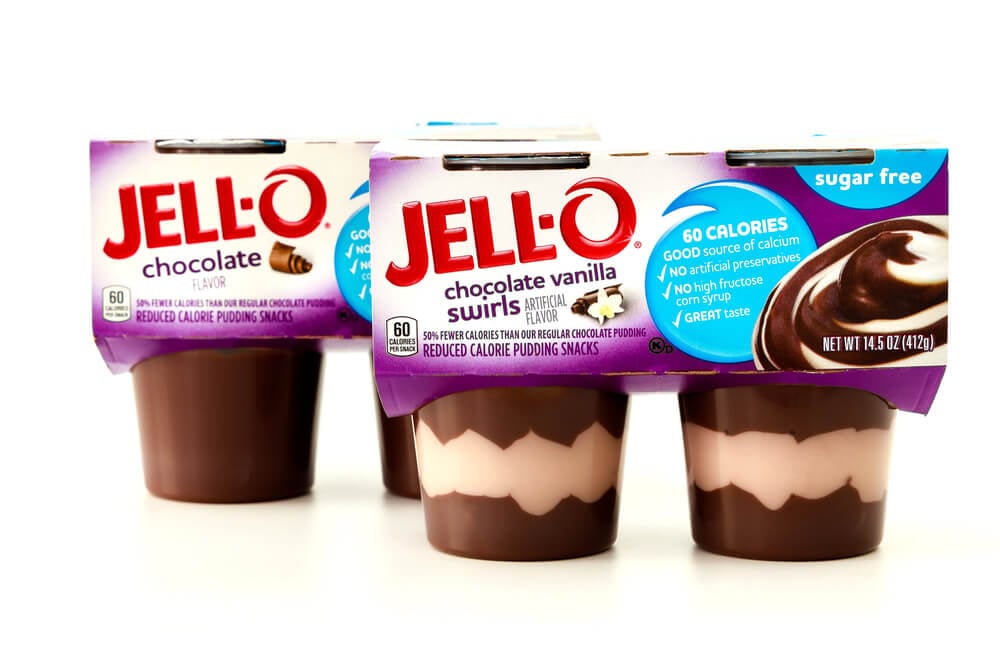
Frozen pudding on a stick seemed like a concept that couldn’t fail, and for a time in the 1980s and 1990s, these weren’t just popular—they were iconic. The frozen pudding offered a creamy texture with chocolate and vanilla swirls that defined childhood summers for millions.
They were discontinued after corporate restructuring, but fans have since developed copycat recipes using instant pudding mix, though none quite capture the commercial formula.
Keebler Magic Middles
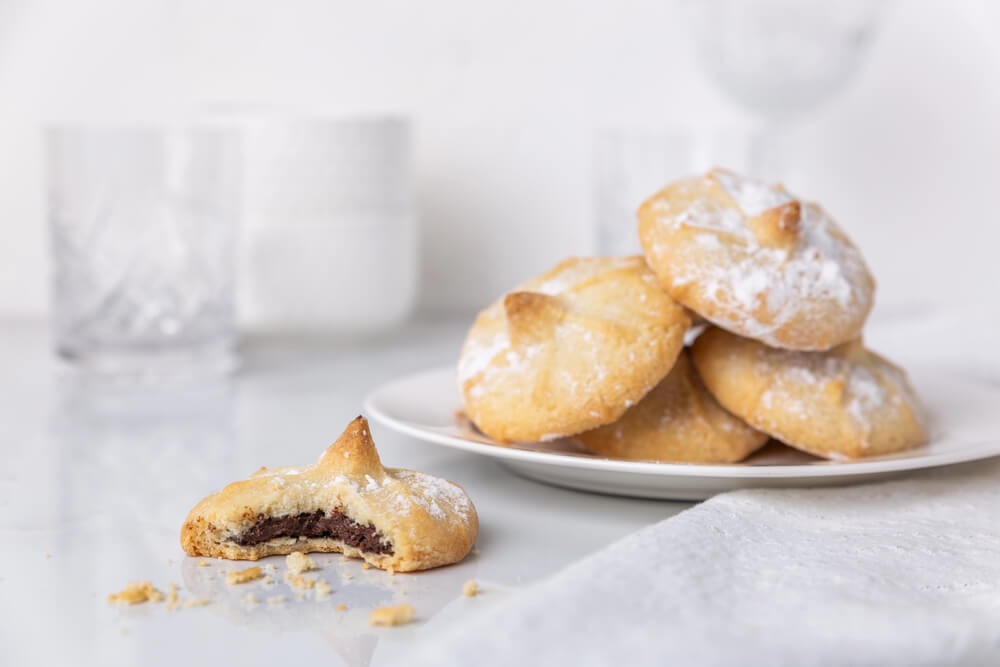
These cookies featured a fudge-filled center surrounded by shortbread, and they arrived in multiple varieties including peanut butter and chocolate chip versions. Despite their popularity in the 1980s, none of the variants survived into the next century.
The snack appears regularly in discontinued product roundups, with tantalizing dead links from retailers suggesting attempted returns that never materialized.
Fruit String Thing
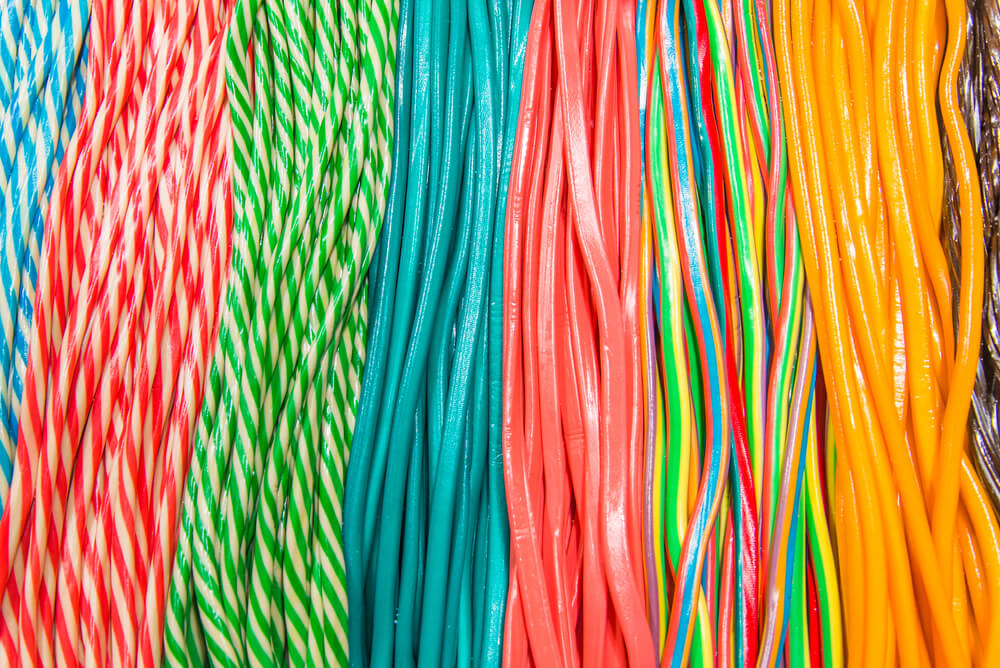
These fruity spaghetti-like snacks came in flavors like Strawberry, Cherry, and Berry ‘N Blue, and their appeal wasn’t just culinary—it was tactile. Pulling a piece from the pouch and watching it extend to great lengths, then twisting and bending it into shapes, made the snack interactive in a way most competitors weren’t.
Despite their popularity through the 1990s, they didn’t survive into the 2000s.
Planters P.B. Crisps
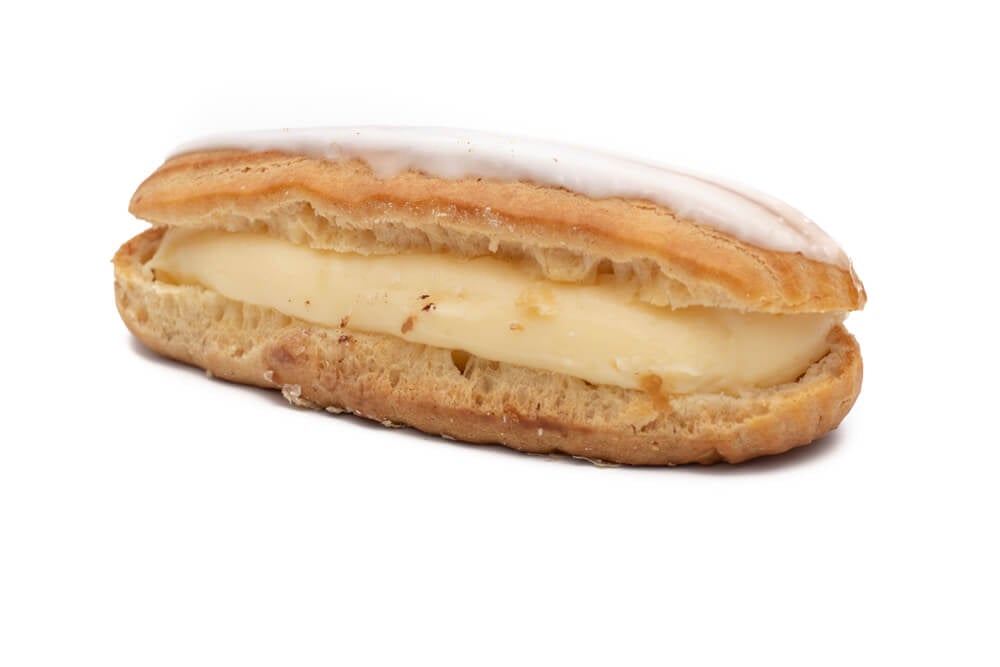
Peanut-shaped snacks with creamy peanut butter filling, P.B. Crisps offered a combination of crunchy exterior and soft interior that appealed specifically to peanut butter enthusiasts. Introduced in the early 1990s, they lasted into the 2000s before being discontinued, leaving a devoted fan base that still searches for adequate replacements.
Fruitopia
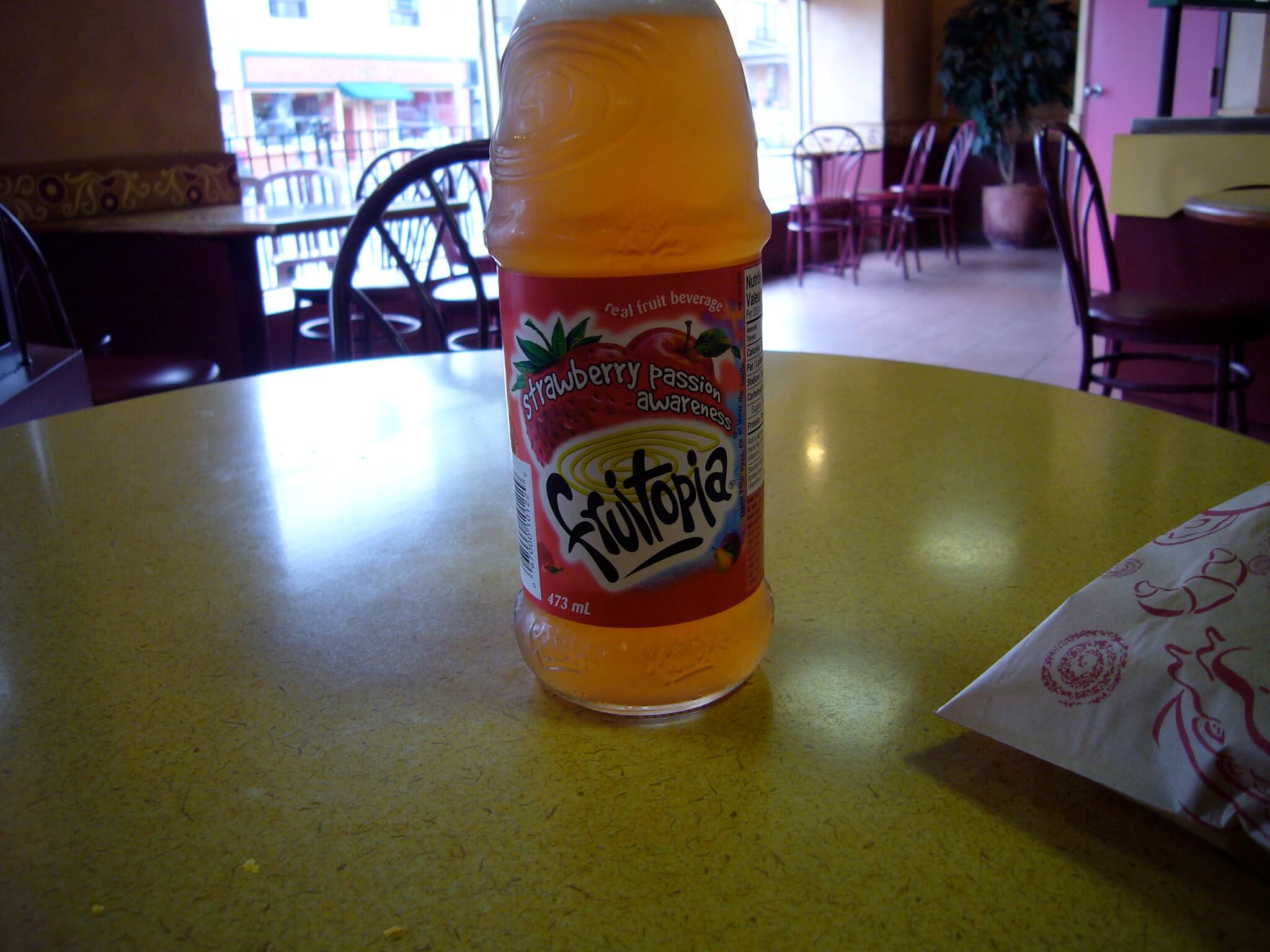
Coca-Cola launched Fruitopia in the mid-1990s with a $30 million marketing budget and fruit blend names like “Strawberry Passion Awareness” designed to appeal to the decade’s wellness trends. Dedicated vending machines in schools and malls helped it gain initial traction, but lagging sales throughout the late 1990s led to its phase-out in 2003.
Select flavors have been revamped under the Minute Maid brand, and the drink still appears in some McDonald’s locations, but never achieved mainstream return.
PB Max
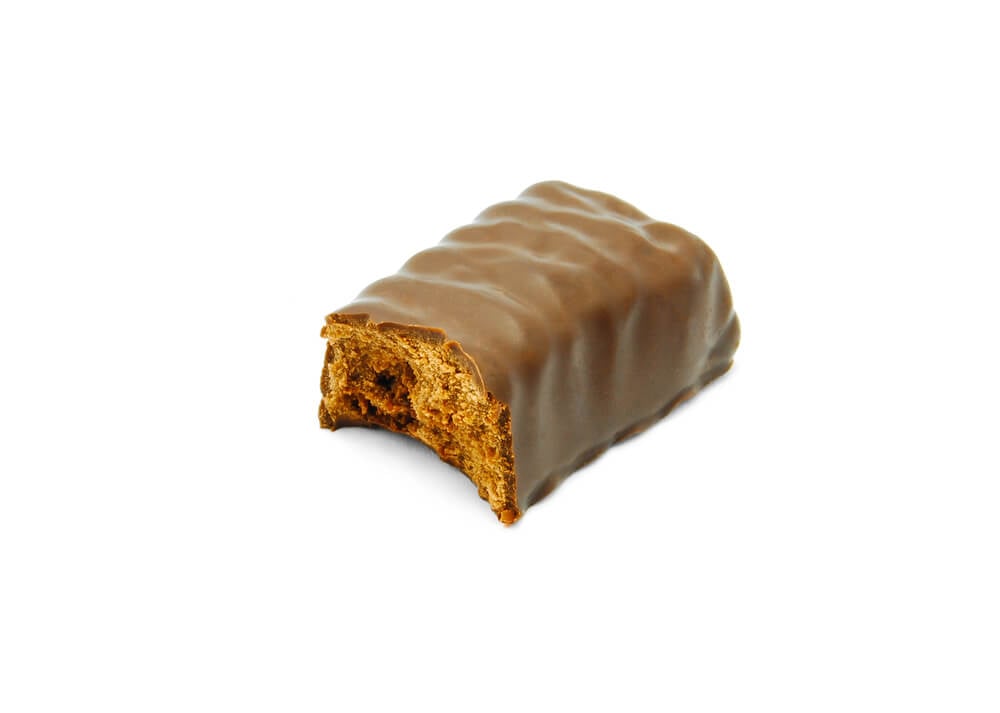
Mars released this chocolate bar combining peanut butter, nougat, and caramel, positioning it as a direct competitor to the Reese’s line. Fans consistently describe it as superior to current peanut butter chocolate options, which may explain why its discontinuation remains a point of contention across snack forums decades later.
Butterfinger BB’s
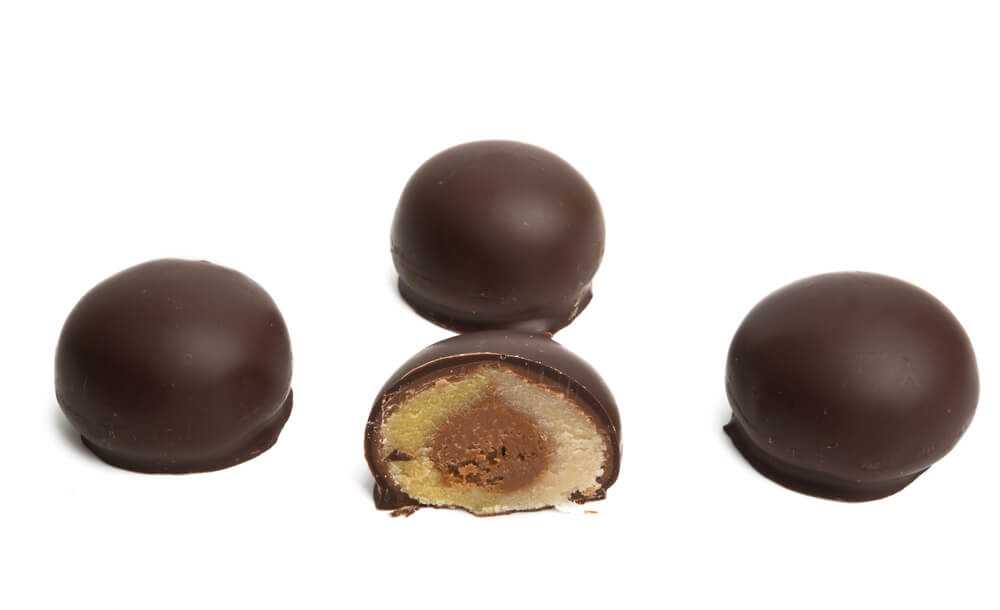
Bite-sized versions of the Butterfinger candy bar shouldn’t have made logical sense—the candy’s primary appeal is its crumbly texture, which smaller portions would only exacerbate. Yet the BB’s developed a devoted following precisely because they combined portability with the Butterfinger’s distinctive taste.
After discontinuation, no alternative has satisfied fans who specifically crave the candy’s shattered-chocolate structure in bite form.
Altoids Sours
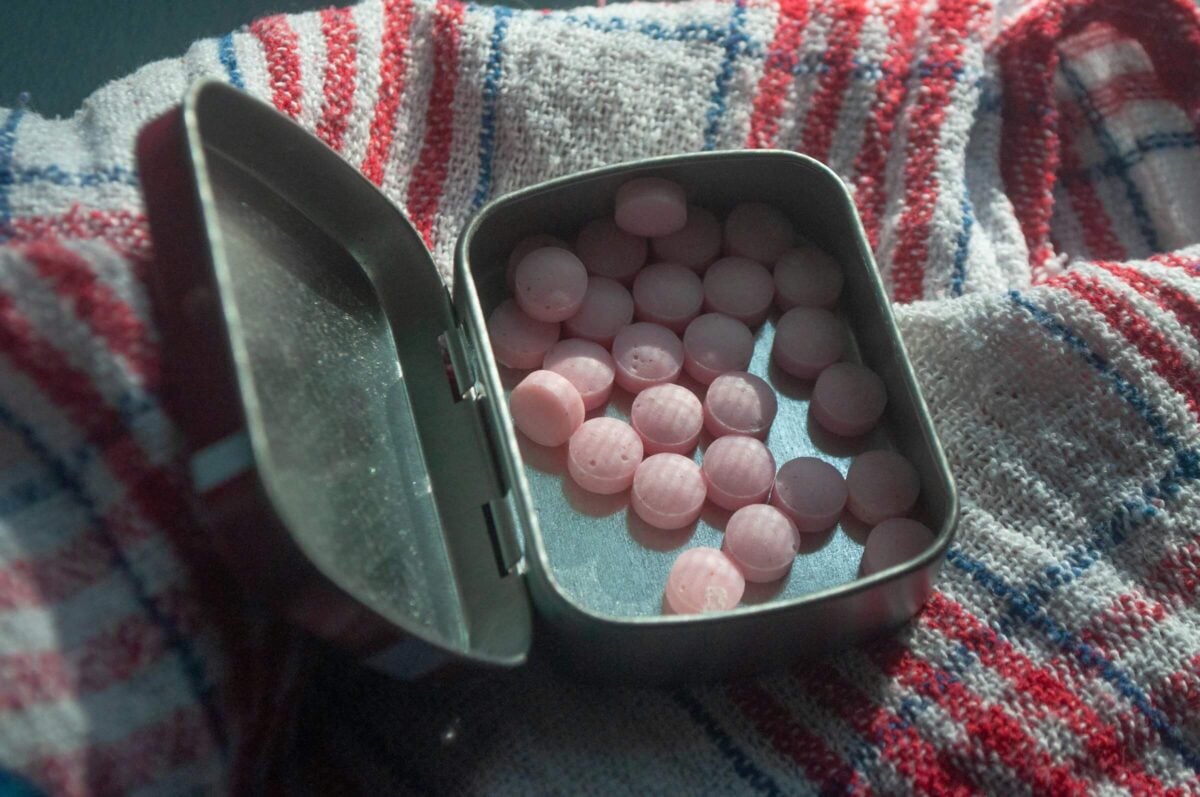
In the late 1990s and early 2000s, Altoids capitalized on the sour candy trend by creating a sour version of their iconic mint. The candies tasted good but lived up to their name by causing perceptible damage to mouth tissue.
Despite or because of this effect, they developed a cult following among kids who collected battle scars on their palates, making their eventual discontinuation feel like the end of an era.
Creme Savers
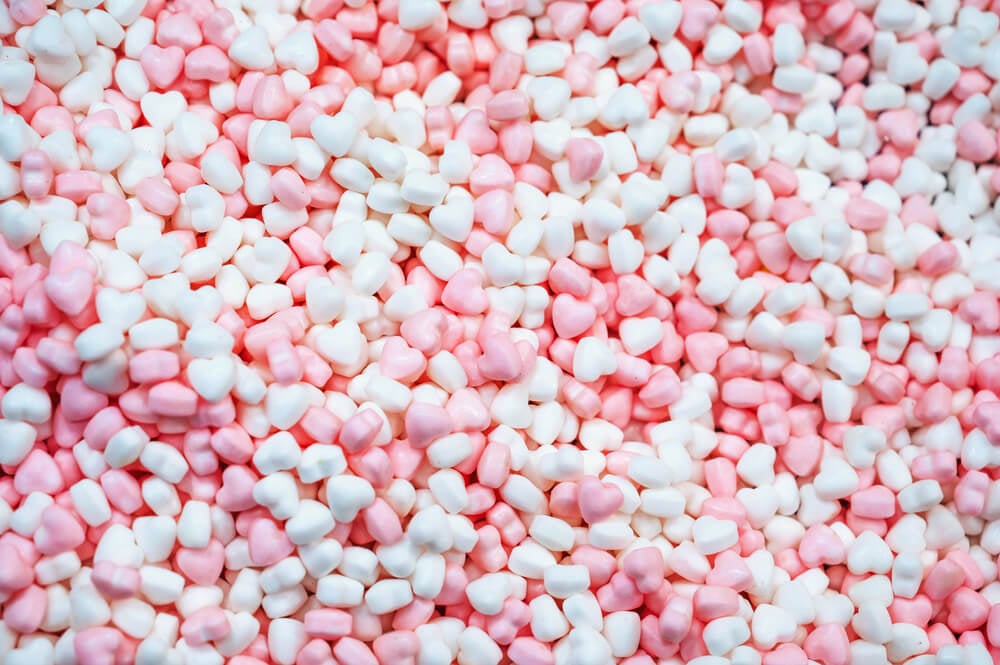
These hard candies combined cream and fruit flavors in a way that no other manufacturer has successfully replicated. They became permanent fixtures in grandparents’ candy dishes across America, their presence so consistent that their eventual discontinuation surprised many people who hadn’t noticed when exactly they disappeared.
Philadelphia Cheesecake Snack Bars
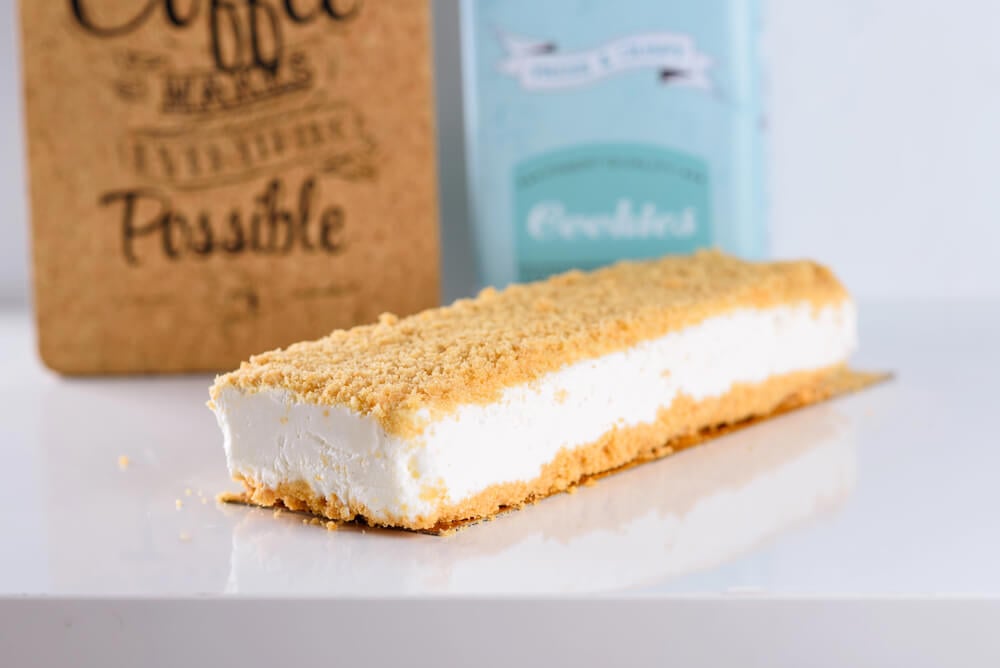
When cream cheese manufacturer Philadelphia decided to enter the snack bar market with a product featuring a graham cracker bottom and cheesecake topping, it seemed inevitable for success. The bars somehow combined nutritional compromise with dessert satisfaction, but they didn’t achieve the shelf life of other snack innovations.
Online, fans continue to post copycat recipes in attempts to recreate the product.
Kudos Granola Bars
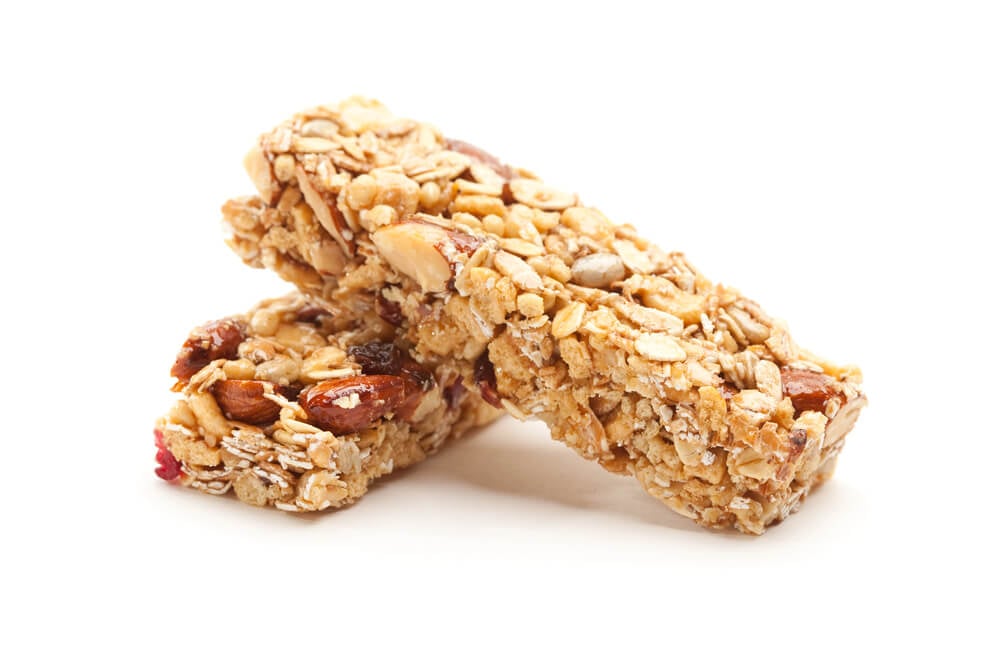
Introduced in the 1980s as simple chocolate-covered granola, Kudos began collaborating with Mars brands in 2011, resulting in versions topped with Snickers, M&M’s, and Dove chocolate. This evolution from granola bar to essentially candy bar topped with granola made the health claims increasingly difficult to maintain.
After sales declined, Kudos were discontinued in 2017, orphaning an entire generation’s preferred breakfast.
Gatorade Gum
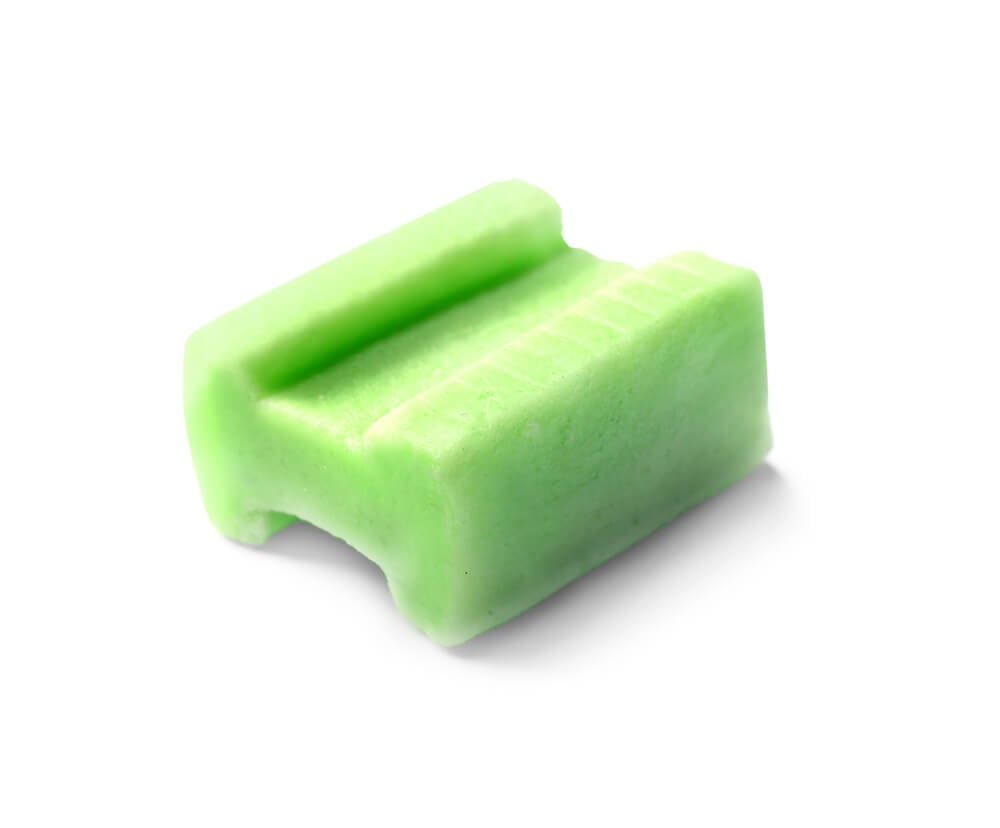
In the 1980s and 1990s, Gatorade attempted to expand beyond beverages into gum designed to quench thirst with flavors like lemon-lime and orange. The concept seemed logical, and the gum appeared in stores throughout the 1980s, but it was discontinued in 1989 after consumers rejected the premise.
Hershey’s Swoops
Hershey created wafer-thin chocolate candies shaped like a swirl of chocolate, arriving in chocolate, vanilla, and strawberry flavors. They melted on the tongue but didn’t last long in the market, becoming a forgotten sibling to Hershey’s more successful innovations.
Milk ‘N Cereal Bars
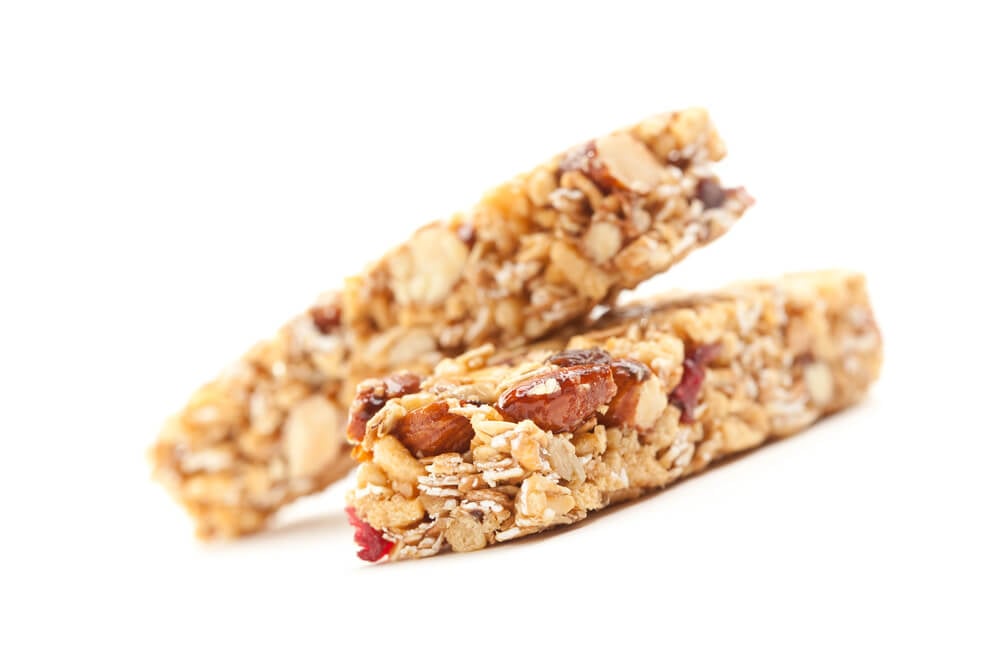
These breakfast bars incorporated actual cereal like Cocoa Puffs and Cinnamon Toast Crunch into a bar format with a milk-like center, making breakfast consumption almost casual. While extremely limited versions still exist online and in select stores, consumers consistently report that the reformulation no longer matches the original taste.
Wonderball
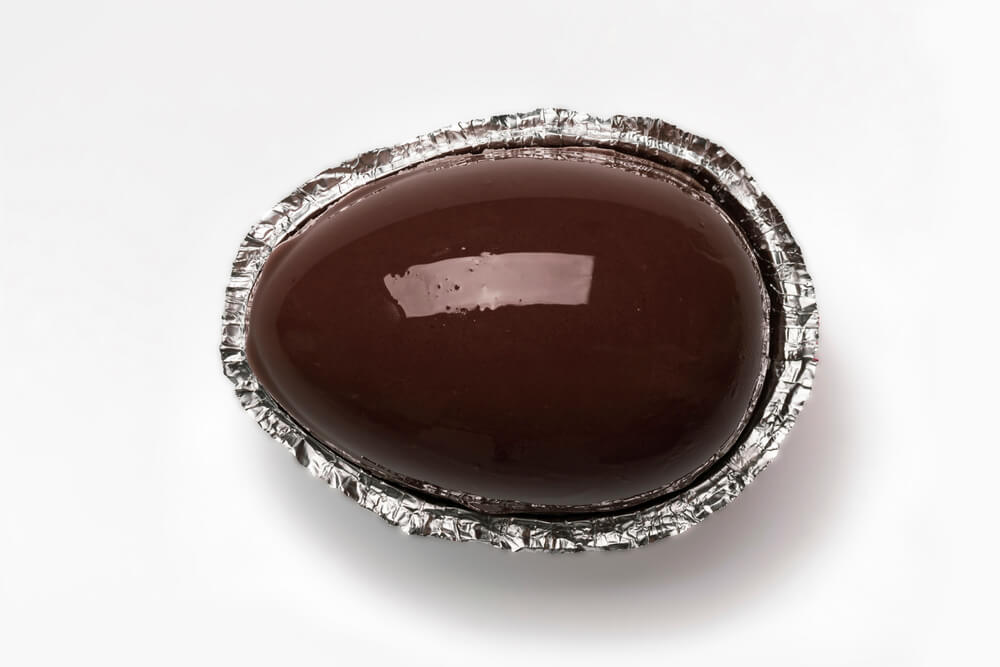
Chocolate spheres containing small toys inside seemed like perfect products, combining candy with surprise collectibles. The discontinuation came after safety concerns about toys being choking hazards, but fans have never let the rationale prevent them from mourning their loss.
Sprite Remix
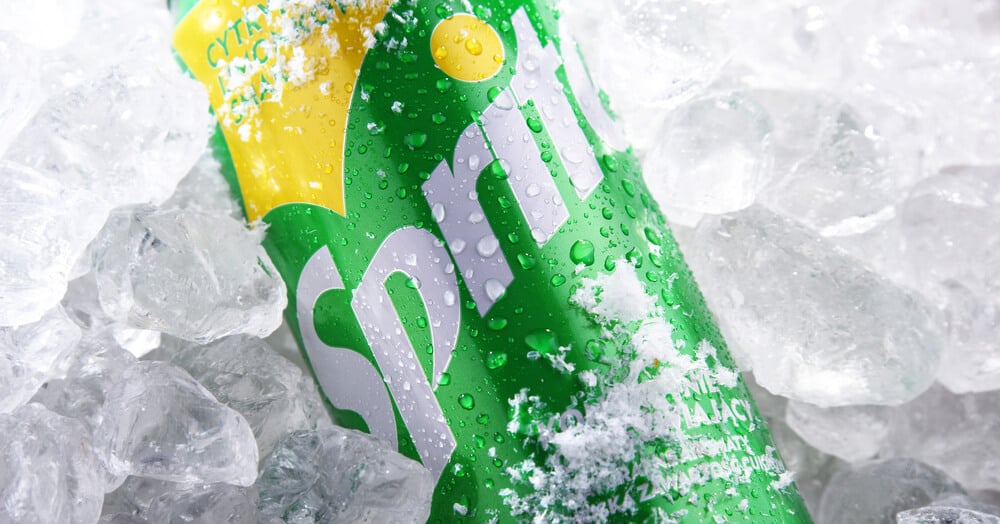
Coca-Cola’s answer to Pepsi’s innovation attempts, Sprite Remix offered fruit-flavored variations of classic lemon-lime Sprite in flavors like Tropical, Berryclear, and Aruba Jam. Available in the early 2000s, these colorful sodas developed nostalgia attachment despite their brief existence.
Squeeze It
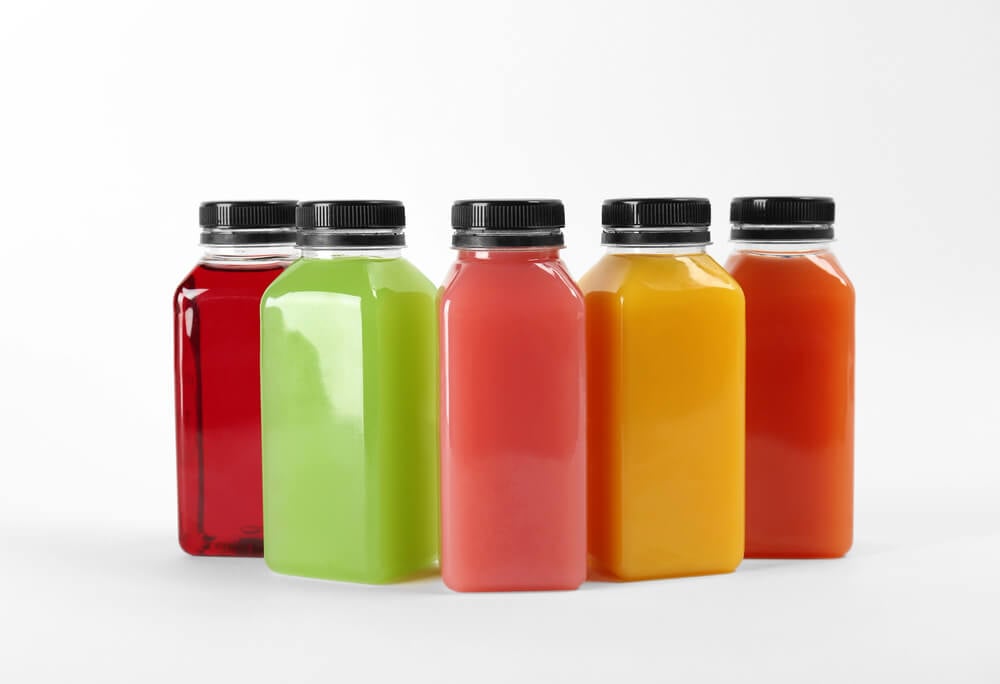
Packaged in soft plastic bottles that required squeezing to release the liquid, Squeeze It functioned as both beverage and toy for children throughout the 1990s. The bright colors and sweet flavors made it a staple, but it was discontinued in 2001, leaving the distinctive bottle design as the only lasting reminder.
Doritos 3D
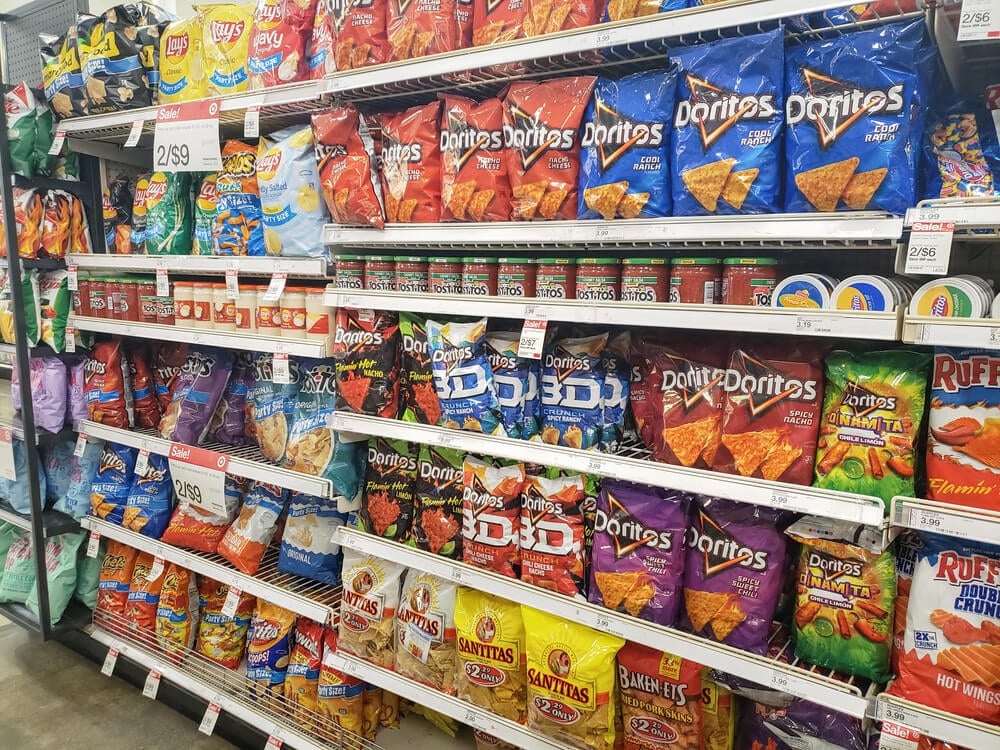
Launched in the late 1990s and popular through the early 2000s, these puffed-up, hollow Doritos offered a crunch and flavor intensity that regular chips couldn’t match. Frito-Lay brought them back in 2021, but fans insist the reformulation doesn’t replicate the original experience, a complaint that underscores how discontinuation nostalgia creates impossible expectations.
Tato Skins
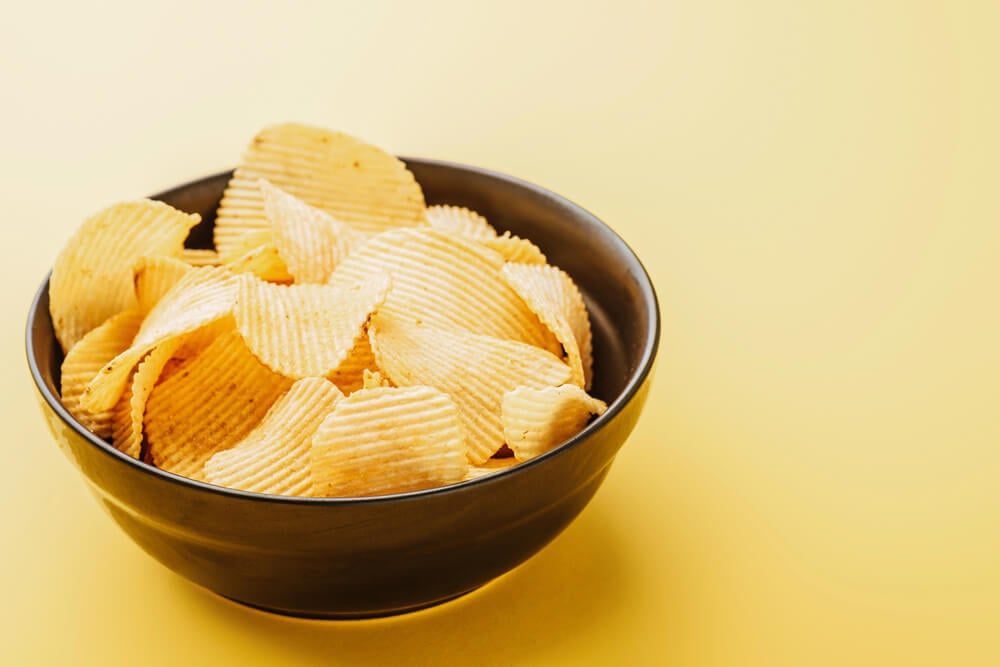
Made with real potatoes and actual potato skins, Keebler’s Tato Skins were available in flavors like baked potato, sour cream and chives, and cheese and bacon. Released in the mid-1980s, they remain heavily requested in nostalgic snack roundups.
A version eventually appeared as a TGI Friday’s branded product, but fans report the new version lacks the original’s generosity with seasoning powder.
Yogos
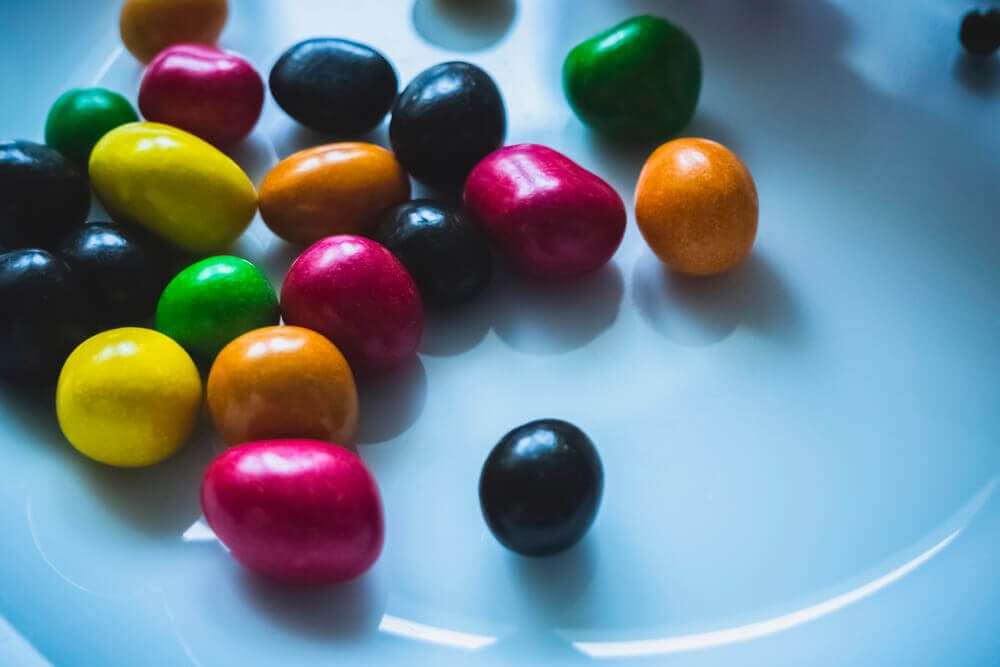
Yogurt-covered fruit snacks that combined chewy fruit centers with a yogurt coating, Yogos offered a unique texture combination that nothing else has successfully matched. They were available in the 2000s before discontinuation left a devoted following in their wake.
Ouch Bubble Gum
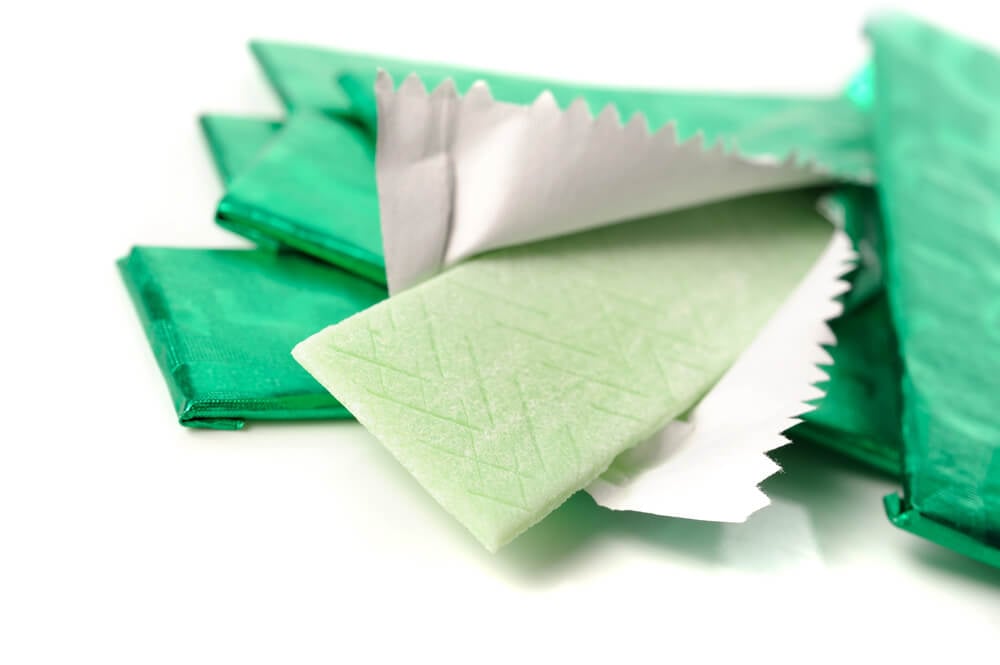
This gum shaped like bandages and colored like Band-Aids appealed to kids who treated adhesive bandages as stickers and enjoyed novelty items in snack form. The product’s humor and unusual shape created brand loyalty among young consumers, making its discontinuation surprisingly impactful.
Fruit Wrinkles
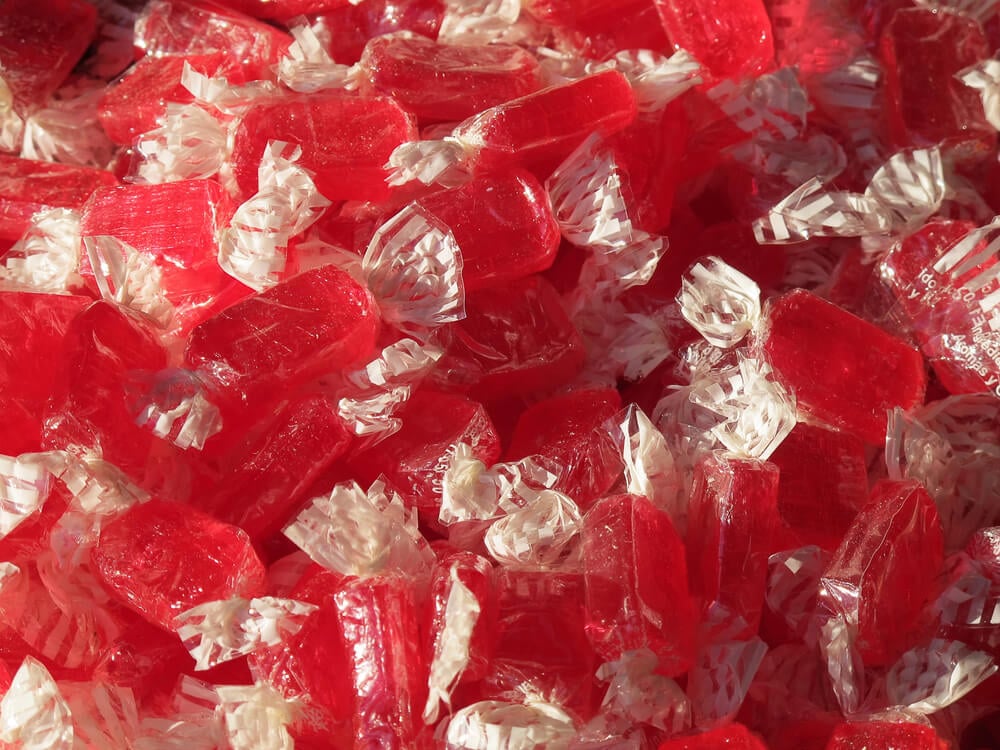
Available in the 1980s as tiny, chewy fruit nuggets that resembled candy raisins, Fruit Wrinkles were easy to snack on and easier to finish in one sitting. The pouch format made them lunchbox staples before Fruit Roll-Ups eventually stole their spotlight, causing them to quietly disappear.
The Nostalgia Business
What these snacks share isn’t inherent superiority—it’s the fact that they’re gone. Discontinuation creates a permanence that allows memory to improve, exaggerate, and reinvent products in ways that currently available snacks never quite match. Every request for a snack’s return is partly a request to return to the moment when that snack was discovered, whether that’s elementary school in the 1980s or a specific summer in the 2000s.
The internet has made these requests audible in ways previous generations could only dream about. Facebook groups with tens of thousands of members, trending hashtags, and corporate social media accounts directly receiving fan requests have turned nostalgic longing into organized campaigns.
Some companies have responded with limited revivals, while others seem determined to leave their past innovations in the past. Either way, these snacks have achieved a form of immortality through their absence, becoming more present in collective memory than they ever were on store shelves.
More from Go2Tutors!

- 16 Historical Figures Who Were Nothing Like You Think
- 12 Things Sold in the 80s That Are Now Illegal
- 15 VHS Tapes That Could Be Worth Thousands
- 17 Historical “What Ifs” That Would Have Changed Everything
- 18 TV Shows That Vanished Without a Finale
Like Go2Tutors’s content? Follow us on MSN.