25 Instruments Collectors Pay Well For
An instrument’s value has almost nothing to do with how well it plays out of the box. Specific years, specific factories, specific materials that are no longer legal or available all combine to make certain models worth vastly more than their modern equivalents, condition and originality permitting.
These are the ones serious collectors actively hunt for.
Pre-War Martin D-45 Guitars
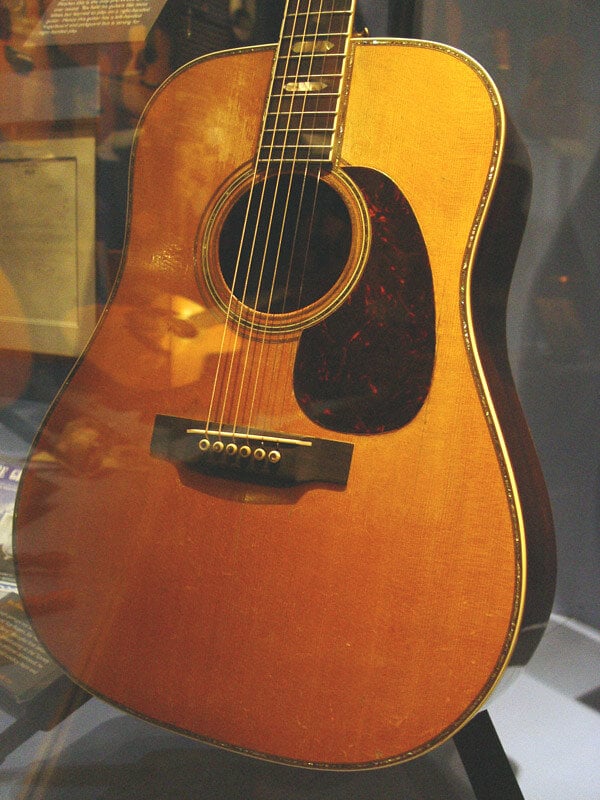
Martin built the original D-45 in extremely small numbers during the late 1930s, using Brazilian rosewood and abalone trim that the company’s later, mass-produced reissues can’t fully replicate. Fewer than a hundred were made in the original run, and surviving examples are treated as the benchmark against which every modern dreadnought guitar is measured.
1959 Gibson Les Paul Standard
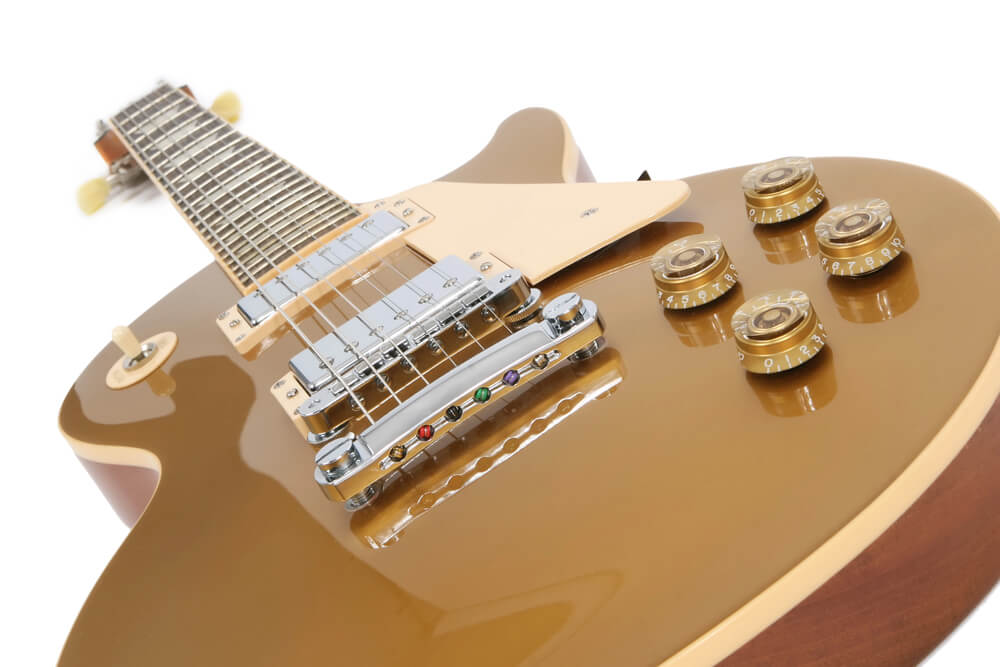
Collectors refer to these simply as “Bursts,” and Gibson made them for only a few years before discontinuing the model in the early 1960s due to poor sales at the time. Ironically, that short, commercially unsuccessful production run is exactly what makes surviving examples so valuable now, with condition and the specific figuring of the maple top playing a major role in what a given instrument commands.
Pre-CBS Fender Stratocasters
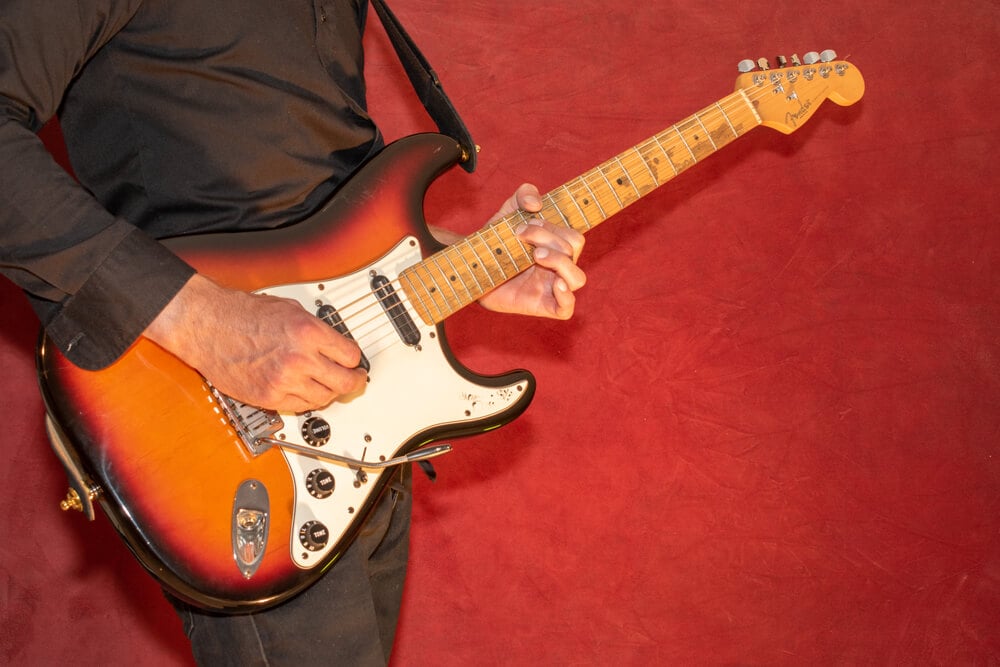
Fender’s Stratocasters from before the company’s 1965 sale to CBS are prized for construction details, from the wood selection to the hand-wound pickups, that changed after the corporate takeover. Specific years within that window, especially guitars from the mid-1950s, carry particularly strong reputations among players and collectors alike.
Stradivarius Violins
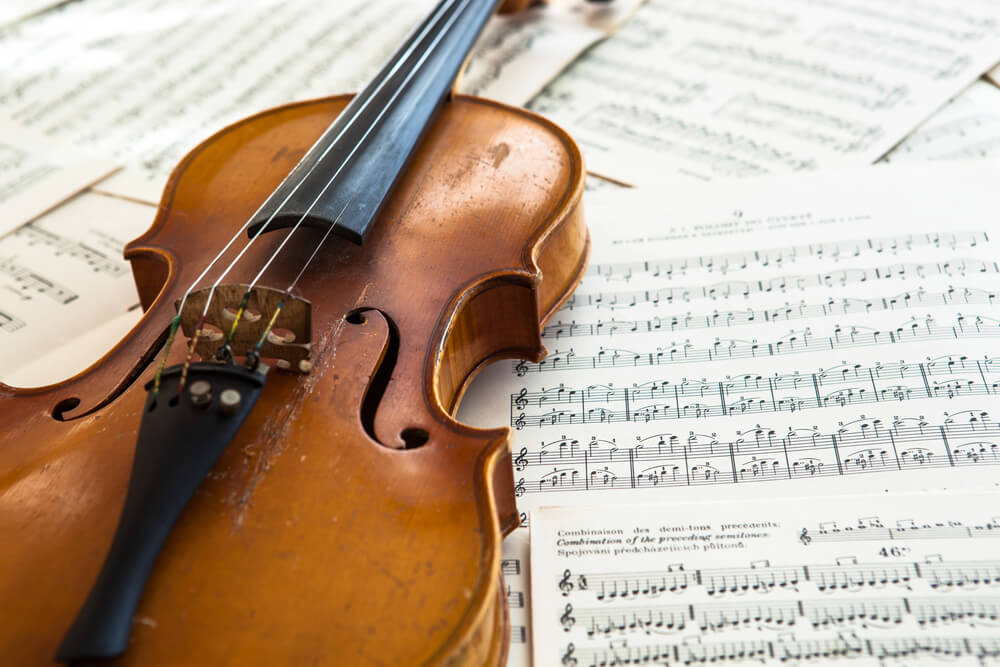
Instruments built by Antonio Stradivari in Cremona, Italy, during the late 1600s and early 1700s remain the gold standard of string instrument collecting, prized for a tonal quality that luthiers have never fully reverse-engineered. Surviving examples are extremely rare, and their value depends heavily on documented provenance and condition history stretching back centuries.
Pre-War Gibson Mastertone Banjos
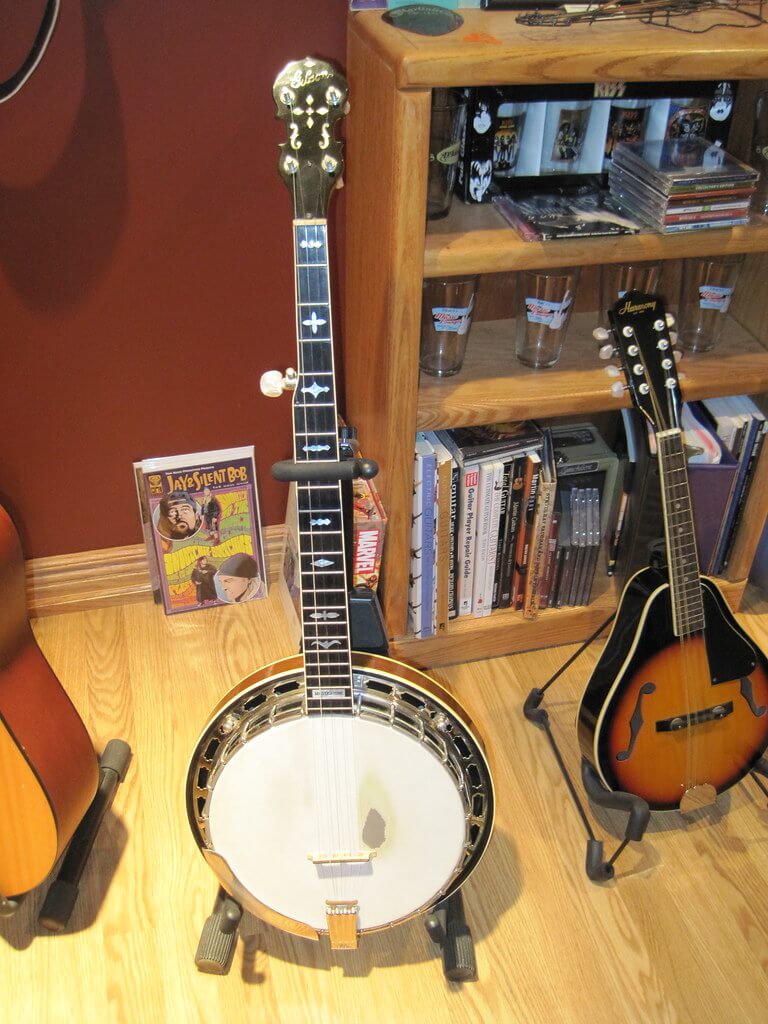
Gibson’s flathead Mastertone banjos from the 1930s are considered the definitive bluegrass banjo tone, built during a brief window before wartime material shortages changed the company’s construction methods. Bluegrass players and collectors alike treat the flathead tone ring design from this era as effectively irreplaceable.
Selmer Mark VI Saxophones
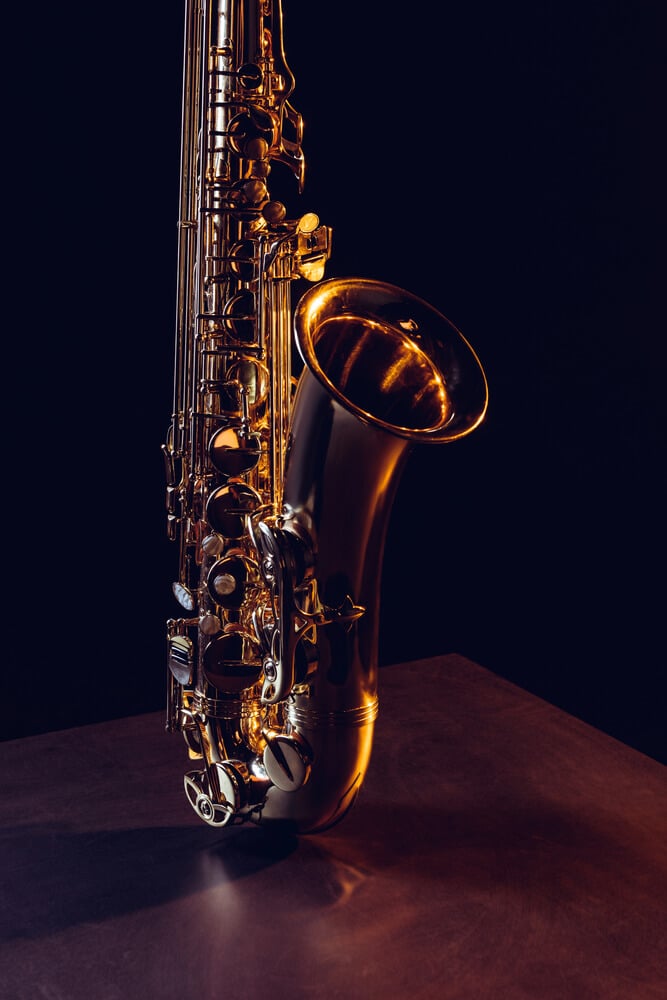
Selmer produced the Mark VI in Paris from the mid-1950s through the early 1970s, and it remains the most sought-after professional saxophone among jazz musicians decades after production ended. Specific serial number ranges are associated with particularly desirable tonal characteristics, and well-maintained originals routinely outperform modern reissues in blind tests among professional players.
Golden-Era Steinway Model D Pianos
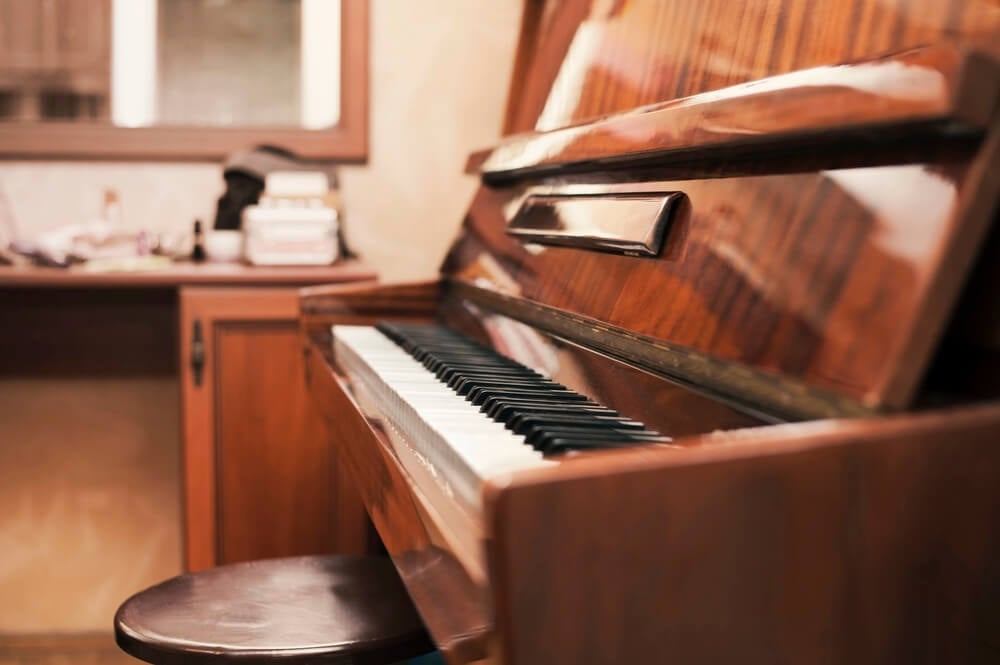
Steinway concert grand pianos built before the 1940s are frequently singled out by pianists and technicians as having a warmth that later production, after changes in materials and manufacturing processes, doesn’t quite replicate. Concert halls and serious collectors alike pay close attention to a given instrument’s specific build year and restoration history.
Lloyd Loar Gibson F-5 Mandolins
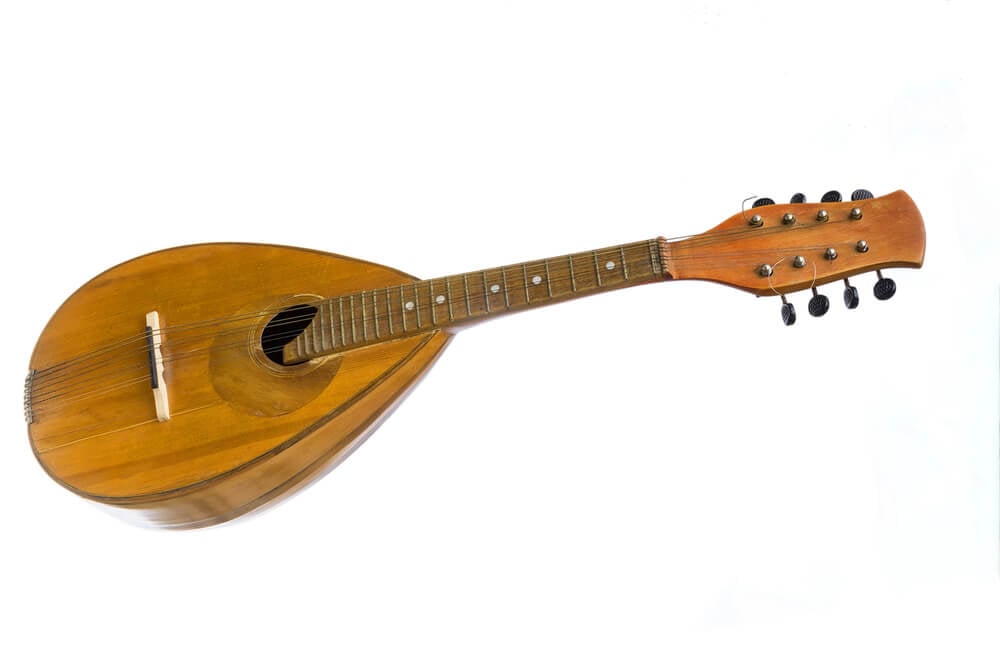
Gibson’s F-5 mandolins signed by acoustic engineer Lloyd Loar during his brief tenure at the company in the early 1920s are considered the pinnacle of mandolin construction. Bluegrass mandolin players treat original Loar-signed instruments as functionally priceless, and their scarcity means most working musicians only ever play close reproductions.
Rickenbacker 360/12 Electric Guitars
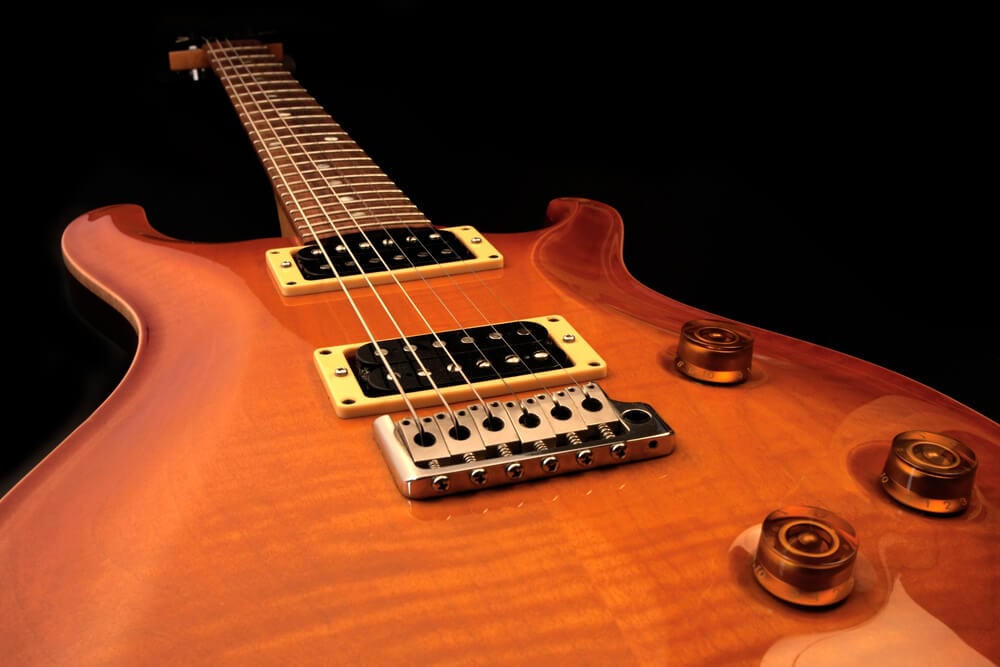
The distinctive jangling tone of Rickenbacker’s twelve-string electric guitars, closely associated with 1960s bands who used them extensively in the studio, has made vintage originals a specific target for collectors of that era’s gear. The model’s construction details changed enough over subsequent decades that specific vintage years carry noticeably different reputations among players chasing that original sound.
Vintage Ludwig Drum Kits
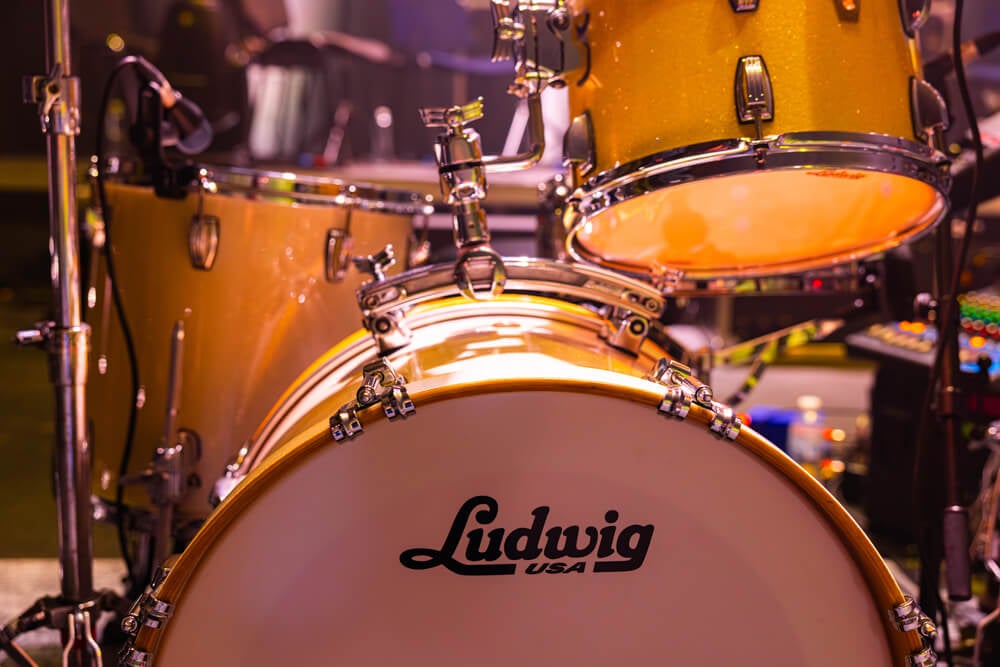
Ludwig kits from the 1960s, particularly in the oyster pearl and black oyster finishes closely associated with the era’s most visible rock drummers, remain heavily sought after by collectors of vintage percussion gear. Shell construction and hardware details from this specific period are considered noticeably different from the company’s later production.
Original 1960s Moog Modular Synthesizers
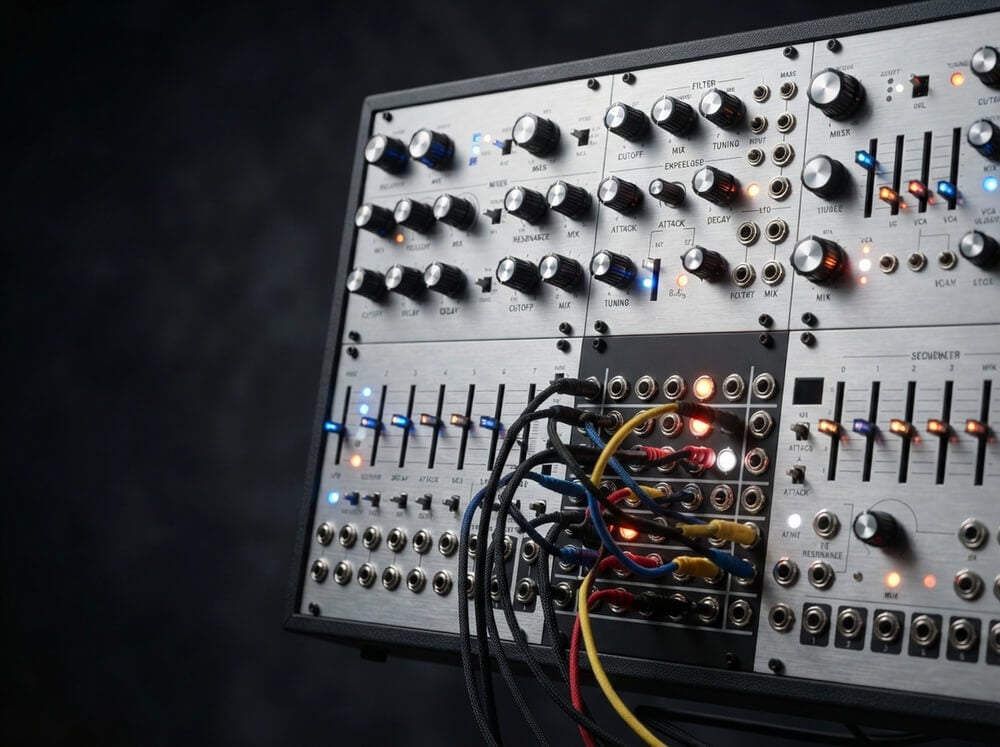
Robert Moog’s early modular synthesizer systems, hand-built and patched together with cables rather than presets, are treated as foundational artifacts of electronic music by collectors and working musicians alike. Surviving original units, especially ones with documented studio histories, command serious attention whenever they come up for sale.
Vintage Hammond B3 Organs
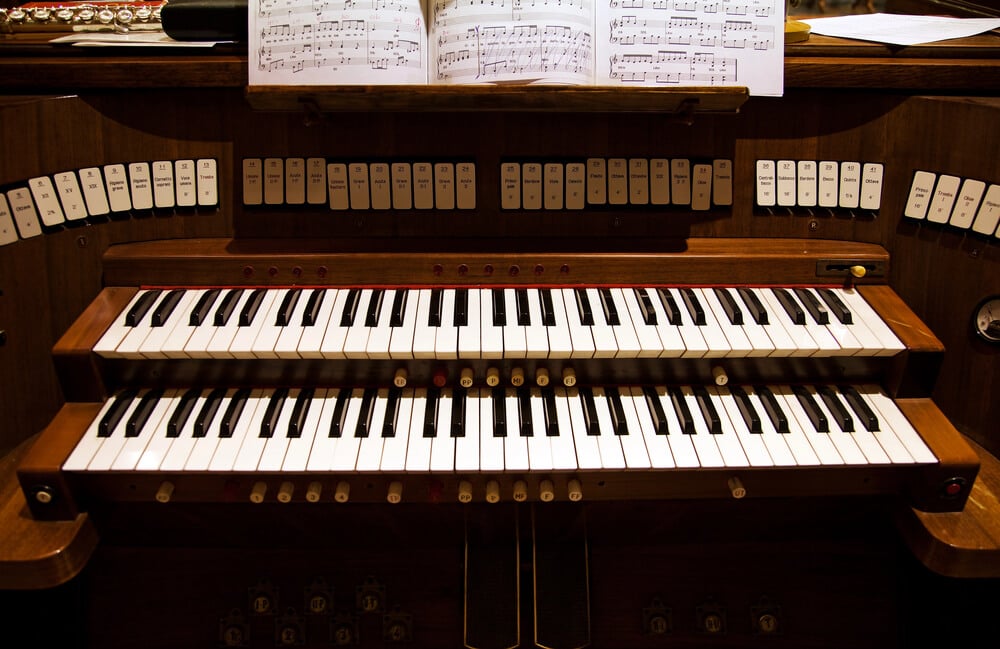
The Hammond B3, paired with a rotating Leslie speaker cabinet, defined the sound of gospel, soul, and jazz organ playing for decades, and original units from the model’s production run remain the benchmark against which digital and modern reproductions are judged. Weight and size make them impractical for many buyers, which paradoxically keeps demand concentrated among serious collectors and touring professionals.
Gretsch 6120 Chet Atkins Model
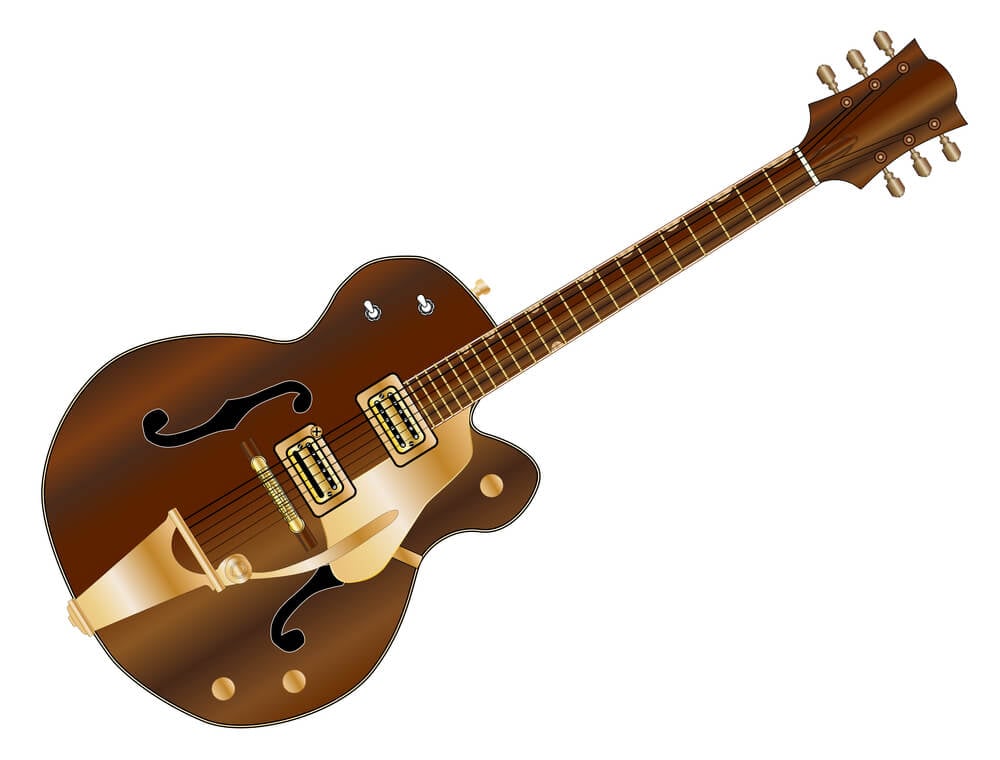
Named for the guitarist who helped design it, the Gretsch 6120 became closely associated with the twangy, reverb-heavy tone of early rockabilly and rock and roll recordings. Original examples from the model’s earliest production years are particularly prized for hardware and construction details that later reissues have altered.
National Tricone Resonator Guitars
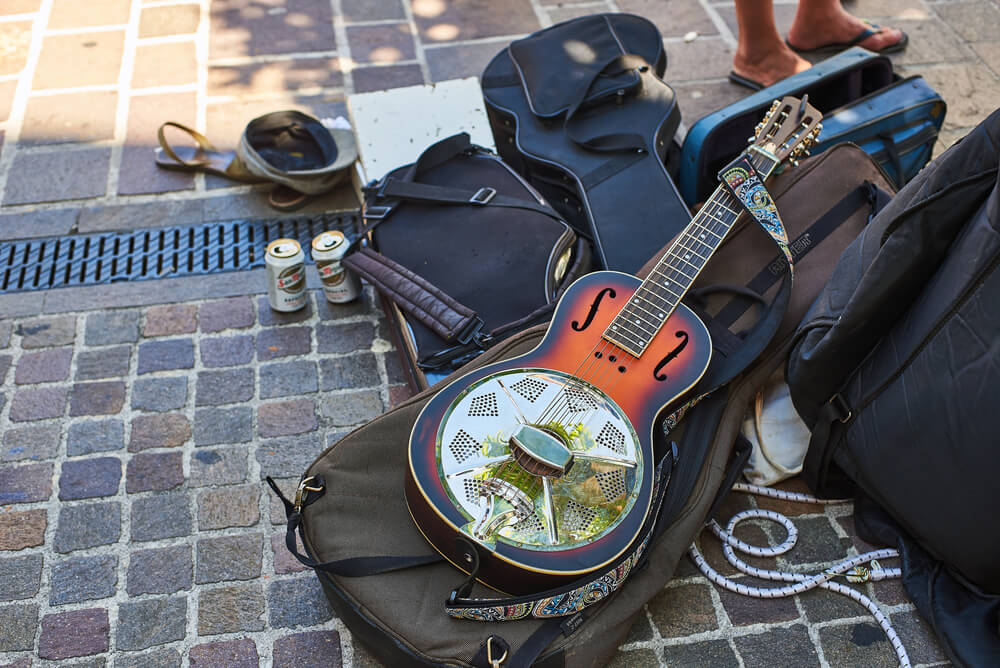
National’s resonator guitars from the late 1920s and 1930s used a distinctive three-cone design to mechanically amplify the instrument’s volume before electric amplification existed. Blues collectors in particular treat original tricones as essential artifacts of the pre-electric era, and their metal-body construction means well-preserved originals have survived in greater numbers than many wooden instruments from the same period.
1950s Blackguard Fender Telecasters
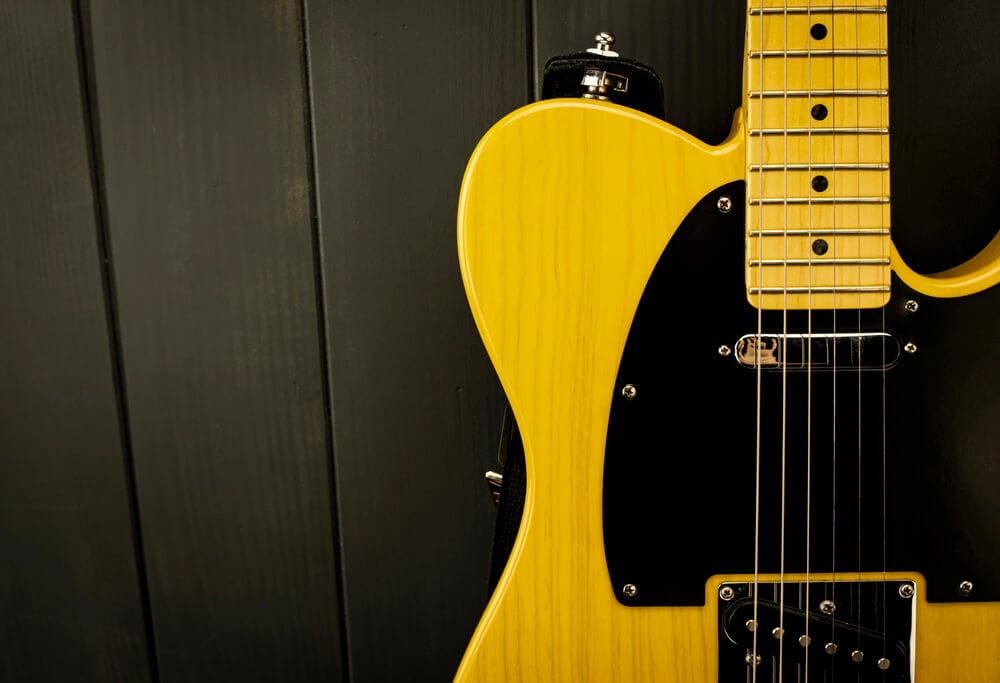
Fender’s earliest Telecasters, identifiable by their black pickguards, represent the company’s first mass-produced solid-body electric guitar design and are treated by collectors as the origin point of the entire model line. Specific construction details from this narrow production window, including pickup winding and wood selection, are closely studied by vintage guitar specialists.
Early Gibson ES-335 Electric Guitars
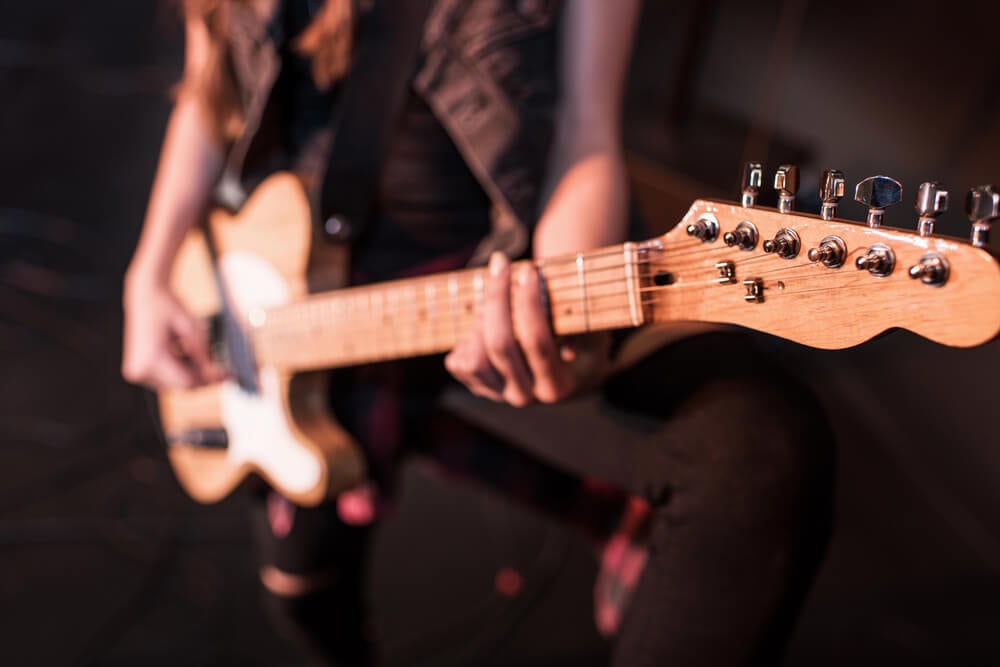
Gibson’s ES-335, introduced in the late 1950s, combined a semi-hollow body design that reduced feedback with a tone considered warmer than fully solid-body instruments. The earliest production years, before several hardware and construction changes, are the ones collectors specifically seek out.
Original Plexi-Panel Marshall Amplifiers
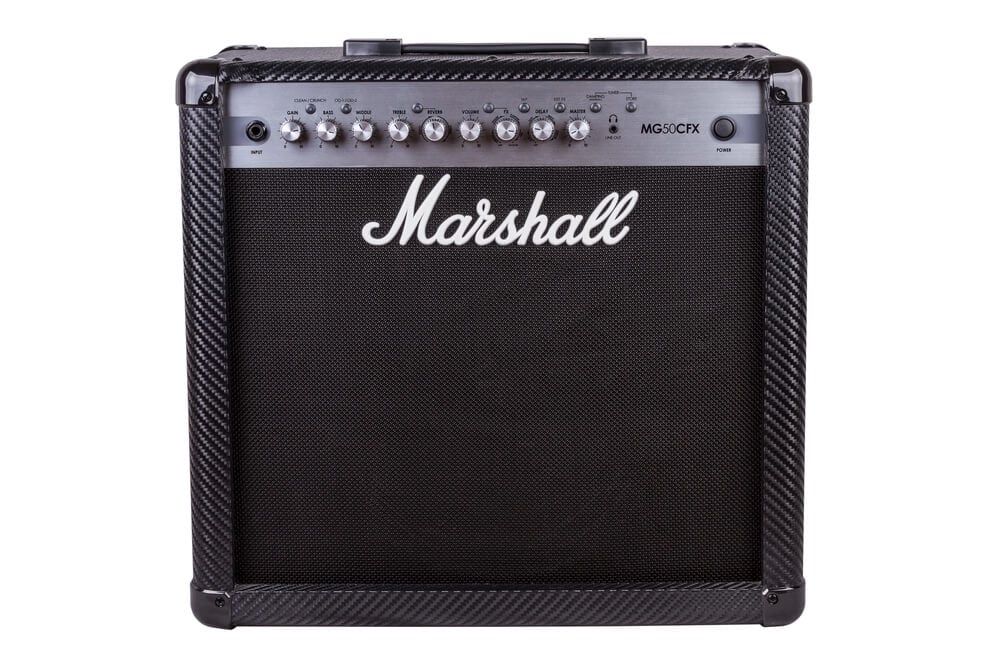
Marshall’s amplifiers from the 1960s, identifiable by their plexiglass control panels, are considered the foundation of the modern rock guitar tone and remain heavily sought after despite decades of reissues attempting to recreate their sound. Original transformers and speaker configurations from this era are specifically what collectors look for when evaluating authenticity.
Bösendorfer Model 290 Imperial Pianos
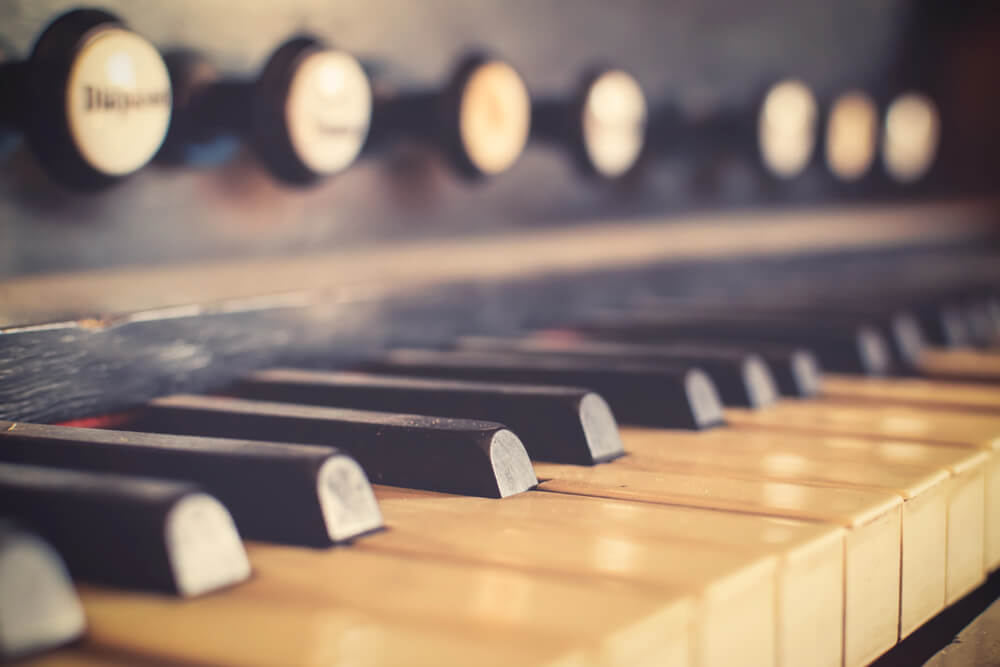
Bösendorfer’s Imperial grand piano includes extra bass keys beyond a standard eighty-eight-key instrument, a design choice that has made it a favorite among certain classical composers and performers since its introduction. Vintage examples, particularly those with documented concert histories, are treated as serious investments by institutional and private collectors alike.
Original Ampeg B-15 Bass Amplifiers
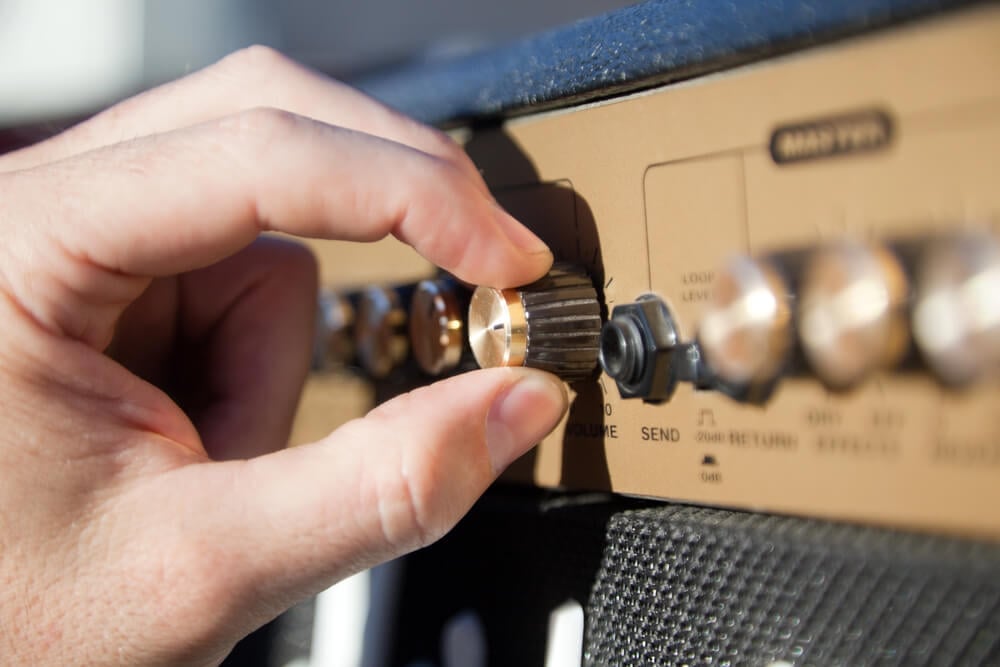
The Ampeg B-15, nicknamed the “Portaflex” for its flip-up design, became the standard studio bass amplifier for a huge swath of recordings from the 1960s onward. Original units are prized by studio owners and collectors specifically for a warmth in the tone that many bassists say later reissues haven’t fully matched.
Vintage Mellotron Keyboards
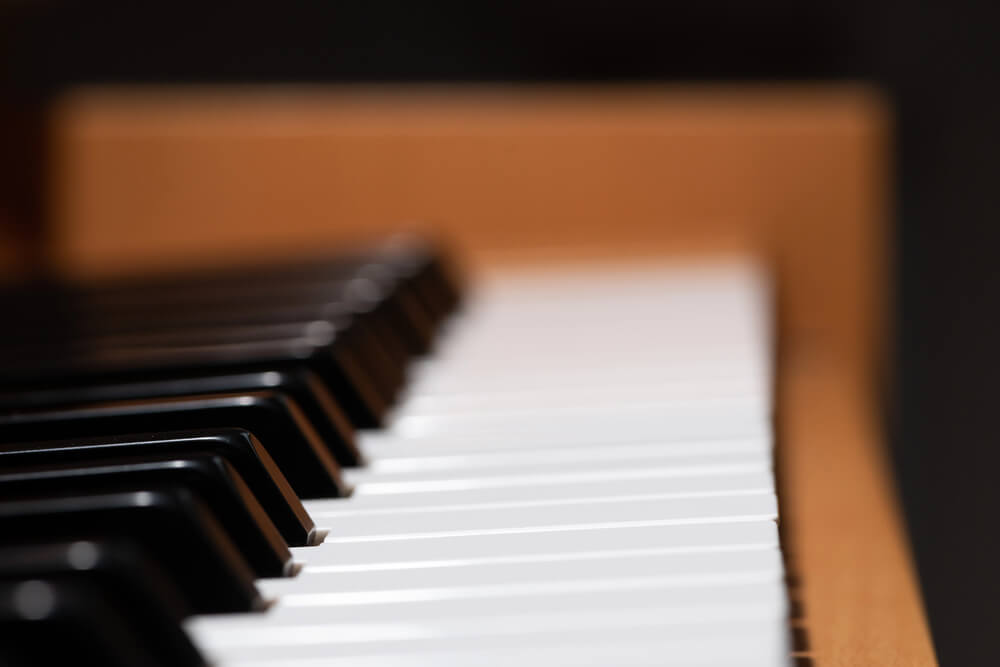
The Mellotron used analog tape loops to reproduce orchestral and choral sounds before digital sampling existed, giving it a distinctive, slightly unstable tone that became closely associated with certain psychedelic and progressive rock recordings. Surviving original units require specialized maintenance, which keeps most of them in the hands of dedicated collectors and studios rather than casual buyers.
Guarneri del Gesù Violins
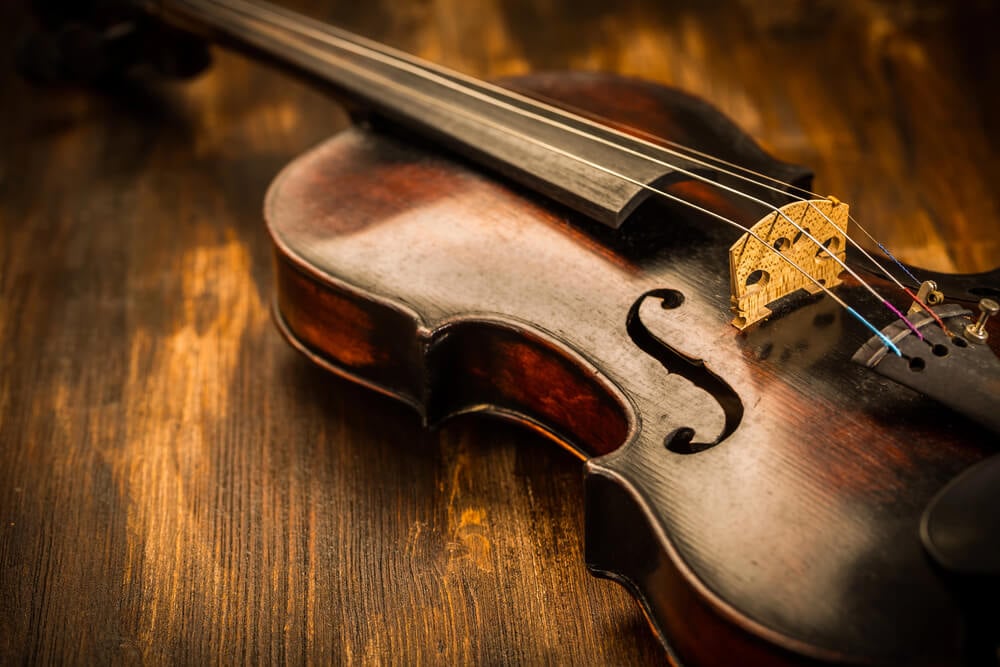
Violins made by Giuseppe Guarneri del Gesù during the early 1700s are considered, alongside Stradivari’s instruments, the finest ever produced, and elite soloists still perform on surviving originals today. Their extreme rarity and documented performance histories make them among the most closely tracked instruments in the entire collecting world.
Vintage Fender Precision Basses
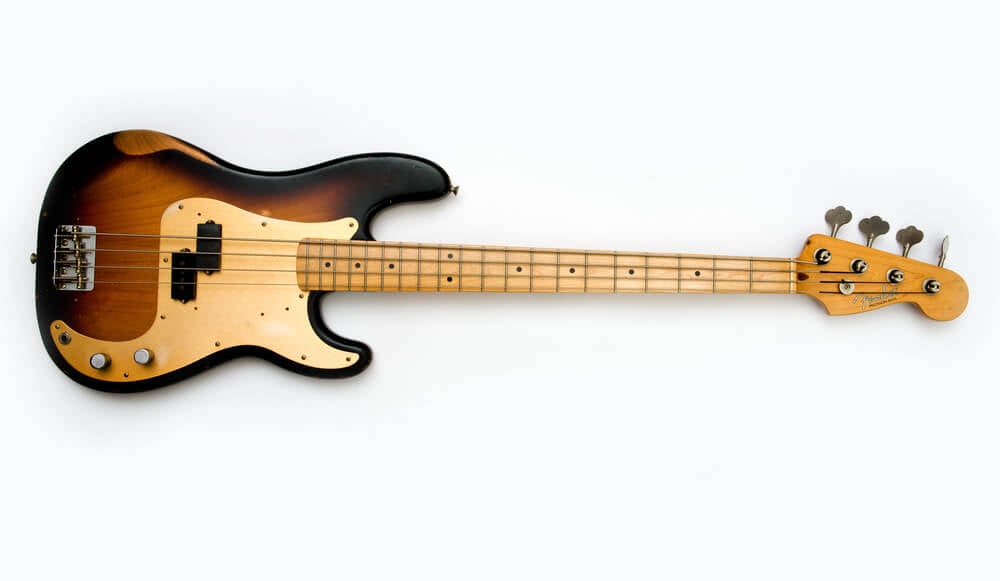
Fender’s Precision Bass, introduced in the early 1950s, effectively created the modern electric bass guitar as a category, and originals from the instrument’s first two decades of production are particularly sought after. Specific pickup and body construction changes across the decades give collectors clear markers for dating and valuing a given instrument.
Vintage Slingerland Radio King Drum Kits
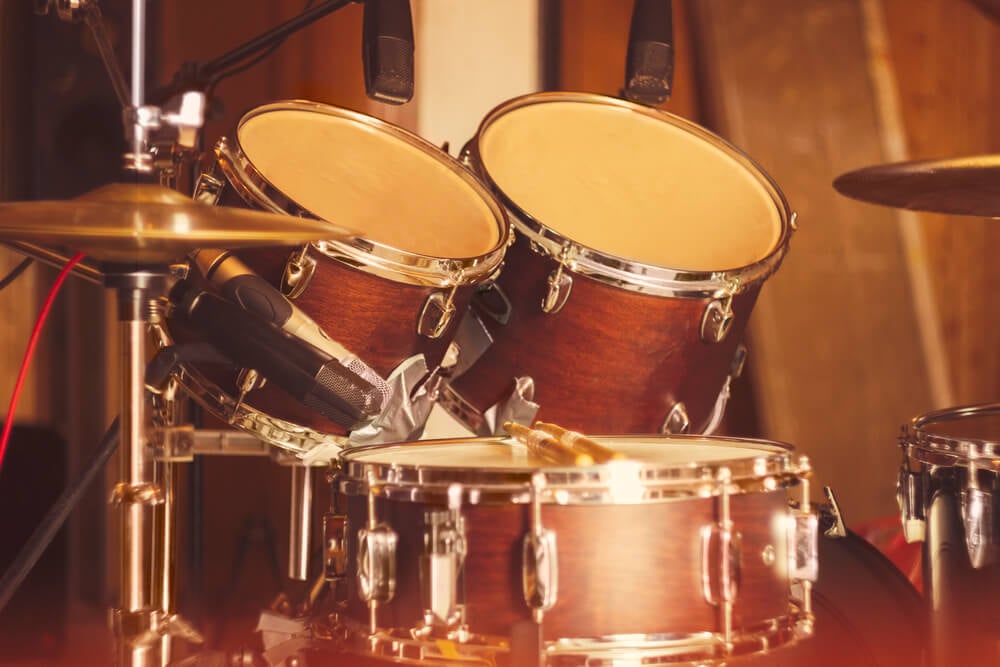
Slingerland’s Radio King drum kits from the 1930s through the 1950s were built with solid maple shells at a time when most competitors had moved to cheaper plywood construction, giving them a reputation for tone that outlasted the company’s own commercial fortunes. Complete, matched original kits from this era are considerably harder to find than individual drums.
Original EMS VCS3 Synthesizers
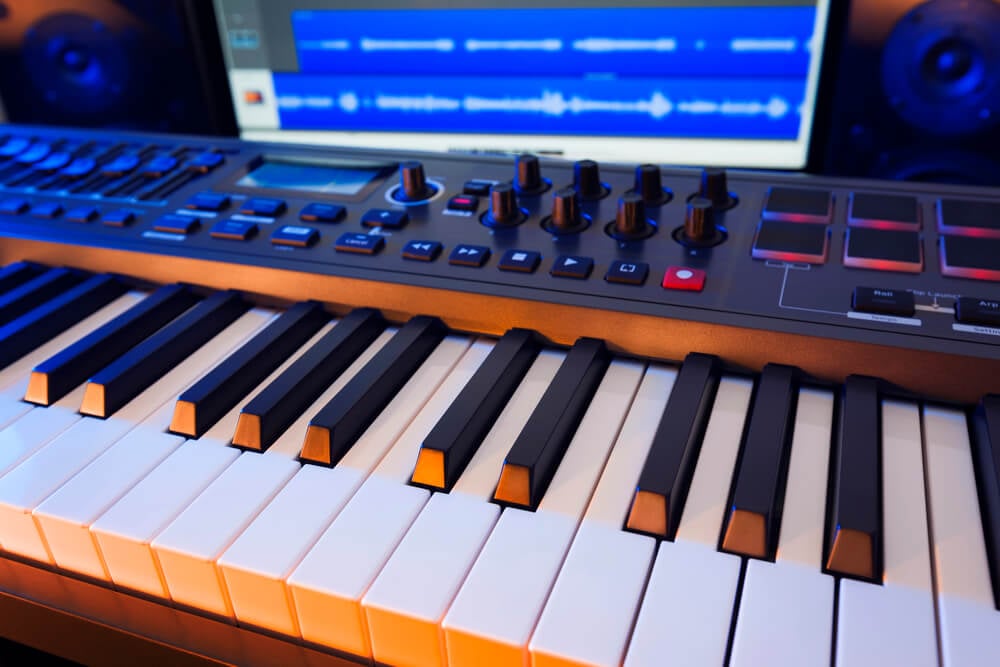
The British-built EMS VCS3 used a distinctive pin-matrix patching system rather than the cable-based patching of its American Moog contemporaries, giving it a specific place in the history of electronic instrument design. Surviving original units, particularly ones with documented studio use, are treated as significant artifacts by collectors of vintage electronic gear.
Pre-War Martin D-28 Guitars
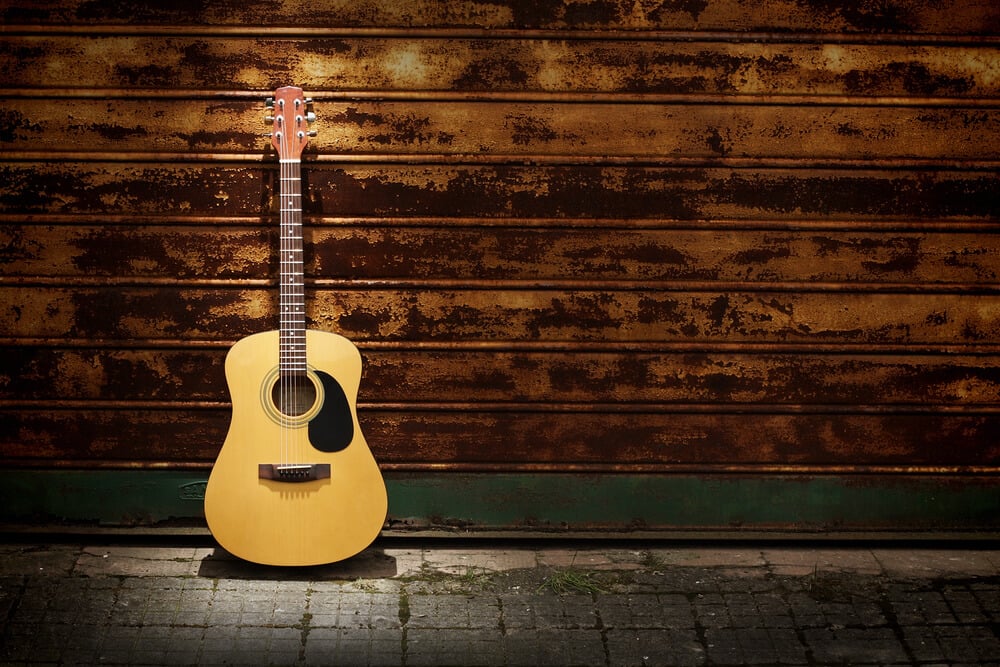
Martin’s D-28 dreadnought guitars from before the Second World War are prized for Brazilian rosewood construction and bracing patterns that the company later altered, changes widely considered by players to have affected the instrument’s tone. Alongside the rarer D-45, the pre-war D-28 remains one of the most consistently sought-after acoustic guitars in the vintage market.
What the Wood Remembers
Every instrument on this list represents a moment when a specific factory, a specific craftsman, or a specific material choice lined up in a way that turned out to be unrepeatable. Companies tried to recreate these instruments for decades afterward, sometimes using nearly identical blueprints, and the results are still measured against originals that predate most of their buyers.
That gap between the original and the reissue is where the real value lives. It isn’t nostalgia alone driving these prices; it’s the acknowledgment, made over and over by working musicians as much as collectors, that something in the original build genuinely hasn’t been matched since.
More from Go2Tutors!

- The Romanov Crown Jewels and Their Tragic Fate
- 13 Historical Mysteries That Science Still Can’t Solve
- Famous Hoaxes That Fooled the World for Years
- 15 Child Stars with Tragic Adult Lives
- 16 Famous Jewelry Pieces in History
Like Go2Tutors’s content? Follow us on MSN.