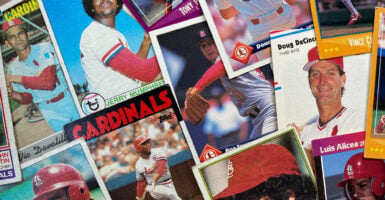
27 Sports Cards Sitting in Basements That Still Sell
Most old card collections were never treated like investments. They were stuffed into shoeboxes, rubber-banded into bundles, or left in bicycle spokes decades ago, which is exactly why so many surviving cards show the kind of wear that keeps them affordable rather than legendary.
That does not mean they are worthless. A surprising number of common-looking cards from ordinary basement boxes still sell steadily, simply because collectors are always rebuilding old sets one missing card at a time.
1952 Topps Baseball Set Commons
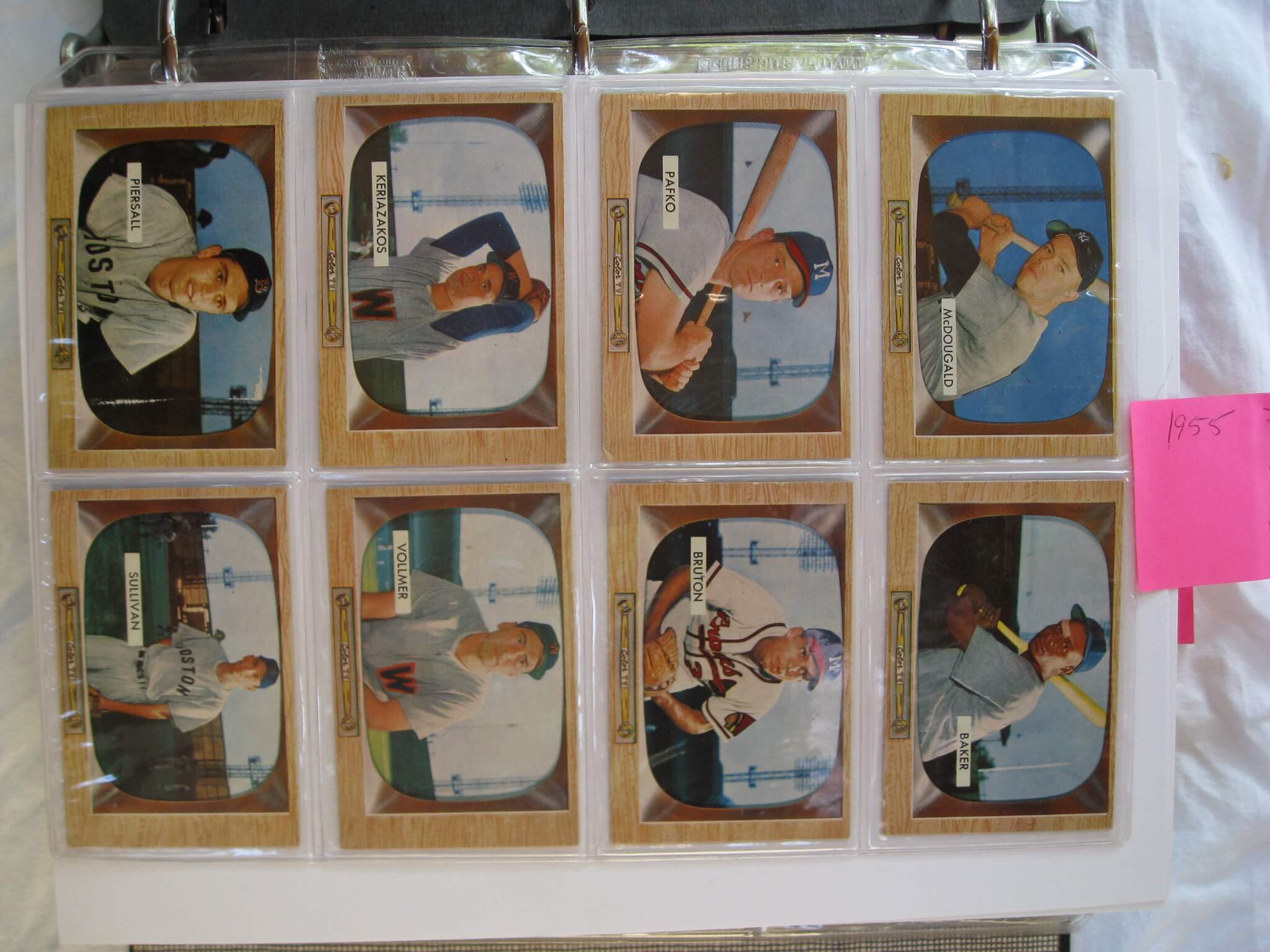
The 1952 Topps set is one of the most iconic in the hobby, largely due to its oversized card format and the fame of its Mickey Mantle card, but the vast majority of cards in the set are ordinary players that still sell reliably to collectors trying to complete the full run. Even heavily worn commons from this set hold value simply because the set itself is so widely pursued.
1957 Topps Baseball Cards
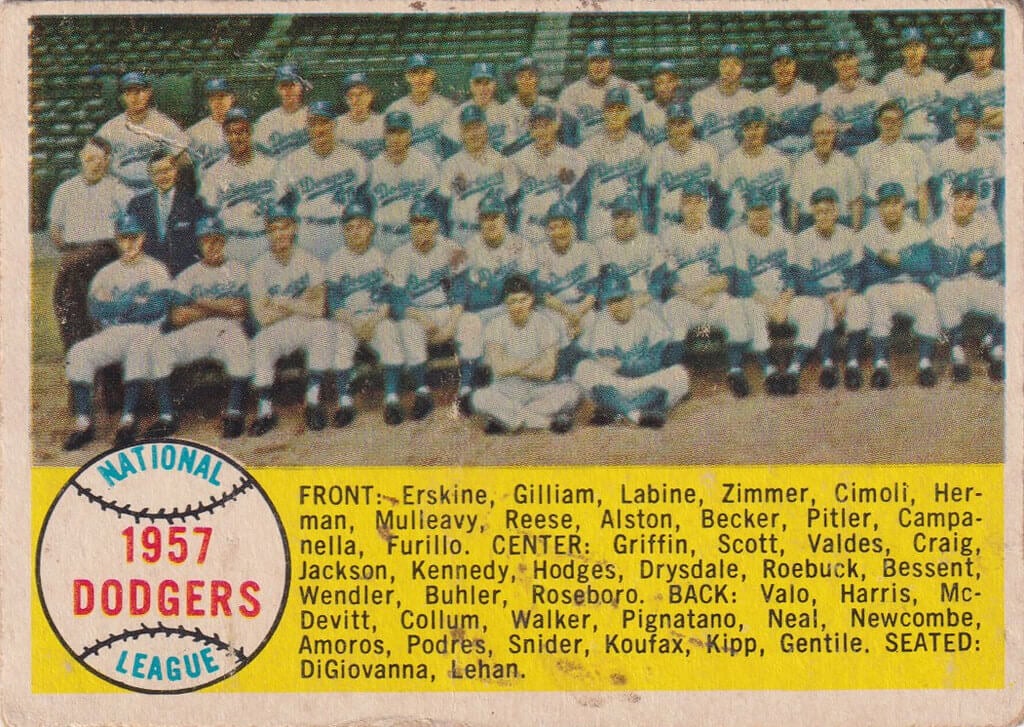
The 1957 Topps set introduced the now-standard card size still used today, and complete or near-complete sets from this year are a common target for collectors focused on mid-century baseball. Individual commons from this set, even in played condition, continue to move steadily through card shops and online marketplaces.
1969 Topps Football Set Cards
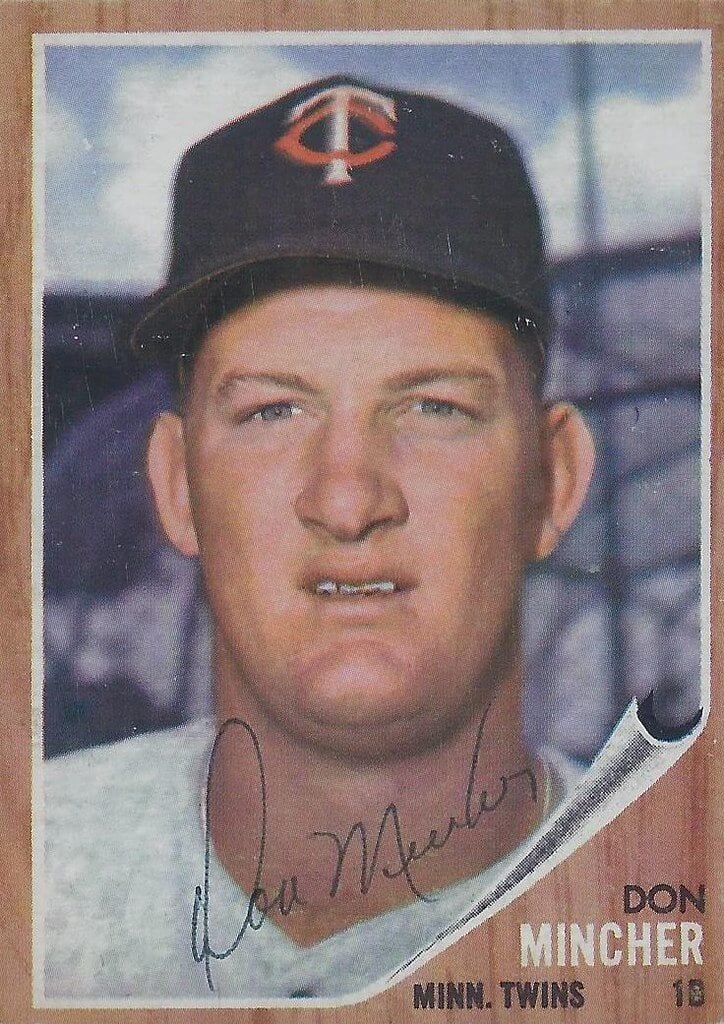
The 1969 Topps football set, issued during a period of significant growth in professional football’s popularity, includes cards of players who later became key figures in the sport’s history, alongside dozens of forgettable roster names that still fill out demand from set builders. Basement finds of this set are common simply because production numbers were relatively high for the era.
1970s Topps Basketball Commons
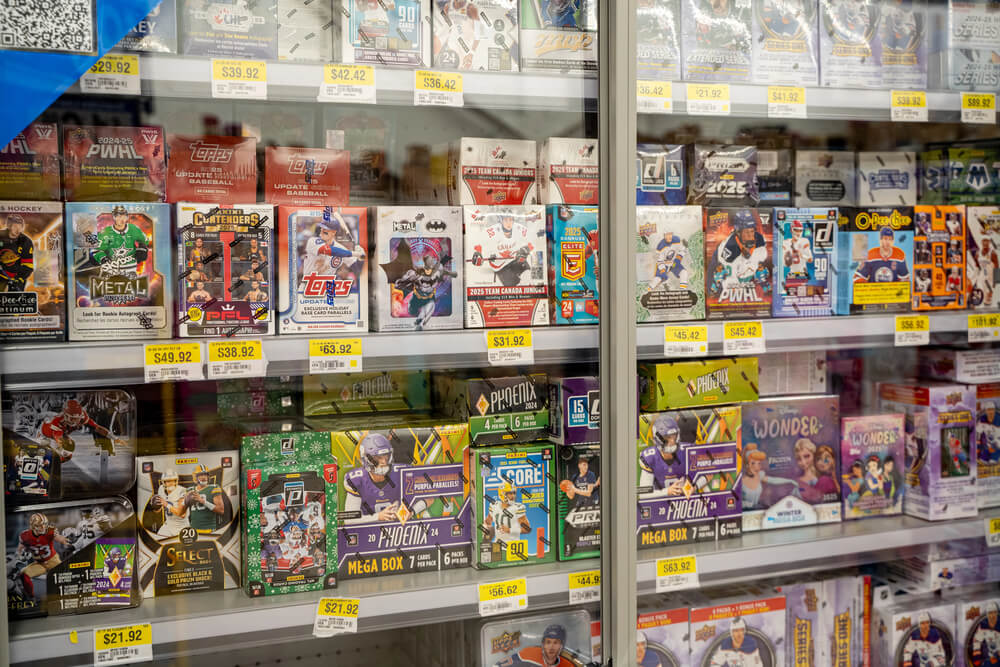
Basketball card production in the 1970s was smaller in scale than baseball or football, which paradoxically keeps demand for common cards from this era steady, since fewer of them were saved compared to the sport’s more heavily collected football and baseball counterparts. Set builders working on early 1970s basketball frequently seek out cards well outside the star-player tier.
Wax Pack Wrapper and Box Ephemera
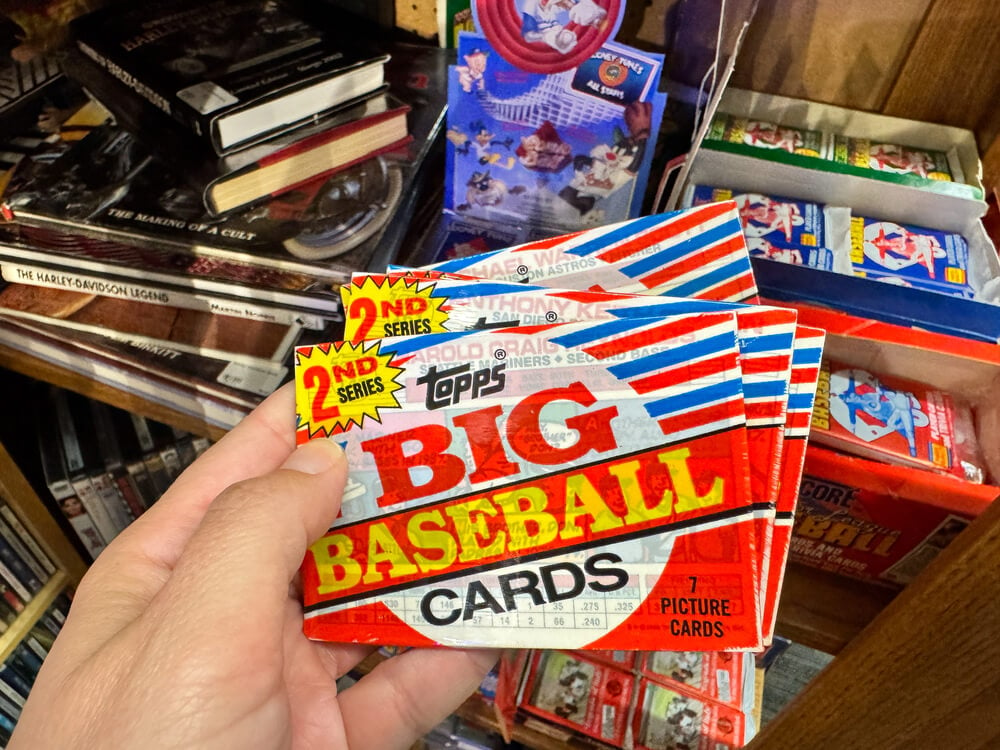
Original wax pack wrappers and empty display boxes, distinct from the cards themselves, have become a collecting category of their own, since most were discarded immediately after the cards were removed. A basement box that includes original wrappers alongside the cards often sells for more as a lot than the cards would individually.
1980s Donruss and Fleer Baseball Cards
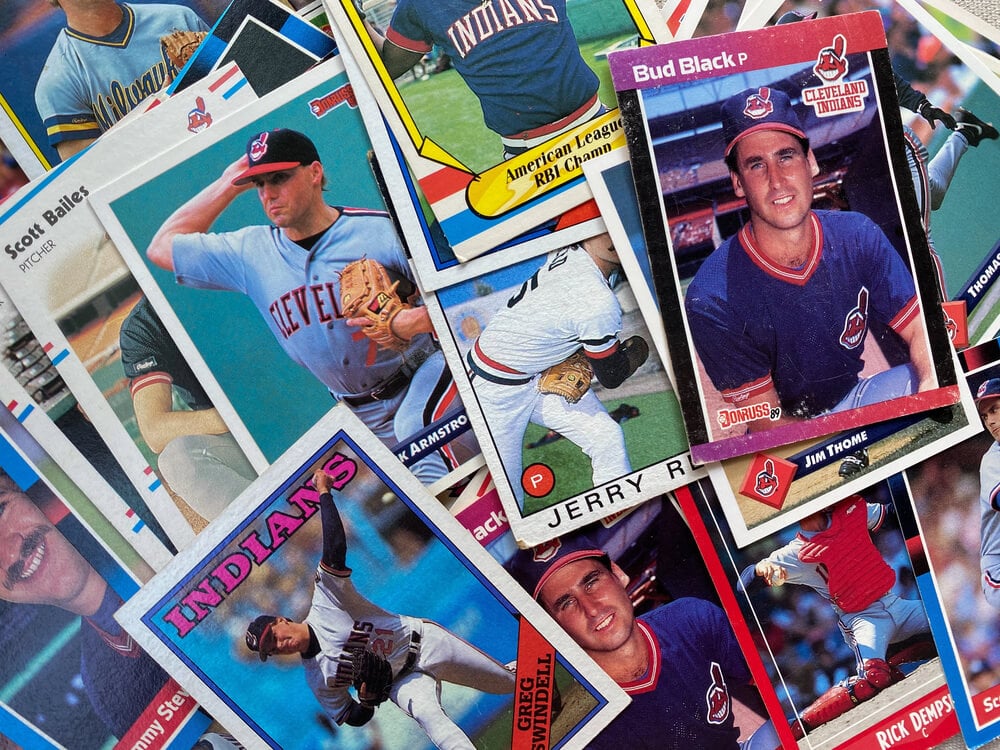
Cards from Donruss and Fleer’s early 1980s baseball sets, issued after both companies won the right to compete with Topps for a Major League Baseball license, are common finds in basement collections from that decade. While overproduction in later years of the decade suppressed values across the hobby broadly, the earliest sets from each company retain more consistent demand.
1960s Topps Hockey Cards
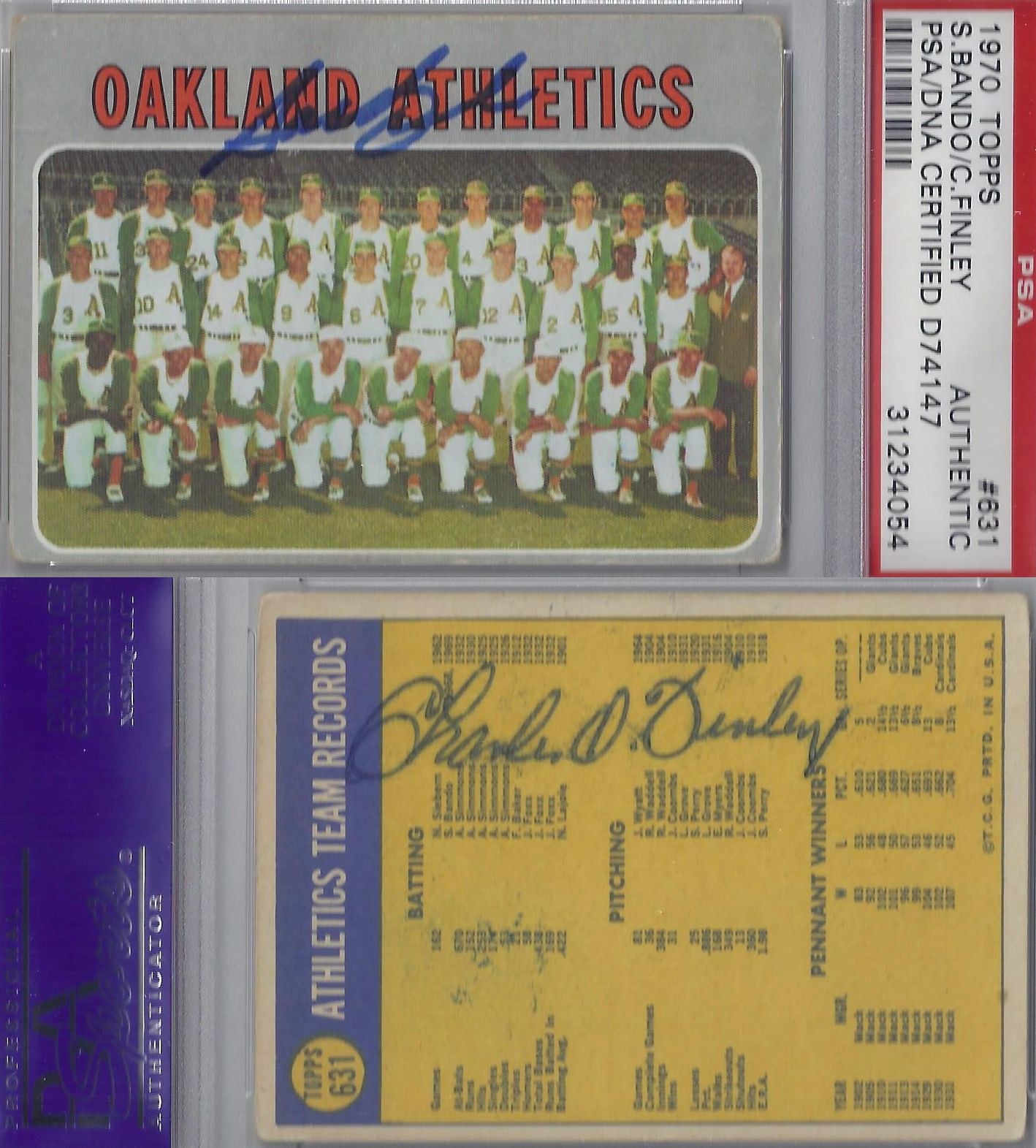
Hockey card production in the 1960s was considerably smaller than in the other major North American sports, largely because the league itself was smaller and less nationally distributed in the United States at the time. This scarcity means even common cards from this era sell reliably to the smaller but dedicated pool of hockey card collectors.
Team-Issued Photo Cards
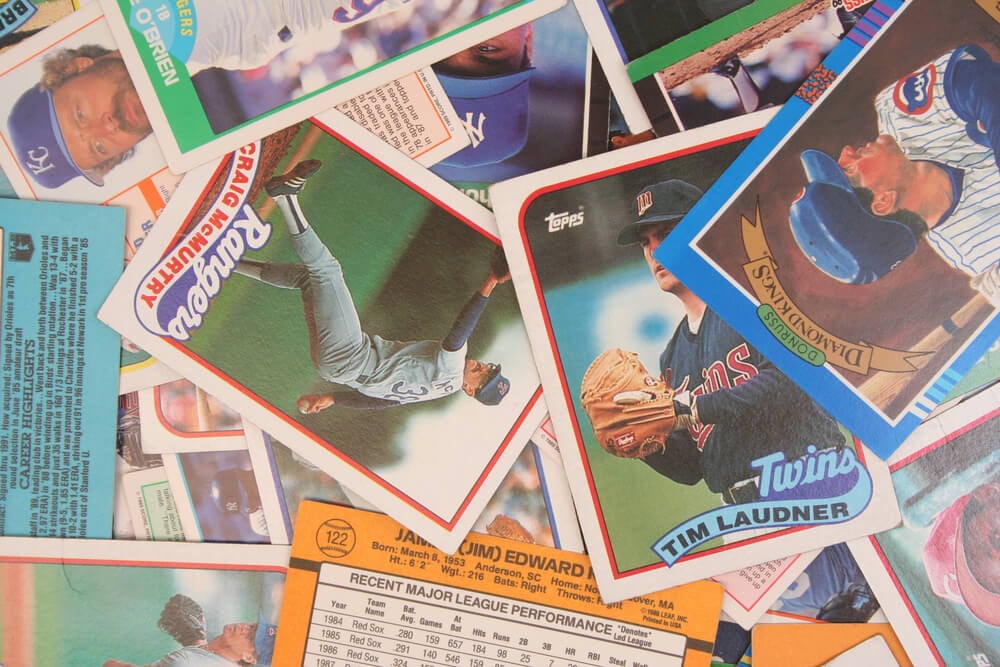
Cards issued directly by individual sports teams, rather than by national card manufacturers, were often distributed in smaller regional print runs and are harder to catalog comprehensively than major-brand sets. Collectors specializing in a specific team’s history actively seek these out, sometimes paying more for a scarce team-issued card than for a mass-produced card of the same player.
1980s and 1990s Boxing Cards

Boxing card sets, produced sporadically compared to the major North American team sports, are collected by a smaller but dedicated fan base tied closely to the sport’s individual fighters. Sets tied to major fights or notable boxing eras continue to find steady buyers, even for cards depicting less prominent fighters on the undercard.
Minor League and Farm Team Cards
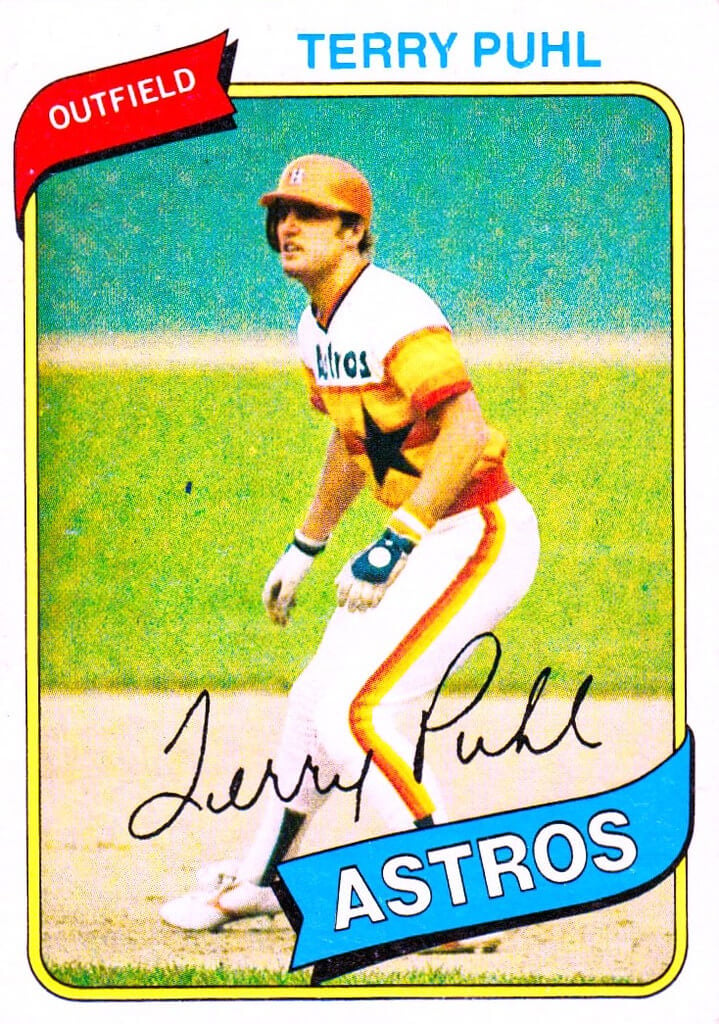
Cards produced for minor league baseball teams, often issued locally rather than through major national manufacturers, are collected both by set builders tracking a specific team’s history and by collectors hoping to find an early card of a player before a notable major league career. Because these cards were distributed regionally in smaller numbers, even common players’ cards can be harder to find than their major league counterparts.
Regional Bread and Snack Food Issue Cards
Sports cards issued as promotional inserts by regional bread, snack, and dairy companies through the mid-twentieth century form a specialized collecting niche distinct from standard card manufacturer sets. Because distribution was limited to specific regions and often tied to a single company’s promotional run, these cards can be more difficult for set builders to complete than nationally distributed sets from the same era.
1990s Score and Upper Deck Football Cards
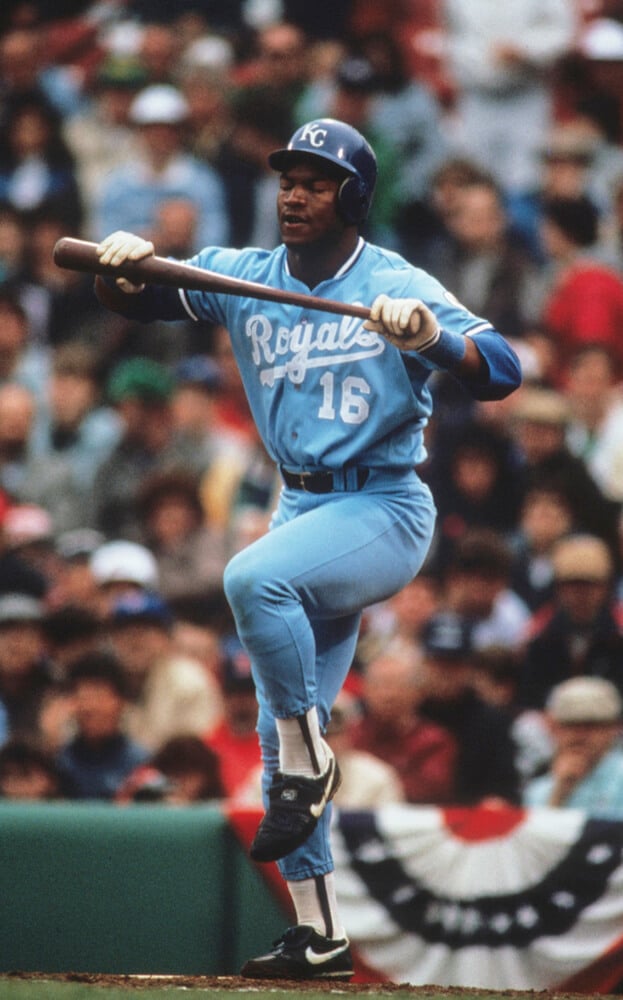
Football cards from Score and Upper Deck’s 1990s sets, issued during a period when card companies were experimenting with improved photography and card stock quality, remain common finds in basement collections. Their relatively high production numbers keep most individual cards affordable, though set builders continue to provide steady demand.
College and Amateur Sports Card Sets
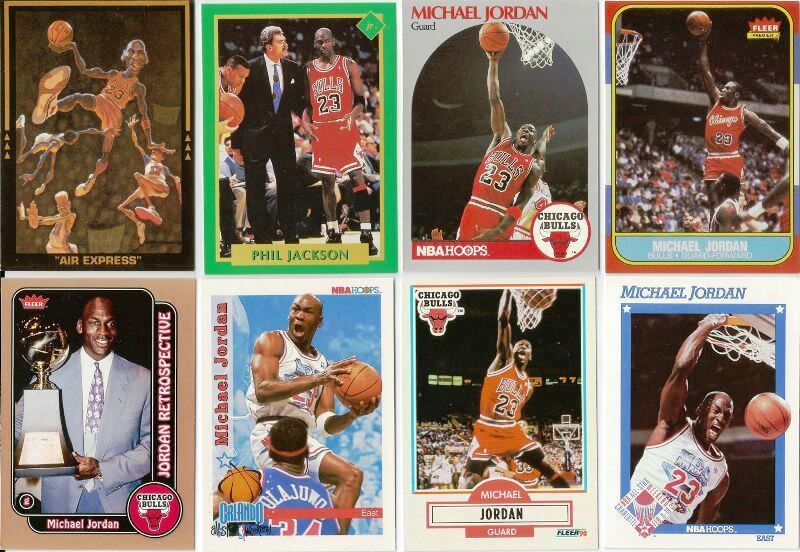
Cards depicting college athletes, issued before or separate from a player’s professional career, are collected both by alumni-focused collectors and by those tracking a player’s full career arc from amateur to professional competition. Regional college sets, particularly for programs with strong local followings, sell reliably regardless of whether the depicted players went on to notable professional careers.
1970s Kellogg’s 3-D Baseball Cards
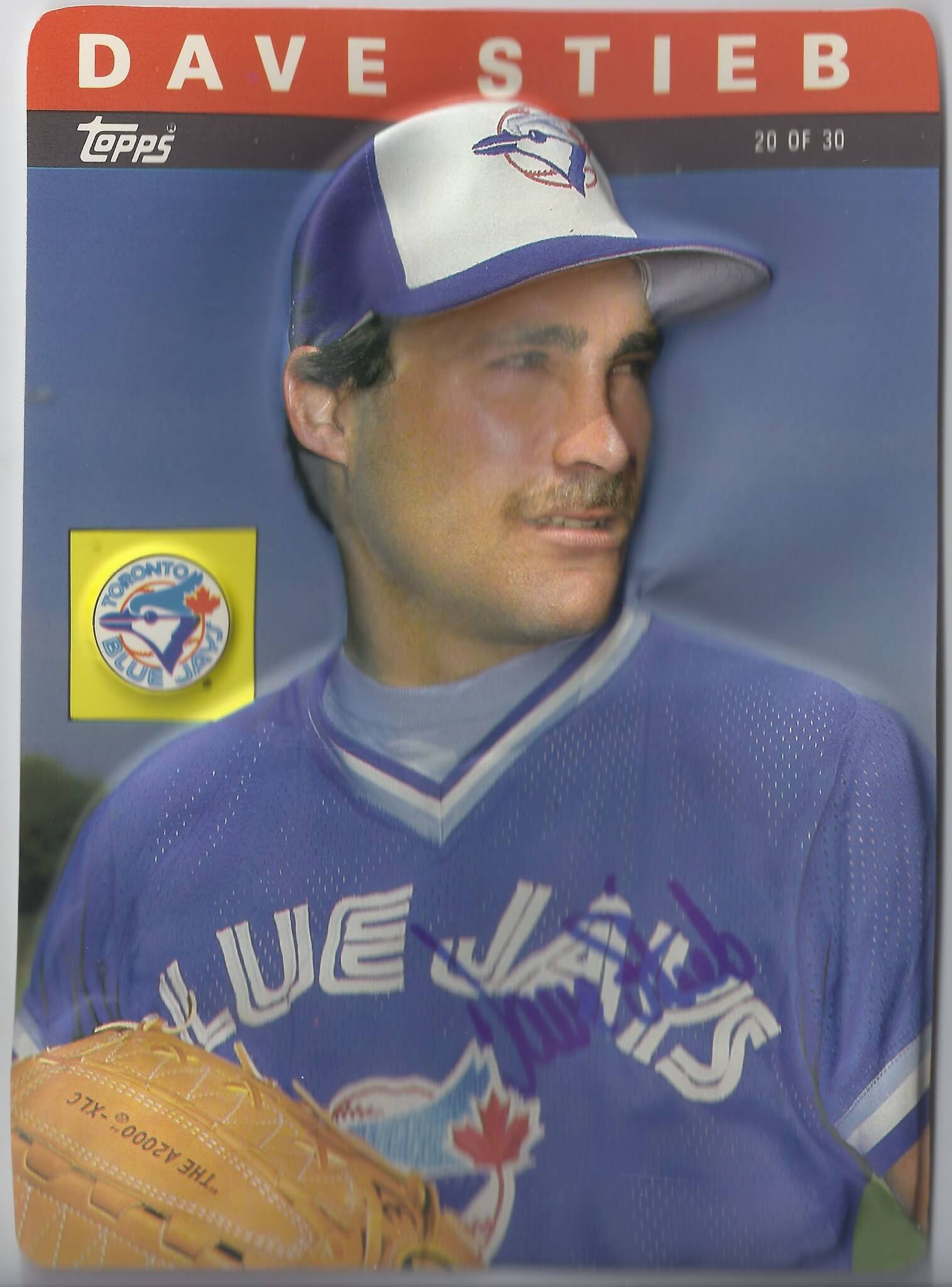
Kellogg’s produced a distinctive line of baseball cards with a raised, three-dimensional image effect, distributed as cereal box inserts through much of the 1970s. Because the cards used a different, more fragile printing process than standard cardboard cards, well-preserved examples without cracking to the 3-D surface sell for more than the typical common card from the same era.
1980s Topps Wrestling Cards

Topps produced wrestling card sets in the 1980s tied to major professional wrestling promotions, capturing a period of significant mainstream growth for the sport. These cards are collected both by sports card enthusiasts and wrestling memorabilia collectors, giving them a broader buyer pool than some other niche sports card categories.
Olympic Athlete Card Sets
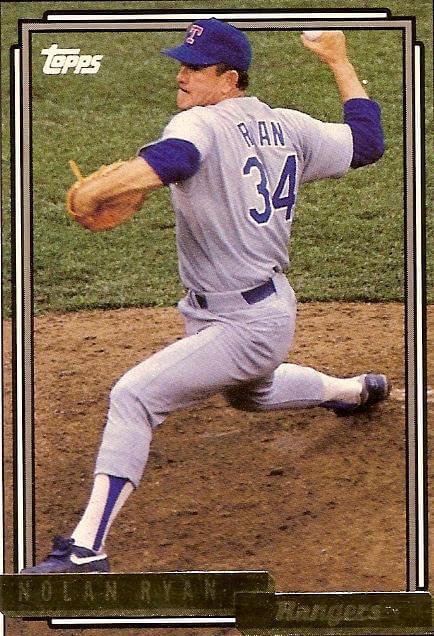
Cards produced around specific Olympic Games, featuring athletes across multiple sports rather than a single one, are collected by a mix of general sports card enthusiasts and specialists in specific Olympic sports. Sets tied to Games held in the collector’s own country tend to see steadier long-term demand than sets from more distant host locations.
Ring Magazine and Boxing Publication Card Inserts

Card sets distributed as inserts within boxing publications, distinct from standalone boxing card sets sold separately, are collected as a specific subcategory tied to the publishing history of the magazine itself. Complete sets that remained bound within their original magazine issue are considered more desirable than loose, removed cards.
1990s SkyBox Basketball Cards
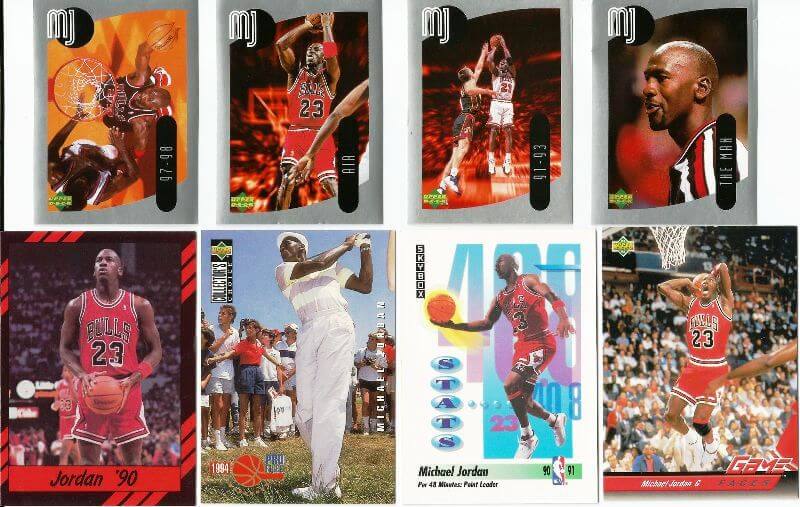
SkyBox’s basketball card sets from the 1990s, produced during a period of increased competition among card manufacturers for basketball licensing, are common finds in basement collections from that decade. While overall production volume keeps most individual cards affordable, complete set builders provide consistent demand for even the least notable cards in a given release.
Negro League Baseball Card Sets
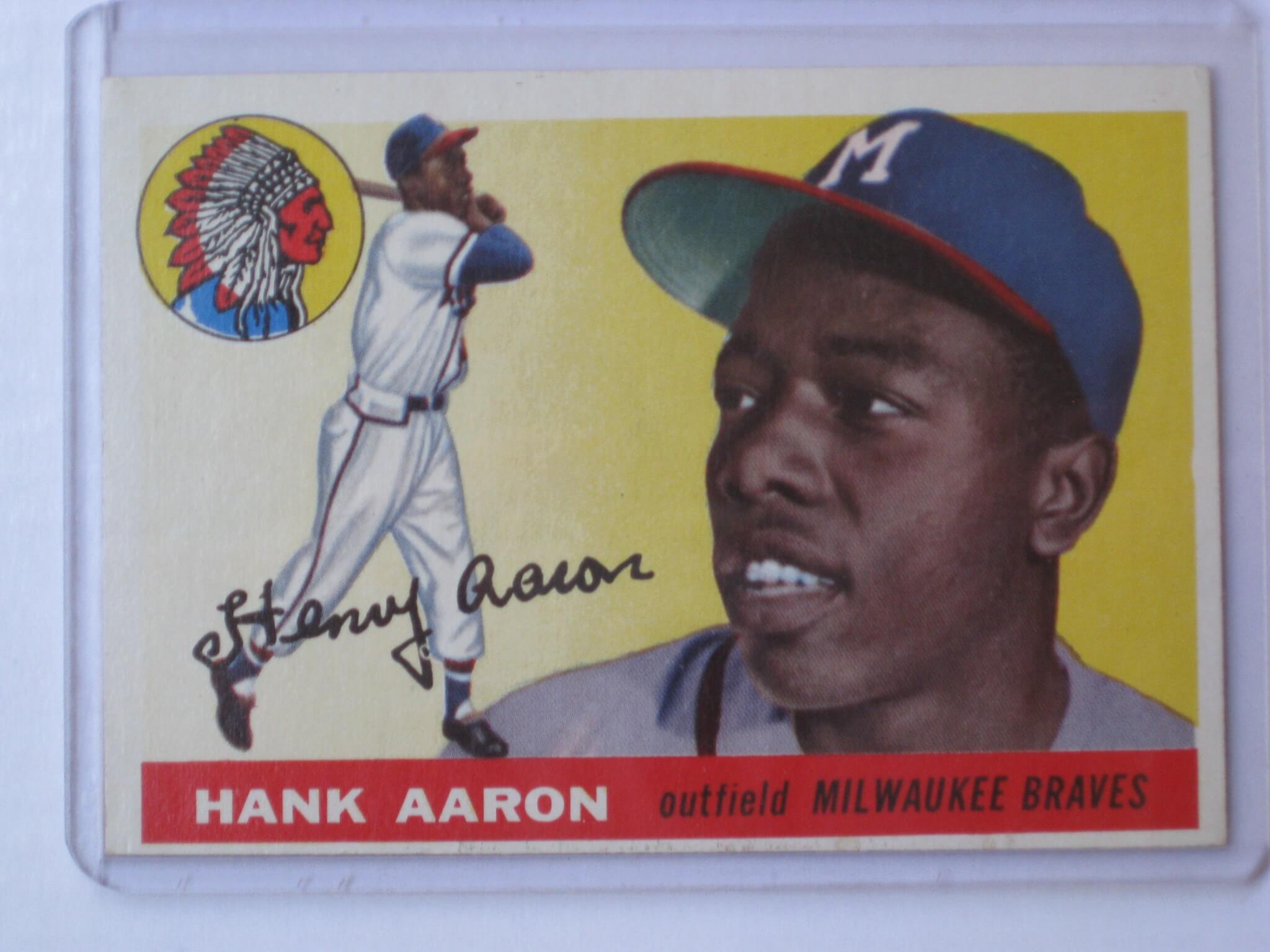
Card sets specifically documenting Negro League baseball players and history, many produced decades after the leagues themselves operated as a form of historical commemoration, are collected both for their sports history value and their broader documentation of a significant era in American baseball. These sets are treated by collectors as historically important independent of any individual card’s market price.
Cracker Jack Baseball Cards
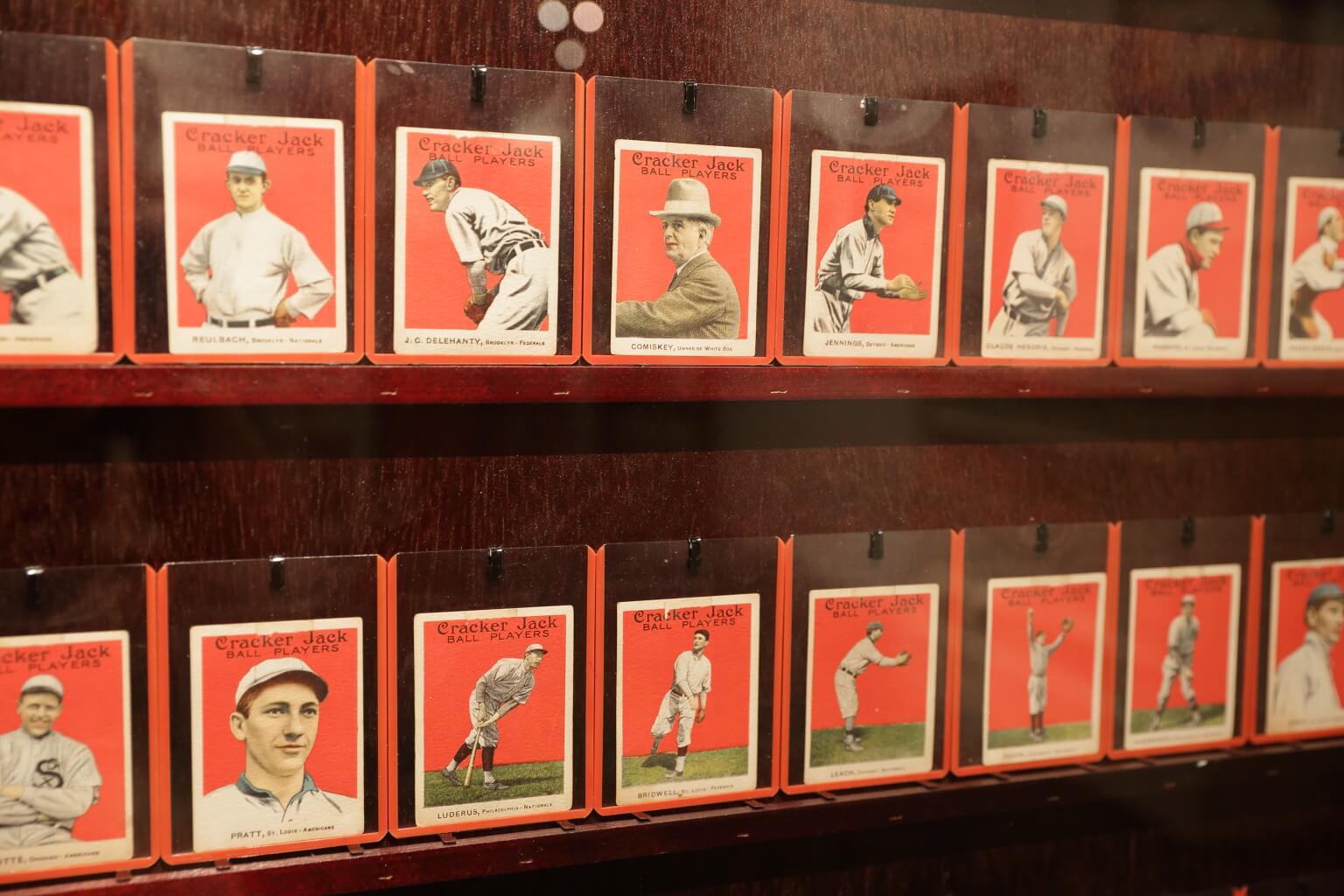
Cracker Jack included baseball cards as prizes in its snack boxes in the early twentieth century, making them among the oldest widely distributed sports card issues still actively collected today. Because the cards were packaged with food and handled by children, well-preserved examples are considerably scarcer than the set’s original distribution numbers would suggest.
Regional Hockey Card Issues Outside Topps

Hockey cards issued by smaller, regional publishers outside the major national card companies, particularly in Canadian markets, form a niche collecting category with dedicated set builders. Limited distribution outside their original region means these cards are sometimes harder for collectors to locate than their scarcity alone would suggest.
1970s and 1980s Auto Racing Cards

Cards depicting auto racing drivers and teams, produced sporadically through the 1970s and 1980s before the category’s later growth in popularity, are collected by a dedicated but smaller fan base tied to the sport. Basement finds of these sets are relatively uncommon, which keeps steady demand even for cards of less prominent drivers.
Star Company and Independent Baseball Card Issues

Smaller independent card companies that briefly competed alongside major manufacturers, producing limited-run sets before exiting the market, are collected as a specialized category by set builders interested in the hobby’s broader manufacturing history. Because these companies operated for shorter periods, their complete sets are often harder to assemble than sets from longer-running major brands.
Team Yearbook and Program Insert Cards

Cards distributed as inserts within team yearbooks or game programs, rather than sold separately as standalone packs, are collected as a specific subcategory tied to team history rather than general set building. Complete, unremoved inserts still bound within their original yearbook are considered more desirable than cards later cut out and collected individually.
1960s Post Cereal Baseball Cards
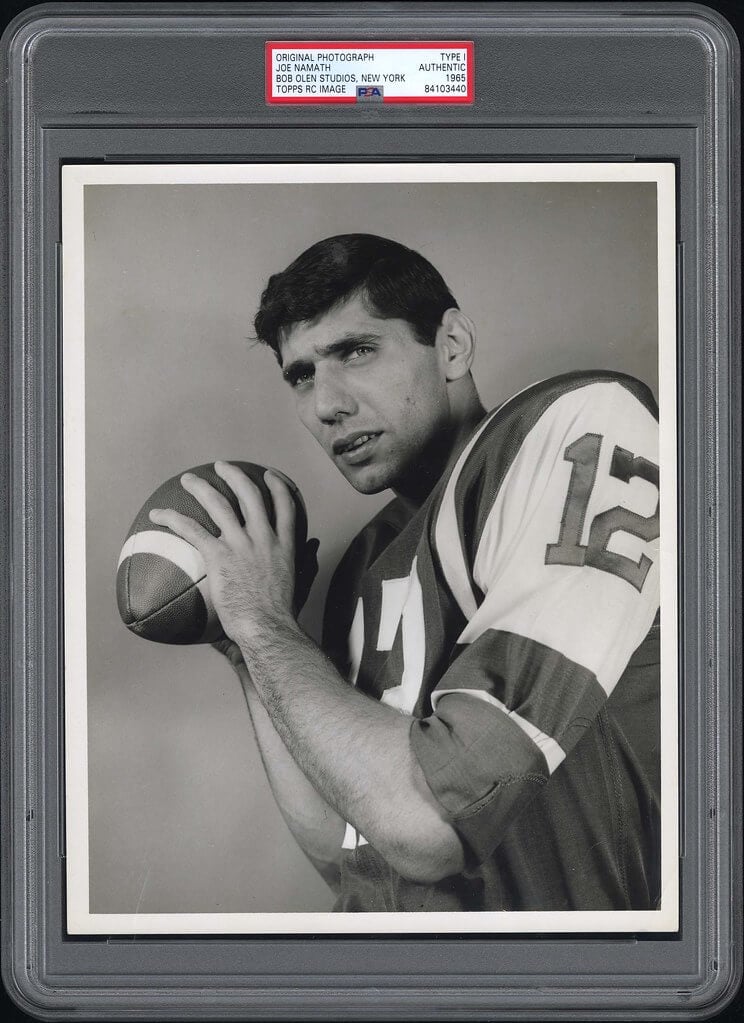
Post Cereal issued baseball cards as cutout inserts on the backs of cereal boxes through the early 1960s, and because collectors needed to cut the cards directly from the box, well-centered examples with clean cutting lines are considerably scarcer than the set’s original distribution would suggest. Uncut, full box-back panels are treated as a distinct and more valuable category from individually cut cards.
Softball and Amateur League Card Sets
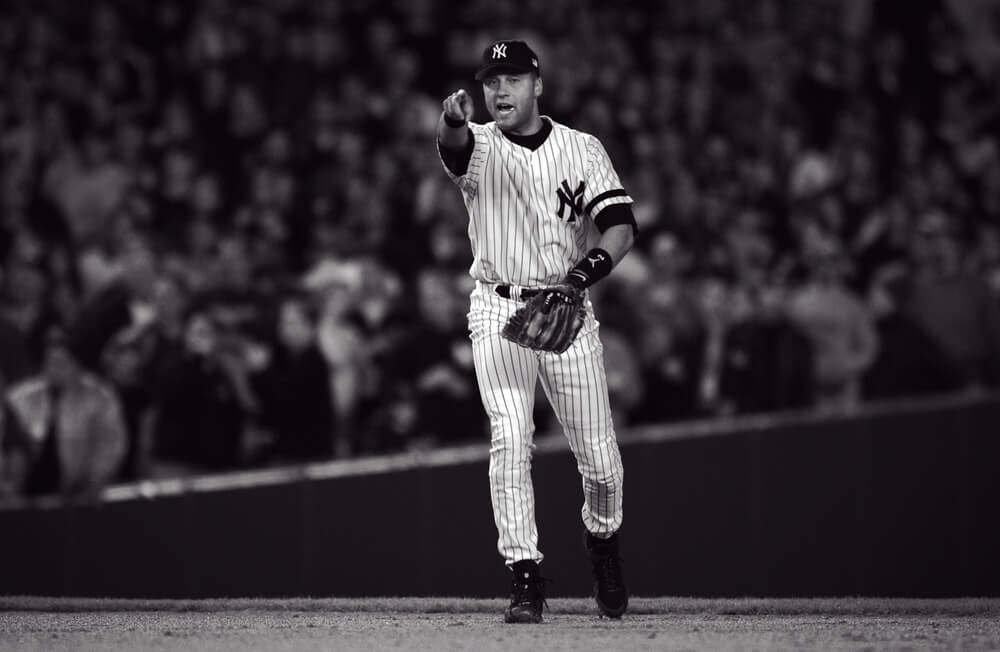
Cards produced for amateur softball leagues and other smaller organized sports, generally issued in very limited regional runs, form one of the more obscure corners of sports card collecting. Because so little documentation exists on these issues, dedicated collectors sometimes rely on word of mouth and regional club records rather than standard price guides to establish value.
Multi-Sport Promotional Sets
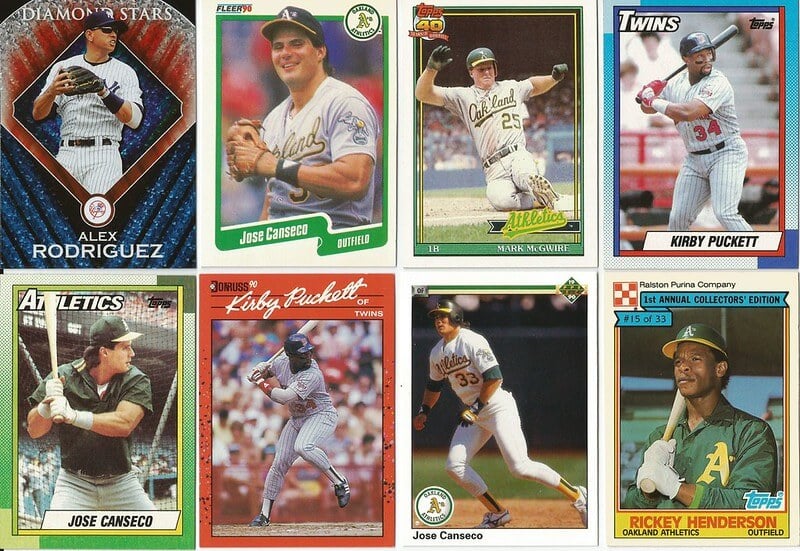
Card sets combining athletes from multiple sports into a single release, often tied to a specific sponsor or promotional campaign rather than a single league, are collected as a category distinct from single-sport sets. Their crossover appeal to collectors of several different sports keeps demand broader, even when individual cards within the set are otherwise unremarkable.
Why the Common Cards Keep Moving
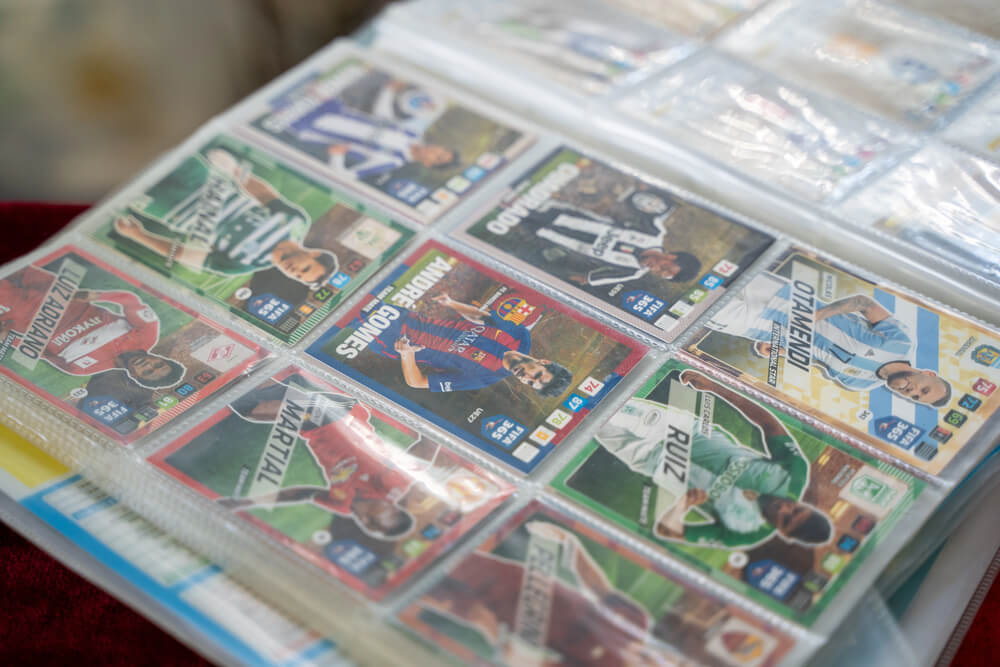
Star player cards get the headlines, but common cards are what actually keep the broader hobby running, since almost every set builder needs far more ordinary cards than exceptional ones to finish a collection. A basement box full of unfamiliar names is not dead weight; it is raw material for someone else’s unfinished project.
That is the quiet logic behind why so many worn, unremarkable cards still sell decades after they were packed away. Somewhere, a collector is missing exactly that card, and no amount of star power changes the fact that a set is only complete once every last common has been found.
More from Go2Tutors!

- The Romanov Crown Jewels and Their Tragic Fate
- 13 Historical Mysteries That Science Still Can’t Solve
- Famous Hoaxes That Fooled the World for Years
- 15 Child Stars with Tragic Adult Lives
- 16 Famous Jewelry Pieces in History
Like Go2Tutors’s content? Follow us on MSN.