25 Old Postcards and Stamps Dealers Sort Through First
A shoebox of old postcards looks like clutter until a dealer starts sorting it. Within minutes, the pile splits into two very different stacks: the ordinary and the ones worth a second look, and the difference usually comes down to details most people never notice.
Stamps get the same treatment. Perforations, printing errors, and cancellation marks turn an unremarkable-looking stamp into something a specialist will pay well for, while a flashy-looking one can be worth almost nothing.
Real Photo Postcards
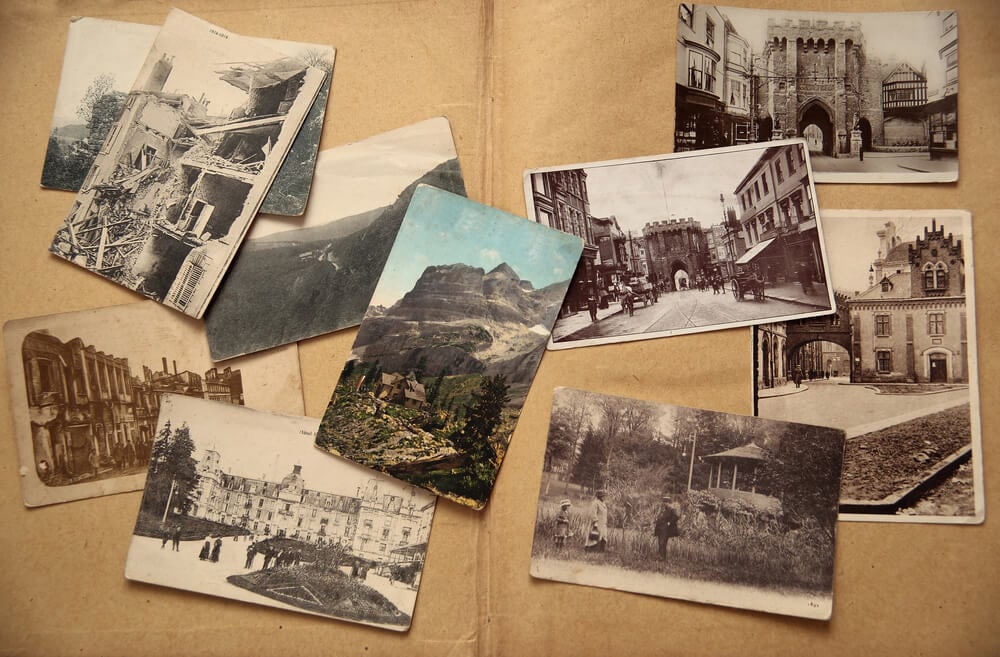
Real photo postcards, printed directly from a photographic negative onto postcard stock rather than mass-produced through a printing press, are sorted out first because they document specific, often unrepeated moments. Dealers look for a sharp, unfaded image and identifiable location or subject matter, since a real photo postcard of an unnamed street holds far less value than one showing a recognizable business or event.
Divided Back Era Postcards
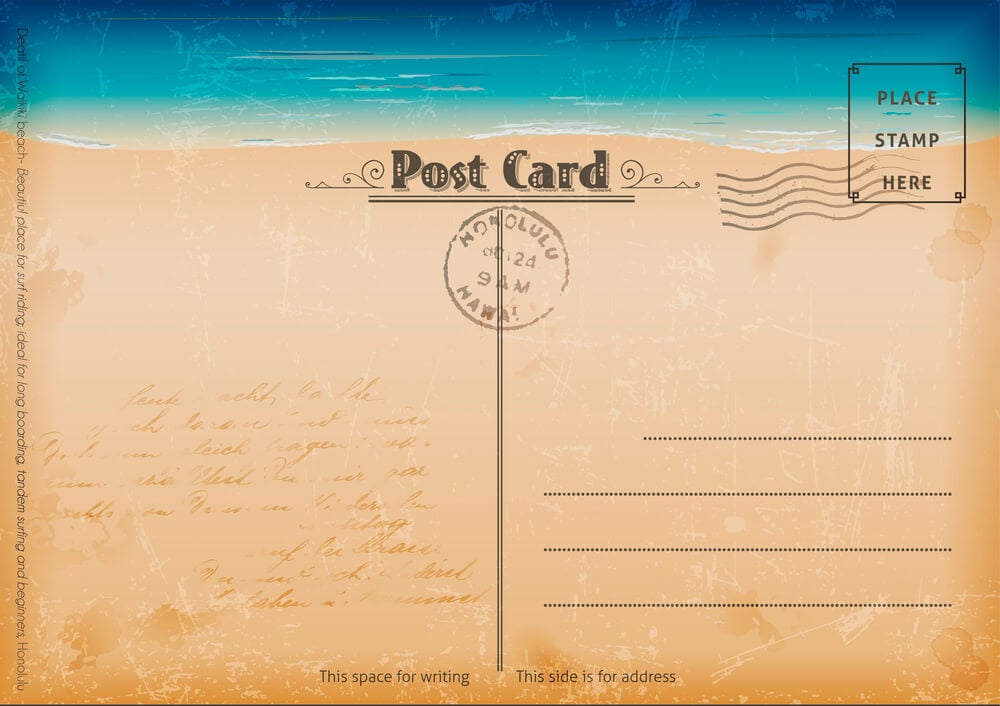
Postcards from the divided back era, roughly 1907 to 1915, when the back of the card was first split to allow both a message and an address, are a useful dating tool for dealers sorting large collections. Cards from this period with strong, unfaded color printing are pulled ahead of later cards, since the era coincides with what collectors consider the golden age of postcard production.
Advertising Postcards for Defunct Businesses
Postcards produced as advertising for businesses that no longer exist, particularly small regional companies rather than national brands, are set aside for local history buyers and business memorabilia collectors. A card advertising a still-operating company is generally worth less than one tied to a business that closed decades ago, simply because fewer of the latter survive.
Disaster and News Event Postcards
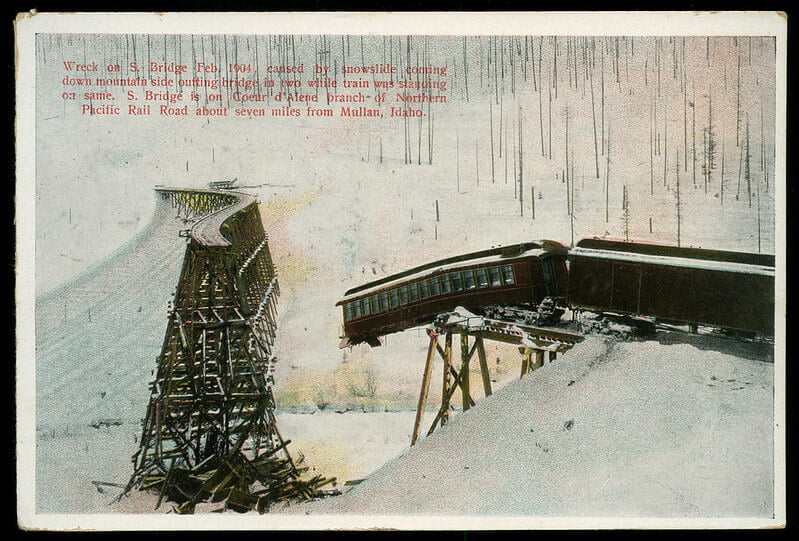
Postcards depicting floods, fires, storms, or other newsworthy events from the early twentieth century were often produced quickly and sold locally, making them scarce outside the immediate region where the event occurred. Dealers prioritize these because collectors of disaster history and specific local areas actively search for them, and demand regularly outpaces supply.
Linen-Era Postcards

Postcards from the linen era, roughly 1930 to 1945, printed on textured card stock that gave a fabric-like appearance, are sorted by subject matter more than age, since the printing technique itself was widely used. Roadside attractions, diners, and motor courts from this era are particularly popular with collectors of American road culture.
Exposition and World’s Fair Postcards
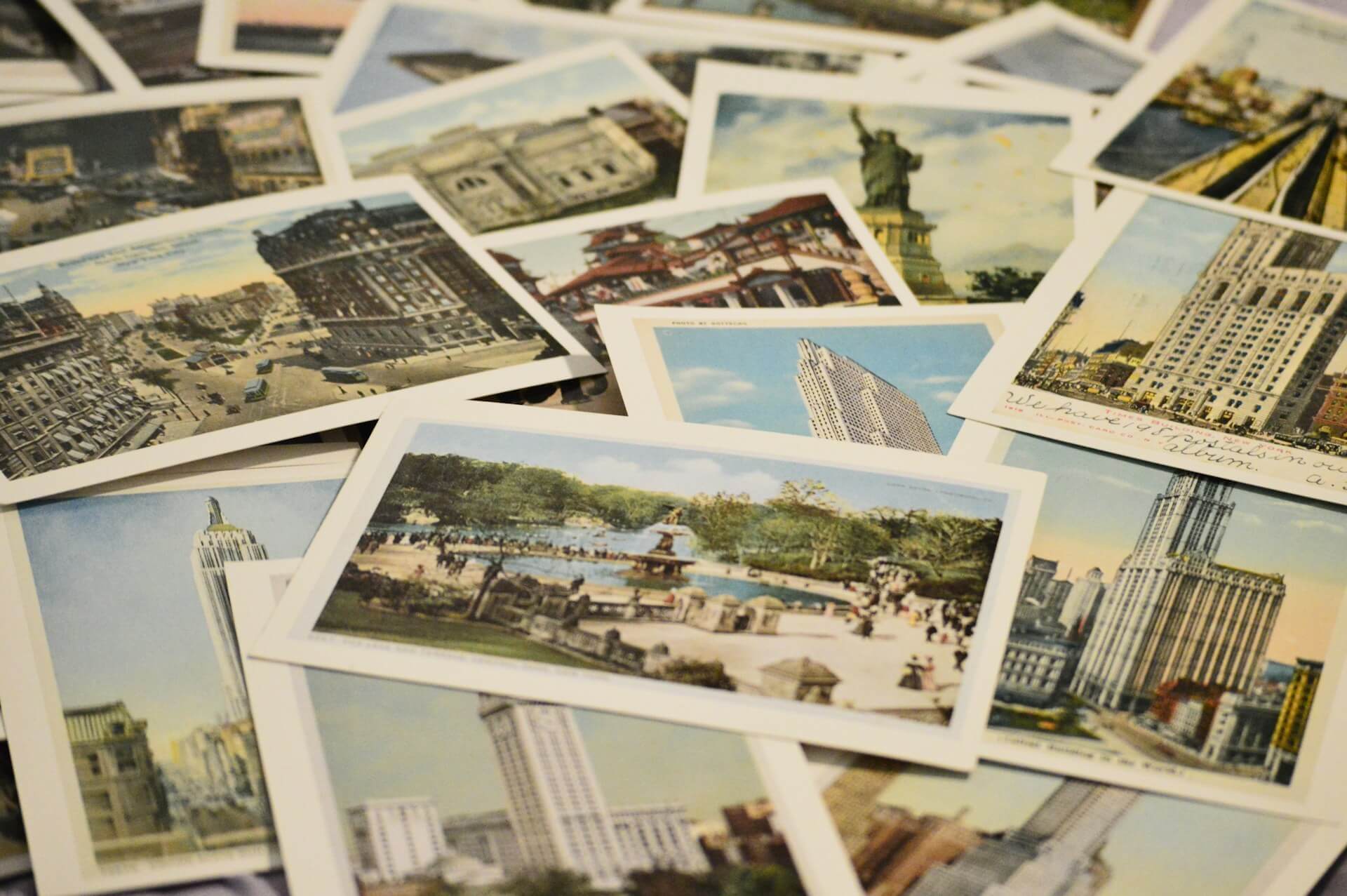
Postcards produced for world’s fairs and expositions, including events in cities like Chicago, St. Louis, and San Francisco in the early twentieth century, are pulled aside because they document temporary structures and displays that no longer exist anywhere else. Cards showing specific, less-photographed pavilions bring more interest than the widely reproduced main gate or central building views.
Undivided Back Postcards, Pre-1907
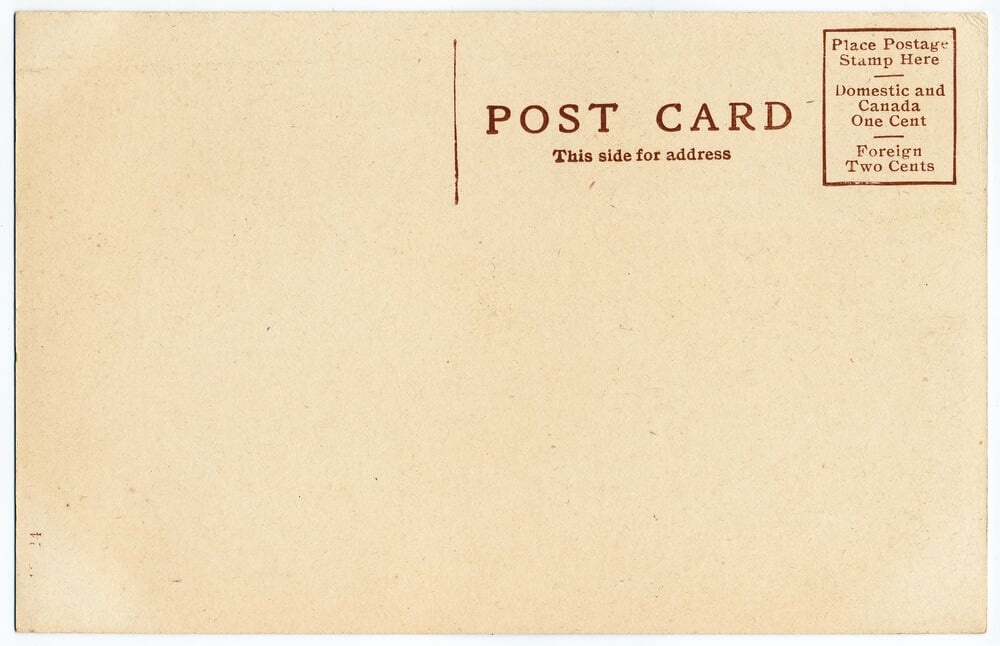
Postcards from before 1907, when the entire back of the card was reserved for the address and no message was permitted, represent the earliest widely produced era of American postcards. Because production volumes were lower and survival rates thinner, dealers treat any undivided back card as worth closer inspection regardless of subject matter.
Classic Ferry, Railroad, and Steamship Postcards
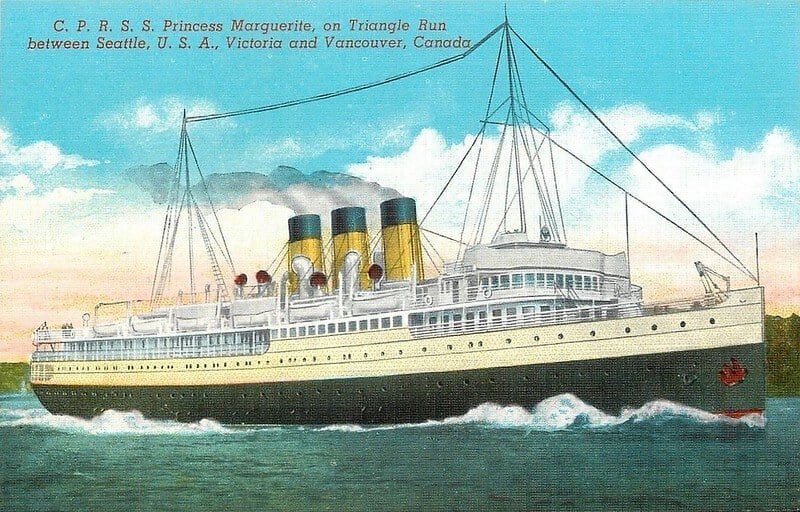
Postcards depicting named vessels, specific rail lines, or particular stations are sorted separately because transportation history collectors search for cards tied to a specific ship or train rather than transportation imagery in general. A postcard identifying a vessel by name that later sank or was scrapped tends to draw more interest than one showing an unnamed generic steamship.
United States 1918 Inverted Jenny Stamp
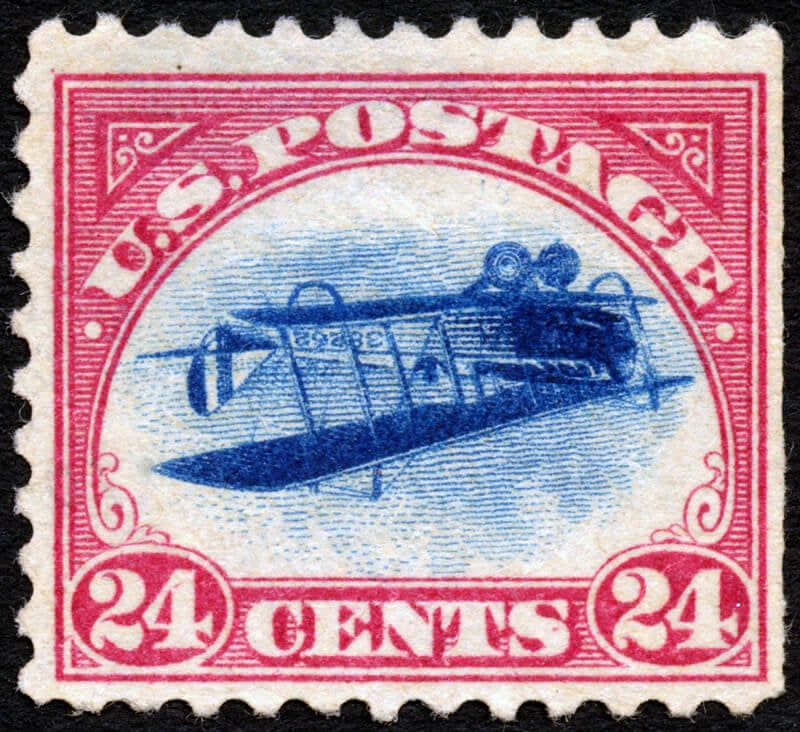
The Inverted Jenny, a 1918 airmail stamp misprinted with the Curtiss JN-4 biplane upside down, is one of the most famous errors in American philately, and any dealer encountering one sorts it immediately for specialist authentication given its extraordinary value. Because of its fame, forgeries and altered stamps claiming to be Inverted Jennies are common, making professional certification essential before any transaction.
United States 1868-1871 One-Cent Z Grill
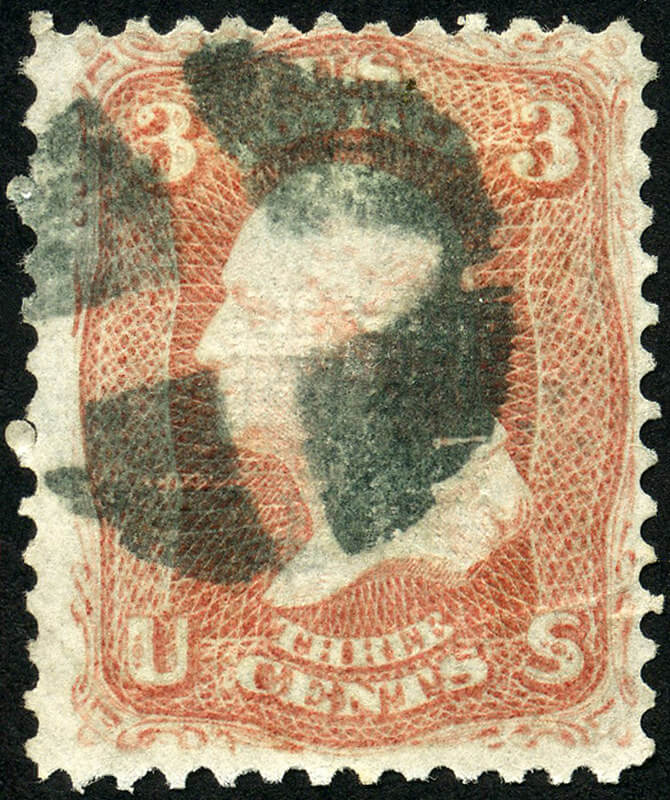
The Z Grill, a rare grilling variety applied to certain 1868 to 1871 United States stamps to prevent reuse, is sorted out due to its extreme scarcity, with only a small number of confirmed examples known to exist. Dealers who suspect they have located one refer it directly to major philatelic auction houses rather than attempting to price it independently.
Confederate States Postage Stamps
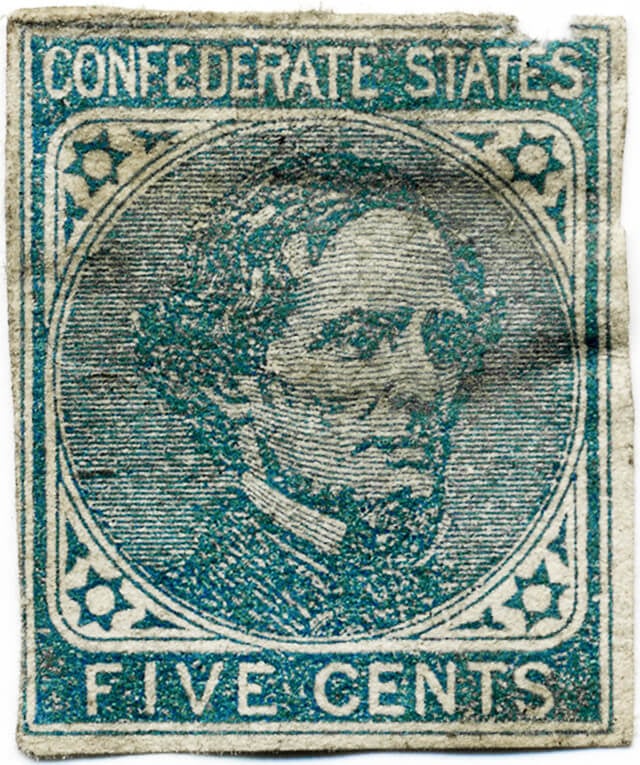
Stamps issued by the Confederate States during the Civil War, including both government-issued stamps and locally produced provisional issues from individual postmasters, are sorted separately due to strong ongoing collector demand tied to Civil War history. Provisional issues from smaller towns, produced in very limited quantities, are often more valuable than the more widely available general issues.
Misperforated and Off-Center Errors
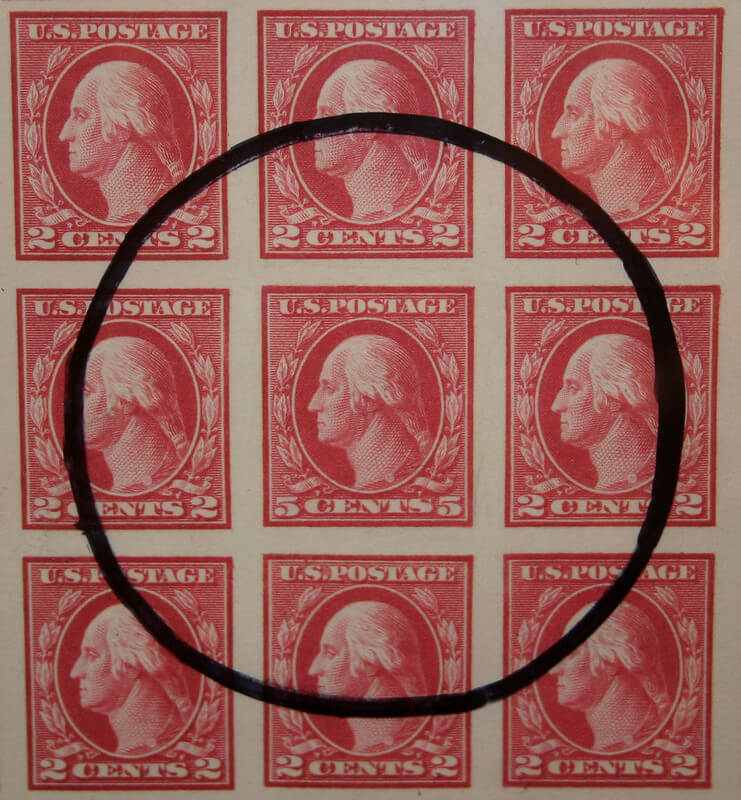
Stamps with significant perforation errors, including examples where the perforations were applied in the wrong location entirely, are pulled for specialist review since printing errors on modern stamps can carry substantial premiums over the standard issue. Dealers distinguish genuine factory errors from stamps damaged after issue, since only the former holds error-collector value.
Zeppelin Mail Stamps and Covers
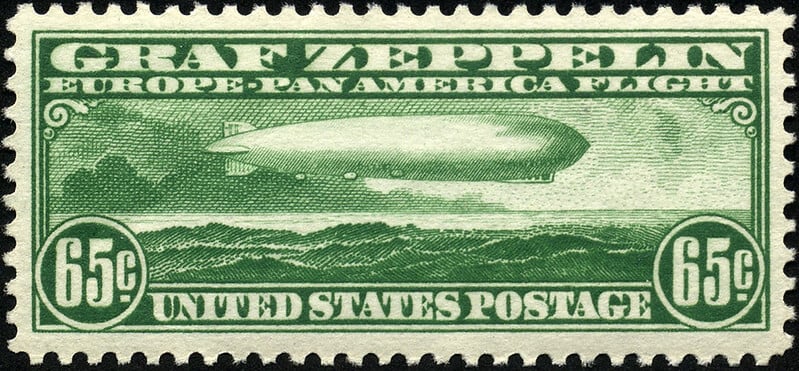
Stamps and postal covers connected to airship mail service in the 1920s and 1930s, particularly those tied to transatlantic Zeppelin flights, are sorted for aviation history collectors as a distinct category from general airmail. A cover with confirmed flight documentation and cancellation marks is worth considerably more than a loose stamp of the same issue.
Colonial and Territorial Era Stamps
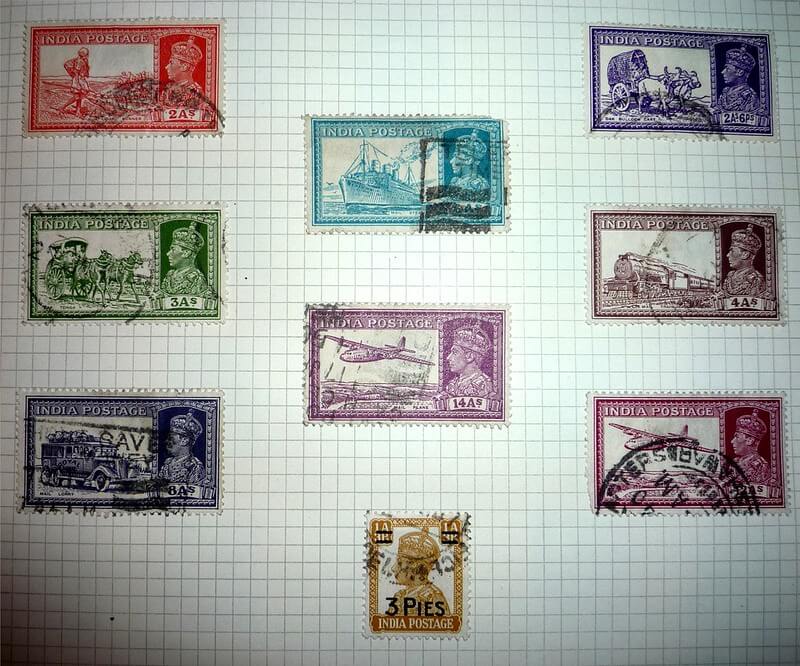
Stamps issued by American territories before statehood, or by foreign colonial powers in regions that later changed governance, are sorted out for specialists in that specific territory’s postal history. These stamps often have smaller print runs than stamps from established nations, making even common-looking examples worth checking against reference catalogs.
Exhibition and Commemorative Stamp Sheets
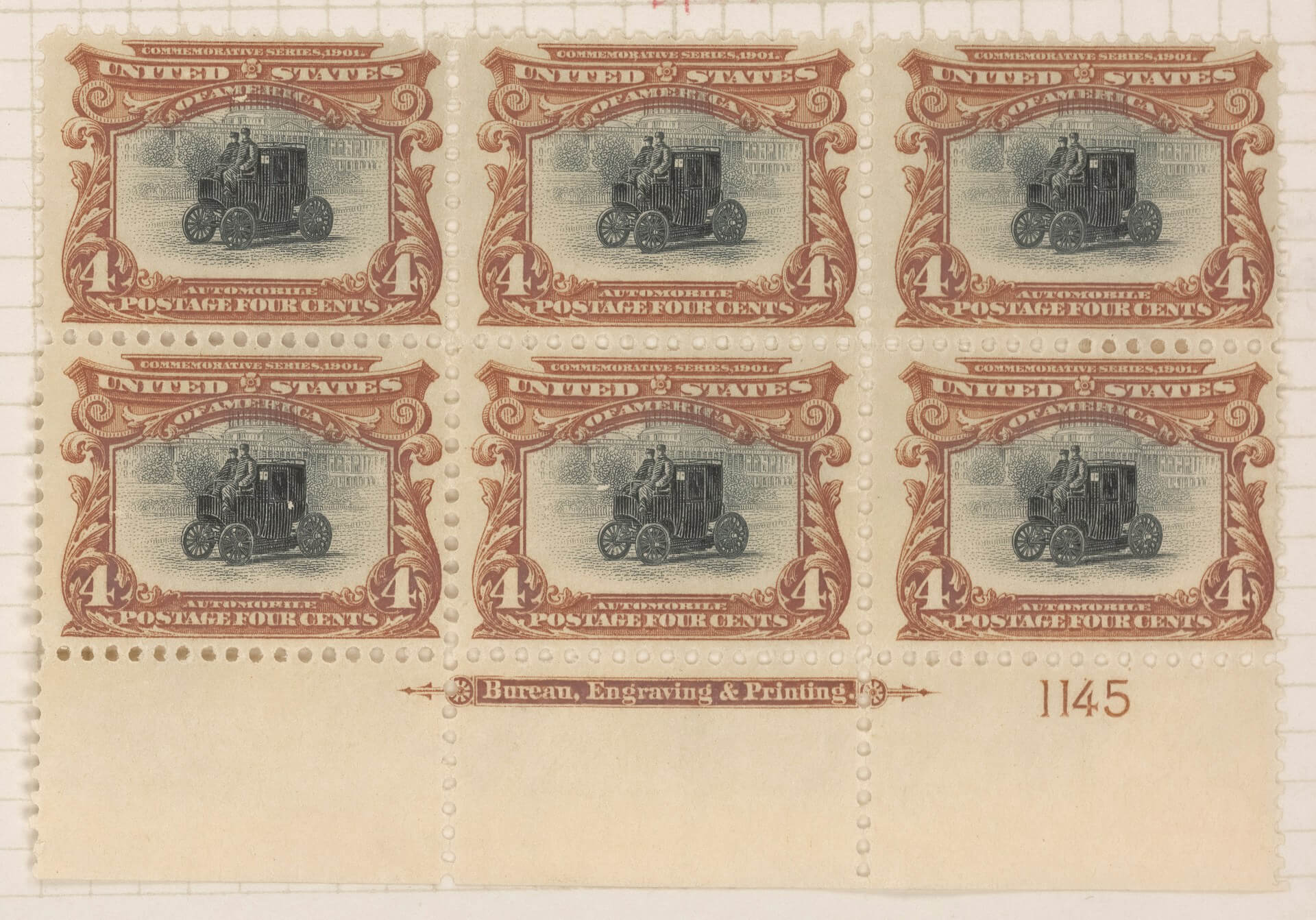
Uncut commemorative sheets, particularly those issued for specific historical anniversaries or expositions rather than individual stamps torn from a sheet, are sorted separately because complete sheets command a premium over the sum of their individual stamps. Collectors of commemorative issues specifically seek out sheets with intact selvage, the blank margin surrounding the stamps.
Precanceled Stamps
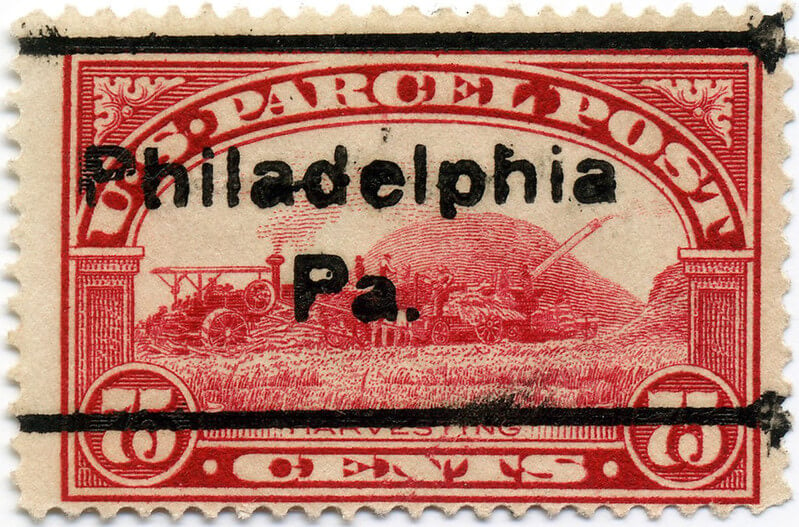
Precanceled stamps, printed with cancellation markings before sale to allow bulk mailers to skip individual postmarking, form their own specialist collecting category distinct from standard used or mint stamps. Dealers sort precancels by the specific city and state markings, since certain municipalities produced far fewer precanceled stamps than others.
Hotel and Restaurant Advertising Postcards
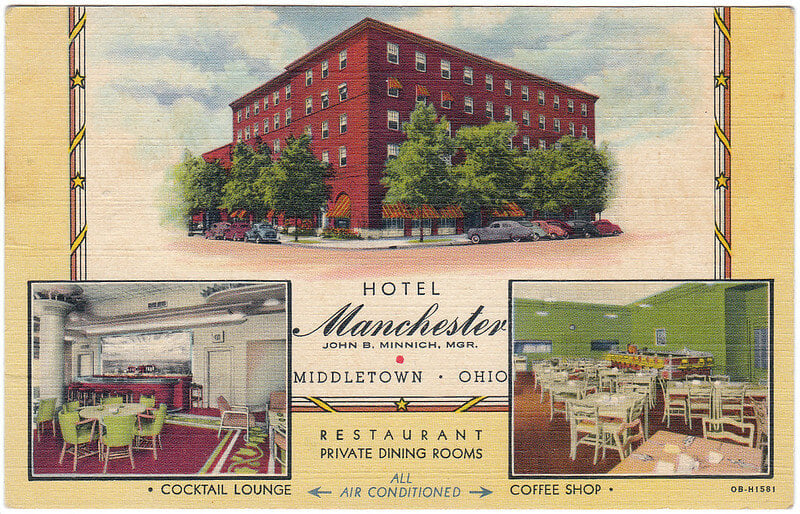
Postcards produced by specific hotels and restaurants, often featuring exterior views or period dining rooms, are pulled aside for collectors specializing in hospitality history. Cards from establishments that later burned down, were demolished, or closed decades ago are treated as more valuable than cards from businesses still operating in some form today.
Military and Wartime Postcards
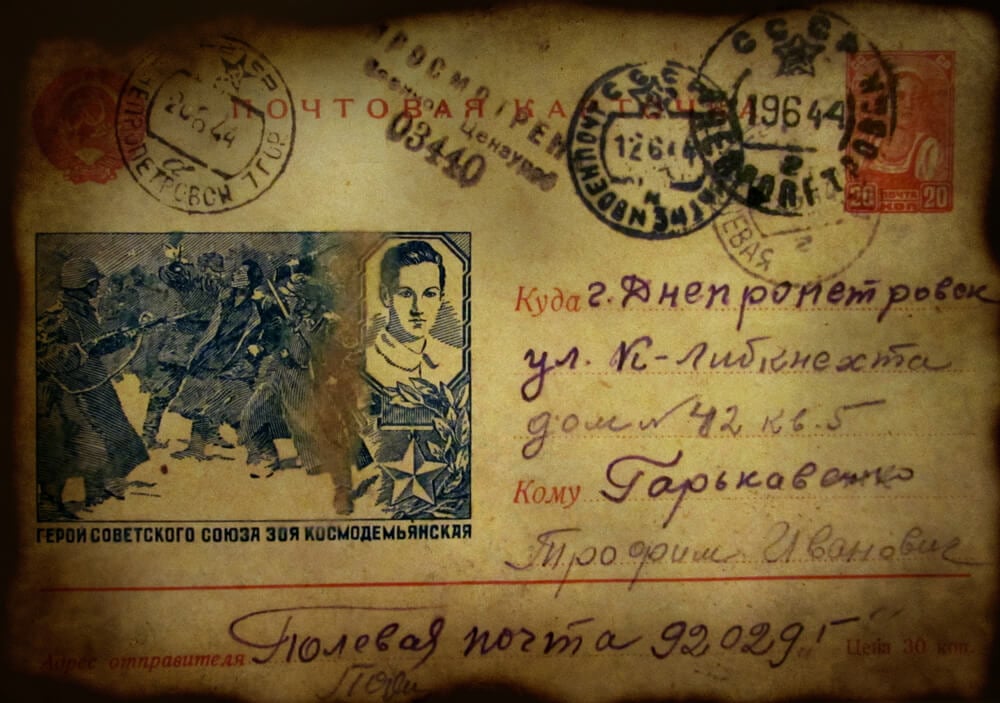
Postcards produced during major conflicts, including patriotic imagery, cartoon propaganda, and cards sent by soldiers from military camps, are a well-established collecting category with strong ongoing demand. Cards actually mailed from a specific, documented military installation carry more interest than blank, unused examples of the same design.
Native American Photographic Postcards
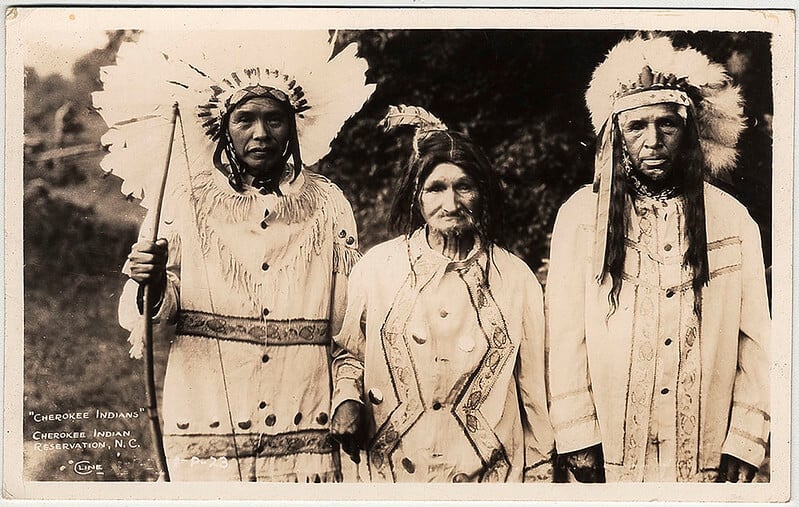
Postcards featuring documented Native American individuals, communities, or reservation scenes from the early twentieth century are handled carefully by dealers, who prioritize accurate identification of subjects and locations for historians and tribal researchers. Provenance and accurate captioning significantly affect how these cards are valued and to whom they are ultimately sold.
Souvenir Folder Sets
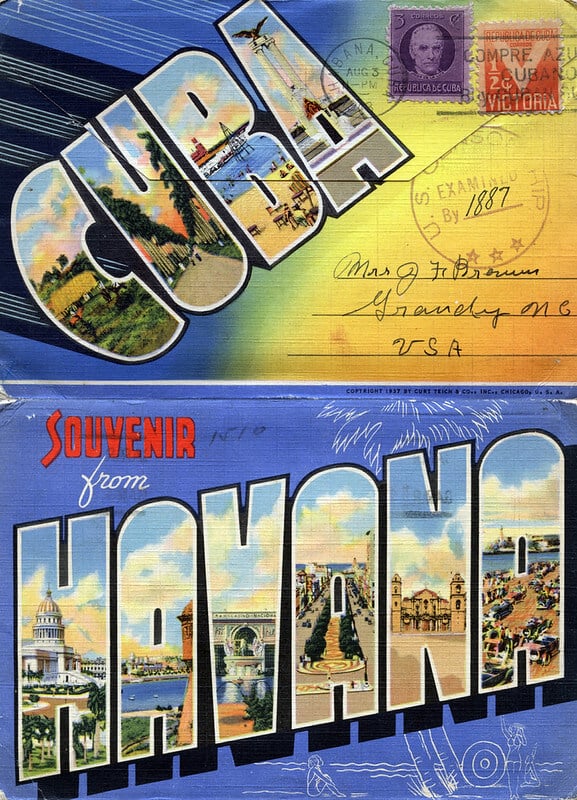
Souvenir postcard folders, which bundled a series of related images from a single city or attraction into a fold-out format rather than individual cards, are sorted as complete sets whenever possible. A folder missing several panels is worth considerably less than one that survives intact, since the format was designed to be viewed as a full sequence.
Rural Free Delivery Cancellation Covers
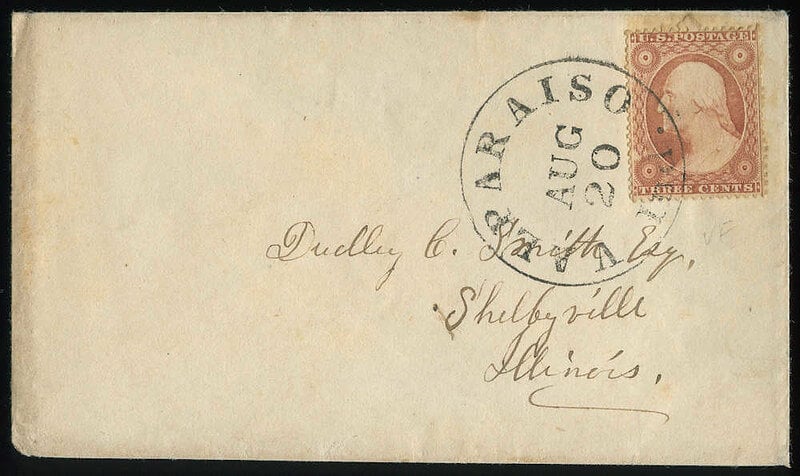
Postal covers bearing early Rural Free Delivery route cancellations, from the service’s expansion in the late 1800s and early 1900s, are sorted separately by postal historians studying the growth of mail delivery outside cities. Specific, identifiable route numbers tied to a documented location are what drive collector interest in this niche category.
Hold-to-Light Postcards
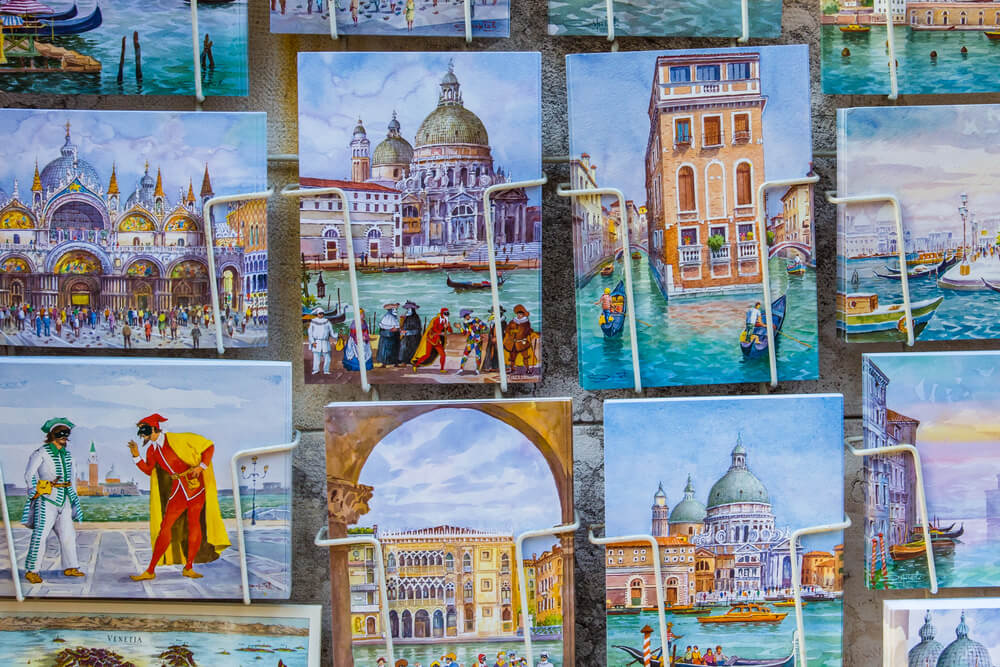
Hold-to-light postcards, manufactured with small die-cut sections or a second layer designed to glow or change appearance when held up to a light source, were a specialty novelty format in the early twentieth century. Because the printing process was more complex and costly, fewer were produced than standard postcards, and dealers treat any surviving example as worth close inspection.
Cacheted First Day Covers
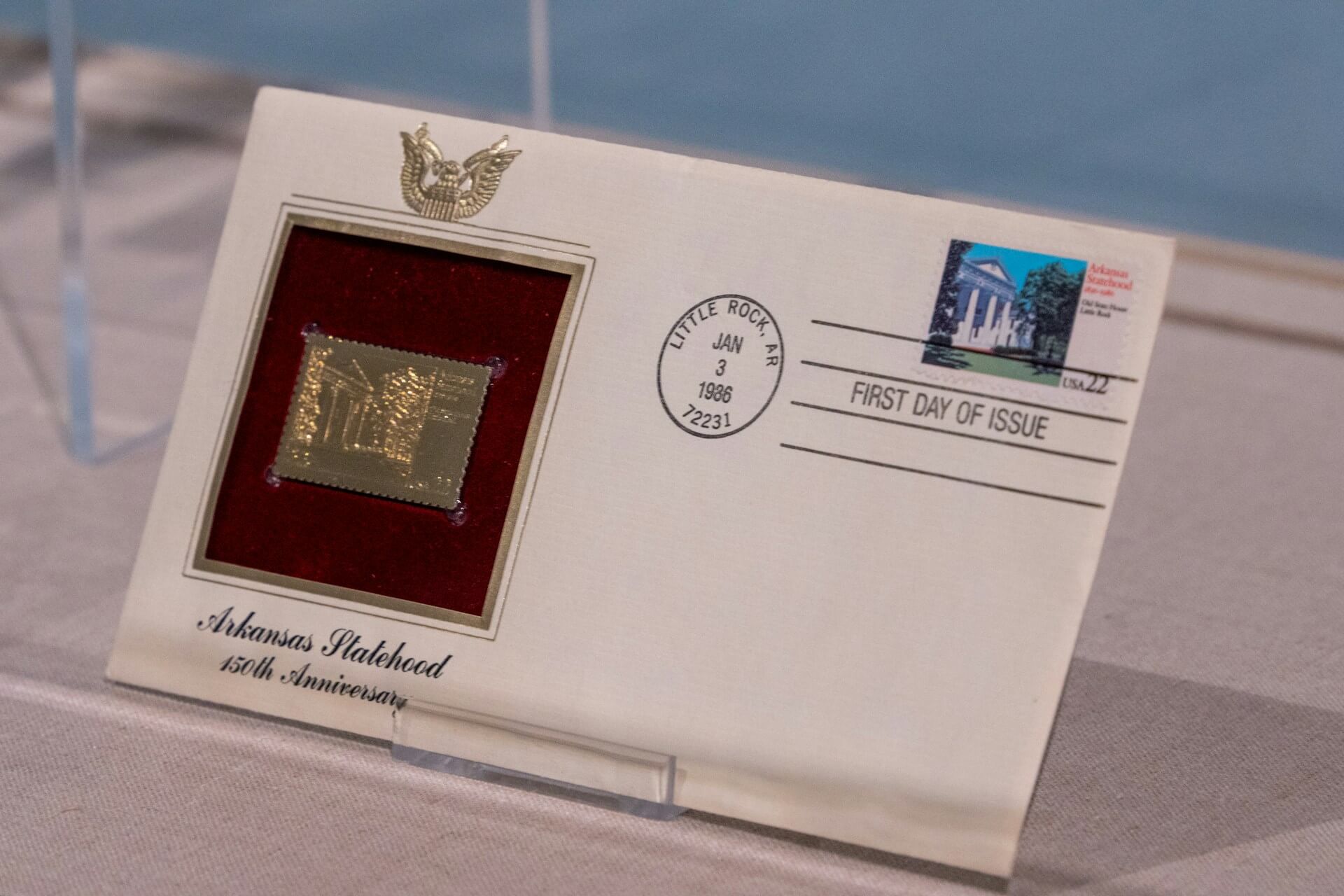
First day covers, envelopes bearing a stamp postmarked on its official release date and often decorated with a themed illustration called a cachet, are sorted by the reputation of the cachet maker as much as the stamp itself. Covers from well-regarded early cachet artists are collected as a category distinct from the underlying stamp’s own value.
Precursor and Pioneer Postcards
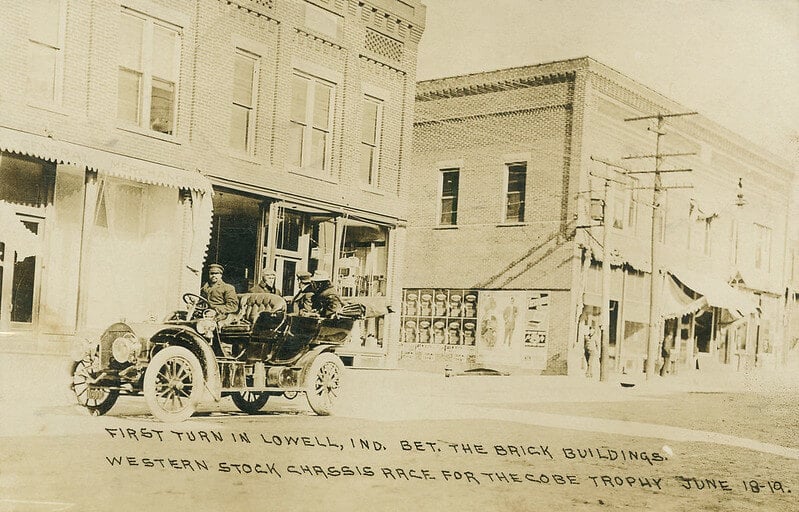
The very earliest American postcards, predating the standardized formats of the early 1900s and often produced as private mailing cards under specific postal regulations, are treated by dealers as a foundational category for serious postcard historians. Their scarcity, rather than their subject matter, is usually what earns them a second look.
Fantasy and Novelty Illustrated Postcards
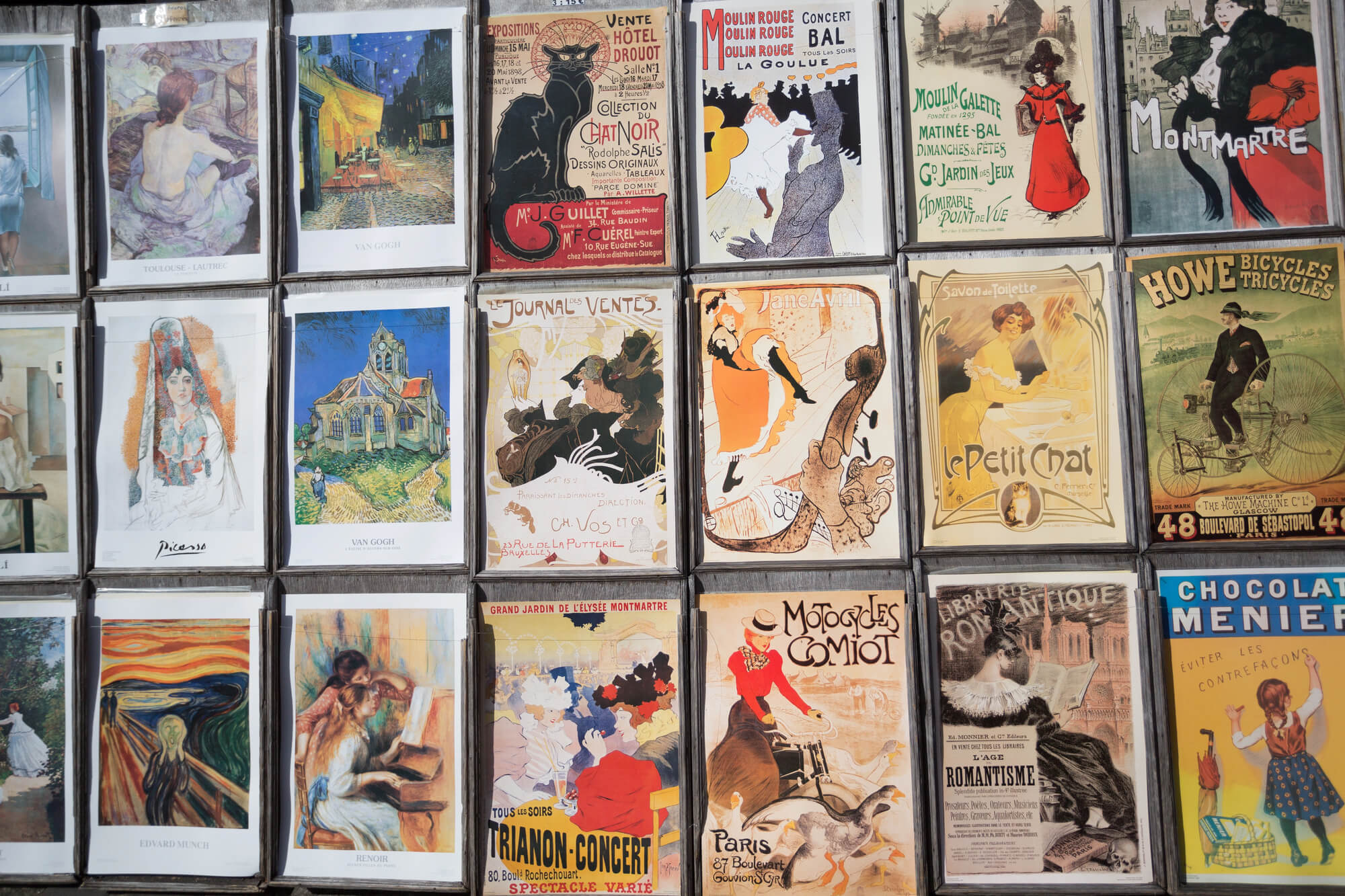
Postcards featuring illustrated, non-photographic novelty designs, including humorous cartoons and imaginative fantasy scenes popular in the early twentieth century, are sorted as a category distinct from photographic real-view cards. Dealers pull artist-signed examples, where a known illustrator’s name appears on the card, ahead of unsigned generic novelty designs, since signed work draws a dedicated group of collectors focused on postcard illustration specifically.
What the Sorting Actually Finds
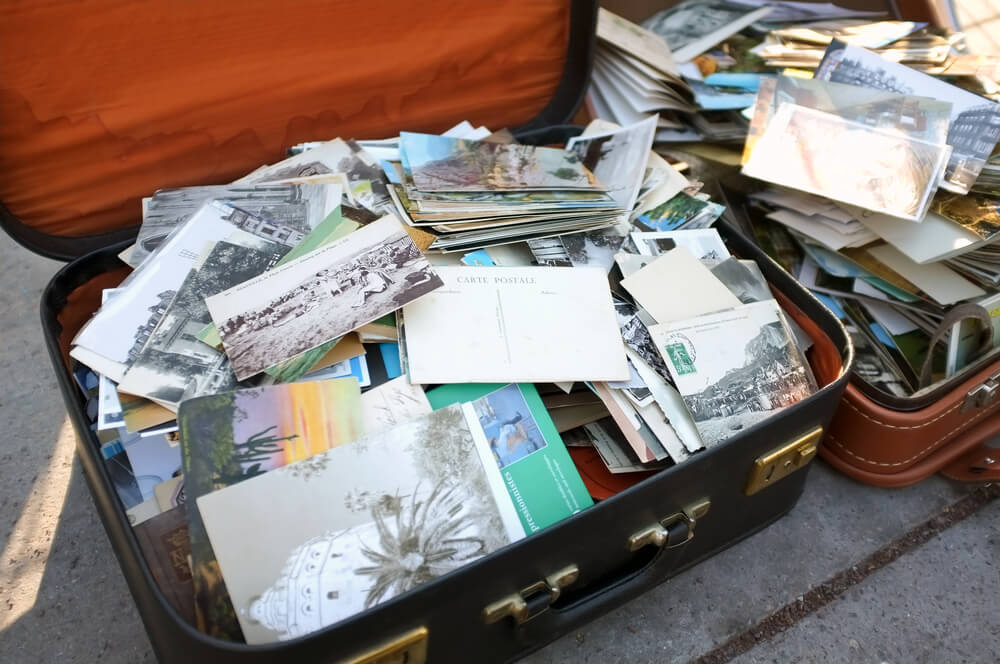
Sorting a box of postcards or stamps is really an exercise in noticing what did not survive. Every card or stamp that made it to the sorting table this many decades later beat long odds against being thrown away, lost, or simply worn out through ordinary handling.
That survival, more than the image or the design, is what a dealer is actually pricing. A postcard is common or rare not because of what it shows, but because of how many others like it disappeared along the way, and figuring that out is the entire job.
More from Go2Tutors!

- The Romanov Crown Jewels and Their Tragic Fate
- 13 Historical Mysteries That Science Still Can’t Solve
- Famous Hoaxes That Fooled the World for Years
- 15 Child Stars with Tragic Adult Lives
- 16 Famous Jewelry Pieces in History
Like Go2Tutors’s content? Follow us on MSN.