24 Cars Teenagers Learned to Drive In
The cars parents choose for teenage drivers reveal generational priorities and economic pressures. A teenager’s first car isn’t just transportation—it’s the vehicle they learn to handle traffic in, pass their driving test in, and develop habits that will define their driving for life.
Some cars earned their reputation for safety and reliability. Others became default choices simply because they were affordable used vehicles with enough longevity to survive a teenager’s learning curve.
The cars on this list span decades of automotive history, representing what generations of teenagers actually drove, not what they dreamed about. What these cars share is pragmatism.
They’re not exciting, they’re not exotic, and they’re not memorable for styling. They’re memorable because they were there, available, affordable, and reliable enough that parents felt comfortable handing keys to a sixteen-year-old with a learner’s permit.
Honda Civic
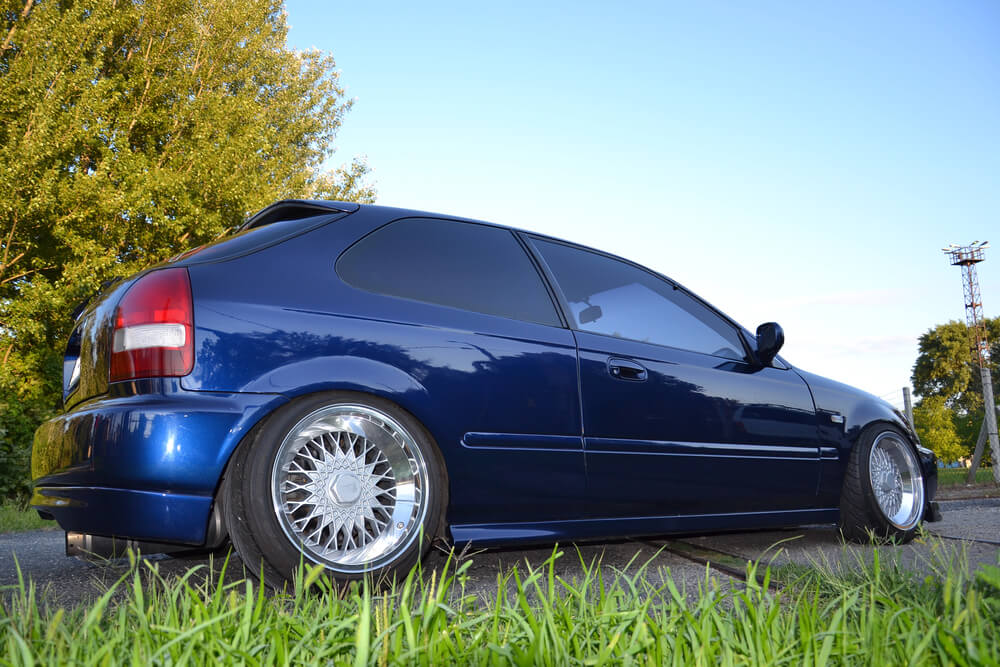
Consistently the top choice for teenage drivers across multiple decades, the Civic’s reputation for reliability, fuel efficiency, and affordability made it an obvious parent choice. Insurance rates were reasonable, repair costs manageable, and examples were plentiful enough on used markets that teenagers could find one within budget.
Toyota Corolla
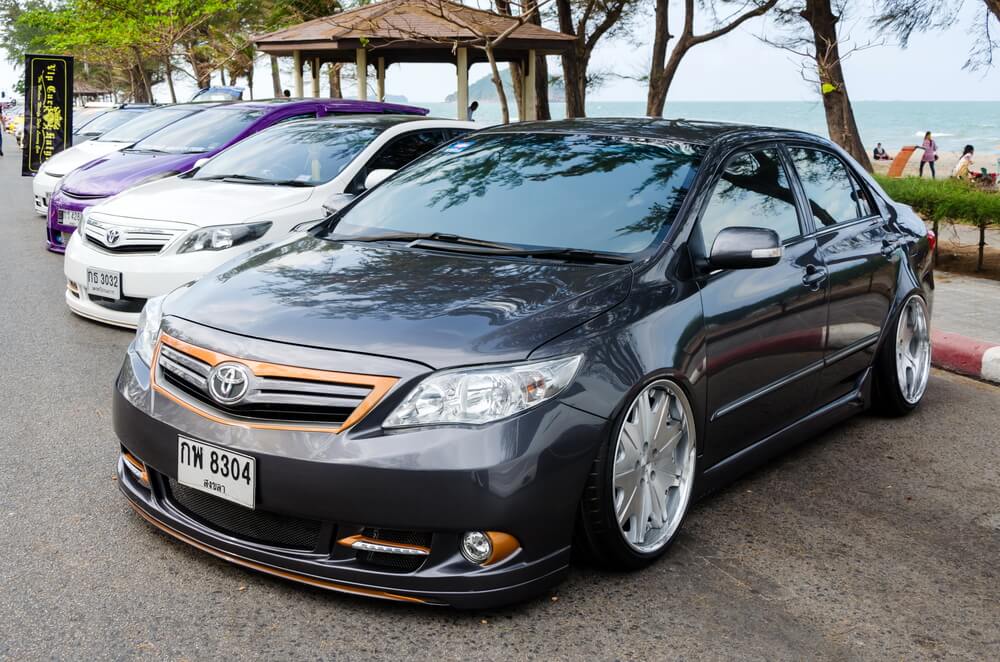
Rivaling the Civic for the title of most popular teenage learner car, the Corolla’s legendary reliability meant high-mileage examples would still run dependably. The Corolla’s reputation meant teenagers behind the wheel weren’t fighting the car’s mechanical failures while learning to drive.
Ford Focus
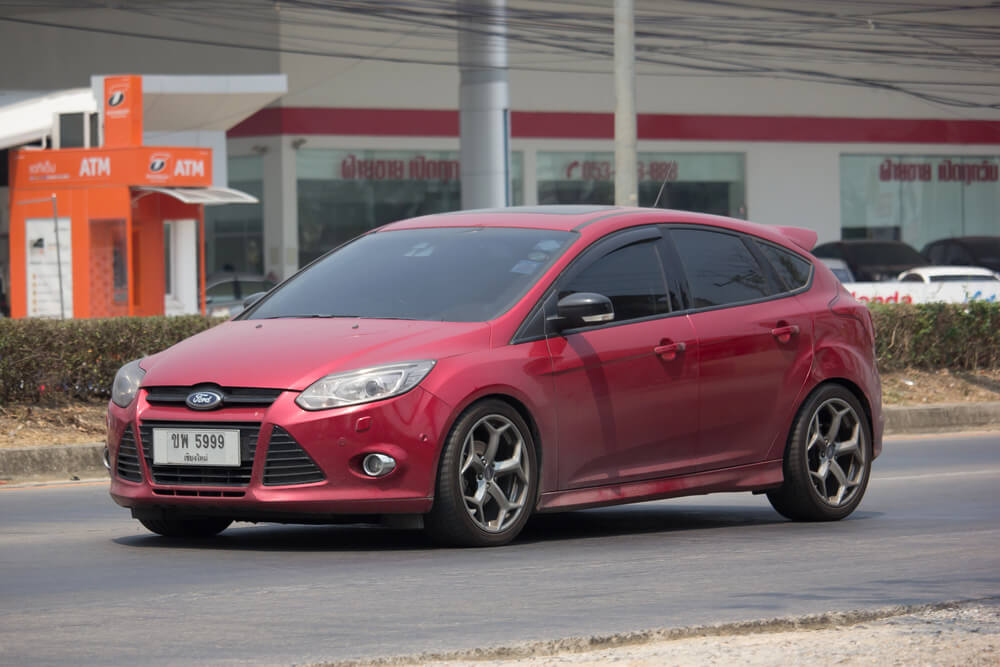
The Focus dominated teenage first-car choices in the 2000s due to its affordability and its resistance to catastrophic failure. The compact sedan and hatchback offered practical transportation without the price tag of Japanese competitors.
Chevrolet Nova
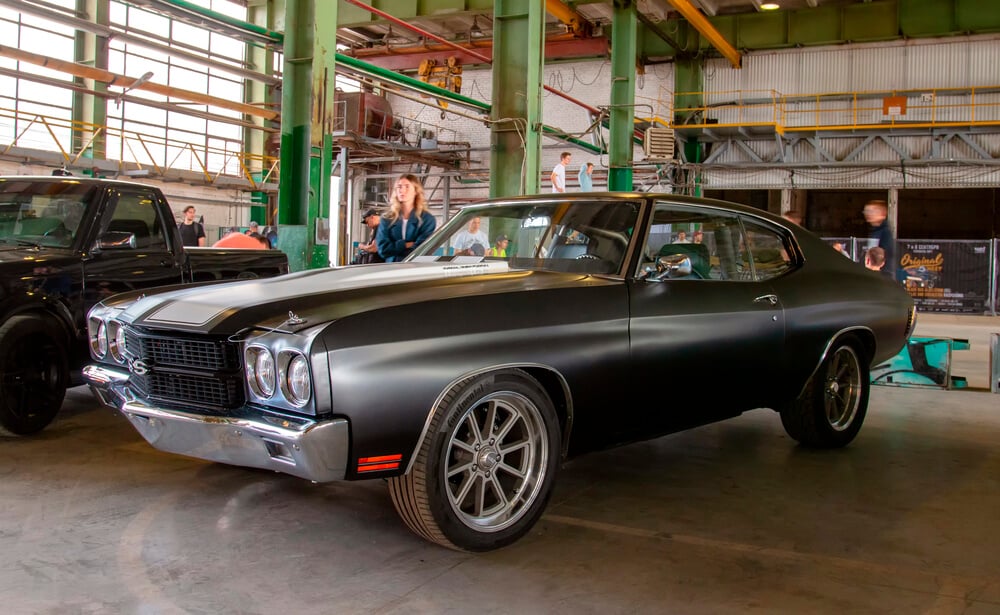
A staple of 1970s and 1980s teenage driving, the Nova offered practical compact car transportation during an era when Japanese cars weren’t yet universal.
Its simple mechanics made repairs affordable when inevitable damage occurred.
Nissan Maxima

Teenagers with slightly higher budgets found the Maxima appealing for its spaciousness and performance-oriented reputation. The used market provided affordable examples from previous generations, making it accessible for aspiring drivers.
Ford Escort
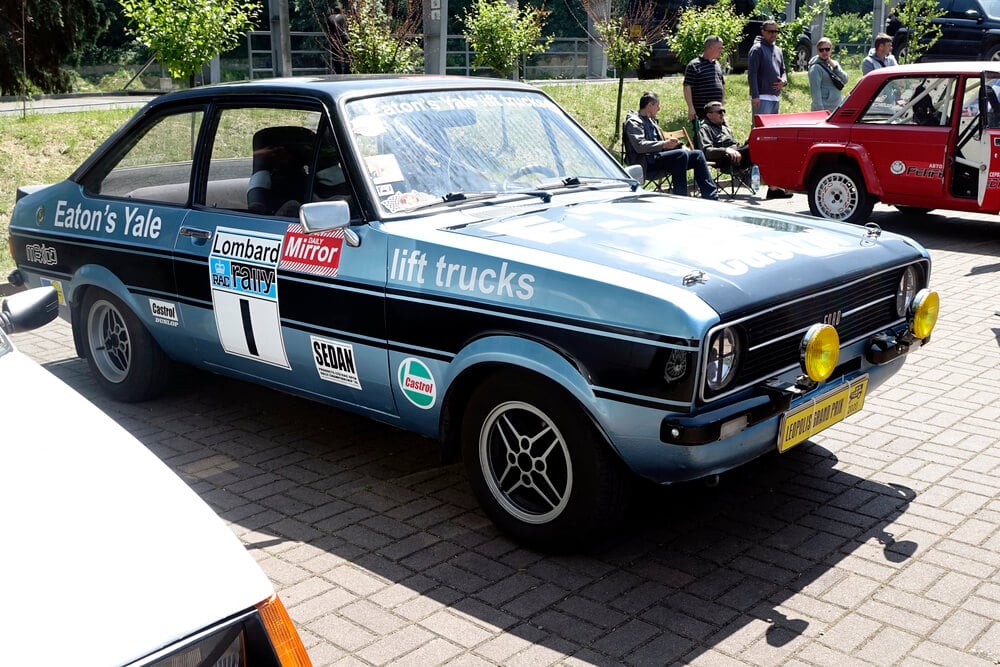
This compact sedan was everywhere in the 1990s and 2000s as a budget-friendly first car. Teenagers appreciated its reasonable performance, and parents appreciated that parts and service were inexpensive.
Mazda3
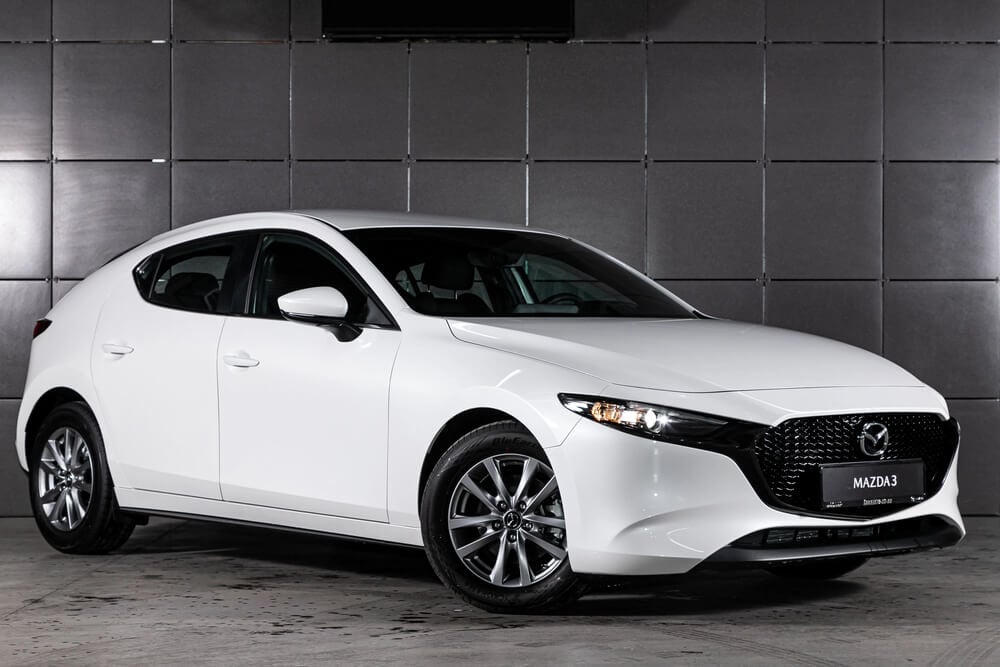
Offering more driving engagement than competitors, the Mazda3 attracted teenagers who wanted actual driving enjoyment from their learning vehicles. Its reliability and lower insurance costs compared to sportier competitors made it appealing to parents.
Chevrolet Cavalier
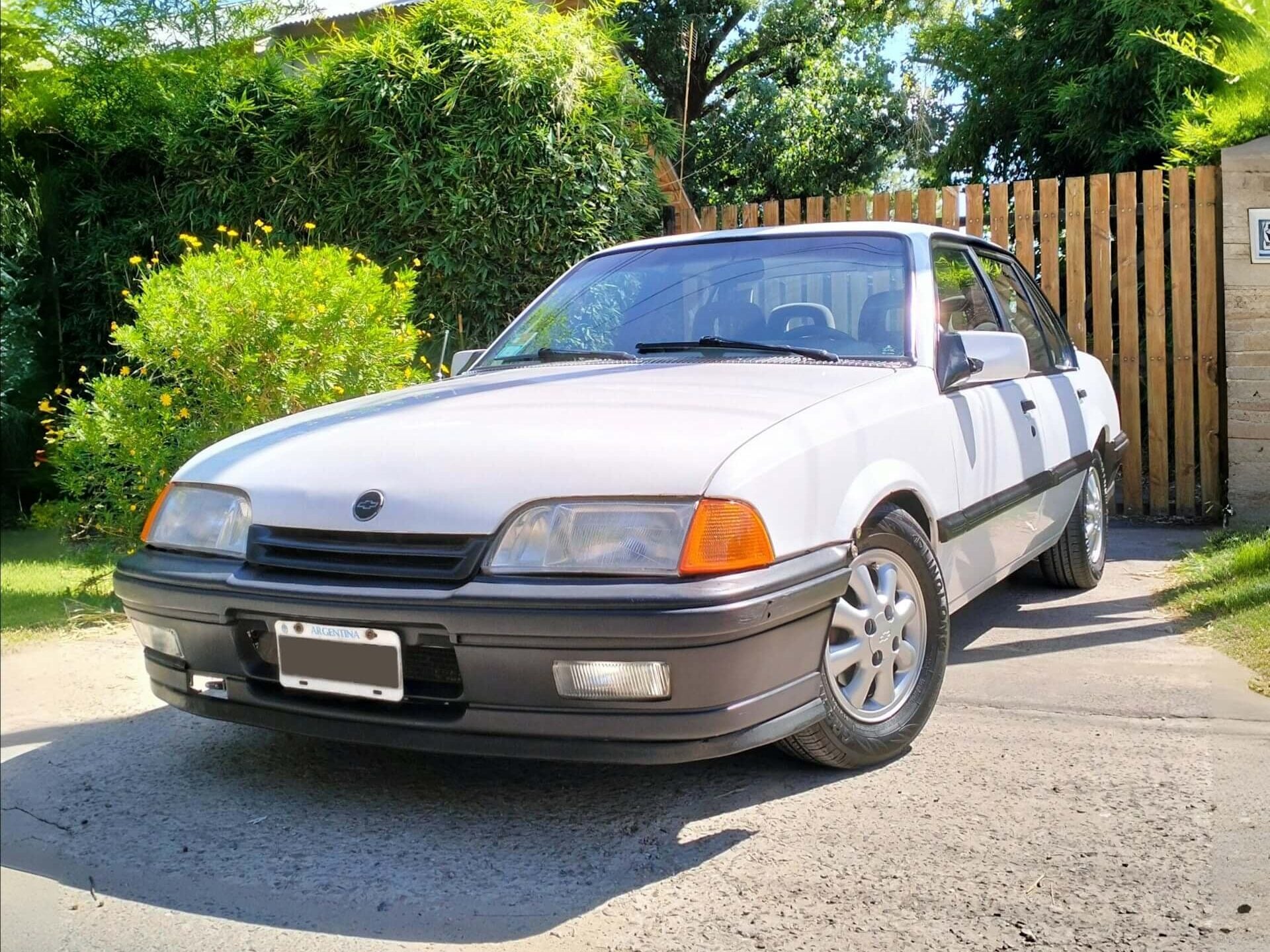
A generation of teenagers learned to drive in these sedans during the 1990s and 2000s. The Cavalier’s affordability and simplicity made it accessible, if not particularly exciting.
Pontiac Grand Am
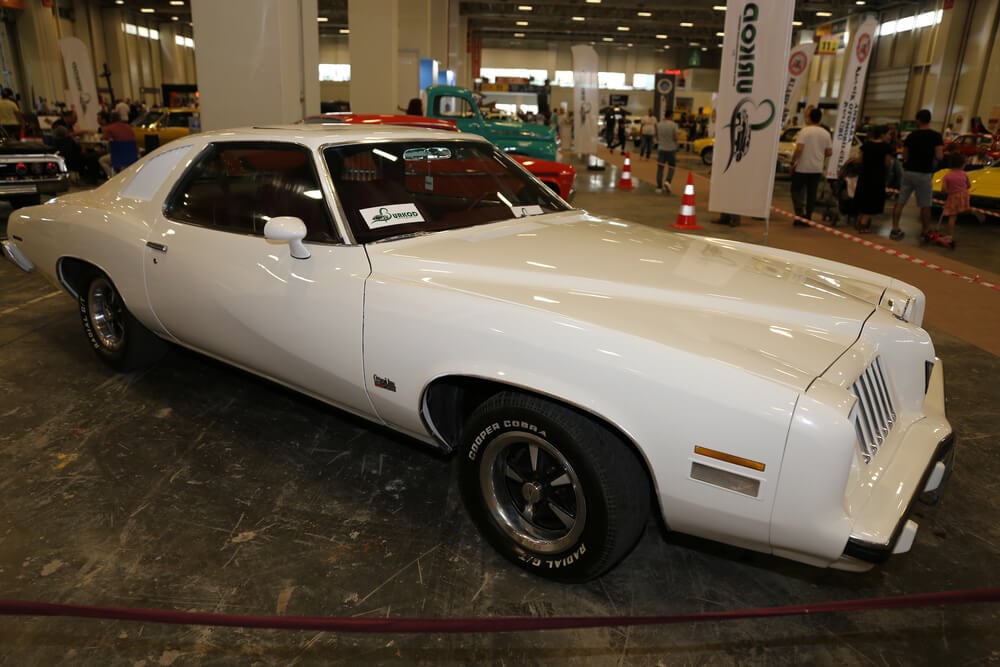
This sports-focused compact car attracted teenage drivers interested in something with more personality than grocery-getter Civics and Corollas. The Grand Am provided performance perception even if actual performance was limited.
Honda Accord
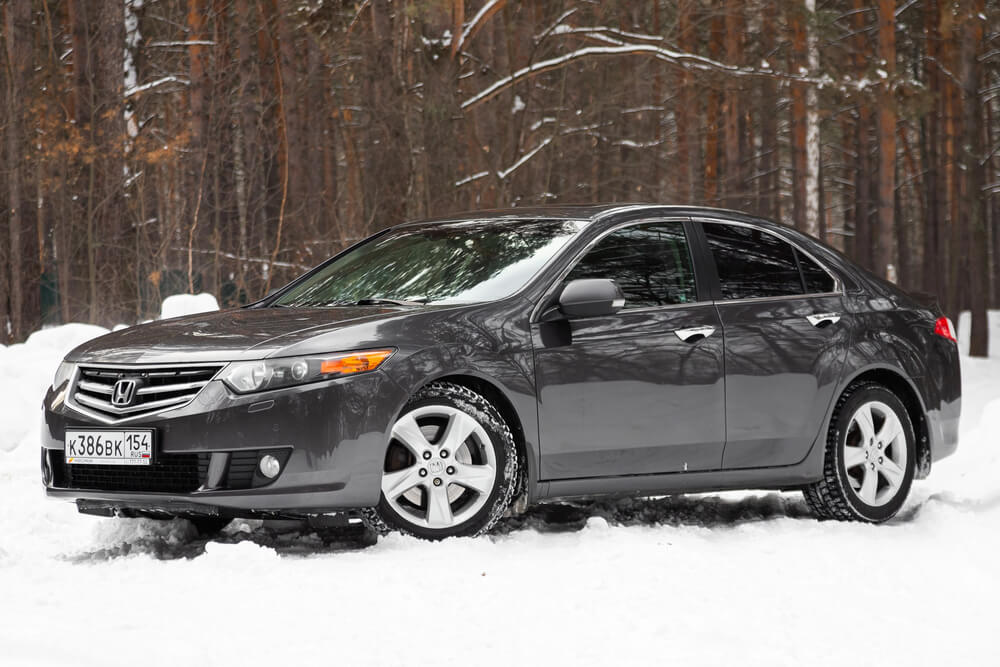
Larger and more comfortable than the Civic, the Accord offered teenagers room to spread out and a car with a serious reputation for durability. Used Accords commanded higher prices than Civics but still remained within teenage-driver budgets.
Toyota Camry
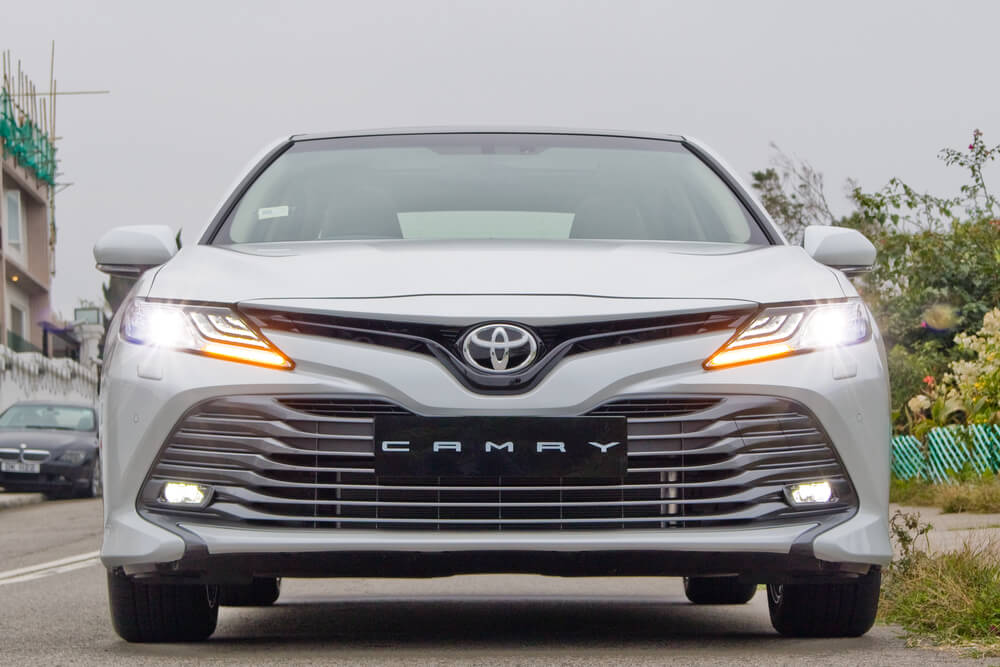
Midsize family sedan that teenagers inherited when parents upgraded. The Camry’s legendary reliability meant they’d run reliably despite their new drivers’ inevitable mistakes and learning-curve incidents.
VW Beetle
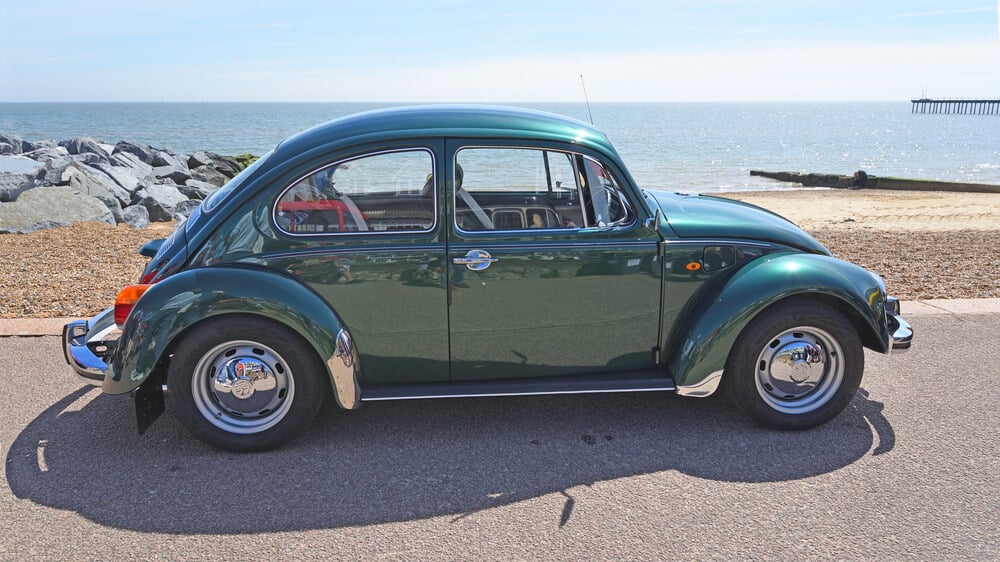
Iconic in the 1960s and early 1970s, the Beetle was affordable and cheerful, with simple mechanics teenagers could actually understand. The cultural cache didn’t hurt either—driving a Beetle seemed cool even if it couldn’t actually accelerate quickly.
Ford Pinto
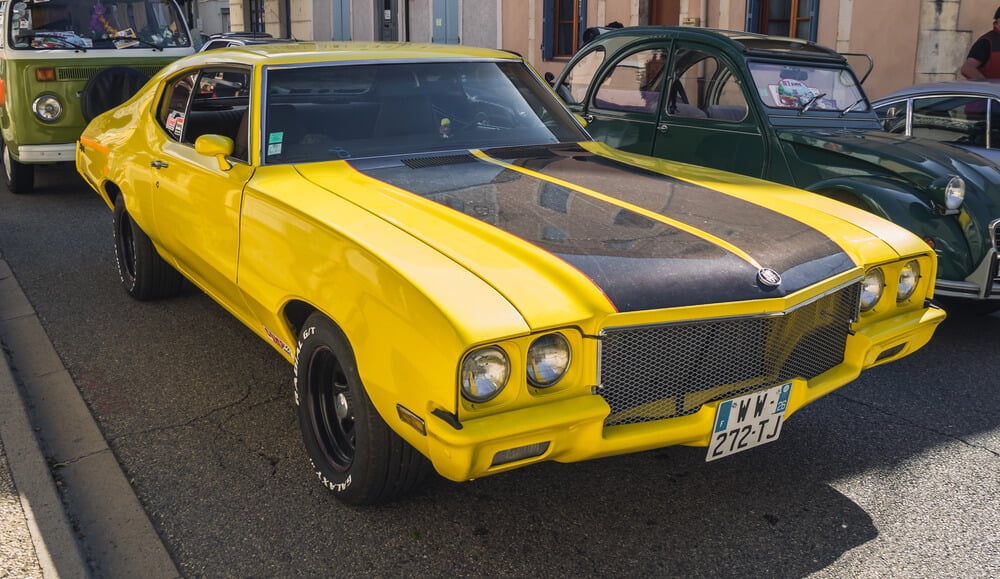
This 1970s compact car was everywhere on teenage driving rosters, offering practical transportation at a price young drivers could afford. The car’s reputation for fuel efficiency and affordability made it ubiquitous in the used market.
AMC Gremlin
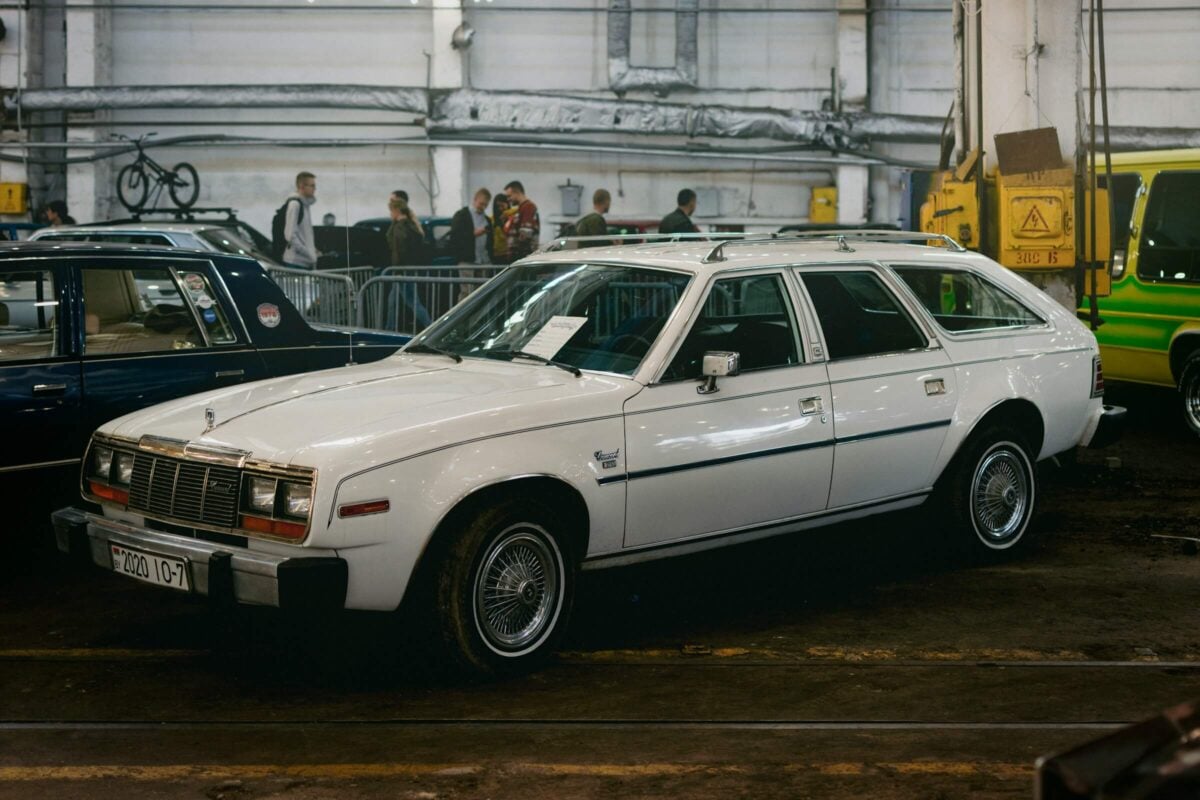
The wedge-shaped 1970s compact was a common first car for teenagers in rural areas where used Japanese cars were scarce. The Gremlin’s simplicity made it repairable by teenagers with minimal mechanical knowledge.
Mazda Miata
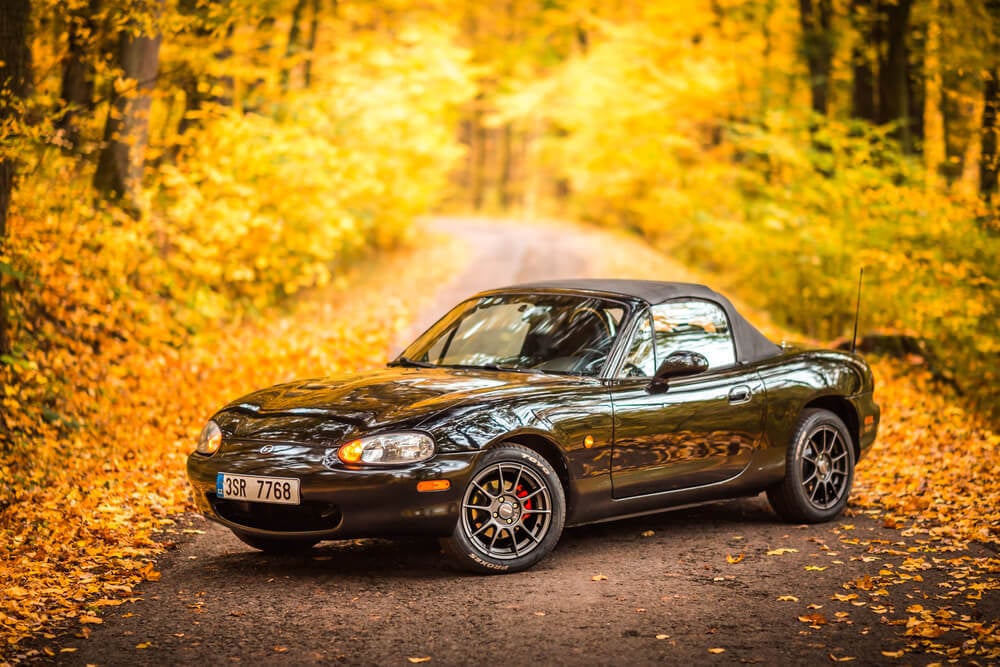
Teenagers interested in actual driving dynamics found the Miata affordable in used markets. The lightweight two-seater forced drivers to actively engage with the car instead of treating it like appliance transportation.
Datsun/Nissan 240Z and Successors
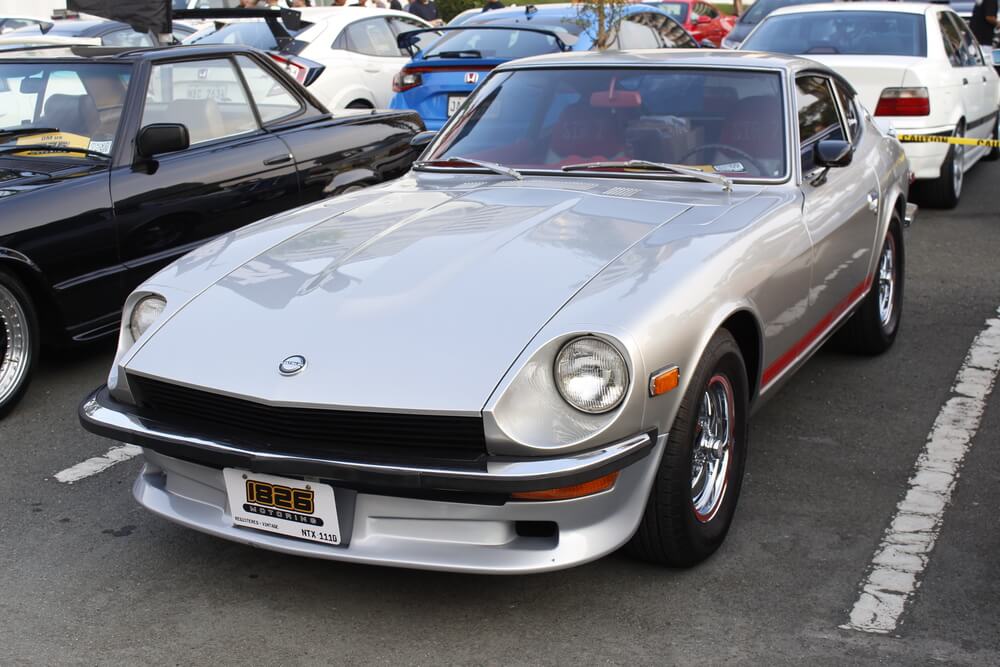
Teenagers with aspirations toward sports cars targeted Z-cars as affordable used performance vehicles. The Z’s simplicity and mechanical robustness made it a learning car that also actually taught driving skills.
Honda Civic CRX
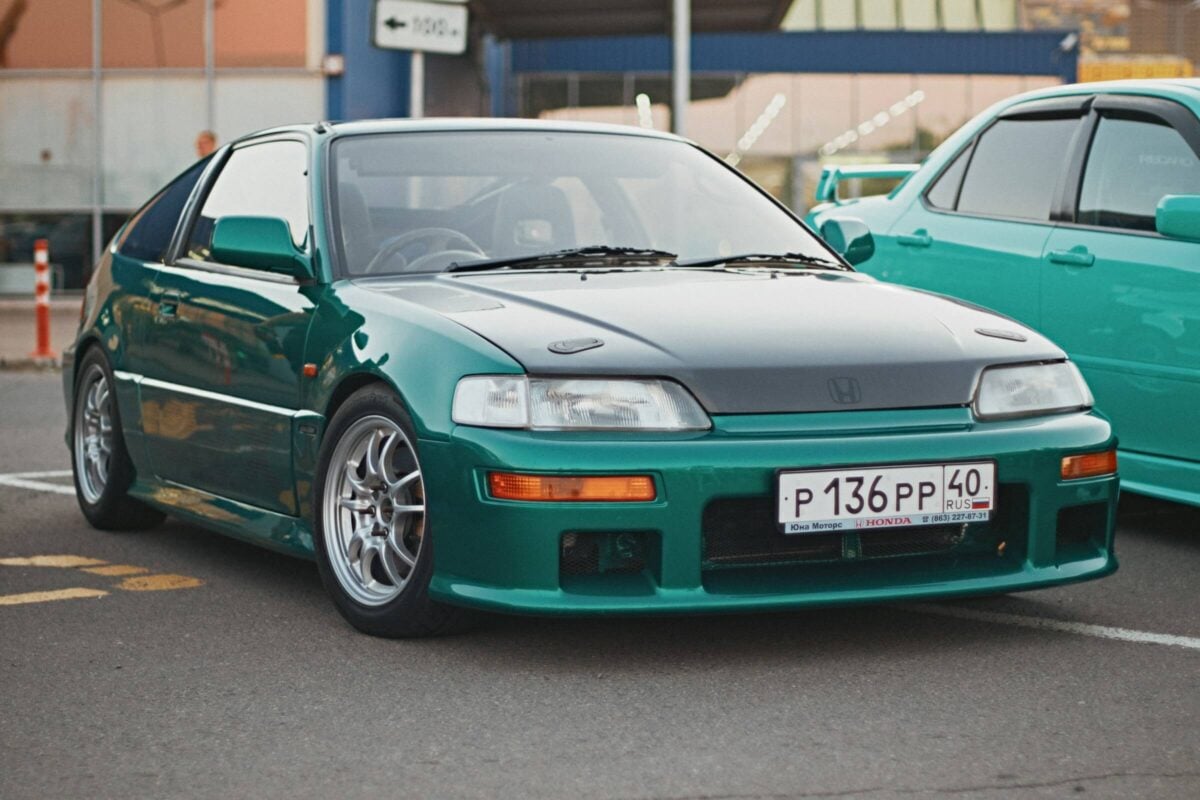
This hybrid sports car offered performance on a teenage budget. The CRX’s lightweight construction and modest power required actual driving skill, making it more rewarding than cookie-cutter sedans.
Subaru BRAT
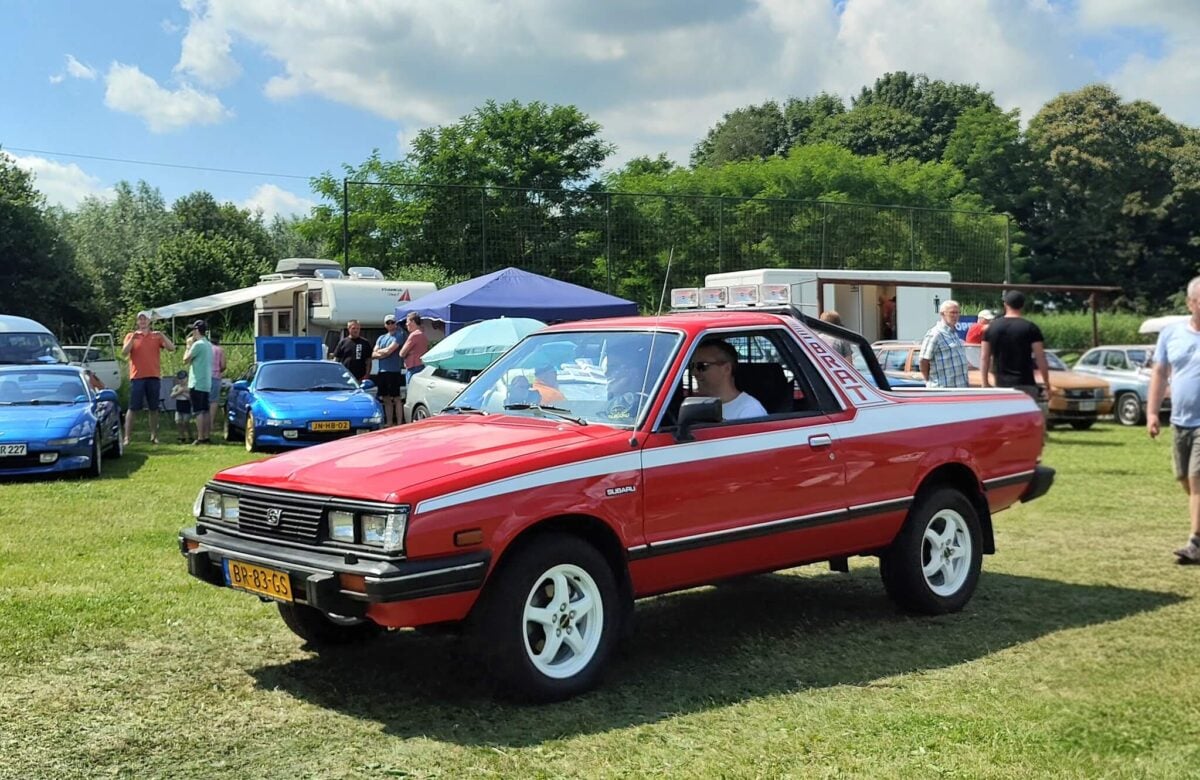
Rural teenagers with small truck ambitions learned to drive in these quirky Subaru pickup trucks. The BRAT’s four-wheel-drive capability and unconventional styling made it memorable if mechanically unremarkable.
Geo Prizm
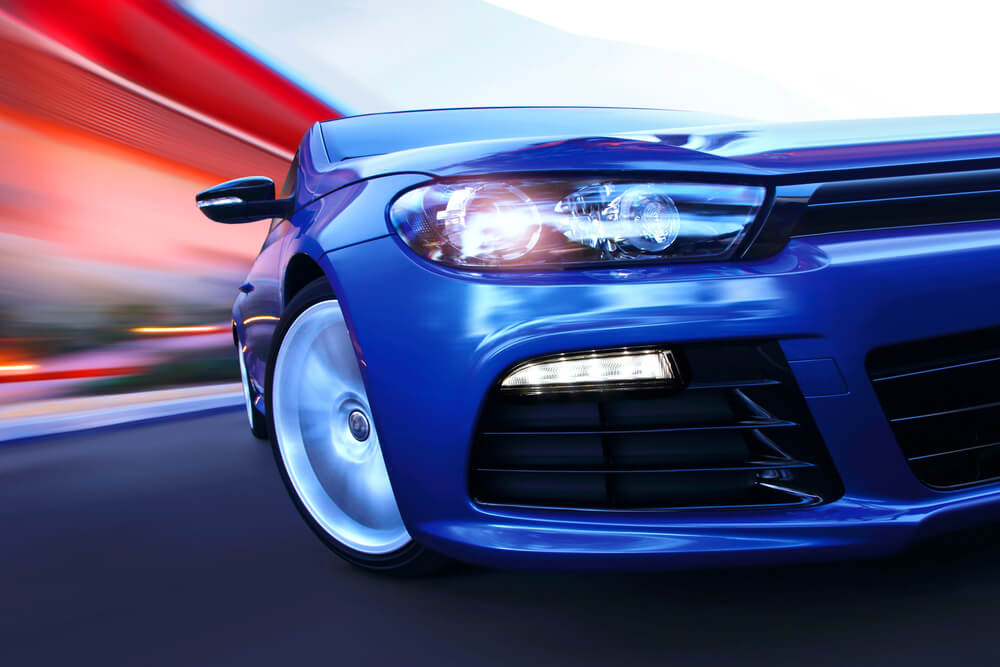
This rebadged Toyota Corolla offered the same reliability as its parent car but at slightly lower cost. The Prizm proved that Toyota engineering under another brand’s badge still meant dependability.
Chevrolet Vega
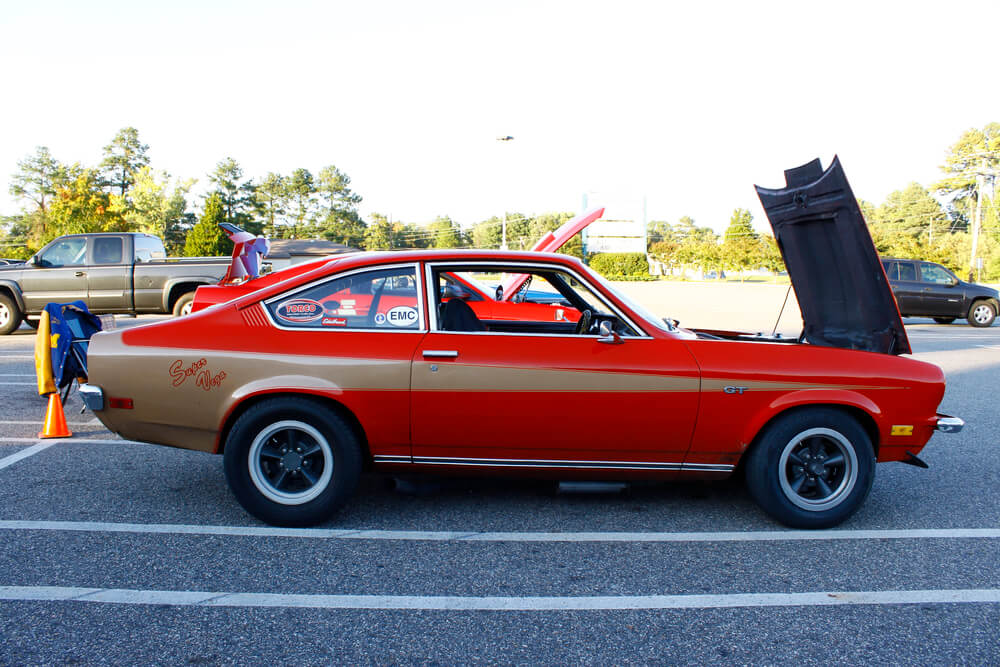
This 1970s compact was cheap and simple, appealing to teenagers with minimal budgets. The Vega’s lightweight construction and small engine made it manageable for new drivers.
Toyota Tercel
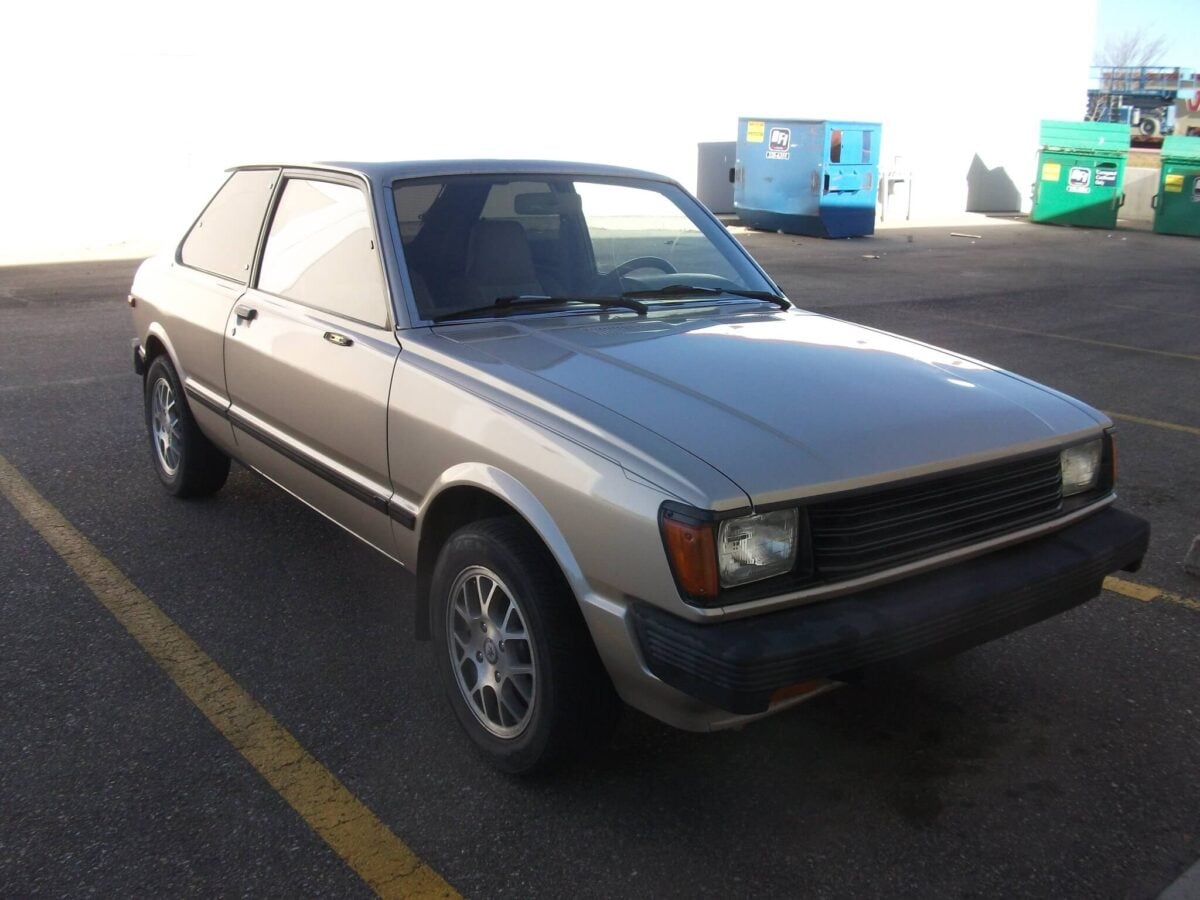
The even more compact sibling to the Corolla, the Tercel offered basic reliable transportation in an ultra-economical package. Teenagers found these easy to park and simple to maintain.
Ford Mustang (First Generation and Classics)
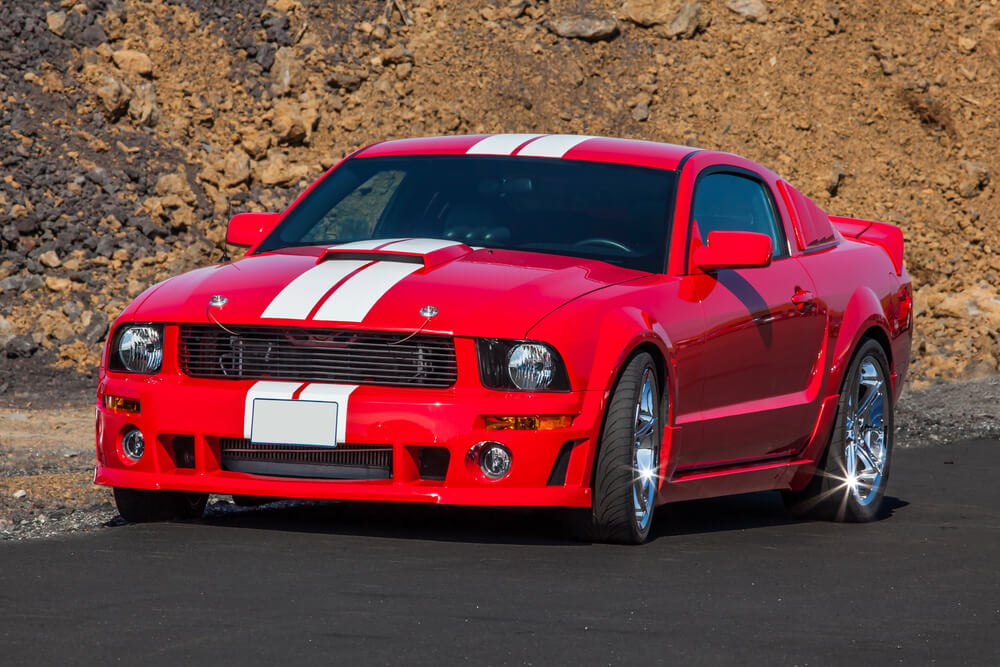
Teenagers with access to vintage Mustangs learned to drive in genuine American muscle cars. The mechanical simplicity of older Mustangs made them surprisingly practical for learner drivers despite their performance pretensions.
Honda Prelude
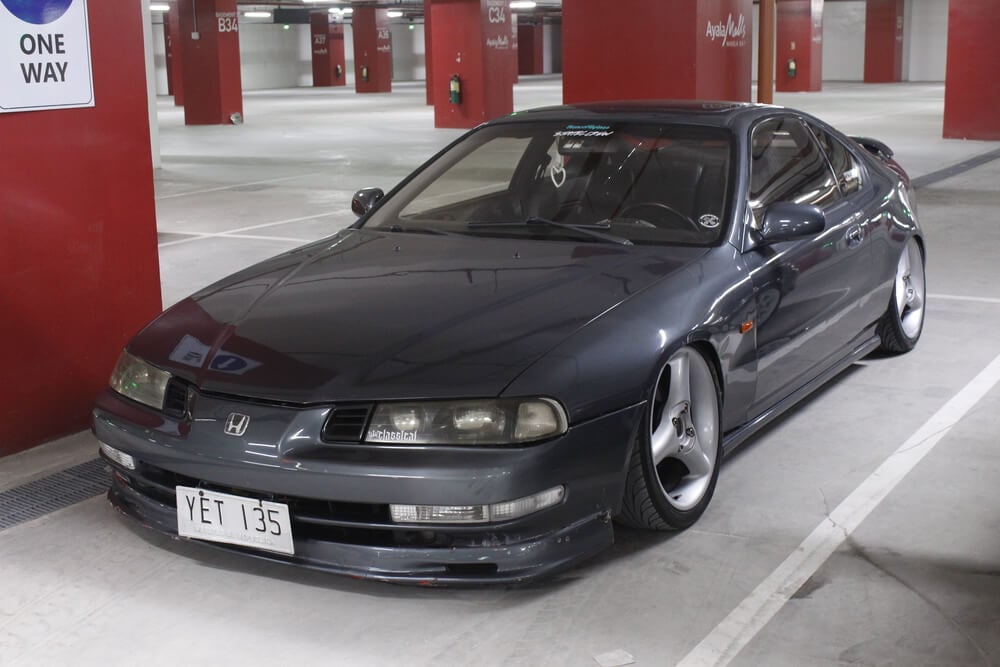
This sports-focused compact coupe attracted teenagers interested in actual driving dynamics. The Prelude’s balance of performance and reliability made it a rewarding learning vehicle for drivers serious about developing their skills.
Toyota Supra (Early Models)
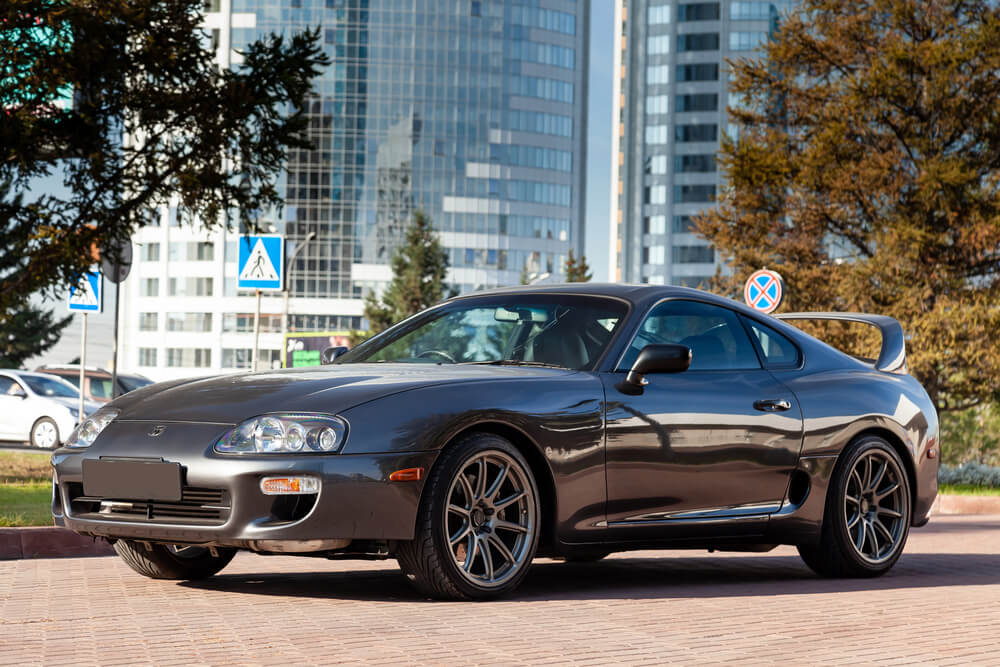
Teenagers serious about car enthusiasm targeted used Supras as affordable performance learning platforms. The Supra’s proven reliability and performance made it valuable for drivers interested in actually developing car sense rather than just transportation.
The Practicality of First Cars

What defines a teenage learning car isn’t coolness or performance or design. It’s availability, affordability, reliability enough to survive learning mistakes, and simple enough that repairs don’t require specialized knowledge or expense.
The cars that end up in teenage hands are those that have depreciated enough to be accessible but maintained enough to actually function. The Civic and Corolla dominate for good reasons—they’re abundant, reliable, and affordable.
Everything else on this list succeeds or fails based on whether parents and teenage drivers could actually afford to keep them running. The cars that teach teenagers to drive are the cars that don’t break when stressed by inexperienced hands, and that remain cheap enough to fix when they inevitably do.
More from Go2Tutors!

- The Romanov Crown Jewels and Their Tragic Fate
- 13 Historical Mysteries That Science Still Can’t Solve
- Famous Hoaxes That Fooled the World for Years
- 15 Child Stars with Tragic Adult Lives
- 16 Famous Jewelry Pieces in History
Like Go2Tutors’s content? Follow us on MSN.