16 Surprising Facts About Fighter Jets
Fighter jets represent some of the most advanced technology humans have ever created, but beyond their obvious speed and firepower, these aerial predators hide some truly mind-blowing secrets. From pilots who literally can’t breathe without help to planes that cost more than small countries’ entire budgets, the world of military aviation is packed with details that would surprise even aviation enthusiasts.
These machines push the boundaries of physics, engineering, and human endurance in ways most people never realize. Here’s a list of 16 surprising facts about fighter jets that reveal just how extraordinary these flying machines really are.
They can pull more Gs than astronauts
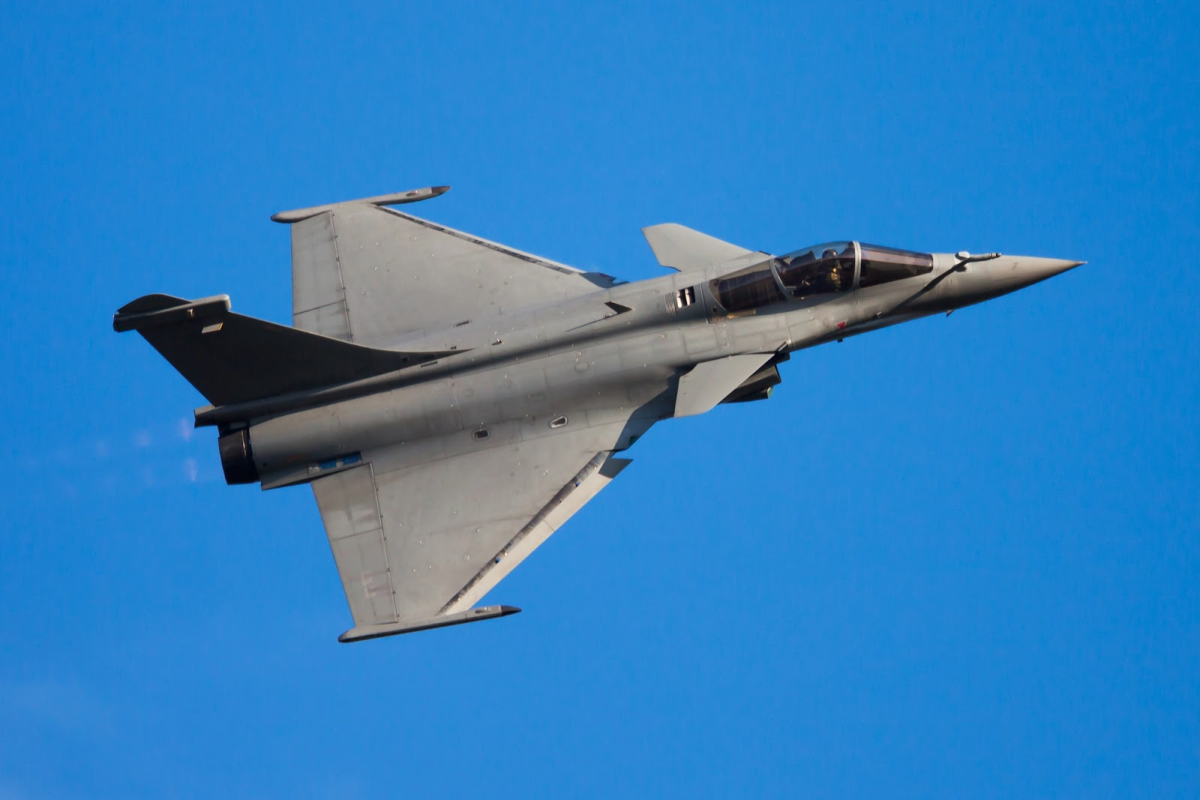
Fighter pilots routinely experience forces that would knock out regular people, with modern jets capable of pulling 9 Gs or more during combat maneuvers. That’s nine times the force of gravity pressing down on every part of the pilot’s body, making a 200-pound person feel like they weigh 1,800 pounds.
Astronauts during rocket launches typically experience only about 3-4 Gs, making fighter pilots some of the most physically stressed people on Earth.
The F-22 Raptor costs $412 million per plane
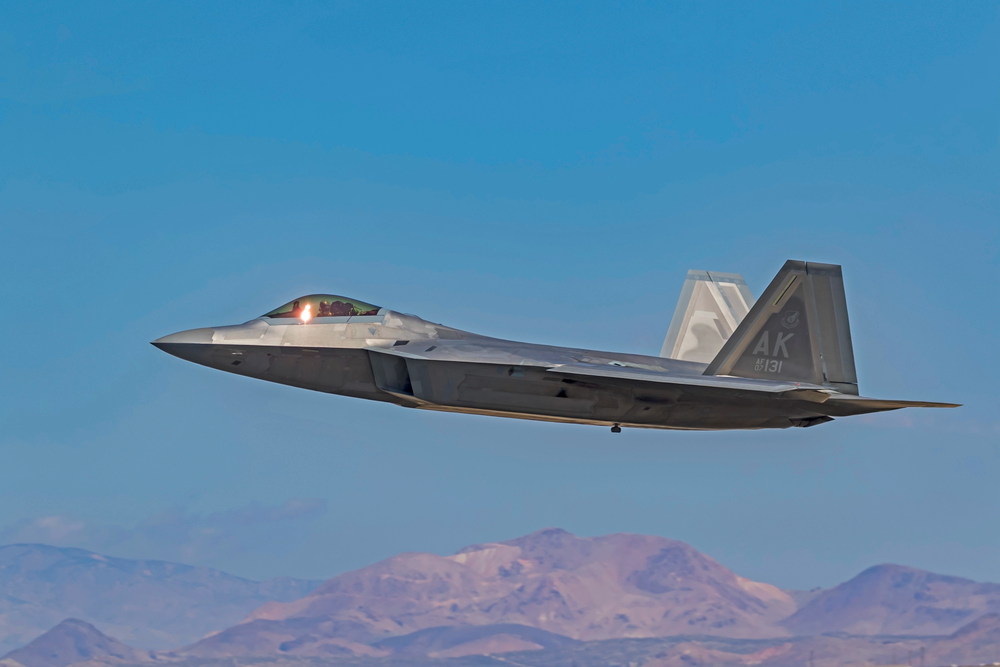
When you factor in development costs, each F-22 Raptor fighter jet cost American taxpayers roughly $412 million – that’s more than the GDP of some small nations. The program was so expensive that the U.S. Air Force originally wanted 750 planes but only ended up with 187 due to budget constraints.
Each plane costs about $70,000 per hour just to operate, not including pilot training or maintenance.
Pilots wear special suits to avoid passing out
G-suits are basically inflatable pants that squeeze a pilot’s legs and abdomen to prevent blood from pooling away from their brain during high-G maneuvers. Without these suits, pilots would black out within seconds during aggressive turns or climbs.
The suits automatically inflate based on the G-forces being experienced, essentially giving pilots a mechanical hug that keeps them conscious.
The SR-71 Blackbird leaked fuel on the ground

The legendary SR-71 spy plane was designed to fly so fast that its metal frame would expand from heat, which meant the fuel tanks couldn’t seal properly when the aircraft was cold on the ground. The plane would literally drip fuel until it reached cruising speed and the metal heated up enough to seal the gaps.
This wasn’t a design flaw – it was an intentional engineering choice to handle the extreme temperatures at Mach 3+ speeds.
Fighter jets can break the sound barrier vertically

Most people think of supersonic flight as horizontal, but modern fighter jets can accelerate straight up and break the sound barrier while climbing vertically. The F-15 Eagle can climb at over 50,000 feet per minute and reach Mach 1+ in a vertical climb, essentially turning into a rocket.
This capability allows pilots to quickly gain altitude advantage or escape threats in ways that seem to defy common sense about how aircraft should behave.
Ejection seats can launch pilots 300 feet high
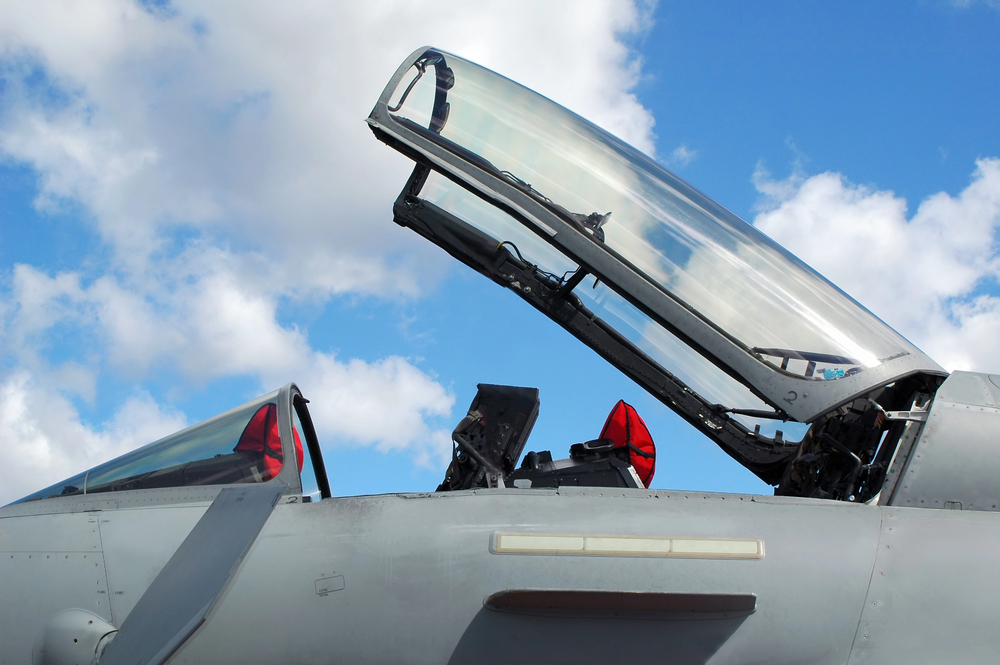
Modern ejection seats use explosive charges to blast pilots clear of their aircraft at speeds that can reach 120 mph in just 0.2 seconds. The seats can launch a pilot up to 300 feet above their aircraft, giving them enough clearance to safely parachute even at very low altitudes.
The forces involved are so extreme that ejecting can compress a pilot’s spine by up to an inch and cause lifelong back problems.
Stealth planes are painted with radar-absorbing paint
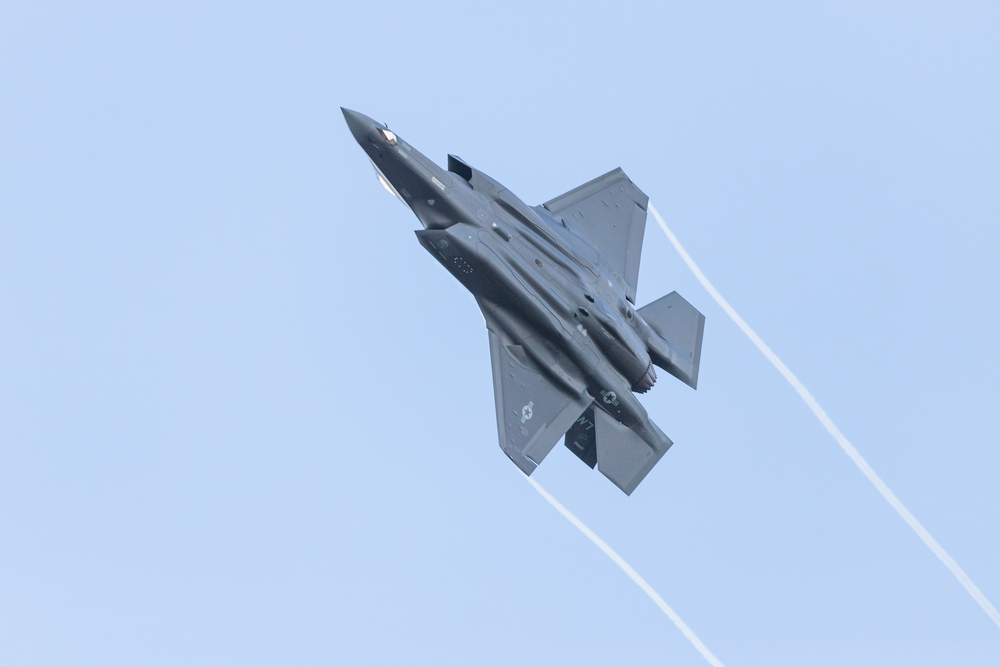
The radar-absorbing material on stealth fighters contains tiny iron spheres and other exotic materials that convert radar energy into heat rather than reflecting it back to enemy radar systems. This paint is incredibly expensive and delicate, requiring constant maintenance and reapplication after each flight.
The coating is so sensitive that even bird droppings can create radar signatures that compromise the aircraft’s stealth capabilities.
The A-10 Warthog was built around its gun
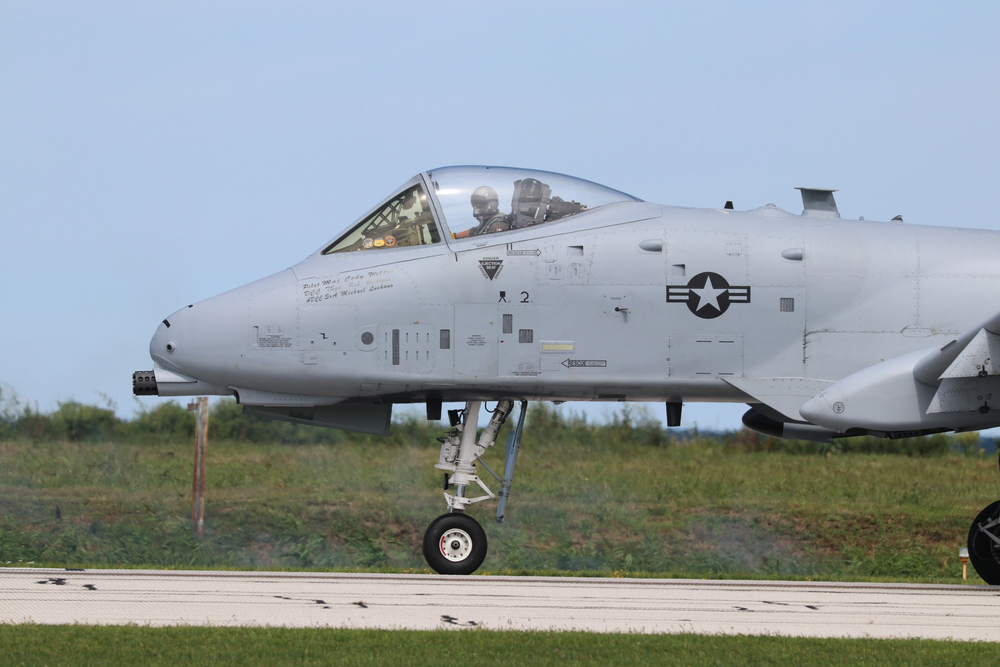
The A-10 Thunderbolt II was literally designed around the GAU-8 Avenger cannon, a seven-barrel rotary gun that fires 30mm rounds at 4,200 rounds per minute. The gun is so powerful that firing it actually slows the aircraft down due to recoil, and the plane had to be specifically balanced to handle the weapon’s weight and recoil forces.
The cannon makes up about 16% of the aircraft’s total weight when fully loaded with ammunition.
Pilots can experience tunnel vision from G-forces
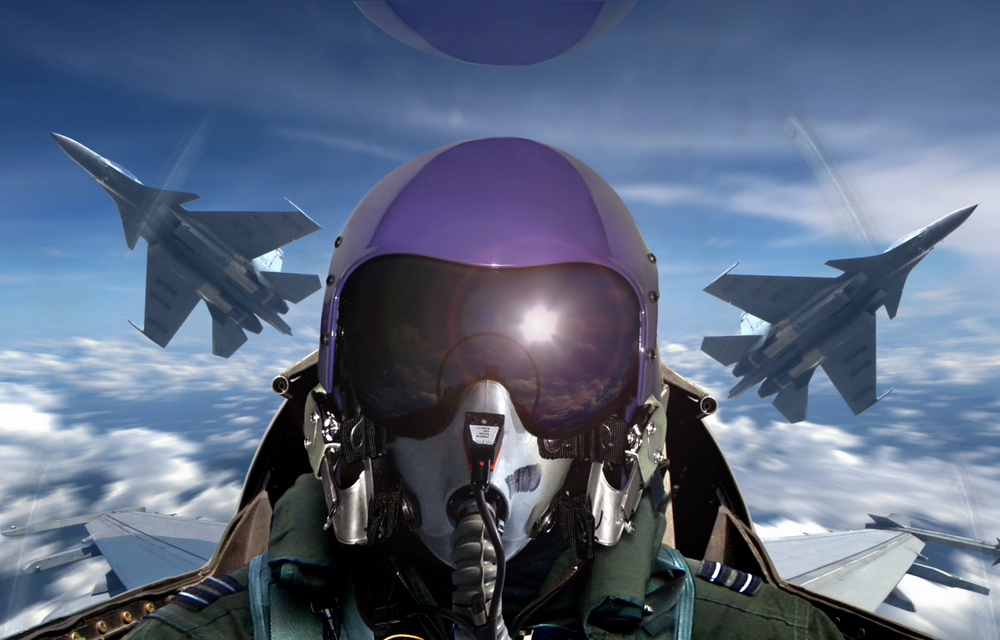
As G-forces increase, blood drains away from a pilot’s eyes, causing their peripheral vision to fade until they can only see straight ahead through what feels like a tunnel. This ‘grey-out’ happens before complete blackout and can make it nearly impossible to read instruments or spot threats.
Pilots train extensively to recognize these symptoms and recover before losing consciousness completely.
The F-16 is inherently unstable and needs computers to fly

The F-16 Fighting Falcon is aerodynamically unstable by design, meaning it would crash immediately without its computerized flight control system constantly making adjustments. This instability actually makes the plane more maneuverable, but it requires the flight computer to make hundreds of corrections per second to keep it airborne.
If the computer fails, pilots have only seconds to engage backup systems or eject.
Some fighter jets can land on aircraft carriers at 150 mph
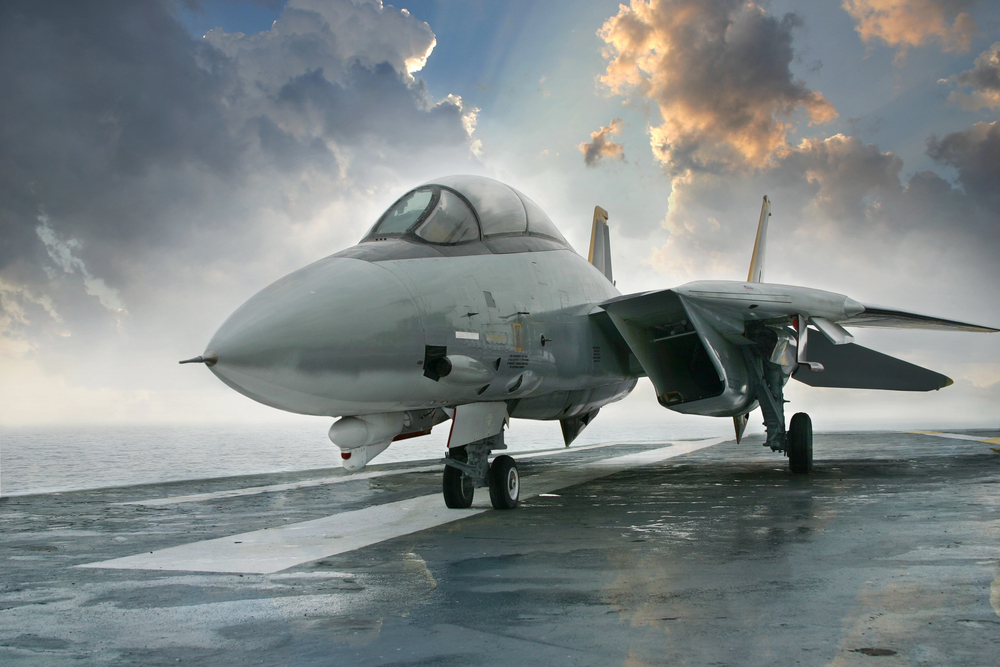
Carrier landings are controlled crashes where pilots slam their aircraft onto a moving deck at speeds around 150 mph, then hope a hook on their plane catches one of four steel cables stretched across the deck. The deceleration forces are so intense that pilots experience about 4 Gs in the opposite direction, and missing all four cables means trying to take off again from what’s left of the deck.
Only about 1% of military pilots are qualified for carrier operations.
Fighter pilot helmets cost more than luxury cars

A modern fighter pilot helmet with all its electronic systems can cost over $400,000 – more than most people’s houses. These helmets contain heads-up displays, night vision systems, targeting computers, and communication equipment that essentially turn the pilot’s head into a weapon system.
The helmet-mounted displays can show radar information, target data, and flight information directly in the pilot’s line of sight.
The B-2 bomber costs $2.1 billion per plane
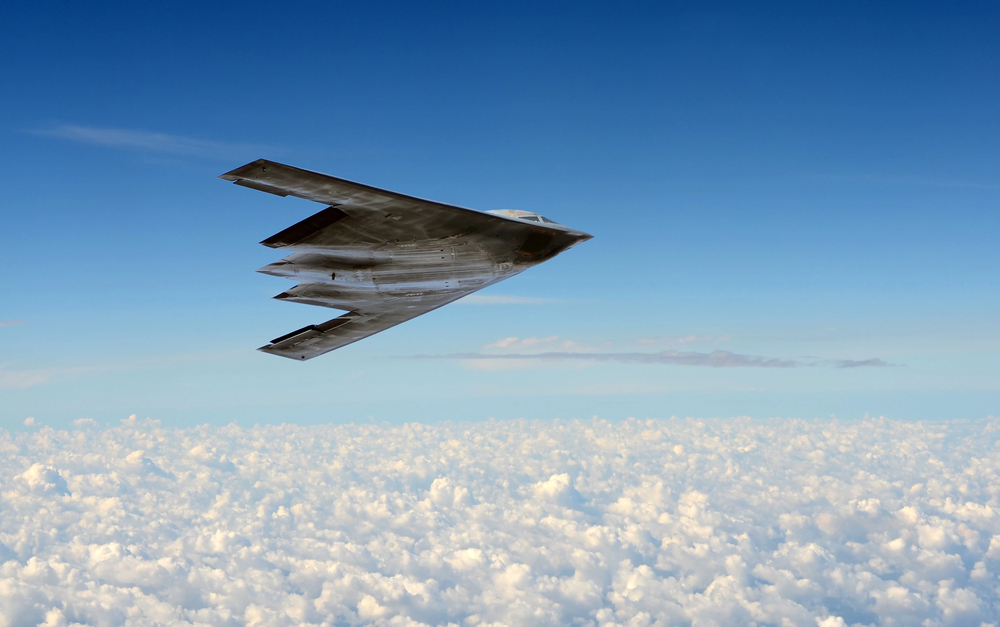
The B-2 Spirit stealth bomber holds the record as the most expensive aircraft ever built, with each plane costing approximately $2.1 billion when development costs are included. Only 21 B-2s were ever built, making them more rare and expensive than most precious metals.
The aircraft requires climate-controlled hangars and specialized maintenance that costs millions of dollars per year per plane.
Supersonic jets create sonic booms that can break windows

When fighter jets break the sound barrier, they create shock waves that produce sonic booms capable of breaking windows and setting off car alarms for miles around the flight path. The Concorde supersonic airliner was banned from flying over populated areas specifically because of these destructive sound waves.
Military jets flying supersonic over cities can cause millions of dollars in property damage from broken glass alone.
Pilots train for years before flying solo in fighters

Becoming a fighter pilot typically requires 3-4 years of intensive training, including basic flight training, advanced jet training, and aircraft-specific instruction that can last 18 months. The training costs the military roughly $5-6 million per pilot, and the washout rate is extremely high – most candidates never make it to operational status.
Even after earning their wings, pilots need hundreds of additional flight hours before they’re considered combat-ready.
When engineering meets the impossible

These incredible machines represent humanity’s relentless push to overcome the basic limitations of physics, biology, and common sense. From pilots who train their bodies to withstand forces that would kill most people to aircraft that cost more than entire cities, fighter jets exist at the absolute edge of what’s technically possible.
The next generation of fighters promises even more mind-bending capabilities, including artificial intelligence that can outmaneuver human pilots and hypersonic speeds that make current jets look slow. Every time engineers think they’ve reached the limits of aviation technology, someone figures out how to push just a little bit further into the realm of the seemingly impossible.
More from Go2Tutors!

- The Romanov Crown Jewels and Their Tragic Fate
- 13 Historical Mysteries That Science Still Can’t Solve
- Famous Hoaxes That Fooled the World for Years
- 15 Child Stars with Tragic Adult Lives
- 16 Famous Jewelry Pieces in History
Like Go2Tutors’s content? Follow us on MSN.