28 Music Formats Listeners Grew Up Buying
Music consumption formats have transformed dramatically across consumer generations, with each era developing emotional attachments to their format of choice. The physical act of purchasing, unwrapping, and possessing music in tangible form created ritualistic consumption patterns.
Format transitions marked generational divides as sharply as any other cultural milestone.
Vinyl Records (33 RPM LPs)
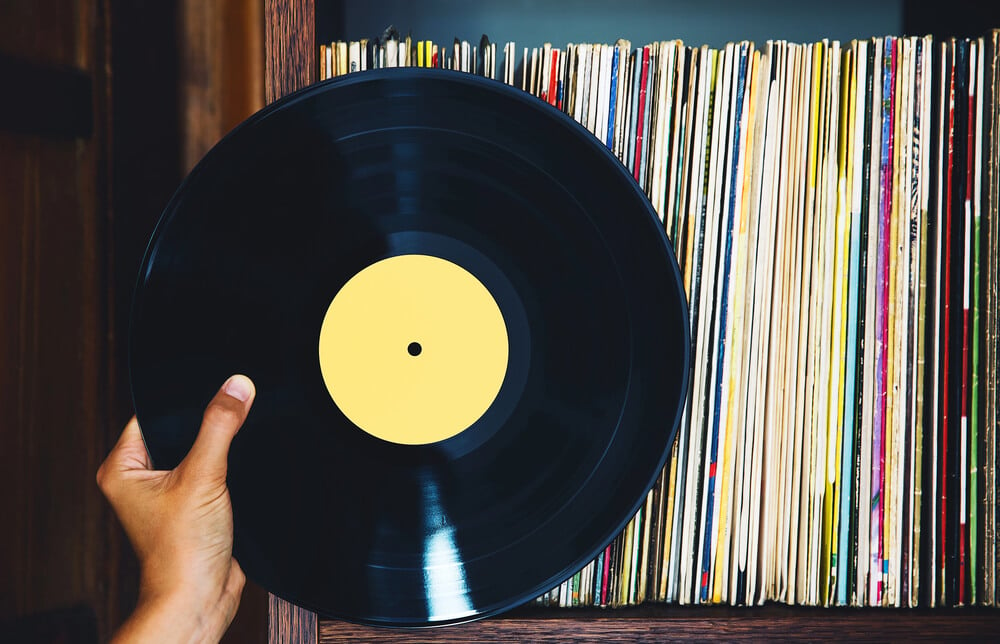
Vinyl records were the dominant format for serious music listeners from the 1950s through the 1980s, offering superior sound quality and album artwork presentation. The large format enabled elaborate gatefold covers and lyric sheets.
Collectors maintained vinyl preferences even after digital formats dominated.
Vinyl Singles (45 RPM)
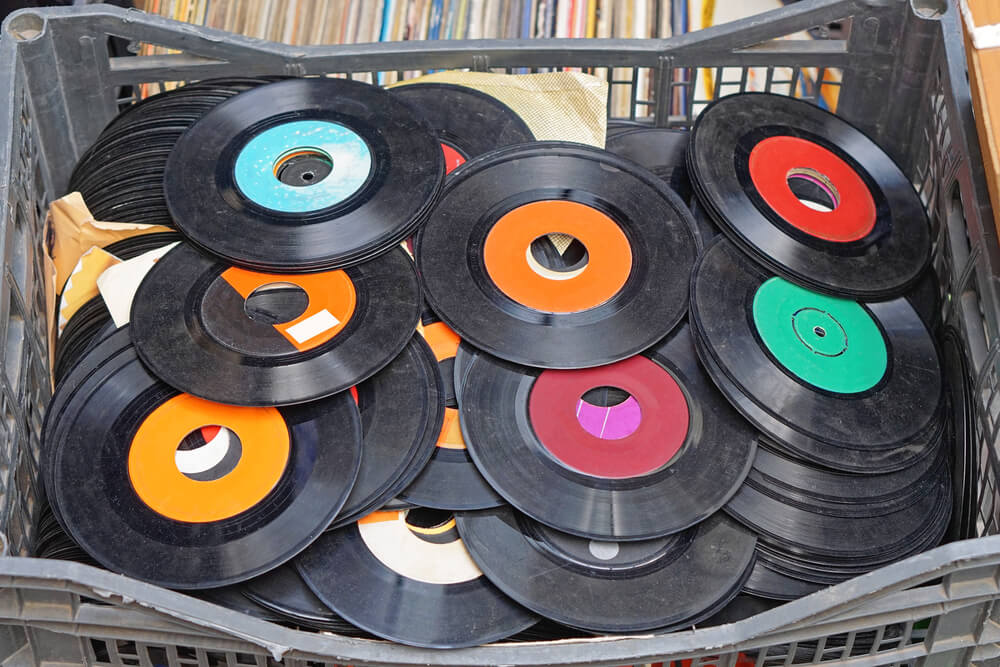
45 RPM singles provided affordable entry points for listeners pursuing specific songs rather than complete albums. The format’s small size and durability made them ideal for storage.
Jukebox culture reinforced the 45’s cultural significance through public consumption.
Cassette Tapes (Compact Cassette)
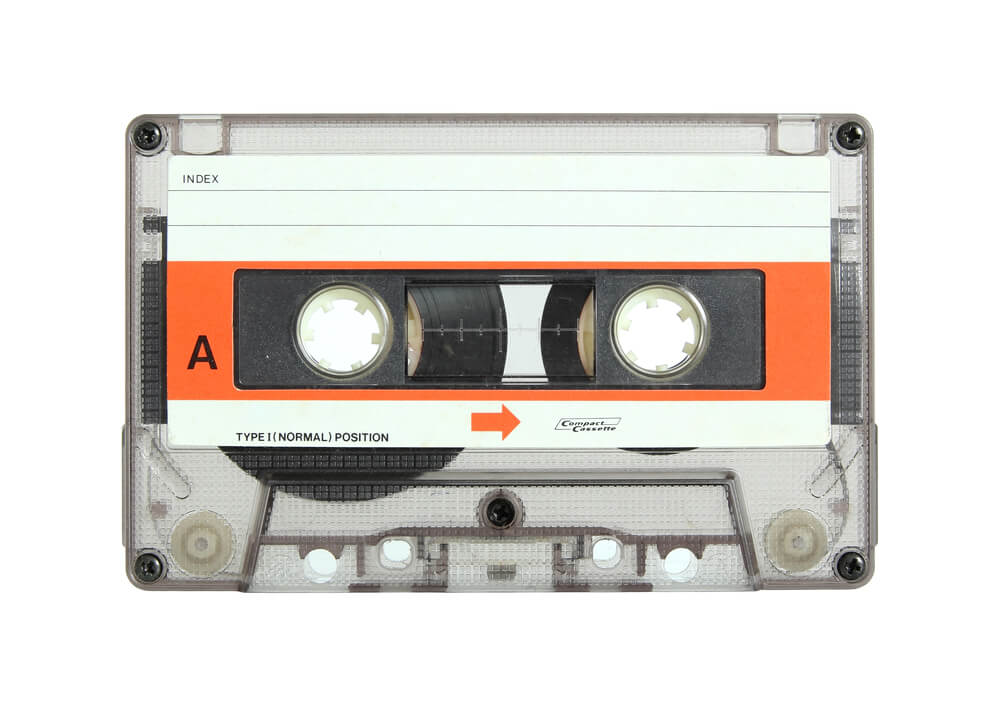
Cassettes dominated portable music from the late 1970s through the 1990s, offering recording capability and compact storage. The format’s durability limitations created universal familiarity with tape decay and rewinding.
Mixtape culture transformed cassettes into vehicles for personal expression.
8-Track Cartridges
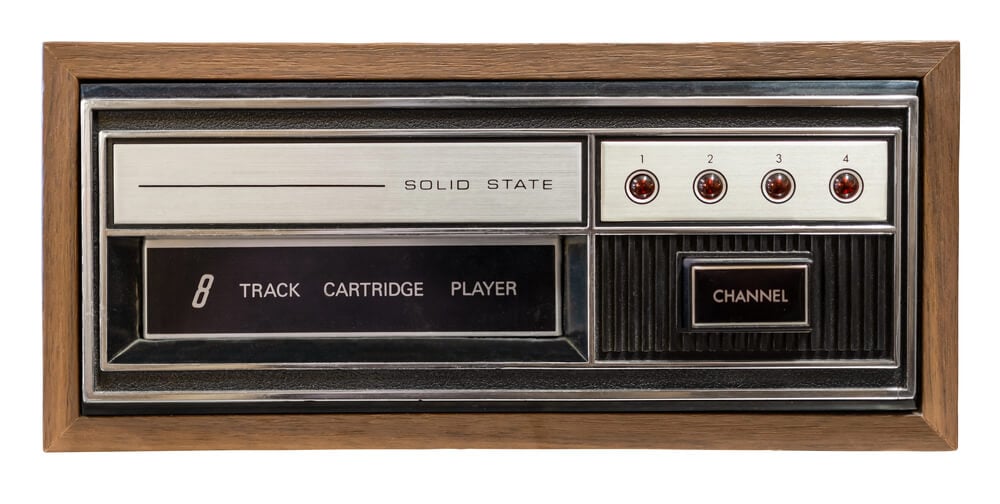
8-track cartridges occupied the pre-cassette portable music space, offering longer-play capacity than singles but limited recording. The format’s decline was rapid once cassettes achieved market dominance.
Vintage 8-track libraries remain sought by retro collectors.
Compact Discs (CDs)
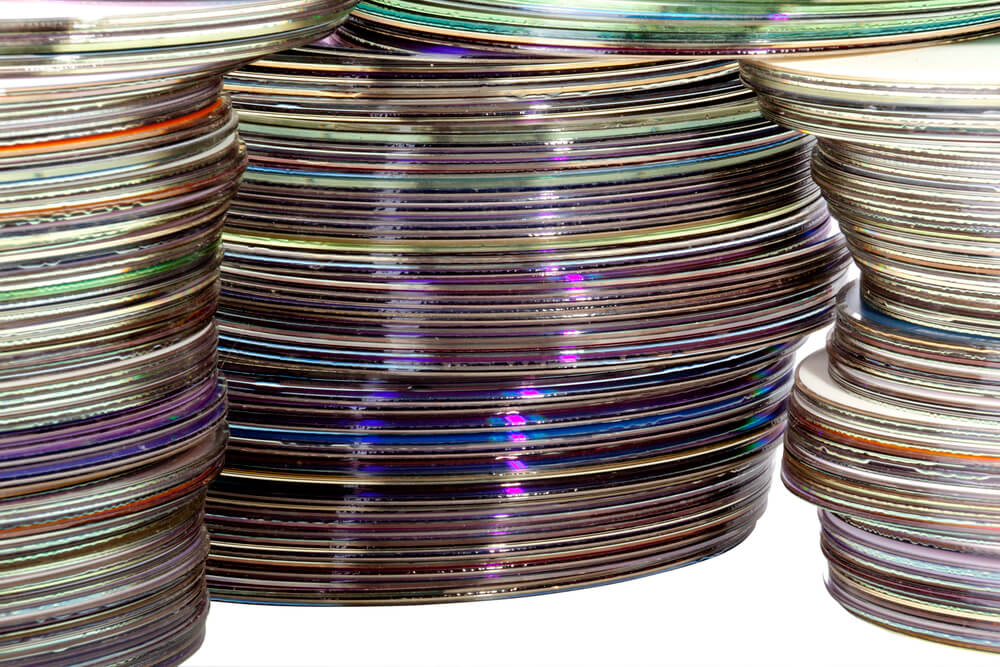
CDs represented the digital revolution, offering superior sound quality, durability, and storage capacity compared to cassettes. The format’s planned obsolescence created resistance from vinyl enthusiasts who criticized the “perfect” digital sound.
CD purchasing peaked during the mid-1990s before digital downloading emerged.
Digital Downloads (iTunes Model)
iTunes pioneered individual track purchases, enabling listeners to buy specific songs without album commitment. The format shifted purchasing power toward music distributors and away from physical retailers.
Download culture democratized music availability while fragmenting album-oriented listening.
Streaming Subscriptions (Spotify/Apple Music)

Streaming services eliminated ownership and emphasized unlimited access, completing the shift from purchase to rental models. Playlist algorithms replaced human curation as the primary discovery mechanism.
Streaming normalized the expectation of instant global music access.
MP3 Players (iPod Era)
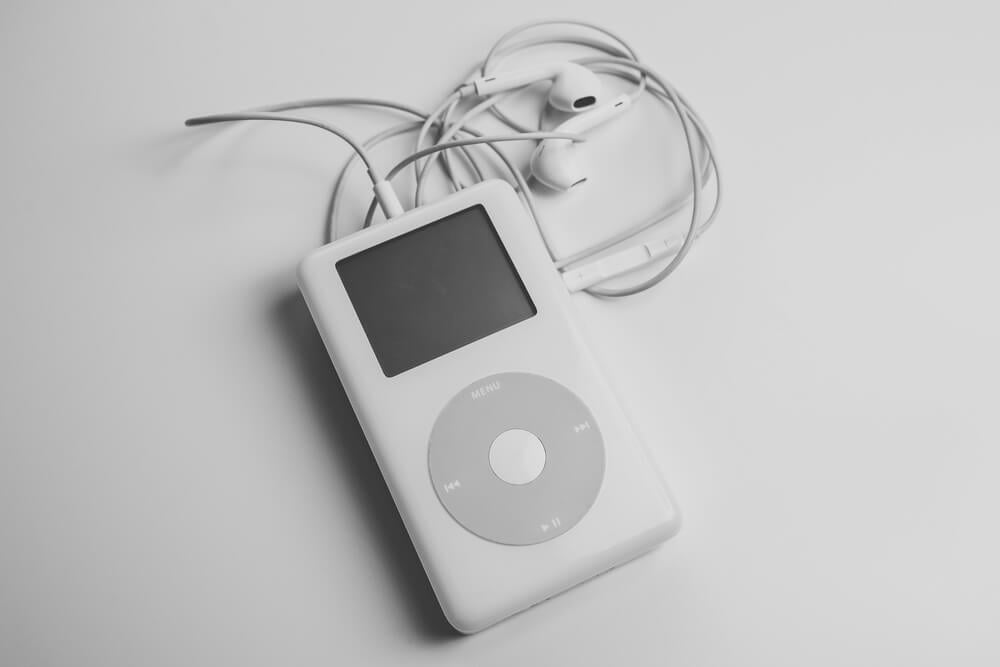
Portable MP3 players enabled personal digital music libraries on individual devices, offering unprecedented storage capacity. The iPod’s integration with iTunes created the consumer infrastructure for digital music culture.
Capacity limitations created anxiety about library curation.
MiniDisc Format
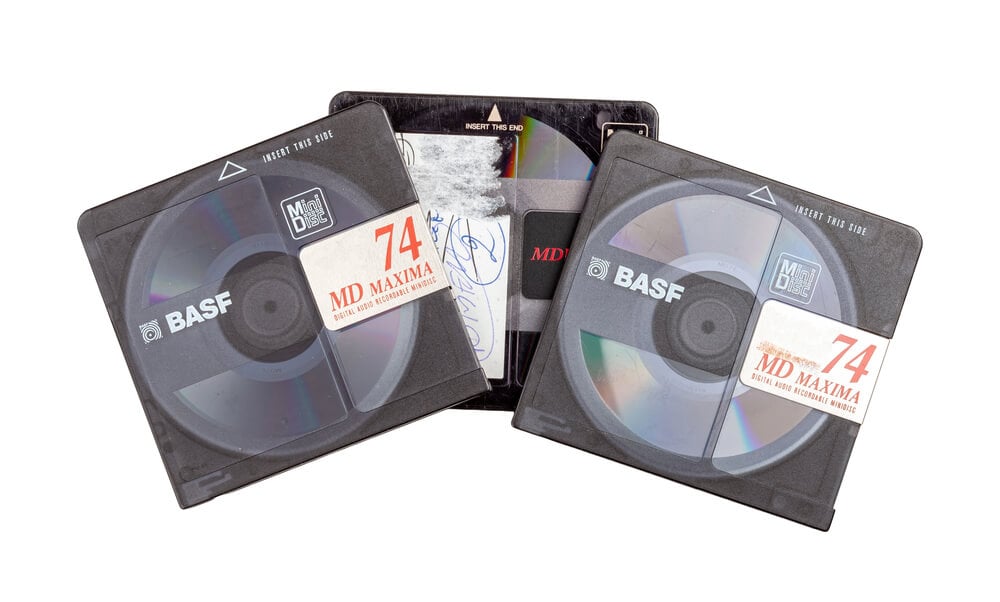
MiniDisc occupied a niche between cassettes and early MP3 players, offering recordable compact media and superior durability. The format achieved significant adoption in Japan but limited North American penetration. MiniDisc collections remain unique among format collectors.
DAT Tapes (Digital Audio Tape)
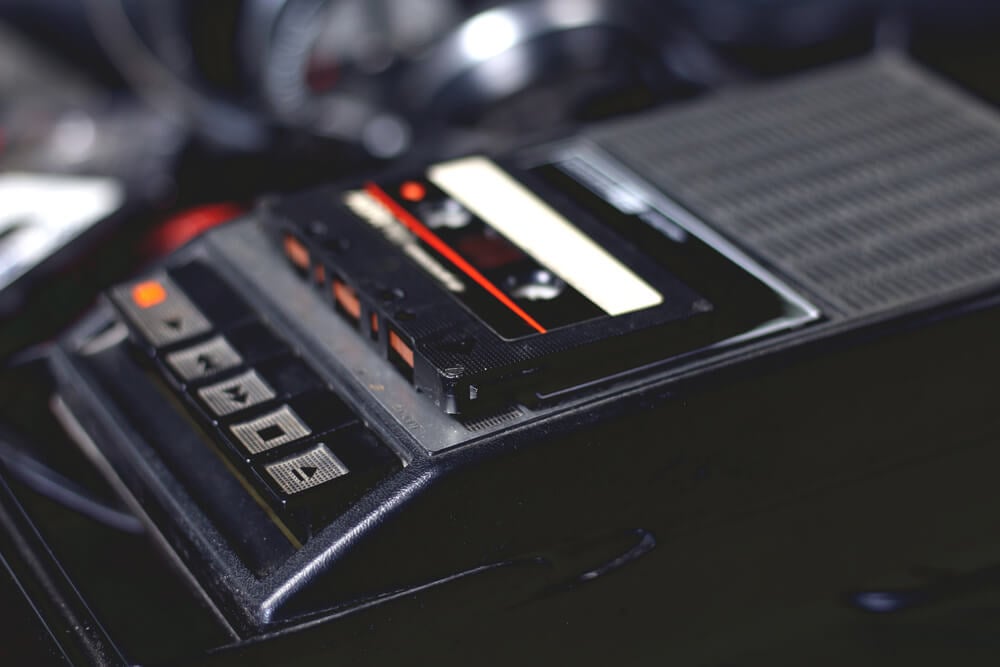
DAT represented professional-grade digital recording, occupying the high-end consumer market for serious audiophiles. The format’s cost and complexity limited mainstream adoption.
Professional musicians maintained DAT preferences long after consumer formats shifted.
Betamax Audio Format
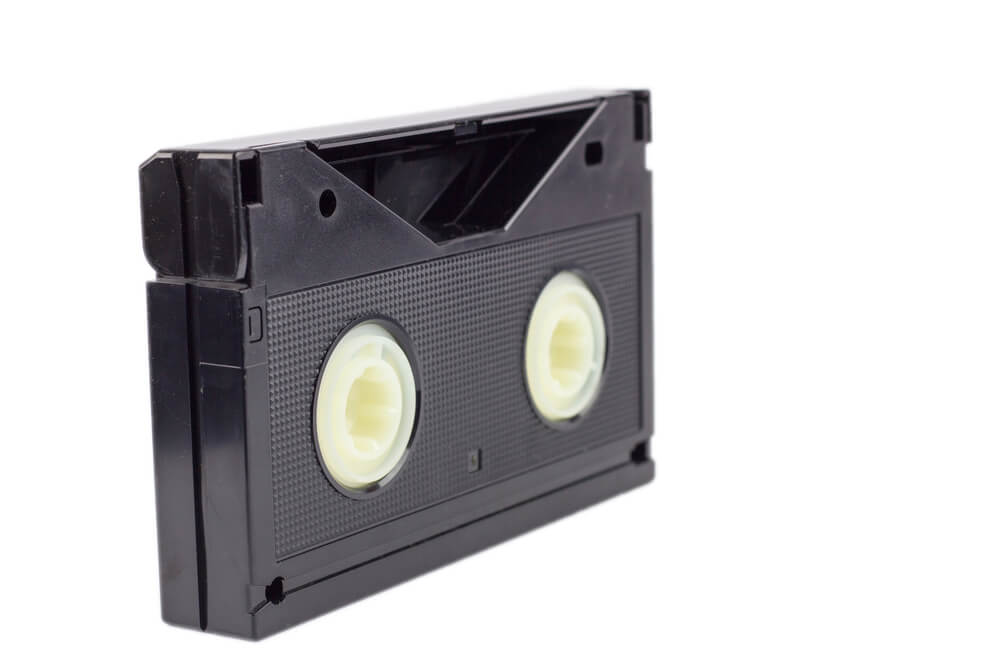
Betamax audio was the videotape sibling of the video format, offering superior sound quality but limited market penetration. The format’s incompatibility with existing audio infrastructure limited adoption.
Betamax audio remains rare among collected formats.
Wax Cylinders
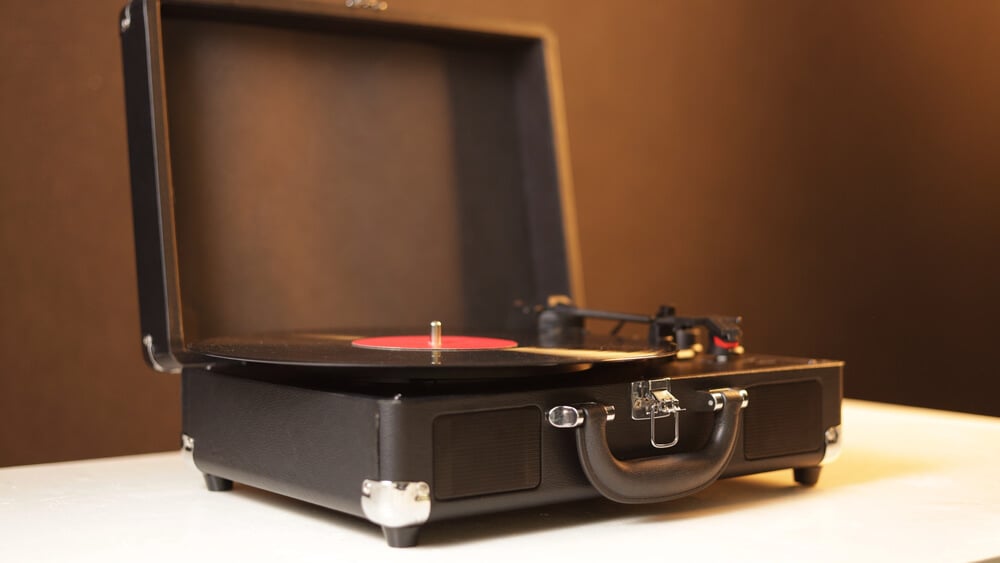
Wax cylinders preceded vinyl as the original pre-recorded music format, offering limited storage and brittle media. Collectors seek pre-1920 examples from the format’s cultural dominance.
Cylinder playback requires specialized equipment, limiting casual collection.
Player Piano Rolls
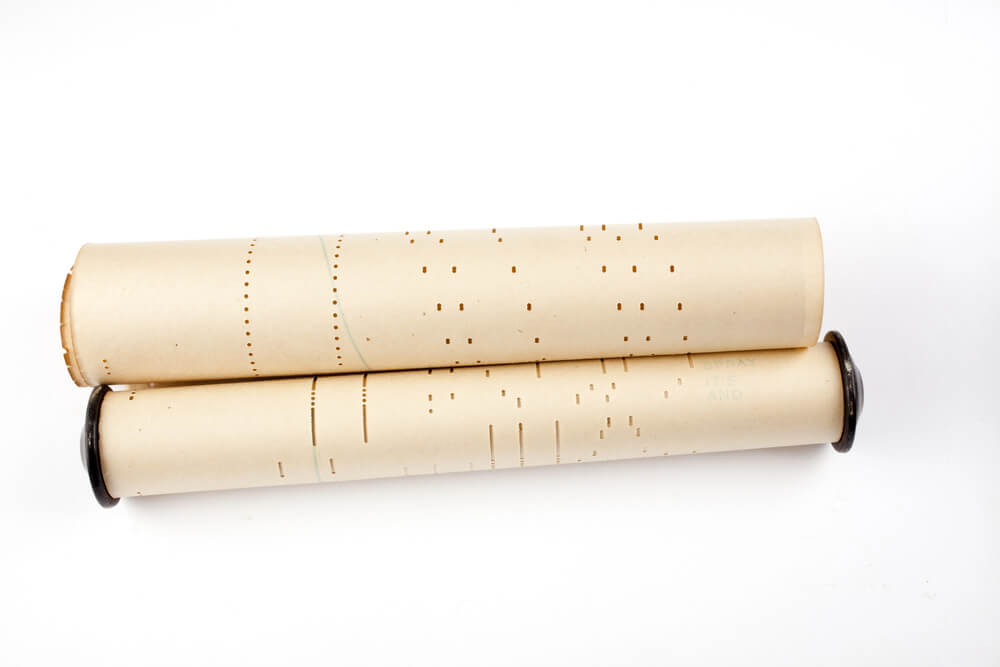
Player piano rolls represented early recorded music in mechanical form, enabling piano reproduction without human performance. The format’s bulky storage requirements and mechanical complexity limited adoption.
Collector interest focuses on roll artwork and mechanical precision.
Laserdisc Audio
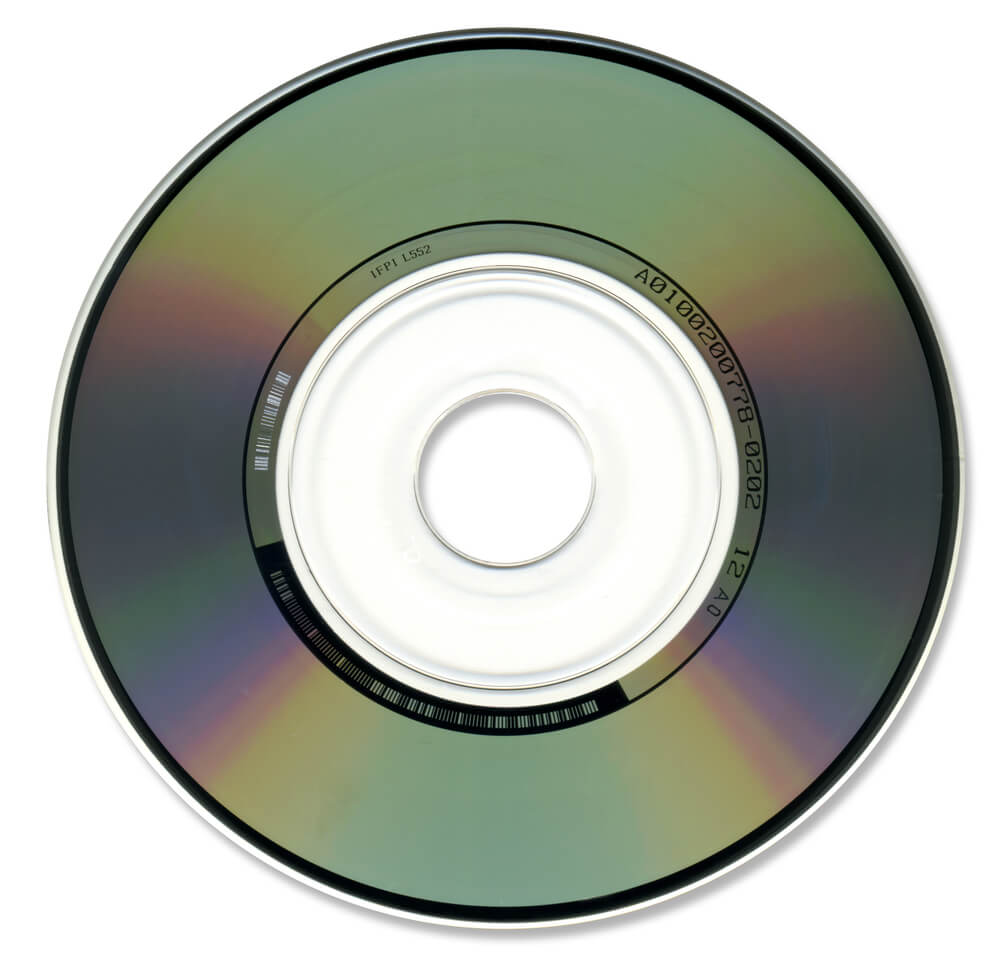
Laserdisc attempted to extend its video dominance into audio-only formats, competing with CDs through superior storage capacity. The format’s cost and incompatibility with existing equipment limited adoption.
Laserdisc audio remains a format curiosity rather than a meaningful collecting category.
Minidisc Recordable
Recordable MiniDiscs created personal library creation capability, offering compact media and superior durability compared to cassettes. The format peaked during the early 2000s before MP3 players dominated.
MiniDisc recording culture remains active among format devotees.
Digital Audio Players (Android-Based)
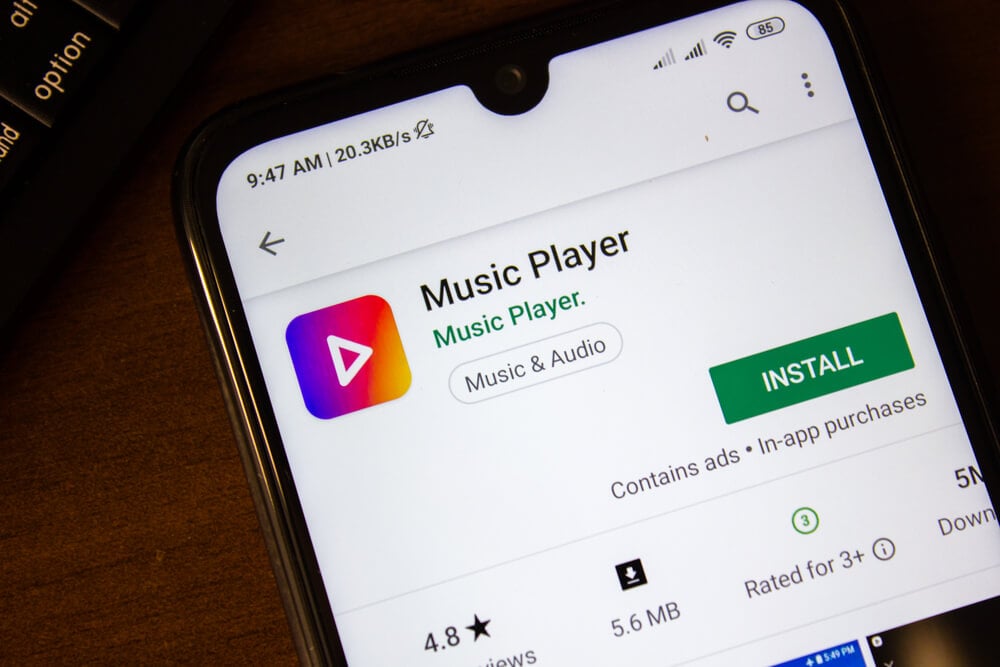
Android-based portable music players represented alternatives to Apple’s dominance, offering customizable interfaces and expandable storage. These players appealed to audiophiles dissatisfied with streaming quality.
Modern DAP markets remain niche but dedicated.
Hi-Res Audio Formats (FLAC/DSD)
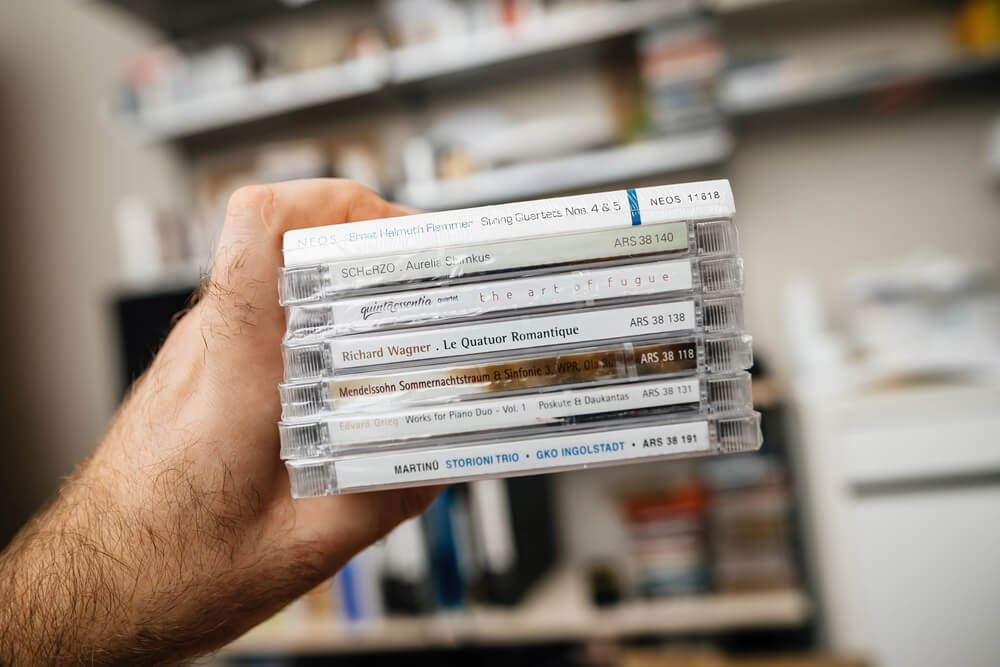
High-resolution audio formats appeal to listeners prioritizing sonic fidelity, offering greater bit-depth and sample rates than standard digital audio. The formats require specialized equipment and file storage capabilities.
Hi-res audio consumption remains a niche audiophile pursuit.
Vinyl Record Resurgence (Modern Pressing)
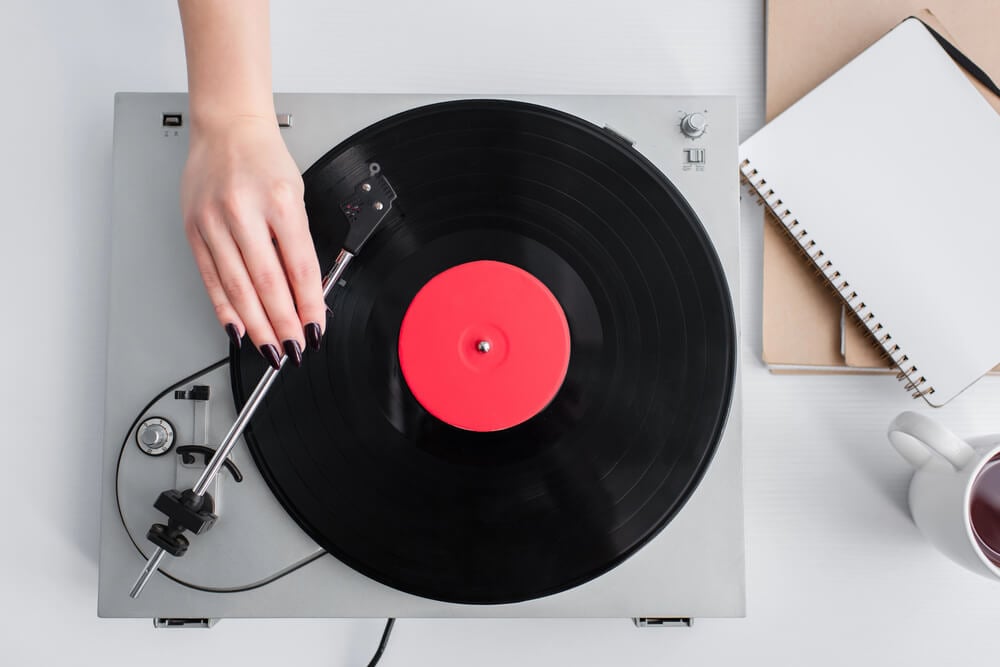
Vinyl has experienced a surprising resurgence among younger listeners, with new pressings representing artistic and sonic commitments. The format appeals through resistance to digital culture and perceived superiority of analog sound.
Modern vinyl culture emphasizes album aesthetics and collective listening experiences.
Cassette Tape Renaissance
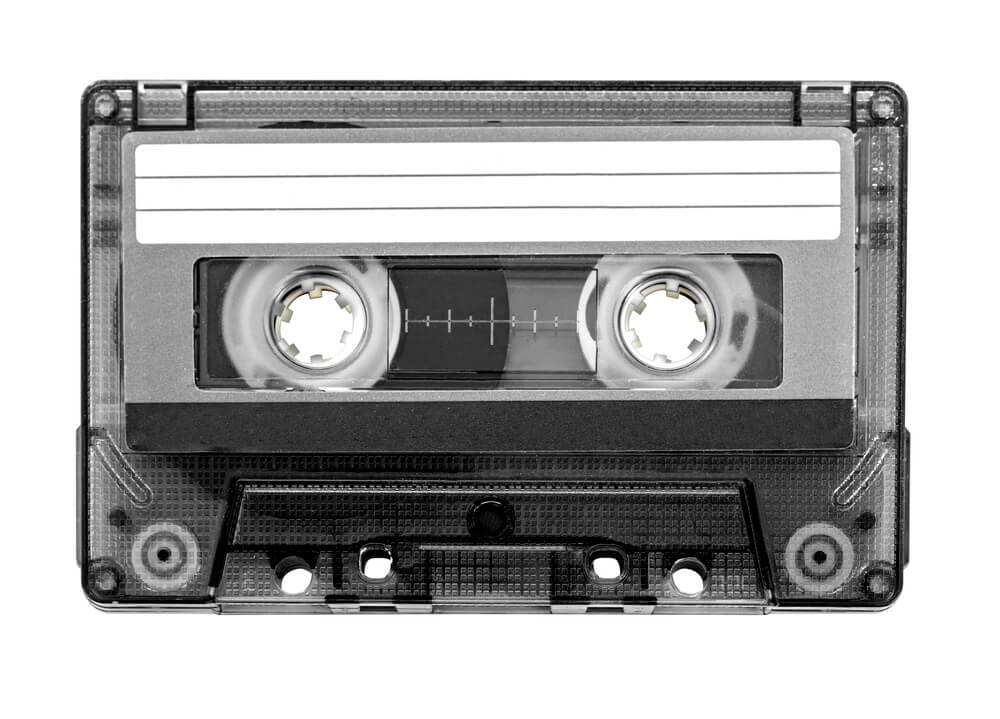
Cassettes have experienced unexpected collector and artist enthusiasm, with new recordings released in cassette format. Cassette appreciation reflects nostalgic attachment and perceived sonic warmth.
Modern cassette culture emphasizes DIY aesthetics and limited-edition production.
Vinyl Bootlegs and Unofficial Pressings
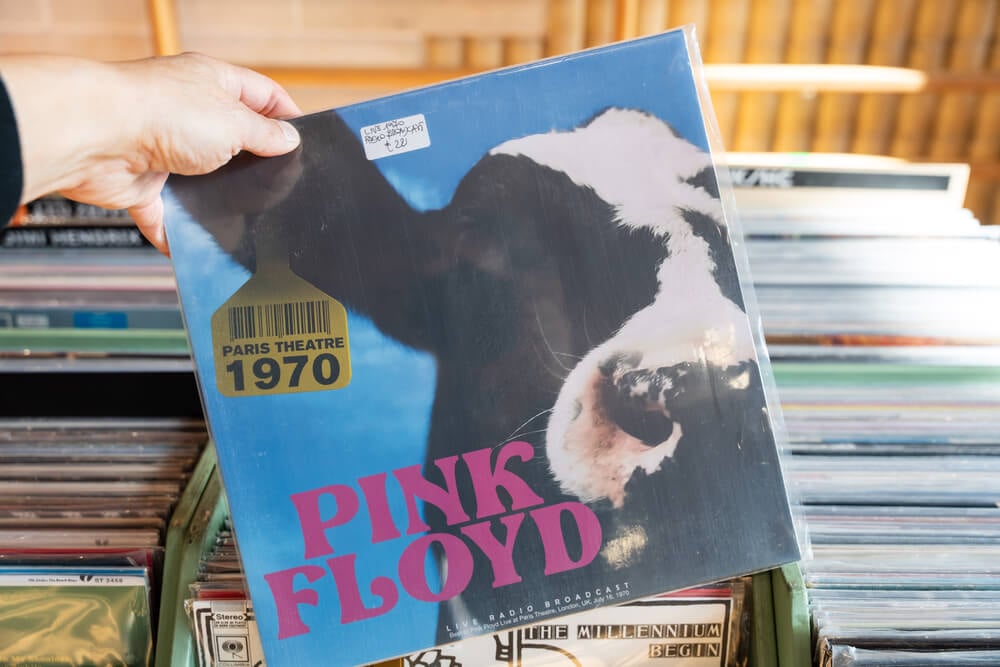
Bootleg vinyl recordings offered listeners previously unavailable performances and live recordings, operating in legal gray areas. Collector appreciation for bootlegs reflects obsessive fandom and recording scarcity.
Modern bootleg culture persists despite digital music availability.
Compilation Albums (Customized)
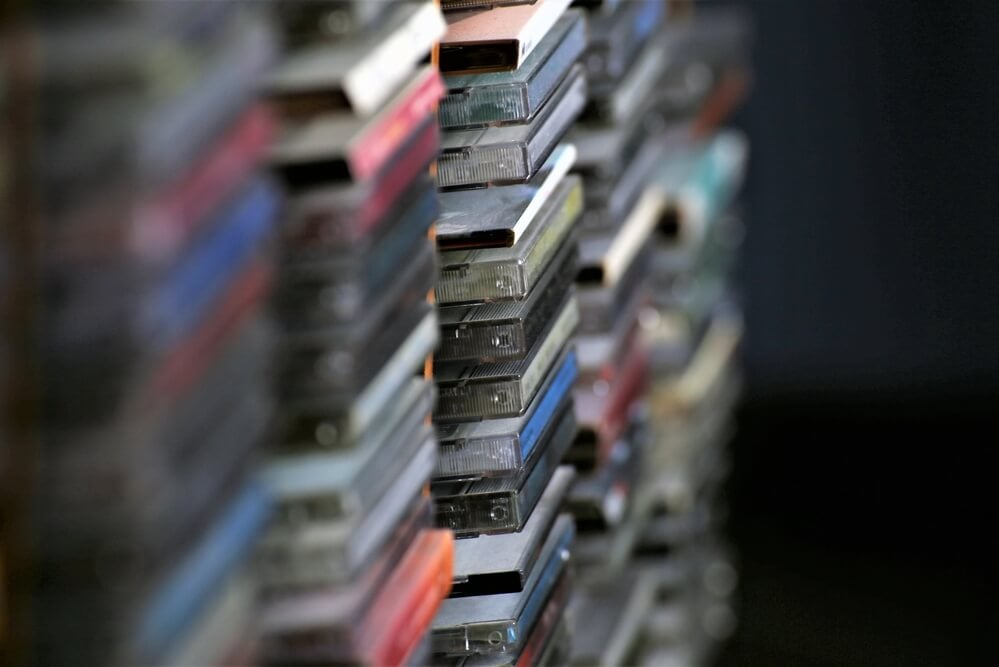
Personal compilation CDs and mixtapes represented listener curation, creating customized listening experiences. The format’s labor intensity made compilations valuable gifts and personal projects.
Playlist creation replaced compilation culture after streaming platforms enabled instant curation.
Album Reissues (Deluxe Editions)
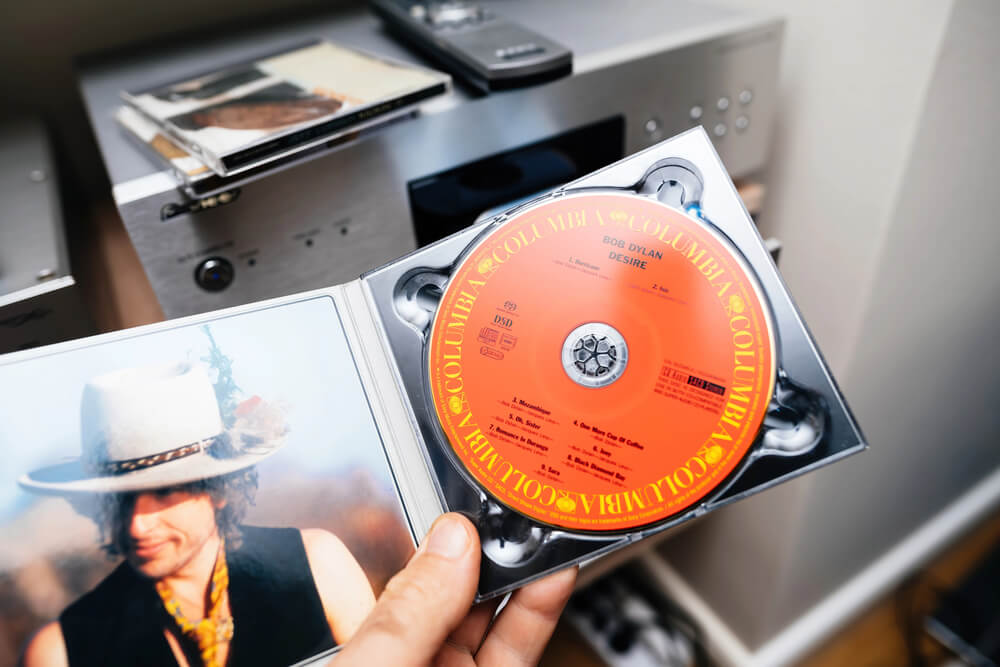
Reissue culture created collector enthusiasm through expanded track listings, improved audio mastering, and restored artwork. Deluxe edition marketing emphasized completeness and fidelity restoration.
Reissue collecting creates ongoing revenue streams for established artists.
Vinyl Picture Discs
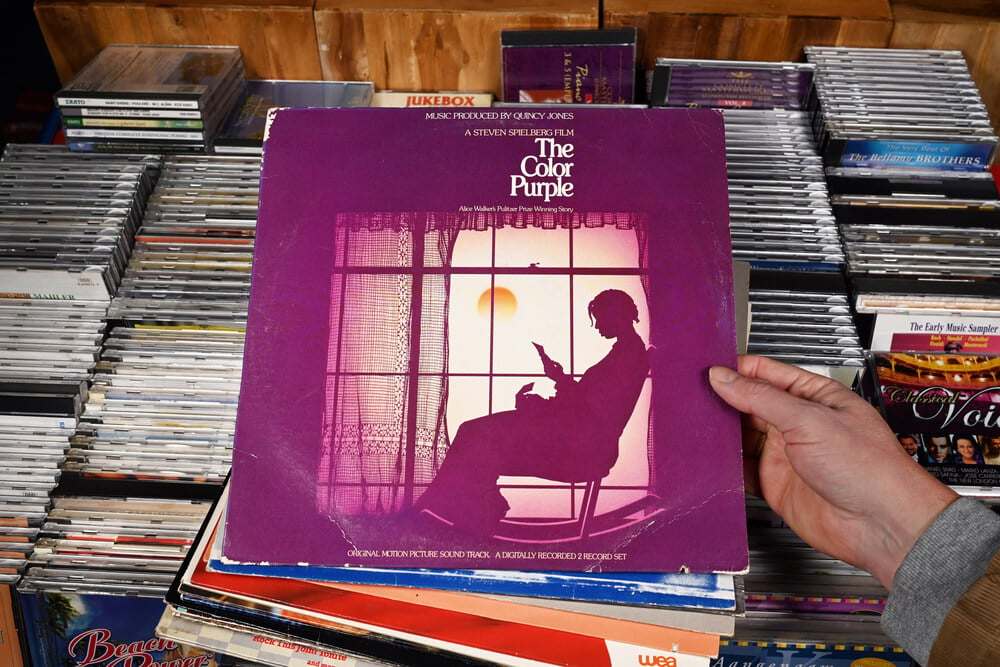
— Photo by defotoberg
Picture discs offered collectible visual appeal through embedded artwork into vinyl formulation. Sound quality limitations made picture discs collectors’ items rather than listening formats.
Artist and franchise variations created extensive collecting niches.
Colored Vinyl Limited Editions
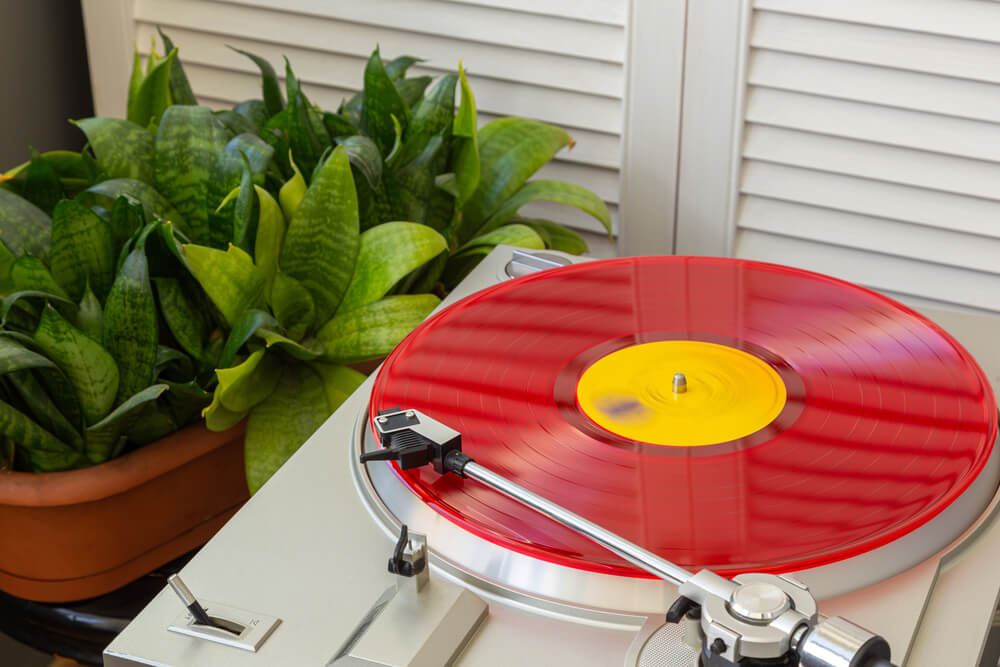
Limited-edition vinyl pressings in varied colors created artificial scarcity and collectibility. Each color variant represented limited production encouraging multiple purchases.
Colored vinyl culture emphasizes visual appeal and collection completion.
Subscription Box Formats (Vinyl)
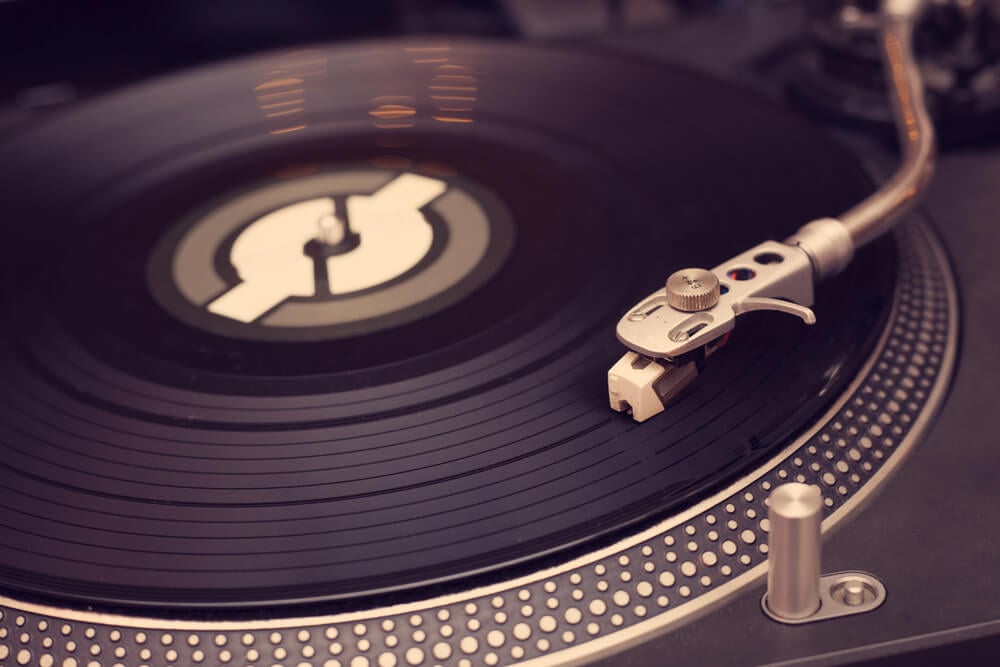
Vinyl subscription services deliver curated albums monthly, recreating the recurring surprise of physical music retail. Box services combine accessibility with exclusivity through limited pressings.
Subscription culture emphasizes discovery and community engagement.
Karaoke CDs
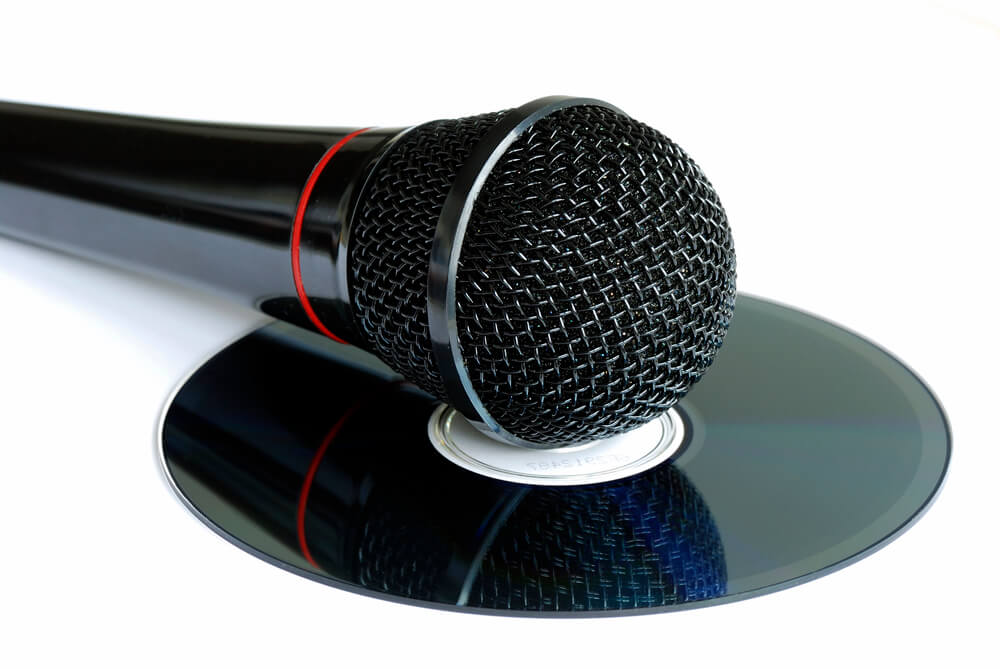
Karaoke CDs combined music with lyrics and instrumental tracks, enabling home singing entertainment. The format’s popularity peaked during the late 1990s-2000s before karaoke apps emerged.
Karaoke CD collections remain indicators of entertainment ambitions.
Radio Station Broadcast Recordings
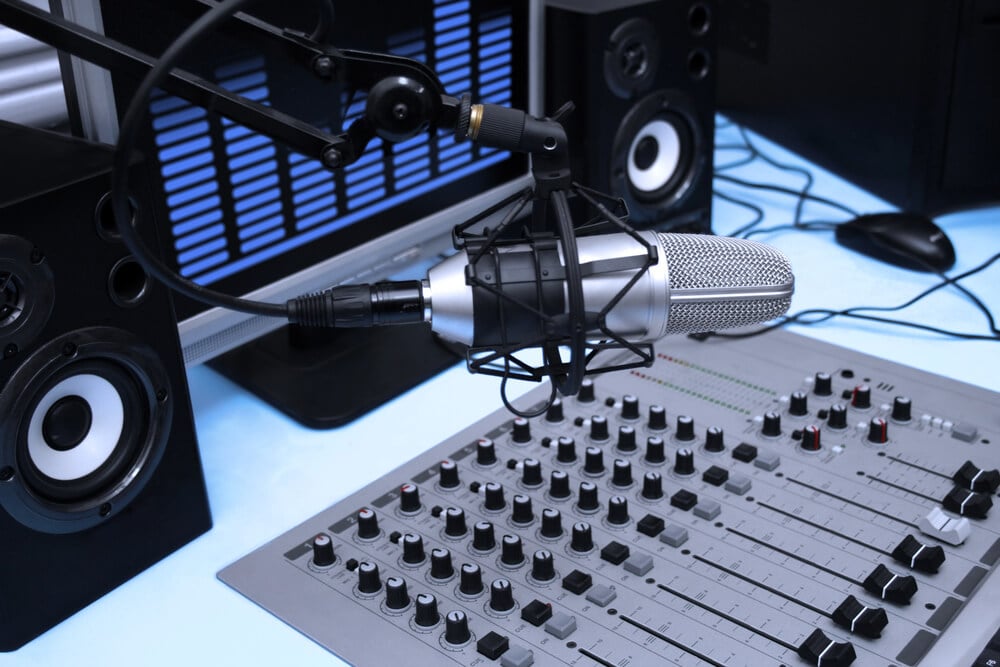
Professionally recorded radio broadcasts on cassette and CD represented legal gray-area format collecting. Collectors pursued rare broadcasts and performance archives unavailable through official channels.
Broadcast recording culture represents obsessive fandom documentation.
Music Video Collections (VHS/DVD)
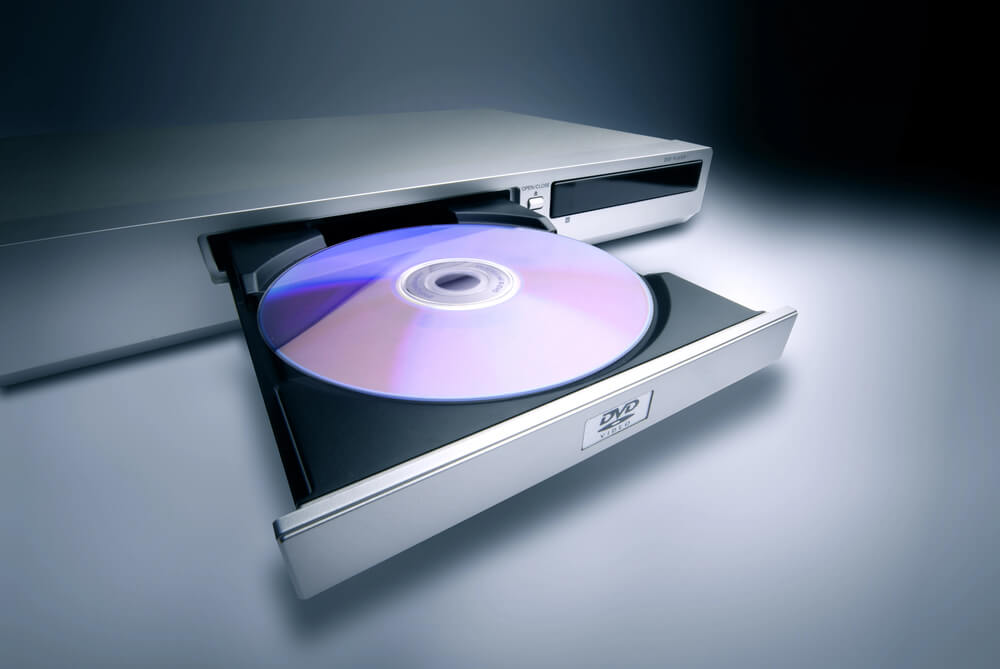
Music video compilations on VHS and DVD offered visual supplements to audio content, creating multimedia collecting categories. VHS and DVD formats competed through collection completeness.
Video collecting emphasized visual aesthetic appreciation alongside audio content.
The Format Historian
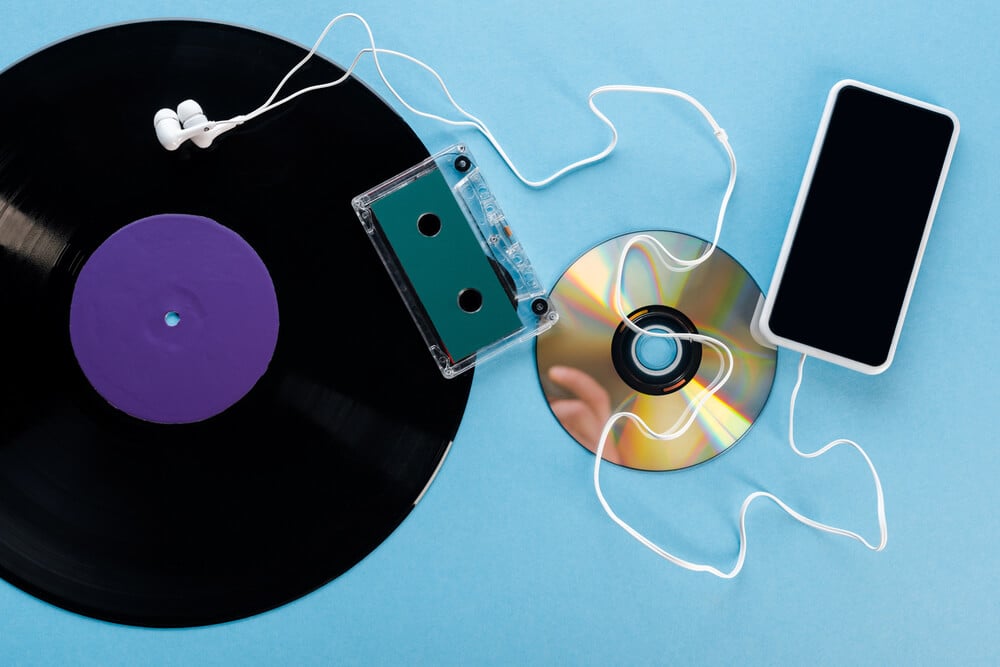
These 28 formats represent how music consumption evolved through technological availability and consumer culture. Each generation developed strong format preferences based on accessibility and ritual.
Format transitions marked cultural moments as sharply as musical trends.
More from Go2Tutors!

- The Romanov Crown Jewels and Their Tragic Fate
- 13 Historical Mysteries That Science Still Can’t Solve
- Famous Hoaxes That Fooled the World for Years
- 15 Child Stars with Tragic Adult Lives
- 16 Famous Jewelry Pieces in History
Like Go2Tutors’s content? Follow us on MSN.