25 Ancient Cities Archaeologists Are Still Uncovering
Excavation is slow, careful, expensive work, which means that even famous ancient cities remain far from fully understood. New sensing technology, from ground-penetrating radar to airborne laser scanning, has revealed that some of the world’s best-known ruins are only a fraction of a much larger urban footprint still buried under jungle, desert, or sediment.
Pompeii
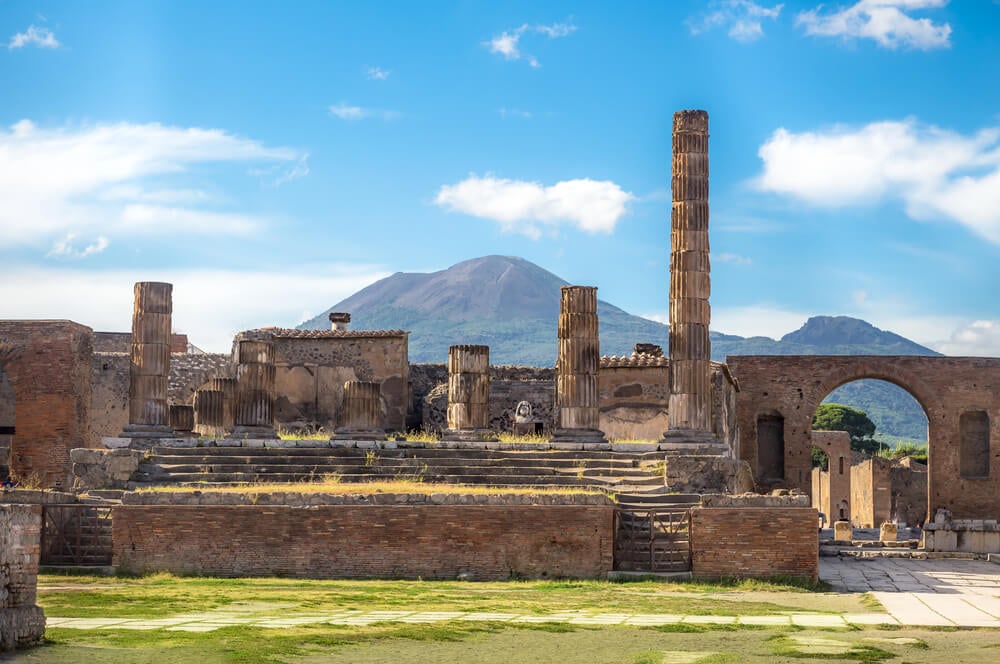
Roughly a third of this Roman city buried by the eruption of Mount Vesuvius in 79 CE remained unexcavated as of the 2020s, and ongoing digs in its Regio V and Regio IX districts have continued turning up new frescoes, skeletal remains, and even a still-life painting resembling a modern pizza in recent years. Archaeologists deliberately excavate slowly, in part to preserve organic material and pigments that degrade quickly once exposed to air.
New sections continue to open to researchers and the public on a rolling basis.
Angkor
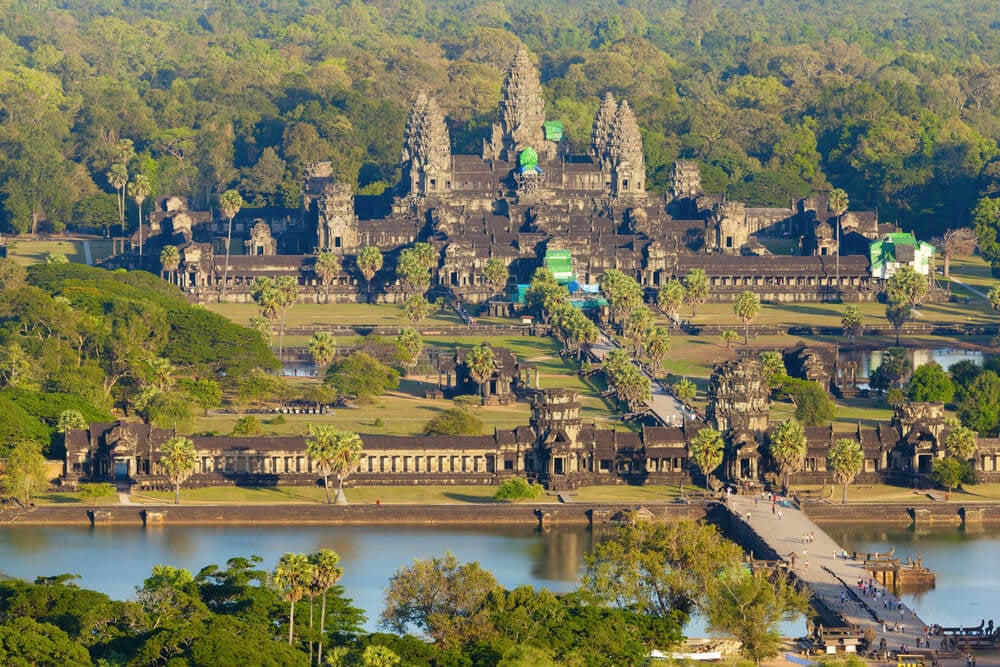
Airborne laser scanning, or LiDAR, surveys conducted in Cambodia beginning in 2012 revealed that the medieval Khmer capital of Angkor was surrounded by a vastly larger urban network of roads, canals, and settlements than the temple complexes alone suggested. Researchers estimate the greater metropolitan area may have supported one of the largest pre-industrial urban populations in the world.
Ground survey teams continue mapping and excavating sections of this newly revealed network years after the initial scans.
Tikal
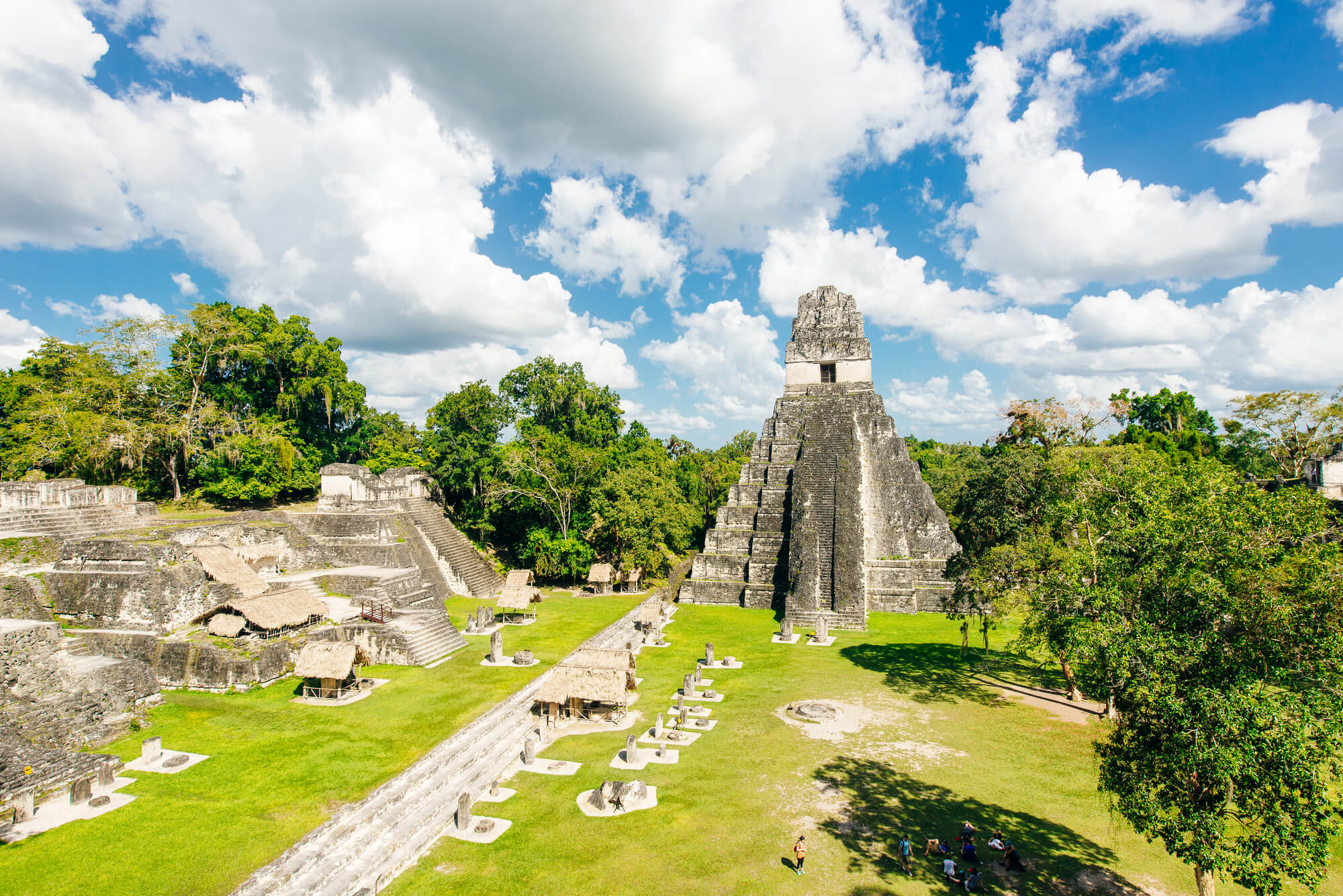
A 2018 LiDAR survey of the Maya lowlands around Tikal in Guatemala identified tens of thousands of previously unknown structures, including causeways, defensive fortifications, and agricultural terraces hidden beneath dense jungle canopy. The findings suggested a far larger and more interconnected Maya civilization than most archaeologists had previously estimated.
Ground-based excavation teams have since begun verifying and further investigating individual sites flagged by the aerial survey.
Teotihuacan
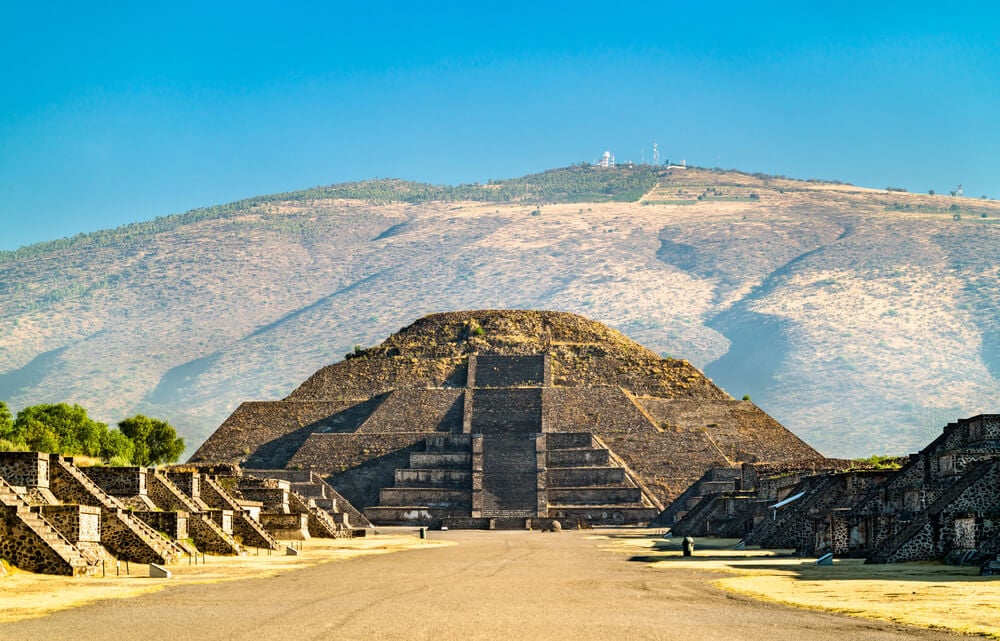
This massive pre-Aztec city near modern Mexico City, whose builders remain unidentified in the historical record, has an extensive tunnel system beneath its Pyramid of the Sun and Pyramid of the Feathered Serpent that archaeologists continue to explore using robots and remote sensing equipment. A chamber discovered beneath the Feathered Serpent pyramid in the 2010s contained thousands of ritual objects and liquid mercury, hinting at ceremonies not previously documented at the site.
Large residential sections of the city remain unexcavated even after more than a century of archaeological work.
Petra
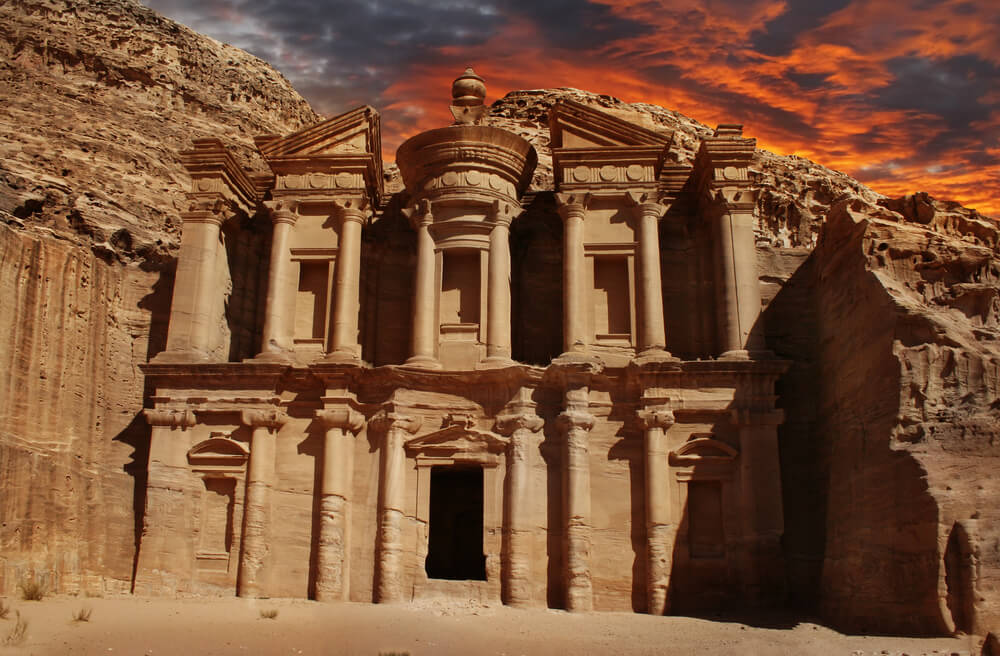
Jordan’s rock-carved city, famous for its facade at the Treasury, sits atop an estimated area that is largely unexcavated, with satellite imagery and drone surveys in the 2010s revealing a previously unknown monumental platform structure buried near the city center. Archaeologists believe significant portions of the ancient city’s residential and commercial districts remain buried under centuries of sediment.
Ongoing excavation continues to add new structures to maps of the site each field season.
El Mirador
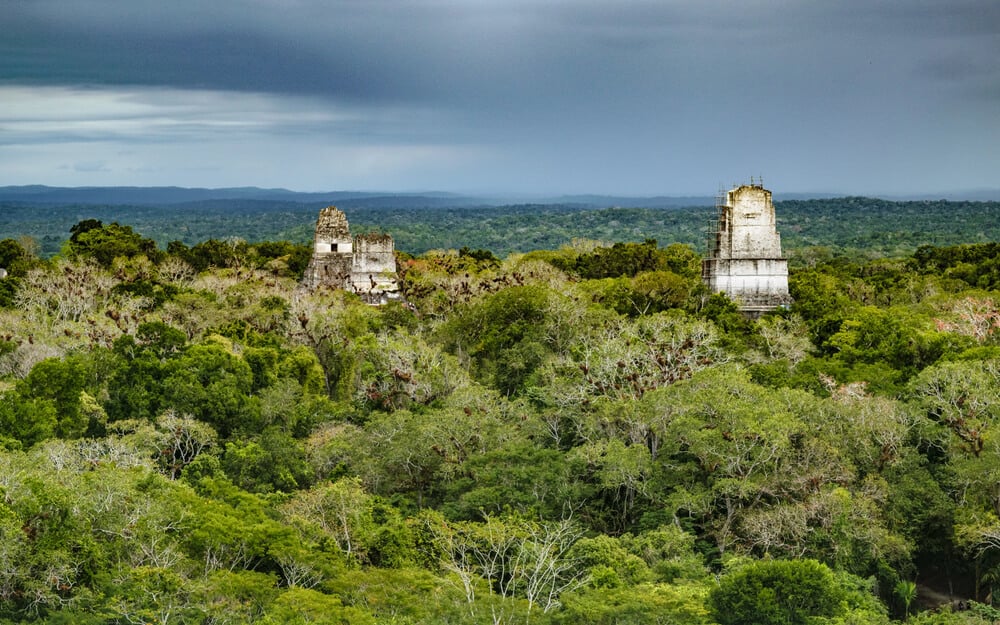
This enormous Maya city in the Guatemalan jungle, home to what may be one of the largest pyramids by volume in the ancient world, remains largely unexcavated and difficult to access, reachable mainly by helicopter or a multi-day trek through dense rainforest. LiDAR surveys have revealed an extensive network of raised causeways connecting El Mirador to other Maya centers across the region.
Archaeologists consider it one of the least explored major ancient cities still known to exist.
Thonis-Heracleion
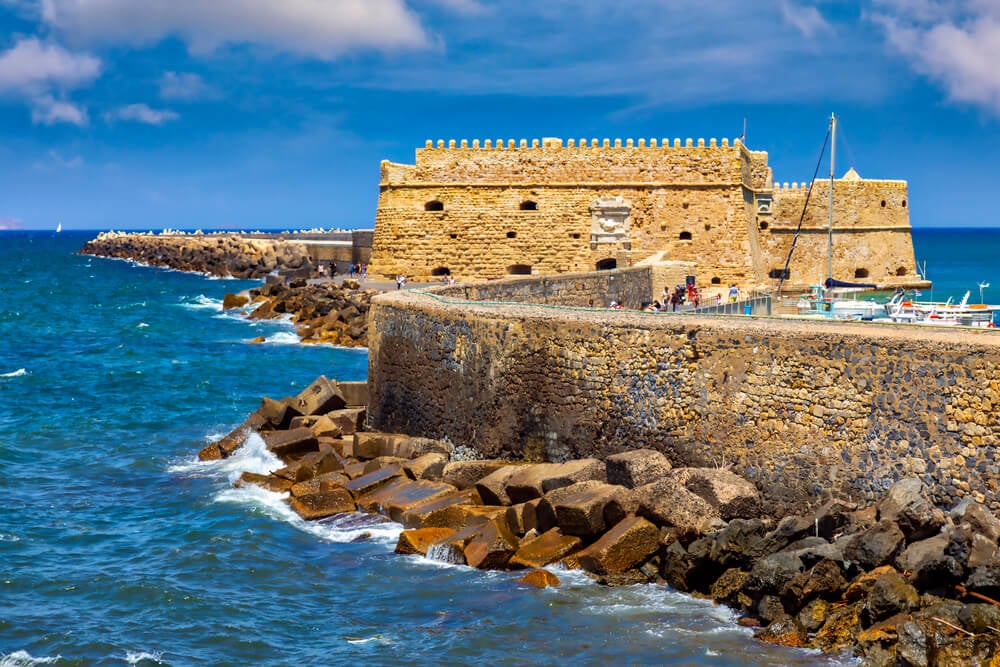
This submerged Egyptian port city, rediscovered off the coast of Alexandria by underwater archaeologist Franck Goddio in 2000, continues to yield new finds during ongoing underwater excavation seasons, including temple remains, statues, and shipwrecks preserved by the silt that gradually buried the city after it sank beneath the Mediterranean over a thousand years ago. Researchers estimate that only a small percentage of the site has been surveyed so far.
The city’s exact cause of submersion, likely a combination of earthquakes, tidal waves, and soil liquefaction, remains an area of ongoing study.
Mohenjo-daro
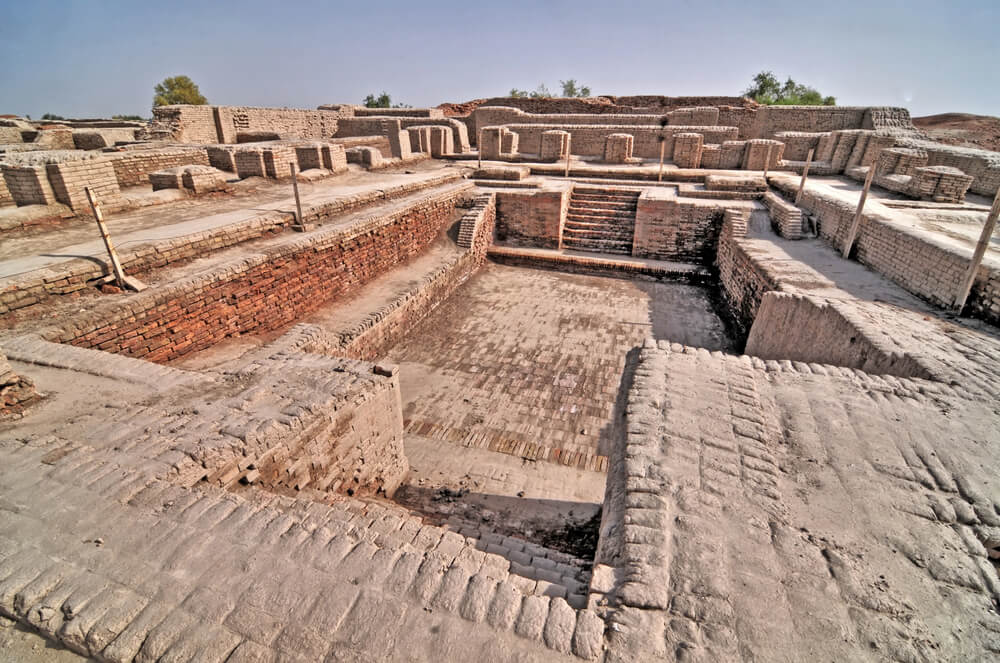
One of the largest cities of the Indus Valley Civilization, Mohenjo-daro in modern Pakistan has never been fully excavated, and archaeologists have deliberately limited further digging in recent decades out of concern that exposure to open air is degrading the unbaked mudbrick structures faster than conservation efforts can protect them. The site’s writing system remains undeciphered, meaning much of the city’s political and social history is inferred largely from its physical layout.
Researchers continue non-invasive survey work using ground-penetrating radar rather than further excavation.
Nan Madol
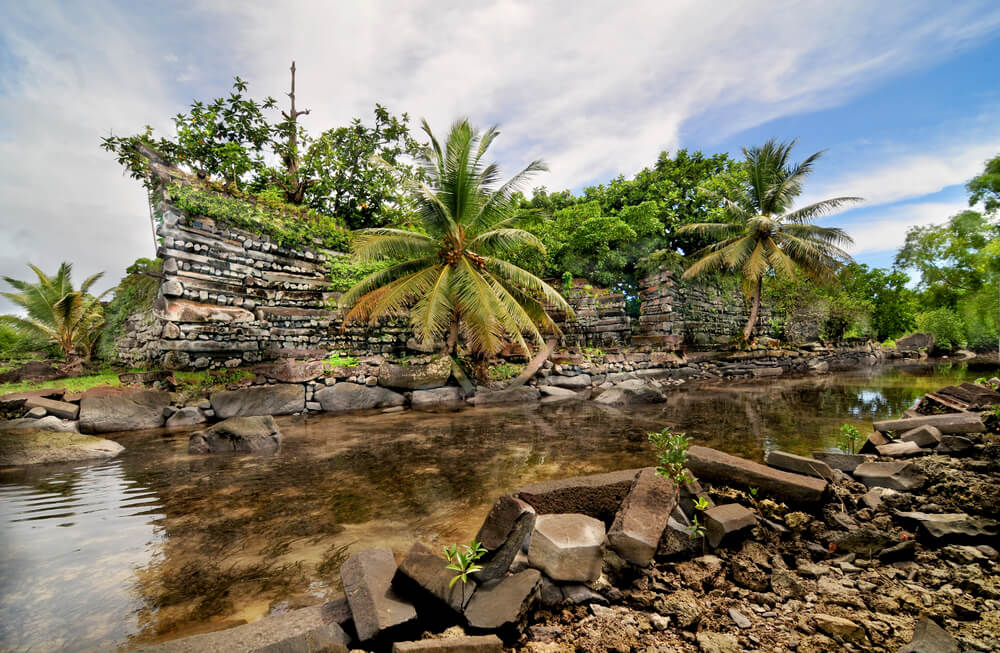
This artificial island complex off Pohnpei in Micronesia, constructed from massive stacked basalt columns, remains only partially studied, with archaeologists still debating the engineering methods used to transport and place stones weighing many tons without modern machinery. Portions of the site remain overgrown by mangrove forest and have not been systematically surveyed.
UNESCO listed the site as endangered in 2016, adding urgency to ongoing documentation efforts before further deterioration.
Xi’an’s Terracotta Army Complex
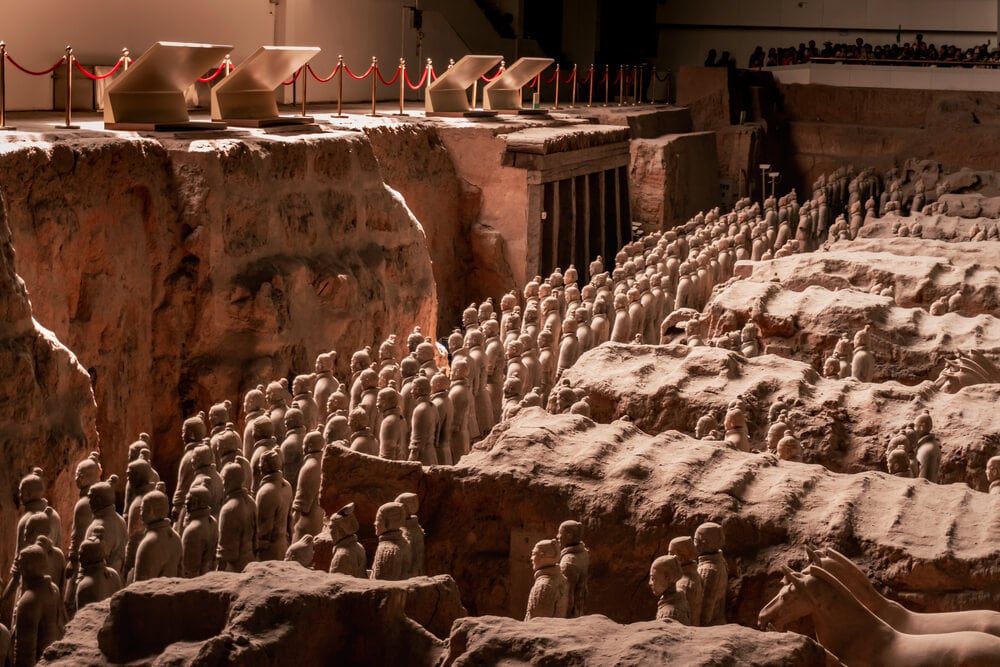
The underground mausoleum complex of China’s first emperor, Qin Shi Huang, discovered by farmers in 1974, is estimated to contain thousands more terracotta figures than the roughly two thousand excavated so far across its several known pits. Chinese archaeologists have deliberately left the emperor’s central tomb mound itself unexcavated, citing both preservation concerns and historical accounts describing rivers of liquid mercury inside that later soil testing has partially corroborated.
Excavation of the surrounding pits continues incrementally, with new figures and artifacts still being uncovered in ongoing digs.
Herculaneum
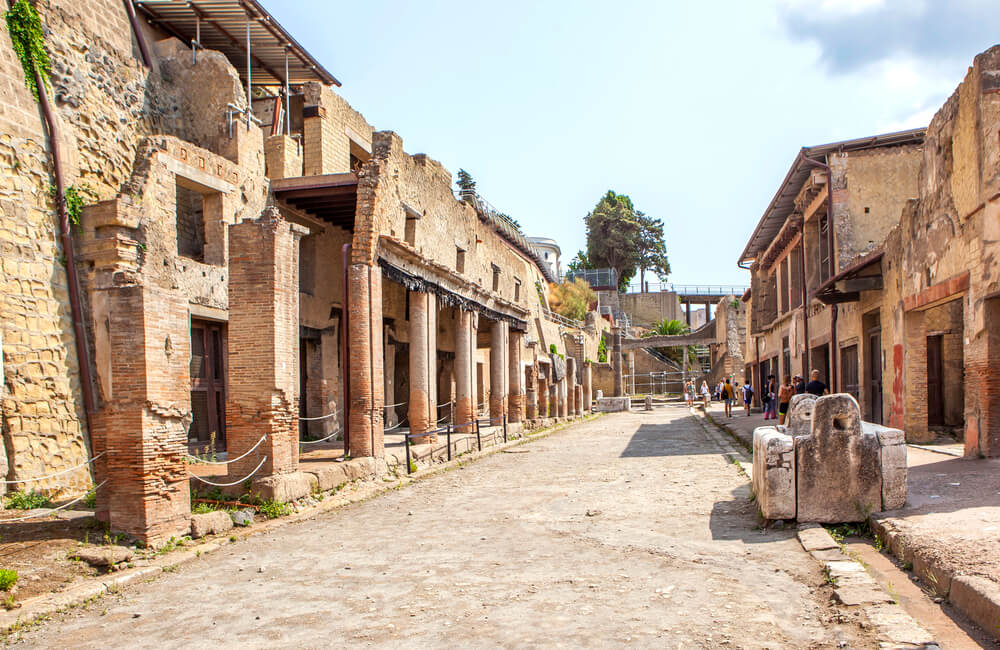
Buried alongside Pompeii by the same 79 CE eruption but preserved differently due to a pyroclastic flow that carbonized rather than incinerated organic material, Herculaneum retains an extensive library of carbonized scrolls in its Villa of the Papyri that researchers have only recently begun reading using artificial intelligence and X-ray imaging without physically unrolling them. Much of the ancient city is believed to remain buried beneath the modern town of Ercolano, limiting how much further excavation is realistically possible.
New scroll-reading breakthroughs have continued into the 2020s.
Caral
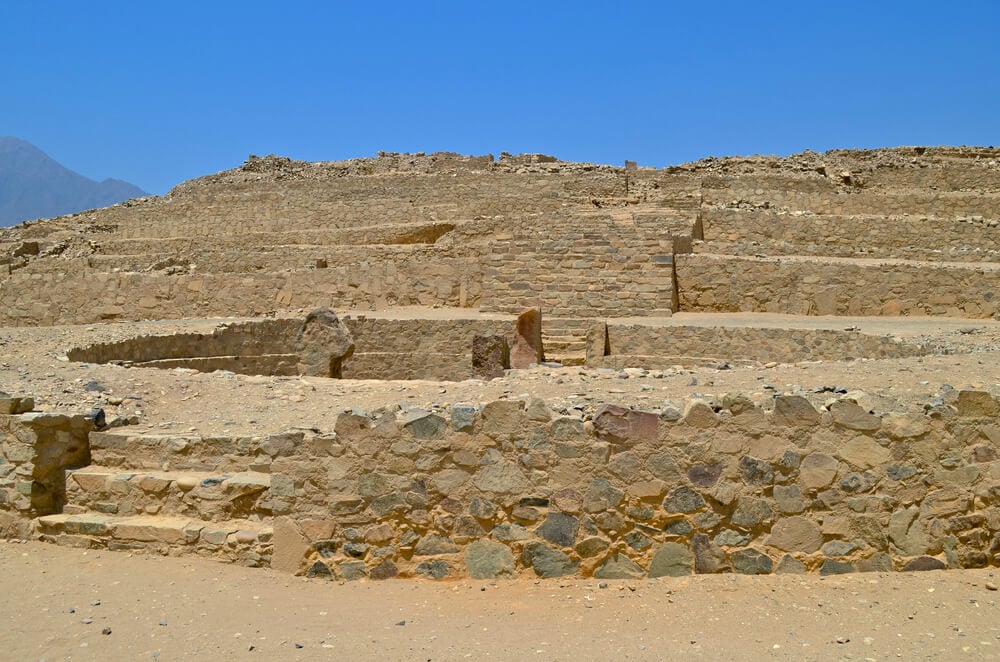
Located in Peru’s Supe Valley, Caral is considered one of the oldest cities in the Americas, dating back roughly five thousand years, and archaeologists continue to excavate its pyramid complexes and residential areas to better understand a civilization that developed largely independent of other early urban cultures. Researchers have found evidence of extensive trade networks reaching the Amazon and the Pacific coast.
Large portions of the broader Supe Valley, which contains numerous related sites, remain under active archaeological investigation.
Great Zimbabwe
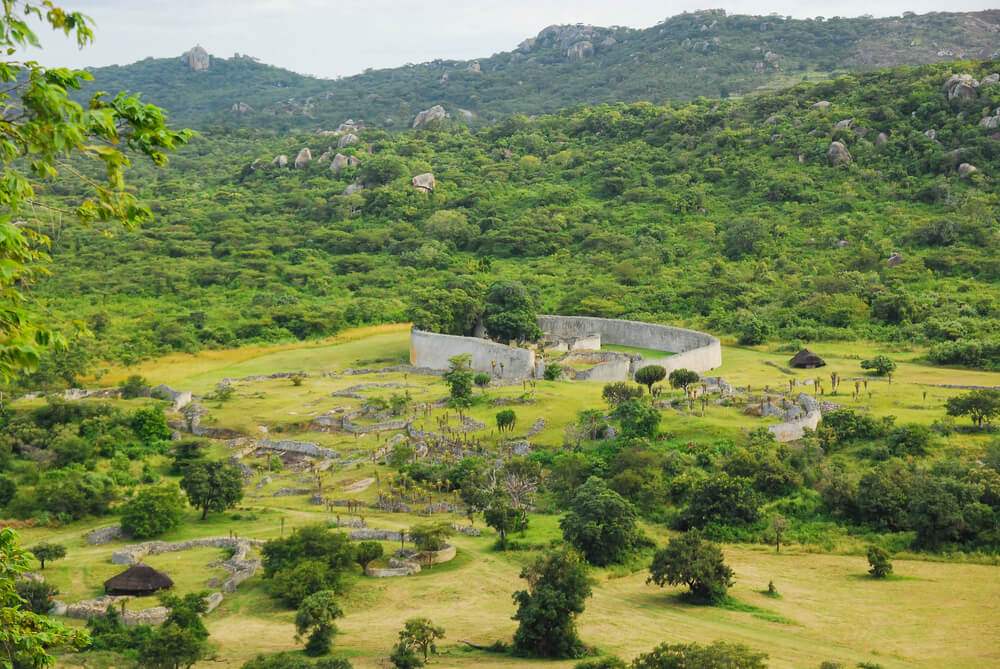
The largest ancient stone structure in sub-Saharan Africa built without mortar, Great Zimbabwe has been the subject of renewed archaeological interest in recent decades aimed at better understanding the trade networks, likely including gold and ivory reaching as far as the Indian Ocean coast, that supported the city at its height. Portions of the surrounding settlement beyond the well-known stone enclosures remain comparatively understudied.
Zimbabwean archaeologists have worked to lead more of the research at the site themselves in recent decades, following a long history of colonial-era excavation.
Çatalhöyük
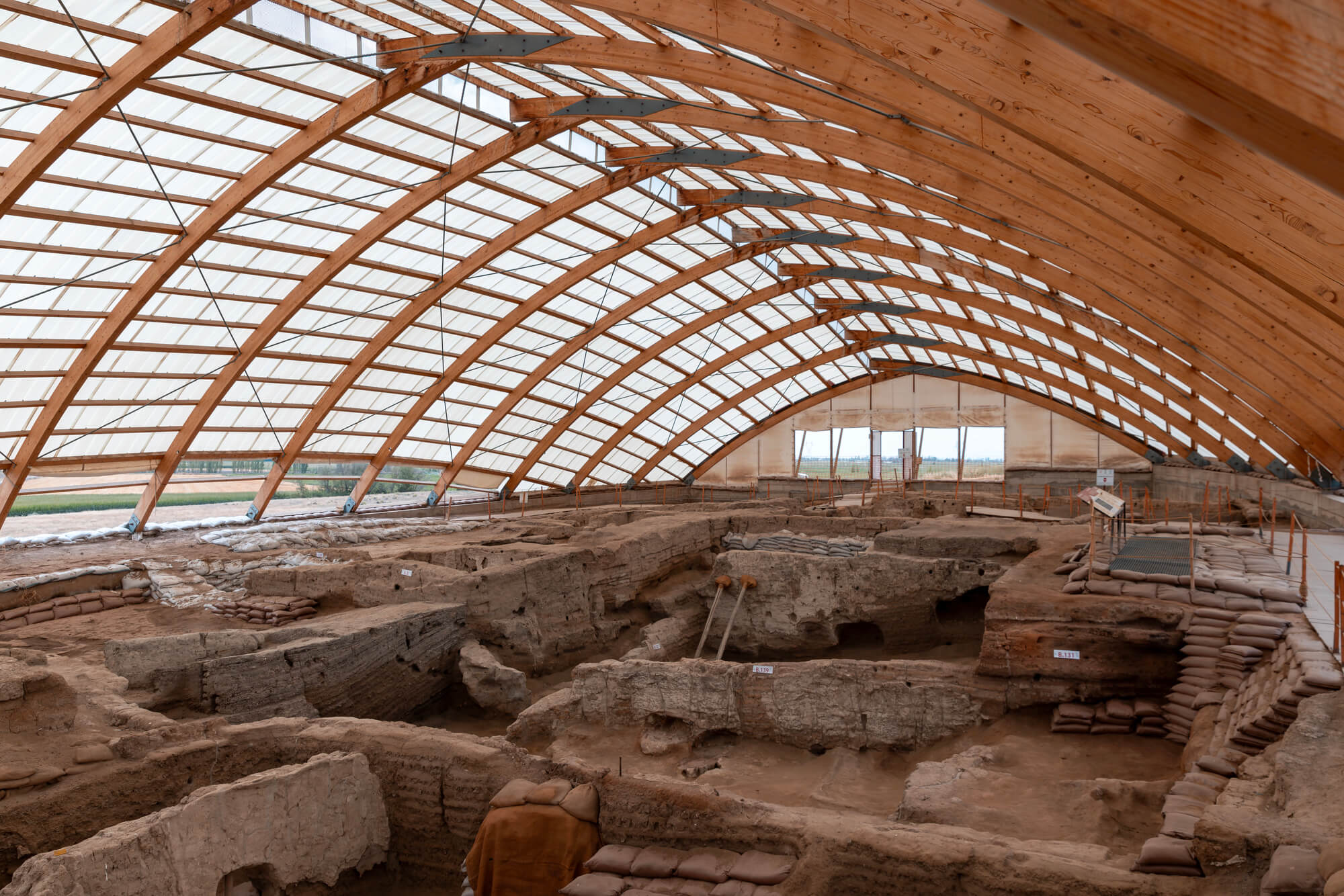
This Neolithic settlement in modern Turkey, one of the earliest known large human settlements, has been excavated in phases since the 1960s, with researchers continuing to uncover new structures and wall paintings within its dense, doorless mudbrick housing arrangement, where residents apparently entered homes through rooftop openings. Ongoing excavation seasons continue to refine understanding of the settlement’s social organization, which shows comparatively little evidence of the hierarchical structures common at later ancient cities.
Ongoing genetic and isotopic analysis of burials continues to add new detail about the population’s origins and diet.
Dholavira
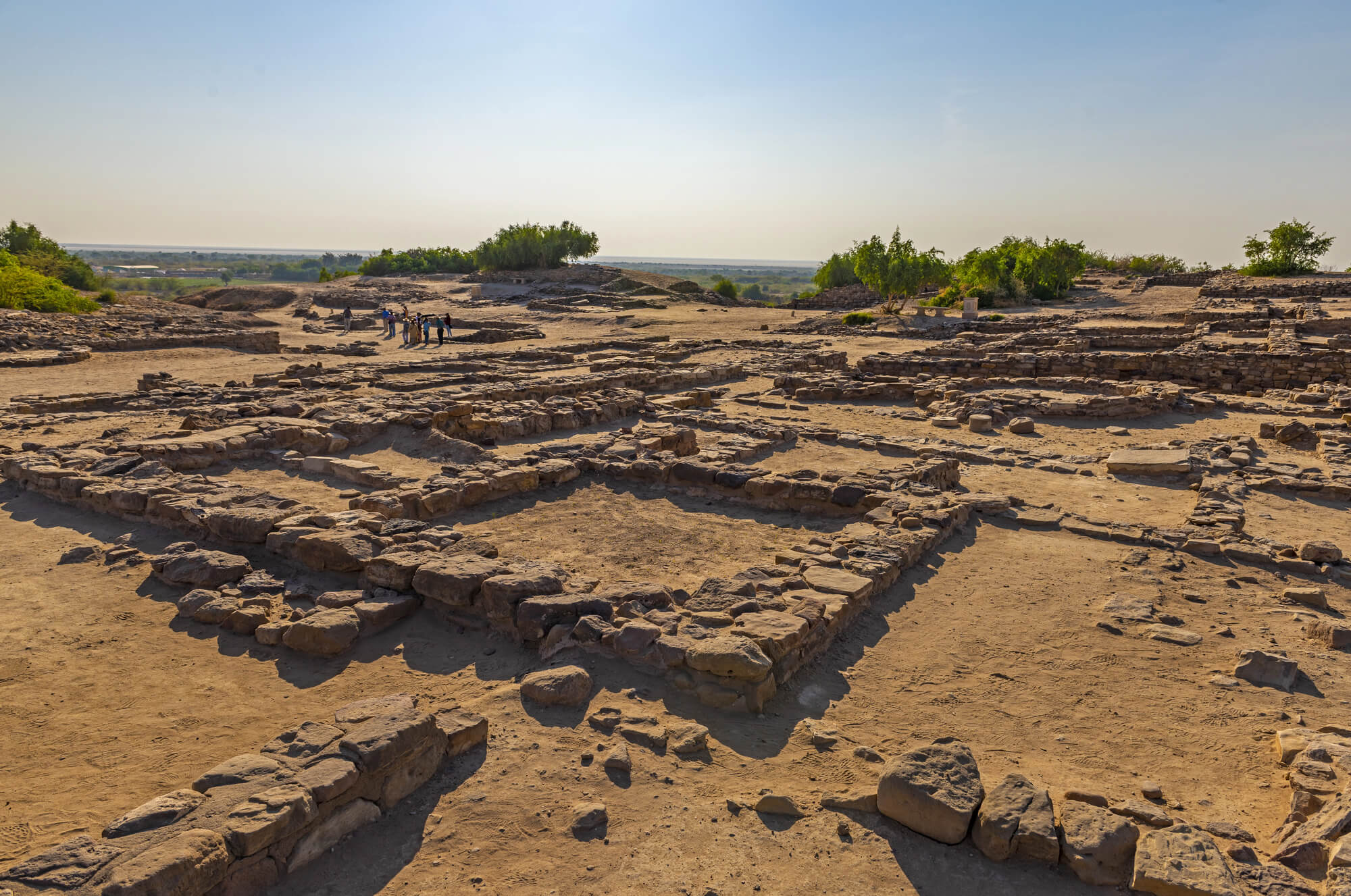
One of the largest and best-preserved cities of the Indus Valley Civilization, located in India’s Gujarat state, Dholavira has been under active excavation since the 1990s, revealing sophisticated water conservation systems including reservoirs and channels adapted to the region’s arid climate. UNESCO added the site to its World Heritage list in 2021, citing its significance for understanding Indus Valley urban planning.
Archaeologists continue to excavate sections of the city’s stratified layout, which included distinct fortified zones for different segments of the population.
Palenque
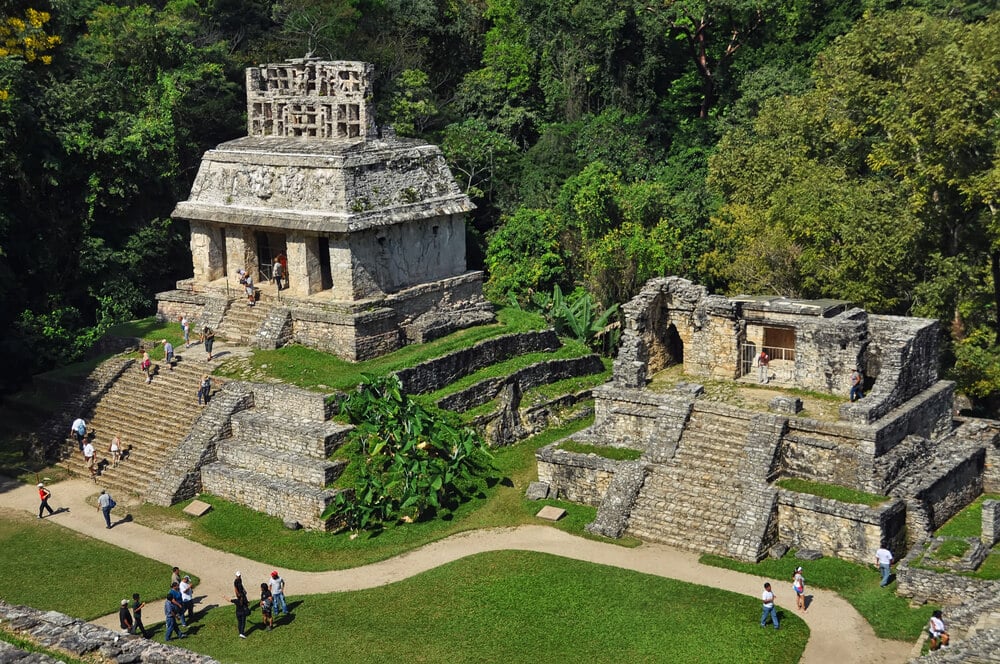
This Maya city-state in the Mexican state of Chiapas remains surrounded by dense jungle that has obscured an estimated large majority of its structures, with LiDAR surveys and ground exploration in recent years revealing previously unknown temples, causeways, and residential compounds beyond the well-known excavated core. Archaeologists continue to work through this newly identified material years after the surveys were first conducted.
The tomb of ruler Pakal the Great, discovered beneath the Temple of the Inscriptions in 1952, remains one of the most significant Maya archaeological finds, and researchers continue studying artifacts recovered from the site.
Nineveh
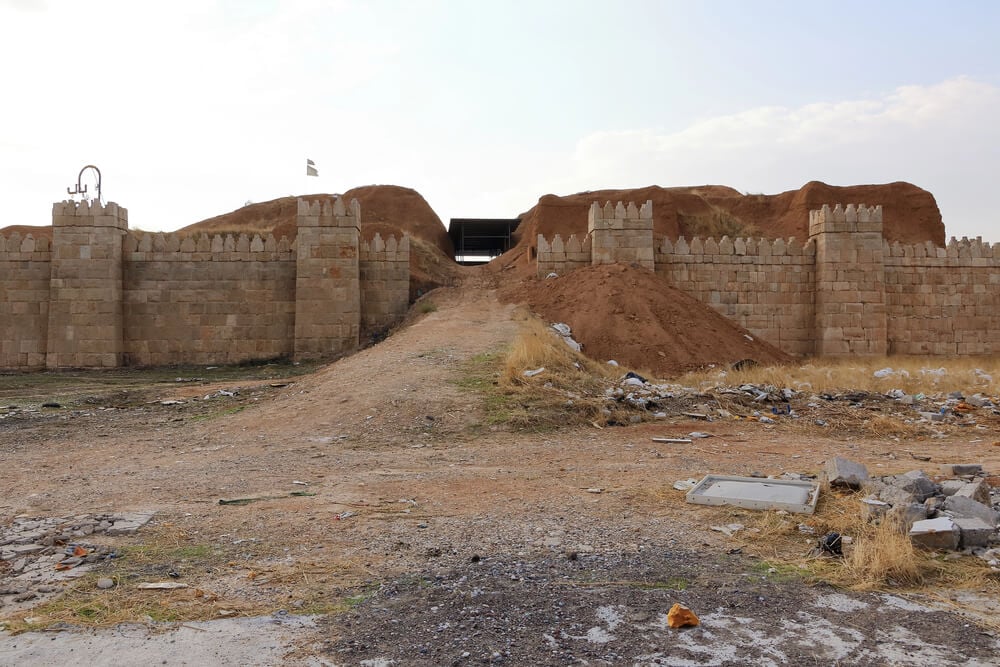
The ancient Assyrian capital near modern Mosul, Iraq, suffered significant damage during recent conflict in the region, but archaeological teams have resumed excavation work at the site in subsequent years, including work to restore and further document its famous gates and palace reliefs. Researchers continue to uncover administrative tablets and artifacts that add to understanding of the Assyrian Empire’s bureaucracy.
International conservation organizations have supported ongoing restoration efforts alongside continued excavation.
Copán
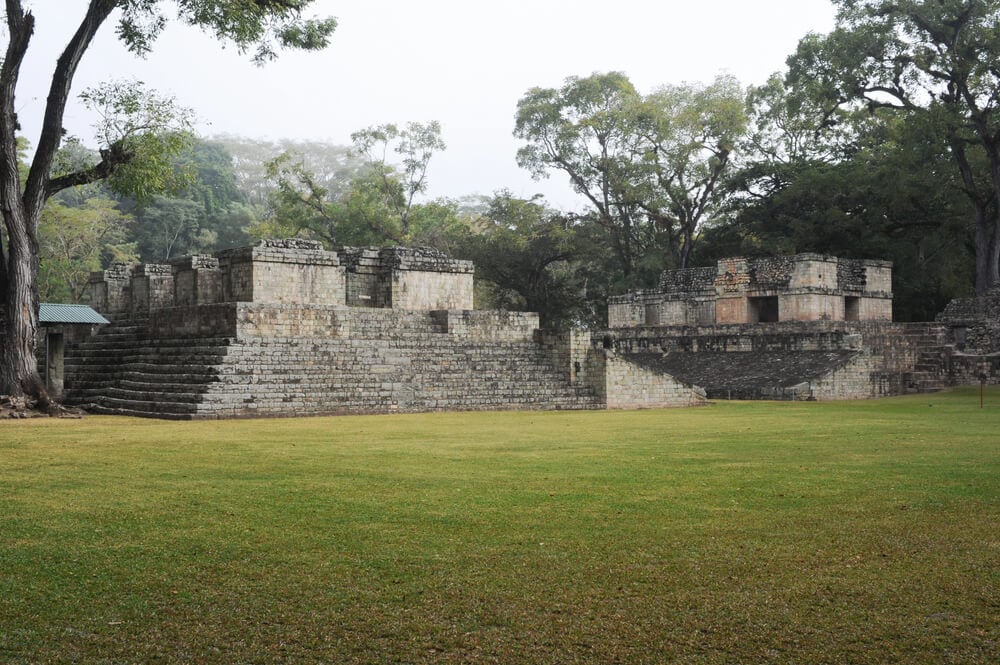
This Maya city in modern Honduras, known for its detailed hieroglyphic stairway recording centuries of dynastic history, remains the subject of ongoing excavation focused on residential neighborhoods surrounding its ceremonial core. Archaeologists have used tunneling techniques to study earlier structures buried beneath later construction phases at the site’s main pyramid.
Continued study of the hieroglyphic stairway itself, which was partially collapsed and reassembled without a complete original record of its stone sequence, remains an active area of scholarly work.
Tenochtitlan
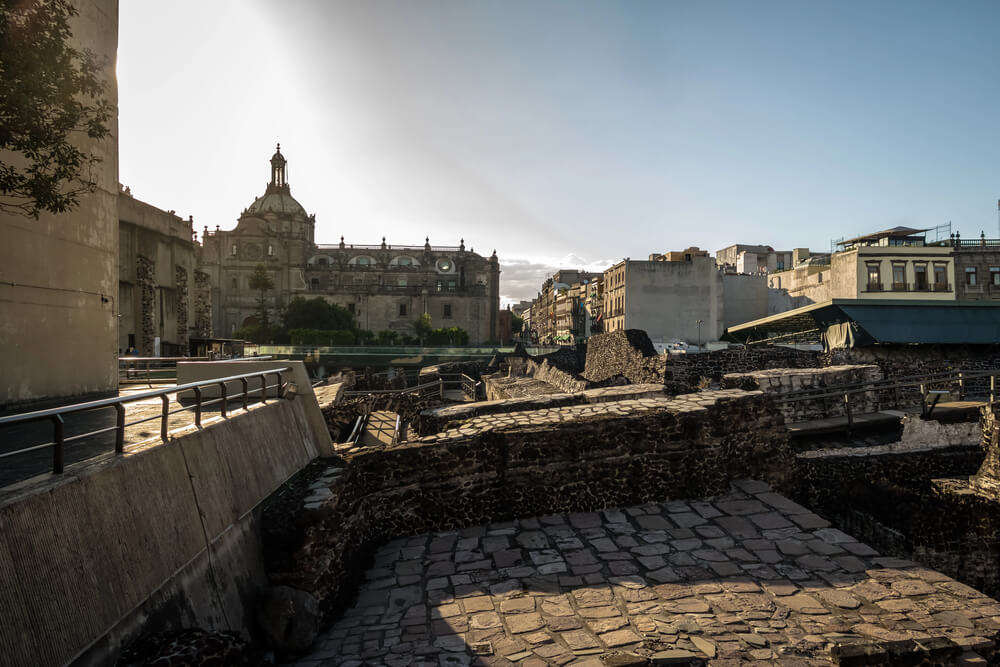
The Aztec capital that once stood where modern Mexico City sits today continues to yield new archaeological discoveries during construction and subway projects throughout the historic city center, including the major Templo Mayor excavation that has continued in phases since its rediscovery in 1978. Researchers uncovered a significant new offering cache and tower of skulls near the site in the 2010s.
Much of the ancient city remains inaccessible for excavation because a dense modern metropolis has been built directly on top of it.
Ur
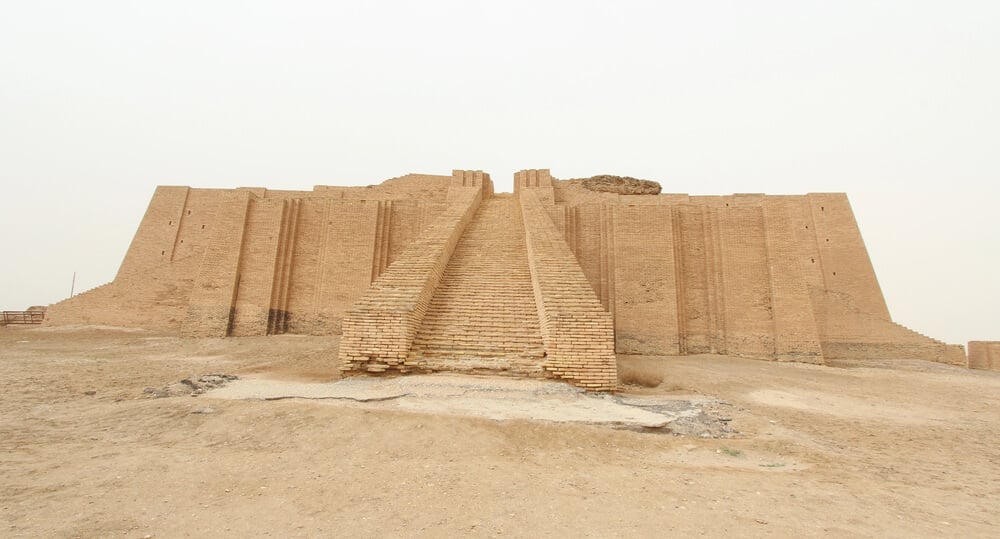
This ancient Mesopotamian city in modern Iraq, associated with the biblical patriarch Abraham in some religious traditions, was extensively excavated in the early twentieth century but has seen renewed archaeological interest in recent years as stability in the region has allowed international teams to resume fieldwork. Researchers continue to study its famous ziggurat and royal tombs, which contained elaborate burial goods when first excavated in the 1920s.
Portions of the broader ancient urban area beyond the ziggurat complex remain comparatively less studied.
Karahan Tepe
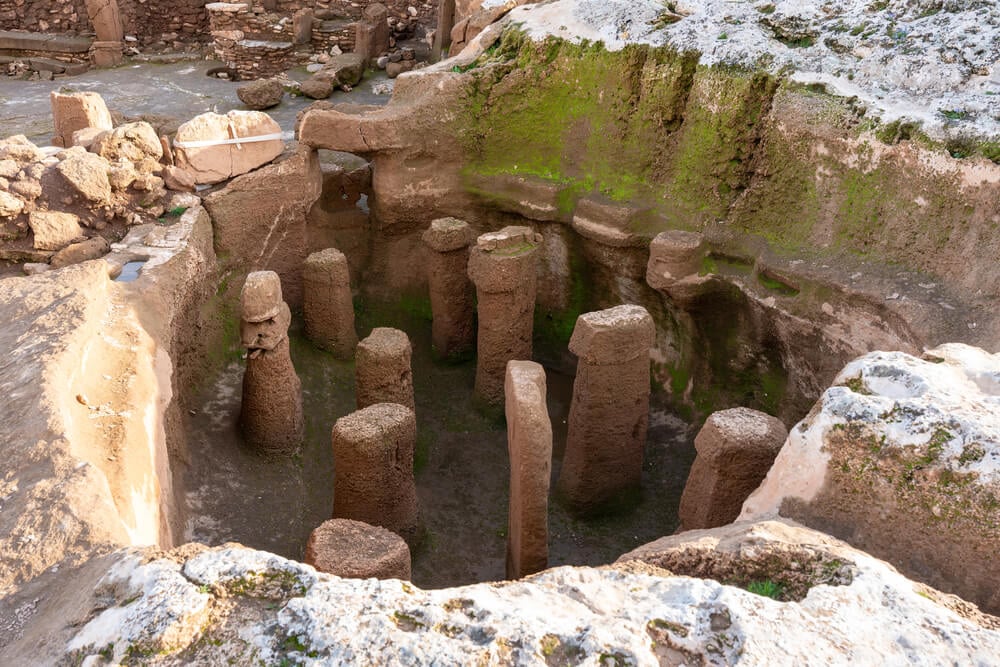
Discovered near the much better-known site of Göbekli Tepe in southeastern Turkey, Karahan Tepe is a similarly ancient monumental complex, dating back roughly eleven thousand years, that has only been under systematic excavation since the late 2010s. Early findings include carved pillars and what appear to be ceremonial spaces predating agriculture in the region.
Archaeologists consider the broader area, which includes several related sites, to be substantially unexcavated and likely to reshape understanding of the earliest monumental architecture.
Vilcabamba
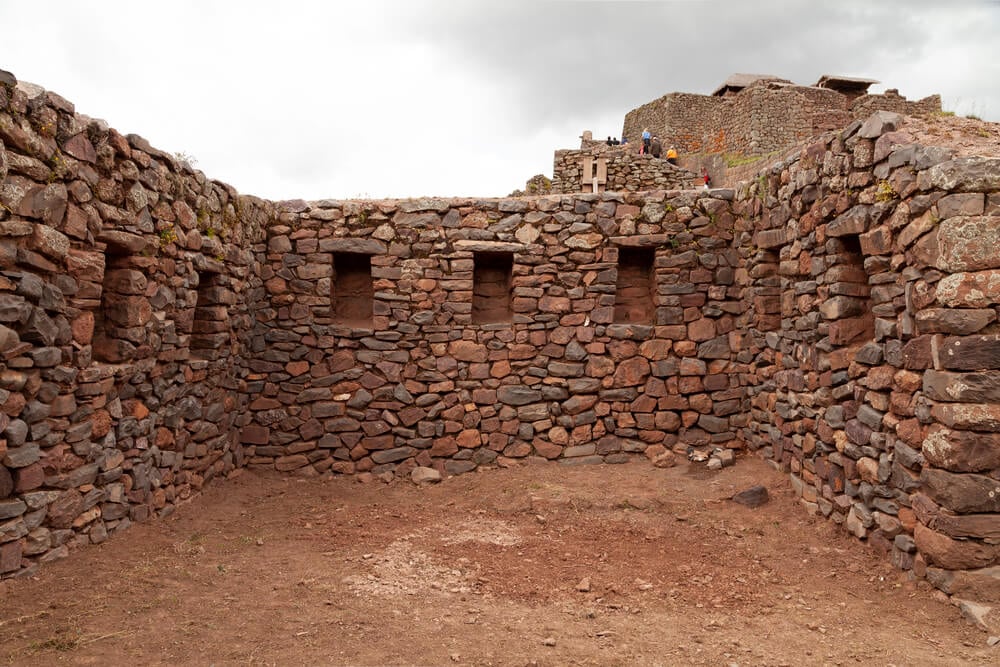
The last refuge of the Inca resistance against Spanish conquest, located deep in the Peruvian jungle, was identified by researchers in the twentieth century as distinct from Machu Picchu, which had earlier been mistakenly proposed as the lost city. Excavation at the remote site has proceeded slowly due to its difficult jungle location, and archaeologists believe substantial portions remain unmapped.
The site continues to receive less research attention than more accessible Inca ruins closer to Cusco.
Nan Chao’s Taihe City
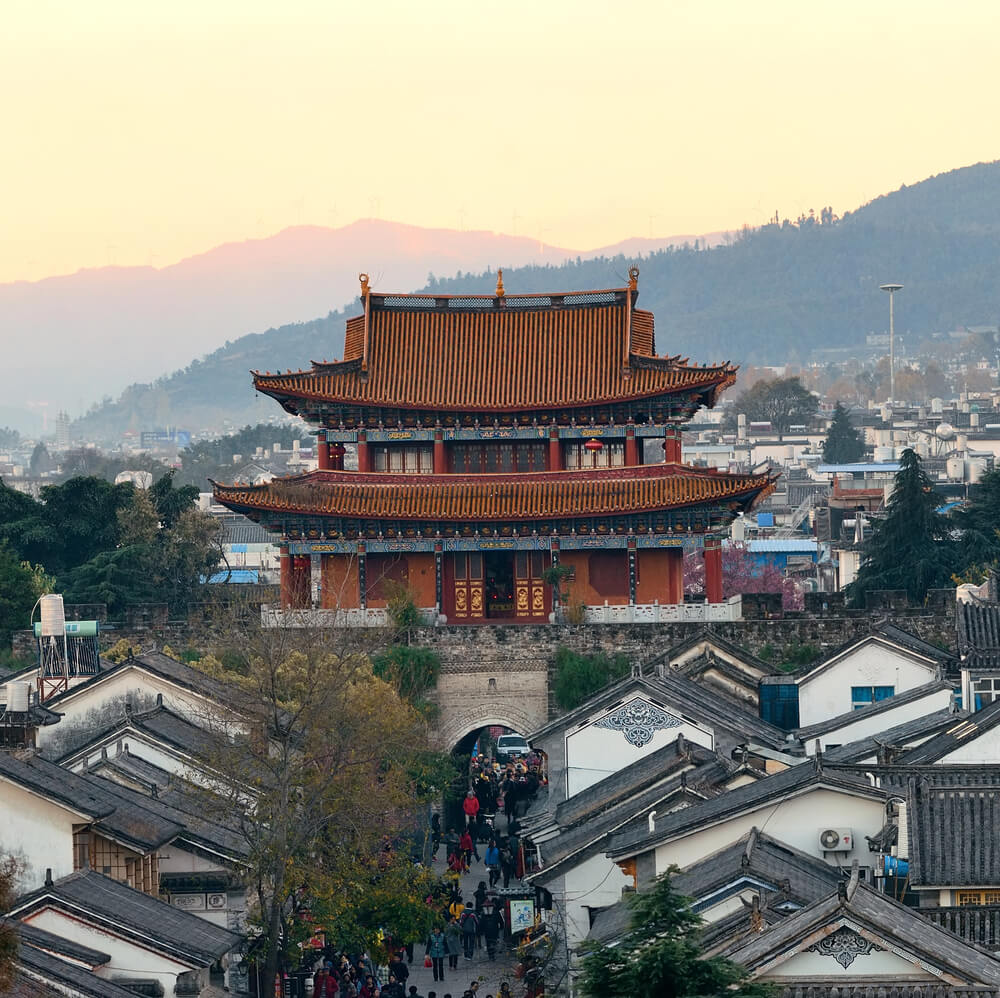
The ancient capital of the Nanzhao kingdom near modern Dali, in China’s Yunnan province, has been the subject of renewed archaeological survey work aimed at better understanding a regional power that controlled a substantial trade corridor between China and Southeast Asia during the medieval period. Much of the site remains comparatively understudied relative to better-known Chinese dynastic capitals.
Ongoing excavation continues to clarify the extent of the city’s fortifications and residential areas.
Chan Chan
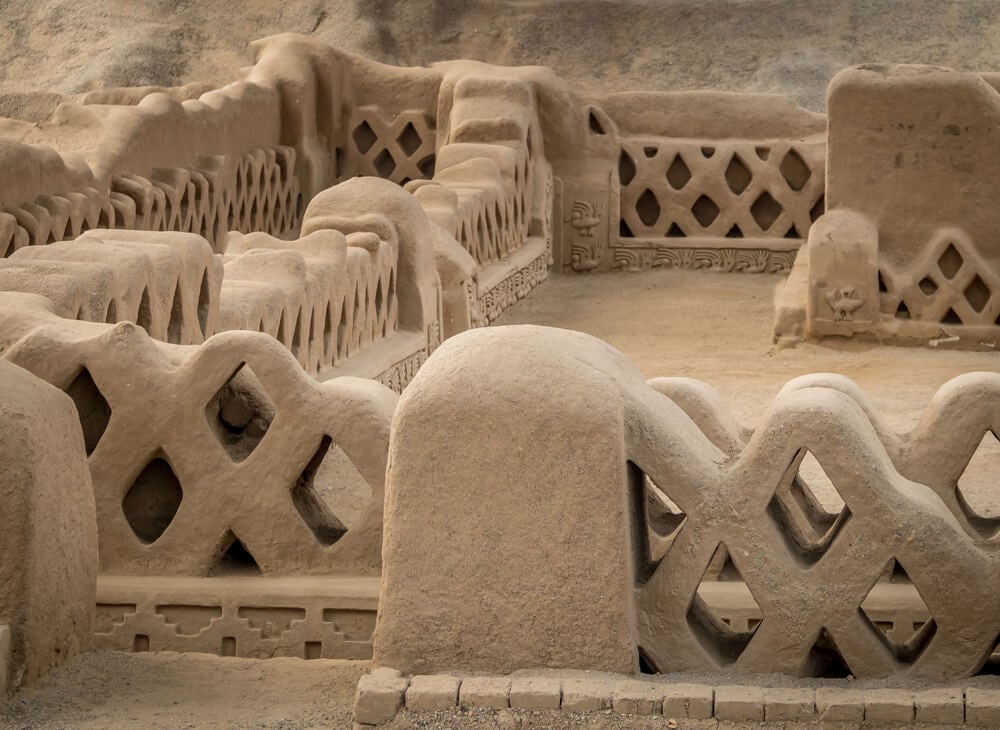
The largest adobe city in the pre-Columbian Americas, located on Peru’s northern coast and once the capital of the Chimu civilization, continues to be excavated even as conservators race to protect its fragile mudbrick walls from increasingly heavy rainfall linked to shifting weather patterns. Archaeologists continue to document elaborate carved friezes throughout the city’s walled compounds.
Large sections of the sprawling site remain either unexcavated or in urgent need of stabilization before further study is possible.
Gebel el-Silsila
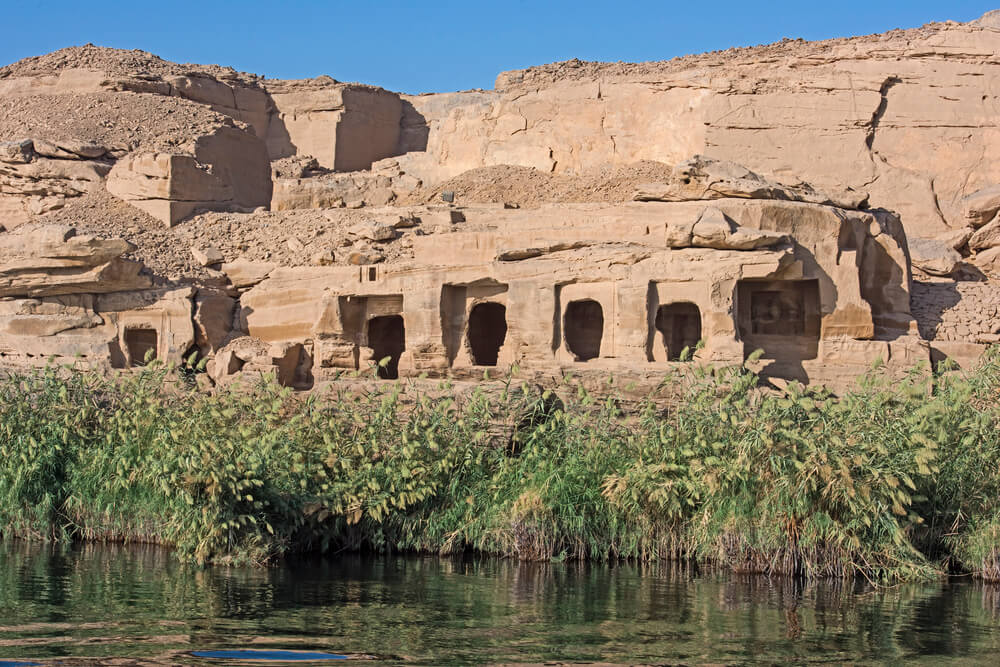
This ancient Egyptian quarry and settlement site along the Nile, which supplied much of the sandstone used to build major temples including Karnak, has been under systematic archaeological survey only since the 2010s, revealing an extensive ancient workers’ town, cemeteries, and shrines not previously well documented. Researchers continue to uncover new burial sites and inscriptions at the site each field season.
Archaeologists consider the site significant for understanding the labor systems behind Egypt’s monumental construction projects, an area that had received comparatively less research attention than the temples themselves.
The City Beneath the City
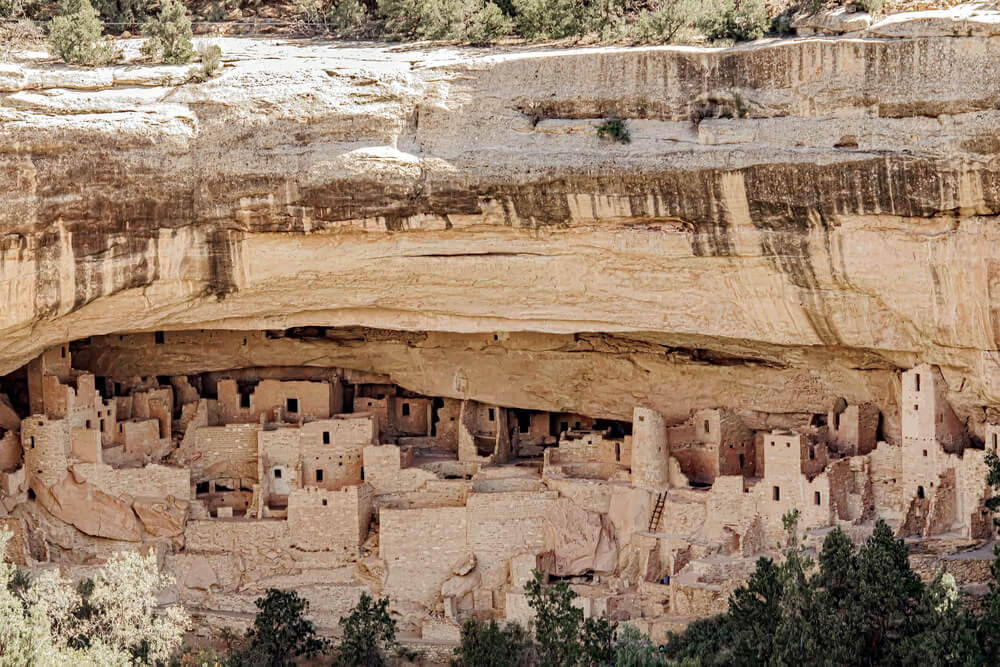
Every site on this list is a reminder that an ancient city is rarely a single discovery but an ongoing argument between what has been dug up and what almost certainly still lies underneath. Even places that have drawn archaeologists for over a century, like Pompeii and Ur, keep producing material that forces researchers to revise earlier conclusions.
The technology doing the revealing has changed faster than the cities themselves ever could, and laser scans that once took years to interpret can now flag a buried causeway in an afternoon. What has not changed is the slow, patient work required afterward, which means most of the cities on this list will still be considered a work in progress for a long time to come.
More from Go2Tutors!

- The Romanov Crown Jewels and Their Tragic Fate
- 13 Historical Mysteries That Science Still Can’t Solve
- Famous Hoaxes That Fooled the World for Years
- 15 Child Stars with Tragic Adult Lives
- 16 Famous Jewelry Pieces in History
Like Go2Tutors’s content? Follow us on MSN.