24 Shipwrecks Divers Are Allowed to Visit
Most shipwrecks are either too deep, too fragile, or too legally protected for anyone to visit, but a surprising number sit in shallow, accessible water with permits, dive operators, and marked routes built specifically around exploring them. Some were sunk deliberately as artificial reefs, while others went down in war or accident and were later opened to the public once the risk to divers, and to the wreck itself, was judged manageable.
SS Thistlegorm
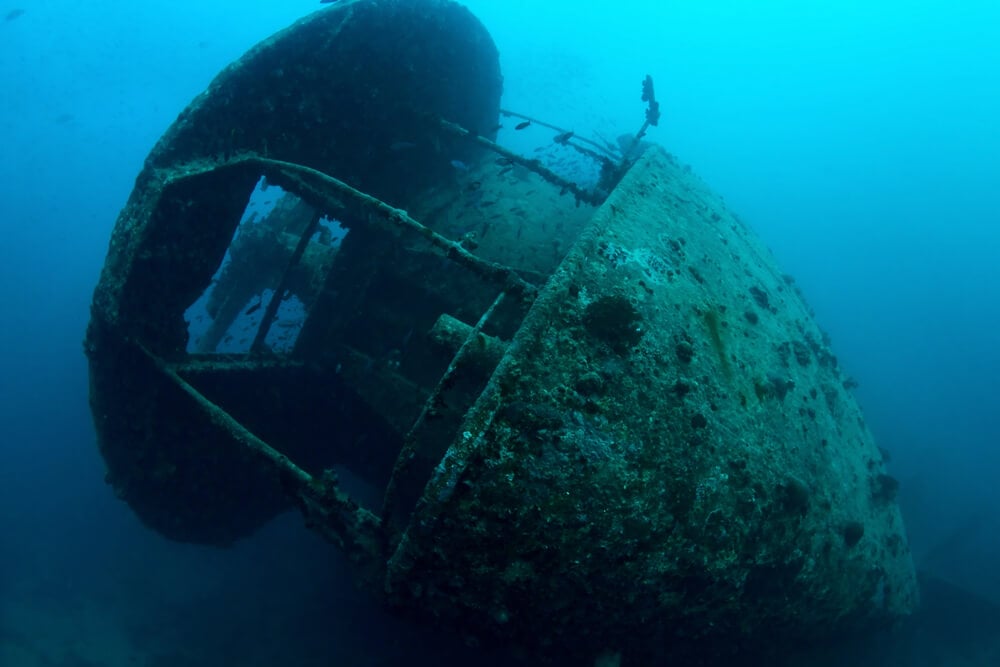
This British Second World War cargo ship, sunk by German aircraft in Egypt’s Red Sea in 1941 while carrying military supplies, is considered one of the best-preserved and most popular wreck dives in the world, with its holds still containing motorcycles, trucks, and rifles largely intact. Jacques Cousteau rediscovered the wreck in the 1950s, though it did not become a regular dive destination until decades later.
Multiple dive operators run daily trips to the site from nearby Red Sea resort towns.
RMS Rhone
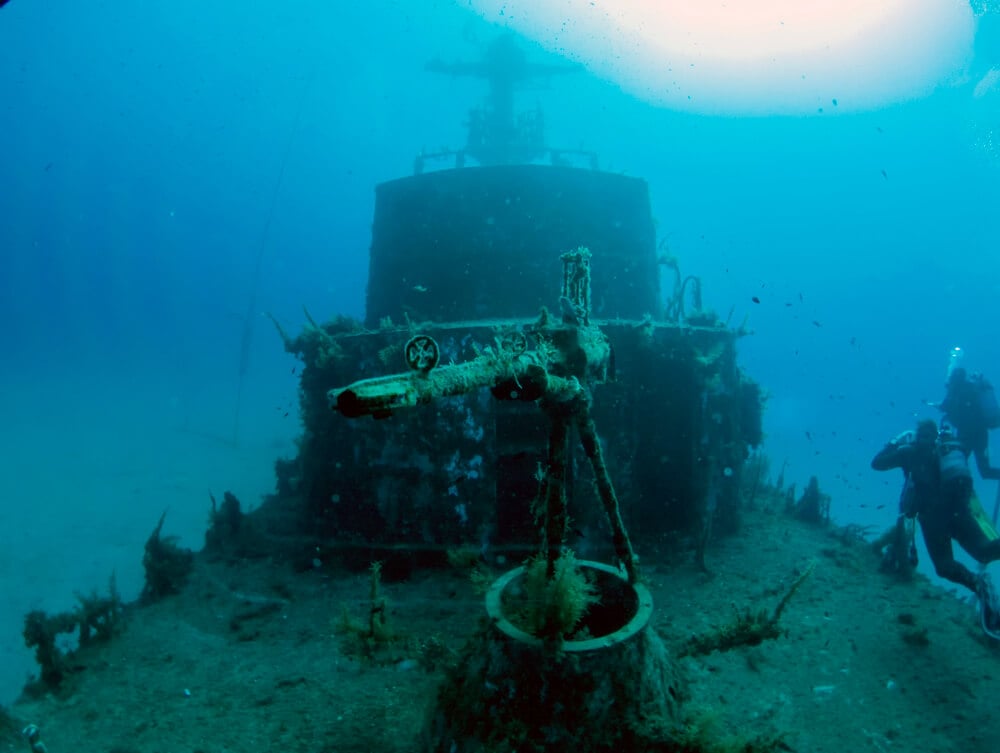
This Royal Mail steamship sank off the British Virgin Islands during a hurricane in 1867 and now lies in two main sections at depths accessible to both novice and advanced divers, making it one of the Caribbean’s most popular wreck dive sites. The wreck’s dramatic split hull and surrounding marine life have made it a filming location for underwater movie scenes over the decades.
It sits within a designated national park that regulates diving access to help preserve the site.
USAT Liberty
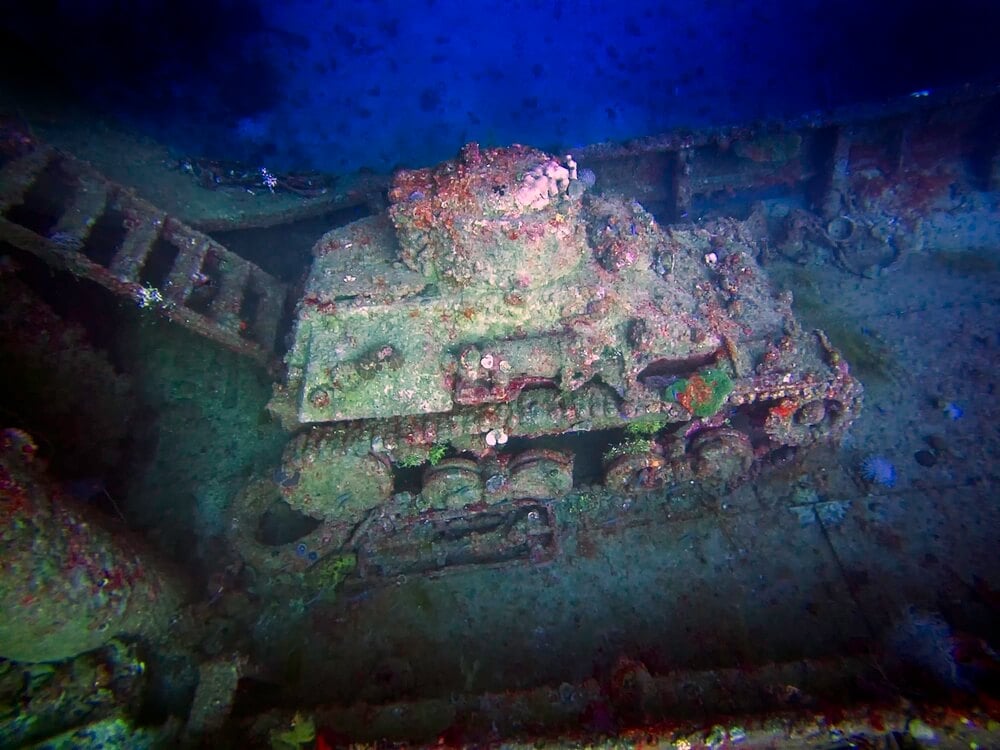
This American cargo ship, torpedoed during the Second World War and later beached and eventually pushed into the sea by a volcanic eruption in 1963, now rests just off the shore of Tulamben, Bali, in shallow water reachable directly from the beach. Its accessibility has made it one of the most frequently dived wrecks in Southeast Asia, drawing both recreational divers and snorkelers.
The wreck has become encrusted with coral and serves as a significant artificial reef ecosystem.
Chuuk Lagoon’s Sunken Fleet
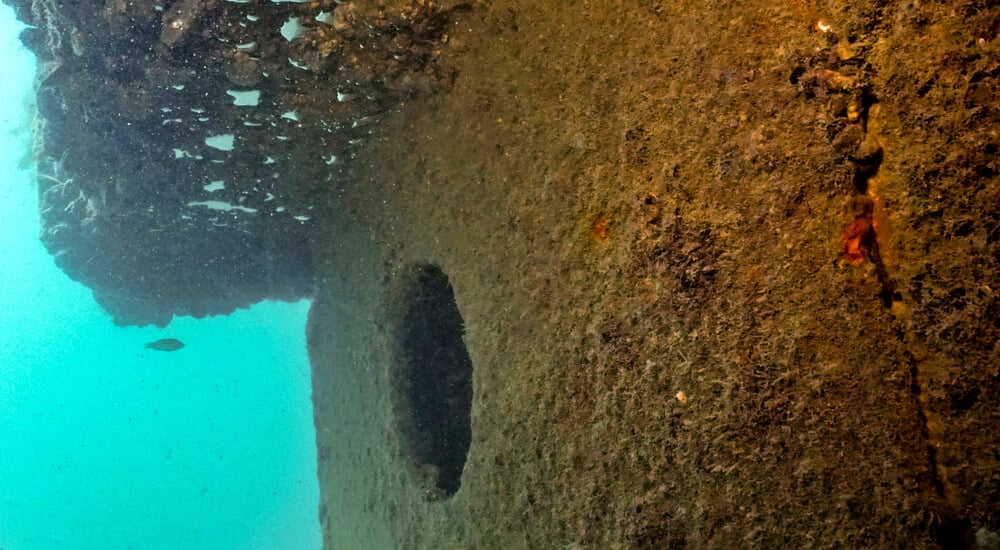
Dozens of Japanese naval and merchant vessels sunk during a single 1944 American air raid known as Operation Hailstone now rest throughout Chuuk Lagoon in Micronesia, forming one of the largest and most accessible collections of wreck dives in the world. Many of the ships still contain wartime cargo, from aircraft to ammunition, largely undisturbed since they sank.
Local dive operators run regular trips to numerous individual wrecks throughout the lagoon.
SS Yongala
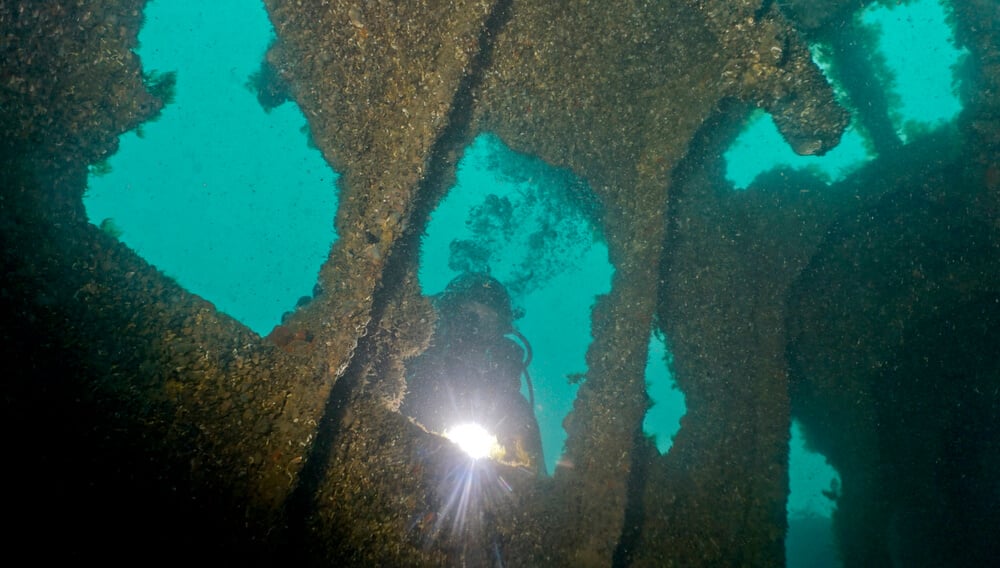
This Australian passenger steamship sank during a cyclone off the coast of Queensland in 1911 with the loss of all aboard, and the wreck was not located until 1958, after which it became one of the most celebrated dive sites on the Great Barrier Reef. Its isolation from other reef structures has made it a magnet for large marine life, including manta rays and sea turtles.
Diving is regulated as the site is treated as a protected historic shipwreck and gravesite.
Zenobia
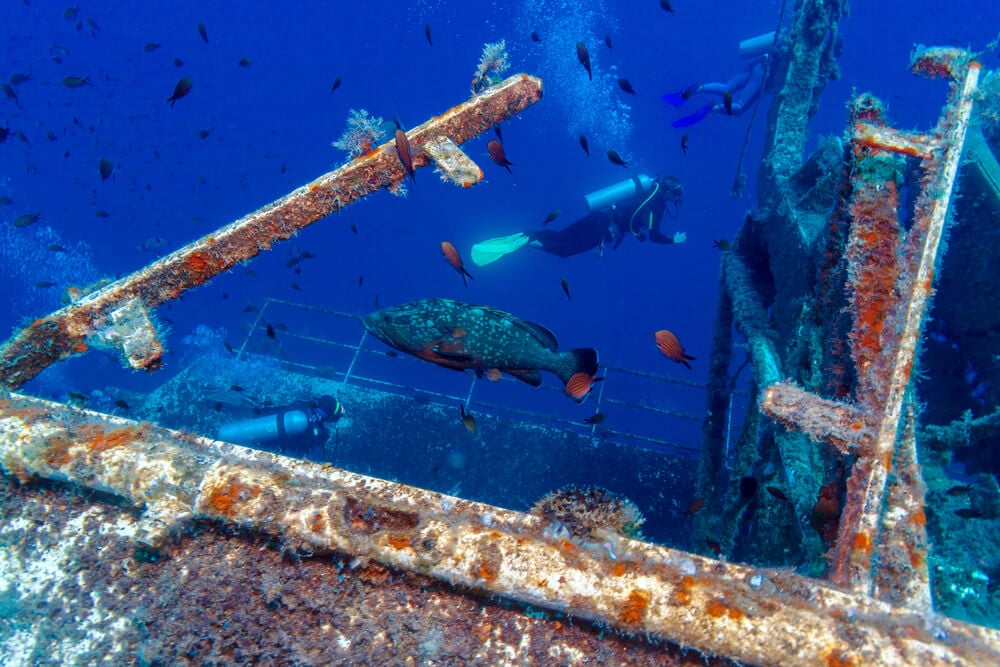
This Swedish-built ferry sank off the coast of Larnaca, Cyprus, in 1980 due to a computer-controlled ballast system malfunction during its maiden voyage, and it now lies on its side in water considered ideal for both novice and technical wreck diving. The wreck’s cargo of trucks and vehicles remains largely visible inside its holds.
It is regularly ranked among the top wreck dives in the Mediterranean by diving publications.
U-352
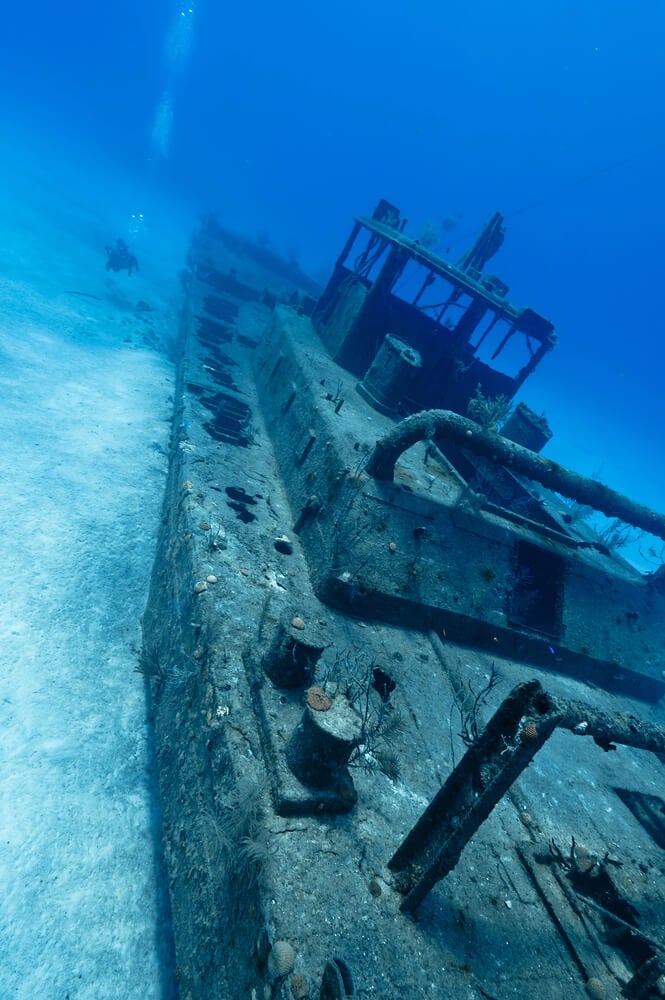
This German submarine, sunk by a United States Coast Guard cutter in 1942 off the coast of North Carolina, now rests at a depth considered suitable for experienced recreational divers and is regularly visited by charter dive boats operating out of Morehead City. The wreck remains largely intact and is officially recognized as a war grave, which shapes the etiquette expected of visiting divers.
It is one of the more accessible U-boat wrecks open to sport diving in American waters.
Andrea Doria
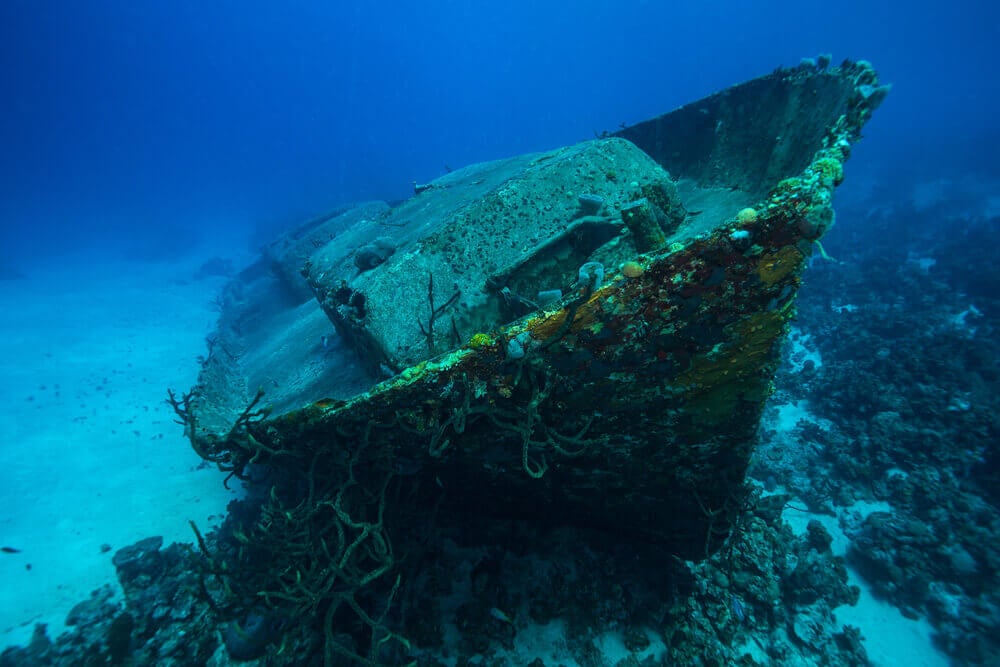
This Italian ocean liner sank in 1956 after colliding with another ship off the coast of Massachusetts, and its wreck now rests at a depth that places it firmly in the realm of advanced technical diving rather than casual recreational visits. Its difficulty and history of diver fatalities have earned it a reputation among the wreck-diving community as the “Mount Everest of scuba diving.”
Access requires significant technical certification, but the site remains legally open to properly qualified divers.
SS Britannic
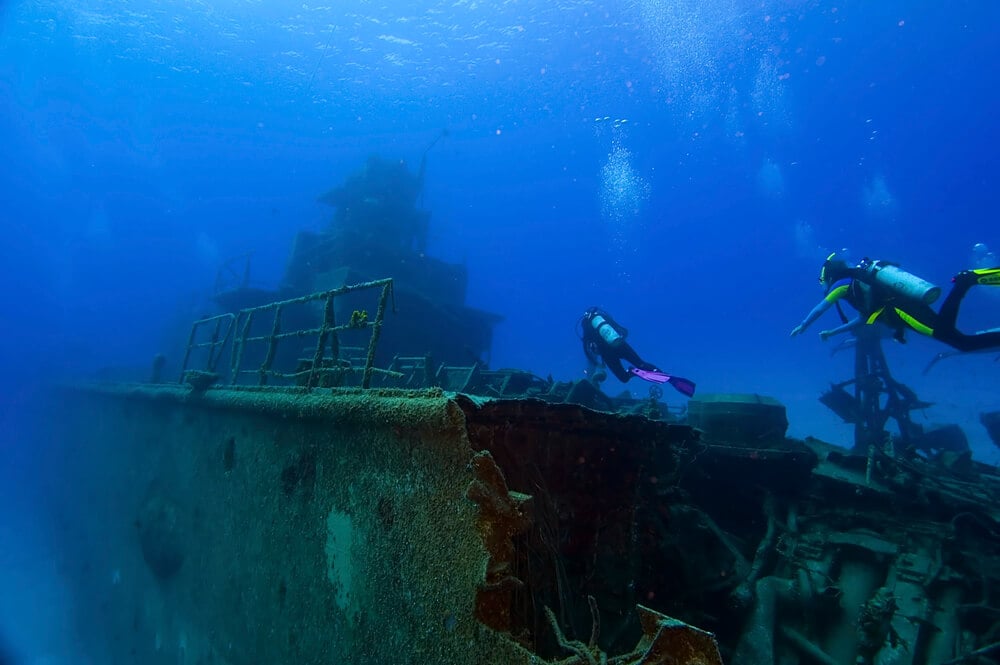
The sister ship of the Titanic, converted into a hospital ship during the First World War, sank in 1916 after striking a mine in the Aegean Sea, and the wreck now lies at a depth accessible to technical divers with appropriate certification and permits from Greek authorities. Explorer Jacques Cousteau located and first explored the wreck in 1975.
Permitted expeditions continue to visit the site periodically, subject to Greek government approval given the ship’s historic and gravesite status.
SS President Coolidge
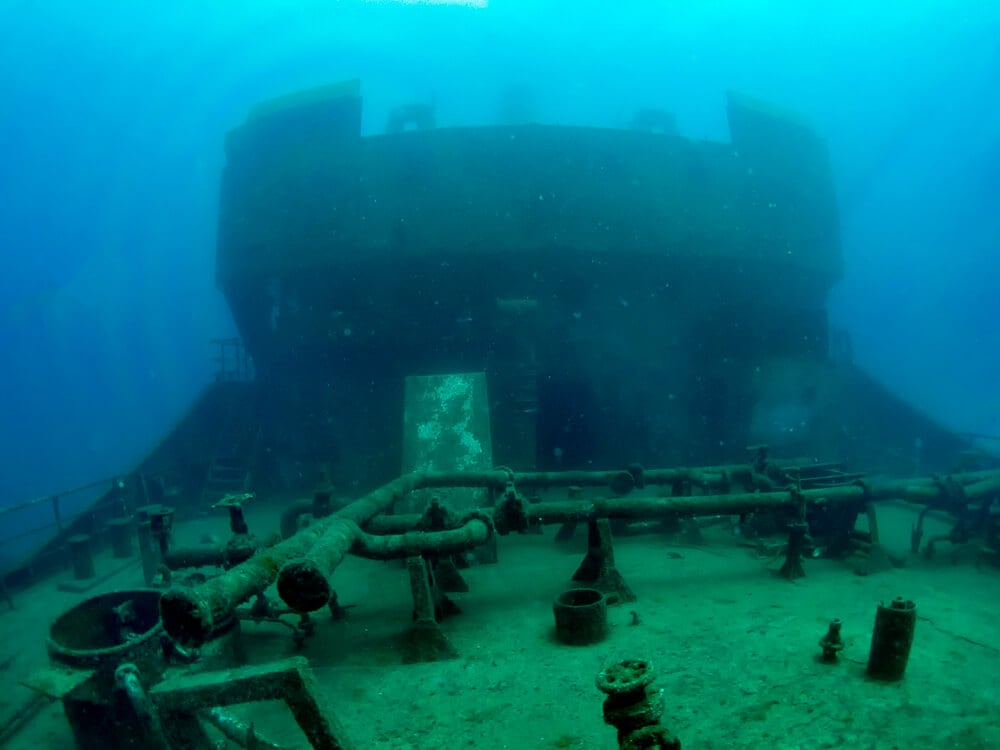
This American ocean liner, converted into a troop transport, sank after striking mines laid by Allied forces in Vanuatu’s Segond Channel in 1942, and it now rests close enough to shore that divers can reach much of the wreck directly from the beach. It remains one of the largest and most accessible shipwrecks open to recreational diving anywhere in the world.
Local dive operators offer guided access to explore its extensive interior spaces, including cargo holds still containing jeeps and other wartime equipment.
Kittiwake
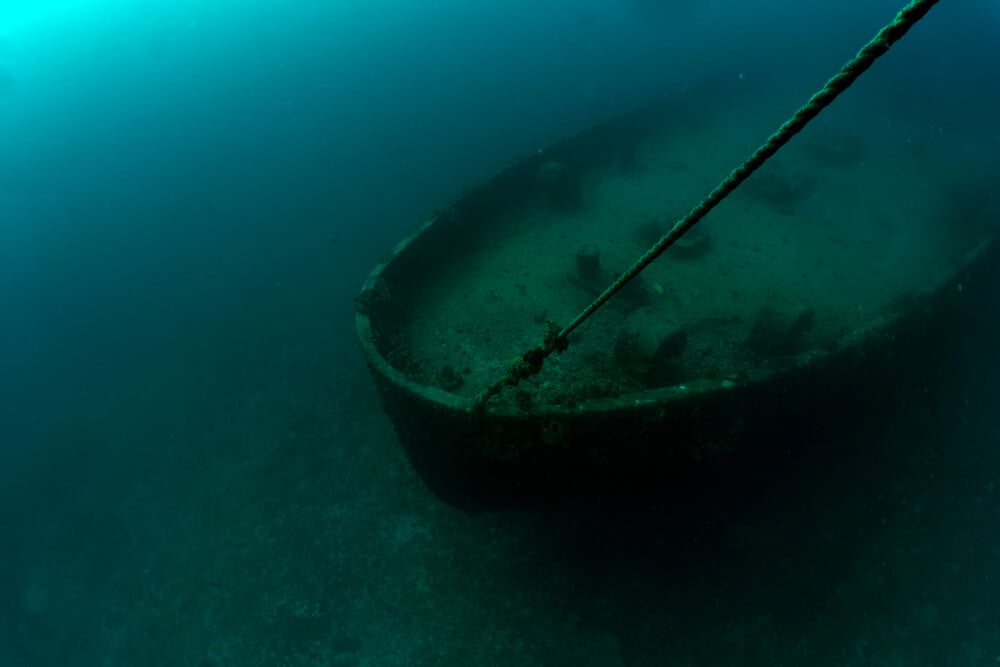
This former United States Navy submarine rescue vessel was deliberately sunk off Grand Cayman in 2011 specifically to create an artificial reef and accessible wreck dive site for the local tourism industry. Its shallow depth and largely intact structure make it a popular destination for divers of varying experience levels, including some sections reachable by snorkelers.
The wreck has been specifically prepared, with sharp edges removed and interior spaces opened, to make exploration safer for recreational visitors.
USS Vandenberg
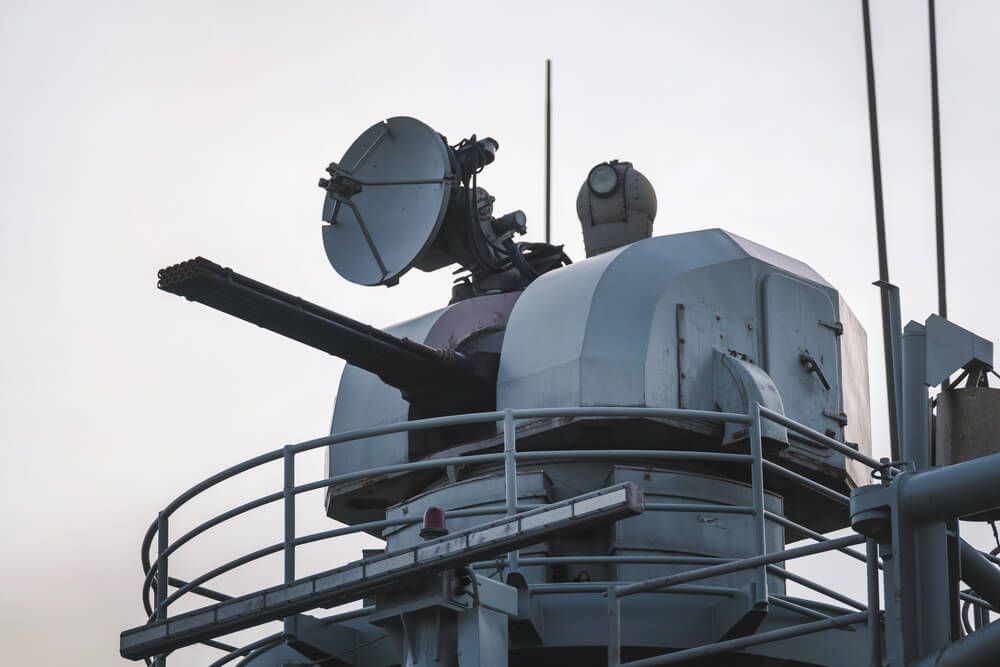
This decommissioned American missile-tracking ship was intentionally sunk off Key West, Florida, in 2009 to serve as an artificial reef, and it remains one of the largest vessels ever sunk for that specific purpose in the region. Its size and depth range make it accessible to both recreational and more advanced divers depending on which sections they explore.
The wreck has become a significant habitat for reef fish species in the years since it was sunk.
Spiegel Grove
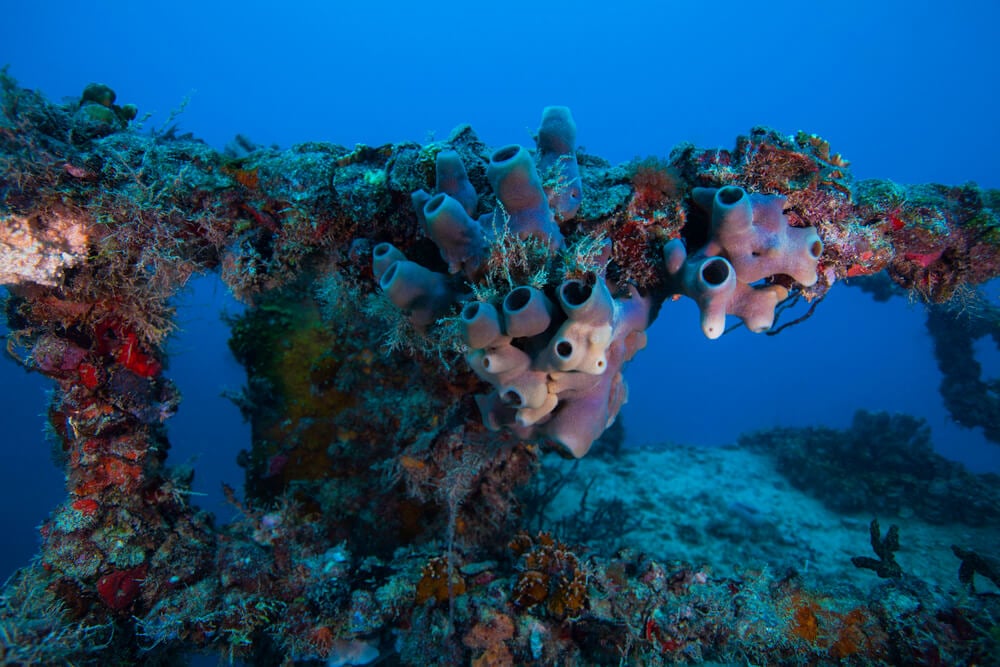
This decommissioned United States Navy amphibious transport dock was deliberately sunk off Key Largo, Florida, in 2002 to create an artificial reef, after initially sinking prematurely and partially during the planned scuttling operation, requiring salvage crews to right and resettle it. It is now considered one of the largest vessels intentionally sunk as an artificial reef in the world at the time of its sinking.
Regular dive charters visit the site from nearby Key Largo marinas.
Bianca C
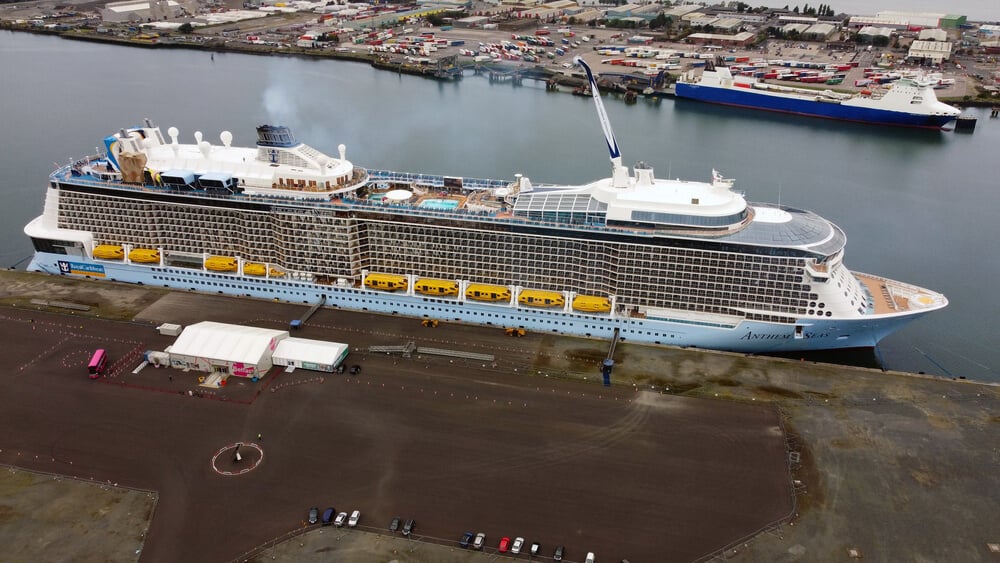
Known among divers as the “Titanic of the Caribbean,” this Italian ocean liner caught fire and sank off Grenada in 1961 after most passengers and crew were safely evacuated, and its wreck now rests at a depth suited to advanced recreational and technical divers. Its size makes it one of the largest shipwrecks accessible to sport divers in the Caribbean region.
Local dive operators run regular trips to the site as one of Grenada’s signature dive attractions.
Umbria
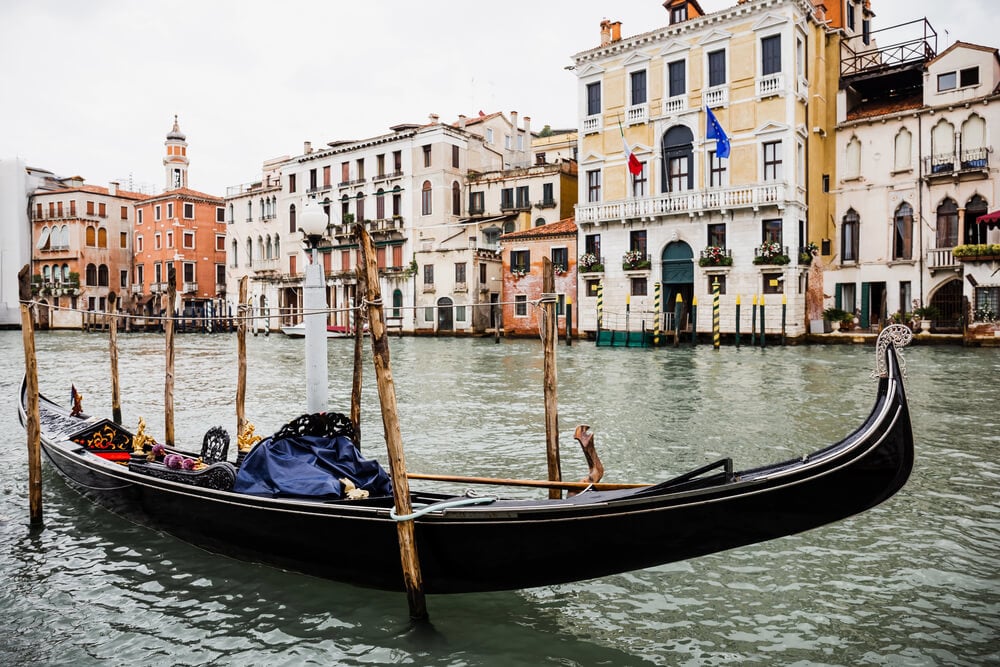
This Italian cargo ship was deliberately scuttled by its own crew in Sudan’s Red Sea waters in 1940 to prevent its wartime cargo from being seized by British forces, and the largely intact wreck, which still contains vehicles and munitions, now sits in shallow water considered accessible to divers with intermediate experience. It remains one of the most popular wreck dives along Sudan’s Red Sea coast.
The wreck’s shallow depth allows extended exploration time compared to many deeper wartime wrecks.
USCGC Duane
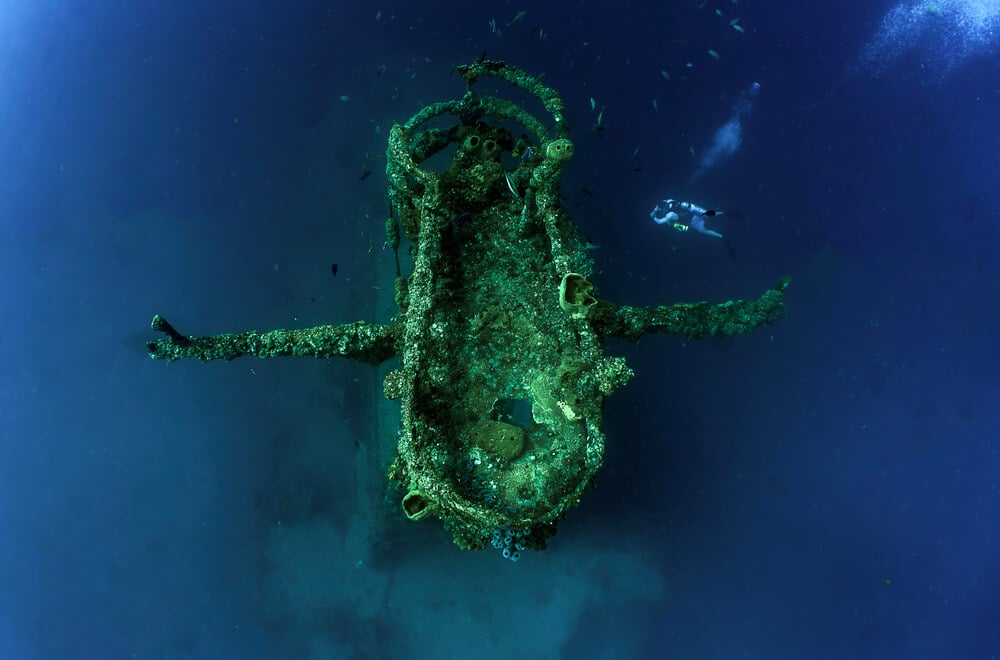
This decommissioned United States Coast Guard cutter was deliberately sunk off Key Largo, Florida, in 1987 to serve as an artificial reef and remains a popular dive site paired with its sister ship, the USCGC Bibb, sunk nearby the same year. Both wrecks sit at depths accessible to recreational divers with appropriate certification.
The pair are frequently dived together on the same charter trip from Key Largo.
USS Oriskany
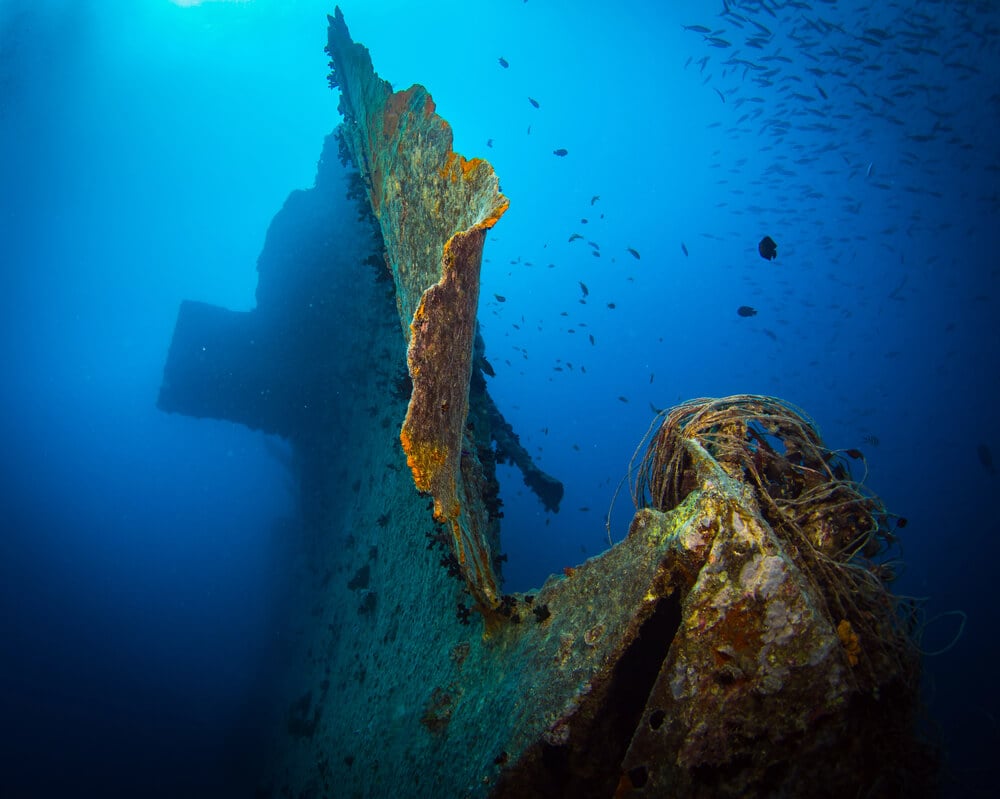
This decommissioned aircraft carrier was intentionally sunk off Pensacola, Florida, in 2006 in what was, at the time, the largest vessel ever deliberately sunk to create an artificial reef. Its scale allows for dives ranging from its shallower flight deck to much deeper sections of the hull suited only to technical divers.
The wreck has become a significant destination for the Gulf Coast diving industry since its sinking.
Fujikawa Maru
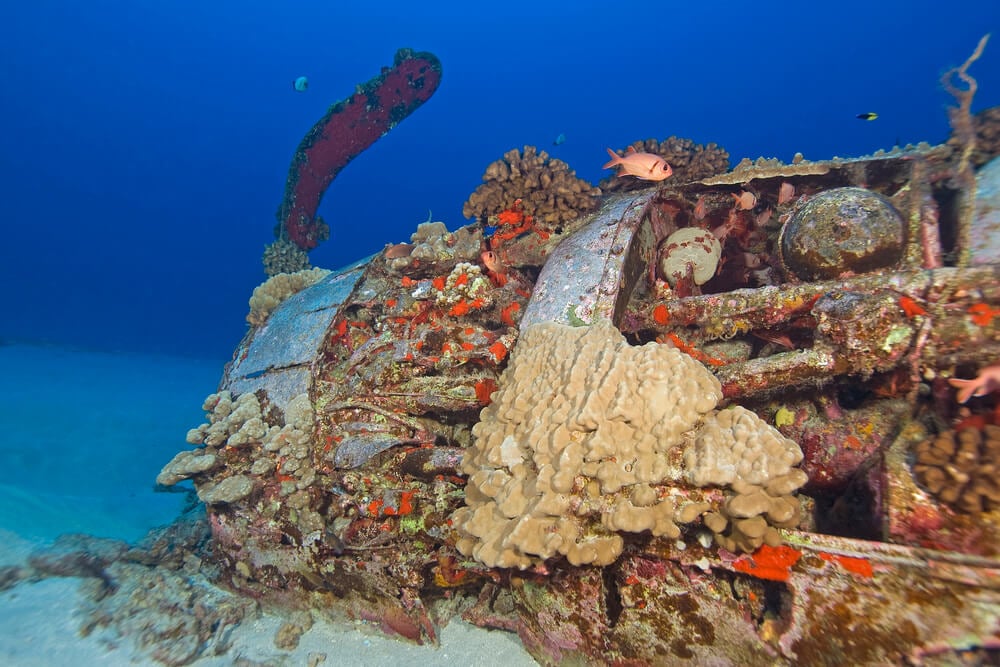
One of the most frequently dived wrecks within Chuuk Lagoon’s sunken Japanese fleet, this armed transport ship still contains aircraft fuselages, ammunition, and other wartime cargo within its holds, largely undisturbed since its 1944 sinking. Its combination of accessible depth and well-preserved interior spaces has made it one of the most photographed wrecks in the lagoon.
Dive operators based in Chuuk regularly include it among their standard wreck itineraries.
SS Nippo Maru
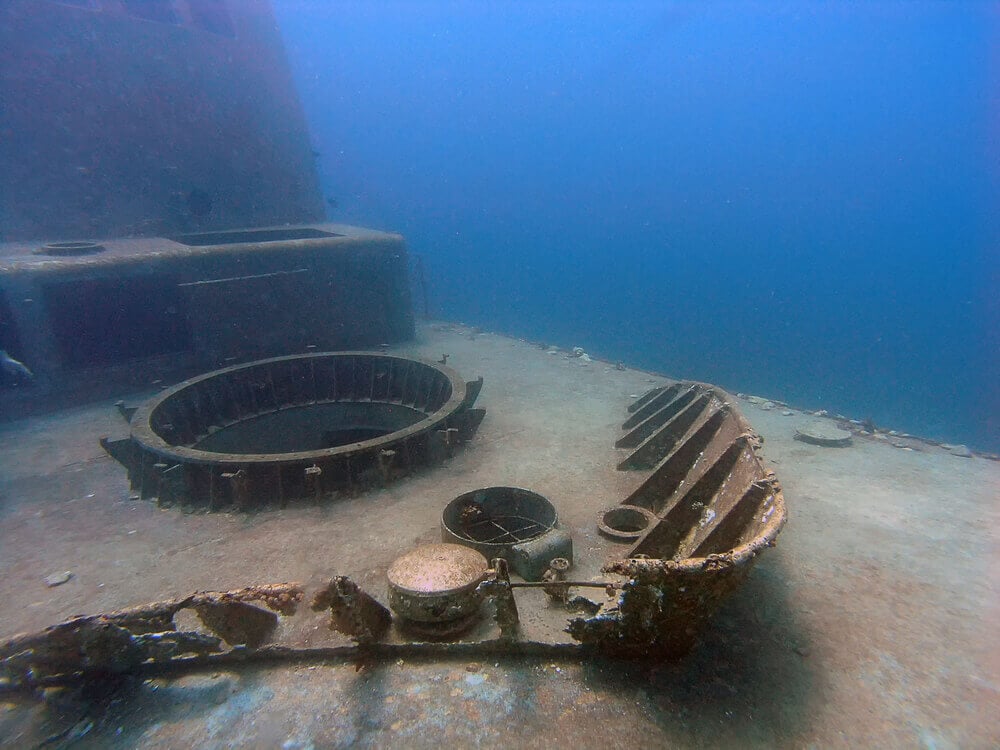
Also resting within Chuuk Lagoon, this Japanese cargo ship sank during the same 1944 air raid that claimed dozens of other vessels in the lagoon, and it remains notable among divers for tanks and other military vehicles still visible in its cargo holds. Its depth range accommodates both recreational and more advanced divers depending on which sections are explored.
It is regularly included on multi-day liveaboard dive itineraries covering the lagoon’s wrecks.
MV Constellation
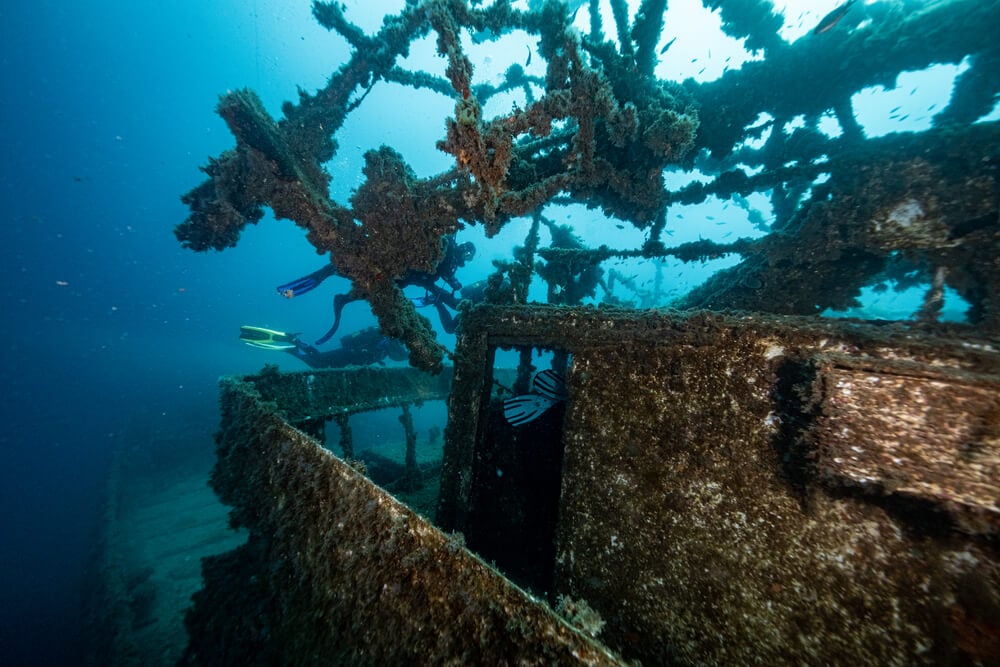
This former commercial vessel now rests off the coast of Aruba after sinking, and it has become established as one of the island’s accessible recreational wreck dives, sitting in shallow enough water for divers of varying experience levels to explore comfortably. Its proximity to shore has made it a regular stop for local dive operators running half-day excursions.
The wreck has developed coral growth that supports a range of reef fish in the years since it settled on the seabed.
SS Nordmeer
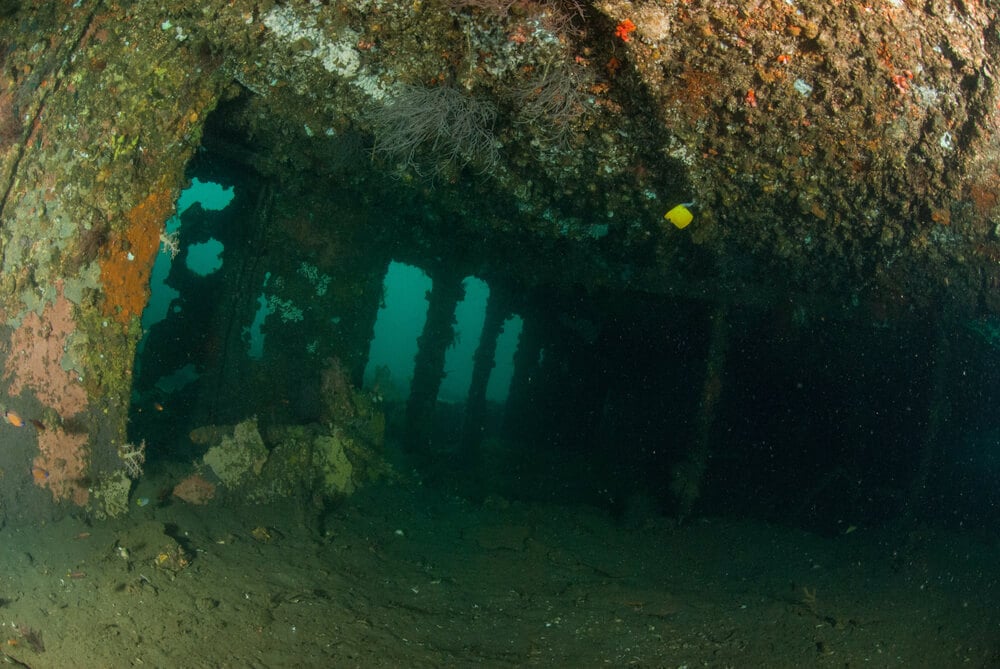
This German freighter ran aground on a shoal in Lake Huron in 1966 while carrying steel cargo, and the wreck now sits in the cold, clear fresh water of Michigan’s Thunder Bay National Marine Sanctuary at depths accessible to divers with varying certification levels depending on the section explored. The Great Lakes’ fresh, cold water has kept the wreck unusually well preserved compared to many saltwater sites of similar age.
Local dive charters based out of Alpena, Michigan, regularly include it among sanctuary wreck itineraries.
MS World Discoverer
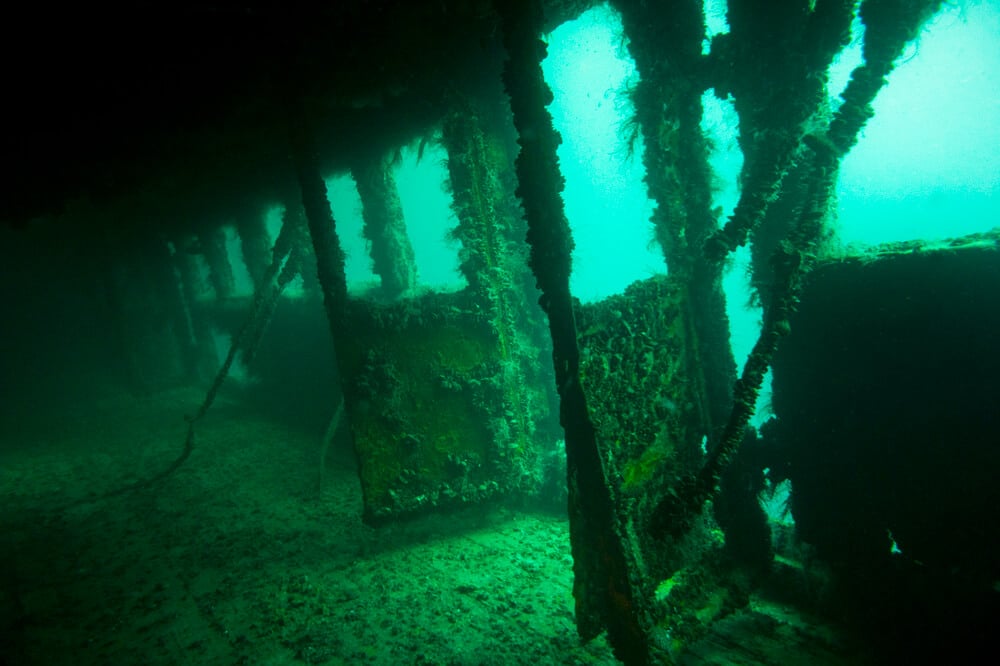
This former cruise ship struck an uncharted reef and was deliberately grounded near the Solomon Islands in 2000 to prevent it from sinking in deep water, and portions of the wreck remain accessible to divers exploring its partially submerged hull in the years since. Its unusual combination of surface visibility and underwater sections has made it a distinctive, if lesser-known, dive destination in the South Pacific.
Access depends on local conditions and arrangements with regional dive operators.
HMS Hermes
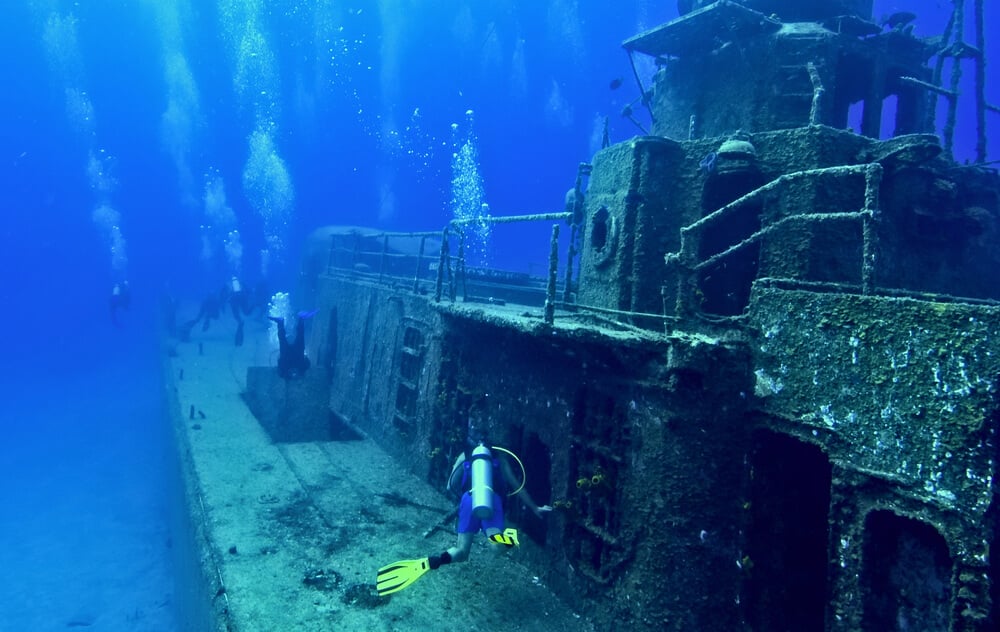
This British aircraft carrier, sunk by Japanese aircraft off Sri Lanka in 1942, now rests at a depth accessible primarily to technical divers with appropriate training and permits from Sri Lankan authorities. It remains one of the largest and most significant wartime wrecks open to diving in South Asian waters.
Its status as a war grave shapes strict protocols observed by the technical diving community visiting the site.
USS Saratoga
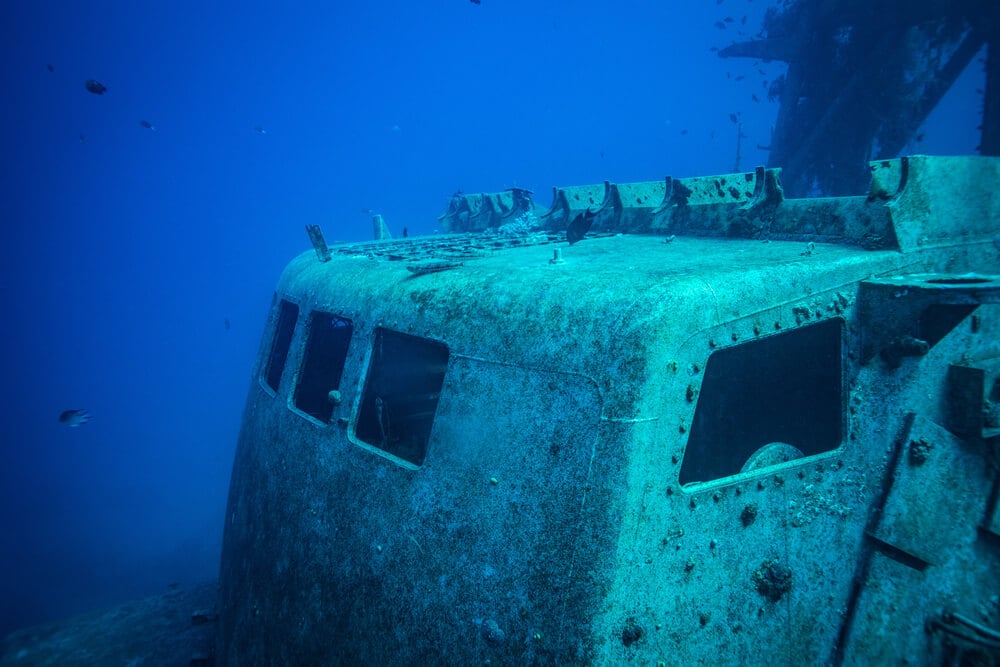
This American aircraft carrier survived two atomic bomb tests in 1946 before sinking during the second detonation, and it now rests largely intact at a depth that has made it one of the most sought-after technical wreck dives in the world. Its scale, including aircraft still visible on its flight deck, draws experienced technical divers willing to travel to the remote Marshall Islands atoll specifically to visit it.
Access requires permits and arrangements through the small number of dive operators licensed to run trips.
What the Wreck Remembers
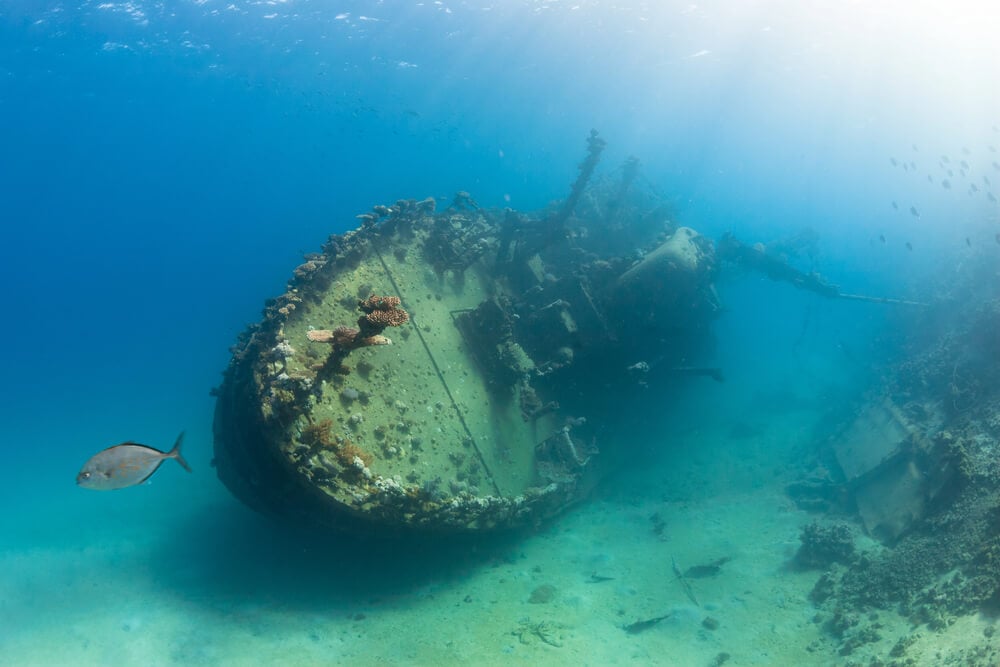
A shipwreck that welcomes visiting divers has usually crossed some invisible threshold, either enough time has passed that its sinking feels more like history than tragedy, or someone deliberately sank it to become exactly this kind of destination. Both categories share the same basic negotiation between preserving a site and allowing people to actually experience it.
Diving any of these wrecks means moving through a space that was never meant to be seen this way, whether that is a warship’s flooded engine room or a ferry’s cargo hold still loaded with the vehicles it never delivered. The wrecks that stay open to the public tend to be the ones where that tension has settled into something closer to stewardship than exploitation.
More from Go2Tutors!

- The Romanov Crown Jewels and Their Tragic Fate
- 13 Historical Mysteries That Science Still Can’t Solve
- Famous Hoaxes That Fooled the World for Years
- 15 Child Stars with Tragic Adult Lives
- 16 Famous Jewelry Pieces in History
Like Go2Tutors’s content? Follow us on MSN.