27 Frozen Dinners Grocery Freezers No Longer Stock
The frozen aisle used to hold a rotating cast of brands that felt permanent right up until the moment they quietly disappeared. Some were phased out as tastes shifted toward lighter, portion-controlled meals. Others lost out to newer competitors or simply stopped making financial sense for the companies producing them. These are the trays and boxes that used to anchor a freezer and no longer do.
The Original Swanson Foil-Tray Turkey Dinner
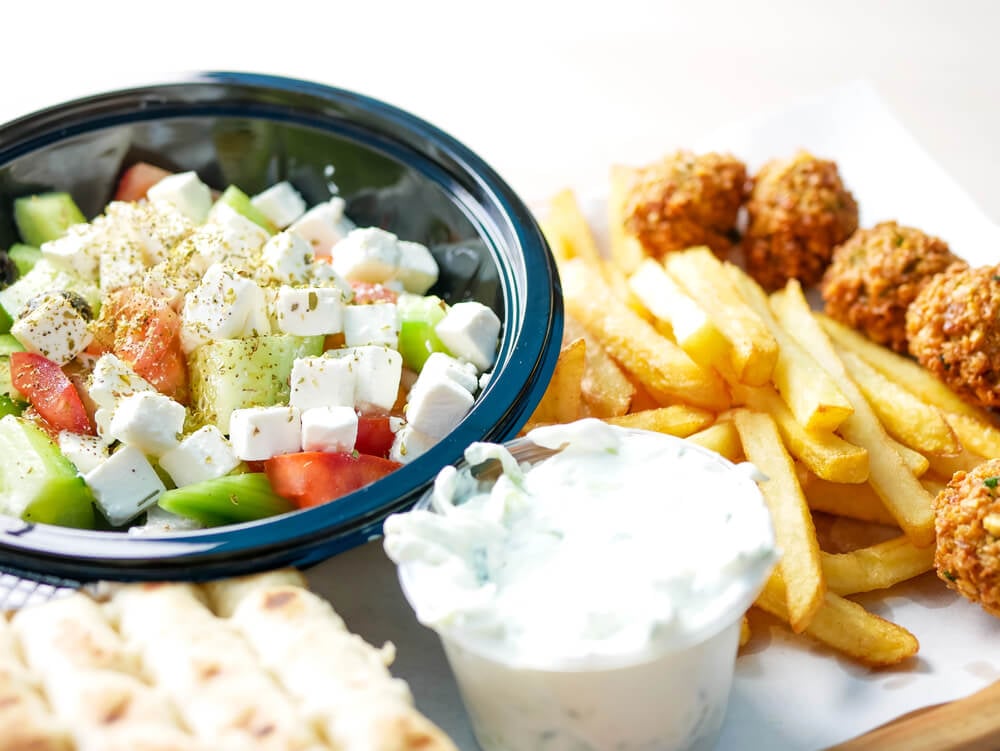
Swanson’s earliest TV dinners came in a compartmentalized aluminum tray that went straight from freezer to oven, with sliced turkey, cornbread stuffing, sweet potatoes, and peas in their own separate sections. The format defined the entire category for decades before microwave-safe plastic trays gradually replaced it. The foil tray’s crisp, oven-browned edges are something no microwave version has ever quite replicated.
Le Menu
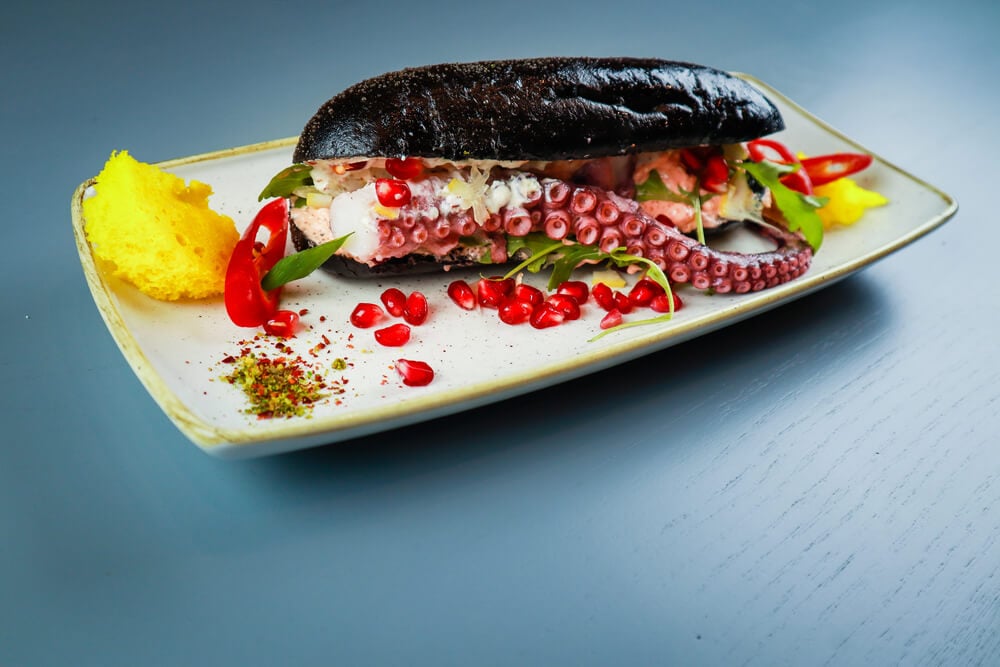
Swanson launched this gourmet-positioned line in the early 1980s, serving meals like beef sirloin tips with seasoned potatoes on a single round plate rather than a divided tray, meant to look more like a restaurant plate than a typical TV dinner. Advertising at the time even suggested pairing it with wine. The line was discontinued in the 1990s as newer, lighter frozen brands took over that segment of the freezer case.
Freezer Queen
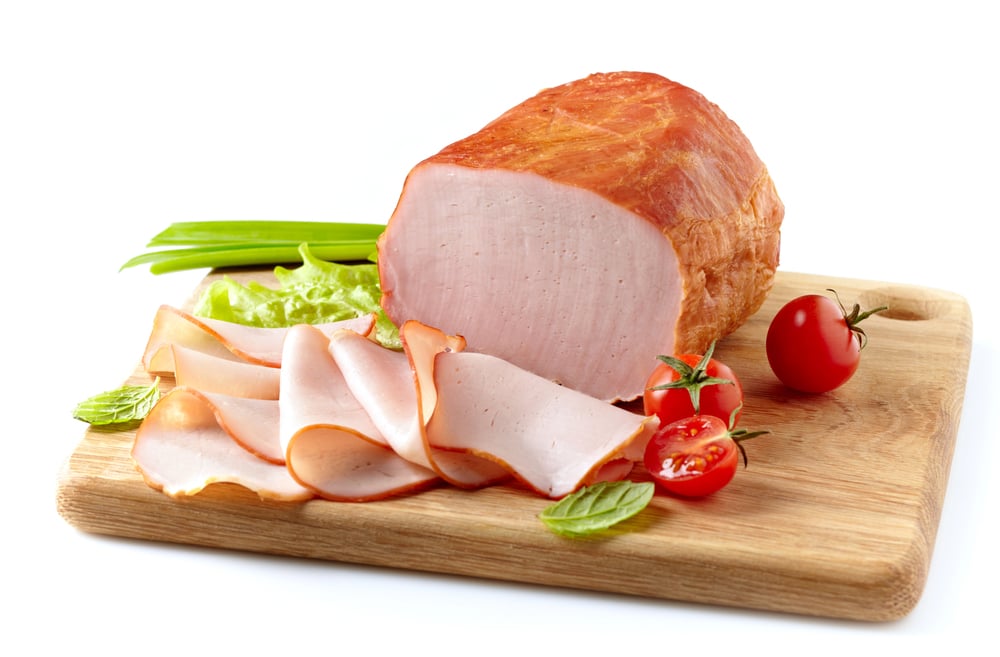
This Buffalo, New York-based brand was one of the earliest major competitors to Swanson, known for gravy-heavy meals like sliced turkey, Salisbury steak, and meatloaf. It grew into a major player through the 1960s and changed ownership multiple times over the following decades. The brand was ultimately discontinued after passing into the hands of ConAgra.
Morton Ham and Raisin Sauce Dinner
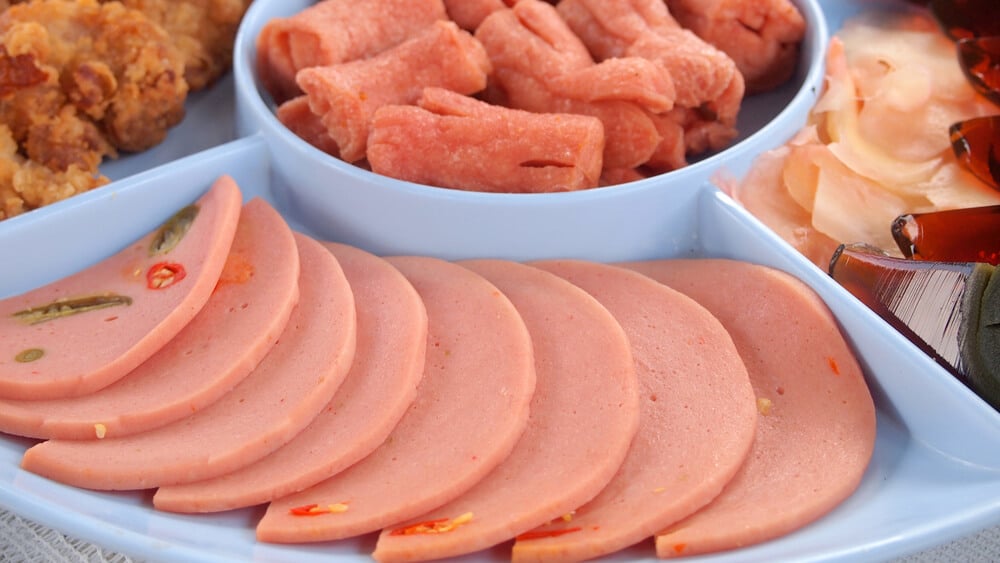
Morton’s frozen dinner line included this unusual sweet-and-savory combination, pairing ham with a raisin-based sauce, a pairing that gained a devoted following after its introduction in the 1960s. It disappeared from shelves following Morton’s rebranding under ConAgra in the 1990s. Former fans still occasionally trade copycat recipes online in an attempt to recreate it.
Chun King Frozen Dinners
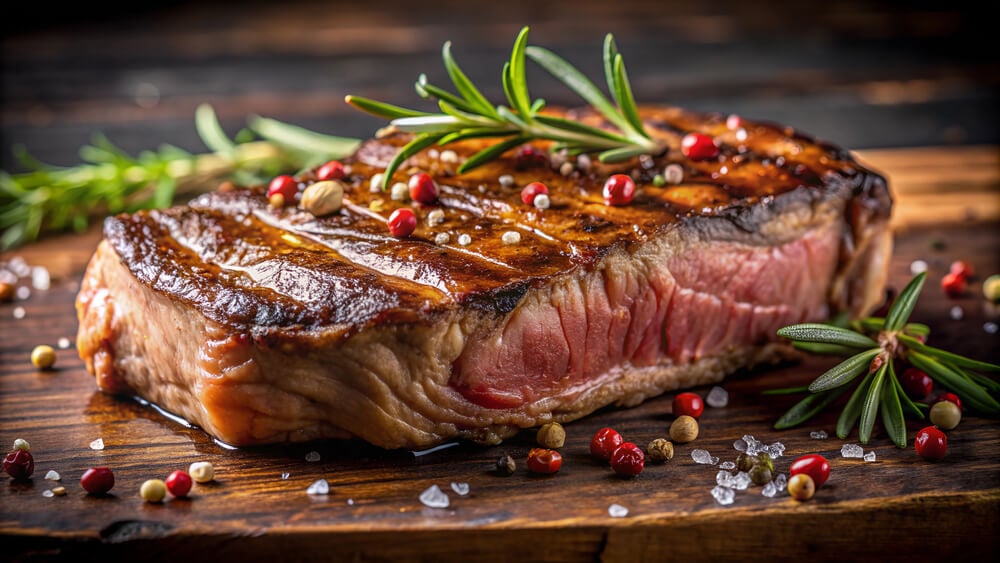
This Asian-American brand offered frozen versions of dishes like chow mein and pepper steak at a time when few competitors were attempting that category in the freezer aisle. It eventually passed to ConAgra ownership, and the frozen line was phased out along with much of the rest of the brand. Chun King’s canned products outlasted its frozen offerings by a considerable margin.
La Choy Frozen Dinners
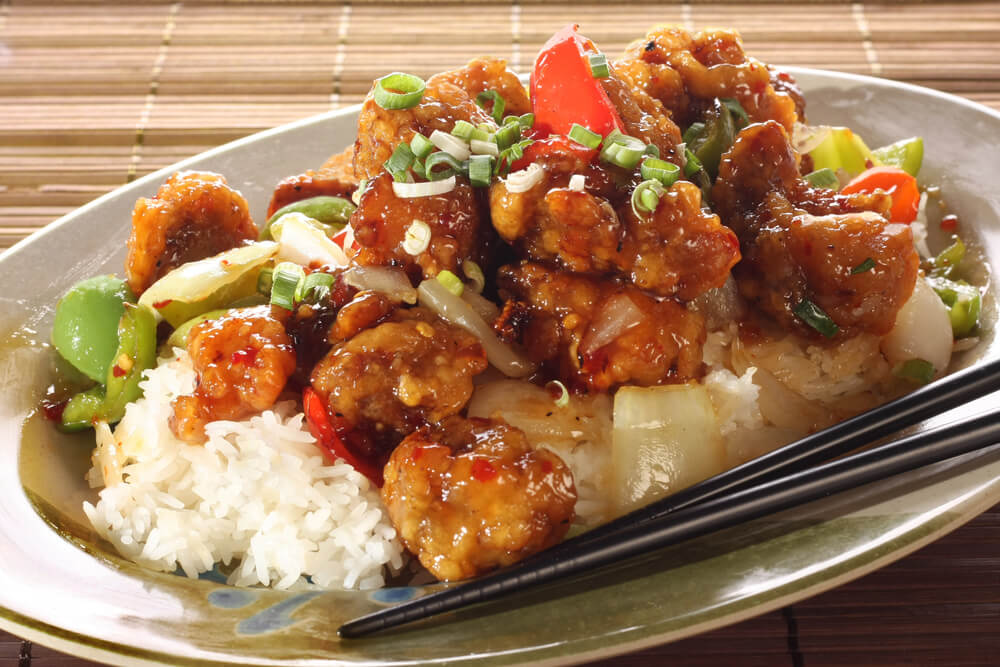
A longtime competitor and eventual sister brand to Chun King, La Choy also offered a line of frozen Asian-style dinners built around dishes like sweet and sour pork. The frozen line was eventually discontinued while the company’s canned and shelf-stable products continued on. Both brands are now remembered mainly through nostalgic accounts of mid-century supermarket freezers.
Libbyland Dinners
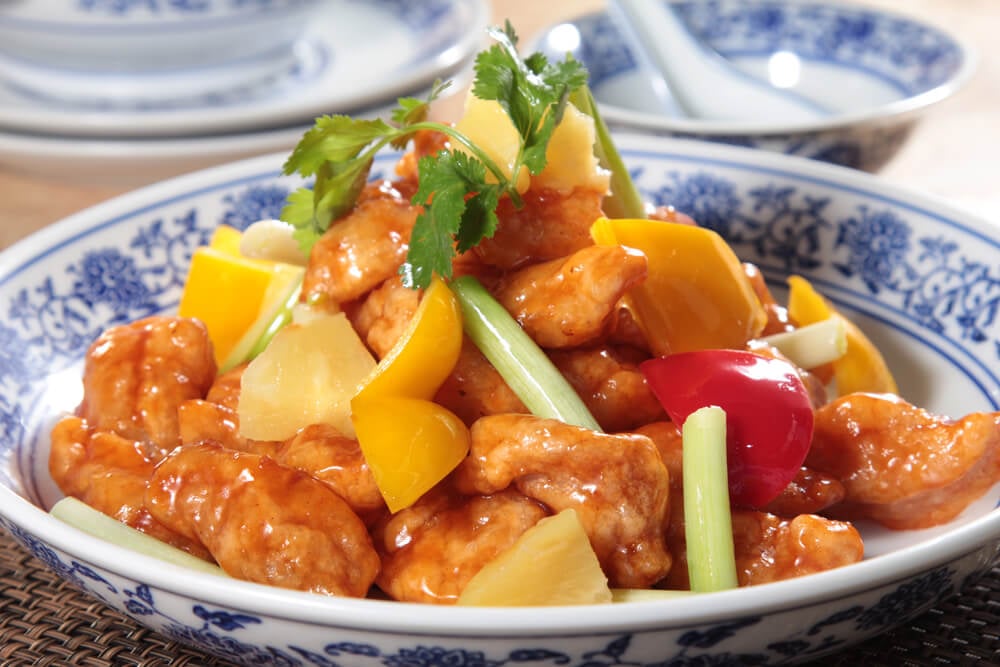
Introduced in 1971, this was one of the first commercially successful frozen dinner lines marketed directly to children rather than their parents, with playful branding built around kid-sized portions. It predates most of the character-licensed kids’ meals that followed it by nearly two decades. The brand did not survive long term as larger companies entered the same market with bigger marketing budgets.
Marie Callender’s Herb Roasted Chicken Dinner
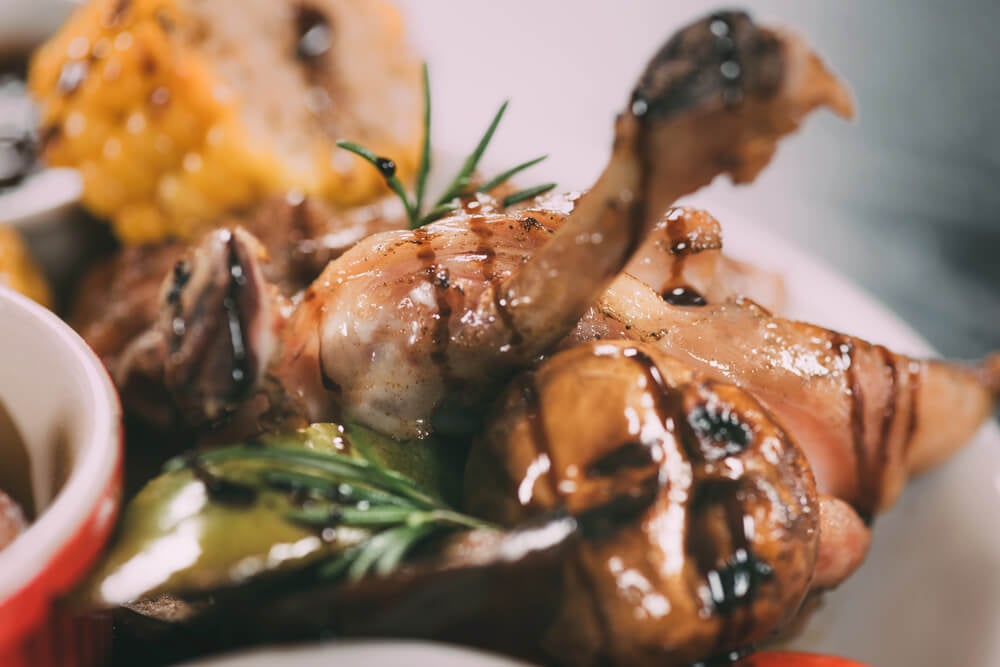
Introduced in the early 2010s as part of the brand’s more upscale positioning, this tray paired a seasoned chicken breast with mashed potatoes and corn in a combination fans described as close to home-cooked. Marie Callender’s confirmed on social media that the dinner was discontinued in March 2020. Its loyal following continues to request its return in online reviews of the brand’s remaining products.
Banquet Giblet Gravy and Sliced Turkey Buffet Dinner
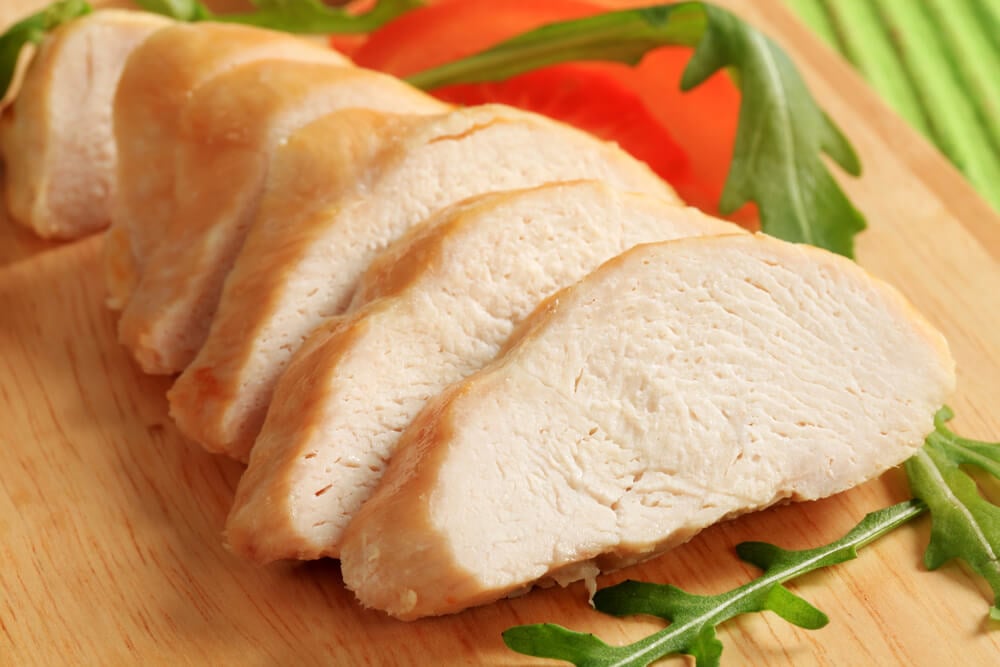
Long before individual portions became the norm, Banquet built this family-style dinner to feed a household at once rather than a single diner. It reflected an era when frozen dinners were still competing with home cooking on a family scale rather than an individual one. As microwave-safe individual portions became standard through the 1990s, the family-style format fell out of favor.
Banquet Dessert Bakes
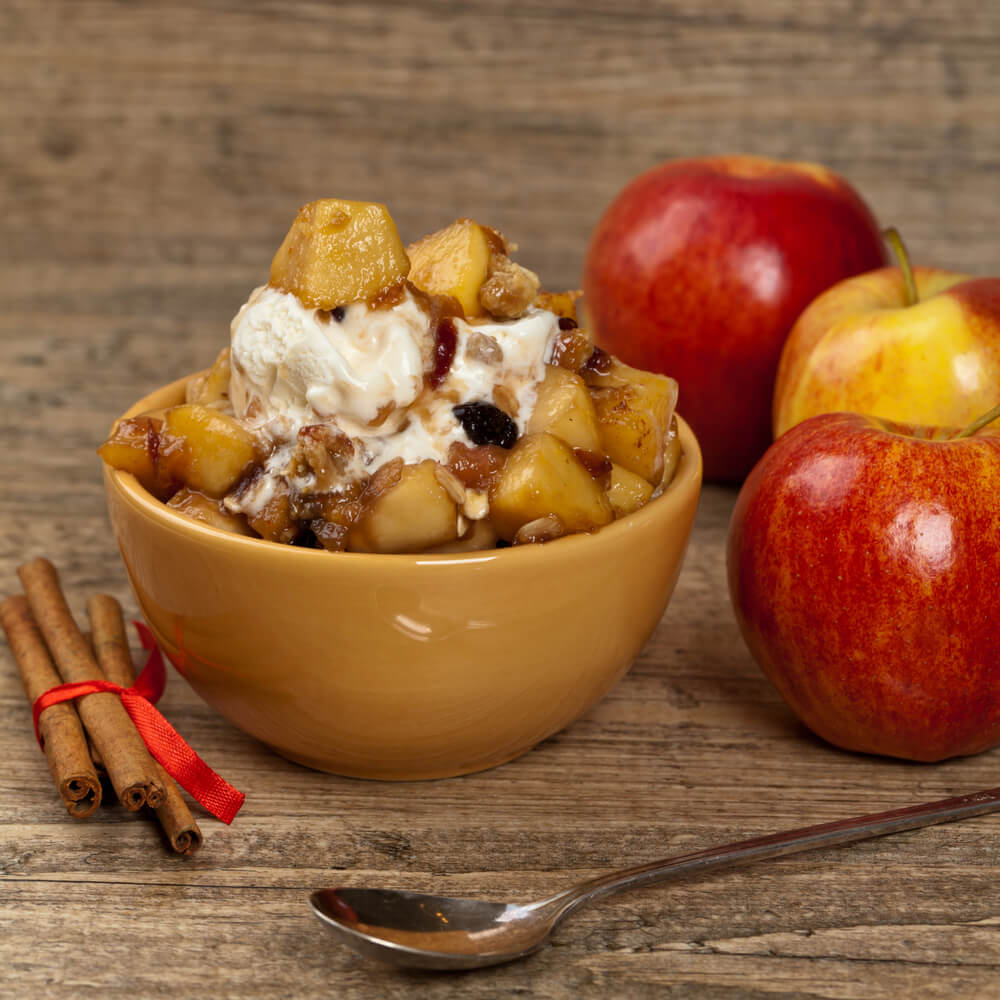
This line offered complete dessert kits, including apple crisp and cherry cobbler, designed to be finished in a home oven after a short prep time, at one point including a partnership sourcing fruit fillings from Knott’s Berry Farm. It arrived just as portion-controlled individual desserts were becoming the dominant trend in the freezer aisle. The family-style dessert format did not survive that shift.
Patio Mexican Dinners
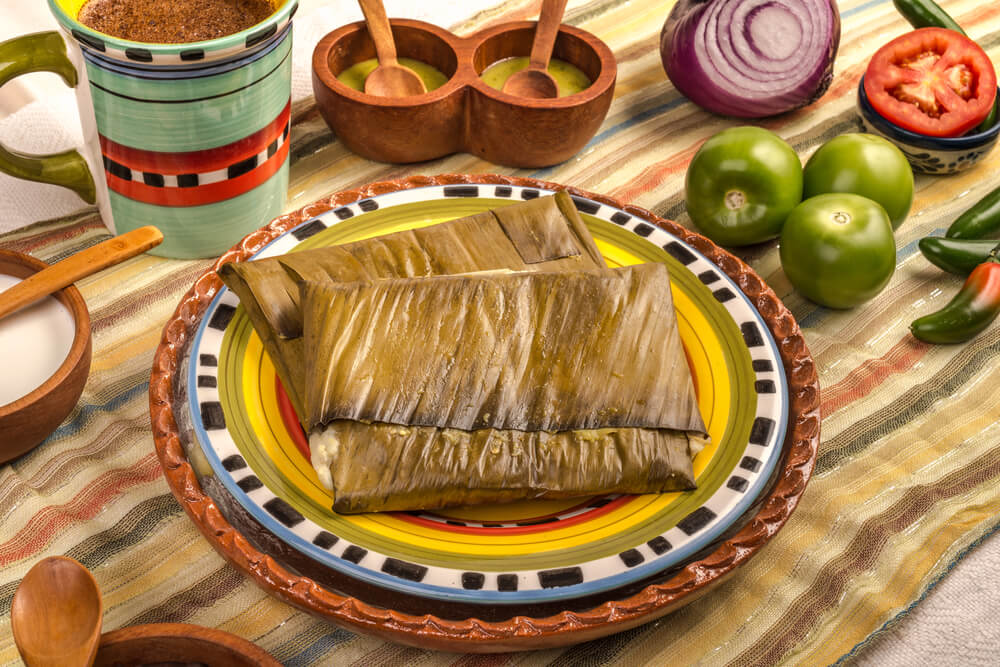
Introduced by the now-defunct American Home Products, Patio offered frozen enchiladas, tamales, and tacos aimed at families wanting a Tex-Mex option in their freezer through the 1960s, 70s, and 80s. Colorful packaging promised an exotic flair that the mild flavors did not always deliver. As tastes shifted and competition increased, the brand was gradually phased out by the late 1990s.
El Charrito Mexican Dinners
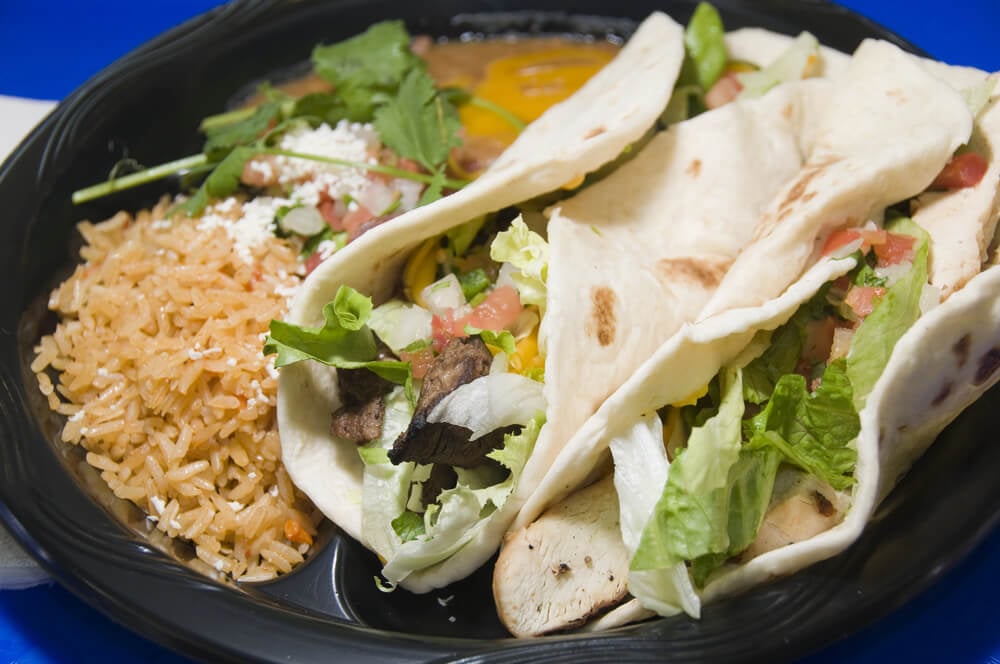
A contemporary of Patio in the frozen Mexican-food category, El Charrito offered a similar lineup of enchiladas and combination plates through the same decades. Both brands eventually consolidated under larger food conglomerates as the category matured. Neither survived the broader shift toward fresher, refrigerated Mexican food options that emerged in later decades.
Kid Cuisine Fish Sticks Meal
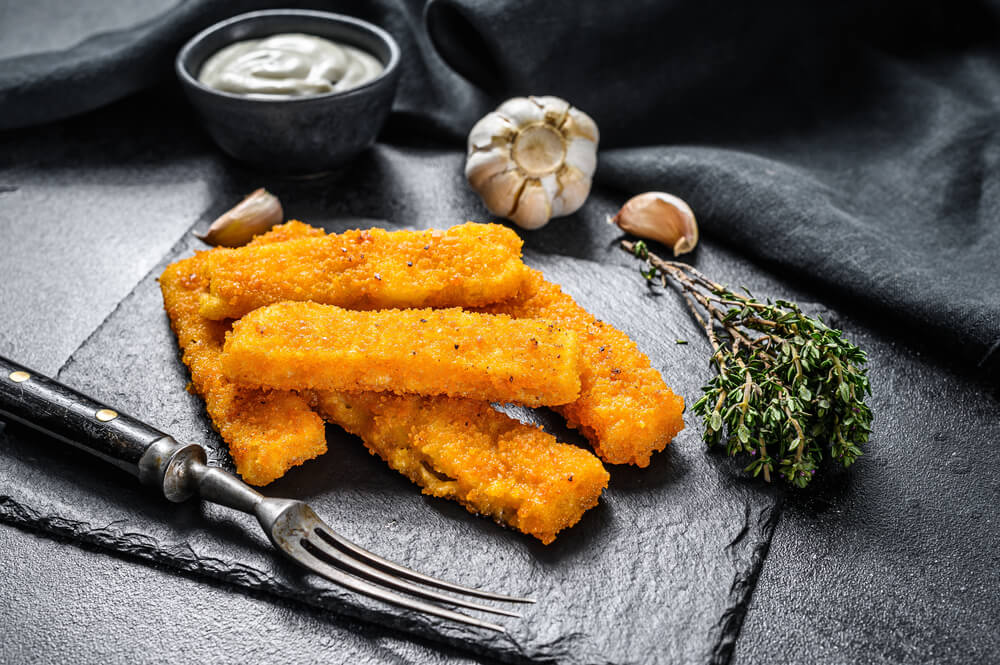
While the Kid Cuisine brand itself remains on shelves, its fish sticks option has quietly disappeared from the lineup over the years as the brand’s offerings rotated toward other proteins. Longtime fans of the brand occasionally note its absence when browsing the freezer case. It remains one of the more specifically missed items within an otherwise still-active product line.
The Original Weight Watchers Frozen Entrée Line
Before the Smart Ones name took over as the primary branding for portion-controlled frozen meals, Weight Watchers sold its entrées under its own name directly, tied closely to the company’s points-based program. The rebrand moved the products toward a broader audience not necessarily enrolled in the weight-loss program itself. The original Weight Watchers-branded packaging is now mostly a memory for longtime dieters.
Jeno’s Pizza
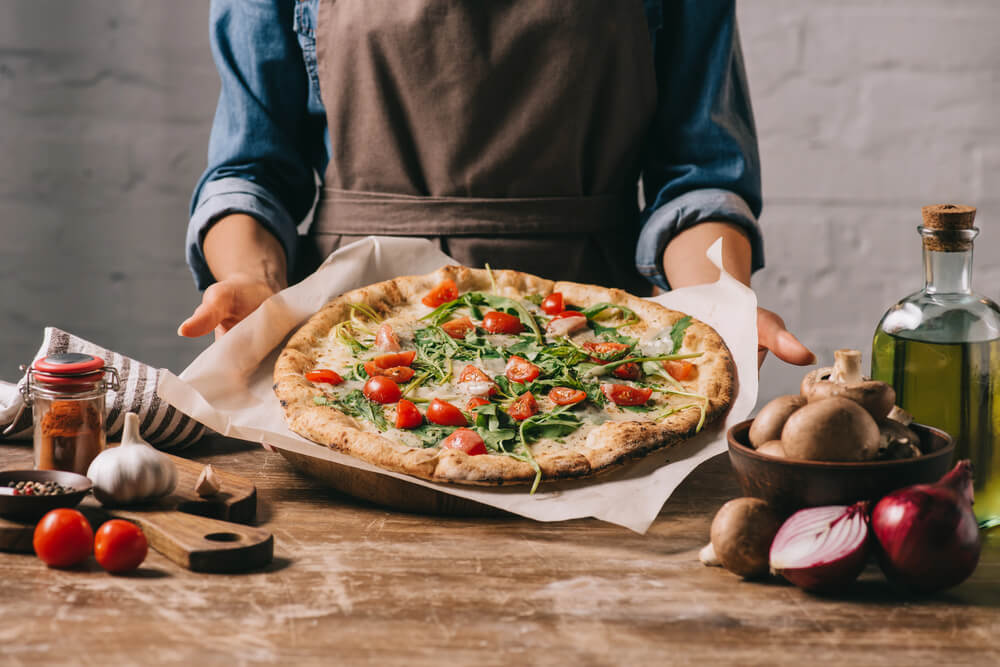
Jeno’s built a following through the 1970s and 80s with its frozen pizza and pizza roll products before parent company Pillsbury gradually shifted the entire lineup under the Totino’s name. The pizza rolls survived the transition and remain widely available today, but the Jeno’s name itself did not. Former fans of the specific packaging and branding rarely see it referenced outside nostalgia articles.
Budget Gourmet
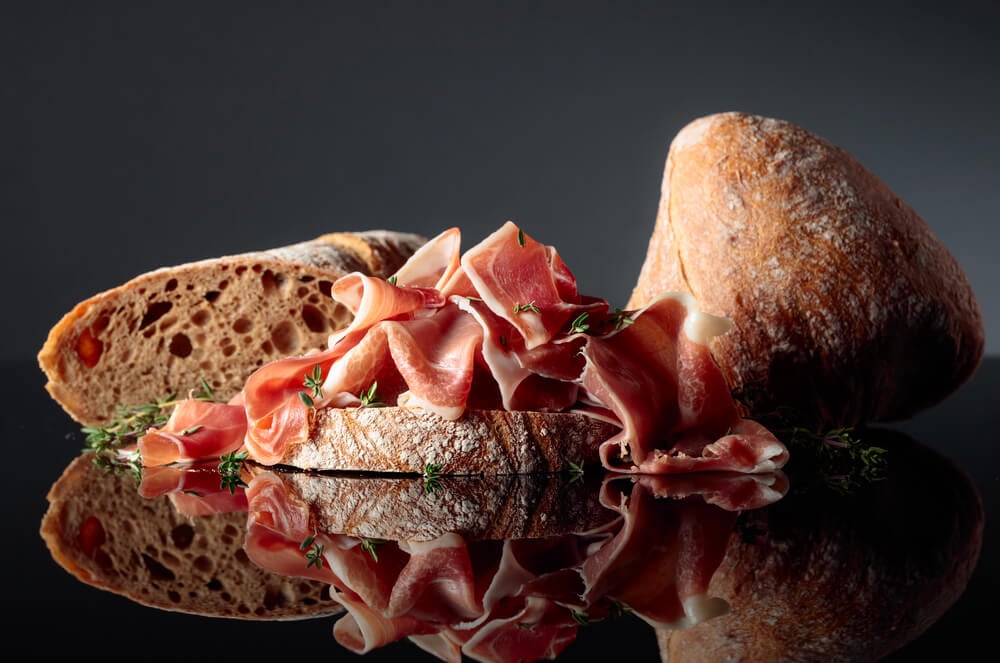
This brand built its identity around offering more elaborate, chef-style frozen entrées at a lower price point than premium competitors, appealing to shoppers who wanted restaurant-style variety without the cost. It was a notable presence in the freezer case through the 1980s and into the 1990s. Changing ownership and increased competition from other value and premium brands eventually pushed it off shelves.
Armour Dinner Classics
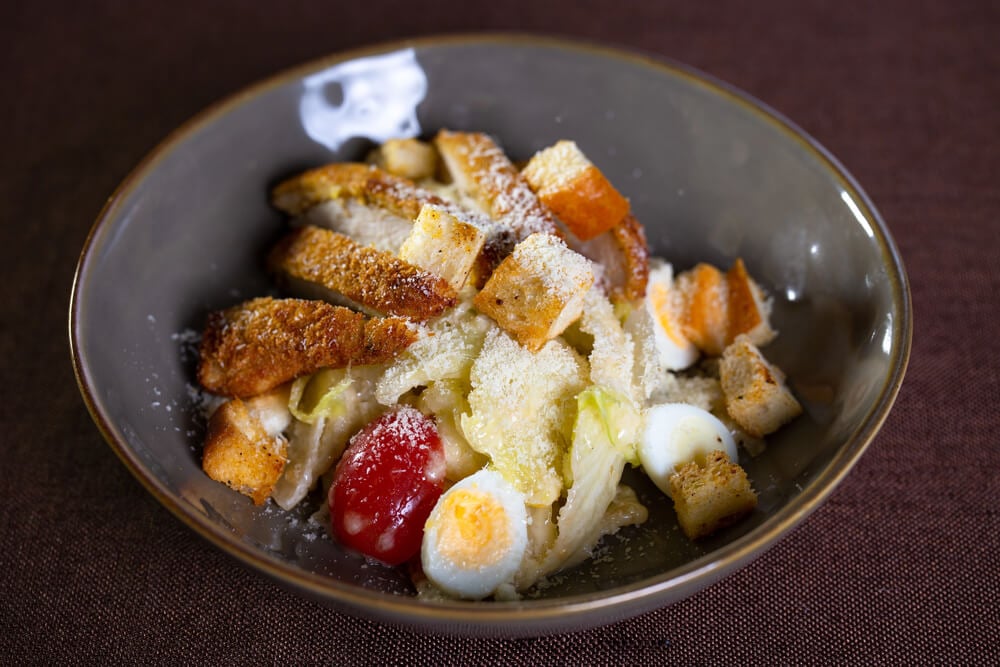
This line positioned itself as a more upscale option in the 1980s frozen dinner market, competing directly against Swanson’s Le Menu with similarly restaurant-inspired presentation. It reflected the era’s broader push to make frozen food feel less like a compromise and more like an actual dinner choice. The brand did not survive the consolidation that reshaped the category through the following decade.
Stouffer’s Right Course
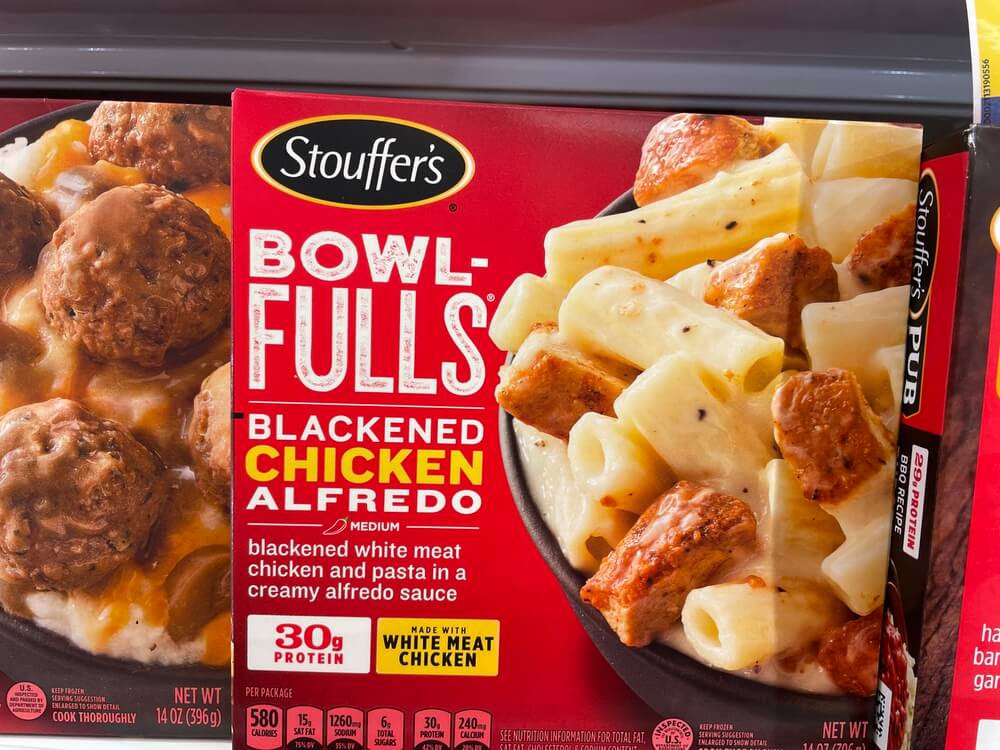
Stouffer’s launched this lighter, lower-calorie line as a companion to its flagship products, aimed at the same health-conscious shoppers Lean Cuisine would later capture more successfully. It arrived around the same period as several competing diet-focused frozen lines. Right Course was eventually folded away as Lean Cuisine became the company’s dominant offering in that category.
Weaver Frozen Chicken Dinners
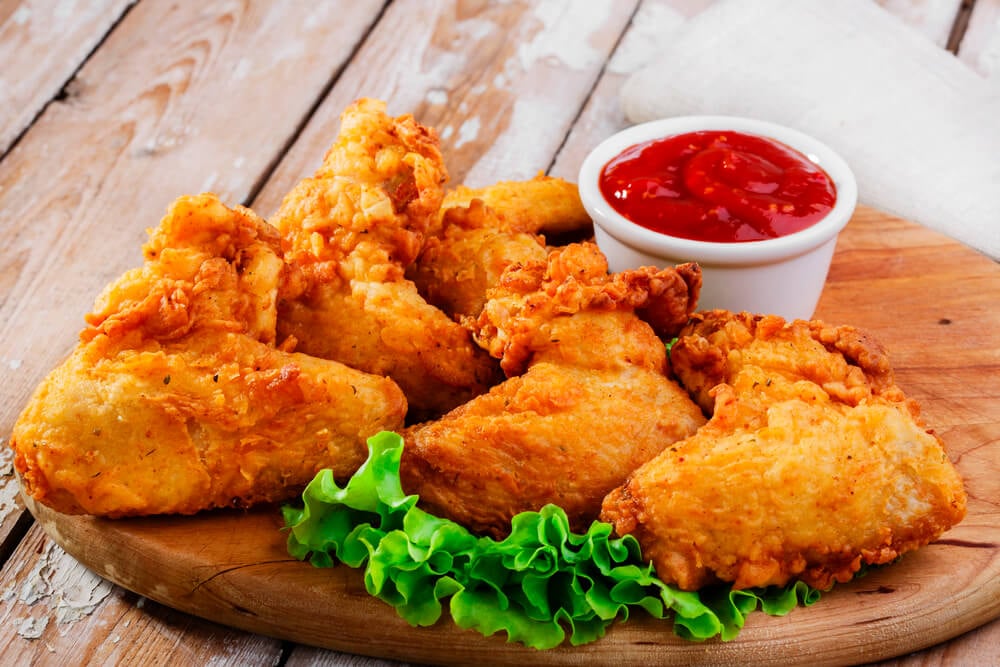
Weaver built a regional following for its breaded and fried chicken products, including full frozen dinner trays built around its signature chicken pieces. The brand was a familiar name in freezers well before national poultry brands consolidated the category. It has since largely disappeared from the shelves it once occupied.
Ultra Slim-Fast Frozen Entrées
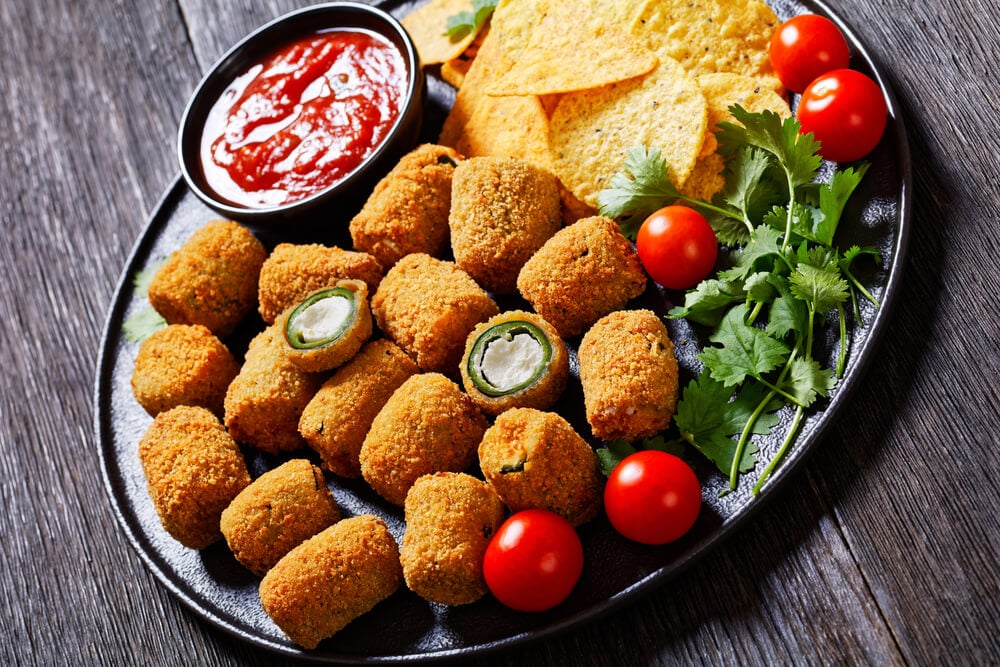
As part of a broader diet-brand expansion beyond its original powdered shake product, Slim-Fast introduced a line of frozen entrées meant to extend its meal-replacement program into a wider range of food formats. The frozen line did not achieve the same recognition as the company’s original shake products. It was eventually discontinued as the broader Slim-Fast brand’s fortunes declined.
Mrs. Paul’s Fish Dinner Trays
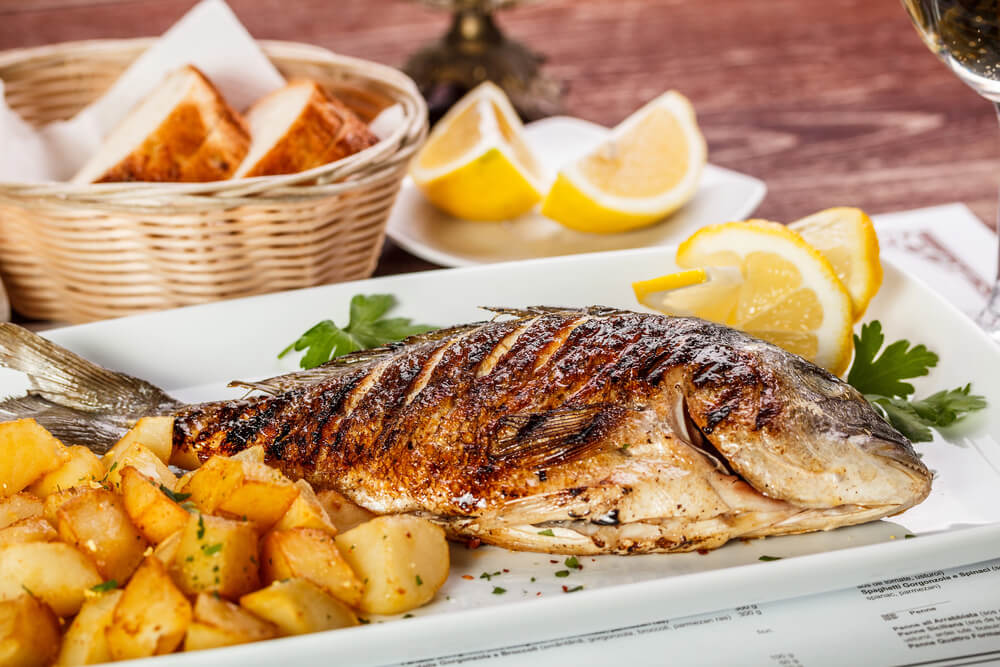
Best known today for fish sticks and fillets sold on their own, Mrs. Paul’s also once offered complete frozen dinner trays that paired its seafood with vegetables and a starch in a single package. The standalone dinner format was eventually discontinued in favor of the simpler, single-item seafood products the brand still sells. The full-tray format is remembered mainly by shoppers who grew up buying it in the 1970s and 80s.
Van de Kamp’s Mexican Style Dinners
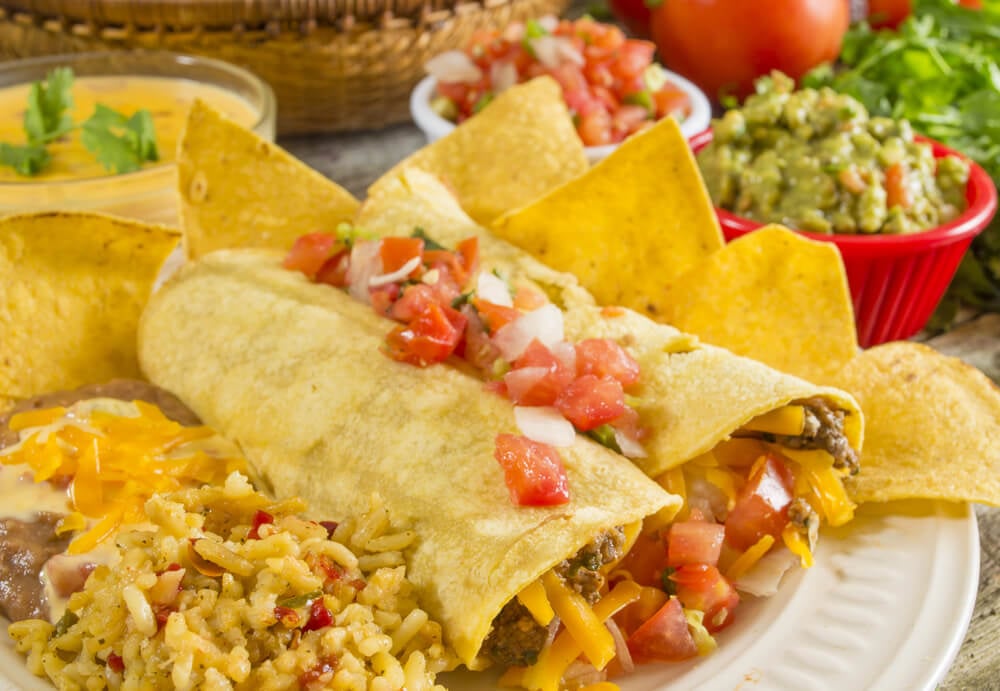
Better known today for its seafood products, Van de Kamp’s also had a period offering Mexican-style frozen dinners as competition in the same category as Patio and El Charrito heated up. The Mexican-food division did not survive as the brand consolidated its focus around seafood. Few current shoppers associate the name with anything other than fish products.
Howard Johnson’s Frozen Fried Clam Dinner
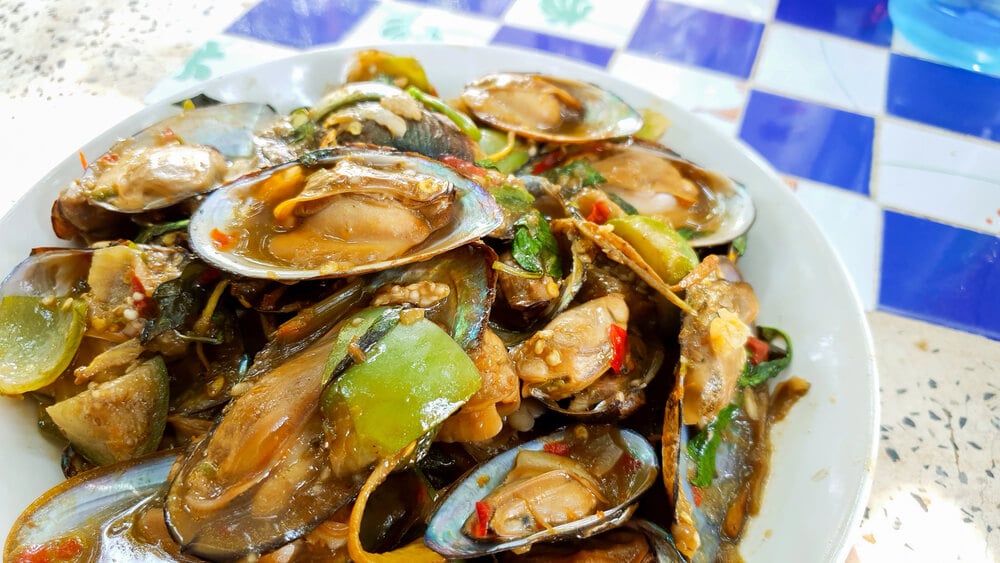
Best known for its restaurant chain and ice cream, Howard Johnson’s also sold a line of frozen dinners, including a fried clam dinner that traded on the chain’s restaurant reputation for the dish. It let families recreate a version of the restaurant experience at home. As the restaurant chain itself declined through the following decades, its frozen food line disappeared along with it.
Green Giant Boil-in-Bag Dinners
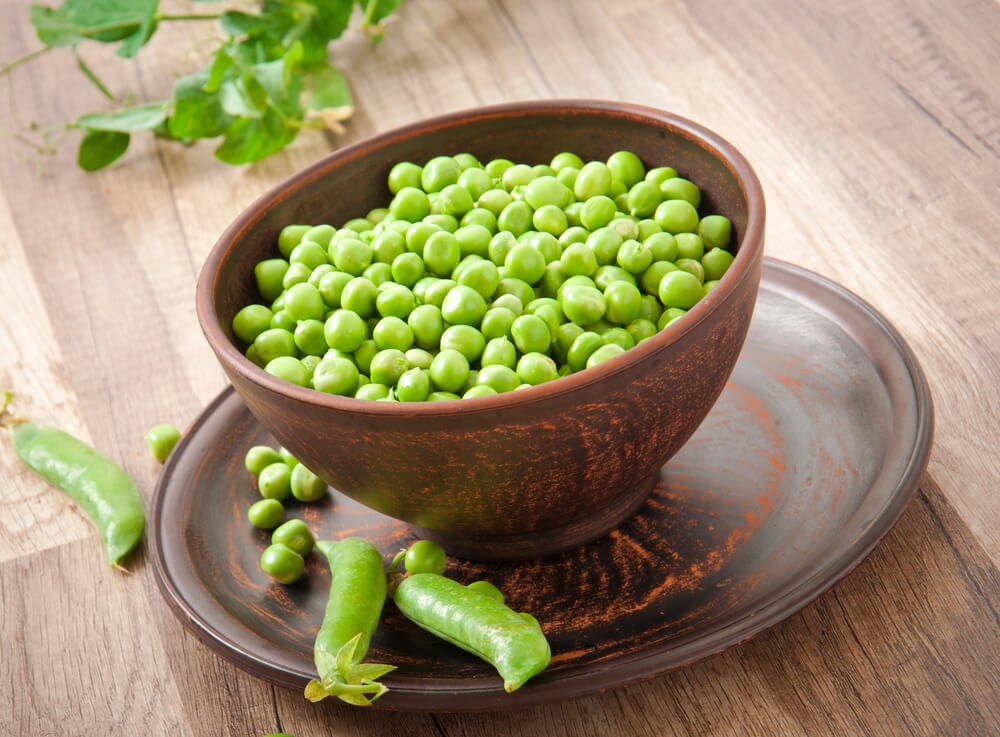
Before microwave ovens became standard kitchen equipment, several brands sold dinners meant to be heated by dropping a sealed bag into boiling water, and Green Giant offered its own line built around this format. The technique required no oven and no cleanup beyond the bag itself. As microwave ovens became widespread through the 1980s, the boil-in-bag format lost its main advantage and gradually disappeared.
Tyson Looney Tunes Frozen Dinners
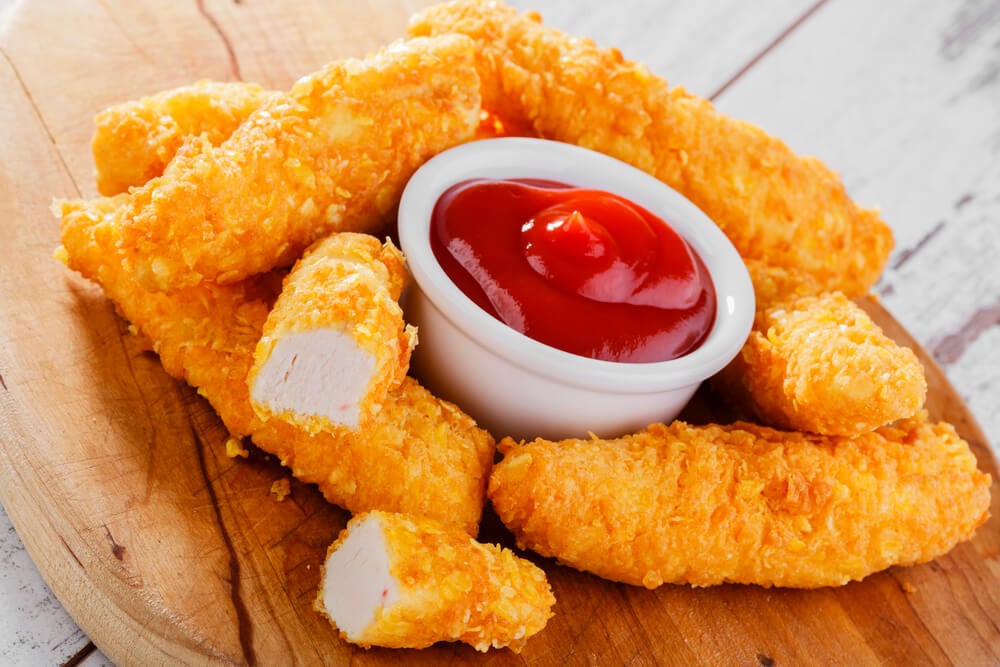
Tyson licensed the Looney Tunes characters for a line of kid-focused frozen dinners in the 1990s, part of a broader wave of character-branded food products aimed at getting children excited about mealtime. The line competed directly against Kid Cuisine and similar branded options. It did not survive the licensing agreement’s eventual expiration.
Sara Lee Frozen Pot Pie Dinners
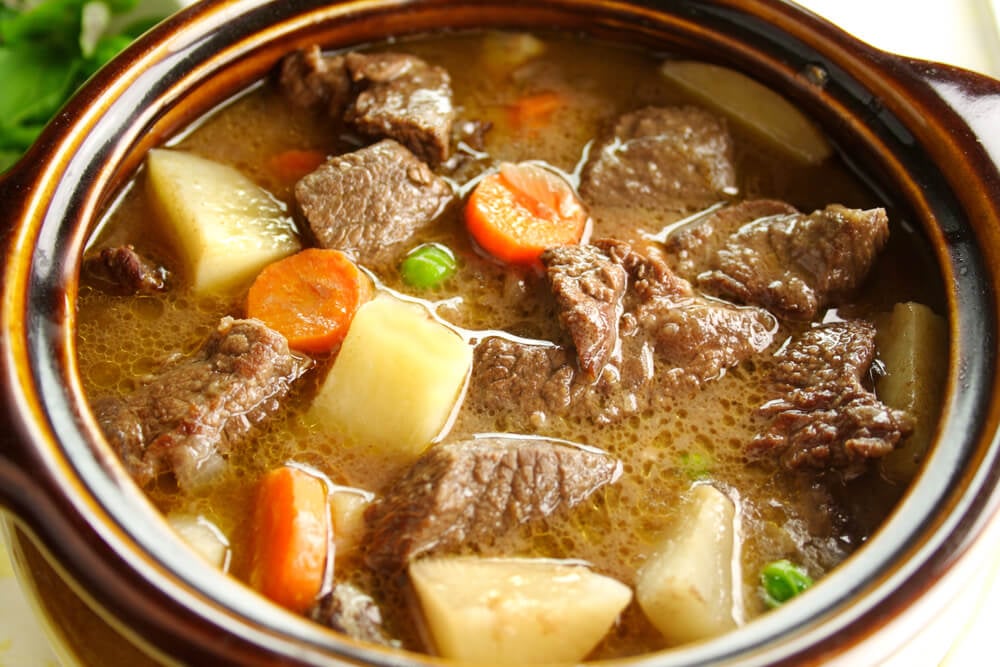
Sara Lee, better known today for baked goods, once sold a line of frozen chicken and beef pot pie dinners aimed at competing with Banquet and Swanson’s own pie offerings. The product line reflected the company’s broader reach into savory frozen food before it eventually refocused around desserts and baked goods. The pot pie dinners quietly disappeared as that refocusing took hold.
Ore-Ida Self-Sizzling Steak Dinners
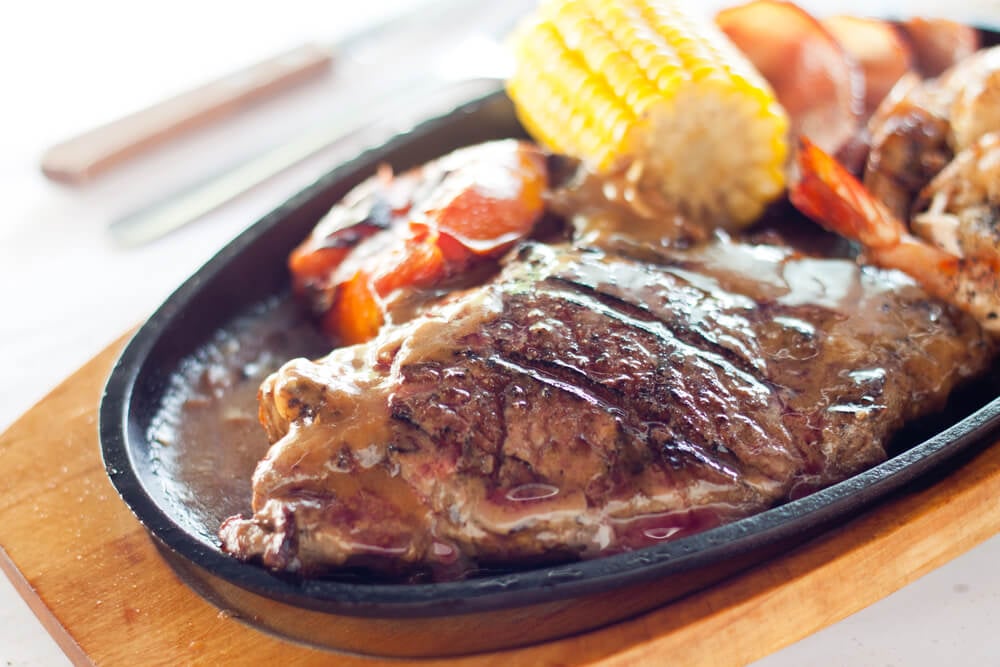
Ore-Ida, a brand better known today for potato products, once marketed a frozen steak dinner packaged with a specially designed tray meant to produce an audible sizzle once placed in a hot oven. The novelty was part of the product’s main selling point, promising a restaurant-style presentation at home. It disappeared from the company’s lineup as Ore-Ida narrowed its focus back toward the potato products that remain its core identity today.
What the Freezer Case Actually Tracks
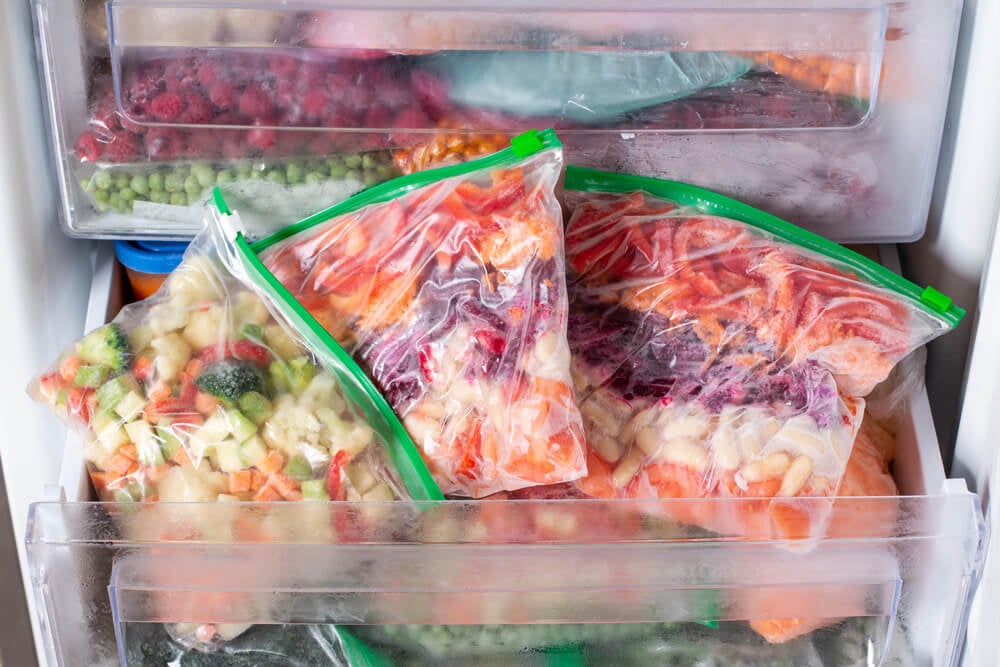
Every one of these products disappeared for a reason that had little to do with taste and everything to do with how families were actually eating. Family-style trays gave way to individual portions once microwaves made single servings practical. Regional brands lost shelf space once national conglomerates consolidated the category. Diet-focused lines multiplied until only the strongest survived the competition.
None of it happened suddenly. Each disappearance was gradual enough that most shoppers only noticed after the fact, reaching for a familiar box that simply was not there anymore. The freezer case looks stable from week to week, but it has been quietly rewritten many times over, one discontinued dinner at a time.
More from Go2Tutors!

- The Romanov Crown Jewels and Their Tragic Fate
- 13 Historical Mysteries That Science Still Can’t Solve
- Famous Hoaxes That Fooled the World for Years
- 15 Child Stars with Tragic Adult Lives
- 16 Famous Jewelry Pieces in History
Like Go2Tutors’s content? Follow us on MSN.