18 Calendars Used Before the One We Have
The Gregorian calendar, adopted by Pope Gregory XIII in 1582, is barely 450 years old, a blink compared to the systems humans used to track time for thousands of years before it. Some of these older calendars were remarkably accurate; others were reshaped for political or religious reasons and abandoned within a generation.
The Julian Calendar
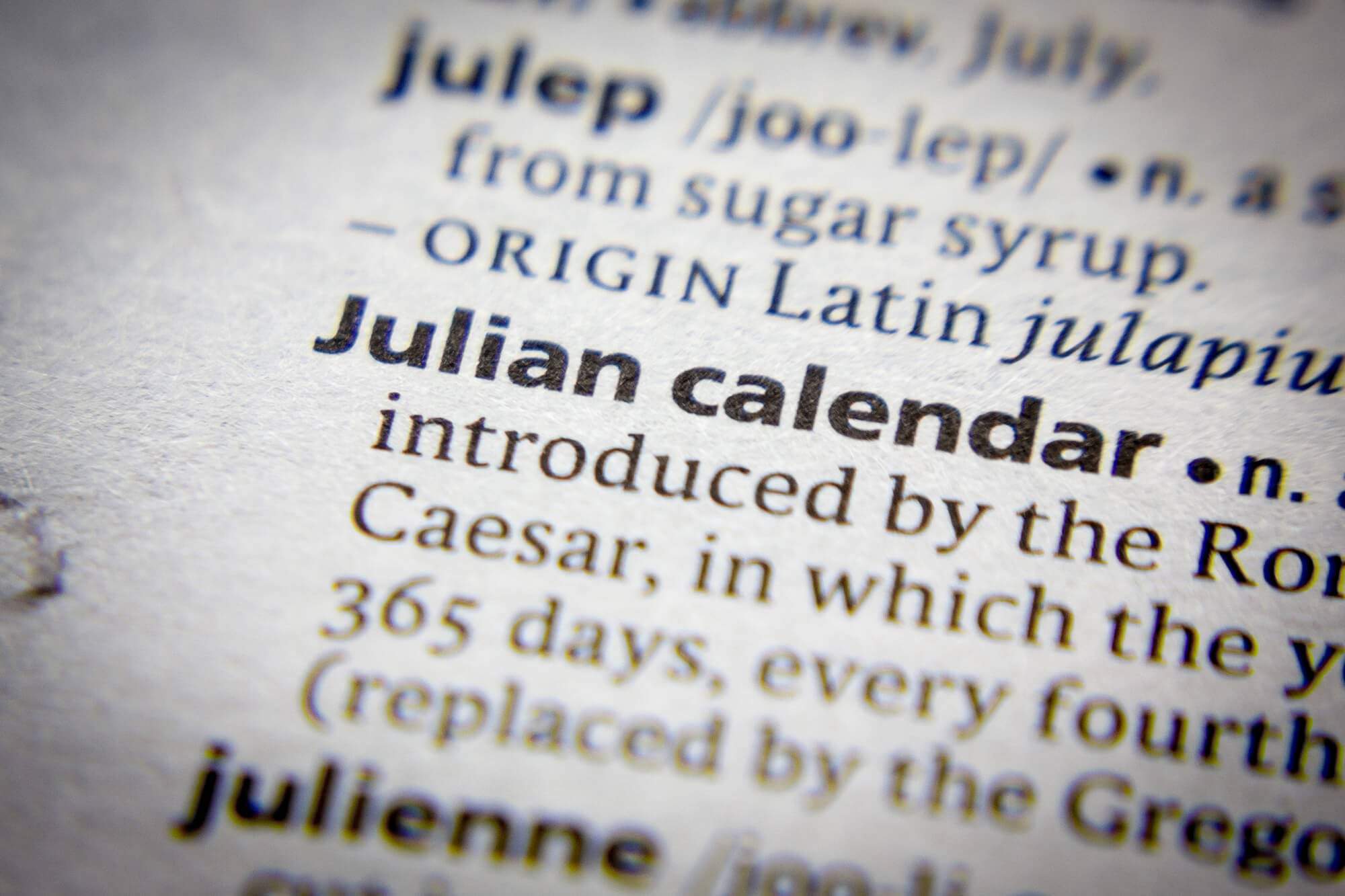
Introduced by Julius Caesar in 45 BCE on the advice of the astronomer Sosigenes, the Julian calendar fixed the year at 365.25 days with a leap day every four years. It was a major improvement over the calendar it replaced but drifted from the solar year by about 11 minutes annually, accumulating roughly a ten-day error by the sixteenth century. That drift is precisely what led Pope Gregory XIII to commission its replacement.
The Roman Republican Calendar
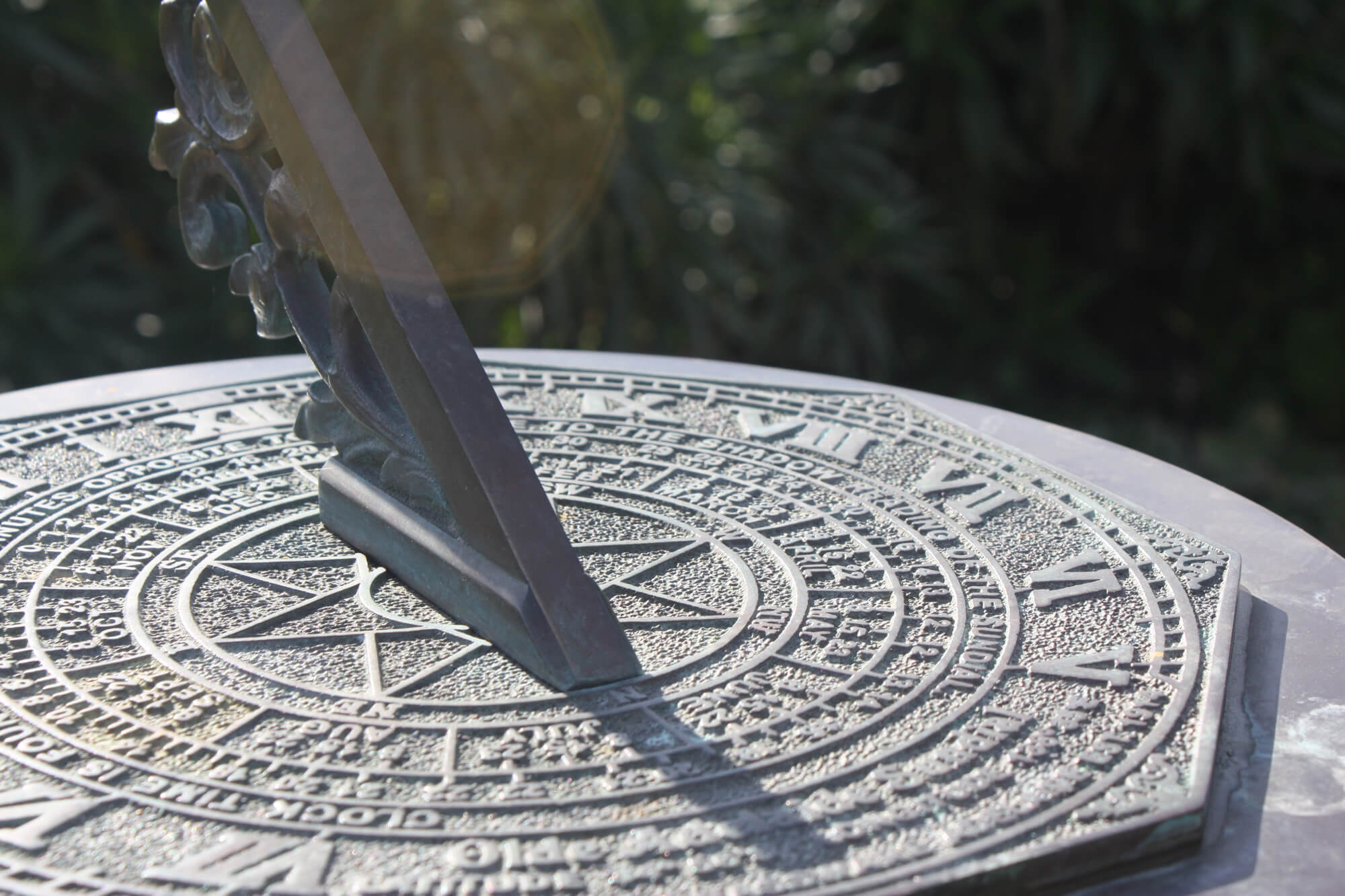
Before Caesar’s reform, Rome used a calendar of 355 days across twelve months, kept roughly aligned with the seasons by an occasional extra month inserted at the discretion of the Pontifex Maximus. Because that insertion was often manipulated for political reasons, extending the terms of favored officials, the calendar drifted badly out of sync with the actual seasons by the first century BCE. Caesar’s reform was in part a direct response to this manipulation.
The Egyptian Civil Calendar
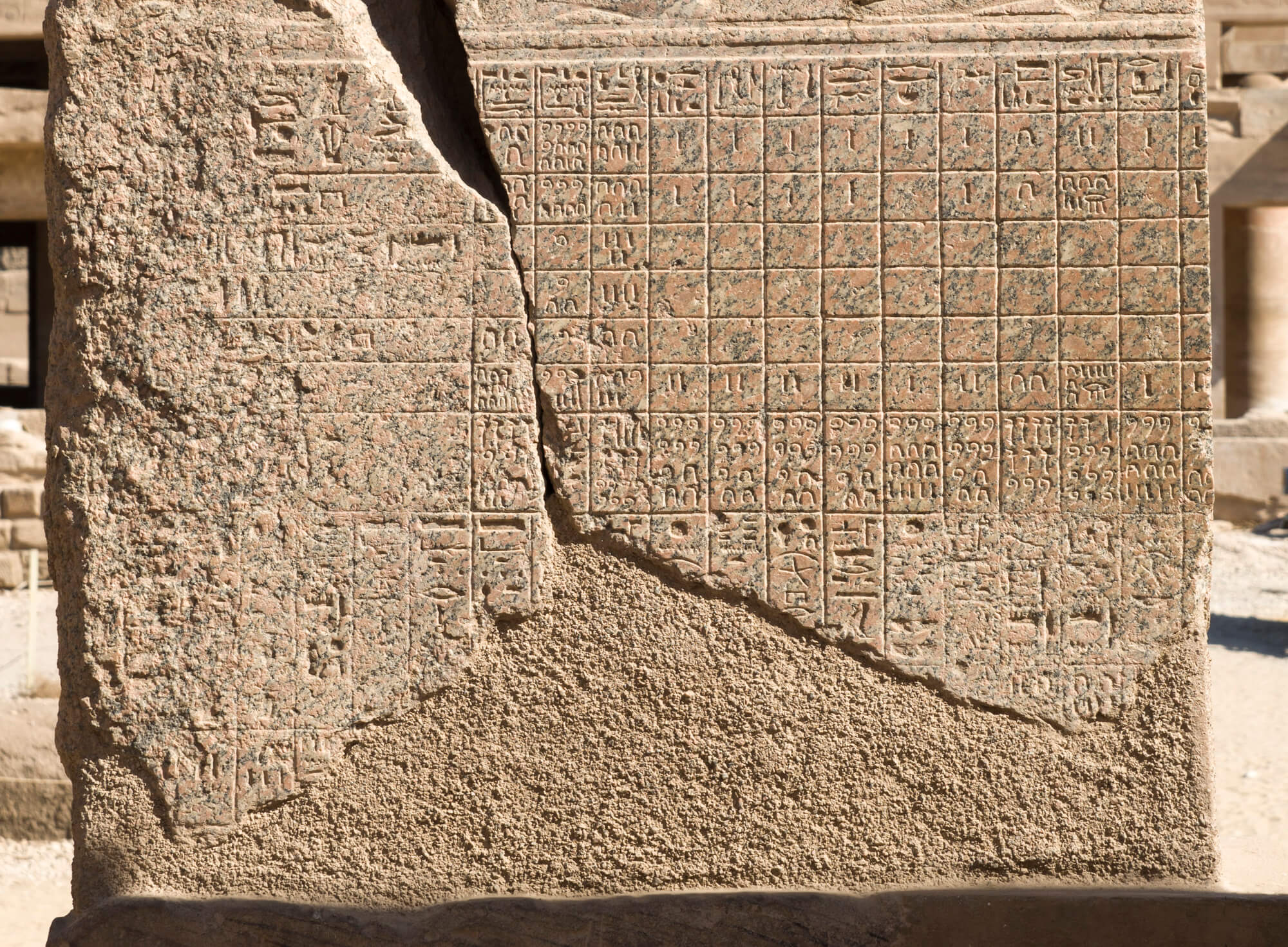
Ancient Egypt used a 365-day calendar of twelve 30-day months plus five extra days at year’s end, one of the earliest solar calendars known. Because it lacked any leap-year correction, it drifted through the seasons over a 1,460-year cycle, a period the Egyptians themselves tracked and called the Sothic cycle. The calendar remained in use for civil and administrative purposes for well over three thousand years.
The Mayan Long Count
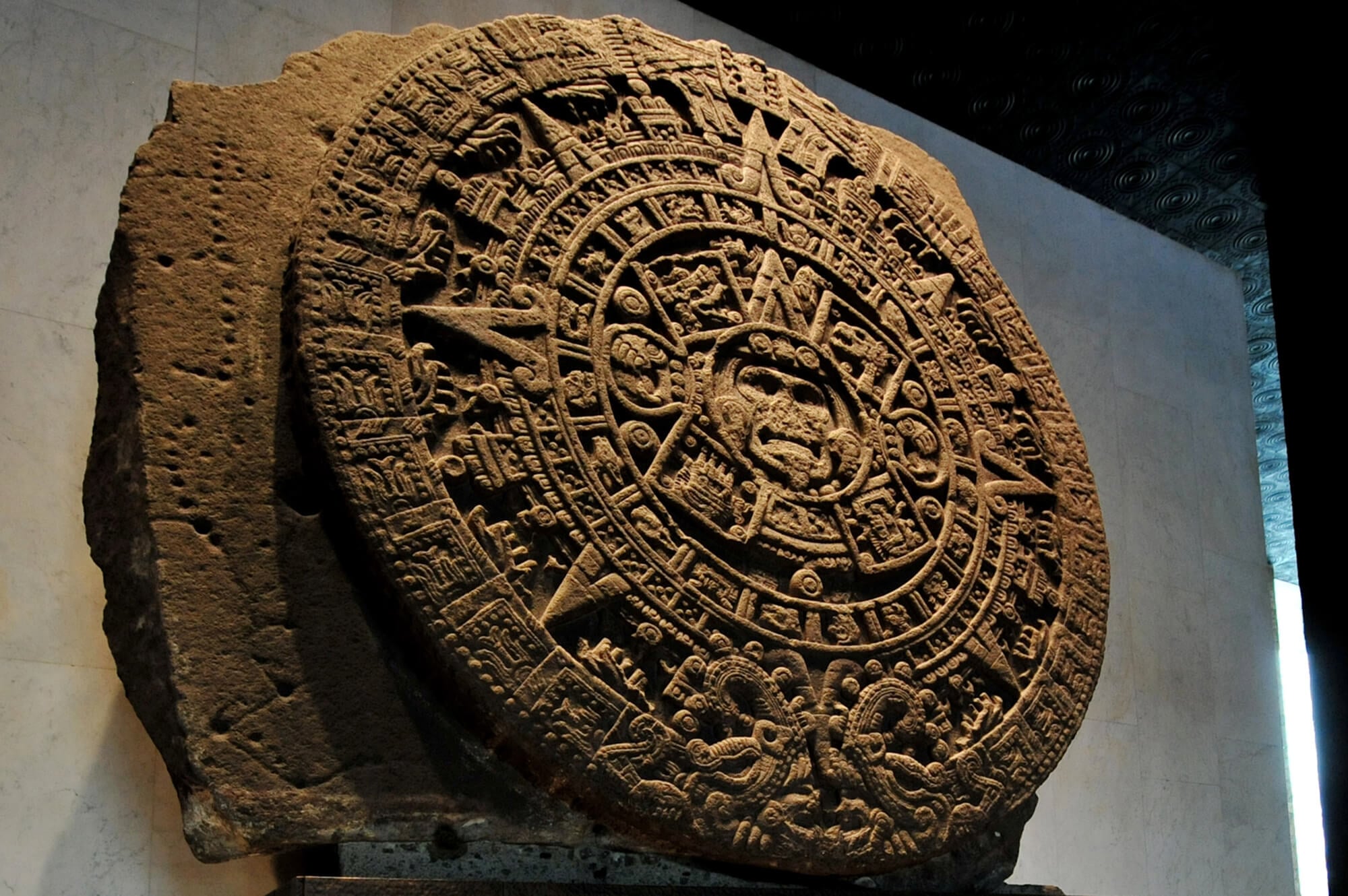
Used by the Classic Maya to track dates across vast spans of time, the Long Count counted days elapsed since a mythological starting point in 3114 BCE using a place-value system based on units of 20 and 18. It is the calendar that generated widespread, and ultimately unfounded, doomsday predictions around its completion of a major cycle on December 21, 2012. Alongside the Long Count, the Maya also ran a separate 260-day ritual calendar called the Tzolk’in.
The Tzolk’in
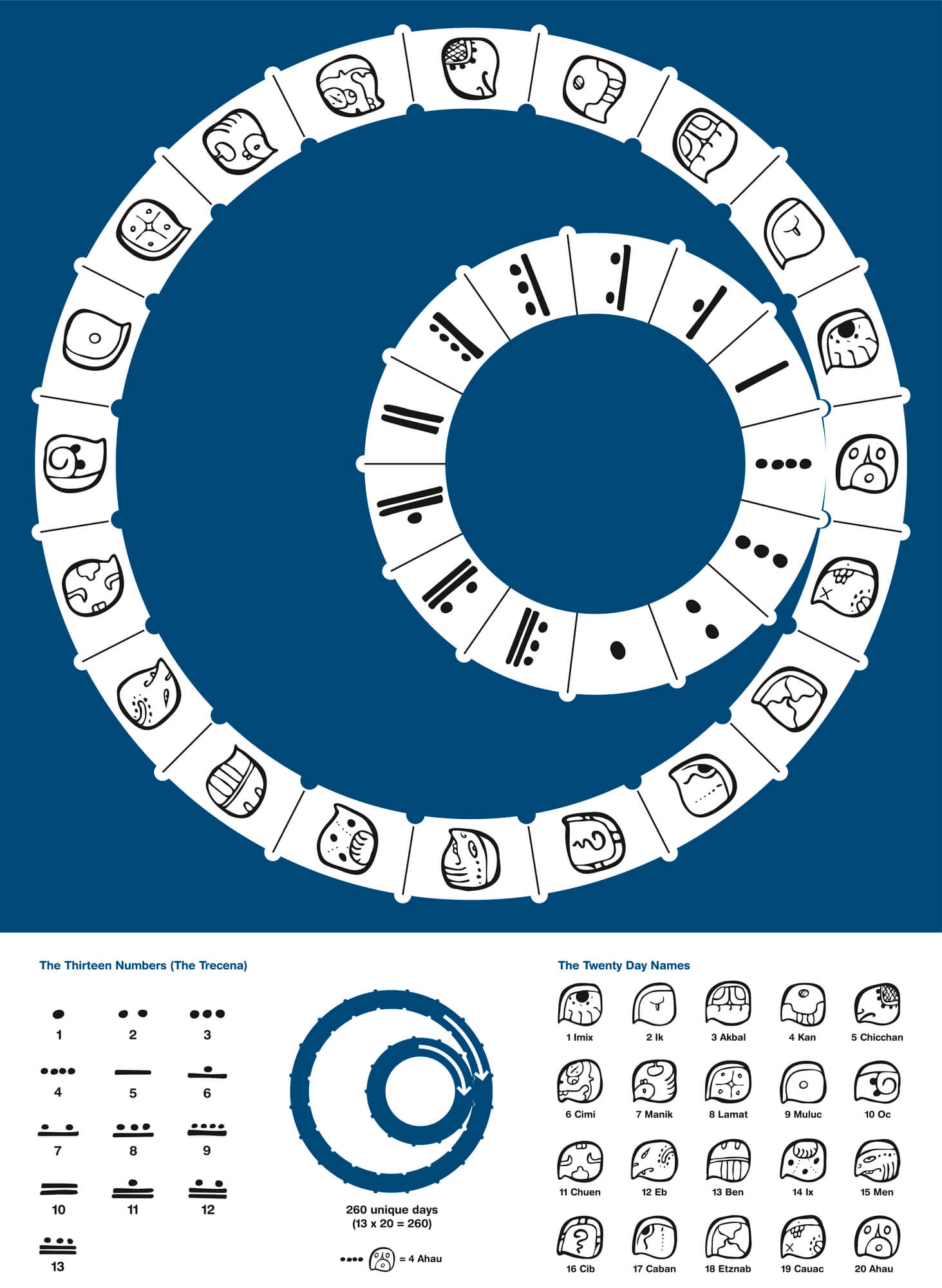
Running in parallel with the Long Count, the 260-day Tzolk’in combined 20 named days with 13 numbers to create a ritual cycle used for divination, naming children, and scheduling ceremonies across Mesoamerica. Its 260-day length does not correspond to any obvious astronomical cycle, and scholars still debate its origin, with theories ranging from the human gestation period to Venus’s visibility cycle. Versions of the Tzolk’in are still used today by some Maya communities in Guatemala.
The Aztec Xiuhpohualli
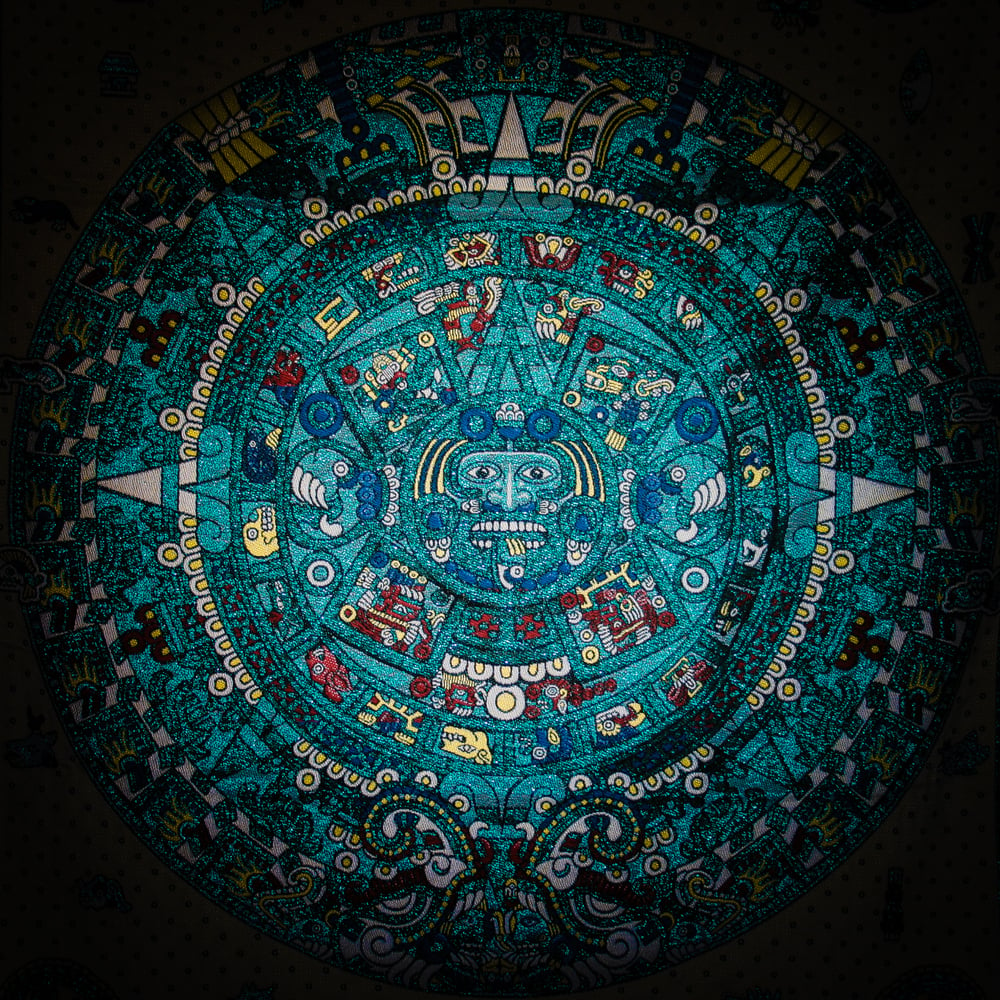
The Aztec solar calendar, the Xiuhpohualli, divided the year into eighteen 20-day months plus five unlucky extra days called the Nemontemi, during which normal activities were suspended. It ran alongside the 260-day Tonalpohualli, a ritual calendar closely related to the Maya Tzolk’in. Every 52 years, the two calendars realigned in an event called the New Fire Ceremony, considered one of the most significant moments in Aztec religious life.
The Babylonian Calendar
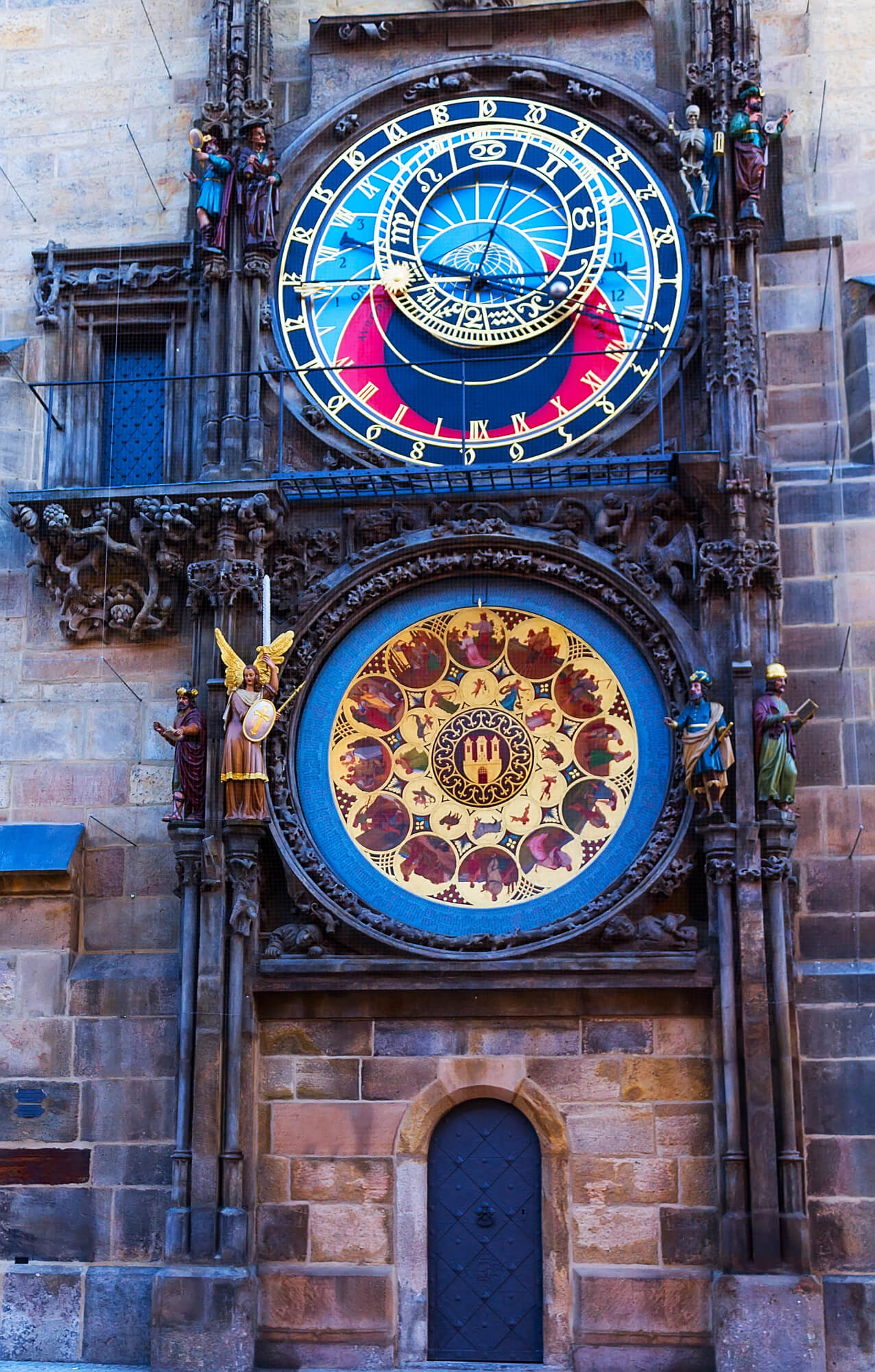
Mesopotamian astronomers developed a lunisolar calendar around the second millennium BCE, tracking months by the moon’s phases and periodically inserting an extra month to keep the calendar aligned with the solar year. Babylonian astronomers were the first known to systematically predict when this extra month, called an intercalary month, would be needed. Their calendar structure heavily influenced the later Hebrew calendar still used today.
The French Republican Calendar
Adopted in 1793 during the French Revolution, this calendar replaced the seven-day week with a ten-day “decade” and renamed the months after natural phenomena, such as Brumaire for fog and Thermidor for heat. It was explicitly designed to strip religious references from timekeeping. Napoleon abolished it in 1806, and it briefly reappeared for 18 days during the Paris Commune of 1871 before disappearing for good.
The Attic Calendar
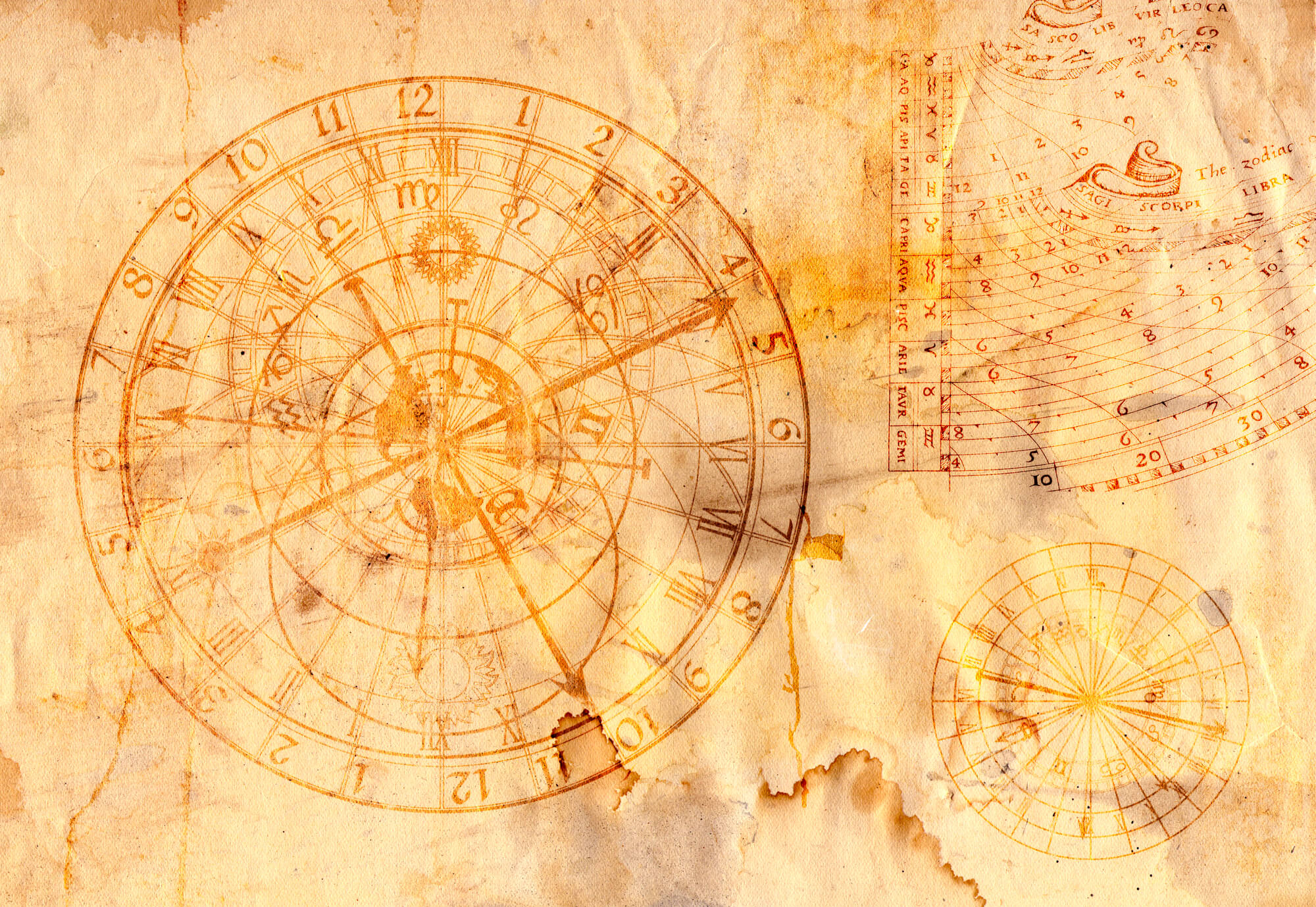
Ancient Athens tracked its year using a lunisolar calendar of twelve months, each named for a religious festival, with the year beginning at the first new moon after the summer solstice. Because Athenian officials adjusted the calendar somewhat irregularly to fit political and religious needs, ancient sources often complain about it falling out of sync with the actual seasons. Modern historians rely heavily on inscriptions and astronomical records to reconstruct exactly which Julian dates specific Attic years correspond to.
The Coptic Calendar
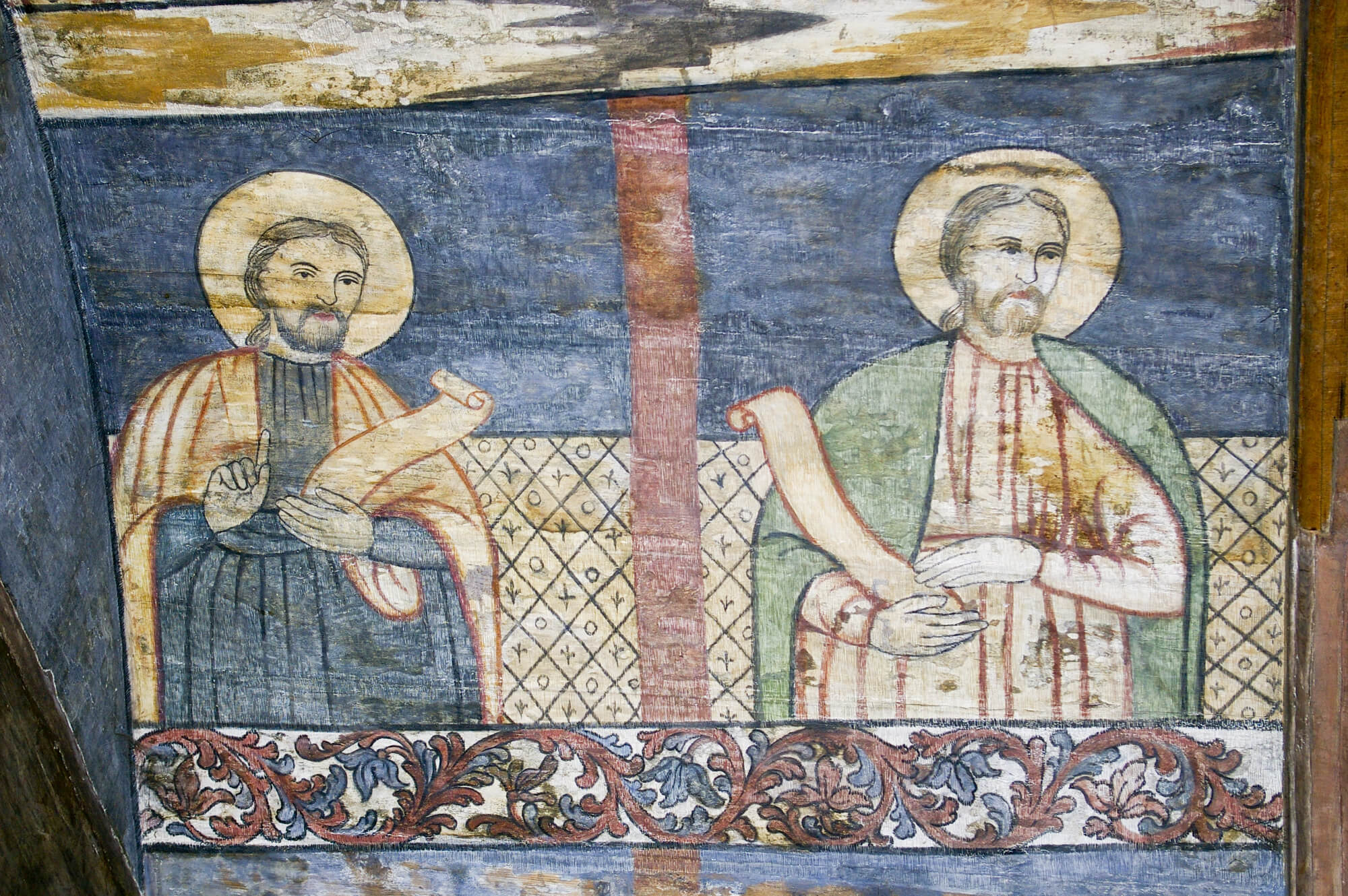
Derived directly from the ancient Egyptian civil calendar but corrected with a leap year, the Coptic calendar has been used by Egypt’s Coptic Christian Church since the fourth century CE to fix the dates of religious feasts. It retains the twelve 30-day months plus five or six extra days structure of its pharaonic ancestor. It remains in active liturgical use today, running in parallel with the Gregorian calendar for civil purposes.
The Ethiopian Calendar
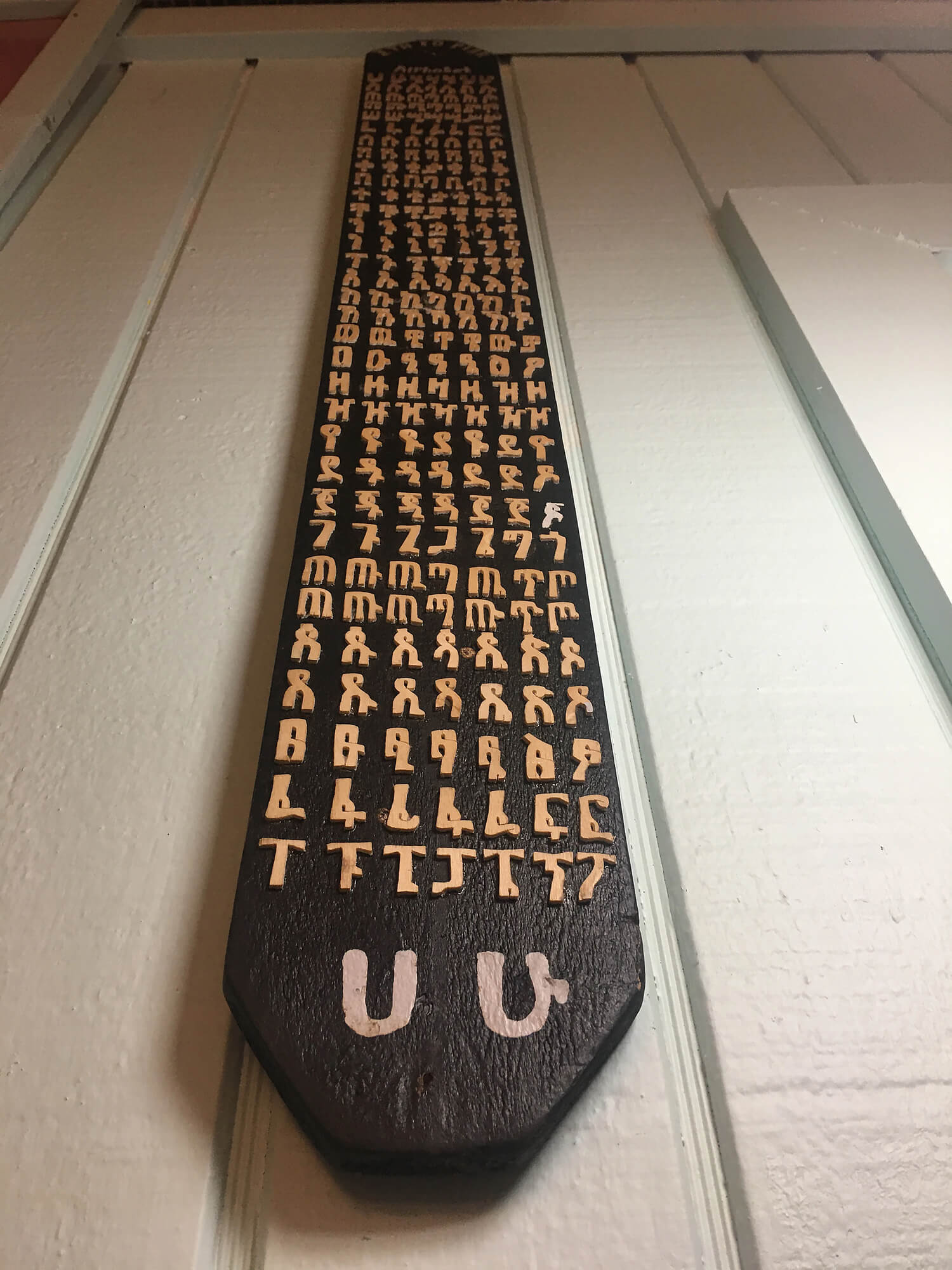
Ethiopia’s calendar, still in official use today, runs roughly seven to eight years behind the Gregorian calendar due to a different calculation of the date of Jesus’s birth made by early Alexandrian theologians. It retains twelve 30-day months plus a thirteenth month of five or six days. Ethiopia is one of very few countries where this older calculation, rather than the later Gregorian one, remains the civil standard.
The Zoroastrian Calendar
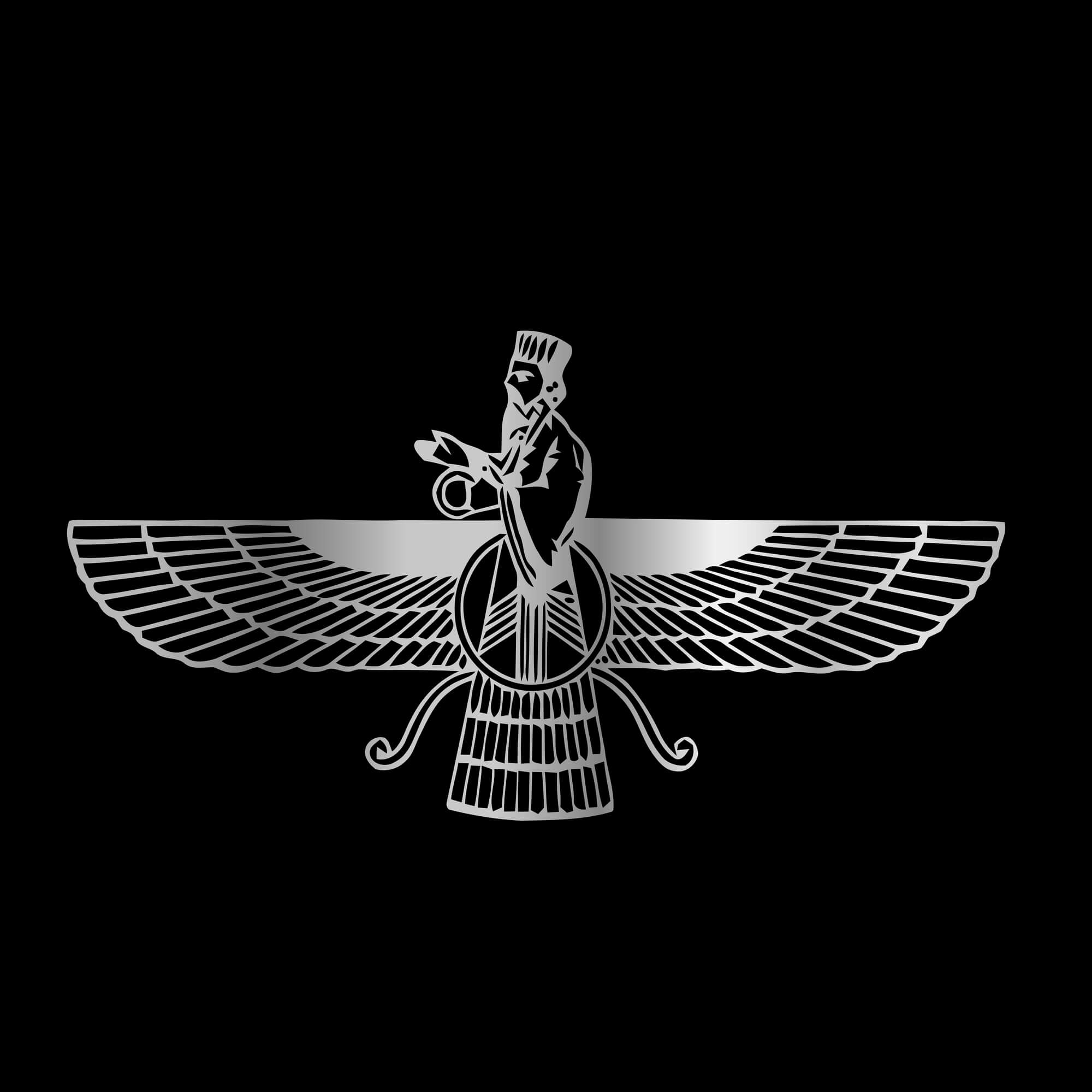
Ancient Persia used a 365-day calendar of twelve 30-day months plus five extra days dedicated to the Gathas, sacred hymns attributed to Zoroaster. Without a leap-year correction, the calendar gradually drifted through the seasons over centuries, prompting periodic reforms under different Persian dynasties. Modified versions of this calendar structure still influence the modern Iranian solar Hijri calendar in use today.
The Inca Calendar
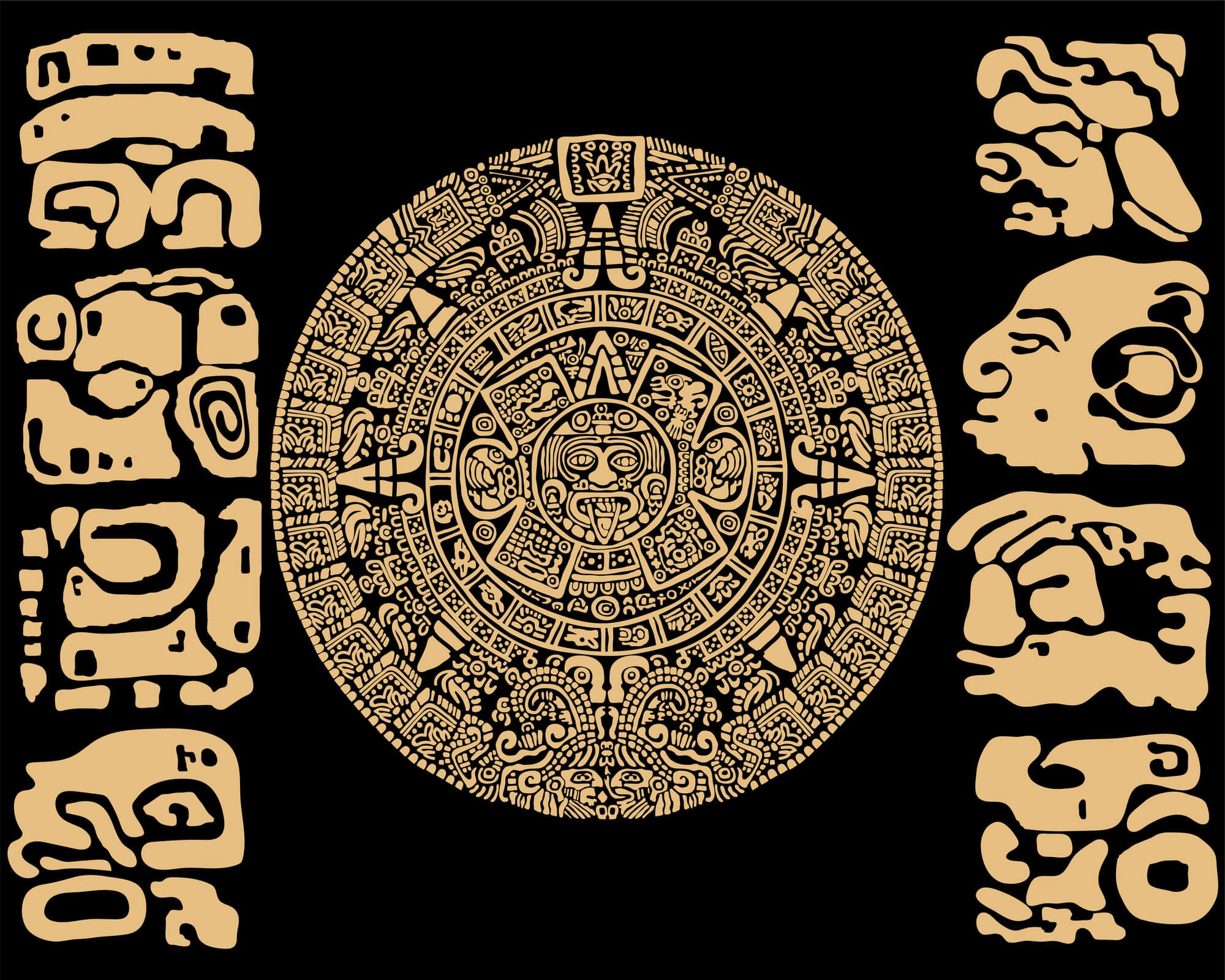
The Inca Empire tracked time using a combination of a 328-day lunar calendar for ritual purposes and a solar calendar calibrated using pillars called sucancas positioned around Cusco to mark solstice sunrises and sunsets. Spanish colonial chroniclers recorded conflicting accounts of exactly how the two systems were reconciled, and much of the original system was disrupted following the Spanish conquest in the 1530s. Reconstructing its precise mechanics remains an active area of archaeological research.
The Coligny Calendar
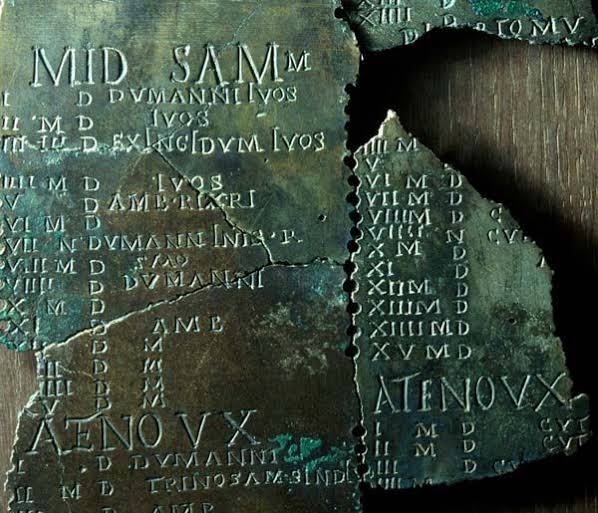
Named for the French town where a bronze fragment of it was discovered in 1897, the Coligny calendar was used by Gaulish Celts and combined lunar months with periodic intercalary months to stay roughly aligned with the solar year. The surviving bronze tablet, dated to around the second century CE, uses Roman numerals but Gaulish month names. It is one of the few substantial surviving records of pre-Roman Celtic timekeeping.
The Hebrew Calendar
Still used today for Jewish religious observance, the Hebrew calendar is a lunisolar system that adds a leap month seven times over a 19-year cycle to keep lunar months aligned with the solar year, a pattern known as the Metonic cycle. Its current fixed mathematical form was standardized around the fourth century CE, traditionally attributed to Hillel II. Before that standardization, new months were determined by direct observation of the crescent moon, reported to religious authorities by witnesses.
The Islamic Hijri Calendar
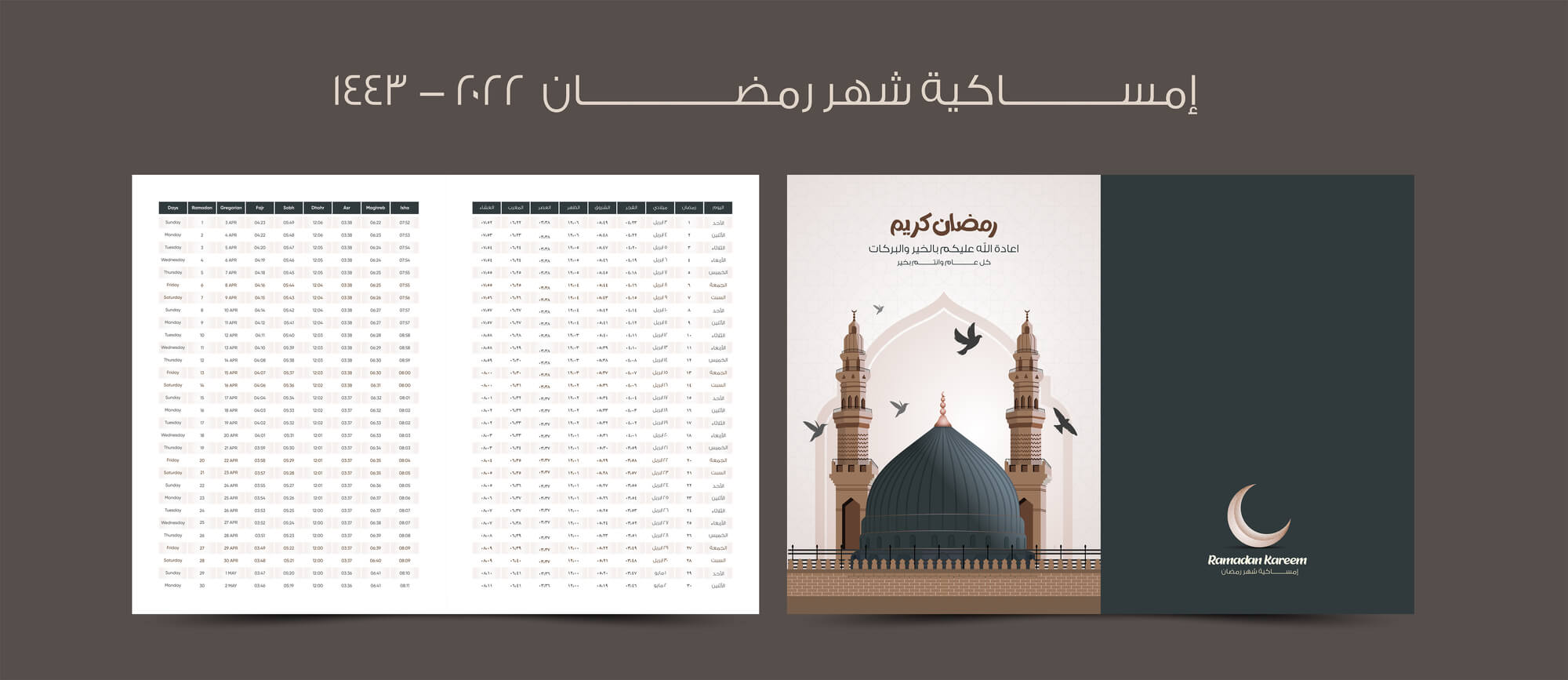
A purely lunar calendar with twelve months of 29 or 30 days and no leap-month correction, the Hijri calendar drifts through the seasons over a roughly 33-year cycle, meaning Islamic holy months like Ramadan shift earlier each solar year. Its epoch begins with the Prophet Muhammad’s migration from Mecca to Medina in 622 CE. It remains the standard religious calendar across the Muslim world and the official civil calendar in Saudi Arabia.
The Chinese Lunisolar Calendar

China’s traditional calendar combines lunar months with solar terms and periodic leap months to track both agricultural seasons and the well-known 12-year zodiac cycle. Records of its use trace back over three thousand years, making it one of the oldest continuously used calendar systems in the world. It remains in active use today for determining the Lunar New Year and other traditional festivals across East Asia.
The Soviet Eternal Calendar
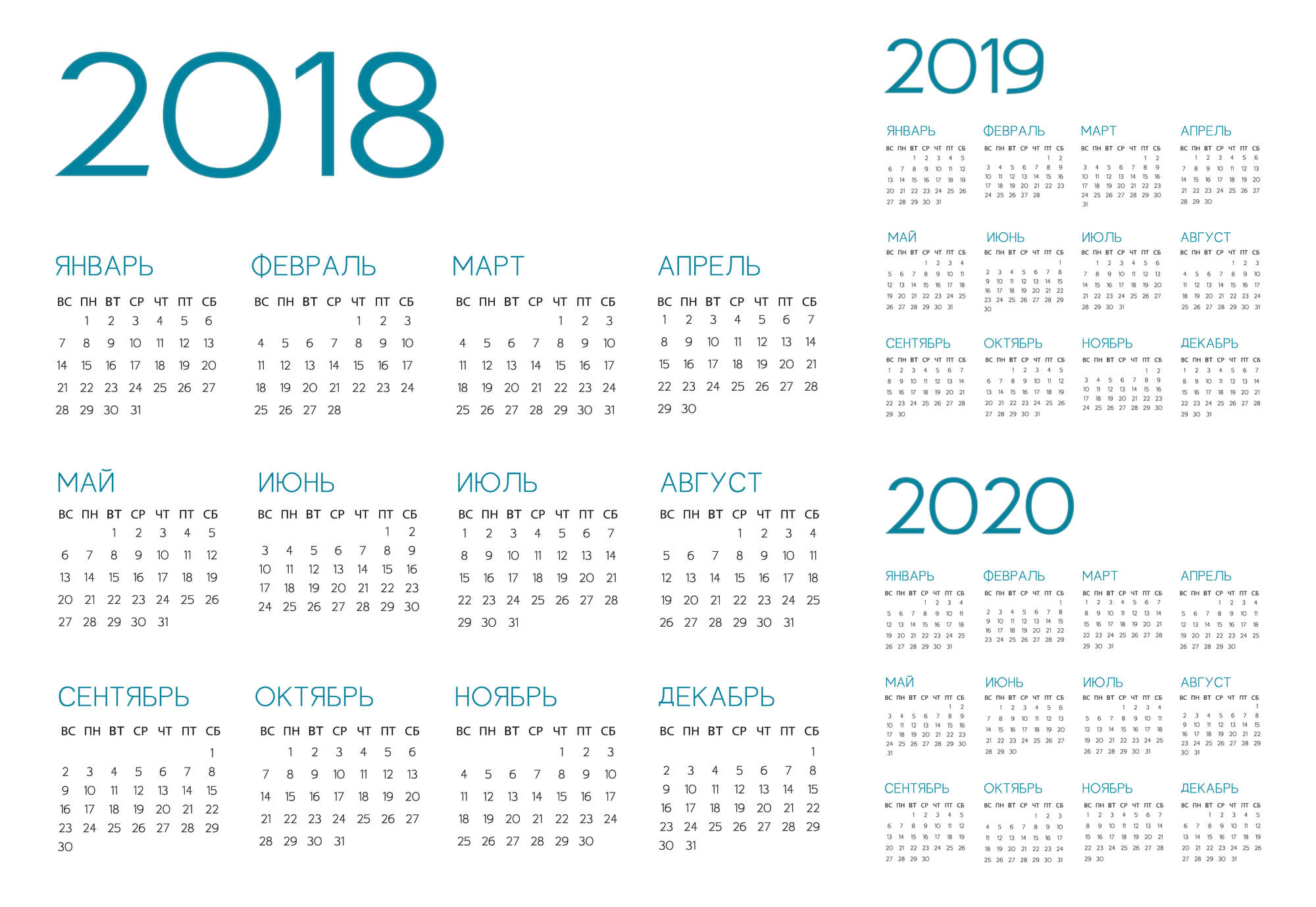
Between 1929 and 1940, the Soviet Union experimented with a five-day and later six-day work week, staggering workers’ rest days across the population to keep factories running continuously, while retaining the underlying Gregorian date structure. The reform was intended to boost industrial output but caused widespread confusion, disrupting coordination between workers, families, and religious observance. Joseph Stalin quietly abandoned the system in 1940, restoring the standard seven-day week.
Time Is a Choice, Not a Fact

Every one of these systems worked, in the sense that it let people plan, farm, worship, and govern. None of them was inevitable. The Gregorian calendar we treat as simply “the” calendar is really just the version that happened to travel with European colonial and commercial power.
Looking at how many ways humans have counted the same orbiting planet is a useful reminder that even our most basic assumptions about time are historical accidents, not natural law. Somewhere, someone was certain their calendar would last forever too.
More from Go2Tutors!

- The Romanov Crown Jewels and Their Tragic Fate
- 13 Historical Mysteries That Science Still Can’t Solve
- Famous Hoaxes That Fooled the World for Years
- 15 Child Stars with Tragic Adult Lives
- 16 Famous Jewelry Pieces in History
Like Go2Tutors’s content? Follow us on MSN.