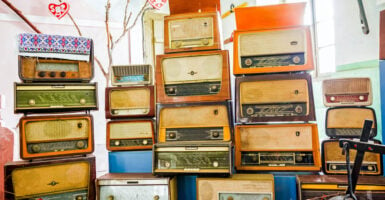
16 Typewriters and Office Relics Buyers Still Want
Long before laptops and cloud storage, offices ran on mechanical typewriters, adding machines, and card files that now attract a dedicated market of collectors, designers, and working writers who prefer the feel of real keys under their fingers. Prices vary enormously based on working condition, completeness of original parts, and whether a machine has been professionally serviced.
Underwood No. 5 Typewriter
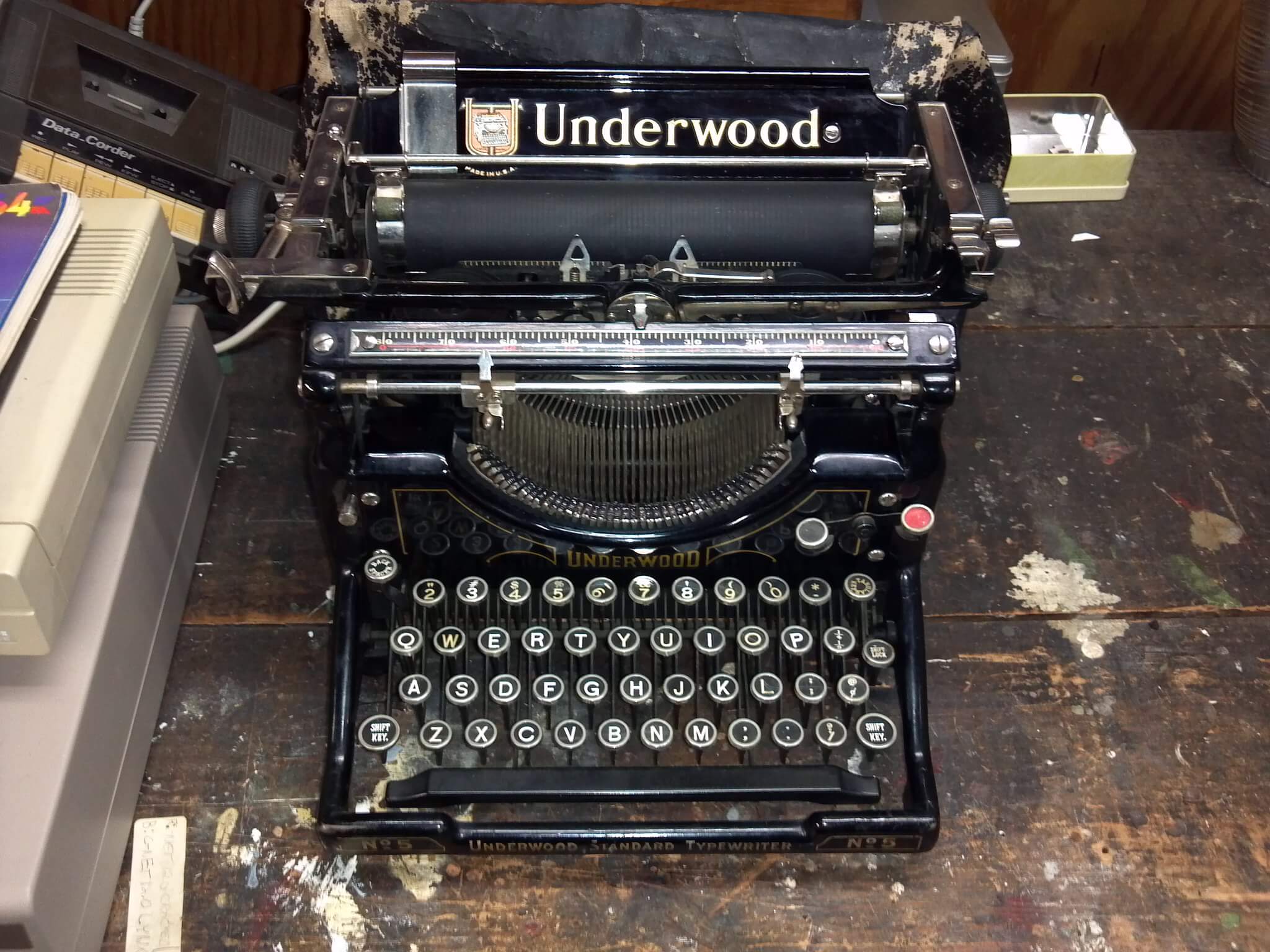
Introduced in 1900, the Underwood No. 5 was the first commercially successful typewriter to feature a visible typing area, letting users see their words as they typed rather than working blind, and it went on to become one of the best-selling typewriters of the early twentieth century. Millions were produced, which keeps prices relatively accessible today compared to rarer models.
Working examples in good cosmetic condition typically sell in the range of $100 to $300.
Remington Standard No. 2 Typewriter
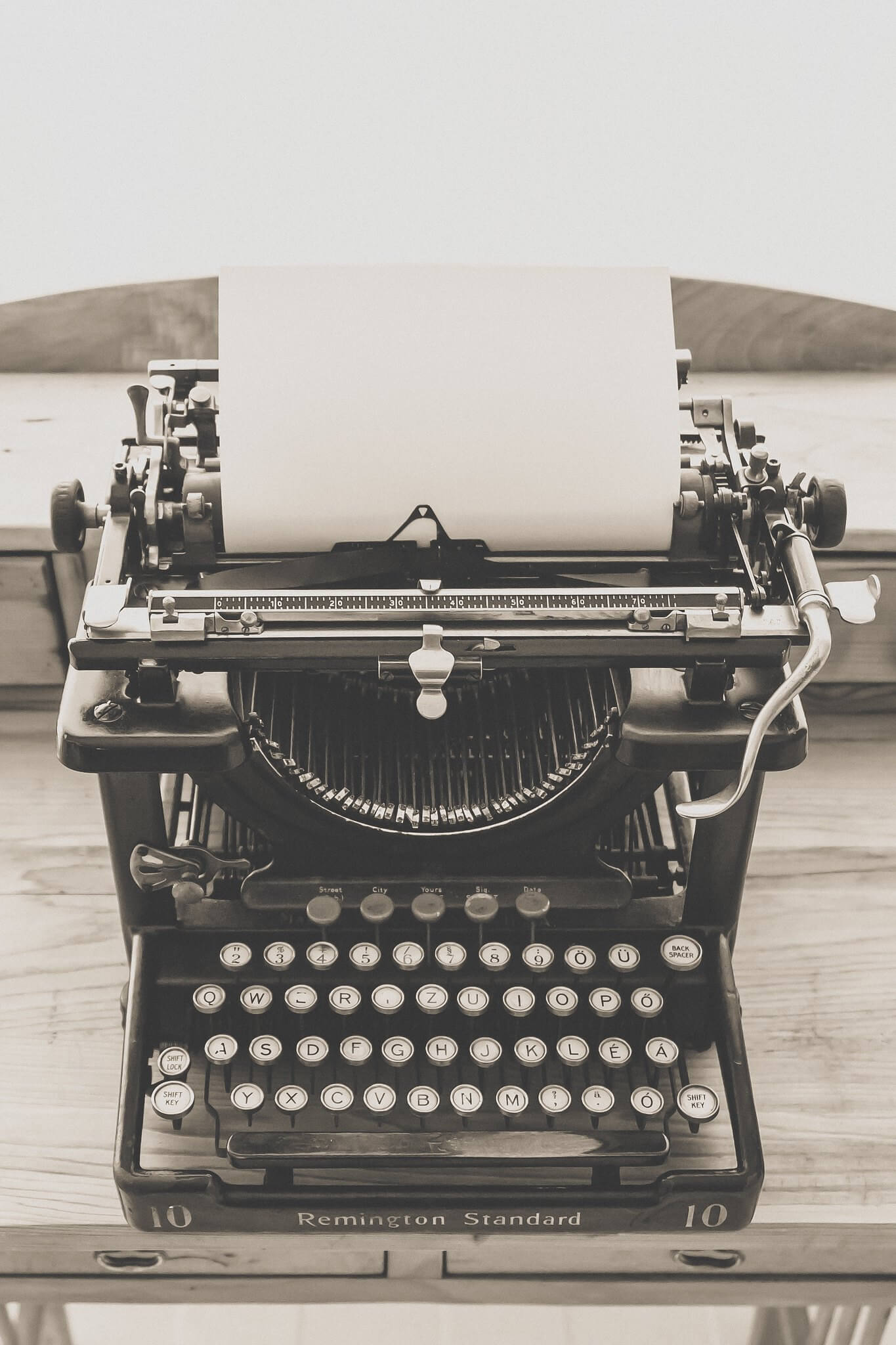
Released in 1878, the Remington No. 2 improved upon the earlier Remington No. 1, which was the first typewriter to popularize the QWERTY keyboard layout still standard on keyboards today, and the line is closely associated with Mark Twain, who is widely credited as an early adopter of typewritten manuscripts. Surviving examples from this early period are relatively scarce and often require specialized restoration.
Well-preserved, working examples can sell for well over a thousand dollars given their historical significance.
Royal Quiet De Luxe Typewriter
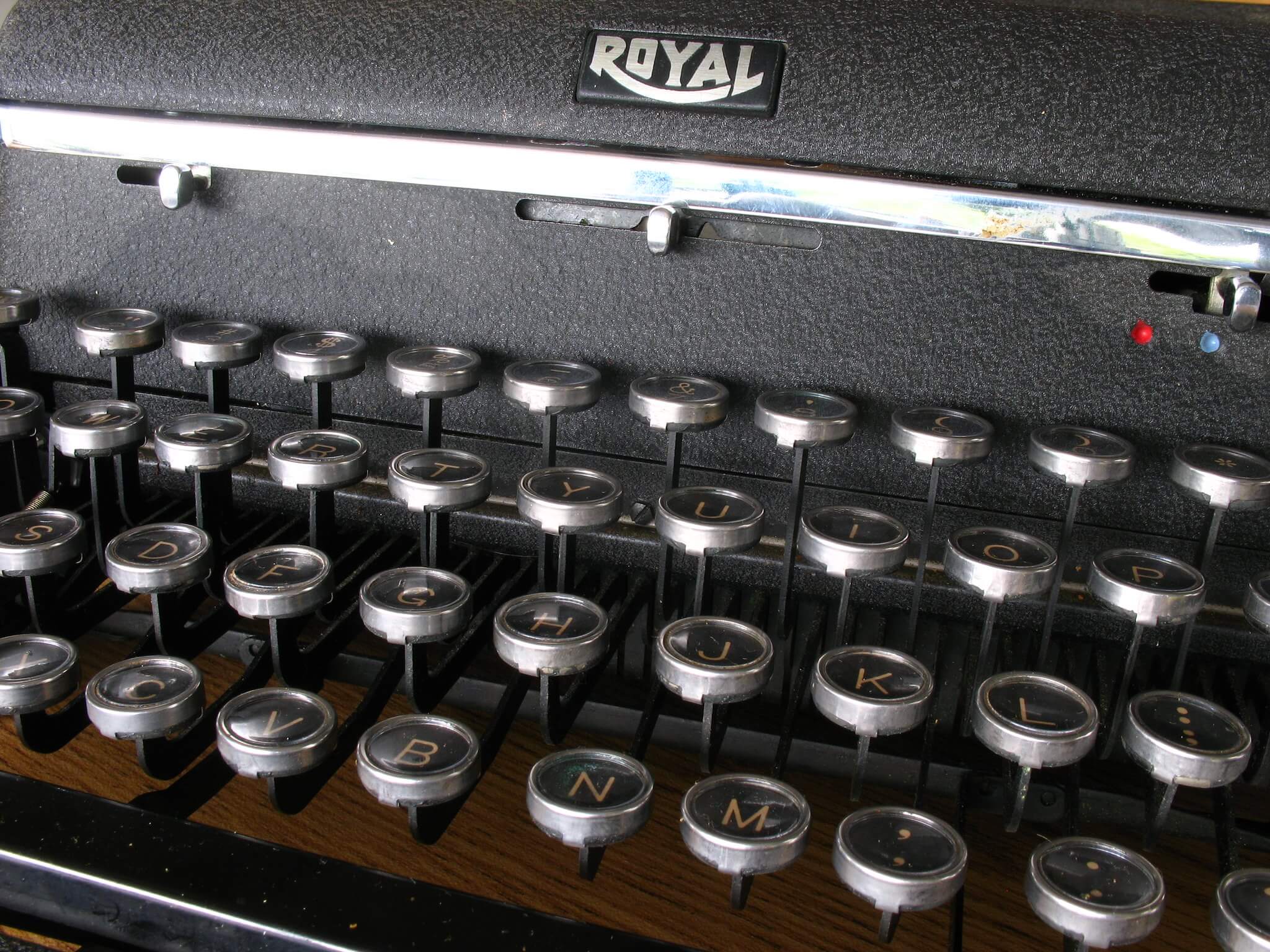
Royal’s portable Quiet De Luxe, produced from the 1930s through the 1950s, became one of the most popular portable typewriters in America, prized for its relatively smooth action and durable build. The model is closely associated with several well-known twentieth-century writers who used it for decades of published work.
Clean, functioning examples in their original carrying case typically sell in the range of $100 to $250.
Hermes 3000 Typewriter
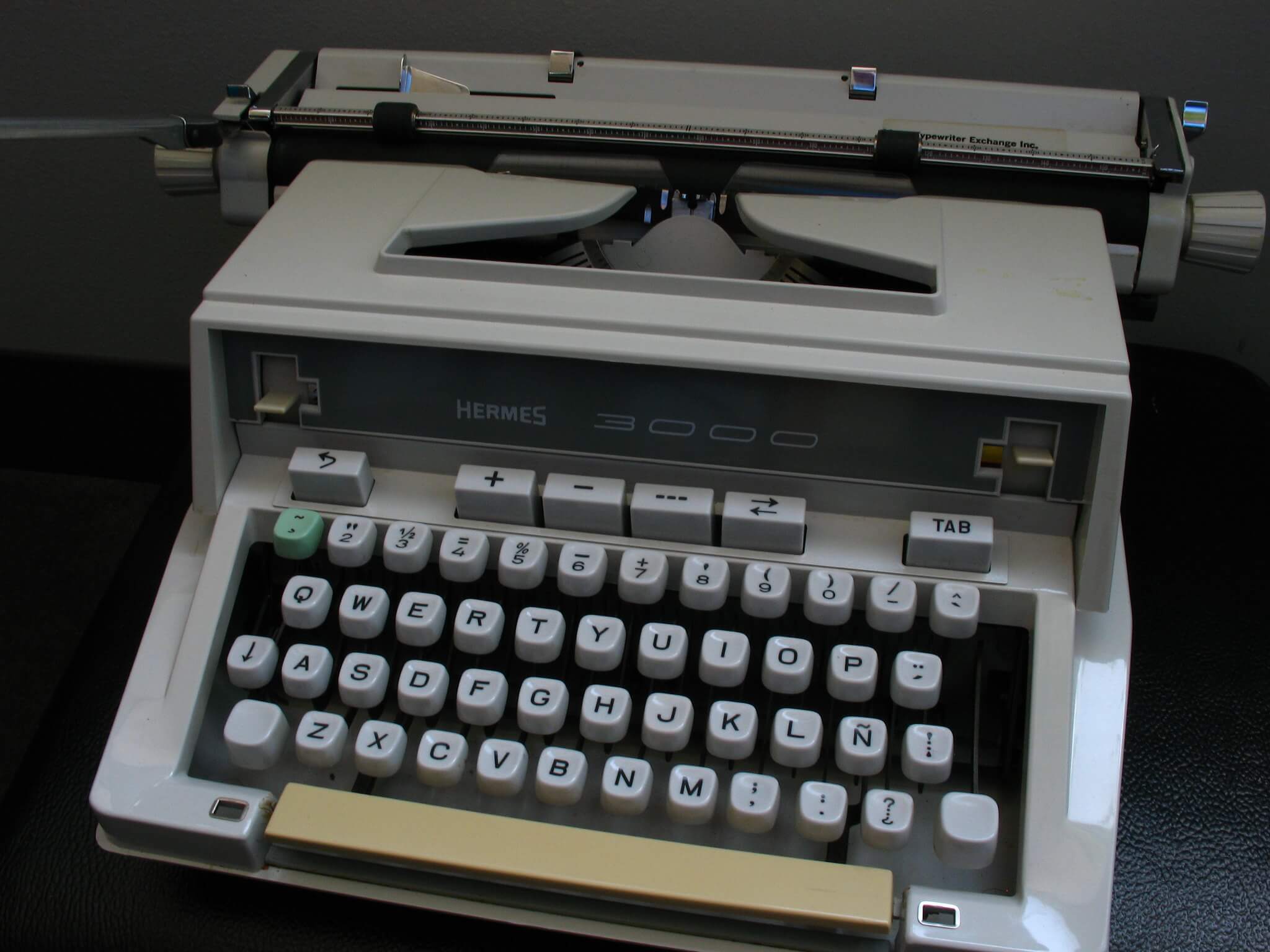
Manufactured in Switzerland beginning in the 1950s, the Hermes 3000 is widely regarded by typewriter enthusiasts as one of the smoothest-typing portable machines ever built, thanks to precise Swiss manufacturing tolerances. Its later, green-bodied versions from the 1960s are especially popular among collectors for their clean, minimalist design.
Well-maintained working examples regularly sell for $200 to $400.
Olivetti Valentine Typewriter
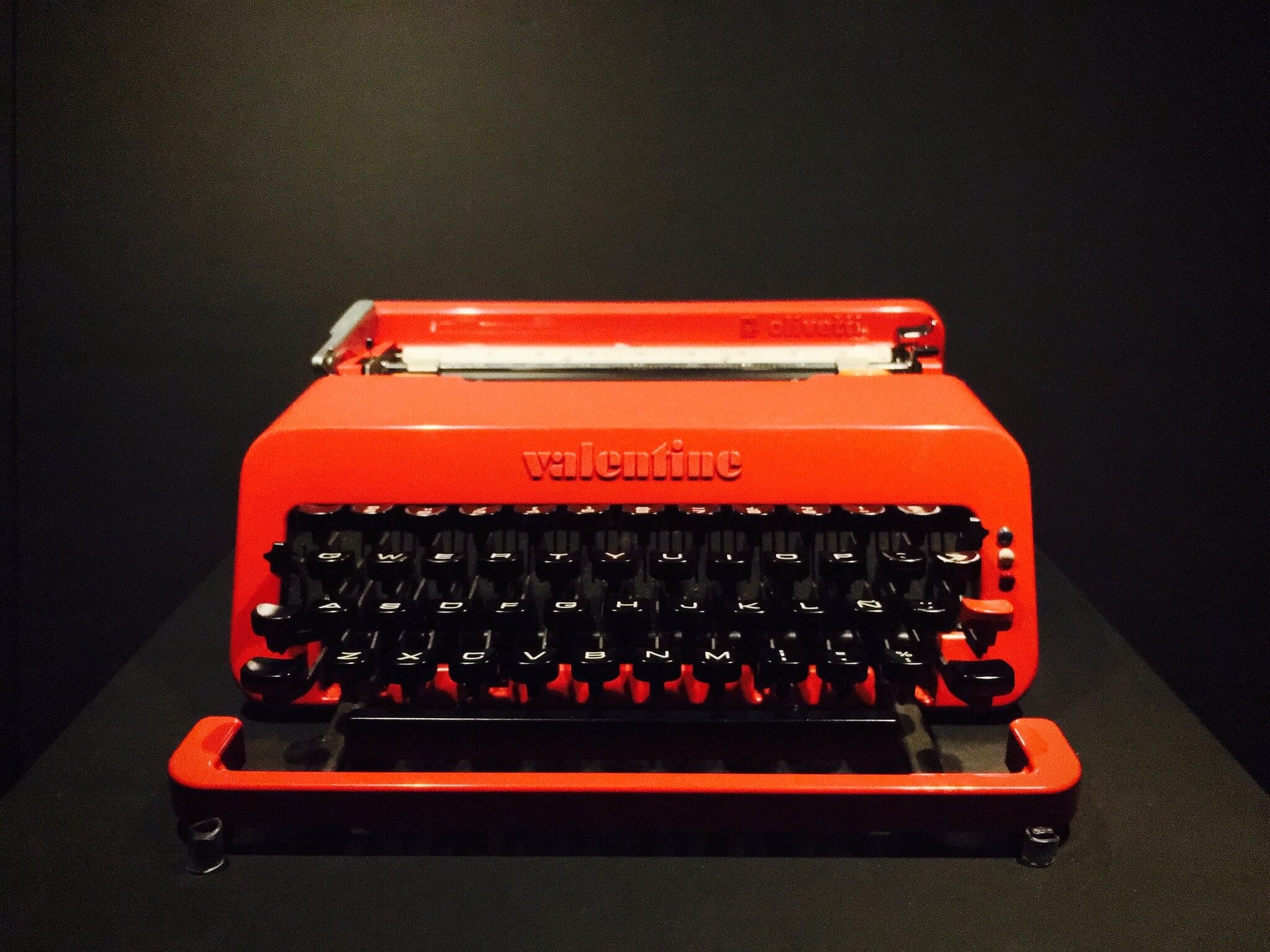
Designed by Ettore Sottsass and released in 1969, the bright red, plastic-bodied Olivetti Valentine was conceived explicitly as a design object as much as a functional tool, intended to be carried and displayed rather than hidden away in an office drawer. Examples are now held in the permanent design collections of major museums, including New York’s Museum of Modern Art.
Working examples in strong cosmetic condition regularly sell for several hundred dollars, driven as much by design collectors as by typewriter enthusiasts.
IBM Selectric Typewriter
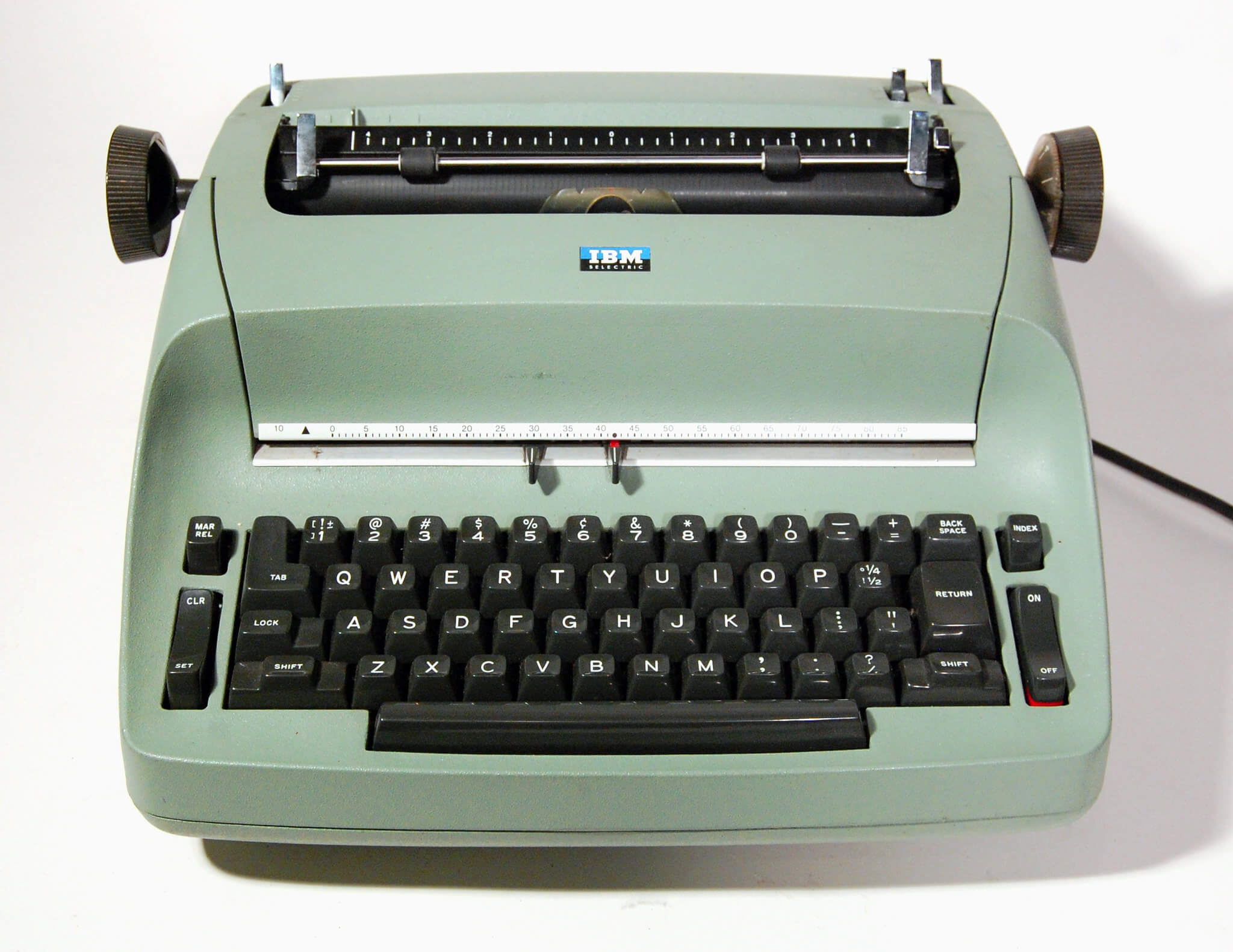
Introduced in 1961, the IBM Selectric replaced the traditional swinging typebar mechanism with a spherical typing element known as a “typeball,” dramatically improving typing speed and reducing jamming. It became the standard office typewriter across corporate America for the following two decades.
Working examples, particularly in original colors beyond basic black or beige, typically sell in the range of $100 to $300 depending on condition.
Corona No. 3 Folding Typewriter
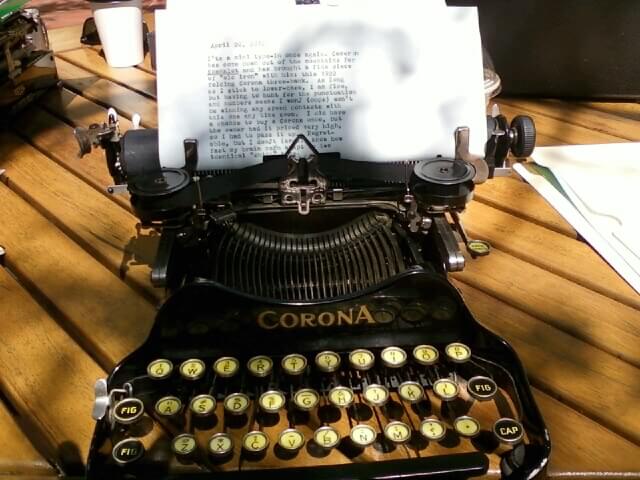
First produced in 1912, the Corona No. 3 was among the earliest genuinely portable typewriters, designed so its carriage could fold flat directly over the keyboard for easier transport. War correspondents and traveling journalists in the early twentieth century favored it specifically for its compact size.
Well-preserved, working examples typically sell in the $150 to $350 range.
Smith Corona Silent-Super Typewriter
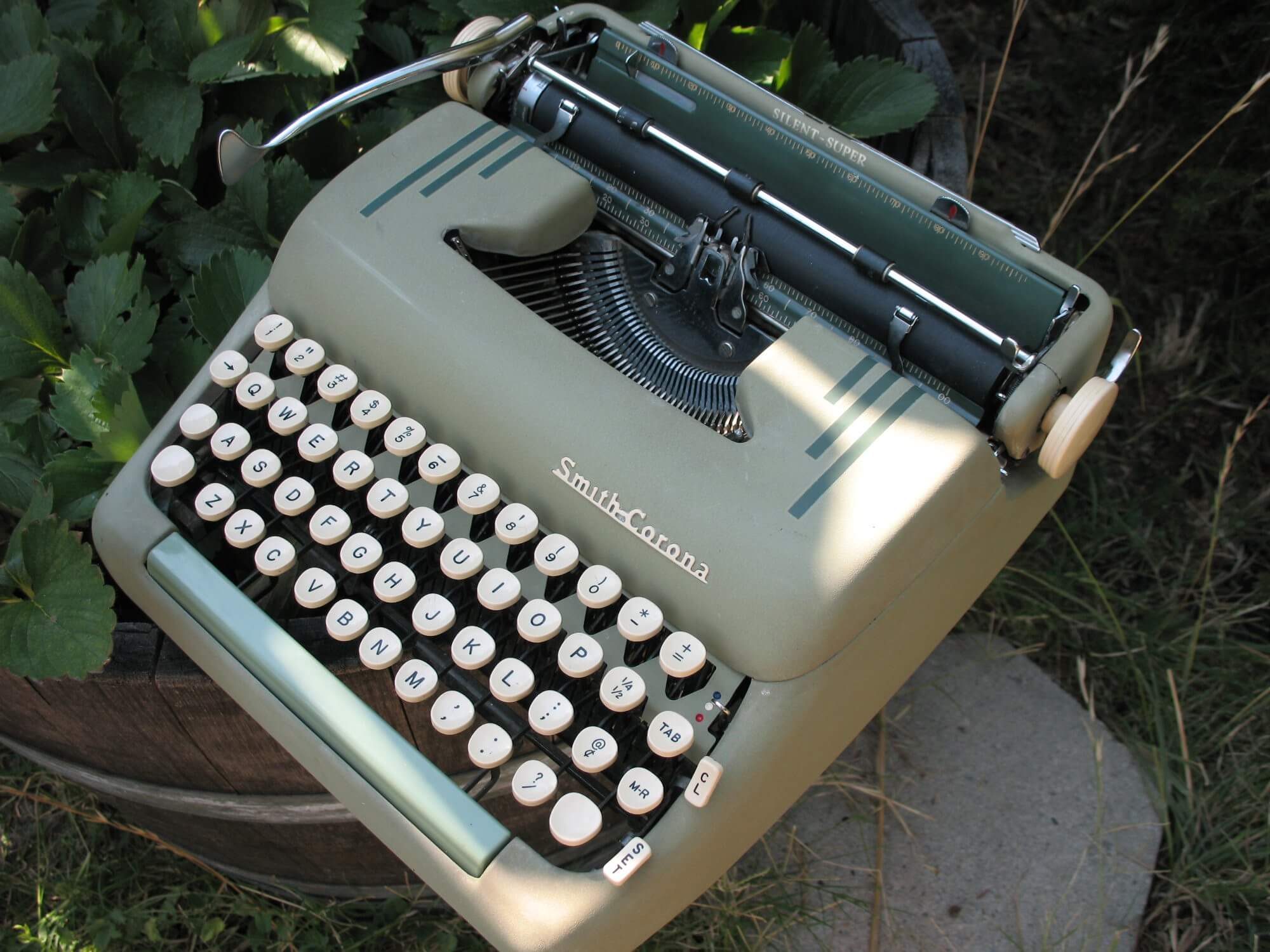
Produced through the 1950s, the Smith Corona Silent-Super was engineered with sound-dampening features to reduce the sharp clatter typical of earlier machines, an innovation the company heavily marketed at the time. Its solid build and widespread production make replacement parts relatively easy to find compared to rarer imported models.
Working examples in good condition typically sell in the $100 to $200 range.
Rolodex Card File
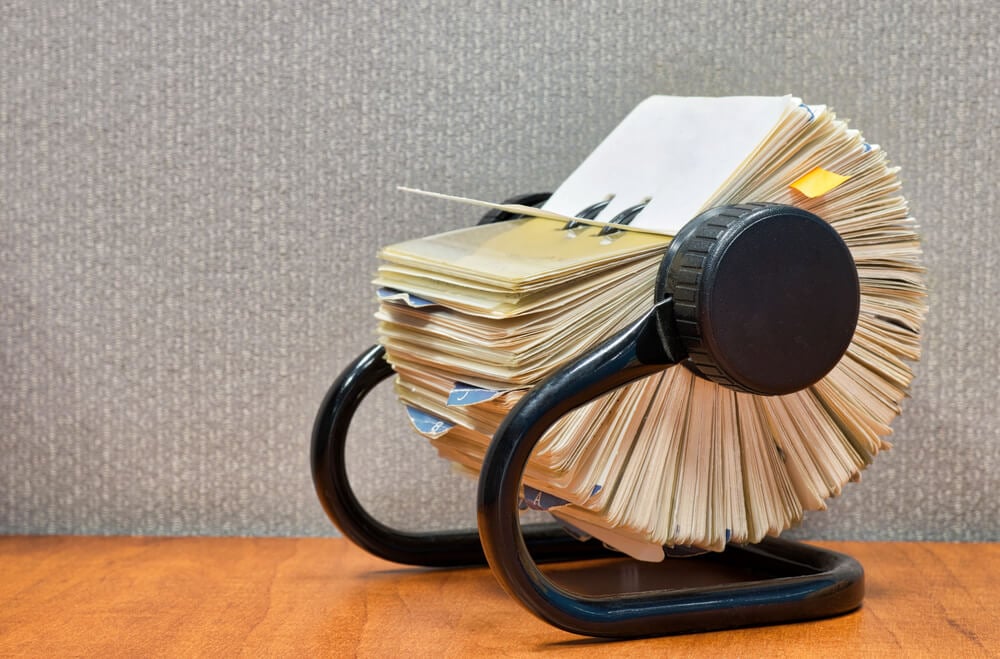
The rotating Rolodex card index, patented in the 1950s, became a fixture of nearly every American office desk for decades as the standard method of organizing business contacts before digital databases replaced it. Complete units with their original metal frame and blank or period-appropriate cards are considered more desirable than incomplete examples.
Well-preserved units typically sell in the $30 to $80 range, with larger executive models commanding more.
Edison Dictaphone
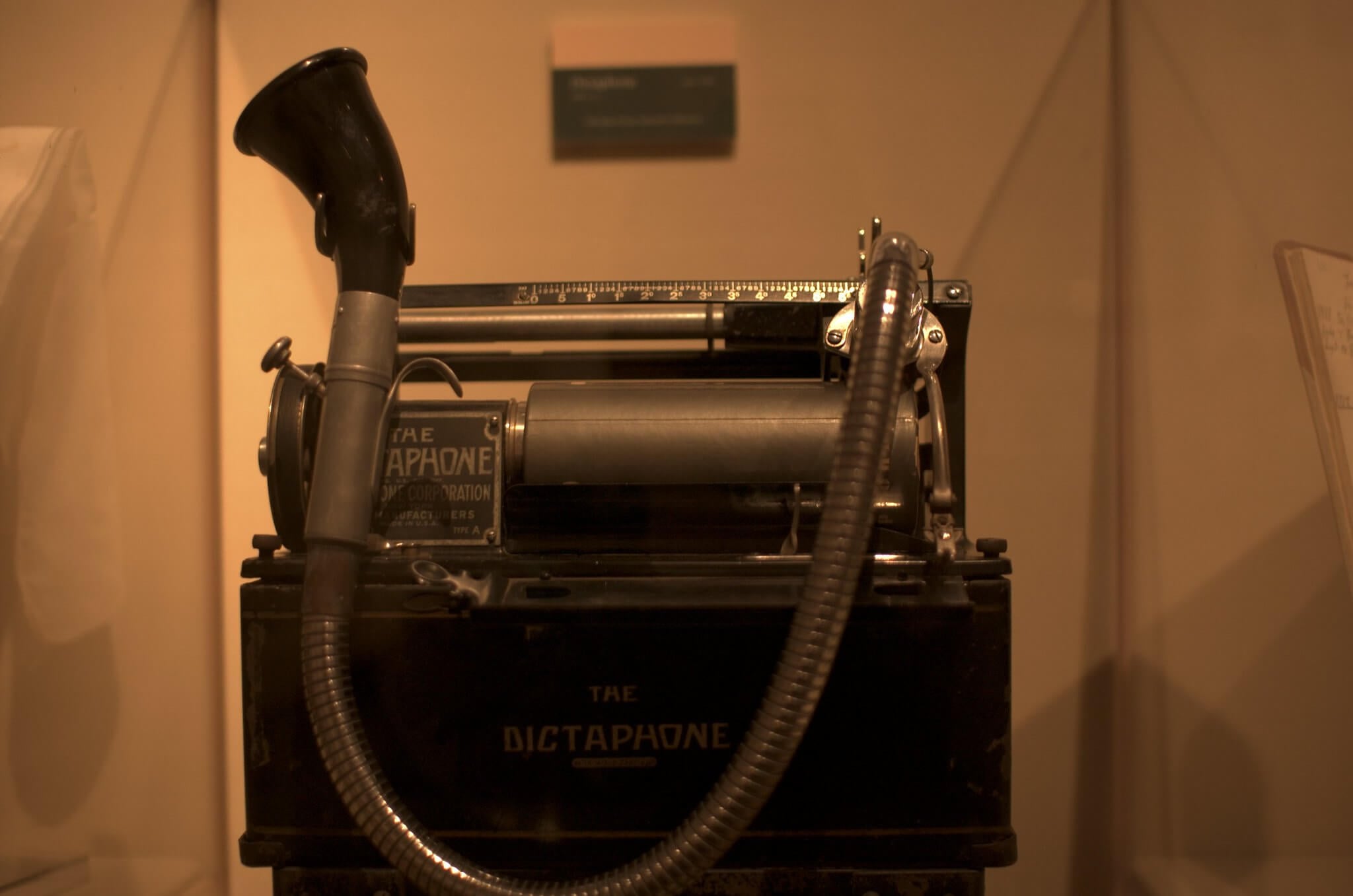
Early dictating machines bearing the Dictaphone brand, developed from wax cylinder recording technology pioneered by Thomas Edison’s laboratories, allowed executives to record spoken memos for secretaries to later transcribe, a workflow that remained common well into the twentieth century. Complete units with functioning cylinders and original cabinetry are relatively scarce survivors.
Well-preserved, complete examples can sell for several hundred dollars depending on model and completeness.
Burroughs Adding Machine
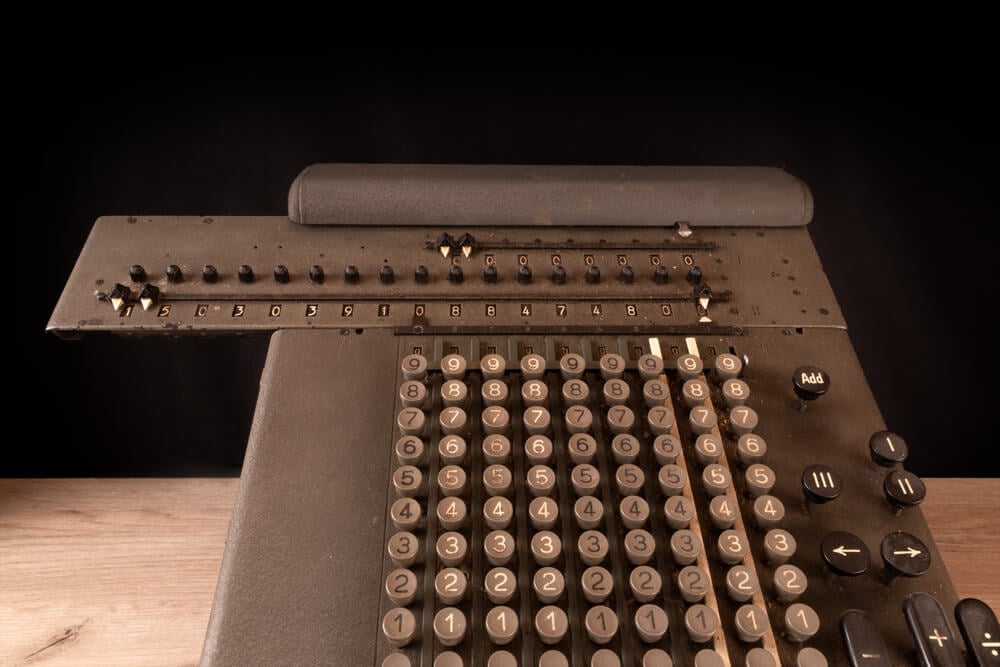
Burroughs’ mechanical adding machines, produced from the late nineteenth century onward, mechanized basic arithmetic for offices and banks decades before electronic calculators existed, using a system of levers and a hand crank to tally figures printed on a paper tape. Ornate cast-iron examples from the earliest production years are particularly prized by collectors of mechanical calculating devices.
Well-preserved working examples typically sell in the $100 to $300 range.
Brass Candlestick Telephone
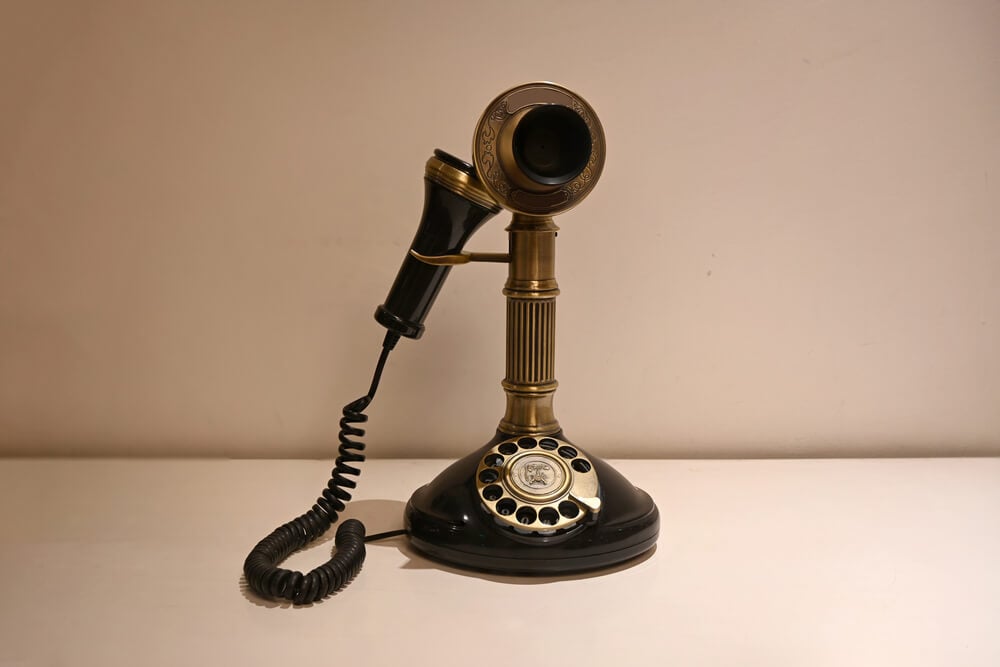
Upright “candlestick” telephones, common from roughly 1900 through the 1930s, required users to speak into a fixed mouthpiece while holding a separate earpiece, a design later replaced by the combined handset still used in modern phone design. Original examples with intact brass plating and correct period hardware command a clear premium over heavily polished or replated reproductions.
Well-preserved originals typically sell in the $75 to $200 range.
Mimeograph Machine
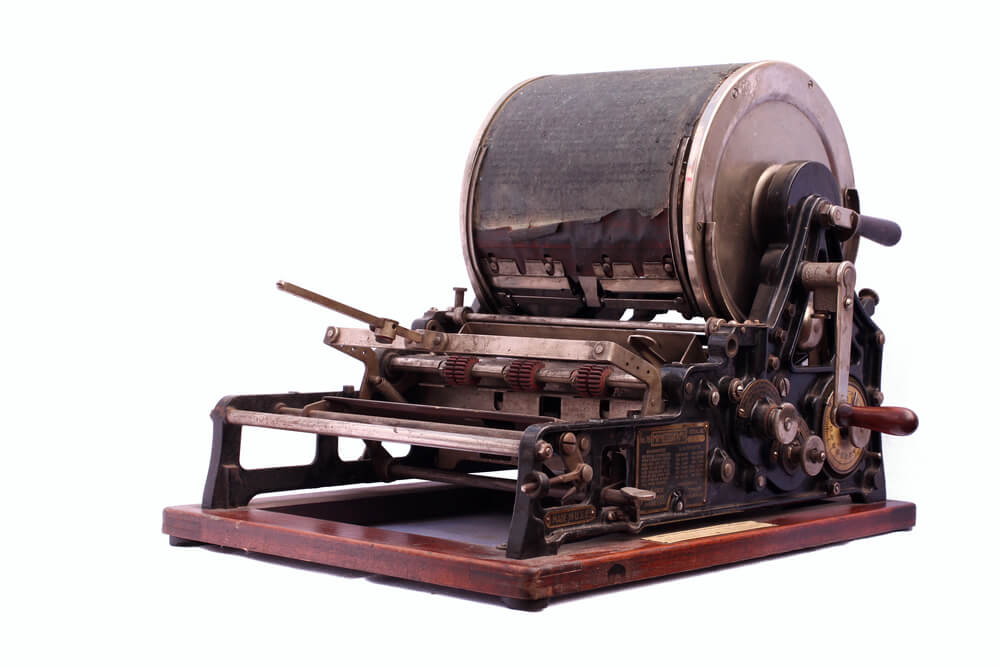
Before photocopiers became widespread, offices and schools relied on mimeograph machines to mass-produce documents from a hand-cut stencil, a process that produced the distinctive purple-inked pages many older adults associate with school worksheets. Complete, functioning units with intact ink rollers are increasingly scarce as rubber components degrade over time.
Working examples typically sell in the $50 to $150 range, appealing largely to collectors of printing history.
Cast Iron Desk Pencil Sharpener
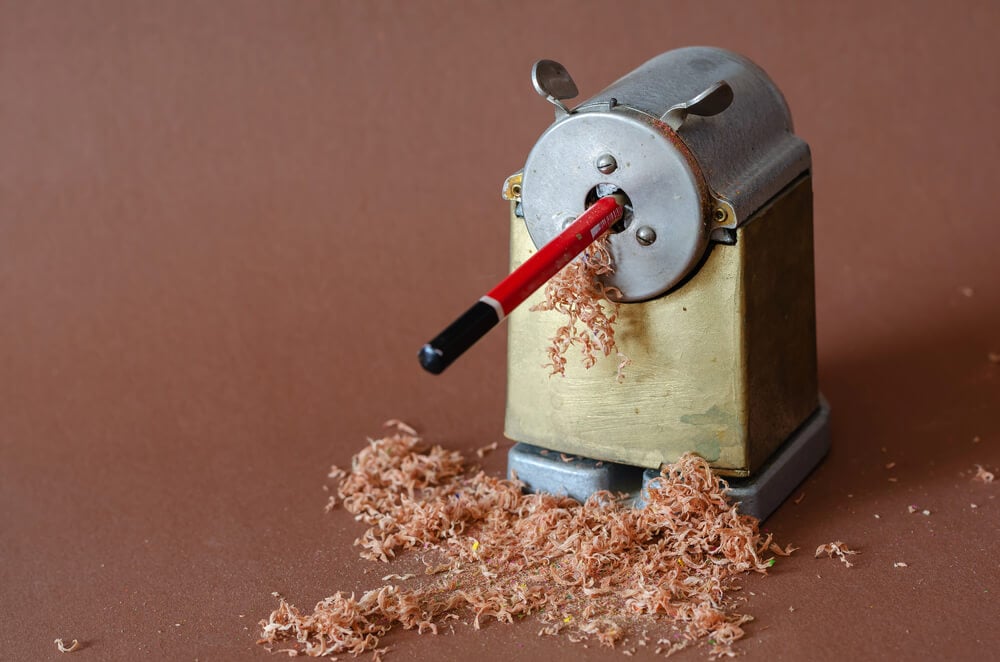
Heavy, hand-crank pencil sharpeners bolted to office desks throughout the early to mid-twentieth century were built to far outlast the pencils they sharpened, and their ornate cast-iron bodies have made them a favorite among industrial design collectors. Original paint and decals, rather than restored or repainted finishes, generally command higher prices among serious collectors.
Well-preserved examples typically sell in the $50 to $150 range.
Wooden Roll-Top Desk
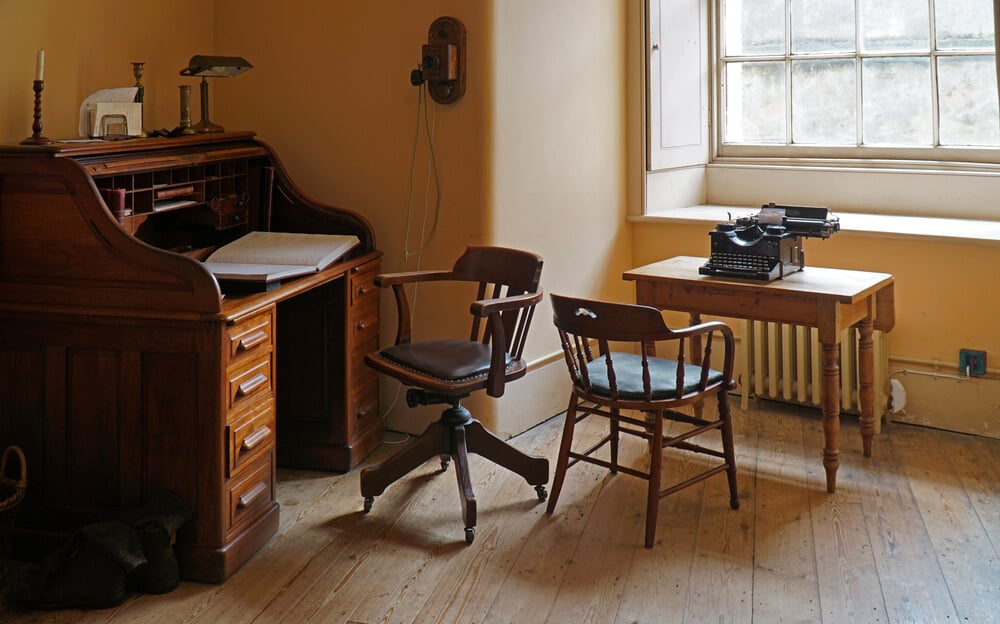
Roll-top desks, featuring a flexible tambour cover that could conceal a cluttered work surface, were a standard fixture of American offices from the late nineteenth century through the early twentieth, prized today for their intricate joinery and numerous small storage compartments. Solid oak examples from established manufacturers are particularly sought after for both function and furniture value.
Well-preserved examples typically sell in the $500 to $1,500 range depending on size and maker.
Western Electric Model 302 Telephone
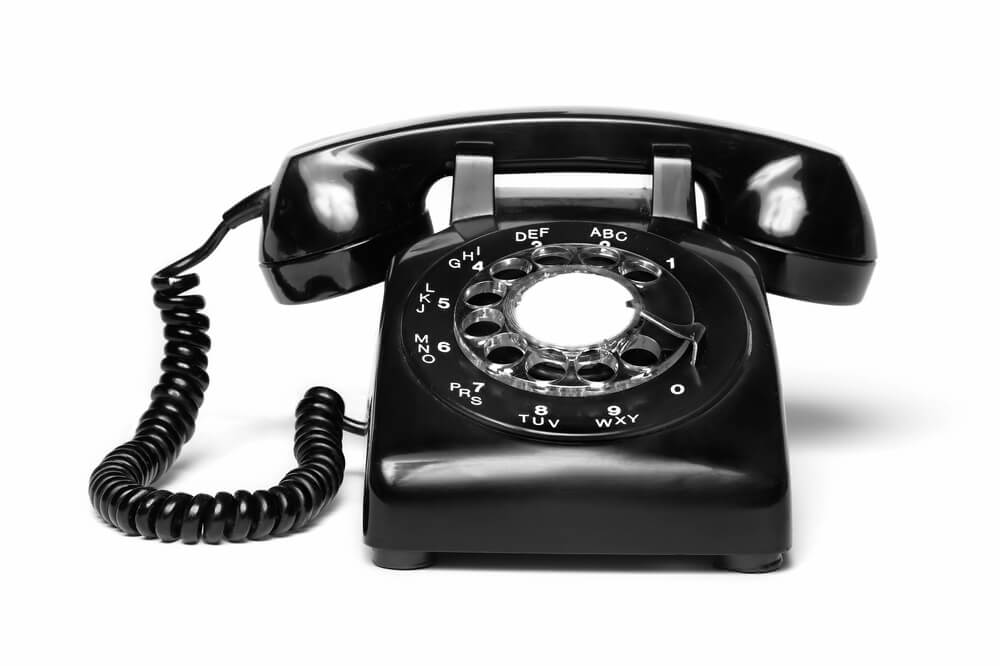
Introduced in 1937, the Western Electric Model 302 combined the ringer, handset cradle, and dialing mechanism into a single streamlined body, a design leap from the earlier candlestick style that set the template for desk phones for decades afterward. Bakelite examples in strong original color and condition are more desirable than later plastic reproductions.
Well-preserved originals typically sell in the $50 to $150 range.
Machines That Refuse to Be Obsolete
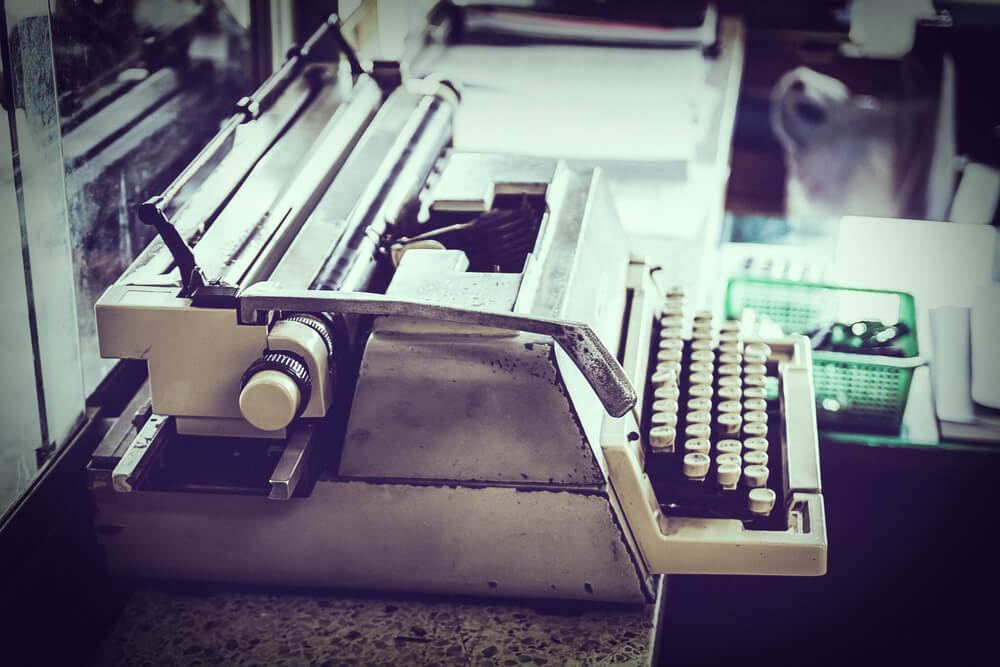
None of these objects are efficient by modern standards. A typewriter cannot undo a mistake, a Rolodex cannot sync across devices, and a mimeograph machine cannot email anyone anything.
That is, oddly, part of why people still want them.
There is a particular kind of physical honesty in a machine that only does one thing, and does it the same way every time, that a lot of buyers are apparently still willing to pay for, restore, and keep working long after it stopped being necessary.
More from Go2Tutors!

- The Romanov Crown Jewels and Their Tragic Fate
- 13 Historical Mysteries That Science Still Can’t Solve
- Famous Hoaxes That Fooled the World for Years
- 15 Child Stars with Tragic Adult Lives
- 16 Famous Jewelry Pieces in History
Like Go2Tutors’s content? Follow us on MSN.