11 Underground Cities Built for Specific Purposes
Throughout history, humans have carved elaborate spaces beneath the earth’s surface, creating entire underground communities designed to serve very specific needs. From ancient civilizations seeking protection from invaders to modern societies requiring secure storage facilities, these subterranean cities represent some of humanity’s most ingenious engineering achievements.
Each underground city tells a unique story of human adaptation and necessity. Here’s a list of 11 underground cities that were built with distinct purposes in mind.
Derinkuyu
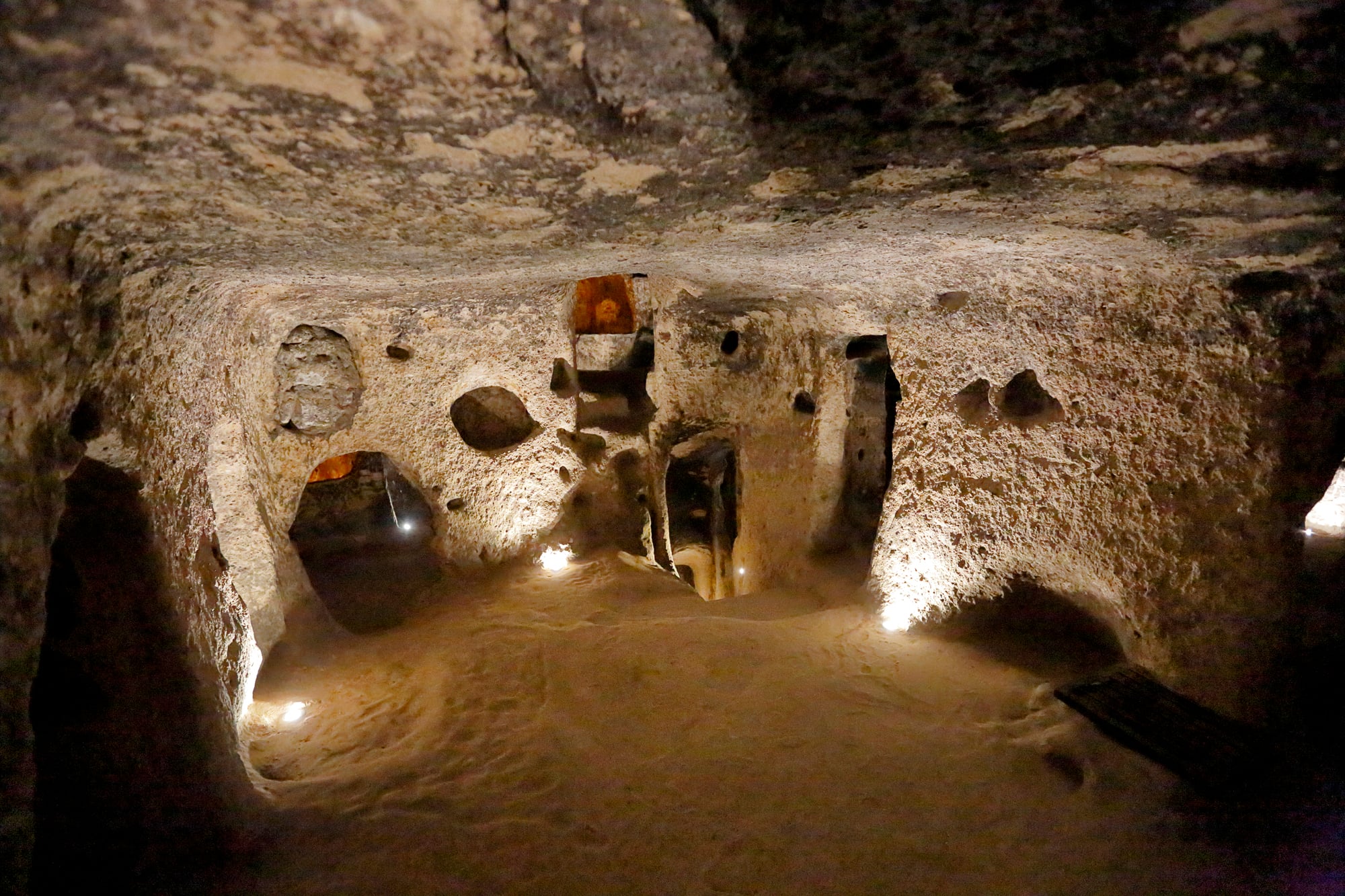
Deep beneath Turkey’s Cappadocia region lies Derinkuyu — an 18-story underground city that could house up to 20,000 people during times of danger. Early Christians carved this massive complex into volcanic rock around the 8th century.
They created a self-contained world complete with stables, chapels, and wine cellars. The city featured ingenious ventilation shafts that reached depths of 280 feet, ensuring fresh air circulated throughout all levels even when inhabitants sealed themselves in for months.
Wieliczka Salt Mine
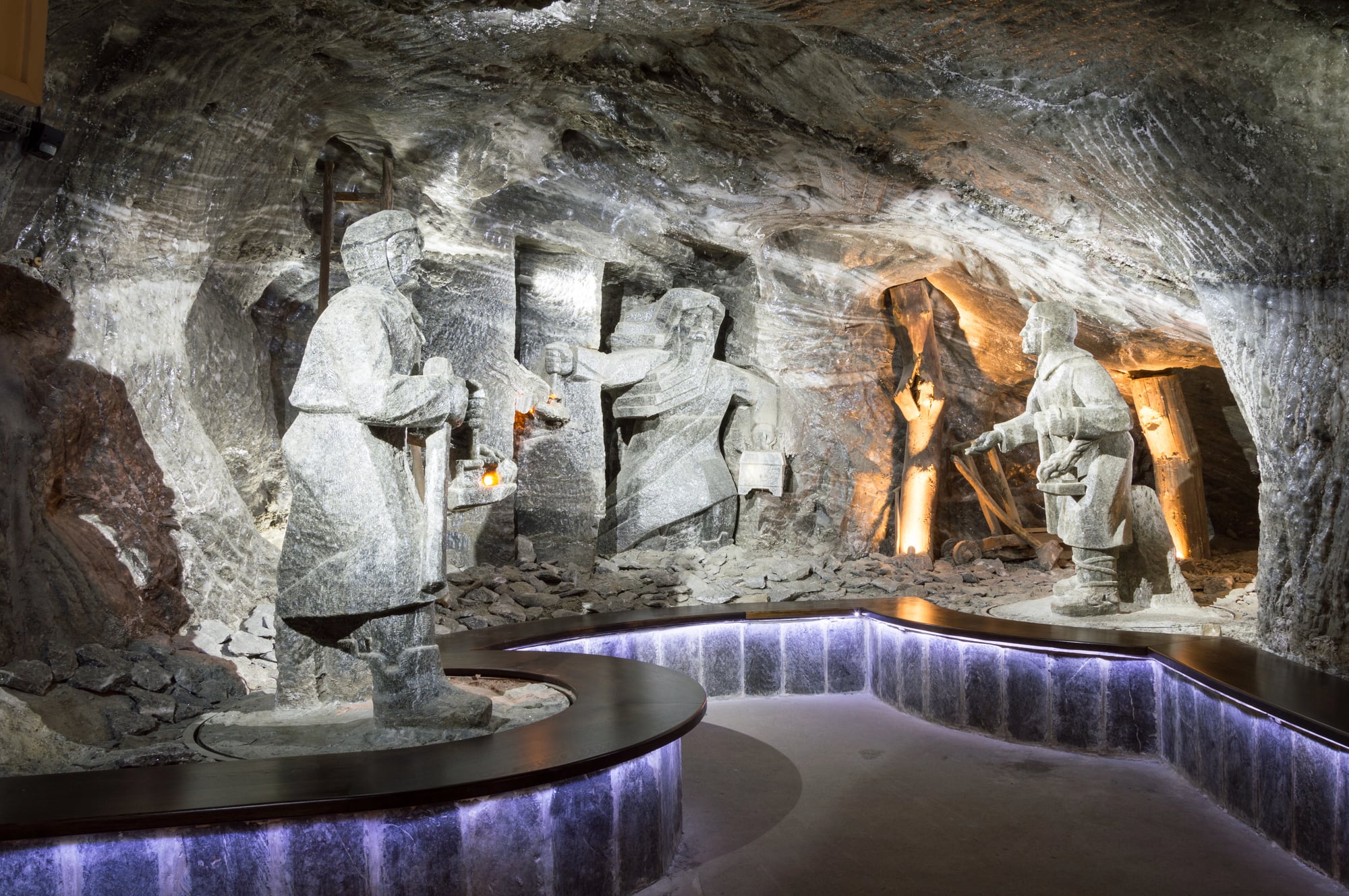
Poland’s Wieliczka Salt Mine transformed from an industrial operation into an underground marvel spanning nine levels. The tunnels stretch over 180 miles.
Miners spent centuries not just extracting salt but carving elaborate chambers, chapels, and even chandeliers entirely from salt rock. The St. Kinga Chapel, located 330 feet underground, showcases intricate religious sculptures — proof that workers turned their harsh workplace into a place of beauty and worship.
Like Go2Tutors’s content? Follow us on MSN.
Coober Pedy
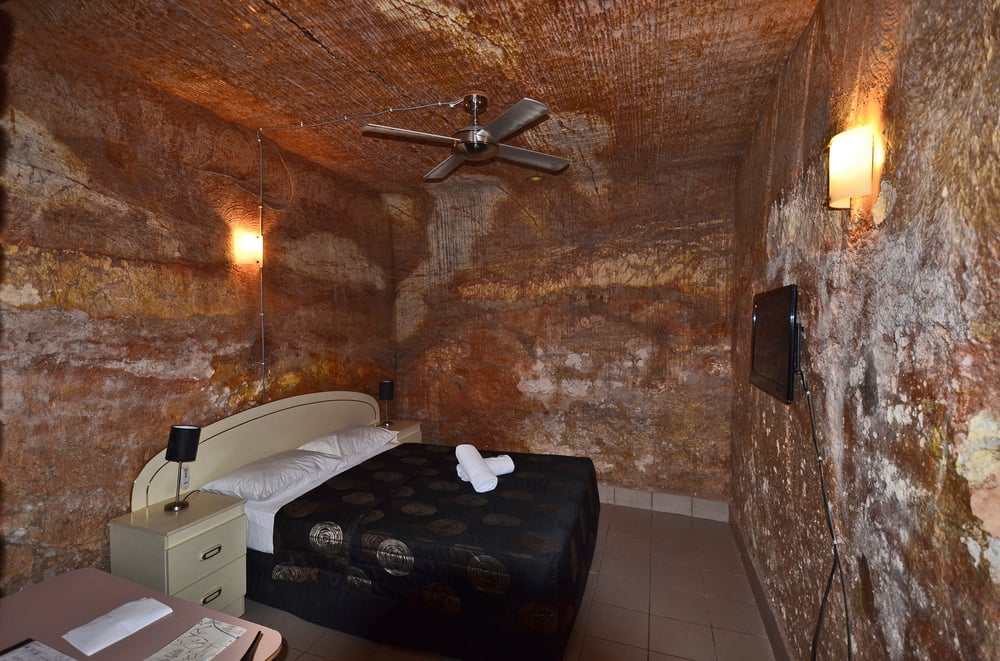
Australia’s Coober Pedy exists underground purely out of necessity. Surface temperatures regularly exceed 120°F in this opal mining town.
Residents carved homes, hotels, churches, and shops directly into the hillsides — maintaining comfortable 75°F temperatures year-round without air conditioning. The entire town operates like an underground suburb, with people living, working, and socializing in spaces that remain naturally cool while the desert above bakes in relentless heat.
Bunker 42
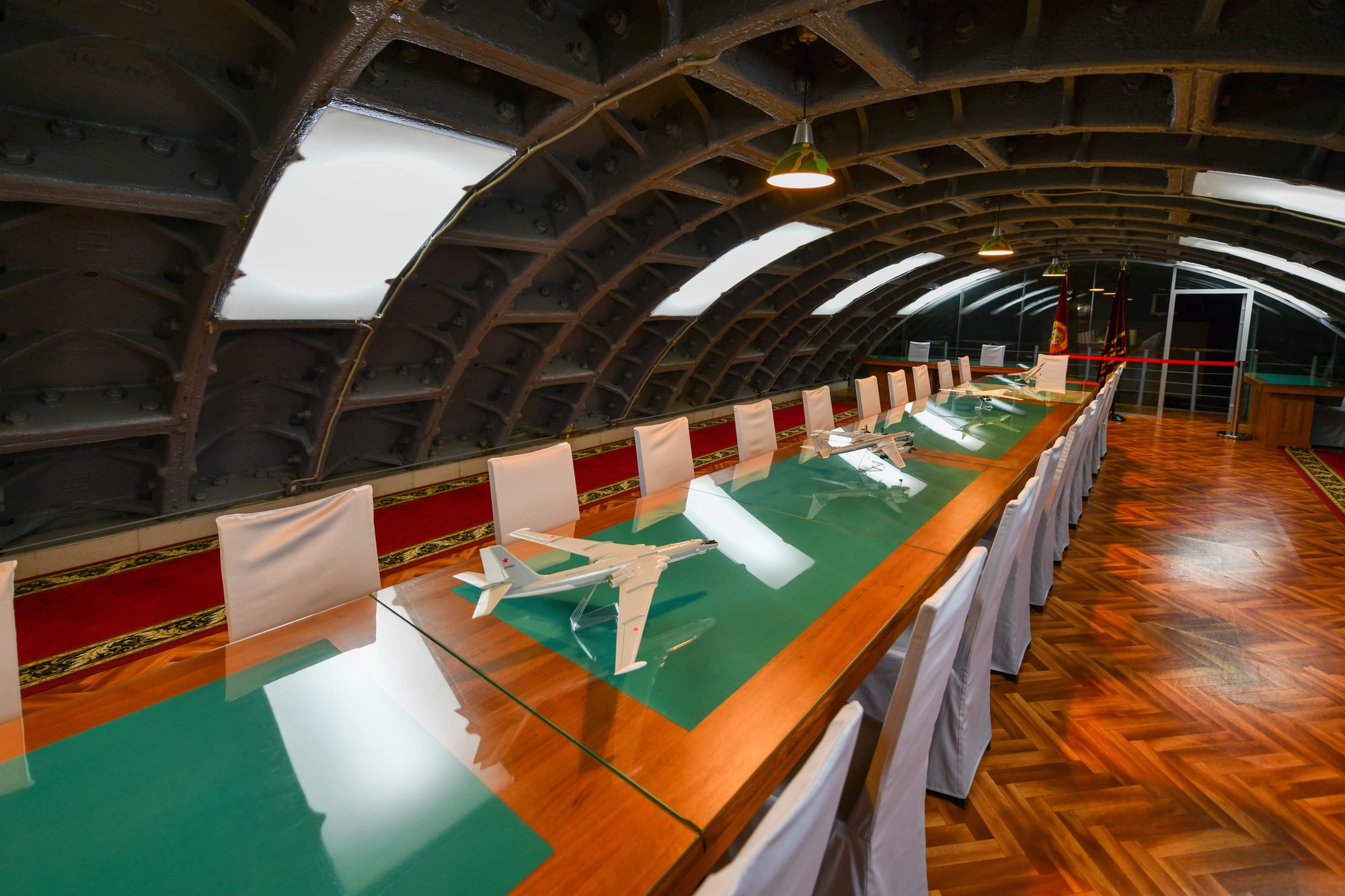
Moscow’s Bunker 42 was constructed 200 feet underground as a secret command center during the Cold War. It was designed to house Soviet leadership during nuclear attacks.
This facility could support 3,000 people for months — featuring independent air filtration systems, communication networks, and living quarters built to withstand direct nuclear strikes. The bunker remained classified for decades, serving as a backup government headquarters that ordinary citizens never knew existed beneath their feet.
Kish Underground City
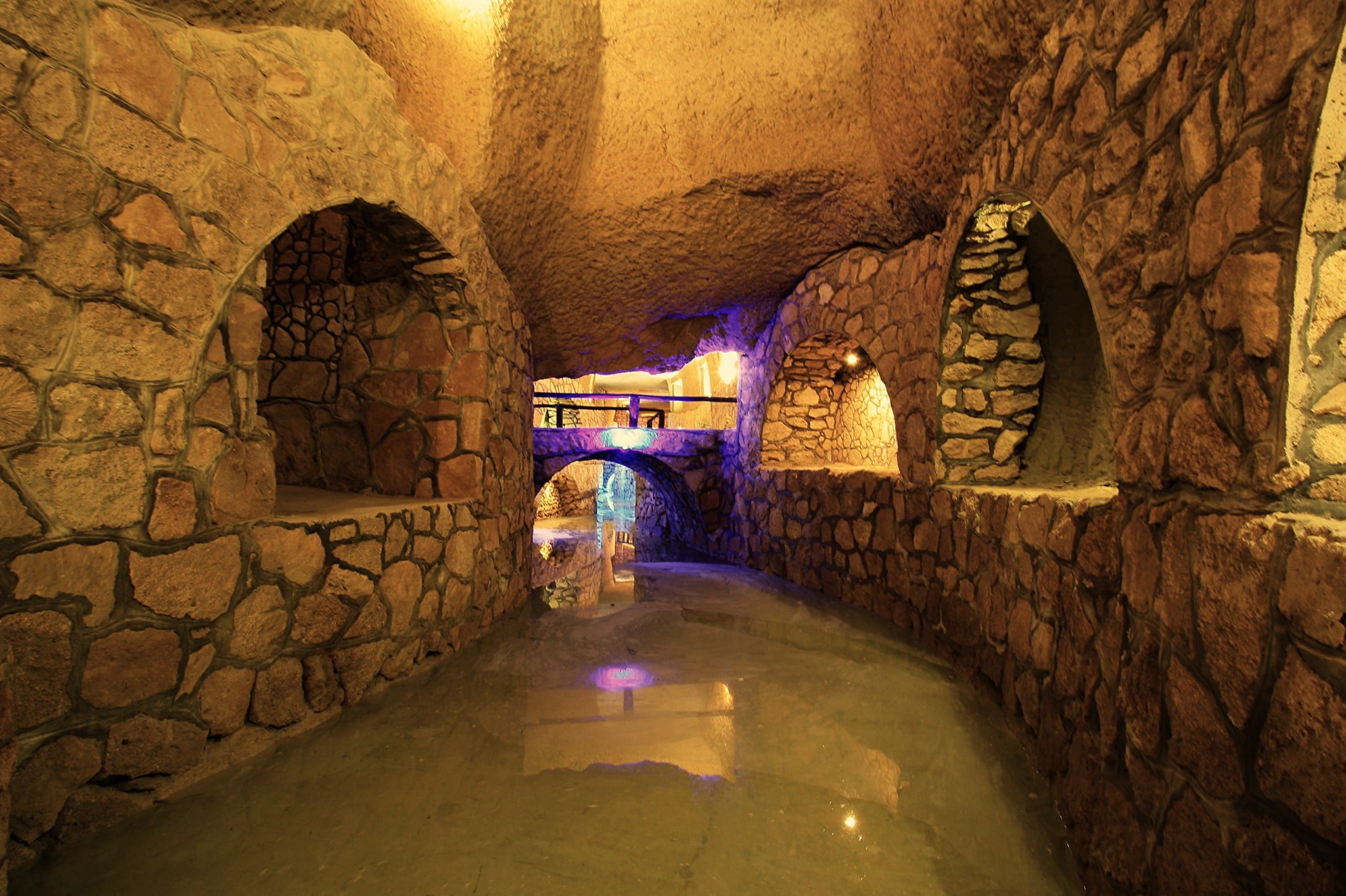
Iran’s Kish Island features an underground shopping and entertainment complex built specifically to attract tourists while providing relief from the Persian Gulf’s intense heat. This modern underground city houses shopping malls, restaurants, and recreational facilities carved into natural limestone formations.
The constant 75°F temperature underground creates a comfortable environment — drawing visitors away from the scorching surface and transforming subterranean space into a commercial destination.
Like Go2Tutors’s content? Follow us on MSN.
Edinburgh’s Underground Vaults
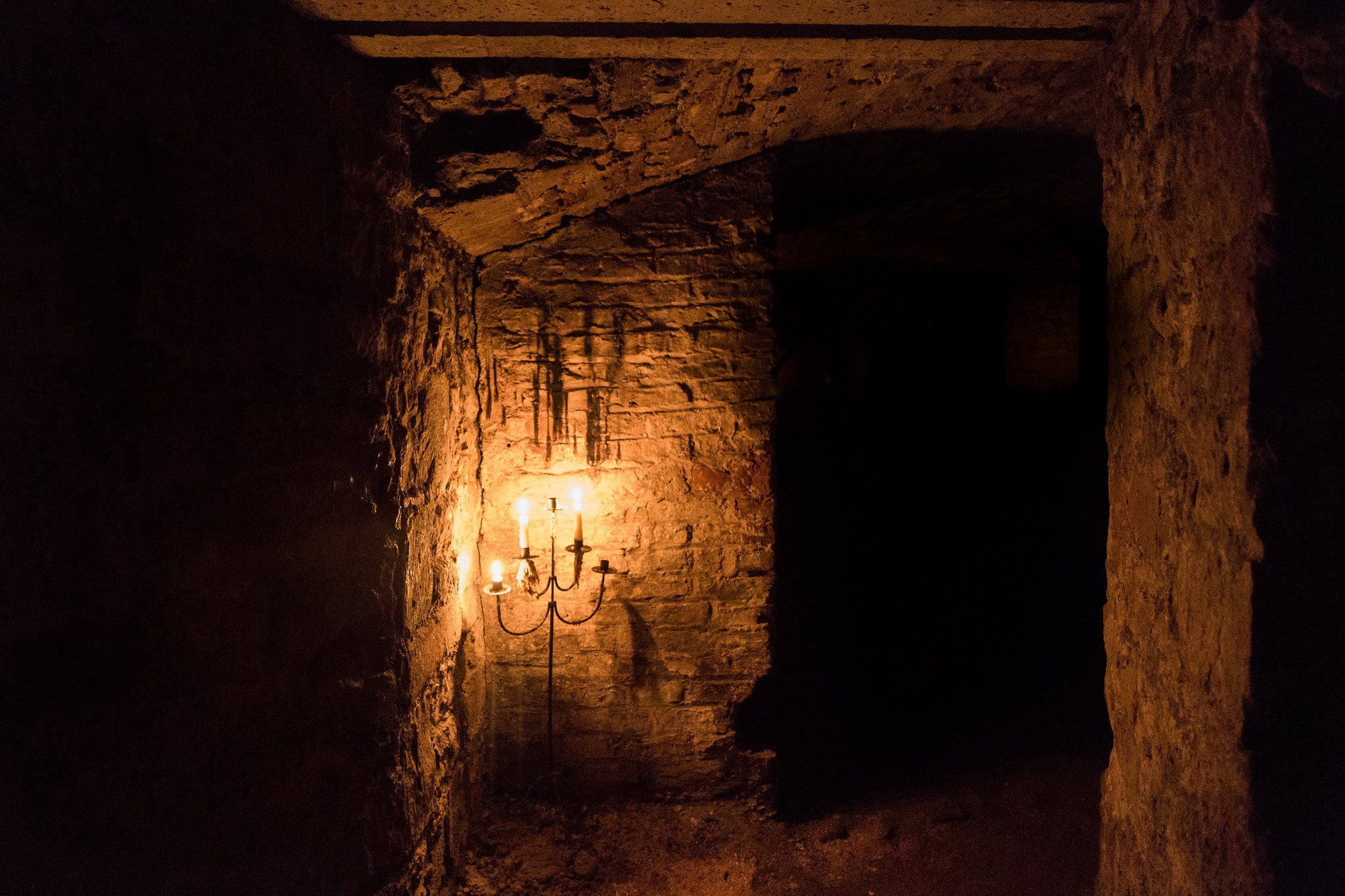
Edinburgh’s South Bridge vaults were originally built as storage and workshop spaces for the city’s merchants and tradespeople in the late 1700s. These underground chambers housed cobblers, taverns, and storage facilities until poor conditions drove legitimate businesses away.
The vaults then became home to Edinburgh’s poorest residents — creating an underground slum that housed families in dark, damp conditions for nearly 30 years before authorities finally sealed the spaces.
Củ Chi Tunnels
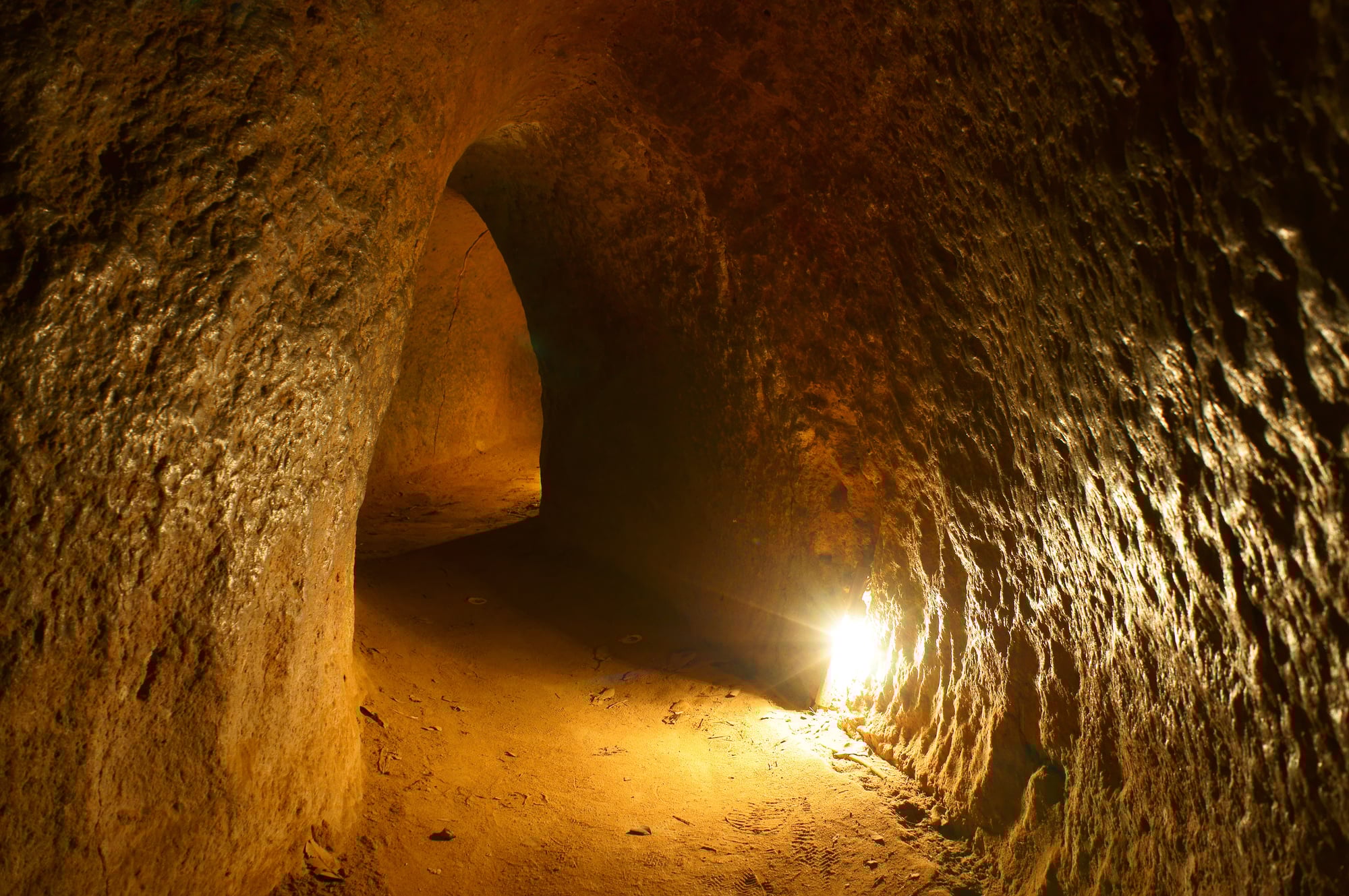
Vietnam’s Củ Chi tunnel network stretched over 150 miles underground, serving as a complete military base during the Vietnam War. The Viet Cong constructed hospitals, schools, meeting rooms, and weapon factories in these narrow tunnels — creating an underground city that supported thousands of fighters.
The tunnel system included sophisticated ventilation, booby traps, and multiple levels that allowed an entire military operation to function invisibly beneath the jungle floor.
Cappadocia’s Kaymaklı
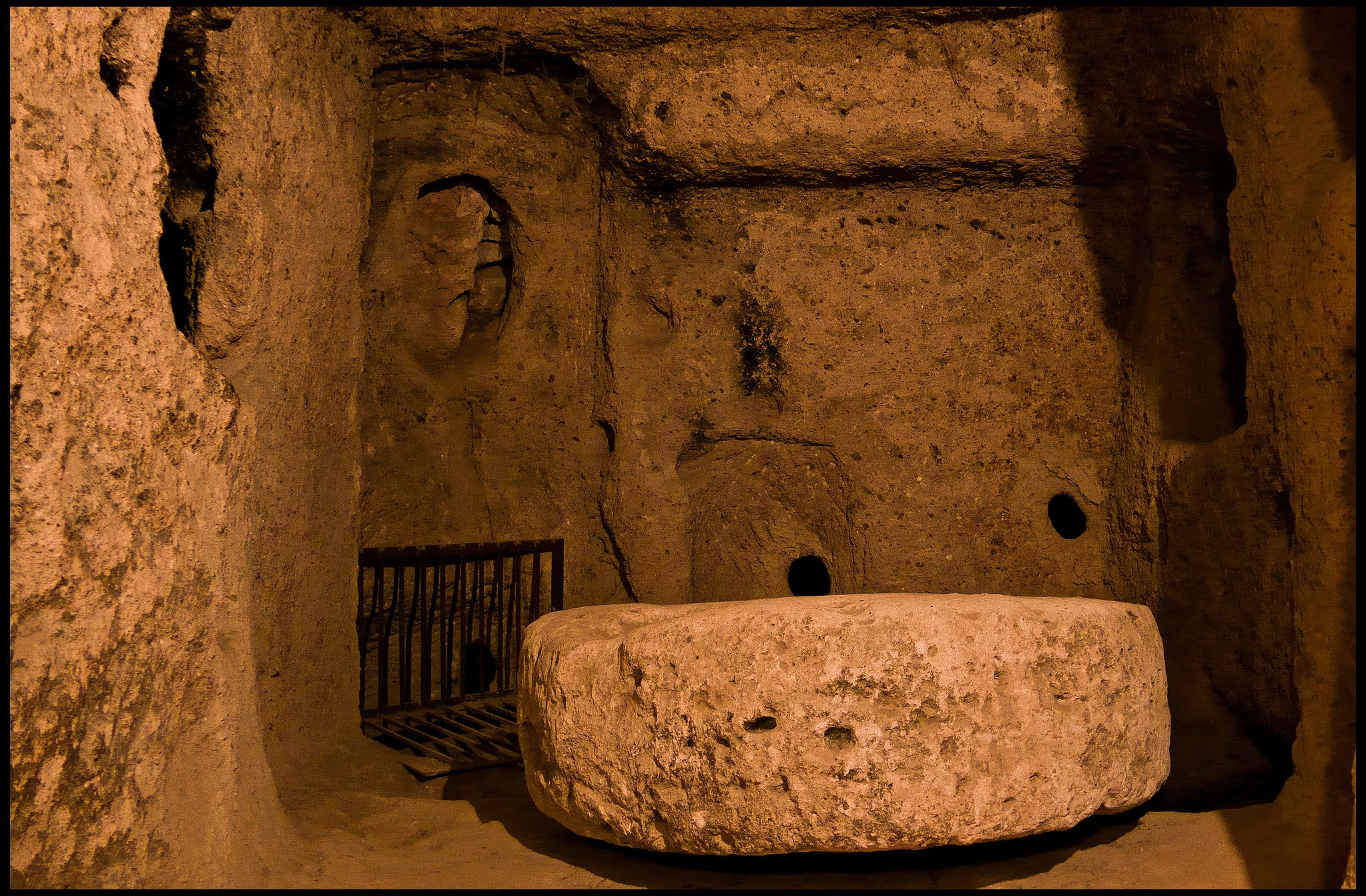
Turkey’s Kaymaklı underground city housed up to 3,500 people across eight levels, built specifically to protect Byzantine Christians from Arab raids. The city featured separate sections for different families, communal kitchens, stables for livestock, and even underground wineries where residents could continue their daily lives during extended sieges.
Narrow passages connected all levels, though they were designed so defenders could easily block access if invaders discovered the hidden entrances.
Like Go2Tutors’s content? Follow us on MSN.
Paris Catacombs
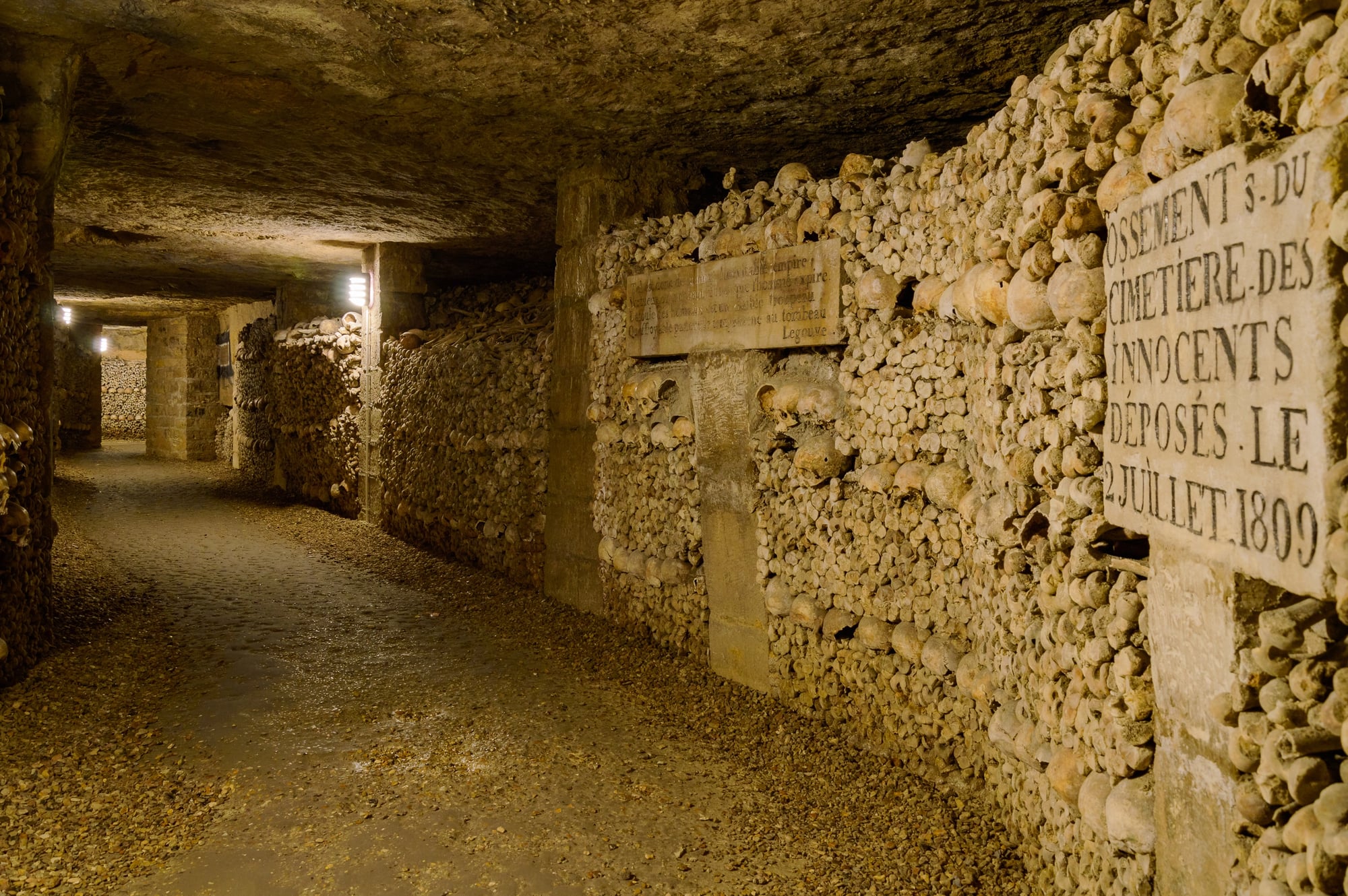
Paris transformed abandoned limestone quarries into the world’s largest underground ossuary, relocating millions of bodies from overflowing cemeteries in the late 1700s. The catacombs house the remains of over six million people, arranged in decorative patterns along miles of underground tunnels beneath the city.
This underground necropolis solved Paris’s public health crisis while creating a macabre tourist attraction that draws visitors from around the world.
Helsinki’s Underground Master Plan
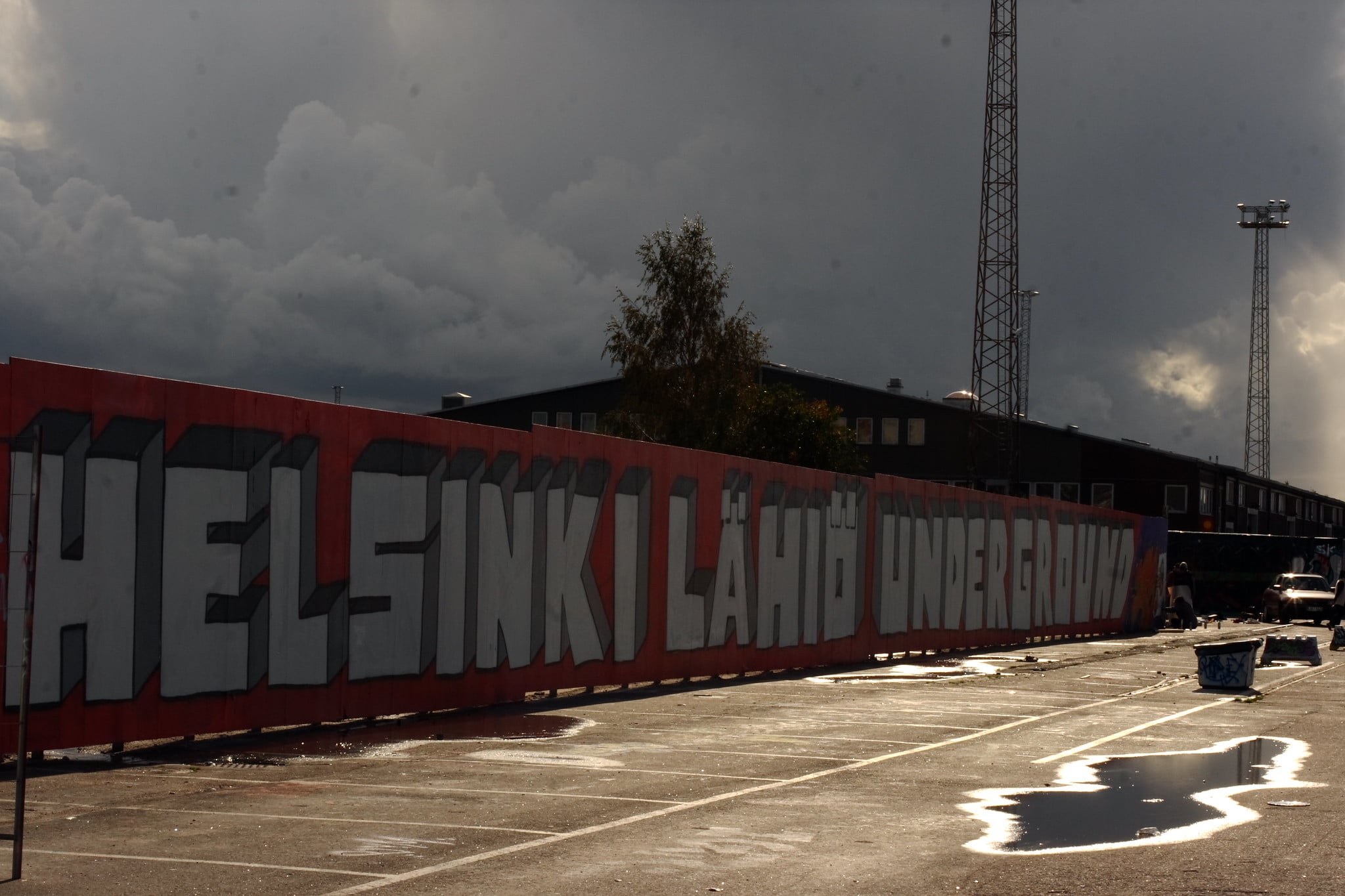
Helsinki carved an entire parallel city into solid granite bedrock, creating over 200 underground facilities that serve various municipal functions. The underground network includes swimming pools, shopping centers, parking garages, and emergency shelters designed to house the entire population during potential conflicts.
This comprehensive underground infrastructure ensures Helsinki can function normally regardless of surface conditions. It represents one of the most thorough underground city planning projects ever undertaken.
Carlsbad Cavern’s Visitor Complex
New Mexico’s Carlsbad Caverns National Park built extensive underground facilities to accommodate the millions of visitors who come to see the famous bat flights. The underground visitor services include elevators, walkways, and rest areas carved into the natural cave system.
These features allow people to explore 750 feet below ground safely. The underground facilities make one of America’s deepest cave systems accessible to tourists while preserving the delicate ecosystem that bats depend on.
Like Go2Tutors’s content? Follow us on MSN.
Engineering Marvels Below Ground
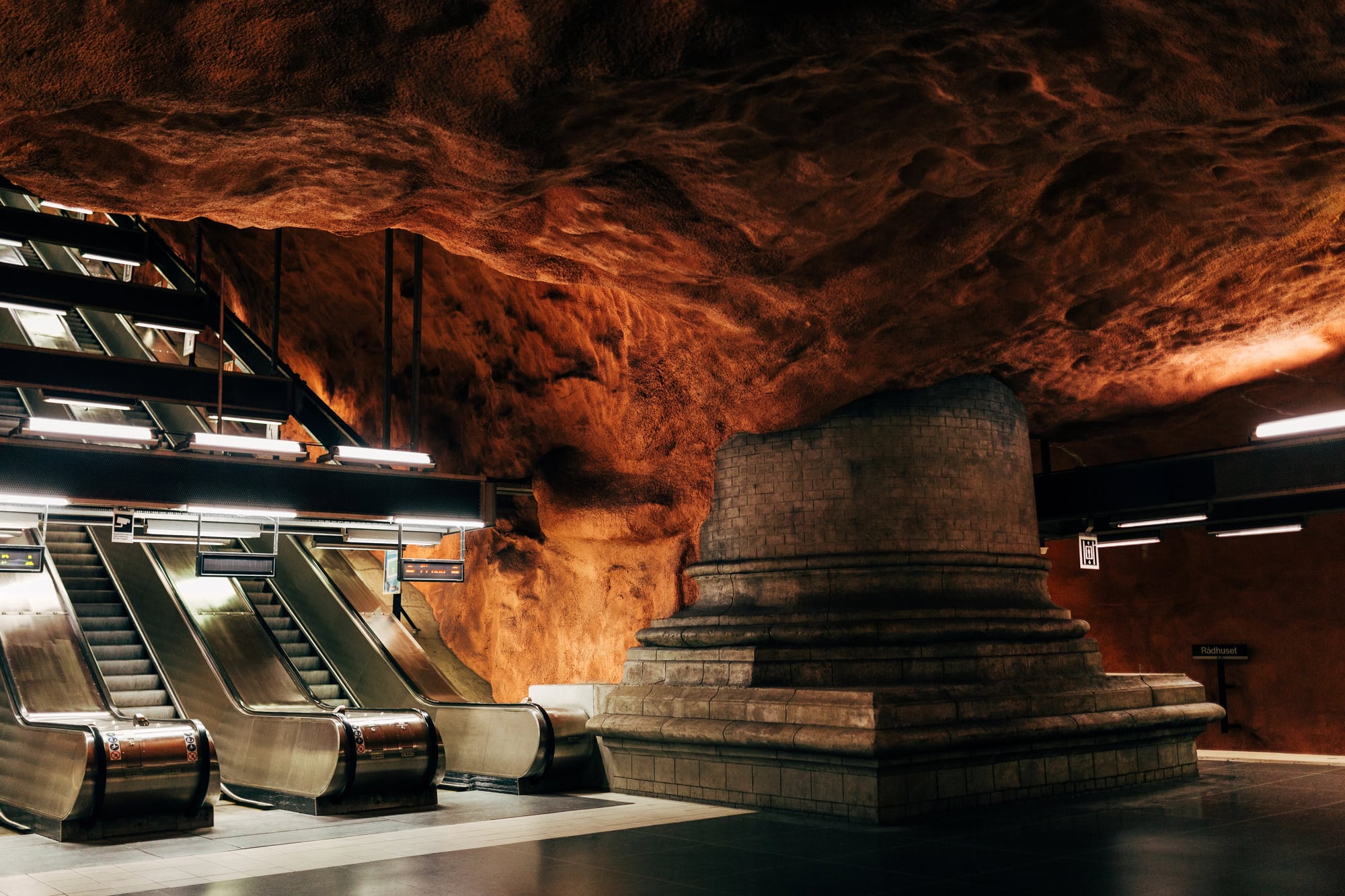
These underground cities demonstrate humanity’s remarkable ability to adapt challenging environments to meet specific needs, whether for protection, commerce, or survival. From ancient civilizations carving defensive networks into rock faces to modern societies building climate-controlled commercial spaces, each subterranean city represents a unique solution to the problems its builders faced.
The ingenuity displayed in these underground communities continues to inspire architects and urban planners who recognize that sometimes the best way to build up is to dig down. Today’s underground cities serve as testament to human creativity, reminding us that the most innovative solutions often lie beneath our feet, waiting to be discovered.
More from Go2Tutors!

- 16 Restaurant Chains That Went Too Fast
- 12 Things Sold in the 80s That Are Now Illegal
- 15 Strange Things People Have Tried to Ban (And Failed)
- 16 Collectibles People Tossed Out Too Soon
- 17 Myths from Your Childhood That Were Actually Based on Real Things
Like Go2Tutors’s content? Follow us on MSN.