24 Glassware Patterns Shoppers Overlook at Estate Sales
Depression glass, carnival glass, and vintage kitchenware represent some of the most underpriced collectibles available at estate sales, where knowledgeable buyers routinely find exceptional pieces for pennies on the dollar. Most shoppers walk past tables of colorful Depression-era glassware without recognizing that certain patterns and colors appreciate steadily in value while remaining accessible to collectors on modest budgets.
The key to finding value lies in understanding which manufacturers, colors, and patterns commanded respect from the moment they were produced.
Royal Lace by Hazel-Atlas (1934-1941)
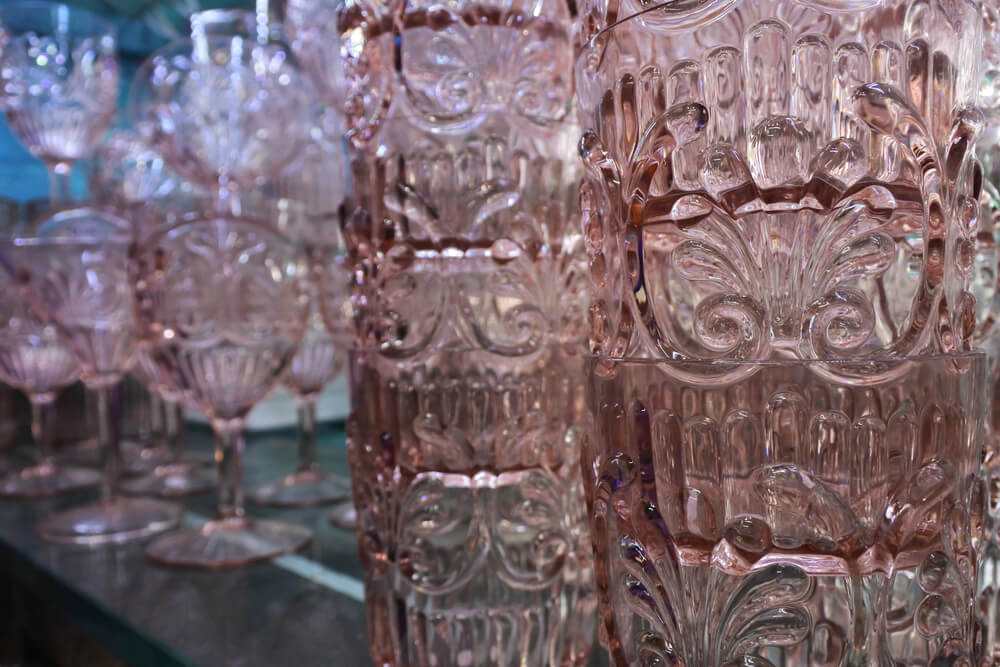
This ornate pattern featuring delicate lacework designs was produced only briefly by Hazel-Atlas Glass Company before being discontinued. Cobalt blue Royal Lace commands premium prices, with a set of six tumblers selling for approximately $285 and serving pieces reaching $40 or more individually.
Pink and green versions are valuable but paler compared to the rarer royal blue color that collectors prize.
Doric and Pansy by Jeannette Glass (1937-1938)
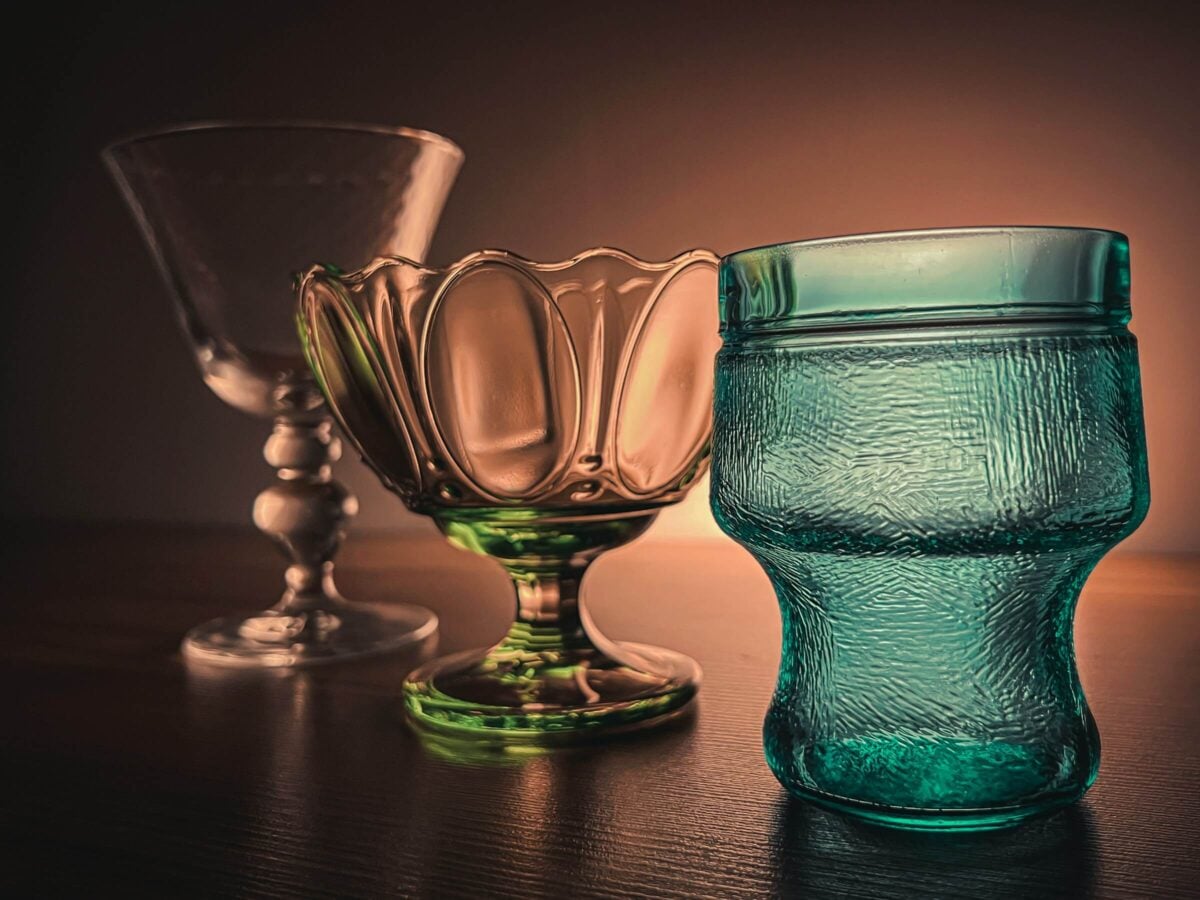
Produced for just two years, this pattern combines geometric columns with stylized flower designs and appears in pink, crystal, and a striking teal shade called ultramarine. Even common pieces in this pattern fetch $30 or more, while ultramarine salt and pepper sets sold for under $150 at auction.
The short production run combined with Jeannette’s quirky color choices makes completeness difficult for collectors.
Cherry Blossom by Jeannette Glass (1930-1939)
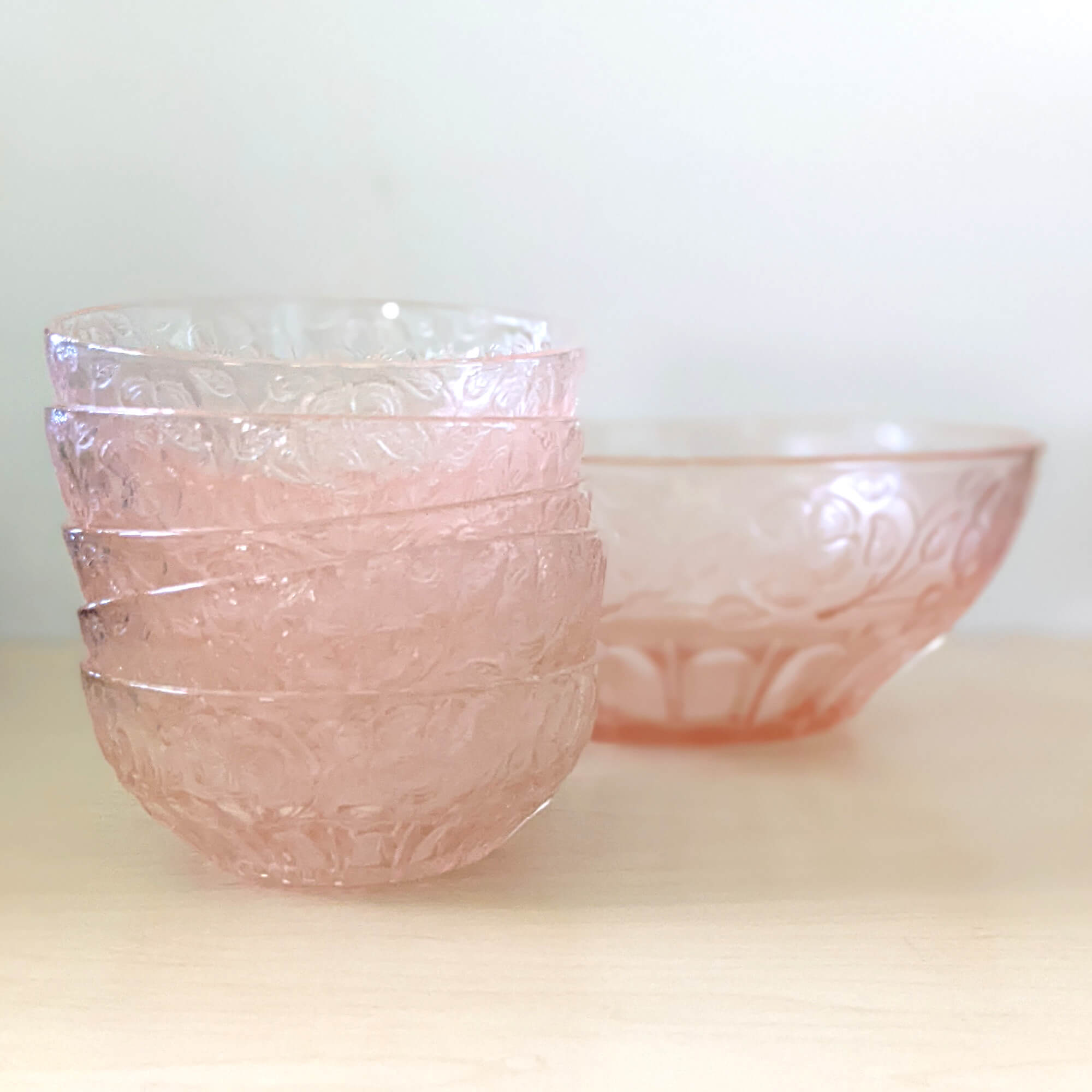
Delicate cherry branches with blossoms and leaves defined this iconic Depression pattern produced mostly in pink and green. A child’s butter dish in Cherry Blossom sold for $400 to $800, establishing the pattern as one of the most coveted among collectors.
Rare delphite (opaque pale blue) examples command significant premiums.
American Sweetheart by Macbeth-Evans (1930-1936)
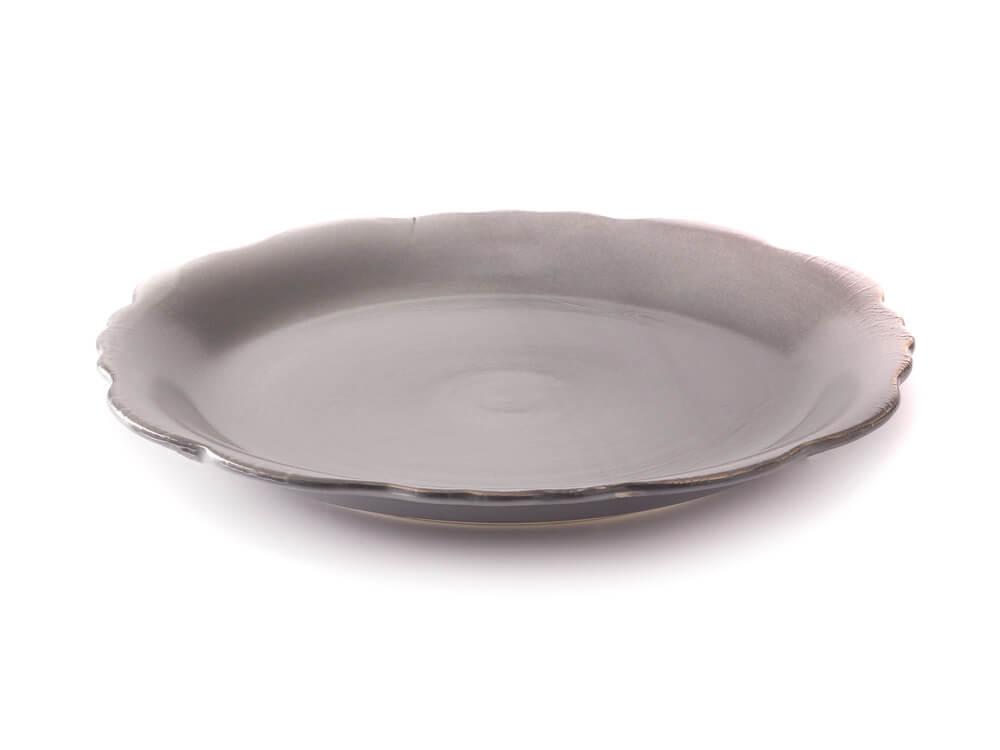
This Art Deco pattern with geometric banding features pink and red glass primarily, though other colors were produced in smaller quantities. Lamp shades in American Sweetheart fetch $400 to $700 depending on color rarity and condition.
The pattern’s elegant simplicity appeals to both Depression glass specialists and Art Deco enthusiasts.
Adam by Jeannette Glass (1932-1934)
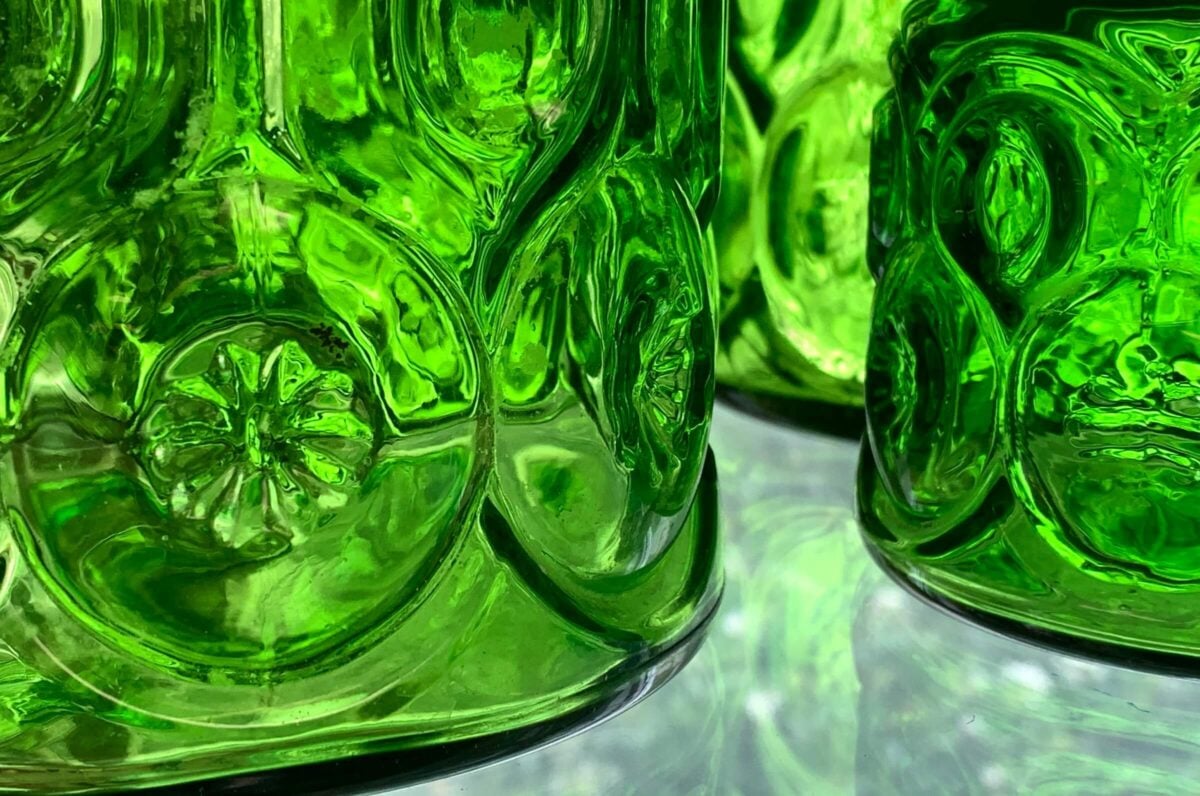
Vertical ribs radiating from a geometric floral center define this highly coveted pattern produced in limited quantities during the Depression. Adam appears in pink, green, crystal, blue, and yellow, with reproductions introduced in the 1980s creating authentication challenges.
Original pieces remain valuable investments for collectors.
Mayfair Open Rose by Federal Glass (1931-1937)
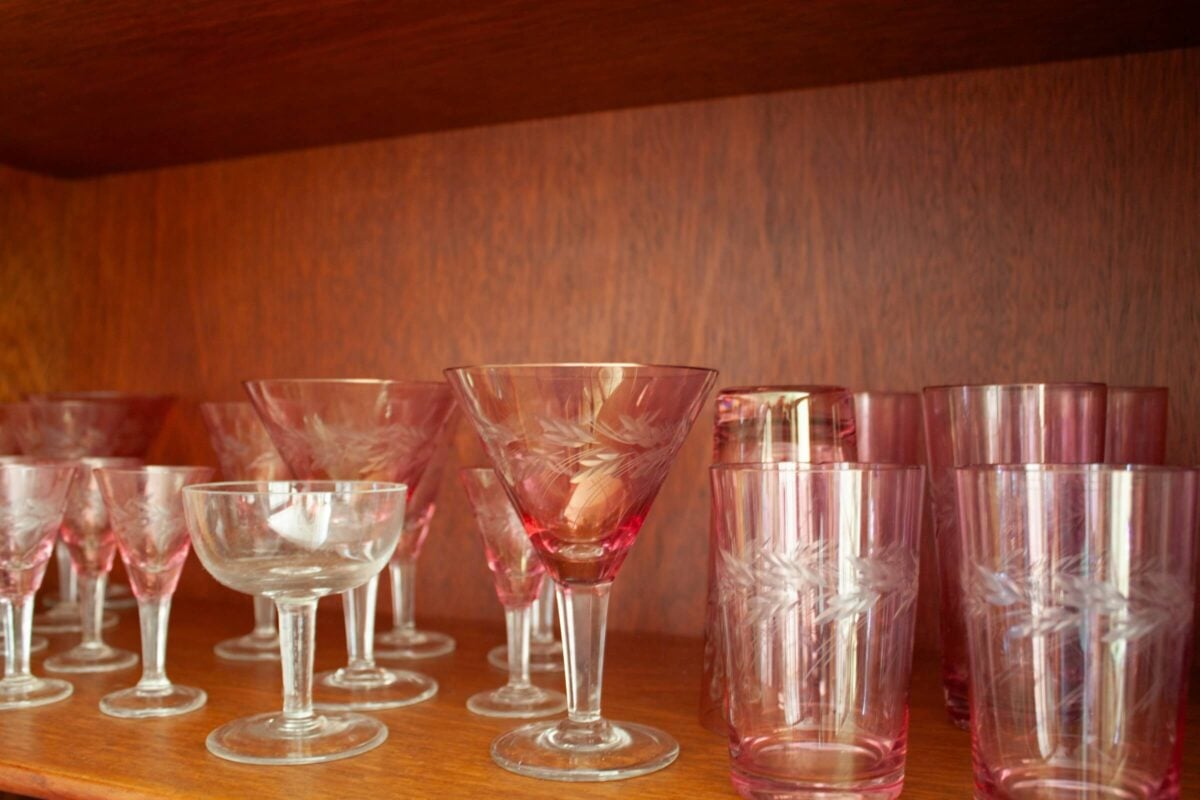
This elaborate floral pattern was one of the most ambitious Depression designs but suffered from fragile construction, making pristine examples genuinely scarce today. Mayfair in cobalt blue achieves remarkable prices, with a cookie jar selling for $1,500 to $3,000.
Rare color variations and unusual pieces command significant premiums.
Fenton Carnival Glass Hobnail Pieces
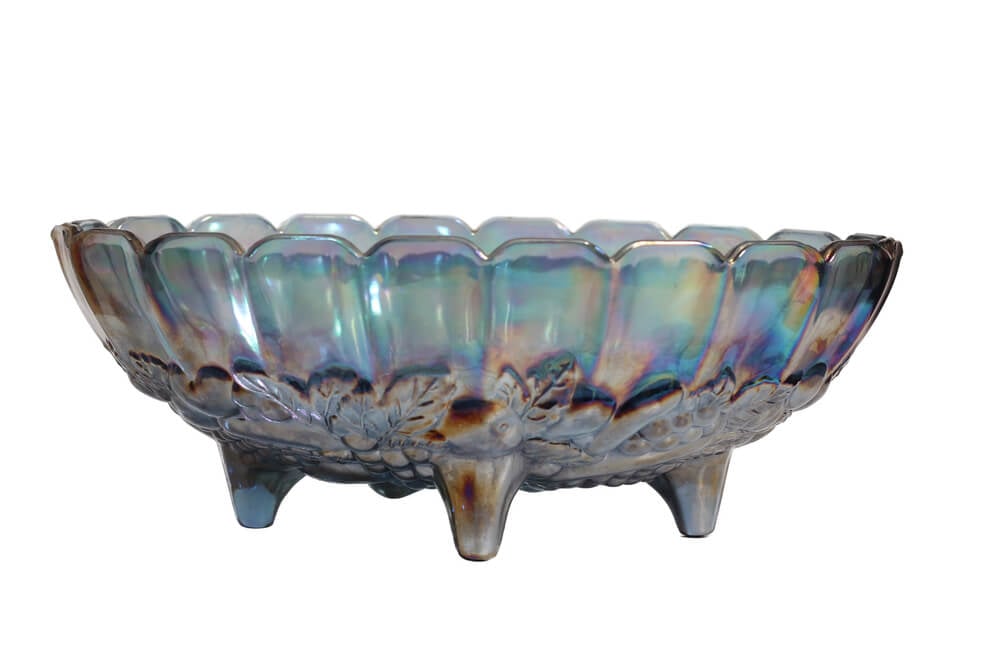
The elevated bumps covering Fenton’s carnival glass pieces represent the company’s most recognizable design element, produced across numerous colors from marigold to rarer amethyst and blue. Hobnail compotes and baskets with original iridescent finishes typically fetch $20 to $50 for common examples, though rare colors and forms reach higher prices.
Carbon specks and air bubbles indicate authentic vintage pieces.
Fire-King Jadeite Restaurant Ware
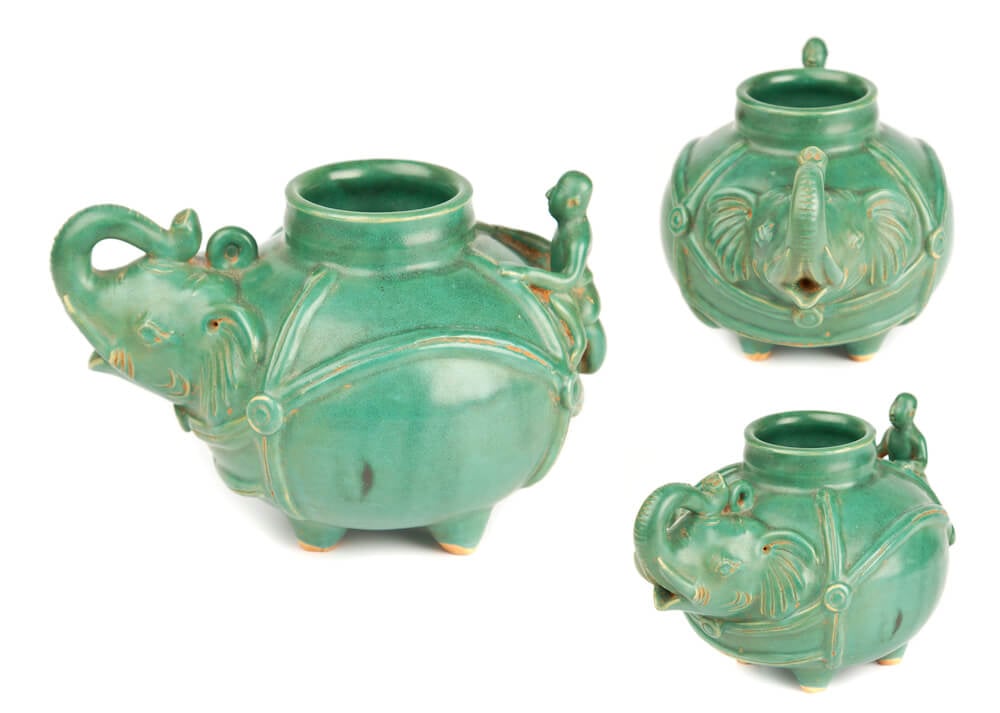
Anchor Hocking’s Fire-King brand produced this distinctive opaque pale green glassware for commercial kitchen use from the 1940s through the 1970s. Fire-King jadeite mugs command $25 to $100 each, with sets of four reaching $100 or more.
The Restaurant Ware line remains highly collectible due to its commercial heritage and striking color.
Gloria by Cambridge Glass Company
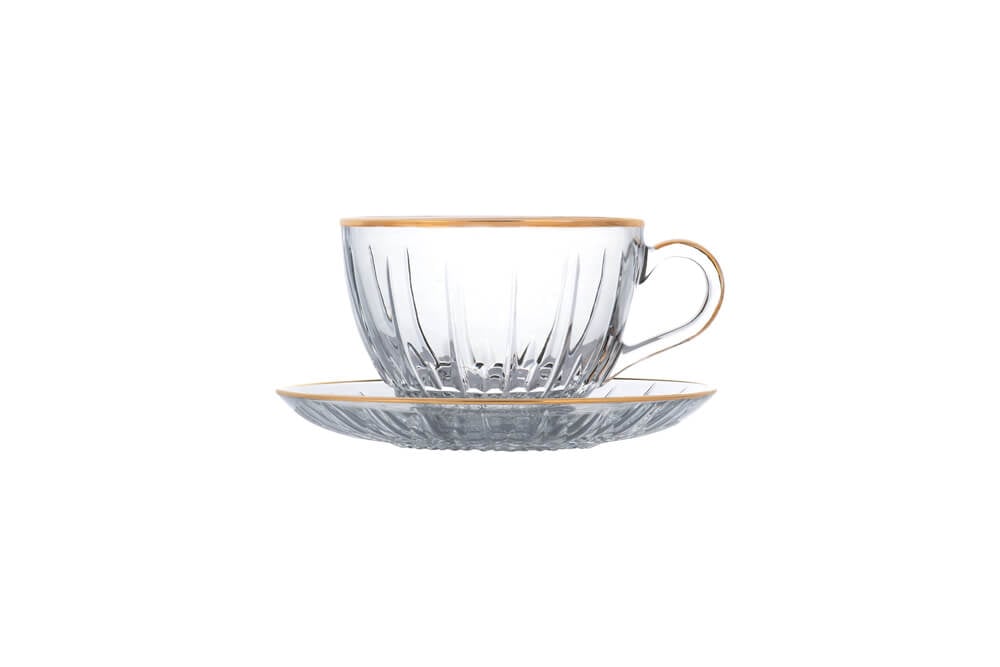
This elegant pattern featuring geometric designs appears most commonly in crystal and amber, but forest green examples are significantly rarer and trigger fierce competition among collectors. Forest green Gloria pieces command premium prices when located.
The pattern’s sophistication appeals to collectors seeking refined Depression glass alternatives.
Parrot or Georgian by Federal Glass (1931-1932)
Bird enthusiasts gravitate toward this pattern featuring parrots and other avian imagery etched into the glass. The botanical theme creates cross-market appeal, with collectors of Depression glass and bird memorabilia both seeking examples.
Rarer color variations and unusual pieces command strong prices on the specialty market.
Miss America by Hocking Glass (1935-1938)
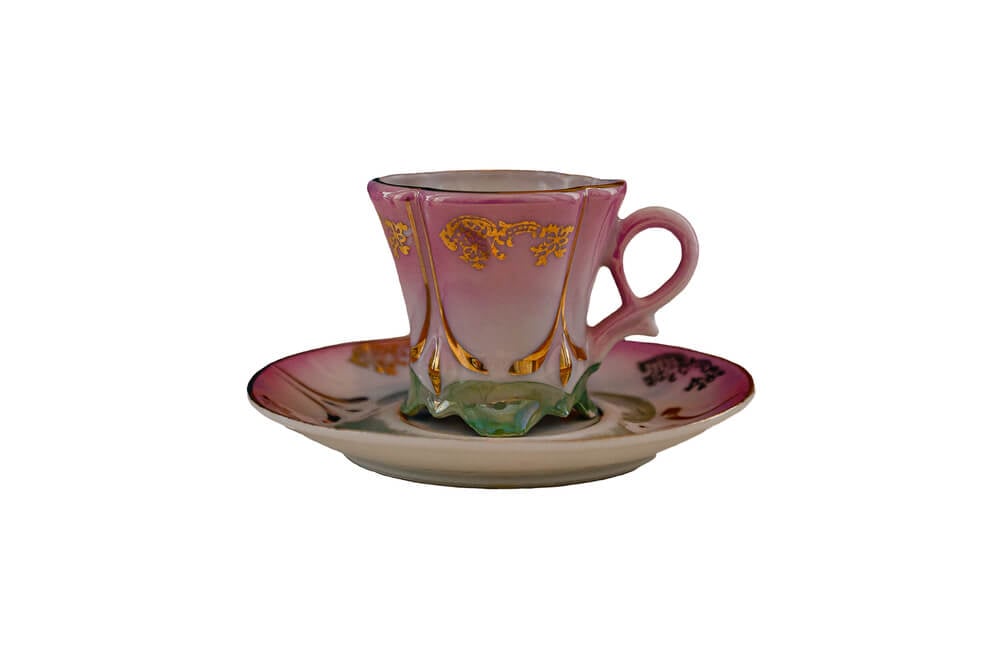
Featuring geometric Art Deco lines with diamond and vertical rib motifs, this pattern was produced in limited colors due to manufacturing challenges during the Depression. Original examples remain valuable investments, with pieces in uncommon colors reaching $50 to $200 depending on rarity.
Fire-King Peach Lustre Dinnerware
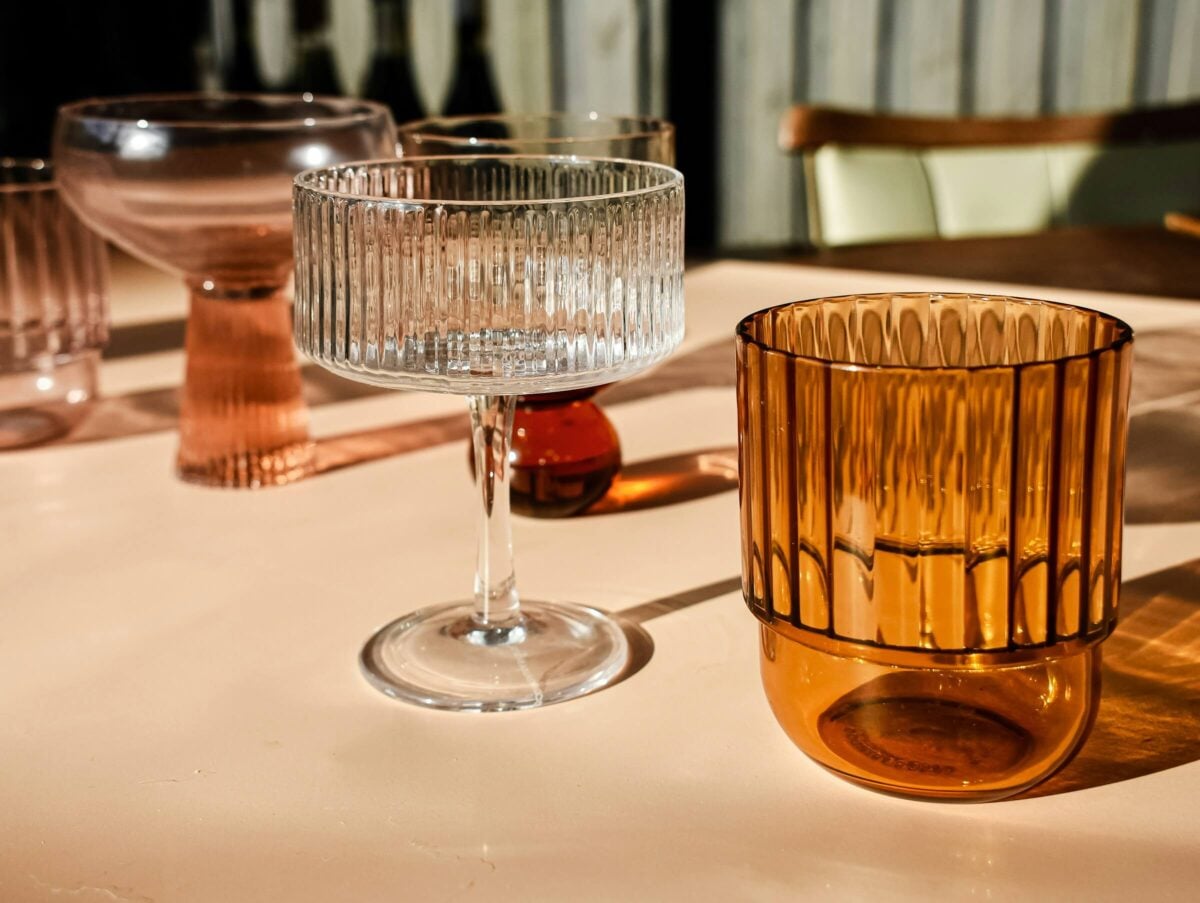
The iridescent peach color with mirror-like finish applied to Fire-King dinnerware creates a particularly striking aesthetic that transcends typical vintage glassware collecting. Complete sets in excellent condition, particularly larger services with serving pieces, fetch $100 to $300 or more.
The unique color makes identification simple for new collectors.
Fenton Custard Glass
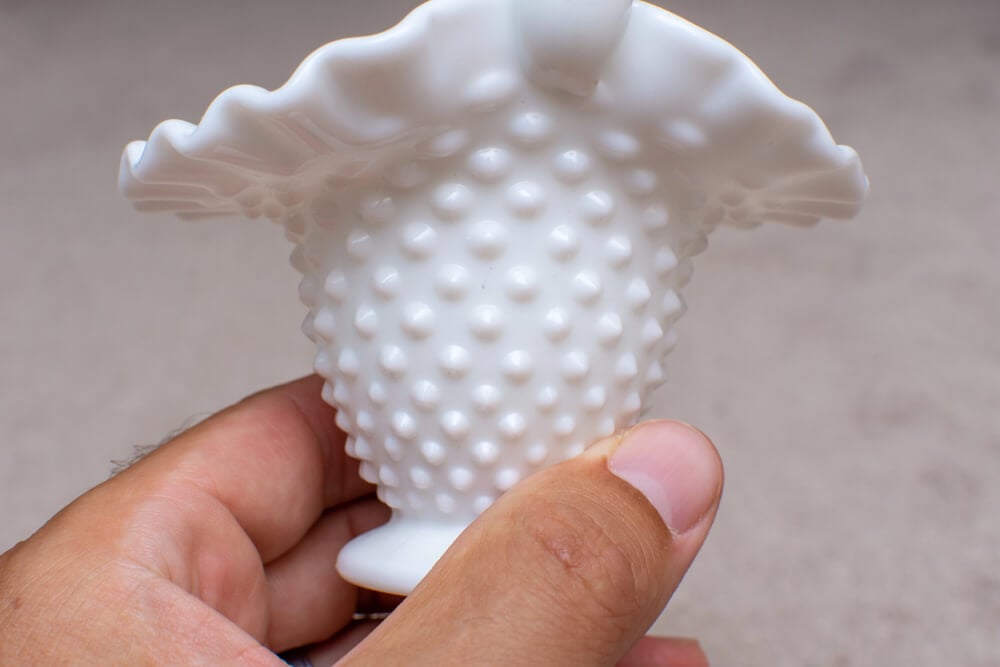
This opaque yellow-toned glassware ranging from pale ivory to bright yellow-green represents one of Fenton’s most distinctive colors. Custard glass pieces often feature decorative elements such as roses and gold detailing, creating multi-market appeal.
Prices range from $20 to $100 for most examples, with rare forms reaching higher.
Windsor or Diamond by Jeannette Glass (1932-1946)
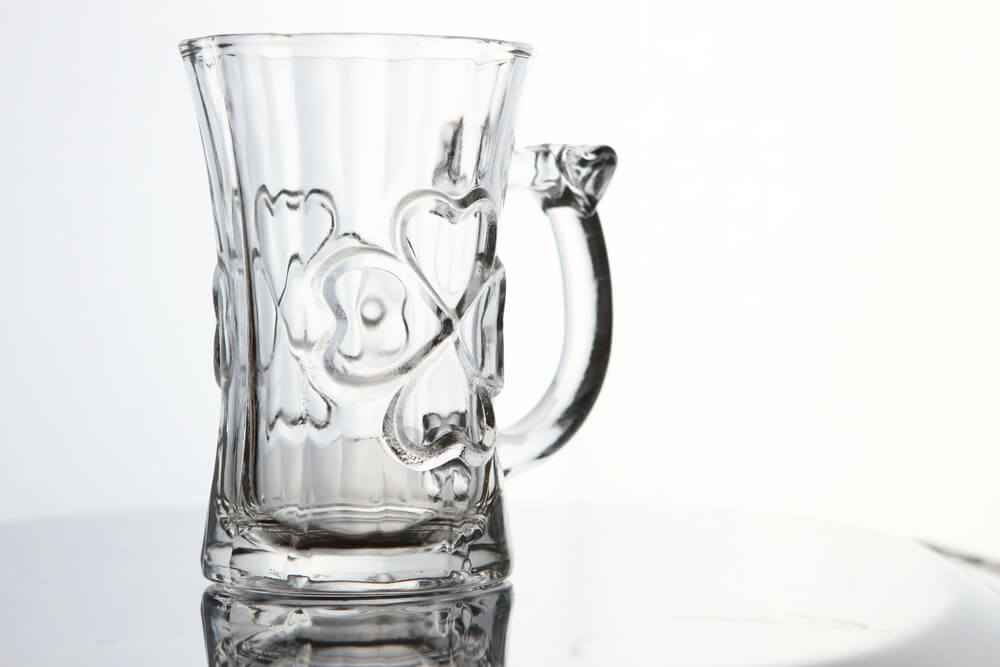
The geometric diamond pattern covering this glassware creates a bold aesthetic that photographs beautifully in natural light. Produced primarily in pink and green, Windsor pieces remain affordable at $5 to $25 for common examples while rare colors and forms command premiums.
Complete sets attract serious collectors.
Fire-King Forget-Me-Not Pattern
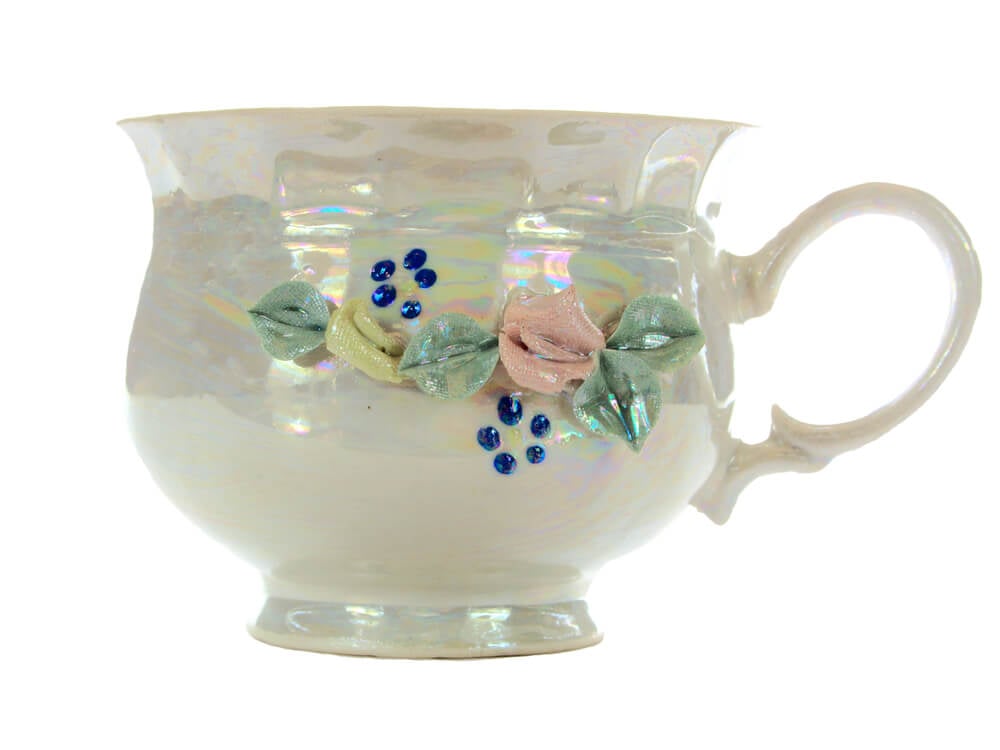
Simple, vibrant blue flowers bundled with vivid yellow wheat stalks define this delicate design applied to Fire-King dinnerware. Complete 12-person dinner sets in excellent condition become focal points in vintage kitchen collections.
The botanical motif appeals to collectors beyond typical glassware enthusiasts.
Fenton Persian Medallion Carnival Glass
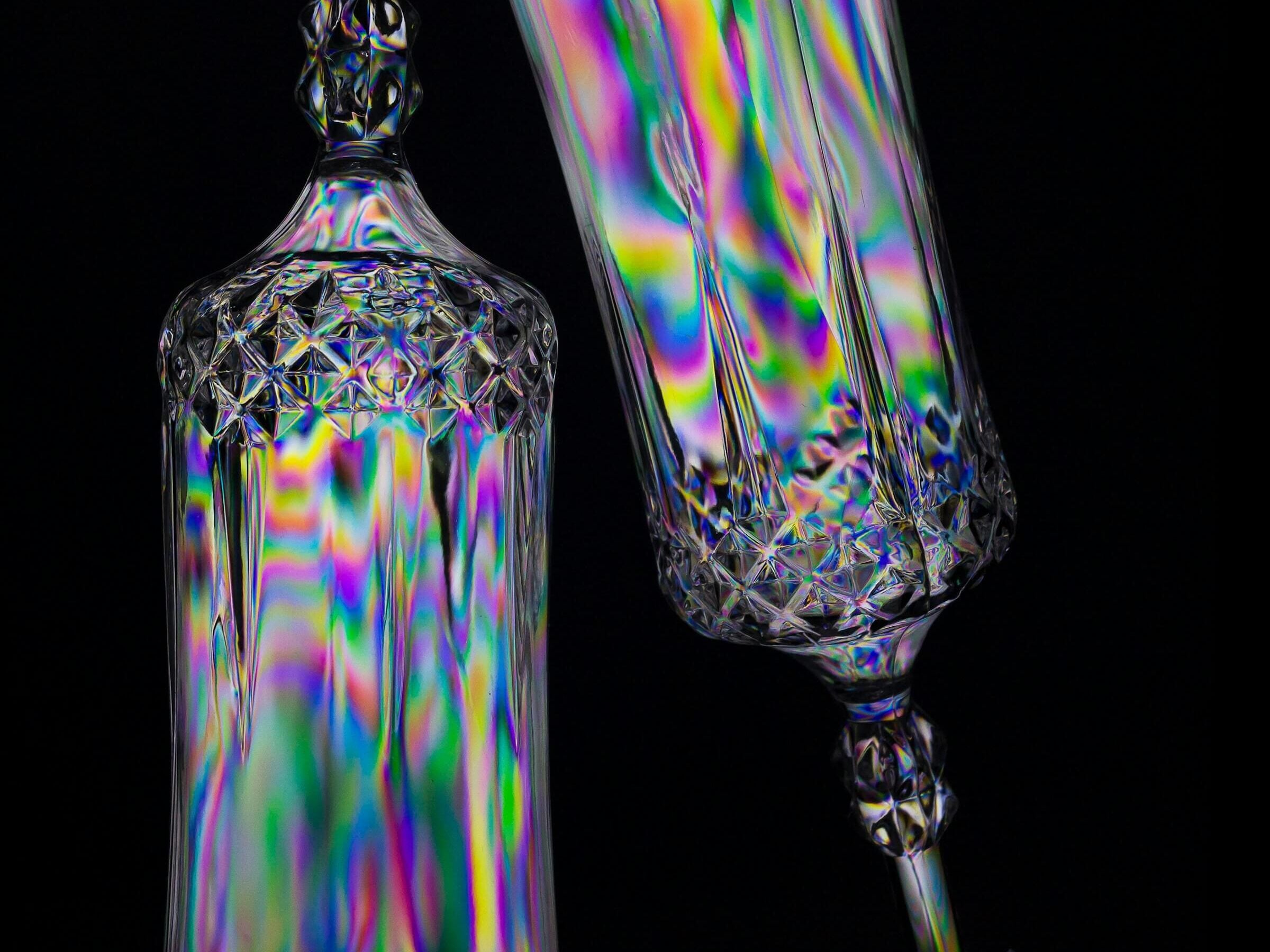
The intricate center medallion surrounded by ornate patterns represents one of Fenton’s most elaborate carnival glass designs. Original pieces in pristine condition can reach $50 to $150 depending on color rarity.
The pattern’s complexity creates visual interest that attracts both casual collectors and specialists.
Parisian by Federal Glass (1931-1932)
The Art Deco geometric banding and stylized patterns of this glassware create elegant tablescape potential that appeals beyond traditional Depression glass collecting. Pieces in rarer colors command $25 to $75, with complete services reaching higher totals.
The sophisticated aesthetic has sustained collector interest for decades.
Fire-King Anniversary Rose Pattern
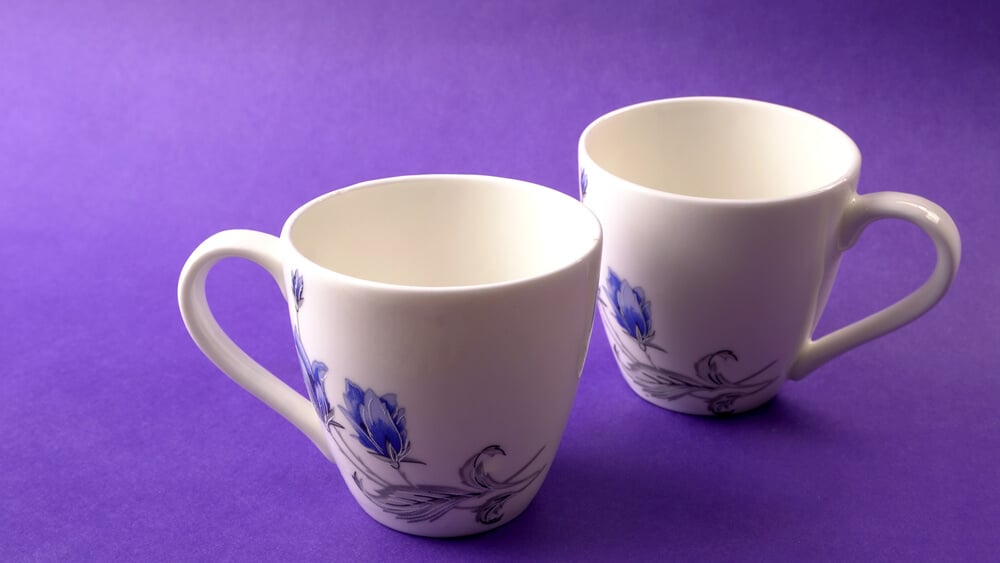
Frequently gifted on milestone anniversaries, this pattern depicts a single rose with tasteful leaves—a design appearing equally elegant on tea cups or serving dishes. Complete services with presentation boxes command premium prices from collectors seeking nostalgic anniversary memorabilia.
The romantic theme creates cross-market appeal.
Cloverleaf by Hazel-Atlas Glass (1930-1936)
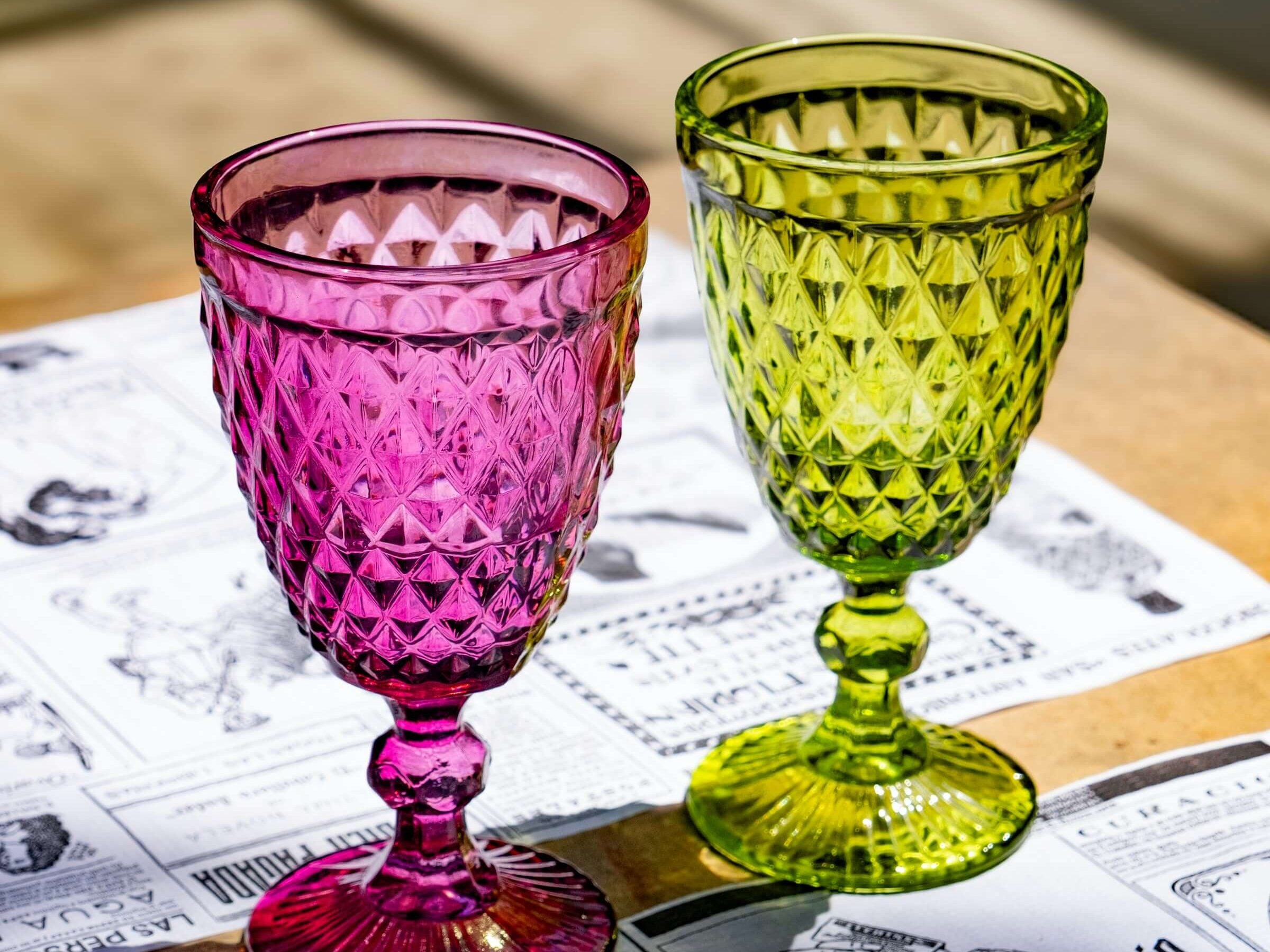
Geometric cloverleaf shapes arranged in linear patterns across the glassware create a striking Art Deco aesthetic. Hazel-Atlas marked pieces with a script “H” over a diamond shape, aiding identification.
Prices typically range from $10 to $40 for common examples, with rarer colors commanding higher premiums.
Coronation or Banded Rib by Hazel-Atlas (1936-1940)
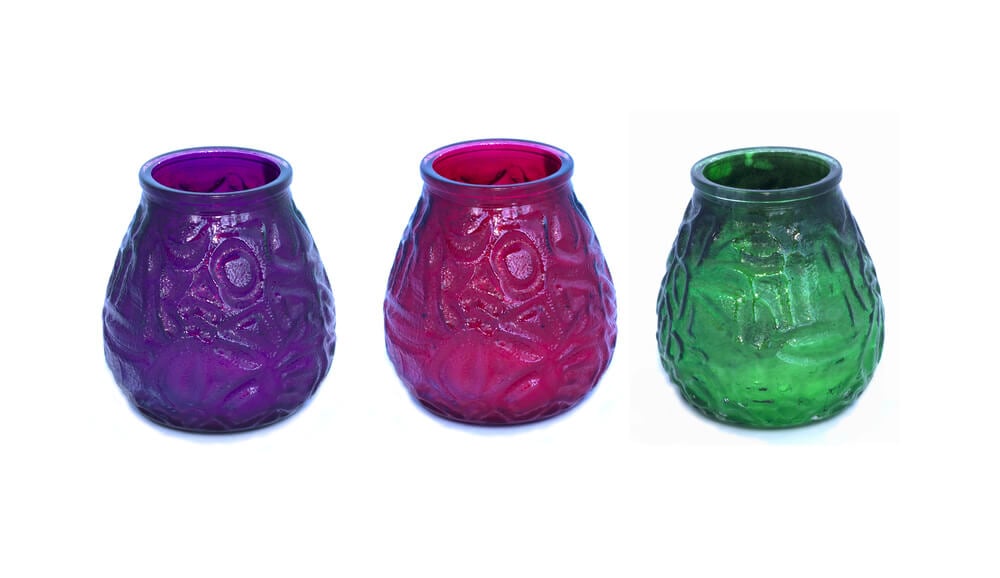
Simple banding and ribbed patterns on this glassware create understated elegance particularly suited to modern interior design. Collectors often overlook this simpler pattern in favor of more elaborate designs, creating opportunity for savvy buyers.
Prices remain affordable at $5 to $25 for most examples.
Fire-King Peach Blossom Pattern
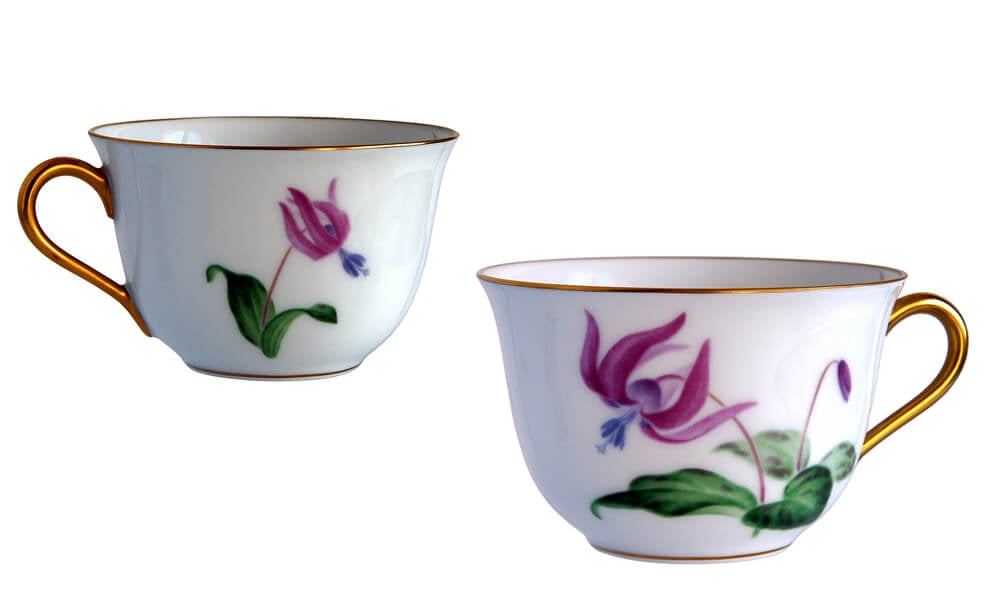
Pink floral elements on white milk glass create a romantic aesthetic that appeals to collectors seeking softer Depression-era designs. Dinnerware sets including serving pieces command $75 to $150 depending on completeness.
The gentle color palette has become increasingly fashionable among modern collectors.
Fenton Spanish Lace Carnival Glass
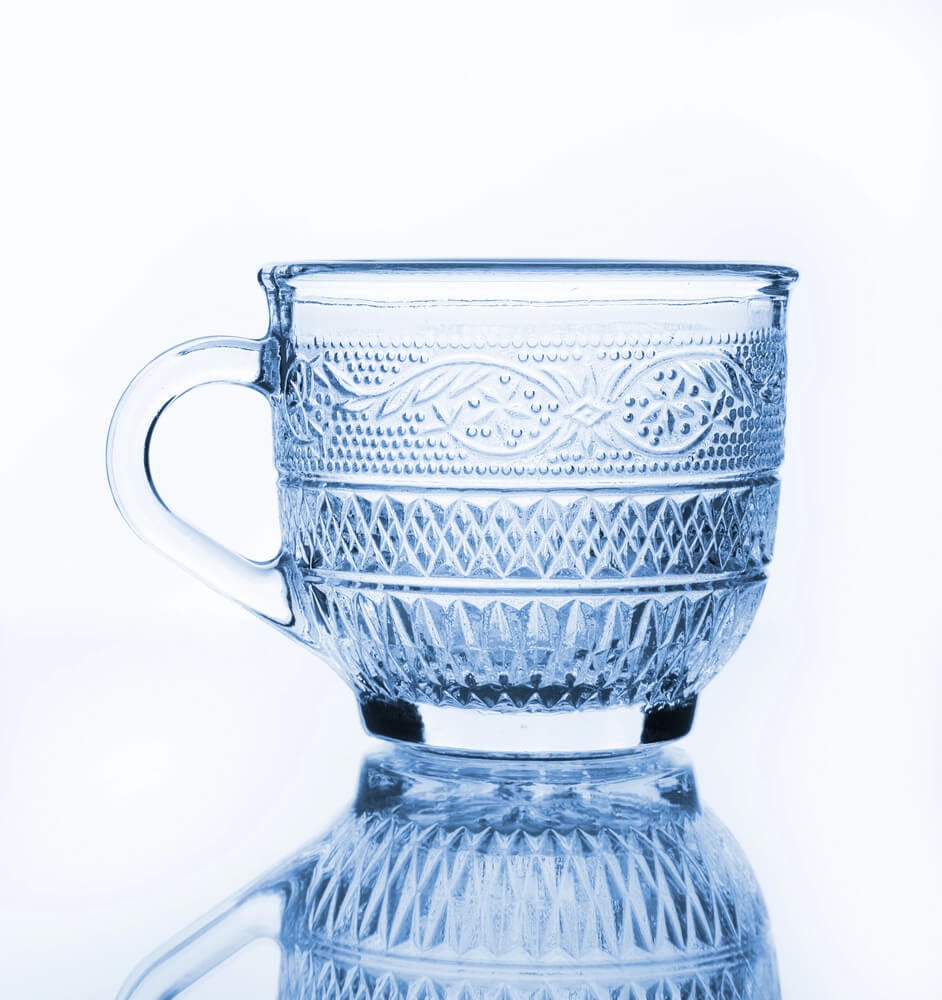
Intricate lace-like patterns covering this carnival glass represent some of Fenton’s most technically difficult designs to produce. Original examples in excellent condition with pristine iridescent finishes reach $40 to $100.
The complexity visible under magnification appeals to detail-oriented collectors.
No. 612 Horseshoe by Indiana Glass (1930-1933)
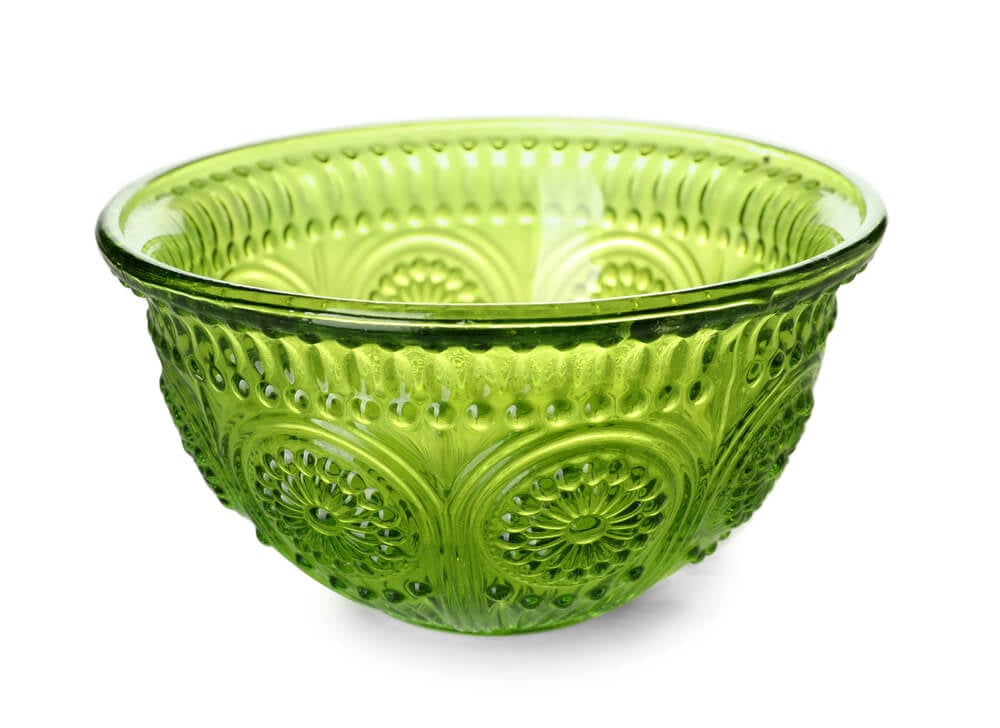
Featuring horseshoe motifs, this Depression pattern appeals to collectors with equestrian interests and Western aesthetic preferences. Prices typically range from $15 to $50 for common examples, with rare colors and forms commanding higher prices.
The pattern’s accessibility makes it ideal for beginning collectors.
Fire-King Jade-ite Swirl Pattern
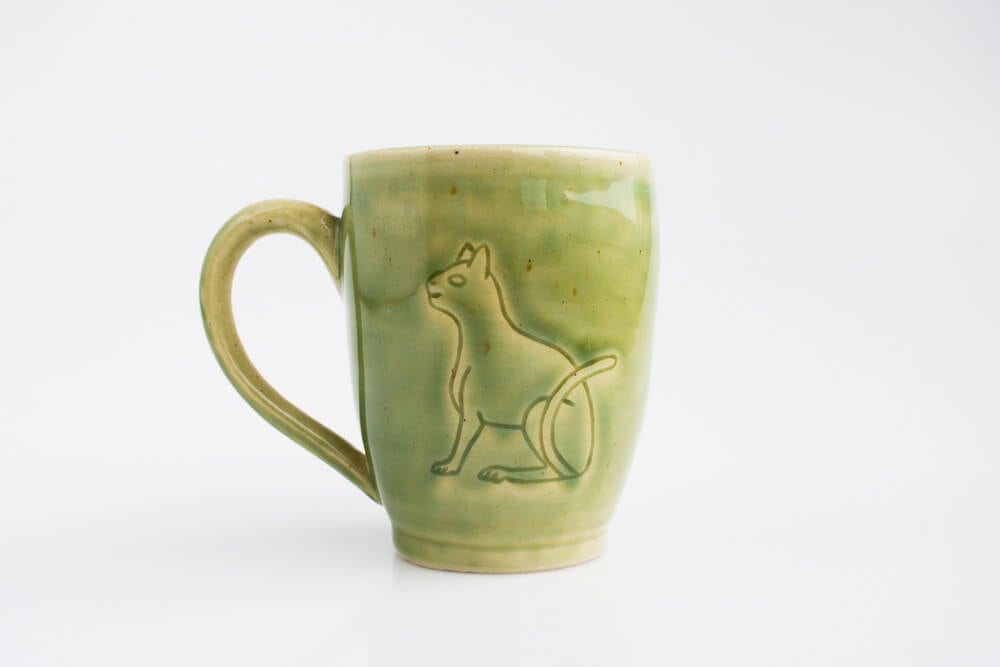
Rotating ridged borders surrounding Fire-King jade-ite pieces create a three-dimensional texture that photographs beautifully. Nesting bowl sets and serving pieces in excellent condition fetch $50 to $150.
The architectural quality of the swirl pattern appeals to contemporary design sensibilities.
Forgotten Treasures in Plain Sight
The glassware overlooked at estate sales often represents superior value compared to heavily promoted collectibles, with entire services available for prices that would barely purchase single pieces of rarer patterns. Contemporary interior designers increasingly specify vintage Depression and Fire-King glassware for client projects, broadening the collector base and supporting steady price appreciation.
For patient shoppers willing to examine tables of glassware with educated eyes, estate sales remain treasure repositories where quality vintage tableware awaits discovery.
More from Go2Tutors!

- The Romanov Crown Jewels and Their Tragic Fate
- 13 Historical Mysteries That Science Still Can’t Solve
- Famous Hoaxes That Fooled the World for Years
- 15 Child Stars with Tragic Adult Lives
- 16 Famous Jewelry Pieces in History
Like Go2Tutors’s content? Follow us on MSN.