28 Paper Route Era Jobs That Disappeared
A teenager could once earn spending money delivering newspapers before school, and an adult could build a full career around a skill that a machine now performs in seconds. Technology did not eliminate these jobs all at once.
It simply made each one unnecessary, one small decision at a time, until nobody was left doing the work.
Paperboy
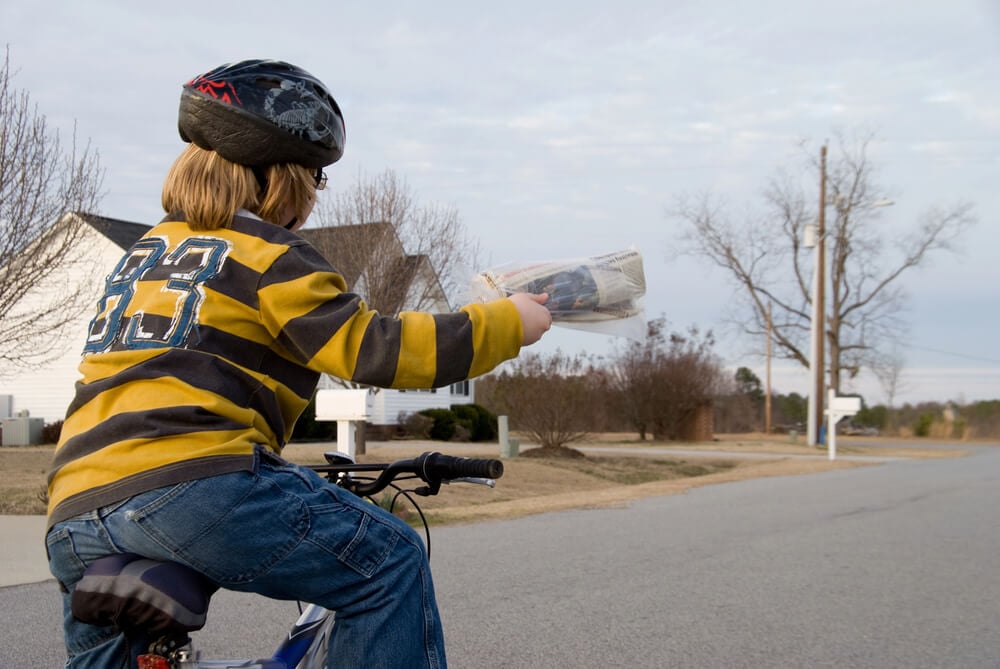
Before automated delivery trucks and digital subscriptions, local newspapers relied on a network of school-age kids who rode bikes before dawn, tossing folded papers onto porches from a canvas bag slung across the handlebars. Collecting payment meant knocking on doors once a week or once a month, since routes were typically run on a subscription model the paperboy managed personally.
Newspaper circulation departments phased out youth carriers in favor of adult drivers with cars starting in the 1980s and 1990s, partly over insurance liability concerns.
Telephone Switchboard Operator

Every phone call once required a human operator to physically connect a caller’s line to the receiver’s line using a switchboard full of cables and jacks. Operators, almost always women by the mid-twentieth century, worked in shifts to keep local exchanges running around the clock.
Direct-dial technology, which let callers connect without an operator, spread through the United States from the 1920s through the 1970s and eliminated the job almost entirely by the end of that period.
Elevator Operator
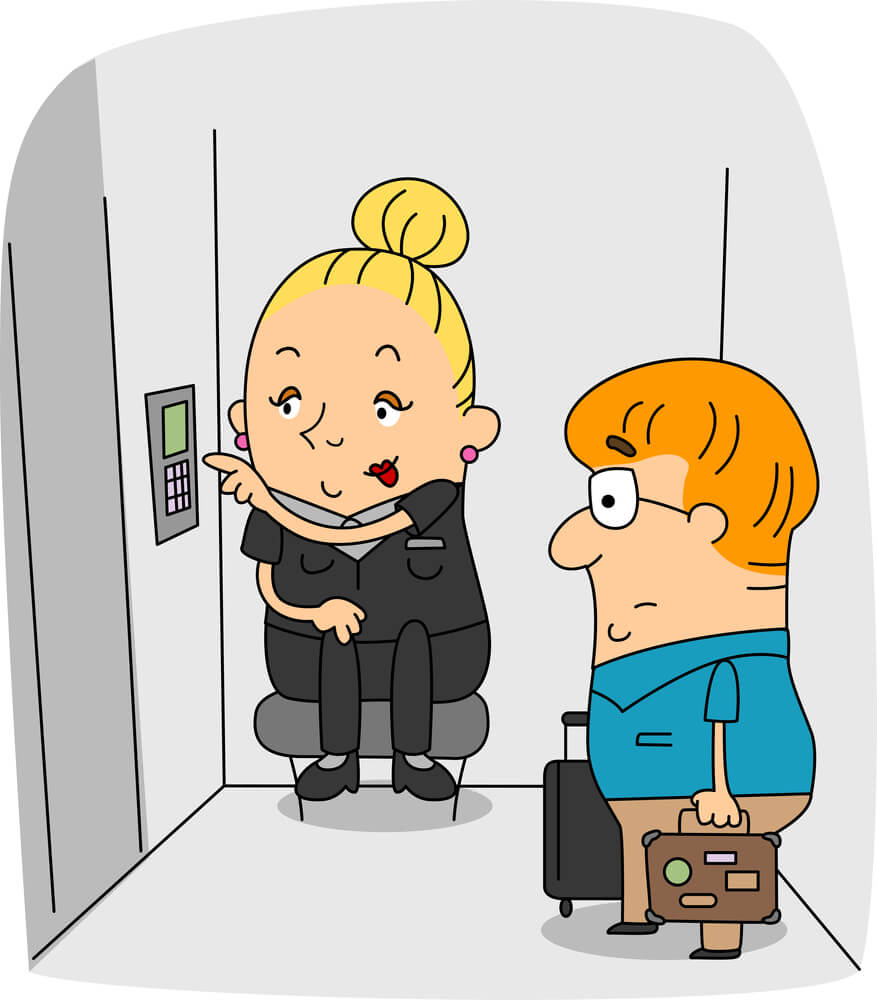
Early elevators required a trained operator to manually control the car’s speed and stopping position, since automatic leveling technology did not yet exist. Operators called out floor numbers and building directories from memory, a skill regular riders came to rely on in large office buildings and department stores.
Automatic elevators with push-button floor selection became standard by the 1950s, and most operator positions disappeared within a decade or two after that.
Milkman

Dairies once delivered glass bottles of milk directly to doorsteps early each morning, collecting empty bottles left out from the previous delivery in a wire carrier or insulated box. Home refrigeration was less reliable in earlier decades, making frequent small deliveries more practical than large grocery store trips.
Supermarket expansion and improved home refrigeration through the 1950s and 1960s made daily delivery unnecessary, and most dairies discontinued residential routes by the 1970s.
Iceman
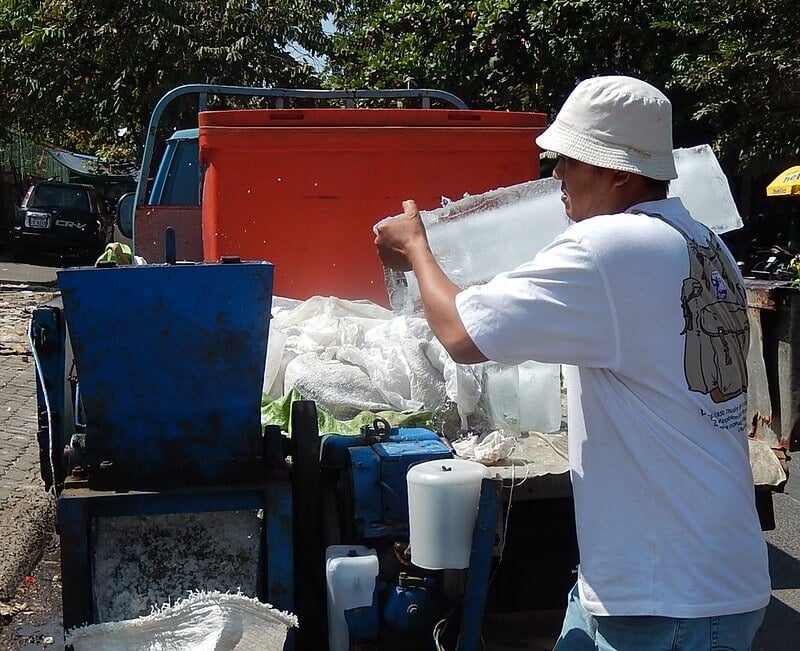
Before electric refrigerators became affordable and common, households relied on iceboxes that needed a fresh block of ice delivered regularly to keep food cold. Icemen carried large blocks using metal tongs, hauling them up stairs to apartments on a set delivery schedule.
The rapid spread of electric refrigerators through the 1930s and 1940s made the entire delivery industry obsolete within about two decades.
Soda Jerk
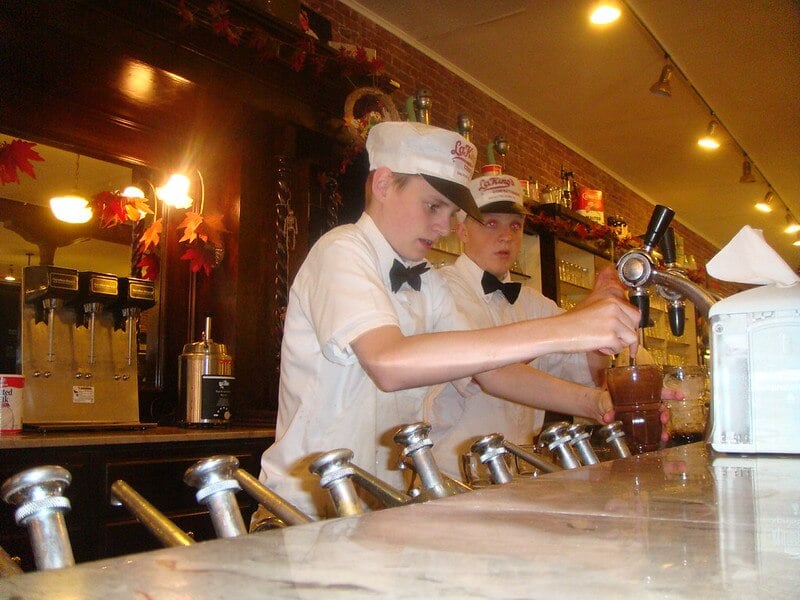
Drugstore and diner soda fountains employed workers who mixed sodas, malts, and ice cream floats by hand, developing a fast, theatrical style of pouring and scooping that customers watched as entertainment. The title came from the pulling motion required to work the fountain’s soda tap.
Fast food expansion and the decline of standalone drugstore fountains through the 1960s and 1970s gradually eliminated the role from most communities.
Full-Service Gas Station Attendant

Attendants once pumped gas, checked oil and tire pressure, and washed windshields as a standard part of every fill-up, a service most stations included at no extra charge. Self-service pumps began spreading in the 1970s during fuel price volatility, as station owners looked to cut labor costs.
By the 1990s, full-service stations had become rare outside a handful of states that still require them by law.
Movie Theater Projectionist

Running a single-screen theater required a trained projectionist who threaded heavy reels of film through a mechanical projector, timing reel changes precisely so audiences never noticed the switch. The job demanded constant attention, since a misaligned reel could burn or tear the film mid-screening.
Digital projection systems, which spread through American theaters between the mid-2000s and early 2010s, automated the process almost entirely and eliminated most projectionist positions.
Bowling Alley Pinsetter
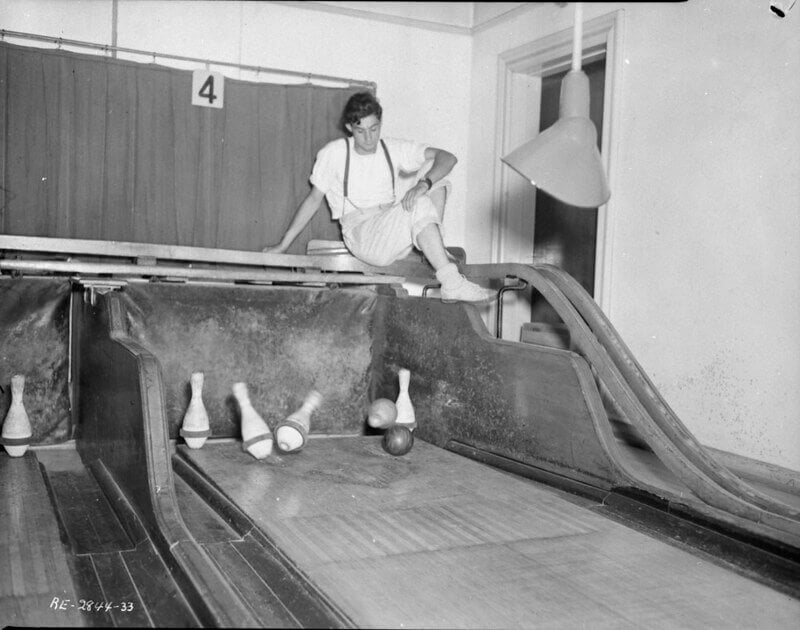
Before automatic pin-setting machinery, bowling alleys employed young men and boys who sat behind the lanes resetting fallen pins by hand after every frame, ducking to avoid flying pins knocked loose by careless bowlers. The job paid by the game rather than by the hour, so a fast pinsetter could earn more during a busy night.
Brunswick and AMF both introduced automatic pinsetting machines during the 1950s, and manual pinsetting disappeared from American alleys within about a decade.
Door-to-Door Encyclopedia Salesman

Companies like World Book and Encyclopaedia Britannica employed traveling salesmen who went door to door demonstrating sample volumes and signing families up for expensive multi-year payment plans on full encyclopedia sets. The job required a rehearsed pitch and thick skin, since door slams were routine.
The rise of home computers and internet search through the 1990s made printed encyclopedias unnecessary, and Britannica stopped printing its set entirely in 2012.
Fuller Brush Salesman

Fuller Brush Company salesmen went door to door demonstrating household brushes, mops, and cleaning products directly to homeowners, building a reputation persistent enough that “Fuller Brush man” became a cultural shorthand for door-to-door sales generally. The company trained representatives on a standardized pitch designed to secure a foot in the door before the homeowner could decline.
Changing retail habits and growing resistance to unsolicited home visits reduced the sales force dramatically by the late twentieth century.
Door-to-Door Vacuum Cleaner Salesman
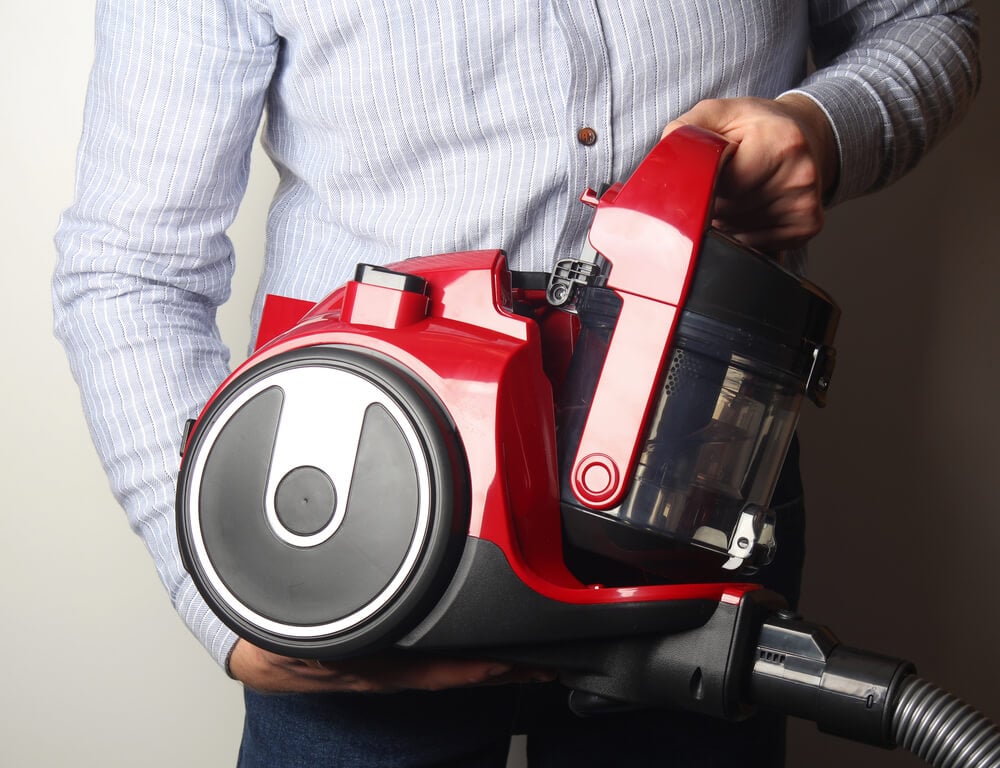
Companies including Kirby and Electrolux built entire sales forces around in-home demonstrations, often dumping dirt onto a customer’s carpet to show off the machine’s suction power before asking for a purchase commitment. The model relied on high-pressure sales techniques that worked well through the mid-twentieth century, when in-person sales visits felt less intrusive than they do now.
Big-box retail and later online shopping largely replaced the direct sales model by the 1990s.
Video Rental Store Clerk
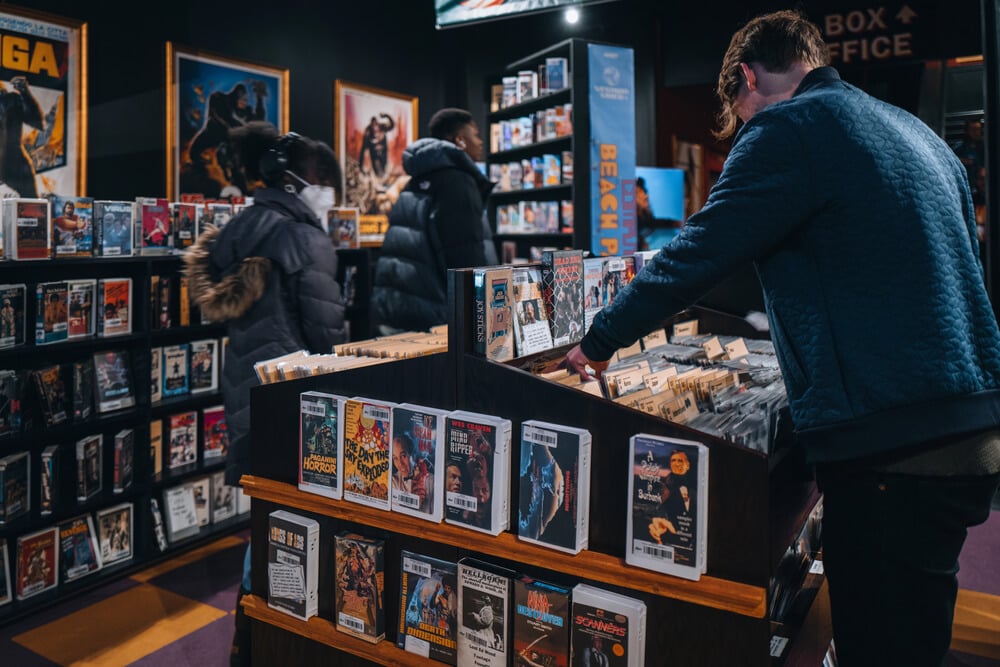
Employees at video rental chains like Blockbuster and local independent shops checked out physical tapes and discs, tracked late fees, and gave customers recommendations based on what was currently in stock. The job required knowing an inventory that changed weekly and handling the friction of a customer disputing a late fee in person.
Streaming services expanding through the 2000s and 2010s made physical rental largely unnecessary, and Blockbuster’s last company-owned stores closed in 2014.
Western Union Telegram Messenger
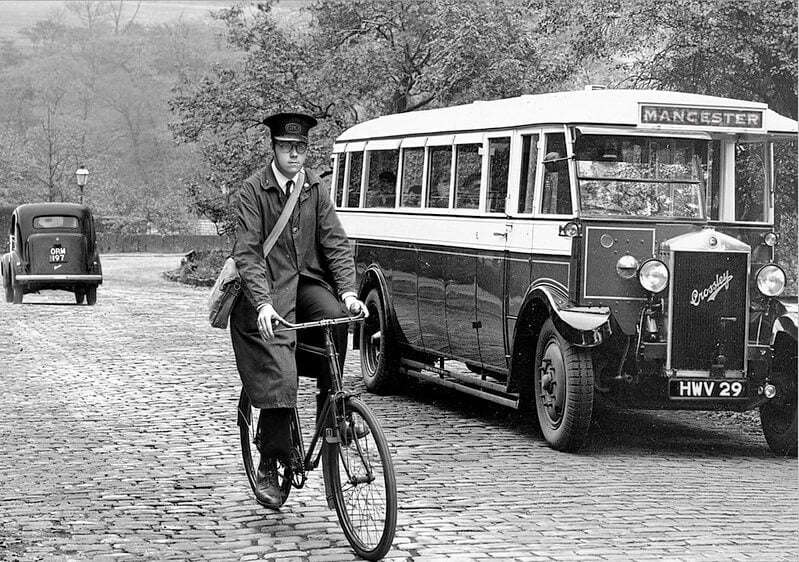
Telegram delivery boys, often riding bicycles, carried urgent printed messages directly to recipients’ homes and workplaces, a service used for everything from business communication to notifying families of a death in wartime. The job carried unusual emotional weight, since a telegram’s arrival itself often signaled serious news before the recipient even read it.
Long-distance telephone service becoming affordable through the mid-twentieth century steadily reduced telegram volume, and Western Union stopped offering telegrams entirely in 2006.
Typing Pool Secretary

Large offices once employed rooms full of typists, almost always women, who converted handwritten drafts and dictated recordings into finished typed documents using manual and later electric typewriters. Errors meant retyping an entire page, since correction technology was limited to typewriter correction tape or fluid.
Word processing software spreading through offices during the 1980s let individual employees type and edit their own documents, eliminating the need for a dedicated typing pool.
Computer Keypunch Operator
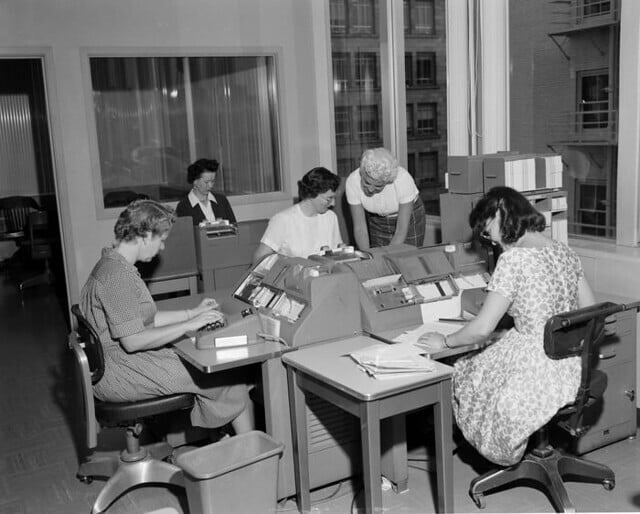
Early computer programming and data entry relied on operators who punched small perforations into stiff paper cards representing individual pieces of code or data, one card per line of instruction. A single program could require thousands of cards, stacked and fed into a reader in exact order.
Interactive computer terminals replacing punch cards through the 1970s and 1980s eliminated the role almost entirely within a generation.
Typewriter Repairman
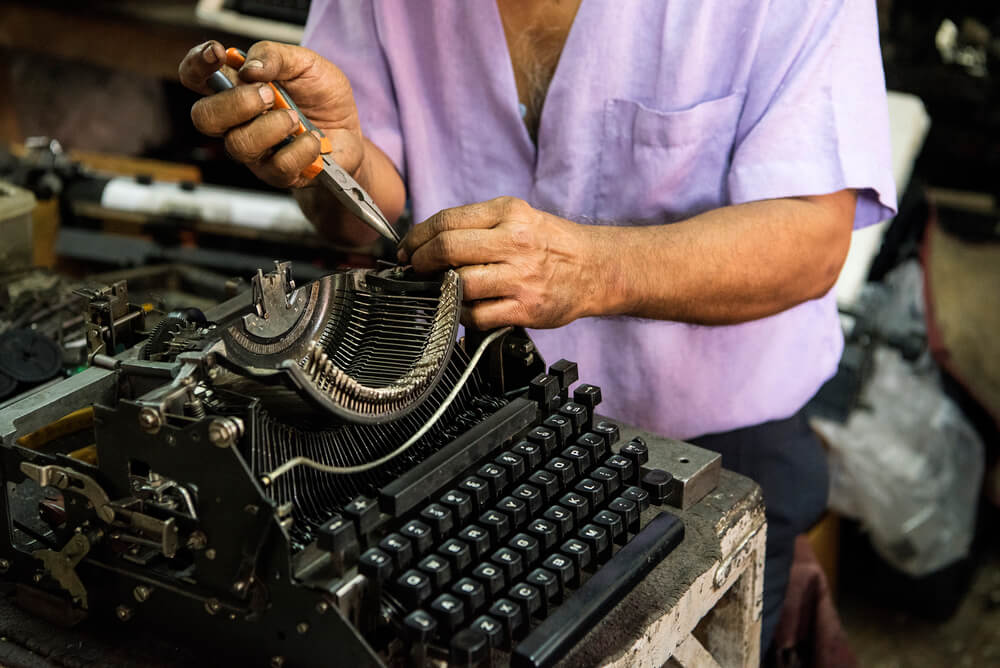
Mechanical and electric typewriters required regular maintenance, from replacing ribbons and correcting misaligned keys to fixing jammed carriage returns, work that supported a small industry of dedicated repair shops in most towns. Repairmen often built long relationships with regular business clients who depended on a working typewriter daily.
Personal computers and word processors replacing typewriters through the 1980s and 1990s steadily eliminated demand for the trade.
Coal Delivery Man

Before natural gas and oil heating became standard, households burned coal for heat, and delivery men hauled sacks of coal down chutes into basement storage bins on a regular schedule through the colder months. The job was physically demanding and left both the delivery man and the customer’s basement covered in black dust.
Conversion to gas and oil heating through the mid-twentieth century steadily eliminated residential coal delivery across most of the country.
Drive-In Carhop

Drive-in restaurants employed carhops, often on roller skates, to take orders at car windows and deliver food on trays that clipped directly onto a rolled-down window. The job required balancing trays and navigating a crowded parking lot while skating, a combination that turned into its own kind of local entertainment.
The rise of drive-through windows through the 1970s let customers order without a car ever coming to a full stop, and most traditional carhop service disappeared along with the drive-in restaurant format itself.
Manual Toll Booth Collector
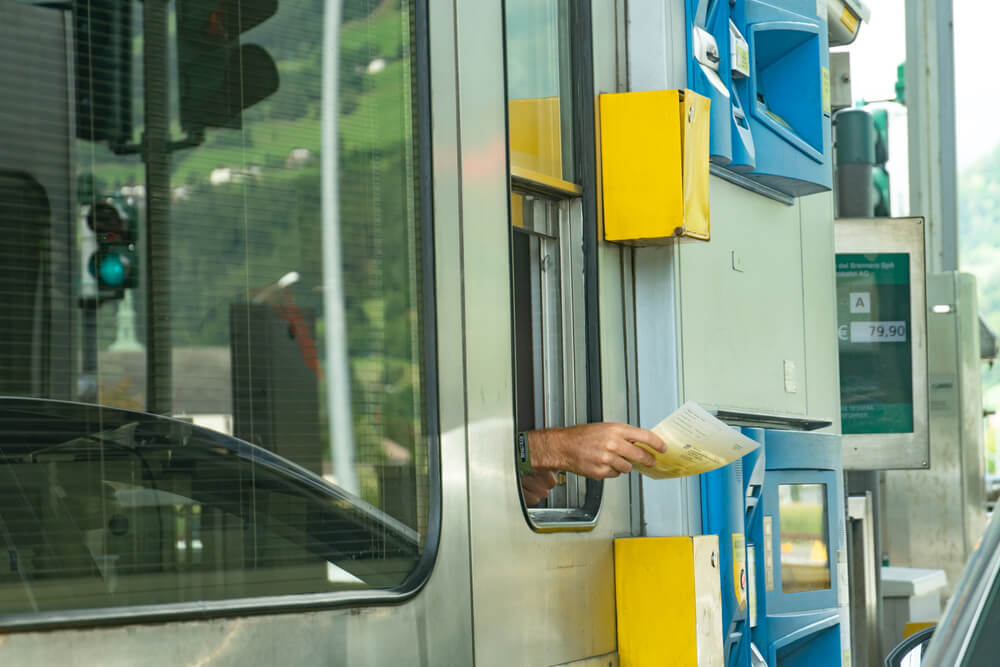
Toll booth attendants once collected cash directly from every vehicle passing through a highway or bridge toll plaza, making change and issuing receipts through a small window. The job required constant repetitive motion and exposure to vehicle exhaust for entire shifts.
Electronic toll collection systems, which spread widely across American highways during the 2000s and 2010s, eliminated most manual collector positions in favor of automated sensors.
Shoeshine Boy

Shoeshine stands were once common fixtures outside barbershops, train stations, and office buildings, staffed largely by boys and young men who polished shoes to a mirror finish for a small fee, sometimes learning the trade as a first job before their teenage years. Regular customers often became a shine boy’s steady income base, building relationships that lasted years.
Changing shoe materials, more casual office dress codes, and declining foot traffic through downtown business districts reduced demand for the service through the late twentieth century.
Gas Lamplighter
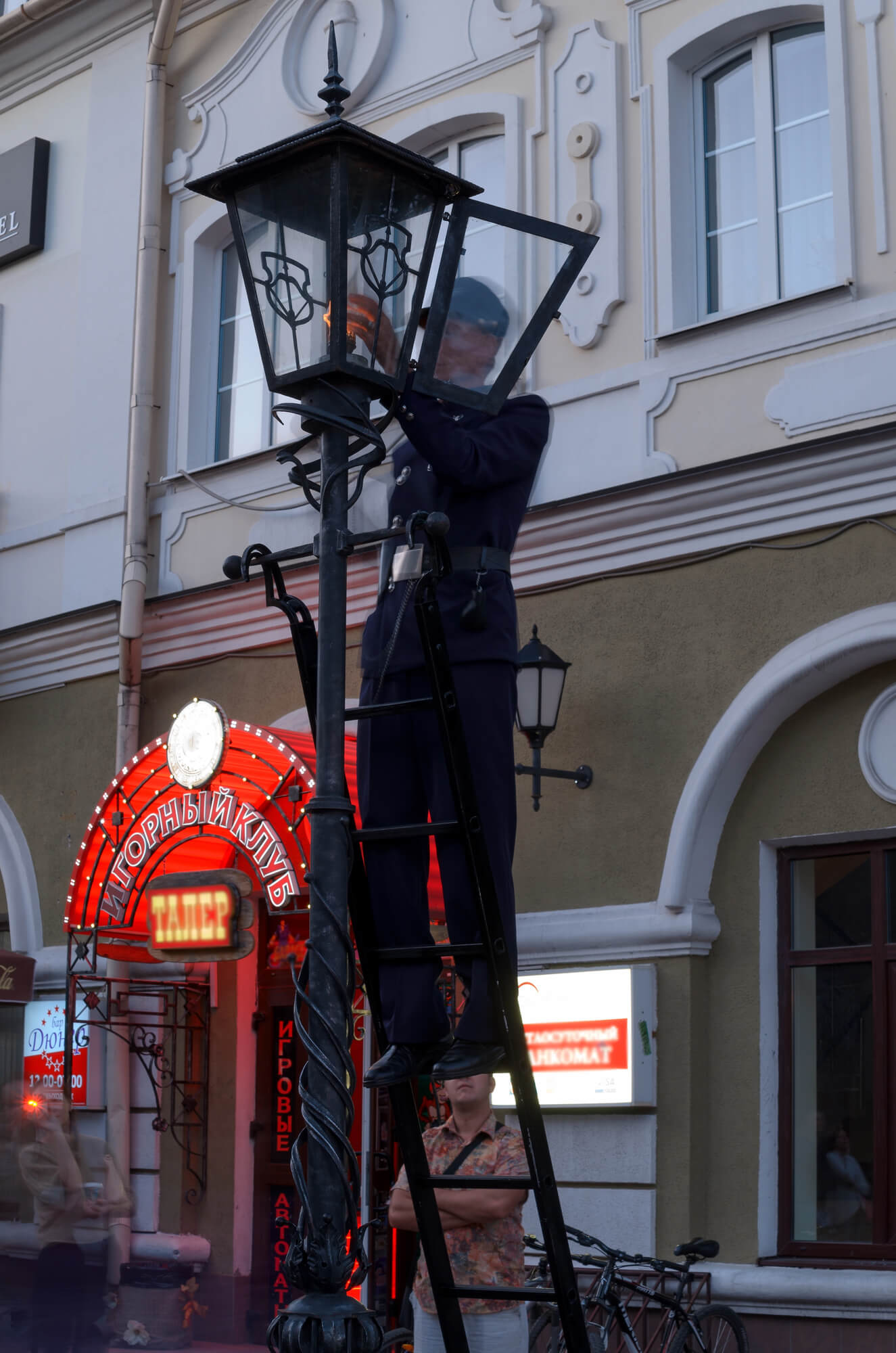
Before electric streetlights, cities employed lamplighters who walked assigned routes each evening lighting gas street lamps by hand, then returned each morning to extinguish them. The job required a set daily rhythm tied directly to sunrise and sunset.
Electric streetlights spreading through American cities from the 1880s through the early twentieth century eliminated the trade almost entirely within a few decades.
Traveling Knife and Scissors Sharpener

Traveling sharpeners rode through neighborhoods, often on a modified bicycle or small cart equipped with a foot-powered grinding wheel, offering to sharpen kitchen knives and garden tools for a small fee. Households without their own sharpening tools relied on these periodic visits to keep blades usable.
Cheap replacement blades and affordable home sharpening tools reduced demand for the traveling trade through the mid-twentieth century, though a small number of independent sharpeners still operate in some cities.
Rooftop TV Antenna Installer

Before cable and satellite television became widespread, households relied on rooftop antennas to pull in broadcast signals, and specialized installers climbed roofs to mount and align the equipment for the clearest picture. Poor signal reception due to weather or a poorly aligned antenna was a routine household frustration that kept installers in steady business.
Cable television expanding through the 1970s and 1980s, followed later by satellite and streaming, made rooftop antennas and their installers increasingly rare.
Newspaper Linotype Operator
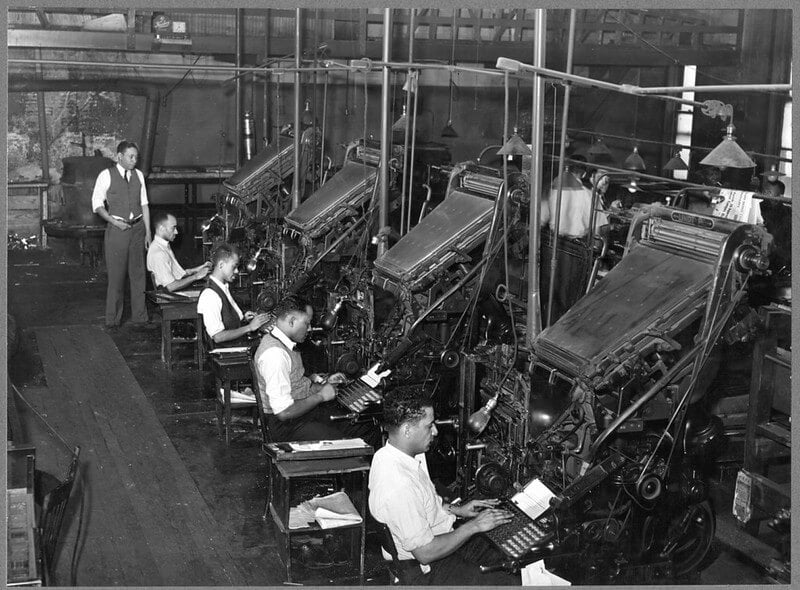
Before computer typesetting, newspapers relied on linotype machines that cast entire lines of text from molten metal, operated by skilled typesetters working from a keyboard connected to the casting mechanism. The job required both typing speed and an understanding of the machine’s mechanical quirks, since a jam could halt an entire print run.
Offset printing and computer typesetting replacing linotype technology through the 1970s and 1980s eliminated the trade within a single generation of newspaper workers.
Office Messenger Boy

Before internal email and fax machines, large offices employed messenger boys who physically carried documents, memos, and small packages between departments and floors throughout the workday. The job often served as an entry point for young workers to learn how a company operated from the ground up.
Interoffice communication technology spreading through the 1980s and 1990s steadily eliminated the need for dedicated internal couriers.
Pay Phone Repair Technician
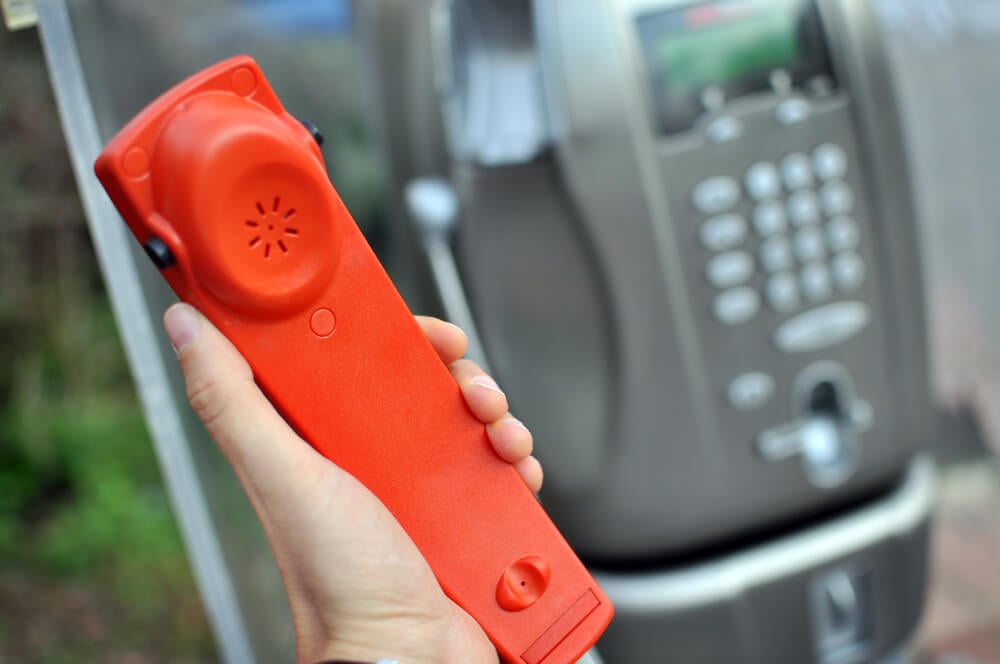
At the peak of pay phone use, technicians maintained coin mechanisms, handset cords, and phone booths across a assigned territory, responding to reports of jammed coin slots or vandalized equipment on a regular schedule. The job required both electrical knowledge and a tolerance for constant exposure to weather and street-level wear.
Cell phone adoption through the late 1990s and 2000s caused pay phone numbers to collapse nationwide, and most dedicated repair positions disappeared along with the phones themselves.
Drive-In Movie Usher

Drive-in theaters employed ushers who directed cars into position, checked tickets at the entrance gate, and monitored the grounds during the film for problems ranging from broken speaker boxes to unruly patrons. The job required working entirely outdoors through long summer nights regardless of weather.
The decline of drive-in theaters from a peak of more than four thousand screens in the late 1950s to a small fraction of that number today eliminated most of these positions along with the theaters themselves.
A Skill With Nowhere Left to Go
None of these jobs vanished because the people doing them stopped caring or stopped being good at the work. A linotype operator did not become a worse typesetter the year offset printing arrived.
The skill simply ran out of a place to be useful, which is a much colder kind of ending than getting fired or laid off for poor performance.
What remains interesting about this list is how narrow the window of obsolescence usually was. A trade that had existed for generations could disappear from most American towns within a single decade once the right piece of technology reached a low enough price.
The paper route, the switchboard, the pinsetting bench: each one worked perfectly well right up until the moment it didn’t work at all.
More from Go2Tutors!

- The Romanov Crown Jewels and Their Tragic Fate
- 13 Historical Mysteries That Science Still Can’t Solve
- Famous Hoaxes That Fooled the World for Years
- 15 Child Stars with Tragic Adult Lives
- 16 Famous Jewelry Pieces in History
Like Go2Tutors’s content? Follow us on MSN.