15 Memory Techniques That Actually Work
Your brain processes about 34 gigabytes of information every day, yet most people struggle to remember where they put their keys or the name of someone they met five minutes ago. The good news is that memory isn’t just about having ‘good genes’ or natural talent—it’s a skill you can develop with the right techniques. These methods have been tested by scientists, used by memory champions, and proven effective by millions of regular people who just wanted to remember things better.
Most memory problems aren’t really about forgetting—they’re about never properly storing the information in the first place. Here is a list of 15 memory techniques that can transform how you learn, retain, and recall information.
The Memory Palace Method
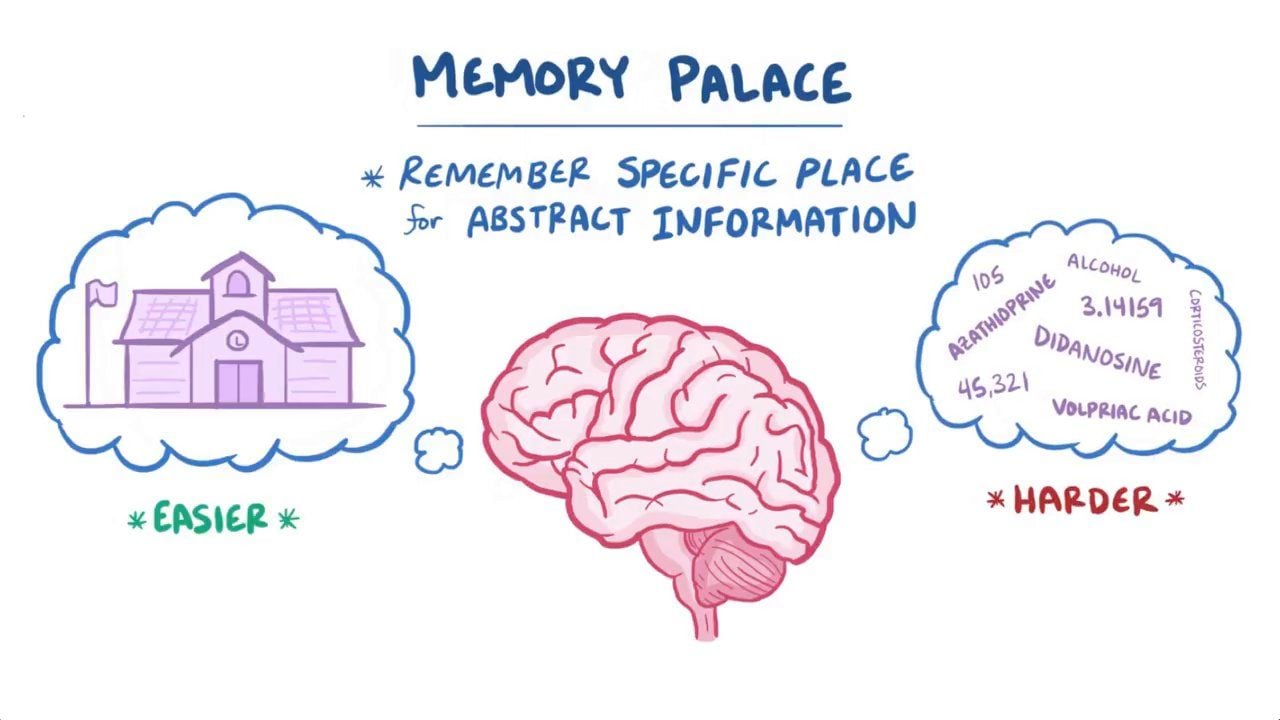
The memory palace technique involves creating a mental map of a familiar place and storing information at specific locations within that space. You might use your childhood home, placing different facts in each room as you mentally walk through the house.
This method works because your brain is naturally excellent at remembering spatial relationships and visual scenes, so you’re essentially piggybacking new information onto something your memory already handles well.
Chunking Large Information
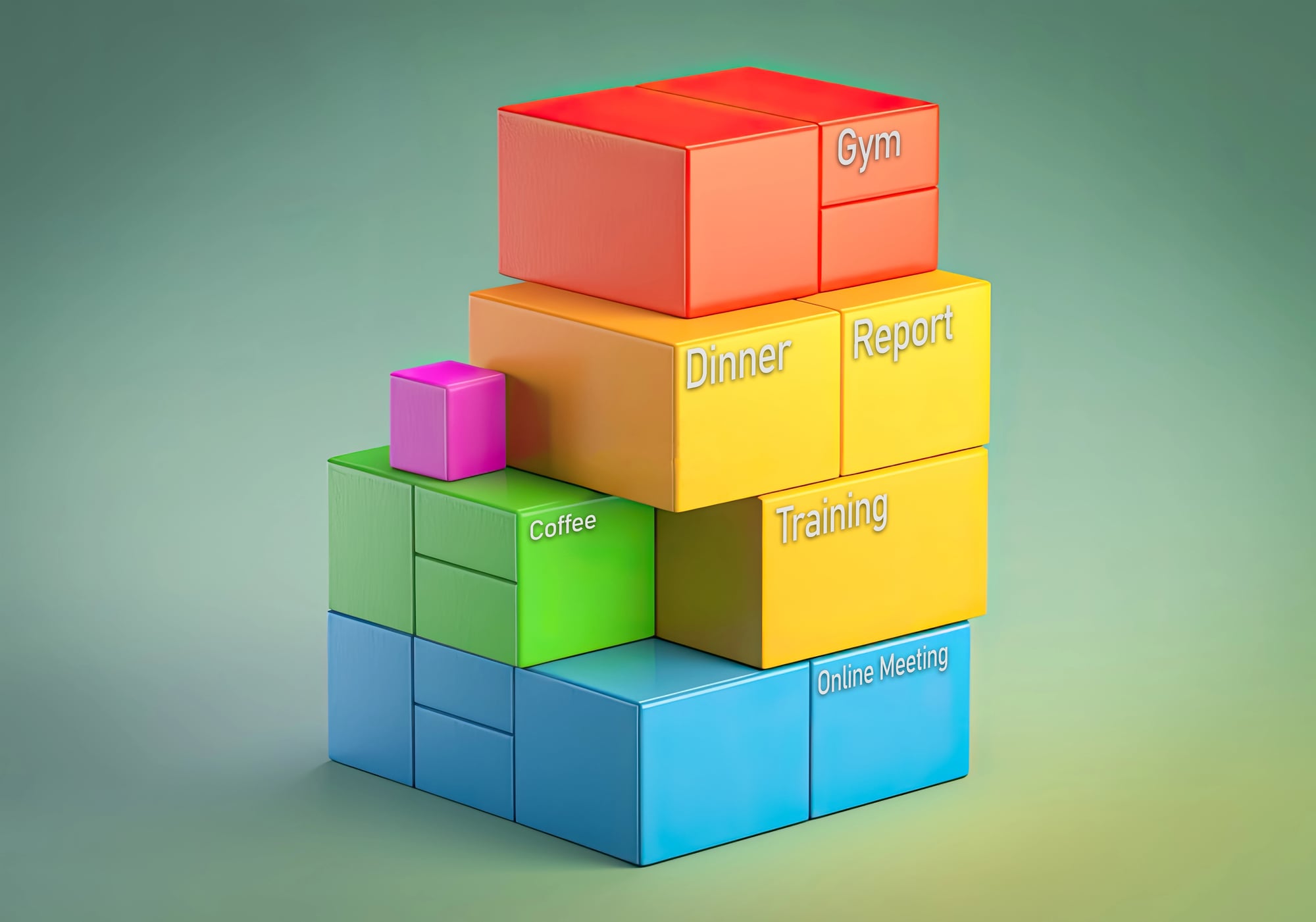
Breaking large amounts of information into smaller, manageable chunks makes everything easier to remember. Phone numbers work this way—instead of memorizing 5551234567 as eleven separate digits, you naturally chunk it as 555-123-4567.
You can apply this same principle to anything from grocery lists to study material by grouping related items together rather than trying to memorize everything as one massive block.
Like Go2Tutors’s content? Follow us on MSN.
The Link System

Creating vivid mental connections between items transforms random lists into memorable stories. If you need to remember milk, bread, and bananas, you might picture a cow drinking milk while sitting on a loaf of bread and juggling bananas.
The more ridiculous and visual the connection, the better it sticks in your memory because your brain pays more attention to unusual and entertaining information.
Spaced Repetition

Reviewing information at gradually increasing intervals locks it into long-term memory more effectively than cramming. You might review new material after one day, then three days, then a week, then a month.
This technique works because it fights against your brain’s natural forgetting curve, reinforcing memories just as they start to fade and making them stronger each time.
The Peg System
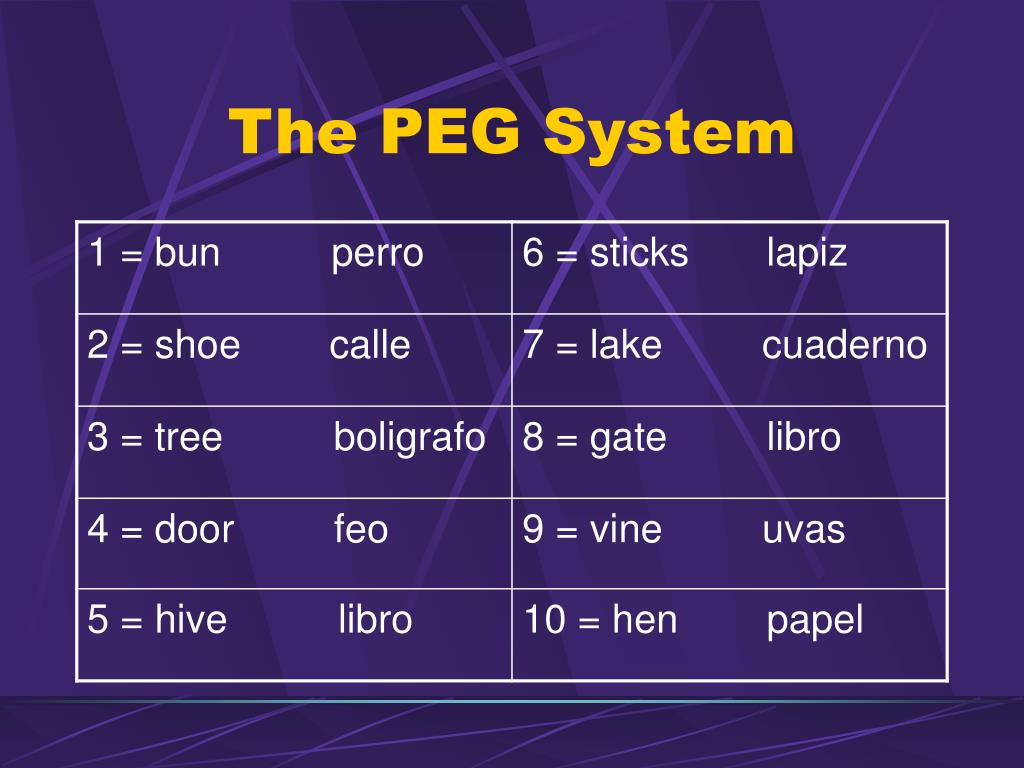
The peg system uses a pre-memorized list of items as hooks for new information you want to remember. Many people use rhyming pegs like ‘one is a bun, two is a shoe, three is a tree’ and then create mental images connecting their new information to these familiar anchors.
Once you’ve learned your peg list, you can use it over and over again to memorize any numbered sequence or ordered list.
Like Go2Tutors’s content? Follow us on MSN.
Active Recall Practice

Testing yourself on information rather than just re-reading it forces your brain to work harder and creates stronger memories. Instead of reviewing your notes for the fifth time, close the book and try to write down everything you remember.
This feels more difficult than passive reading, but that extra effort is exactly what builds lasting memory pathways in your brain.
The Feynman Technique
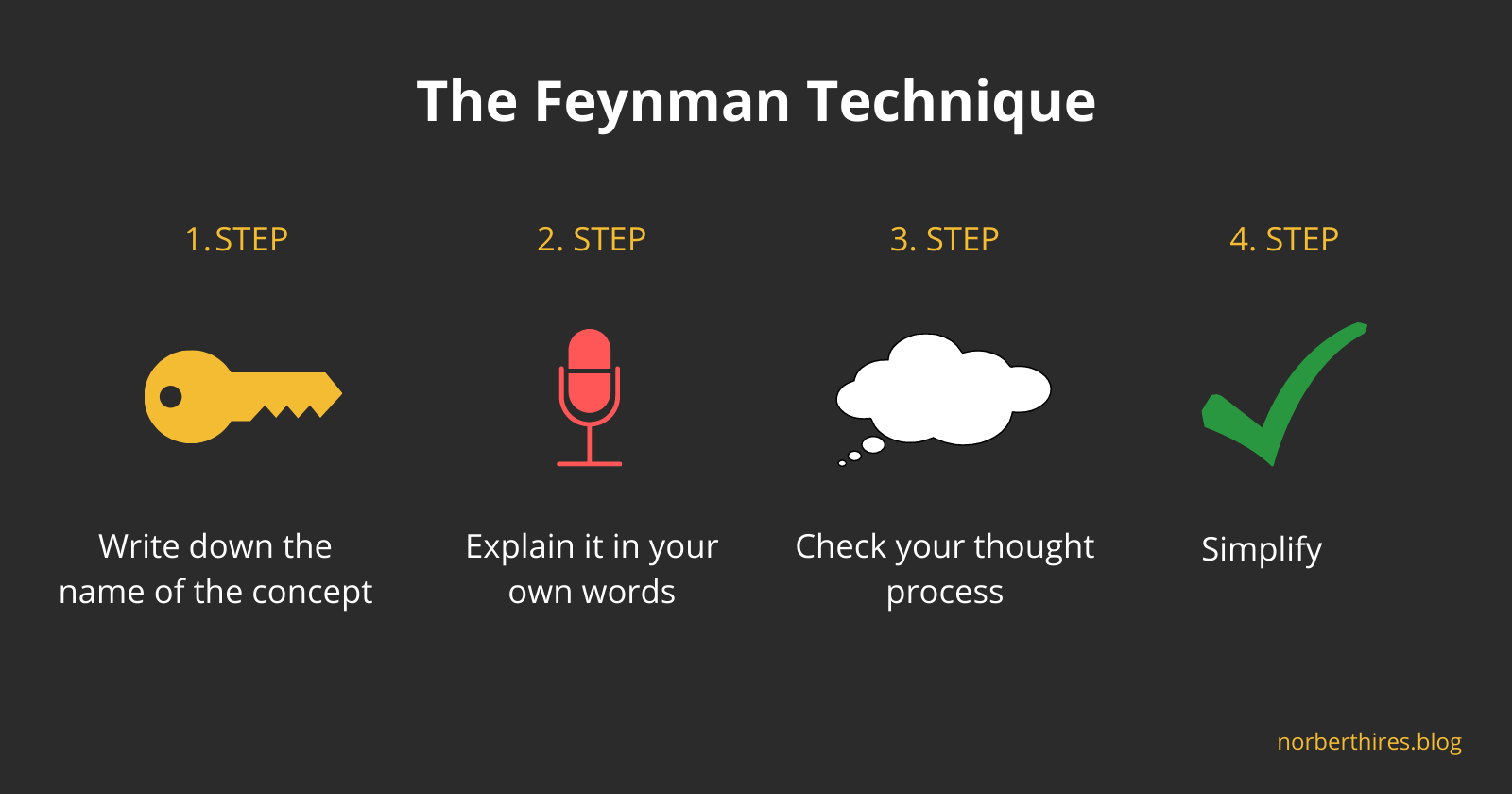
Explaining concepts in simple terms as if teaching a child reveals gaps in your understanding and strengthens your memory of the material. When you can break down complex ideas into basic language, you’ve truly learned them rather than just memorized surface-level details.
This technique works because teaching requires you to organize information clearly and make connections between different concepts.
Visual Association

Converting abstract information into concrete images gives your brain something tangible to hold onto. If you’re learning that the capital of Montana is Helena, you might picture a woman named Helena wearing a cowboy hat and riding a horse through mountain scenery.
Your visual memory is incredibly powerful, so translating facts into pictures makes them much easier to retrieve later.
Like Go2Tutors’s content? Follow us on MSN.
The Story Method

Weaving information into a narrative creates a natural sequence that guides your memory from one point to the next. Instead of memorizing isolated facts about the Revolutionary War, you might create a story following a fictional character through key events and battles.
Stories have built-in logic and flow that make them easier to remember than random collections of data.
Acronyms and Acrostics

Creating memorable phrases or words from the first letters of information turns complex lists into simple memory aids. ‘Roy G. Biv’ helps people remember the colors of the rainbow, while ‘Please Excuse My Dear Aunt Sally’ guides students through the order of mathematical operations.
These shortcuts work because they replace multiple pieces of information with a single, catchy phrase.
The Method of Loci
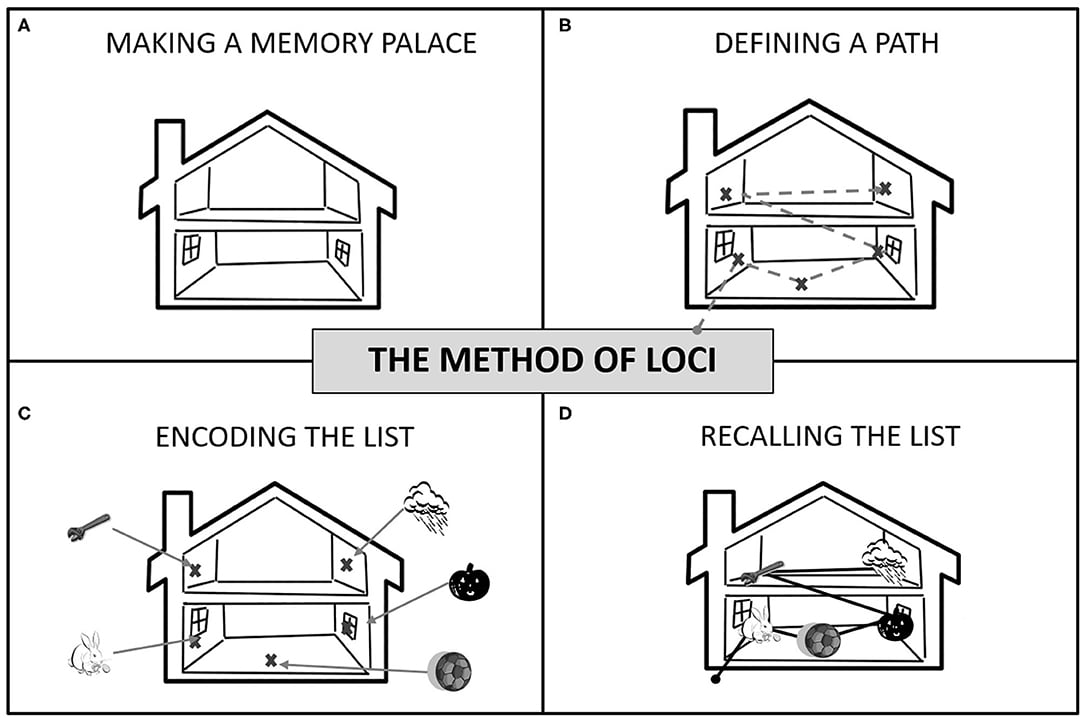
This ancient technique involves placing information at specific locations along a familiar route, like your daily walk to work. You mentally visit each location in order to retrieve the information you’ve stored there.
Roman orators used this method to remember lengthy speeches by associating different parts of their presentation with landmarks in the Roman Forum.
Like Go2Tutors’s content? Follow us on MSN.
Rhyme and Rhythm

Setting information to music or creating rhyming patterns taps into your brain’s natural affinity for sound patterns. Commercial jingles stick in your head for years because they combine melody with repetition and rhyme.
You can use this same principle for any information by creating simple songs or rhythmic chants that make facts easier to recall.
Elaborative Encoding

Adding personal meaning and context to new information creates multiple pathways to the same memory. Instead of just memorizing that World War II ended in 1945, you might connect it to your grandfather’s stories about coming home from the war or relate it to other historical events you already know.
The more connections you create, the easier it becomes to access the information later.
The Keyword Method
This technique works especially well for learning foreign languages by creating memorable links between new words and familiar sounds. To remember that ‘carta’ means letter in Spanish, you might picture someone writing a letter while pushing a shopping cart.
The keyword (cart) sounds similar to the foreign word and connects to the meaning through a vivid mental image.
Like Go2Tutors’s content? Follow us on MSN.
Dual Coding
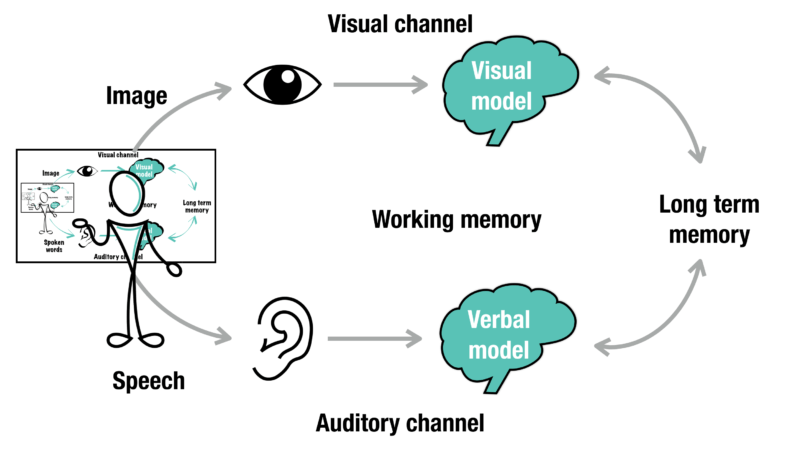
Combining verbal and visual information creates two different types of memories for the same content, making it twice as likely you’ll remember it. When learning about photosynthesis, you might read the scientific explanation while also studying detailed diagrams of the process.
Your brain can then access the information through either verbal or visual memory channels.
Building Mental Muscle Memory
These memory techniques aren’t just academic exercises—they’re practical tools that can improve every aspect of your daily life. Professional speakers use memory palaces to deliver presentations without notes, students apply spaced repetition to master complex subjects, and busy professionals rely on visual associations to remember important names and faces.
The key is starting with one or two techniques that appeal to you and practicing them consistently. Like any skill, memory improvement takes time and effort, but the payoff extends far beyond just remembering facts—it builds confidence, reduces stress, and opens up new possibilities for learning throughout your life.
More from Go2Tutors!

- 18 Unexpectedly Valuable Collectibles You Might Have Lying Around
- 20 Little-Known Historical Battles That Had Huge Consequences
- 20 Historical Artifacts That Scientists Can’t Explain
- 15 Inventions That Were Immediately Banned After Being Created
- 20 Actors Who Were Almost Cast in Iconic Roles
Like Go2Tutors’s content? Follow us on MSN.



