29 Telescopes That Changed Astronomy
Every leap in our understanding of the universe has arrived attached to a specific instrument, a machine built to catch light that had been traveling, in some cases, since before Earth existed. Telescopes are often treated as background tools in the story of astronomy, but the instrument frequently deserves as much credit as the discovery.
These are the telescopes, ground-based and orbital, that reshaped what humanity knows about the sky.
Galileo’s Telescope
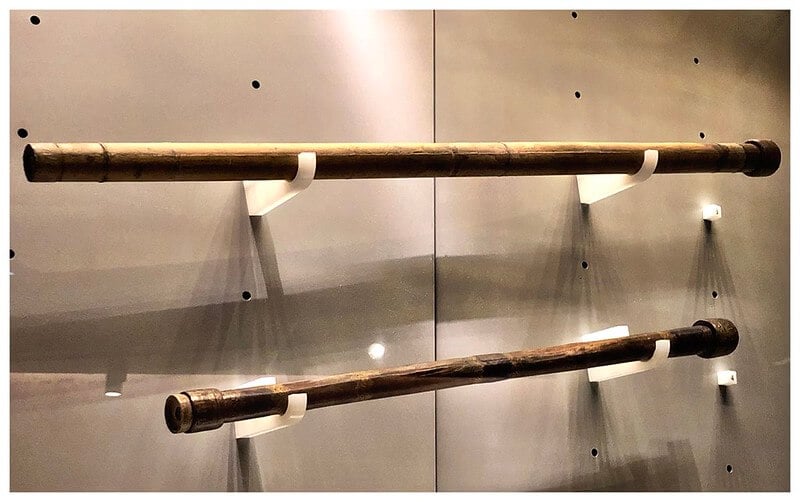
Galileo Galilei did not invent the telescope, but in 1609 he was the first to point an improved version at the night sky with rigorous intent, discovering Jupiter’s four largest moons, the phases of Venus, and the rough, cratered surface of Earth’s own moon. His observations provided direct observational support for the Copernican model of a sun-centered solar system, a claim that put him in direct conflict with the Catholic Church.
The telescope he used could magnify objects only about 20 to 30 times, modest by modern standards but revolutionary for its era.
The Hale Telescope
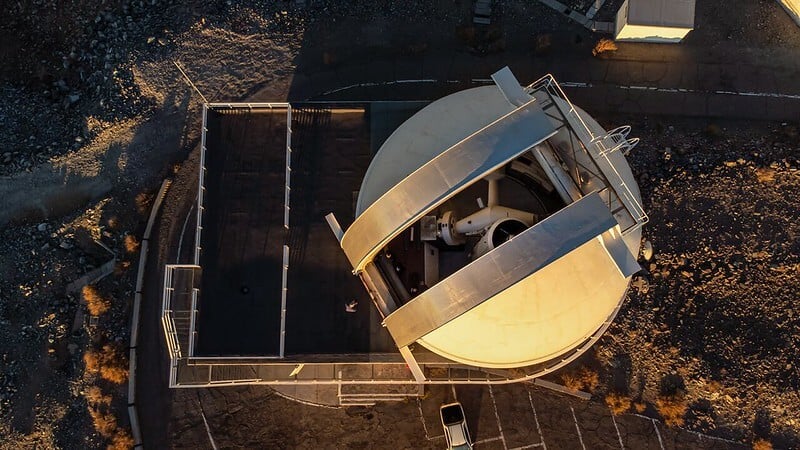
Completed in 1948 at Palomar Observatory in California, the Hale Telescope held the title of the world’s largest optical telescope for over 45 years, with a 200-inch primary mirror that took over a decade to complete due to wartime delays and the difficulty of casting a mirror that size. Astronomer Edwin Hubble used the telescope for some of his early work on galaxy distances and speeds.
Its mirror alone weighs roughly 14.5 tons.
The Hubble Space Telescope
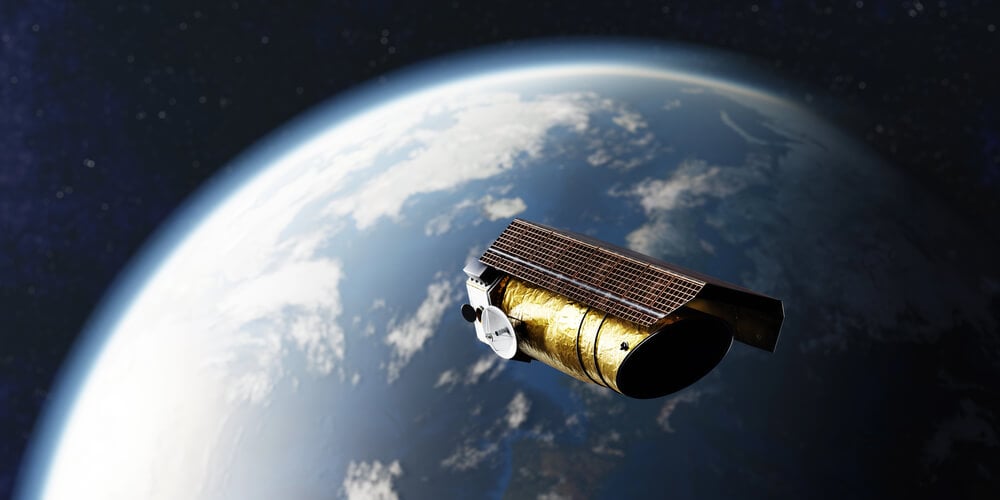
Launched in 1990, Hubble was famously flawed at first, its primary mirror ground to the wrong shape by a fraction of a hair’s width, producing blurred images until a 1993 shuttle mission installed corrective optics. Once fixed, it produced some of the most iconic images in the history of astronomy, including the Hubble Deep Field, which revealed thousands of galaxies in a patch of sky previously thought nearly empty.
It remains operational more than three decades after launch.
The James Webb Space Telescope
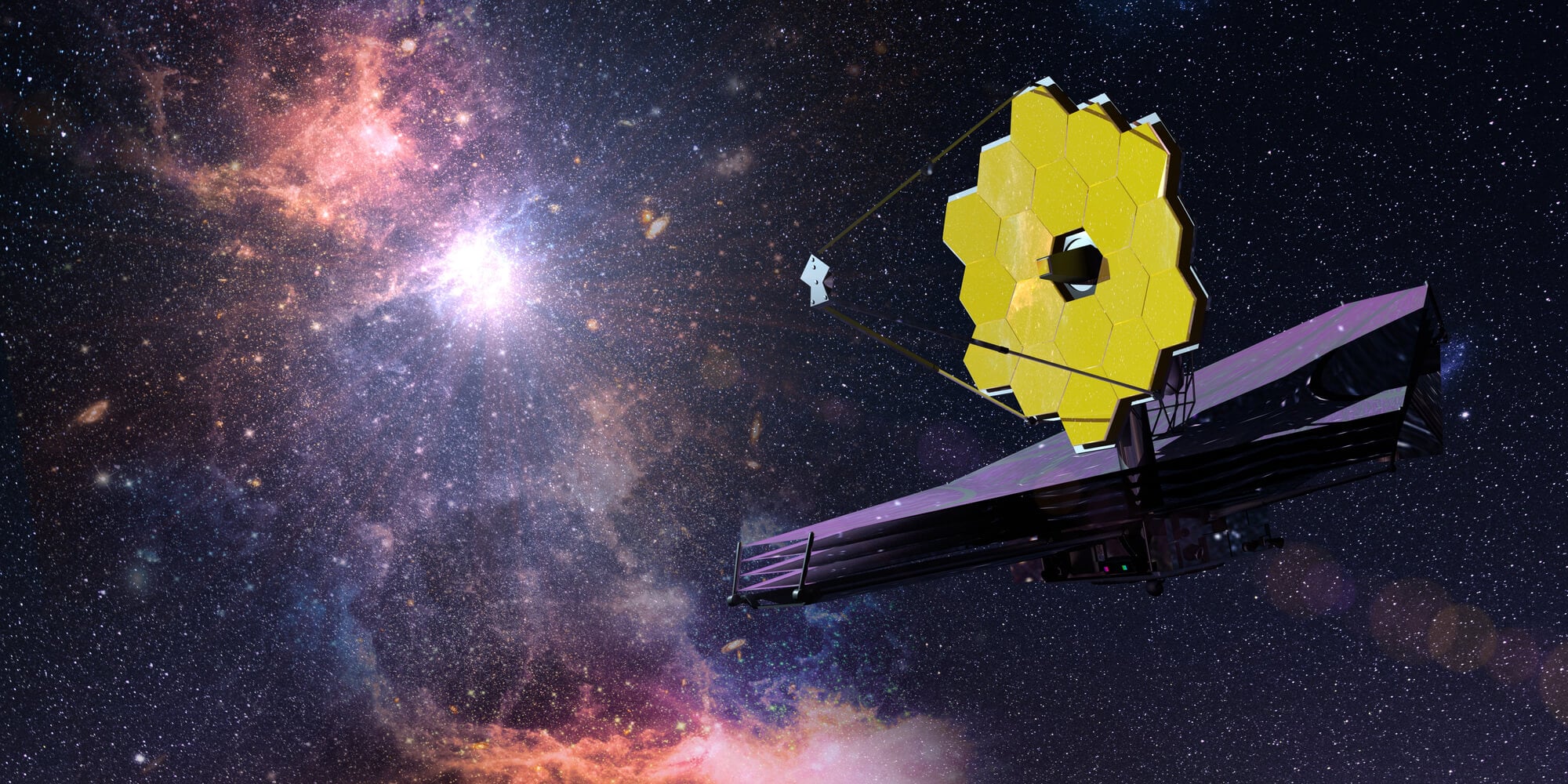
Webb launched in December 2021 after decades of development and cost overruns, positioned roughly 1.5 million kilometers from Earth at a gravitationally stable point called L2. Its primary mirror, made of 18 hexagonal gold-coated segments, is designed to detect infrared light from some of the earliest galaxies ever formed.
Unlike Hubble, Webb is too far from Earth for astronauts to service if something goes wrong.
The Arecibo Observatory
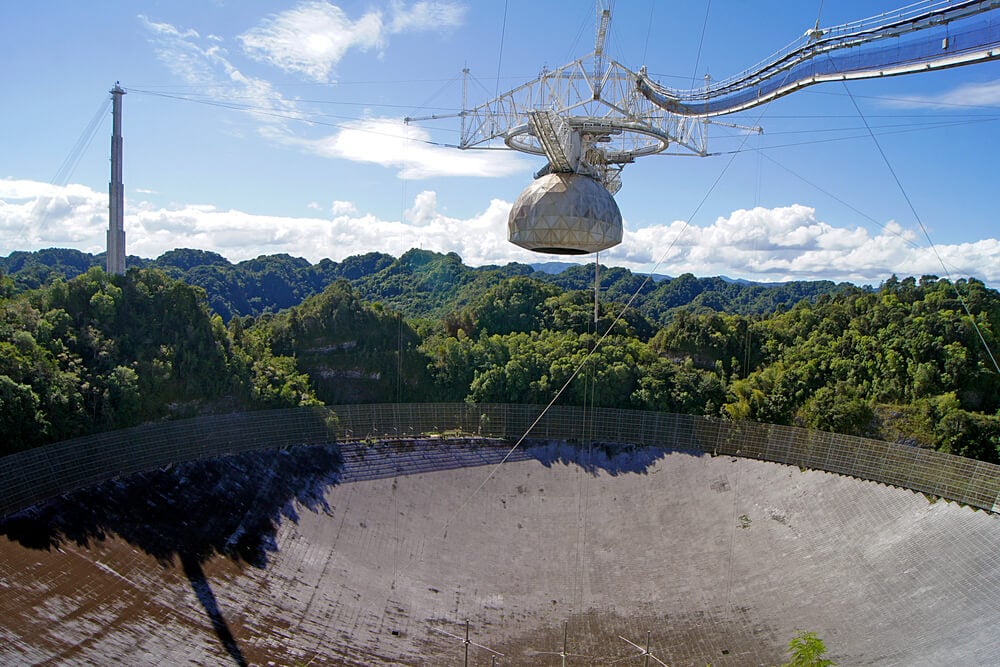
Built into a natural limestone depression in Puerto Rico and completed in 1963, Arecibo’s 305-meter dish was the largest single-aperture radio telescope in the world for over 50 years. It was used to send the famous Arecibo message toward a star cluster in 1974 and played a role in confirming the existence of the first exoplanets around a pulsar in 1992.
The telescope collapsed in December 2020 after cable failures made repair unfeasible.
The Very Large Array
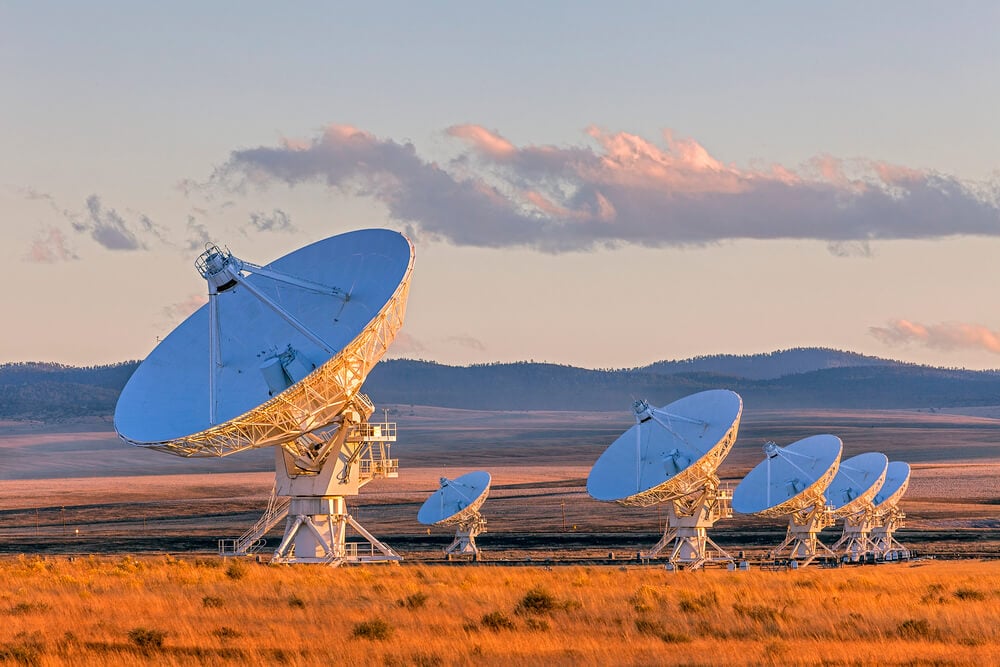
Located in a remote New Mexico desert, the Very Large Array consists of 27 movable radio dishes that work together as a single instrument, first becoming operational in 1980. The dishes can be physically repositioned along rail tracks to change the array’s resolution depending on the observation needed.
It has been used to study everything from the great abyss to the radio emissions of newly forming stars.
The Chandra X-ray Observatory
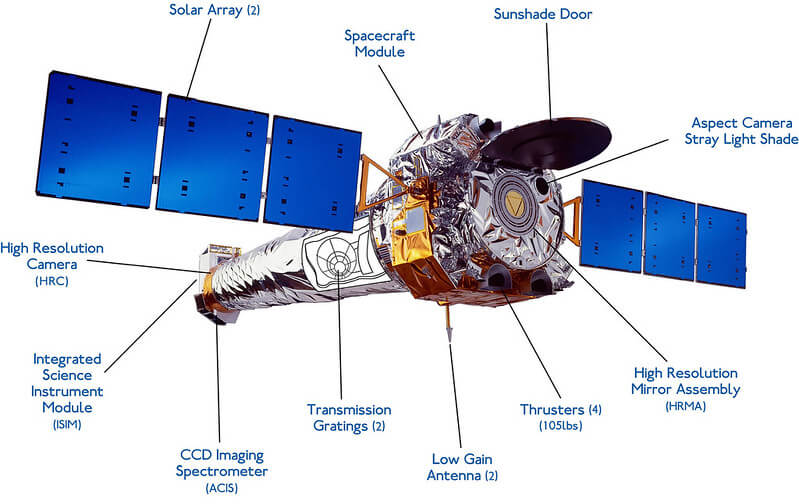
Launched in 1999, Chandra was designed to detect X-ray emissions from extremely hot regions of the universe, including material swirling into the great abyss and the aftermath of supernova explosions, radiation that cannot penetrate Earth’s atmosphere and be observed from the ground. Named after Nobel laureate Subrahmanyan Chandrasekhar, it orbits far higher than most satellites, reaching about a third of the distance to the moon at its farthest point.
It has operated for over two decades, well beyond its original planned lifespan.
The Keck Observatories
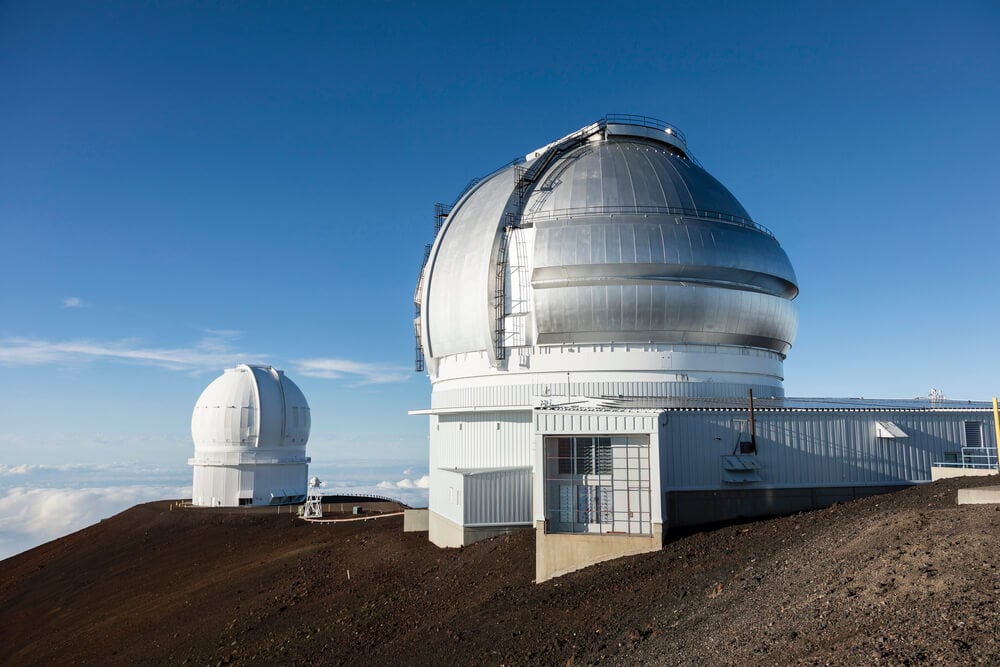
The twin Keck telescopes atop Mauna Kea in Hawaii, completed in 1993 and 1996, were the first to use a segmented mirror design, with 36 hexagonal segments working together to form each 10-meter primary mirror. The design solved the problem of casting a single mirror too large and heavy to manufacture or transport.
Keck data has been central to confirming the existence of a supermassive black orb at the center of the Milky Way.
The Very Large Telescope
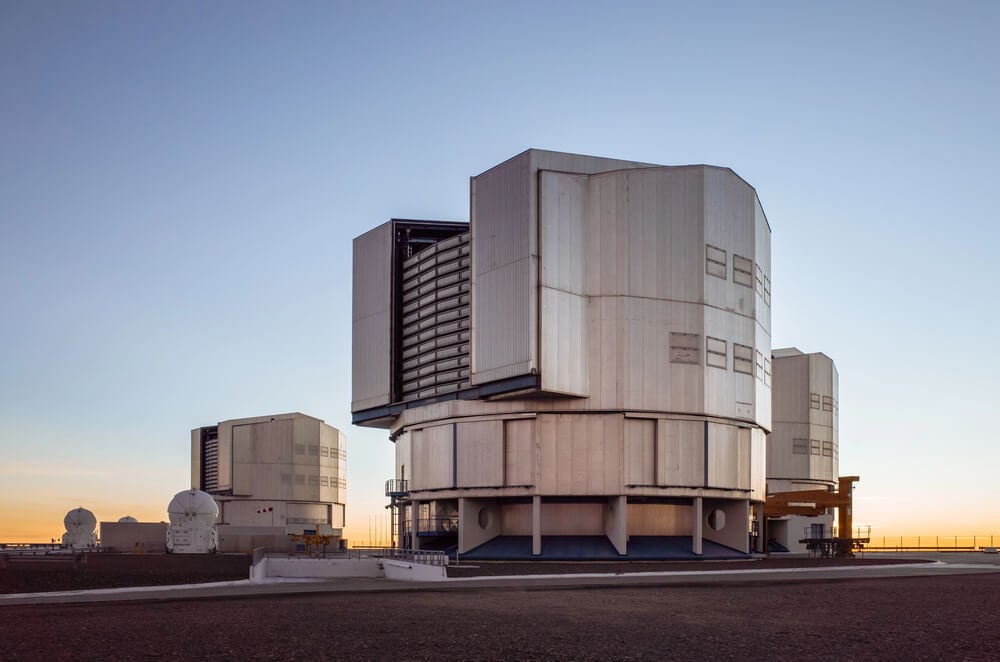
Operated by the European Southern Observatory in Chile’s Atacama Desert, the Very Large Telescope actually consists of four separate 8.2-meter telescopes that can work independently or be combined into a single, more powerful interferometric instrument. Completed in the early 2000s, its location was chosen for the exceptionally dry, stable atmosphere above the Atacama, among the best observing conditions on Earth.
It has contributed to imaging exoplanets directly, an extremely difficult feat given how faint planets are compared to their host stars.
The Herschel Space Observatory
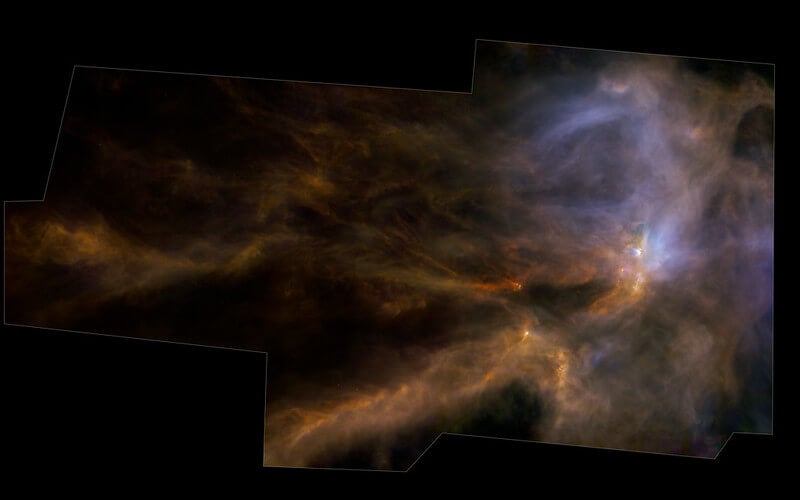
Launched by the European Space Agency in 2009, the Herschel Space Observatory carried the largest mirror ever flown in space at the time, 3.5 meters across, optimized to detect far-infrared light from cold cosmic dust and gas. It operated until 2013, when its supply of liquid helium coolant, necessary to keep its instruments at operating temperature, ran out as planned.
Its observations focused heavily on star formation processes hidden within dense clouds of dust.
The Spitzer Space Telescope
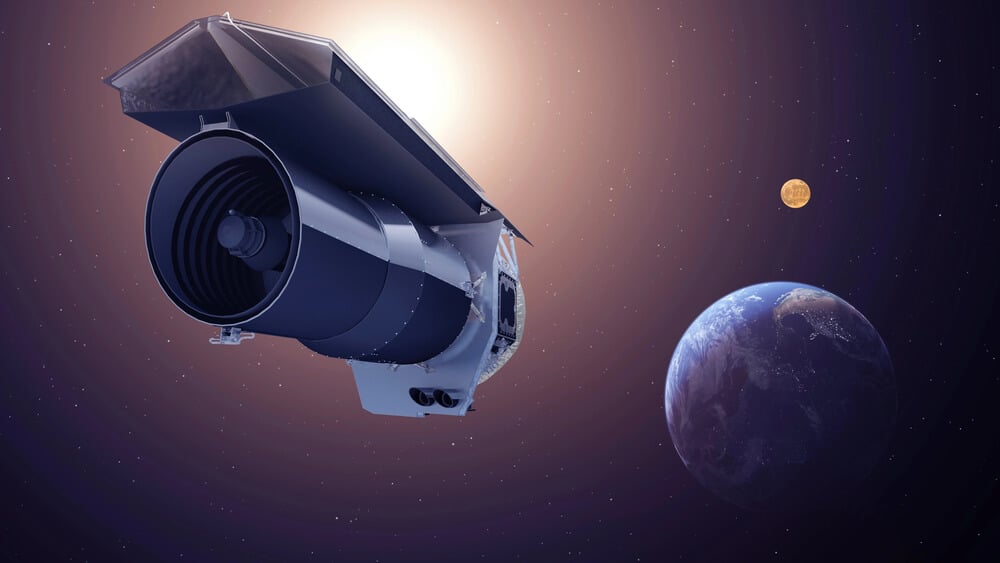
Launched in 2003, Spitzer specialized in infrared observations and played a central role in the 2017 discovery of the TRAPPIST-1 system, identifying seven roughly Earth-sized planets orbiting a single small star. Unlike telescopes in fixed orbits around Earth, Spitzer trailed behind Earth in its own orbit around the sun, drifting gradually farther away over its operational lifetime.
It was retired in 2020 after 16 years of service.
The Kepler Space Telescope
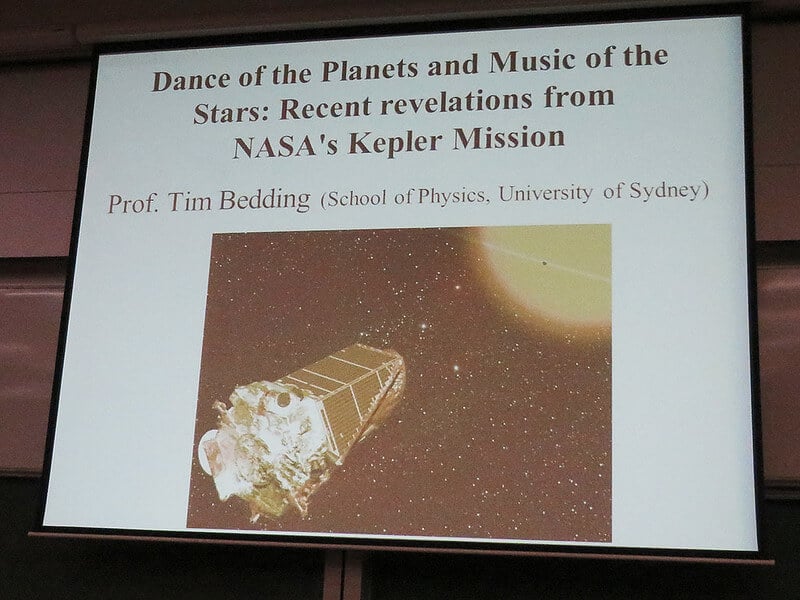
Launched in 2009, Kepler was designed with a single overriding purpose: to stare continuously at one patch of sky and detect the tiny dimming caused by planets passing in front of their host stars. The mission confirmed more than 2,600 exoplanets before retiring in 2018, fundamentally shifting the scientific consensus from planets being rare to planets being common throughout the galaxy.
A mechanical failure in its pointing system in 2013 nearly ended the mission early before engineers devised a workaround.
The Green Bank Telescope
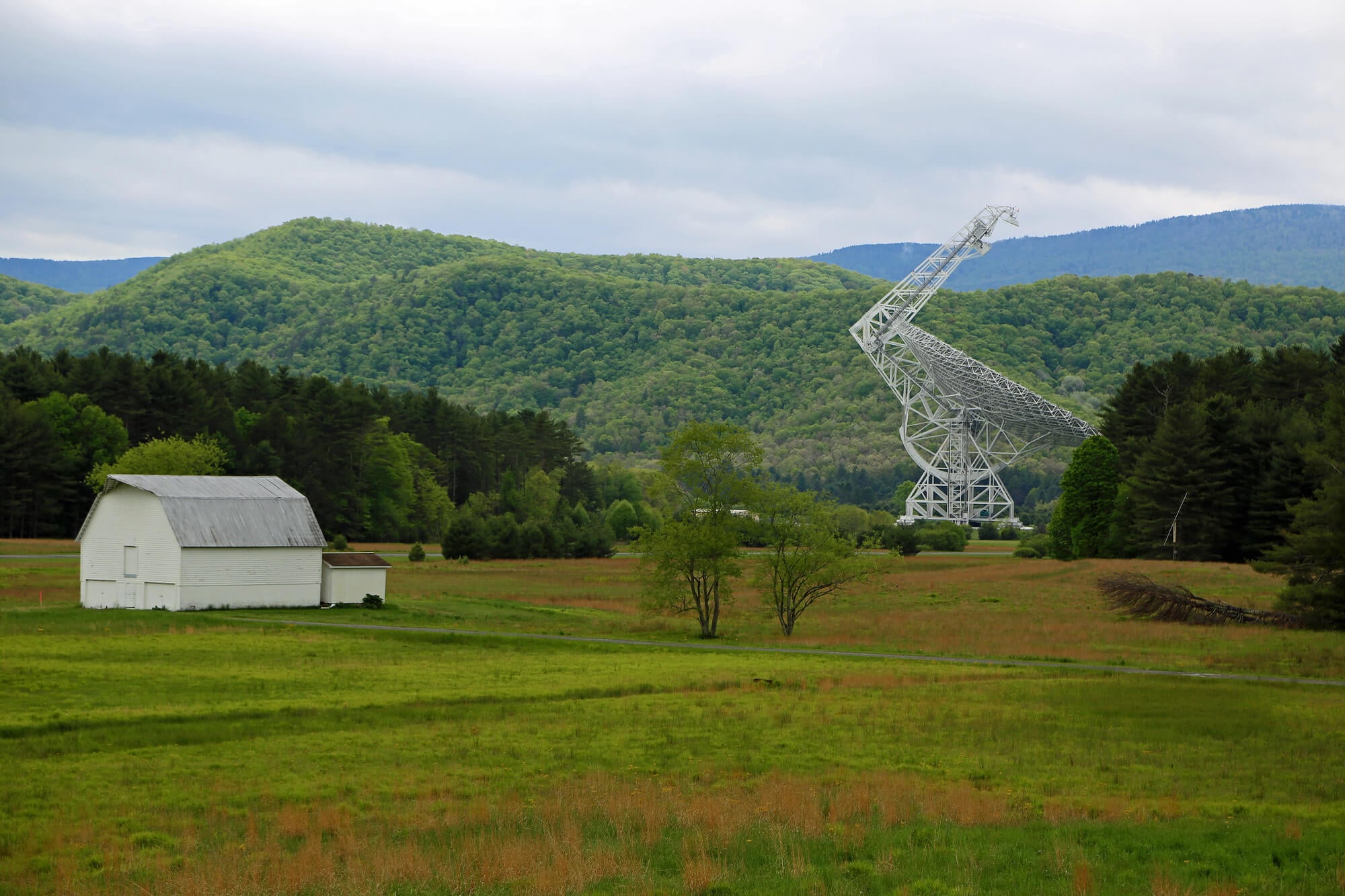
Located in a federally protected radio-quiet zone in West Virginia, the Green Bank Telescope is the largest fully steerable radio telescope in the world, completed in 2000 after its predecessor collapsed unexpectedly in 1988. The surrounding National Radio Quiet Zone restricts nearby cell phone and Wi-Fi signals to protect the telescope’s sensitivity.
It has been used extensively in the search for technosignatures, potential signs of extraterrestrial technology.
The Gran Telescopio Canarias
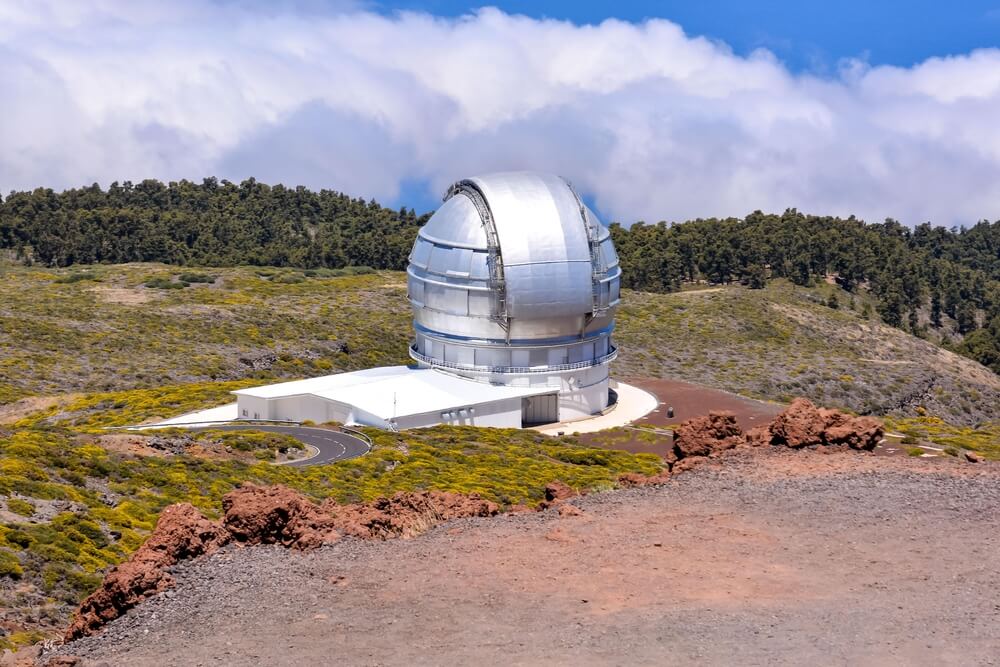
Located on a volcanic peak in the Canary Islands, the Gran Telescopio Canarias holds a 10.4-meter segmented mirror, making it one of the largest single optical telescopes currently in operation. Completed in 2009, its high-altitude location above much of the atmosphere’s turbulence provides especially sharp imaging.
It has been used to study some of the most distant known galaxies.
The Fermi Gamma-ray Space Telescope
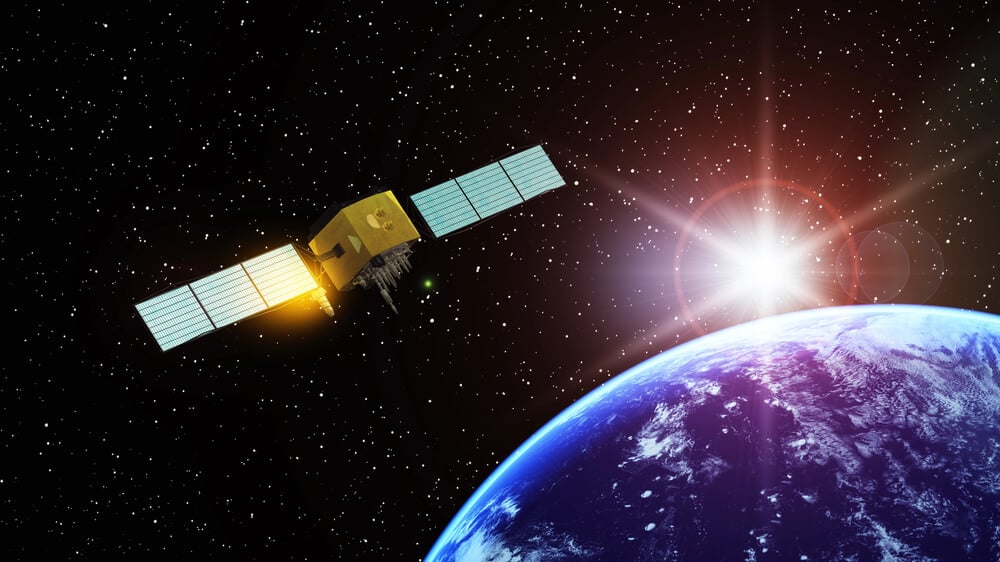
Launched in 2008, Fermi scans the sky for gamma-ray emissions, the most energetic form of light, produced by extreme events like supernova remnants and supermassive black orbs. It has cataloged thousands of gamma-ray sources across the sky and continues monitoring for gamma-ray bursts, sudden flashes often linked to the collapse of massive stars.
Its data has also been used to search for indirect evidence of dark matter.
The Atacama Large Millimeter Array
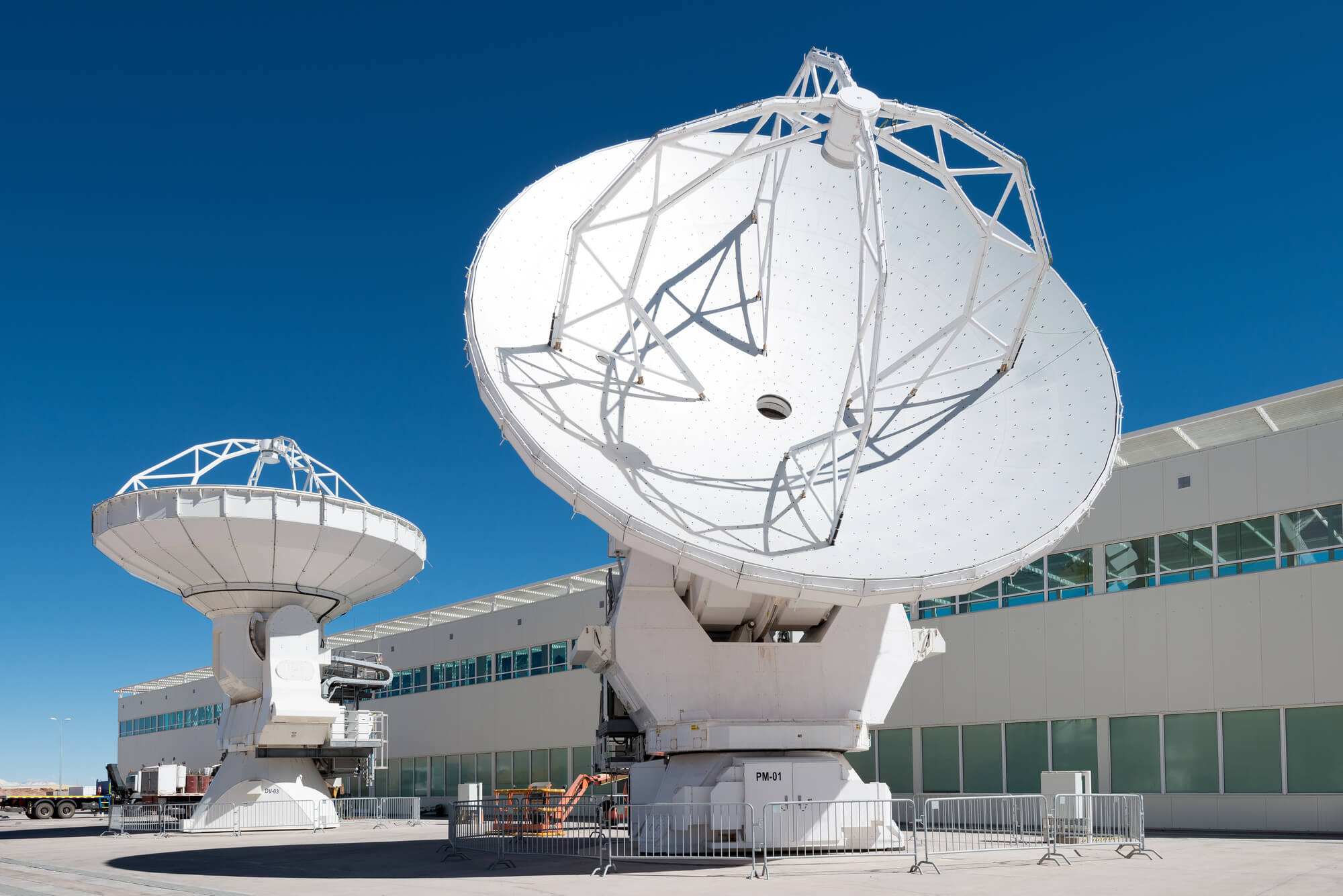
Built at over 5,000 meters elevation in Chile, ALMA consists of 66 individual antennas that can be arranged in different configurations to observe millimeter and submillimeter wavelengths, useful for studying cold gas and dust in star-forming regions. Completed in 2013, it produced one of the first detailed images of a protoplanetary disk, showing the ringed structure of a planetary system actively forming around a young star.
The high altitude was chosen specifically to minimize atmospheric water vapor, which absorbs the wavelengths ALMA observes.
The Subaru Telescope
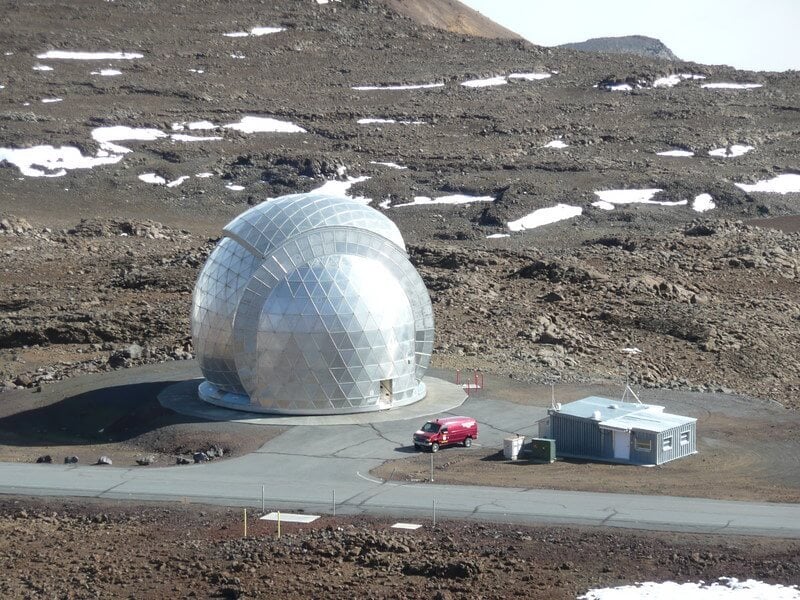
Operated by Japan atop Mauna Kea, the Subaru Telescope features an 8.2-meter primary mirror and became operational in 1999. Its wide field of view has made it especially useful for large-scale surveys mapping the distribution of galaxies across enormous swaths of sky.
It has contributed significantly to the study of dark matter distribution through gravitational lensing surveys.
The Parkes Observatory
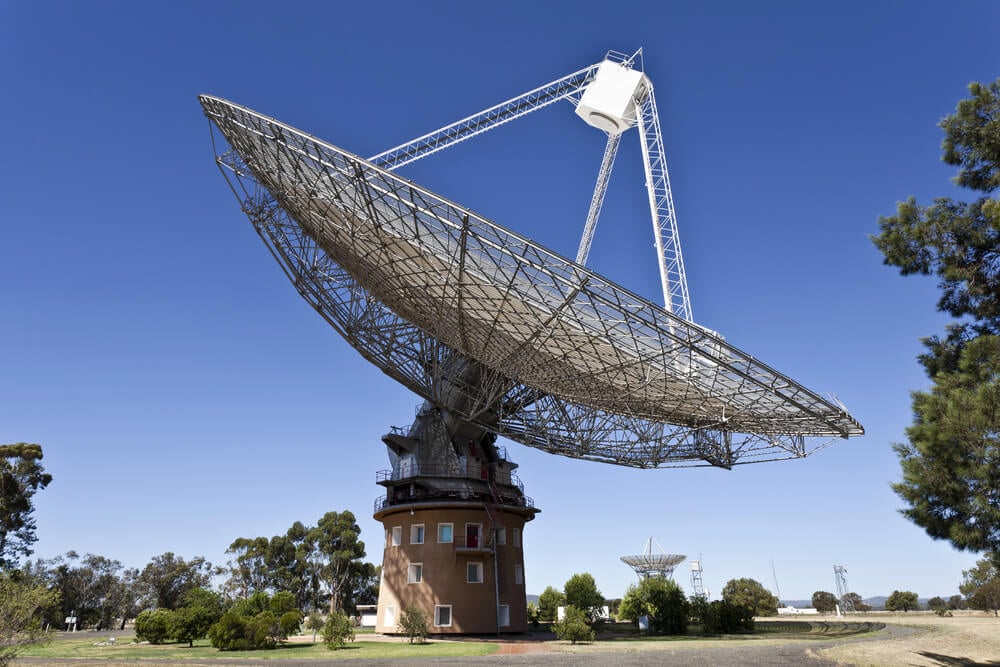
Located in New South Wales, Australia, and completed in 1961, the Parkes radio telescope famously helped relay live television footage of the Apollo 11 moon landing to a global audience in 1969. Decades later, in 2007, archived Parkes data revealed the first documented fast radio burst, a brief, intensely energetic signal whose origin remains only partly understood.
The telescope, affectionately nicknamed “The Dish,” continues to operate today.
The Yerkes Observatory
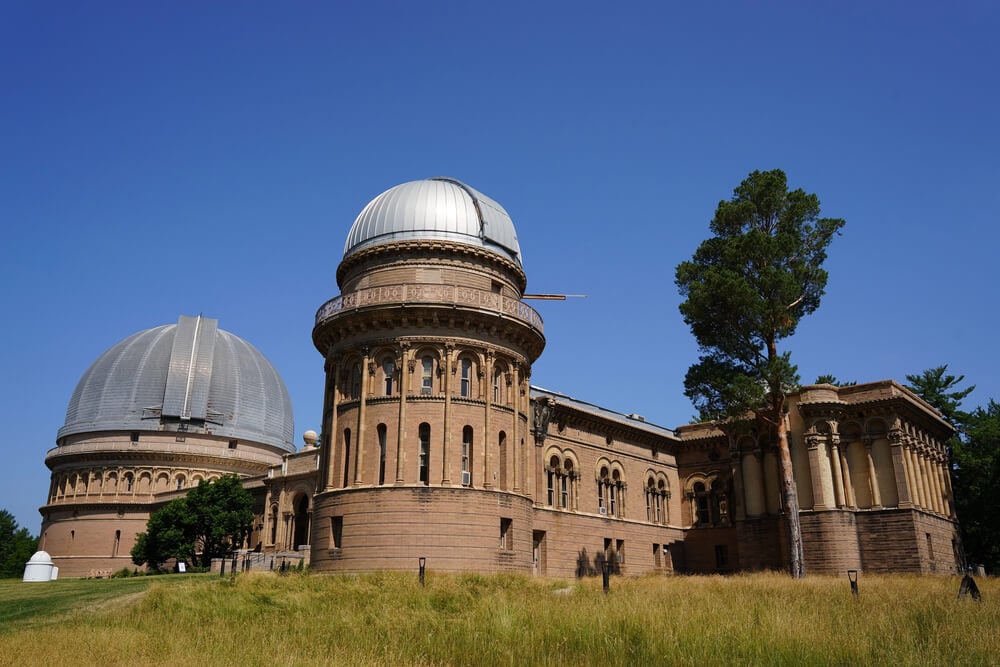
Completed in 1897 near Chicago, Yerkes houses the largest refracting telescope ever successfully used for astronomy, with a 40-inch lens rather than a mirror. Refracting telescopes beyond this size become impractical because large lenses sag under their own weight, which is why virtually all telescopes built since have relied on mirrors instead.
The observatory operated for over a century before shifting primarily to public education.
The Mount Wilson Observatory
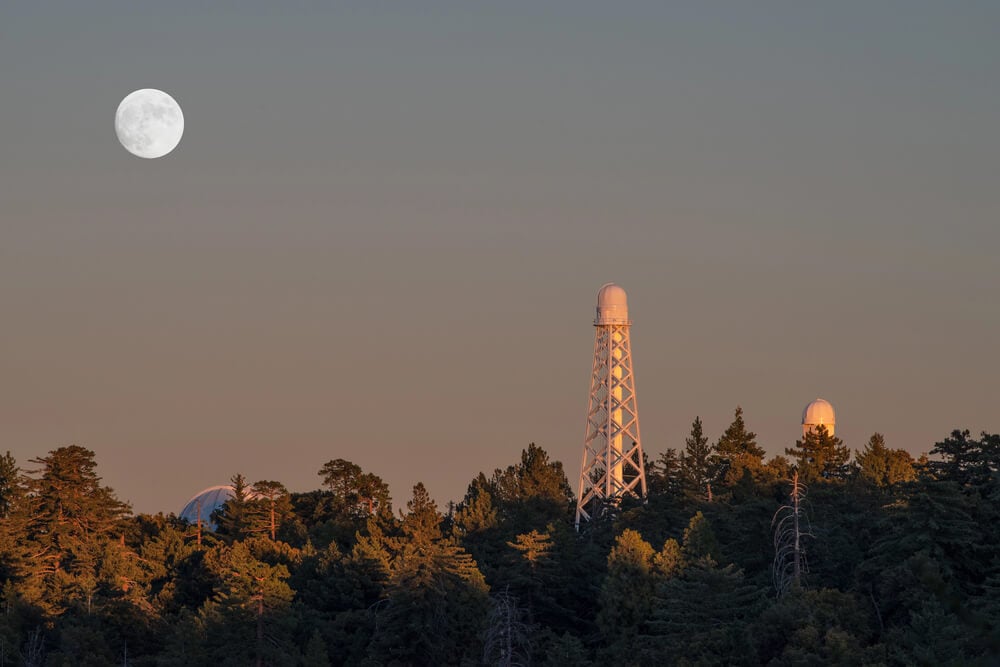
Home to the 100-inch Hooker Telescope, completed in 1917, Mount Wilson Observatory in California is where Edwin Hubble made the observations that proved the universe extended far beyond the Milky Way and was expanding. For over a decade after its completion, the Hooker Telescope was the largest operational telescope in the world.
Its relatively close proximity to Los Angeles has increasingly limited its usefulness as urban light pollution has grown.
The Roman Space Telescope
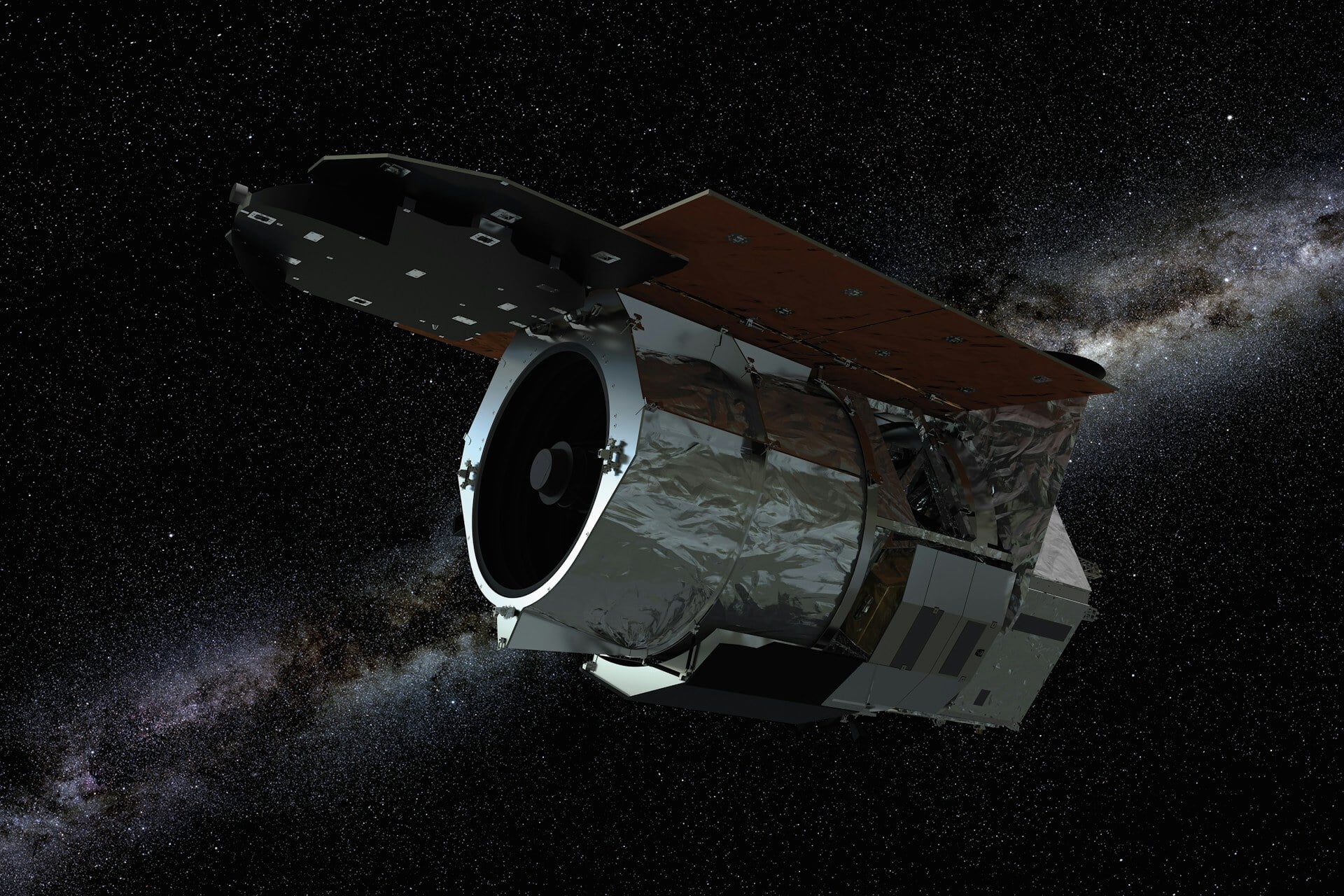
Named for NASA astronomer Nancy Grace Roman, considered the mother of the Hubble program, this telescope is scheduled to launch with a field of view roughly 100 times larger than Hubble’s while using similar mirror technology. Its primary science goals include studying dark energy and conducting a wide survey to detect thousands of new exoplanets through gravitational microlensing.
It represents one of the few major space telescopes named specifically after a woman scientist.
The Southern African Large Telescope
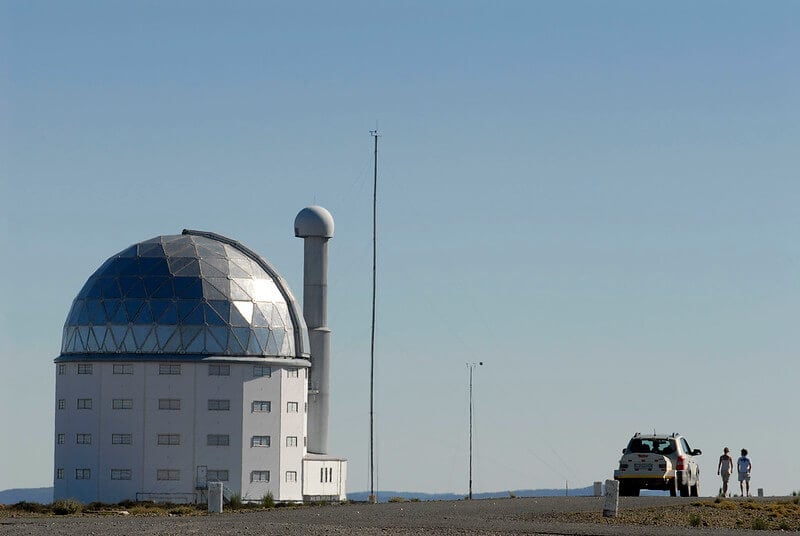
Completed in 2005 in South Africa’s Northern Cape, SALT is the largest single optical telescope in the Southern Hemisphere, with an 11-meter segmented mirror. Its unusual fixed-angle design, tilted at a constant angle rather than fully steerable, keeps construction costs lower while still allowing access to most of the visible night sky through a moving tracker mechanism.
It has contributed to research on distant quasars and exoplanet atmospheres.
The Giant Magellan Telescope
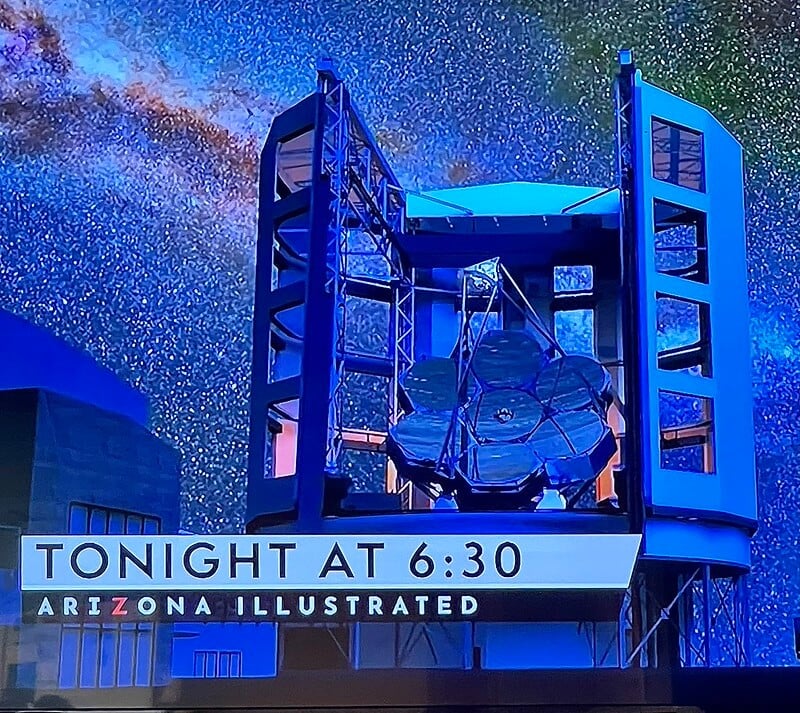
Currently under construction in Chile’s Atacama Desert, the Giant Magellan Telescope will use seven enormous 8.4-meter mirrors arranged together to function as a single 24.5-meter telescope once complete. When finished, it is expected to produce images roughly ten times sharper than Hubble.
Its unconventional design, distinct from the more common segmented-mirror approach, required custom-built mirror casting facilities.
The Thirty Meter Telescope
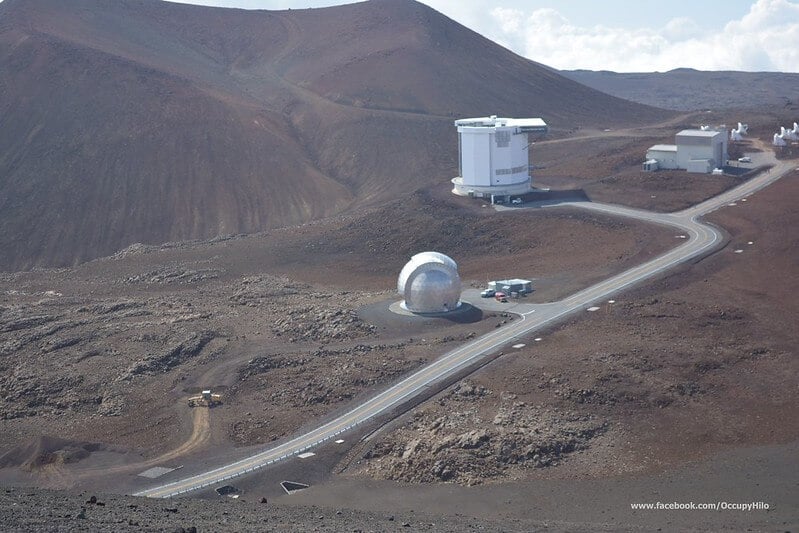
Proposed for construction atop Mauna Kea, the Thirty Meter Telescope has faced years of delays due to opposition from Native Hawaiian groups who consider the mountain sacred ground. If built, its 30-meter segmented mirror would make it one of the largest optical telescopes on Earth.
The project remains a significant point of ongoing debate over land use, indigenous rights, and astronomical research priorities.
The Vera C. Rubin Observatory
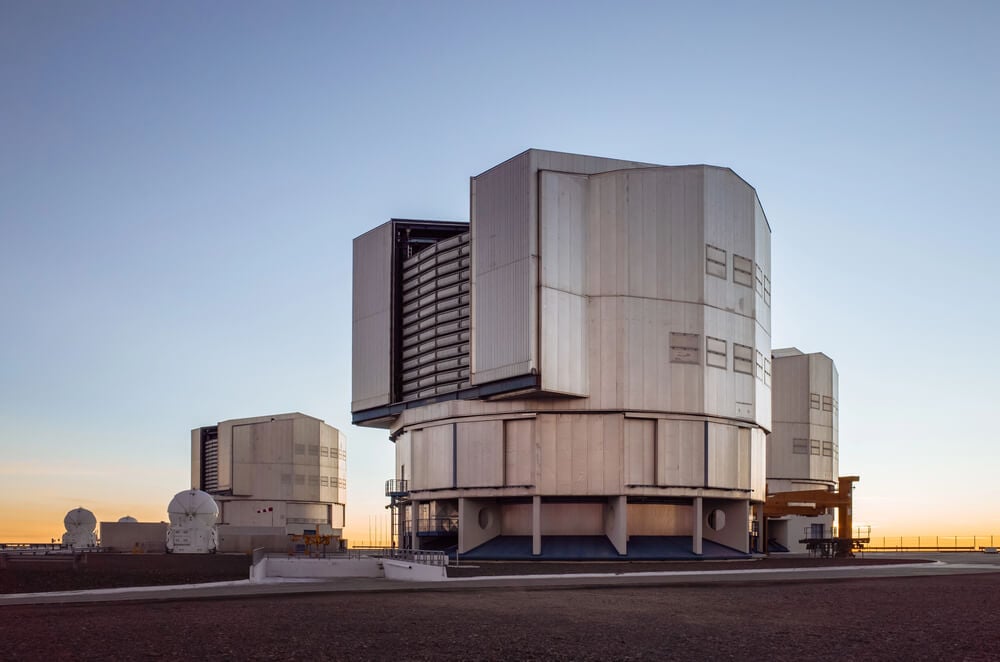
Located in Chile and named for astronomer Vera Rubin, this observatory is built around an unusually wide-field 8.4-meter telescope designed to photograph the entire visible night sky every few nights. Its Legacy Survey of Space and Time is expected to generate an enormous volume of data, useful for tracking asteroids, cataloging supernovae, and studying dark matter’s distribution.
It began science operations in the mid-2020s.
The William Herschel Telescope
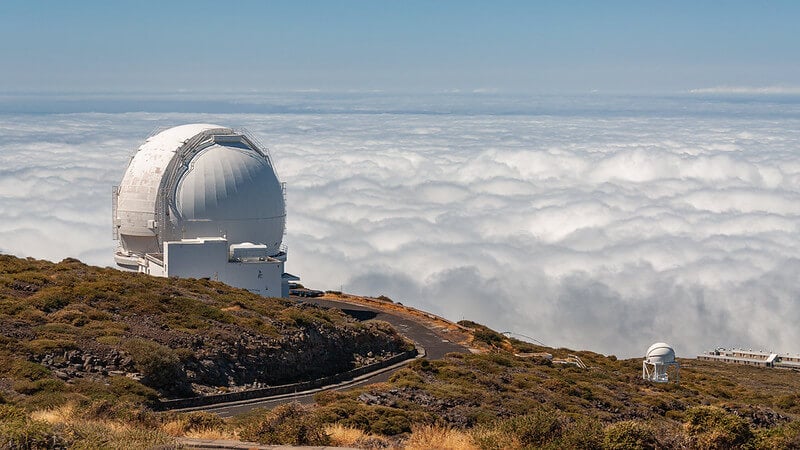
Located in the Canary Islands and completed in 1987, the William Herschel Telescope is named after the astronomer who discovered Uranus two centuries earlier. Its 4.2-meter mirror has been used in research ranging from exoplanet detection to the study of gamma-ray burst afterglows.
The telescope remains part of a broader cluster of instruments sharing the same mountaintop site.
The Sloan Digital Sky Survey Telescope
Operating from New Mexico since 2000, the Sloan telescope is relatively modest in size at 2.5 meters, but its purpose was never simply to look deep, it was built to map wide swaths of sky in extraordinary detail. The resulting Sloan Digital Sky Survey has cataloged hundreds of millions of celestial objects and become one of the most heavily cited datasets in the history of astronomy.
Its data continues to be reused in new research decades after collection.
The Event Horizon Telescope
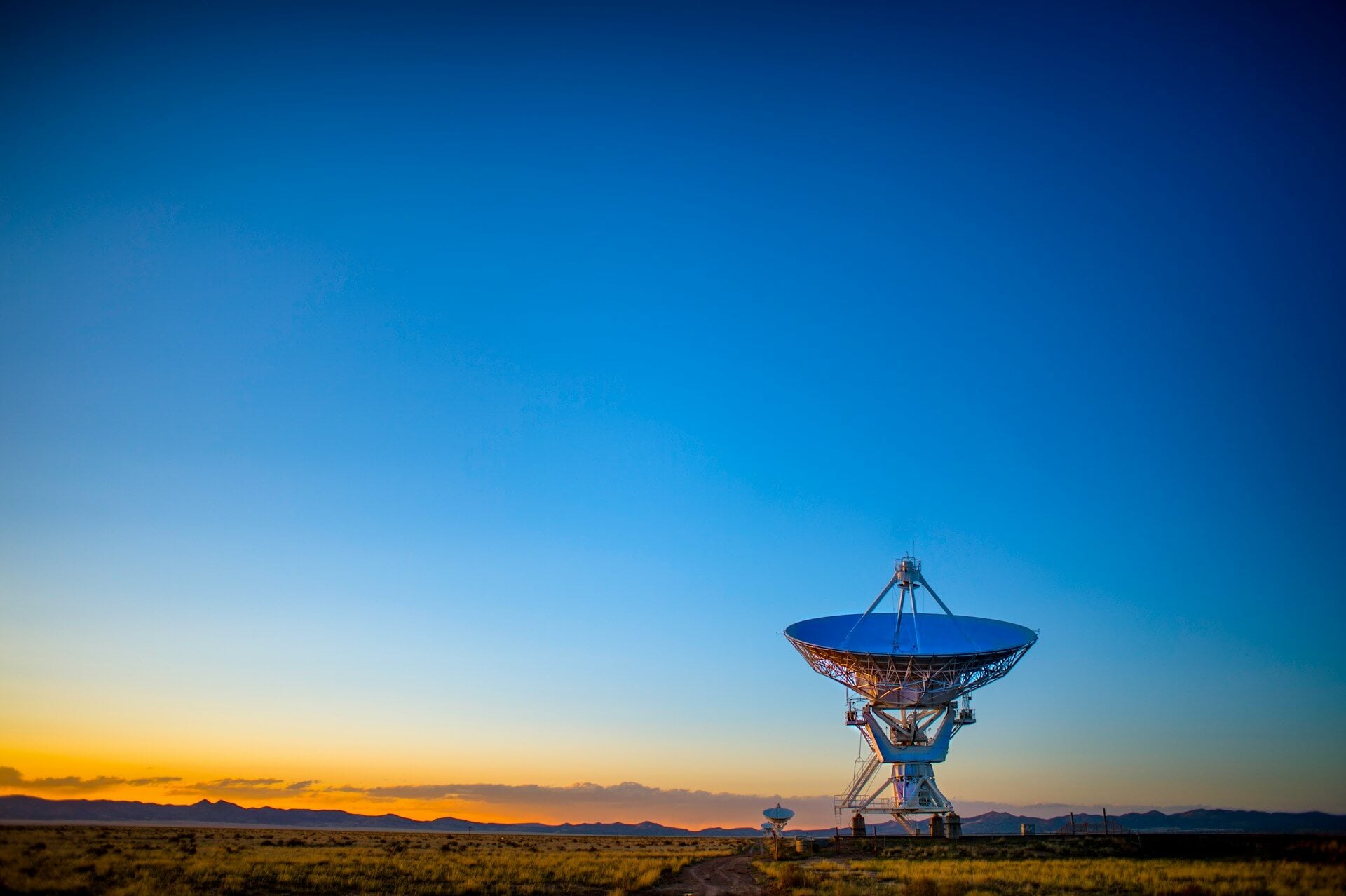
Not a single instrument but a coordinated network of radio telescopes spread across the globe, the Event Horizon Telescope effectively functions as a telescope the size of Earth itself. In 2019, the collaboration produced the first-ever direct image of the great abyss’ silhouette, located in the galaxy M87, followed in 2022 by an image of the supermassive great abyss at the Milky Way’s center.
The technique, called very long baseline interferometry, requires atomic clocks to synchronize data collected at each site.
The Wide-field Infrared Survey Explorer
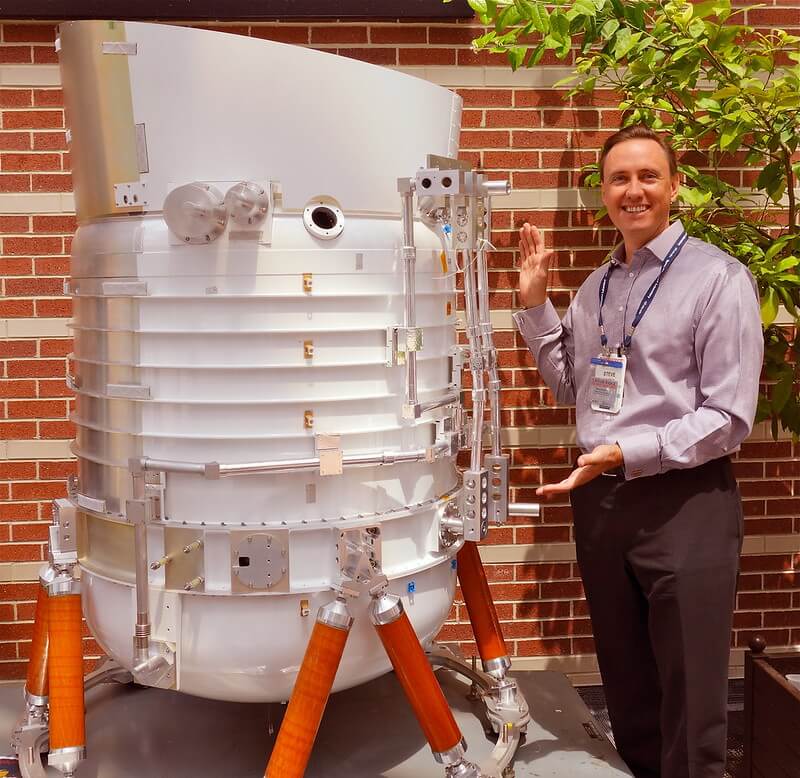
Launched in 2009, WISE was designed to scan the entire sky in infrared wavelengths, cataloging hundreds of millions of objects including asteroids, brown dwarfs, and distant galaxies. After its coolant ran out, the spacecraft was repurposed as NEOWISE, focused specifically on tracking near-Earth asteroids and comets that could pose an impact risk.
It remains active in this secondary mission role well beyond its original design lifetime.
Instruments as Discovery
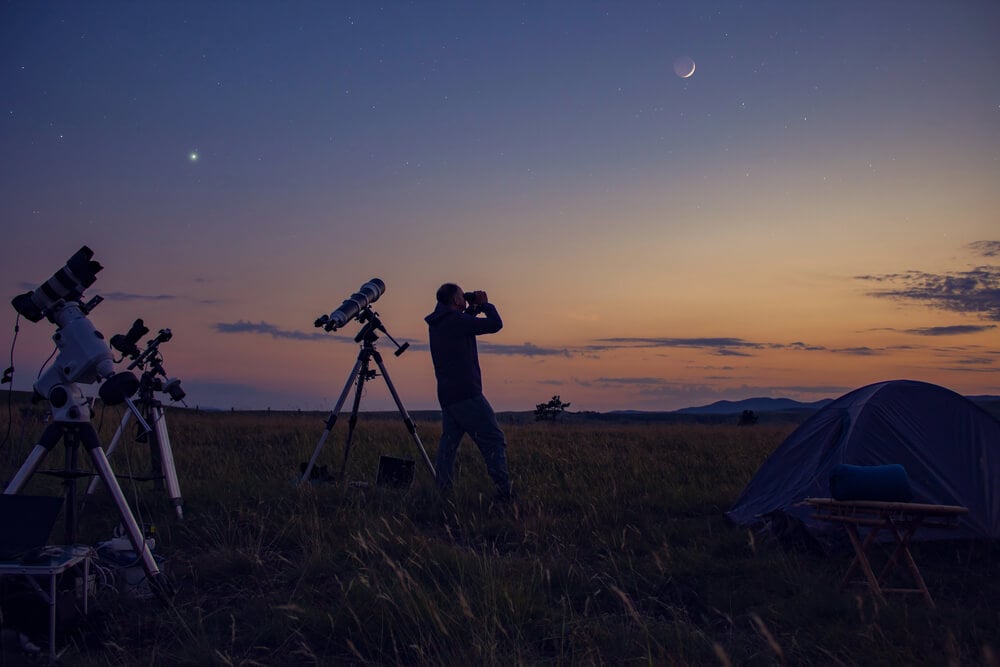
A telescope does not just magnify light; it decides, by its very design, what kind of universe is even possible to see. A radio dish reveals a sky invisible to an optical mirror, and an infrared detector uncovers structures no visible-light instrument could ever register.
The history of astronomy, then, is really a history of expanding vocabulary, each new instrument adding a wavelength, a resolution, a distance that humanity previously had no way to describe. The sky has not changed.
What we have been able to build to look at it has.
More from Go2Tutors!

- The Romanov Crown Jewels and Their Tragic Fate
- 13 Historical Mysteries That Science Still Can’t Solve
- Famous Hoaxes That Fooled the World for Years
- 15 Child Stars with Tragic Adult Lives
- 16 Famous Jewelry Pieces in History
Like Go2Tutors’s content? Follow us on MSN.