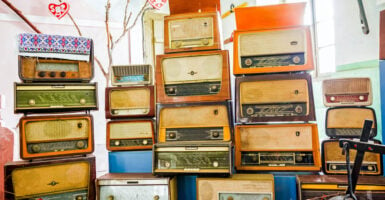
16 Old Advertising Signs That Sell for Hundreds
Porcelain and tin advertising signs that once hung outside general stores and filling stations for a few dollars now regularly change hands for far more, driven by collectors chasing Americana, gas station history, and mid-century graphic design. As with most vintage collectibles, condition is everything; a sign with heavy rust, fading, or chipped porcelain can sell for a small fraction of a pristine example of the same design.
Coca-Cola Button Sign
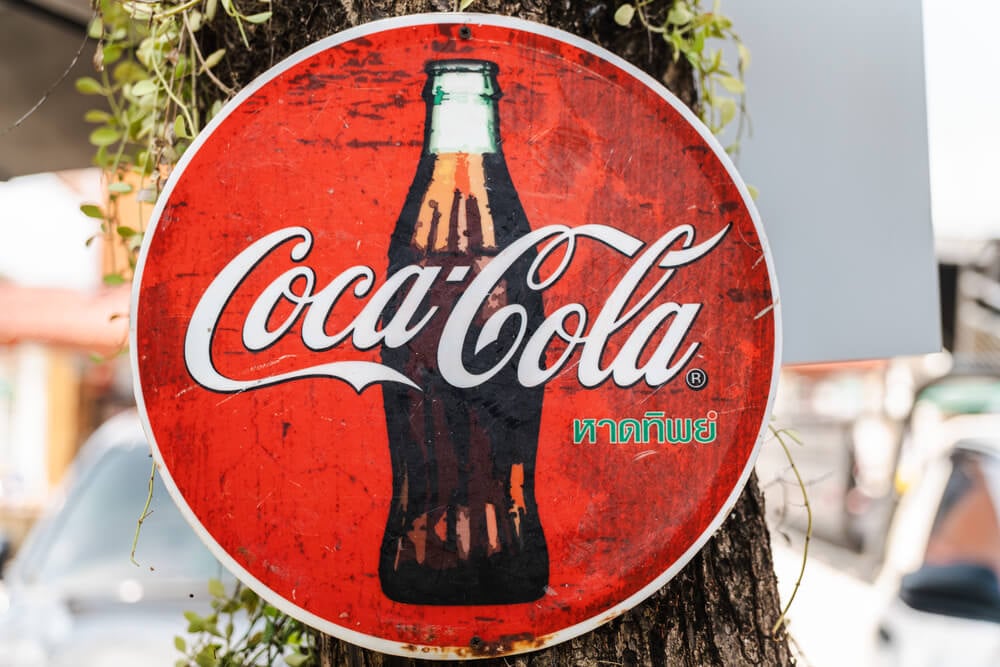
Round, convex porcelain “button” signs advertising Coca-Cola were produced in large numbers from the early 1900s through the mid-twentieth century and remain some of the most widely collected advertising pieces in existence. Their curved shape made them harder to manufacture without chipping, so undamaged examples are genuinely scarcer than flat tin equivalents from the same era. Well-preserved examples, especially larger sizes, regularly sell in the several-hundred-dollar range, with rare early designs reaching into the thousands.
Texaco Porcelain Sign
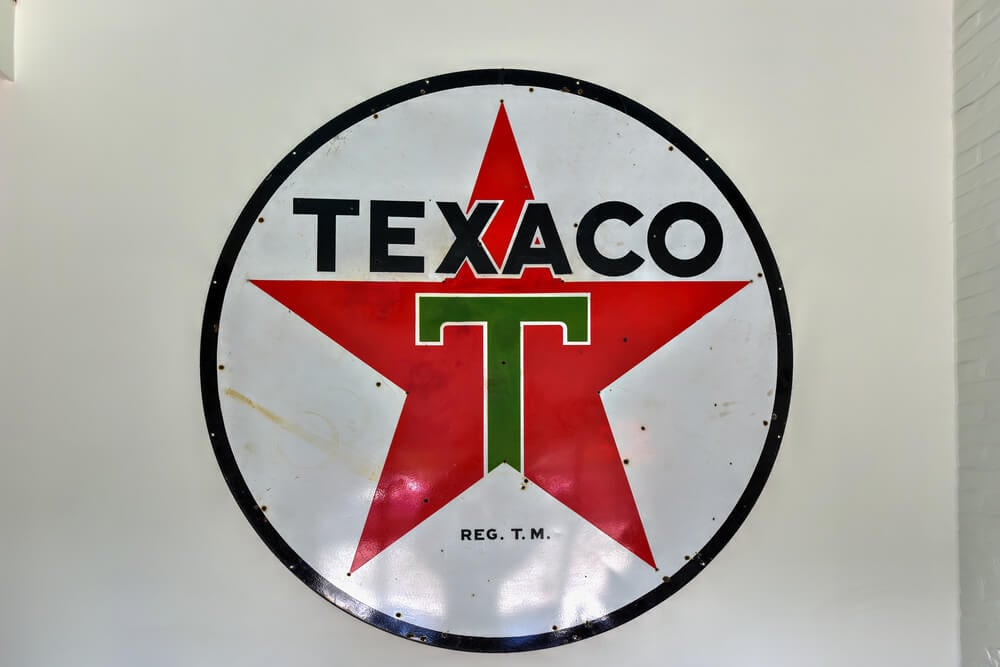
Texaco’s red star logo on white porcelain was a familiar sight at filling stations across the country for decades, and surviving examples from the 1930s and 1940s are now sought after specifically for their bold, simple graphic design. Porcelain signs exposed to decades of outdoor weather often show characteristic chipping around mounting points, which collectors weigh heavily when assessing value. Clean, original examples typically sell in the several-hundred-dollar range.
Mobil Pegasus Sign
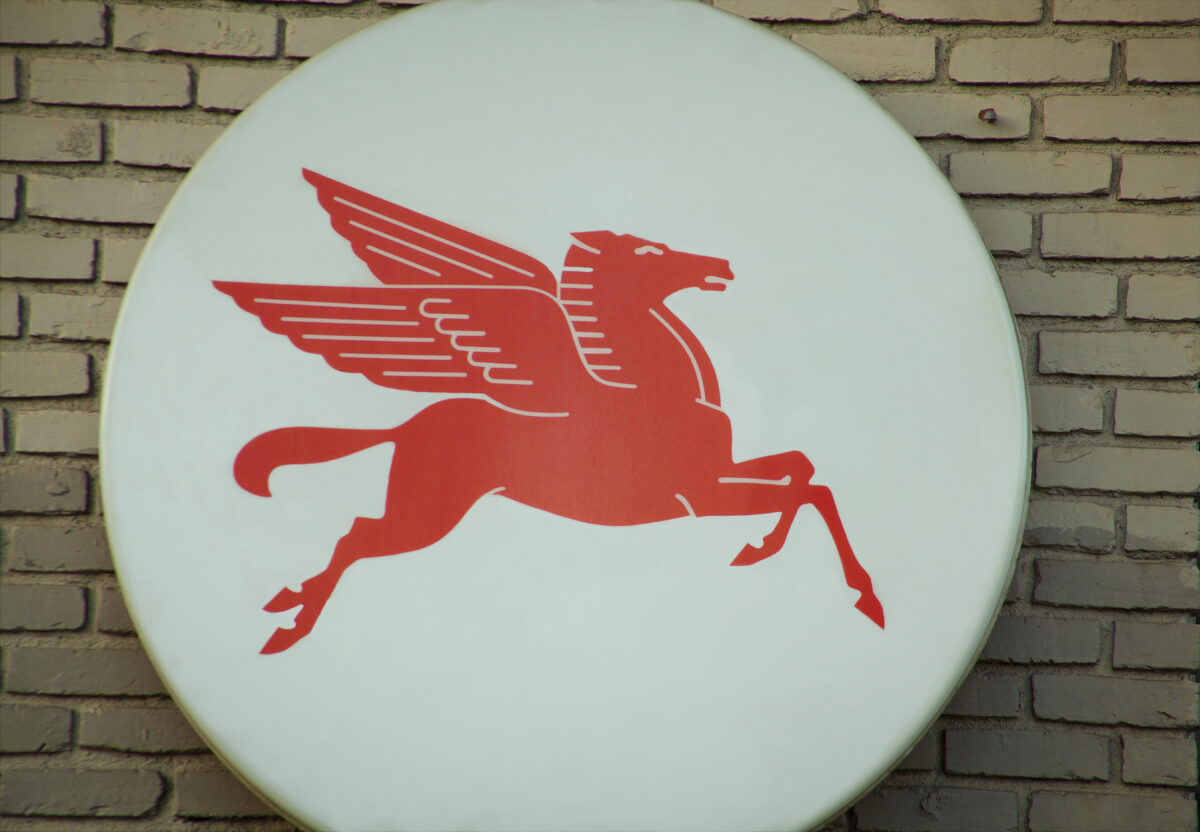
The winged red horse of Mobil’s Pegasus logo, introduced in the 1930s, has become one of the most recognizable images in American advertising history, and large porcelain versions that once topped gas station signage are particularly prized. Because these signs were often mounted high on poles, sun-faded color is common, making examples with strong original color noticeably more valuable. Larger porcelain Pegasus signs have sold well into the thousands of dollars at specialty auctions.
Sinclair Dino Sign
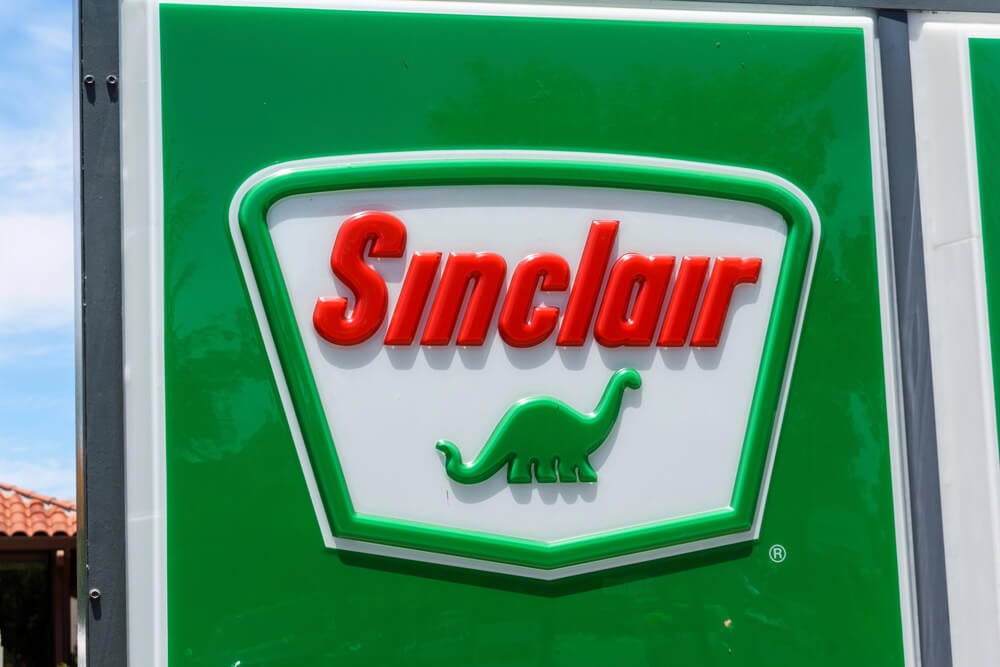
Sinclair Oil’s green dinosaur mascot, introduced in the 1930s, gave the company one of the most instantly recognizable logos in the petroleum industry, and porcelain versions of the sign remain popular with both oil-industry collectors and dinosaur enthusiasts. The distinctive shaped-cutout dinosaur signs, rather than simple rectangular versions, tend to command the highest prices. Well-preserved examples typically sell in the several-hundred to low-thousand-dollar range depending on size.
Phillips 66 Sign
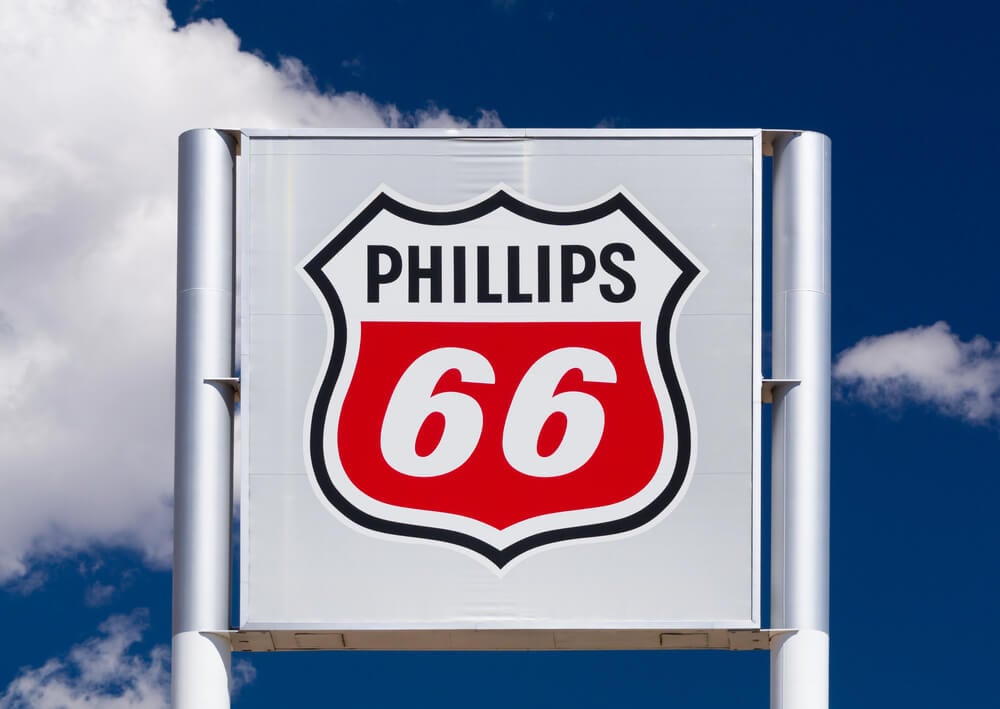
The shield-shaped Phillips 66 sign, named for the gasoline’s 66 octane rating rather than Route 66, appeals strongly to collectors interested in both petroleum history and the broader nostalgia surrounding the historic highway. Earlier porcelain versions are considered more valuable than later painted metal versions produced as the industry shifted materials in the 1950s and 1960s. Clean porcelain examples regularly sell in the several-hundred-dollar range.
Shell Sign
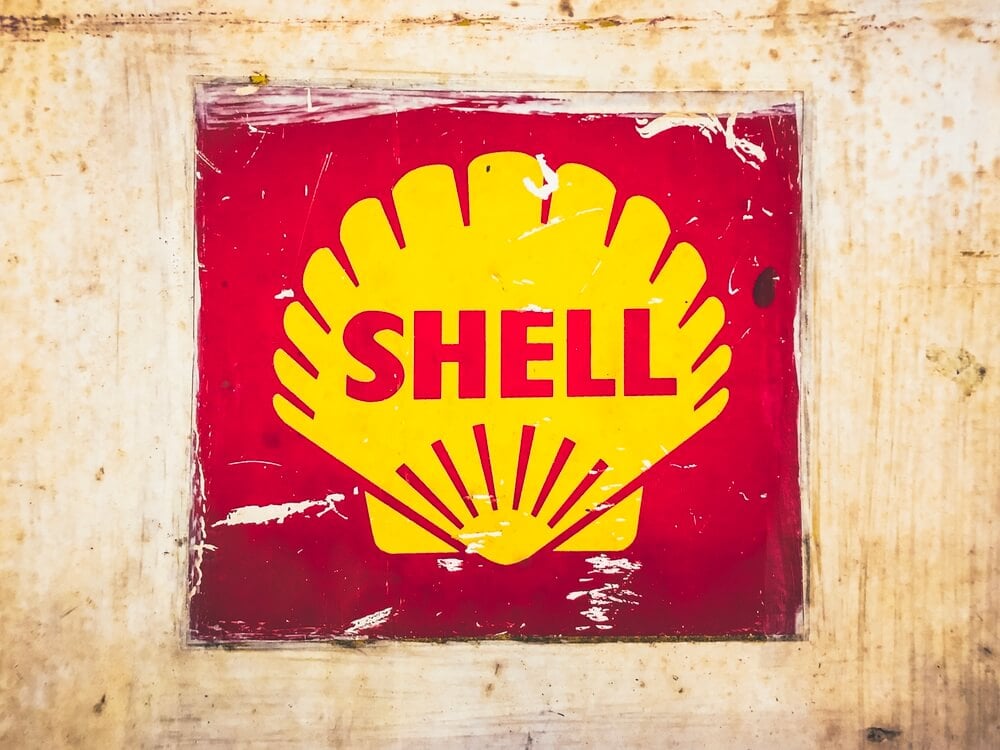
The scalloped yellow and red shell logo, one of the oldest continuously used trademarks in America, appears on porcelain signs dating back to the early twentieth century that remain highly collectible today. Larger die-cut shell-shaped signs, rather than simple rectangular versions bearing the logo, are particularly sought after for their strong visual presence. Well-preserved examples have sold for several hundred to a few thousand dollars depending on size and age.
Pepsi-Cola Bottle Cap Sign
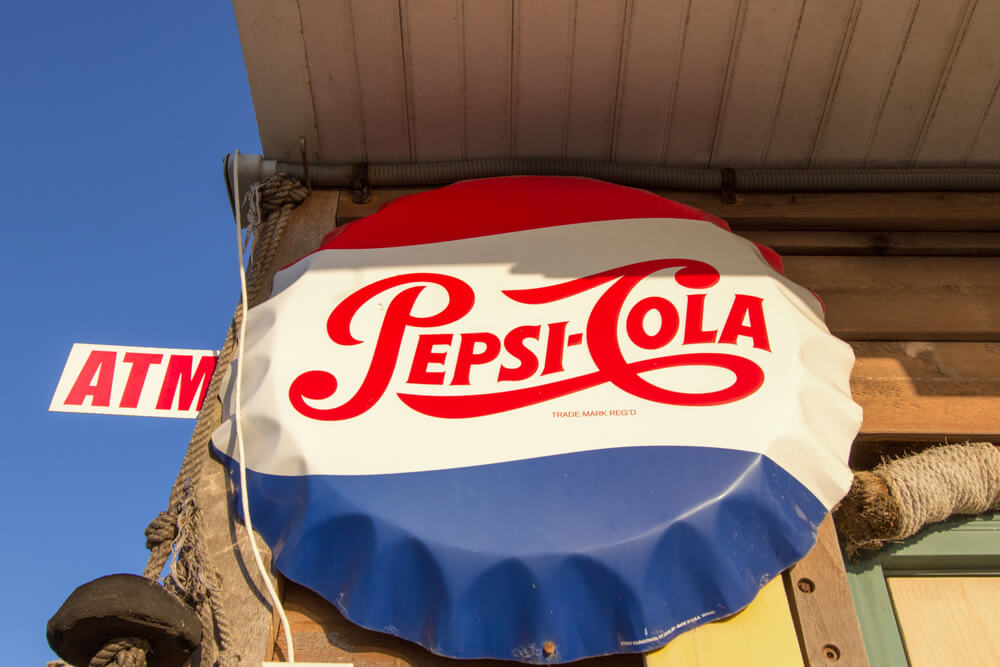
The round, red-white-and-blue Pepsi bottle cap design became one of the soft drink industry’s most recognizable advertising images beginning in the 1940s, and porcelain and tin versions remain popular among soda memorabilia collectors. Because the design changed subtly across different decades, collectors often specifically seek certain era variations. Well-preserved examples typically sell in the low hundreds of dollars.
Wrigley’s Spearmint Gum Sign
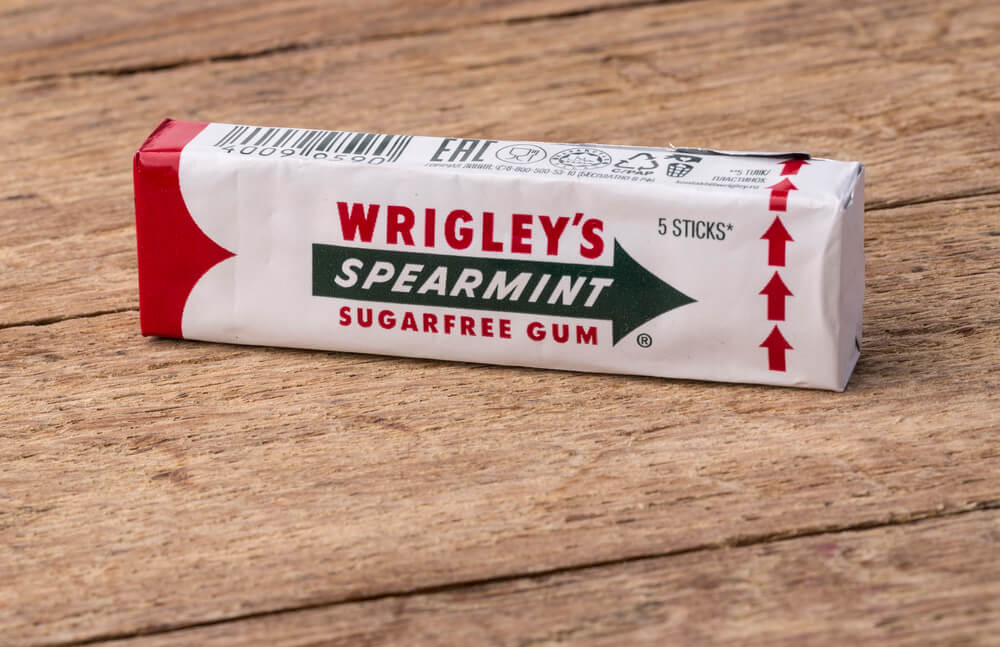
Early twentieth-century tin advertising signs for Wrigley’s Spearmint gum, often featuring the brand’s distinctive arrow logo, were common fixtures in general stores and remain popular among collectors of early American grocery advertising. Surviving examples in strong original color are relatively scarce given the fragile nature of painted tin exposed to decades of handling. Clean, well-preserved examples typically sell in the low hundreds of dollars.
Buster Brown Shoes Sign
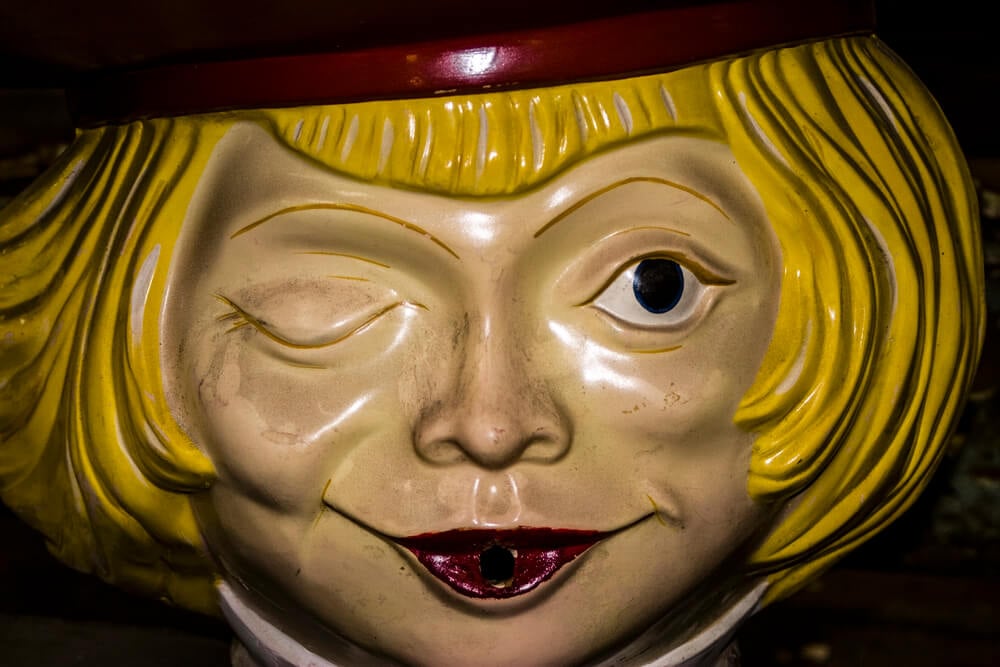
Featuring the comic-strip character Buster Brown and his dog Tige, this early twentieth-century shoe advertising sign became a fixture of children’s shoe stores for generations, and its charming illustration style still appeals strongly to collectors of vintage children’s advertising. Porcelain versions in strong original color are considerably scarcer than the more common cardboard store displays from the same campaign. Well-preserved porcelain examples can sell for several hundred dollars.
Red Goose Shoes Sign
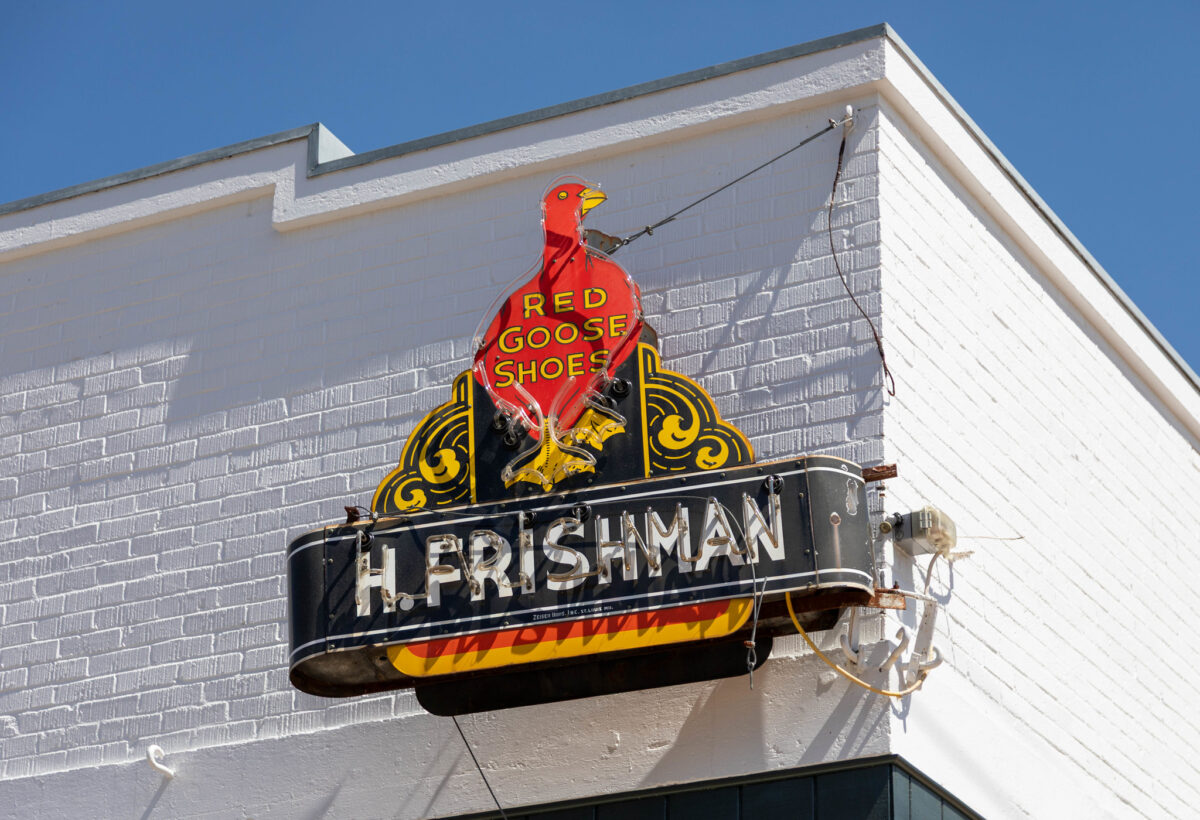
The Red Goose Shoes sign, featuring a stylized red goose that became one of the most recognizable shoe brand mascots of the early twentieth century, is particularly prized when found in its three-dimensional die-cut porcelain form rather than a flat printed version. Original light-up versions used in department stores are especially rare survivors. Well-preserved examples, particularly the die-cut versions, have sold for several hundred dollars and up.
Arm & Hammer Sign
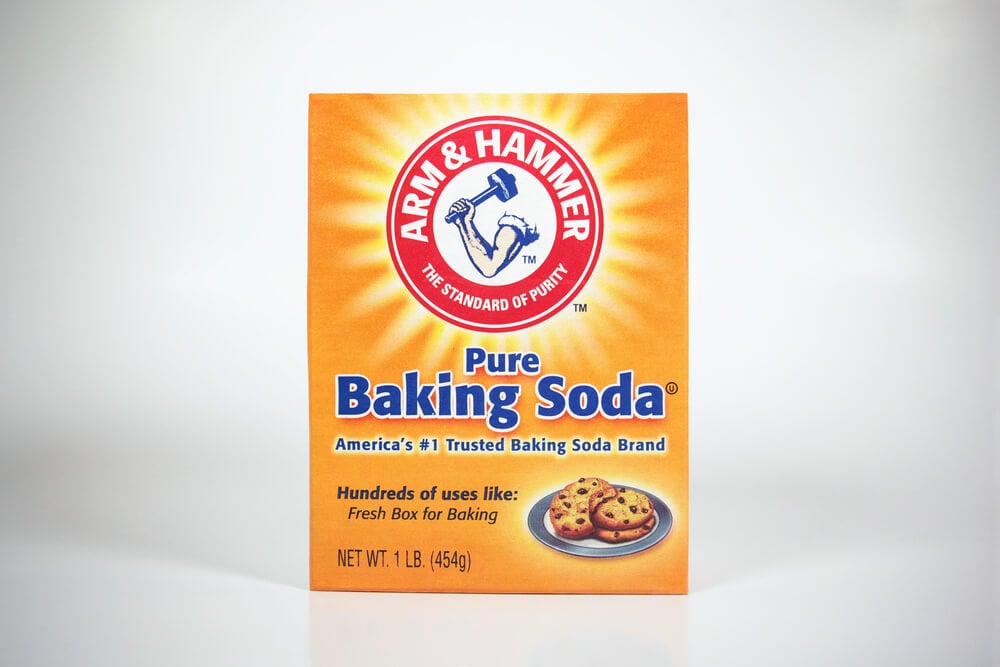
Advertising for the baking soda brand’s distinctive arm-and-hammer logo appeared on tin and porcelain signage in general stores throughout the early twentieth century, appealing today to collectors of both grocery advertising and general Americana. Earlier, more ornate Victorian-era versions of the logo tend to command higher prices than simpler later designs. Well-preserved examples typically sell in the low hundreds of dollars.
Rexall Drugs Sign
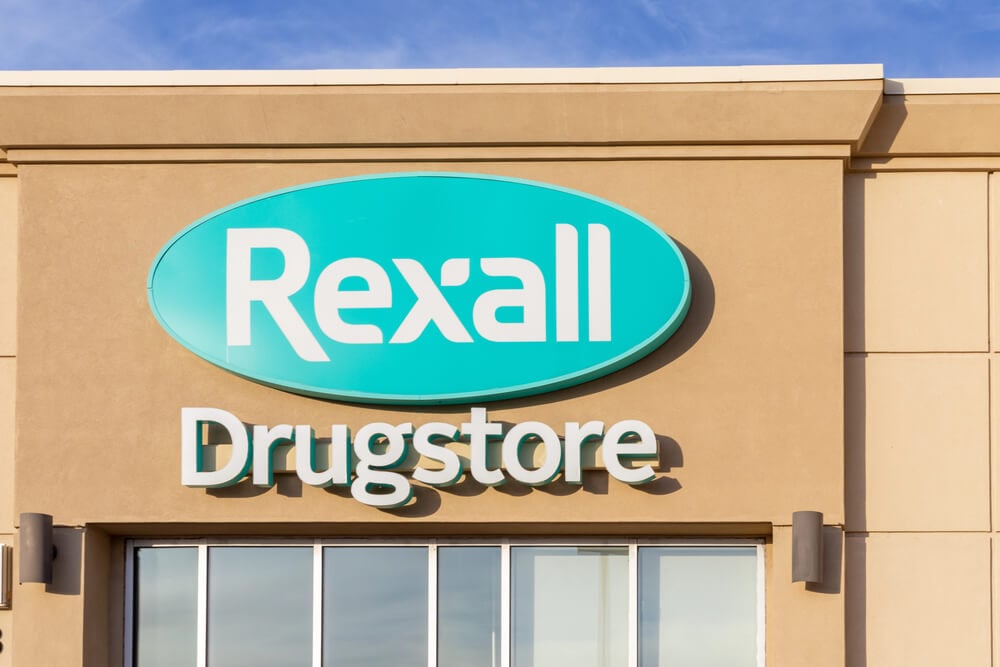
Rexall’s distinctive orange and blue circular sign marked independent pharmacies across small-town America for much of the twentieth century, and surviving examples appeal to collectors interested in pharmacy and general store history. Larger, illuminated versions used outside storefronts are considerably scarcer than smaller interior signage. Well-preserved examples typically sell in the low hundreds of dollars.
Moxie Sign
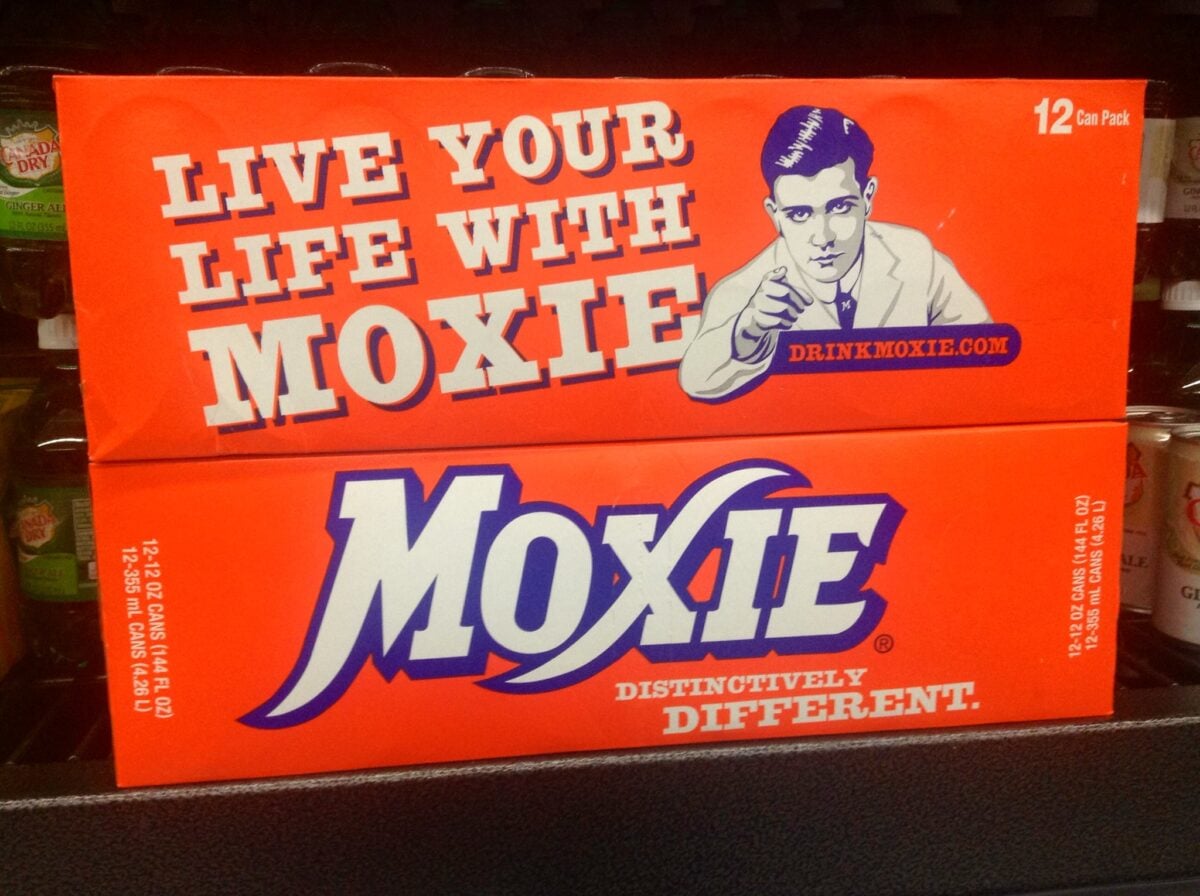
Moxie, one of America’s oldest soda brands, produced distinctive advertising signage throughout the early to mid-twentieth century, often featuring its mascot pointing directly at the viewer, and its signs remain popular with regional soda collectors, particularly in New England where the brand originated. Because Moxie’s regional popularity limited overall production compared to national brands like Coca-Cola, surviving examples are relatively scarce. Well-preserved examples have sold in the several-hundred-dollar range.
Clabber Girl Baking Powder Sign
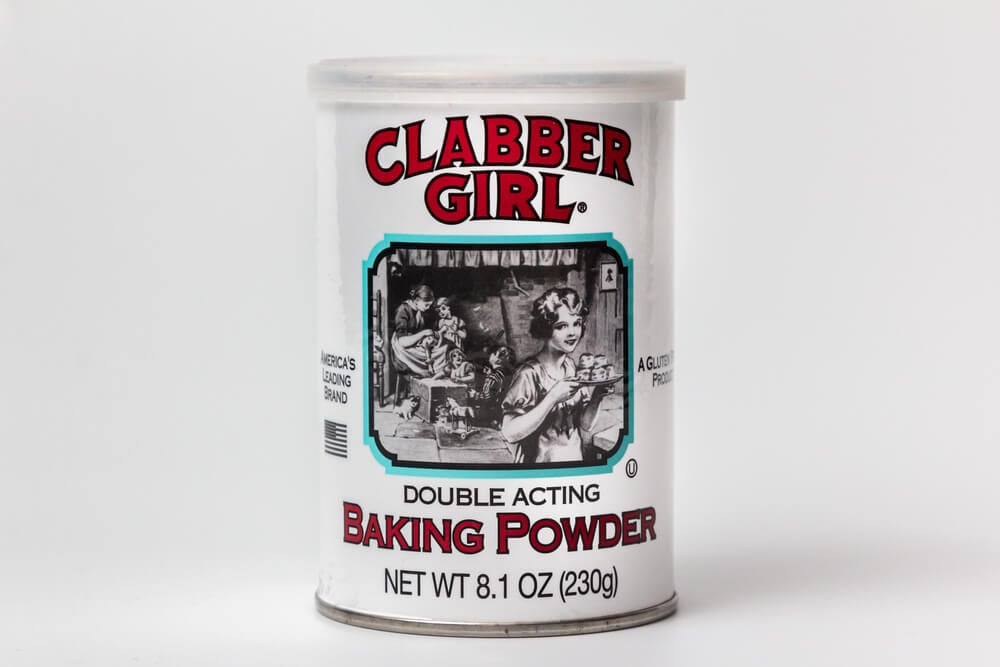
Tin advertising signs for Clabber Girl baking powder, a staple brand in American kitchens since the early twentieth century, remain popular among collectors of vintage grocery and general store advertising for their bold red packaging graphics. Surviving examples in strong original color, without significant fading or rust, are relatively scarce. Well-preserved examples typically sell in the low hundreds of dollars.
John Deere Sign
Porcelain dealership signs bearing John Deere’s leaping deer logo, used to mark farm equipment dealers throughout the twentieth century, are highly sought after by collectors interested in agricultural and rural Americana. Larger dealership signs meant for outdoor display are considerably scarcer than smaller interior promotional pieces. Well-preserved examples have sold for several hundred to well over a thousand dollars depending on size and era.
Dr Pepper Sign
Dr Pepper’s distinctive advertising signage, often featuring its early “10, 2, and 4” slogan referencing the recommended times of day to drink the beverage, remains highly popular with soda memorabilia collectors for its unusual branding history. Porcelain versions from the mid-twentieth century are considerably scarcer than later painted metal reproductions. Well-preserved original examples typically sell in the several-hundred-dollar range.
Rust, Rarity, and Roadside Nostalgia
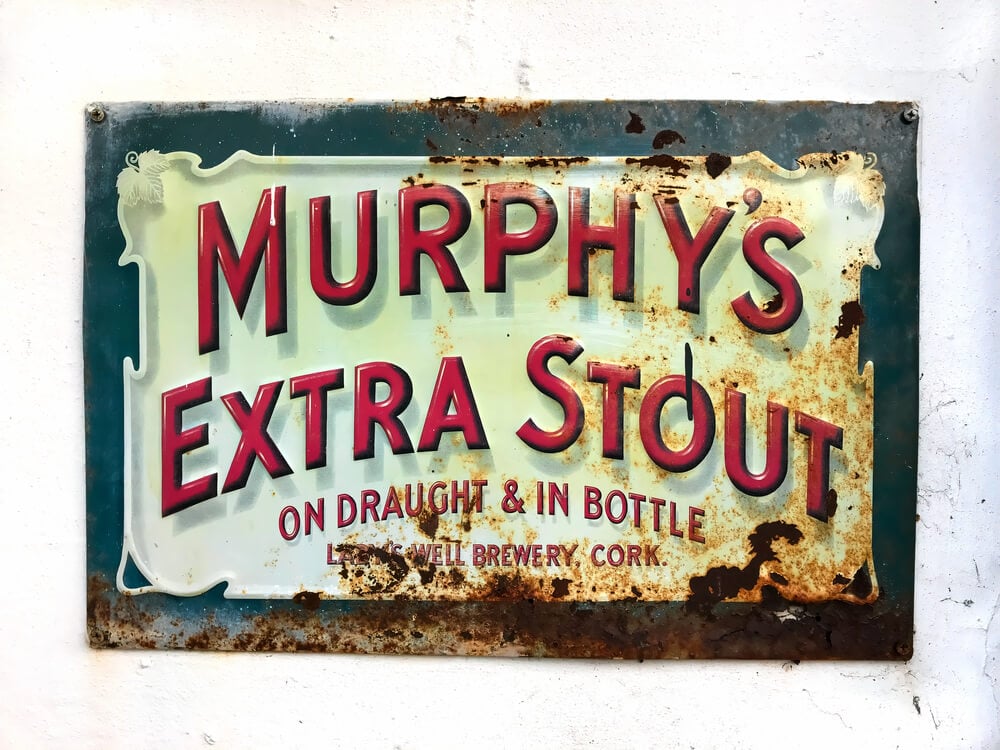
What makes these signs valuable was never really the product they advertised. It’s the fact that they were built to survive weather, not decades, and most of them were eventually torn down, scrapped, or simply painted over as brands updated their look.
The ones that survived did so mostly by accident, forgotten in a barn or bolted to a wall nobody bothered to renovate, which is exactly why collectors now treat a rust-free porcelain sign less like decoration and more like a small, stubborn piece of roadside history.
More from Go2Tutors!

- The Romanov Crown Jewels and Their Tragic Fate
- 13 Historical Mysteries That Science Still Can’t Solve
- Famous Hoaxes That Fooled the World for Years
- 15 Child Stars with Tragic Adult Lives
- 16 Famous Jewelry Pieces in History
Like Go2Tutors’s content? Follow us on MSN.