29 Photos Taken on Ordinary Days That Became Famous
History often reveals its significance only in retrospect, transforming casual snapshots into iconic documentation of moments ordinary people failed to recognize as historic. Photographers capturing routine daily activity frequently produced images whose historical import emerged only decades later when events’ consequences became apparent.
The most powerful historical photographs often lack dramatic composition or intentional significance—they succeed precisely because they captured authentic moments before their historical weight became apparent. These unintentionally prophetic images reveal how ordinary moments become extraordinary through subsequent historical development.
The Lunch Atop a Skyscraper (1932)
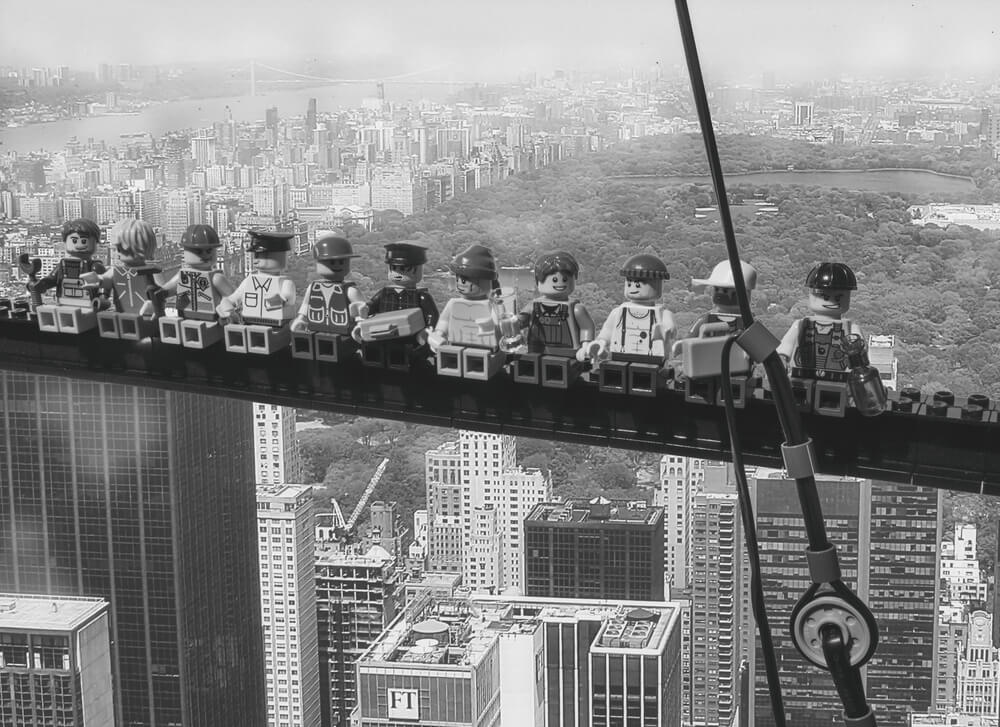
Photographers captured eleven ironworkers eating lunch while perched 850 feet above Rockefeller Center’s construction site on September 20, 1932, producing an image that became iconic documentation of Depression-era construction labor. The workers’ apparent nonchalance contrasted with the terrifying height, creating an unsettling visual tension.
The photograph gained fame only decades later as Depression history assumed cultural importance, transforming a routine worksite photograph into historical documentation.
The Afghan Girl (1984)

National Geographic photographer Steve McCurry captured a portrait of an anonymous Afghan refugee girl with striking green eyes in a Pakistan camp in 1984, intending to illustrate the refugee humanitarian crisis. The image’s emotional intensity and the girl’s direct gaze created an unforgettable portrait that appeared on National Geographic’s cover in June 1985.
The photograph’s fame intensified when McCurry located the now-adult subject nearly two decades later, revealing the image’s historical documentation of war’s generational impact.
Tank Man at Tiananmen Square (June 4, 1989)
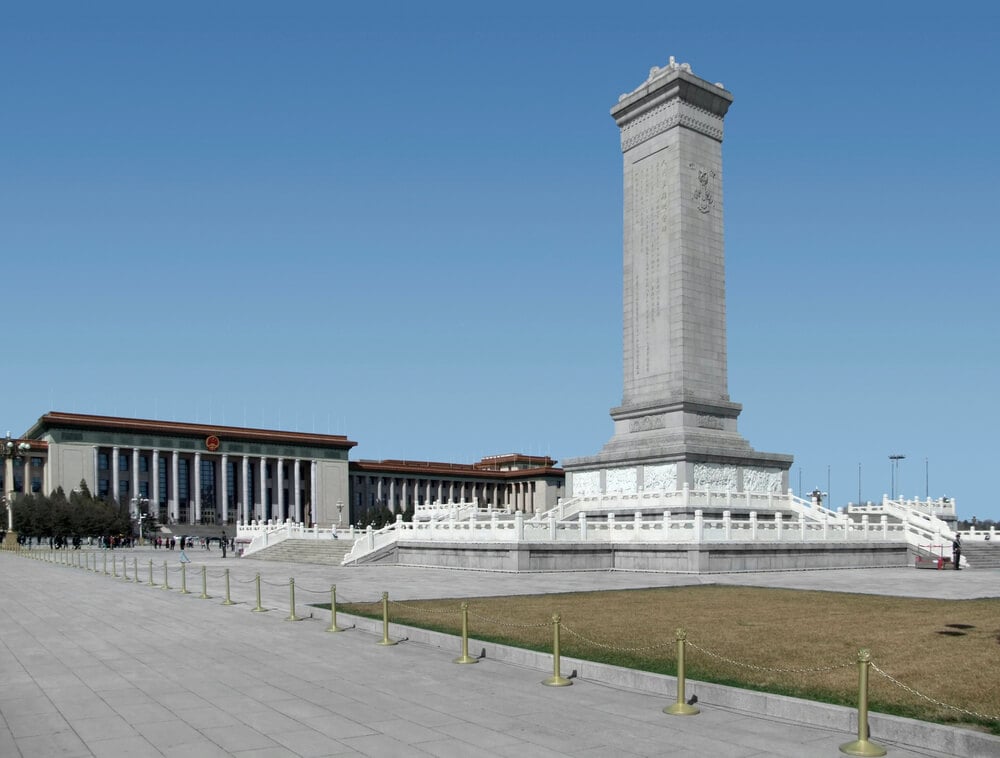
Photojournalists captured an unidentified man standing before Chinese military tanks at Tiananmen Square during the 1989 pro-democracy demonstrations. The photograph’s power emerged from its symbolic depiction of individual resistance against state violence and became the defining image of the Tiananmen Square protests.
The photograph’s significance grew as historical understanding of the protests’ suppression developed, transforming a moment of individual action into iconic anti-authoritarian imagery.
The Falling Man (September 11, 2001)
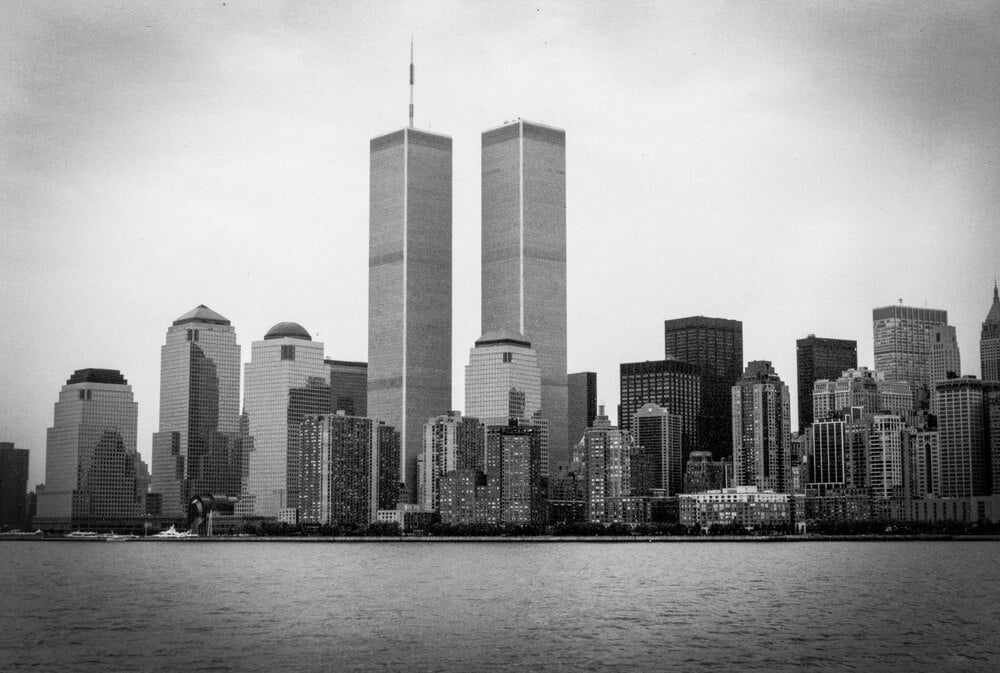
Photographer Jonathan Moore captured an image of a man falling from the World Trade Center’s North Tower as it burned on September 11, 2001. The photograph’s disturbing documentation of death during the attacks made it controversial to publish, yet it emerged as historical documentation of the attacks’ human cost.
The falling man’s identity remained unknown, leaving the photograph haunting precisely in its anonymous representation of individual loss.
The Saigon Execution (1968)

Associated Press photographer Eddie Adams captured the instant a South Vietnamese official executed a Viet Cong prisoner during the 1968 Tet Offensive, creating a photograph whose graphic violence contradicted official war narratives. The photograph appeared on front pages worldwide, turning a battlefield moment into iconic documentation of war’s brutality and moral ambiguity.
The photograph’s historical power emerged through its graphic honesty rather than compositional artistry.
The Burning Monk (1963)

Photographer Malcolm Browne captured Buddhist monk Thích Quảng Đức’s self-immolation in Saigon on June 11, 1963 protesting Buddhist persecution by South Vietnam’s Catholic regime. The photograph’s shocking imagery of deliberate self-sacrifice became an iconic representation of religious protest against state oppression.
The photograph’s fame emerged as the Vietnamese conflict’s historical significance became apparent and the image circulated through international media.
The Napalmed Girl (1972)

Associated Press photographer Nick Ut captured nine-year-old Phan Thị Kim Phúc running unclothed and burned from a napalm attack near Trảng Bàng, Vietnam in 1972. The photograph’s graphic depiction of war’s indiscriminate violence against children became iconic anti-war imagery that influenced American public opinion.
The photograph’s subject survived and later became a humanitarian activist and UNESCO Goodwill Ambassador, extending the photograph’s historical significance through her survival.
The Iwo Jima Flag Raising (1945)
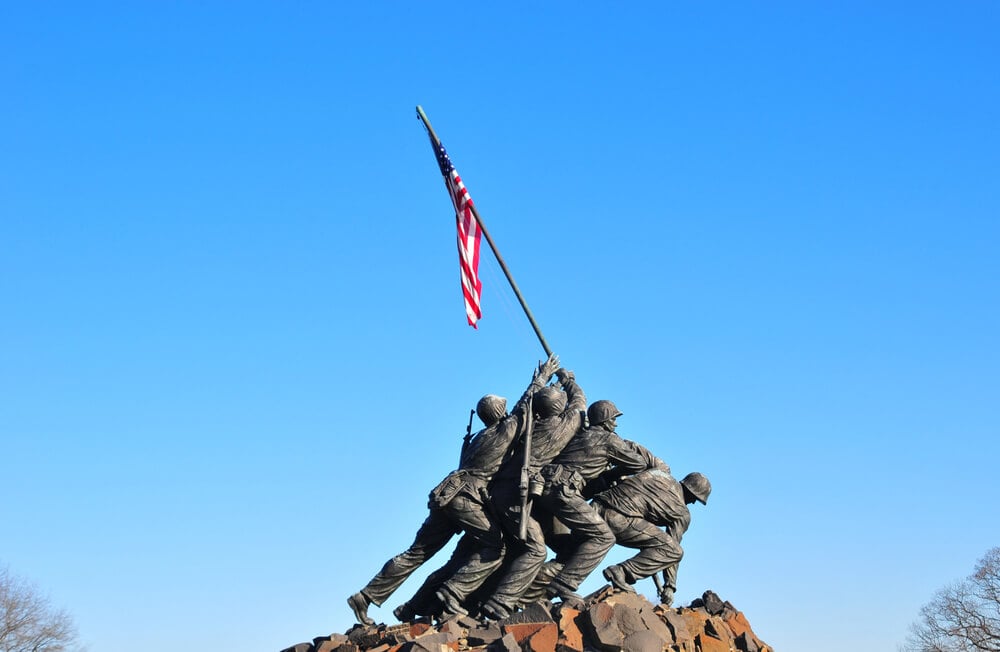
Associated Press photographer Joe Rosenthal captured American Marines raising the American flag atop Mount Suribachi on Iwo Jima on February 23, 1945. The photograph became iconic imagery of American military triumph and heroism, despite later revelation that the flag-raising was a staged recreation rather than spontaneous combat action.
The photograph’s historical power emerged from its symbolic representation of military victory rather than its documentary accuracy.
The Bliss Desktop (1996)

Photographer Charles O’Rear captured rolling Napa Valley vineyards with emerald-green hills and bright blue sky on a 1996 drive through California wine country. Microsoft licensed the landscape photograph as the default desktop background for Windows XP, ultimately making it viewed billions of times by computer users worldwide.
The photograph’s fame emerged through accidental ubiquity rather than intentional historical significance.
The Afghan Girl Reunion (2002)

Steve McCurry photographed the adult Afghan Girl nearly twenty years after his original 1984 portrait, creating a paired image showing how two decades of war affected her appearance and life. The reunion photograph transformed the original 1984 image into historical documentation of war’s generational impact, revealing the subject’s actual survival and subsequent experiences.
The second photograph’s creation restored the subject’s agency after decades as an anonymous image.
The Lunch Strike Photograph (1928)

An unknown photographer captured a family dining on their front porch in rural America during a labor strike, creating documentary evidence of working-class life during 1920s-1930s labor conflicts. The photograph’s ordinary composition and casual subject matter gained historical significance through subsequent labor history scholarship recognizing its documentation of the Depression-era labor struggle.
Routine family photographs transformed into historical documents through contextual recognition.
Construction of the Statue of Liberty (1875-1884)
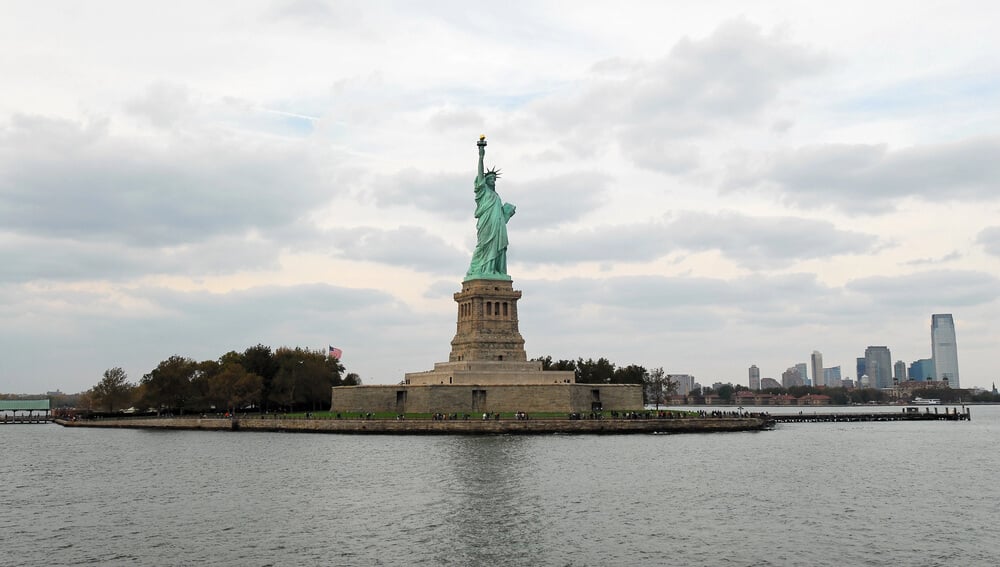
Photographers documenting the Statue of Liberty’s construction and installation captured the monument’s assembly process, creating visual documentation of one of America’s most iconic structures. The construction photographs gained significance only decades later when the monument achieved cultural iconic status, transforming routine construction photography into historical documentation of America’s self-representation.
Construction-phase imagery revealed the monument’s mechanical reality obscured by completed form.
Early Kodak Camera Users’ Snapshots (1880s-1890s)

Ordinary people using portable Kodak cameras captured daily snapshots of family, landscape, and community life in the late 19th century, creating the first large-scale photographic record of ordinary people’s lived experience. These amateur photographs, dismissed as artistically worthless in their era, became invaluable historical documentation of late-Victorian daily life.
The photographs’ historical significance emerged only as 20th-century historians recognized their value as social documentation.
The Hindenburg Disaster (1937)

Photographers and newsreel cameramen captured the German passenger airship Hindenburg catching fire and exploding on May 6, 1937, creating vivid documentation of technological disaster. The photographs’ graphic imagery of the disaster became an iconic representation of airship aviation’s danger, influencing aviation history’s trajectory.
The disaster photography’s fame emerged from its documentation of industrial catastrophe with unprecedented visual clarity.
The Challenger Space Shuttle Explosion (1986)

Photographers capturing the Space Shuttle Challenger’s launch on January 28, 1986 recorded the moment the shuttle disintegrated, killing all seven crew members. The photographs’ tragic documentation of space program failure became historical imagery of technological catastrophe and ambition’s limits.
The Challenger explosion photography transformed ordinary launch documentation into an iconic representation of accident and loss.
Pearl Harbor Attack Photographs (1941)
Navy photographers captured images of Japanese aircraft attacking Pearl Harbor on December 7, 1941, creating documentary evidence of the assault’s severity and historical significance. The attack photographs became historical documentation of American military defeat and the Pacific War’s opening action.
Contemporary photography’s limited quality compared to later WWII photography meant Pearl Harbor’s visual documentation remains more limited than subsequent major battles.
The Marshall Plan Documentation (1948-1952)
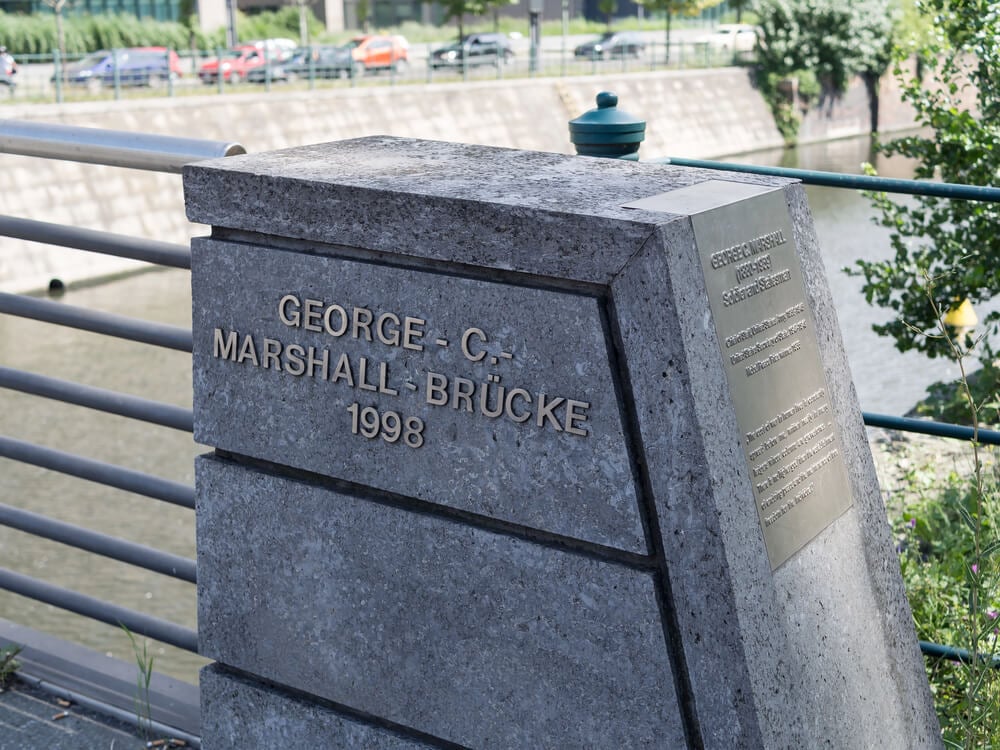
Documentary photographers captured European recovery efforts during the Marshall Plan’s implementation in post-WWII Europe, creating photographic records of American aid’s impact on European reconstruction. These documentary photographs’ historical significance emerged as Cold War and European postwar history gained scholarly attention.
Aid documentation photography revealed American foreign policy’s humanitarian dimensions sometimes obscured by geopolitical analysis.
The Cuban Missile Crisis Aerial Photography (1962)
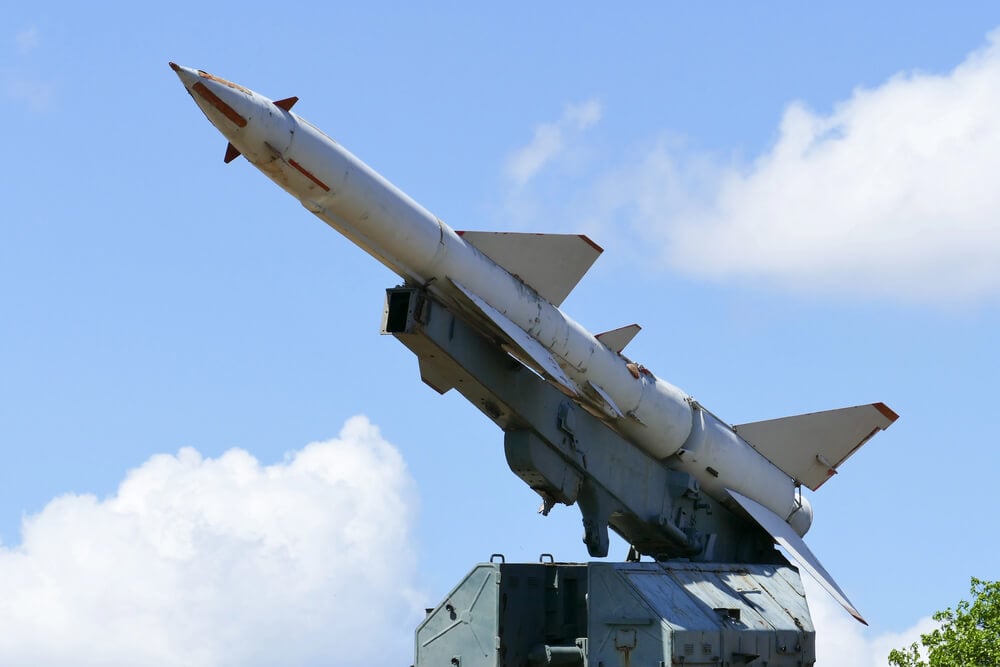
U.S. Air Force reconnaissance photography of Soviet missile installations in Cuba during the October 1962 Cuban Missile Crisis created documentation that informed Kennedy administration decisions about the crisis. The aerial photographs’ historical significance emerged as Cold War scholarship analyzed the crisis’s dangerous proximity to nuclear war.
Spy photography transformed routine aerial surveillance into historically crucial documentation.
The First Color Television Broadcast (1953)

Photographers captured the first nationwide color television broadcast in America during the 1953 Tournament of Roses Parade, creating documentation of technological transition from black-and-white to color broadcasting. The broadcast documentation photographs gained significance decades later as television history scholarship analyzed broadcasting evolution.
Color television’s introduction created historical moments captured through ordinary broadcast documentation.
The Integrated School Classroom (1954)
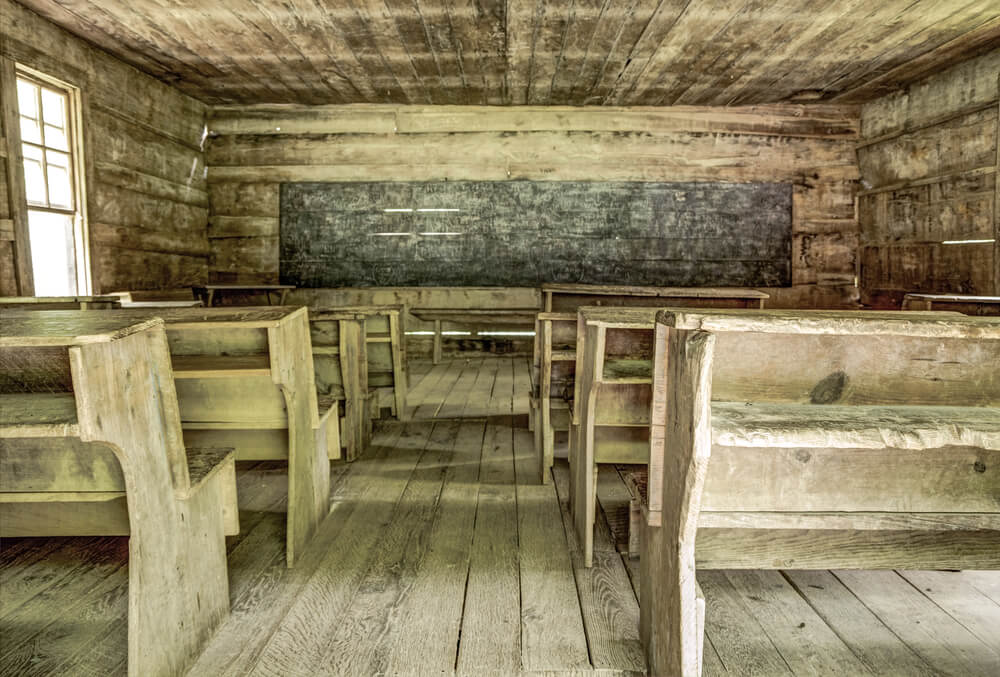
Following the Brown v. Board of Education decision, photographers captured integrated school classrooms in 1954 and subsequent years as American schools desegregated, creating documentary evidence of racial integration’s reality. These classroom photographs became historical documentation of civil rights progress, revealing the integration process’s human dimensions.
School integration photography transformed routine educational documentation into civil rights history.
The Moon Landing Photographs (1969)

NASA astronauts captured photographs of themselves on the moon during the Apollo 11 mission on July 20-21, 1969, creating iconic imagery of American space achievement. The moon landing photographs became some of the most reproduced and famous photographs in human history, celebrating technological accomplishment and exploration.
The photographs’ fame emerged from their representation of humanity’s furthest reach.
The Woodstock Festival Photographs (1969)

Documentary photographers captured images of the 1969 Woodstock Music and Art Festival, creating photographic documentation of counterculture gatherings that defined a generation’s ideology. The Woodstock photographs’ fame emerged decades later as the festival achieved iconic cultural historical status representing 1960s youth rebellion.
Contemporary documentation of the festival transformed routine music festival photography into generational historical imagery.
The Vietnam War Surrender Photographs (1975)
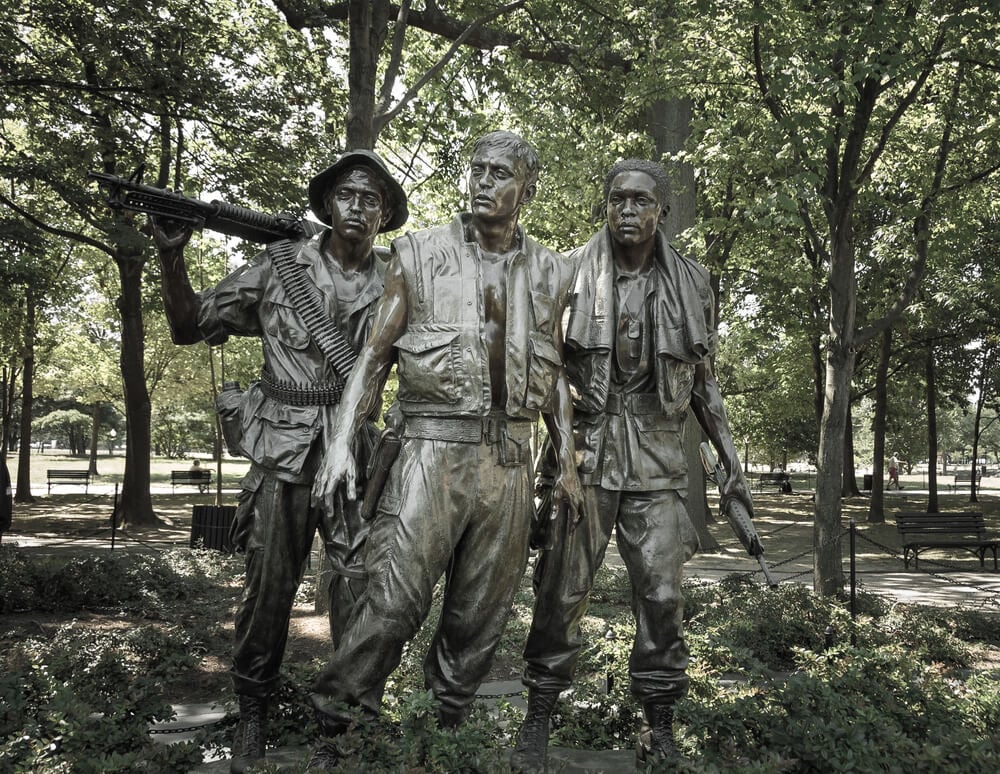
Photographers captured images of North Vietnamese forces entering Saigon and the American embassy evacuation on April 30, 1975, documenting the Vietnam War’s conclusion. The surrender photographs became iconic imagery of American military defeat and American power’s limits.
The photographs’ historical significance emerged as the Vietnam War scholarship analyzed the war’s costs and consequences.
The Berlin Wall’s Fall (1989)
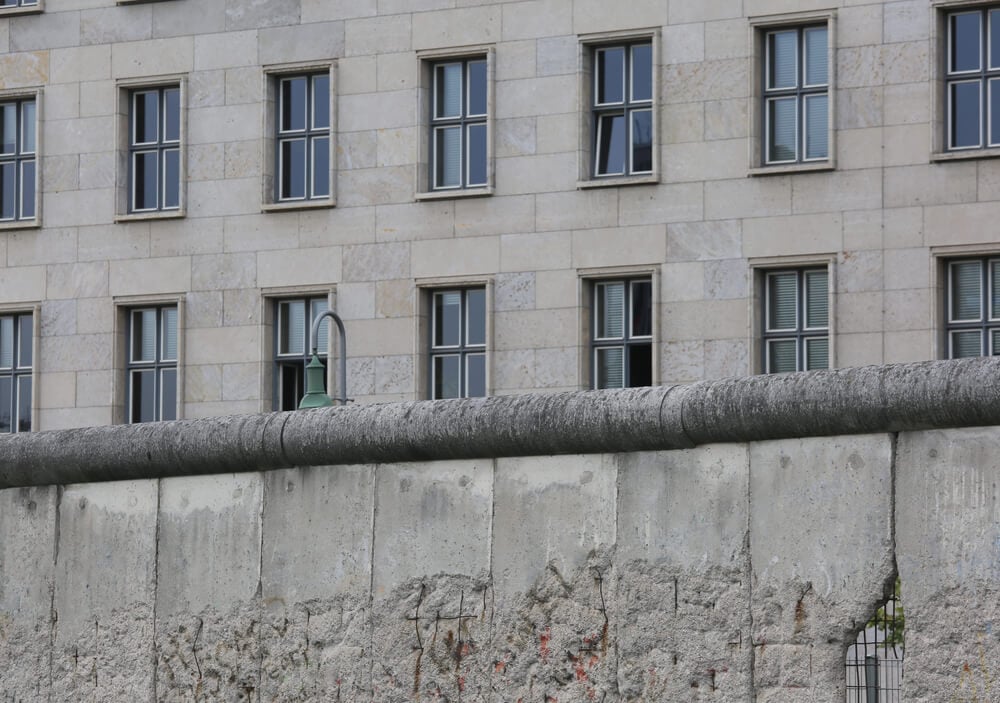
Photographers captured spontaneous celebrations on November 9, 1989 as Berlin’s citizens demolished the Berlin Wall sections, creating documentary evidence of the end of the Cold War’s end. The wall’s destruction photographs became iconic imagery of political transformation and ideological conflict’s conclusion.
The photographs’ significance emerged through Cold War’s retrospective historical analysis recognizing the wall’s symbolic and actual importance.
The Chernobyl Evacuation (1986)
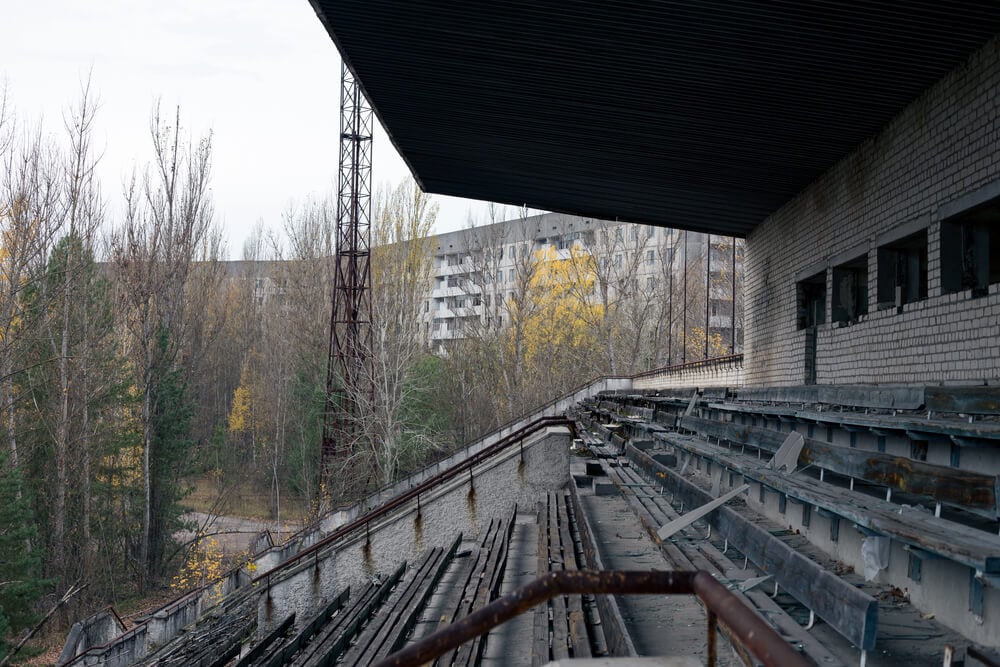
Soviet and international photographers captured images of the Chernobyl nuclear disaster’s immediate aftermath on April 26, 1986, including evacuations and disaster response. The disaster photography’s limited quality due to radiation hazards meant visual documentation of Chernobyl remains incomplete compared to other major disasters.
Contemporary nuclear disaster photography revealed the incident’s immediate consequences with unprecedented nuclear catastrophe documentation.
The 9/11 Attack Photography (2001)
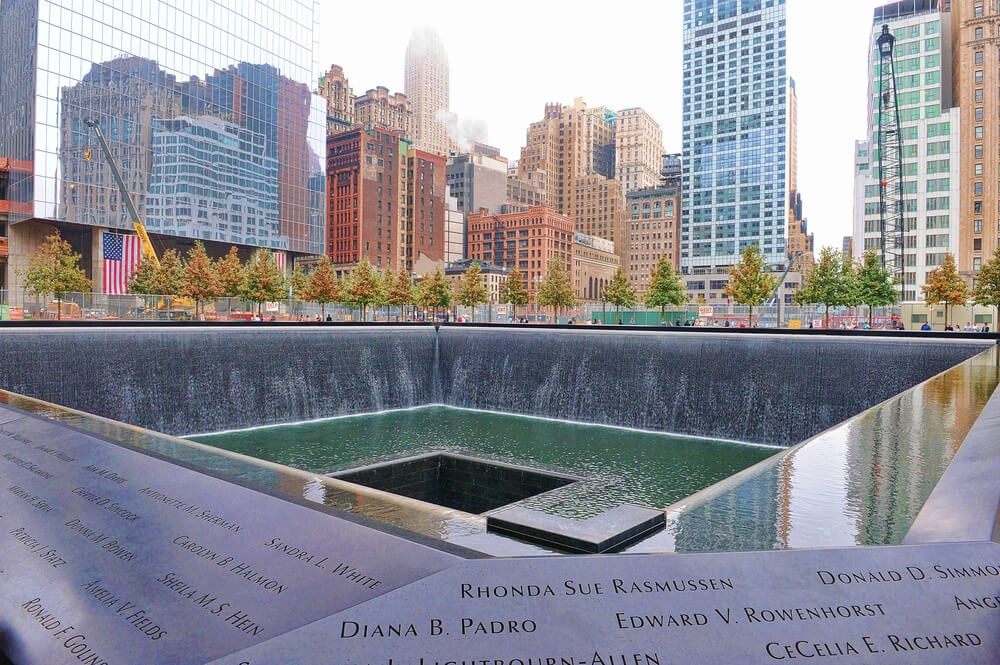
Multiple photographers and videographers captured images of the World Trade Center’s collapse on September 11, 2001, creating diverse documentary evidence of the attacks. The 9/11 attack photographs became some of the most reproduced images in media history, representing terror attack, heroic response, and national trauma.
The attack photography’s ubiquity transformed diverse documentary images into unified historical narrative.
The Homeless Encampment (1970s-1980s)

Documentary photographers capturing urban homelessness during the 1970s-1980s crisis created photographic documentation of American poverty and social failure. These homelessness photographs gained significance decades later as homelessness scholarship and urban history recognized their documentary value.
Poverty photography’s transformation from overlooked social documentation into historically valued imagery reflects changing scholarly recognition.
The Iran Hostage Crisis Photographs (1979-1981)

Photographers documenting the Iran embassy siege and hostage crisis during 1979-1981 captured political crisis imagery that influenced American foreign policy perception. The hostage crisis photography became iconically associated with the Iranian revolution’s anti-American character.
Contemporary diplomatic crisis documentation transformed routine embassy photography into Cold War geopolitical symbolism.
The Environmental Pollution Photography (1960s-1970s)

Documentary photographers capturing environmental degradation and pollution during the environmental movement’s emergence created photographic documentation of the ecological crisis. These environmental photographs gained historical significance as environmental history and green movement scholarship developed, transforming industrial documentation into environmental advocacy imagery.
Pollution photography’s recognition as historical documentation reflected environmental consciousness’s development.
The Ordinary Transformed Into Historical

Photography’s unique capacity to preserve moments creates possibilities for retrospective historical significance—moments captured without understanding their importance gain meaning when subsequent history develops. The most powerful historical photographs often lack compositional artistry or intentional significance, succeeding precisely because they captured authentic moments whose importance emerged only through time.
These images demonstrate how history often becomes visible only after events have concluded and consequences become apparent to future observers.
More from Go2Tutors!

- 16 Historical Figures Who Were Nothing Like You Think
- 12 Things Sold in the 80s That Are Now Illegal
- 15 VHS Tapes That Could Be Worth Thousands
- 17 Historical “What Ifs” That Would Have Changed Everything
- 18 TV Shows That Vanished Without a Finale
Like Go2Tutors’s content? Follow us on MSN.