Unexpected Facts About the Wild West
The Wild West is one of America’s most romanticized eras, filled with tales of gunfighters, outlaws, and fearless cowboys. Hollywood has painted a picture of constant shootouts, bank heists, and lawless towns where danger lurked around every corner.
But the reality of frontier life was far different from what we’ve been led to believe. The real Wild West was stranger, more diverse, and in many ways more civilized than the movies would have you think.
Here is a list of unexpected facts about the Wild West that challenge everything you thought you knew.
Camels Roamed the American Southwest
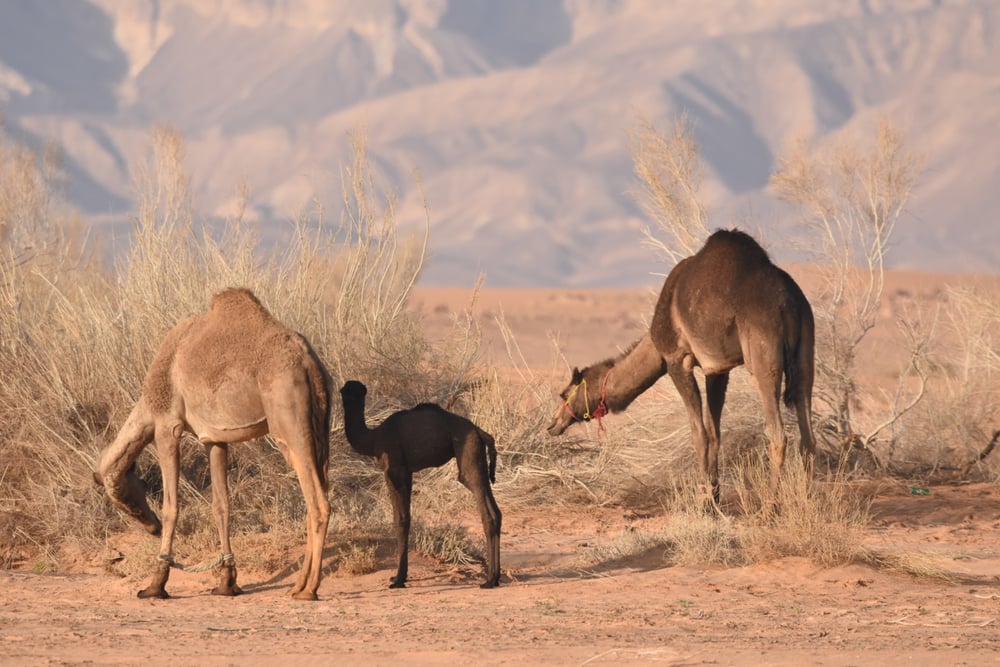
Most people associate the Wild West with horses, cattle, and maybe the occasional buffalo. Wild camels probably don’t come to mind.
Yet these animals actually roamed Texas and Arizona for decades. The U.S. Army established the Camel Corps in 1856 at Camp Verde, Texas, importing 66 camels from Egypt to use as pack animals in the desert Southwest.
The experiment worked surprisingly well until the Civil War interrupted everything. When the corps disbanded, many camels escaped into the wilderness where they bred and survived.
The last confirmed sighting of a feral camel in Texas was reported in 1941, nearly a century after they first arrived.
Gun Control Was Stricter Than Today
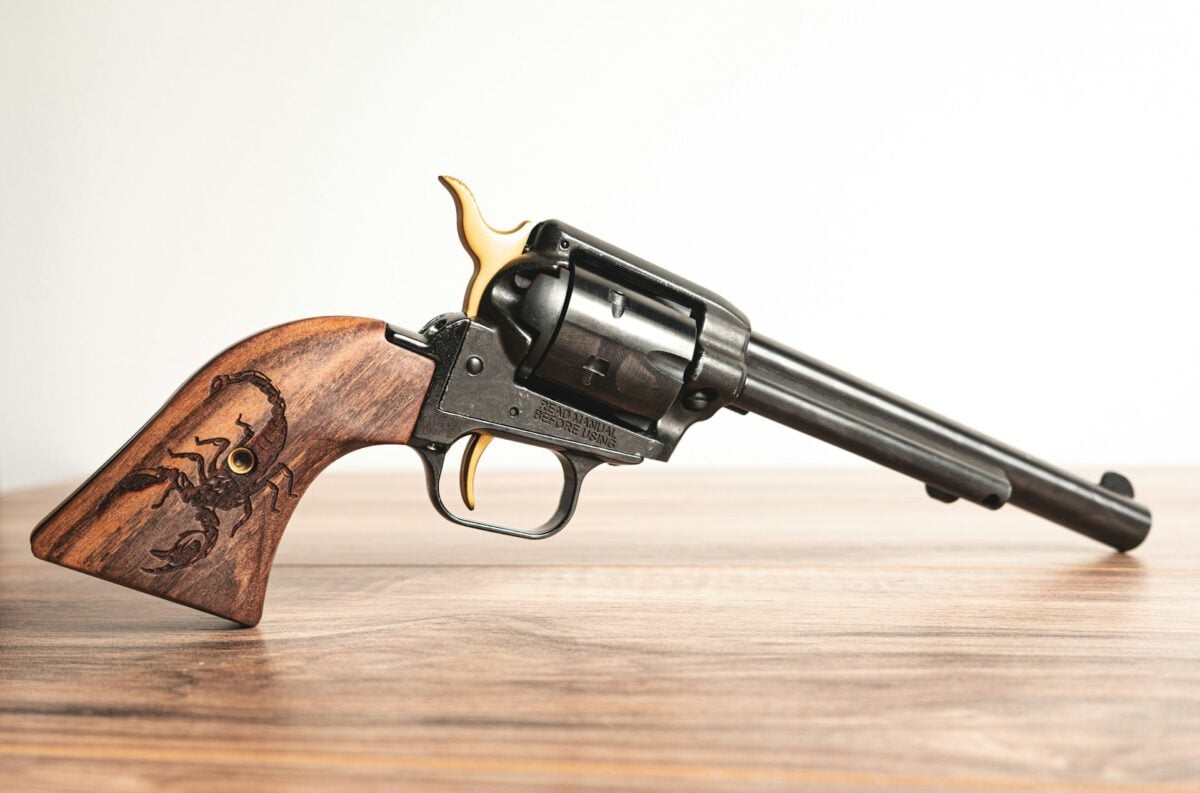
If there’s one image that defines the Wild West, it’s a cowboy with a six-shooter on his hip. But towns like Dodge City, Tombstone, and Deadwood had gun laws that would make modern legislators look lenient.
Most frontier towns required visitors to check their firearms at the sheriff’s office upon entering city limits, receiving a token in return. Think of it as the world’s first coat check, except for weapons instead of jackets.
Locals who had established relationships with law enforcement could keep their guns at home, but strangers had to disarm. Sheriffs wanted to prevent trouble before it started, and they knew that armed visitors mixed with alcohol was a recipe for disaster.
One in Four Cowboys Was Black

Hollywood westerns created an overwhelmingly white vision of the frontier, but the reality was far more diverse. Following the Civil War, roughly 25 percent of all cowboys working the cattle trails were African American.
Many were formerly enslaved people or their children who put their livestock-handling skills to work in an industry that paid more equitably than most others at the time. These cowboys performed the same grueling work as their white counterparts, breaking horses, driving cattle, and appearing in rodeos.
Historians estimate between 5,000 and 8,000 Black cowboys participated in the great cattle drives of the 19th century.
Bank Robberies Were Extremely Rare

Every western movie features at least one daring bank heist, with outlaws riding into town in broad daylight and making off with bags of cash. The truth is far less dramatic.
Historians have documented only eight to ten confirmed bank robberies across 15 frontier states between 1859 and 1900. That’s right—fewer than ten in four decades.
Banks were typically located right next to the sheriff’s office in the center of town, making them terrible targets. As one historian noted, modern-day Dayton, Ohio experiences more bank robberies in a single year than the entire Old West saw in a decade.
Outlaws preferred hitting trains and stagecoaches because they were isolated and easier to escape from.
Cowboys Wore Bowler Hats

The iconic ten-gallon Stetson cowboy hat is as much a symbol of the West as spurs and lassos. Except real cowboys didn’t wear them.
Photographs from the era show that bowler hats and derby hats were actually the most popular choices among working cowboys and famous outlaws alike. Billy the Kid wore a strange top hat.
Wild Bill Hickok favored a flat pancake-style hat. Even Butch Cassidy and the Sundance Kid wore bowlers.
These shorter, rounder hats were more practical because they didn’t fly off when riding at speed and were less likely to draw attention during any actual trouble.
The massive cowboy hats we associate with the West only became popular in the 1920s, thanks to Hollywood movies.
The Wild West Era Only Lasted 30 Years

When people talk about the Wild West, they often imagine it lasting throughout the entire 19th century. In reality, the classic era of cowboys, outlaws, and frontier towns spanned just three decades, from the end of the Civil War in 1865 to around 1895.
By the turn of the century, railroads connected even remote areas, towns had established schools and proper law enforcement, and the frontier had largely closed. The dramatic period we think of as the Wild West was actually a brief chapter in American history that dime novels and later films stretched into a timeless legend.
Most Frontier Towns Were Safer Than Modern Cities
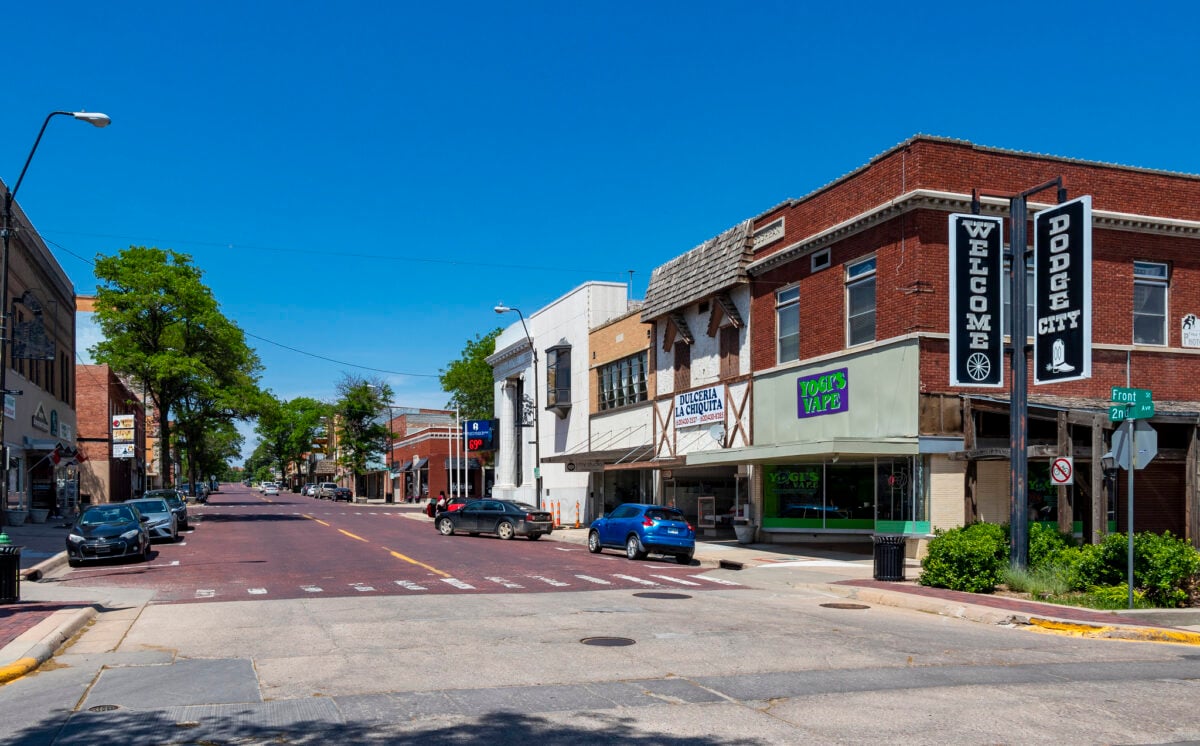
The Wild West has a reputation for violence that makes modern gang wars look tame. But statistics tell a different story.
Between 1840 and 1860, Native Americans killed 362 emigrants heading west—tragic, but far fewer than died from river crossings, disease, hunting accidents, or falling off horses. Even notorious Dodge City, with its saloons and gambling halls, had an annual murder rate of about 165 per 100,000 people.
While that sounds high, many historians argue that the frontier was actually safer and more peaceful than contemporary American society. Private organizations like cattlemen’s associations, mining camps, and wagon train committees maintained order and resolved disputes long before official law enforcement arrived.
Billy the Kid Died at 21

Billy the Kid is one of the most legendary outlaws in American history, inspiring countless books and films. What most people don’t realize is that William H. Bonney lived an incredibly short life.
He was shot by Sheriff Pat Garrett at the age of just 21. Despite his youth, Billy the Kid was so famous even in his own time that the first biography about his life hit bookstores within three weeks of his death.
He became a folk hero despite killing eight men during his brief criminal career.His story shows how quickly the Wild West mythology machine could turn a young outlaw into an enduring legend.
Cowboys Smelled Terrible

Hollywood cowboys always look clean-cut and dapper, with pressed shirts and freshly shaved faces. Real cowboys were the opposite of glamorous.
Historian Harry E. Chrisman wrote that cowboys smelled of cow and horse manure and seldom bathed. They wore beards that became infested with lice, fleas, and other vermin.
The work was dirty, the conditions were harsh, and personal hygiene was a luxury few could afford on the trail. Interestingly, Native Americans were often disgusted by the lack of cleanliness among white settlers, who would go months without bathing despite wearing heavy clothing in scorching heat.
Natives, who had adapted to the environment, washed regularly and found the newcomers’ hygiene habits baffling.
The Pony Express Only Lasted 18 Months

The Pony Express is one of the most romantic symbols of the Old West—brave young riders galloping day and night to deliver mail across nearly 2,000 miles of dangerous territory. It’s also one of the shortest-lived ventures in frontier history.
The service operated for just 18 months, from April 1860 to October 1861. About 80 riders carried mail between St. Joseph, Missouri and Sacramento, California, stopping every ten miles to swap horses and maintaining a full gallop that cut delivery times from 24 days down to ten.
Then the transcontinental telegraph arrived, making communications nearly instant and rendering the Pony Express completely obsolete almost overnight.
Quick-Draw Duels Almost Never Happened
High noon showdowns with two gunfighters facing off in the street while townspeople watched from behind windows—that’s pure Hollywood invention. Historians have documented only a handful of actual quick-draw duels in public spaces.
One famous exception was the 1865 shootout between Wild Bill Hickok and gambler Davis Tutt in Springfield, Missouri. They stood about 70 yards apart and fired nearly simultaneously over a gambling debt.
Hickok killed Tutt and was later acquitted of manslaughter. Most real shootouts were chaotic, impulsive affairs involving multiple people with bullets flying in all directions, not the calculated face-offs we see on screen.
Water Cost More Than Gold
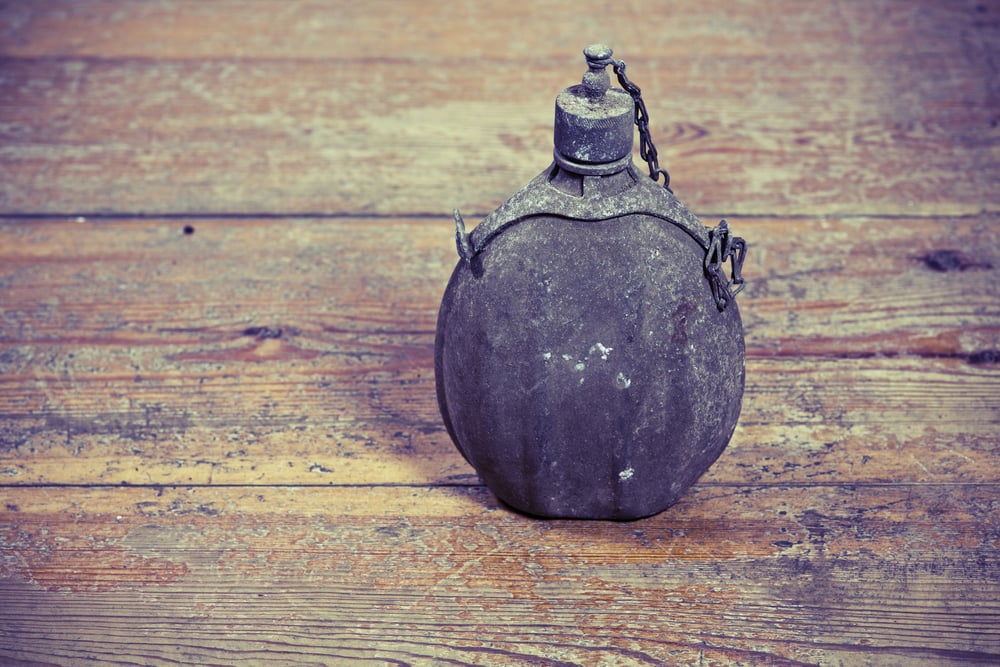
Settlers heading west faced countless dangers, but one of the deadliest was simply finding water. Unfamiliar with the harsh terrain and scorching temperatures, emigrants would pay almost anything for a drink.
Enterprising individuals hauled water across the desert and sold it at astronomical prices. A single cup of water could cost anywhere from one dollar to five dollars, and in some desperate situations, as much as one hundred dollars.
To put that in perspective, a pound of meat at the time cost about one cent. Water was literally more valuable than food on many frontier trails.
Native Americans Helped More Than They Attacked
Western movies love showing wagon trains circling up to defend against Native American attacks. The truth is that Native tribes were far more likely to trade with emigrants than attack them.
Between 1840 and 1860, Native Americans killed 362 emigrants—a number that pales in comparison to deaths from disease, accidents, and environmental hazards. In fact, those famous wagon circles weren’t defensive formations at all.
Emigrants arranged their wagons in circles at night to keep livestock from wandering off, not to fight off attacks. Many Native tribes offered help and guidance to settlers crossing unfamiliar territory.
An Outlaw’s Corpse Toured America for 60 Years
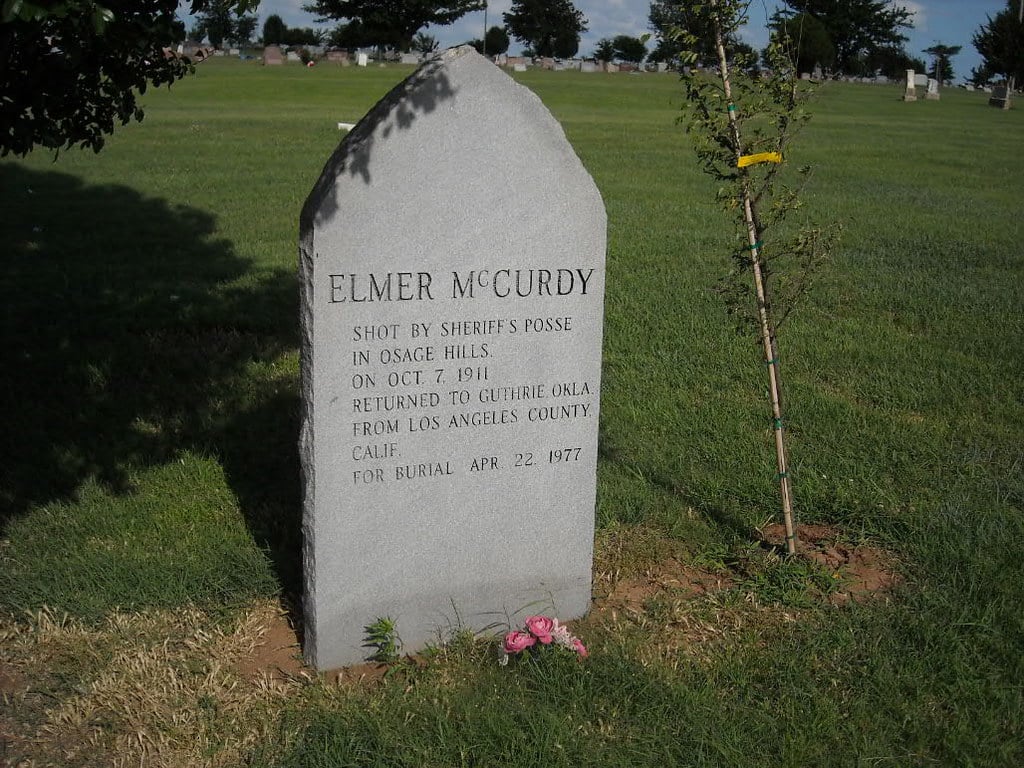
In 1911, Elmer McCurdy robbed a train in Oklahoma, expecting thousands of dollars but making off with just $46. He was shot by lawmen shortly after.
When no one claimed his body, the undertaker embalmed it with an arsenic preparation that essentially mummified the corpse. Then things got weird. The undertaker sold McCurdy’s body to a traveling carnival, which exhibited it as a curiosity.
For six decades, the preserved outlaw was bought and sold by various haunted houses, wax museums, and sideshows. His body eventually ended up in a California amusement park funhouse, where people assumed it was just a mannequin.
In 1976, during filming for “The Six Million Dollar Man,” a crew member accidentally broke off the prop’s arm, revealing actual human tissue inside.
One Town Had 400 Widows
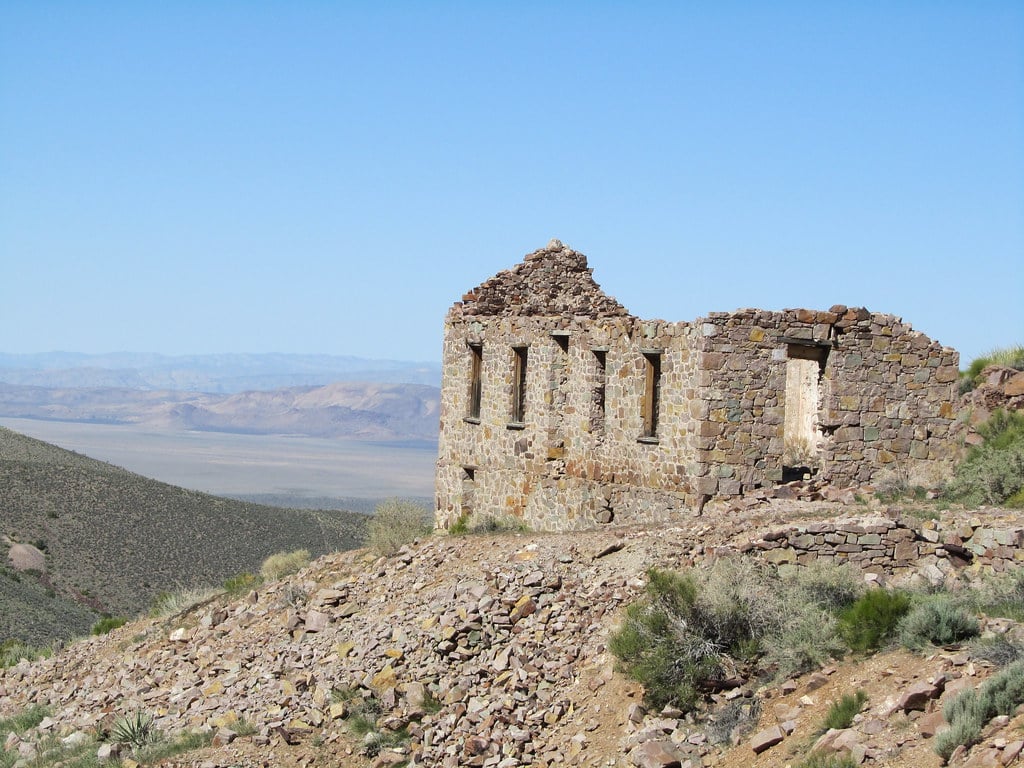
Mining towns were dangerous places, but Delamar, Nevada earned the grim nickname “The Widowmaker.” A mill processing gold near the mine exposed townspeople to deadly amounts of silicon dust.
The town’s population only numbered around 1,500 people, yet at one point it was estimated to have more than 400 widows. The constant inhalation of dust particles caused a lung disease that killed miners at an alarming rate, leaving behind grieving families who couldn’t afford to leave.
The town’s economy depended on the mine, creating a tragic cycle where residents knew the risks but had few other options.
Professional Gambling Was a Serious Career

Movies show casual card games breaking out in every saloon, with any cowboy able to sit down and play. Real gambling in the West was far more organized and professional.
The best players were considered serious sportsmen who trained for years to master their craft. Numerous gambling halls, brothels, and saloons dedicated entire spaces to hosting competitive card games and tournaments rather than impromptu matches between amateurs and professionals.
Getting into a high-stakes game required reputation, skill, and usually an invitation. It wasn’t something you stumbled into after a few whiskeys.
Mexican Vaqueros Taught American Cowboys

The iconic American cowboy actually learned his trade from Mexican vaqueros who had been working cattle in the Southwest for generations. By the late 19th century, about one-third of all cowboys were Mexican, and they brought the techniques, equipment, and terminology that defined the profession.
Words like “lasso,” “rodeo,” and “bronco” all come from Spanish. The leather chaps, wide-brimmed hats, and roping skills that we associate with cowboys were all inherited from vaquero traditions.
American ranching essentially copied and commercialized a system that Mexicans had perfected over centuries.
Saloons Had Swinging Doors for a Reason

Those iconic batwing saloon doors weren’t just a stylistic choice—they solved real problems. Saloons in frontier towns were much smaller than you’d expect, often no bigger than an average bedroom.
With limited space and no air conditioning, these establishments got hot, smoky, and crowded fast. The swinging half-doors allowed air to circulate while still providing a minimal barrier between the saloon and the street.
They also let sheriffs peek inside to check for trouble without having to push through a full door, and they prevented drunk patrons from accidentally locking themselves in or out.
The OK Corral Gunfight Happened Behind the OK Corral

The Gunfight at the OK Corral is probably the most famous shootout in Wild West history. The name alone conjures images of cowboys drawing pistols in a dramatic showdown.
There’s just one problem with the story—it didn’t actually happen at the OK Corral. The famous confrontation between the Earp brothers and the Clanton-McLaury gang took place in a vacant lot behind the corral.
The fight lasted about 30 seconds, with about 30 shots fired at close range. Three men died and three were wounded.
It’s decidedly less glamorous than the Hollywood versions, but the dramatic name stuck and became part of American mythology.
UFO Sightings Were Reported on the Frontier

You might think UFO sightings are a modern phenomenon, but frontier settlers reported strange encounters long before Roswell. In 1896, a Civil War veteran and journalist named H.G. Shaw claimed he and a companion saw extraterrestrials near Lodi, California.
According to Shaw’s newspaper account, the beings were seven feet tall, very slender, with small hands and feet that functioned like a monkey’s. Whether these stories were tall tales, misidentifications, or genuine mysteries, they show that frontier life included plenty of unexplained phenomena that captured people’s imaginations just as much as outlaws and gold strikes.
A New Chapter Built on Truth

The Wild West remains one of America’s most captivating periods precisely because the reality was so much stranger than fiction. Those three brief decades of frontier expansion created a mythology that shaped national identity, but the actual history reveals a more complex, diverse, and nuanced story.
From feral camels and strict gun laws to Black cowboys and surprisingly safe towns, the truth challenges nearly every assumption Hollywood has fed us. Understanding what really happened on the frontier doesn’t diminish its significance—it makes the era even more fascinating.
The real Wild West wasn’t just cowboys and Indians, good guys and bad guys, or lawlessness and chaos. It was a brief, transformative period where diverse groups of people adapted to harsh conditions, created new communities, and left behind stories that continue to captivate us more than a century later.
More from Go2Tutors!

- The Romanov Crown Jewels and Their Tragic Fate
- 17 Halloween Costumes Once Considered Taboo
- Famous Hoaxes That Fooled the World for Years
- 15 Child Stars with Tragic Adult Lives
- 16 Famous Jewelry Pieces in History
Like Go2Tutors’s content? Follow us on MSN.