15 Floods That Broke All Historical Records
Throughout human history, floods have served as nature’s most devastating reminders of our planet’s raw power. While most floods cause localized damage and are quickly forgotten, some transcend ordinary disasters to become defining moments that reshape entire regions and change the course of history. These exceptional events don’t just break records—they shatter them completely, leaving behind stories of human resilience and environmental fury that continue to influence how we understand natural disasters today.
From ancient civilizations to modern metropolises, certain floods have achieved an almost mythical status in the annals of disaster history. Here is a list of 15 floods that didn’t just make headlines—they rewrote the record books entirely.
The Great Flood of 1931, China

The Yangtze River flood of 1931 stands as the deadliest natural disaster in recorded human history, claiming between 1 and 4 million lives. This catastrophic event wasn’t just a single flood but a series of disasters that struck China throughout the summer and fall, affecting an area roughly the size of England and half of Scotland combined.
The flood displaced 28 million people and left entire cities submerged for months, fundamentally altering the course of Chinese history during an already tumultuous period.
The Johnstown Flood of 1889
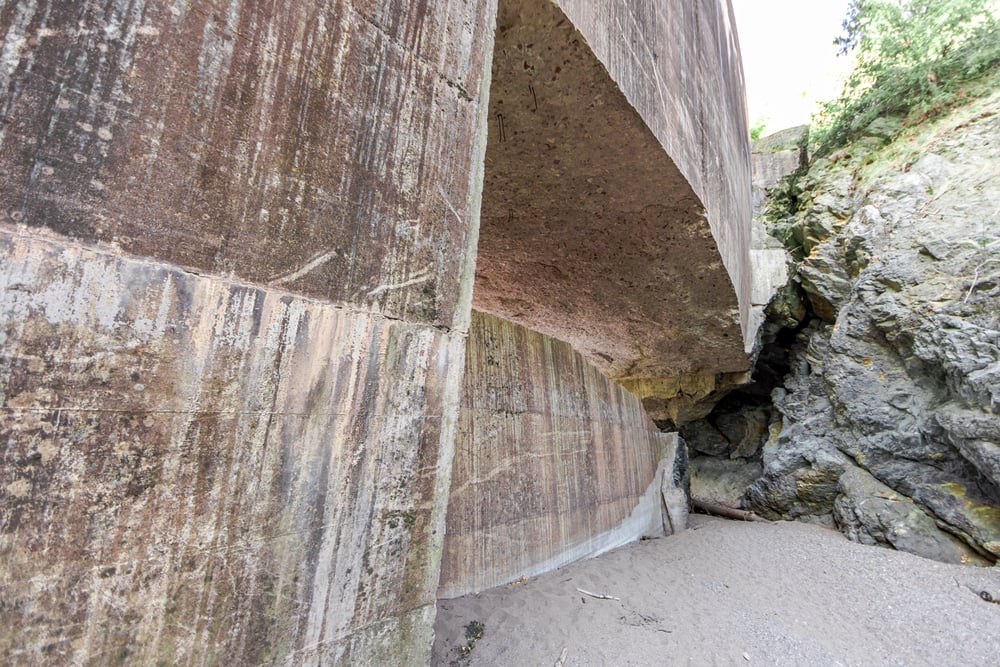
When the South Fork Dam collapsed on May 31, 1889, it unleashed 20 million tons of water onto the unsuspecting town of Johnstown, Pennsylvania. The resulting wall of water, traveling at speeds up to 40 mph, completely destroyed the town in just 10 minutes and killed over 2,200 people.
This disaster became America’s first major media event, with reporters from around the world descending on the devastated community to document the unprecedented destruction.
The North Sea Flood of 1953

The North Sea flood of 1953 redefined what Europeans thought they knew about storm surges and coastal flooding. Hurricane-force winds combined with high tides to create a storm surge that breached sea defenses across the Netherlands, Belgium, and eastern England simultaneously.
The Netherlands bore the worst of it, with 1,836 deaths and 200,000 hectares of farmland submerged, but the disaster also claimed 307 lives in England, making it one of the most significant natural disasters in modern European history.
The Galveston Hurricane and Flood of 1900

Before meteorologists fully understood hurricane behavior, the thriving port city of Galveston, Texas, sat like a sitting duck in the path of the deadliest natural disaster in U.S. history. The Category 4 hurricane drove a 15-foot storm surge across the entire island, killing between 6,000 and 12,000 people and destroying nearly every building in the city.
The disaster was so complete that bodies were still washing ashore months later, and the city never fully recovered its status as Texas’s premier port.
The Mississippi River Flood of 1927

The Great Mississippi Flood of 1927 inundated 27,000 square miles across seven states, an area roughly equivalent to the combined size of Massachusetts, Connecticut, New Hampshire, and Vermont. The flood displaced 700,000 people and caused damage equivalent to about $1 billion in today’s money, but its most significant impact was social and political.
The disaster exposed deep racial inequalities in disaster response and contributed to the Great Migration of African Americans from the rural South to northern cities.
The Banqiao Dam Failure of 1975
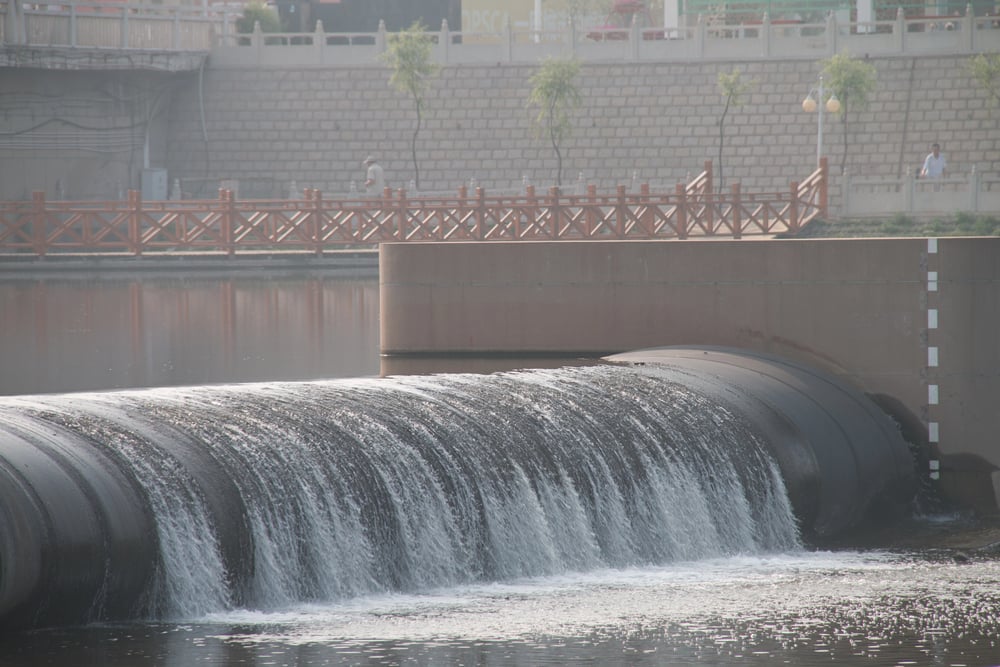
When Typhoon Nina stalled over China’s Henan Province in August 1975, it triggered the collapse of the Banqiao Dam and dozens of smaller dams in a catastrophic domino effect. The resulting floods killed an estimated 230,000 people, though the Chinese government kept the disaster secret for decades.
The failure of what was considered an ‘iron dam’ that could withstand a once-in-1,000-year flood became a turning point in dam engineering and flood management worldwide.
The Boxing Day Tsunami of 2004
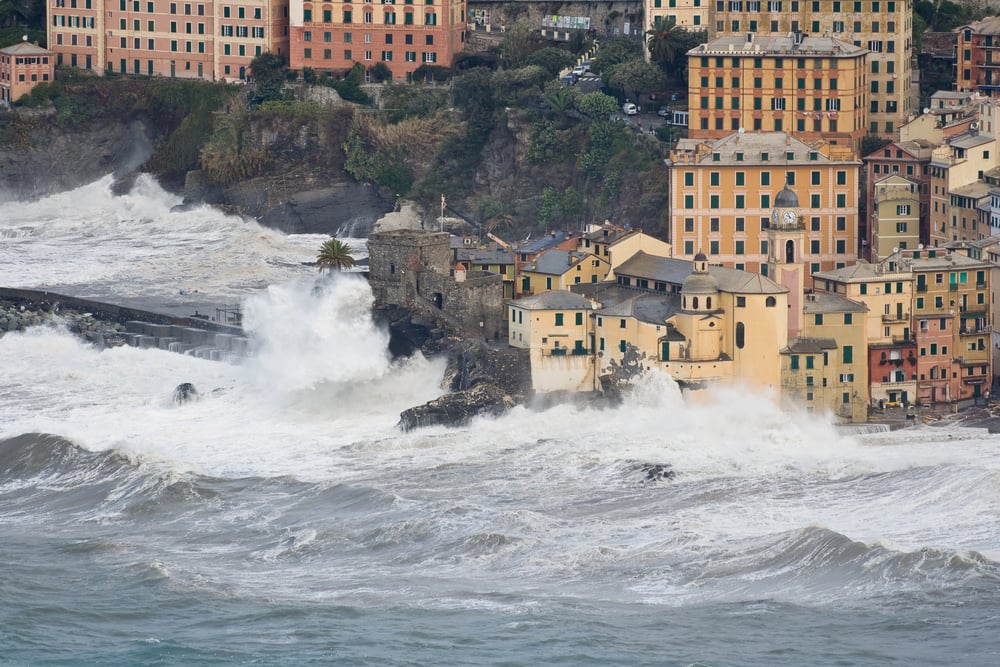
While technically not a traditional flood, the Indian Ocean tsunami of December 26, 2004, created the most widespread flooding disaster in modern history. The tsunami waves, triggered by a magnitude 9.1 earthquake off Sumatra, traveled across entire ocean basins to devastate coastlines from Indonesia to Somalia.
With over 230,000 deaths across 14 countries, it demonstrated how a single geological event could create flooding disasters on a truly global scale.
The Huang He Flood of 1887

China’s Yellow River earned its nickname ‘China’s Sorrow’ partly due to the devastating 1887 flood that killed between 900,000 and 2 million people. The river’s tendency to carry massive amounts of sediment had raised its bed so high that it flowed above the surrounding countryside, held back only by elaborate levee systems.
When these levees failed, the flood created a temporary lake covering 50,000 square miles and fundamentally changed the river’s course for decades to come.
Hurricane Katrina and the New Orleans Flood of 2005

Hurricane Katrina transformed from a powerful but manageable storm into an unprecedented urban flooding disaster when multiple levee failures inundated 80% of New Orleans. The disaster killed 1,833 people and caused $125 billion in damage, but its true significance lay in how it exposed the vulnerability of major American cities to flooding.
The images of a major U.S. city underwater for weeks challenged assumptions about American infrastructure and disaster preparedness.
The St. Lucia’s Flood of 1287

On December 14, 1287, a massive storm surge swept across the Netherlands and northern Germany, killing an estimated 50,000 to 80,000 people and permanently altering the geography of the region. The flood created the Zuiderzee, a large inland sea that would dominate Dutch geography for centuries, and demonstrated the North Sea’s capacity for catastrophic storm surges.
This medieval disaster influenced Dutch hydraulic engineering for generations and contributed to the development of the world’s most sophisticated flood control systems.
The Oroville Dam Crisis of 2017
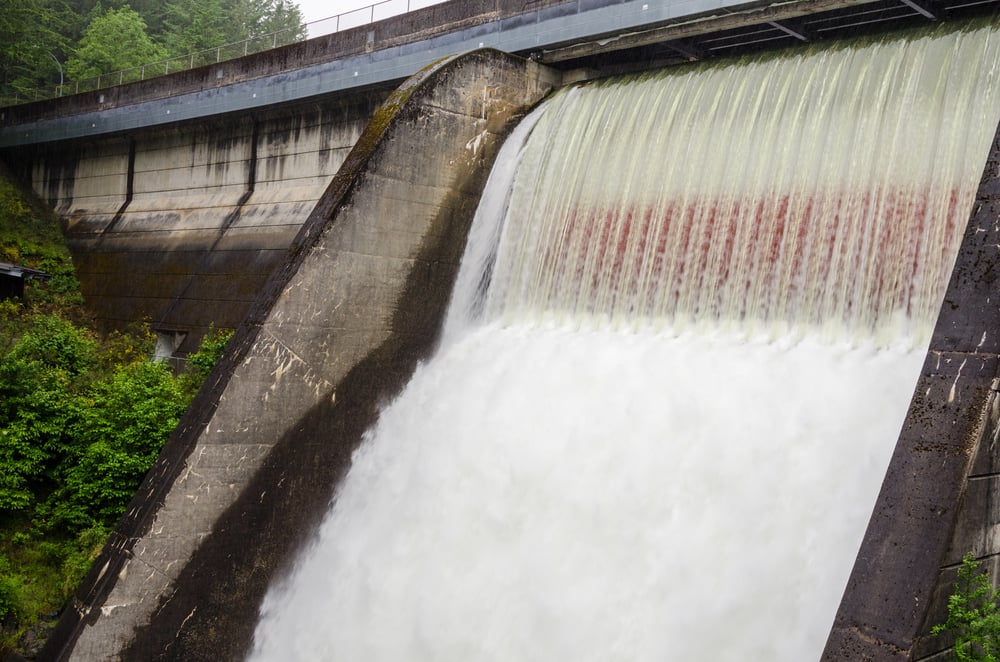
While the Oroville Dam in California didn’t actually fail, the crisis that unfolded in February 2017 broke records for the largest emergency evacuation in California history. When the dam’s main spillway collapsed and its emergency spillway began eroding, nearly 200,000 people were ordered to evacuate immediately.
The near-disaster highlighted the aging infrastructure crisis facing American dams and the potential for catastrophic flooding even in areas considered safe.
The Vajont Dam Disaster of 1963

The Vajont Dam disaster in Italy created one of the highest tsunami waves ever recorded—a 250-meter wall of water that completely obliterated the town of Longarone. The disaster began when a massive landslide crashed into the reservoir behind the dam, displacing 50 million cubic meters of water in an instant.
Though the dam itself remained intact, the resulting flood killed nearly 2,000 people and demonstrated how geological instability could turn even well-engineered flood control structures into sources of unprecedented destruction.
The Great Molasses Flood of 1919
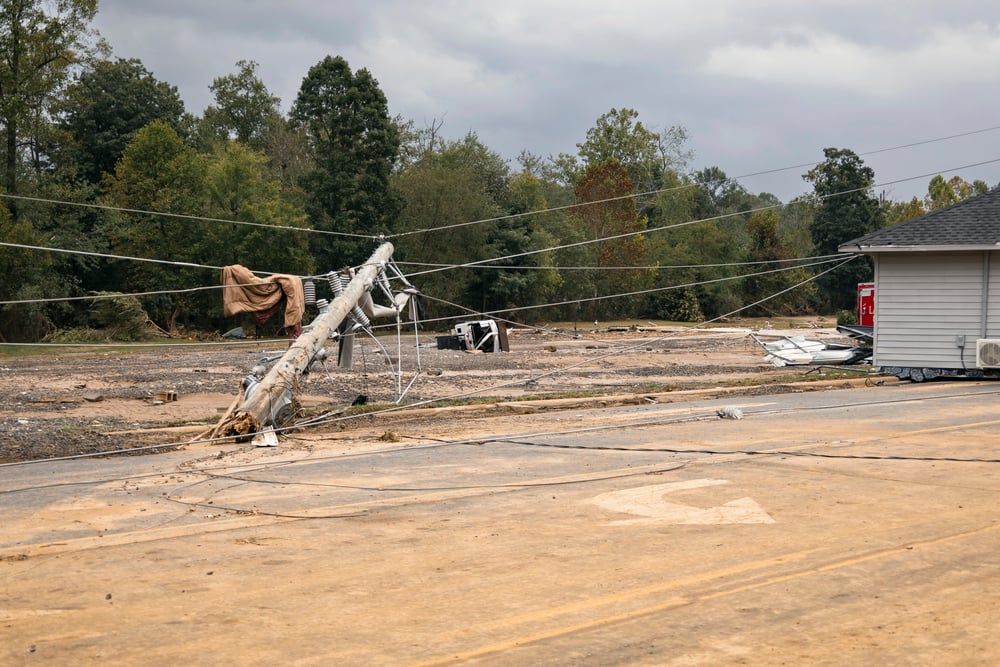
Boston’s Great Molasses Flood proved that disasters don’t always come from traditional sources when a 2.3-million-gallon tank of molasses burst and sent a 25-foot wave of sticky syrup through the North End neighborhood. The flood killed 21 people and injured 150, traveling at speeds up to 35 mph and demonstrating that industrial accidents could create flooding disasters as devastating as any natural event.
The bizarre nature of the disaster has made it a fixture in American folklore, but its engineering implications were deadly serious.
The Cambrian Mountains Flood of 1607

The Bristol Channel flood of 1607 remains one of Britain’s most mysterious natural disasters, with some researchers arguing it was actually a tsunami rather than a traditional storm surge. The flood inundated an estimated 200 square miles of the Somerset Levels and South Wales, killing around 2,000 people and leaving salt deposits that remained visible for decades.
Contemporary accounts describe a wall of water advancing across the landscape ‘faster than a greyhound can run,’ suggesting this disaster broke records for speed and extent that wouldn’t be matched in British history.
The Lituya Bay Mega-Tsunami of 1958
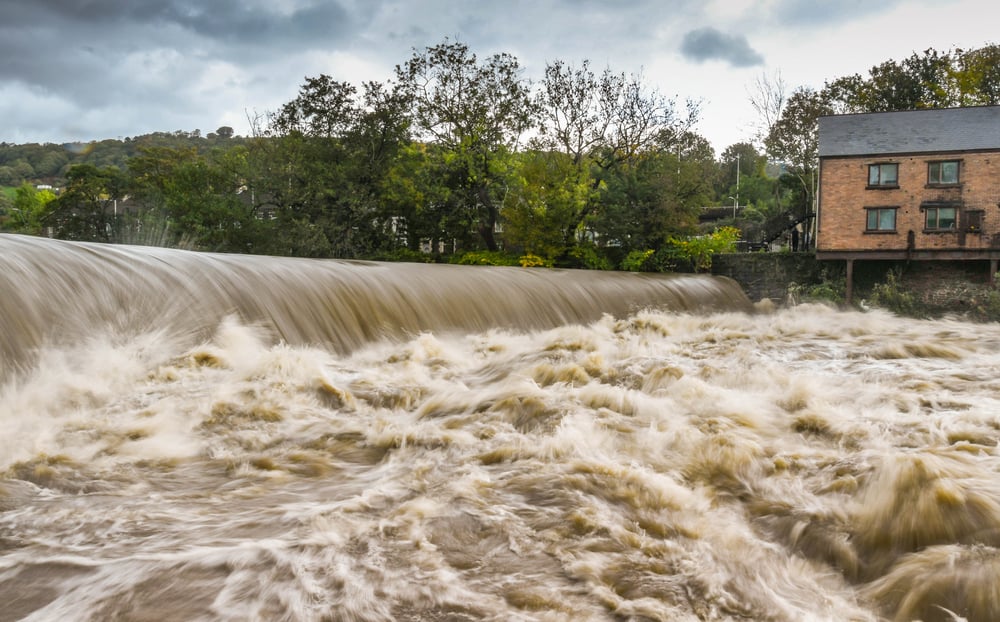
On July 9, 1958, an earthquake triggered a massive landslide in Alaska’s Lituya Bay that created the tallest wave in recorded history—a staggering 1,720 feet high. The wave stripped trees and soil from slopes up to 1,720 feet above sea level and swept away everything in its path within the bay.
While only five people died due to the remote location, the event demonstrated that flooding disasters could reach heights previously thought impossible, fundamentally changing how scientists understood tsunami potential.
When Records Become Warnings

These extraordinary floods remind us that nature’s capacity for destruction often exceeds our ability to predict or prepare for it. Each disaster not only broke the records of its time but also forced humanity to reconsider what was possible when water escapes its boundaries.
The survivors of these events didn’t just rebuild—they innovated, creating new technologies, policies, and ways of thinking about flood risk that continue to protect communities today. In an era of climate change and increasing urbanization, these historical disasters serve as both sobering reminders and invaluable guides for building more resilient communities.



