27 Sewing Tins Holding Pieces Dealers Want
A sewing basket passed down through a family almost always has at least one small metal tin buried near the bottom, usually rattling with loose buttons or pins that nobody has sorted through in decades. Most of these containers were never meant to be collectible in their own right; they were free giveaways, cheap notions packaging, or company premiums handed out to build customer loyalty.
That low original status is exactly why so many were thrown away, which now makes the survivors more interesting to dealers than the sewing supplies stored inside them. Condition matters as much as brand here, since rust, dents, and faded lithography can cut a tin’s value sharply compared to a bright, unmarked example.
Boye Needle Company Notion Tins
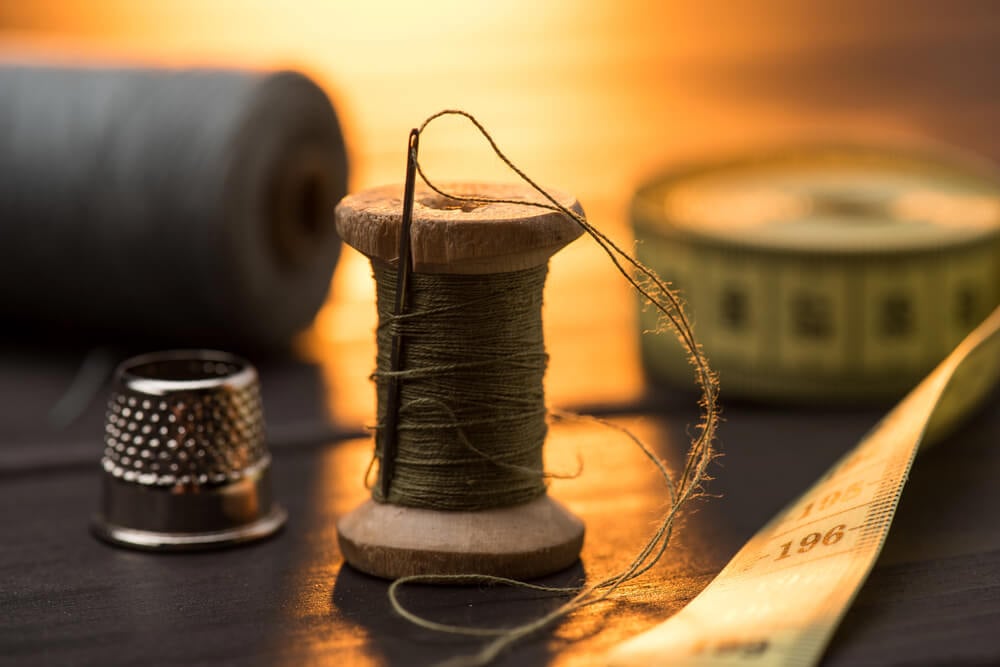
The Chicago-based Boye Needle Company packaged crochet hooks, knitting needles, and hand-sewing needles in small tin boxes stamped with the company’s name from the early 1900s through the mid-20th century. Complete tins with the original sliding lid and matching contents draw more interest from dealers than empty examples, since the packaging and the tools inside were often sold as a set.
Singer Sewing Machine Attachment Tins
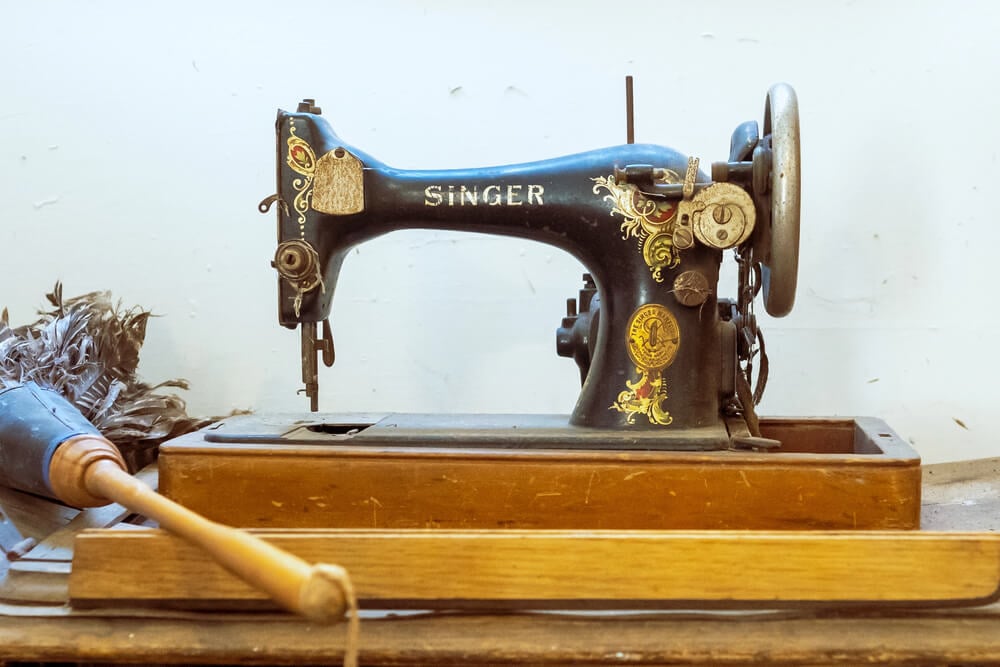
Singer packaged small machine attachments, such as ruffling feet, zigzag guides, and hemming gauges, in flat tin boxes stamped with the company’s red “S” trademark beginning in the early 20th century. Dealers specifically look for tins that still hold their full set of attachments, since a complete matched set sells for considerably more than the tin or the parts alone.
DMC Embroidery Floss Tins
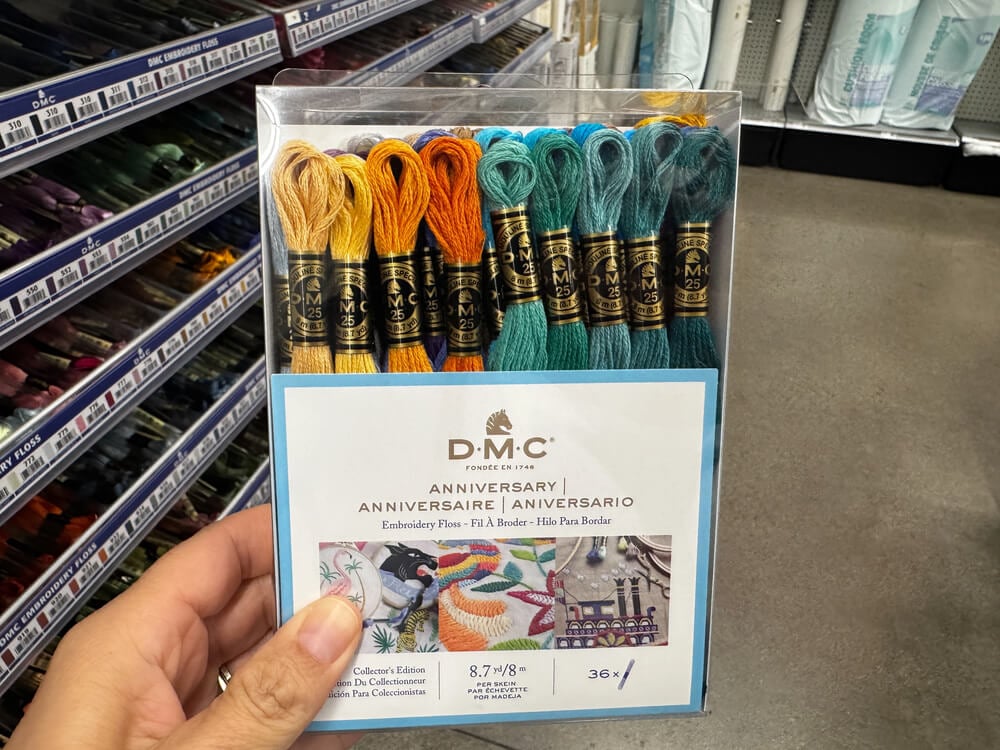
The French thread maker DMC produced decorative tin boxes to hold skeins of embroidery floss for retail display, many featuring the company’s stylized logo in gold lettering against a colored background. Larger store-display versions, rather than the smaller retail tins sold to individual customers, are the ones dealers pay the most for.
Prym Snap Fastener Tins
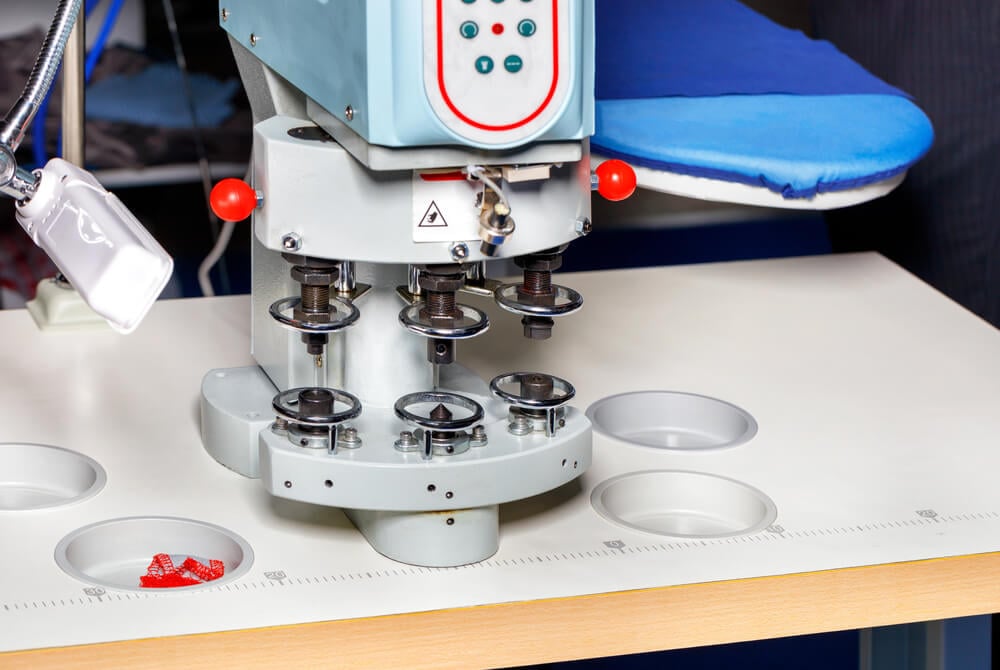
The German notions manufacturer Prym packaged metal snap fasteners in small hinged tins, often organized into compartments by size, sold through fabric and department stores across Europe and North America for much of the 20th century. Complete tins with an assortment of fastener sizes still sorted in their original compartments are considered more desirable than tins that have been emptied and refilled.
Newey Pin Tins
The English manufacturer Newey produced flat rectangular tins for dressmaker’s pins with distinctive lithographed lettering, a staple of British sewing baskets through much of the 20th century. Because the company’s product line shifted over the decades, dealers pay close attention to the specific lettering style and color scheme on a tin to help date it accurately.
Milward’s Needle Tins
Milward’s, based in Redditch, England, a town long associated with English needle manufacturing, sold hand-sewing needles in small tins organized by needle type and size. Complete tins with their full original assortment of needle sizes still in place are considerably more sought after than tins found empty at estate sales.
Bates Crochet Hook Tins
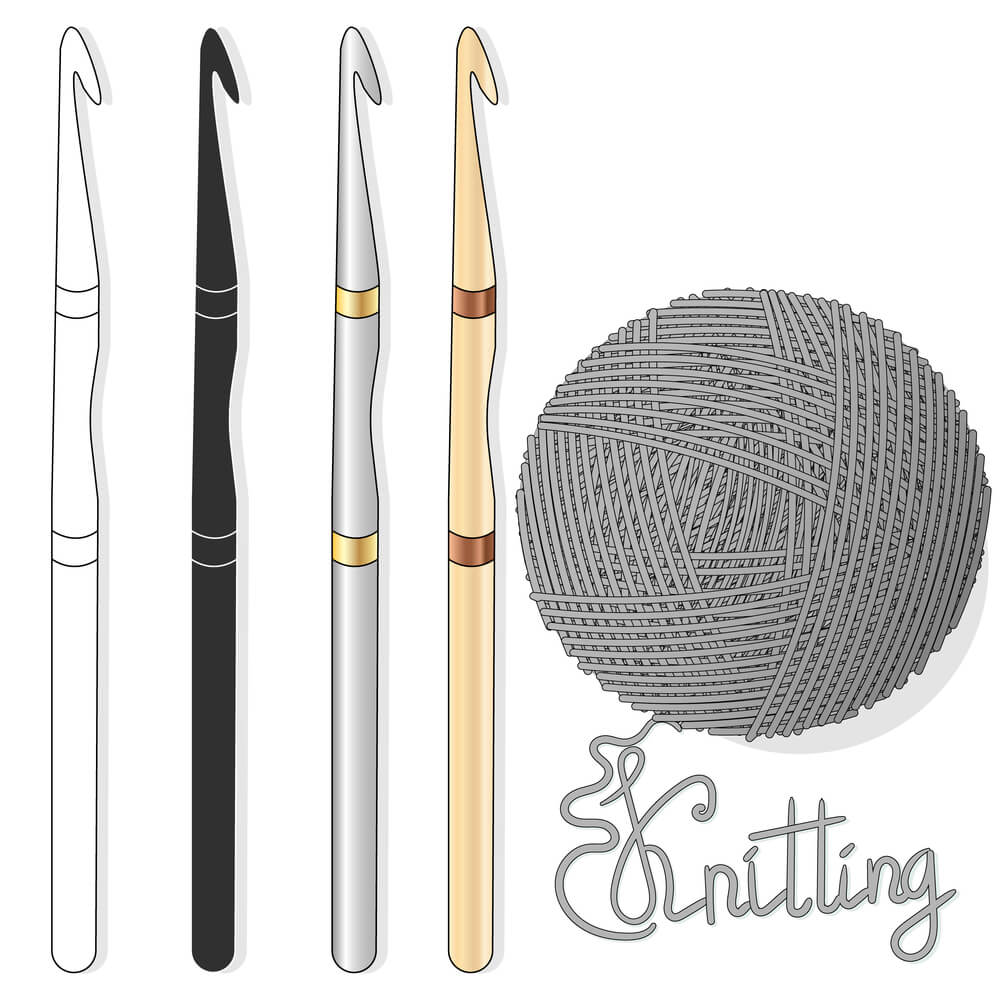
The Bates brand, long associated with steel crochet hooks, packaged sets of hooks in graduated sizes inside narrow tin boxes designed to keep each hook separated and organized. Complete sets with every size still present, rather than a tin missing several hooks, are what dealers specifically look for when evaluating a find.
Clark’s O.N.T. Thread Tins
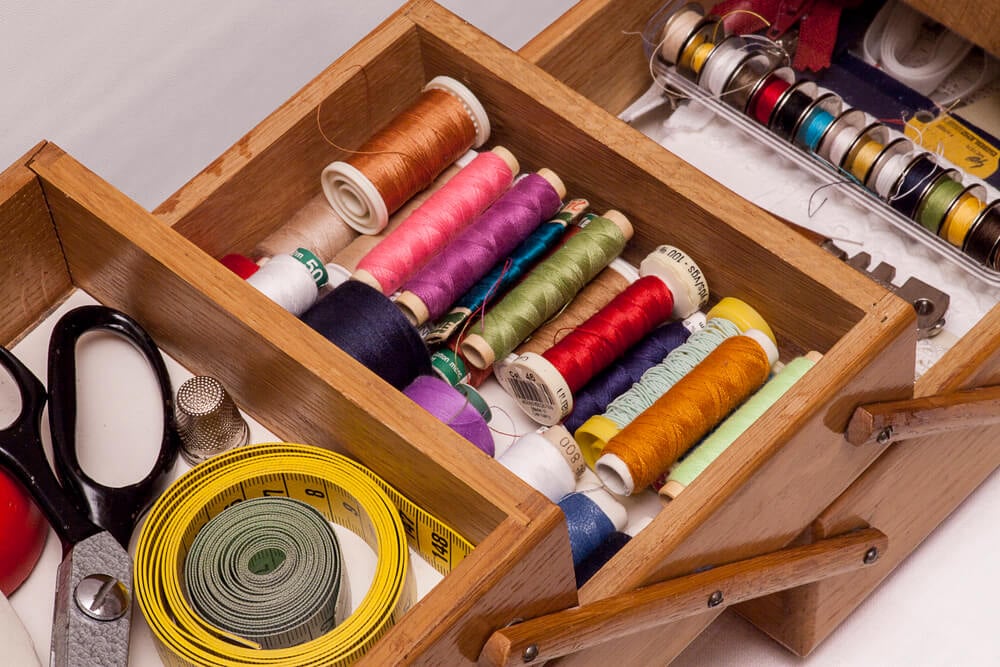
Clark’s O.N.T., a thread brand whose initials stood for “Our New Thread,” produced small advertising tins alongside its more common spool packaging during the late 19th and early 20th centuries. Because the brand eventually merged into the larger Coats & Clark company, standalone O.N.T.-branded tins from before the merger are scarcer and more actively sought by thread and notions collectors.
Advertising Premium Sewing Tins
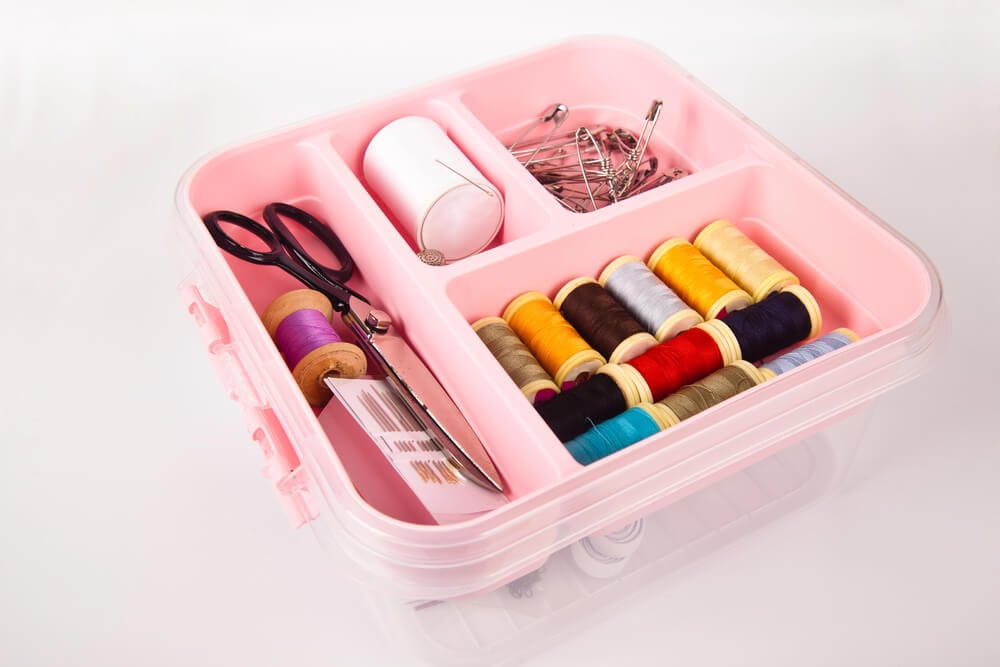
Insurance companies, banks, and local shops frequently commissioned small tin sewing kits printed with their own branding as promotional giveaways during the mid-20th century, typically packed with a few needles, buttons, and a short length of thread. Because these tins were produced in small regional runs and rarely saved once the thread ran out, dealers pay close attention to the printed business name and location, since some are far scarcer than others.
Darning Egg Storage Tins
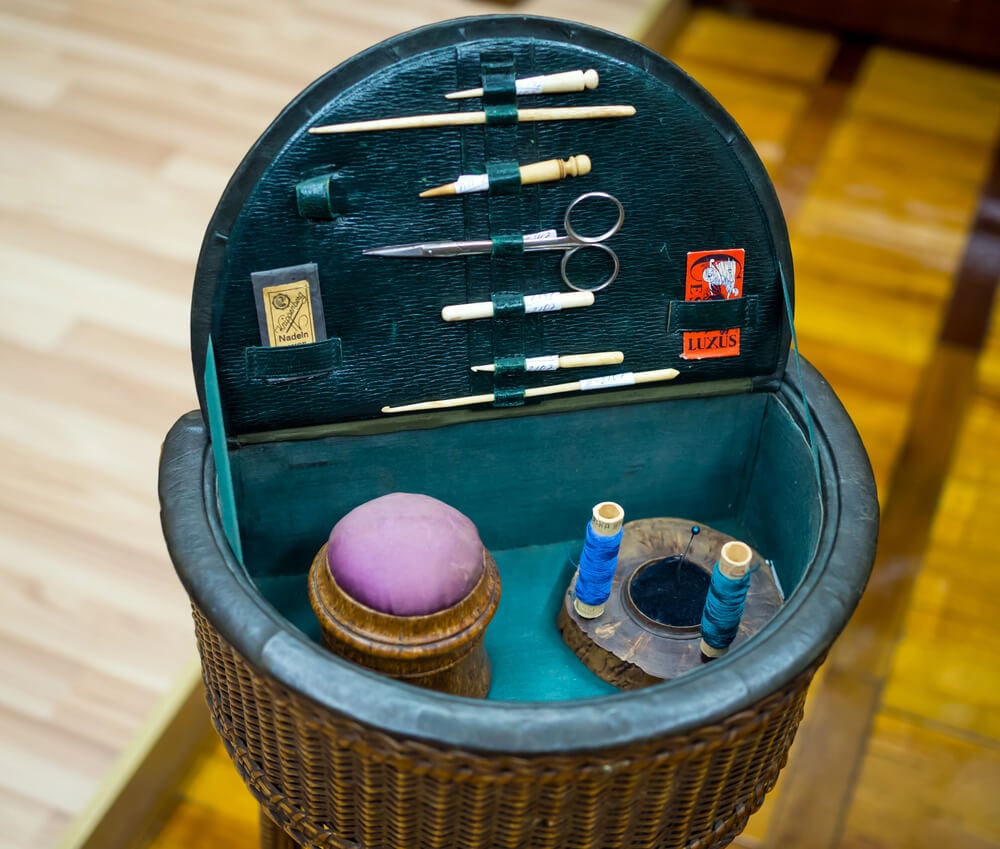
Wooden and glass darning eggs, used to stretch fabric taut while mending a thin patch in a sock, were sometimes sold packaged in a fitted tin case to protect the egg’s polished surface during storage. A tin that still holds its matching darning egg, rather than an empty case, brings a noticeably higher price from dealers who specialize in mending tools.
Tape Measure Advertising Tins
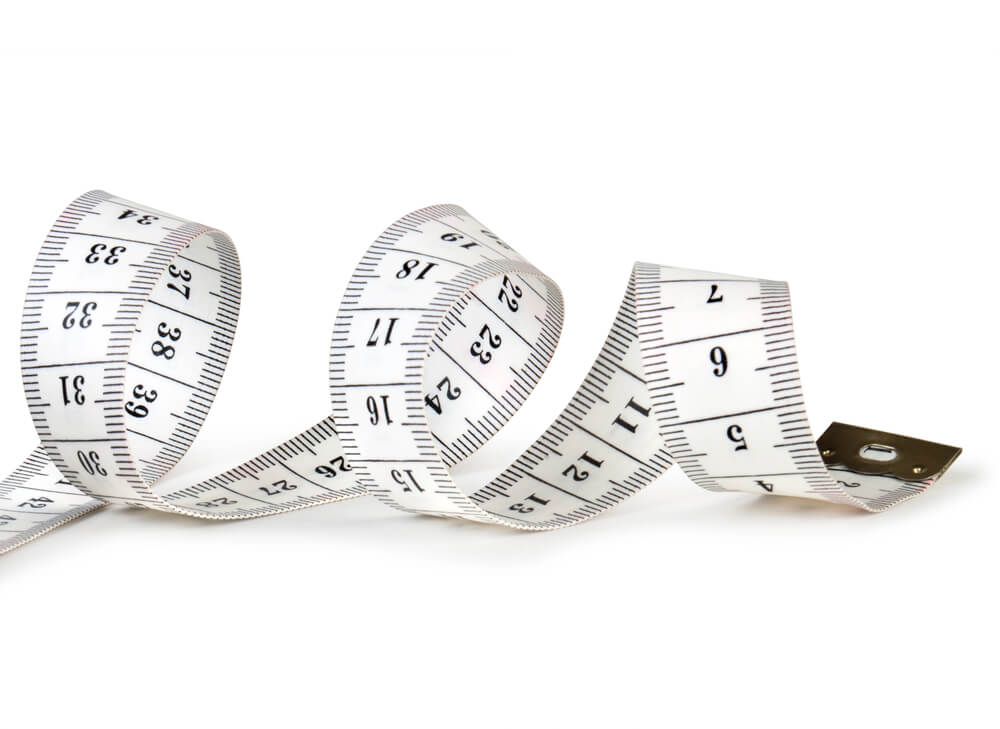
Retractable cloth or metal tape measures were commonly housed in small decorative tin cases printed with advertising for local businesses, a popular giveaway item from the 1920s through the 1950s. Dealers value these tins for the same reason as other advertising premiums: the printed business name, not the tape measure mechanism itself, is usually what determines the price.
Bakelite Button Storage Tins
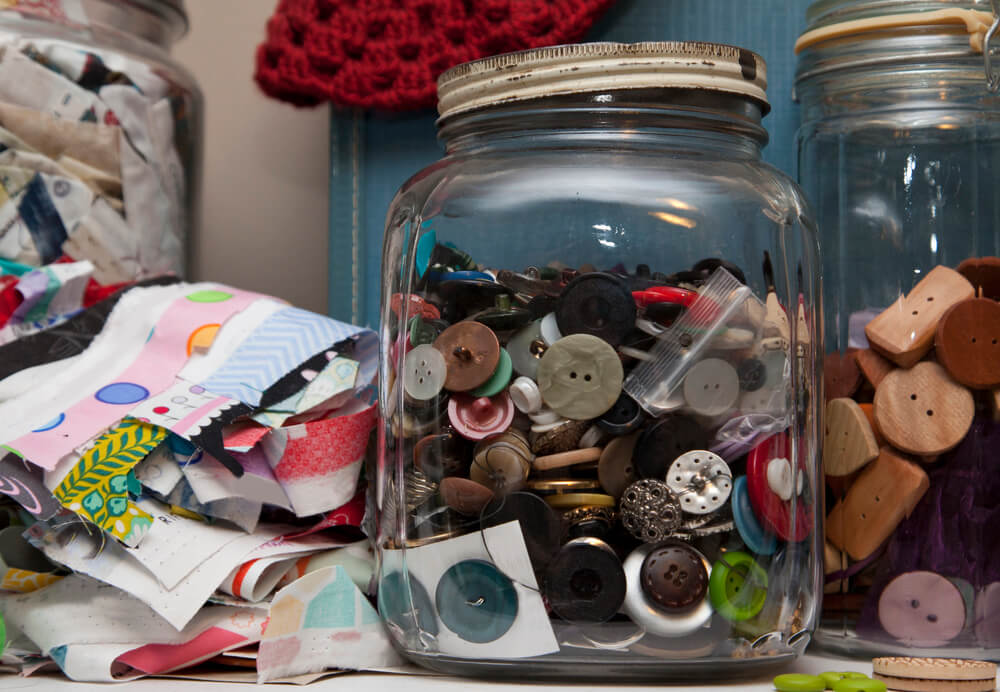
Buttons made from early plastics like Bakelite were often stored by their original owners in small tins rather than jars, since the tins protected the buttons’ painted or carved surfaces from scratching against each other. Dealers who specialize in vintage buttons frequently buy the tin along with its contents specifically because it kept the buttons in better condition than loose storage would have.
Sewing Machine Oil Tins
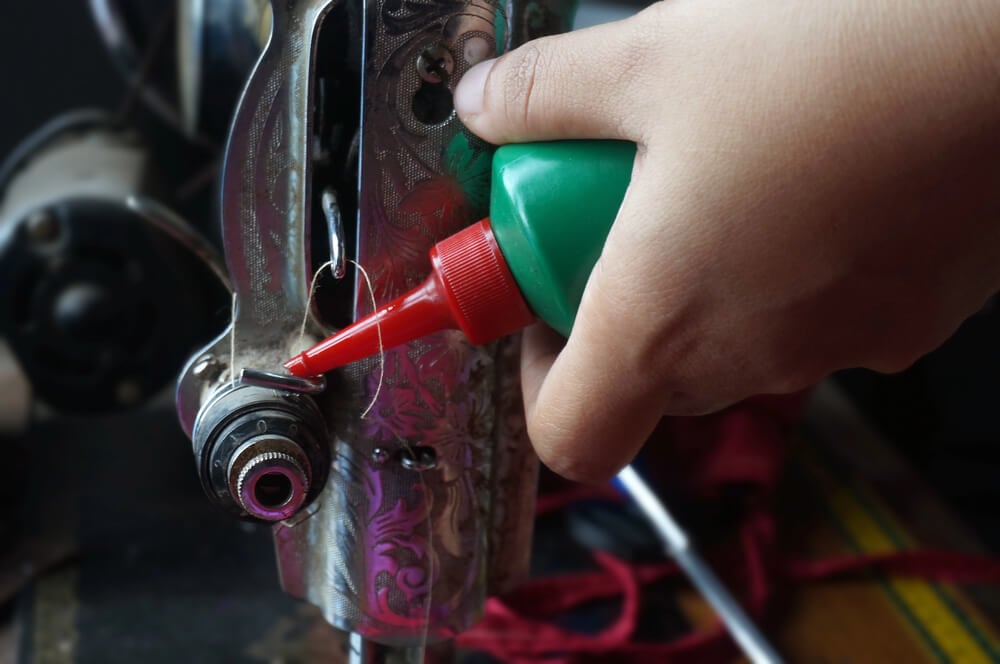
Small oval tins of lightweight oil, sold specifically for lubricating home sewing machines, were produced by Singer and several independent notions companies with distinctive lithographed labels through the mid-20th century. Unopened or lightly used tins with bright, unfaded printing are more desirable to collectors than empty examples, since the labels often faded or peeled once the oil inside began to leak.
Tailor’s Chalk Tins
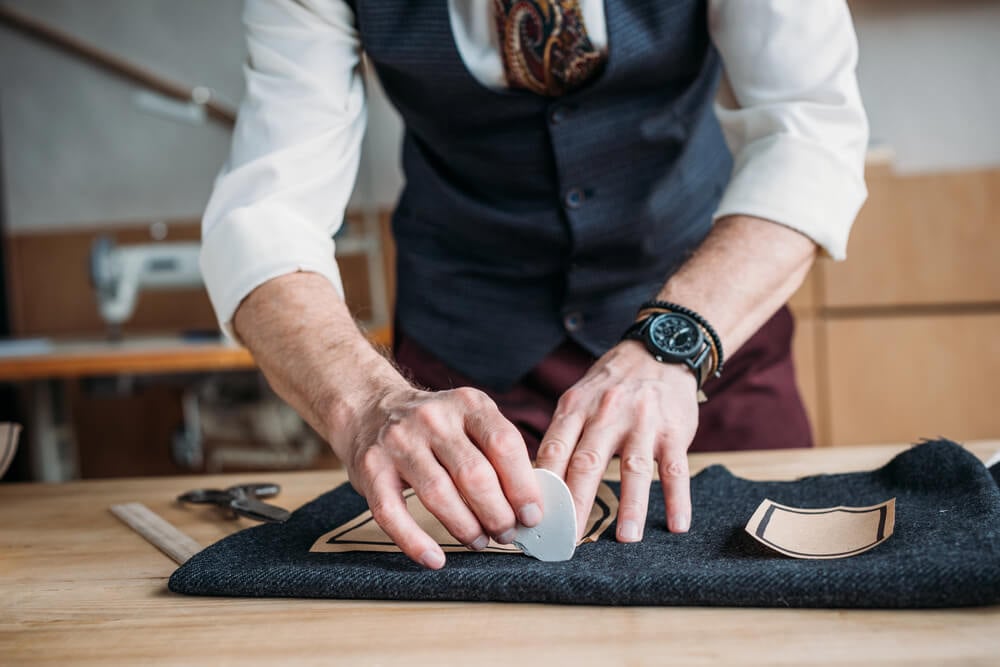
Tailor’s chalk, used to mark fabric before cutting, was frequently sold in small flat tins that doubled as a sharpening surface for the chalk’s edge. Complete tins with multiple chalk pieces still inside, especially in less common colors like yellow or blue rather than the standard white, draw stronger interest from dealers who focus on tailoring tools.
Seam Ripper and Notion Tool Tins
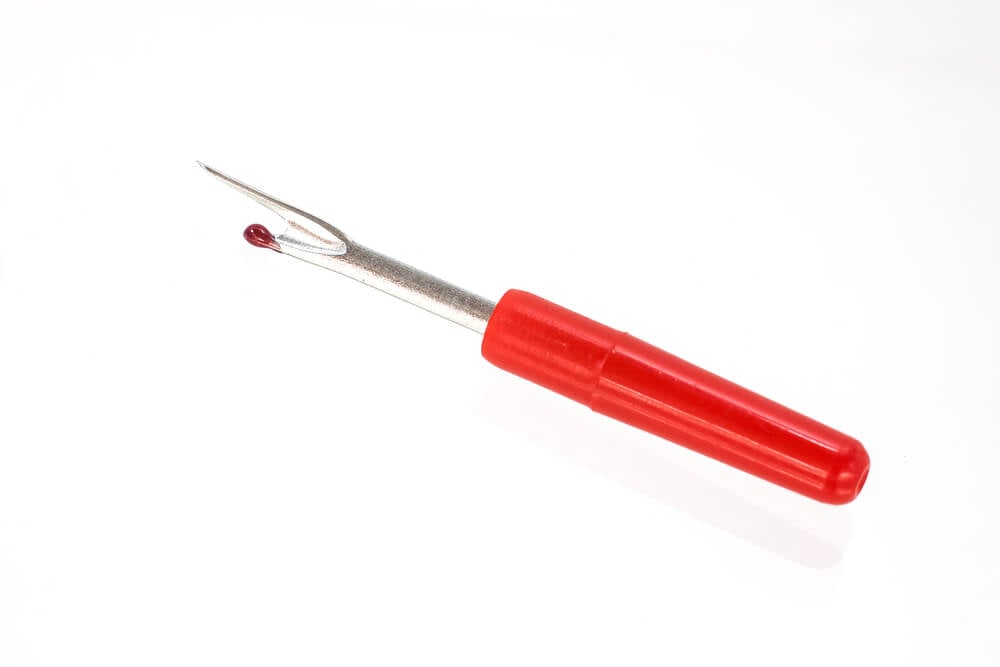
Small combination tins holding a seam ripper, a threader, and a few miscellaneous hand-sewing tools were commonly sold as inexpensive gift sets through the mid-20th century. Complete sets with every original tool still present, rather than a tin missing its ripper or threader, command a meaningfully higher price from dealers assembling full period-correct notion sets.
Tatting Shuttle Boxes
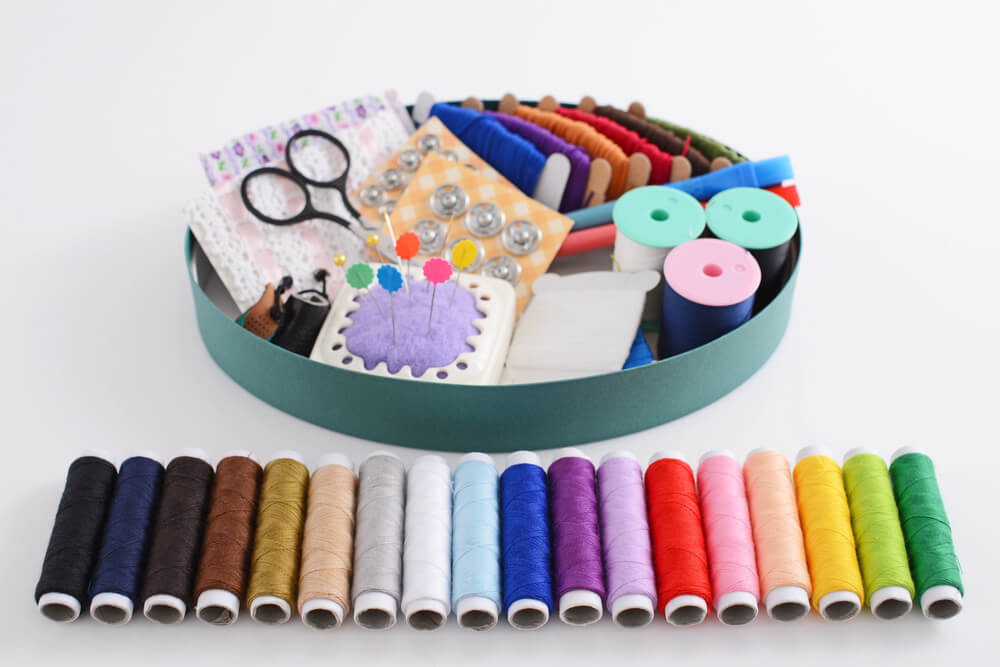
Tatting shuttles, used to make a delicate style of knotted lace, were sometimes sold in small fitted tin boxes designed to keep the shuttle’s fine points from bending during storage. Because tatting itself became a less common hobby over the decades, complete tins with an intact shuttle inside are considered a specialty find among lace and needlework collectors.
Pincushion Tomato Tins
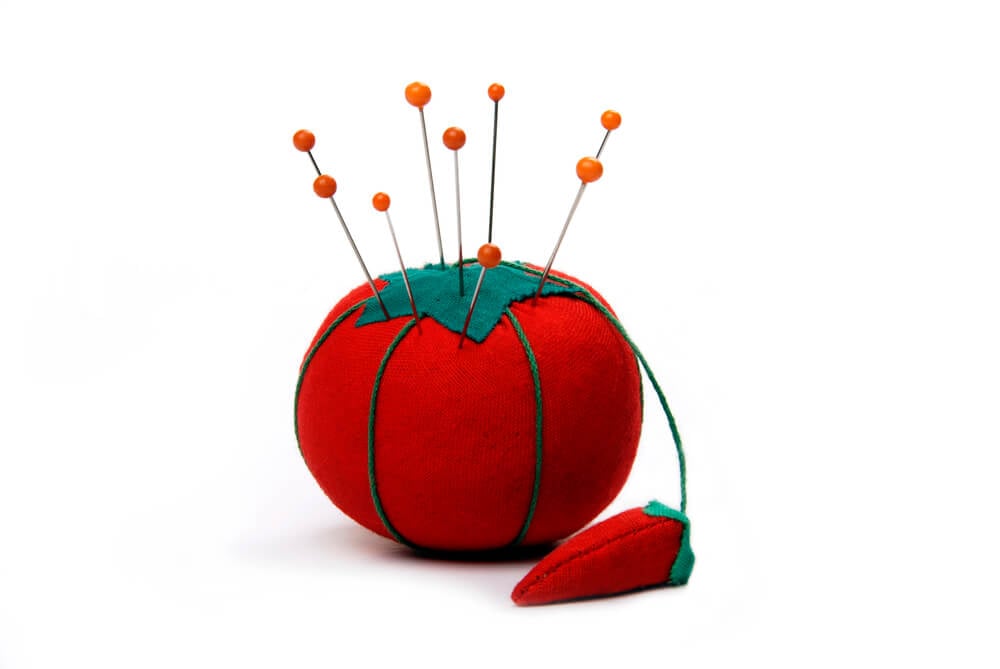
Before the familiar stuffed tomato-shaped pincushion became common, some manufacturers packaged loose pins in small round tins lithographed to resemble the same tomato design, meant to sit on a sewing table alongside the fabric cushion. These tins are less commonly recognized than the fabric pincushions they were designed to complement, which makes clean examples a relatively overlooked find for dealers who know what they are looking at.
Zipper Notion Tins
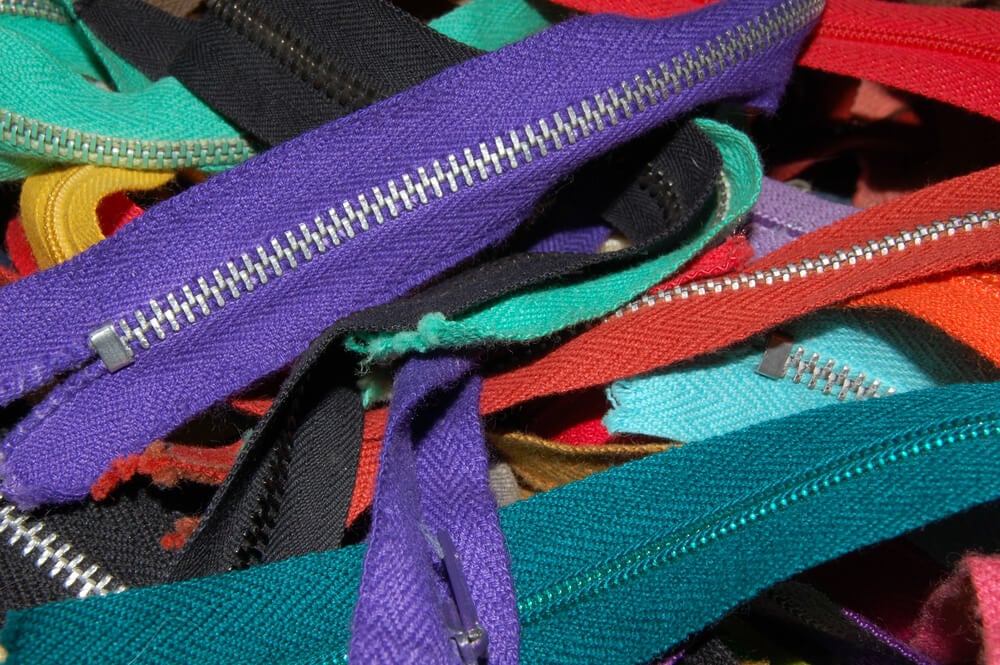
Extra zipper pulls, sliders, and small repair parts were sometimes sold in compact tins by notions companies catering to home dressmakers who wanted to repair a broken zipper rather than replace an entire garment. Complete tins with a full assortment of pull styles and sizes are more valuable to dealers than tins with only a few parts remaining.
Hook and Eye Fastener Tins
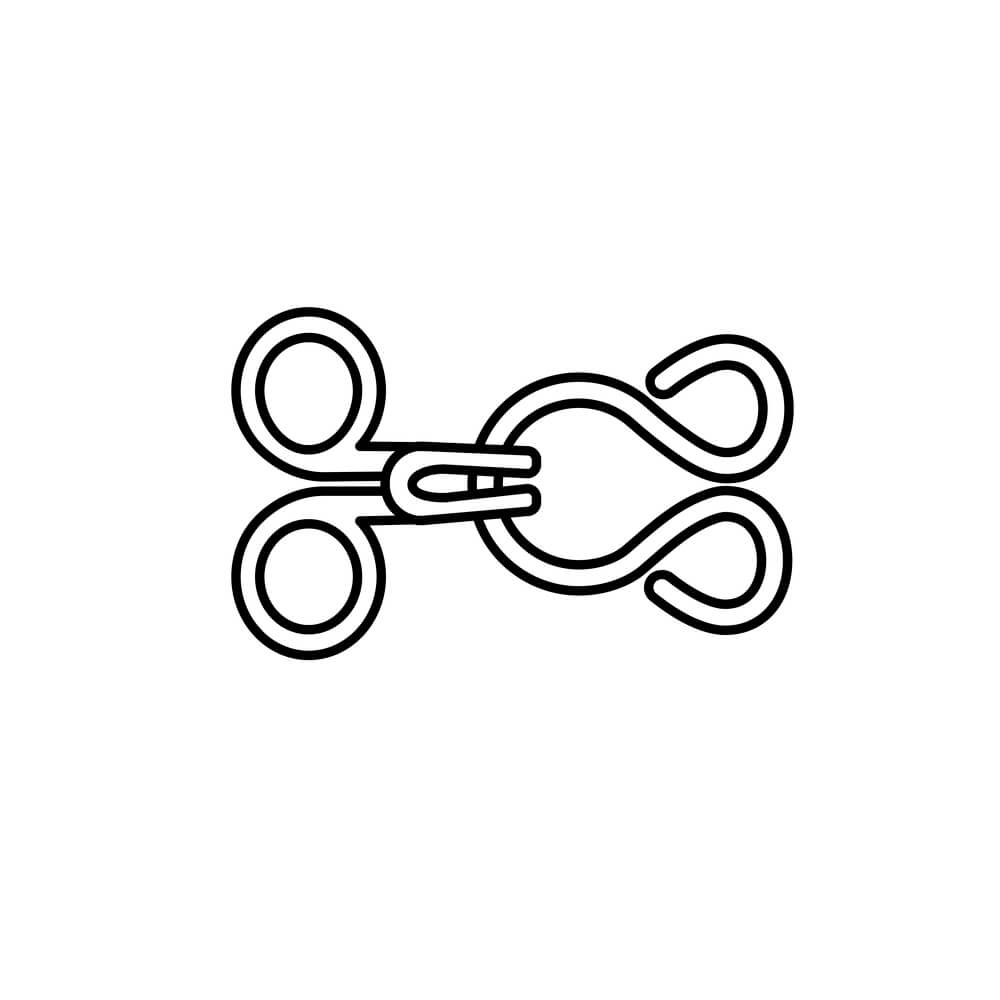
Small metal hook-and-eye closures, used on garments before the widespread adoption of zippers, were commonly sold in compartmentalized tins organized by size, a staple of dressmaking supply counters through the early 20th century. Complete tins with their full range of sizes intact are noticeably more desirable to dealers than partial or mixed assortments.
Thimble Collector Tins
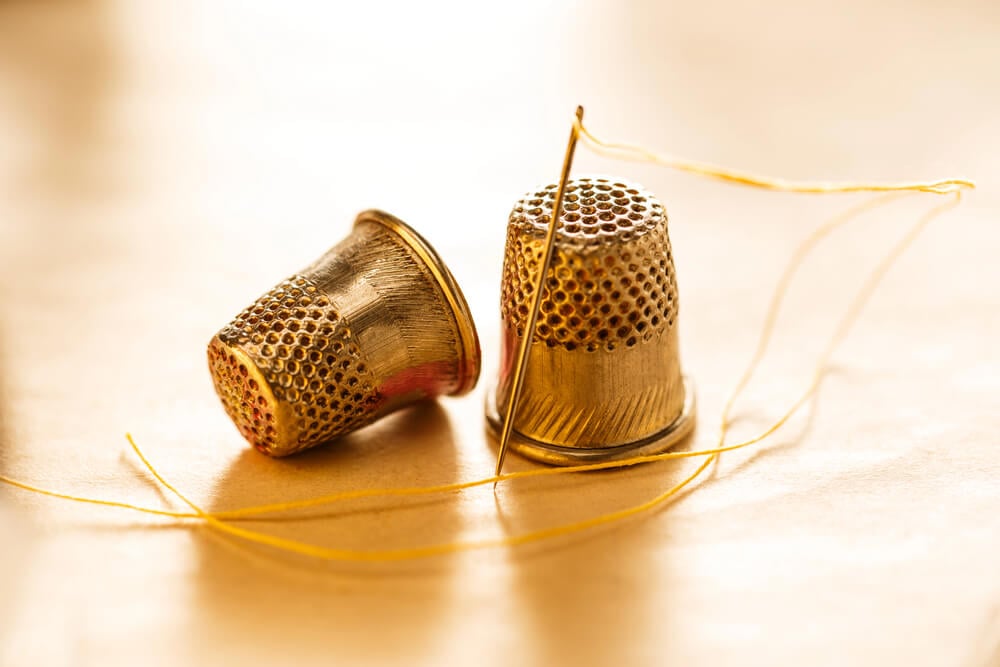
Small fitted tins designed specifically to hold and display a single thimble, sometimes given as a gift alongside the thimble itself, became a minor collecting category of their own once thimble collecting grew popular in the mid-20th century. A tin still paired with its original matching thimble is worth more to specialist dealers than either piece would be worth sold separately.
Needle Threader Advertising Tins
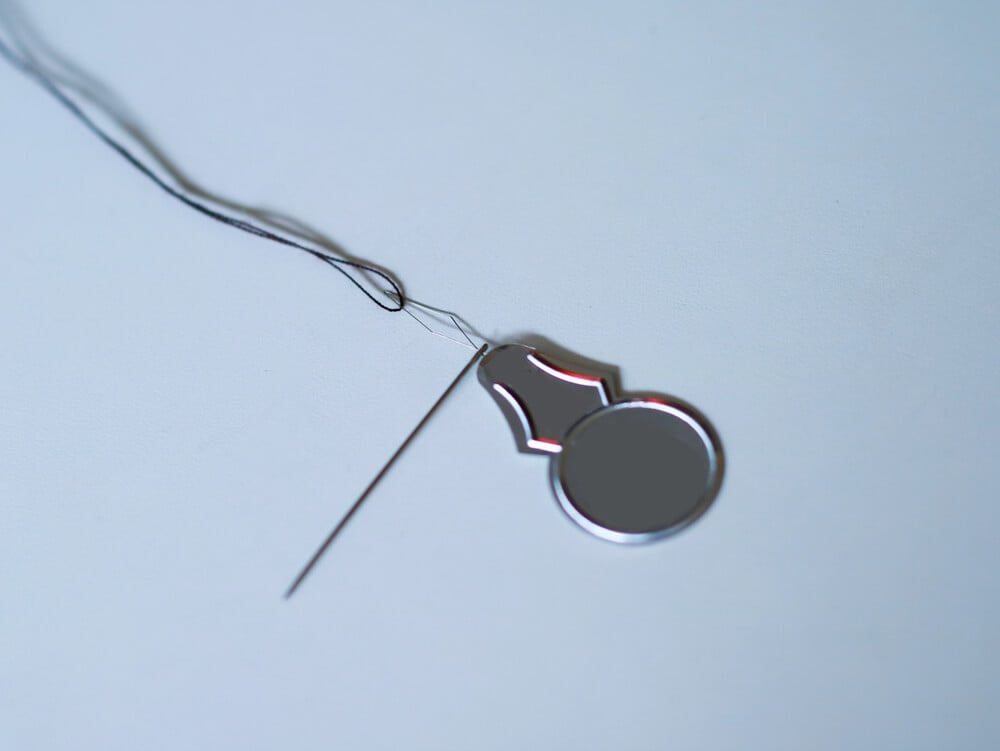
Small wire needle threaders were frequently packaged in flat advertising tins distributed by local shops and mail-order catalogs as a low-cost promotional item. As with other advertising premiums, the specific printed business name and the tin’s overall condition matter more to dealers than the threader itself, which was typically a simple, mass-produced tool.
Gainsborough Needle Tins
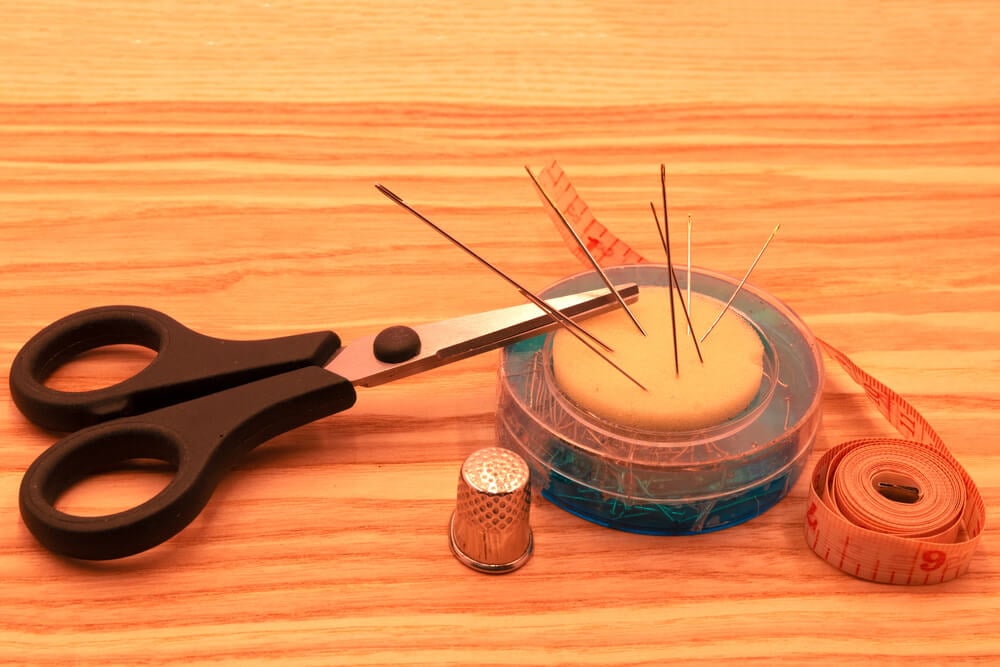
Gainsborough, an English needle brand once distributed widely through fabric and notions shops, packaged its hand-sewing needles in small tins with the company’s name lithographed across the lid. Dealers who specialize in English needlework history seek out these tins specifically because the brand’s packaging changed noticeably across different production eras, making a well-preserved early tin more distinctive than a later one.
Embroidery Needle Assortment Tins
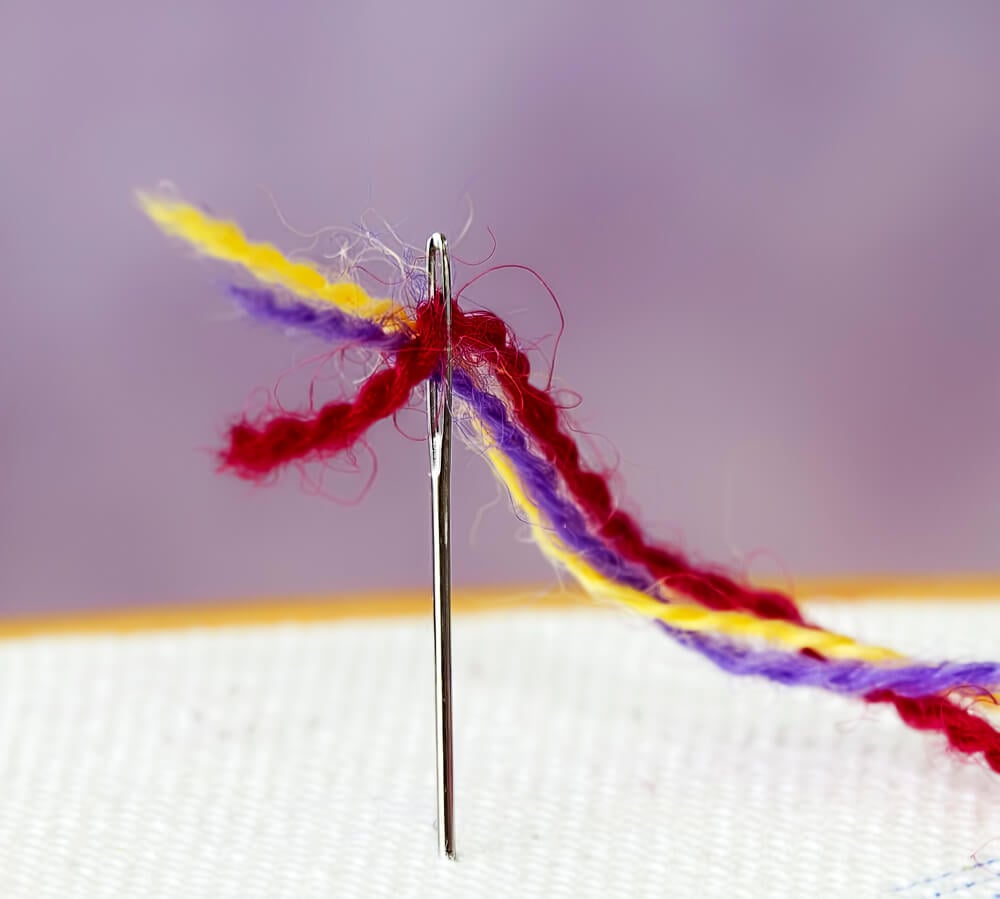
Sets of embroidery needles in graduated sizes were commonly sold in small tins with the sizing options printed directly on the sliding lid, allowing a stitcher to identify the right needle without opening the container fully. Complete tins with every size still accounted for are considered more desirable than sets missing several needles.
Crewel Wool Sample Tins
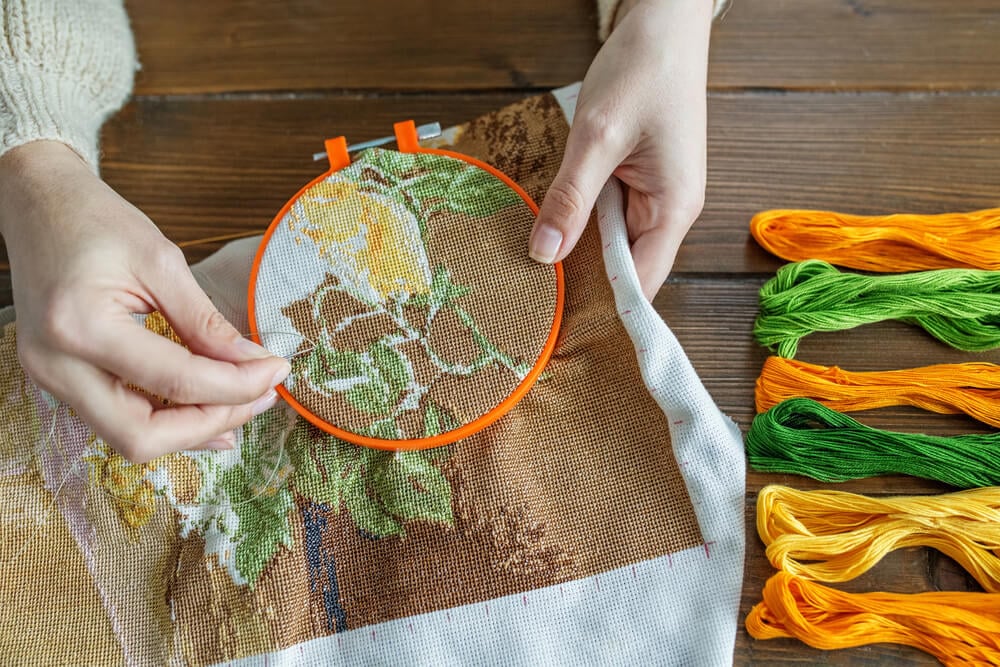
Small tins holding sample lengths of crewel wool in multiple colors were occasionally sold by specialty needlework shops as a way to introduce customers to a full color range before committing to larger skeins. Because these were a niche product aimed at a smaller customer base than general sewing notions, surviving examples are less common and draw specific interest from needlework history collectors.
Hinged Rectangular Notion Tins
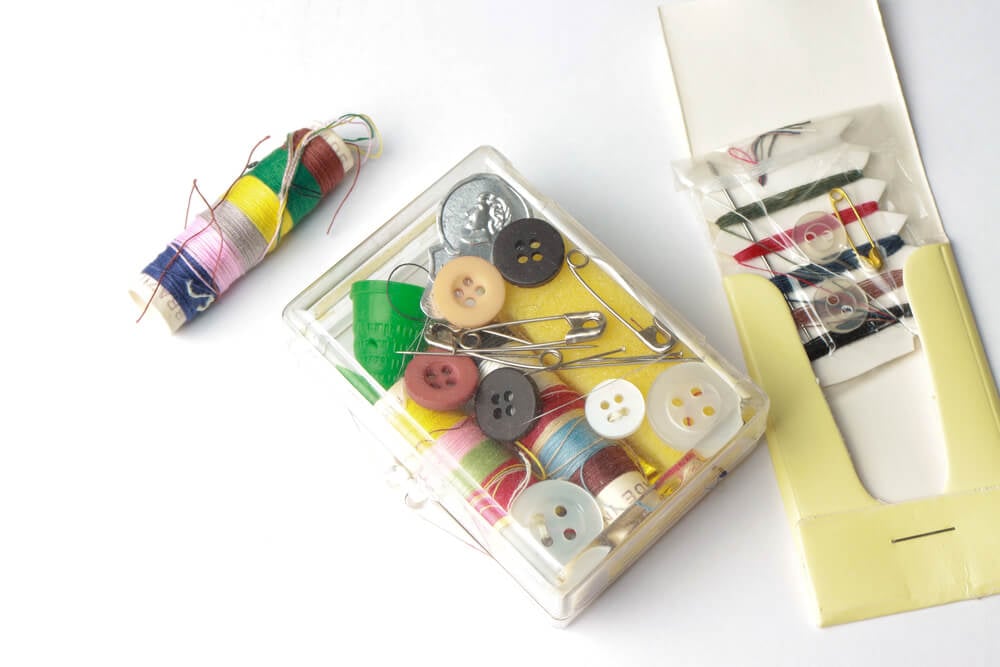
Some notions manufacturers packaged assorted sewing tools in rectangular tins with a deep, hinged lid designed to hold a wider mix of items than the flatter sliding-lid tins common elsewhere in this list. Dealers value these primarily for the shape and printed design of the tin itself rather than for whatever loose contents happen to remain inside.
Traveling Sewing Kit Tins
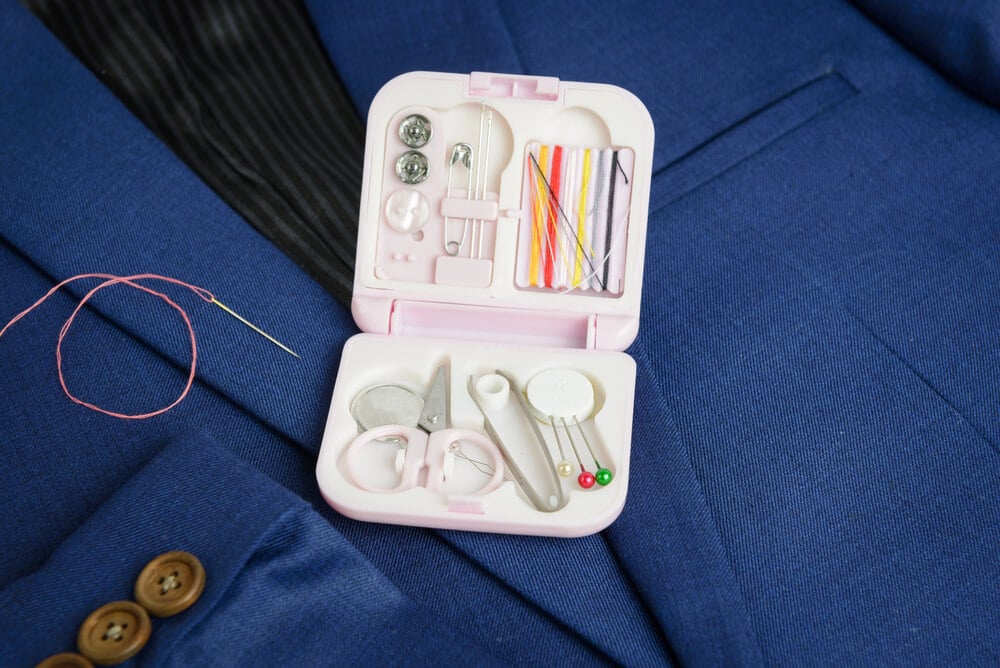
Compact, flat tins designed to fit into a purse or travel bag held a minimal sewing kit of thread, a few needles, and a small pair of folding scissors, marketed to travelers who wanted emergency repair supplies on hand. Complete kits with their original folding scissors intact, rather than tins missing the scissors, bring a meaningfully higher price from dealers.
Notions Store Display Tins
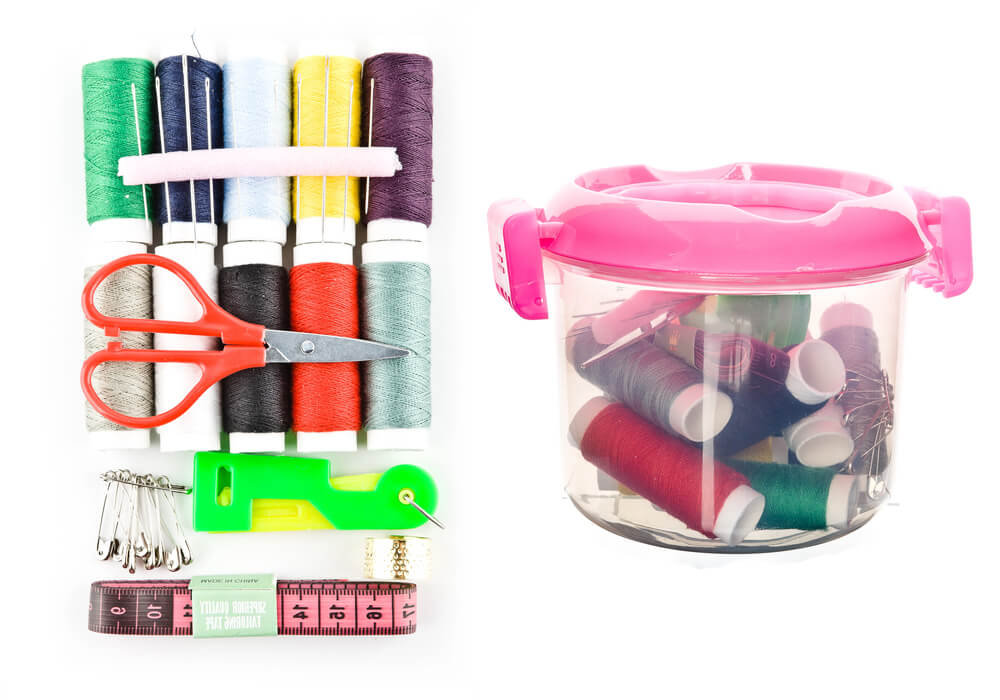
Larger tins meant to sit on a fabric store counter and hold loose notions for customers to browse through, rather than smaller tins meant for personal home use, were produced by several manufacturers with prominent branded lettering meant to be seen from a distance. Because these display pieces were meant for commercial rather than personal use, far fewer survived, making them a genuine specialty find for advertising and notions collectors alike.
The Tin Was Never the Point, Until It Was
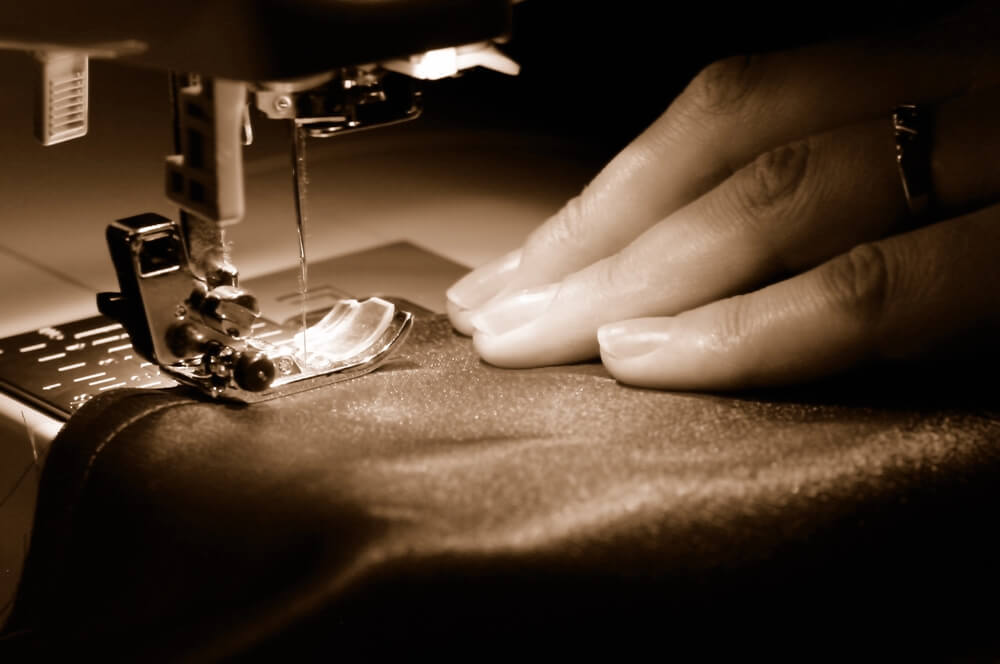
None of these containers were built to last generations or to be admired for their own design. They were meant to keep a handful of small, easily lost objects together in a sewing basket, cheap enough that a shop could give one away for free and a household could replace it without a second thought.
What survived did so by accident, tucked into a drawer and forgotten rather than deliberately preserved, which is precisely what makes an intact example with bright lithography and its original contents feel almost improbable today. A dealer who understands that history is not really buying a tin box.
They are buying one of the few objects left that explains how ordinary households organized the small, unglamorous work of keeping their clothes intact.
More from Go2Tutors!

- The Romanov Crown Jewels and Their Tragic Fate
- 13 Historical Mysteries That Science Still Can’t Solve
- Famous Hoaxes That Fooled the World for Years
- 15 Child Stars with Tragic Adult Lives
- 16 Famous Jewelry Pieces in History
Like Go2Tutors’s content? Follow us on MSN.