29 Inventions That Arrived Before the World Was Ready
History abounds with technologies conceived or developed before supporting infrastructure, compatible systems, or social willingness existed to utilize them effectively. Inventors and engineers often solve technical problems decades before economic conditions, legal frameworks, or cultural attitudes align to permit widespread adoption.
These ahead-of-their-time inventions ultimately succeeded when circumstances shifted, yet their initial creators rarely received recognition or profit. Understanding these premature innovations reveals how technological possibility diverges from technological deployment.
Charles Babbage’s Analytical Engine (1830s)
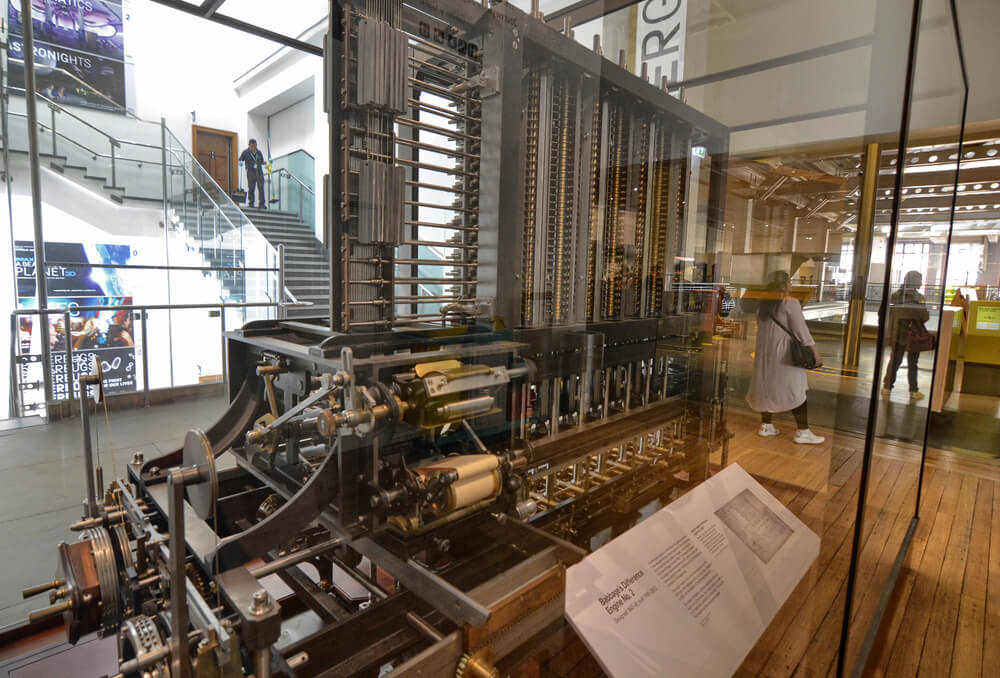
Charles Babbage designed a mechanical programmable computer in the 1830s incorporating principles not realized in actual hardware until the 1940s electronic age. The Analytical Engine included memory capacity, conditional branching, and loop programming concepts that anticipated modern computers by a century.
Babbage’s designs were mathematically sound but mechanically impossible given Victorian manufacturing precision, leaving the revolutionary concept theoretical until electronic computing made realization feasible.
Philo Farnsworth’s Electronic Television (1927)
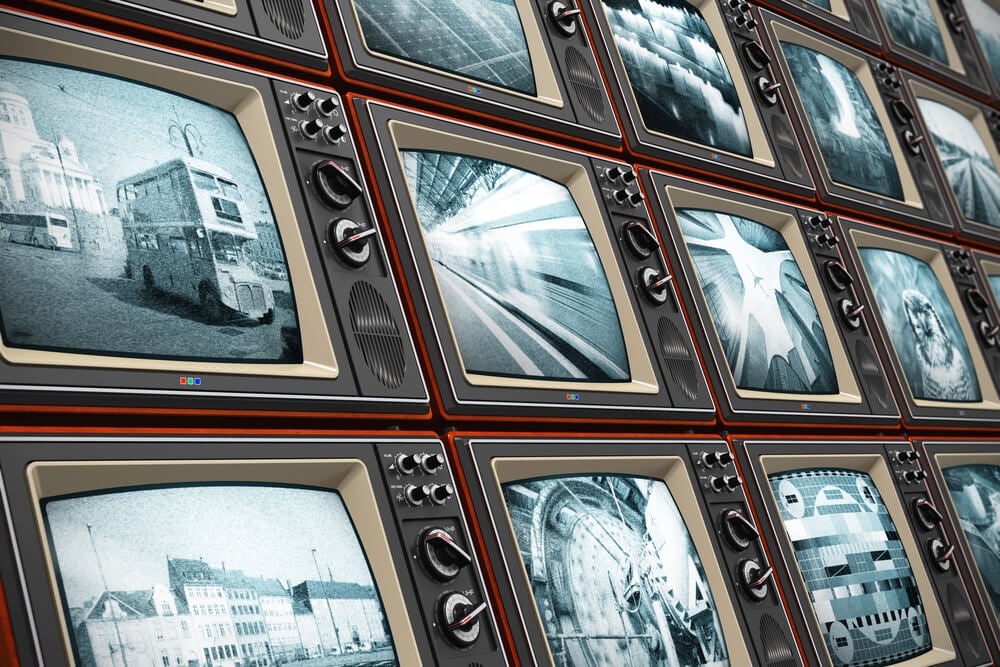
Idahoan teenager Philo Farnsworth successfully transmitted the first electronic television image in 1927, solving television’s technical challenges decades before commercial broadcasting infrastructure existed. Television required not just working receivers and transmitters but transmission networks, regulatory frameworks, broadcasting standards, and consumer purchasing power.
Farnsworth’s 1927 achievement preceded practical television application by over a decade, leaving his innovation ahead of deploying conditions.
The Video Telephone (1960s Prototypes)
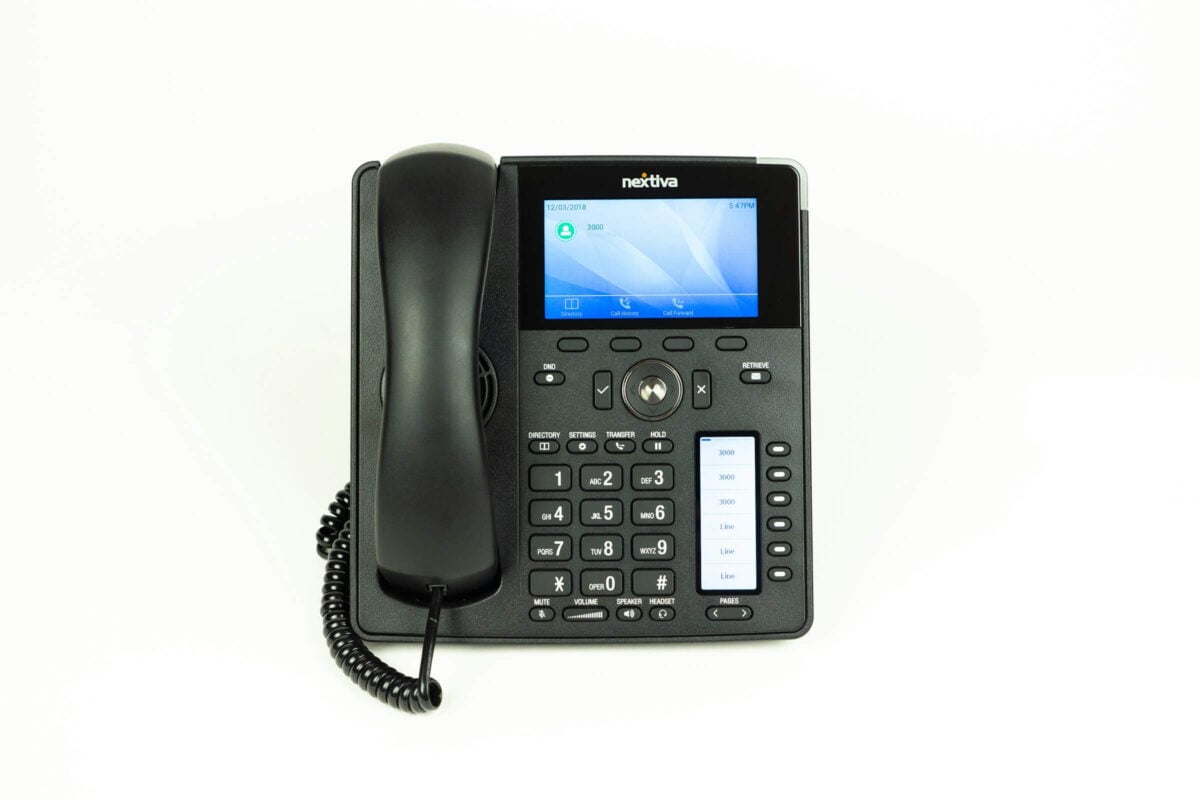
Engineers in the 1960s developed functional video telephone systems that transmitted both audio and visual information through telephone lines, creating interactive telecommunications decades before bandwidth, data networks, or consumer acceptance existed. AT&T’s 1964 World’s Fair video telephone demonstration showed the technology worked, yet practical video telephony required internet infrastructure and consumer comfort with visual communication not achieved until decades later.
The technology existed before necessary conditions aligned.
The Electronic Computer (1940s Development, 1950s Adoption)
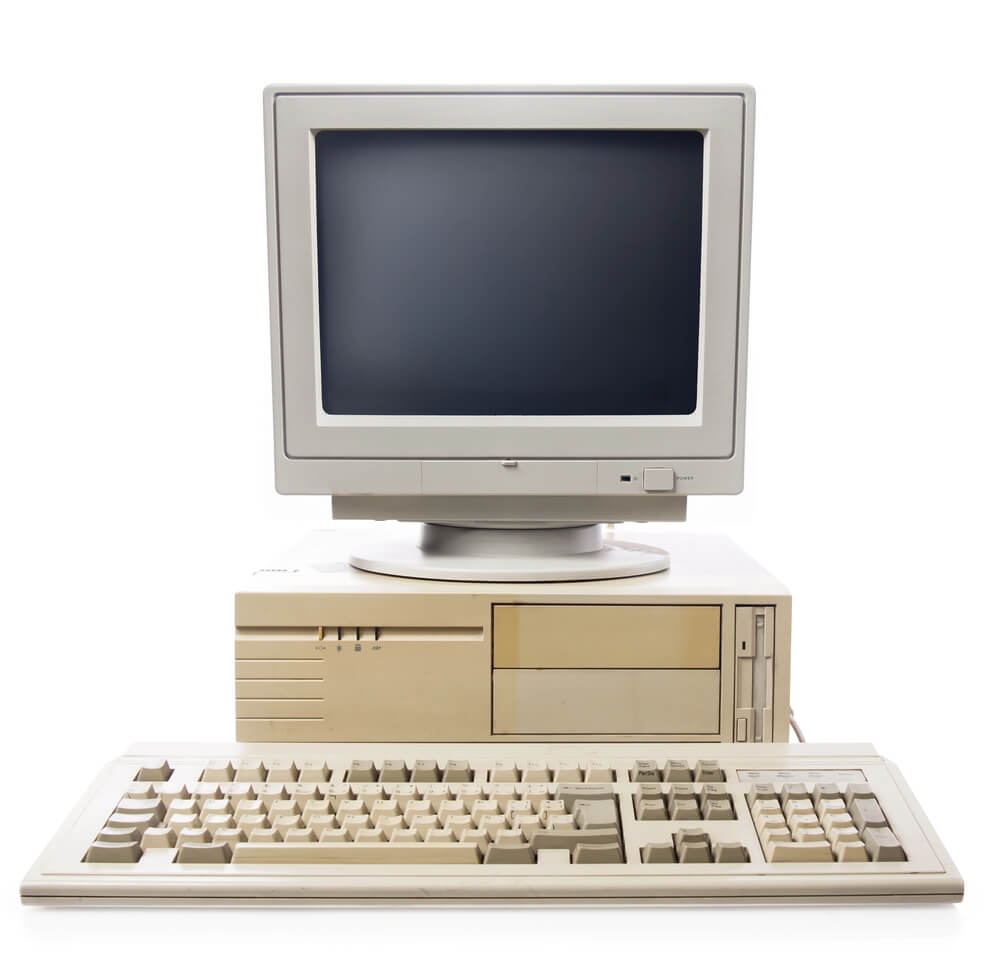
Electronic computers emerged from WWII military research and became practically operable by the late 1940s, yet genuine commercial adoption required decades of refinement and cost reduction. Early computers occupied entire rooms, required specialized cooling, demanded expert programming knowledge, and cost hundreds of thousands of dollars.
Practical computer adoption waited until miniaturization, user-friendly software, and affordable hardware made computation accessible to ordinary businesses and consumers in the 1970s and beyond.
The Microprocessor (1970s Prototypes, 1980s Mainstream Adoption)
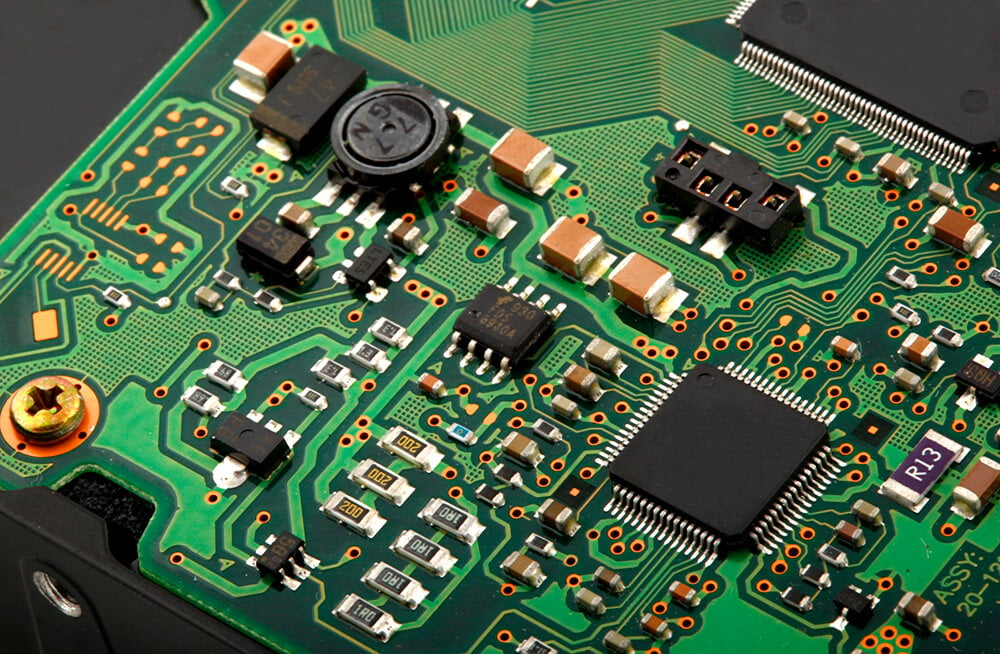
Intel’s 4004 microprocessor (1971) and subsequent chips proved that transistor technology could be miniaturized to create programmable computer systems on single chips. Yet the infrastructure for microprocessor deployment—operating systems, software applications, manufacturing expertise—took a decade to develop.
The 1980s personal computer revolution finally deployed microprocessor technology as consumer products, leaving the innovation ahead of deployment for nearly a decade.
The Mobile Cellular Telephone (1973 Prototype, 1980s Commercial)
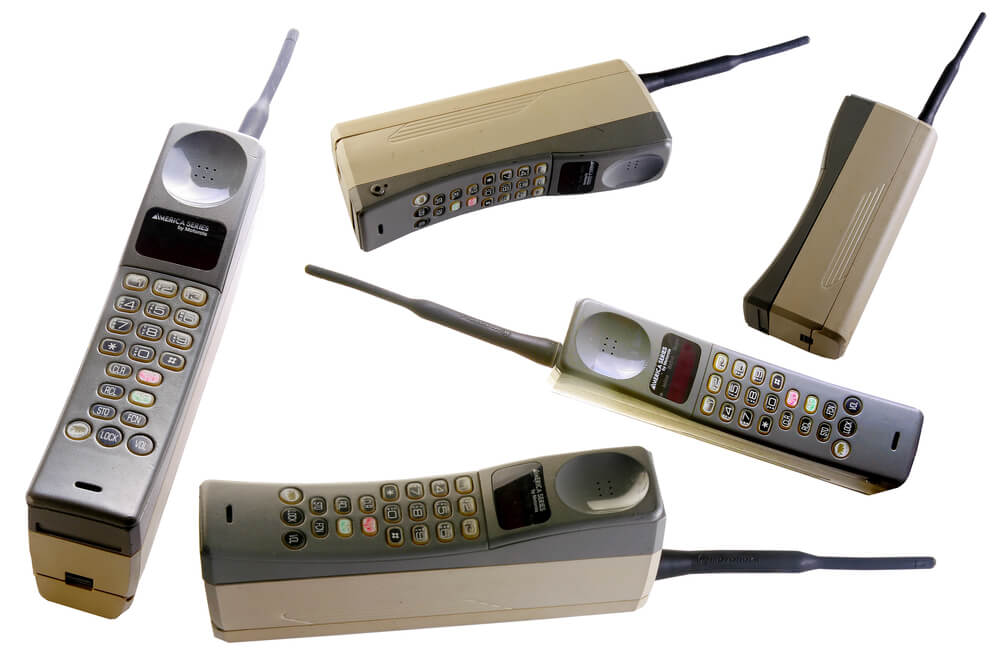
Motorola engineer Martin Cooper transmitted the first portable cellular call in 1973, proving that mobile wireless communication was technically achievable decades before infrastructure existed. Cellular networks required transmitter infrastructure, satellite communications, regulatory approval, and battery technology.
The 1980s saw cellular phones enter limited commercial service, then required decades for infrastructure development, cost reduction, and cultural adoption preceding widespread use.
The Fiber Optic Cable (1970s Development, 1980s Deployment)
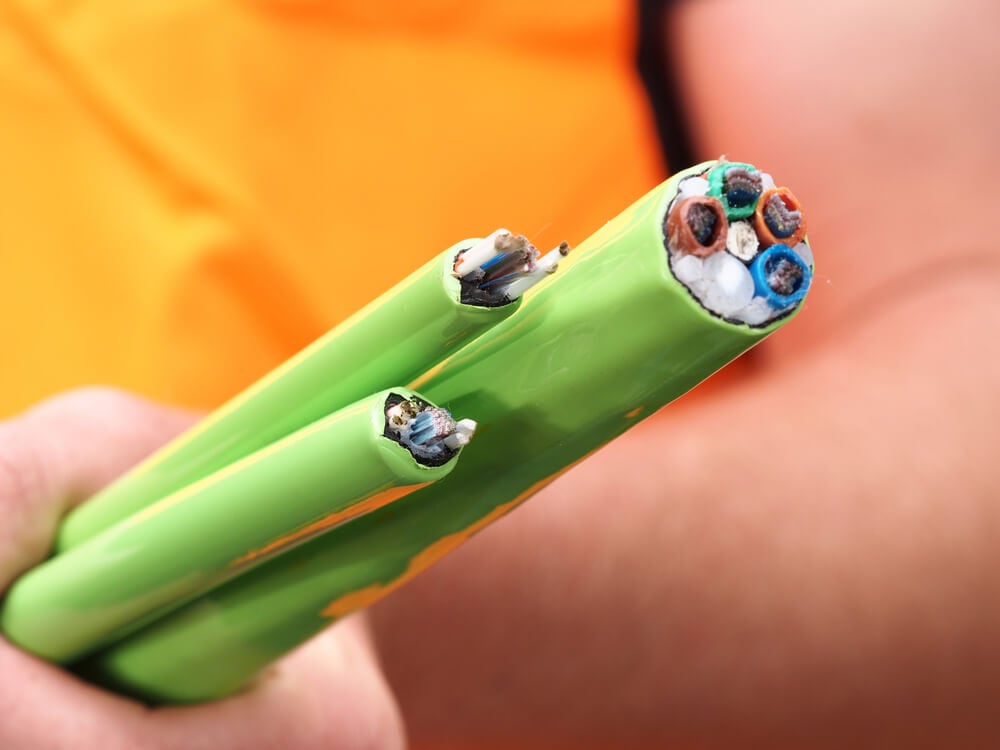
Researchers developed fiber optic technology in the 1970s, recognizing its potential for high-speed telecommunications. Yet telecommunications infrastructure required complete replacement of copper telephone lines—a massive infrastructure project requiring decades of gradual transition.
Fiber optics solved technical challenges to data transmission, yet network replacement, compatible equipment, and cost reduction took decades following initial technology deployment.
The Digital Camera (1975 Prototypes, 1990s Mainstream)
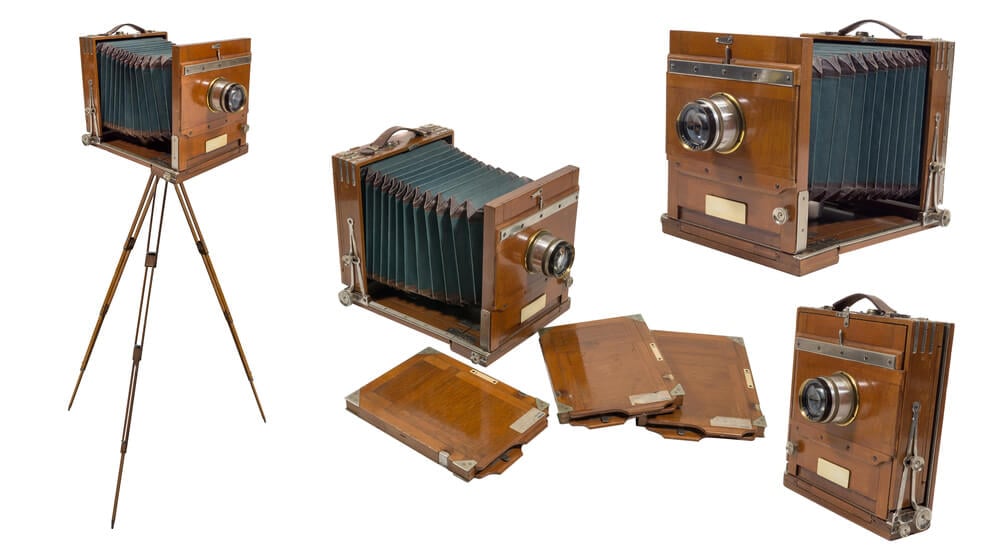
Kodak engineer Steven Sasson created the first digital camera prototype in 1975, yet the technology required miniaturization, storage capacity increases, power source improvement, and software development before practical deployment. Photography’s shift from film to digital required both technological advancement and consumer acceptance of non-physical image media.
Digital cameras existed as laboratory curiosities for nearly twenty years before becoming consumer products.
The Personal Computer (1970s Development, 1980s Adoption)
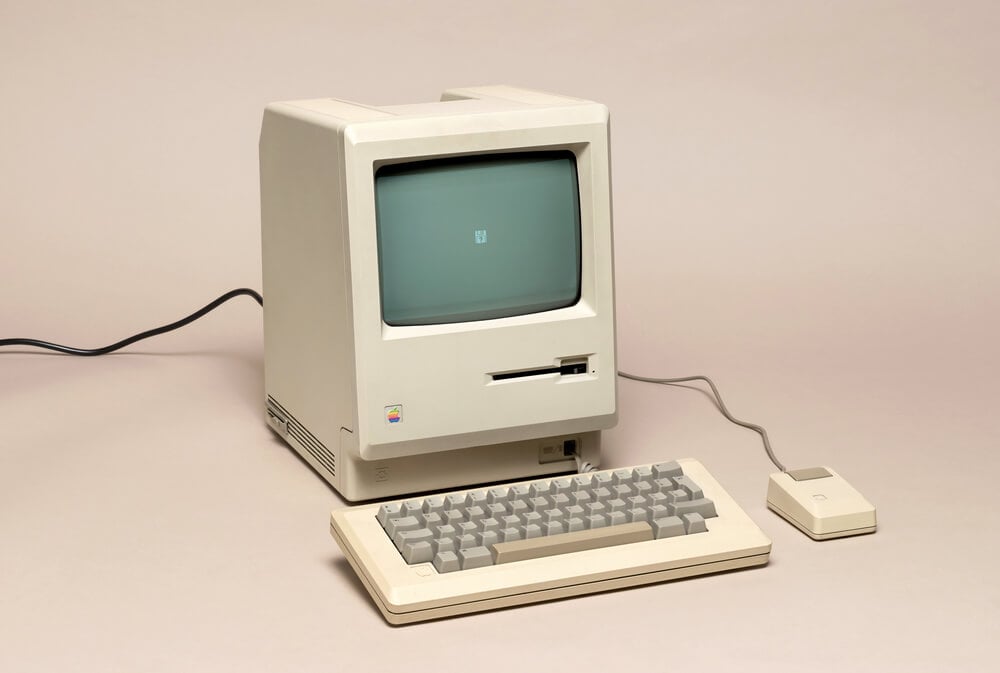
The Altair 8800 (1975) and Apple II (1977) represented working personal computers when most people had never accessed computers and owned no appropriate peripherals or software. Consumer adoption of personal computers required simultaneous development of user-friendly operating systems, productivity software, affordable monitors, printers, and appropriate keyboard-mouse interfaces.
The personal computer’s technical achievement preceded its market implementation by years.
Liquid Crystal Display Technology (1960s Research, 1980s-1990s Adoption)
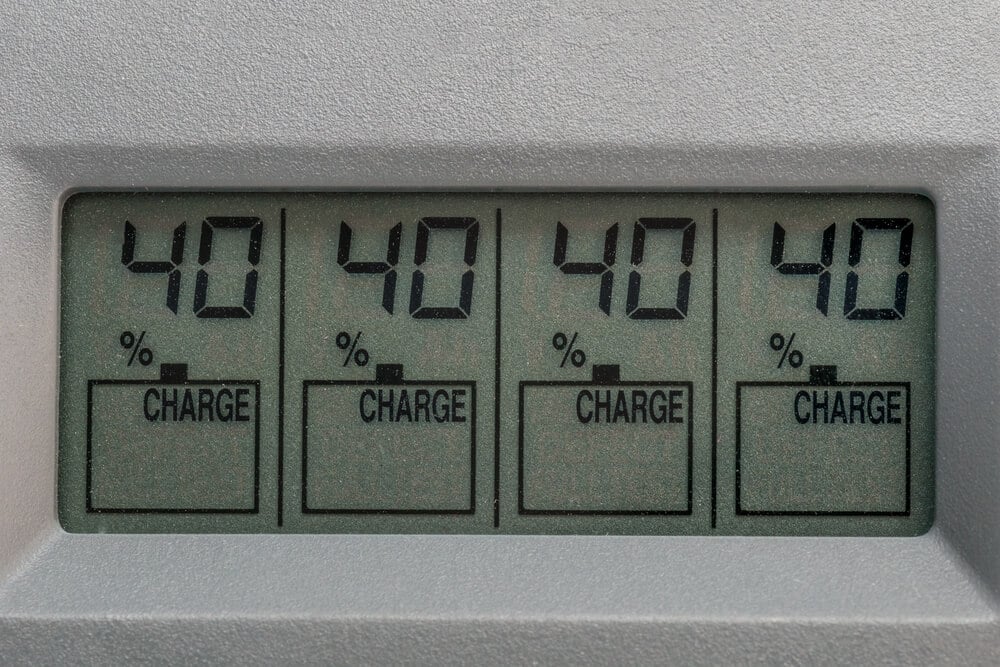
Researchers discovered liquid crystal properties and developed liquid crystal display technology in the 1960s-1970s, yet LCD technology required refinement, color capability development, manufacturing scale-up, and appropriate applications before practical deployment. Digital watches and calculators (1970s-1980s) preceded laptop computer LCDs (1990s), demonstrating how technology deployment follows available applications.
LCD innovation preceded widespread practical deployment by decades.
Artificial Cardiac Pacemakers (1950s Development, 1960s Adoption)
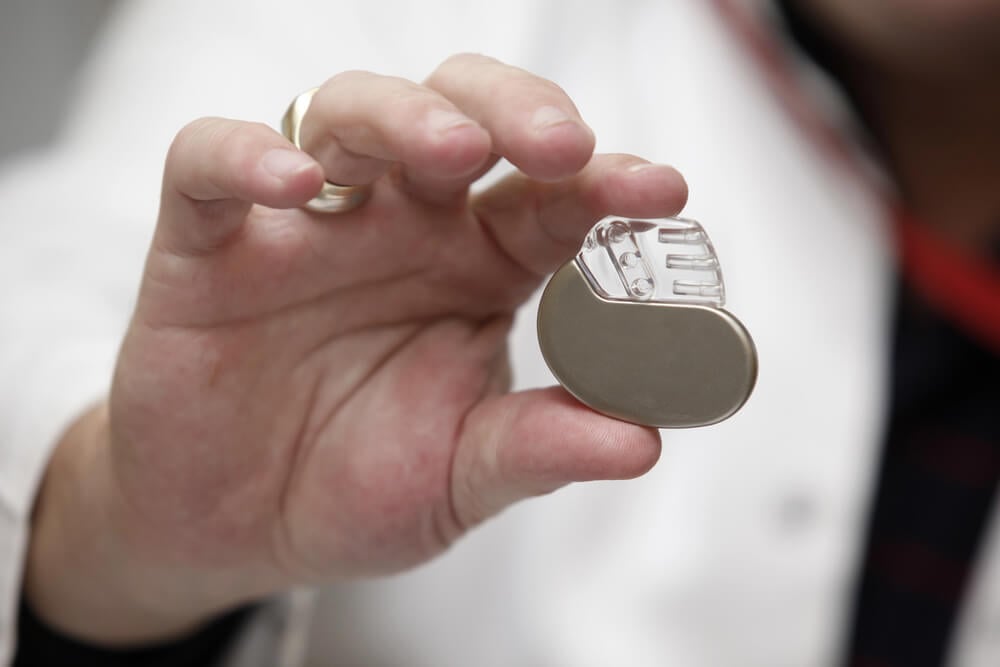
Engineers developed functional artificial pacemakers in the 1950s that could maintain heart rhythm electrically, yet implantable devices required miniaturization, battery development, biocompatible materials, and surgical techniques for implantation. Early external pacemakers preceded practical implantable devices by years, and miniaturization continued through multiple generations.
The innovation existed ahead of practical deployment possibilities.
Solar Photovoltaic Technology (1950s Development, 1970s Interest)

Bell Laboratories developed practical silicon solar cells in the 1950s for space satellite power, creating renewable energy technology decades before environmental concerns or energy costs made solar power economically attractive. Solar panel deployment accelerated with the 1970s oil crisis, yet remained economically marginal until 21st-century cost reductions.
The technology existed for decades before economic conditions and environmental consciousness justified deployment.
The Barcode and Scanning Technology (1950s Development, 1970s Retail Adoption)

IBM and other companies developed barcode systems and scanning technology in the 1950s for inventory and logistics applications, yet retail adoption required standardization, scanner affordability, and integrated point-of-sale systems. Supermarket scanning remained marginal through the 1970s before becoming universal in the 1980s.
The technology predated deployment infrastructure by decades.
Vinyl Record Technology (1930s Development, 1950s Mainstream)

Vinyl long-play records capable of 33-rpm extended recording were developed in the 1930s but faced competition from incumbent 78-rpm shellac records backed by established equipment and music industry investment. Consumer adoption accelerated only after 78-rpm technology’s obsolescence became apparent and LP album formats aligned with modern music production.
Vinyl innovation preceded market adoption by nearly two decades.
The Transistor Radio (1954 Introduction, 1960s Mainstream)

Texas Instruments produced the first commercially available transistor radio in 1954, yet consumer adoption progressed gradually as transistor technology matured and batteries improved. Early transistor radios cost substantially more than tube radios, limiting market penetration until manufacturing scale and competition reduced prices.
Transistor radio adoption accelerated through the 1960s as tube radio decline created market demand for portable alternatives.
Portable Cassette Recording (1960s Cassettes, 1970s Walkman Popularity)
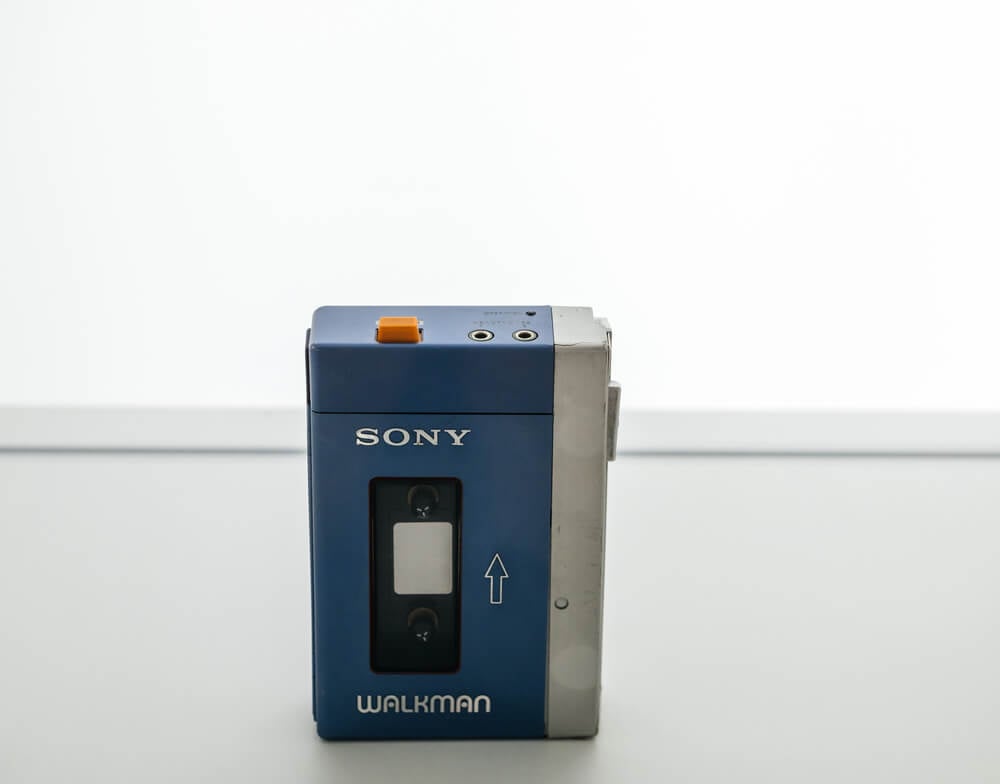
The compact audio cassette emerged in the 1960s but remained primarily for dictation and automobile use until portable playback devices made casual listening practical. Sony’s Walkman (1979) popularized portable cassette listening, transforming cassette recording from niche to dominant format.
The technology existed for a decade before portable devices created consumer demand for portable audio.
The Microwave Oven (1945 Invention, 1950s Limited Use, 1970s-1980s Mainstream)
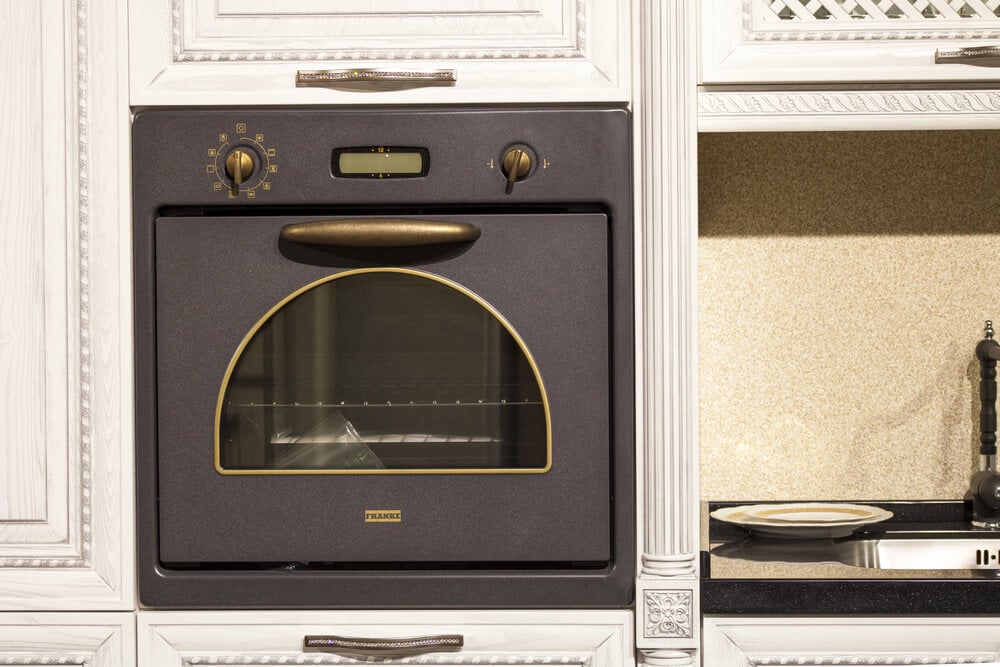
Percy Spencer’s 1945 discovery that microwave radiation heated food led to massive military-grade microwave ovens unsuitable for home use through the 1950s-1960s. Residential microwave ovens required miniaturization and cost reduction, remaining luxury appliances through the 1970s before becoming ubiquitous.
The invention existed for nearly forty years before cultural acceptance and affordable manufacturing achieved widespread adoption.
The Printing Press (15th Century Innovation, Gradual Adoption)

Johannes Gutenberg’s movable type printing press (circa 1440) was technically revolutionary, yet adoption remained gradual across Europe as scribal manuscript production remained economically competitive. Gradual transition from manuscripts to printed books occupied the 16th-17th centuries, demonstrating how even transformative technology deploys slowly when incumbents retain investment.
The technology preceded industry transformation by generations.
The Steam Engine (18th Century Invention, Industrial Revolution Deployment)
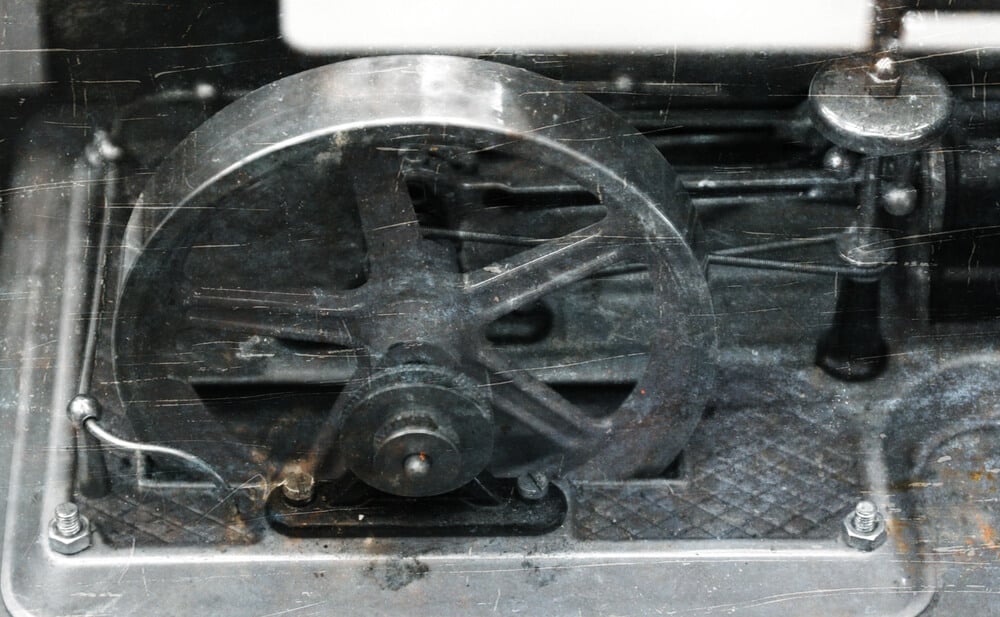
Thomas Newcoman and James Watt developed effective steam engine designs in the 18th century, yet industrial transformation through steam power occurred gradually through the 19th century. Manufacturing infrastructure, raw material availability, transportation networks, and skilled labor required development before steam technology could power industrial revolution.
The engine preceded deployment conditions by decades.
X-Ray Technology (1895 Discovery, 20th Century Medical Adoption)
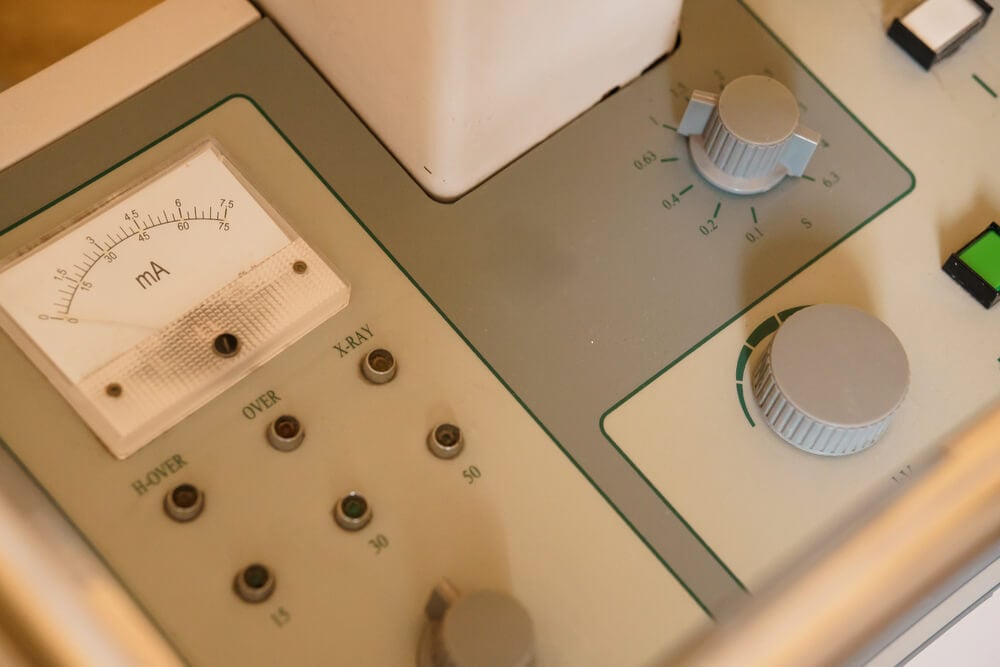
Wilhelm Röntgen’s 1895 X-ray discovery enabled medical imaging, yet practical medical deployment required radiographic equipment development, trained operators, and medical practice adaptation. X-ray equipment remained expensive and specialized through much of the 20th century before becoming common medical diagnostic tools.
The discovery preceded practical medical deployment by years.
The Electrocardiograph (1900s Development, Mid-20th Century Adoption)
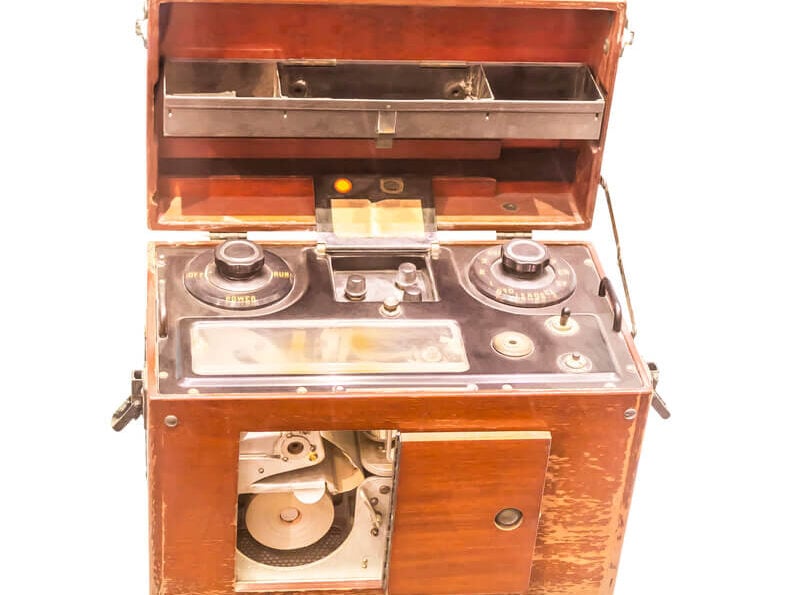
Willem Einthoven developed the electrocardiograph for measuring heart electrical activity in the early 1900s, yet practical medical deployment required equipment refinement, standardized measurements, and physician training. Hospital electrocardiography became routine only through the mid-20th century, leaving the innovation ahead of medical practice transformation for decades.
The Artificial Kidney/Dialysis Machine (1940s Development, 1960s Adoption)
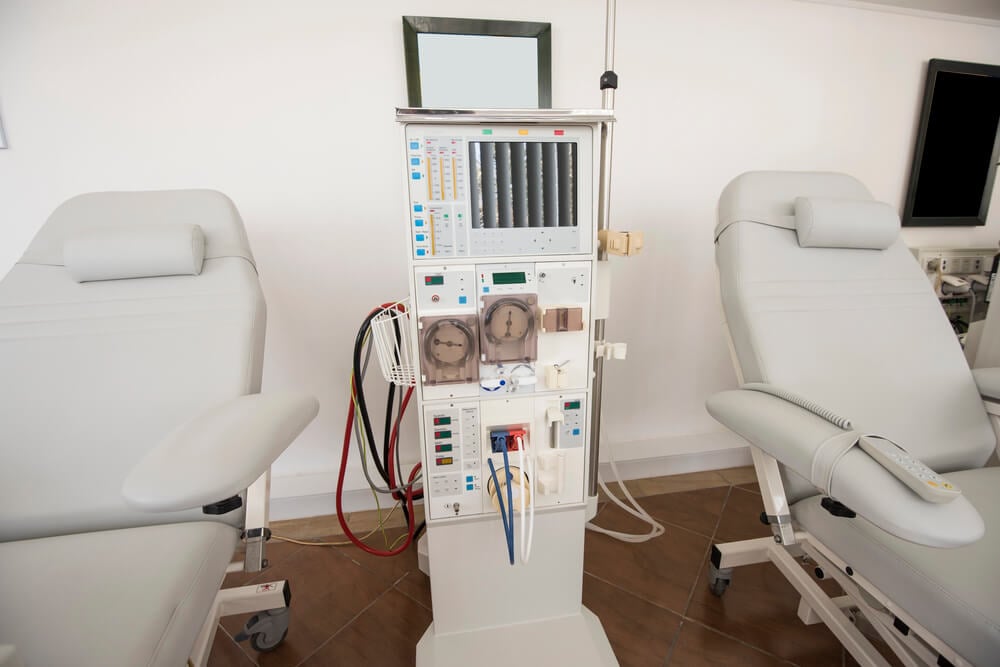
Willem Kolff developed the first artificial kidney for blood dialysis in 1940s Holland during Nazi occupation, creating lifesaving technology decades before medical infrastructure could support widespread deployment. Dialysis remained a rare, expensive procedure through the 1950s-1960s, requiring decades for infrastructure development before becoming routine treatment.
The innovation preceded deployment conditions by years.
Oral Contraceptive Pills (1950s Development, 1960s-1970s Social Adoption)

Researchers developed effective oral contraceptives in the 1950s, yet social and political adoption proceeded gradually through the 1960s and beyond as religious opposition and cultural resistance remained substantial. Pharmaceutical innovation preceded social acceptance and legal availability by years.
Legal access varied internationally, with some nations delaying access for decades despite technical availability.
Antimicrobial Medications (1920s-1940s Discovery, Mid-20th Century Adoption)

Alexander Fleming’s 1928 penicillin discovery and Howard Florey’s 1940s development of practical penicillin production created lifesaving antibiotics decades ahead of infrastructure for industrial production and medical deployment. Wartime production requirements accelerated penicillin manufacturing, yet widespread civilian access followed years later.
The discovery preceded practical deployment by a decade.
Refrigeration Technology (19th Century Invention, Gradual Adoption)

Artificial refrigeration technology developed through the 19th century, yet commercial refrigeration and home refrigerators remained luxury items through the 1920s-1930s before becoming common household appliances. Ice boxes preceded electric refrigerators by decades, demonstrating how incumbents slow innovation adoption.
Technological invention preceded widespread deployment by generations.
The Optical Compact Disc (1970s Development, 1980s Introduction)

Researchers developed laser-based optical compact disc technology in the 1970s for computer data storage before consumer audio applications were conceived. The audio CD (1982) deployed optical disc technology a decade after development, requiring compatible players, software, and manufacturing infrastructure to support consumer adoption.
The technology existed ahead of deployment applications by years.
Genetic Modification Technology (1970s Development, 1990s Deployment)

Recombinant DNA technology emerged in the 1970s, enabling genetic modification of organisms decades before regulatory frameworks, public acceptance, and agricultural application existed. Genetic modification agriculture deployment occurred in the 1990s-2000s, decades after technical capability, reflecting the lag between innovation and social/regulatory adoption.
Regulatory caution substantially delayed deployment.
Lithium-Ion Battery Technology (1970s Development, 1990s Commercial Deployment)
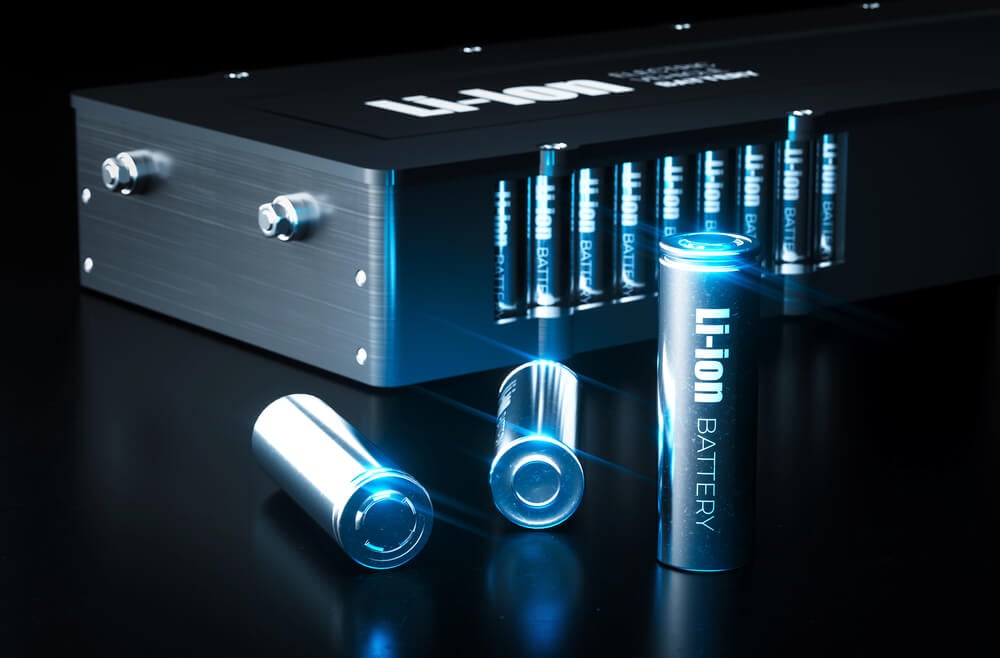
Researchers developed lithium-ion battery technology in the 1970s, yet commercial deployment remained delayed until the 1990s when compact electronics demanded superior energy storage. Lithium-ion batteries enabled mobile phones and laptops that revolutionized electronics, yet a decade of development preceded consumer deployment.
Manufacturing scale and cost reduction required development time.
Cloud Computing Architecture (1960s Concept, 2000s Deployment)

Theorists conceptualized cloud computing—distributed computational resources accessible remotely—decades before internet infrastructure, broadband availability, and server virtualization technology existed. Cloud computing deployment accelerated in the 2000s-2010s as bandwidth, virtualization, and security technology matured.
The concept preceded deployment conditions by decades.
The Premature Achievers

Invention and deployment rarely synchronize perfectly; most innovations emerge ahead of economic, infrastructural, or cultural conditions enabling widespread adoption. Understanding these temporal gaps clarifies how technology history differs from innovation history—achieving technical success represents only the first step toward transforming society through technological deployment.
More from Go2Tutors!

- The Romanov Crown Jewels and Their Tragic Fate
- 13 Historical Mysteries That Science Still Can’t Solve
- Famous Hoaxes That Fooled the World for Years
- 15 Child Stars with Tragic Adult Lives
- 16 Famous Jewelry Pieces in History
Like Go2Tutors’s content? Follow us on MSN.