17 Bizarre Facts About the Dancing Plague Of 1518
That July in Strasbourg – part of the old Holy Roman realm – a peculiar wave rolled through town. One woman walked outside, started dancing.
On she went, without pause. Soon after, more appeared beside her.
Week by week, some thirty people swayed nonstop, caught in motion they could not quit. A strange chapter unfolds when we examine the odd truths tied to one of history’s creepiest epidemics.
It Began With One Woman

Historical records identify the first known dancer as Frau Troffea. In July 1518, she reportedly began dancing in a narrow Strasbourg street without music or celebration.
She continued for days. Witnesses described her movements as compulsive rather than joyful.
Soon, others began to follow her example, as though the impulse itself were contagious.
The Crowd Grew Rapidly

Within about a week, dozens of people were dancing. Some accounts suggest the number eventually reached several hundred over the course of a month.
City documents confirm that authorities became concerned as the phenomenon expanded. This was not a festival.
It was treated as a public health crisis.
It Lasted For Weeks

The dancing did not fade after a single afternoon. Reports indicate that participants continued for days at a time, collapsing from exhaustion before resuming again.
Chroniclers wrote that the episode stretched through much of the summer. The sustained nature of the event is what transformed it from curiosity into historical anomaly.
Authorities Encouraged The Dancing

Strasbourg’s leaders initially believed the afflicted needed to ‘dance it out.’ Physicians of the time theorized that the condition was caused by overheated blood.
In response, the city reportedly cleared spaces and even constructed a wooden platform to accommodate the dancers. Musicians were hired to maintain rhythm, based on the belief that movement would purge the illness.
Musicians Were Paid To Play

Official records indicate that musicians were brought in to provide accompaniment. Drummers and pipers were tasked with keeping the dancers moving.
The decision may seem counterintuitive today. However, medical thinking in 1518 often relied on balancing bodily humors rather than isolating symptoms.
Some Dancers Collapsed From Exhaustion

Accounts describe participants collapsing from fatigue. Chroniclers claimed that some individuals continued dancing until they could no longer stand.
Estimates of fatalities vary widely. Some later reports suggested dozens may have died, though exact numbers remain uncertain due to limited record-keeping.
The City Eventually Changed Course
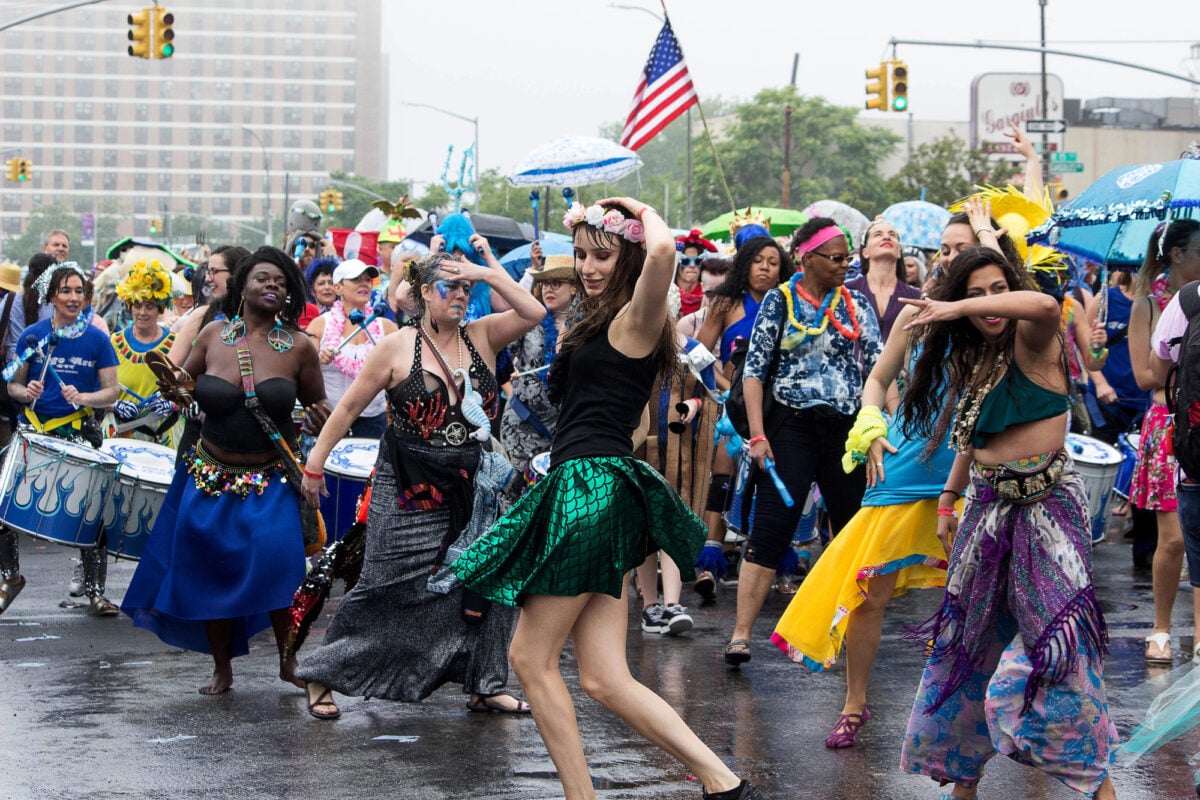
After initial attempts to encourage dancing failed, authorities shifted strategies. They banned public dancing and removed musicians from the streets.
Dancers were reportedly transported to a nearby shrine dedicated to Saint Vitus. There, religious rituals were performed in hopes of ending the affliction.
Saint Vitus Was Associated With Dancing Illness
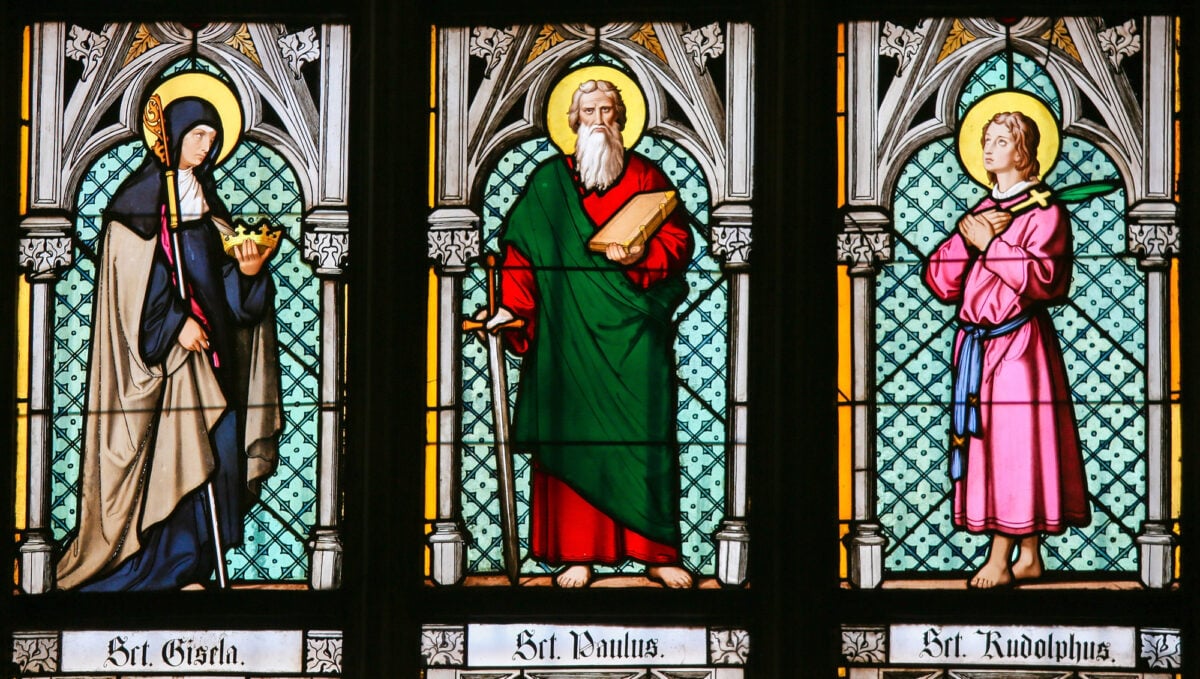
In medieval Europe, Saint Vitus was linked to neurological disorders involving involuntary movement. The condition known as ‘St. Vitus’ Dance’ later became associated with chorea.
By sending sufferers to a shrine devoted to the saint, authorities were relying on spiritual intervention rather than medical treatment.
Strasbourg Was Under Severe Stress

The early 1500s were marked by famine, disease, and economic instability in the region. Crop failures and harsh winters strained communities.
Historians note that prolonged stress can manifest in unusual ways. The social environment of Strasbourg in 1518 was already tense before the dancing began.
Ergot Poisoning Was Proposed As A Cause

One theory suggests that ergot, a fungus that can grow on rye, may have contaminated local bread supplies. Ergot contains compounds that can produce hallucinations and convulsions.
However, modern scholars often question this explanation. Ergot poisoning typically results in severe physical symptoms that do not align perfectly with sustained, rhythmic dancing.
Mass Psychogenic Illness Is A Leading Theory

Many historians favor the explanation of mass psychogenic illness, sometimes called mass hysteria. In highly stressed communities, psychological distress can spread through suggestion and shared belief.
This theory accounts for the contagious nature of the dancing and its concentration within a specific social context. It frames the event as a collective response to overwhelming pressure.
Similar Dance Manias Occurred Before

The 1518 outbreak was not entirely unique. Medieval Europe experienced earlier episodes of ‘dancing manias,’ including a notable event in 1374 along the Rhine River.
These episodes suggest a broader cultural pattern. The phenomenon may have been shaped by shared religious beliefs and social anxieties.
There Was No Evidence Of Organized Performance

Despite the scale of the event, there is no evidence that the dancing was coordinated or celebratory. Observers described it as frantic and compulsive rather than festive.
This distinction matters. The absence of celebration reinforces the idea that the dancers were not willingly participating in a communal ritual.
The Church Played A Central Role

Religious interpretation shaped much of the response. Many citizens believed the dancing was a curse or divine punishment.
Pilgrimages, prayers, and rituals were seen as practical solutions. Spiritual frameworks dominated public understanding of unexplained behavior.
The Death Toll Remains Unclear

Some later writers claimed that up to 15 people per day died at the height of the outbreak. Modern historians caution that these figures may be exaggerated.
The absence of comprehensive burial records makes precise accounting difficult. What remains clear is that the episode caused widespread alarm.
It Was Carefully Documented

City council notes, physician observations, and church records provide contemporary documentation of the outbreak. These sources lend credibility to the event’s existence.
Unlike folklore passed down orally, the Dancing Plague of 1518 appears in administrative documents. That paper trail distinguishes it from pure legend.
It Continues To Fascinate Researchers

The event is still studied by scholars from various fields, including historians and neurologists. Dancing Plague is a case study on how social conditions affect social behavior.
The enigma behind Dancing Plague is due to the fact that there is no single theory that can explain all the details of the phenomenon. Each theory explains part of the phenomenon but not all.
When History Moves In Unison

A strange dance began in 1518, tangled up in healing beliefs, faith, yet also how minds behave. Hard times had settled in, people struggling without today’s knowledge of mental strain or sickness.
Instead of science, they turned to songs, ceremonies, because that was what made sense back then. Nowadays experts look at what happened by thinking about emotional strain and group reactions.
Pressure changes how crowds act, sometimes fast. Centuries pass, still the thought of an entire town moving without reason stays troubling – not since facts fail, but because surroundings steer people more than we admit.
More from Go2Tutors!

- The Romanov Crown Jewels and Their Tragic Fate
- 13 Historical Mysteries That Science Still Can’t Solve
- Famous Hoaxes That Fooled the World for Years
- 15 Child Stars with Tragic Adult Lives
- 16 Famous Jewelry Pieces in History
Like Go2Tutors’s content? Follow us on MSN.



