Pocket Watches Found in Junk Drawers That Are Worth a Second Look
Pocket watches sit in drawers untouched for fifty to one hundred years, forgotten in estate cleanouts and garage sales. Most are worthless—cheap mass-produced watches from the 1940s designed for ordinary consumers. But specific makers, specific grades, and specific case materials create genuinely valuable timepieces.
A railroad-grade Hamilton in solid gold can fetch $1,500 to $5,000. A rare Waltham Vanguard in gold-filled case with original dial still commands $300 to $800. The value spread is enormous because two watches that look nearly identical can differ in value by a factor of ten to one hundred depending on the movement grade, case material, and jewel count.
The key is learning what to look for inside the case back.Every antique pocket watch has two separately valued components: the movement (the internal mechanism) and the case (the outer housing).
The movement’s maker, grade, and jewel count determine value more than the case. A high-value Waltham movement in a plain base-metal case is more valuable than an ordinary movement in an ornate gold case.
Hamilton 992B (21 Jewels, Railroad Grade)
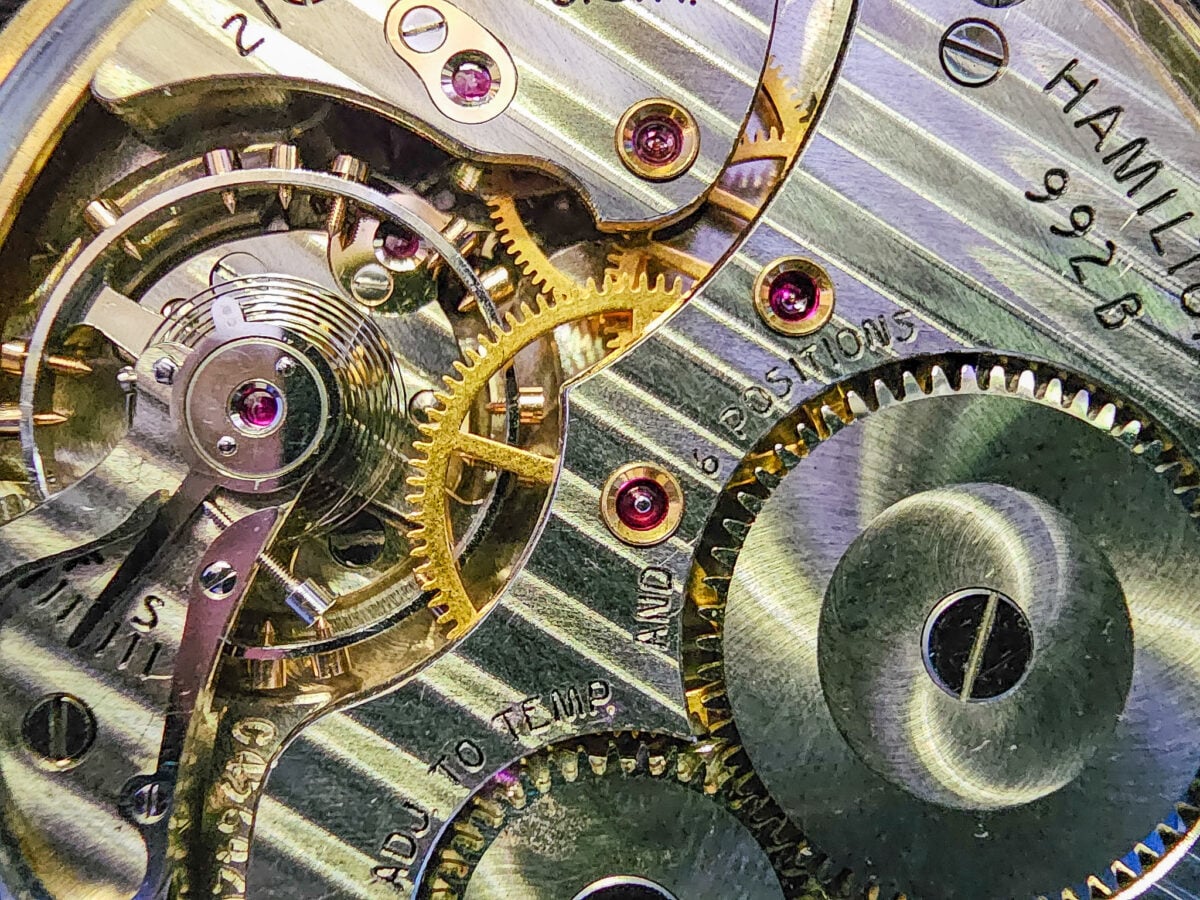
The Hamilton 992B represents the pinnacle of American railroad pocket watch manufacture. These 18-size watches with 21 jewels in solid gold cases command $1,500 to $4,000 depending on condition and case quality.
Even examples in gold-filled cases remain worth $400 to $900. The movement’s precision and reliability made these standard equipment on American railroads.
Hamilton 950B (23 Jewels, Railroad Grade)
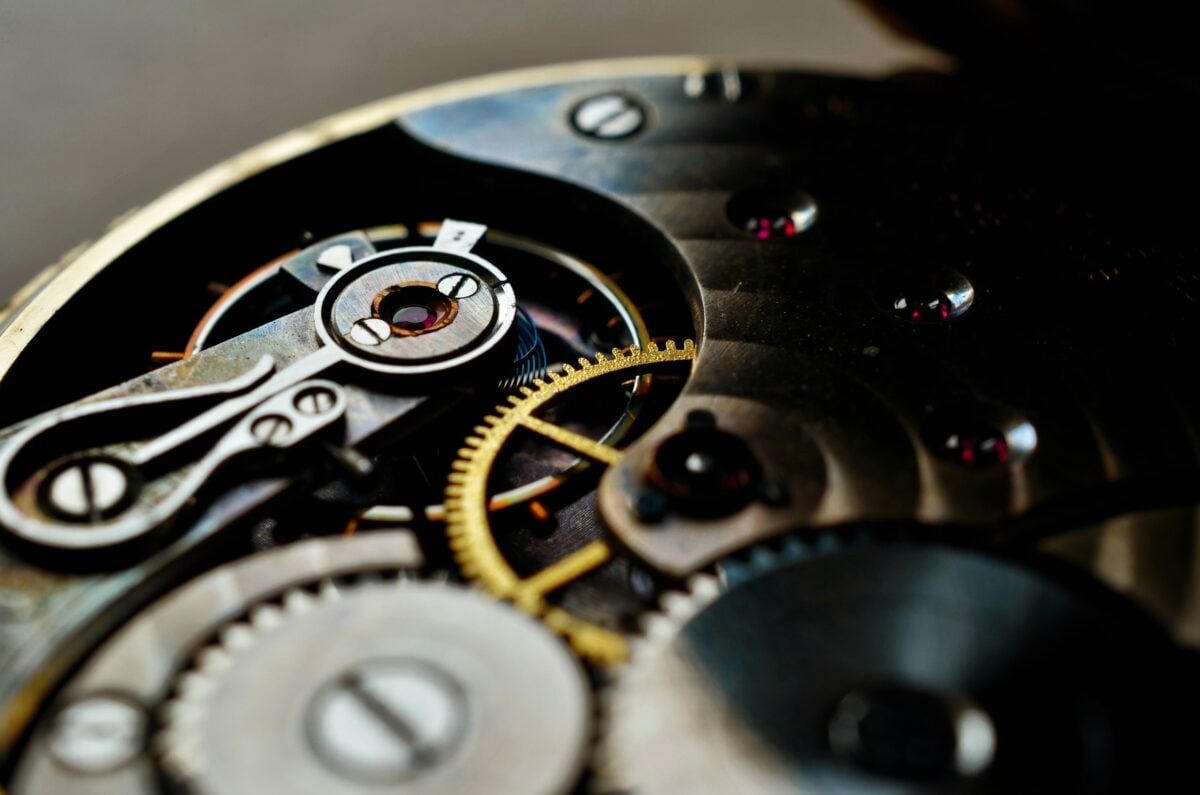
The top-tier Hamilton 950B with 23 jewels remains extraordinarily collectible. Gold-cased examples fetch $2,000 to $5,000. Gold-filled versions command $600 to $1,500.
The exceptional jewel count and precision engineering make these among the most valuable pocket watches ever produced.
Waltham Vanguard (21–23 Jewels, Railroad Grade)
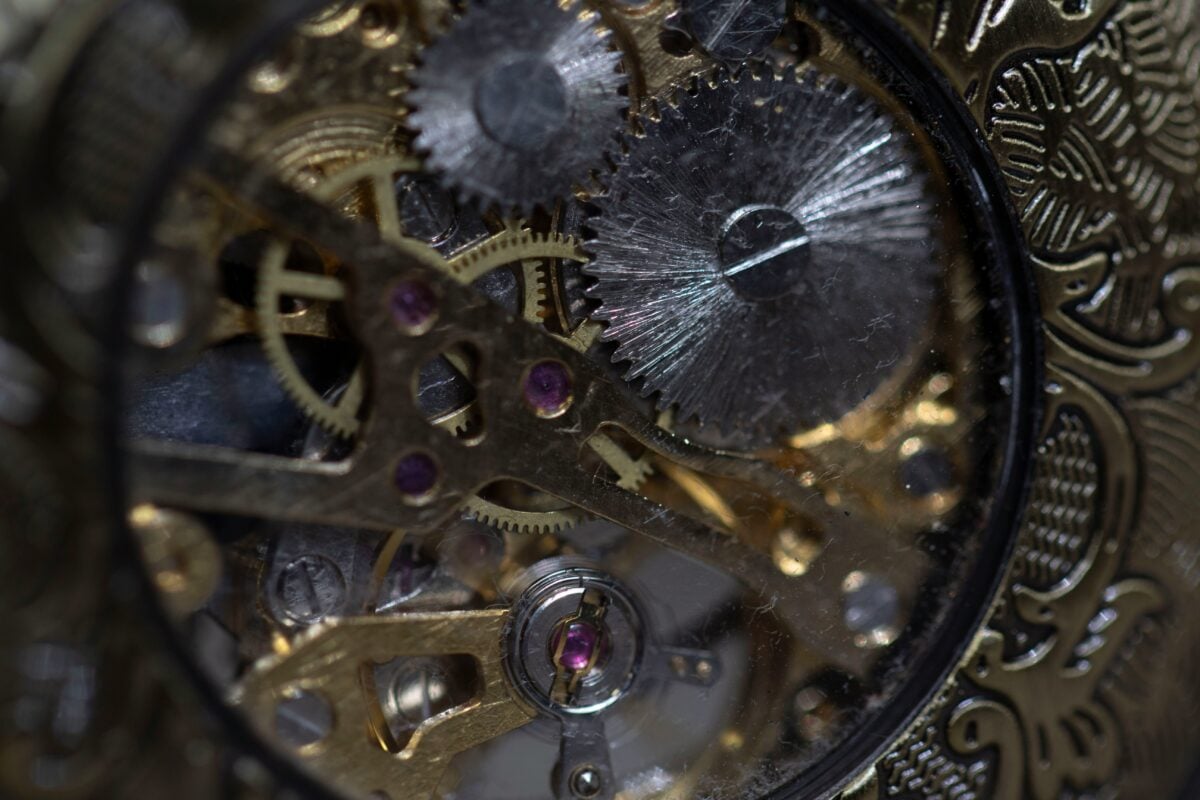
The Waltham Vanguard is among the most sought railroad-grade American pocket watches. Solid gold cases with 21 or 23 jewels command $1,500 to $4,000.
Gold-filled examples fetch $300 to $800. The Vanguard’s reputation for precision makes it a standard target for serious collectors.
Elgin B.W. Raymond (21 Jewels, Railroad Grade)
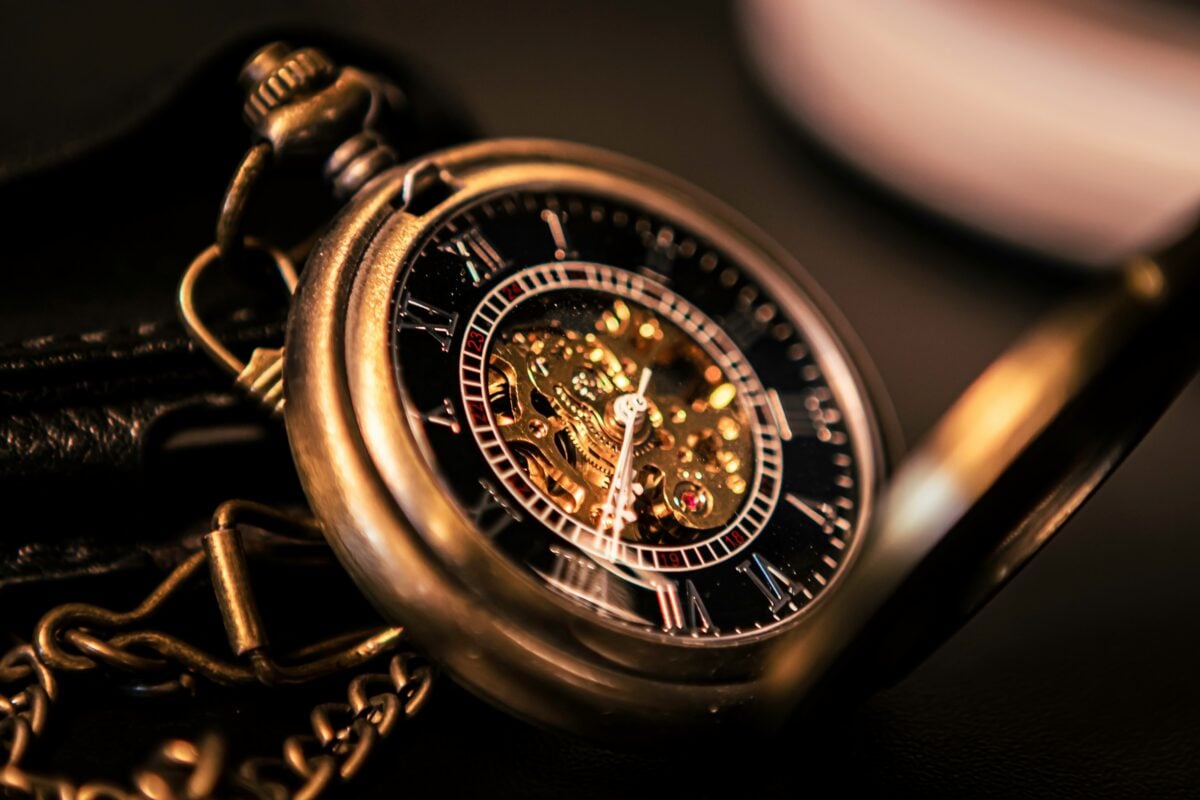
The Elgin B.W. Raymond represents Elgin’s premier railroad offering. Solid gold cases command $1,500 to $3,500. Gold-filled versions fetch $300 to $700.
The Raymond grade was named for Elgin’s master mechanic and remains one of Elgin’s most valuable movements.
Illinois Bunn Special (21–23 Jewels)
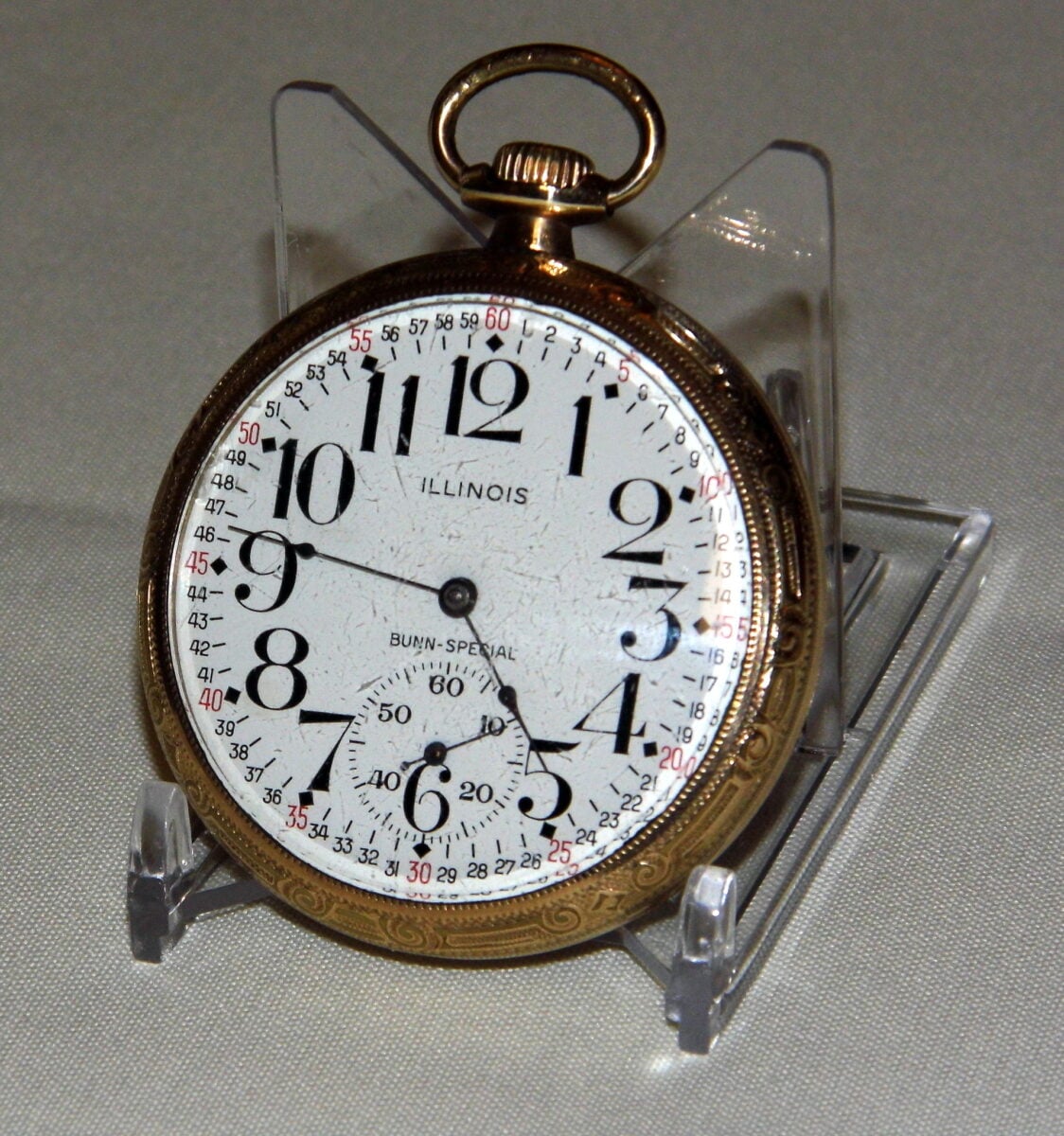
The Illinois Bunn Special represents a manufacturer competitor to the Eastern railroads. Solid gold examples command $1,500 to $3,500. Gold-filled versions fetch $400 to $900.
These remain actively sought by collectors and represent excellent value compared to Hamilton and Waltham equivalents.
Patek Philippe Pocket Watch (Any Model)
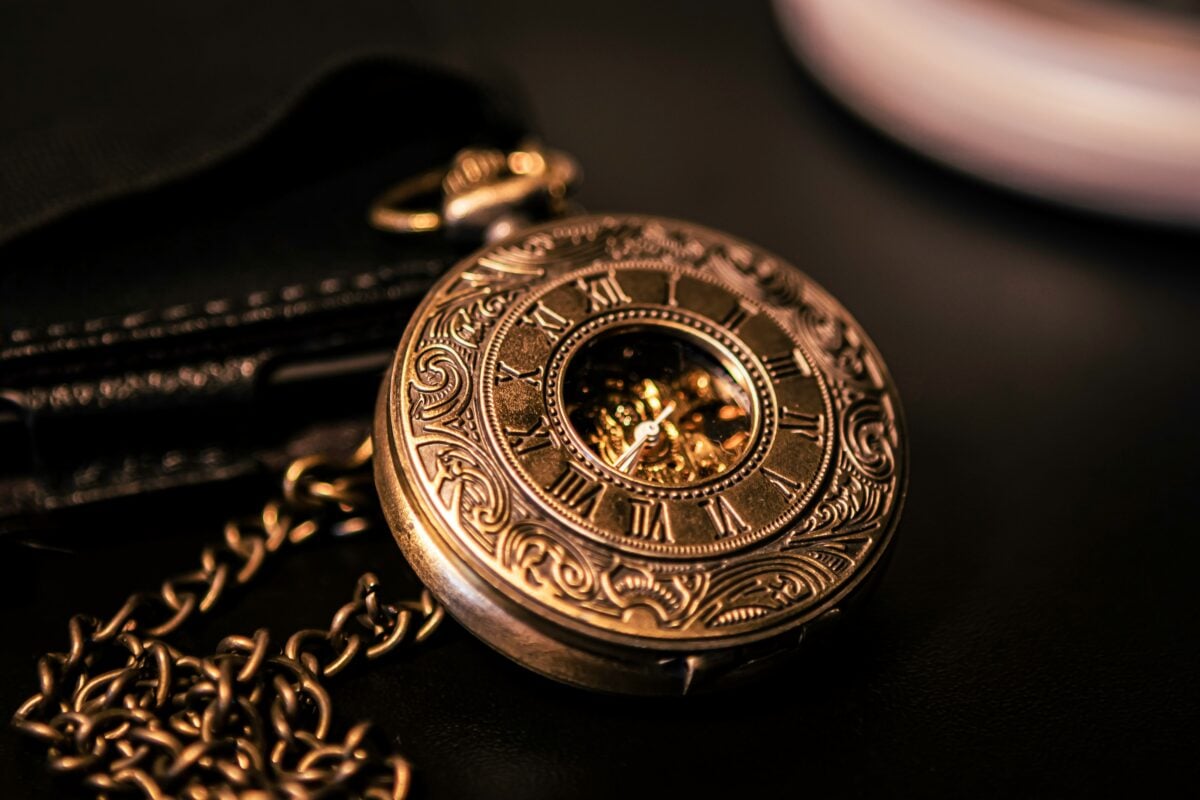
Any genuine Patek Philippe pocket watch commands substantial value. Solid gold examples readily fetch $5,000 to $25,000. Even lower-condition examples exceed $2,000.
The prestige house status and quality engineering make these highly sought regardless of age.
Longines Pocket Watch (18-Size, Early)
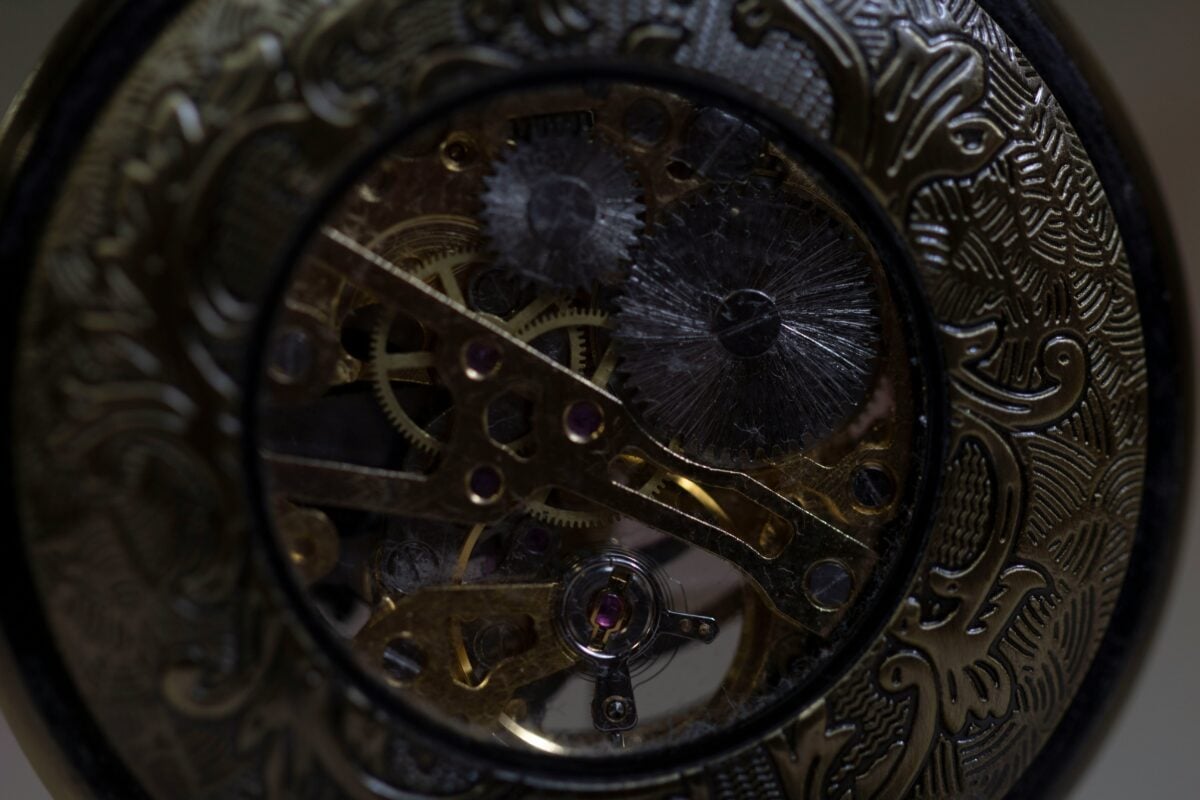
Early Longines pocket watches, especially in solid gold cases, command $1,000 to $3,000. The Swiss prestige maker remains collectible. Gold-filled versions fetch $300 to $800.
These represent higher quality than most American equivalents.
Omega Pocket Watch (Swiss, Pre-1920)
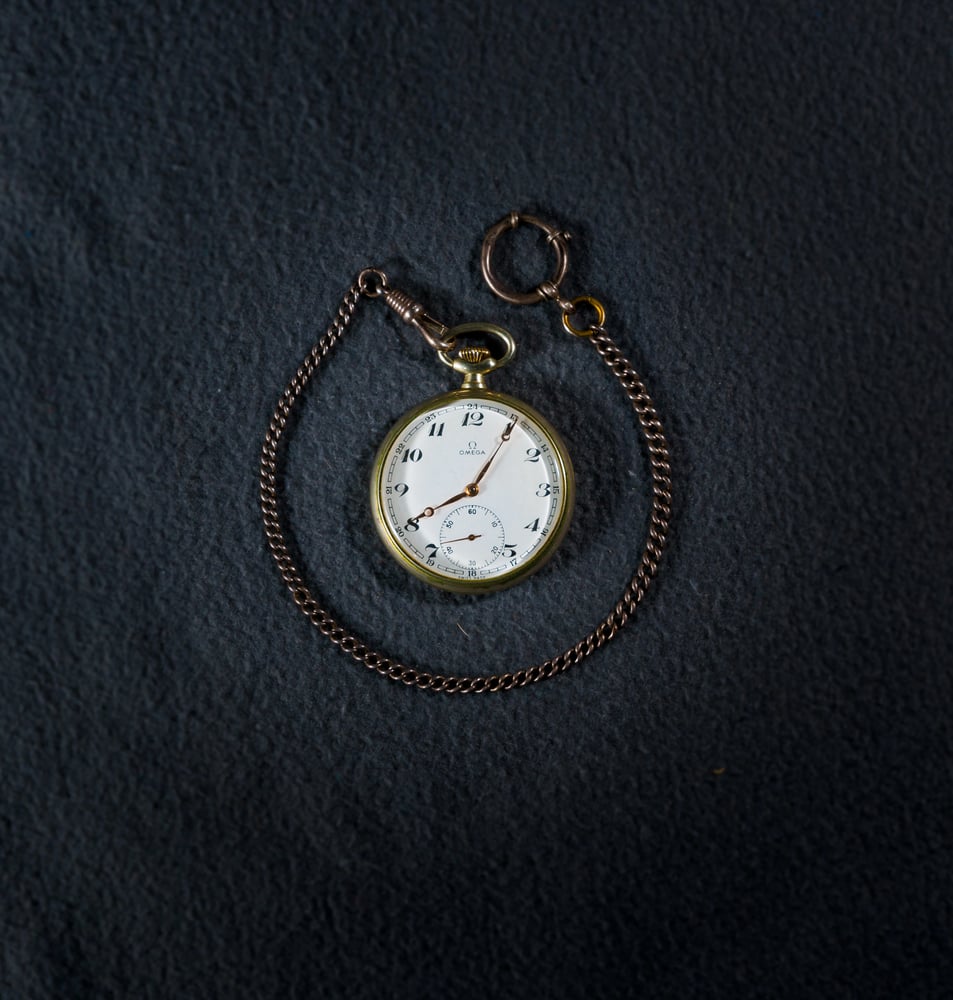
Early Swiss Omega pocket watches in solid gold command $800 to $2,500. The prestige of the maker and quality of manufacture drive collector interest.
Even base-metal examples with quality movements remain worth $200 to $500.
Waltham P.S. Bartlett (High-Jewel Variants)
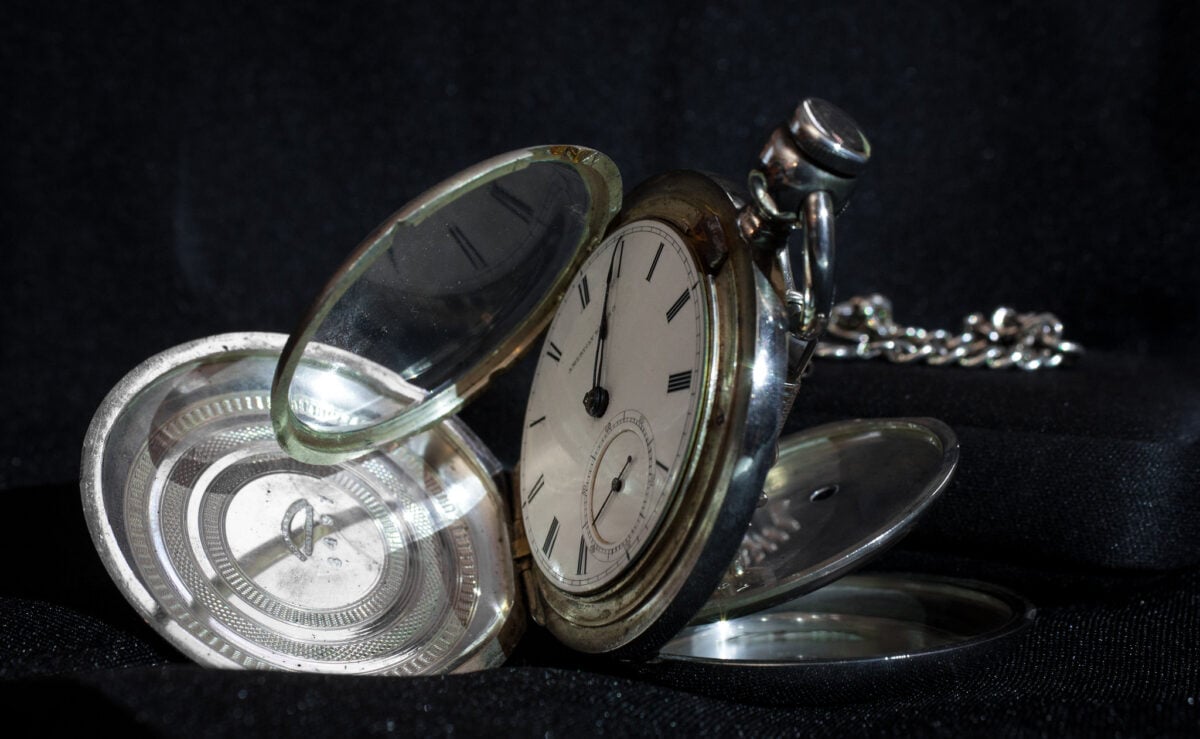
The Waltham P.S. Bartlett in 18-size represents solid mid-range collectible value. High-jewel variants (17+ jewels) in solid gold fetch $800 to $2,000.
Gold-filled versions command $150 to $400. Complete watches with original dials are preferred.
Waltham Crescent Street (17 Jewels, Nickel Variant)
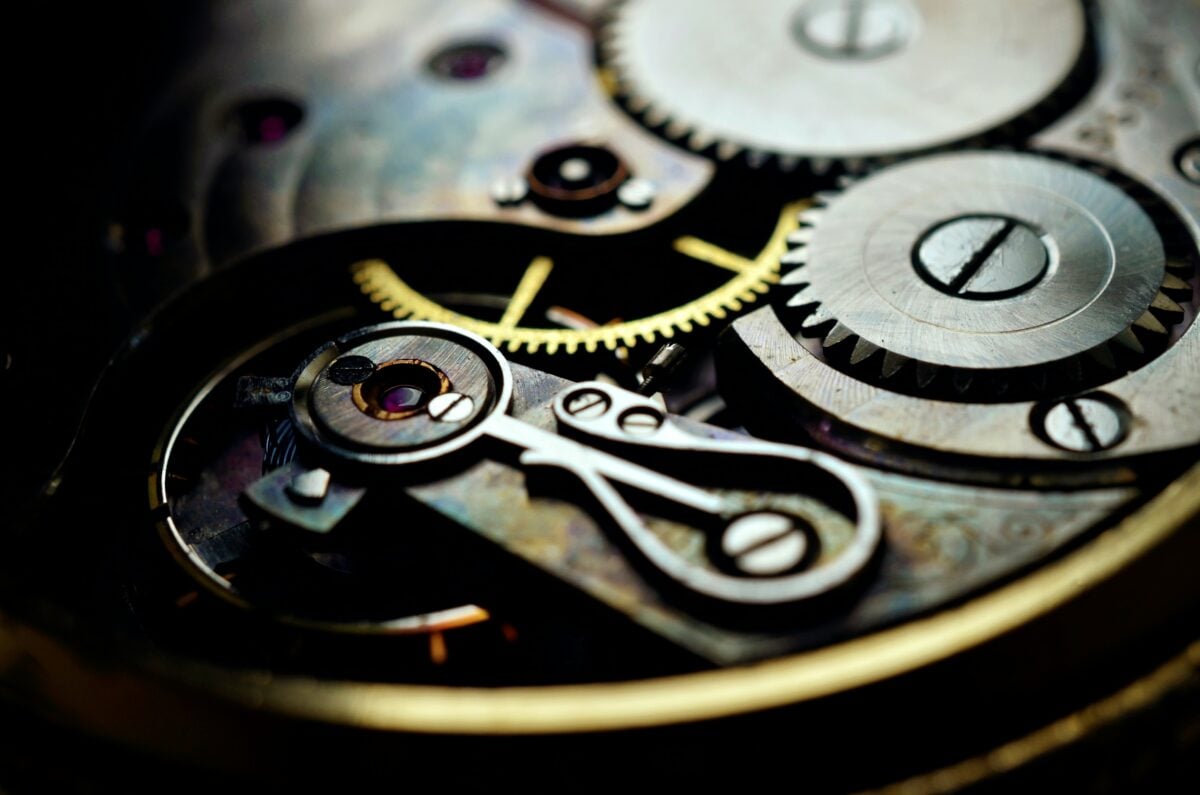
The rare nickel-cased variant of the Waltham Crescent Street with 17 jewels has experienced significant appreciation. These fetch $300 to $800 depending on condition.
The unusual case material and higher jewel count make these more valuable than standard examples.
Elgin Veritas (18-Size, High Jewels)
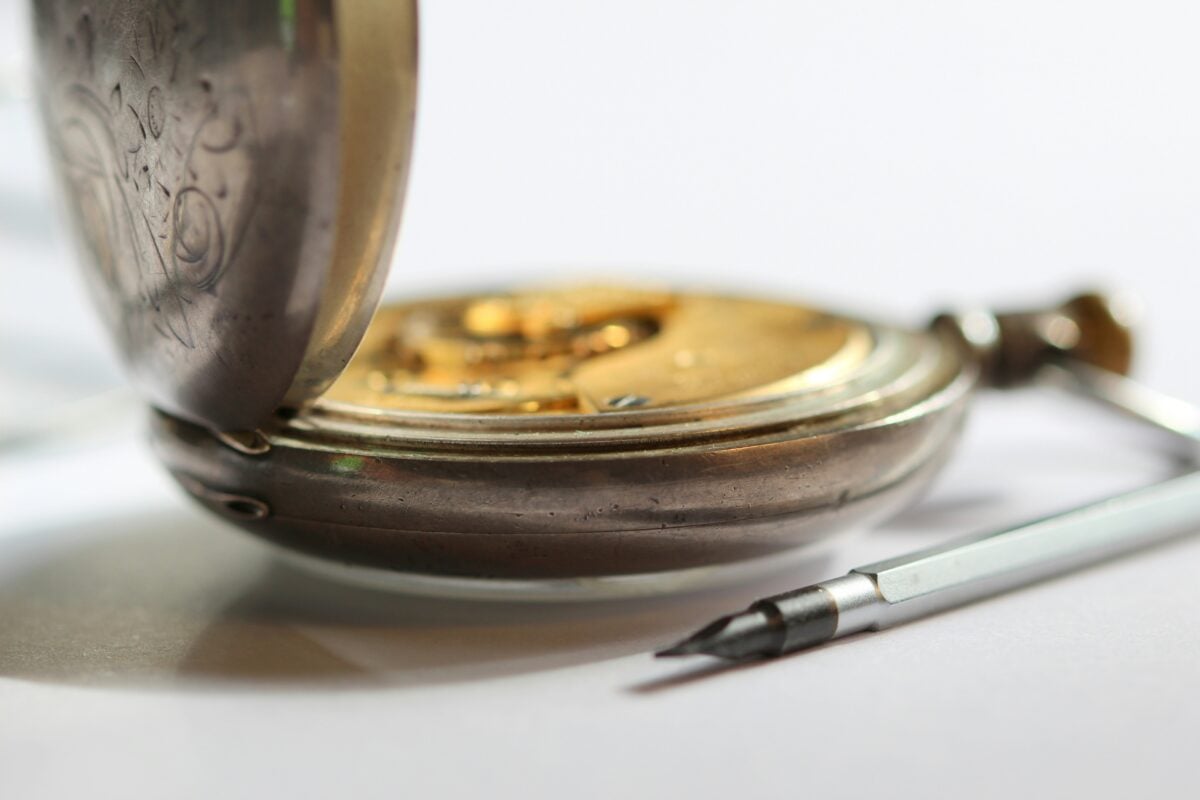
The Elgin Veritas, especially in high-jewel configurations, commands $600 to $1,500 in solid gold cases. Gold-filled versions fetch $150 to $400.
The Veritas grade represents mid-to-high-end quality Elgin manufacturing.
E. Howard Watch Company Pocket Watch
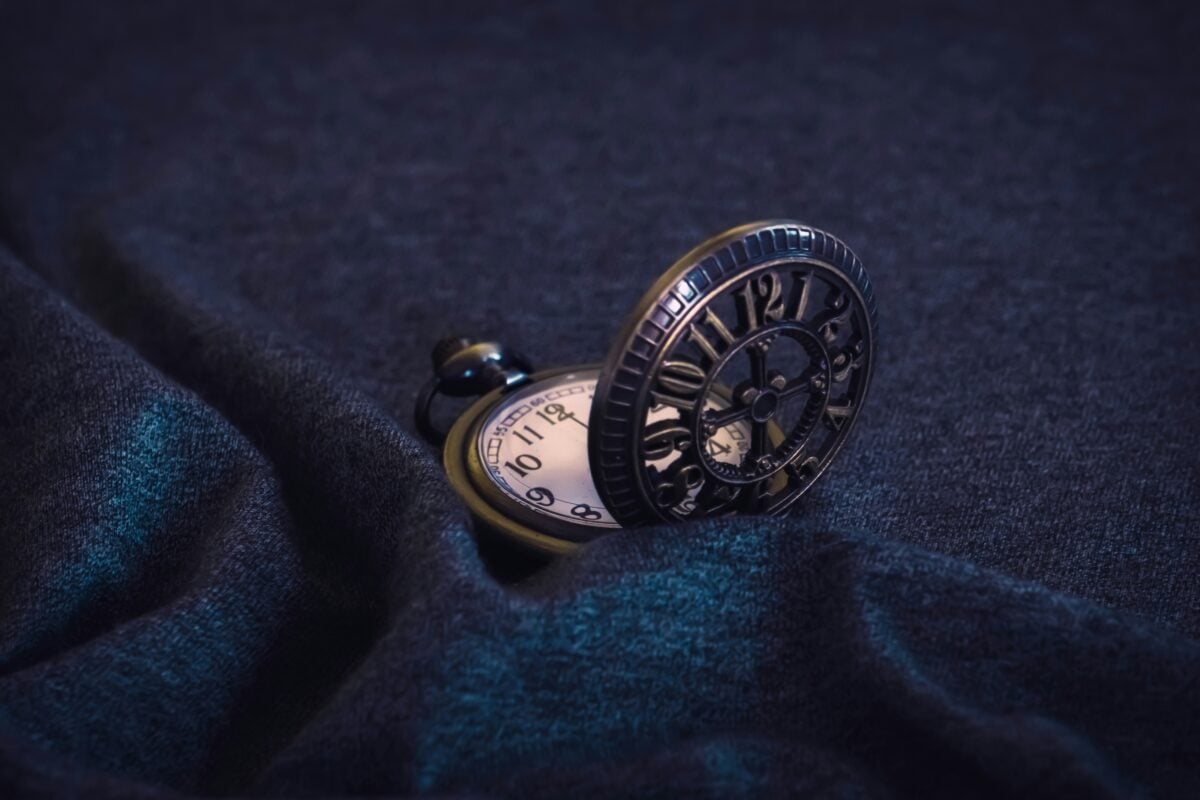
E. Howard watches, particularly from the early American period, command $1,500 to $4,000 in solid gold. The rarity of surviving E. Howard examples and the company’s prestige drive collector demand.
Even examples in base metal with quality movements remain worth $300 to $800.
Swiss Chronograph Pocket Watch (Pre-1920)
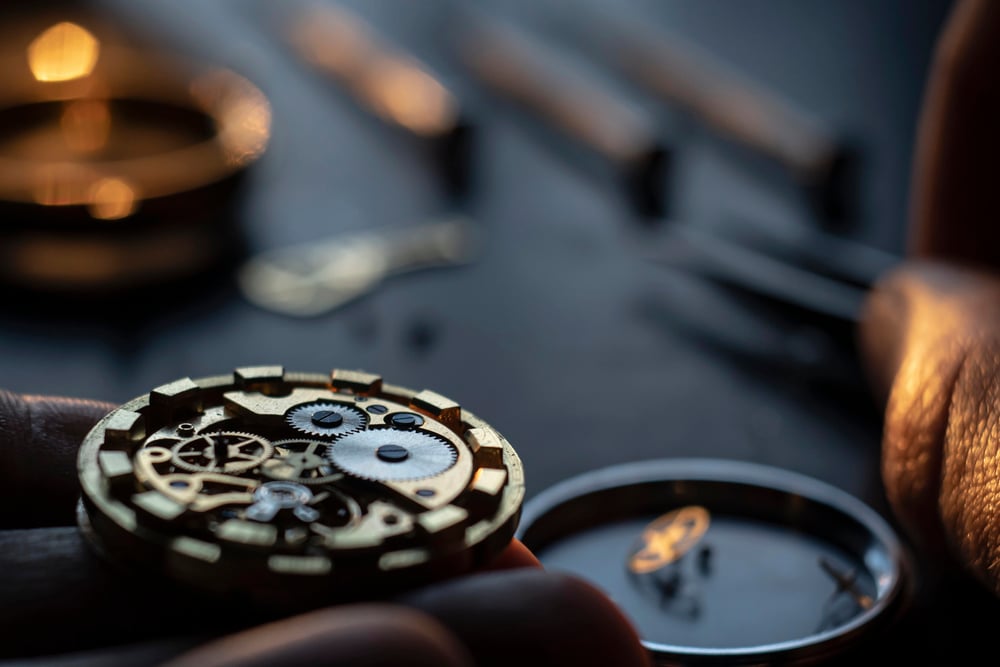
Early Swiss chronograph pocket watches in solid gold command $2,000 to $5,000. The complexity of the movement and precision engineering make these especially valuable.
These represent significant mechanical achievements for the era.
Waltham Repeater Pocket Watch (Minute Repeater)
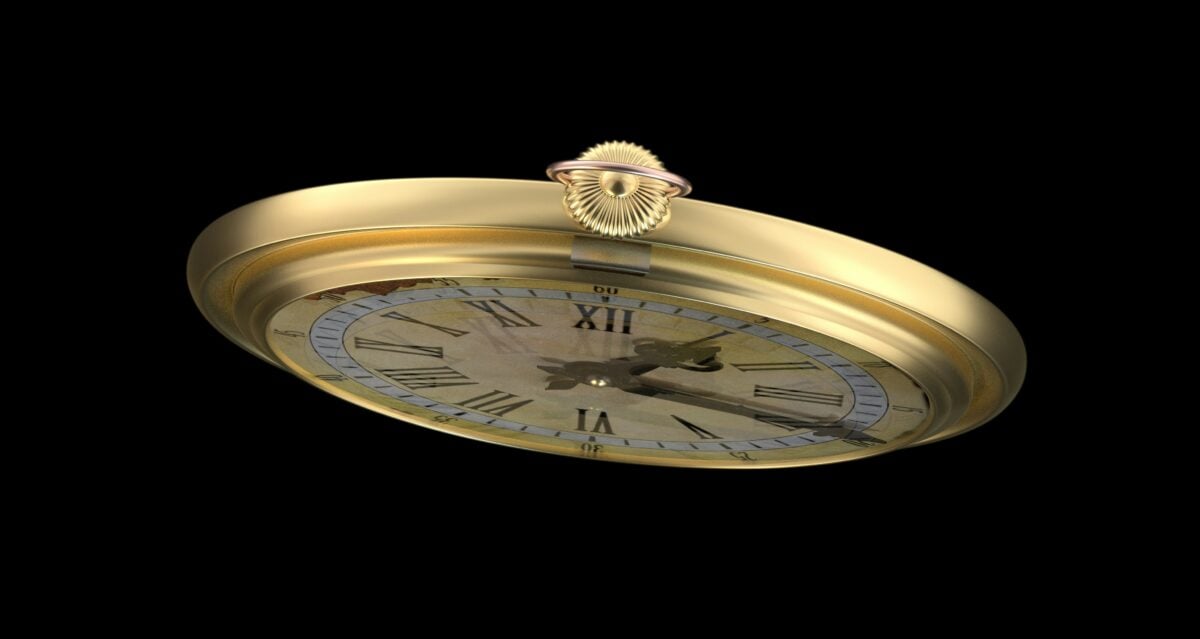
Waltham minute repeater pocket watches that sound the time on demand command $3,000 to $8,000 in working condition. The mechanical complexity justifies premium pricing. Non-working examples still command $1,500 to $3,000.
Illinois A. Lincoln (18-Size, Quality Variant)
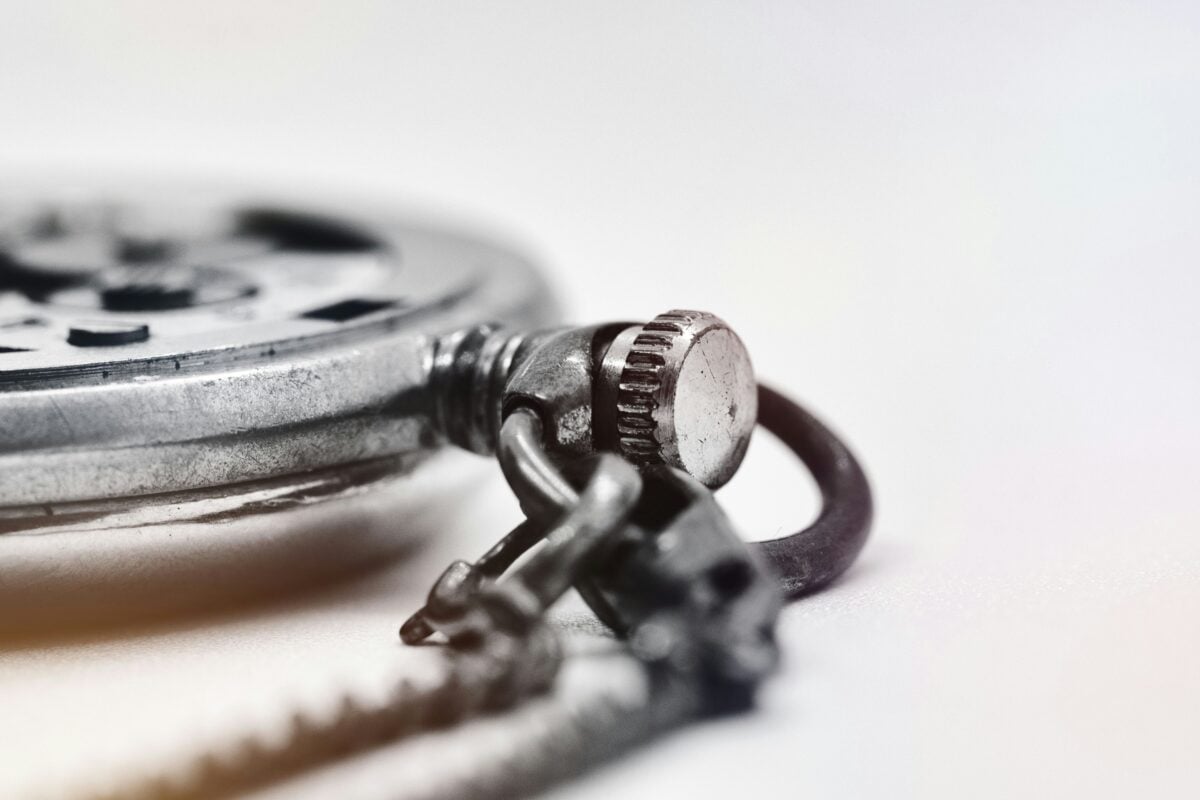
The Illinois A. Lincoln grade, especially in higher-jewel configurations and solid gold cases, commands $600 to $1,500. These remain undervalued compared to Hamilton and Waltham equivalents despite solid quality.
Hampden Dueber (Railroad Service Watches)
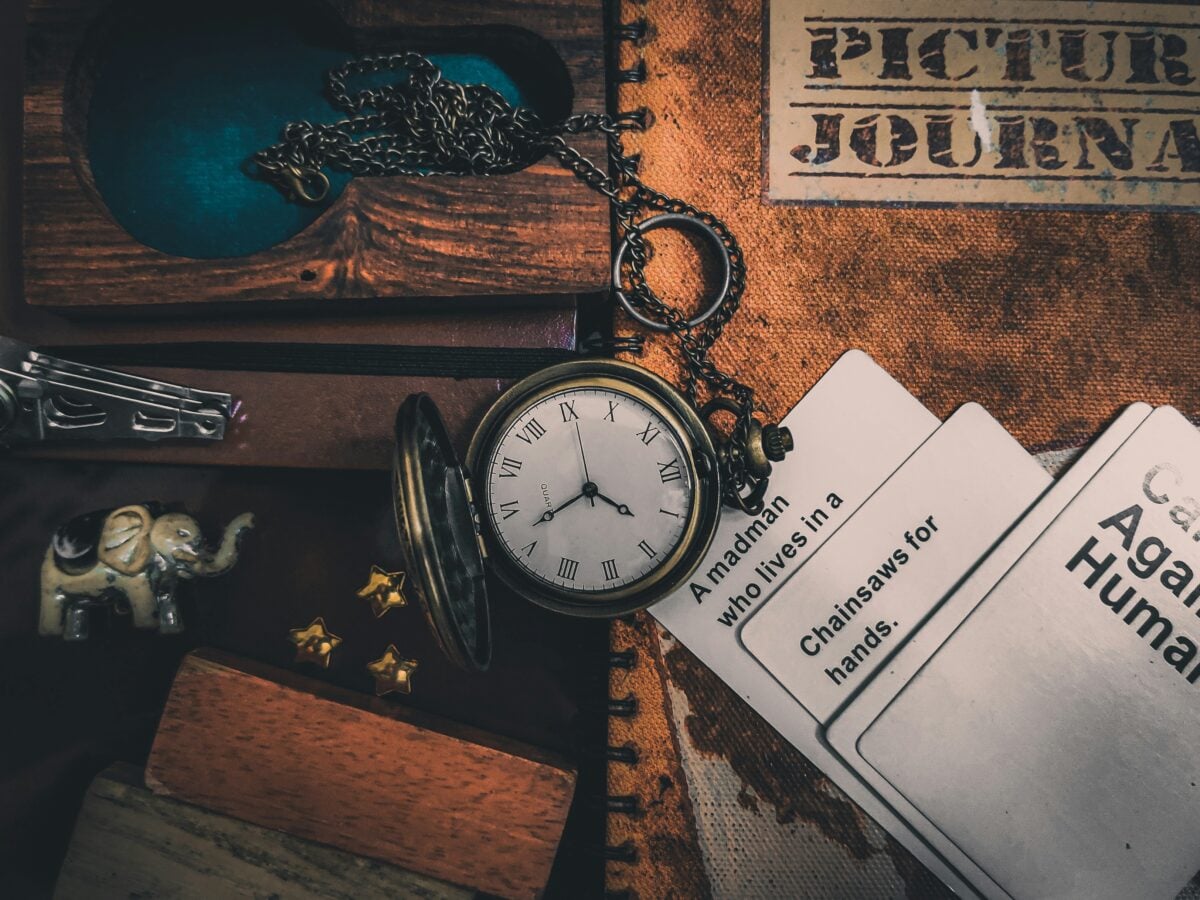
Hampden Dueber railroad watches in solid gold cases command $600 to $1,500. These represent quality American manufacturing and remain actively collected. Gold-filled examples fetch $150 to $400.
Vacheron Constantin Pocket Watch (Swiss Luxury)
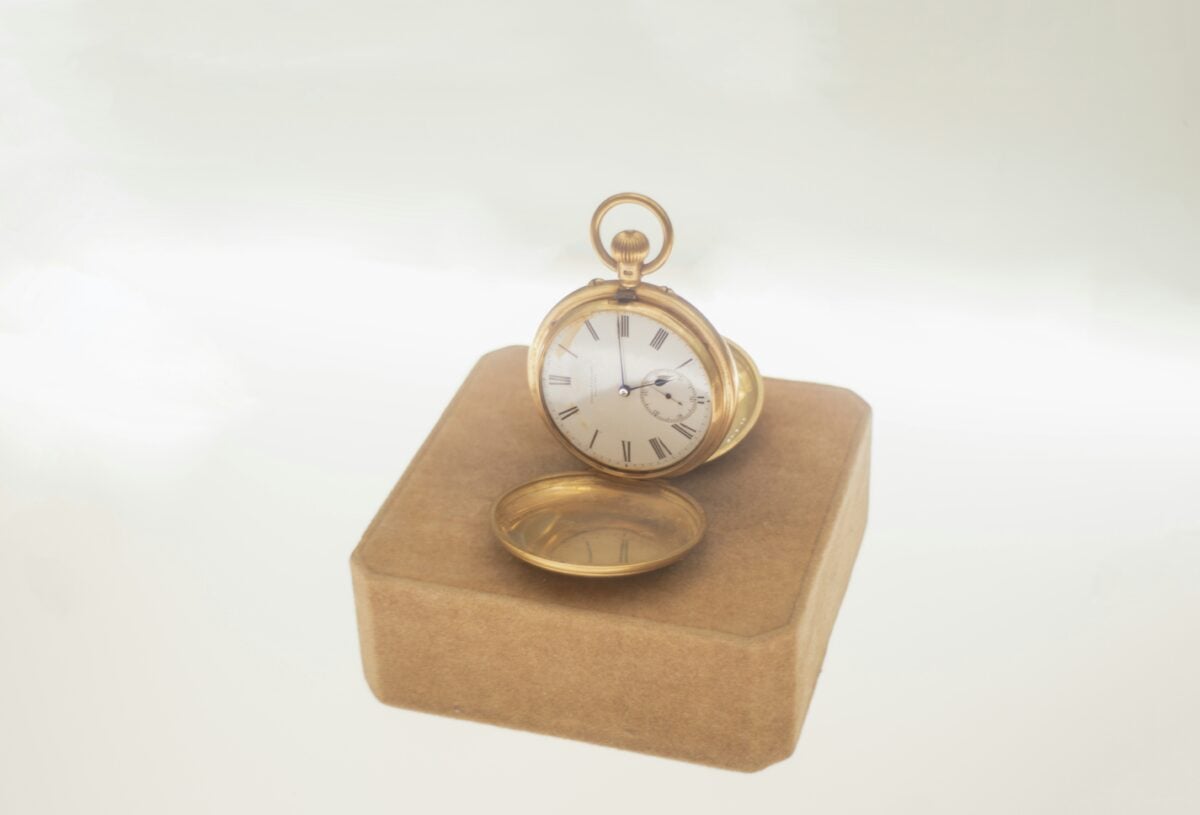
Any authentic Vacheron Constantin pocket watch commands serious money. Solid gold examples readily fetch $5,000 to $15,000. The Swiss prestige house status makes these among the most valuable pocket watches ever made.
Gruen Pocket Watch (Curvex Line, Wristwatch Era)
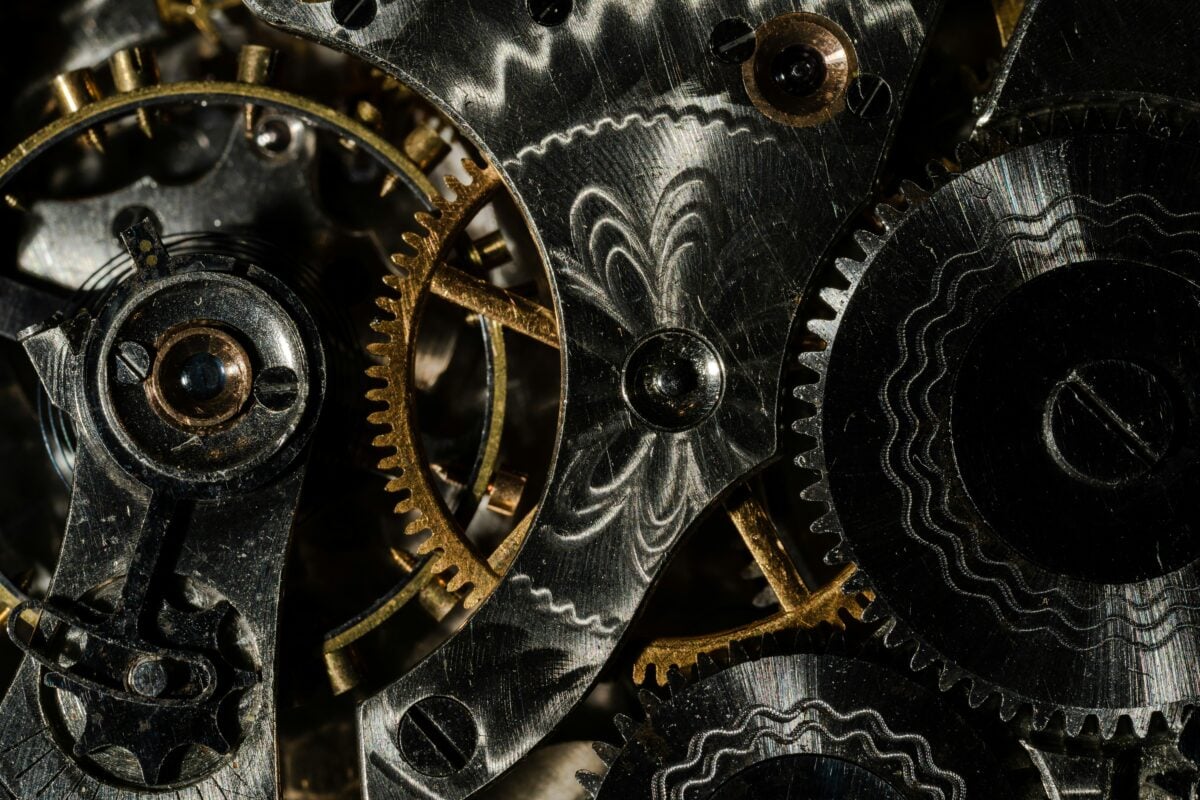
The later Gruen Curvex pocket watches, though made in the wristwatch era, command collector interest. Solid gold examples fetch $600 to $1,500. These represent innovative American design and engineering.
Bulova Pocket Watch (Solid Gold, 1920s–1930s)
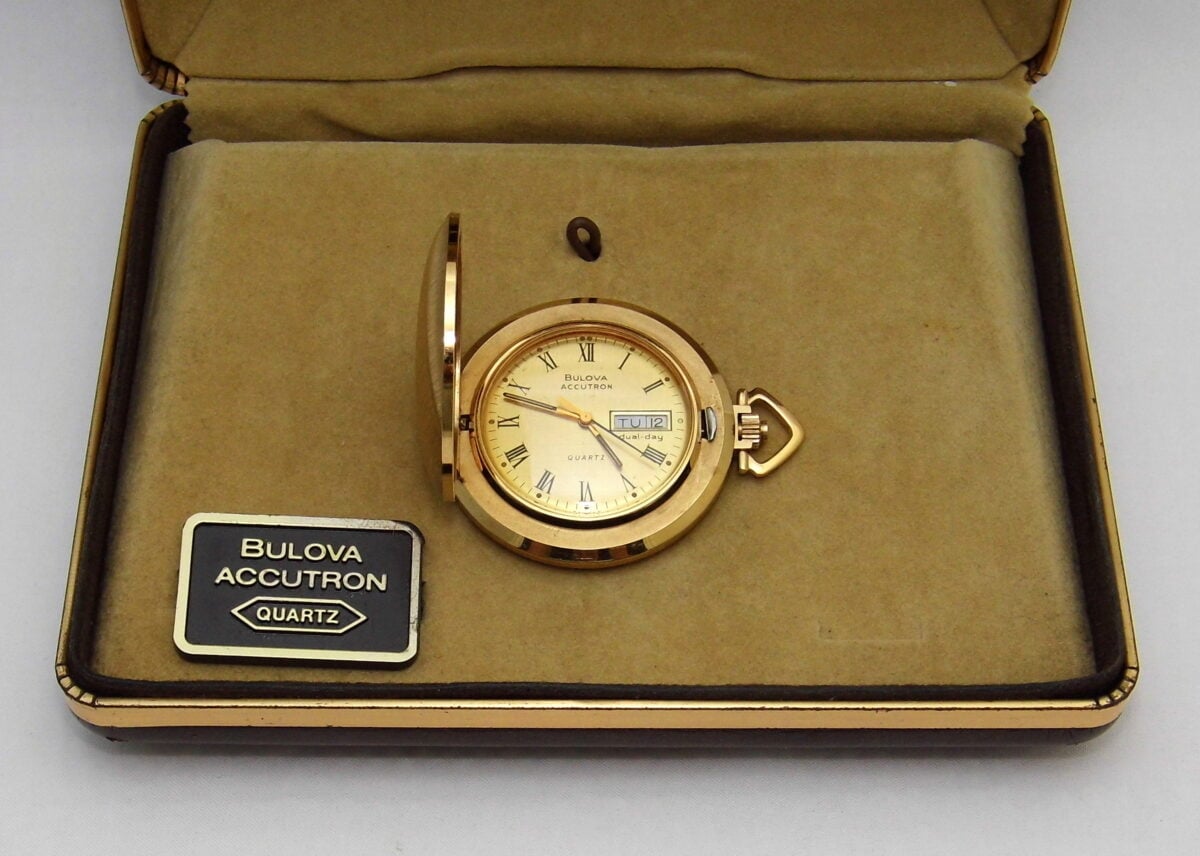
Bulova pocket watches in solid gold from the prestige years command $500 to $1,200. The American manufacturer’s mid-range quality and growing prestige drive collector demand. These remain undervalued compared to Hamilton and Waltham.
American Waltham Watch Company (Early, High-Jewel)
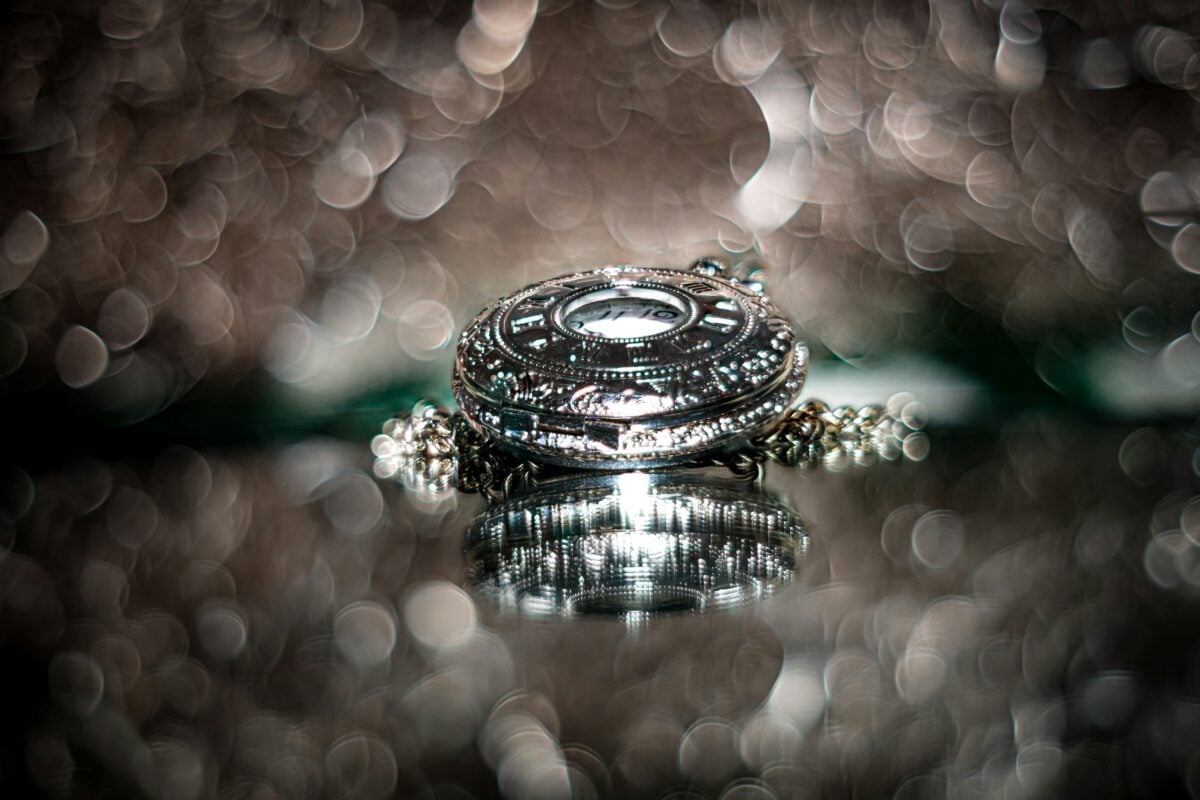
Early Waltham movements from the 1880s–1890s in high-jewel configurations and solid gold cases command $800 to $2,000. These represent the foundation of American precision watchmaking and remain actively sought.
Seiko Pocket Watch (Vintage, Pre-1960)
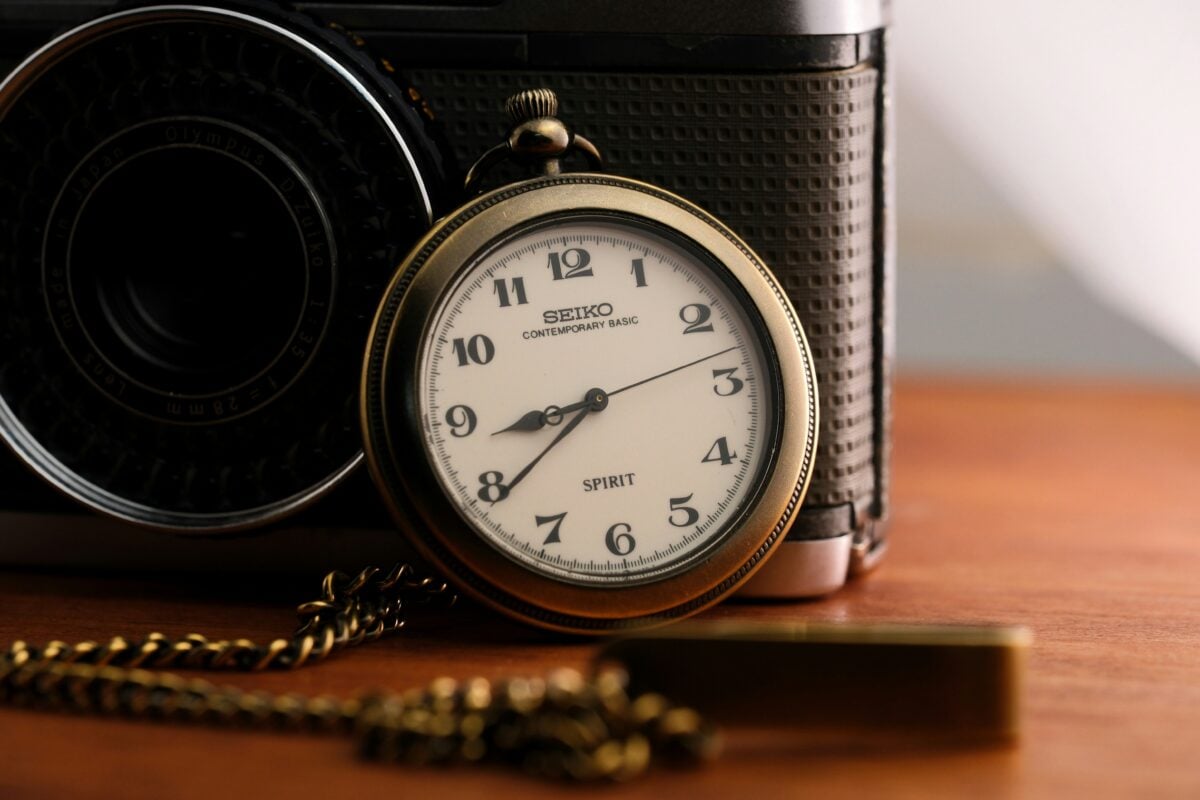
Vintage Seiko pocket watches represent Japanese manufacturing quality at a pre-dominance level. Solid gold or solid case examples fetch $300 to $800. These are increasingly collected as interest in non-American watches grows.
Molnija Soviet Pocket Watch (Original Military Production)
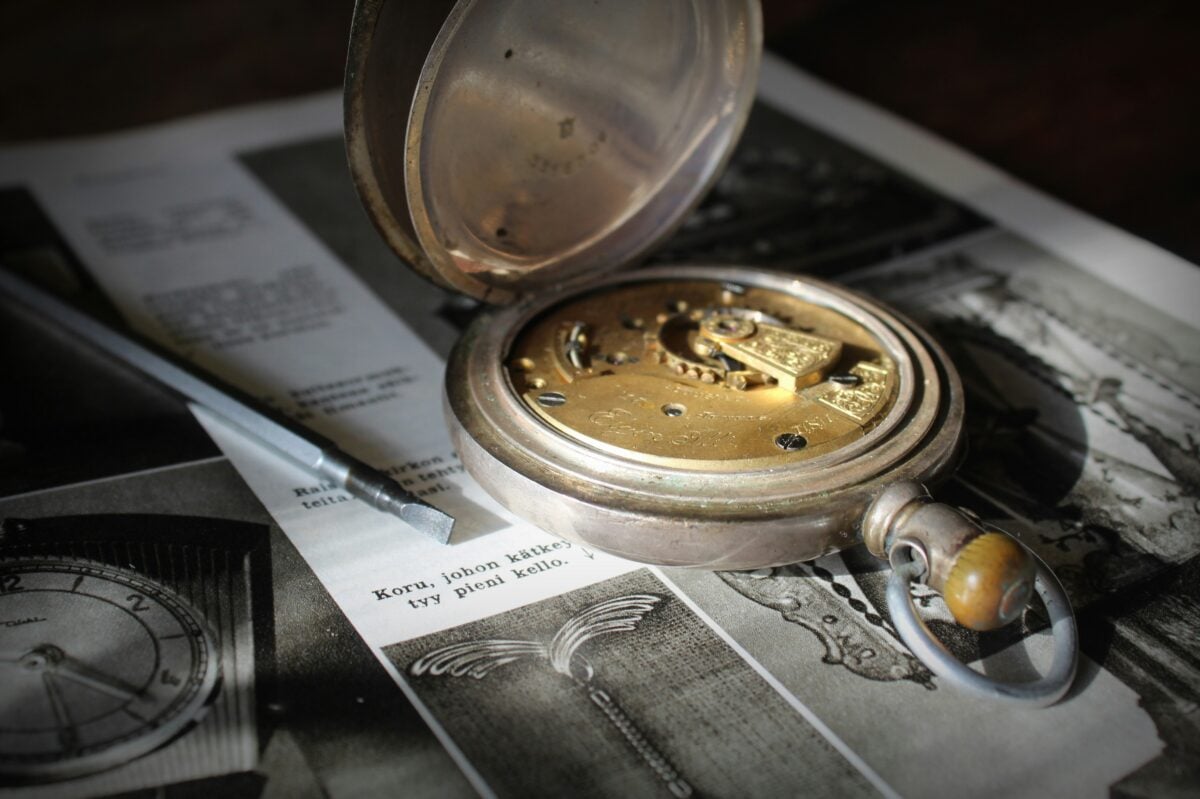
Soviet Molnija military pocket watches from mid-20th century production remain surprisingly collectible. Stainless steel examples fetch $100 to $300.
The historical significance and mechanical reliability appeal to collectors of Cold War artifacts.
The Hidden Value in Drawer Bottoms
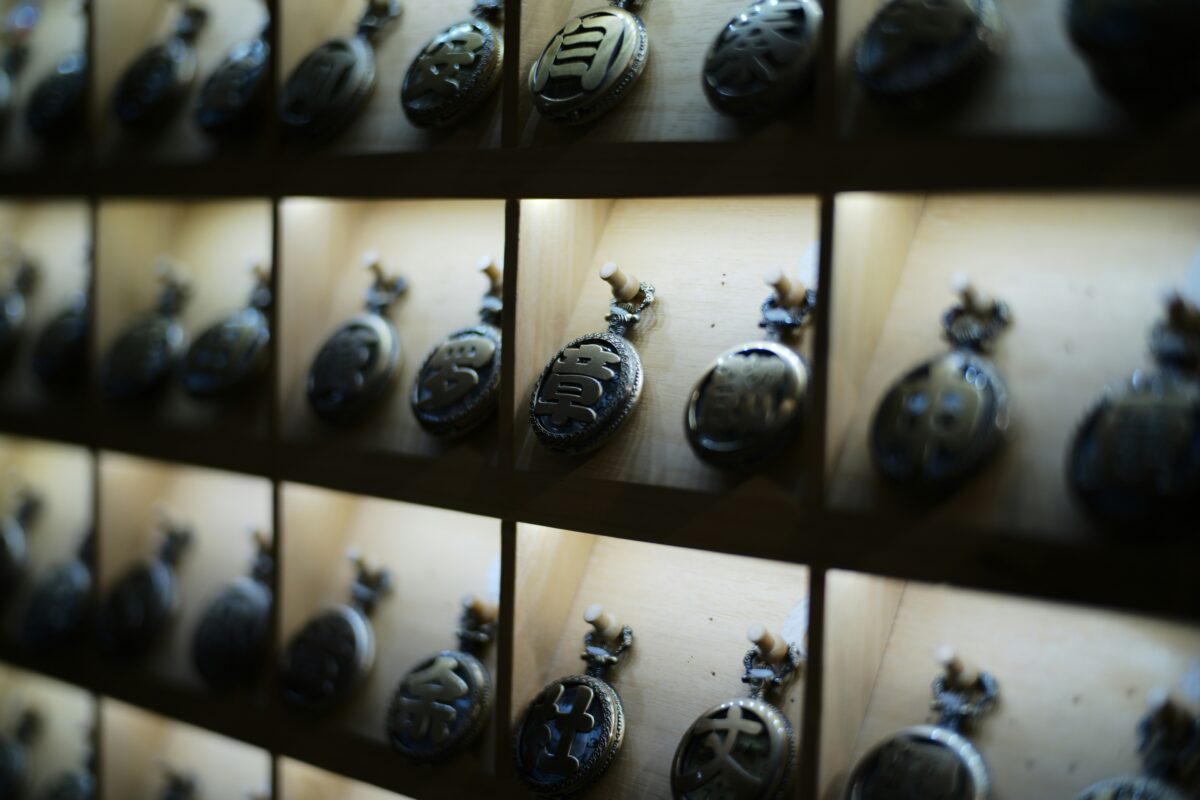
Most pocket watches discovered in estate cleanouts are worthless mass-produced examples from the 1940s or later. But taking five minutes to open the case back and read the movement’s maker and grade can reveal watches worth hundreds or thousands of dollars. The movement manufacturer matters more than the case material.
A Hamilton 992B in a plain base-metal case outvalues an ordinary movement in an ornate gold case every time. Serial number databases allow identification of manufacturing date and grade for most American watches. For Swiss watches, the maker’s name and any visible complications—repeaters, chronographs, perpetual calendars—are the primary value indicators. Condition matters: a running watch in working order commands significantly higher prices than non-functioning examples.
However, attempting repairs on rare or valuable movements is dangerous and can permanently destroy value. Professional appraisal by a watch expert is essential before servicing any pocket watch suspected of value exceeding $500.
More from Go2Tutors!

- The Romanov Crown Jewels and Their Tragic Fate
- 13 Historical Mysteries That Science Still Can’t Solve
- Famous Hoaxes That Fooled the World for Years
- 15 Child Stars with Tragic Adult Lives
- 16 Famous Jewelry Pieces in History
Like Go2Tutors’s content? Follow us on MSN.