16 Items That Look Useless But Ended Up Making People Rich
All of us have thrown away things that seemed useless only to find out later that they had unexpected value. History is replete with instances of “junk” that turned into treasure troves for their owners, ranging from abandoned trinkets to oddball innovations.
Here is a list of 16 things that, although initially seemed worthless, ended up becoming fortunes for those who saw their potential.
Pet Rock

In 1975, advertising executive Gary Dahl jokingly created the Pet Rock—literally a smooth stone packaged in a carrying case with air holes and a training manual. This apparent novelty item sold over 1.5 million units at $4 each within six months.
Dahl became a millionaire from what many considered a ridiculous concept, proving sometimes the simplest ideas can be the most profitable.
Beanie Babies

These small stuffed animals filled with plastic beans seemed like ordinary children’s toys when introduced in 1993. Creator Ty Warner’s decision to “retire” certain designs created a collecting frenzy, with some rare Beanie Babies fetching thousands of dollars.
The manufactured scarcity strategy worked brilliantly, turning a simple toy into a billion-dollar empire for Warner.
Potato Parcel
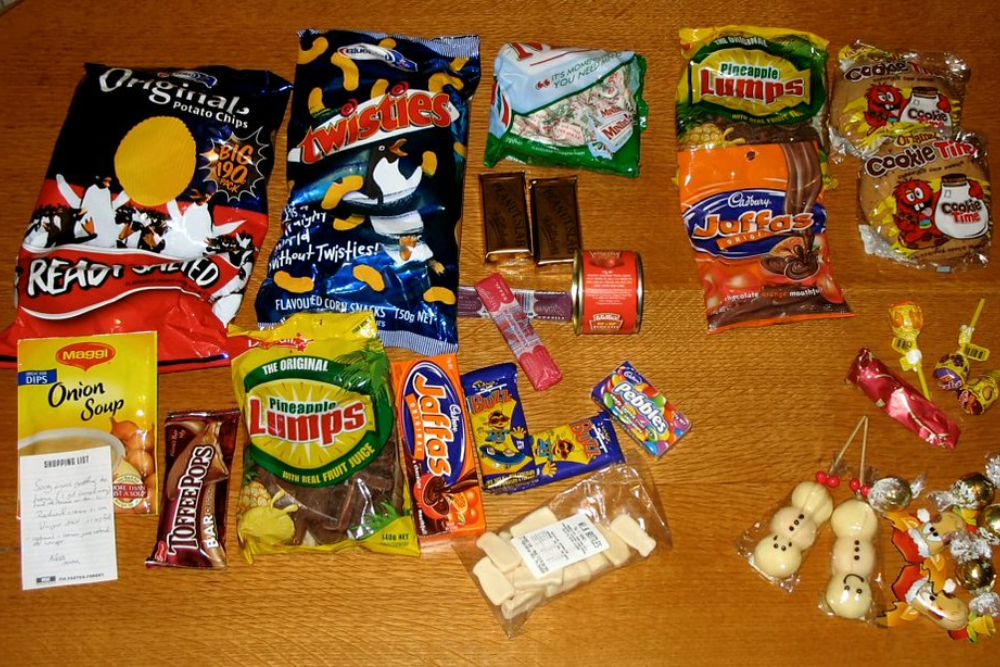
Who would pay to receive a potato with a message written on it in the mail? Turns out, plenty of people. Alex Craig launched Potato Parcel in 2015, allowing customers to send personalized messages on potatoes.
The absurd concept generated $10,000 in its first month and eventually sold for $42,000 on Shark Tank, proving that sometimes the most ridiculous ideas can create surprising revenue streams.
Wacky Wall Walkers
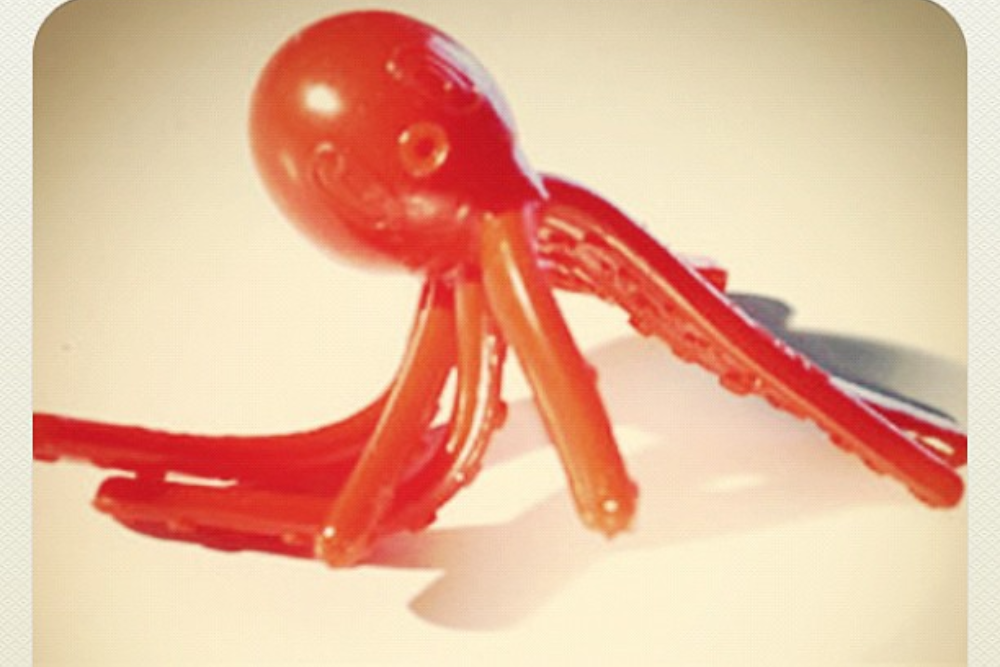
Ken Hakuta purchased the rights to a sticky octopus-shaped toy from Japan for $100,000 in 1983. These rubbery toys could be thrown against walls and would appear to “walk” down as they slowly unstuck themselves.
After being included in cereal boxes as prizes, they became a national sensation, selling over 240 million units and earning Hakuta more than $20 million.
Furby

These electronic furry creatures with their own language seemed bizarre when Tiger Electronics released them in 1998. Despite their strange appearance and functionality, Furbies became one of the hottest toys of all time, selling over 40 million units in their first three years.
The seemingly odd electronic pet generated hundreds of millions in revenue and sparked a collecting craze that continues today.
Like Go2Tutors’s content? Follow us on MSN.
Million Dollar Homepage

In 2005, college student Alex Tew created a website with one million pixels, selling them for $1 each to advertisers. The simplistic concept—essentially a digital billboard with tiny ads—seemed ridiculous.
Nevertheless, Tew sold every pixel, earning the full million dollars from a website that cost virtually nothing to create, demonstrating the power of innovative thinking during the early internet era.
Post-it Notes

Spencer Silver, a 3M scientist, developed a weak, reusable adhesive that was pressure-sensitive after an unsuccessful attempt to create an extremely strong adhesive. This “failure” had no real-world use for years until Art Fry, a colleague, discovered that it could hold bookmarks in place without causing page damage.
The invention of Post-it Notes, which now bring in billions of dollars a year, was made possible by this seemingly pointless adhesive.

When Twitter first came out in 2006, a lot of people thought it was useless. The idea of exchanging ideas in 140 characters seemed pointless and unimportant.
Despite the skepticism, Twitter developed into a billion-dollar global communication platform that changed the way we communicate information and made its founders multimillionaires from what at first seemed to be a pointless idea.
Super Soaker

NASA engineer Lonnie Johnson accidentally created a powerful water gun while working on a heat pump for refrigerators. What might have remained a failed side project became the Super Soaker, revolutionizing summer water fights worldwide.
Johnson earned over $200 million in royalties from his invention, proving that sometimes the best innovations come from unexpected places.
Snuggie

A blanket with sleeves hardly seems revolutionary, yet the Snuggie became a cultural phenomenon after launching in 2008. The simple modification to a standard blanket addressed the common problem of keeping arms warm while reading or watching TV.
This seemingly silly product sold over 30 million units and generated more than $500 million in revenue for its creators.
Fidget Spinners

These small spinning toys were originally designed to help children with attention disorders focus, but they seemed to have limited appeal. In 2017, they unexpectedly became a global sensation, selling millions of units worldwide.
Many manufacturers who jumped on the trend early turned simple plastic and metal spinners into significant profit centers, demonstrating how quickly a niche item can generate wealth.
Silly Bandz

Rubber bands shaped like animals and objects seemed too simple to succeed when they appeared in 2008. Creator Robert Croak saw potential in these colorful silicone bands that return to their original shape when not being worn.
The inexpensive bracelets became a schoolyard sensation, selling billions of units and generating over $100 million in revenue at the height of their popularity.
Bitcoin

The majority of people thought Bitcoin was a hoax or useless when it was first announced in 2009. Early adopters could mine bitcoins using simple computers or buy them for pennies.
Some early investors became billionaires from assets that initially cost almost nothing, and those who held onto their ostensibly worthless digital tokens saw their value soar.
Doggles

Protective eyewear for dogs might sound like a joke, but Roni Di Lullo turned the concept into a thriving business. After noticing her border collie having trouble playing frisbee in bright sunlight, she developed Doggles—goggles designed specifically for canine eye protection.
The seemingly frivolous product expanded into a multi-million dollar pet accessories company sold in over 4,500 stores worldwide.
Cards Against Humanity

A crude card game created by high school friends for a New Year’s Eve party hardly seemed like a path to wealth. When they eventually decided to release it commercially through a Kickstarter campaign in 2011, Cards Against Humanity became an overnight sensation.
The offensive party game has sold millions of copies, generating substantial fortunes for its creators from what began as a homemade entertainment option.
Chia Pet

Clay figurines that sprout chia seeds hardly seemed revolutionary when introduced in the 1980s. Joseph Enterprises turned these quirky decorative items into cultural icons through catchy commercials and their memorable ‘Ch-ch-ch-chia’ slogan.
The company has sold over 500,000 Chia Pets annually for decades, proving sometimes the most unusual products can create consistent, long-term wealth.
From Obscurity to Prosperity

One thing unites these success stories: Where others saw worthlessness, someone saw promise. Although many of these situations were undoubtedly influenced by luck, the true lesson is in timing and inventiveness.
The next big idea could be right in front of you—in your rubbish drawer or in your rambling thoughts, for example.
More from Go2Tutors!

- The Romanov Crown Jewels and Their Tragic Fate
- 13 Historical Mysteries That Science Still Can’t Solve
- Famous Hoaxes That Fooled the World for Years
- 15 Child Stars with Tragic Adult Lives
- 16 Famous Jewelry Pieces in History
Like Go2Tutors’s content? Follow us on MSN.