29 Old Punishments Courts Handed Down for Minor Crimes
Legal systems across history have not always matched the severity of a punishment to the seriousness of the offense. Stealing bread, gossiping about a neighbor, or missing church could all draw penalties that look wildly disproportionate by modern standards, carried out in the public square where shame was as much the point as the punishment itself.
Looking back at these sentences reveals as much about the values of a given era as it does about the crimes they were meant to deter.
Stocks

A wooden frame locking a person’s ankles in place while seated in public, stocks were used across medieval and colonial courts for offenses as minor as drunkenness, swearing, or missing a Sunday church service. Passersby were free to jeer, throw rotten food, or otherwise humiliate the person confined, sometimes for hours at a stretch.
Pillory

Similar to stocks but locking the head and hands instead of the feet, the pillory forced the offender to stand rather than sit, making the humiliation more visible to onlookers. English courts used it for offenses including fraud, perjury, and selling short-weight bread well into the 19th century before it was formally abolished in 1837.
Ducking Stool

A chair mounted on a pivoting beam over a body of water, the ducking stool was used mainly against women accused of gossiping, nagging, or public scolding, dunking the offender repeatedly while a crowd watched. The practice persisted in parts of England and colonial America into the early 19th century.
Branding

Courts in England and colonial America ordered offenders branded with a hot iron for crimes such as theft or vagrancy, marking a letter corresponding to the offense directly into the skin, often on the hand or cheek. The scar served as a permanent public record of the conviction, following the person for life regardless of how minor the original offense had been.
Ear Cropping

For offenses including theft, sedition, and unlicensed preaching, English courts in the 16th and 17th centuries sometimes ordered a portion of an offender’s ear cut off, a punishment that was both physically permanent and immediately visible to anyone who saw the person afterward. The practice was applied to several prominent Puritan dissenters during religious disputes of the era.
Public Whipping

Whipping in a public square, sometimes tied to a post or cart, was a routine punishment across European and colonial courts for offenses ranging from petty theft to vagrancy. The number of lashes was often specified precisely in the sentence, and the punishment doubled as a public spectacle meant to deter onlookers as much as the offender.
Scold’s Bridle

An iron cage fitted over the head with a metal plate that pressed into the mouth, the scold’s bridle was used mainly in England and Scotland from the 16th century onward against women judged to talk too much or too sharply. Wearers were often led through town on a leash while restrained, combining physical discomfort with public humiliation.
Breaking Rocks as Hard Labor

Courts in the 19th century increasingly sentenced minor offenders, including debtors and vagrants, to hard labor rather than corporal punishment, with breaking stone into gravel becoming a standard task in prison yards across Britain and the United States. The labor served no real economic purpose beyond exhausting the prisoner, and reformers eventually challenged it as needlessly punitive.
Transportation to the Colonies

Rather than imprison offenders convicted of relatively minor property crimes, 18th and 19th century British courts frequently sentenced them to transportation, shipping convicts to penal colonies in America and later Australia for terms of seven years or more. Roughly 160,000 people were transported to Australia under this system before it ended in 1868.
Debtors’ Prison

Failing to repay even a small debt could land a person in prison indefinitely across much of Europe and colonial America, with no fixed release date until the debt was somehow paid, an obvious impossibility for someone locked away from any means of earning money. Reform movements in Britain and the United States gradually abolished the practice through the 19th century.
Tarring and Feathering

Though more often carried out by mobs than formally ordered by courts, tarring and feathering was sometimes sanctioned or tacitly permitted by local authorities as punishment for minor offenses like fraud or unpopular political opinions in 18th-century Britain and colonial America. Hot tar caused real burns, and the practice was as much about public humiliation as physical pain.
Nose-Slitting

Some early modern European legal codes prescribed slitting an offender’s nostrils for repeated minor theft or fraud, a punishment intended to mark the person permanently and visibly as a known offender. The practice appears in legal records from several countries, though it grew rarer as branding and imprisonment became more standard by the 18th century.
Tongue Boring

Colonial American courts, particularly in Puritan New England, sometimes ordered a hot iron bored through an offender’s tongue for blasphemy or repeated swearing, a punishment meant to physically mark the instrument of the offense itself. Records of the sentence appear in Massachusetts court documents from the 17th century.
Banishment

Rather than imprison an offender, courts in many historical jurisdictions simply ordered them expelled from the town, colony, or country entirely, sometimes for offenses no more serious than persistent quarreling with neighbors or unorthodox religious views. Puritan leader Anne Hutchinson was banished from the Massachusetts Bay Colony in 1638 for religious disagreements with the colony’s ministers.
Chain Gangs

Beginning in the late 19th century, many American states sentenced minor offenders, often convicted of vagrancy or petty theft, to labor while shackled together in groups, building roads and clearing land under armed guard. The practice was especially associated with the American South and disproportionately targeted formerly enslaved people through selectively enforced vagrancy laws.
Workhouse Confinement

Under England’s Poor Laws, people convicted of vagrancy or unable to support themselves could be sentenced to a workhouse, where conditions were deliberately harsh to discourage reliance on public assistance. Inmates performed grueling, often pointless labor such as picking apart old rope fiber, in exchange for minimal food and shelter.
Cucking Stool
A close relative of the ducking stool, the cucking stool did not always involve water and was sometimes simply a chair in which an offender, often a woman accused of scolding or prostitution, was displayed in public to be jeered at. English court records reference the punishment as early as the medieval period.
Public Confession

Church courts across medieval and early modern Europe frequently ordered offenders to publicly confess their sins before the congregation, sometimes dressed in a plain white garment and standing at the front of the church during a service. The punishment applied to offenses including adultery, drunkenness, and slander, relying entirely on communal shame rather than physical penalty.
Forfeiture of Goods

Minor property crimes in medieval and early modern legal systems often carried a penalty of total forfeiture, requiring the offender to surrender all personal possessions to the crown or local lord regardless of the value of the original offense. The practice frequently left the offender’s family destitute even when the crime itself involved a trivial amount of stolen property.
Doubled Fines

Rather than corporal punishment, some historical courts imposed escalating financial penalties, doubling or tripling a standard fine for repeat minor offenses like unlicensed trading or failure to maintain a fence. For offenders too poor to pay, the fine often converted automatically into a jail term, effectively criminalizing poverty.
Forced Public Apology
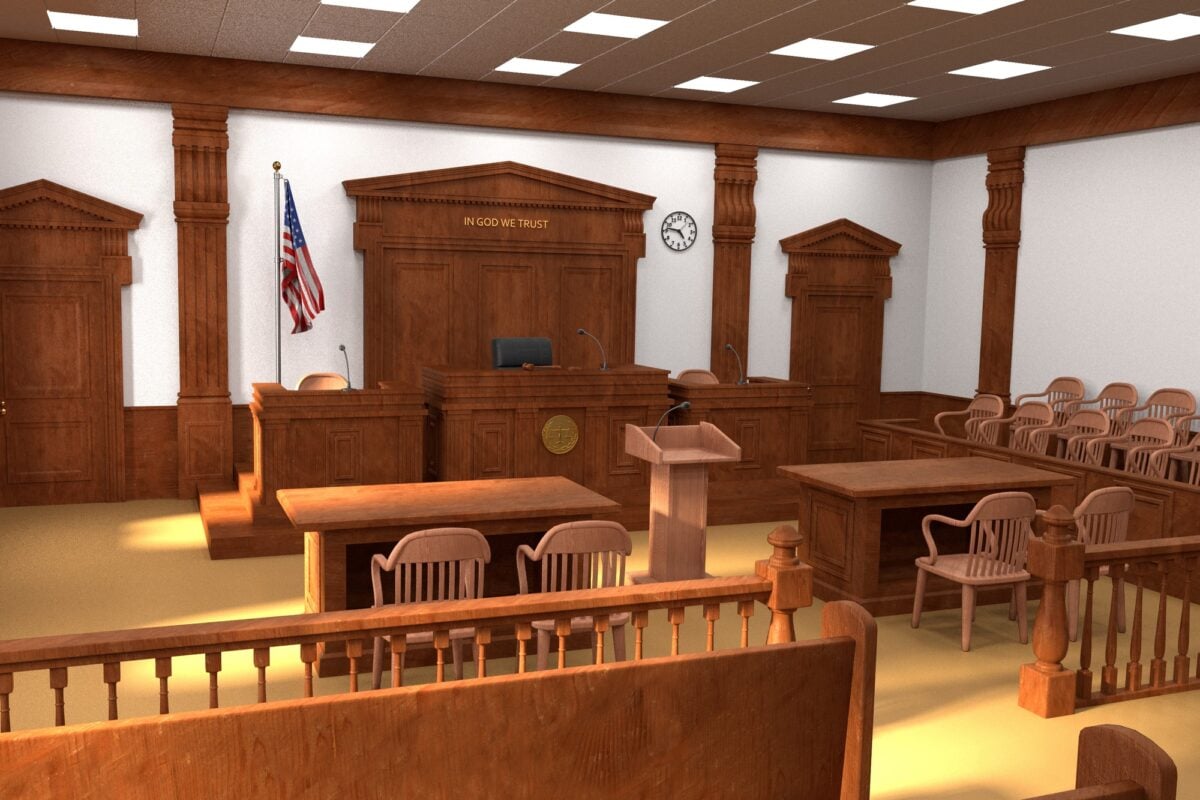
Church and civil courts in colonial New England sometimes sentenced offenders convicted of slander or minor disputes to deliver a formal public apology before the congregation or town meeting, reciting an approved script acknowledging the wrongdoing. Refusal to comply could result in additional, harsher penalties.
Ear-Nailing to the Pillory

In a more severe variation of the standard pillory sentence, some European courts ordered an offender’s ear nailed to the wooden frame, sometimes requiring the person to tear it free themselves at the end of the sentence to be released. The punishment was applied to repeat offenders convicted of theft or fraud in several 16th and 17th century jurisdictions.
Whipping Post

A fixed post set up in a town square specifically for administering public whippings, the whipping post remained a legal punishment in the American state of Delaware for offenses including minor theft until it was formally removed from the law books in 1972, far later than most other American jurisdictions.
Penal Servitude

Introduced in Britain in the mid-19th century partly to replace transportation, penal servitude sentenced offenders, including those convicted of relatively minor theft, to forced labor within domestic prisons for fixed terms. The system aimed to appear more humane than transportation while still extracting years of unpaid labor from convicts.
Deportation

Beyond formal transportation programs, individual courts in various countries have long had the power to order foreign-born offenders deported for relatively minor crimes, permanently separating them from family and community built up over years. The practice appears throughout 19th and early 20th century immigration law in multiple countries.
House of Correction

English law established houses of correction starting in the late 16th century specifically for minor offenders such as vagrants, unmarried mothers, and petty thieves, distinct from prisons meant for more serious criminals. Inmates were required to perform manual labor, officially to instill discipline, under conditions that were frequently harsher than in standard prisons of the same era.
Standing in the Public Square with a Sign

Beyond formal shaming placards, some colonial American courts ordered offenders to simply stand in the town square for a set number of hours holding a sign naming their offense, a punishment cheap to administer and requiring no physical infrastructure at all. The sentence relied entirely on the discomfort of public exposure to a crowd of neighbors.
The Drunkard’s Cloak

A wooden barrel with openings cut for the head and arms, the drunkard’s cloak was forced over an offender convicted of public drunkenness, who was then paraded through town wearing it like an ill-fitting suit. English Puritan authorities in the 17th century particularly favored the punishment, valuing it precisely because it required no specialized equipment beyond an empty cask.
Punishment as Performance

What connects almost every entry on this list is an audience. A fine paid privately or a night in a cell accomplishes the same legal goal as standing in stocks while neighbors throw refuse, but only one of those options turns punishment into a public event. Courts across centuries and continents kept arriving at the same conclusion: that shame, delivered in front of a crowd, was often considered more effective than confinement alone.
Reading through these sentences now, the disproportion is the first thing that stands out, a slit nose or a branded hand for an offense that would draw a citation today. What is easy to miss is that the severity was rarely about the crime itself. It was about who was watching, and what the court wanted the watching to accomplish.
More from Go2Tutors!

- The Romanov Crown Jewels and Their Tragic Fate
- 13 Historical Mysteries That Science Still Can’t Solve
- Famous Hoaxes That Fooled the World for Years
- 15 Child Stars with Tragic Adult Lives
- 16 Famous Jewelry Pieces in History
Like Go2Tutors’s content? Follow us on MSN.