16 Jobs That Required Special Licenses in the Past
The history of professional licensing reveals just how much governments have tried to control various trades and occupations throughout the centuries. Some licensing requirements made perfect sense—you definitely want your surgeon to have proper training—while others seem almost comical by today’s standards. From fortune tellers to ice cream vendors, authorities have demanded official permits for jobs that might surprise you.
What’s fascinating is how these licensing systems often had less to do with public safety and more to do with generating revenue or controlling competition. Here is a list of 16 jobs that required special licenses in the past, many of which would seem absurd today.
Chimney Sweeps

In 18th and 19th century Britain, chimney sweeps needed official licenses because their work involved entering private homes and handling fire safety. The licensing system was supposed to ensure sweeps were trustworthy and competent, though it mainly served to limit competition in major cities.
Master sweeps often employed young children who technically worked under the master’s license, creating a regulated but brutal industry.
Fortune Tellers

Many American cities required fortune tellers, palm readers, and astrologers to obtain special business licenses well into the 20th century. These permits often came with hefty fees and required the practitioner to register their methods and location with local authorities.
The licensing served dual purposes—generating revenue for cash-strapped municipalities while giving police a way to monitor and control what they considered potentially fraudulent activities.
Rag Pickers

In medieval European cities, collecting rags and discarded materials required an official license because authorities wanted to control who had access to valuable recyclable materials. Licensed rag pickers paid fees to the city and followed specific routes, creating an early form of organized waste management.
The system prevented freelance scavengers from competing with established rag merchants who had invested in proper licenses.
Street Musicians
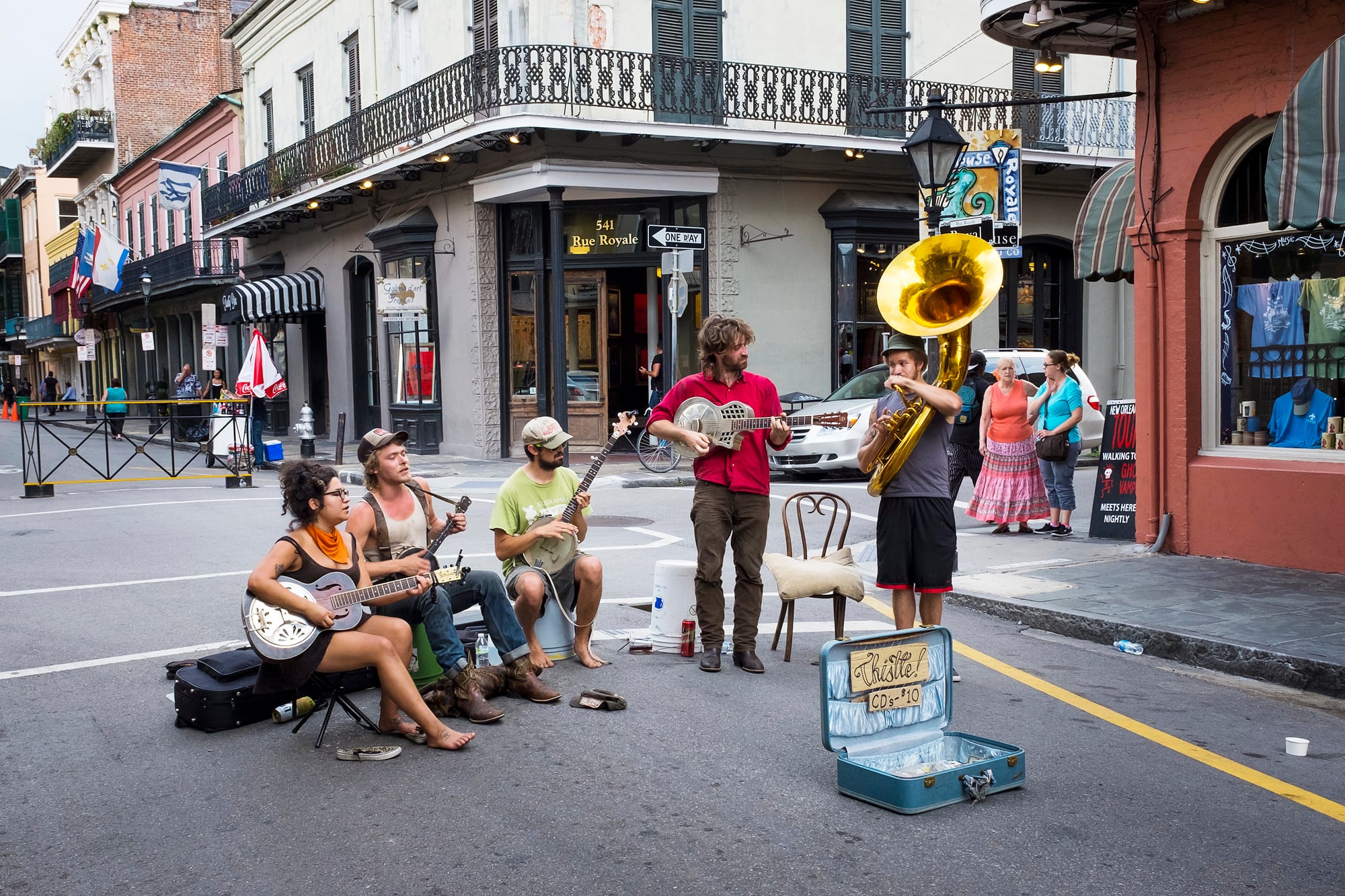
Victorian-era street performers needed licenses in most major cities, with authorities requiring them to demonstrate their musical abilities before local magistrates. The licensing process weeded out truly terrible performers while ensuring musicians stayed in designated areas and didn’t block traffic.
Police could arrest unlicensed buskers, making the permit system an effective way to control street entertainment and maintain public order.
Ice Cream Vendors

During the early 1900s, ice cream cart operators needed special permits in most American cities due to health concerns about mobile food service. The licensing process required vendors to prove their carts met sanitation standards and that they understood proper food handling procedures.
City officials used these licenses to limit the number of ice cream vendors in popular areas, preventing oversaturation and maintaining quality standards.
Knife Grinders

Traveling knife grinders needed licenses in many European cities because they carried sharp tools and entered private properties to provide their services. The permit system helped authorities track these itinerant workers and provided some assurance to customers about the grinder’s legitimacy.
Licensed knife grinders often displayed their permits prominently to distinguish themselves from potential criminals carrying similar tools.
Matchmakers

Professional matchmakers in some cultures required official recognition or licensing from religious or civil authorities to arrange marriages legally. These permits ensured matchmakers understood local marriage laws and customs while giving families confidence in their services.
The licensing system also prevented unscrupulous individuals from exploiting desperate families seeking suitable marriage partners for their children.
Tattooed Performers

Circus performers with extensive tattoos needed special licenses in many jurisdictions because authorities classified them as ‘curiosities’ requiring regulation. The permits often specified which body parts could be displayed publicly and required medical examinations to ensure the tattoos weren’t diseased.
This licensing system reflected Victorian attitudes about body modification while generating revenue from what was considered morally questionable entertainment.
Public Criers

Before newspapers became widespread, town criers needed official appointments or licenses to make public announcements in city squares and marketplaces. These permits ensured that only authorized individuals could disseminate official news and prevented the spread of false information or seditious messages.
Licensed criers often wore distinctive clothing or carried official bells to identify their authority to make public proclamations.
Wet Nurses

In many societies, wet nurses required certification or licensing from medical authorities or guilds because they provided essential childcare services to wealthy families. The licensing process included health examinations and character references to ensure the wet nurse was suitable for caring for infants.
This system gave upper-class families confidence in hiring wet nurses while creating professional standards for an important but intimate service.
Plague Doctors

During plague outbreaks, physicians specializing in treating the disease needed special licenses from city authorities before they could practice. These permits often came with specific requirements about protective clothing, treatment methods, and reporting procedures for plague cases.
The licensing system helped authorities track the spread of disease while ensuring only qualified practitioners treated this deadly illness.
Lamplighters

Before electric streetlights, lamplighters needed official employment or licensing from municipal authorities because they had access to public infrastructure and worked during nighttime hours. The permit system ensured lamplighters were trustworthy individuals who wouldn’t steal oil or damage public property.
Licensed lamplighters often wore badges or carried official papers to prove their authority to access streetlamps after dark.
Bloodletters

Medieval and Renaissance bloodletters required licensing from medical guilds or authorities because their procedures could easily kill patients if performed incorrectly. The permit system established minimum training requirements and gave patients some assurance about the practitioner’s competence.
Licensed bloodletters often displayed their credentials prominently to distinguish themselves from dangerous quacks offering similar services.
Resurrectionists

Body snatchers who supplied cadavers to medical schools sometimes operated under unofficial licenses or agreements with authorities who looked the other way. While technically illegal, some jurisdictions created permit systems that allowed ‘resurrectionists’ to exhume recently buried bodies for medical education.
This shadowy licensing system balanced the need for anatomical specimens with public outrage over grave robbing.
Public Bath Attendants

In cities with public bathhouses, attendants needed licenses because they handled money, maintained public health facilities, and often provided personal services to bathers. The permit system ensured attendants understood sanitation procedures and could be trusted with customers’ belongings and privacy.
Licensed bath attendants typically underwent background checks and health examinations before receiving their permits.
Scriveners

Professional letter writers and document copiers needed licenses in many medieval cities because they handled confidential information and legal documents. The permit system ensured scriveners could read and write competently while maintaining professional standards for an essential service.
Licensed scriveners often belonged to guilds that regulated pricing and quality standards for written communications.
The Paper Trail of Progress

These historical licensing requirements reveal how societies have always struggled to balance public safety, economic control, and individual freedom. While some permits protected consumers from dangerous quacks and incompetent practitioners, others simply created barriers to entry that benefited established businesses.
The evolution from licensing chimney sweeps to regulating modern professions shows how bureaucracy adapts to changing times while maintaining its fundamental desire to organize and control human activity. Today’s professional licensing debates echo the same tensions between protection and restriction that have shaped working life for centuries.
More from Go2Tutors!

- The Romanov Crown Jewels and Their Tragic Fate
- 13 Historical Mysteries That Science Still Can’t Solve
- Famous Hoaxes That Fooled the World for Years
- 15 Child Stars with Tragic Adult Lives
- 16 Famous Jewelry Pieces in History
Like Go2Tutors’s content? Follow us on MSN.