29 People Who Started Over After Forty
The idea that a defining career has to be in place by thirty is mostly a modern anxiety, not a historical pattern. Plenty of the people best remembered for a single achievement spent their first four decades doing something else entirely, sometimes something that had nothing to do with what made them famous.
What follows are people who built a second act well past the age most career advice treats as a deadline.
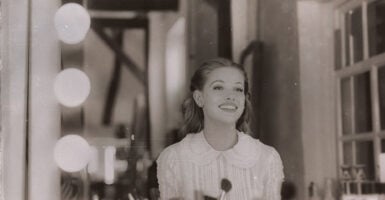
Vera Wang

Wang competed as a figure skater in her youth and later worked for years as a fashion editor at Vogue before being passed over for the top editor position. She entered bridal and fashion design at age 40, opening her own boutique after struggling to find a wedding gown she liked for her own wedding.
Her label went on to define much of modern American bridal fashion.
Julia Child
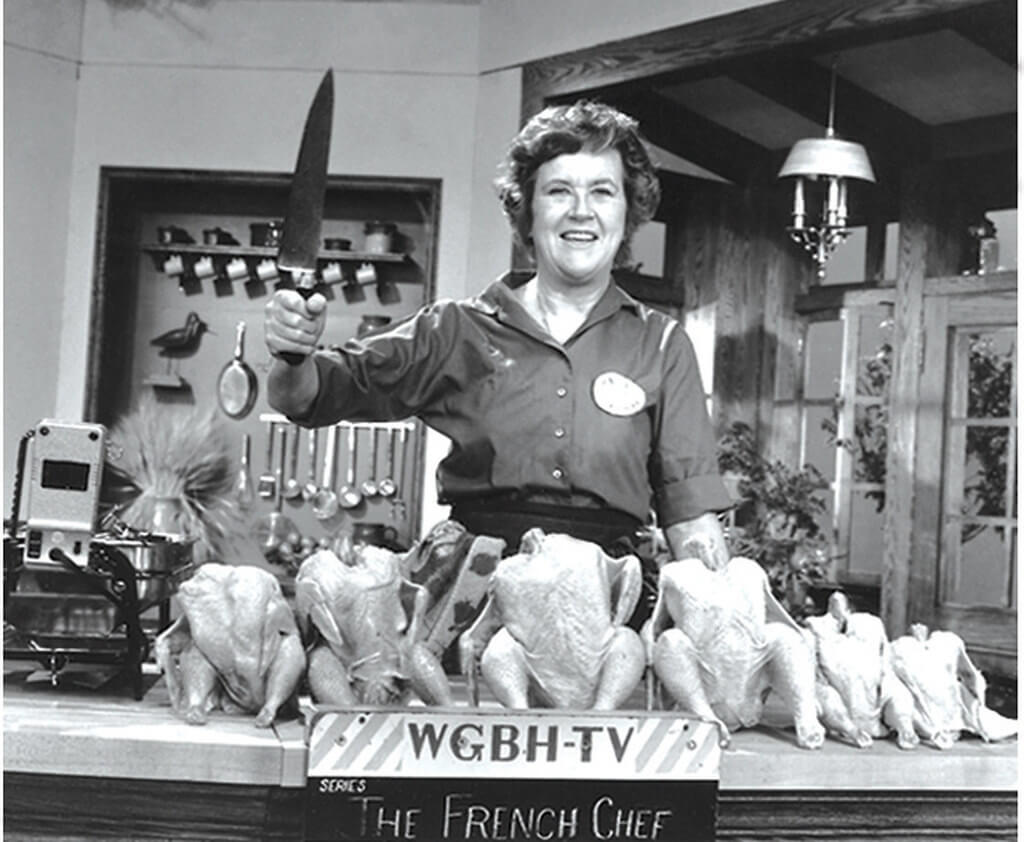
Child worked in advertising and government service, including a stint with the Office of Strategic Services during the Second World War, before discovering French cooking while living in Paris in her mid-thirties. She spent years developing and testing recipes for what became “Mastering the Art of French Cooking,” published when she was nearly 50.
Her television career, which made her a household name, began shortly after.
Colonel Harland Sanders

Sanders held a long string of jobs including farmhand, streetcar conductor, and insurance salesman before opening a roadside restaurant in Corbin, Kentucky, in his forties, where he perfected his fried chicken recipe. A new highway bypassed his restaurant years later and left the business struggling.
He rebuilt through franchising in his sixties, turning the recipe into Kentucky Fried Chicken.
Momofuku Ando
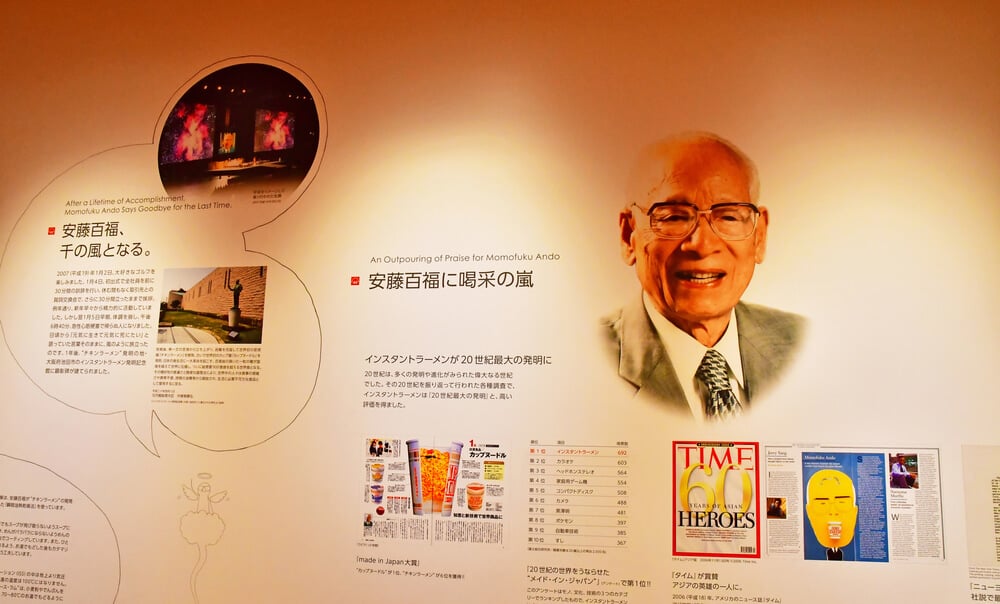
Ando’s textile business collapsed after the Second World War, and a later financial venture failed as well, leaving him effectively wiped out. At 48, working in a small shed behind his house, he developed a method for flash-frying pre-cooked noodles into instant ramen.
The product he launched became one of the most widely consumed foods in the world.
Ray Kroc
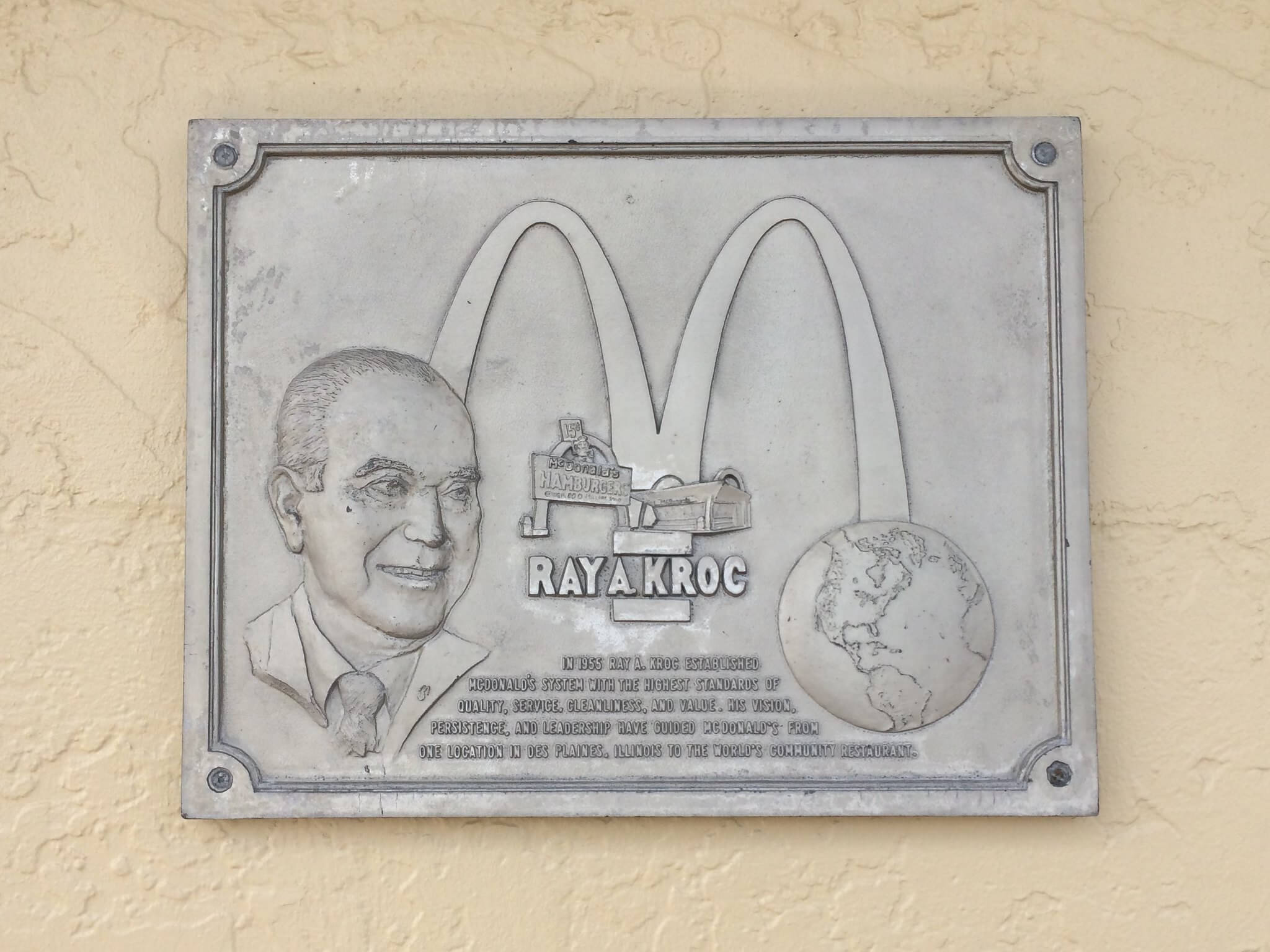
Kroc spent decades selling paper cups and milkshake mixers before he encountered a small hamburger restaurant run by the McDonald brothers in California. At 52, he convinced them to let him franchise the concept nationally.
He eventually bought out the brothers entirely and built McDonald’s into the largest restaurant chain in the world.
Samuel L. Jackson
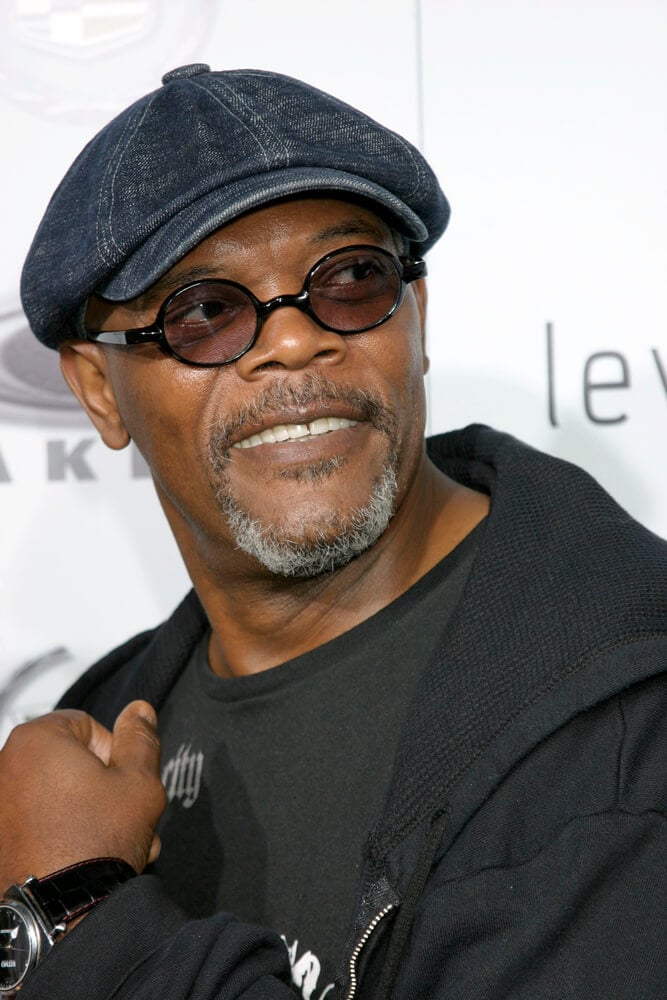
Jackson worked steadily in small theater and film roles for two decades, struggling at times with addiction, without achieving wide recognition. His breakout role in “Pulp Fiction” arrived when he was 45 years old.
He has since become one of the highest-grossing film actors in history by total box office.
Martha Stewart
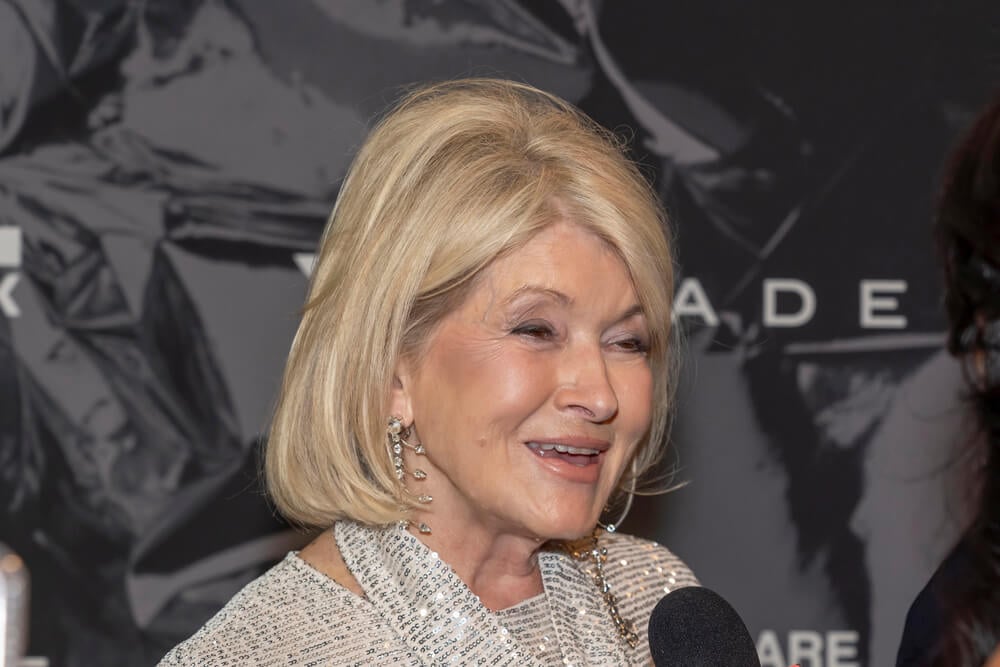
Stewart worked as a stockbroker and later ran a catering business out of her home before publishing her first book in her late thirties. Her media company, built around home and entertaining content, expanded rapidly through her forties into television, magazines, and merchandise.
She built one of the most recognizable lifestyle brands in the country from that foundation.
J.R.R. Tolkien
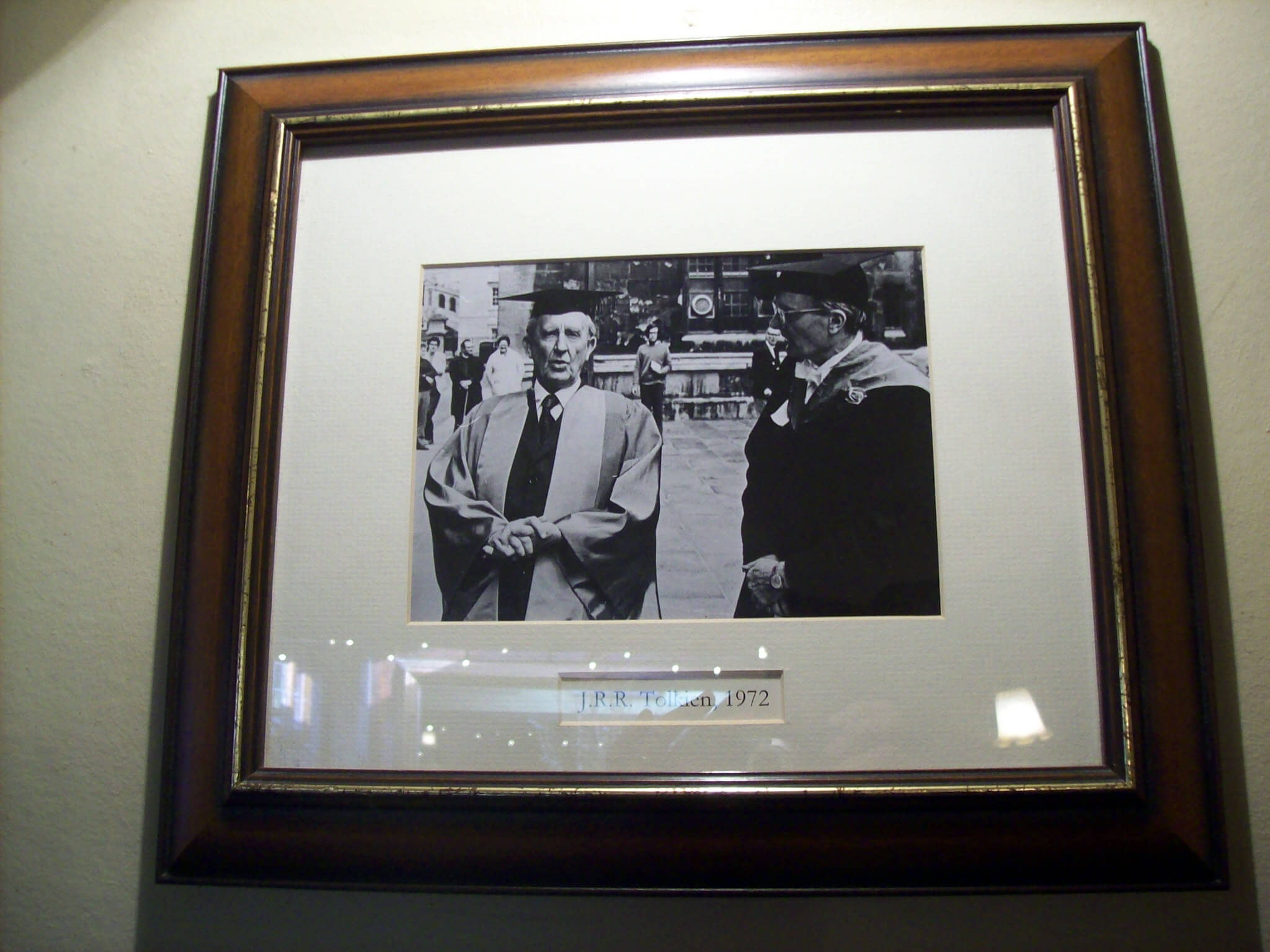
Tolkien spent years as an academic philologist, developing invented languages and mythology largely as a private hobby alongside his teaching duties. “The Hobbit,” his first published work of fiction, appeared when he was 45.
The larger Middle-earth mythology he had been quietly building for decades became the foundation for one of the best-selling book series in history.
Charles Darwin
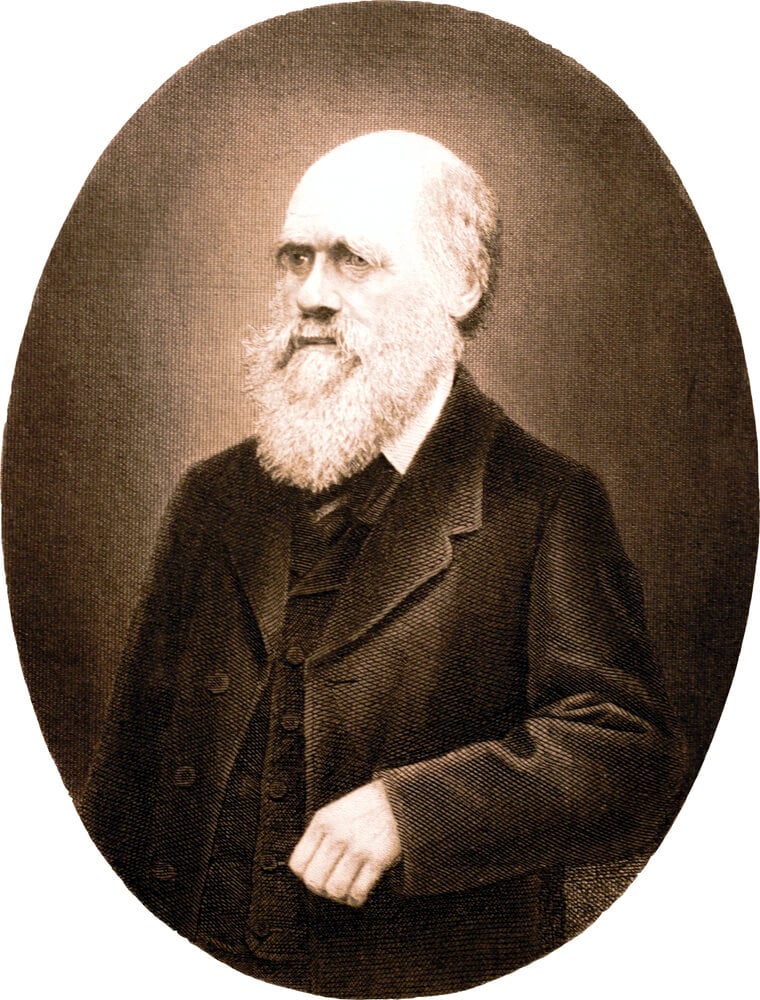
Darwin spent more than two decades gathering evidence and refining his theory of evolution after returning from his voyage on the HMS Beagle, delaying publication partly out of concern over how controversial the idea would be. “On the Origin of Species” was finally published when he was 50, after a rival naturalist’s similar findings pushed him to release his work.
The book reshaped the field of biology.
Alan Rickman
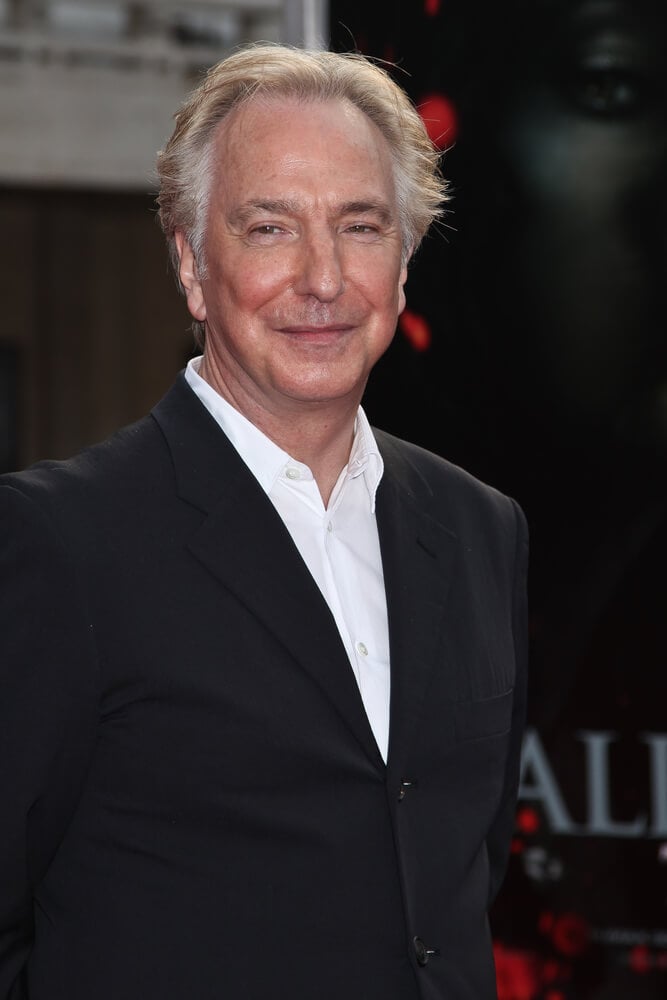
Rickman worked for years as a graphic designer before pursuing acting seriously, building a stage career at the Royal Shakespeare Company through his thirties. His breakout film role as the villain in “Die Hard” came when he was 41.
He went on to a long film career that included roles in the Harry Potter series.
Arianna Huffington
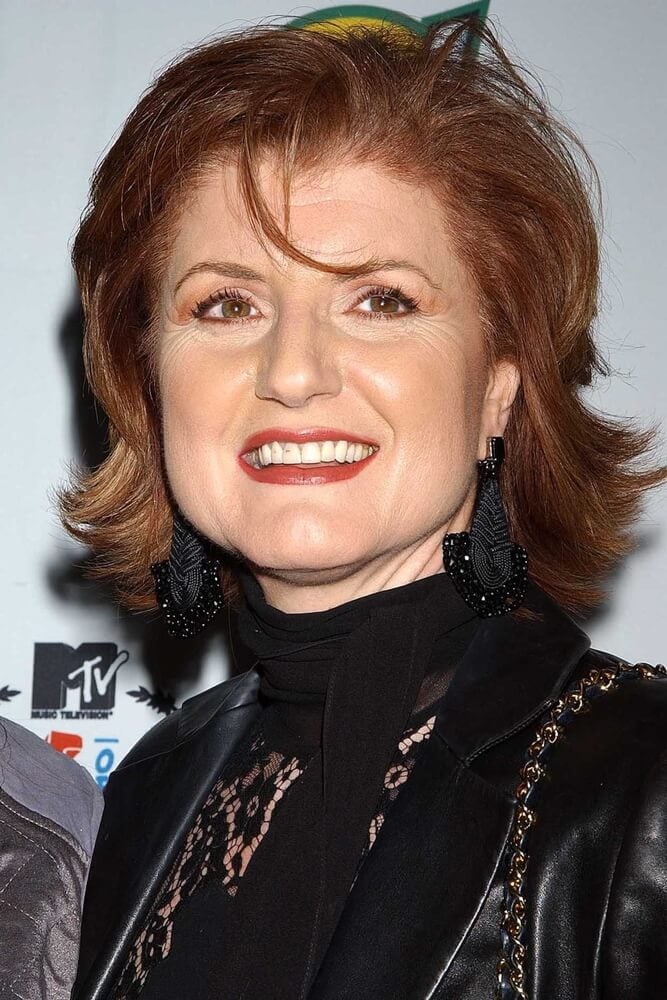
Huffington worked as an author and political commentator for years, including an unsuccessful run for California governor, before co-founding The Huffington Post at 48. The news and opinion site grew rapidly and was eventually sold to AOL for a reported $315 million.
She later built a separate company focused on workplace wellness.
Sam Walton
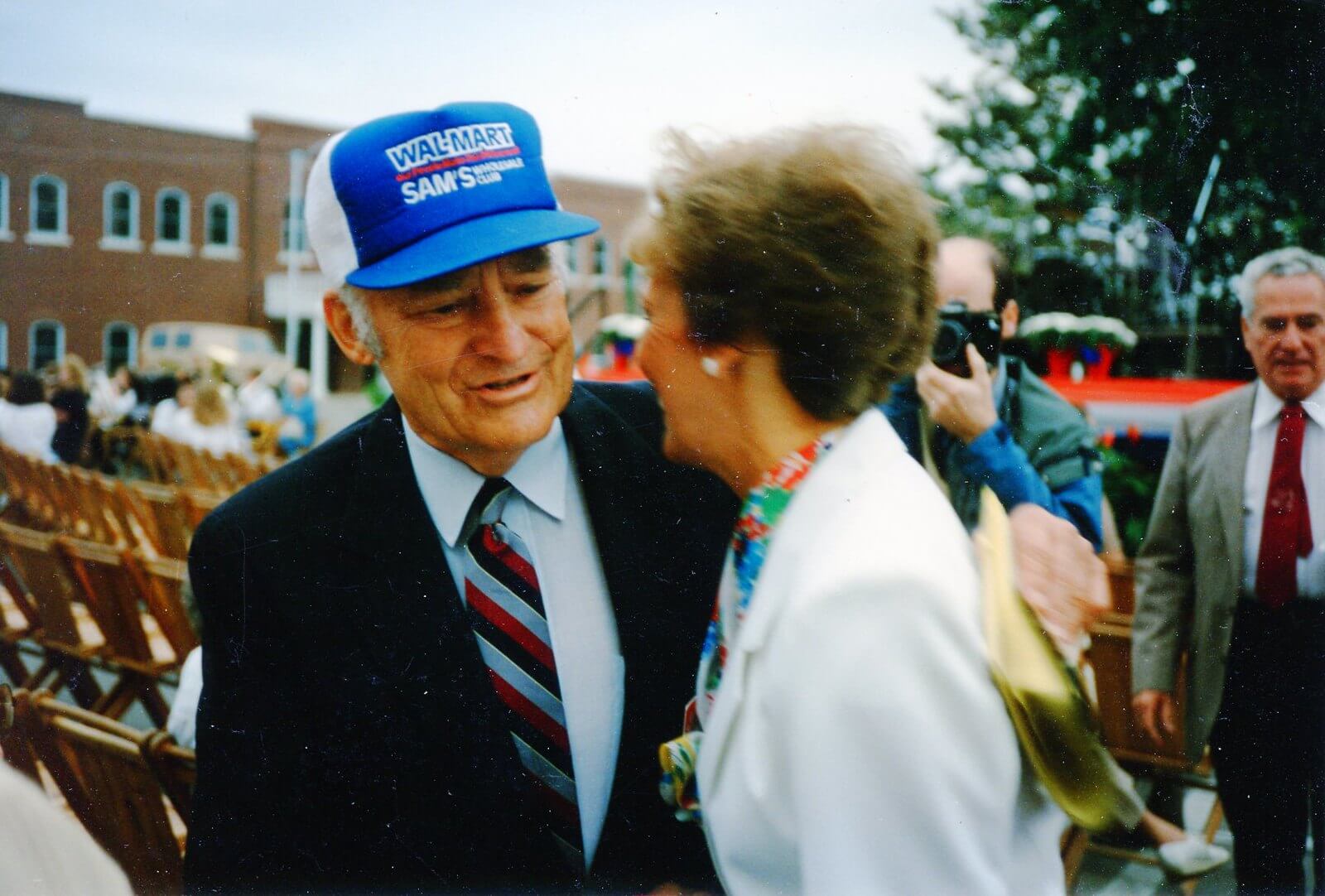
Walton managed variety stores for two decades before opening the first Walmart in Rogers, Arkansas, at 44, betting on a discount retail model that larger chains had not embraced. He grew the company slowly through rural markets that bigger retailers had overlooked.
Walmart eventually became the largest retailer in the world by revenue.
Henry Ford
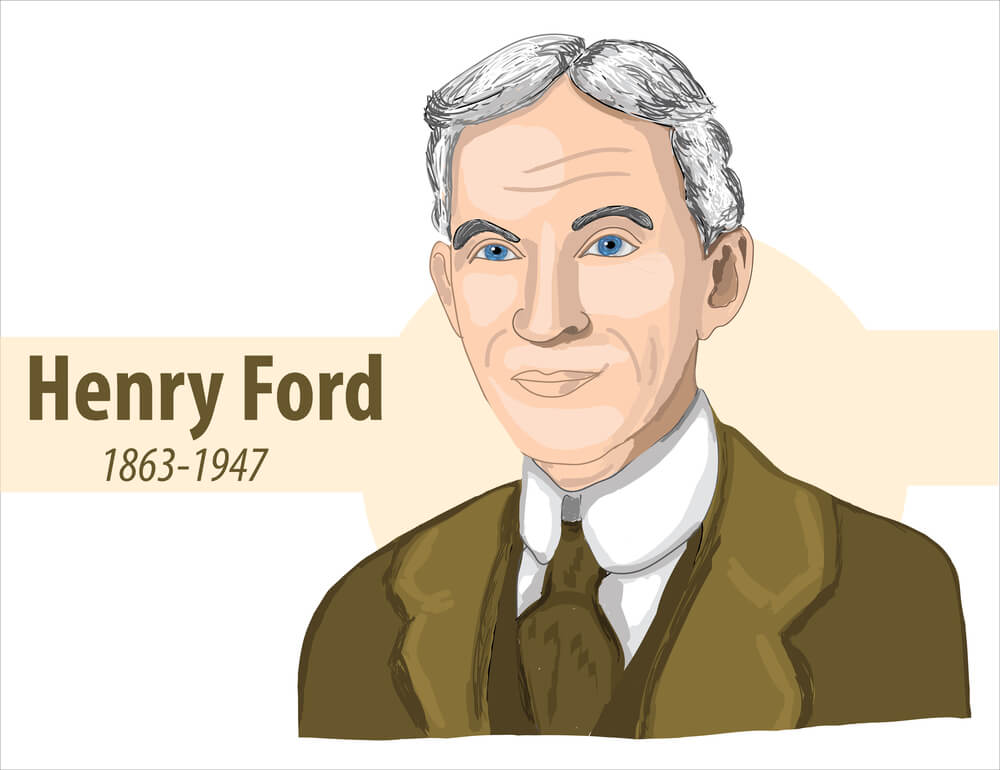
Ford worked as a machinist and chief engineer for the Edison Illuminating Company before founding the Ford Motor Company at 40, after two earlier attempts at launching a car company had failed. His introduction of the moving assembly line years later transformed manufacturing far beyond the auto industry.
Ford Motor Company remains one of the most recognized names in American manufacturing.
Rodney Dangerfield
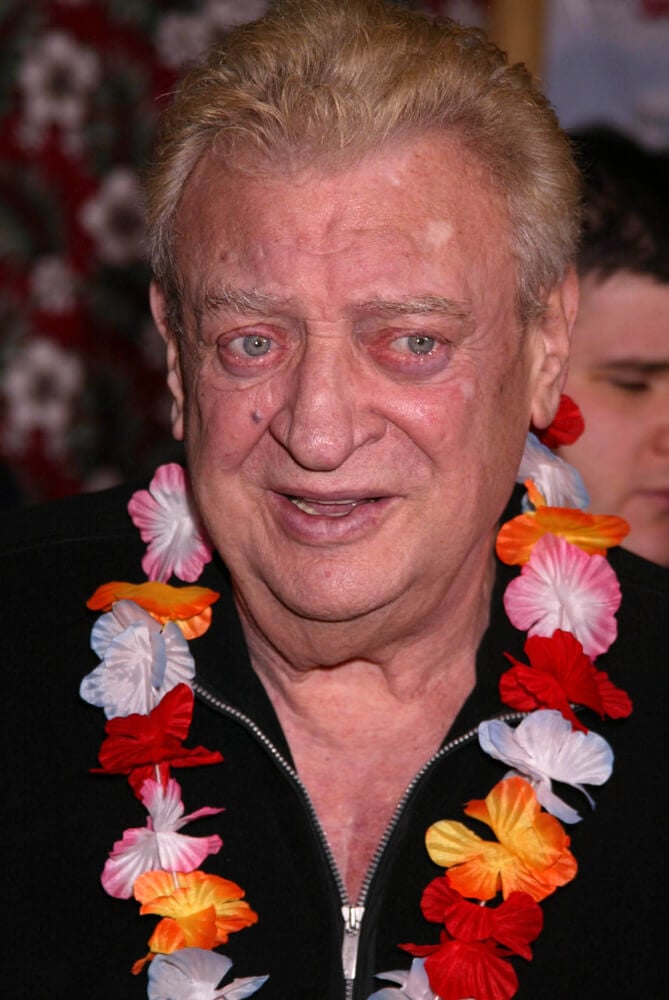
Dangerfield worked as a stand-up comedian in his twenties under a different stage name before largely giving up performing to sell aluminum siding for a decade. He returned to comedy in his forties, eventually building the self-deprecating persona that made him famous.
His career included stand-up specials, film roles, and a signature catchphrase that outlived him.
Susan Boyle
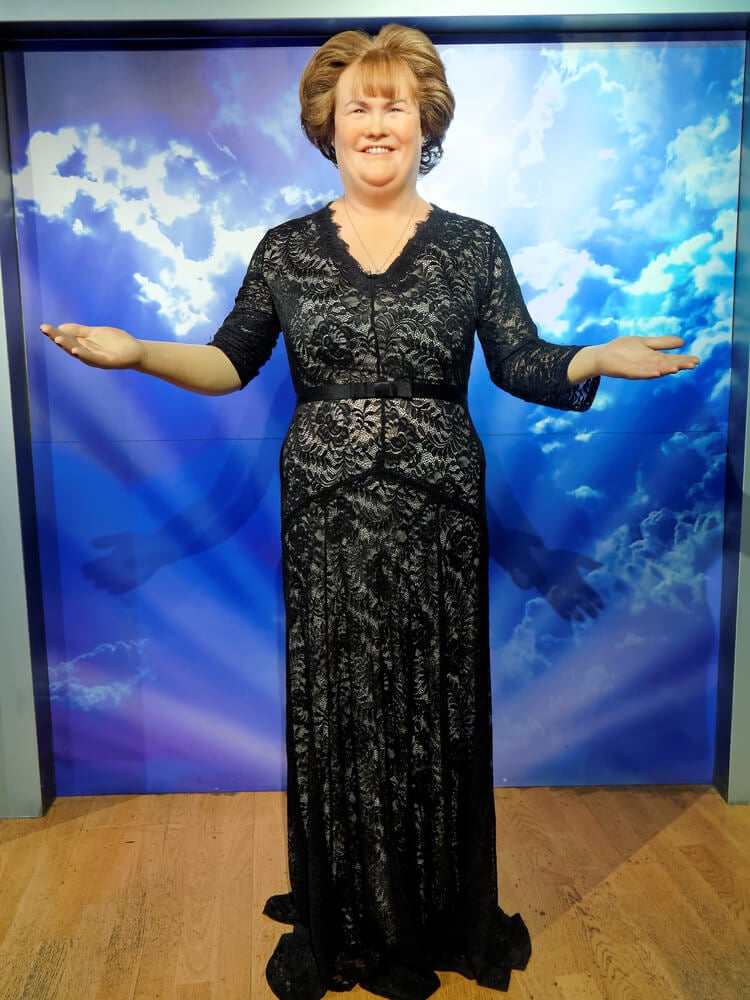
Boyle worked in various local jobs in a small Scottish village and sang in church choirs without pursuing a professional music career. Her audition on “Britain’s Got Talent” at 47 became a viral sensation after her voice surprised an audience that had judged her by appearance.
Her debut album became one of the best-selling of the year it was released.
Danny Trejo
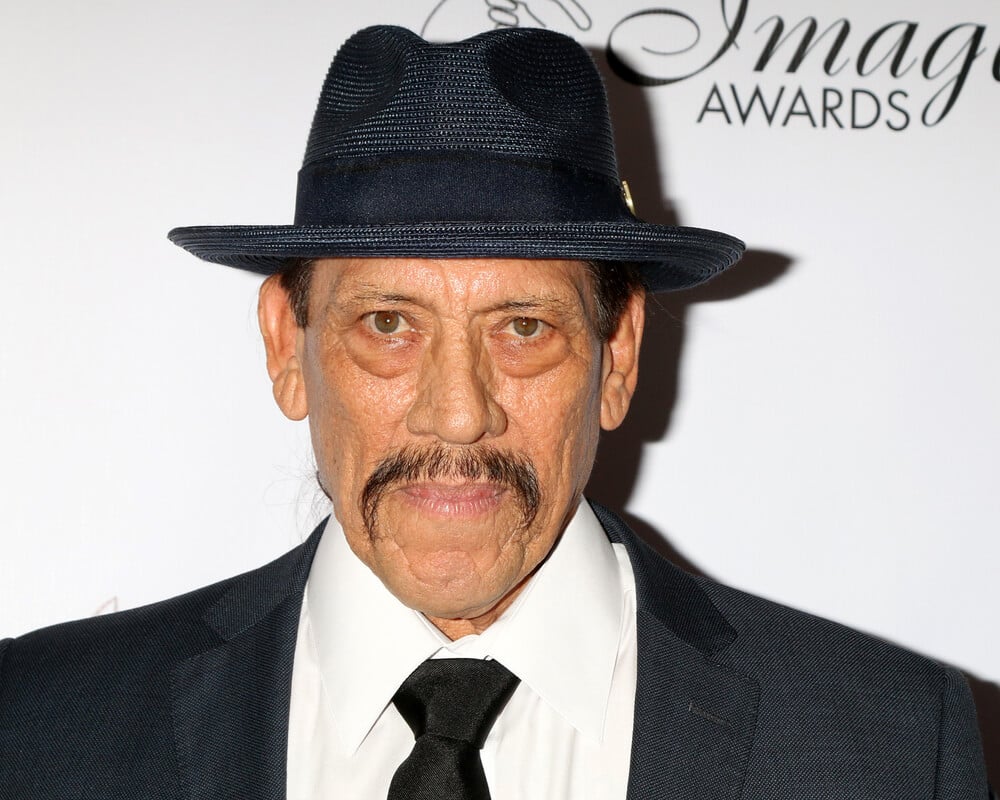
Trejo spent years in and out of prison before turning his life around during incarceration and later working as an addiction counselor. He was discovered for film work on a set where he had been hired to help a recovering client stay sober, launching an acting career at 41.
He has since appeared in hundreds of film and television roles.
Peter Mark Roget

Roget worked as a physician and lecturer for most of his career, compiling word lists as a personal organizational habit rather than for publication. After retiring from medicine, he published his thesaurus at 73, turning a private reference tool into a book.
Roget’s Thesaurus has remained continuously in print since its original publication.
Frank McCourt
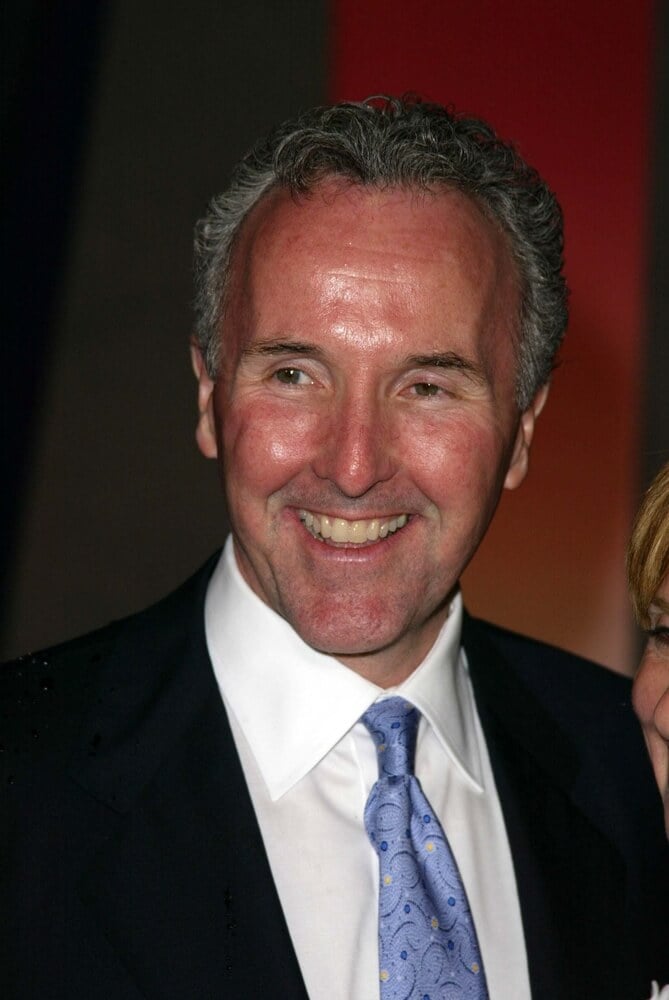
McCourt taught high school English in New York City for nearly three decades without publishing any major writing of his own. He published his first book, the memoir “Angela’s Ashes,” at 66, drawing on his childhood in Ireland.
It won the Pulitzer Prize and became an international bestseller.
Charles Bukowski
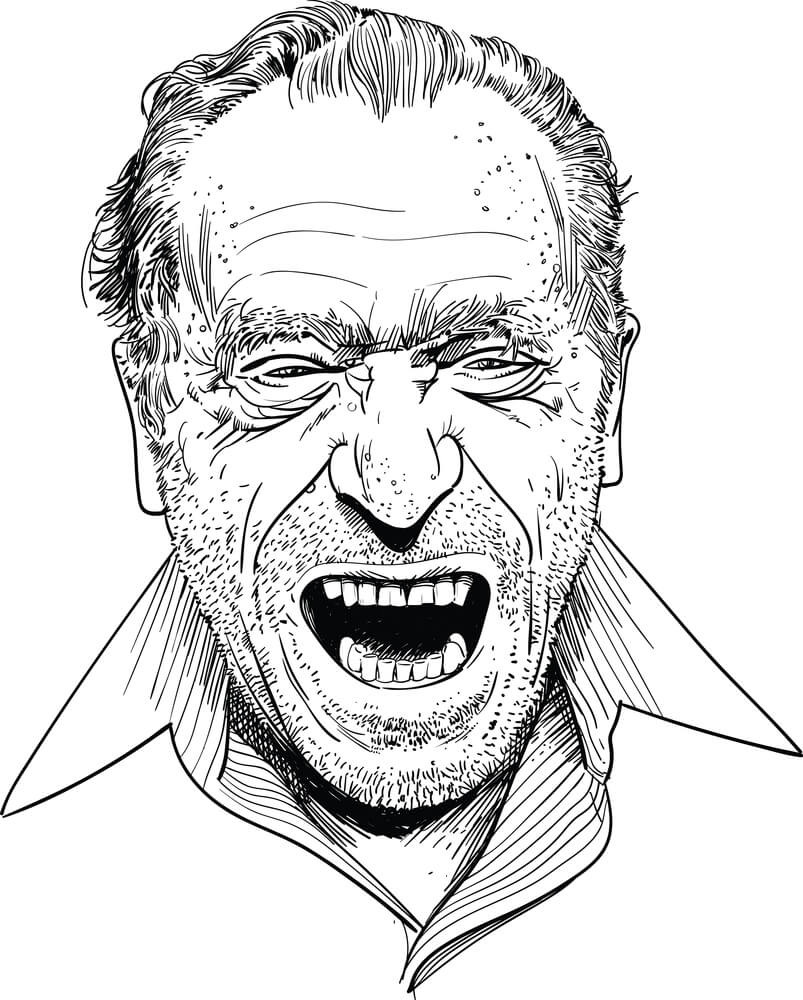
Bukowski worked for over a decade at the U.S. postal service while writing poetry and fiction largely on the side. He left the job at 49 to write full time after a publisher offered him a modest monthly stipend to support the switch.
He went on to publish dozens of books that built a devoted literary following.
Diana Nyad
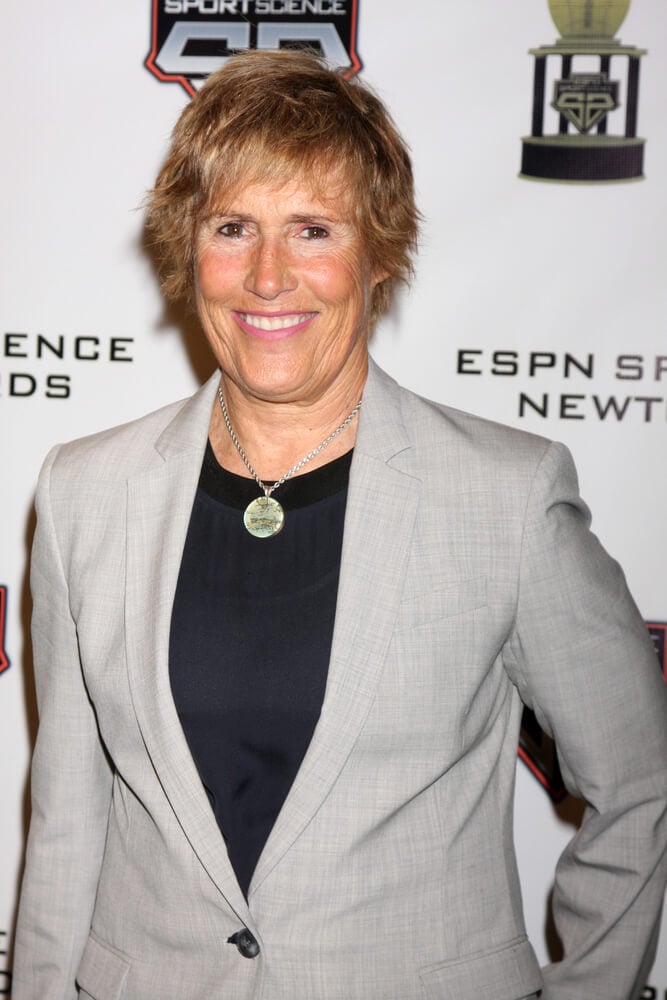
Nyad was a competitive marathon swimmer in her twenties and thirties before shifting to a career in sports journalism for decades. She returned to competitive long-distance swimming later in life and completed an unassisted swim from Cuba to Florida at 64, after several earlier attempts had failed.
The achievement made her one of the most recognized endurance athletes of her generation.
Ronald Reagan
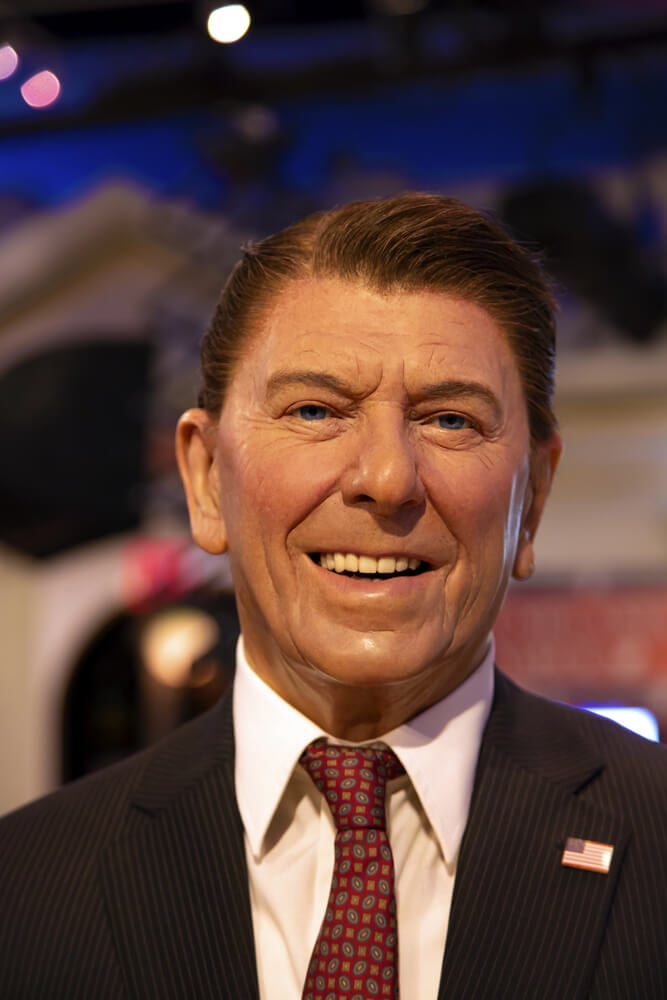
Reagan worked for decades as a film and television actor with a moderately successful but not top-tier career in Hollywood. He entered politics in his fifties, winning election as governor of California at 55.
He was elected president of the United States at 69, remaining the oldest person to assume the office at the time.
Taikichiro Mori

Mori taught economics at a university in Japan for most of his career before shifting into commercial real estate development in his fifties. He built a company that came to own a significant share of prime office buildings in Tokyo.
At the time of his death, Forbes had listed him as the wealthiest person in the world.
Laura Ingalls Wilder
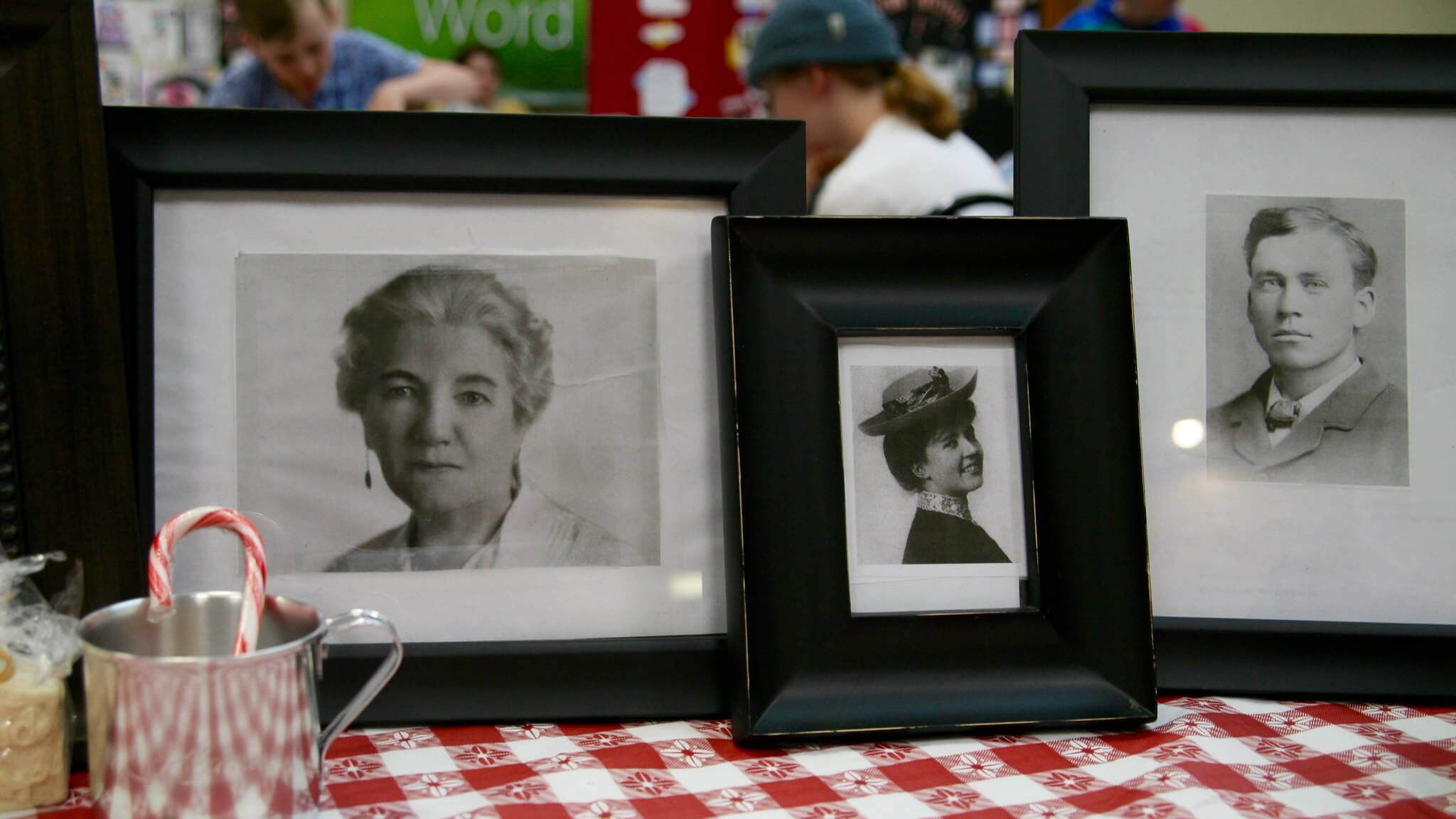
Wilder worked as a farmer, journalist, and columnist for decades in rural Missouri before publishing her first novel. “Little House in the Big Woods” appeared when she was 64, drawing on her childhood memories of frontier life.
The series that followed became a defining work of American children’s literature.
Anna Mary “Grandma” Moses

Moses worked as a farmer and embroiderer for most of her life, taking up painting seriously only after arthritis made needlework too difficult in her seventies. Her folk art style caught the attention of a collector who displayed her work in New York galleries.
She continued painting into her one hundredth year and became one of the best-known American folk artists.
Toni Morrison
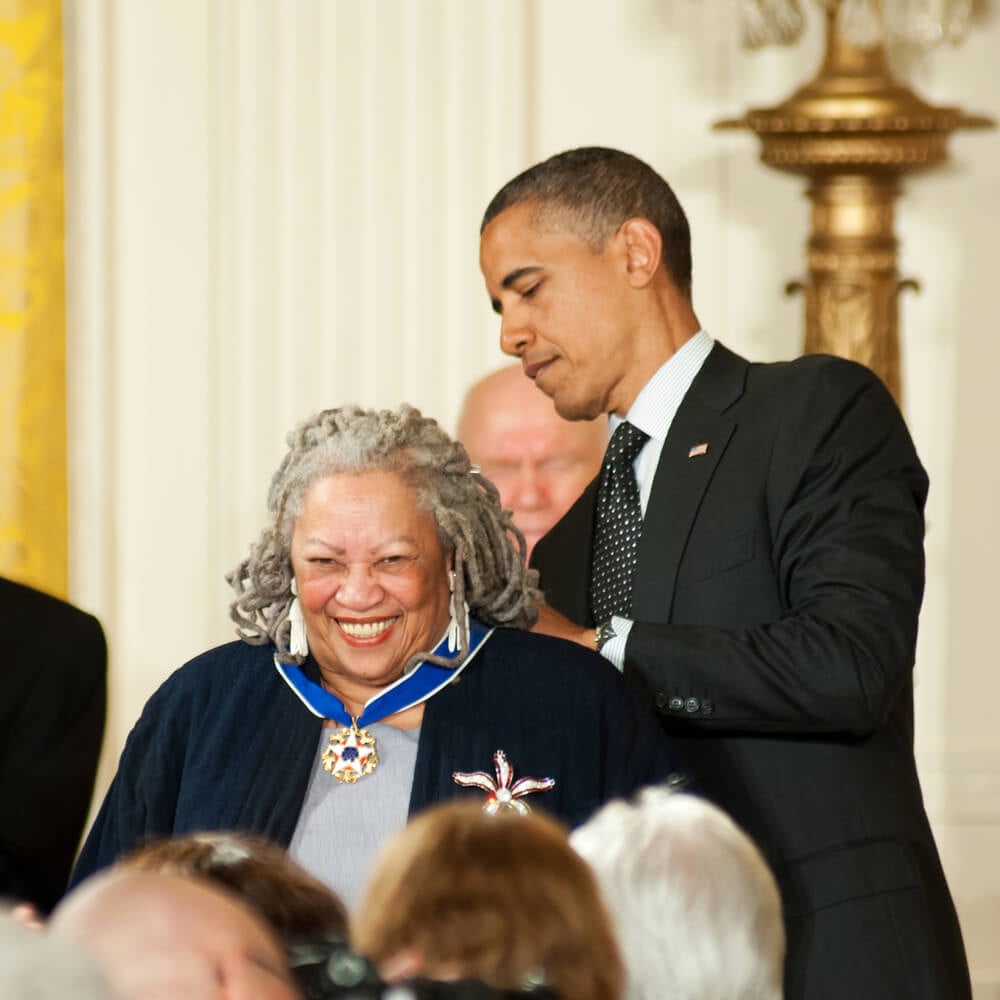
Morrison worked for years as a book editor at Random House, where she championed other writers’ work while writing her own fiction on the side. Her novel “Beloved,” widely considered her masterwork, was published when she was 56 and won the Pulitzer Prize the following year.
She received the Nobel Prize in Literature a few years later.
Kathryn Bigelow
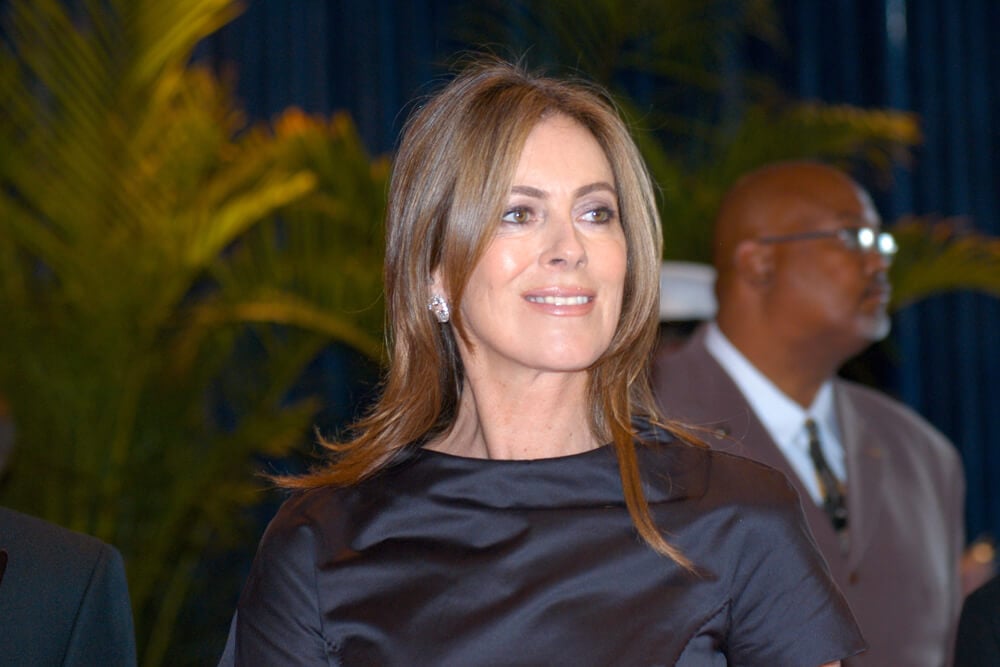
Bigelow worked steadily as a director for decades, making action and thriller films that received mixed commercial results. Her film “The Hurt Locker,” released when she was around 58, won the Academy Award for Best Director, making her the first woman to receive the honor.
The recognition arrived after roughly three decades of filmmaking that had rarely gotten equivalent attention.
Morgan Freeman
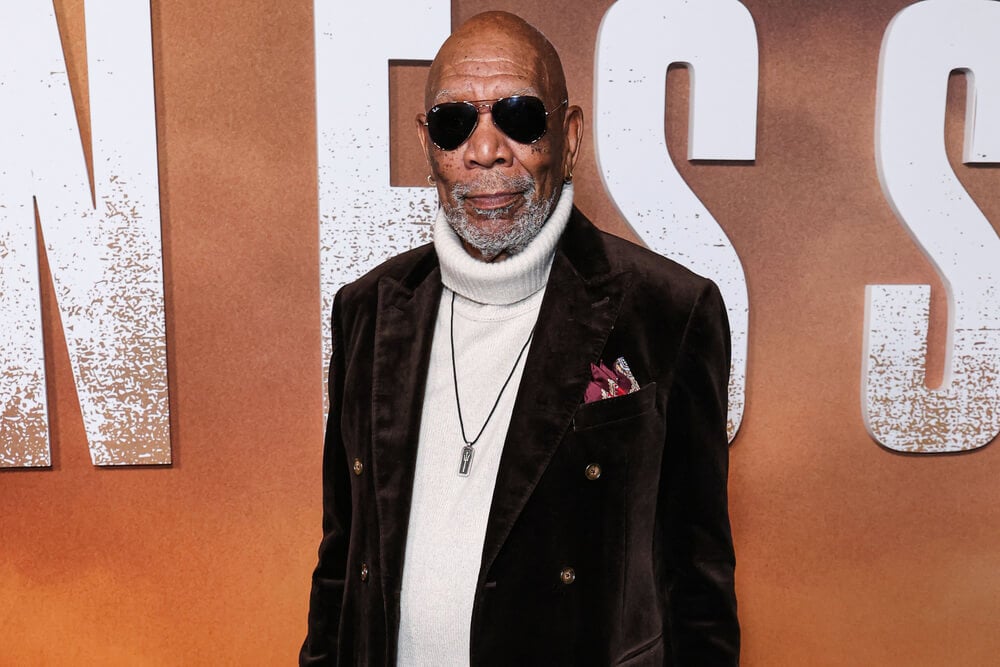
Freeman worked in theater, on children’s television, and in minor film roles for more than two decades before his career gained wider momentum. His Academy Award-nominated role in “Street Smart” came at 50, followed two years later by “Driving Miss Daisy.”
He has since become one of the most recognizable voices and faces in American film.
Ang Lee

Lee spent six years unemployed as a stay-at-home parent after finishing film school, unable to get a project financed despite years of trying. His film “Crouching Tiger, Hidden Dragon” became an international hit when he was 45, following a run of earlier films that had built his reputation more slowly.
He has since won the Academy Award for Best Director twice.
Sister Wendy Beckett

Beckett lived for decades as a cloistered nun focused on prayer and contemplation, largely apart from public life. She began presenting art history documentaries for the BBC in her sixties after an initial audio recording project drew unexpected attention.
Her direct, enthusiastic commentary made her one of the more unlikely television personalities of the 1990s.
Forty Was Never the Finish Line

What these lives share is not luck or a single formula for reinvention. Some had spent decades quietly building a skill before anyone noticed, while others changed direction entirely and began again from close to nothing.
Neither path required youth as a prerequisite.
The common thread is closer to patience than talent. Each of these people kept working past the point where a first act might reasonably have been considered final, and the record they left behind was made in the decades that followed, not despite them.
More from Go2Tutors!

- The Romanov Crown Jewels and Their Tragic Fate
- 13 Historical Mysteries That Science Still Can’t Solve
- Famous Hoaxes That Fooled the World for Years
- 15 Child Stars with Tragic Adult Lives
- 16 Famous Jewelry Pieces in History
Like Go2Tutors’s content? Follow us on MSN.