Forgotten Food Fads of the Early 2000s
The early 2000s were a wild time for food. Grocery stores were packed with snacks that promised low-fat magic, neon-colored drinks ruled lunchboxes, and the microwave was king.
People chased trends, swapped recipes from email chains, and loaded up on anything that looked futuristic or came in a squeeze tube. Some of these foods made a big splash, but most quietly disappeared while no one was looking.
A lot has changed since then, but these food fads? They still live rent-free in the back of many minds. Let’s take a stroll down memory lane and see what was once sitting on everyone’s plate.
Go-Gurt
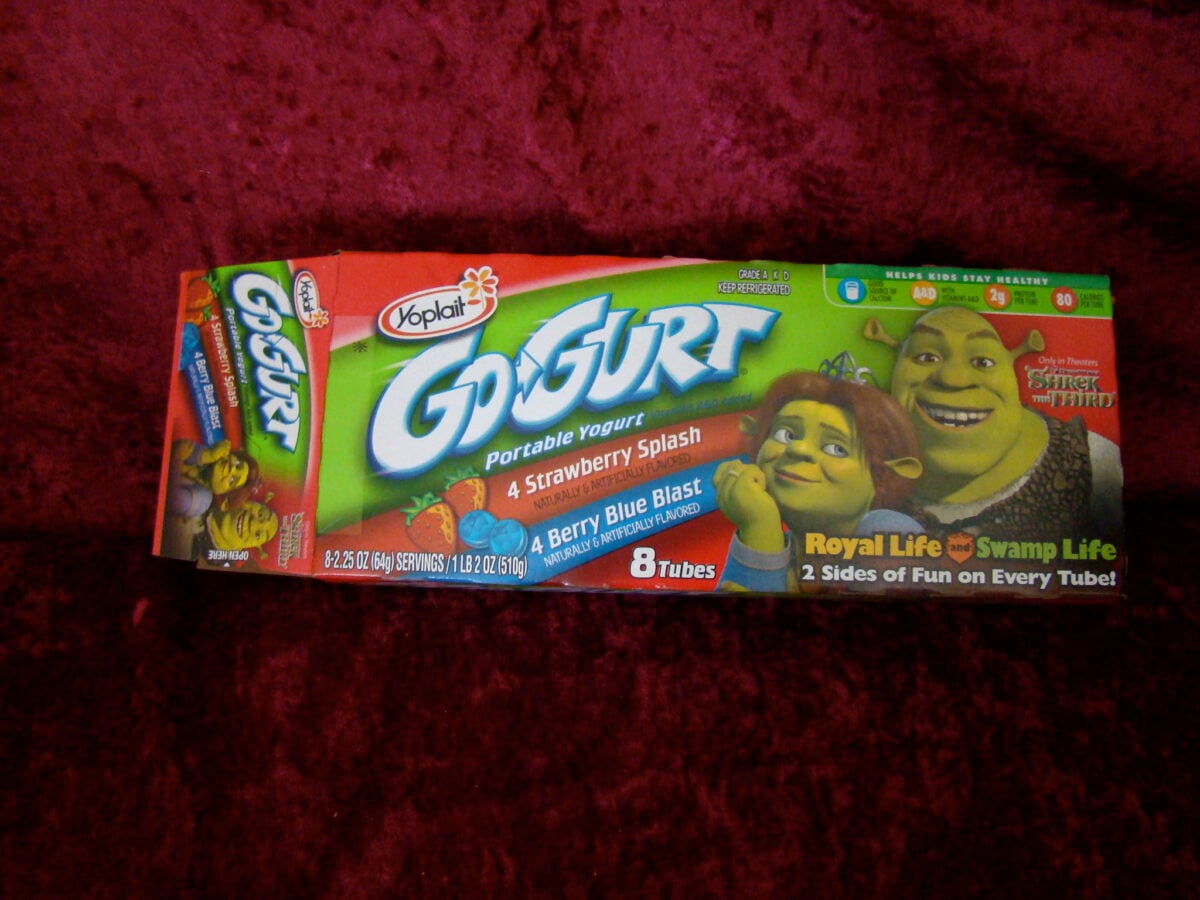
This one was everywhere. Yogurt in a tube was the dream snack for kids—and parents loved that it was “portable.”
No spoons needed, just squeeze and slurp. It was sticky, sweet, and often a little too warm by lunchtime, but that didn’t stop it from showing up in every school cafeteria.
It was marketed like an extreme sport.
Orbitz drink
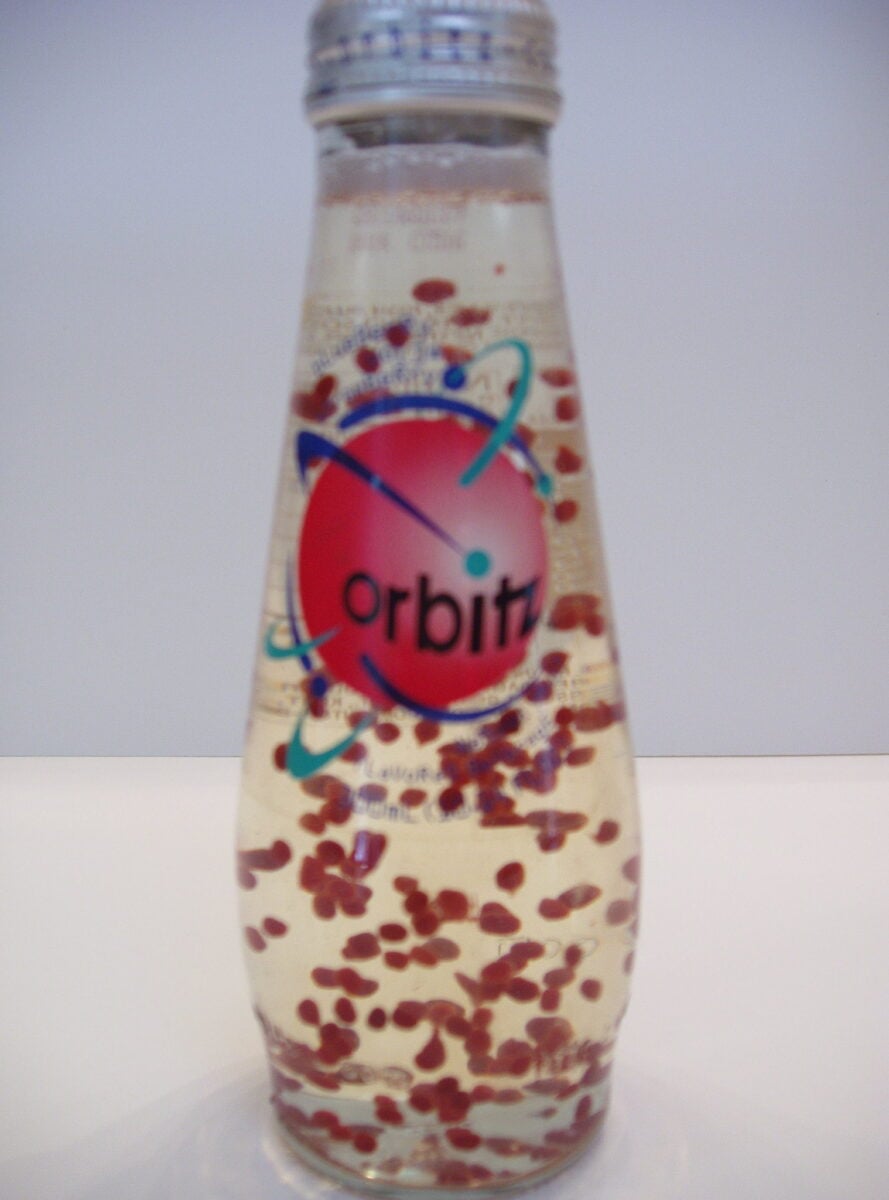
It looked more like a lava lamp than a drink. Orbitz had floating jelly-like orbs suspended in a clear, fruity liquid.
People bought it more for how it looked than how it tasted. The texture was weird, and the flavors were a little off.
But for a brief time, it was the coolest drink on the shelf.
Like Go2Tutors’s content? Follow us on MSN.
Lunchables Fun Snacks
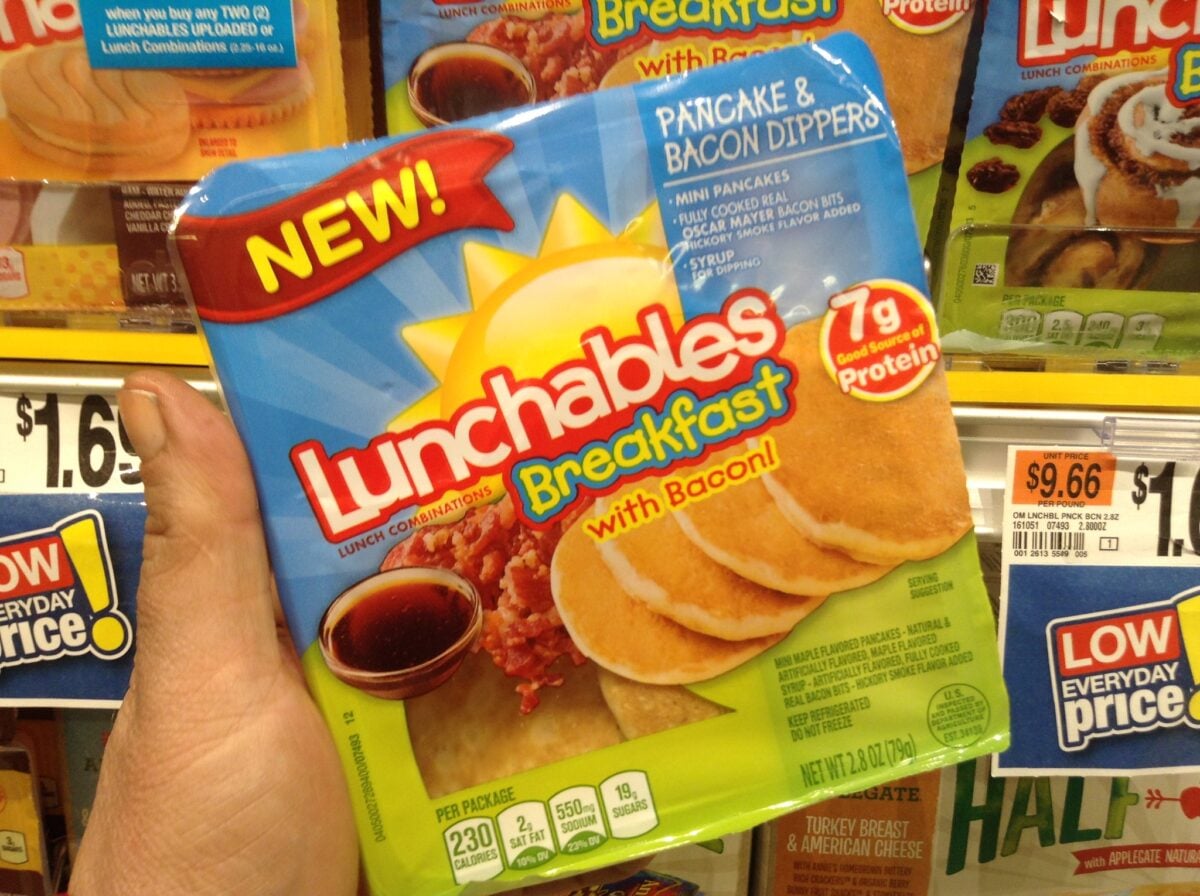
Not the regular Lunchables—this was a sugary spin-off. Think cookie disks with tubes of frosting or sprinkle packs.
Kids got to “build” their dessert just like they made DIY pizzas. It wasn’t healthy, but it was fun.
The packaging did most of the work in convincing parents it was a treat worth buying.
Crystal Pepsi Blue
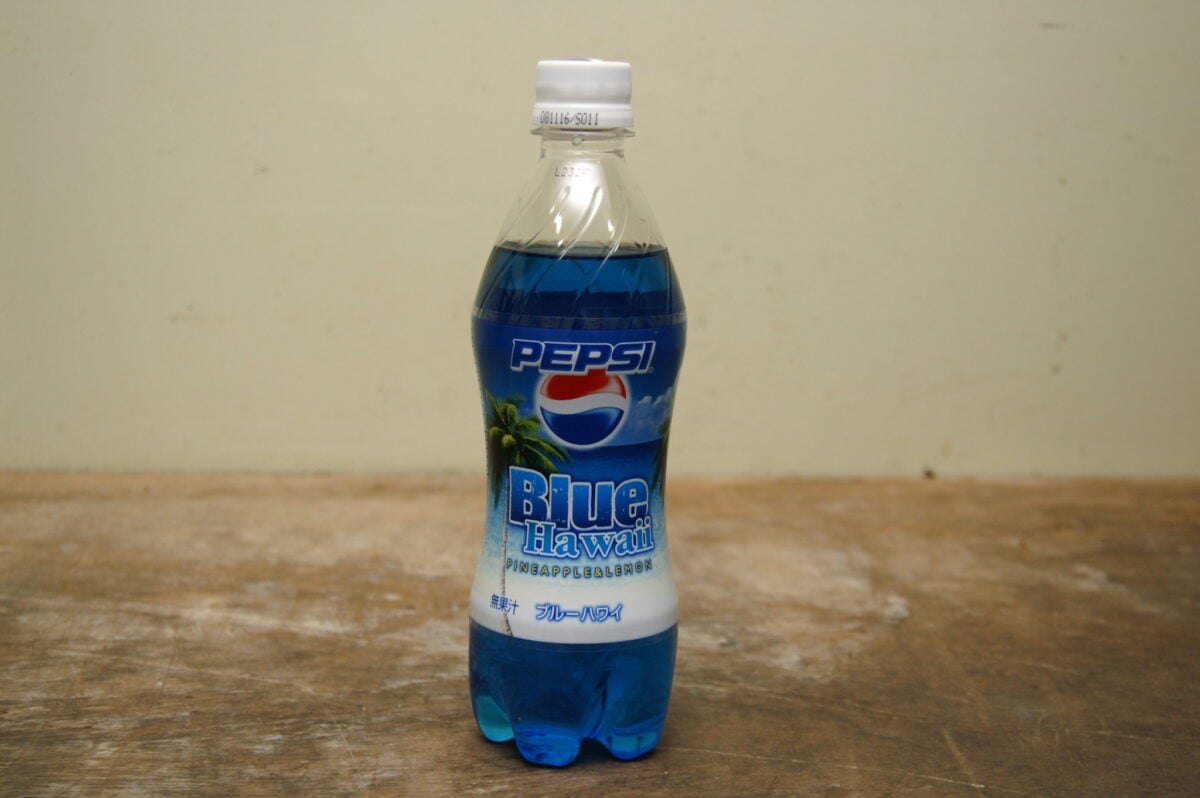
Crystal Pepsi had a short run in the ’90s, but the early 2000s gave it a blue makeover. It was clear, fizzy, and had a strange berry-ish flavor.
The look was cool, but the taste confused most people. It disappeared quickly, but those blue bottles stood out while they lasted.
Atkins diet frozen meals
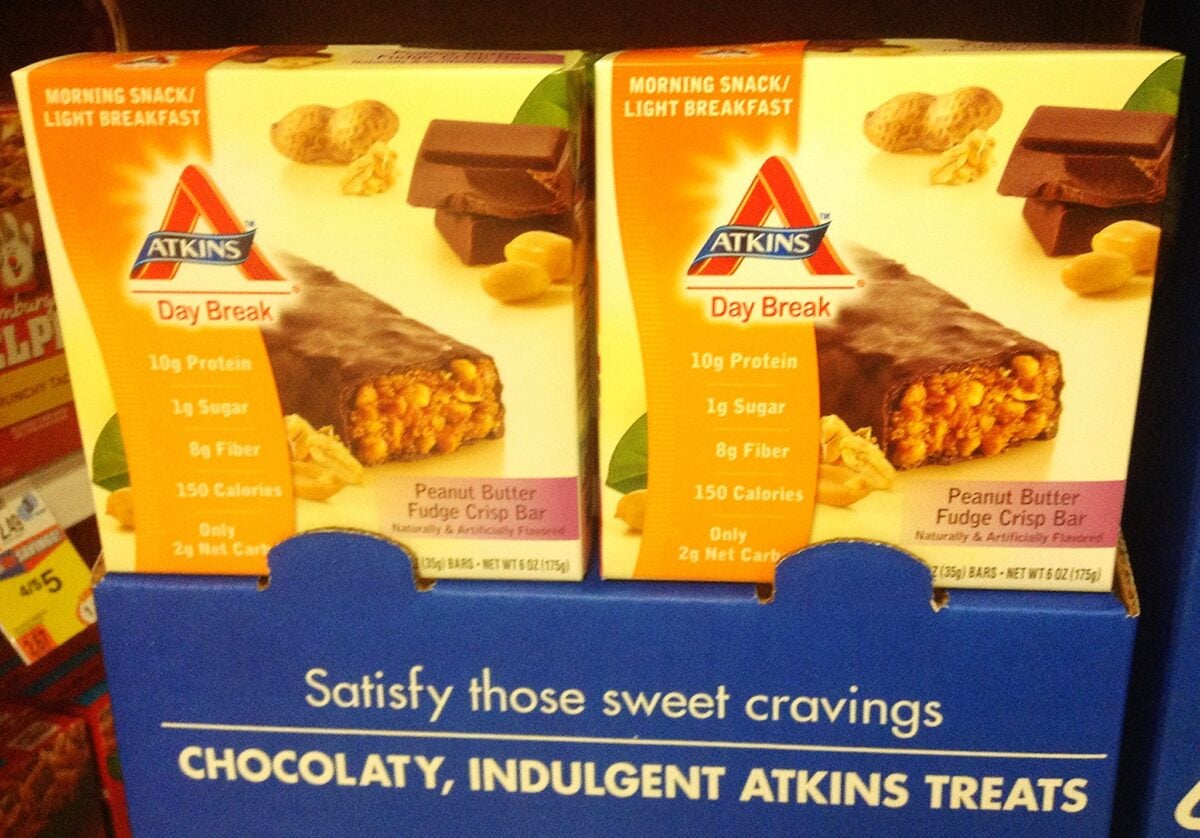
Low-carb everything hit like a storm. The Atkins diet took over grocery stores, and suddenly everyone was avoiding bread.
There were frozen meals that proudly ditched pasta, rice, and potatoes. It didn’t always taste great, but people were willing to sacrifice flavor for fewer carbs.
The packaging shouted “no sugar” and “no guilt” in bold letters.
Like Go2Tutors’s content? Follow us on MSN.
Flavored water in pop-top bottles
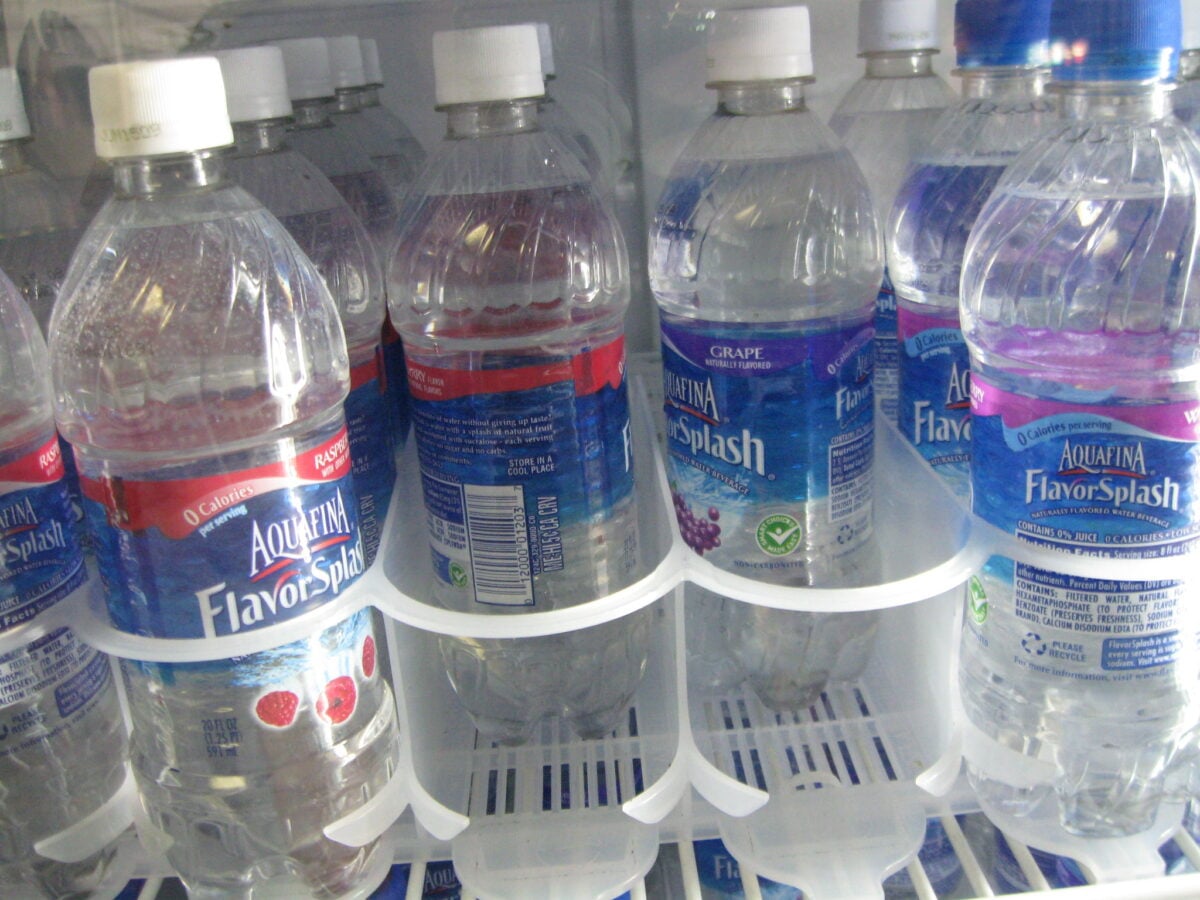
Companies like Propel and Fruit2O made water “exciting.” These weren’t sugary enough to count as juice, but not plain enough to be just water.
Some flavors were refreshing, others tasted like watered-down candy. The bottles had pull-top lids, perfect for gym bags or lunch boxes.
It was hydration with a twist—literally.
Butter-flavored spray
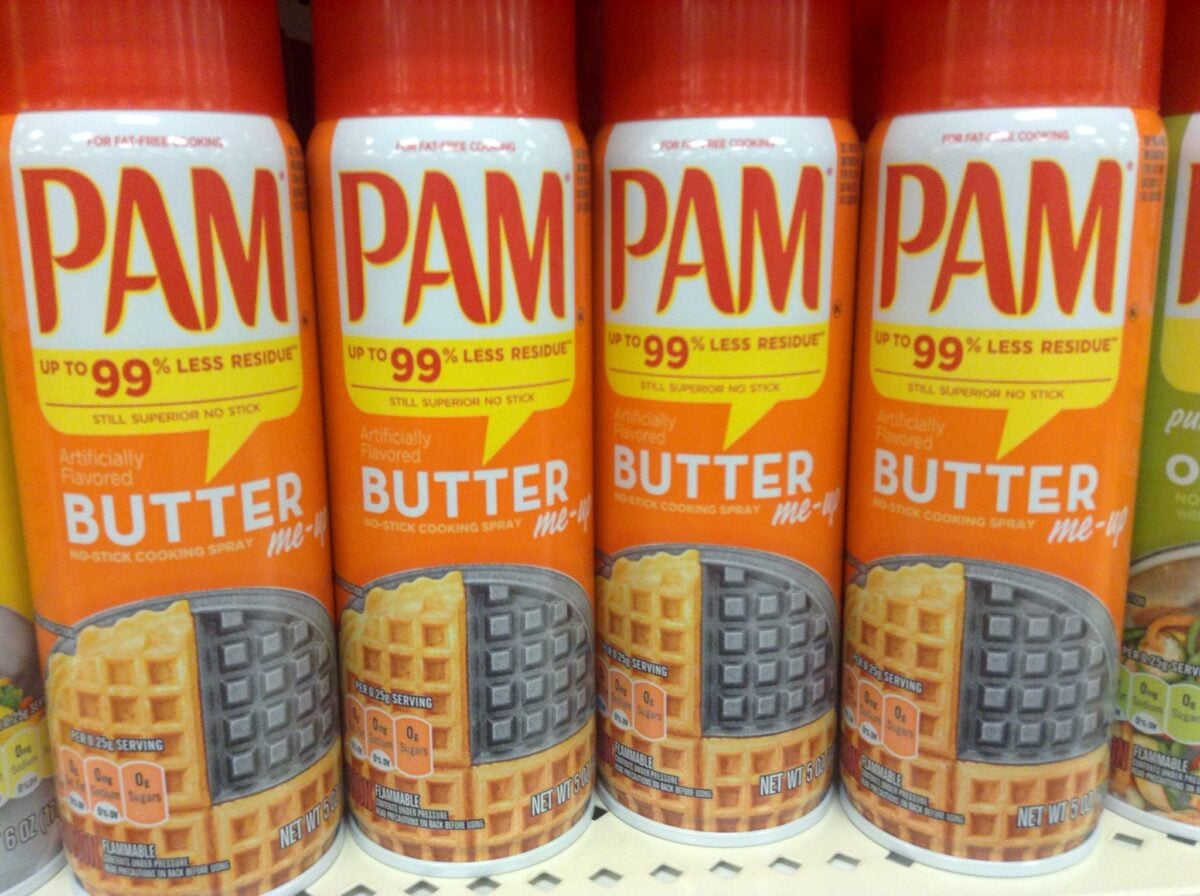
People sprayed this stuff on everything. It wasn’t real butter, but it claimed to have zero calories.
Popcorn, toast, even vegetables got the aerosol treatment. The yellow bottle sat proudly on kitchen counters, next to salt shakers and olive oil.
It didn’t taste much like butter, but it sure tried hard.
Cereal straws
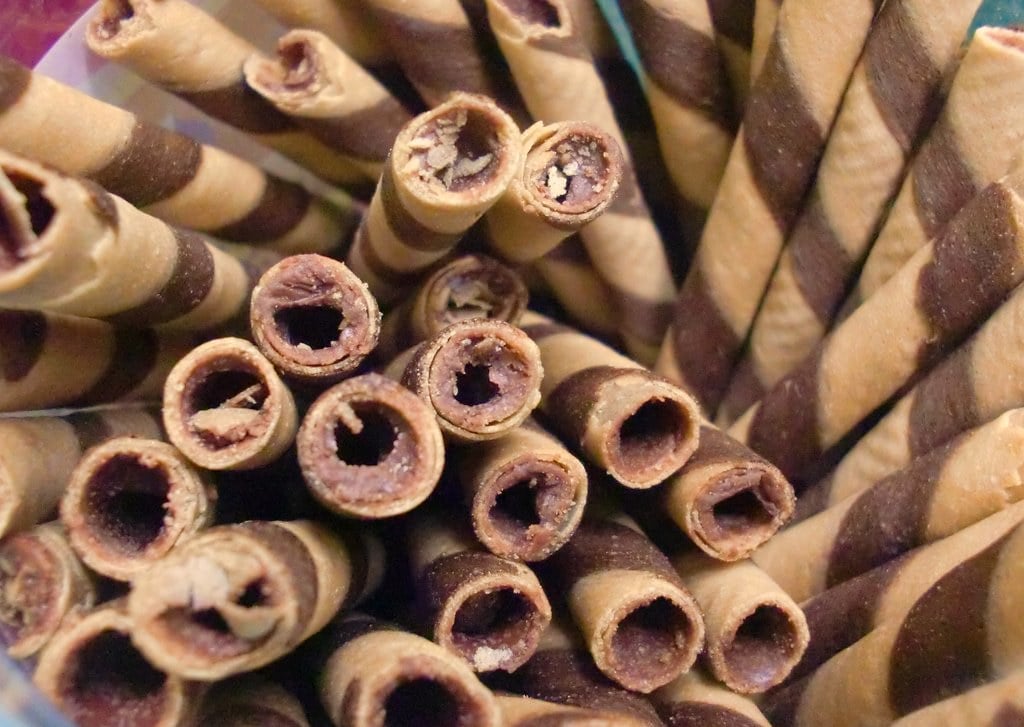
These were crunchy, flavored straws made of cereal that kids could sip milk through. Afterward, you could eat the straw.
It felt like breakfast turned into a game. They came in chocolate and other sweet flavors, but the real selling point was the fun.
No one asked if they were nutritious—it didn’t matter.
Like Go2Tutors’s content? Follow us on MSN.
Rice cakes with weird toppings
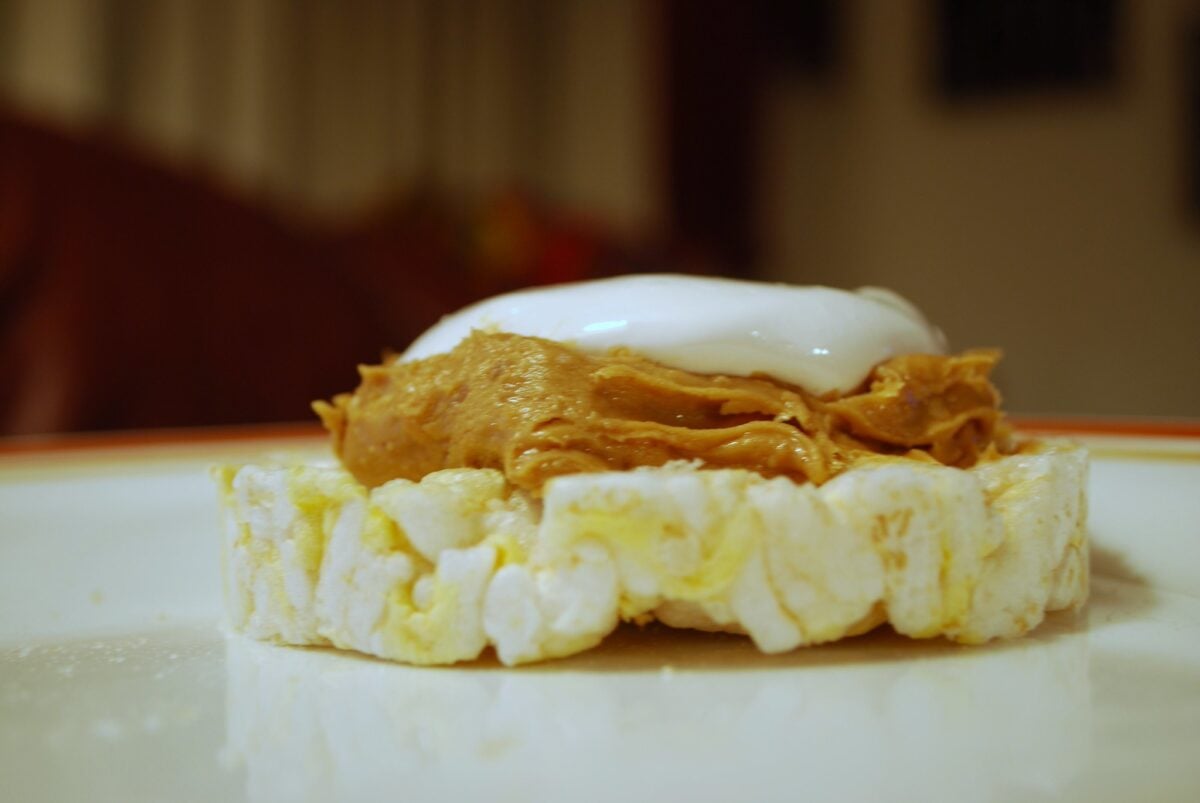
Rice cakes had a moment in the spotlight, but people got bored fast. So brands started adding things like caramel drizzle or cheddar dust.
They were crunchy, dry, and tried really hard to feel like snacks instead of diet food. Some folks swore by them, others chewed them with regret.
Either way, they were always in someone’s pantry.
Microwaveable mug cakes
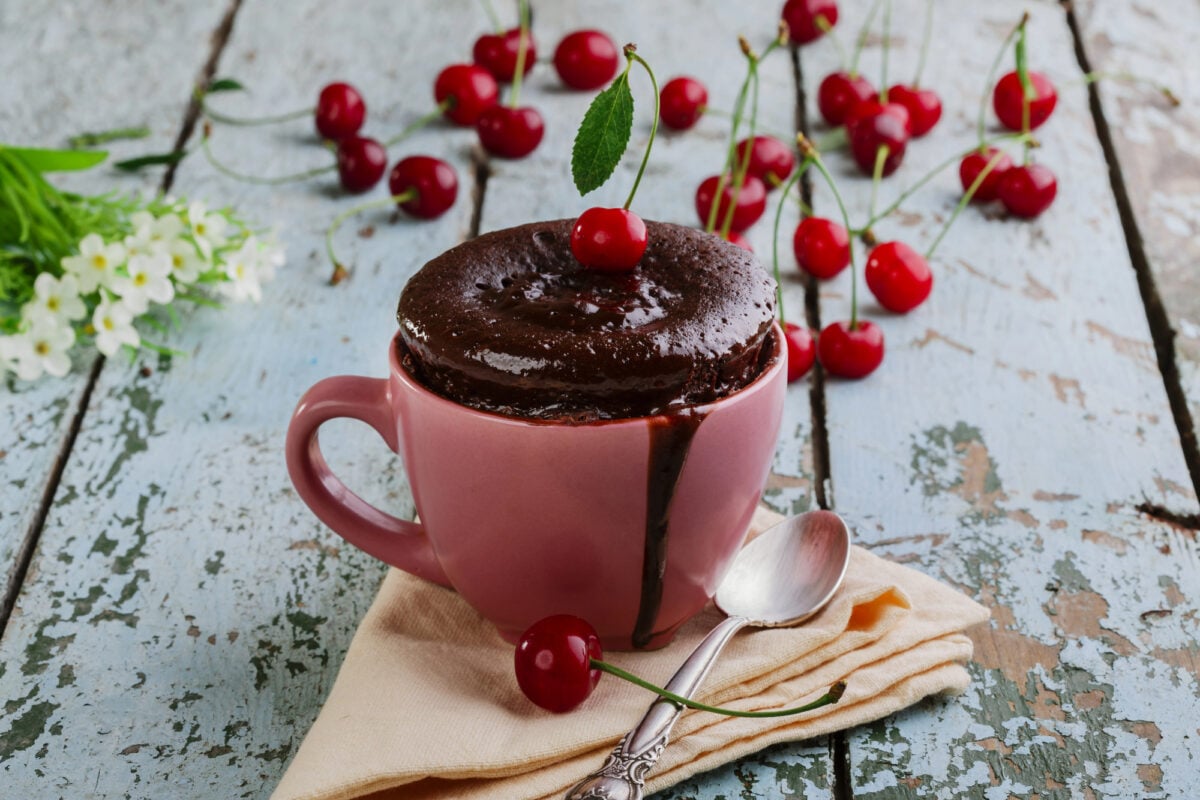
Before social media recipes blew up, people used boxed cake mix to make one-minute mug cakes in the microwave. It felt like a shortcut to happiness.
Just mix, zap, and eat with a spoon. They weren’t always soft or fluffy, but they did the job.
The thrill was in the speed, not the texture.
Mini soda cans for kids
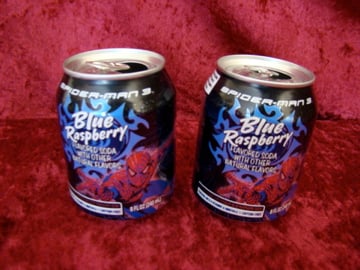
Regular cans were too big for lunchboxes, so brands made mini versions. These tiny cans made kids feel grown-up without overloading on sugar.
They were easy to pack, easy to drink, and adorable to look at. Some households stocked them just for portion control.
It was soda, but with a cuteness factor.
Like Go2Tutors’s content? Follow us on MSN.
Jell-O pudding bites
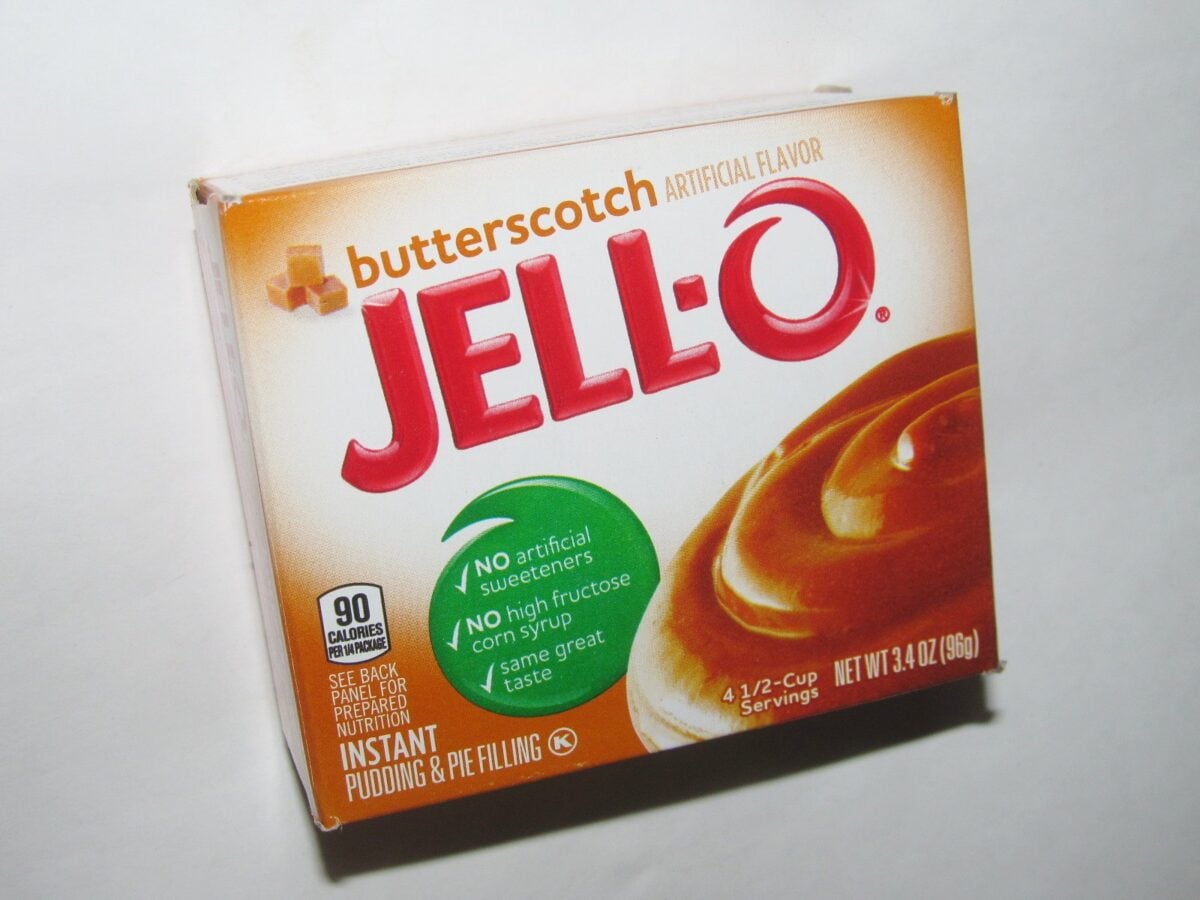
Soft, chewy, and a little strange—these were pudding turned into candy. They came in foil pouches and didn’t need refrigeration.
The texture threw some people off, but kids loved the sweetness. They were a short-lived hit that vanished almost overnight.
Still, the idea of portable pudding was pretty wild at the time.
Low-fat everything
Snack aisles were full of low-fat versions of chips, cookies, and even peanut butter. The idea was that fat was the enemy.
But removing fat usually meant adding sugar, so the taste didn’t always improve. People bought them anyway, hoping to feel better about their choices.
The labels promised health, even if the flavor said otherwise.
Squeeze pouch drinks
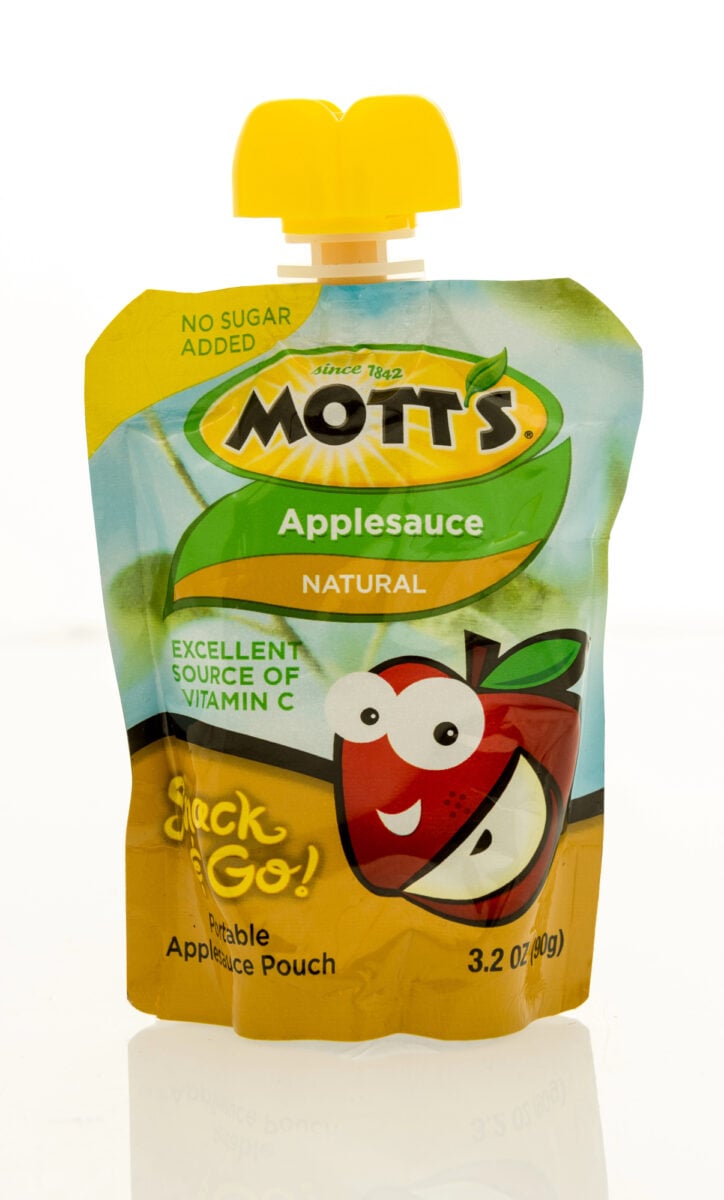
Drinks in squishy pouches were all the rage. Capri Sun led the pack, but other brands followed with twist-off caps or built-in straws.
They were easy to pack, hard to spill, and tasted like sweet syrup. The packaging was half the fun—just try stabbing that straw in without bending it.
Even if the juice inside wasn’t top quality, the pouch made it cool.
Like Go2Tutors’s content? Follow us on MSN.
Canned pasta
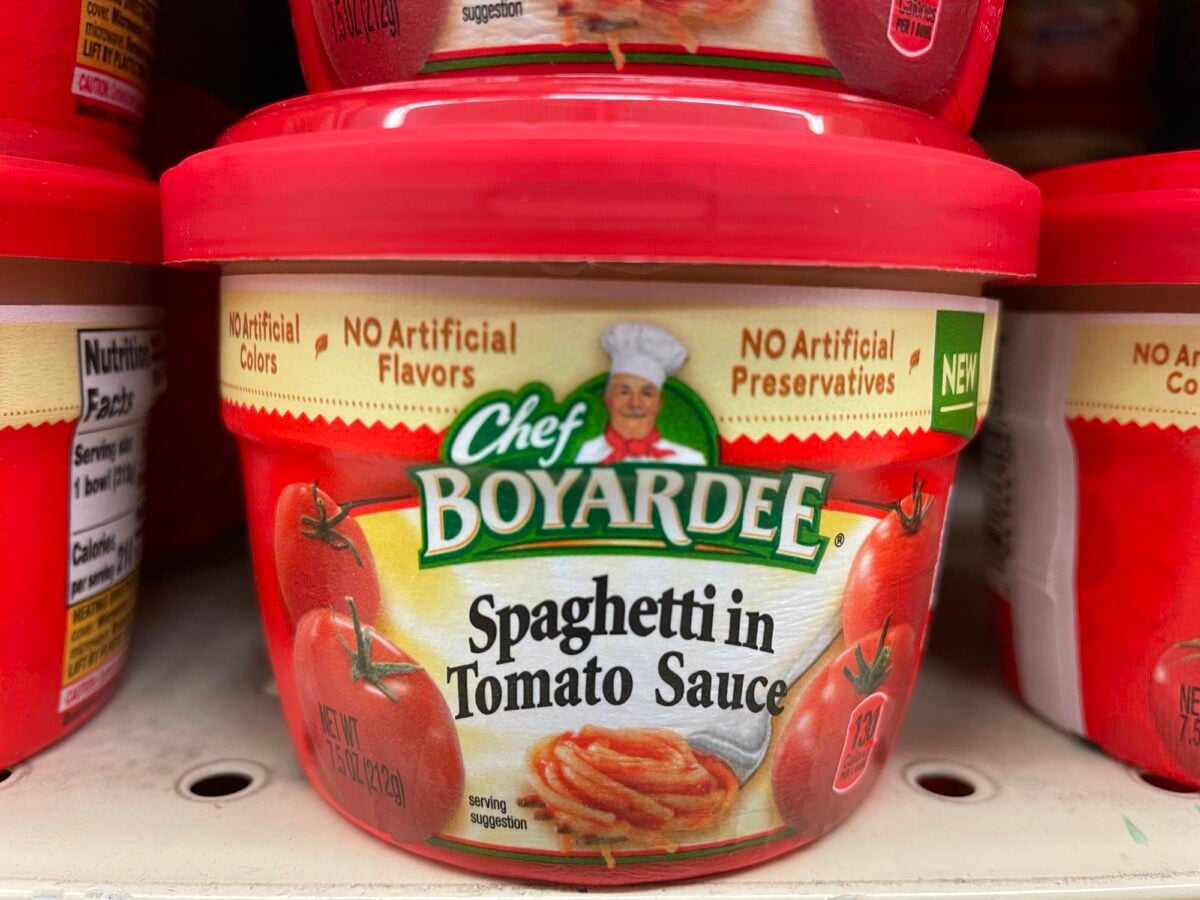
Spaghetti in a can wasn’t new, but shaped noodles kept things interesting. Brands made pasta look like Scooby-Doo, Spider-Man, or Dora the Explorer.
The sauce was thick and sweet, and the noodles were soft and mushy. Kids didn’t mind; parents liked how fast it was to heat up.
It wasn’t fancy, but it got dinner on the table fast.
Like Go2Tutors’s content? Follow us on MSN.
Why it still matters today
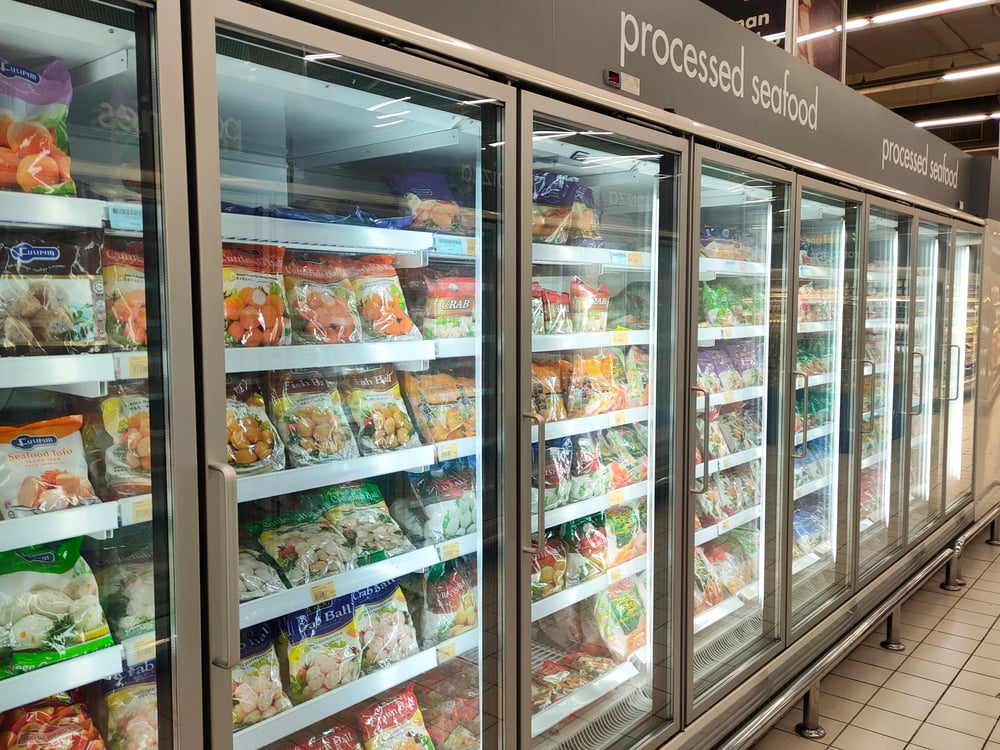
These food fads tell a lot about what people wanted back then. Convenience, color, and a little bit of fun ruled the shelves.
Even if some of these products were a nutritional nightmare, they gave a glimpse into a time when food felt like part of pop culture. Today’s health-focused trends are a big shift, but the excitement over food hasn’t gone away.
It just looks a little different now.
More from Go2Tutors!

- 16 Historical Figures Who Were Nothing Like You Think
- 12 Things Sold in the 80s That Are Now Illegal
- 15 VHS Tapes That Could Be Worth Thousands
- 17 Historical “What Ifs” That Would Have Changed Everything
- 18 TV Shows That Vanished Without a Finale
Like Go2Tutors’s content? Follow us on MSN.