Hollywood Scandals That Rocked the Golden Age
The lights were bright, the stars were bigger than life, and the cameras rolled on dreams that captivated millions.
But behind the velvet curtains and polished studio facades of Hollywood’s Golden Age, a different story was unfolding.
This was an era when scandal could end a career overnight, when studios wielded absolute power over their stars, and when the line between public image and private reality was guarded more fiercely than any vault in Fort Knox.
The scandals that erupted between the 1920s and 1950s didn’t just destroy individual careers.
They fundamentally changed how Hollywood operated, leading to censorship codes, morality clauses, and a publicity machine designed to protect the industry’s golden goose at all costs.
Here’s a closer look at the scandals that shook Tinseltown to its core and forever altered the relationship between Hollywood and America.
The Fatty Arbuckle Tragedy
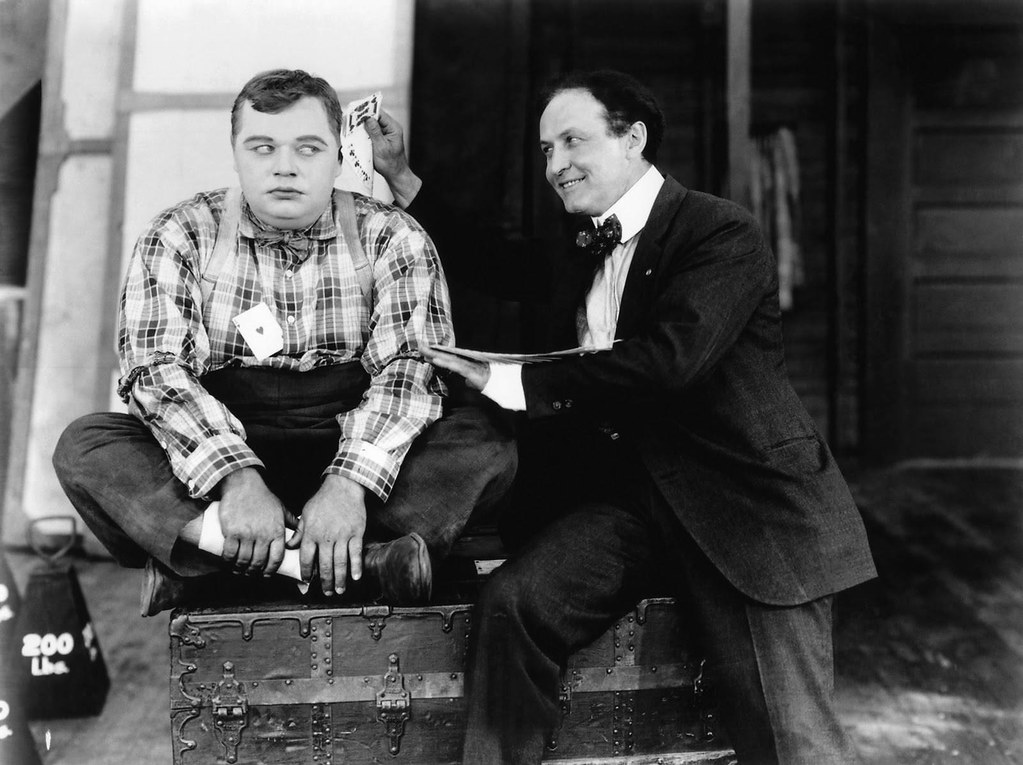
In September 1921, Roscoe ‘Fatty’ Arbuckle was one of the most beloved comedians in America, earning a staggering million dollars a year from Paramount Pictures.
Within days, he became the most hated man in the country.
The comedian had thrown a party at San Francisco’s St. Francis Hotel over Labor Day weekend, where aspiring actress Virginia Rappe fell ill.
She died several days later from a ruptured bladder, and a guest named Maude Delmont accused Arbuckle of assault.
The newspapers, particularly those owned by William Randolph Hearst, went absolutely wild with the story.
Hearst himself gleefully noted that the scandal sold more papers than the sinking of the Lusitania.
The truth was far murkier than the headlines suggested. Arbuckle maintained his innocence throughout three separate trials.
Delmont, the key accuser, turned out to have a criminal record involving extortion and blackmail, and prosecutors knew her testimony wouldn’t hold up in court.
After two hung juries, the third jury took just five minutes to acquit Arbuckle and even issued an unprecedented apology stating he was ‘entirely innocent and free from all blame.’
But the damage was done.
Despite his acquittal, Arbuckle’s films were banned, his career was destroyed, and he spent the rest of his life trying to rebuild a reputation that never fully recovered.
The rotund comedian who once mentored Charlie Chaplin and Buster Keaton died of heart failure in 1933 at age 46, still struggling with the aftermath of a scandal that had consumed him twelve years earlier.
The William Desmond Taylor Murder Mystery
Just months after the Arbuckle scandal began to fade, Hollywood was hit with another bombshell.
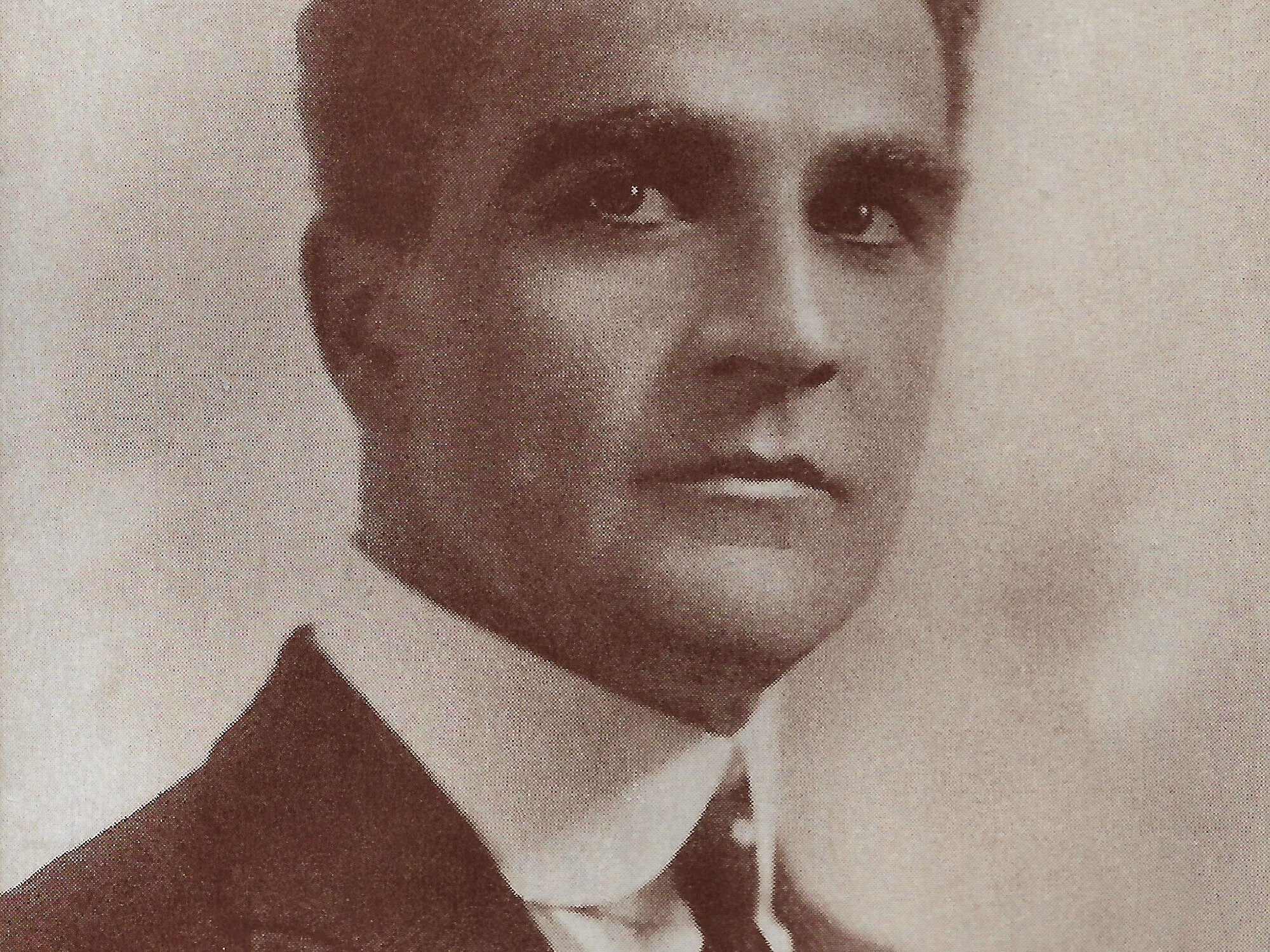
On the morning of February 2, 1922, the valet of prominent silent film director William Desmond Taylor entered his employer’s bungalow in the fashionable Westlake district of Los Angeles.
His screams pierced the quiet morning air.
Taylor lay dead on the living room floor, shot in the back with a small-caliber revolver.
Before police even arrived, studio executives from Paramount were already at the scene, removing potentially damaging materials from the apartment.
What they found would fuel decades of speculation and tabloid fodder.
The investigation quickly spiraled into a media circus that made the Arbuckle case look tame. Two of Hollywood’s biggest stars became entangled in the mystery.
Mabel Normand, a talented comedienne who had been Taylor’s close friend, admitted she was the last person to see him alive that evening.
Young actress Mary Miles Minter, barely in her twenties, was revealed to have harbored romantic feelings for the director.
Police found love letters from Minter in Taylor’s home, along with a nightgown monogrammed with her initials.
The scandal destroyed both women’s careers almost overnight.
Minter’s overbearing mother, Charlotte Shelby, also became a suspect after it emerged she had threatened other directors who showed interest in her daughter.
Some theorized that Taylor’s former valet, Edward Sands, who had embezzled from the director and disappeared before the murder, might have returned for revenge.
Others pointed to drug dealers upset that Taylor had been crusading against narcotics in Hollywood.
The case was never solved.
To this day, it remains one of Hollywood’s most enduring mysteries, a cold case that symbolizes the dark underbelly of the glamorous silent film era.
Charlie Chaplin’s Pattern of Young Women
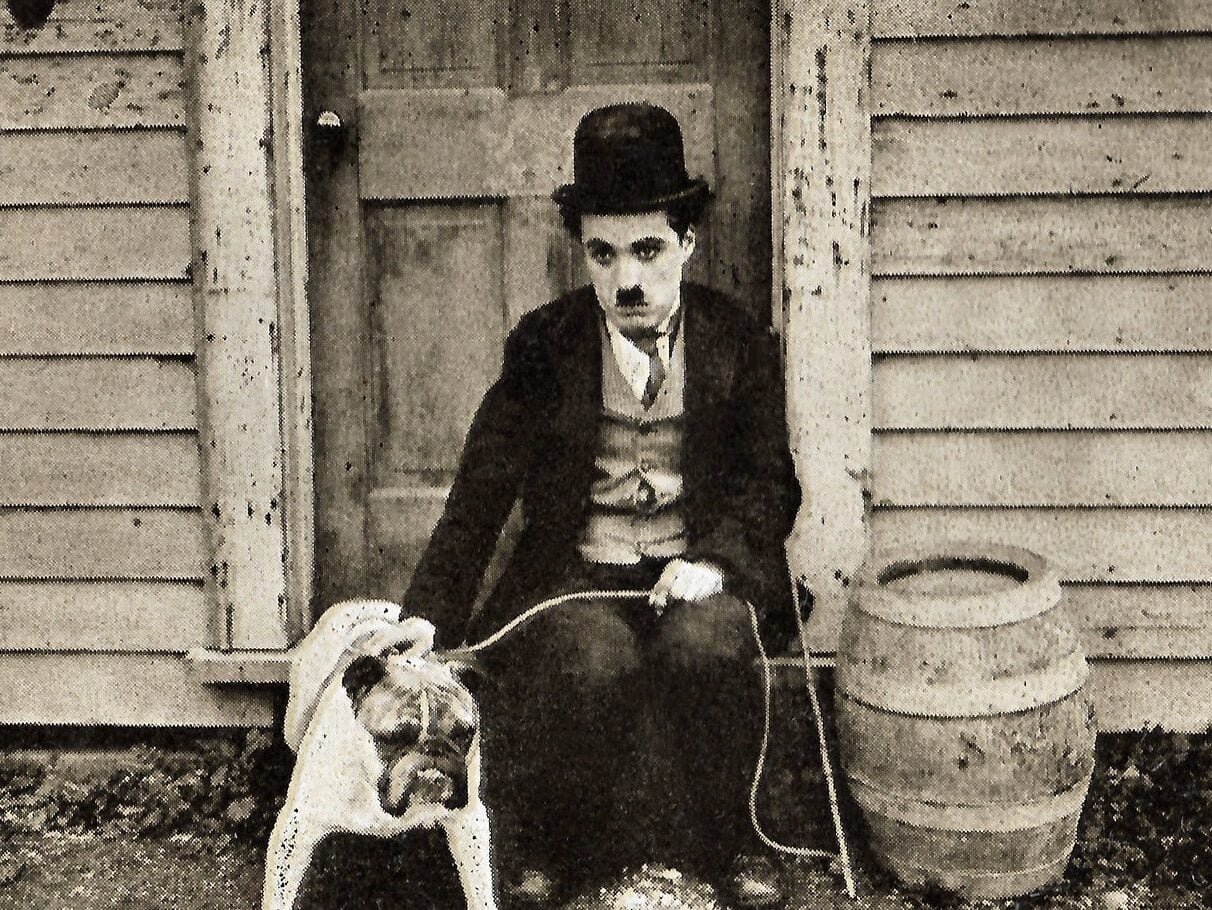
While the world mourned the Little Tramp on screen, Charlie Chaplin’s off-screen behavior was raising eyebrows long before the term ‘problematic’ entered the cultural lexicon.
The British-born comedy genius had a well-documented preference for teenage girls that resulted in multiple scandals throughout his career.
His first high-profile romance involved his 19-year-old co-star Edna Purviance in 1916, but things got considerably more uncomfortable from there.
His second wife, Lita Grey, was only in her mid-teens when they began dating.
They hastily married in 1924 after she became pregnant, specifically to avoid a scandal and keep Chaplin out of prison.
The marriage was a disaster.
During their bitter 1927 divorce proceedings, Grey described treatment she called ‘revolting, degrading, and offensive’ and claimed Chaplin had tried to force her into having an abortion.
She was awarded what was then an enormous divorce settlement of $825,000. Chaplin’s career, while it continued, never quite regained its former luster.
His troubles with public perception culminated in the early 1950s when the U.S. government denied him re-entry to the country over his political beliefs.
The comedian who had once been loved by millions spent the remainder of his life in Switzerland, a voluntary exile from the country that had made him rich and famous.
Errol Flynn and the Trials That Coined a Phrase
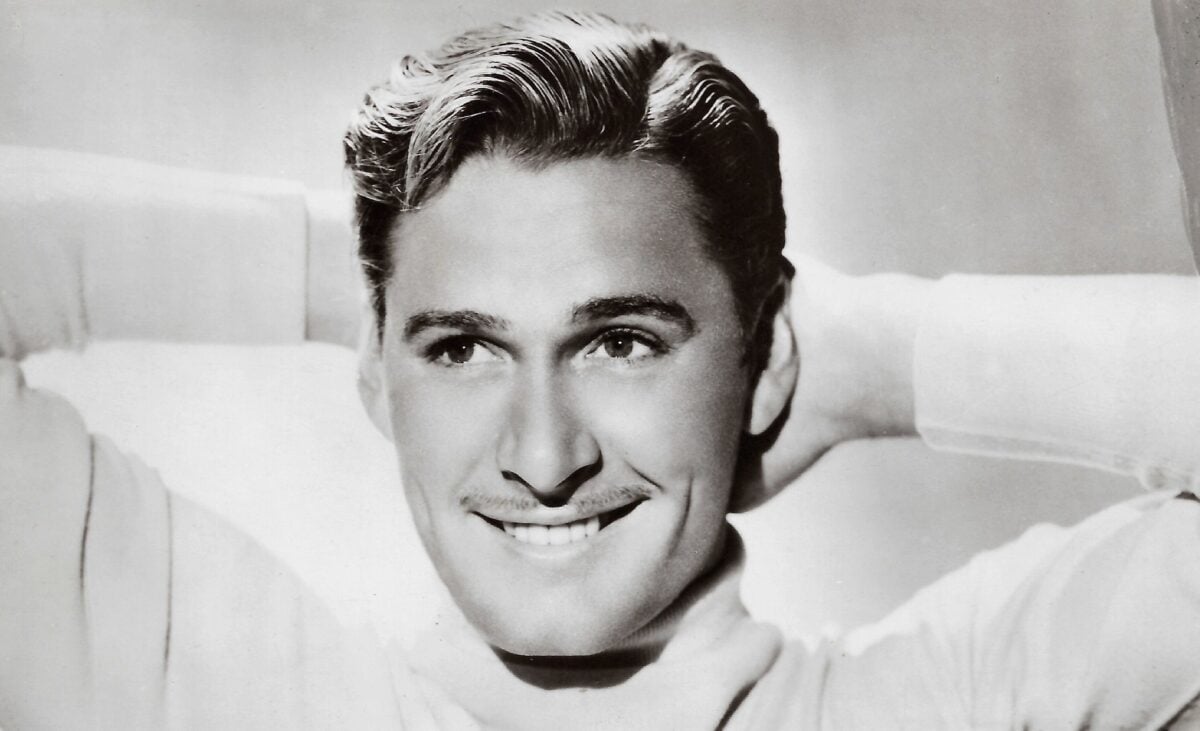
‘In like Flynn’ became 1940s slang for being in an enviable position where success was guaranteed.
The phrase’s namesake, swashbuckling actor Errol Flynn, found himself in a decidedly less enviable situation in 1943 when two seventeen-year-old girls accused him of statutory assault.
Flynn, who had once quipped ‘I like my whiskey old and my women young,’ faced charges that could have ended both his freedom and his career.
The foreign-born actor didn’t have the benefit of American sympathy.
The press largely turned against him, and the trials became a national spectacle.
Flynn’s attorneys worked to undermine the credibility of both accusers, pointing out their previous relationships with other men.
After a lengthy legal battle, Flynn was acquitted on all charges.
The jury was reportedly so enamored with the handsome star that one accuser later complained they ‘just sat and looked adoringly at him as if he was their son or something.’
But acquittal didn’t mean vindication in the court of public opinion.
Flynn’s reputation was permanently tarnished, and while he continued working, the scandal marked the beginning of a slow decline.
He was still involved with teenage girls at the time of his death in 1959 at age 50, a pattern that began long before the trials and continued long after.
Ingrid Bergman’s Fall from Grace
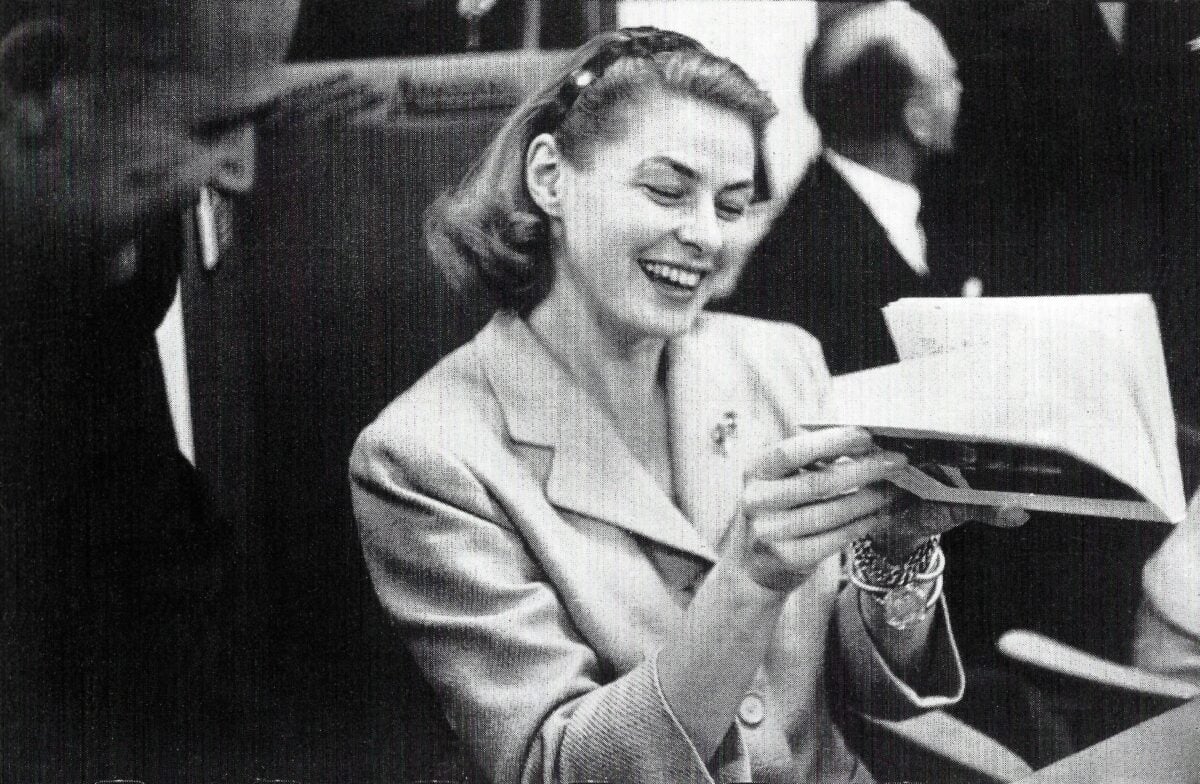
In the late 1940s, Swedish actress Ingrid Bergman seemed almost untouchable.
She had played iconic roles in ‘Casablanca’ and ‘The Bells of St. Mary’s,’ portrayed Joan of Arc, and was widely regarded as one of the most talented and virtuous actresses of her generation.
Then came 1949, and everything changed.
The married Bergman began an affair with Italian director Roberto Rossellini while working on a film.
When she became pregnant with his child, the scandal exploded across America with a force that stunned even Hollywood insiders.
This wasn’t just any affair.
This was a woman who had played saints and nuns carrying on with a married man and bearing his child out of wedlock.
The American public, still deeply conservative in the postwar years, was outraged. Bergman was denounced on the floor of the U.S. Senate as ‘a powerful influence for evil.’
She obtained a divorce from her neurosurgeon husband, and within a week married Rossellini, though they had to travel to Mexico to do so.
The scandal effectively exiled Bergman from Hollywood for seven years.
She continued working in Europe, but American studios wanted nothing to do with the actress who had shattered her wholesome image.
It wasn’t until 1956, when she returned to star in ‘Anastasia’ and won an Academy Award, that she was welcomed back into Hollywood’s embrace.
Even then, the stain of the scandal never fully disappeared.
The Johnny Stompanato Affair
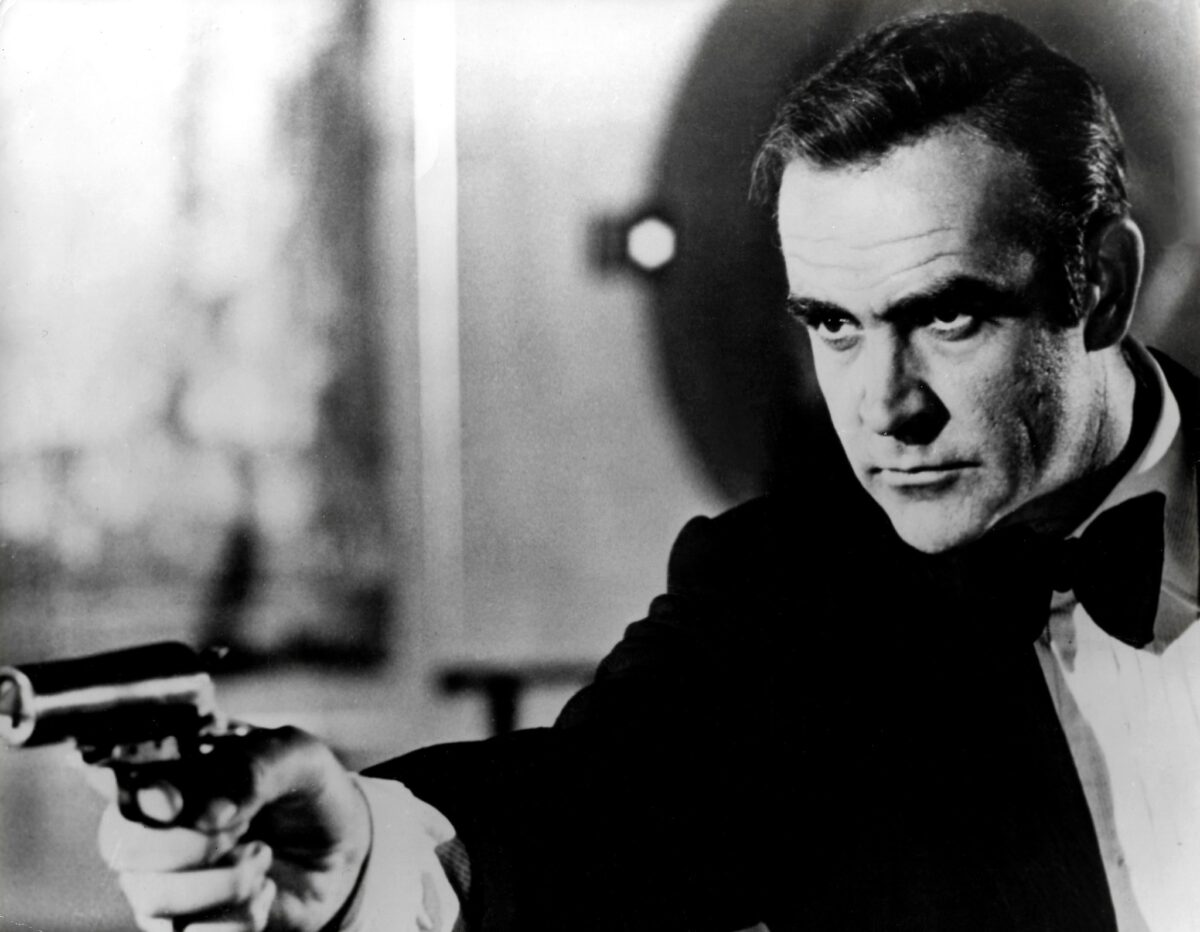
Lana Turner was the quintessential blonde bombshell of the 1940s, a favorite pinup of American servicemen and a serious actress who could hold her own opposite Clark Gable.
Her personal life, however, was perpetually turbulent, and in 1958 it exploded in the most spectacular way possible.
Turner had begun dating Johnny Stompanato, a smooth-talking figure with connections to organized crime.
She apparently didn’t know about his mob ties when they started seeing each other.
By the time she discovered the truth, Stompanato had become increasingly possessive and violent.
On the night of April 4, 1958, Turner’s fourteen-year-old daughter Cheryl Crane grabbed a kitchen knife and stabbed Stompanato to death.
Crane claimed she did it to protect her mother from his escalating abuse.
The subsequent investigation and inquest became an international media sensation.
Many suspected that Turner herself had killed Stompanato and her daughter took the blame to protect her.
The courtroom was packed with reporters and curious onlookers as the sordid details of Turner’s relationship with the mobster were laid bare.
Ultimately, the death was ruled a justifiable homicide, and Crane was made a ward of the court.
Turner’s career survived, though the scandal followed her for the rest of her life.
The case remains one of Hollywood’s most notorious episodes, a stark reminder that the glamorous facade could shatter in an instant, revealing the dysfunction beneath.
MGM’s Treatment of Judy Garland
Not all scandals involved affairs or murders.
Some of the darkest stories from Hollywood’s Golden Age involved what the studios themselves did to their stars.
Judy Garland’s treatment at the hands of Metro-Goldwyn-Mayer stands as one of the most troubling examples of studio abuse.
Garland was just a teenager when MGM put her to work on grueling film schedules that violated even the lax child labor laws of the era.
To keep the young star energized during eighteen-hour days, studio executives gave her ‘pep pills’ that were essentially amphetamines.
They also used these substances to control her weight, alternating stimulants with sedatives to help her sleep.
The long-term consequences were catastrophic.
Garland developed substance dependencies that plagued her for the rest of her life.
She struggled with her weight, her mental health, and her relationships.
The studio that had made her a star as Dorothy in ‘The Wizard of Oz’ had also set her on a path of addiction and instability that she could never fully escape.
Garland’s story eventually became public, but only after years of suffering.
Her treatment exemplified the casual cruelty of the studio system, where young performers were seen as assets to be exploited rather than people to be protected.
The scandal of what MGM did to Garland didn’t break in the traditional sense.
It emerged slowly over decades, a damning indictment of an industry that valued profit over the wellbeing of its most vulnerable stars.
The Studio System’s Iron Grip

Behind many of Hollywood’s scandals was the studio system itself, a structure that gave executives almost unimaginable control over their contracted stars.
Studios didn’t just employ actors.
They owned them, dictating everything from who they dated to what they wore in public.
Morality clauses in contracts allowed studios to fire performers for behavior deemed inappropriate.
Women who wore pants in public could be denied entry to restaurants.
Actresses like Olivia de Havilland who tried to turn down roles they found demeaning were suspended without pay.
Studio ‘fixers’ like MGM’s Eddie Mannix worked tirelessly to cover up scandals, arrange abortions, pay off police, and make inconvenient problems disappear.
The actress Tallulah Bankhead reportedly had multiple abortions arranged by studios to protect her career and the industry’s reputation.
This authoritarian control extended to every aspect of stars’ lives.
Studios forced performers to take acting lessons, speech coaching, and grooming sessions.
They arranged marriages to deflect rumors about private lives and ordered stars to end relationships that might damage their public image.
The power imbalance was so extreme that when actors finally began to rebel in the 1940s and 1950s, demanding better contracts and more autonomy, it fundamentally restructured how Hollywood operated.
De Havilland’s successful lawsuit against Warner Bros. led to the ‘de Havilland Law,’ which limited how long studios could extend contracts through suspension periods.
It was a small victory, but an important one in breaking the studios’ stranglehold over their talent.
Why It Still Haunts Us

The scandals of Hollywood’s Golden Age weren’t just salacious gossip.
They were symptoms of a broken system where power was concentrated in the hands of a few studio executives who answered to no one.
These episodes led directly to the creation of the Hays Code, which censored film content for decades, and to the establishment of elaborate publicity machines designed to manufacture and protect star images.
They taught Hollywood that perception mattered more than truth, that problems could be buried if you had enough money and influence, and that victims were often sacrificed to protect the powerful.
The template established in those years persists today.
We still see patterns of exploitation, cover-ups, and the use of legal and financial power to silence accusers.
The difference is that modern technology and social media have made it harder to control the narrative the way studios once did.
The scandals that rocked the Golden Age remind us that Hollywood’s glamorous facade has always concealed darker truths, and that the price of stardom has often been paid by those least able to afford it.
More from Go2Tutors!

- The Romanov Crown Jewels and Their Tragic Fate
- 13 Historical Mysteries That Science Still Can’t Solve
- Famous Hoaxes That Fooled the World for Years
- 15 Child Stars with Tragic Adult Lives
- 16 Famous Jewelry Pieces in History
Like Go2Tutors’s content? Follow us on MSN.