26 Cookbooks That Changed Home Cooking
Long before recipe videos and food blogs, a handful of cookbooks did more to shape what ends up on the American dinner table than any single chef or restaurant. Some standardized how recipes were written. Others introduced entire cuisines to households that had never encountered them. Here are 26 that left a lasting mark.
American Cookery
Published in 1796 by Amelia Simmons, this was the first cookbook written by an American for American cooks, breaking from the British cookbooks that had dominated colonial kitchens. It introduced recipes using native ingredients like cornmeal and pumpkin that had no place in English cooking traditions. It’s widely credited as the starting point of a distinctly American culinary identity.
The Compleat Housewife
Originally published in London in 1727 by Eliza Smith, this cookbook was reprinted in Williamsburg, Virginia, in 1742, becoming the first cookbook published on American soil, even though its recipes remained largely English. Its printer claimed to have adapted some recipes to colonial tastes and available ingredients. It set the template that American cookbook publishing would follow for decades.
Miss Leslie’s Directions for Cooking
Written by Eliza Leslie and first published in 1837, this cookbook is considered by many culinary historians to be one of the finest early American cookbooks thanks to its clear, precise writing. It went through dozens of printings over the following decades. Its influence shaped how American cookbook authors approached instructional writing for generations afterward.
The White House Cookbook
Published in 1887 and claiming to reveal the recipes served to presidential families, this cookbook combined recipes with household management advice and etiquette guidance. Its mix of practical recipes and domestic instruction made it a bestseller well outside Washington social circles. It remained in print, regularly updated, for more than a century.
The Boston Cooking-School Cook Book
First published in 1896 by Fannie Merritt Farmer, this book was revolutionary for its precise, standardized measurements at a time when most recipes relied on vague instructions like “a piece of butter the size of an egg.” Farmer’s approach made recipes reliably repeatable for the first time. It became a model that virtually every cookbook since has followed.
The Settlement Cook Book
First published in 1901 by Lizzie Black Kander to help immigrant women in Milwaukee learn American cooking and kitchen management, this cookbook became one of the best-selling American cookbooks of the 20th century. Its practical, no-nonsense recipes made it a fixture in households far beyond its original charitable purpose. It remained in print for decades through numerous editions.
Mrs. Beeton’s Book of Household Management
Published in Britain in 1861 by Isabella Beeton, this book combined recipes with detailed household and staff management guidance, and its influence crossed the Atlantic to shape American domestic cookbooks that followed a similar format. Its comprehensive scope set a standard for what a “complete” household cookbook should cover. Its structure influenced American cookbook publishing well into the 20th century.
Larousse Gastronomique
First published in France in 1938 as an encyclopedic reference of French culinary technique and terminology, this book became the standard professional reference for chefs and serious home cooks once English translations arrived. Its comprehensive entries covered everything from basic techniques to obscure regional dishes. It remains a standard reference in professional kitchens today.
The Joy of Cooking
Self-published in 1931 by Irma Rombauer, a St. Louis widow looking to steady her family’s finances, this book became one of the best-selling cookbooks in American history and was later named one of the 150 most influential books of the 20th century by the New York Public Library. Its conversational, friendly tone was a sharp departure from the technical writing of earlier cookbooks. It remains in print today, now in its ninth edition.
Betty Crocker’s Picture Cook Book
Published in 1950 under the fictional Betty Crocker persona created by General Mills, this cookbook used step-by-step photographs at a time when most cookbooks relied on text alone. Its accessible, image-driven format made it especially useful for a generation of new home cooks. It became one of the best-selling cookbooks of the mid-20th century.
Mastering the Art of French Cooking
Published in 1961 by Julia Child, Simone Beck, and Louise Bertholle, this two-volume work translated professional French technique into instructions an American home cook could actually follow. Historian David Strauss credited it with doing more than any other event of the era to reshape American dining. It remains one of the most influential cookbooks ever published in the United States.
The New York Times Cookbook
Compiled in 1961 by longtime New York Times food editor Craig Claiborne, this book gathered recipes representing a huge range of cuisines at a time when most American cookbooks stuck to familiar, domestic fare. Claiborne was especially influential in introducing home cooks to Chinese and simplified French cooking. It remains a widely referenced classic more than six decades later.
Diet for a Small Planet
Published in 1971 by Frances Moore Lappé, this book introduced many American home cooks to vegetarian cooking built around complementary proteins rather than meat. It arrived alongside a broader wave of environmental and health consciousness in American food culture. It’s credited with helping launch vegetarian cooking as a mainstream category rather than a fringe interest.
The Moosewood Cookbook
Published in 1977 by Mollie Katzen and based on recipes from the Moosewood Restaurant in Ithaca, New York, this handwritten, illustrated cookbook helped bring vegetarian cooking further into the mainstream. Its warm, personal style stood in contrast to more clinical health-food writing of the era. It remains one of the best-selling vegetarian cookbooks ever published.
The Taste of Country Cooking
Published in 1976 by Edna Lewis, this memoir-cookbook was among the first by an African-American woman to reach a nationwide audience, combining recipes with a portrait of rural Southern life. It helped build broader respect for Southern cooking as a serious culinary tradition rather than a regional curiosity. Its influence is still cited by chefs working in Southern cuisine today.
The Silver Palate Cookbook

Published in 1979 by Julee Rosso and Sheila Lukins, based on recipes from their New York specialty food shop, this cookbook helped popularize what became known as new American cuisine, blending French technique with bold, casual flavors. Its approachable, entertaining-focused recipes suited a new generation of home cooks. It became a fixture on kitchen shelves throughout the 1980s.
Essentials of Classic Italian Cooking
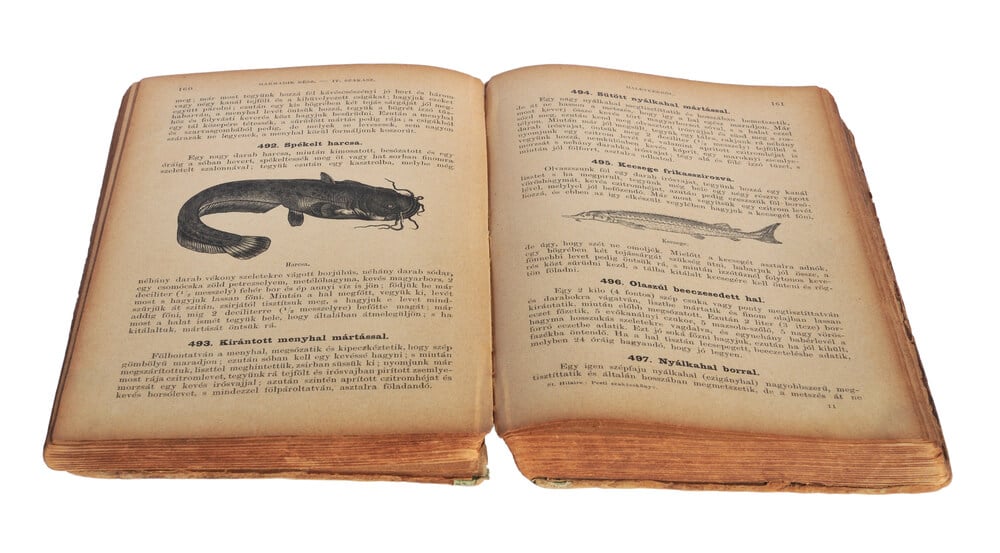
Published in 1992 by Marcella Hazan, this book is widely regarded as the definitive English-language text on traditional Italian home cooking, prized for its rigorous, no-shortcuts approach to technique. It remains a working reference in many professional and home kitchens alike. Chefs still cite it as the book that taught them how Italian food is actually supposed to be made.
Japanese Cooking: A Simple Art
Published in 1980 by Shizuo Tsuji, this book opened Japanese cuisine to a broad American audience for the first time, breaking down techniques from stock-making to sushi into steps a home cook could follow. It arrived as sushi and Japanese ingredients were just beginning to reach mainstream American grocery stores. It remains a foundational reference for Japanese cooking outside Japan.
How to Cook Everything
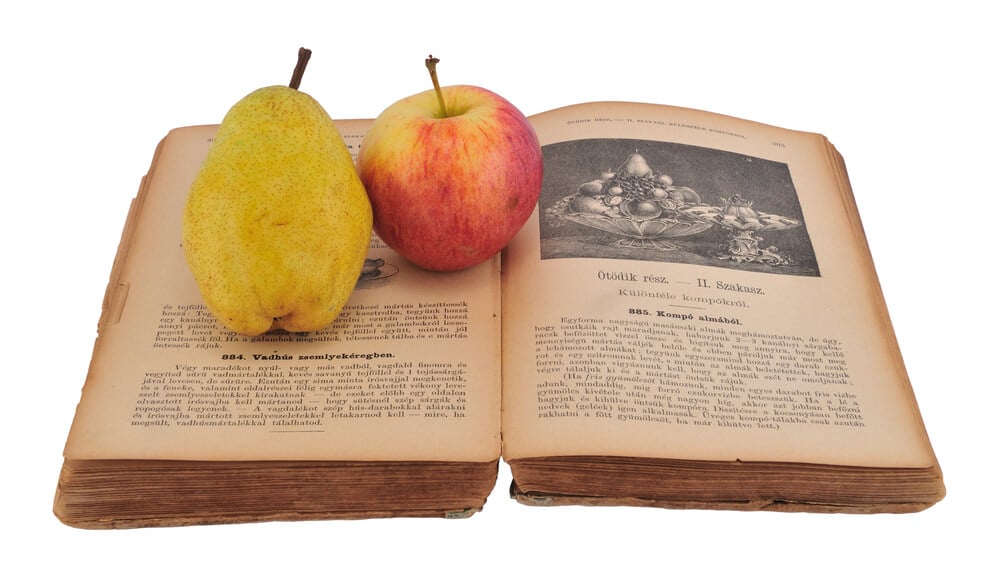
Published in 1998 by Mark Bittman, this book combined the encyclopedic scope of an older-style reference with a plain, unfussy writing style suited to a new generation of cooks without formal training. Its enormous range of recipes made it a practical single-volume reference. It became a modern standard, occupying a role similar to what Joy of Cooking had for earlier generations.
Vegetarian Cooking for Everyone
Published in 1997 by Deborah Madison, this comprehensive vegetable-focused cookbook moved vegetarian cooking away from its earlier health-food associations and treated vegetables as worthy of serious culinary technique. Its detailed ingredient profiles educated readers as much as its recipes fed them. It remains a widely cited reference for vegetable-forward cooking.
The Barefoot Contessa Cookbook
Published in 1999 by Ina Garten, based on recipes from her Hamptons specialty food shop, this book popularized an entertaining style built around simple, high-quality ingredients rather than complicated technique. Its emphasis on ease over showmanship reshaped how a generation approached dinner-party cooking. It launched a long-running cookbook and television franchise that continues today.
The Gourmet Cookbook

Compiled in 2004 from decades of recipes published in Gourmet magazine and edited by Ruth Reichl, this book gathered more than a thousand recipes spanning the magazine’s entire run since 1941. It served as both a practical cookbook and a record of how American fine-dining tastes had shifted over sixty years. It remains a substantial reference for classic and contemporary recipes alike.
Salt, Fat, Acid, Heat
Published in 2017 by Samin Nosrat, this book shifted focus away from following exact recipes and toward understanding the four elements that make food taste good, an approach meant to build lasting cooking instincts rather than dependence on instructions. Its accompanying illustrated charts made abstract cooking principles visual and approachable. It quickly became one of the most influential cooking-education books of its decade.
The Pioneer Woman Cooks
Published in 2009 by Ree Drummond, this book translated a popular food blog documenting ranch life into a cookbook built around hearty, straightforward American comfort food. Its step-by-step photography style echoed earlier picture cookbooks while reaching readers through a new online-first audience. It helped establish the blog-to-cookbook pipeline that’s now common in food publishing.
The Frugal Housewife
Published in 1829 by Lydia Maria Child, this cookbook was aimed specifically at households of modest means, offering economical recipes and household advice at a time when most cookbooks assumed a full domestic staff. Its practical, budget-conscious approach distinguished it from more aspirational cookbooks of the era. It went through numerous editions and remained influential for decades.
The Fannie Farmer Cookbook
Revised and expanded from Fannie Farmer’s original 1896 work through numerous later editions across the 20th century, this book carried her standardized-measurement approach forward for new generations of home cooks. Each revision updated ingredients and techniques while preserving the original’s methodical structure. It remained a trusted kitchen reference well into the late 20th century.
Not Just Recipes, but Instructions
What separates these 26 books from the thousands of cookbooks that came and went is that each one changed how people cooked, not just what they cooked. Some standardized measurements. Others opened up entire cuisines that home cooks had no other way to access. A few simply arrived at the right moment to catch a shift in how people wanted to eat.
Recipes get reprinted, borrowed, and adapted constantly, which makes it easy to forget that someone had to write the first clear version of a technique now taken for granted. These books are the ones that did.
More from Go2Tutors!

- The Romanov Crown Jewels and Their Tragic Fate
- 13 Historical Mysteries That Science Still Can’t Solve
- Famous Hoaxes That Fooled the World for Years
- 15 Child Stars with Tragic Adult Lives
- 16 Famous Jewelry Pieces in History
Like Go2Tutors’s content? Follow us on MSN.