Outlawed Toys That Became Treasures
Remember when childhood came with actual risk? When toys weren’t focus-grouped through seventeen safety committees before hitting shelves? The best playthings of past decades carried a whiff of danger that somehow made them irresistible.
But as safety standards tightened and liability lawyers circled, many of these beloved toys found themselves banned, recalled, or quietly discontinued. What happened next tells a fascinating story about nostalgia, scarcity, and the strange alchemy that transforms everyday objects into coveted collectibles.
Lawn Darts

Sharp metal spikes designed to be hurled through the air at targets. The concept sounds insane by today’s standards, and frankly, it was pretty questionable back then too.
Yet millions of families owned sets, and somehow most kids managed to keep their limbs intact. The Consumer Product Safety Commission banned lawn darts in 1988 after mounting injuries (and some tragic deaths), but collectors now hunt vintage sets with the fervor of treasure seekers.
Complete sets in original packaging can fetch hundreds of dollars — which is saying something for what amounts to weaponized lawn games.
Creepy Crawlers
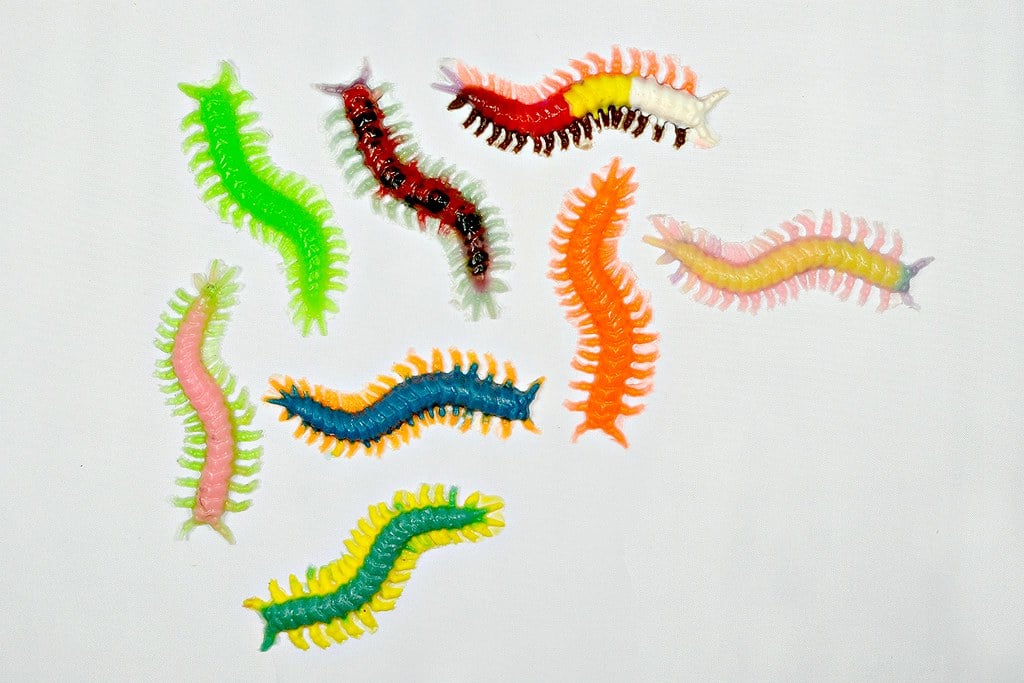
The original Creepy Crawlers weren’t just toys — they were miniature foundries that belonged in your bedroom about as much as a blast furnace belonged in a nursery, which is to say they had no business being there at all (but that’s precisely what made them magical). Kids mixed liquid plastic compounds called “Plastigoop” — a substance that sounded vaguely toxic and probably was — then poured the mixture into metal molds shaped like spiders, snakes, and other delightfully revolting creatures before sliding the whole contraption into a heating device that reached temperatures hot enough to brand cattle.
The result? Rubbery monsters that smelled like a chemical plant explosion and occasionally gave you second-degree burns in the process. And yet somehow this became one of the most beloved toy lines of the 1960s.
Kids didn’t just tolerate the risk — they craved it. The possibility of actual injury made the whole enterprise feel serious and adult, like you were conducting important scientific research rather than just making gross rubber bugs in your bedroom.
So when safety regulators finally caught wind of the fact that children were operating what amounted to miniature factories, the original hot-plate versions disappeared faster than common sense at a toy company board meeting. But here’s where scarcity works its peculiar magic: original Creepy Crawlers sets now command premium prices among collectors who remember the thrill of nearly burning down the house in pursuit of the perfect rubber tarantula.
Slip ‘N Slide
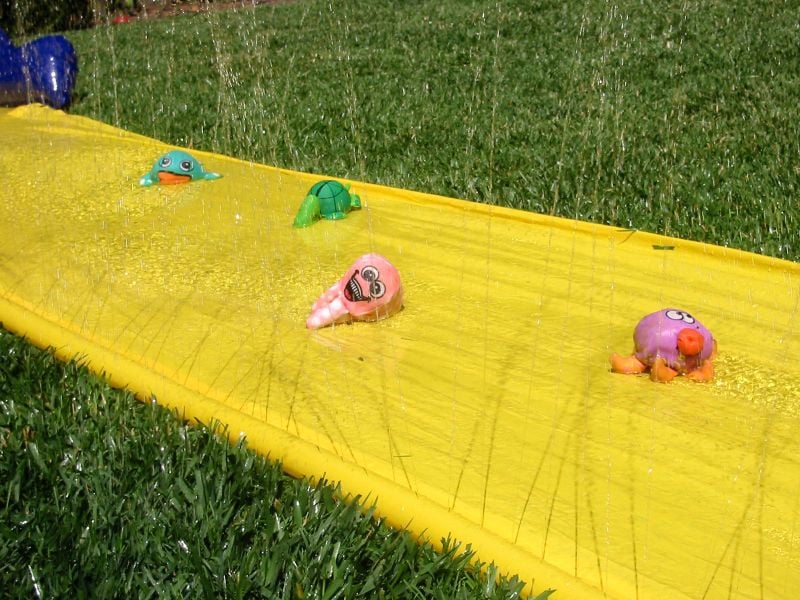
Picture this: a sheet of plastic stretched across the yard, slicked with water, transforming any slope into a runway for human projectiles. There’s something almost ceremonial about the way a Slip ‘N Slide turns an ordinary afternoon into controlled chaos — kids lining up for their turn to become temporary missiles, parents hovering with that particular mixture of delight and dread that accompanies truly questionable decisions.
The magic lived in the moment of commitment. Once you started running, physics took over.
No stopping, no second thoughts, just momentum and wet plastic and the hope that you’d planned your trajectory correctly. The adults banned from many versions weren’t being excluded out of spite — the physics simply didn’t work for bodies over a certain size and weight, leading to compressed spines and emergency room visits that no backyard barbecue should have to accommodate.
When safety concerns mounted and lawsuits followed, many retailers quietly stopped carrying them. The original versions, the ones that made no promises about safety and offered no disclaimers about proper usage, now carry the nostalgic weight of summer afternoons when getting hurt was just part of getting better at being alive.
Sky Dancers
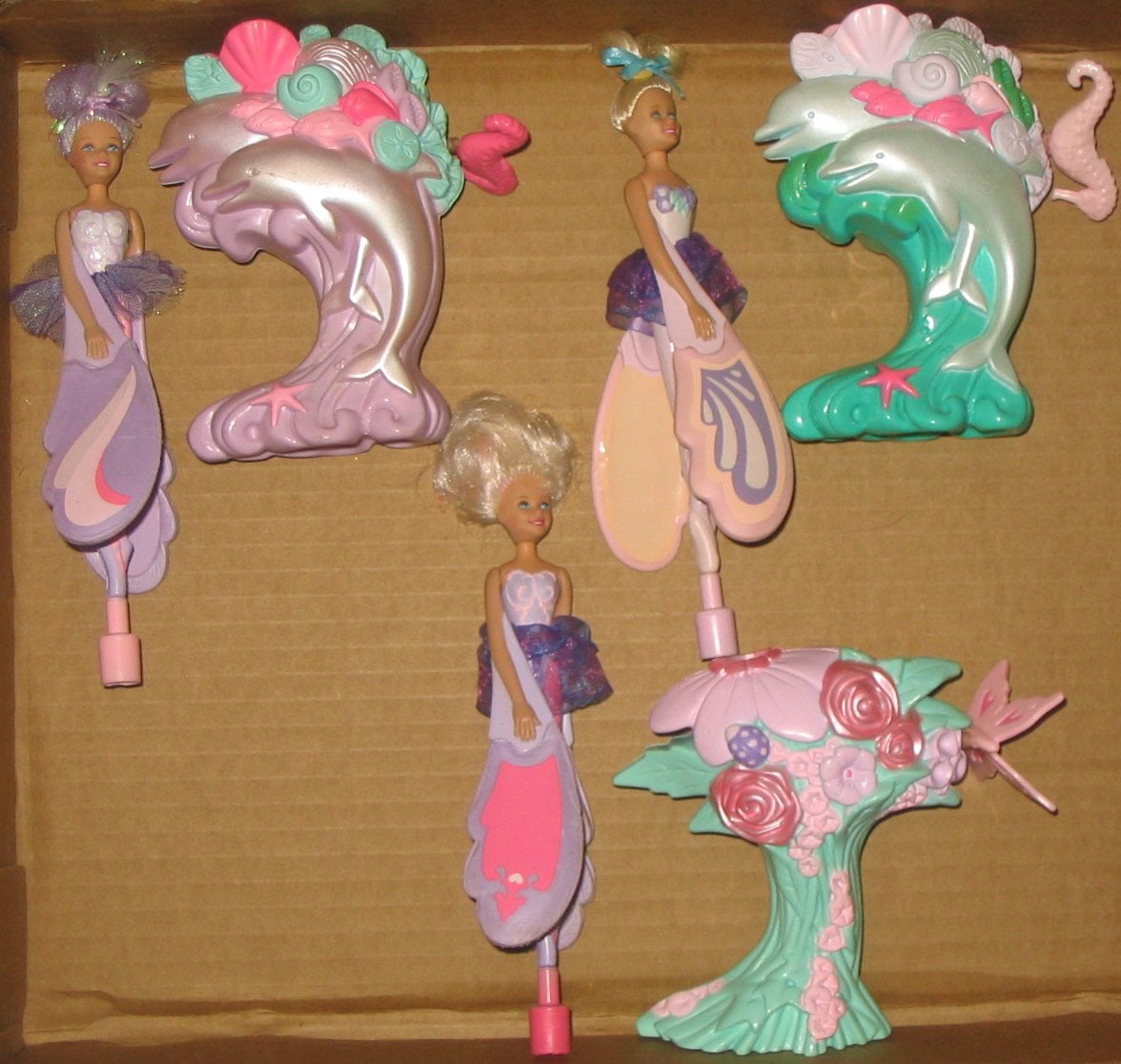
Flying dolls with foam wings that launched into the air via ripcord mechanisms. Brilliant in concept, chaotic in execution.
These weren’t toys that stayed where you put them — they had their own agenda. The foam wings were surprisingly sharp when moving at high speed, and Sky Dancers had zero respect for personal space or property lines.
They’d smack you in the face, tangle in power lines, or disappear onto neighboring rooftops with the confidence of escaped convicts. Safety regulators eventually grounded Sky Dancers after too many reports of facial injuries and property damage.
Original versions now command collector prices, probably because they represent the last generation of toys that felt genuinely unpredictable.
Gilbert Chemistry Set
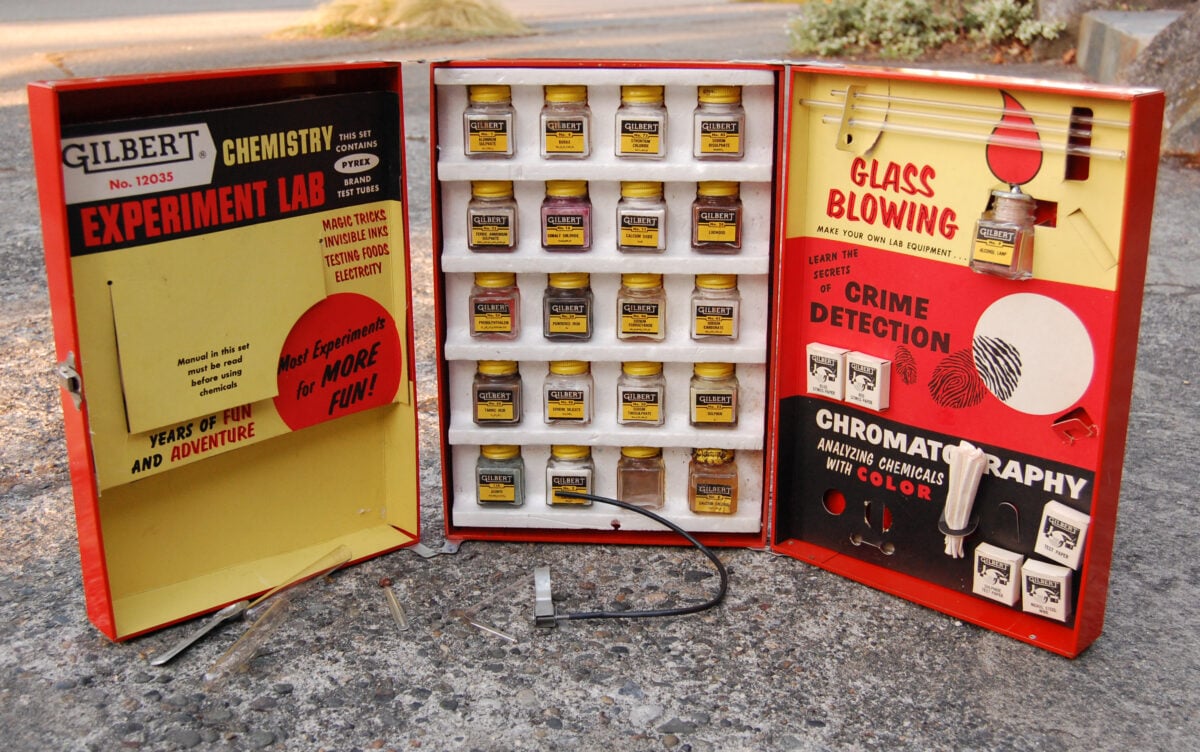
The Gilbert Company didn’t just sell chemistry sets — they sold tiny laboratories complete with real chemicals, actual glassware, and instructions for experiments that would make modern safety inspectors faint on sight, assuming they didn’t call the authorities first (which they probably would, and rightfully so). These weren’t the neutered “volcano kits” and “crystal gardens” that pass for chemistry sets today, but genuine scientific equipment that treated children like capable young researchers rather than walking liability cases.
The sets included substances like potassium nitrate, ammonium nitrate, and various acids that could burn, explode, or produce toxic fumes if handled incorrectly, which was more or less the point — you learned chemistry by doing chemistry, not by playing with baking soda and food coloring. But the real genius of Gilbert sets lay in their complete faith in childhood competence.
The instruction manuals didn’t talk down to kids or hedge every procedure with seventeen safety warnings — they assumed you were smart enough to follow directions and sensible enough not to drink the hydrochloric acid. And mostly, kids lived up to those expectations.
So when the regulatory climate shifted and real chemistry became too legally risky for toy companies, Gilbert’s legendary sets vanished from shelves. Vintage complete sets now sell for thousands of dollars to collectors who remember when learning meant accepting a little risk alongside the reward.
Jarts (Large Lawn Darts)

The heavyweight cousins of regular lawn darts deserved their own category of concern. These weren’t just pointy toys — they were genuine projectiles with weighted metal tips designed to stick into the ground from considerable distances.
Jarts required actual skill to use safely, which meant they appealed to older kids and adults who appreciated the challenge. The satisfying thunk of a well-thrown Jart finding its target felt genuinely earned, not like the hollow victory of modern toys that practically play themselves.
When federal bans eliminated Jarts from stores, the remaining sets became instant collectibles. Complete vintage sets now trade hands for serious money among collectors who remember when lawn games required actual coordination and carried actual consequences.
CSI Investigation Kits
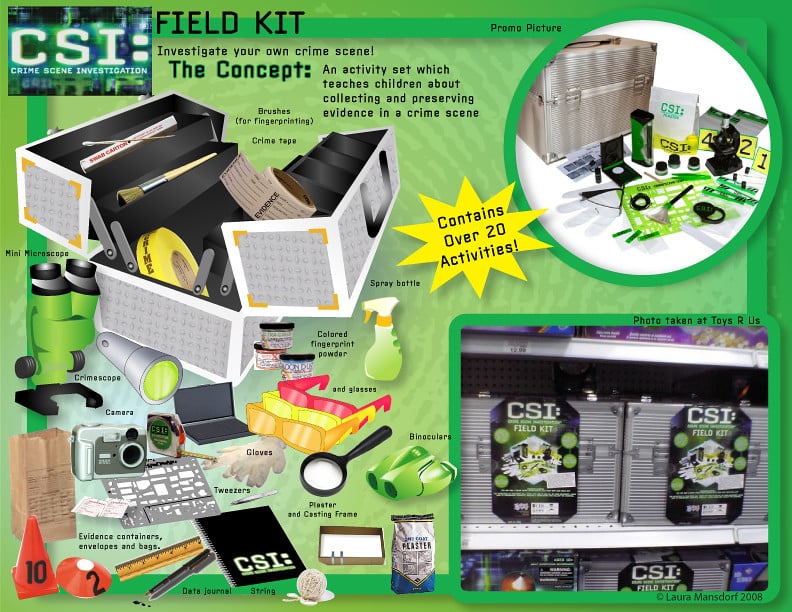
These kits promised to turn kids into forensic scientists, complete with fingerprinting powder, DNA testing materials, and crime scene investigation tools. The problem wasn’t the concept — it was the execution.
Many kits contained actual fingerprinting powder that created fine dust clouds when used indoors. The “DNA testing” materials were often just colored powders that stained everything they touched. Kids were essentially conducting chemistry experiments without proper ventilation or cleanup protocols.
When parents realized their children were dusting for prints on every surface in the house and treating the living room like an active crime scene, the novelty wore off quickly. Original CSI kits now appeal to collectors who appreciate toys that took their educational mission seriously, even when that mission got a little out of hand.
Austin Magic Pistol
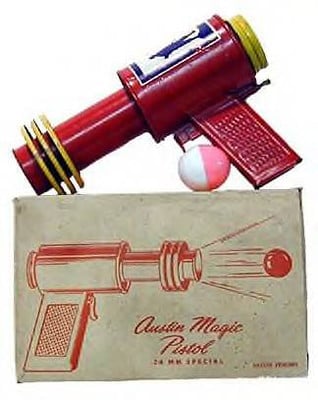
The Austin Magic Pistol shot actual flames. Not sparks, not lights, not harmless puffs of air — real fire that could burn you, ignite curtains, or set the garage ablaze if your aim wandered even slightly.
The device used calcium carbide pellets that created acetylene gas when mixed with water, producing a flame that shot several feet from the barrel with enough heat to light cigarettes or single eyebrows, depending on your target selection and general competence with projectile weapons. This wasn’t a toy that made shooting sounds or pretended to be dangerous — it was genuinely hazardous in the hands of anyone who hadn’t mastered basic fire safety, which included most of the children who received them as gifts.
Parents in the 1950s apparently possessed a level of confidence in childhood responsibility that would seem reckless today, or perhaps they simply hadn’t yet discovered the concept of liability insurance. And yet kids managed to use these flame-throwing devices without burning down entire neighborhoods, mostly because the novelty of real fire taught respect faster than any safety manual ever could.
Atomic Energy Lab
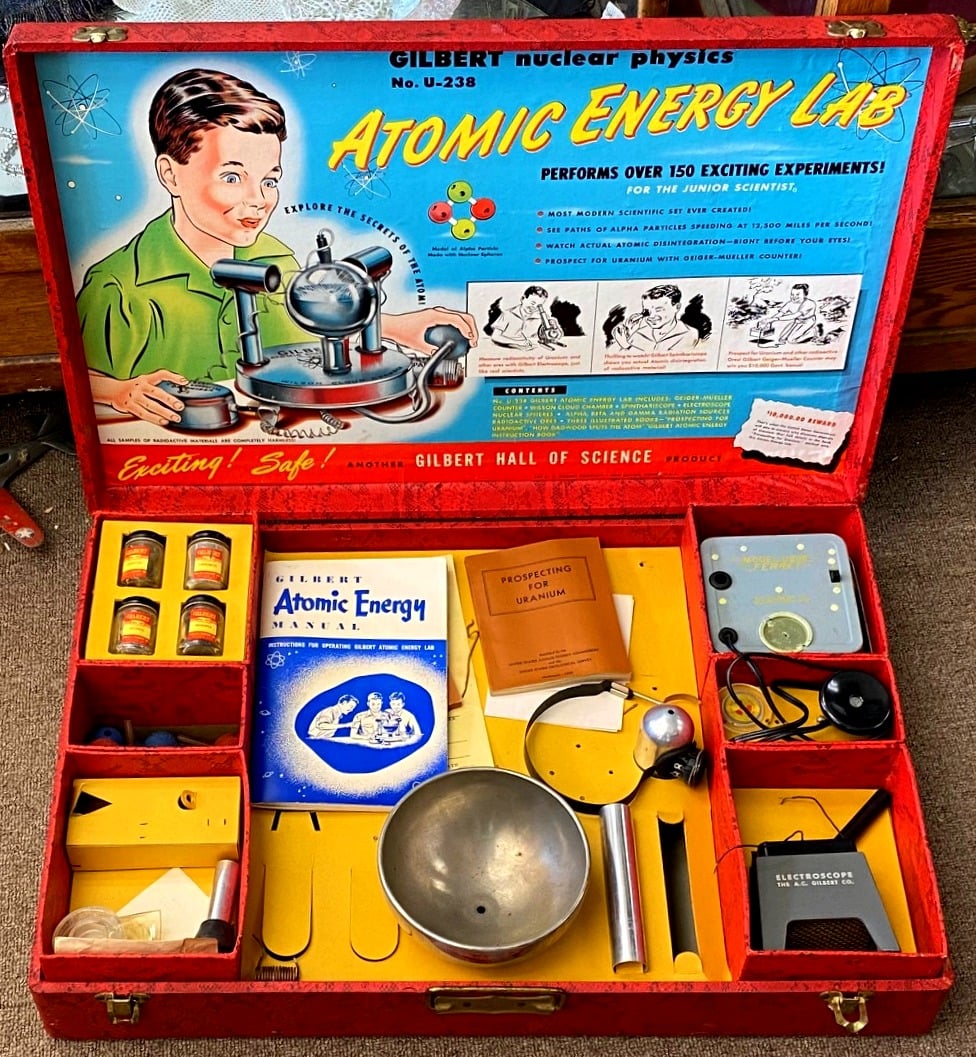
Picture childhood wonder colliding with radioactive materials in your bedroom. The Gilbert Atomic Energy Lab contained actual uranium ore, a Geiger counter, and a cloud chamber for observing atomic particles — essentially a nuclear physics laboratory marketed to children.
This wasn’t educational theater. The uranium samples were real, the radiation was measurable, and the experiments genuinely demonstrated atomic principles. Kids could watch particle tracks in their cloud chambers and hear authentic radiation clicks on their Geiger counters.
The set disappeared when people realized that radioactive materials probably didn’t belong in toy boxes, regardless of their educational value. Original Atomic Energy Labs now command enormous prices among collectors fascinated by the brief historical moment when nuclear science seemed like appropriate child’s play.
Tire Swings

The classic tire swing represented pure physics in motion — a pendulum that happened to seat one child at a time, spinning and swaying with whatever momentum you could generate through creative pushing techniques (or desperate attempts to avoid motion sickness). There was something almost archaeological about finding the perfect tire for conversion: the older and more weathered, the better, as if the accumulated miles of highway travel had somehow prepared it for this second life as backyard entertainment.
The appeal wasn’t just the motion, though that certainly mattered. Tire swings felt substantial in a way that modern playground equipment doesn’t — you could feel the weight of the rubber, the resistance of the rope, the way momentum built and faded according to actual physical laws rather than computer-controlled safety mechanisms.
But tire swings fell victim to mounting concerns about everything from rope strength to tire chemicals, and insurance companies began viewing them as liability hazards rather than childhood essentials. Original rope-and-tire combinations from decades past now carry nostalgic weight among adults who remember when playground equipment felt genuinely thrilling rather than carefully calculated.
Moon Shoes
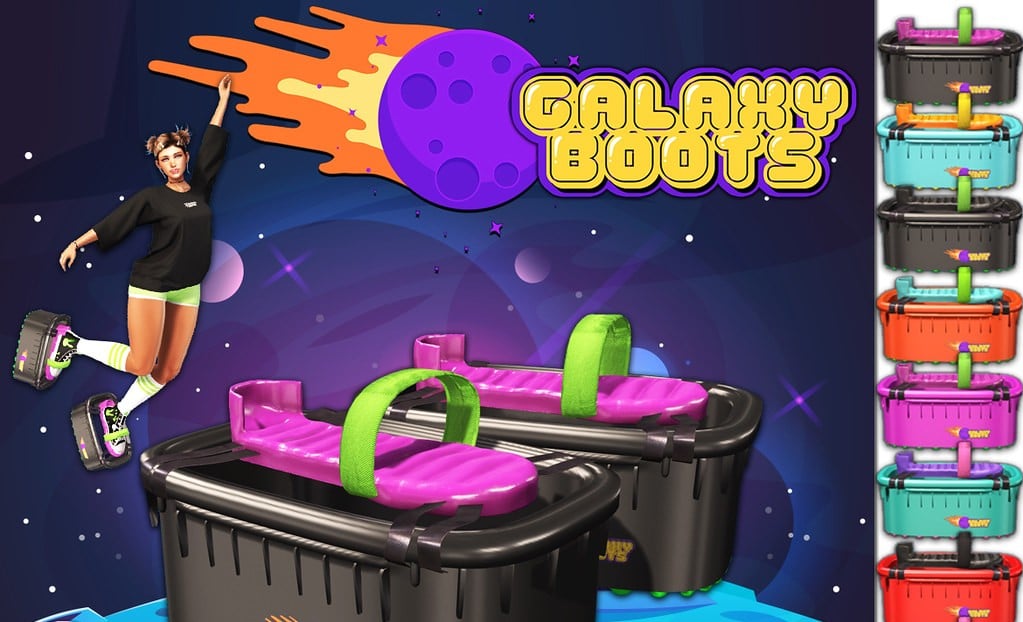
Miniature trampolines strapped to your feet. The concept promised to turn every step into a bounce, transforming ordinary walking into something approaching flight. In practice, Moon Shoes delivered a jarring, unstable experience that challenged both balance and common sense.
The elastic bands connecting the foot platforms provided genuine spring action, but they also created unpredictable rebounds that sent kids careening in unexpected directions. Landing wrong could twist ankles or send you tumbling into furniture.
Safety concerns eventually grounded most Moon Shoe designs, but original versions now bounce back into collector interest. They represent toys that prioritized experience over safety, delivering genuine thrills alongside genuine risk.
Magnetix Building Sets
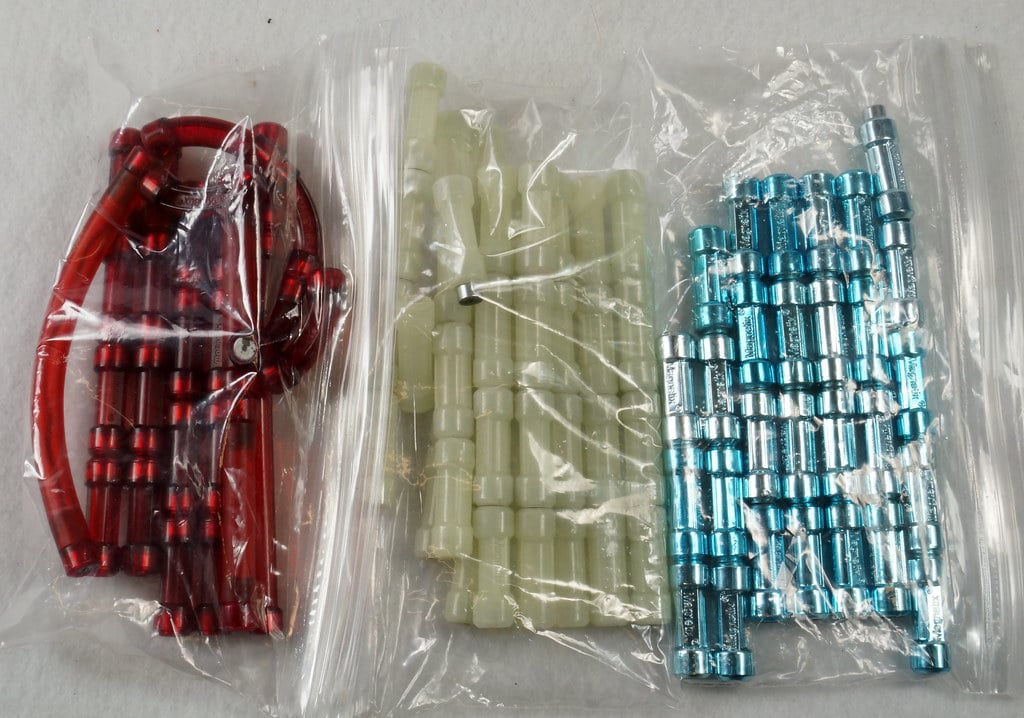
Powerful rare earth magnets embedded in plastic building pieces created construction possibilities that seemed almost magical. The magnetic connections were strong enough to support elaborate structures, and the satisfying snap of pieces locking together made building addictive.
But those same powerful magnets posed serious dangers when small pieces broke off or were swallowed. The magnetic attraction could cause internal injuries that were both severe and difficult to diagnose. Multiple hospitalizations led to recalls and eventual discontinuation.
Original Magnetix sets now attract collectors who remember the unique building experience these magnetic pieces provided. The sets represent the brief moment when rare earth magnets transformed construction toys before safety concerns ended the experiment.
The Collector’s Paradox
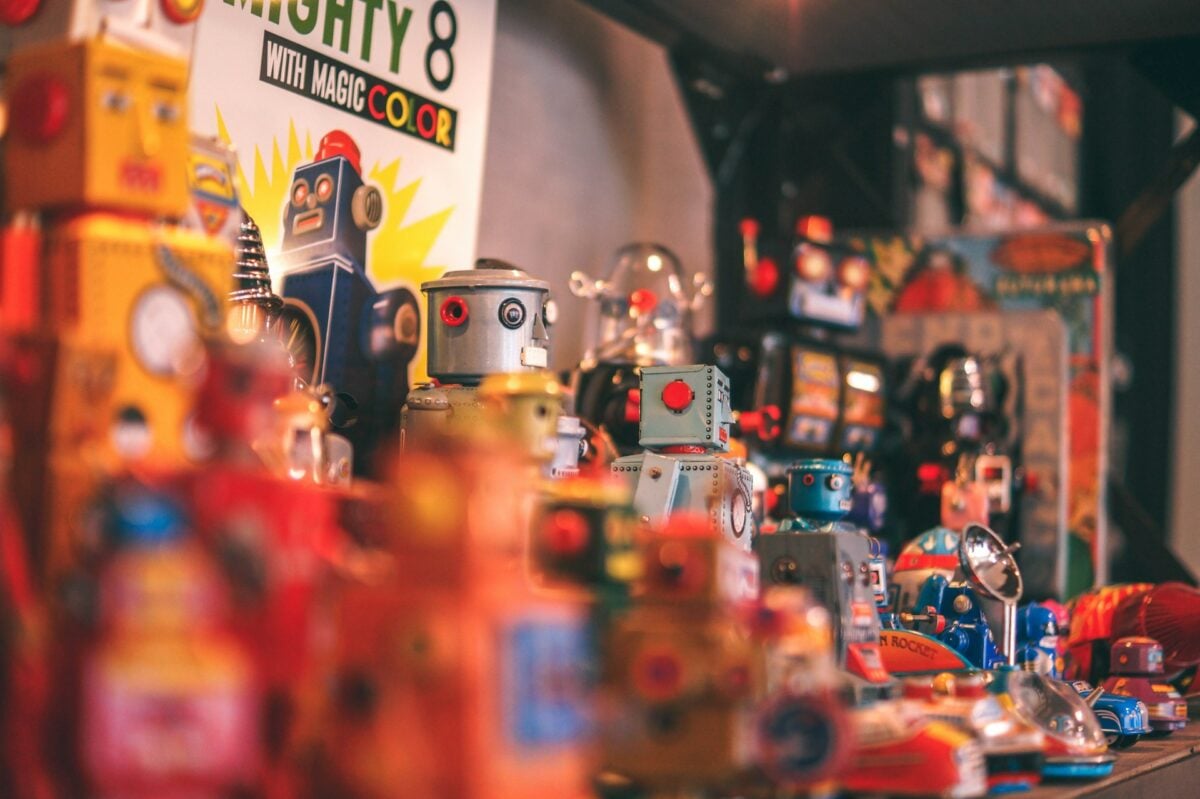
Scarcity transforms toys in ways their original manufacturers never intended. A recalled product becomes a time capsule, preserving not just the object itself but the entire cultural moment that produced it.
These banned toys now serve as artifacts from an era when childhood included more risk and parents accepted danger as part of growing up. The prices collectors pay reflect more than nostalgia — they’re investing in memories of a different relationship with safety, when toys trusted children to handle genuine challenge and occasional peril.
In our current world of focus-grouped, safety-tested, liability-conscious products, these dangerous relics represent something that feels increasingly rare: the belief that kids could handle more than we might think.
More from Go2Tutors!

- The Romanov Crown Jewels and Their Tragic Fate
- 13 Historical Mysteries That Science Still Can’t Solve
- Famous Hoaxes That Fooled the World for Years
- 15 Child Stars with Tragic Adult Lives
- 16 Famous Jewelry Pieces in History
Like Go2Tutors’s content? Follow us on MSN.