24 Wartime Photos Published Decades Later
Military photographers documented warfare across continents and decades, yet institutional classification, emotional sensitivity, and editorial gatekeeping delayed public release of countless images for generations. The photographs that finally emerged often contradicted official narratives or revealed uncomfortable truths about wartime conduct, civilian suffering, and historical complexity.
These delayed publications transformed private military documentation into public historical evidence, rewriting how generations understand the wars their grandparents fought. The gap between image creation and public access reveals how institutions controlled historical narrative through photographic suppression.
WWII Concentration Camp Liberation Photographs
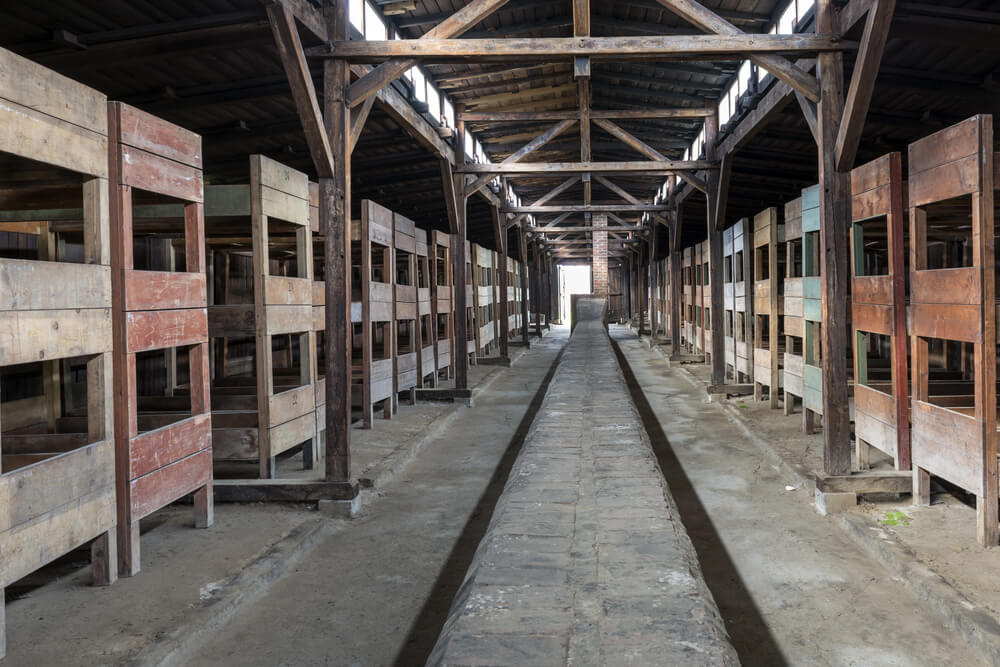
American military photographers recorded horrifying images of concentration camps discovered during the 1945 European advance, documenting skeletal survivors and mountains of bodies. These photographs remained restricted or minimally circulated for years, partly due to their traumatic content and partly due to Cold War politics that competed for the Holocaust’s memorialization.
Systematic publication and contextualization of these military photographs only accelerated as Holocaust education became standardized decades later, making available photographs initially too disturbing for public consumption.
Japanese American Internment Documentation by Ansel Adams
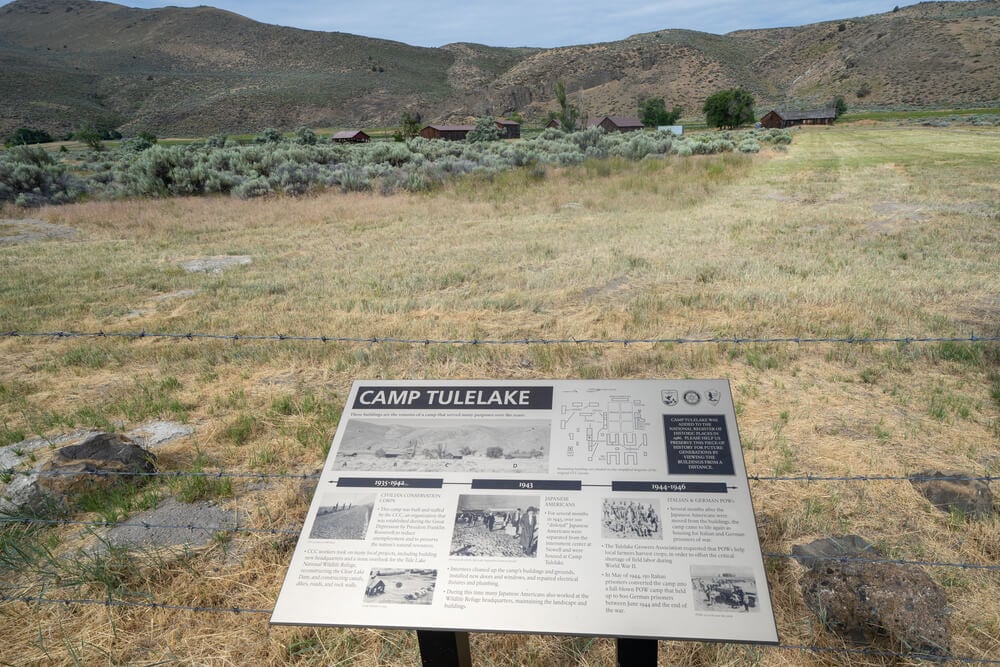
Ansel Adams photographed the Manzanar War Relocation Center in 1943-1944 with government permission, producing technically masterful images that humanized the camp experience and contradicted official narratives. These photographs were suppressed until after Adams’ death and Cold War conclusion, when they could finally be published without political consequences.
The decades-long delay prevented contemporary Americans from seeing visual evidence of their government’s racist policies, leaving historical understanding to await image release.
Soviet Front Photography During World War II
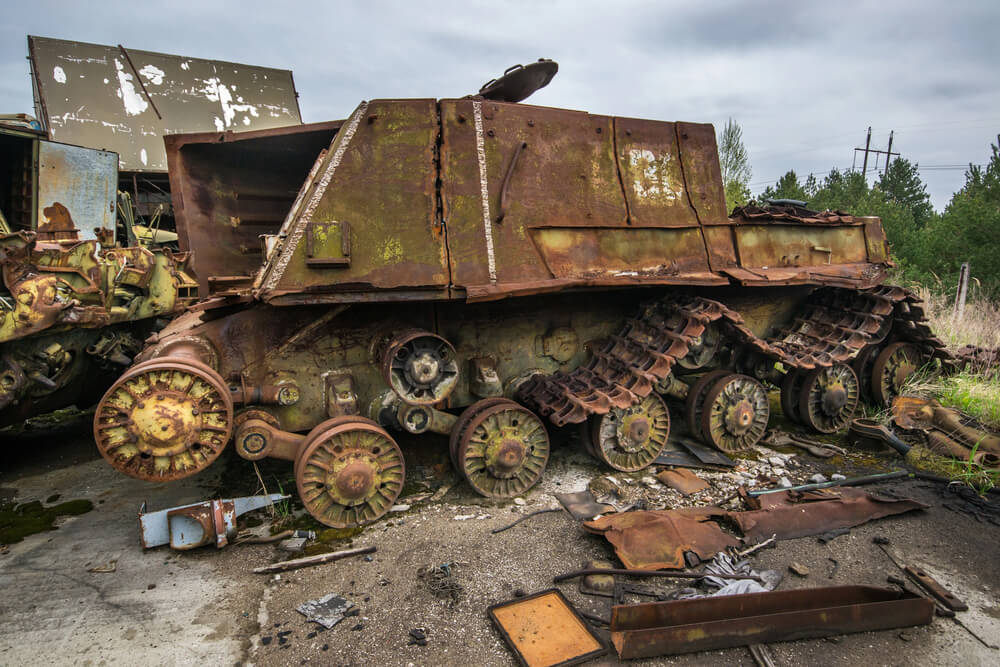
Russian photographers documented the Eastern Front’s brutality, including burned villages, retreating armies, and civilian casualties on a scale dwarfing Western European experience. These photographs remained primarily within Soviet archives, with limited Western circulation until the Cold War’s end.
Delayed Western access to Soviet photography meant decades of historical narratives based on German and Allied sources, leaving Eastern European perspectives visually unrepresented until archive access finally improved.
Hiroshima and Nagasaki Atomic Bomb Aftermath Photography
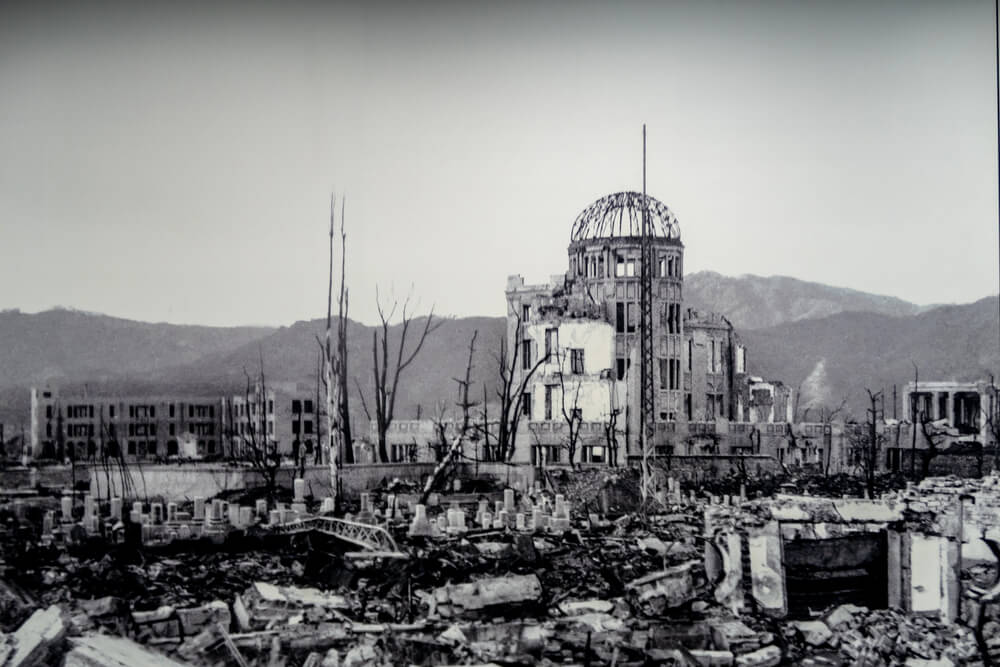
American military photographers documented the atomic bomb aftermath in August 1945, producing images so disturbing that authorities suppressed them for decades, claiming security concerns while simultaneously hiding the human cost. Japanese photographers similarly documented destruction, yet these images remained restricted by occupation authorities.
Systematic release and publication of bomb aftermath photographs took years, delaying public recognition of nuclear warfare’s actual human consequences.
Iwo Jima Flag-Raising Photograph’s Revision
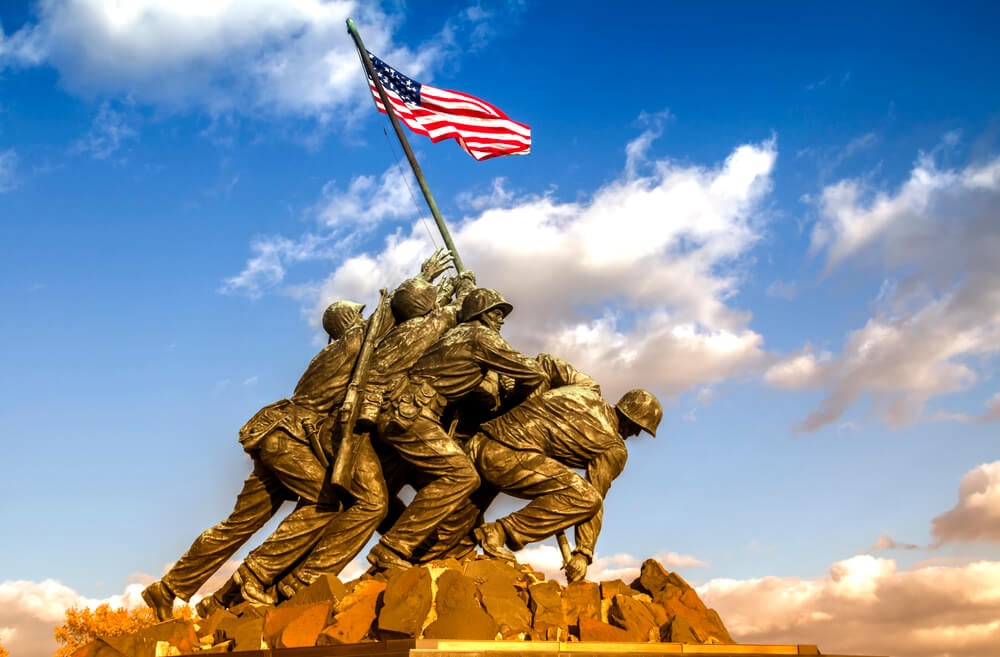
The iconic February 23, 1945 photograph of Marines raising the American flag atop Iwo Jima’s Mount Suribachi proved to be a staged recreation of an earlier flag-raising rather than spontaneous combat documentation. This revelation, confirmed through historical research and photograph analysis, demonstrated how wartime photography served propaganda purposes more than historical accuracy.
The decades-long acceptance of the photograph as authentic before correction demonstrates how delayed scrutiny affects historical narratives.
Pacific Theater Indigenous Combat Participation Documentation
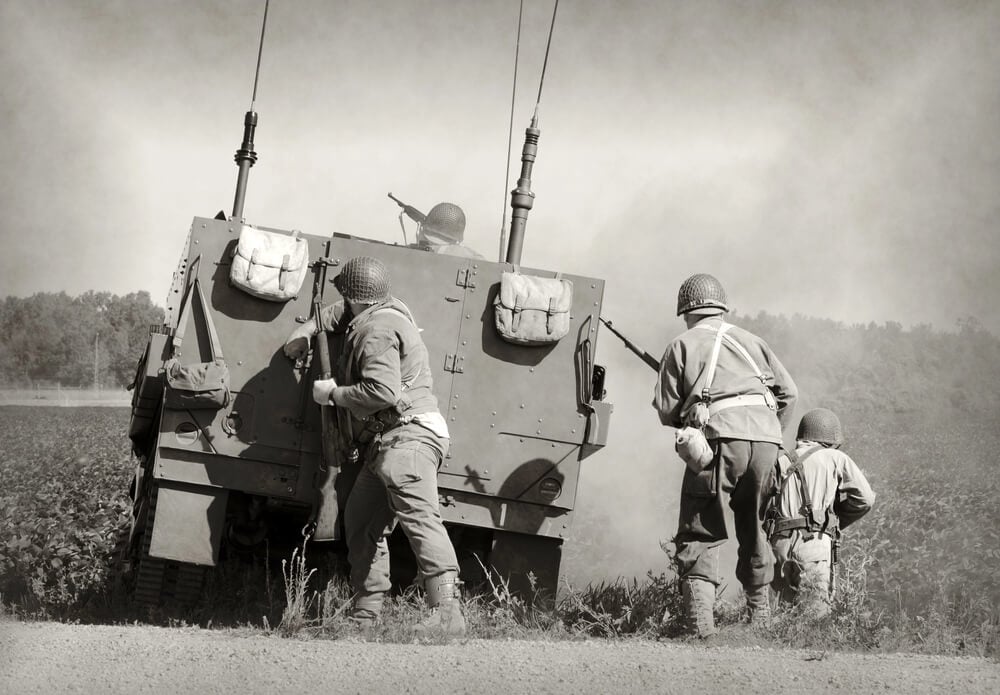
American military photographers documented Pacific campaigns involving indigenous soldiers and indigenous regions, yet many photographs remained restricted or uncontextualized regarding indigenous contributions. The photographs’ delayed systematic publication and contextualization occurred only when decolonization and indigenous scholarship created audiences for these narratives.
Wartime photography’s suppression of indigenous agency persisted until decades later when archives became accessible to indigenous researchers.
North African Campaign Photographs and Colonial Context
Photographs of the 1942-1943 North African campaign documented British and American operations in colonized territories, yet context regarding colonialism’s persistence and indigenous populations’ complicated relationship to the fighting remained absent. These photographs were published without sufficient context addressing colonial relationships, leaving visual records disconnected from political complexity.
Delayed contextualization of photography finally connected wartime military operations to imperial systems.
Home Front Bombing Damage in Britain and Germany
Photographers on both sides of the Atlantic documented air raid damage to civilian populations, including bombed neighborhoods, rubble-buried survivors, and reconstruction efforts. The emotional intensity of this photography led to careful editorial gatekeeping regarding what could be published without causing despair.
Decades later, comprehensive publication of bombing damage photographs revealed the war’s actual brutality to populations insulated from direct violence, previously shielded by restriction.
Soviet War Crimes in Poland and Eastern Europe
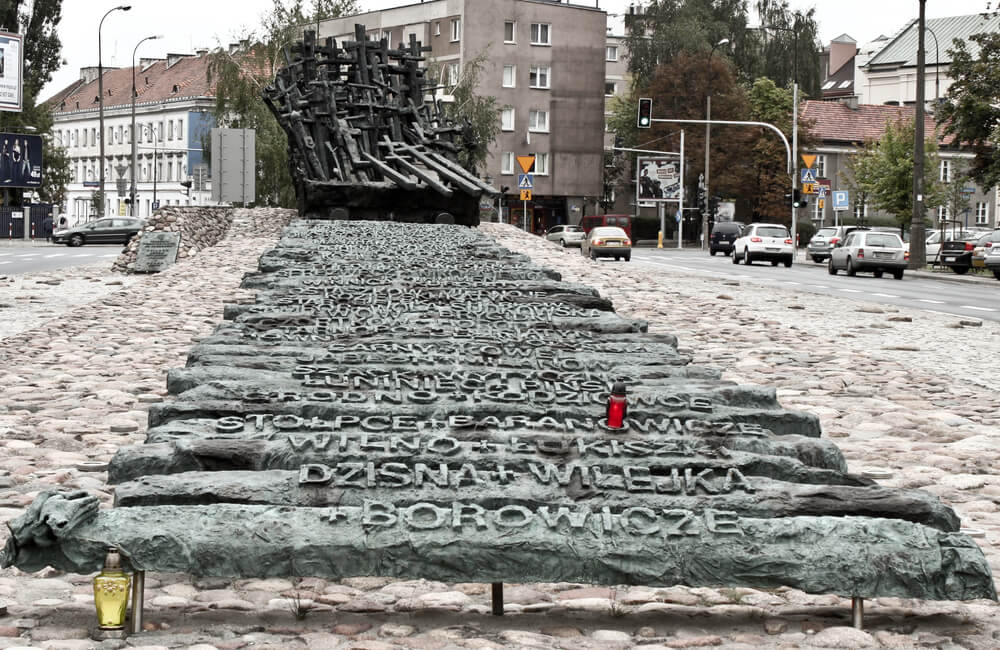
Soviet forces committed massive atrocities in Poland, East Germany, and Eastern Europe during the 1944-1945 advance westward, documented by various photographers including German and Polish sources. These photographs were suppressed during the Cold War when the Soviet Union represented America’s essential ally against Hitler.
Decades after the Cold War’s conclusion, publication of these photographs finally documented Soviet violence independent of German propaganda concerns, creating complex historical understanding.
Medical Documentation of War Wounds and Disability
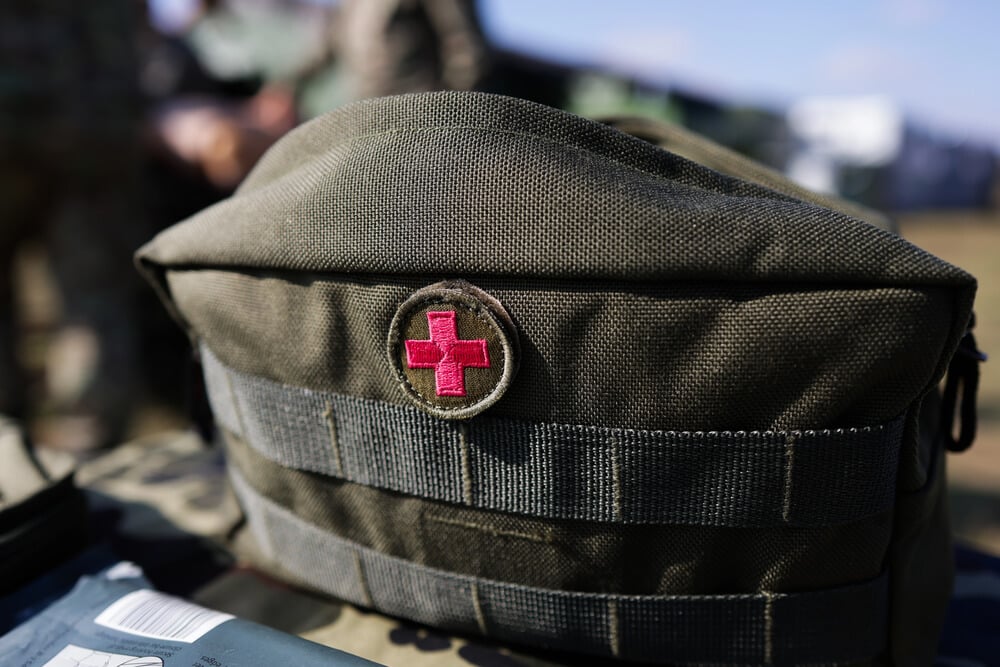
Military medical photographers documented soldiers’ wounds, amputations, and reconstructive surgery procedures in systematic documentation serving both medical training and disability adjustment programs. These photographs, though created for institutional purposes, remained largely restricted until archives began accessible publication.
The delayed release of these intimate photographs transformed battlefield injury from abstract concept to visual reality, challenging heroic war narratives.
Partisan and Resistance Photograph Documentation
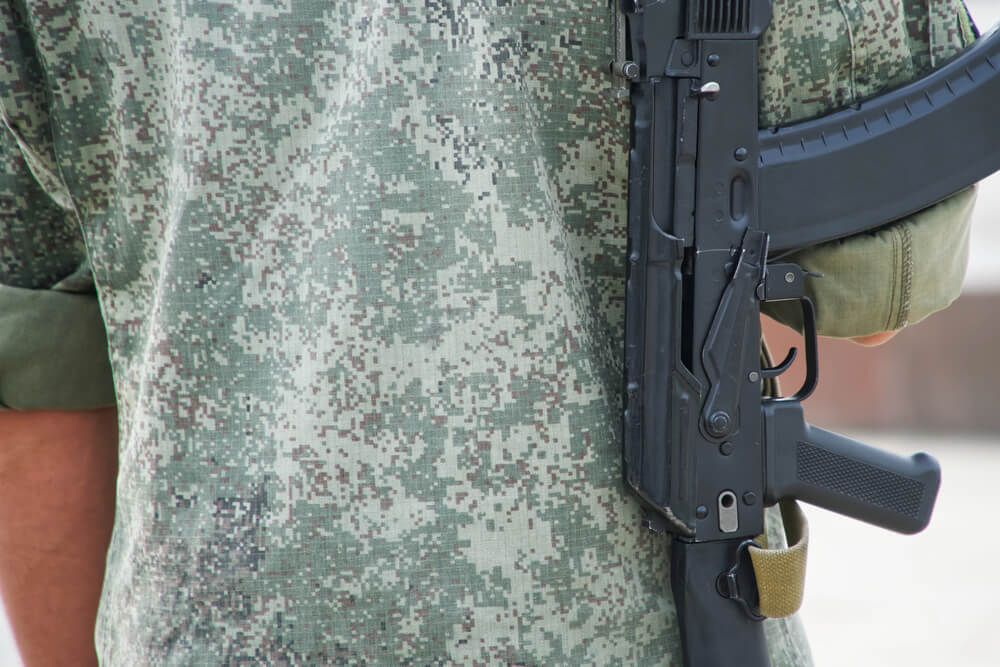
Photographs taken by partisan fighters and resistance members across occupied Europe remained hidden or confined to specialized archives for decades, their documentation of anti-Nazi resistance fragmentary and incomplete. Systematic international publication of these photographs occurred only after decades had passed and participants aged beyond active participation.
The delayed visibility of resistance photography affected historical narratives emphasizing passive victimization over active resistance.
Korean War Combat Photography and Editing
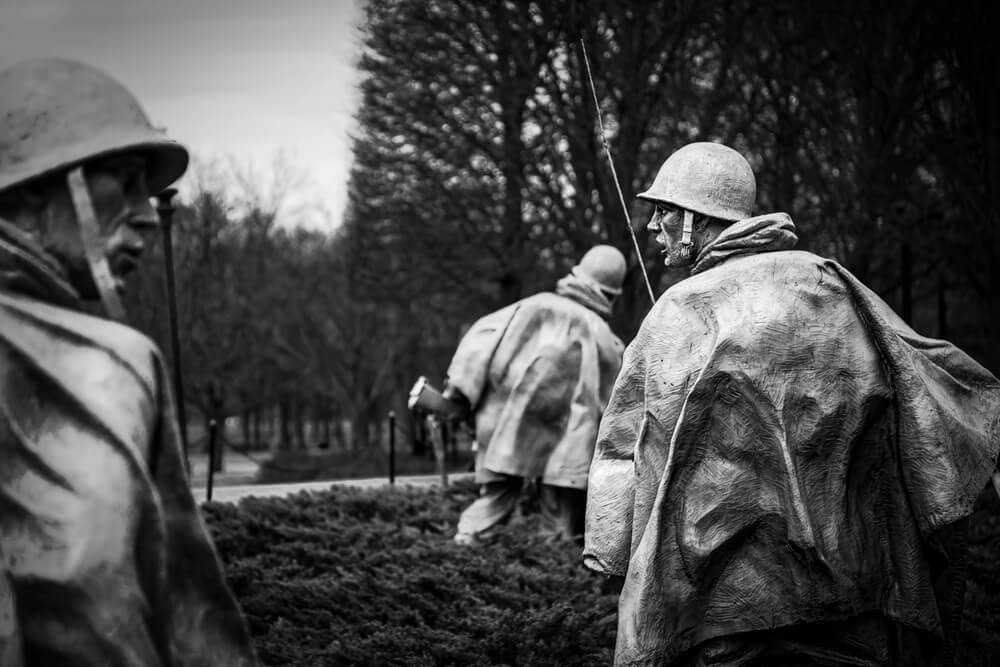
— Photo by BillChizekPhotography@gmail.com
Combat photographers documented the Korean War with intensity comparable to WWII, yet their work remained substantially less famous and less frequently reproduced in popular media. Decades later, when Korean War history gained increased scholarly attention, these photographs emerged from archives revealing brutal conflict previously underemphasized.
The gap between combat photography and public knowledge reflected how conflicts considered less significant receive less photographic attention and distribution.
Atrocity Photography from Southeast Asian Wars
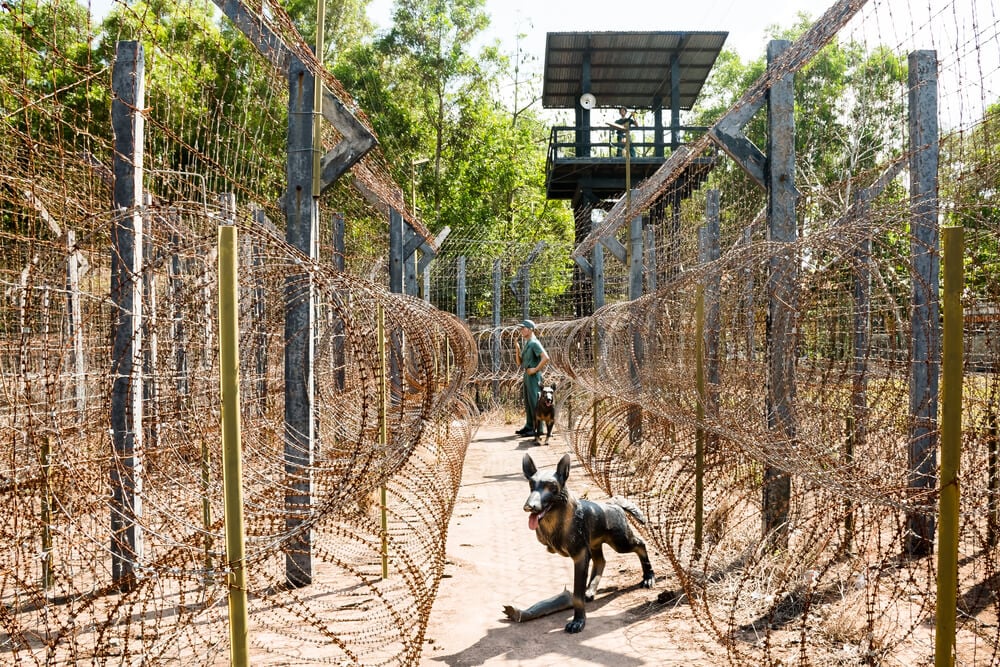
American military photographers in Vietnam, Laos, and Cambodia documented civilian casualties and bombing damage with unprecedented technological fidelity, producing photographs considered too disturbing for contemporary publication. Magazine and newspaper editors made restrictive decisions about what combat photography could be published without traumatizing readers.
Decades later, comprehensive publication of these photographs finally revealed the wars’ actual scope and brutality, contradicting sanitized official narratives.
German Soldier’s Personal War Diaries and Photography
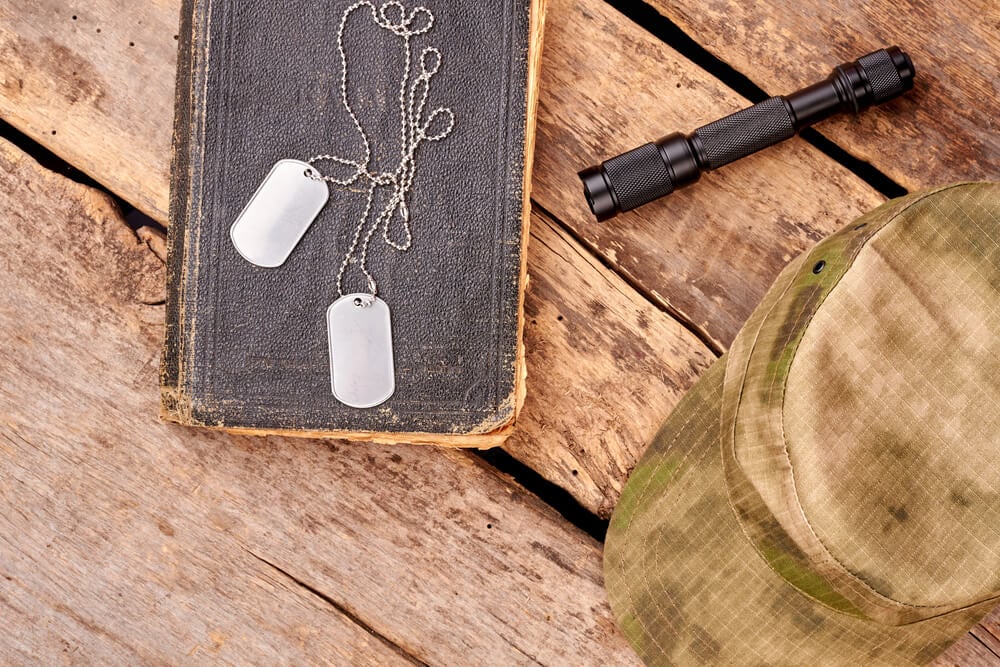
Amateur photographs taken by German soldiers and stored in personal archives remained hidden or scattered until systematic collection efforts decades later recovered images documenting Wehrmacht operations. These photographs, taken by actual combatants rather than official war photographers, provided visual records contradicting simplified narratives of German military operations.
Delayed access to personal photography collections complicated understanding of individual soldiers’ experiences and culpability.
Civilian Displacement and Refugee Photography
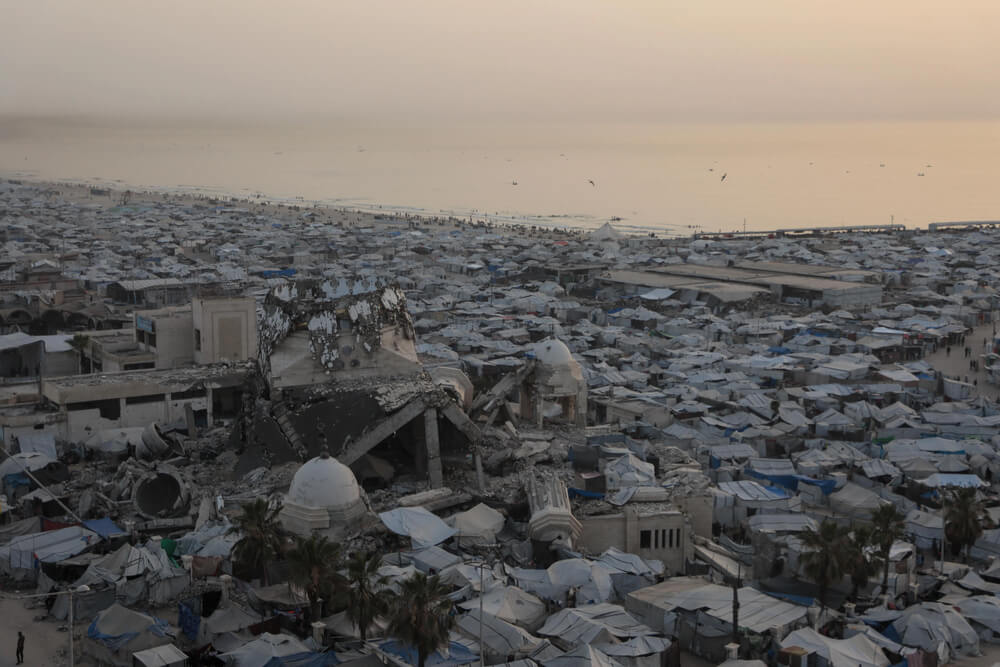
— Photo by thenews2.com
Photographs documenting the displacement of millions of civilians across Eastern Europe, China, and Southeast Asia during wartime were created by various sources but remained fragmented and restricted. Systematic international collection and publication of refugee photography occurred decades later when displaced persons and their descendants sought historical documentation of their experiences.
The delayed visibility of displacement photography finally centered civilian suffering in military narratives.
Japanese Military Operations in China and Asia
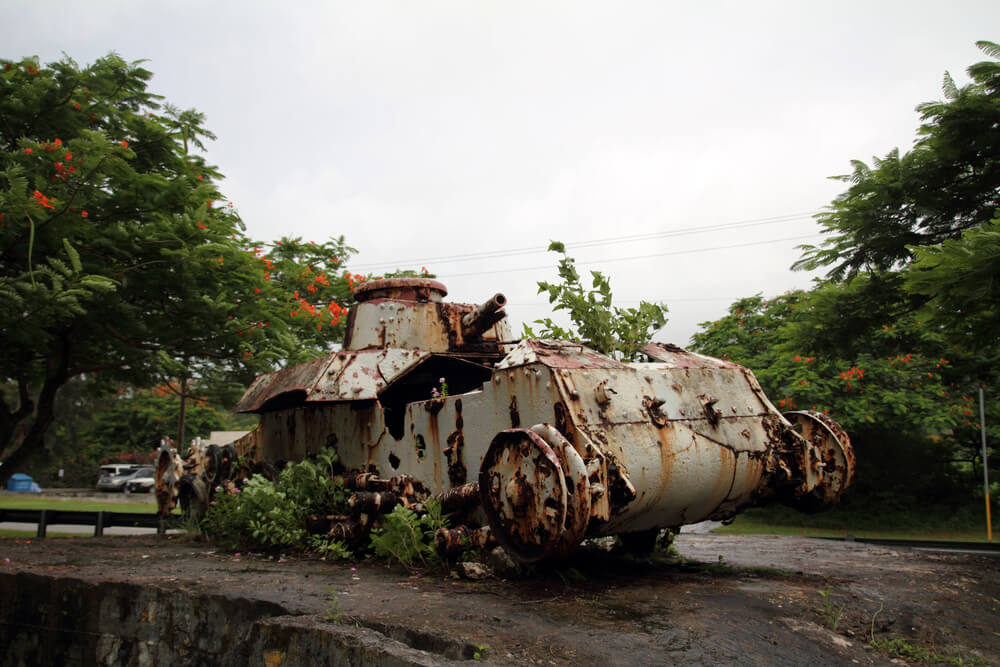
— Photo by ziggy_mars
Japanese photographers documented military operations in China and Southeast Asia, yet this documentation remained inaccessible to Western historians until archive access improved decades after the war. Limited availability of Japanese military photography in English-language sources meant decades of war history told primarily through Allied perspectives.
Delayed access to Japanese operational photography finally allowed comparative understanding of the Pacific War from multiple combatant perspectives.
Occupied France Civilian Life Photographs
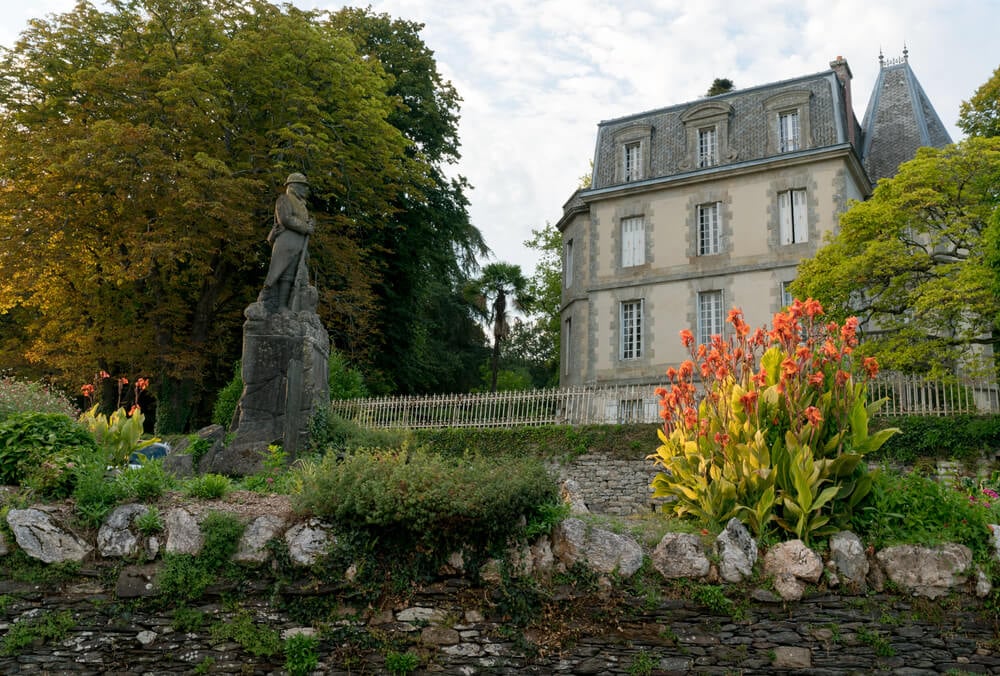
Photographers documented daily life in occupied France during 1940-1944 including collaboration structures, resistance activities, and Nazi occupation’s human reality. Many of these photographs remained restricted during the postwar period when France grappled with collaboration controversies.
Decades later, comprehensive publication of occupation-era photography allowed complex historical understanding of collaboration, resistance, and civilian accommodation within occupation systems.
Australian Campaign Photography in the Pacific
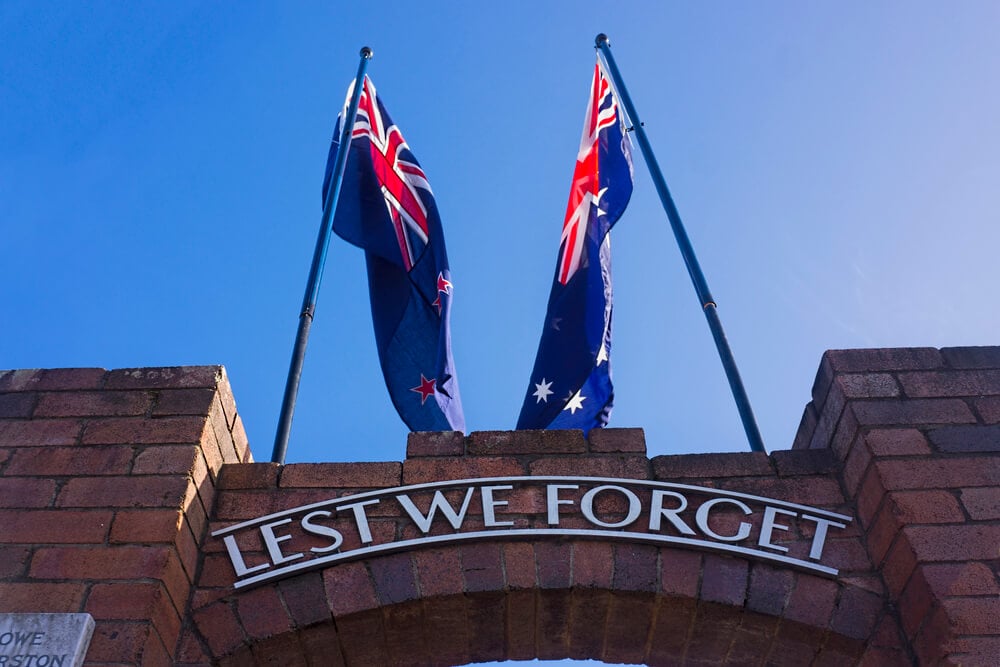
Australian military photographers documented the Pacific War’s Australian theater including New Guinea campaign and Pacific island operations, yet this documentation remained less visible in Western historical narratives. Decades after the war, when Australian scholarship increased emphasis on the Pacific War’s Pacific theater, these photographs gained accessibility and scholarly attention.
Geographic bias toward American-centric WWII photography meant decades’ delay before the Pacific War’s actual geography received proportionate visual documentation.
Indian Army’s WWII Campaigns Photography
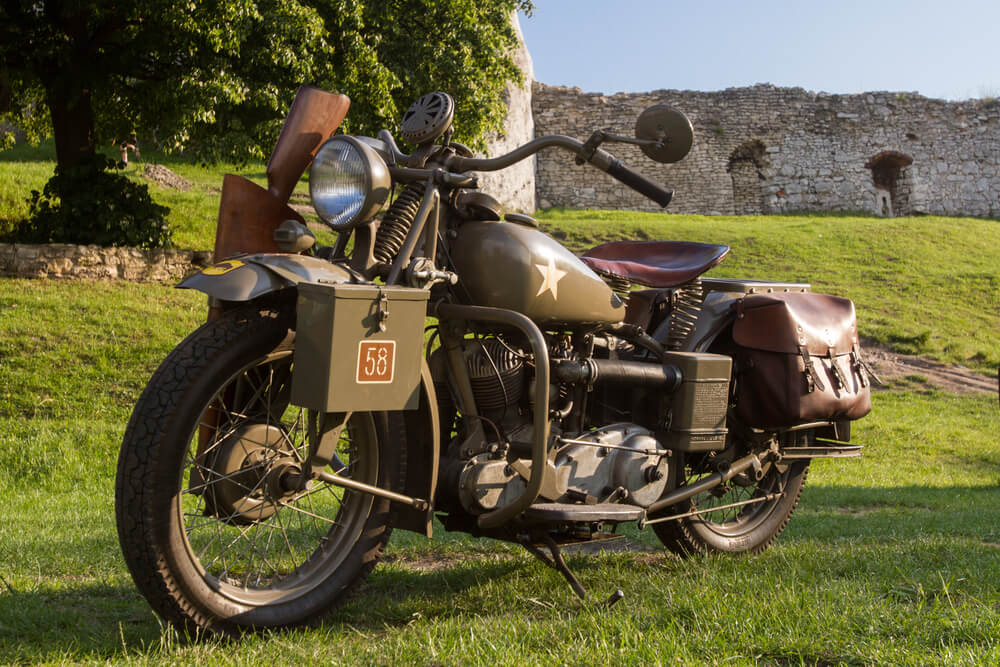
The Indian Army’s substantial role in WWII across multiple theaters was documented by photographers, yet Indian perspectives and photography remained marginalized in Western war narratives. Decades later, when postcolonial scholarship emphasized India’s WWII contributions, these photographs gained accessibility within international historical discourse.
The delay reflected how colonialism’s end and postcolonial scholarship had to develop before Indian war photography gained recognition.
Polish Resistance Fighter Photography
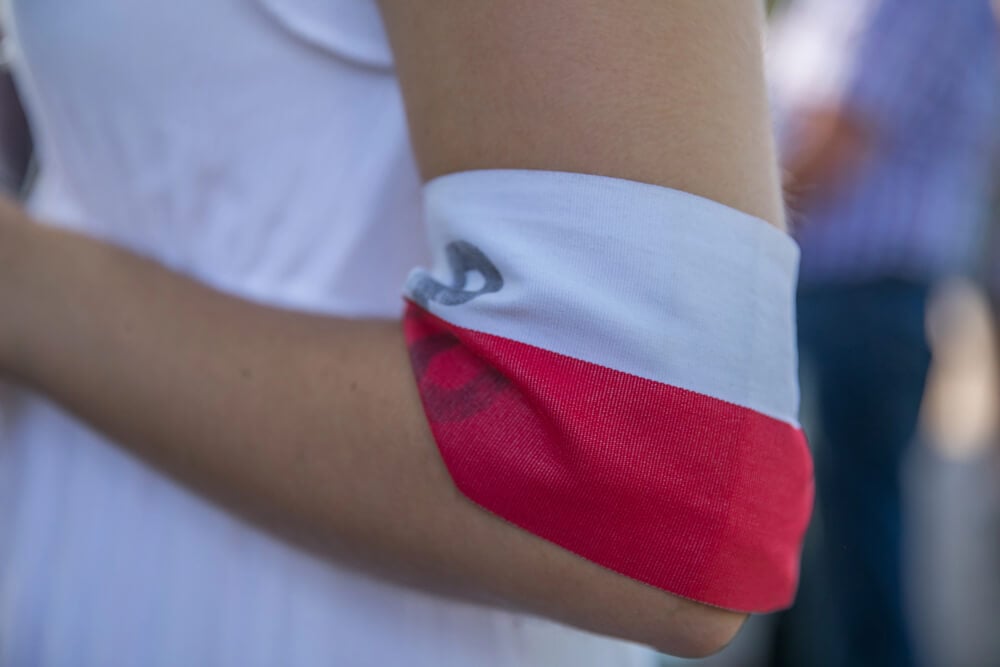
Underground Polish fighters documented resistance activities and Nazi occupation through clandestine photography that evaded Nazi suppression, creating secret visual records of anti-Nazi resistance. These photographs remained incomplete and scattered until decades after the war when Polish archives and Western institutions collaborated on systematic collection.
The delayed preservation and publication of Polish resistance photography finally documented underground resistance activity with visual fidelity previously unavailable.
Photographic Documentation of POW Camps’ Conditions
— Photo by SangaPark
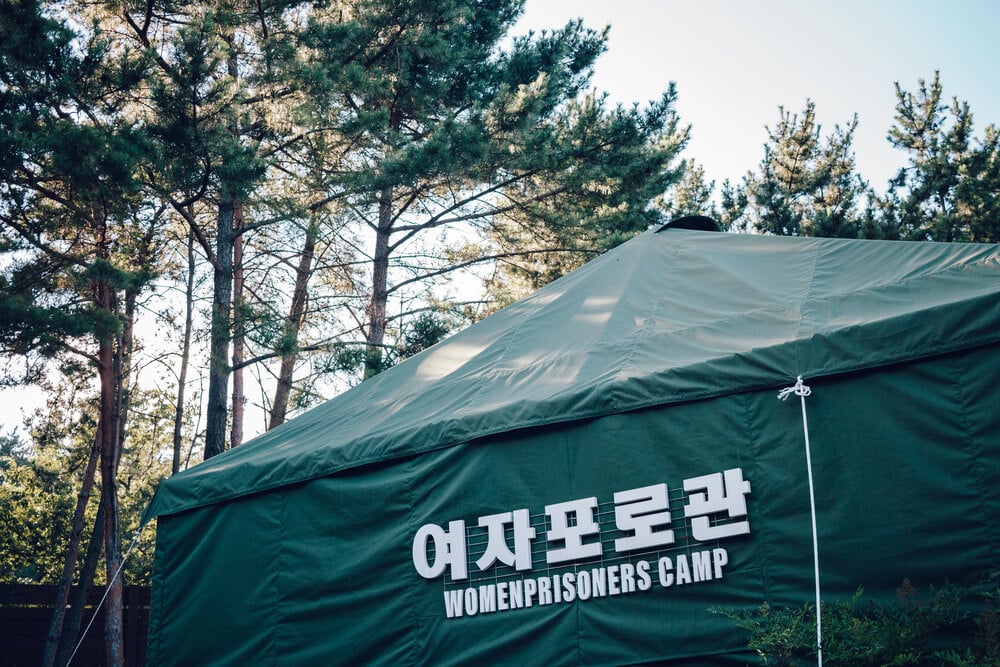
Both Allied and Axis powers maintained photographs documenting prisoner of war camp conditions, though publication was politically sensitive regarding depictions of Allied treatment or Axis brutality. These photographs remained restricted or limited in circulation as diplomatic sensitivities discouraged comprehensive publication of camp conditions photography.
Decades later, comprehensive photographic documentation of POW camps from all sides finally revealed conditions and treatment across the wartime detention system.
Civilian Bombardment’s Medical Consequences
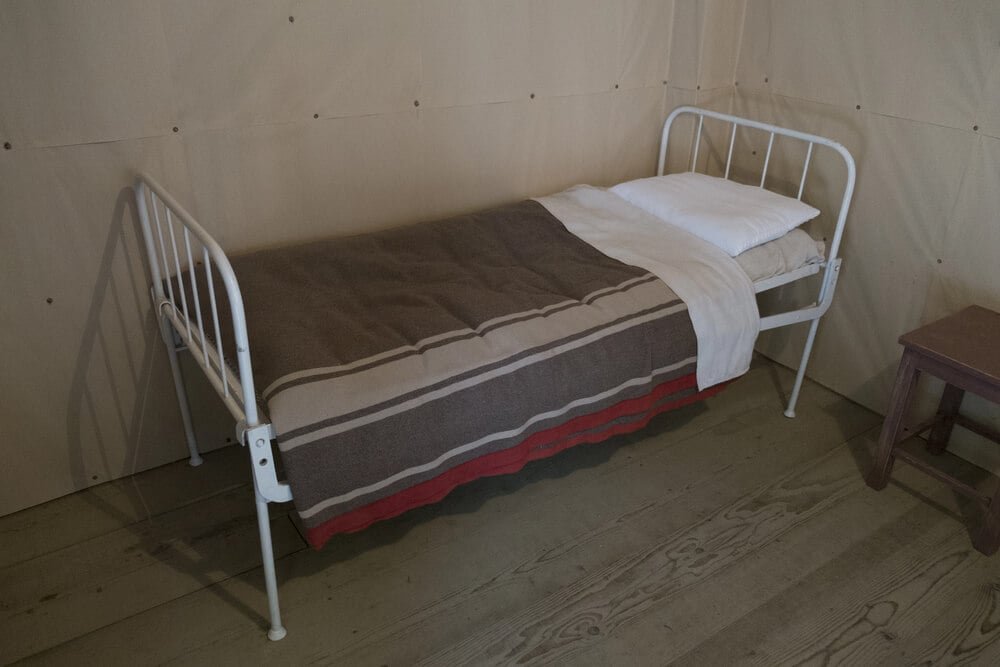
Military and civilian photographers documented medical crises created by strategic bombardment including casualties, disease, and psychological trauma requiring treatment. Emotional sensitivity regarding these images’ traumatic content led to restricted circulation and limited publication during and after the war.
Decades later, when medical history and civilian war casualty research gained scholarly focus, these photographs finally received publication supporting historical understanding of bombardment’s non-military consequences.
Resistance Fighter Photography from Occupied Europe
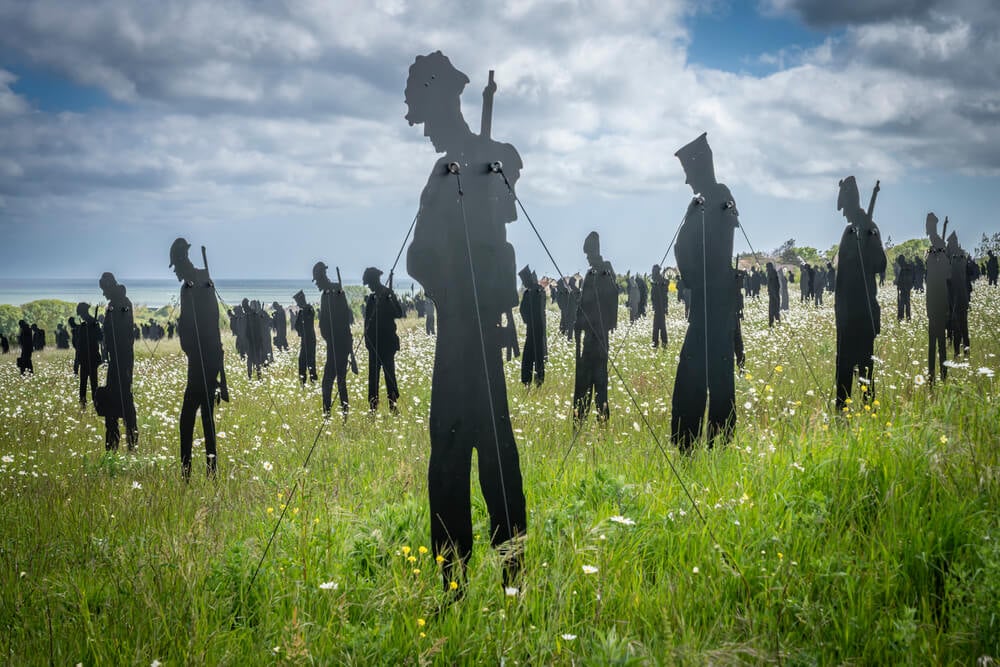
Clandestine photographers in occupied nations documented resistance activities, sabotage operations, and underground intelligence gathering, creating photographic records that had to remain hidden during occupation. Collection and preservation of these photographs occurred decades after liberation as historical institutions began systematic archival work.
The delayed accessibility of resistance fighter photography meant decades of WWII history told without comprehensive visual documentation of resistance activities.
Military Casualty Photographic Records
— Photo by ehrlif
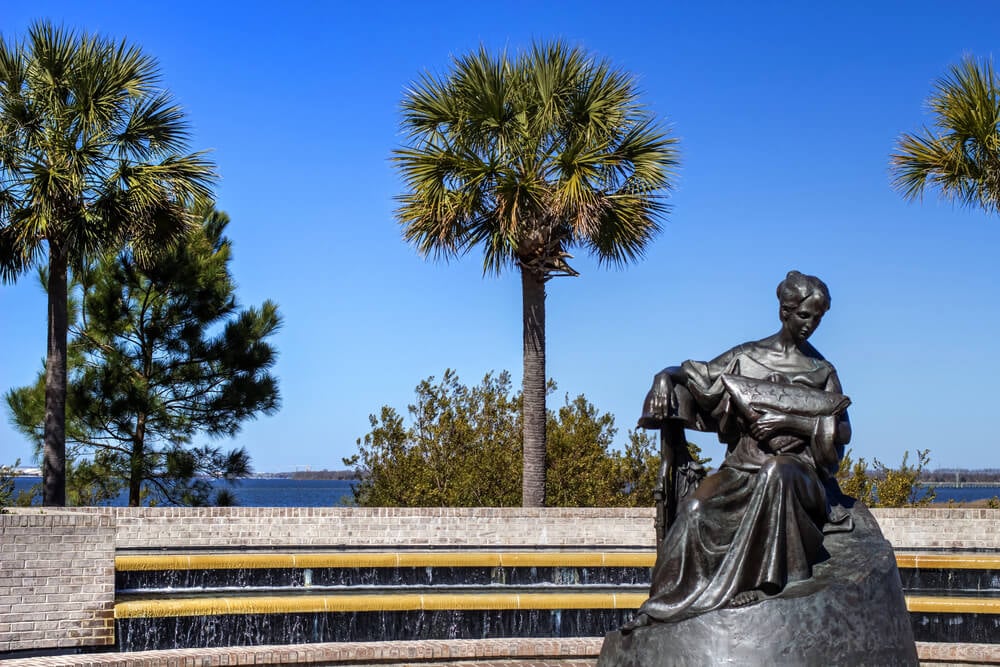
Military photographers created comprehensive records of battlefield casualties, wounded soldiers, and death documentation for identification and medical purposes. These photographs, though created as administrative records, remained restricted due to their traumatic content and identification security.
Decades later, when military medical history and casualty statistics received scholarly research attention, these photographs finally gained partial accessibility for research purposes while remaining largely restricted from general publication.
The Documentary Impulse Delayed
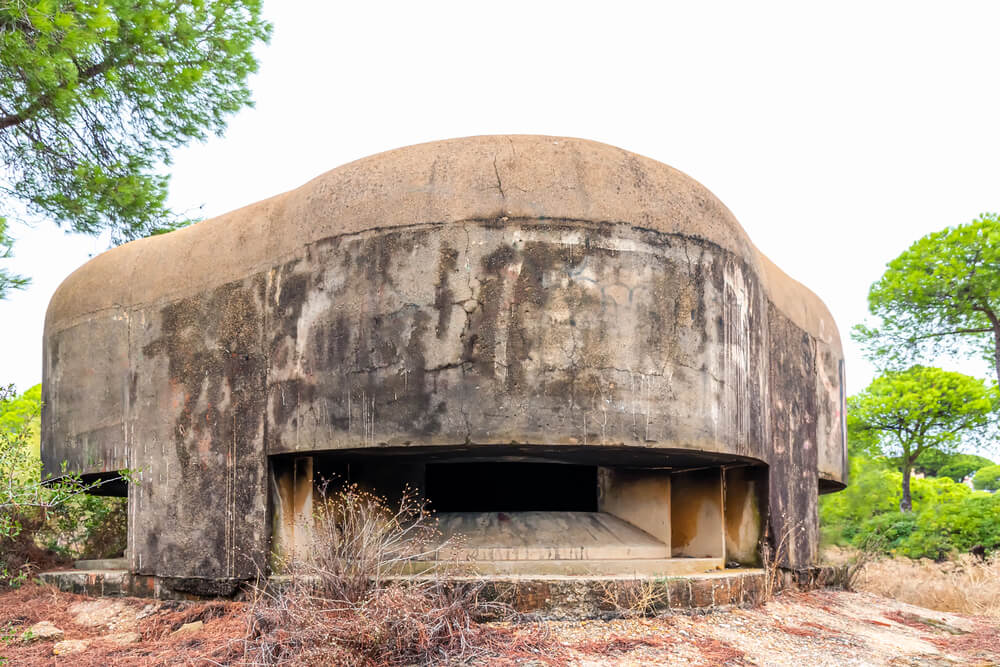
Photography’s power to capture wartime reality created pressure for suppression and careful gatekeeping by military and civilian authorities who recognized photographs’ capacity to contradict official narratives. The decades-long delay between combat photography and public release meant that wartime experiences remained partially invisible while participants aged beyond active roles.
The slow emergence of wartime photography throughout the Cold War and beyond continues to reshape historical understanding as previously restricted images finally become accessible to public consciousness.
More from Go2Tutors!

- 16 Historical Figures Who Were Nothing Like You Think
- 12 Things Sold in the 80s That Are Now Illegal
- 15 VHS Tapes That Could Be Worth Thousands
- 17 Historical “What Ifs” That Would Have Changed Everything
- 18 TV Shows That Vanished Without a Finale
Like Go2Tutors’s content? Follow us on MSN.