31 Toys Sold Beside Grocery Checkouts
The last ten feet of a supermarket were designed with great care and no mercy. A parent stood trapped between a cart and a conveyor belt, and at child height hung a rack of small, bright objects priced just low enough to end an argument.
Retailers call the area the impulse zone. For generations of children it was the only toy store they visited every week, and the things sold there became more familiar than anything under a holiday tree.
Little Golden Books
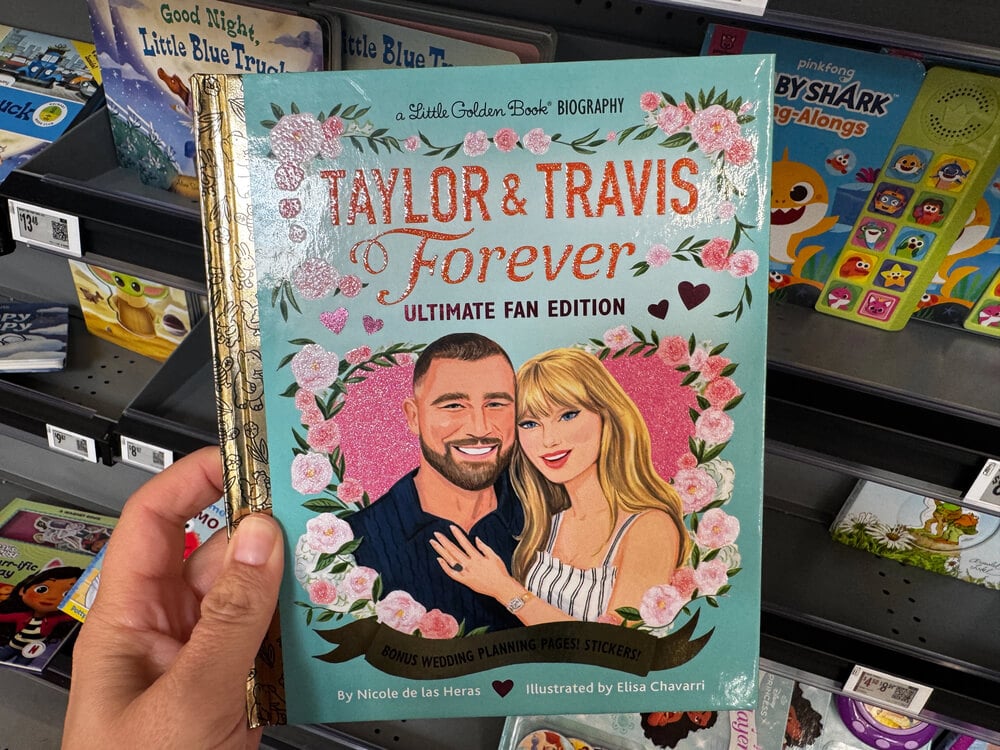
When Simon and Schuster launched twelve titles in the autumn of 1942, children’s picture books typically cost two or three dollars and were sold only in bookshops. Little Golden Books cost twenty-five cents and went wherever mothers already shopped, including drugstores, five-and-dimes and, soon, supermarket racks near the registers.
The sturdy cardboard covers and gold foil spines survived toddlers. The Poky Little Puppy, one of the original dozen, has sold roughly fifteen million copies and ranks among the bestselling picture books in American history.
Groceries did as much as libraries to put a first book in a child’s hands.
Balsa Wood Gliders
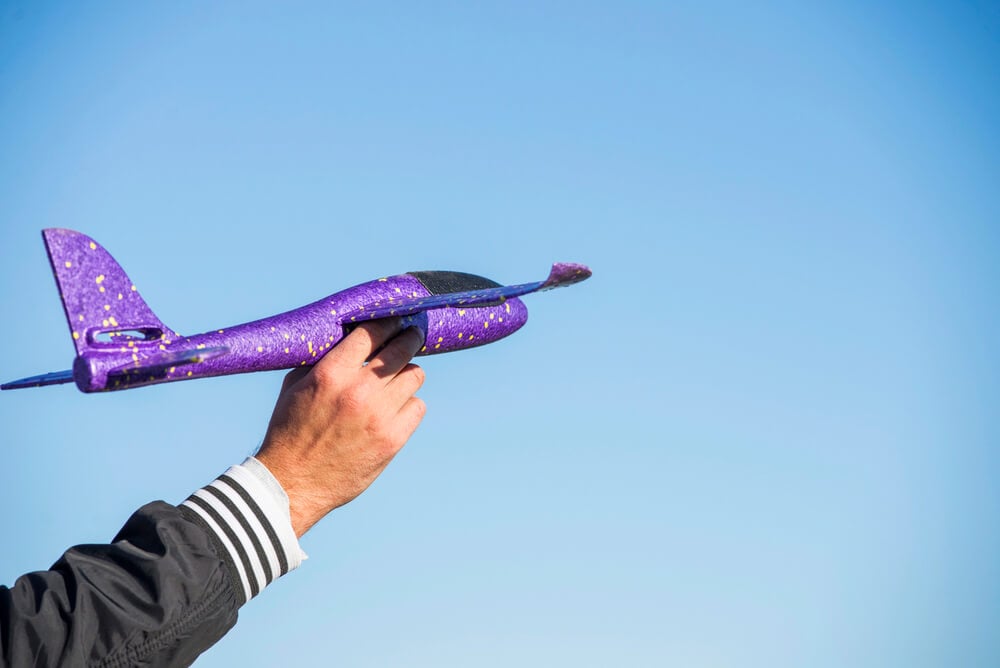
Paul K. Guillow began selling model aircraft kits from Wakefield, Massachusetts, in 1926, and his company’s simple slot-together gliders became a permanent resident of the checkout spinner rack. The flat paper sleeve held a die-cut fuselage, a wing, a tail and a metal nose clip for weight.
Assembly took under a minute. Sliding the wing forward produced loops and sliding it back produced long flat glides, which made the toy a quiet physics lesson.
Most ended their careers on a roof or under a foot by evening, and at well under a dollar nobody grieved for long.
Silly Putty
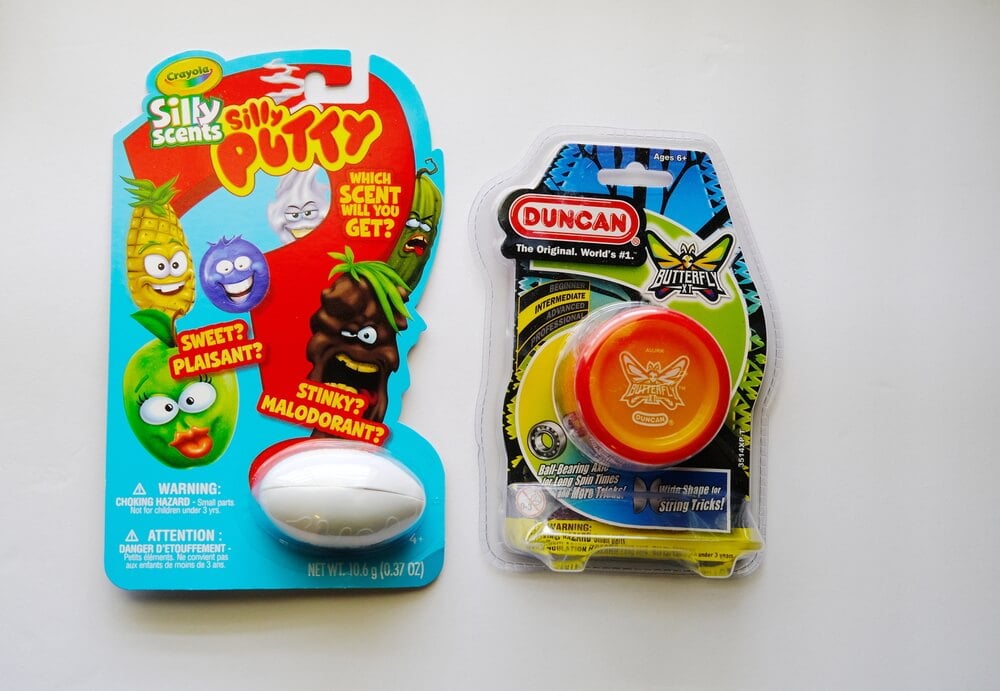
A General Electric engineer stumbled on the bouncing, stretching silicone compound in 1943 while searching for synthetic rubber, and no one could find a use for it. Advertising man Peter Hodgson, already thousands of dollars in debt, borrowed 147 more in 1950 to buy a batch and the rights.
He packed one-ounce lumps into plastic eggs because Easter was approaching. A mention in The New Yorker brought a quarter of a million orders in three days.
Kids prized it for lifting comic strip images off newsprint, and the Apollo 8 crew carried some to the moon to hold their tools in place.
Duncan Yo-Yos
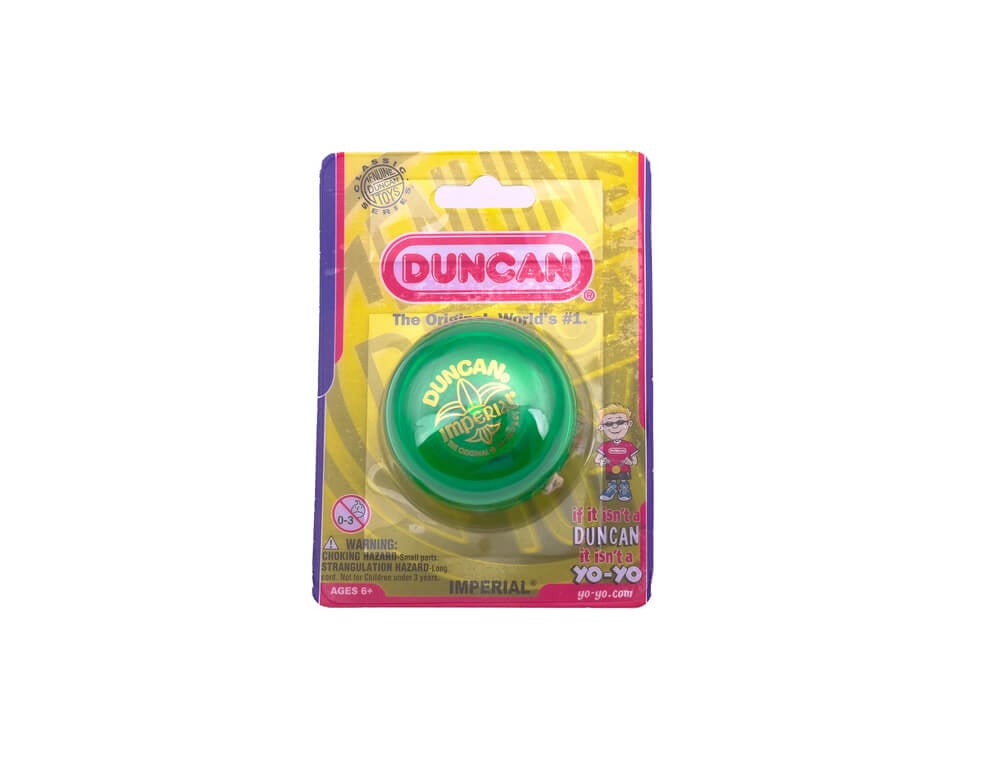
Filipino immigrant Pedro Flores opened a yo-yo workshop in Santa Barbara in 1928, and businessman Donald Duncan bought him out within a couple of years. Duncan’s genius was the traveling demonstrator, a skilled player who set up outside a grocery or candy store, ran a neighborhood contest and left the shop with a fresh display by the register.
The company’s Wisconsin plant turned out 3,600 yo-yos an hour at its peak, and 1962 sales reportedly hit forty-five million. A court ruled in 1965 that yo-yo had become a generic word, and the legal bills helped sink the firm.
Pez Dispensers
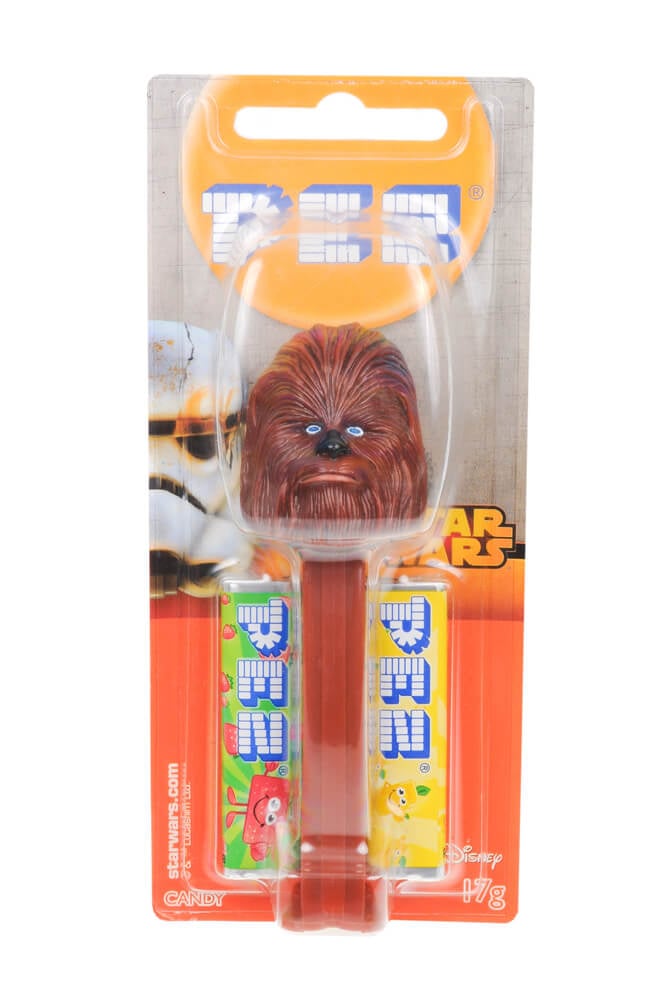
Pez began in Vienna in 1927 as a peppermint for adults, its name squeezed from the German word Pfefferminz, and the first dispensers were sleek and plain. The product reached the United States in 1952 and sold poorly until the company switched to fruit flavors and put cartoon heads on the dispensers for children.
It has since released well over a thousand different heads. The candy is almost beside the point.
Collectors pay serious money for rare early dispensers, with value depending heavily on condition, and the brightly carded newcomers still hang on a peg near the gum.
Matchbox Cars
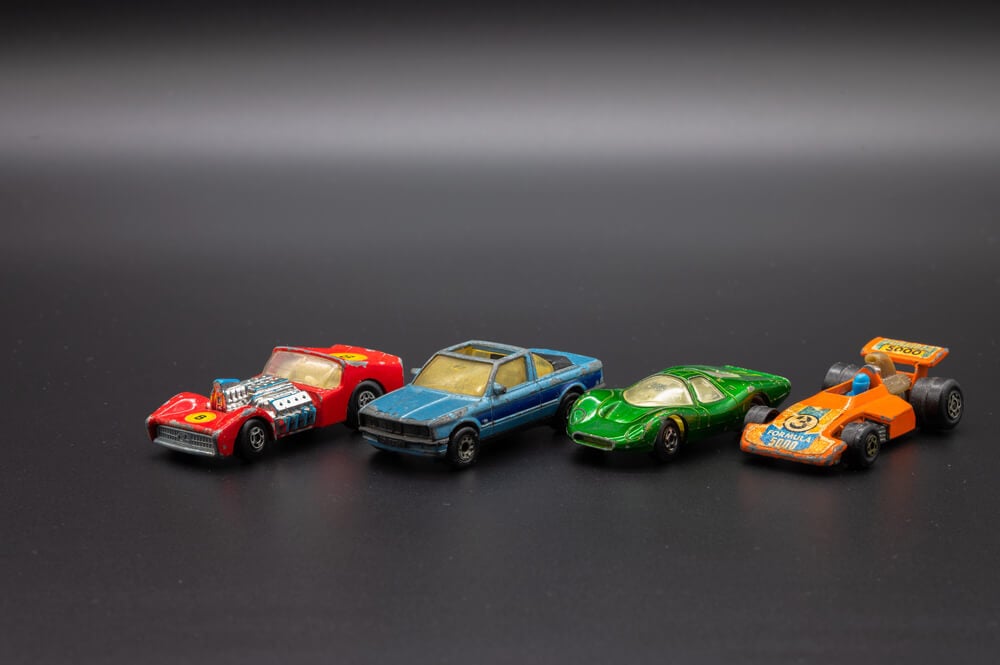
English die-casting engineer Jack Odell made a tiny brass road roller in 1952 for his daughter, whose school allowed only toys small enough to fit inside a matchbox. Her classmates all wanted one.
His firm, Lesney Products, launched the Matchbox line the following year, packing each miniature vehicle in a replica matchbox. Early models cost pocket change and were sold by newsagents, confectioners and grocers as well as toy shops.
By the 1960s Lesney was producing more than a million cars a week. The little yellow boxes are now often worth more than the toys, provided the flaps are intact.
Hot Wheels
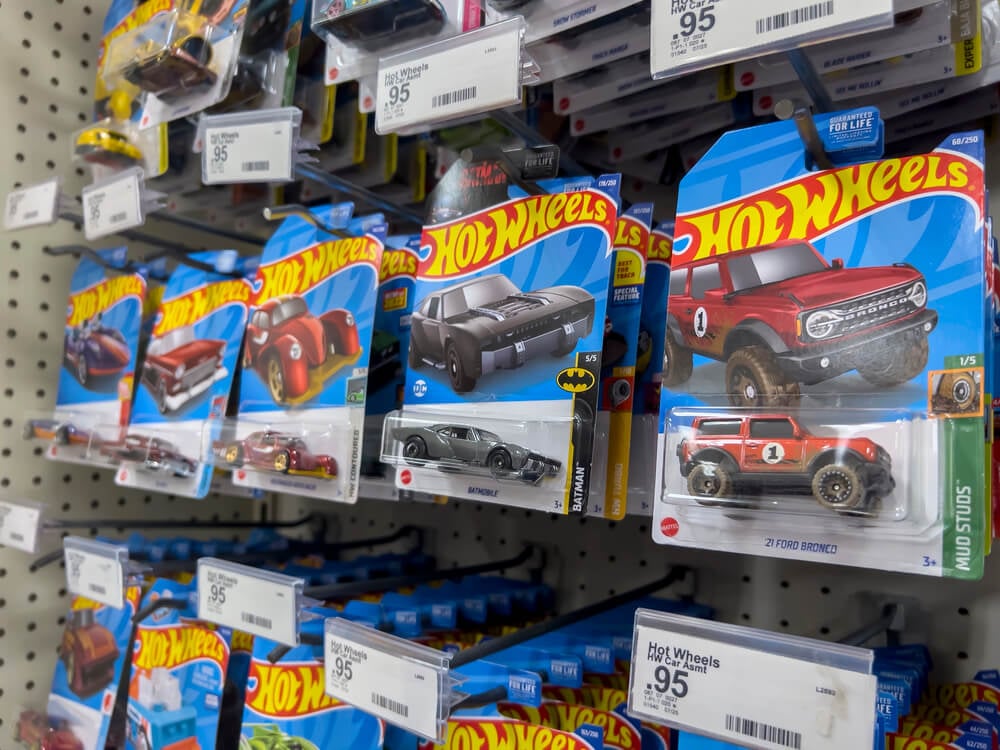
Mattel co-founder Elliot Handler thought die-cast cars looked too sober and wanted miniatures that resembled the customized hot rods of Southern California. The first sixteen Hot Wheels rolled out in 1968 with metallic candy-colored paint, redline tires and low-friction axles that let them scream down orange plastic track.
They cost under a dollar, and that price barely moved for decades, which kept them on grocery pegs long after other toys moved to specialty stores. Collectors chase the earliest castings today.
A rare prototype van has been valued at well over 100,000 dollars, though ordinary played-with cars bring very little.
Bags of Green Army Men
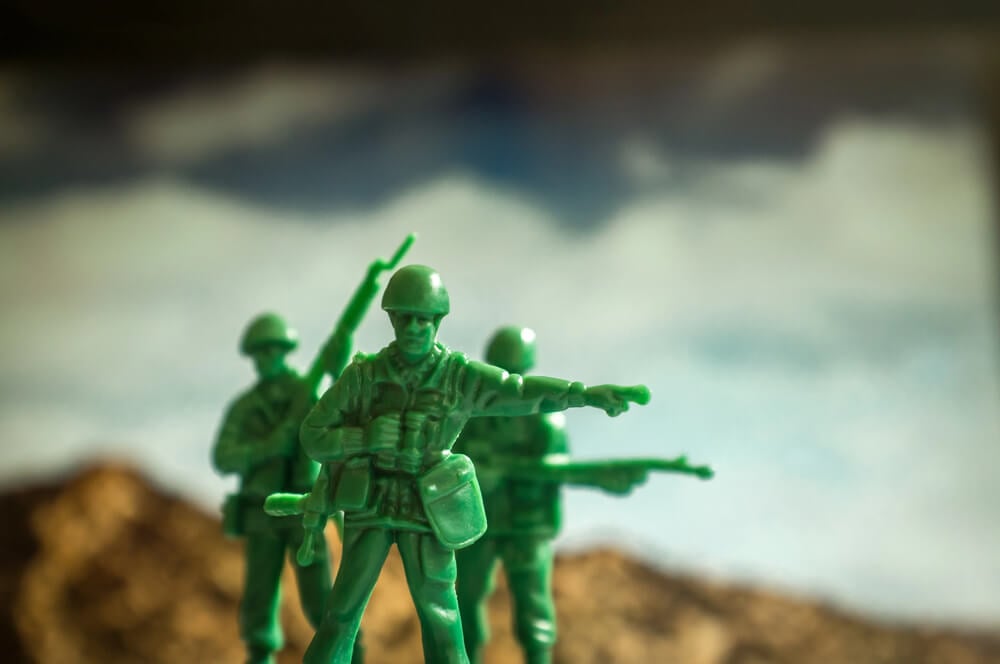
Bergen Toy and Novelty, known as Beton, produced the first American plastic toy soldiers in 1938, and after the war the figures settled into their familiar olive green. A header-carded bag held thirty or forty men for less than a dollar.
Every bag had the same cast, including the radio operator, the minesweeper, the kneeling bazooka man, and too many of the prone rifleman who could not stand up. Production moved overseas as plastic prices rose in the 1970s.
The National Toy Hall of Fame inducted the little green army man in 2014, a rare honor for a toy with no brand name.
Wooly Willy
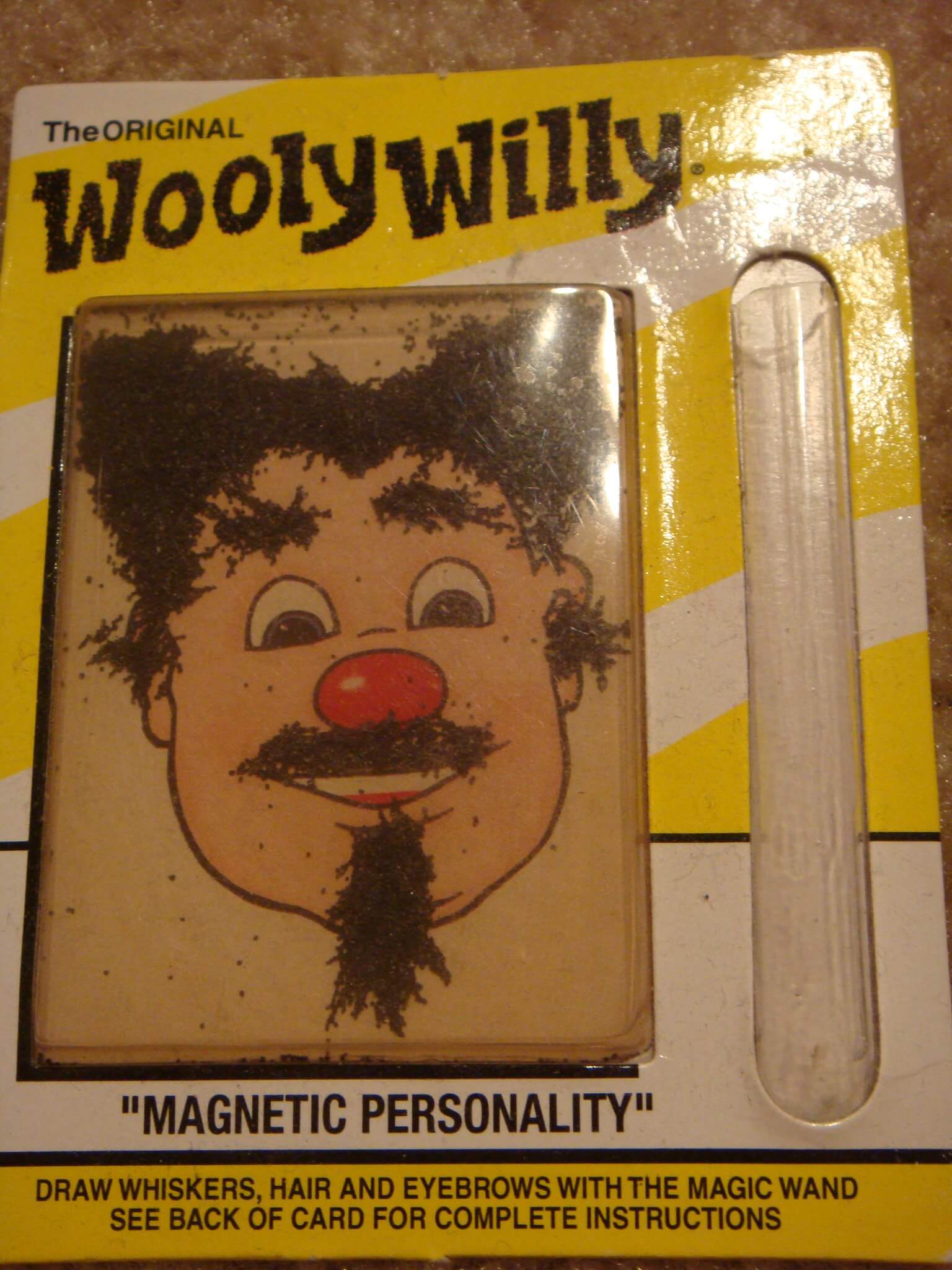
A bald cartoon face sits under a plastic bubble with a pile of iron filings, and a magnetic wand drags the filings into beards, eyebrows and hair. Brothers Donald and James Herzog created the toy at Smethport Specialty Company in Pennsylvania in 1955 using dust left over from the family’s magnet grinding business.
Toy buyers thought it would flop. One chain placed a token order of six dozen to prove the point, reordered by the thousand within days, and Willy went on to sell tens of millions.
At twenty-nine cents, it was precision-engineered for a checkout rack.
Magic Slates
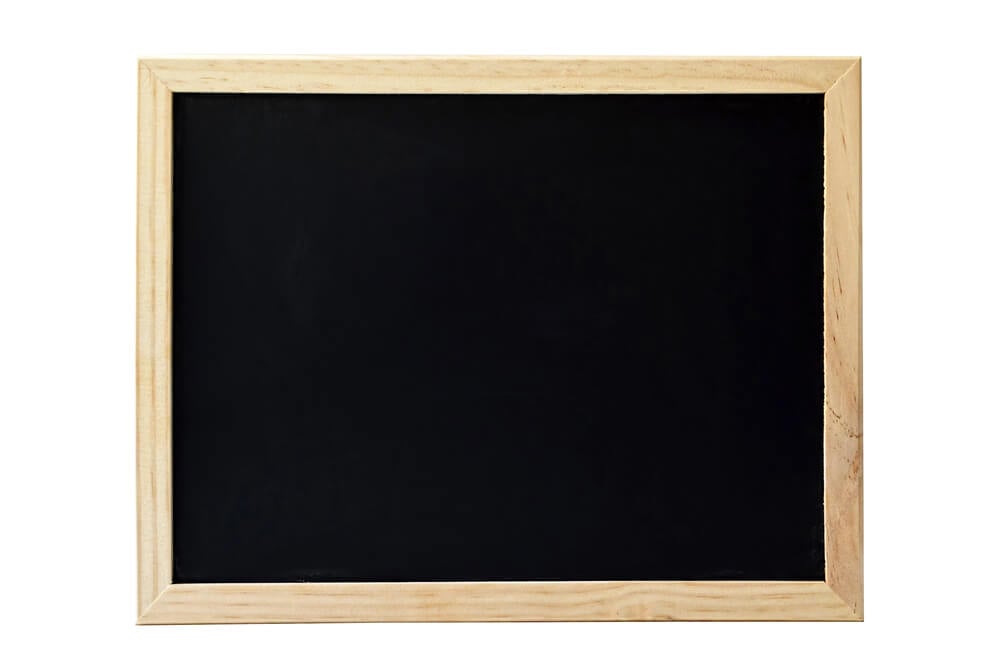
R. A. Watkins, a printer in Aurora, Illinois, patented the lift-to-erase drawing pad in 1923. A wooden stylus pressed a gray plastic film against a dark waxed board to make a line, and lifting the sheet wiped the drawing clean with a satisfying rip.
Cardboard frames printed with cartoon and television characters kept the pads current for seventy years. Grocery stores loved them because they were flat, cheap and unbreakable.
They also had an unexpected career in espionage. American embassy staff in Moscow used Magic Slates during the Cold War to hold conversations that hidden microphones could not overhear.
Paint With Water Books
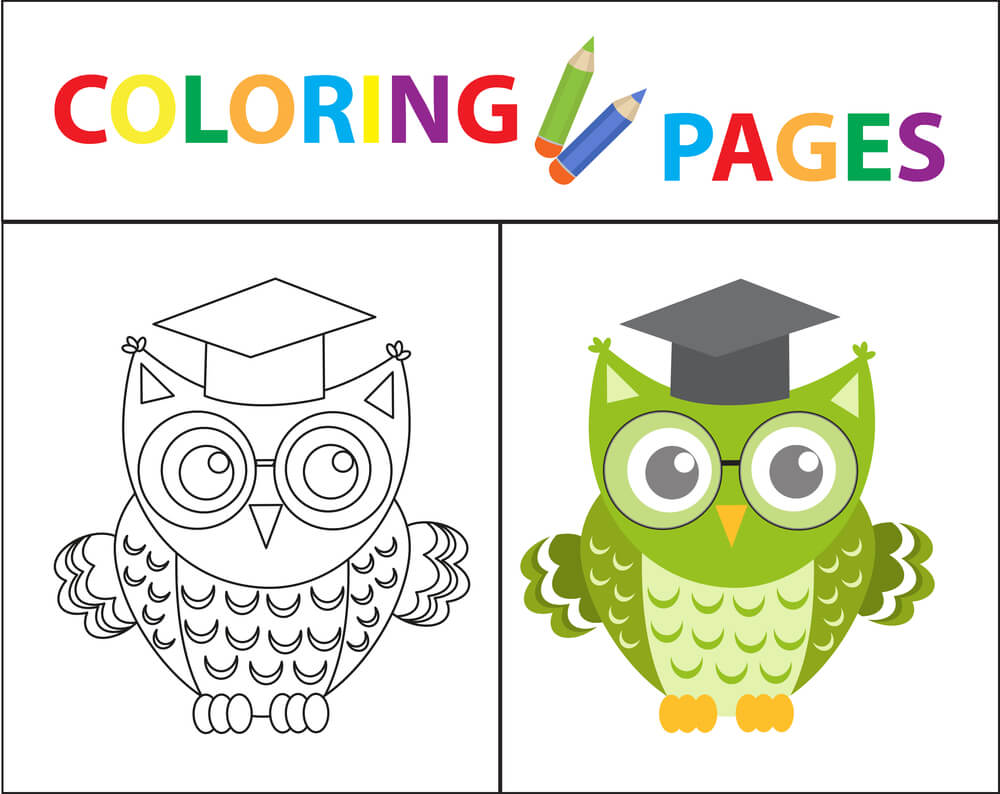
These thin newsprint pads looked like ordinary coloring books until a wet brush touched the page and color bloomed out of the printed dots. The pigment was already there, embedded in the ink.
A parent needed to supply only a cup of water, which made the books the least messy art supply ever sold and explains their permanent place beside the register. Results were uniformly muddy, since every color bled toward brown once the paper was soaked.
Children did not mind. The pages curled as they dried on the kitchen table, and the brush was lost by Tuesday.
Mad Libs
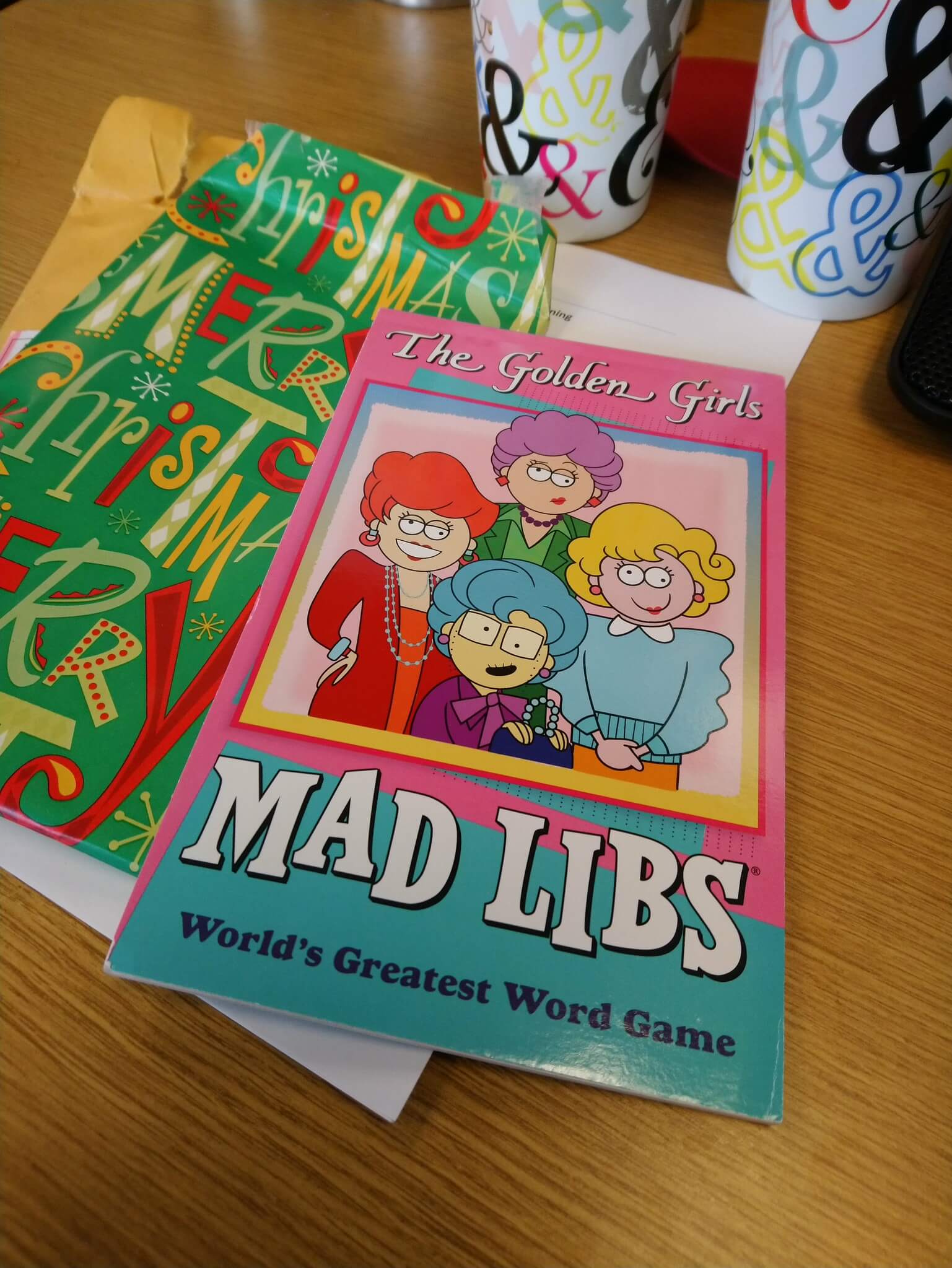
Television writers Leonard Stern and Roger Price invented the fill-in-the-blank word game in 1953, when Stern asked Price for an adjective to describe a character’s nose and got clumsy and another absurd word in reply. They named it after overhearing an argument in a restaurant about an actor who wanted to ad-lib an interview.
No publisher would take it, so they printed 14,000 copies themselves in 1958 and stored them in Price’s dining room. Steve Allen used the game to introduce guests on his Sunday night show, and stores sold out within days.
More than 110 million copies have followed.
The Crayola Eight-Pack
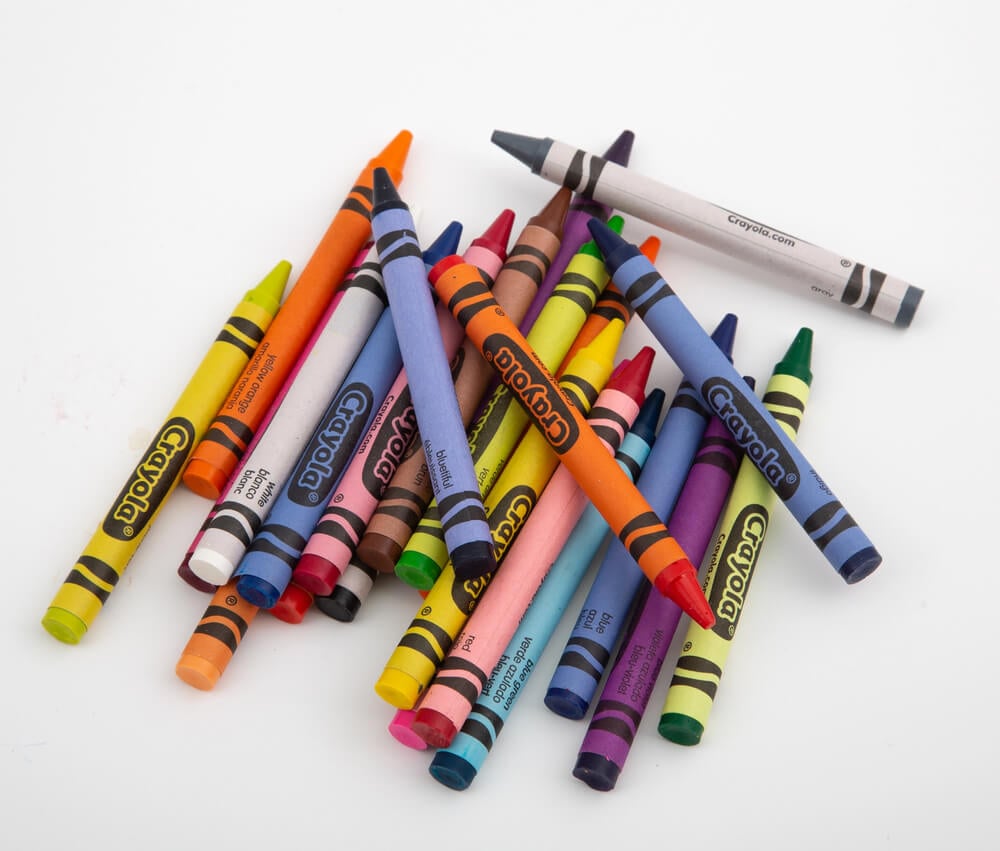
Binney and Smith sold its first box of Crayola crayons in 1903 for a nickel, with eight colors that have changed remarkably little since. Alice Binney, a former schoolteacher and the wife of a founder, coined the name from the French word for chalk and the first part of oleaginous.
The small box has stayed near the checkout for a century because it answers a specific emergency, namely a restless child and a restaurant visit later that day. The smell of a fresh box has been ranked among the most recognizable scents for American adults, alongside coffee and peanut butter.
Wax Packs of Trading Cards
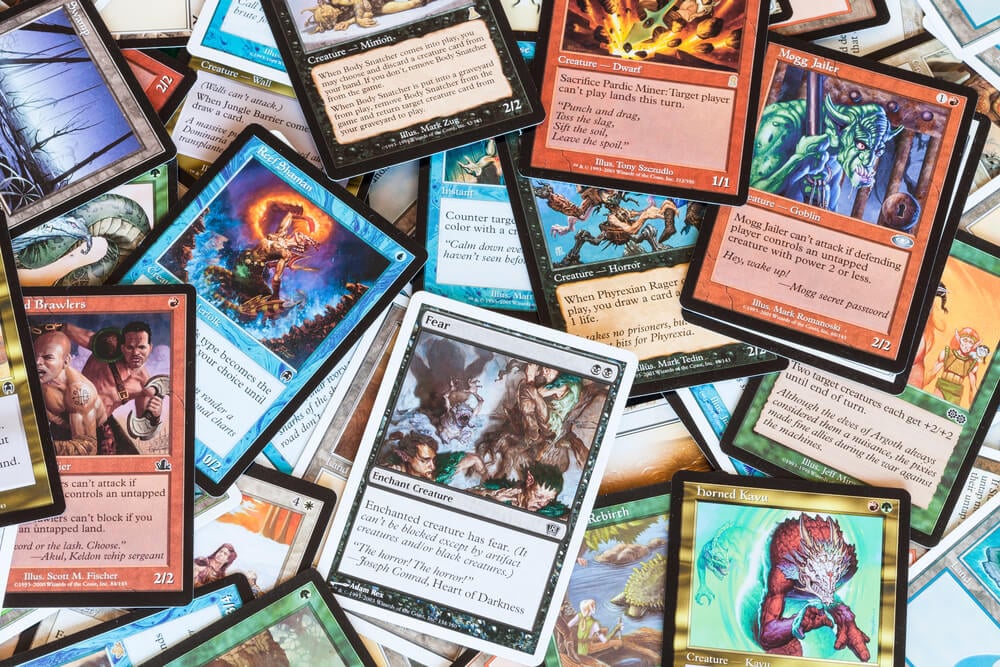
Topps had sold bubble gum with small cards before, and its 1952 set changed the business. Designed largely by a young employee named Sy Berger at his kitchen table, the cards were larger, carried team logos and printed a full line of statistics on the back.
A nickel bought a wax-paper pack of cards plus a pink slab of gum that snapped like tile. The rarity of high-grade 1952 cards has long fueled speculation and rumors about how many survived, though the story of ocean dumping lacks documented evidence.
Surviving examples of its most famous card have sold for millions in top condition and far less in any other.
Wacky Packages
Photo by clembore, via Flickr, Licensed under CC BY-SA 2.0
Topps introduced these parody stickers in 1967 and hit its stride with the 1973 series, which mocked the very products sitting on the shelves a few aisles away. Familiar cereal, soap and soup labels were redrawn with disgusting names and mascots.
Art Spiegelman, later a Pulitzer Prize winner for his graphic memoir, wrote and designed many of them. For a stretch in the mid 1970s they reportedly outsold the company’s sports cards.
Several brands sent cease-and-desist letters, which Topps handled by quietly dropping the offending sticker from the next print run and moving on to the next victim.
Garbage Pail Kids
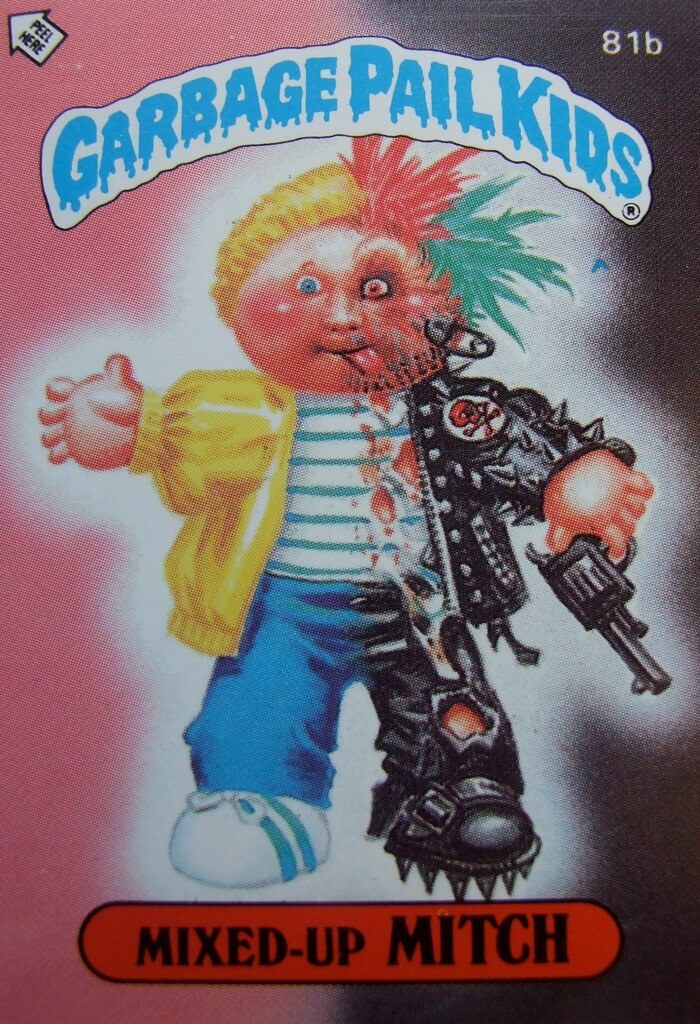
After failing to secure a license for the decade’s most fought-over dolls, Topps decided in 1985 to mock them instead. Each sticker card showed a chubby-cheeked child suffering some revolting fate, with a punning name like Adam Bomb or Leaky Lindsay.
Parents were appalled, which guaranteed success. Schools across the country banned the cards as a distraction, the doll maker sued for trademark infringement and won design changes in a settlement, and a live-action film in 1987 was judged among the worst ever made.
First-series cards in perfect condition now command real money, and creased ones do not.
Pokemon Booster Packs
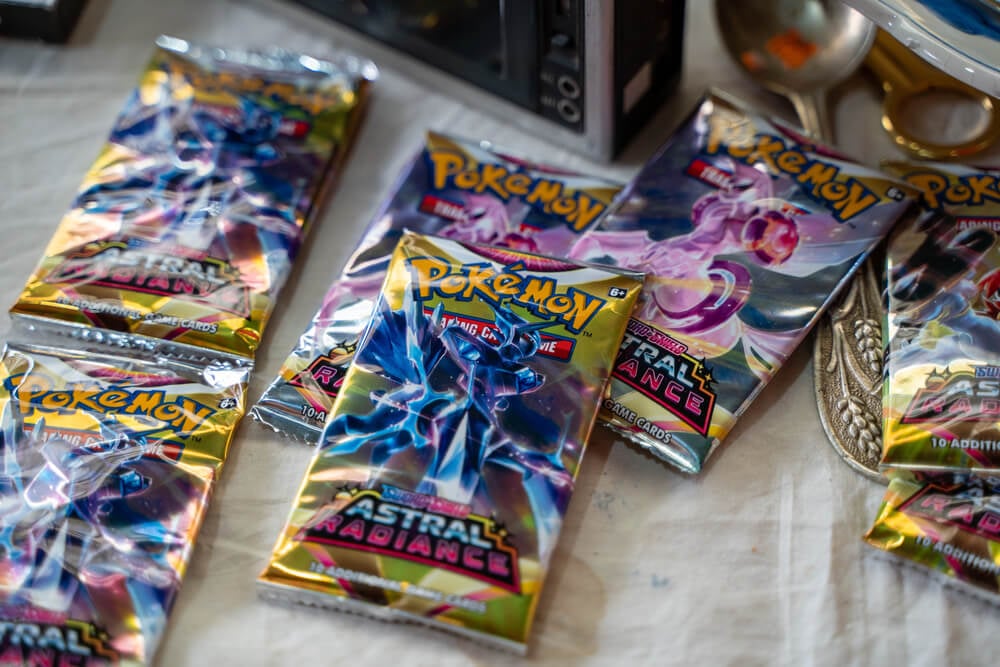
The trading card game reached American stores in January 1999, and within months foil packs hung at every register in the country. Eleven cards cost about three dollars.
Children who had never played a single match memorized hit points and chased the holographic rare in each pack. Schools banned trading at recess after disputes and thefts, and at least one parent group sued, alleging the random packs amounted to gambling.
A first-edition holographic Charizard graded in flawless condition has sold for six figures. The same card with worn corners, which describes nearly every surviving copy, is worth a small fraction of that.
Pogs
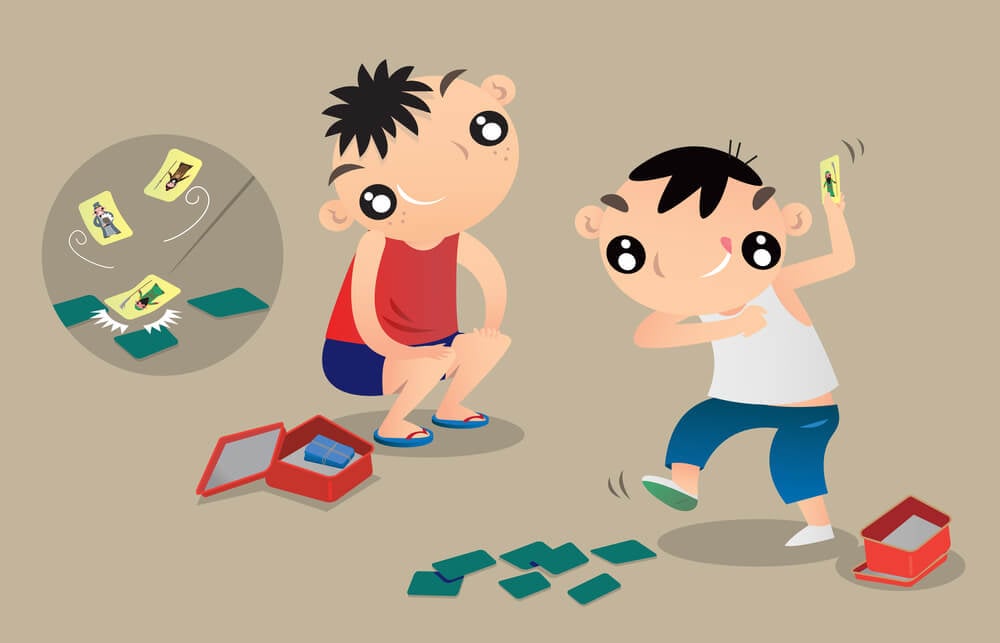
The game came from Hawaii, where children had long flipped the cardboard caps from glass milk bottles, and the name came from a local juice blend of passion fruit, orange and guava. A schoolteacher on Oahu revived the pastime in 1991 to teach math and keep students busy, and within three years it had swept the mainland.
Players stacked the printed discs face down and threw a heavy slammer to flip them, keeping whatever landed face up. Schools banned them as gambling.
The craze collapsed around 1996, leaving millions of discs in tubes at the back of closets.
Bubble Solution

A Chicago cleaning-products company called Chemtoy began bottling soap solution for children in the 1940s, and the little jar with a plastic wand inside the lid became one of the bestselling toys of all time by unit. Hundreds of millions of bottles are sold each year.
The appeal to a parent in line is obvious, since it is cheap, works outdoors and makes no noise. The formula is mostly water and detergent, with glycerin added to slow evaporation and help the film last.
Every bottle meets the same end, tipped over on the porch steps within the hour.
Shopkins
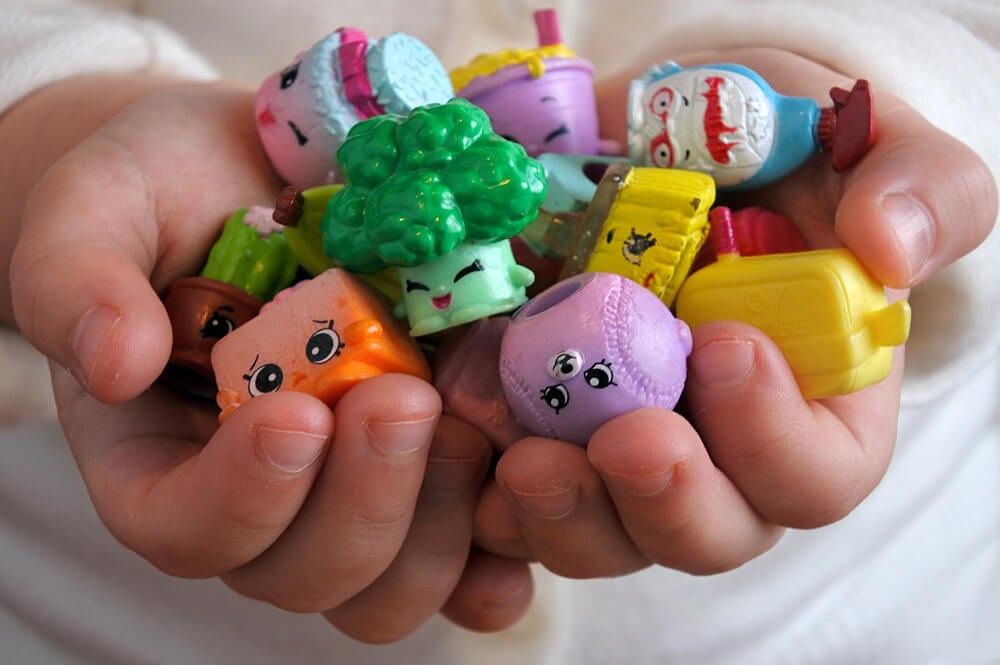
Australian toymaker Moose Toys launched these thumbnail-sized rubbery figures in 2014, and their subject matter made them a natural fit for the checkout lane. Every character was a grocery item with a face, from an apple and a carton of milk to a lipstick and a slice of cheese.
They came in opaque packaging, so a child never knew which figure was inside, and a printed checklist fed the urge to complete the set. Moose reported selling hundreds of millions in the first few years.
The line revived the blind-bag model that now dominates the cheap end of the toy aisle.
Gayla Bat Kites
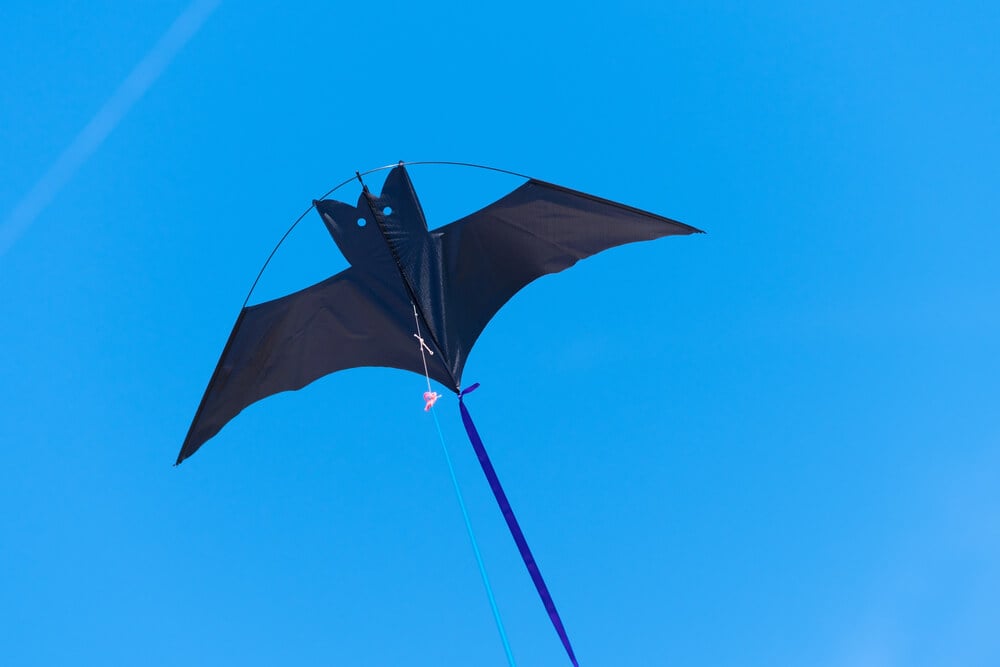
Gayla Industries of Houston has made keel-guided plastic delta kites since 1961, and the Baby Bat is its masterpiece. A black plastic sail forty-two inches across carried two bloodshot monster eyes, and a triangular keel underneath kept it steady without a tail.
The kite came rolled in a long narrow bag with two wooden sticks and cost a dollar or two, which suited the seasonal racks that appeared by the registers each March. It flew easily in almost any breeze.
Generations of children got their first taste of flight from a supermarket kite that ended its life in a tree.
Chattering Teeth
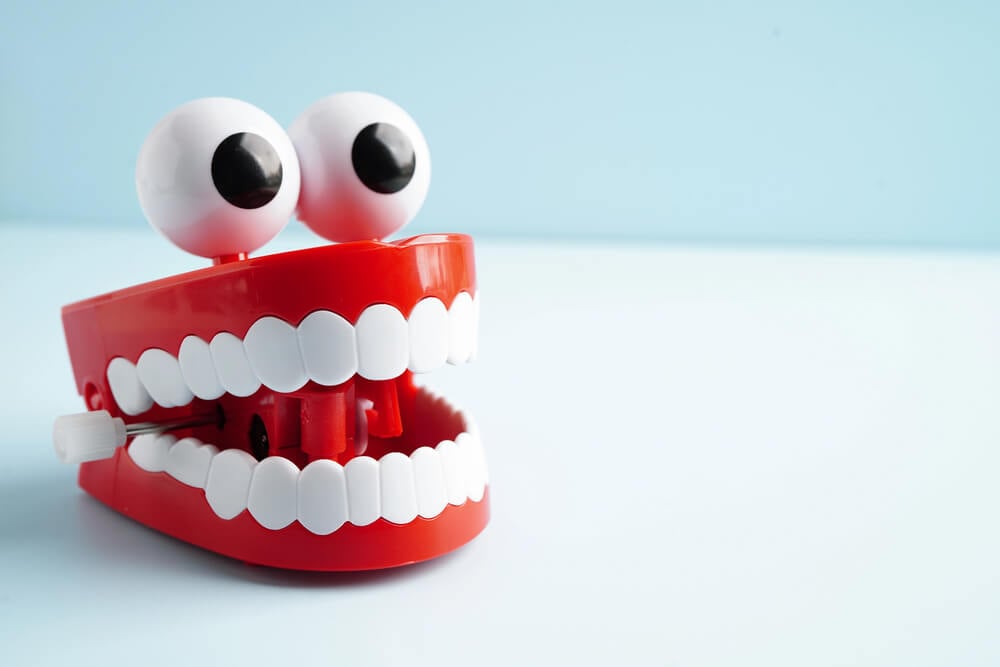
Eddy Goldfarb, who dreamed up toy ideas while serving on a submarine in the Second World War, got the inspiration for his first hit from a newspaper ad for a denture holder. His wind-up plastic teeth, released in 1949 as Yakity Yak Talking Teeth, clattered across a tabletop on a simple spring motor.
The novelty company that produced them sold them through drugstores, gift counters and checkout displays. Later versions gained feet.
Goldfarb went on to create hundreds more toys, and he was still inventing in his workshop past the age of one hundred.
Whoopee Cushions
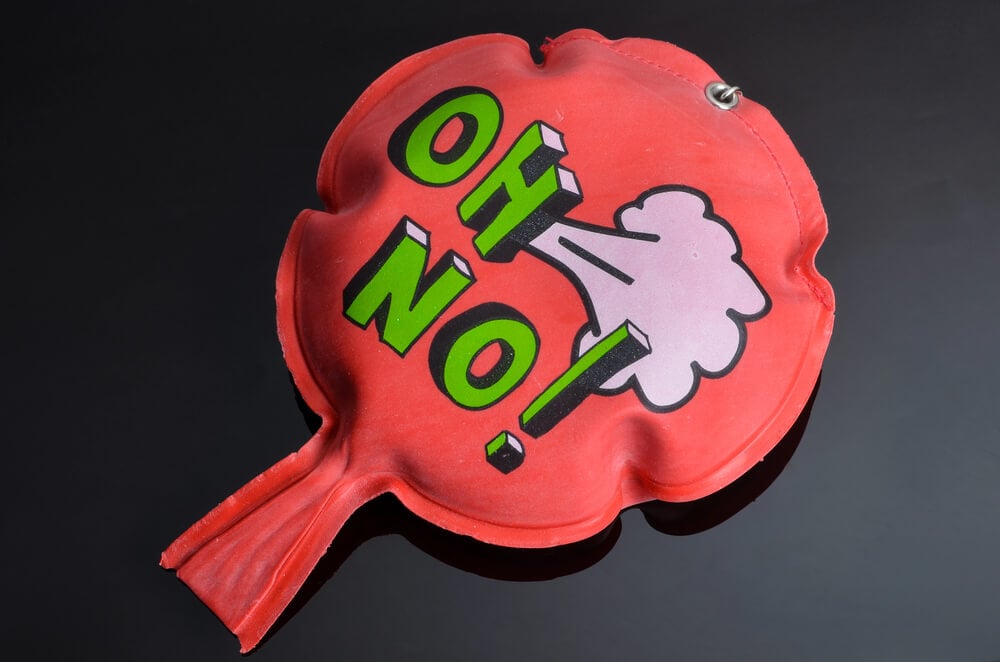
Workers at the JEM Rubber Company in Toronto came up with the inflatable prank around 1930 while experimenting with scrap sheets of rubber. The company offered it to Samuel Adams, the leading American maker of practical jokes and inventor of the joy buzzer, who turned it down as too vulgar to sell.
A rival catalog picked it up and sold it in great numbers, and Adams hastily released his own version under a more polite name. It has been a register-side novelty ever since.
The design has barely changed in nearly a century, and neither has the joke.
Wacky WallWalkers

Ken Hakuta’s mother mailed his children a few sticky rubber octopus toys from Japan in 1982. Thrown against a wall, one would cling and then tumble slowly downward, leg over leg.
Hakuta bought the American rights for about 100,000 dollars and sold the toys himself until a Washington Post article set off a national craze the following year. More than 240 million were eventually sold, including millions given away inside cereal boxes.
The toys picked up lint and lost their grip within a day, which turned out to be an excellent feature for repeat sales.
Slap Bracelets

Wisconsin shop teacher Stuart Anders was fiddling with a length of steel measuring tape in 1983 when he noticed how it snapped into a curl. He covered a strip in fabric, and it sat in a drawer until a toy agent saw it years later.
Released in 1990 as the Slap Wrap, it sold in the millions within months. Cheap imitations flooded checkout counters, and some used thin, sharp steel that cut through the cover.
Schools in several states banned the bracelets, and consumer officials issued warnings. The fad burned out in about a year.
Koosh
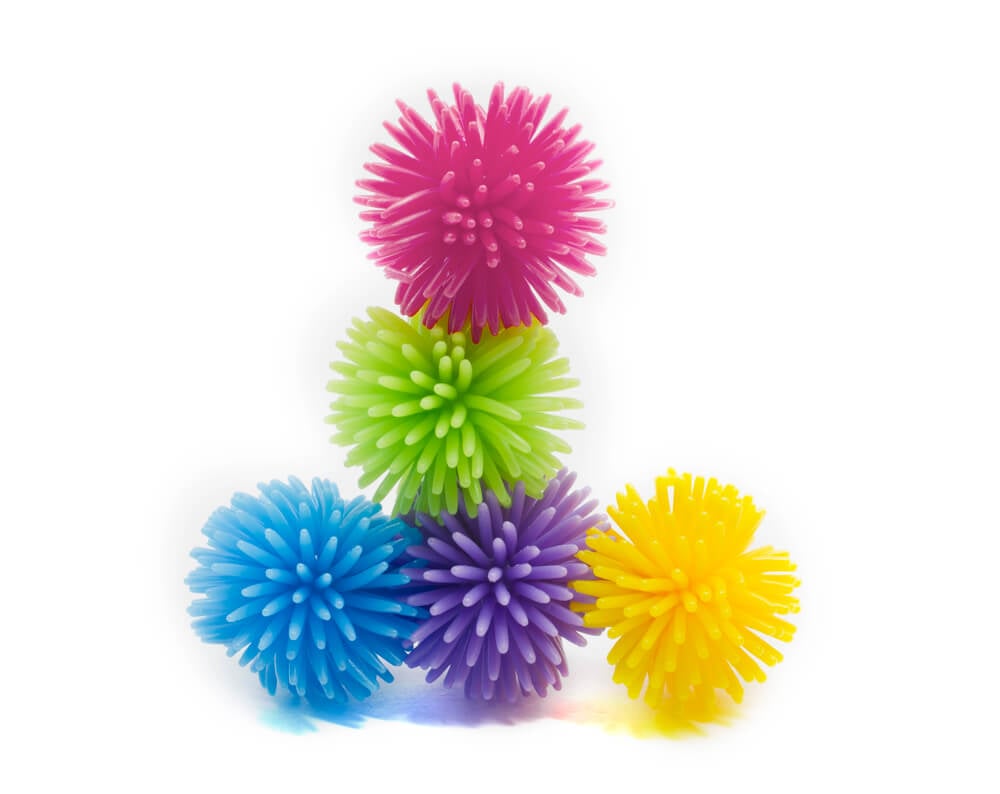
Engineer Scott Stillinger wanted something his young children could catch easily, since ordinary foam and rubber toys bounced out of their small hands. In 1986 he tied rubber bands together into a floppy pom-pom and spent months working out how to manufacture it.
The finished toy had about 2,000 natural rubber filaments radiating from a soft core, and he named it for the sound it made landing in a palm. It reached stores in 1987 and became one of that year’s holiday gifts.
Therapists adopted it too, since it was easy to grip and impossible to break a lamp with.
Tomy Waterfuls
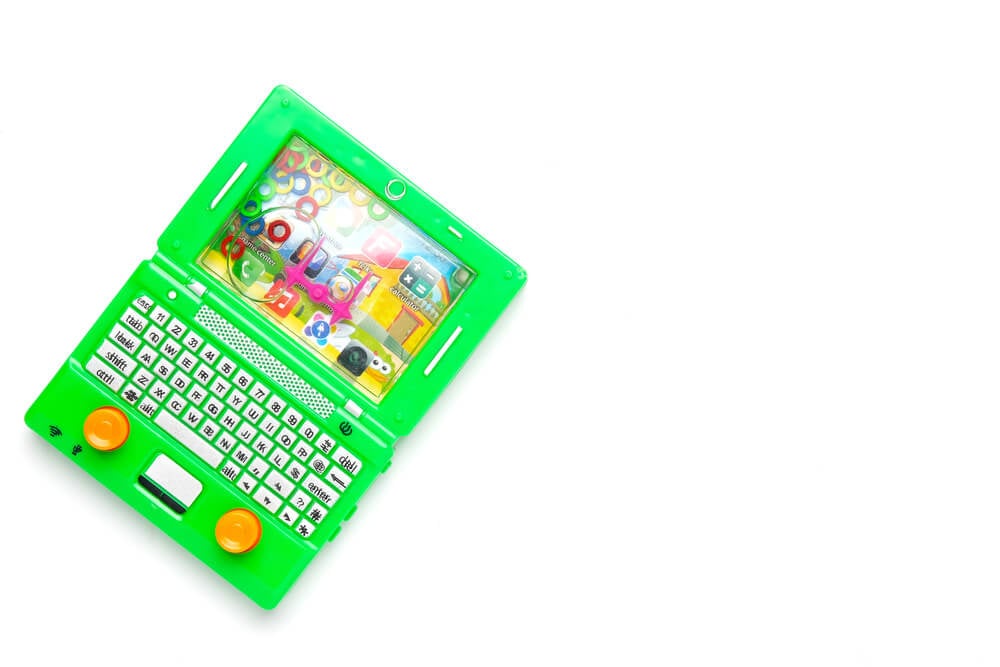
The Japanese toymaker Tomy introduced these handheld water games in 1976. A sealed, water-filled plastic case held tiny rings or other floating pieces, and pressing a button sent a jet of water that lifted them toward a set of pegs.
Success required gentle, well-timed presses and a slight tilt of the wrist. There were no batteries to buy and nothing to lose.
They were the portable video game of the era before portable video games existed, and they kept the back seat quiet for a good half hour, which is why parents bought them.
The Fifteen Puzzle
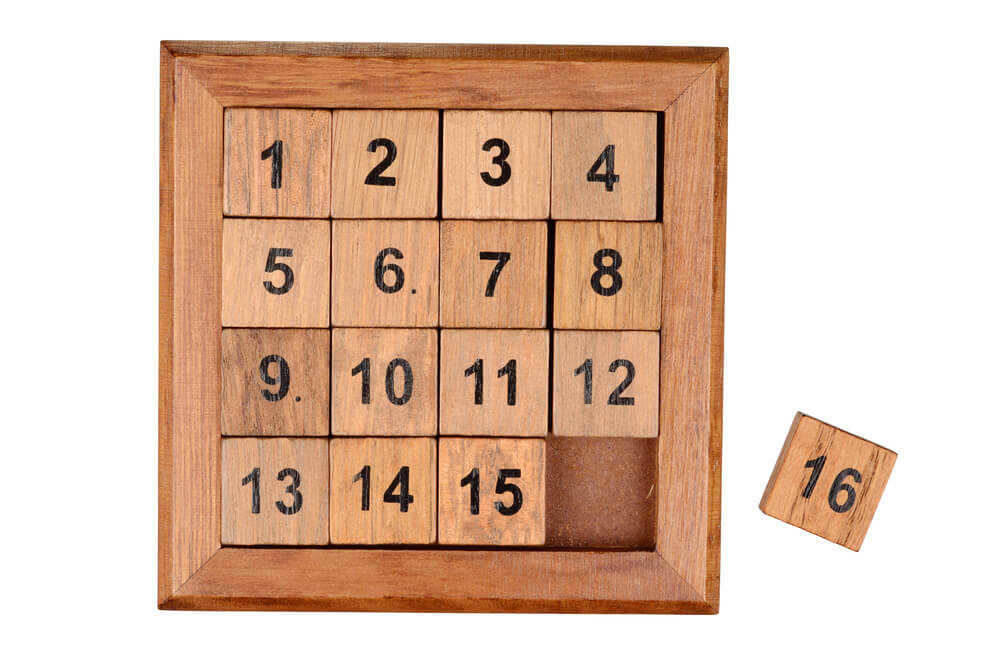
The sliding tile puzzle, fifteen numbered squares in a tray with one empty space, caused a genuine mania in 1880. A postmaster in upstate New York named Noyes Chapman devised it, and newspapers reported employers banning it from offices.
Puzzle author Sam Loyd later claimed to be the inventor, falsely, and offered a thousand-dollar prize for solving a version with two tiles swapped, knowing it was mathematically impossible. The plastic descendant hung on checkout racks for most of the twentieth century, often with a cartoon picture in place of numbers, and still does.
Single Cans of Play-Doh
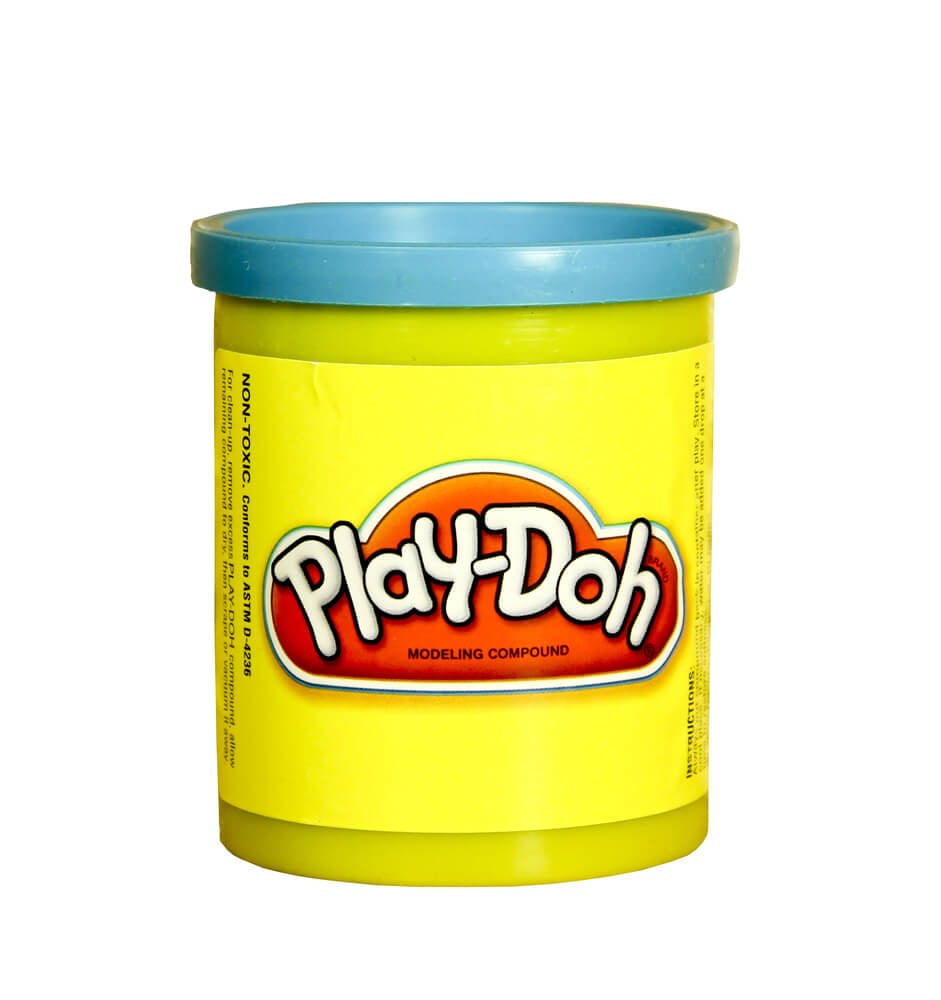
The compound began life as a putty for cleaning coal soot off wallpaper, made by a struggling Cincinnati soap company. When gas heat killed the soot problem, a nursery school teacher named Kay Zufall tried the stuff in her classroom as a modeling material and told her brother-in-law at the firm.
The company removed the detergent, added an almond scent and relaunched it as a toy in 1956. More than three billion cans have been sold.
The single small can by the register costs about a dollar and carries the most recognizable smell in the toy business.
Silly String
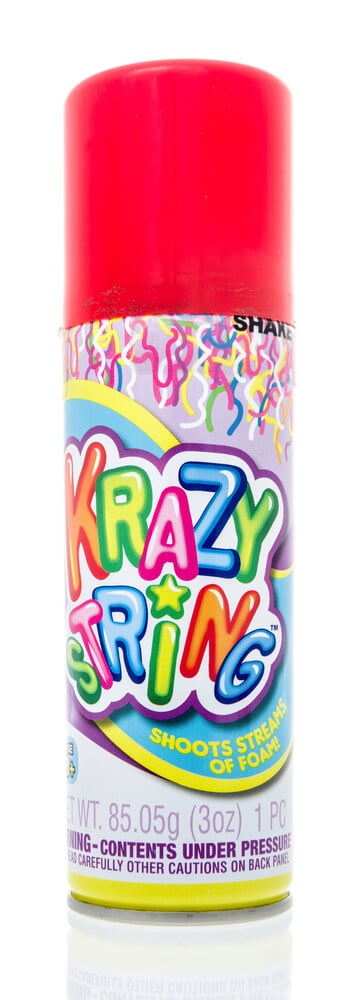
Leonard Fish and Robert Cox were trying in the late 1960s to invent a spray-on cast for broken limbs. While testing nozzles, one of them shot a stream of plastic thread across the room, and they realized they had a toy.
Their patent was granted in 1972, and Wham-O signed a licensing deal after Fish sprayed the stuff all over an executive’s office. Decades later it found a serious job.
American soldiers in Iraq sprayed Silly String across doorways to reveal tripwires, since the light foam would drape over a wire without setting it off.
Fidget Spinners
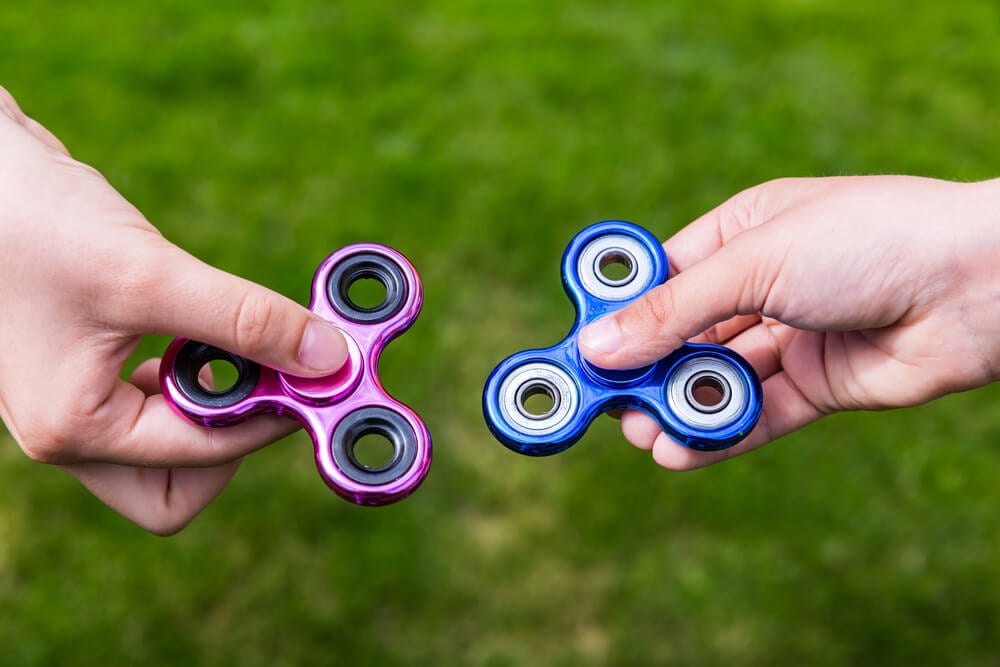
In the spring of 2017 a palm-sized plastic toy spinning on a central bearing went from obscurity to every checkout counter, gas station and sidewalk vendor in a matter of weeks. At one point that May, every one of the twenty bestselling toys on the largest online retailer was a spinner or fidget cube.
No single company owned the design, so factories shipped them by the container load at a few dollars each. Teachers banned them almost immediately.
By autumn the unsold stock sat in clearance bins, completing the fastest rise and fall in modern toy history.
Small Change, Long Memory
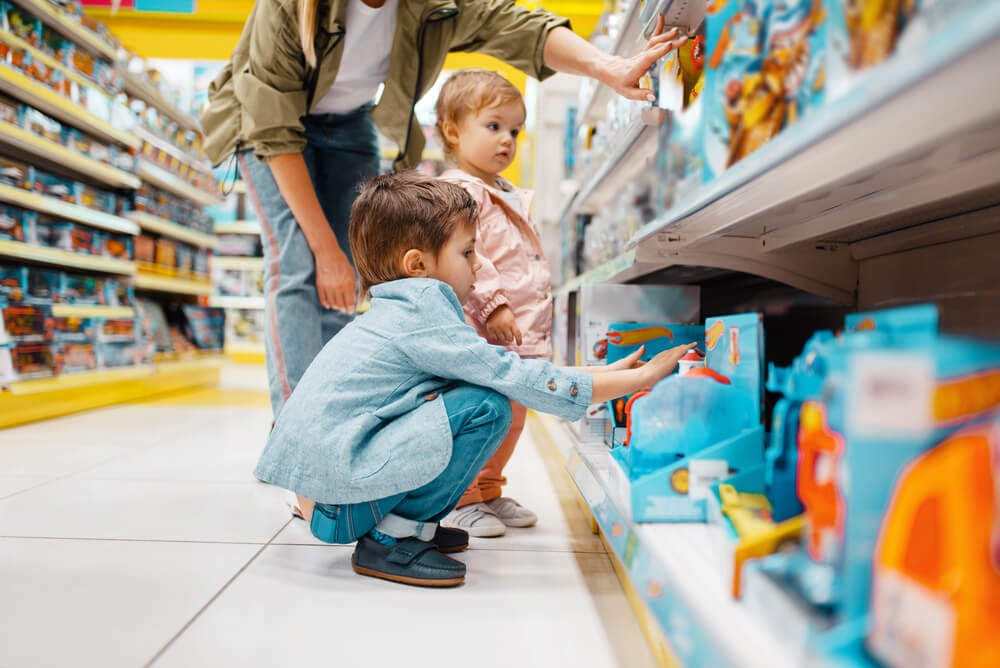
None of these toys cost much, and that was the entire point. They had to be cheap enough that a tired adult would rather pay than negotiate, and small enough to hang from a peg between the batteries and the breath mints.
Toy companies built empires on that narrow slice of retail real estate. The result was a strangely universal childhood.
Rich and poor families passed through the same checkout lanes, and nearly everyone of a certain age has peeled a Magic Slate or lost a glider on a roof. The expensive presents of those years have mostly been forgotten, and the dollar toys are the ones that come back.
More from Go2Tutors!

- The Romanov Crown Jewels and Their Tragic Fate
- 13 Historical Mysteries That Science Still Can’t Solve
- Famous Hoaxes That Fooled the World for Years
- 15 Child Stars with Tragic Adult Lives
- 16 Famous Jewelry Pieces in History
Like Go2Tutors’s content? Follow us on MSN.